i
CANCER INCIDENCE AND MORTALITY AMONG URANIUM MINERS IN THE PŘÍBRAM REGION OF THE CZECH REPUBLIC
Kaitlin E. Kelly-Reif
A dissertation submitted to the faculty of the University of
North Carolina at Chapel Hill in partial fulfillment of the requirements for the degree of Doctor of Philosophy in the Department of Epidemiology.
Chapel Hill 2018
Approved by: David Richardson Dale Sandler
iii ABSTRACT
Kaitlin E. Kelly-Reif: Cancer incidence and mortality among uranium miners in the Příbram region of the Czech Republic
(Under the direction of David B. Richardson)
There is strong evidence that radon is carcinogenic to humans, and the positive
relationship between radon exposure and lung cancer mortality has been demonstrated among several cohorts of uranium miners. However, information is lacking on radon-cancer
dose-response relationship at low level exposures, differences between cancer incidence and mortality, the joint effects of smoking and radon, and risks associated with radon exposure and cancers other than lung.
iv
We observed a 52% increase in deaths from all malignant causes compared to expected rates. Miners had higher rates of death than expected due to lung and extrathoracic cancer. Higher than expected incidence was observed for lung, stomach, rectal, liver, extrathoracic, and some hematopoietic cancers. Positive associations were observed between radon and lung cancer incidence along with modification by smoking. The ERR/100WLM was 0.12 (95%CI: -0.09, 0.33) among non-smokers and 1.34 (95%CI: 0.88, 1.80) among smokers. Associations between cumulative radon exposure and extrathoracic cancer incidence (ERR/100 WLM = 0.07; 95%CI: -0.17, 0.31) and chronic lymphocytic leukemia (ERR/100 WLM = 0.24; 95%CI: -0.80, 1.27) were positive but imprecise.
Consistent with other published studies of uranium miners, we observed positive
v
TABLE OF CONTENTS
LIST OF TABLES ... viii
LIST OF FIGURES ... x
LIST OF ABBREVIATIONS AND SYMBOLS ... xi
CHAPTER I: SPECIFIC AIMS ... 1
CHAPTER II: INTRODUCTION ... 4
2.1 Radon ... 4
2.2 Underground uranium mining ... 5
2.3 Studies of inhalation of radon progeny and lung cancer ... 5
2.4 Studies of inhalation of radon progeny and cancers other than lung ... 10
2.5 Research priorities ... 12
CHAPTER III: METHODOLOGY ... 15
3.1 The Příbram uranium miners study ... 15
3.1.2 Prior studies of Příbram miners ... 17
3.2 Cohort Study ... 17
3.2.1 Case Ascertainment ... 18
3.2.2 Radon exposure estimates ... 19
3.3 Case-Cohort Study ... 21
3.3.1 More precise radon estimates ... 22
3.3.2 Occupational co-pollutants ... 24
3.3.3 Smoking ... 25
vi
3.4.1 Standardized incidence and mortality ratios ... 26
3.4.2 Random effects models ... 28
3.4.3 Causal mortality ratios ... 28
3.4.4 Internal analyses ... 29
3.4.5 Risk set regression calibration ... 30
CHAPTER IV: RESULTS ... 31
4.1 Mortality and cancer incidence among underground uranium miners in the Czech Republic (AIM 1) ... 31
4.1.1 Overview ... 31
4.1.2 Background ... 32
4.1.3 Methods ... 34
4.1.4 Results ... 38
4.1.5 Discussion ... 40
4.1.6 Tables and figures ... 45
4.2 Radon and cancer mortality among underground uranium miners in the Příbram region of the Czech Republic (AIM 2) ... 51
4.2.1 Overview ... 51
4.2.2 Introduction ... 51
4.2.3 Methods ... 54
4.2.4 Results ... 58
4.2.5 Discussion ... 60
4.2.6 Tables and figures ... 65
4.3 Lung and extrathoracic cancer incidence among underground uranium miners exposed to radon progeny in the Příbram region of the Czech Republic: a case-cohort study (AIM 3) ... 69
4.3.1 Overview ... 69
vii
4.3.3 Methods ... 72
4.3.4 Results ... 76
4.3.5 Discussion ... 79
4.3.6 Tables and figures ... 84
4.4 Additional results: risk set regression calibration, exploration of gamma and dust exposure models (AIM 2A and 3A) ... 87
4.4.1 Risk set regression calibration ... 87
4.4.2 Gamma radiation and dust exposure models ... 88
CHAPTER V: DISCUSSION ... 93
5.1 Overview ... 93
5.2 Summary of results ... 93
5.3 Future directions ... 97
APPENDIX: ADDITIONAL TABLES ... 100
viii
LIST OF TABLES
Table 2.1: Effect estimates, proportion of lung cancers among workers exposed to <100 WLM cumulative exposure, and mean exposure among major uranium
mining cohorts* ... 8
Table 2.2: Risk of lung cancer deaths and incidence among underground miners exposed to low levels of radon, and covariate information on smoking and gamma (γ) radiation* ... 9
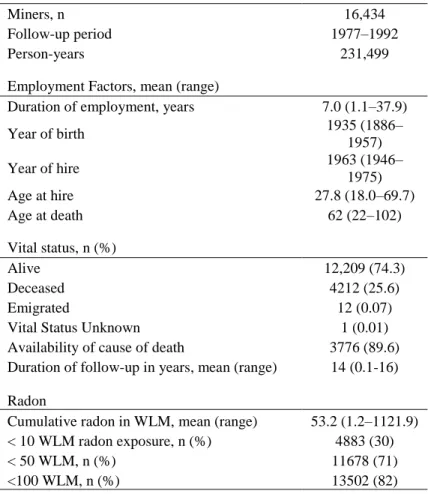
Table 4.1.1: Characteristics of the Příbram Czech Miners Cohort 1977-1992 ... 45
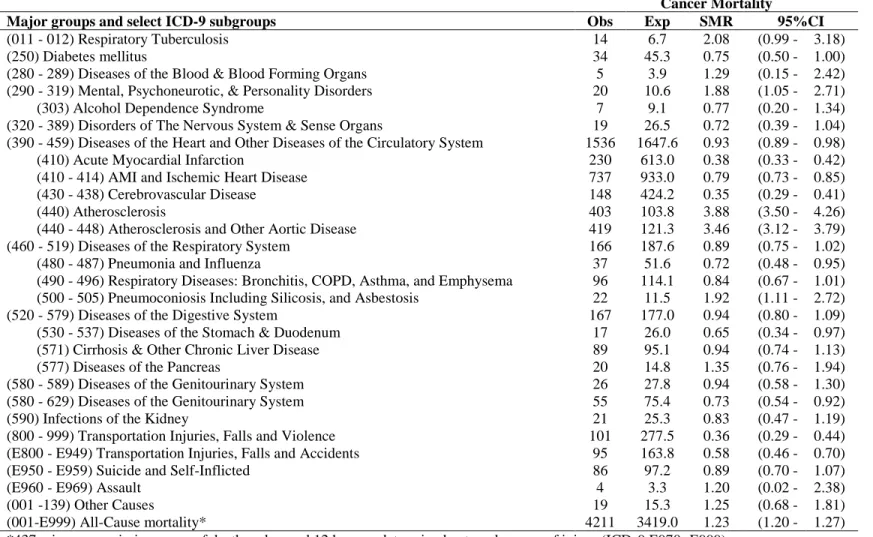
Table 4.1.2: Non-malignant causes of death among Příbram uranium miners ... 46
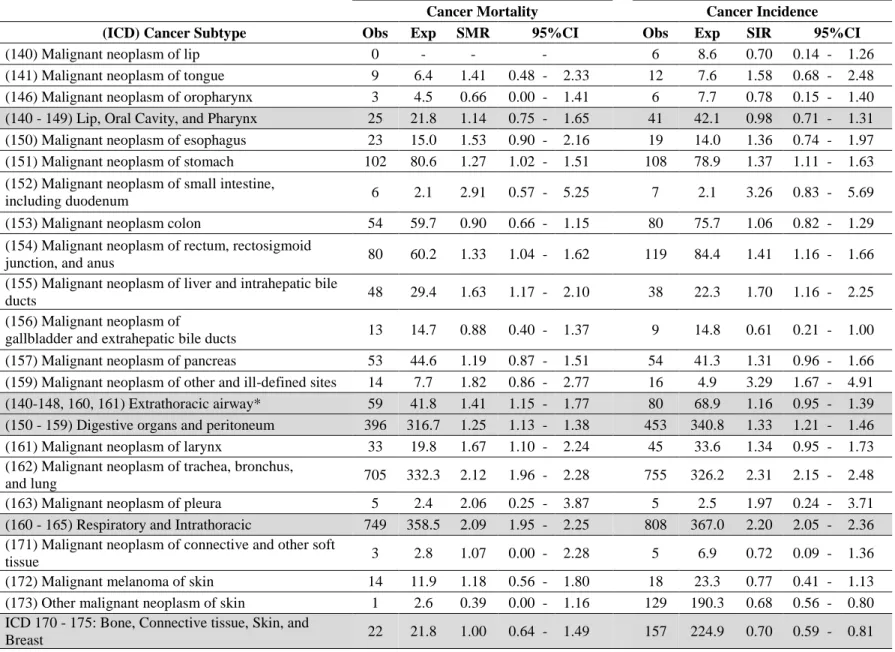
Table 4.1.3: Cancer mortality and incidence for select ICD-9 groups ... 47
Table 4.1.4: All-cause mortality and lung cancer mortality by duration of employment, time since hire, time since termination, age at hire, birth cohort and hiring period ... 49
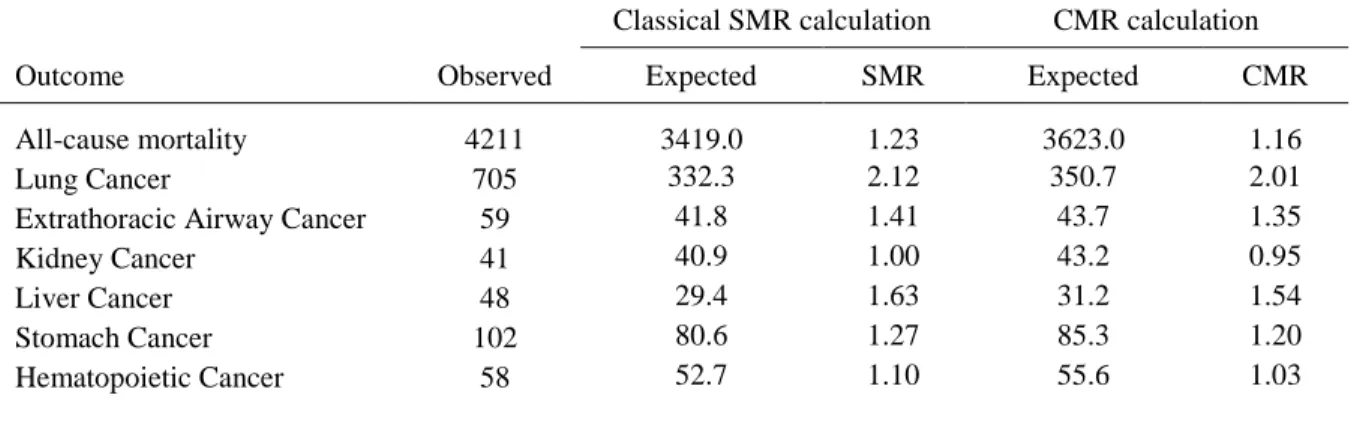
Table 4.1.5: Classical standardized mortality ratio calculations and causal mortality ratio calculations ... 50
Table 4.1.6. All-cause mortality and lung cancer mortality, standard and hierarchical estimates ... 50
Table 4.2.1. Characteristics of the Příbram uranium miner cohort ... 65
Table 4.2.2: Excess relative risk and relative hazards of cancer types by cumulative working level month radon exposure among Příbram uranium miners^ ... 66
Table 4.2.3: Lung cancer mortality by cumulative working level month (WLM) radon exposure by windows of time since exposure and by exposure less than 250 WLM, among male Příbram uranium miners 1977-1992 ... 67
Table 4.3.1: Characteristics of a case-cohort study of male underground uranium miners in the Příbram region of the Czech Republic 1977-1996... 84
Table 4.3.2: Relative rates (RR) of cancer incidence by categories of cumulative radon exposure (5 year lag) among male uranium miners in the Příbram region of the Czech Republic, 1977-1996 ... 85
ix
Table 4.3.4: Excess relative rates of lung cancer incidence per 100 working level months (ERR/100 WLM)^ among male uranium miners in the Příbram region of
the Czech Republic, 1977-1996 ... 86 Table 4.4.1: Lung cancer mortality uncorrected and corrected estimated hazard
ratios (per 100 working level months), 10-yr lagged radon exposures ... 87 Table 4.4.2: Excess relative rates of lung and extrathoracic cancer incidence per
100 working level months (ERR/100WLM)^ among male uranium miners in the Příbram region of the Czech Republic, 1977-1996, additional adjustment for
gamma and dust ... 90 Table 5.2.1: Recent updates of several major underground uranium mining
cohorts, compared to the current study ... 96 Table A.1: Cancer mortality and incidence for all ICD-9 groups ... 101 Table A.2: Mortality by hiring period and duration of employment ... 104 Table A.3: Cancer mortality other than lung by cumulative working level month
x
LIST OF FIGURES
Figure 3.1: Average radon progeny concentration per year in the Příbram mines
(Adapted from Hnidzo et al 1997) ... 21 Figure 3.2: Diagram of cohort and subcohort selection in the Příbram Czech
Miner Study ... 22 Figure 4.2.1 Relative rate of lung cancer mortality per cumulative WLM lagged
10 years among male underground uranium miners in the Příbram region of the
Czech Republic, 1977-1992 ... 68 Figure 4.4.1: Scatterplots of cumulative radon and gamma, and cumulative radon
xi
LIST OF ABBREVIATIONS AND SYMBOLS
α Alpha
β Beta
BEIR Biological Effects of Ionizing Radiation CI Confidence Interval
CLL Chronic Lymphocytic Leukemia CMR Causal Mortality Ratio
COGEMA Compagnie Générale desMatiéres Nucléaires
CR Czech Republic
ERR Excess Relative Rate
γ Gamma
HL Hodgkin’s Lymphoma
ICRP International Commission on Radiological Protection
km kilometers
m meters
mg milligram
Sv Sievert
NHL Non-Hodgkin’s Lymphoma
NIEHS National Institute of Environmental Health Sciences
Rn Radon
RR Relative Rate
Σ Sigma
xii SIR Standardized Incidence Ratio SMR Standardized Mortality Ratio START Strategic Arms Reduction Treaty
WL Working level
1
CHAPTER I: SPECIFIC AIMS
Radon and its decay products (henceforth referred to as radon) is a known carcinogen.1 However, identification of radon as a cause of cancer is not sufficient for environmental
regulation; quantification of the radon-lung cancer association is also needed. Research focused on low levels of radon exposure and the joint effects of smoking will improve understanding of risks associated with exposures in contemporary occupational and environmental settings and modern populations with varying smoking rates. Quantifying associations between radon
exposure and cancers other than lung is also of interest for determining the full population health impacts, and for occupational compensation purposes. Recent studies suggest that radon
inhalation may also cause kidney, liver, extrathoracic, and hematopoietic cancers.2–4
Many populations other than uranium miners are at risk of cancers from radon exposure. Radon exposure is the second leading cause of lung cancer worldwide after smoking. Radon and its decay products are ubiquitous, and general population exposures are increasing as people more frequently live in underground dwellings and tightly sealed energy efficient homes. Furthermore, a wide range of workers increasingly inhabit modern subterranean environments such as parking garages, utility and subway tunnels, and underground offices, laboratories, and hospitals.
The aim of this study is to address current radon research priorities through the study of underground uranium miners in the Příbram region of the Czech Republic who were
2
between radon inhalation and cancer rates among this large, well enumerated population of workers.
The Příbram uranium mining cohort has several distinct features that make it well suited to advance the study of radon exposure and its association in the development of cancer. It is one of two uranium miner cohorts with cancer incidence data in addition to mortality data. It also has sufficient follow-up times to meaningfully examine cancers with protracted latency and
induction periods for several cancer types, and it has individual smoking information for a subset of the cohort. The Příbram miner cohort is also unique in that many workers were exposed to low levels of radon compared to other cohorts of uranium miners, and less co-pollutants compared to other cohorts of uranium miners, namely diesel exhaust exposure and silica.
The following aims were developed in order to improve epidemiological understanding of the association between radon exposure and development of several cancer subtypes:
Aim 1: Estimate standardized incidence and mortality ratios, as well as causal mortality ratios, among the cohort of Příbram underground miners using standard national population reference rates. Examine trends over time in mortality ratios, loosen assumptions of comparability in standard populations over time using random effects models, and evaluate possible influences of healthy worker bias and workplace hazards.
Aim 2: Estimate the association between radon exposure and mortality. Examine cancer deaths
for a priori cancer sites of interest, based on prior models of radon energy deposition.
3
2b: Examine changes in risk estimates by duration of exposure, timing of exposure relative to age, and 5- and 10-year exposure lags.
Aim 3: Estimate the association between radon exposure and lung cancer incidence, and radon
exposure and extrathoracic cancer incidence, in a case-cohort study of Příbram underground miners.
3a: Address confounding of the radon-lung cancer association by tobacco smoking and other co-pollutants by developing models informed by Directed Acyclical Graphs (DAGs) and prior literature.
3b: Assess modification by smoking using models for departures from additive effects of smoking and radon.
4
CHAPTER II: INTRODUCTION
2.1 Radon
Radon is an odorless, colorless gas which occurs naturally from the radioactive decay of uranium. It is ubiquitous in the environment because uranium is found in trace amounts in soils and rocks, and is always accompanied by its decay products.5,6 While uranium itself is a
radioactive material which can also cause cancer, the focus of this dissertation is exposure to radiation from inhalation of radon and its decay products.
Radon gas can enter enclosed structures such as buildings or mines, and because its half-life is 3.82 days, it can accumulate over time. It is estimated that more than half the average annual background radiation dose globally is due to radon and its decay products.7
The term ‘radon and its decay products’ is used interchangeably with ‘radon’ in this document, and refers to the isotope Rn-222, α particle radiation emissions from its decay into Polonium-218, and all subsequent radiation released from the chain of radioactive decay. Radioactive decay of radon results in the release both alpha and beta radionuclides, but the majority of energy emissions are in the form of α particles.
5
2.2 Underground uranium mining
Uranium mining activities are extensive and widespread, with underground mining operations in Canada, the United States, Western Europe, Australia, South Africa, and sites within the former Soviet Union.5. Uranium ore is mined for the production of Uranium-235, the fissile material used in weapons and reactors, but only a small proportion of radiation in natural ore comes from Uranium-235. Uranium miners are at risk of cancer because they are exposed to alpha particle energy from radon and its decay products.8
In underground mining activities, radon and its short lived decay products contribute the largest proportional dose of radiation to workers. Uranium miners can also be exposed to long-lived radionuclides from uranium ore dust and external gamma radiation.9 Health effects from these additional forms of radiation, and health effects of radon other than lung cancer are not well characterized in epidemiological research.
The most well-known and extensively studied health effect of inhalation of radon and its progeny is lung cancer. But, the occupational hazards of uranium mining extend beyond cancer. The most well-known non-radiological hazard of uranium mining is silicosis, a range of serious pulmonary diseases caused by the inhalation of silica dust, characterized by breathlessness, cough, weight loss and fatigue.10. Miners are also at an elevated risk of other non-malignant respiratory diseases such as chronic obstructive pulmonary disease, and are often exposed to fuel combustion byproducts, heavy metals, and are at an elevated risk of traumatic injury.
2.3 Studies of inhalation of radon progeny and lung cancer
6
1 human carcinogen.12 It is well established that miners exposed to radon and its progeny are at an increased risk of lung cancer mortality.13–15
The elevated risks of lung cancer from radon inhalation are well characterized among numerous uranium mining cohorts. There are five North American uranium mining cohorts.8,16– 18,2,19,20 Notably, the Colorado Plateau cohort of 4,137 white and American Indian miners found
excess lung cancer mortality among white miners and American Indian miners (SMR=4.96 95%CI:
4.55-5.39 and SMR=3.18 95%CI: 2.54-4.07 respectively). Excess stomach cancer mortality was also
found among American Indian miners.2 The Canadian cohort of Ontario miners has both incidence
and mortality follow up and a low mean cumulative radon exposure (31 WLM). The Ontario study
estimates a doubled rate of lung cancer mortality (RR= 2.32 95%CI: 1.72-3.14) and lung cancer
incidence (RR=1.89 95%CI: 1.43-2.50).19
There are four European cohorts of underground uranium miners. In addition to the present
7
Generally, the findings from these studies support the BEIR VI lung cancer models of a positive linear association. The BEIR IV committee estimated radon-lung cancer associations by combining 11 mining cohorts and estimated a pooled ERR/100WLM of 0.59.11 Although studies agree on a positive association, magnitudes of effect differ, as do estimates related to smoking and time-varying modifiers. For instance, several the modifying effects observed in BEIR IV estimates have not been confirmed in the large German cohort.31
The focus of most uranium miner studies has been lung cancer mortality, often among workers exposed to high cumulative levels of radon. Table 2.1 shows the mean cumulative radon exposure among the German and several BEIR VI uranium miner cohorts and the proportion of lung cancer deaths or cases with less than 100 cumulative WLM. This table illustrates how the current study contributes to estimates of lower exposure by reporting on a cohort with low mean cumulative exposure, a large number of cases, and a large portion of those cases whose
8
Table 2.1: Effect estimates, proportion of lung cancers among workers exposed to <100 WLM cumulative exposure, and mean exposure among major uranium mining cohorts*
Cohort, Country
Mean cumulative exposure to radon
(WLM)
Number of lung cancer
deaths <100 WLM (%) ERR/100WLM
Colorado Plateau, US 578.6 20 (6.0%) 0.42
Ontario, CA 31 225 (79%) 0.89
New Mexica, US 110.9 10 (15%) 1.72
CEA-COGEMA, FR 59.4 33 (73%) 0.36
West Bohemia, CR 196.8 73 (10%) 0.34
WISMUT, DE 323 280 (~10%)± 0.20
Cohort, Country
Mean cumulative exposure to radon
(WLM)
Number of lung cancer
cases <100 WLM ERR/WLM Central Bohemia, CR
(Present Study) 53 455 (62%) -
*BEIR VI data from Appendix tables D1-D11. Wistmut data from Kreuzer et al 2015 and Grosche et al 2006.31,34 Some cohorts have additional cancer deaths due to extended follow up after BEIR VI publication.
±Among workers with mean cumulative WLM of 135 or less
9
Table 2.2: Risk of lung cancer deaths and incidence among underground miners exposed to low levels of radon, and covariate information on smoking and gamma (γ) radiation*
Study (publication) Deaths Smoking γ radiation
Mean cumulative exposure to
radon
ERR/100WLM
BEIR VI joint miner cohort±
(NRC, 1999)
677 Some No <100 WLM 0.8
468 Some No <50 WLM 1.2
French and Czech miners (Tomasek et al, 2008)
French miners1956+ (Rage et al, 2014)
574 No No 47 WLM 4.2
94 No Yes 18 WLM 2.4
German miner sub-cohort
1960+ (Kreuzer et al, 2016) 334 Yes Yes 17 WLM 1.3
Study (publication) Incidence Smoking γ radiation
Mean cumulative exposure to
radon
ERR/100WLM
Ontario uranium miners
(Navaranjan et al, 2016) 1291 No No 21 WLM 0.6
*Portions of this table are adapted from Kreuzer et al 2016
±BEIR VI estimates include 11 pooled cohorts of underground miners. There are 8 uranium miner cohorts: Australian, French, Czech, 2 US cohorts (New Mexico and the Colorado Plateau), 3 Canadian cohorts (Ontario, Beaverlodge, and Port). There are 3 non-uranium cohorts: Chinese Tin miners, Swedish Iron miners, Newfoundland Fluorspar miners,
¨Although the mean cumulative exposure to radon is higher than other low exposure cohorts, at least 30% of workers had exposures less than 10 WLM and over 70% of workers had exposures less than 50 WLM.
10
proportion of workers in Příbram with exposures less than 50 WLM is higher than the Ontario cohort.
Table 2.2 also illustrates that few studies among workers with low average WLMs examined the joint of effects of smoking and radon, or external penetrating gamma radiation. Smoking is an important confounder or modifier of the radon-lung cancer association. The BEIR VI report, a pooling of case control studies nested within three European uranium mining
cohorts, and detailed time-varying information from the Colorado Plateau cohort all suggest smoking has a sub-additive or sub-multiplicative interaction between radon and smoking. 11,36 Still, many mining cohorts lack smoking data or smoking data is unreliable, and estimates of the interaction between radon and smoking among workers at lower exposures is not well quantified. Also, gamma radiation is correlated with radon exposure and is also a carcinogen. To date, only two studies of cancer mortality have examined low radon exposures and gamma radiation. This will be the first low-dose radon study of lung cancer incidence which includes smoking covariate information and information on gamma radiation.
2.4 Studies of inhalation of radon progeny and cancers other than lung
The association between radon inhalation and cancers other than lung are not well understood. The BEIR VI committee reviewed evidence on health effects of radon exposure on development of other than lung cancer. They concluded that while evidence on non-lung malignancies was limited, ecological studies and dosimetric models suggested that radon exposure is associated with development of cancer types other than lung.11
11
tongue, mouth, pharynx, nasal cavity, and larynx) are similar to some regions of the lung. While radon dosimetry studies have focused mainly on doses to the lungs and upper airways, models also suggest that radiation from the inhalation of α particle reaches other organs. But, the doses are estimated to be at least 10 - 100 times lower than lung doses. Doses to lymphocytes, while considerably lower, may still be important.11,37 Radon gas is soluble in blood, and inhaled radon may cause leukemia through irradiation of T lymphocyte blood cells close to the airways. Radon gas is also soluble in adipose tissue. Therefore, organs which are surrounded by adipose tissue are thought to receive higher doses of α radiation such as adult bone marrow, and kidney.37
Prior uranium miner studies have examined cancer subtypes with varying results. Excess mortality from leukemia24 and cancers of the stomach2,38,39 and kidney28 have been identified. To date, only one study of uranium miners cancer incidence estimates other than lung has been published, and no associations between cumulative radon exposure and stomach, kidney, and extrathoracic cancers, or leukemia were observed.8 Studies of the extrathoracic airway, which dosimetric models suggest receives a substantial radon dose, show a small increase but are inconclusive.8,40 A recent study of extrathoracic cancer incidence and mortality rates among Ontario uranium miners was positive but statistically imprecise (ERR/100 WLM = 0.37 for incidence, and 0.15 for mortality).8 Another recent study showed a small increase in
12
periods and are missing co-pollutant and confounder data, and some findings solely rely on comparisons of rates in a standard population.8,40
2.5 Research priorities
While it is established that radon inhalation is carcinogenic1, more studies are needed to understand exposure-response relationships at low and moderate levels (current
recommendations limit workers to 4WLM per year), differences between cancer incidence and mortality, the effect of smoking and other co-exposures, and associations with cancers other than lung, particularly extrathoracic cancers.
Several studies of underground miners have demonstrated strong exposure–response relationships with cumulative radon exposure and lung cancer mortality, but more information is needed about lung cancer incidence and occupational co-exposures. Incidence estimates are less frequently studied but are preferable because they increase statistical precision, are less subject to outcome misclassification, and occur closer to carcinogenesis. Uranium miners are also
occupationally exposed to other potential carcinogens including dust, diesel exhaust, long-lived radionuclides from uranium ore dust, and external gamma radiation.9 Exposures to these
pollutants are often unaccounted, but have been analyzed in some studies of underground uranium miners.4,24,33 Generally, the measurements of these co-pollutants are poorly
characterized and subject to exposure misclassification, especially during early periods of mining operations. Their impact on the association between radon exposure and development of cancer is not well understood.
13
miners, namely in analyses from the Committee on Health Risks of Exposure to Radon (BEIR VI) report11, a pooled case control study of three European uranium mining studies36, and the Colorado Plateau cohort17. All concluded that there is a sub-additive or sub-multiplicative interaction between radon and smoking.11,17,36 However, mean cumulative radon exposures in these studies were much higher than levels experienced in modern occupational settings. More research is needed to understand the effect of smoking at low cumulative radon exposures and at low exposure rates.
It is unclear if radon causes cancers of the extrathoracic respiratory system (the upper airway, including the tongue, mouth, pharynx, nasal cavity, and larynx). Dosimetric models indicate that α-radiation doses to the extrathoracic airways occur with inhalation. Although the magnitudes of these doses are smaller than to lungs, estimates doses may still be substantial. Extrathoracic cancer subtypes were historically examined as separate groups, which led to very small numbers of deaths in each subgroup, but two recent studies of uranium miners examined rates of extrathoracic cancer as a group based on the International Commission on Radiological Protection (ICRP) models for energy deposition following radon inhalation.41 One study reported a positive imprecise association between radon and extrathoracic cancer mortality while the other found a negative imprecise association with both incidence and mortality.8,39 Smoking is an important risk factor for extrathoracic cancer and was not accounted for in either of these prior studies.8,39 Also, associations with liver, kidney, stomach, and hematopoietic cancers have been reported in other cohorts of uranium miners,2,4,24 which warrants further exploration.
This research aimed to address multiple research gaps by estimating lung cancer
14
15
CHAPTER III: METHODOLOGY
3.1 The Příbram uranium miners study
In 1992, the National Institute of Environmental Health Sciences (NIEHS) initiated a cancer incidence and mortality study of uranium miners in Příbram, in collaboration with the Prague Institute of Advanced Studies and the Health Institute for Uranium Industry in Příbram, in order to better understand the health effects of radon exposure.
The Příbram mines are located in Central Bohemia, a rural and suburban region 60 kilometers southwest of the Czech capital of Prague. At the start of mining operations in 1946, there were about 40,000 inhabitants in the city of Příbram. In addition to uranium mining, the area has a long history of silver, lead, and zinc mining extending back 700 years, as well as coal mining and steel production. Some of the very first associations between mining activities and mortality were documented in this region in the 16th century. It was also in central Bohemia that radon was first suspected of causing lung cancer.42
16
Příbram mines in the early 1990s.43 With the collapse of the communist bloc, the importance of uranium as material for nuclear weapons was reduced and the demand for uranium declined substantially.43 The START I treaty of 1991 committed the Soviet Union to reducing its total inventory of nuclear weapons5 and the Příbram mines ceased operation by the end of 1992.
The main method of uranium mining in the Příbram mines was cut-and-fill stoping.43 In this approach to mining, horizontal slices across the uranium ore are cut and then mined. These horizontal layers are referred to as stopes. Once one stope is depleted it is backfilled, sometimes with mine waste. The filled stope then becomes the platform upon which the next horizontal slice is mined. This process of cutting and filling continues progressively into layers upwards until the ore is depleted or stress fractures in the ore makes mining unsafe.44
Prior to the discovery of large uranium deposits in Příbram, uranium production in Czechoslovakia occurred mostly in the Jachymov mines of Western Bohemia, along the border with Germany. Germans occupied the Jachymov mines through World War II, and after the war Soviets took control of all uranium mining activities.43 German prisoners of war and dissidents of the communist regime were forced to work in the mines, and many died during their
sentence.45
The Jachymov working conditions were extremely poor. Hnidzo et al describes the magnitude of workplace hazards:
“The Soviet takeover of the management of the mines from 1945 started a period of frenzied development, during which uranium production had the priority over human lives, not to mention miners' health. Although the uranium production during the first ten years was relatively small, its impact in terms of human suffering and the size of the population adversely affected was the greatest when compared to later periods.”43
17
Czechoslovakia occurred Příbram.46 Hazards in the Příbram mines were lower than those of the Jachymov mines, but mining operations were extensive.43 Many forced laborers and former Jachymov employees were moved to work in the Příbram mines.
All mining operations in Příbram ceased in 1992.46 Shortly after the fall of the Berlin wall, a series of protests in Czechoslovakia known as the Velvet Revolution led to the nonviolent overthrow of communist leadership. A few years later, Czechoslovakia underwent and amicable dissolution into the Czech Republic and Slovakia.47
3.1.2 Prior studies of Příbram miners
Two analyses of cancer incidence have been previously conducted among the Příbram miners. The first examined incidence of leukemia, lymphoma, and multiple myeloma among a subcohort of 2,393 workers, including 177 incident hematopoietic cancer cases. This study found an elevated rate of leukemia, including chronic lymphocytic leukemia (CLL). Authors reported a rate ratio (RR) of 1.75 (95% CI: 1.10–2.78) for all leukemia combined and a RR of 1.98 (95% CI: 1.10–3.59) for CLL comparing high radon exposure (110 working level months (WLM)) to low radon exposure (3 WLM). Suggestive associations between myeloid leukemia and Hodgkin lymphoma with radon exposure were also found.24 Another study of this cohort, using a similar case-cohort design, analyzed the incidence of non-lung solid cancers and found no associations except among malignant melanoma and gallbladder cancer.25
3.2 Cohort Study
18
employment, and location of employment within the mines (e.g. underground, surface, sorting ore).46
A cohort of underground miners was selected from the computerized registry of Příbram Uranium Industry employees. To qualify for inclusion in the cancer follow-up cohort, workers had to be male, listed in the employment card registry, work at least 12 months underground, be alive on January 1, 1977, and live in Czechoslovakia on January 1, 1977.46
Vital Status and/or emigration status was obtained for each worker primarily from the Czech Central Register of Inhabitants. For workers who died in the Příbram region
(approximately 30% of all deaths) cause of death was derived from death certificates. For
workers who died outside this region, underlying cause of death was obtained from district death registries, or if possible, death certificates were obtained. Additional sources of vital status follow up included pensions, Uranium Industry death records and medical documentation. Between 1977 and 1992, 4,212 workers died, and before 1977 1,932 workers died. 120 workers emigrated. Vital status was not determined for 511 (2.9%) workers. The remaining 16,434 workers were followed for cancer incidence. Last date of follow up, and vital status at end of follow (dead, alive, or emigrated) were coded. Primary cause of death and contributing causes of death (such as chronic diseases) was also coded.46
3.2.1 Case Ascertainment
19
cancer registries. Matching was conducted using individual government identification numbers, names, and date of birth. Reporting to the registry was mandatory. The results from the Czech and Slovak registries and the Příbram Uranium Industry card registry were checked for
duplicates.46 All cancers were recoded according to the International Classification of Diseases, Ninth Revision until 1994, when ICD-10 codes were implemented.24 The ICD code, date of cancer incidence and the source of cancer ascertainment are recorded as separate variables. Among the 16,434 miners who met eligibility for incidence follow up, 1,944 incident cancers were identified between 1977 and 1992. 146 workers had more than 1 incident cancer.46
3.2.2 Radon exposure estimates
Cumulative radon exposure is estimated in Working Level Months (WLM) for each miner. A WLM is 170 hours of exposure to radon decay products at a concentration of 1.3 × 10⁵ MeV of alpha energy per liter of air.48 Cumulative radon exposure is the sum of WLMs over the course of a miner’s employment. In early mine operations, potential alpha energy measurements were not directly available so equilibrium ratios were used to convert radon measurements in mines into potential alpha energy. The equilibrium ratios used in the calculation of WLM estimates largely depend on ventilation practices.43
20
the duration of underground mining, and can be expressed as a sum of products of the mine average radon concentrations, equilibrium factors where relevant, and the duration of exposure by month.
Some changes to the UI tables were made by NIEHS investigators based on a review of UI exposure estimates (Hnidzo et al). First, UI-calculated averages were compared to averages of all available archived measurements. While there was general agreement between the original and recalculated exposure estimates, sampling errors and recording errors in the UI tables were identified and adjusted based on comparisons to recalculated averages. Secondly, estimates prior to 1968 measured as Rn decay activity were converted to potential alpha energy concentration using equilibrium factors. Different mean equilibria were assumed by the UI according to the system of ventilation used at the time, and the Rn concentration measured.
Radon exposures were highest at the start of mining operations and gradually decreased. Figure 1.1 shows the estimated average radon progeny concentration for each year of mine operations. In the late 1940s and early 1950s mines had mostly natural ventilation and average radon concentrations were high, but only a small number of miners were exposed to these
21
Figure 3.1: Average radon progeny concentration per year in the Příbram mines (Adapted from Hnidzo et al 1997)
3.3 Case-Cohort Study
Incident cancer cases and a subcohort were selected for inclusion in a case-cohort study with improved radon estimates (Figure 1.2). External gamma radiation, dust, and smoking were also estimated among the subcohort and cases. Subcohort members were selected based on the distribution of age of the cases at start of follow-up. All 1,807 miners with incident cancers were included as cases in the subcohort.46 Case ascertainment is identical for the cohort and case-cohort studies, except the case-case-cohort was followed for cancer incidence 4 years longer than the full cohort. The case to subcohort ratio is large, and ranges between 1:4 and 1:13 depending on the outcome under study.
0.01 0.1 1 10 100
1947 1952 1957 1962 1967 1972 1977 1982 1987 1992
Rad
o
n
Co
n
ce
n
tra
tio
ln
(WL
)
22
Figure 3.2: Diagram of cohort and subcohort selection in the Příbram Czech Miner Study
3.3.1 More precise radon estimates
In the case-cohort study, more detailed information from archived work histories was abstracted to calculate the locations of work within mines and entry and exit times for these locations. Exposure estimates for the case-cohort are more precise than for the full cohort. More precise estimates were assigned differently across two time periods. In the period prior to 1968, detailed employment records were abstracted by investigators to estimate the time spent
underground per month. As in the cohort study, exposure is the product of duration of
23
Exposure assignments were made using more detailed occupational data, obtained thorough review of worker records. Employment records before 1968 show the number of underground shifts, the mine identity and the profession. Case-cohort members’ job files were reviewed and coded for this occupational history. Job activities for each year of employment were coded as full-time underground miners, part time underground miners, part-time
underground technicians, specialists with occasional underground work, surface workers with no exposures (construction etc.), and ore sorting workers coded by facility.
The proportion of underground shifts was estimated based on profession. Full-time underground miners were estimated to work 100% of shifts underground. Part-time miners and technicians who worked underground part-time were estimated to work 70% of their shifts underground, specialists with occasional underground work spent an estimated 50% of time underground, and surface workers worked no shifts underground.
The exposure in WLM before 1968 was calculated as a sum of products of the average radon concentration, the relevant equilibrium factor, and the proportion of underground shifts (determined by profession), divided by 21.25 (the expected number of shifts per months based on 170 hours per month).
Starting in 1968, individual dosimetric cards were kept by the UI. Personal dosimetric cards are industry records of the number of shifts spent in a workplace and the radiation measurements (potential alpha energy concentration) taken in that workplace at least once a month.
24
3.3.2 Occupational co-pollutants
Dust exposure for each miner was estimated in the case-cohort study based on monthly measurements recorded in each mine.24 Starting in 1957, law required that total airborne dust be recorded on a dosimetric card for each miner at least once a month.43 Based on dust monitoring data and locations of work within mines and entry and exit times for these locations, monthly dust exposure was assigned to each worker in mg/m3.
The average concentration of airborne dust in the mines was highest in the mid-1950s with an average concentration of 10.5 mg/m3 in 1956.43 With the introduction of a strong ventilation system in the 1970s, average concentrations fell steeply and remained around 1 mg/m3 from 1973 till the end of mining operations.43
Dust sediments from one Příbram mine were analyzed for metal content. The dust samples contained high levels of lead (1036.7 mg/kg). The average arsenic concentration in Příbram mines is considered low (average 144.2 mg/kg among dust samples taken in one Příbram mine).43 A load of ore was also measured for arsenic content and was found to be 25 mg/kg, 200 times lower than ore from other regional mines.24 Chromium (264.3 mg/kg), and cadmium (19.3 mg/kg) were also present in low levels.43
Free crystalline silica is another component of dust which causes nonmalignant
respiratory diseases, particularly silicosis, and may cause cancer. The incidence of silicosis was low among Czech uranium miners compared to other mining cohorts. This is likely because there was never extensive dry drilling in the Czechoslovakian mines.5 The mean concentration of free crystalline silica content in the total dust in Příbram was estimated to be 15%, with
25
made 1958-60, however, the concentration of silica dust in the mines appears to be constant over the course of mining operations.43
In 1966 most underground workers were given film badges to measure gamma exposure. A model estimating gamma exposures prior to 1966 was developed using information on annual ore production, calendar period, shifts worked, and job title.24 Gamma radiation is measured in millisieverts (mSv).
Miners were not occupationally exposed to diesel exhaust since all vehicles in the Příbram mines were electric.43 This provides the opportunity to study the association between radon and cancer in the absence of diesel exhaust, a common confounding occupational exposure in underground mining.
3.3.3 Smoking
Smoking information for the case-cohort study was abstracted from Uranium Industry job-entry medical examinations and subsequent annual checkups. Workers were classified as ever or never smokers. Based on results from a pilot study among Příbram miners, approximately 77% of all miners were smokers.43 In the age-stratified random subcohort, 66% of miners were smokers and 5% had missing smoking information. 5% of non-smokers in the subcohort developed lung cancer, and 12% of smokers in the subcohort developed lung cancer.
26
proportion of satisfactory smoking data was 62.5% before 1950 but increased to 96% after 1979.43
3.4 Statistical methods
3.4.1 Standardized incidence and mortality ratios
Standardized cancer incidence ratios (SIRs) and standardized mortality ratios (SMRs) were calculated, comparing the full cohort of male miners and a comparable national Czech population. The national population of males in the Czech Republic between 1977 and 1992 was the standard population used for the rate ratio calculations in Aim 1. Annual population
estimates, and annual counts of cancer incidence and mortality are reported by 5-year age group in order to calculate the age-specific rate of cancer among the Czech population.
SMRs and SIRs were calculated to characterize the incidence and mortality experience the cohort in comparison to the Czech population. Cancer subtypes of a priori interest were examined for age, period, and cohort effects. A priori subtypes include lung, extrathoracic airway, kidney, liver, stomach cancers, and hematopoietic cancers. Hematopoietic cancers (ICD-9 200 -208) were further examined by subtypes of Hodgkin lymphoma (201), non-Hodgkin lymphoma (200, 202), myeloma (203) and leukemia (204–208). Ideally, ALL and CLL would be examined separately from other hematopoietic cancers due to their earlier and later and median ages of onset, respectively (Appendix Table 1). However, Czech cancer incidence and mortality data are not reported by this level of detail. Therefore, the implications of grouping such
27
SIRs and SMRs are ratio measures comparing the observed cancer incidence or mortality (O) to the expected cancers (E). Expected cancer is the product of cancer rates in the standard population (λ) and the person-years (n) in the study population. Equation 1 summarizes how these mortality ratios are the summation of each cross-classification of strata specific estimates (k) by age category (i) and calendar year (j). Standardized ratios were calculated using tabular methods and also modeled using a lognormal Poisson distribution with an offset representing the product of the person-time in the study population and the rate of cancer in the standard
population (equation 2).49 The 95% confidence intervals (CI) of the standardized incidence or mortality ratios were calculated as described in Rothman and Greenland, Modern Epidemiology 4th Edition for tabular calculations.50 Wald-type 95% CIs were estimated for Poisson models.51
eq 1 𝑺𝑰𝑹𝒋= ∑
𝑰
𝒊=𝟏𝑶𝒊𝒋
∑𝑲𝒌=𝟏 ∑𝑰𝒊=𝟏𝒏𝒌𝒊𝒋𝝀𝒌𝒊𝒋 =
𝑶𝒋
𝑬𝒋
eq 2 𝒍𝒐𝒈(𝑶𝒊𝒋) = 𝜶 + 𝒙𝒋𝜹𝒋+ 𝒍𝒐𝒈(𝒏𝒊𝒋× 𝝀𝒊𝒋)
Standardized incidence and mortality ratios are typically reported by calendar period across all strata of age, which may obscure meaningful cohort effects related to population characteristics, biological properties of cancer, and the timing of carcinogenic exposures. In order to understand trends over time, several analyses were conducted which examine
28
3.4.2 Random effects models
Standardized rate ratios are not comparable across calendar periods unless the underlying person-time distributions of the standardization variables are similar across those calendar periods.53 To assess if changes in population distribution over time affect calendar period-specific rate ratios we fit a lognormal Poisson random effects model to test for heterogeneity of person-time distribution by age across calendar periods.51 Standard SIR and SMRs, which were modeled previously, also included a random effect for age to examine the influence of
heterogeneity across time, where heterogeneity is quantified by the variance of the random effect parameter, σ2 as described in equation 3.51
eq 3 𝒍𝒐𝒈(𝑶𝒊𝒋) = 𝜶 + 𝒙𝒋𝜹𝒋+ 𝒍𝒐𝒈(𝒏𝒊𝒋× 𝝀𝒊𝒋) + µ µ~𝑵(𝟎, 𝝈𝟐)
3.4.3 Causal mortality ratios
29
where the expected cases are calculated as “the number of deaths if the cohort had experienced the reference hazard rate”.54
3.4.4 Internal analyses
Linear excess relative rates per 100WLM were estimated using the general model form
𝑟𝑎𝑡𝑒 = exp(𝑎0+ ∑𝑝𝑗=2𝑎𝑗𝑥𝑗)(1 + 𝑎1𝑑) where 𝑎1 is the excess relative rate per unit of lagged
cumulative radon exposure, d and 𝑎𝑗 are parameters for effects of covariates𝑥𝑗. To examine time since exposure and exposure rate, windows of exposure and exposure rate windows were fit, respectively, using the general model form 𝑟𝑎𝑡𝑒 = exp(𝑎0+ ∑𝑘−1𝑖=1 𝑎𝑗𝑥𝑗)(1 + ∑𝑝−1𝑗=𝑘𝑎𝑖𝑑𝑖) where
𝑎𝑖 represents excess relative rates per unit of lagged cumulative radon exposure in time windows
or rate windows 𝑑𝑖 and 𝑎𝑗 are parameters for effects of covariates𝑥𝑗.
Log-linear regression models were used to estimate the log relative rate (RR) (reported as RR per 100 WLM). Rate ratios were estimated using the general model form 𝑟𝑎𝑡𝑒 = exp(𝛽0+
∑𝑘−1𝛽𝑖𝑑𝑖
𝑖=1 + ∑𝑝−1𝑗=𝑘𝛽𝑗𝑥𝑗) where β1 – βk-1 represents the log relative rate of cancer incidence per category of lagged cumulative radon exposure, β0 is the log rate of cancer among workers with the referent cumulative WLM, and βj are parameters for effects of covariates xj.
In Aim 2, we analyzed mortality in the full cohort. Linear excess relative rate and log-linear rate regression models were fitted using Poisson regression methods fitted to tabulations of person-time and events; estimates of parameters for the regression models, and associated
profile-type confidence intervals, were obtained using SAS PROC NLMIXED.
30
was used to calculate confidence intervals of estimated ERRs. In this method, a random weight from an exponential distribution is assigned to each person for each weighted regression model. The weighted bootstrap approach accommodates the random stratified case-cohort design well because risk sets only need to be enumerated once, which retains the case failures from the full cohort and the observed failure times. Log-linear rate models were fitted using SAS PROC PHREG (with a robust variance estimator obtained by invoking the covsandwich option). In addition, and for comparison, log-linear RRs per 100 WLMs were also estimated using SAS PROC NLMIXED.
3.4.5 Risk set regression calibration
31
CHAPTER IV: RESULTS
4.1 Mortality and cancer incidence among underground uranium miners in the Czech
Republic (AIM 1)
4.1.1 Overview
Underground workers employed in the Příbram mines of the Czech Republic were exposed to low and moderate levels of radon gas and other occupational hazards. It is unknown whether these hazards increase the risk of mortality or cancer incidence when compared to the general Czech population.
A cohort of 16,434 male underground miners who were employed underground for at least one year, alive and residing in the Czech Republic on 1 January 1977, were followed for mortality and cancer incidence until 31 December 1992. We compared observed deaths and cancer incidence to expectation based on Czech mortality and cancer incidence rates. Standardized Mortality Ratios (SMRs), Standardized Incidence Ratios (SIRs) and Causal Mortality Ratios (CMRs) were calculated.
32
0.90, 2.25), and myeloid leukemia (SIR = 1.58; 95% CI: 0.75, 2.42). Deaths due to hazardous mining conditions resulted in 0.33 person-years of life lost per miner.
Occupational exposure to the Příbram mines resulted in excess cancers at several sites, including sites previously linked to radon and uranium exposure. Incidence analyses resulted in the relative excess of several additional cancer subtypes.
4.1.2 Background
Between World War II and the Cold War, extensive uranium mining in the Příbram region was driven by demand from the former Soviet Union.5 Czechoslovakia was the third largest supplier of uranium to the Soviet Union during this time, with a cumulative production through 1990 of 98,500 metric tons.5 Příbram mine operations occurred between 1946 and 1991, during which over 46,000 workers were employed. By the 1960s, over 70% of all uranium production took place in Příbram.43
33
Another common occupational hazard of uranium mining is inhalation of dust, which includes heavy metals and silica as components. Dust was measured in Příbram mines at least monthly, and average area measurements of airborne dust in Příbram were highest in the mid-1950s (average concentration of 10.5 mg/m3 in 1956). With the introduction of a strong ventilation system in the 1970s, average concentrations fell steeply and remained around 1 mg/m3 until the end of the mining operations. Dust was first measured using konimetric methods until 1960 when it was replaced by more reliable gravimetric methods. Heavy metals in dust sediments were measured in a pilot study using ore from accessible mines. Samples from Příbram mines contained higher levels of lead and lower levels of arsenic compared to the other major Czech mine in the Jáchymov region.43 For instance, the arsenic levels averaged 144 mg/kg in Příbram and 789 mg/kg Jáchymov, and lead levels averaged 1037 mg/kg in Příbram and 112 mg/kg in Jáchymov.43 The mean concentration of free crystalline silica in the total dust in Příbram was estimated to be 15%, lower than many other hard-rock mines because dry drilling was not common in Příbram. And, unlike many other mining operations, Příbram miners were not occupationally exposed to diesel exhaust because all vehicles in the Příbram mines were electric.43
Traumatic injuries and hand-arm vibration injuries are also important occupational hazards of underground mining. Hand-held pneumatic drills and, later, supported pneumatic drills were used to hammer out ore, which can cause circulatory and neural injury. The use of explosives to break rock and presence of poisonous and explosive gases underground pose major injury hazards to underground hard-rock miners.
34
through World War II, but production decreased in the mid-1960s with the discovery of large uranium deposits in the Příbram region. Jáchymov working conditions were extremely harsh, and the workplace hazards were larger than those of the Příbram mines. Jáchymov miners worked very strenuously in mines with poor ventilation and few skilled explosives technicians. Many miners were German prisoners of war or Czechoslovakian convicts, and generally harsh workplace conditions existed.43 Workers from Jáchymov may have worked in Příbram in later periods.
A cohort of Jáchymov miners has been studied extensively, and mortality relative to national rates reported a 5-fold increase in lung cancer mortality (SMR = 5.08 95%CI: 4.71, 5.47) as well as an excess of liver cancer (SMR = 1.67 95%CI: 1.04, 2.52) and gallbladder and extrahepatic bile duct cancer mortality (SMR = 2.26 95%CI: 1.16, 3.94).59 In addition to the Czech Jáchymov cohort, several other large studies of uranium miners have demonstrated excess cancer mortality or cancer incidence in addition to lung, namely stomach and digestive cancers, kidney cancer and extrathoracic cancers.30,38,39,60,61 Relative mortality, however, has not been previously described for this cohort of Czech Příbram miners. Our aim is to describe mortality and cancer incidence among a large cohort of uranium miners relative to national rates. This study adds to the understanding of occupational hazards experienced by a large and historically significant uranium mining cohort routinely exposed to radon and its progeny, and other occupational hazards.
4.1.3 Methods
Study population. The Příbram miner study is based on information collected from
35
41,741 males and 6,106 females. Records included unique personal identification numbers, dates of birth, dates of employment, and location of employment within the mines (e.g. underground, surface, sorting ore).24,25
A cohort of underground miners was selected previously from the registry of Příbram Uranium Industry employees. Male employees listed in the employment card registry who worked at least 12 months underground and were alive and residing in Czechoslovakia at the establishment of the Czech cancer registry (January 1, 1977) qualified for inclusion in the cancer follow-up cohort.24,25 Workers who emigrated after the start of follow-up were censored at the date of emigration.
Outcome assessment. Vital Status and emigration status for the period 1977 - 1992 were
obtained for each worker from the Czech Central Register of Inhabitants using personal identification numbers listed on employment records. For workers who died in the Příbram region (approximately 30% of all deaths), underlying cause of death was coded by a nosologist. For workers who died outside this region, underlying cause of death was obtained from district death registries, or if possible, death certificates were obtained. Additional sources of vital status follow up included pensions, Uranium Industry death records and medical documentation. Last date of follow-up, and vital status at end of follow-up (dead, alive, or emigrated) were coded. Primary cause of death and contributing causes of death (such as chronic diseases) was also coded to the International Classification of Diseases, 9th Edition (ICD-9).24,25
36
subjects with the Czech and Slovak national cancer registries using individual government identification numbers, names, and date of birth. Reporting to the cancer registry was mandatory. All cancers were coded according to the International Classification of Diseases, Ninth
Revision.24 Cancer subtypes of interest include lung, stomach, liver, kidney, extrathoracic cancers, and hematopoietic cancers. Extrathoracic cancers are reported separately and as a group based the International Commission on Radiological Protection (ICRP) dose calculations.41 The extrathoracic group includes the nasal passages 9 160), larynx 9 161), pharynx (ICD-9 147-148), oropharynx (ICD-(ICD-9 146), mouth (ICD-(ICD-9 141-145).
37
duration of employment, time since exposure, and age at exposure, birth cohort and hire cohort were examined.
Sensitivity analyses. Hazardous conditions may shorten the amount of person-time
observed in an occupational cohort. Standard SMRs, which use the observed person-time experienced by the cohort to calculate expected death rates, often lead to biased estimates in hazardous occupations such as mining.54 To account for the reduction of person-time in the cohort, we calculated Causal Mortality Ratios (CMRs). CMRs generate counterfactual failure times for members of the occupational cohort in the absence of exposure based upon external reference mortality rates.54 CMRs are ratios of observed deaths to expected deaths, where expected deaths are the product of death rates in the standard population and cohort person-time based on the counterfactual failure times. The difference in observed person-time and expected person-time is the years of life lost in the cohort; when this difference is divided by the number of workers in the study the resultant quantity is described as the average years of life lost per worker.
38
4.1.4 Results
Eligibility for mortality and cancer incidence follow-up was met by 16,434 male underground uranium miners (Table 3.1.1). The workers contributed 231,499 person-years and 25.6% of workers died during the 16 years of follow-up period. Cause of death was available for 89.6% of deceased workers and 1,788 incident cancers were identified. Mean duration of
employment was 14 years.
Overall, there was a 23% increase in deaths from all causes compared to expected rates (SMR = 1.23, 95%CI: 1.20,1.27). A number of non-malignant causes of death were higher than expected for uranium miners. SMRs for all non-malignant causes of death by major ICD-9 group and minor group when available is reported in Table 4.1.2. Deaths due to tuberculosis (SMR = 2.08, 95%CI: 0.99, 3.18) and pneumoconiosis including silicosis and asbestosis (SMR = 1.92, 95%CI: 1.11, 2.72) were two times higher than expected. Excess mortality from mental,
psychoneurotic, and personality disorders was also observed (SMR = 1.88, 95%CI: 1.05, 2.71). Overall, mortality from diseases of the heart and other diseases of the circulatory system were near unity (SMR = 0.93, 95%CI: 0.89, 0.98), however, SMRs of cardiovascular subgroups varied widely. For instance, atherosclerosis mortality was in substantial excess (SMR = 3.88, 95%CI: 3.50, 4.26), while acute myocardial infarction mortality was substantially lower than expected (SMR = 0.38, 95%CI: 0.33, 0.42).
39
stomach (SMR = 1.27, 95%CI: 1.02, 1.51), rectum (SMR = 1.33, 95%CI: 1.04, 1.62), and liver (SMR = 1.63 95%CI: 1.17, 2.10). Hematopoietic cancer subtypes were near unity for mortality estimates.
Cancer incidence was also elevated among the miners (Table 3.1.3). Lung cancer incidence was substantially elevated (SIR = 2.31, 95%CI: 2.15, 2.48). Stomach cancer (SIR = 1.37, 95%CI: 1.11, 1.63), rectal cancer (SIR = 1.41, 95%CI: 1.16, 1.66), liver cancer (SIR = 1.70, 95%CI: 1.16, 2.25), and extrathoracic cancer (SIR = 1.41, 95%CI: 1.15, 1.77) incidences were also in excess. Cancer incidence was elevated for several hematopoietic subtypes including Hodgkin’s lymphoma (SIR = 1.57, 95%CI: 0.77, 2.37), multiple myeloma (SIR = 1.75, 95%CI: 0.89, 2.61), lymphoid leukemia (SIR = 1.57, 95%CI: 0.90, 2.25), and myeloid leukemia (SIR = 1.58, 95%CI: 0.75, 2.42). There was a notable deficit in non-melanoma skin cancer incidence (SIR = 0.68 (95%CI: 0.56, 0.80).
We examined all-cause mortality and lung cancer mortality by categories of duration of employment, time since hire, time since termination, and age at hire (Table 3.1.4). Lung cancer mortality increased with longer duration of employment and decreased substantially with longer time since hire and time since termination. Minimal differences were observed in lung cancer mortality by age at hire. All-cause mortality decreased with older age at hire and decreased substantially with longer time since hire and time since termination. No substantial differences were observed in all-cause mortality for duration of employment.
40
born between 1920 and 1929 (all-cause SMR = 1.35, 95%C:1.29, 1.42; lung cancer SMR = 2.35 95%CI: 2.10, 2.60). Earlier hiring period was associated with both an increase in all-cause and lung cancer mortality (1946-1952 hiring period all-cause SMR = 1.38, 95%CI:1.28,1.47; lung cancer SMR = 2.63, 95CI: 2.21, 3.04). All-cause mortality by hiring period was further examined using stratification by categories of employment duration (see Appendix Table 2A). For all-cause mortality, no substantial differences in mortality by duration of employment were observed in the early hiring period. In the two later hiring periods, mortality decreases with longer duration of employment.
CMRs were slightly lower than SMRs for all cancer types examined, and are reported for cancer subtypes of interest in Table 4.1.5. Lower CMRs indicate that person-time in the cohort was lower than expected across several causes of mortality. Overall expected person-time was 2.3% higher than observed person time, averaging to 0.33 person-years of life lost per miner.
Random effects were used to assess changes in standardization variables over time. SMRs from the random effects lognormal Poisson model are reported in four-year calendar periods (Table 3.1.6). The mortality ratios from the random effects model did not differ from the standard ratio estimates for all-cause mortality nor for lung cancer. All corresponding σ2
estimates approached zero, indicating that the amount of heterogeneity in incidence ratios was minimal.
4.1.5 Discussion
41
and evaluated possible influences of healthy-worker hire effects by stratification of employment factors, evaluated workplace hazards using CMRs, and examined cohort effects. Our results show that several cancer subtypes and non-malignant causes of death were elevated among miners. Elevated mortality rates of pneumoconiosis and tuberculosis were observed, and are plausibly related to occupational exposure to dust and its components such as silica.10 Excess lung cancer, hematopoietic cancers, and cancers of the extrathoracic airway and stomach were observed, consistent with dosimetric models and previous studies of uranium miners.8,11,3,37,61
Beyond findings that were expected for uranium miners based on known hazards, a few other hazards were implicated in the current analysis. Atherosclerosis mortality was almost four times higher than expected (SMR = 3.88, 95%CI: 3.50, 4.26). Although radiation and other occupational exposures have been linked to cardiovascular disease, such a large excess of atherosclerosis is not generally associated with uranium mining activities. There are several potential reasons for this excess, namely errors in cause of death reporting or coding errors. The excess of deaths due to atherosclerosis is counter-balanced by a decrease in deaths due to myocardial infarction, which suggests the possibility of misclassification of CVD deaths among Příbram miners. Additionally, use of pneumatic drills can cause symptoms which resemble atherosclerosis.
There was also a noticeable deficit of non-melanoma skin cancer incidence in this cohort. A substantial excess of skin cancer (SMR= 5.7; 90% CI: 4.1, 7.8) has been reported among 3000 Jáchymov Czech uranium miners.64,65 The difference in estimates may be because the Jáchymov cohort had a dermatology surveillance program, while the Příbram study relies on ICD-9
42
Prior studies have examined associations between radon exposure and incidence of some specific cancer subtypes in this cohort of Příbram uranium miners. In a case-cohort study in which incidence of leukemia, lymphoma, and multiple myeloma was investigated among a subcohort of 2,393 workers, an elevated risk for all leukemia combined [Risk Ratio (RR) = 1.75, 95% CI: 1.10, 2.78] and for CLL (RR = 1.98, 95% CI: 1.10, 3.59) were observed when
comparing high radon exposure (110 WLM) to low radon exposure (3 WLM). Suggestive associations between myeloid leukemia and Hodgkin’s lymphoma with radon exposure were also reported.24 In the present study, we found elevated risks for all leukemia combined,
Hodgkin’s lymphoma, multiple myeloma, myeloid leukemia, and lymphoid leukemia. We could not examine CLL alone due to availability of national rates for certain subtypes, but most lymphoid leukemias in adults are CLL.67 The incidence of non-lung solid cancers was examined in another case-cohort study but only associations with malignant melanoma and gallbladder cancer were found.25 The SIRs and SMRs in the present study show a higher than expected incidence of several non-lung solid cancers, namely liver, stomach, and extrathoracic airway cancers. Differences between this and prior studies are in part due to the different effect measures and comparison populations. While internal comparisons of rates yielded most estimates close to unity, external comparisons demonstrate that the rate of many cancers are higher in this uranium mining population compared to national rates.
Workers born between 1920 and 1929 had somewhat higher lung cancer mortality compared to other birth cohorts (Table 3.1.4). This pattern may reflect cohort selection criteria, since cases in the earliest birth cohorts may have occurred prior to the start of follow-up. This pattern could also reflect birth cohort trends across Europe, as smoking rates increased
43
were ages 16 to 23. This birth cohort may have had a higher rate of smoking compared to other birth cohorts, which could account for the excess in all-cause mortality and substantial excess in lung cancer mortality.
Occupational hazards in the Příbram underground mines gradually declined as ventilation practices and workplace protection improved.24,25 Miners employed at earlier periods likely experienced occupational hazards at higher exposure intensities than miners employed in later periods. This is reflected in Table 4.1.4 where the results show that the miners hired in the early period with the least ventilation and least workplace protections have the highest lung cancer mortality and highest all-cause mortality.
Earlier hires may have also been employed for longer, resulting in an increased duration of exposure to hazards. However, Table 4.1.4 shows that workers with shorter time since hire and shorter time since termination have substantially higher lung and all-cause mortality. This may be due to cohort selection criteria requiring cohort members to be alive at the start of follow-up in 1977, which excludes older workers employed in earlier time periods and more susceptible workers whose risk was higher prior to the start of follow-up. Differences in mortality by time since hire and termination may also reflect healthy-worker bias. Further internal comparisons are needed to analyze differences in these factors.
44
Smoking status is only available for a subcohort of miners and not analyzed in this study. If the smoking rate among workers differs substantially from the national population, estimates may be biased. However, smoking rates appear to be high in both the cohort and national population during mining operations. Among the subcohort, 66% of workers were listed as smokers on their occupational medical records, and the proportion of male smokers in Europe was about 60% in the 1960s.68,69 No excess COPD incidence or mortality was observed, which is another indicator that smoking rates in the cohort were similar to the Czech population.
45
4.1.6 Tables and figures
Table 4.1.1: Characteristics of the Příbram Czech Miners Cohort 1977-1992
Variable
Miners, n 16,434
Follow-up period 1977–1992
Person-years 231,499
Age at death among deceased subjects,
mean(range) 62 (22–102)
Cumulative radon in WLM, mean (range) 53 (1.2–1121.9)
Vital status, n (%)
Alive 12,209 (74.3)
Deceased 4212 (25.6)
Emigrated 12 (0.07)
Vital Status Unknown 1 (0.01)
Duration of follow-up in years, mean (range) 14 (0.1-16) Availability of cause of death 3776 (89.6)
Year of birth n (%)
1890 - 1909 543 (3.3)
1910 - 1919 1541 (9.4)
1920 - 1929 3810 (23.2)
1930 - 1939 3476 (21.2)
1940 - 1950+ 7064 (43.0)
Year of hire n(%)
1946 - 1952 1568 (9.5)
1953 - 1962 6397 (39.0)