Araştırma / Research Article TAF Prev Med Bull 2013; 12(3):307-314
Medical Error Types and Causes Made by Nurses in Turkey
[Türkiye'de Hem
ş
irelik Hizmetlerinde T
ı
bbi Hata Türleri ve Nedenleri]
ÖZET
AMAÇ: Bu çalışma hemşirelik hizmetlerinde tıbbi hata türlerini, nedenlerini ve sıklığını belirlemek amacıyla tanımlayıcı olarak yapılmıştır.
YÖNTEM: Çalışmaya Giresun il merkezinde bulunan 5 hastaneden rastgele seçilen bir hastanede çalışan 78 hemşire alınmıştır. Verilerin toplanmasında hemşirelere ait bilgi formu, tıbbi hata türlerini ve nedenlerini belirlemek amacıyla hazırlanmış ‘Tıbbi Hata Formu’ kullanılmıştır. Tıbbi hata formu 2 bölümden ve tıbbi hata türleri ve nedenlerini belirlemeye yönelik 40 maddeden oluşmaktadır. Hemşirelerin sosyodemografik özellikleri, tıbbi hata türleri ve nedenleri yüzdelik dağılım ve ortalamayla değerlendirilmiştir.
BULGULAR Araştırmaya katılan hemşirelerin yaş ortalaması 25,56,03 olup, %50’si sağlık meslek lisesi mezunudur. Hemşirelerin %53,8’i bekâr, %63,1’i 1-5 yıldır çalışmakta, %71,8’i gece-gündüz vardiyalı ve % 42,3’ü dâhili kliniklerinde çalışmaktadır. En yaygın görülen tıbbi hata türleri hastane enfeksiyonu (%15,4), tıbbi tanı hataları (%12,8), delici-kesici alet yaralanmaları ve ilaç kullanımı problemleri (%10,3) olarak belirlenmiştir. Çalışmada tıbbi hataların en büyük nedeni olarak hemşirelerin %38,5’i yorgunluğu, %36,4’ü iş yükünün fazla olmasını ve %34,6’sı uzun çalışma saatlerini belirtmişlerdir.
SONUÇ: Araştırmamızın sonucunda hemşireler en yaygın tıbbi hata türü olarak, nozokomiyal enfeksiyon, tıbbi tanı hataları ve delici-kesici alet yaralanmaları; en yaygın tıbbi hata nedeni olarak ise yorgunluğu, iş yükünün fazla olmasını ve çalışma süresinin uzun olmasını belirtmişlerdir.
SUMMARY
AIM: This study was carried out as a descriptive study in order to determine types, causes and prevalence of medical errors made by nurses in Turkey.
METHOD: Seventy eight (78) nurses who have worked in a randomly selected hospital from five hospitals in Giresun city centre were enrolled in the study. The data was collected by the
researchers using the ‘Information Form for Nurses’ and ‘Medical Error Form’. The Medical Error Form consists of 2 parts and 40 items including types and causes of medical errors. Nurses’ socio-demographic variables, medical error types and causes were evaluated using the percentage distribution and mean.
RESULTS: The mean age of the nurses was 25.5 years, with a standard deviation 6.03 years. 50% of the nurses graduated health professional high school in the study. 53.8% of the nurses are single, 63.1% worked between 1-5 years, 71.8% day and night shifts and 42.3% in medical clinics. The common types of medical errors were hospital infection rate of 15.4%, diagnostic errors 12.8%, needle or cutting tool injuries and problems related to drug usage which has side effects 10.3%. In the study 38.5% of the nurses reported that they thought the cause of medical error highly was tiredness, 36.4% increased workload and 34.6% long working hours.
CONCLUSION: As a result of the present study, nurses mentioned hospital infection, diagnostic errors, needle or cutting tool injuries as the most common medical errors and fatigue, over work load and long working hours as the most common medical error reasons.
Dilek Küçük Alemdar1
Yeşim Yaman Aktaş1
1Giresun University, The Faculty
of Health Sciences, Giresun.
Anahtar Kelimeler:
Tıbbi Hata, Hemşirelik
Key Words:
Medical Error, Nurses
Sorumlu yazar/ Corresponding author:
Dilek Küçük Alemdar
Giresun University, The Faculty of Health Sciences, Giresun, Turkey. [email protected]
Gönderme Tarihi/Date of Submission: 24.08.2012, Kabul Tarihi/Date of Acceptance: 12.10.2012,DOI:10.5455/pmb.1-1345816200 INTRODUCTION
Human error and preventable adverse events in clinical domains are now widely recognized as an inevitable feature of health care systems around the world (1,2).The Institute of Medicine (IOM) report outlined recommendations to improve the quality and safety of patient care, recognizing the need for a better understanding of the incidence and causes of medical error as well as an increased awareness of the problem by the medical community (3). The Institute of Medicine defines medical error as the “failure of a
planned action to be completed as intended or the use of a wrong plan to achieve an aim” (4).
The term “Medical Error” is used in ‘Draft Law on Abuse of Health Services’ clause 3 in our country. This concept is defined as the action and situation that happens as a result of that the health personnel does not conduct the standard procedure intentionally, by mistake or ignorance; she/he makes a wrong or deficient diagnosis because of partial information or skill or she/he applies malpractice; she/he does not give the right treatment to the patient and causes harm (5).
Medical error is an important issue for all health care professionals, but it is more important for nurses because nurses have duties directly related to patient care and their medical errors can put the patient’s health in risk. There are many factors in the work environment causing the nurses to make errors, and injuries and accidents related to these errors. The studies in this field show that such causes as insufficiency in number, difficult working conditions, restlessness, fatigue, carelessness, undefined duties, irregular working hours, inappropriate physical conditions and too many patients increase the number of the medical errors in nursing profession (6,7,8).
Heavy work load of the health care professional working in health organizations is an important factor causing the errors. American Nursing Association (ANA) states that the errors caused by the nurses are related to insufficiency of the nurses in number and errors increases when the nurses are in situations when they are stressful, tired and cannot think appropriately (7).
Most people believe that medical errors usually involve drugs, such as a patient getting the wrong prescription or dosage, or mishandled surgeries, such as amputation of the wrong limb. However, there are many types of medical errors (9,10). The following eight categories summarize types and causes of medical errors made by nurse (9,10,11);
Lack of attentiveness (e.g. missed predictable complications, such as a postoperative hemorrhage)
Incomplete patient information (e.g. not knowing about patients’ allergies, other medicines they are taking, previous diagnoses, and lab results, for example);
Inappropriate judgment (e.g. failure to recognize the implications of a patient’s signs and symptoms) Medication error (e.g. wrong drug, wrong route, wrong amount, etc.)
Lack of intervention on the patient’s behalf (e.g. failure to follow up on signs of hypovolemic shock)
Lack of prevention (e.g. failure to prevent threats to patient safety such as via breaches of infection control precautions)
Missed or mistaken doctor/health care provider’s orders (e.g. carrying out inappropriate orders/ mistaking orders)
Documentation errors (e.g. charting procedures or medications before they were completed/ failure to chart observations)
It is extremely important that medical errors are identified timely and their causes are revealed in order to come up with proposals related to their solutions. However, all these errors should be determined without creating serious effect to human
health and it is possible though efficient reporting. It is preferred that the reporting system has features that cannot be easily uncovered, not punishing, encouraging error statement of the individuals and protecting the personnel reporting the error. One of the main strategies must be to focus on volunteer reporting other than obligatory medical error reporting (12). The studies show that the nursing services are vital in terms of patient safety. For instance, Maddox and et al (2001) suggests that the medication errors that put the patient’s life in danger (wrong dose, wrong medication and wrong application) are generally related to nurses (13). A study by Aiken et al (2002) states that there is an important relation between patient deaths and nursing practices (14) Also in another study it is suggested that nurses can prevent the errors resulting from doctor and pharmacy to 86% without giving any harm to the patient (15). Efforts to reduce medication errors must be multidisciplinary and include pharmacists and nurses as well as physicians. A suitable work environment must be created, including the systematization of procedures for prescribing, filling, and administering medications (11).
In this context, the necessary measures should be taken after the medical error types and their causes are determined in nursing services. In our country research data related to medical error types, their ratio and causes is not enough. This study was carried out as a descriptive study in order to determine types, causes and prevalence of medical errors made by nurses in Turkey.
MATERIAL and METHOD
This study was carried out as a descriptive study in order to determine types, causes and prevalence of medical errors made by nurses in Turkey. Seventy
eight nurseswho have worked in a randomly selected
hospital from five hospitals in Giresun city centre were enrolled in the study. The data was collected by the researchers using the ‘Information Form for Nurses’ and ‘Medical Error Form’.
The Medical Error Form created by researchers examining the form of the world literature. The Medical Error Form consists of 2 parts and 40 items including types and causes of medical errors. In part 1, as participant answering the items related to the status of medical error seen, she responds by marking one of the choices as; Never, Rarely, Sometimes, Usually, Always. In part 2, participant indicates the items related to causes of medical error by marking
one of the choices as; None, Little, Moderate, High and Very High.
The Statistical Package for Social Sciences (SPSS, Chicago, IL) for windows version 12.0 was used for data entry and analysis. Nurses’ socio-demographic variables, medical error types and causes were evaluated using the percentage distribution and mean.
The study was conducted according to the ethics guidelines set out in the Declaration of Helsinki, and written consent was obtained from the institution. The aim of the study was explained to the nurses and they were guaranteed anonymity and confidentiality.
RESULTS
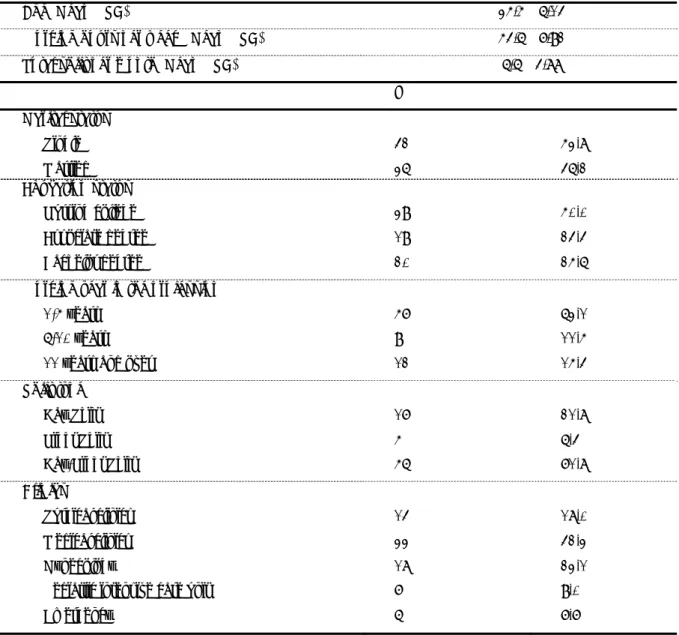
The nurses’ socio-demographic characteristics are shown in Table 1. Seventy eight (78) nurses completed questionnaire. The mean age of the nurses was 25.5 years, with a standard deviation 6.03 years. Of the respondents in this study, 39 (50%) graduated health professional high school, 20 (25.6%) bachelor degree and 19 (24.4%) associate degree. 53.8% of the nurses are single, 46.2% married, 63.1% worked between 1-5 years, 11.5% 6-10 years, 15.4% 11 years and over, 21.8% work in day shift, 6.4% night shift, 71.8% day and night shifts. 18% of the nurses in this study work in surgery, 23.1% gynecology, 42.3% medical, 9% pediatric intensive care unit and 7.7% emergency clinics. It is found that the nurses’ working hours per week, total shift per month and total patients cared in a day were respectively 53.67.9 hours, 6.63.8 hours and 11.69.3 hours (Table 1).
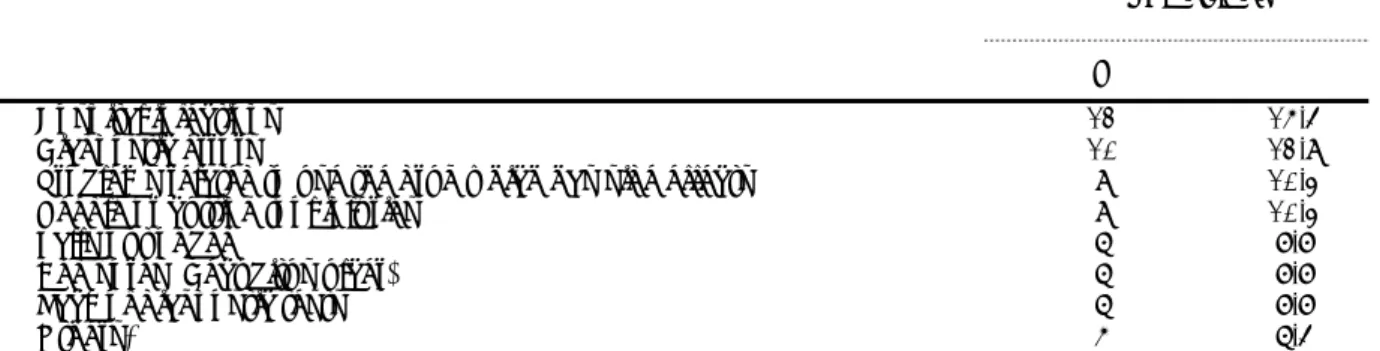
The types of medical errors made sometimes by the nurses are presented in Table 2. The question form in part 1 includes five options as never, rarely, sometimes, usually and always, but only percentage is given for sometimes option marked. The common types of medical errors were hospital infection rate of 15.4%, diagnostic errors 12.8%, needle or cutting tool injuries and problems related to drug usage which has side effects 10.3%.
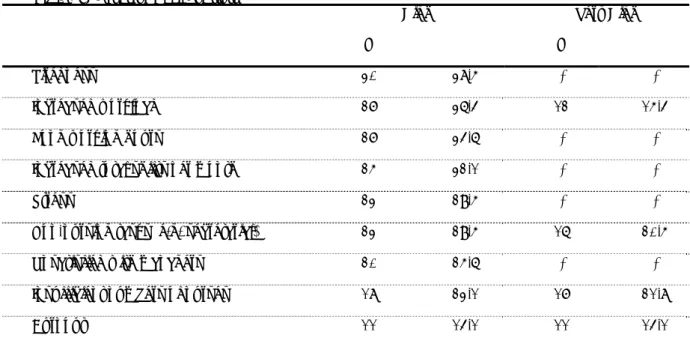
Table 3 shows the causes of medical errors made by the nurses. The question form in part 2 includes five options none, little, moderate, high and very high, but only percentages are given for high and very high options marked. In the study 38.5% of the nurses reported that they thought the cause of medical error highly was tiredness, 36.4% increased workload and 34.6% long working hours. Also 21.8% of the nurses indicated that they thought the cause of medical error very highly was insufficient numbers of nurses and
20.5% non-nursing tasks (e.g. secretarial). When the nurses are asked whether they had a medical error that could compromise patient safety, 1.3% of the nurses replied that they made medical errors that could compromise patient safety and 15.4% saw medical errors made by their colleagues.
DISCUSSION
Malpractice is defined as the medical errors in health services. Medical errors are accepted as the action and situation that happens as a result of that the health personnel does not conduct the standard procedure intentionally, by mistake or ignorance; she/he makes a wrong or deficient diagnosis because of partial information or skill or she/he applies malpractice; she/he does not give the right treatment to the patient and causes harm. Lack of knowledge and experience, lack of communication, physical fatigue, and lack of motivation, medical tools and environmental factors, factors related to education prepare a basis for malpractice (16).
In our study 63.1% of the nurses worked between 1-5 years, 71.8% day and night shifts and 42.3% in medical clinics. Sometimes in health institutions the systems that cover a whole 24 hours, a whole weekend and holidays are applied. The studies on shift working systems shows that these ways of working affect workers physiological and psychological health, their social life, individual safety and patient safety (17, 18). Çakır (2007) found out that in shift changes important amount of patient care information gets lost because of insufficient information transfer and deficiency of communication (19). It is known that the worst performance occurs between 4-6 am. As a result of bad performance of the health professional it is observed that aseptic techniques are ignored, usage of wrong medication is increased and patient’s needs are disregarded (20).
In the present study it is found that the nurses’ working hours per week, total shift per month and total patients cared in a day were respectively 53.67.9 hours, 6.63.8 hours and 11.69.3 hours. In our country the working hour of a health personnel per week is 40 hours according to State Officers Law act no. 657 and it is 45 hours according to Law Related to Compensation and Working Principle of Health Personnel act no. 2368. However, it is seen that because of need for personnel and shift working system these hours are not complied with it. Overtime and shift working system are clearly stated to cause sleep disorder, restlessness, fatigue, distractibility,
perceptive disorder, rhythm disorder, stress, burn out, interruption of social relationships, family problems, decrease in job satisfaction, decrease in performance, loss of motivation and failure in patient care (17,20,22,23). In another study which examines nurses’ working hours and their error rate, it is
observed that nurses who work over 12 hours have increasing rate of making errors. Moreover, it is found out that working more than 40-50 hours can cause medical errors (24).
Table 1: Nurses’ Socio-Demographic Characteristics (n=78)
The common types of medical errors were hospital infection rate of 15.4%, diagnostic errors 12.8%, needle or cutting tool injuries and problems related to the drug usage which has side effects 10.3% in the study. Sharek and Classen (2006) have mentioned in their research that the mostly observed infection type is nosocomial infection (hospital
infections) with rate of 27.8% (25). This finding is similar to our study. When the studies and reports published are searched in the literature, though their rates differ, the most common error types in terms of patient safety are: medication errors, hospital infections, falling, insufficient observation, communication problems and errors related to
Age (Mean SD) 25.5 6.03
Working hours per week (Mean SD) 53.6 7.91
Total shift per month (Mean SD) 6.6 3.88
N % Marital status Single 42 53.8 Married 36 46.2 Education status Nursing college 39 50.0 Associate degree 19 24.4 Bachelor degree 20 25.6
Working year in the profession
1-5 years 57 63.1
6-10 years 9 11.5
11 years and over 12 15.4
Shift type Day Shift 17 21.8 Night Shift 5 6.4 Day-Night Shift 56 71.8 Clinics Surgical clinics 14 18.0 Medical clinics 33 42.3 Gynecology 18 23.1
Pediatric intensive care unit 7 9.0
equipment usage. In a survey, Göktaş (2007) stated that among 95 error reports in a hospital falling has the highest rate of 14.74% (26). In the present study this rate is found out to be 7.7%.
When Table 4 is examined, the nurses reported that they thought tiredness as a cause of medical error highly. Also 21.8% of the nurses indicated that they thought the cause of medical error very highly was insufficient numbers of nurses and 20.5% non-nursing tasks (e.g. secretarial). When the studies related to medical errors are examined in literature, it is seen that there are similar results to our findings. Aştı and Kıvanç (2003), in their study conducted to find out the causes of errors done by nurses, stated that 23.3% of the nurses said having too many working hours and 17% insufficiency of nurse staff and fatigue are causes of error. Göktaş (2007) found out that the nurses having working hours of more than 12 hours encounter more negative events (26). Findings of this research show similarity with ours. Sezgin (2007) defined nurses’ the potential medication errors related to patient safety as follows: the large number of patients per nurse, distraction and lack of concentration, long working hours, having little information about the medication and the patient (28). Chang and Mark (2009) states that when the number of nurse increase in clinics, the medication errors decrease. Furthermore, there is a negative relationship between the education level of the nurses and medication errors and when the education level of nurses increase, medication errors decrease (29). Hicks et al (2008) mentioned that the most common of the medical errors are carelessness (37.8%) and
heavy work load (19.7%) and other factors related to errors are as follows; inexperienced staff, shift changes, temporary staff and insufficient number of the staff (30). Nursing profession is defined as a stressful occupation with a heavy workload because of many negative factors resulting from working conditions (20).
When the nurses are asked whether they had a medical error that could compromise patient safety, 1.3% of the nurses replied that they made medical errors that could compromise patient safety and 15.4% saw medical errors made by their colleagues. It is considered that this situation reflects that the institution does not have a clear policy about medical error reports, personnel can be accused of the results of these medical errors or can be punished and therefore they do avoid reporting undesired events. In
Çakır and Tütüncü’s (2009) study, when the
personnel are asked about how many event notification form they have filled in the last one year, 81.5% of the ones who answered stated that they have filled in none. The rate of the ones who filled in 1-2 reports is 13.4 %, 3.3% 3-5 reports, 1.5% 6-10 reports, 0.3% have filled in 11 and over reports (31). In another study, it is seen that nurses does not report medication errors because of 76.9% managers reaction, 61.4% their colleagues reaction and 52.9% do not think of the error as important enough to be reported. When the reasons of avoiding reporting is considered, it is found out that 86% of the nurses were afraid, 57.9% did not find the error serious and 25% were afraid of the reaction caused by the error (32).
Table 2: Types of Medical Errors
Sometimes
N %
Hospital infections 12 15.4
Diagnostic errors 10 12.8
Problems related to use the drug which has side effects 8 10.3
Needle or cutting tool injuries 8 10.3
Falls out of bed 6 7.7
Bed sores (Decubitus ulcer) 6 7.7
Lack of diagnostic tests 6 7.7
Others* 5 6.4
*Complications of surgery, postoperative complications, fatal or injurious falls, infusion pump errors, errors due to damage of medical instrument
Table 3: Causes of Medical Errors
High Very High
N % N %
Tiredness 30 38.5 - -
Increased workload 27 36.4 12 15.4
Long working hours 27 34.6 - -
Increased total shifts per month 25 32.1 - -
Stress 23 29.5 - -
Non-nursing tasks (e.g. secretarial) 23 29.5 16 20.5
Unsatisfied with managers 20 25.6 - -
Insufficient numbers of nurses 18 23.1 17 21.8
Burnout 11 14.1 11 14.1
CONCLUSION
As a result of our study, nurses mentioned hospital infection, diagnostic errors, needle or cutting tool injuries as the most common medical errors and fatigue, over work load and long working hours as the most common medical error reasons. Based upon our study results the suggestions below are made to prevent medical errors:
To keep and save the patient records regularly and to prepare an efficient error reporting system in order to avoid medical errors
To change the health education system and to branch in nursing education
To have continuous education programs after graduation
To educate nurses according to the features of the services and to warn them about necessary points
To decrease the nurses workload with sufficient staff to ensure having nursing services in desired quantity and quality
Nurses mentioned that one of the potential causes of medical errors is having duties unrelated to their job. To ensure that the nurses are only responsible for the duties related to their profession in order to decrease errors related to the point mentioned in the previous sentence.
Although malpractice has been the most mentioned and researched issue in recent years, when the studies are examined, it can be seen that the studies related to rates, types and causes of medical errors in Turkey are not enough. Therefore it is suggested that the researches on this issue should be increased.
REFERENCES
1. WHO World alliance for patient safety: forward programme 2005. World Health Organization Geneva.
www.who.int/patientsafety/.../brochure_fin. (Accessed date:05.06.2009 ).
2. Johnstone MJ. Clinical risk management and the ethics of open disclosure. Benefits and risks to patient safety. Australasian Emergency Nursing Journal. 2008; 11: 88-94.
3. Proctor ML, Pastore J, Gerstle JT, Langer JC. Incidence of Medical Error and Adverse Outcomes on a Pediatric General Surgery Service. Journal of Pediatric Surgery. 2003; 38(9): 1361-1365.
4. Moskop JC, Geiderman JM, Hobgood CD, Larkin GL. Emergency Physicians and Disclosure of Medical Errors. Annals of Emergency Medicine. 2006; 48: 523-531.
5. Temel M. Sağlık Personelini İlgilendiren Önemli Bir Konu: Malpraktis. Hemşirelik Forum Dergisi, 2005; 84-90.
6. Akalın EH. Yoğun Bakım Ünitelerinde Hasta Güvenliği, Yoğun Bakım Dergisi, 2005; 5(3):141-146.
7. Ballard K. Patient Safety: A Shared Responsibility. Online Journal of Issues in Nursing, 2003; 8(3): 1-5.
8. Giray AÜ. Malpraktis Açısından Hekimlerin Karakteristikleri ve İşyeri Fiziksel Koşullarının Akciğer Tüberküloz Hastalığı Teşhisinde Kullanılan Muayene Protokolü Uygulama Yeterliliğine Etkisi. Hacettepe Üniversitesi Sağlık Bilimleri Enstitüsü, Yayınlanmış Doktora Tezi. 1999; Ankara.
9. Vozikis A. Information management of medical errors in Greece: The MERIS proposal. International Journal of Information Management. 2009; 29: 15-26.
10. Johnstone M, Kanitsaki O. The ethics and practical importance of defining, distinguishingand disclosing nursing errors: A discussion paper. International Journal of Nursing Studies. 2006; 43: 367-376.
11. Benner P, Sheets V, Uris P, Malloch K, Schwed K, Jamison D. Individual, practice, and system causes of errors in nursing: a taxonomy. Journal of Nursing Administration. 2002; 32(10) :509-523.
12. Akgün S, Al-Assaf AF. Sağlık Kuruluşlarında Hasta Güvenliği Anlayışını Nasıl Oluşturabiliriz?, Sağlık Düşüncesi ve Tıp Kültürü Dergisi. 2007; 3: 42-47.
13. Maddox P, Wakefield M, Bull J. Patient safety and the need for professional and educational change. Nurs Outlook. 2001;49(1):8-13.
14. Aiken L, Clarke S, Sloane D, Sochalski J, Silber J. Hospital nurse staffing and patient mortality, nurse burnout, and job dissatisfaction. JAMA. 2002; 288:1987-1993.
15. WHPA Fact Sheet. Health Professionals Call for Priority on Patient Safety. 2002; www.whpa.org/factptsafety.htm (Accessed date: 05.06.2009).
16. Katoğlu T. Tıbbi Hizmetlerin Uygulanmasından Doğan Sorumluluk Kanun Tasarısı’nın Düşündürdükleri, Toplum ve Hekim. 2002; 17(5): 385-390.
17. Wilson J. The Impacts of shift patterns on healthcare professionals. Journal of Nursing Management. 2002; 10: 211-219.
18. Yüksel İ. Çalışma yaşama kalitesinin tipik ve atipik istihdam açısından incelenmesi, Doğuş Üniversitesi Dergisi. 2004; 5(1): 47-58.
19. Çakır A. Hasta Güvenliği Kültürü ile Kalite Yönetim Sistemi Arasındaki İlişkinin Analizi. Dokuz Eylül Üniversitesi. Sosyal Bilimler Enstitüsü, Toplam Kalite Yönetimi Programı, Yüksek Lisans Tezi. İzmir, 2007.
20. Bilazer FN, Konca GE, Uğur S, Uçak H, Erdemir F, Çıtak E. Türkiye‘de Hemşirenin Çalışma Koşulları, Ankara, 2008. Resmi Gazete Sayısı:2368 R.G. Tarihi:31.12.1980 R.G. Sayısı:17207 Sağlık Personelinin Tazminat ve Çalışma Esaslarına Dair Kanun.
21. Persson M, Martensson J. Situations influencing habits in diet and exercise among nurses working night shift. Journal of Nursing Management. 2006; 14: 414-423.
22. Ruggiero J, Pezzino J. Nurses Perceptions of the Advantages and Disadvantages of their shift and ork shedules. JONA. 2006; 36 (10): 450-453.
23. Rogers EA, Hwang W, Scott LD, Aiken LH, Dinges DF. The Working Hours of Hospital Staff Nurses And Patient Safety. Health Affaırs. 2004; 23(4): 202-210.
24. Sharek PJ, Classen D. The İncidence of adverse events and medical error in pediatrics. Pediatric Clinics Of North America. 2006; 53: 1067-1077. 25. Göktaş S. Bir Kamu Hastanesinde Hemşire
İstihdamının Hasta Güveliğine Etkisi. Haliç Üniversitesi. Sağlık Bilimler Enstitüsü. Hemşirelik Anabilim Dalı, Yüksek Lisans Tezi, İstanbul, 2007.
26. Aştı T, Kıvanç M. Ağız yolu ile ilaç verilmesine ilişkin hemşirelerin bilgi ve uygulamaları. Atatürk Üniversitesi Hemşirelik Yüksek Okulu Dergisi, 2003; 6(3): 5-9.
27. Sezgin B. Kalite Belgesi Alan Hastanelerde Çalışma Ortamı ve Hemşirelik Uygulamalarının Hasta ve Hemşire Güvenliği Açısından Değerlendirilmesi. Sağlık Bilimleri Enstitüsü, Hemşirelikte Yönetim Anabilim Dalı, Doktora Tezi, İstanbul, 2007.
28. Chang KY, Mark B. Antecedents of severe and nonsevere medication errors. Journal of Nursing Scholarship. 2009;41(1):70-78.
29. Hicks RW, Sikirica V, Nelson W, Scheın JR, Cousıns DD. Medication errors involving patient-controlled analgesia. American Journal of Health-System Pharmacy.2008; 65: 429-440. 30. Çakır A, Tütüncü Ö, İzmir A. Hastanelerinde
Hasta Güvenliği Algısı. T. C. Sağlık Bakanlığı Performans Yönetimi Ve Kalite Geliştirme Daire Başkanlığı Uluslararası Sağlıkta Performans Ve Kalite Kongresi Bildiriler Kitabı. Cilt 2. Antalya, 2009.
31. Mayo A, Duncan D. Nurses Perceptions of Medical Errors. Journal of Nursing Care Quality. 2004; 19 (3): 209-217.
32. Akalın E. Klinik Araştırmalar ve Hasta Güvenliği. İku Dergisi. 2007; 17 (2): 32-35.