ORGANS-ON-CHIPS: EXPLORING THE
UTILITY OF BIOSYNTHESISED ORGAN
TISSUE TO IMPROVE EFFICIENCY OF THE
DRUG DEVELOPMENT PROCESS
Heleen Middelkamp, BASc.
DEPARTMENT OF HEALTH TECHNOLOGY & SERVICES RESEARCH UNIVERSITY OF TWENTE
EXAMINATION COMMITTEE Professor Dr. M.J. Ijzerman Professor Dr. D.F. Stamatialis
Student
H.H.T. Middelkamp Student number: 1391186
Master Health Sciences
Department of Health Technology & Services Research University of Twente
MIRA institute for Biomedical Technology & Technical Medicine
Supervisors University of Twente
Primary supervisor, Professor Dr. M.J. Ijzerman
Department of Health Technology & Services Research University of Twente
MIRA institute for Biomedical Technology & Technical Medicine
Secondary supervisor, Professor Dr. D.F. Stamatialis
Department of Biomaterials Science and Technology University of Twente
Introduction ... 4
Organ-on-a-chip ... 4
Drug failure ... 5
Potential savings of early screening for efficacy ... 6
Issues in early phase- and preclinical development ... 6
Organ-on-a-chip in drug development... 6
Initiatives for OOC development ... 7
Technology foresight and prediction ... 8
Research question ... 9
Methods ... 11
Framework of the research project ... 12
Results ... 15
Literature review ... 15
Expert interviews ... 16
Results Survey ... 17
First organs to develop ... 18
Potential improvement drug development process according to stakeholders ... 18
Potential (dis)advantages according to stakeholders ... 20
Development of organ-on-a-chip ... 23
Discussion ... 24
Conclusion ... 29
Acknowledgements ... 30
References ... 31
3
Summary
OBJECTIVES: Drug development is an expensive process, partly because of the required testing for human toxicity and efficacy of drugs. Organ-on-a-chip is a multichannel 3D microfluidic cell culture chip that simulates the activities and mechanics of entire organs and organ systems. Organ-on-chip is expected to reduce the amount of animal testing, and may increase efficiency of drug development. For instance, when organ-on-a-chip is used to replace or added to in vivo testing experiments, 7.5-10% of drug development costs may be saved. This study explores the expected advantages of organ-on-chip technologies as well as potential barriers to implement.
METHODS: Stakeholders (n=50) in this research were employees of pharmaceutical companies (n=18, 36%), developers of microfluidic systems and university employees affiliated with organ-on-a-chip/ microfluidic systems development and/or drug development (n=22, 44%). Stakeholders were asked their expert opinions about the potential benefits of organ-on-chip using a survey (LimeSurvey), which was based on information previously acquired from expert interviews.
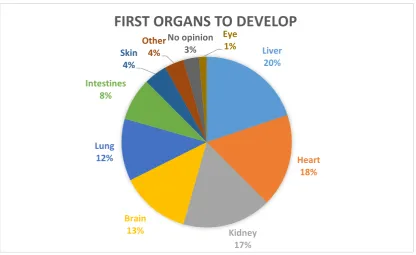
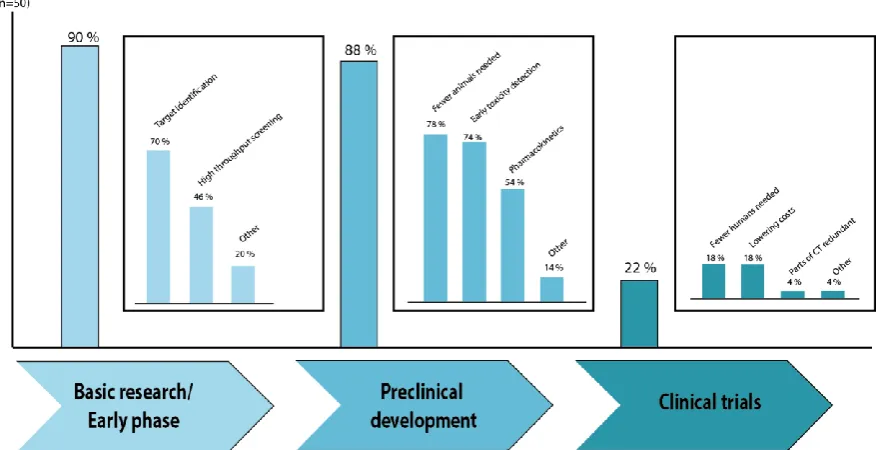
RESULTS: According to stakeholders, organ-on-a-chip may be most promising in the basic research stage (90%) or the preclinical stage (88%) of drug development. Simple models can be used for target identification (70%) while complex models could lead to replacement of animals (78%). However, head-to-head studies are needed to change regulations, leaving organ-on-a-chip as an additional test in drug development for now. There are significant differences between stakeholders’ opinions about advantages. Most promising organ-on-chip developments should target organs like Liver (20%), heart (18%) and kidney (17%).
4
Introduction
Organ-on-a-chip
Organ-on-a-chip (OOC) is a device which can mimic cell responses more accurately than regular in vitro cell cultures. It is a multi-channel 3D microfluidic cell culture chip that simulates the activities and mechanics of entire organs and organ systems1.
OOC is an integration engineered 3D tissue combined with a microfluidic network system2. In
this device living cells can be cultured in micrometre-sized chambers which are continuously perfused, therefore it would be able to model a living organ on a small scale3. To mimic an
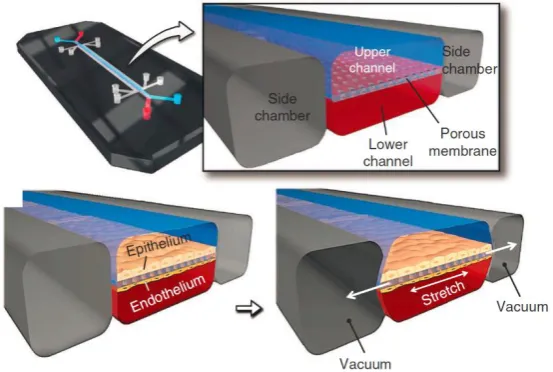
[image:5.595.157.434.333.519.2]organ even further a mechanical strain (or sheer stress) can be added to the cells, as is depicted in Figure 1. The vacuum chambers alongside the channels stretch the cells similar in a way they would in a human body.4
Figure 1: Microfluidic lung-on-a-chip 4: The chip consists of two channels which represent the lung channel and the “blood”
channel. With a permeable membrane in between the cells. The chip is designed to stretch in and out, therefore the cells have the same physical properties as they would have in the human body
The cells can be grown as a monolayer using only one type of cells, or it is also possible to grow different cell types or have a permeable membrane in between epithelium and endothelium cells5. Recently there have been developments in which multiple OOC’s can be
connected, making it possible to observe drug toxicity not only in the target-organ but in surrounding tissues as well3,6.
5
exploring the potential use of OOC to improve the drug development process. Specifically the research will focus on which stage of the drug development process can OOC be implemented to gain most advantages.
Drug failure
Drug development is an expensive and lengthy process. The average drug development time is 12 years7. A well-known paper by DiMasi et. al. shows an average cost of US$ 802 million
(dollar value of the year 2000) and a large increase in drug development costs once a drug enters the clinical trial phase8. More recently, in 2012, a new study was published using
numbers published by the Tufts centre which indicates drug development costs are even higher at $1.241 million per successfully developed drug 9. This indicates that drug
development costs are still rising.
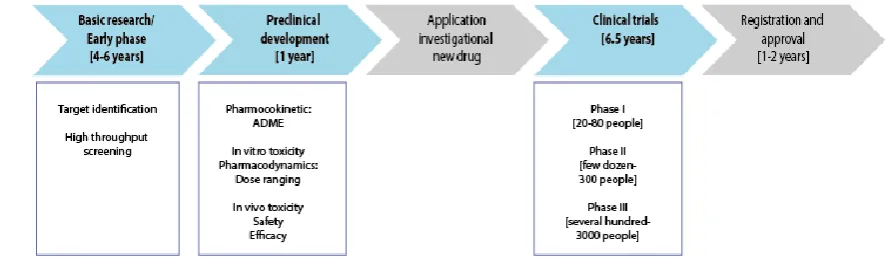
[image:6.595.77.521.483.615.2]To explore reasons for high costs it is necessary to identify different stages of the drug development process, which can be found in Figure 2. The basic research and preclinical development stages can last up to seven years. Of all the drugs with which development is started only 40% will be applied for as an investigational new drug. 75% of these drugs are approved as an investigational new drug. Thus, only 30% of all drugs companies start to develop will reach clinical trial phase one and only 8% of drugs are approved for market.10
Figure 2: A schematic overview of the drug development process.
Reasons why drugs fail in clinical trials are described by Schuster et. al.11 Of the drugs that fail
6
shows that the basic research and preclinical development phases are not predictive enough for efficacy and toxicity in clinical trials. Clinical trials are very expensive, therefore it is essential to identify those drugs that have a high likelihood of passing the evidence requirements.
Potential savings of early screening for efficacy
Using the data published on drug compounds and failures during the development process, it is possible to roughly estimate potential saving if more toxic drugs would be detected earlier in the drug development process. Box 1 depicts a back-of-the envelope calculation of the potential.
Issues in early phase- and preclinical development
Early phase- and preclinical development tests are often performed in 2D in vitro tests. These 2D cell culture models are not accurate measurements of the in vivo cellular environment. Simple 3D models are used as well and are more representative of the in vivo cellular environment, however they do not represent the properties of an organ which are imperative for the function, such as tissue-tissue interfaces and mechanically active micro-environment, such as sheer stress.12
There is another issue in the drug development timeline, which occurs later in the preclinical development process. This issue is due to the difference between in vitro cell reactions and in vivo animal models compared to the human body. This can lead to misjudging of the risks of a drug to humans, while the drug can be non-toxic in animals it may be toxic in humans.13
Furthermore, animal studies are expensive, time-consuming and there are various ethical questions as to the use of animals in drug development14.
Organ-on-a-chip in drug development
OOC can be a solution for the issues described above. Literature shows different advantages of implementing OOC in the drug development process. Some of the advantages that were mentioned often in literature are: toxicity screening 4,12,13,15–23, possible (partial) replacement
of animals2,4,12,14–17,19,21,24–29 and a higher sensitivity to external stimuli compared to the
7
Apart from the “standard” OOC-models, which represent one (or a part of an) organ, there are disease models on a chip in development. These disease models range from a breast cancer model to polycystic kidney disease to Parkinson’s disease. These OOC disease-models could help scientists understand a disease and the drug interaction with the disease as well as the target organ surrounding the disease.32
An improvement in toxicity screening was demonstrated by Huh et. al. who used the drug interleukin-2 (IL-2), which is used for cancer patients and can cause pulmonary edema, and a lung-on-a-chip. The model without any mechanical strain (which simulates a breathing lung) shows hardy any toxicity, while the model in which mechanical strain is applied shows a clear toxicity.33
The advantages already show the diverse areas of possible use of OOC in the drug development process. It could be a replacement or addition to the current high throughput screening. In the preclinical stage of drug development OOC can be implemented as a test complementary to the animal testing, leading to eventually partial replacement of animal testing in drug development.
Initiatives for OOC development
The hDMT institute (Institute for human Organ and Disease Model Technologies) was founded in the Netherlands. This institute’s aim was to form a “laboratory without walls”, by combining different areas of expertise and different companies. It is a large cooperation project to develop a representative biosynthesized human test model system for drug development with the secondary goal to reduce the use of animals in the drug development process. 34
The National Centre for the Replacement, Refinement & Reduction of Animals in Research (NC3R’s) has funded many projects with the aim to replace, refine and reduce animals in research. In 2013 they have funded a project to develop an in vitro human based kidney model to measure nephrotoxicity more accurately, therefore reducing the number of animals needed. This project was sponsored by pharmaceutical companies such as GlaxoSmithKline, Pfizer and Roche.35
NC3R’s has an annual 3Rs prize winner. The 2012 price winner was Professor Ingber from the Wyss institute, who has developed a lung-on-a-chip model36. The Wyss institute is
8
funding by the Food and Drug Administration (FDA) to develop chips to detect the effects of radiation exposure on humans37. The FDA has marked the development of OOC as a priority
area to modernize technology and enhance product safety and are working together with Defense Advanced Research Projects Agency (DARPA) to realize funding for this development38.
Technology foresight and prediction
It generally is acknowledged that is difficult to predict the effects of new technologies in a well-established market, particularly because of the difficulty to predict the progress of the development, the added value and the acceptance of this development by its users.
According to Schot there are three types of actors that can be identified in technological development. Firstly, the actors who are involved in the formulation of the objects such as R&D departments. Secondly, the actors who are involved in the regulations, such as governments. And thirdly, the so called “technological nexus”. This last group of actors is important in bringing the technological and regulatory actors together by being able to understand both processes and speaking both languages.39 The current study is focussed on
the first stakeholder group. The technique is not ready to be implemented yet, it is important however to gather the preliminary opinions of this first actor group to observed whether this group has similar interests and ideas about the development of OOC.
Communication is an important factor in understanding the opinions of other stakeholders. Real-time Technology Assessment helps the communication between different stakeholders as well as the social developments. Real-time Technology Assessment attempts to anticipate how social sciences and policy research can be integrated with engineering and natural science, therefore anticipating how these research technologies will interact with social systems.40 This research can be used to set-up an early warning system. This early warning
system can be used as a practical guide in the “front end” of the development process. It can help in understanding the needs and position of developers as well as users and can prevent conflicts later on in the development process.40 This early warning system should be set-up by
9
Real-time technology assessment involves mapping the activity of a research programme as well. This research can be used as a first approach to this longitudinal mapping. The first opinions of stakeholders are gathered to observe whether their ideas are similar in the early development phase of the OOC model.40 This research can neither predict the course the
development will take, nor does it give a perfect foresight of where OOC should be implemented in the drug development process. It attempts to provide an insight in the opinions of stakeholders.
Research question
This paper will explore the expected benefits of using the OOC technology in the drug development process to increase efficiency. The primary research question in this study is:
At which stage in the drug development process may human organs-on-chip technologies add most value according to preferences identified by stakeholders?
The research question will explore:
What are the advantages and disadvantages of implementing organ-on-a-chip in the drug development time-line? And who is influenced by implementing OOC?
In which part of the drug development process could organ-on-a-chip be implemented and what would be the advantages?
10
Box 1: Exploratory study
This exploratory study will estimate the potential return of early screening.
Of 100 drugs that are started in the drug development process only 8 make it through the process to approval.
The clinical trial phase is an expensive part of the drug development process. At this stage 30 drugs enter the clinical trials and only 8 of these drugs are approved. Malorye Allison has used publications of the Tufts centre to recalculate costs of drug development which adds up to 1.241 million dollars9 (see tableError! Reference source not found.).
Table: The costs of drug development according to Allison9
Direct costs ($ millions) Capitalized costs ($ millions) Basic research through preclinical 60 186
Clinical through regulatory approval 109 189
Allocated failures 166 866
Total per approved drug 355 1.241
Of 30 drug started in clinical trials 7.208 fail due to toxicity reasons.
What if we could detect 5 of these 7 drugs before the clinical trial stage? Instead of 40 only 35 drugs will be applied for as investigational new drugs. Under the current circumstances ¾ of the drugs that are applied for investigational new drug are approved to go into clinical trials, therefore this case assumes this will still apply. Therefore the clinical trials are started with 4 drugs less than in the regular process (see figure).
The number of drugs that succeed per drug development stage. The numbers are adjusted to the calculated drugs that could be dropped sooner due to improved toxicity screening
Direct costs per drug in basic research and preclinical development are 60 million dollar and the costs of capital (COC) for this part is 186 million dollar. The costs for the clinical trials are 109 million dollar (direct) and 189 million dollar (COC). Per successfully developed drug the failed drugs have to be paid for as well. Per successful drug this number is 166 million dollar (direct) and 866 million dollar (COC). This adds up to a total of 1.596 million dollar.
With 4 drug less entering the clinical trials these costs are saved, which entails: 4x $109 million= $436 million
4x $189 million= $756 million
This is a total saving of $1.192 million for 8 drugs, and $149 million for a successful drug
In this scenario the new estimated price of the development of a new drug would be $1.447 million per successfully developed new drug.
This is a reduction of 10% per successfully developed drug.
However, the COC would increase per product if there are less products. COC is $189 million, number of drugs was 30, and therefore the total COC was: $189 million * 30 = $5.670 million.
In the new situation there are 26 drugs, increasing the COC per drug to $218 million. This is an increase of $29 million dollar per drug.
In this scenario the costs per successfully developed new drug would be: $1.596 million - $149 million + $29 million = $1.476 million
11
Methods
A literature study was used to gain a preliminary insight into the possible advantages and disadvantages of implementing OOC and at what stage of drug development OOC can be implemented. A literature search was performed in which search terms were used to find literature, until no new literature could be found. The search terms were: “organ-on-a-chip”, “microfluidic systems” and “disease model (on-a-chip)” in combination with “drug development timeline”, “pharmaceutical”, “cost-effectiveness” and “(dis)advantages. Once no new articles were found a systematic literature review was performed, which included reading the abstract of articles and systematically filtering out the important articles/book sections after which complete articles where reviewed for their opinions about advantages and disadvantages of implementing OOC in the drug development process. Criteria for selecting literature based on the abstracts were the terms: “drug development” and “(dis)advantages”.
The literature study was used to set up an expert interview. Structured open and qualitative interviews were held with key stakeholders (see Appendix X for guidelines of the expert interviews).ATLAS.ti42 was used to code the interviews and get a schematic overview of the
most important (dis)advantages that were mentioned.
The 150 stakeholders that received an e-mail to participate in the survey were identified using online resources. Several search terms were used to identify experts: “organ-on-a-chip development”, “microfluidic systems development” and “seminar organ-on-a-chip”. The last term resulted in speakers of related seminars who could be possible stakeholders who are in the process of developing organ-on-a-chip. The hDMT provided the contact information for people who have participated in OOC workshops. Furthermore snowball sampling was used to find more stakeholders who would be willing to participate. Pharmaceutical companies located in the Netherlands can be found on www.nefarma.nl and www.tifarma.nl, all these companies received an e-mail in which they were asked to participate in the survey. Stakeholders were asked to forward the invitation to other potential stakeholders to obtain a sample as large and varied as possible.
The survey was created using LimeSurvey43. The complete survey can be found in Appendix
12
The data analysis was performed using SPSS 2244. A Mann-Whitney U test was used to
determine a significant difference in the opinions of people working in a pharmaceutical company versus a university.
To rank the advantages and disadvantages found during the survey Microsoft Excel 2013 was used. Microsoft Excel 2013 also partially provided the pictures.
Framework of the research project
A literature search was performed to detect where OOC would have potential advantage in the drug development process. Literature study showed the use of OOC can have advantages in several stages of the drug development process. Therefore the expert interviews focussed on which stages of the drug development process need to be improved, whether OOC could help in improving the process and what advantages and disadvantages are expected of using OOC to improve the process. The expert interviews provided more information and background on the general subject of OOC as well.
The information obtained in the literature research and the expert interview was used to set-up a survey. The survey contained the following components: “Personal background”, “familiarity with OOC”, “OOC implementation”, “tissue to develop first”, “(dis)advantages of OOC implementation”, “development time and costs of OOC”. The next subsections will clarify why these components were chosen.
Personal background is an important factor of this survey. Especially the question in what type of company do stakeholders work. During the expert interviews, which were divided between stakeholders with a pharmaceutical background as well as OOC developers, no clear difference in opinions about the (dis)advantages of using OOC in the drug development process was observed between the two groups. To observe whether this also held for the bigger population, the question in what type of company do stakeholders work was made mandatory.
13
with the concept. The purpose was to present the definition as used in this survey to all stakeholders. After the definition was shown stakeholders were asked whether they were familiar with OOC before the definition was presented. This question could be used later on to observe a difference between stakeholder familiar and unfamiliar with OOC.
It was not clearly indicated in literature where OOC could be implemented in the drug development process. The results section of this report shows several advantages found in the literature that can be vague as to the place where OOC should be implemented. The advantage “toxicity screening” can for example be early screening toxicity, however it can also be pharmacokinetic toxicity screening. Leaving the question where to implement OOC unanswered. Therefore the question in which stage OOC can best be implemented was added to the survey.
Tissue to develop first. Stakeholders were asked which organ they thought need to be developed first. Literature review showed a large amount of drugs (33%) which fail in the clinical trials due to toxicity and 37% of these drugs fail due to hepatotoxicity11. The expert
interviews mentioned hepatotoxicity as well as cardiotoxicity and nephrotoxicity. Stakeholders were presented with 8 options of organs as well as the option other and were asked which three organs should be developed first. By giving the option of selecting three organs there was less risk of bias for there was the option of choosing more than just the area of expertise of a stakeholder. This question helped confirm whether the organs that were found earlier in the study were also selected by the larger group of stakeholders.
The advantages and disadvantages of OOC implementation. Literature research gave an overview of 17 advantages of the use of OOC in the drug development process. After the top 5 was presented to the experts there was a high fluctuation in opinions about these advantages. After the interviews two more advantages were added to the original 17 advantages. The first set-up of the survey was to confirm the top 5 advantages. The expert interviews showed that the top advantages selected by the experts were very diverse. As a result all advantages found in literature with the addition of the 2 advantages mentioned by experts were included in the survey.
14
A ranking system was developed to observe whether the respondents agree or disagree with the presented (dis)advantages. Ranking started at 1 “I do not see this as a (dis)advantage” up to 5 “I see this as an important (dis)advantage”. Respondent had the option to select “no answer” as well as the option to add additional (dis)advantages.
15
Results
Literature review
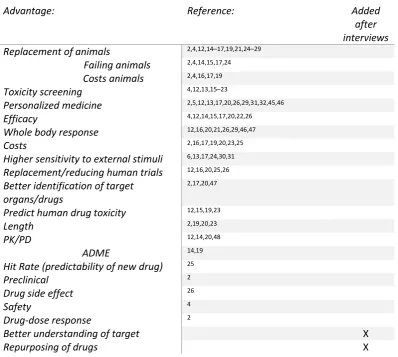
[image:16.595.73.472.294.651.2]The literature review was started with 76 found articles that included the used search terms mentioned in the method part of this report. 30 of these articles contained information about the expected (dis)advantages. Table 1 shows the advantages found in the literature supplemented with the advantages that were added during the expert interviews. There are three advantages often mentioned which were “the replacement of animals”, “toxicity screening” and “personalized medicine”.
Table 1: The preliminary advantages of implementing OOC in the drug development process
Advantage: Reference: Added
after interviews Replacement of animals 2,4,12,14–17,19,21,24–29
Failing animals 2,4,14,15,17,24
Costs animals 2,4,16,17,19
Toxicity screening 4,12,13,15–23
Personalized medicine 2,5,12,13,17,20,26,29,31,32,45,46
Efficacy 4,12,14,15,17,20,22,26
Whole body response 12,16,20,21,26,29,46,47
Costs 2,16,17,19,20,23,25
Higher sensitivity to external stimuli 6,13,17,24,30,31
Replacement/reducing human trials 12,16,20,25,26
Better identification of target organs/drugs
2,17,20,47
Predict human drug toxicity 12,15,19,23
Length 2,19,20,23
PK/PD 12,14,20,48
ADME 14,19
Hit Rate (predictability of new drug) 25
Preclinical 2
Drug side effect 26
Safety 4
Drug-dose response 2
Better understanding of target X
Repurposing of drugs X
16
Table 2: The preliminary disadvantages of implementing OOC in the drug development process
Disadvantage: Reference:
Possible interaction between drug vector and microfluidic system
2,21
Interaction between drug and PDMS 4,12
Only subset of cells (no connecting tissues) 4,20
Difficult to monitor genomic levels of cells 2
Models fail to fully mimic organ-specific functions 47
Unclear if models fully mimics functions 13
Not developed enough 25
3D system difficult to sustain long-term 26
PDMS (often used as a membrane) much thicker than normal 4
Difficult to obtain human organ specific cells with both proliferative capacity and full differentiation capability
4
More expensive than well plates 22
Phenotypic mismatch between cell lines and in vivo situation 18
Expert interviews
Seven expert interviews were performed of which four professionals were involved in the development of microfluidic systems and three professionals were involved in drug development. The top 5 advantages found in literature were presented to the experts that were interviewed and there was no pattern found in their rating. Appendix II shows the ranking by the expert stakeholders. Toxicity screening is marked as a real advantage, while whole body response was often ranked low or not at all. The remaining advantages were diversely ranked.
17
Results Survey
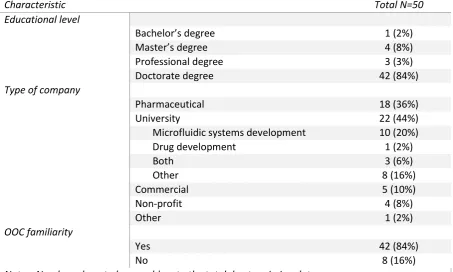
The survey was send out to approximately 150 people, using an e-mail invitation. The survey was filled out by 50 stakeholders. A total of 42 respondents (84%) were familiar with the
[image:18.595.72.526.239.511.2]concept of OOC before starting the survey. The educational level of respondents started at Bachelor’s degree (n=1, 2%), with most respondents having a doctorate degree (n=42, 84%). Table 3 presents the other characteristics of the respondents.
Table 3: Characteristics of Respondents
Characteristic Total N=50
Educational level
Bachelor’s degree 1 (2%)
Master’s degree 4 (8%)
Professional degree 3 (3%)
Doctorate degree 42 (84%)
Type of company
Pharmaceutical
company
18 (36%)
University 22 (44%)
Microfluidic systems development 10 (20%)
Drug development 1 (2%)
Both 3 (6%)
Other 8 (16%)
Commercial 5 (10%)
Non-profit 4 (8%)
Other 1 (2%)
OOC familiarity
Yes 42 (84%)
No 8 (16%)
18
First organs to develop
The liver, heart and kidney were mentioned most often as first organs to develop to improve the drug development process with a respectable 20%, 18% and 17%. 4 stakeholders had no opinion on the matter. In Figure 3 it can be observed that the option “other” was selected in 4% of the cases. The stakeholders who selected the option “other” mentioned vascular system often and once bone marrow was mentioned.
[image:19.595.90.507.337.592.2]There were slight differences between stakeholders from pharmaceutical companies and stakeholders from universities (see Appendix IX). Two highly selected organs that scored equally between the two groups were the liver and the kidney. University stakeholders selected the heart and brain more than the pharmaceutical company stakeholders, the latter however selected the lung and intestines more often.
Figure 3Which organs should be developed first as an OOC model according to stakeholders?
Potential improvement drug development process according to stakeholders
Out of the 50 respondents 49 (98%) see improvement possibilities in the drug development process when OOC can be implemented. According to the respondents most improvement of the drug development process could be found in the basic research (n=45, 90%) and preclinical development stages (n=44, 88%). This was a clear difference with the number of respondents that saw improvement in the clinical trials stages of the drug development process, which was
Liver 20% Heart 18% Kidney 17% Brain 13% Lung 12% Intestines 8% Skin 4% Other 4% No opinion 3% Eye 1%
19
11 (22%). 70% (n=35) of the respondents saw improvement possibilities in the sub-section “target identification” of the basic research. Target validation was an advantage in the basic research stage which was mentioned most often as “other improvements”.
[image:20.595.86.525.284.509.2]The highest scoring improvement point according to the respondents was the sub-section of preclinical development “fewer animals needed due to partial replacement by OOC”. Error! Reference source not found. shows that 39 of the 50 respondents (78%) see a decrease of animals due to the implementation of OOC as a possibility. It can also be observed that 74% of the respondents also see a possibility of better toxicity screening (in vivo and/or in vitro) after the implementation of OOC.
Figure 4: Which stages of the drug development process can be improved by the use of OOC according to stakeholders? The squares represent an overview of the sub categories of the drug development process. Percentages are always calculated from the total n (=50), therefore sub categories can be compared.
20
Potential (dis)advantages according to stakeholders
Advantages
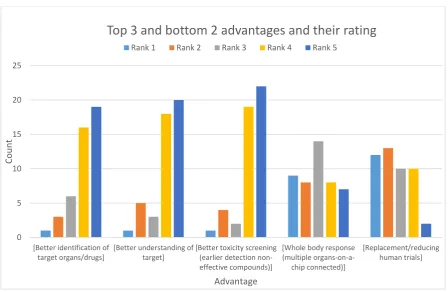
[image:21.595.74.523.254.546.2]The highest scoring advantage was “better toxicity screening”, with a mean ranking score of 4.19 out of 5. This advantage was closely followed by “better identification of target organs/drugs” and “better understanding of the target” which both scored a mean ranking of 4.09 out of 5. The top 5 is closed by two advantages which scored and mean of 3.98 out of 5, which were “predict human drug toxicity” and “replacement of animals”. See Appendix V for the ranking of all advantages.
Figure 5: The top 3 and bottom 2 advantages according to the ranking system of the stakeholders
Figure 5 shows the top 3 of highest ranking advantages and the top 2 bottom ranking advantages. It can be observed that the distribution of the top 3 advantages is left skewed. Most of the counts are in the ranking 4 and 5 of these advantages. Which is also clearly represented in appendix VII which shows the percentages of stakeholders who ranked the advantages. All five highest ranking advantages were ranked as an advantage by 70-80% of the respondents, with approximately 10% of respondents who do not see the advantages.
0 5 10 15 20 25
[Better identification of target organs/drugs]
[Better understanding of target]
[Better toxicity screening (earlier detection non-effective compounds)]
[Whole body response (multiple organs-on-a-chip connected)] [Replacement/reducing human trials] Cou n t Advantage
Top 3 and bottom 2 advantages and their rating
21
The lowest ranking advantages were “whole body response” with a mean score of 2.91 out of 5 and “replacement/reducing human trials” with a mean score of 2.51 out of 5. These scores are comparable to the distribution which is normal in “whole body response” and slightly right skewed in “replacement/reducing human trials”, which can be observed in Figure 5.
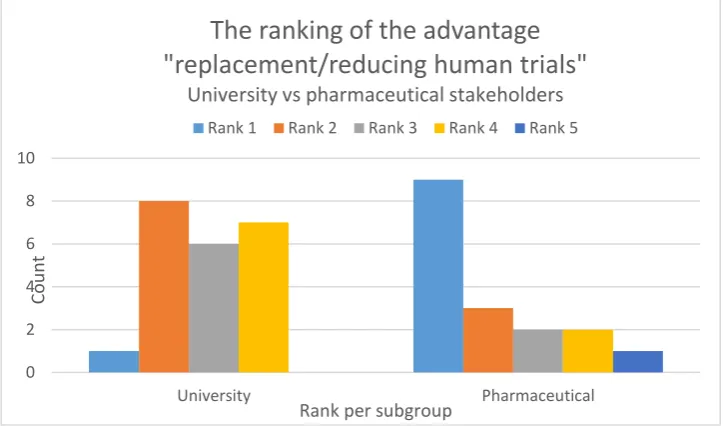
[image:22.595.117.479.322.535.2]The statistical analysis showed a significant difference in the opinions of stakeholders working in pharmaceutical companies versus stakeholders who work for universities for the advantage “replacement/reducing human trials”. With an alpha of 5% and a p-value of 0.015 the hypothesis that the distribution of ranking between pharmaceutical company stakeholders and university stakeholders was similar could be rejected. Figure 6 shows the distribution of ranking of both groups. It can be observed that the university stakeholders see a higher potential for the replacement of- or reducing human trials.
Figure 6: The distribution of ranking for the advantage “replacement/reducing human trials” by university stakeholders versus pharmaceutical company stakeholders.
Other advantages with a significant difference in ranking between pharmaceutical company stakeholders and university stakeholders were “personalized medicine can be developed easier” (p=0.033) and “shorten the length of the drug development” (p=0.020). Both of these advantages were ranked higher by university stakeholders (see appendix IV).
0 2 4 6 8 10
University Pharmaceutical
Cou
n
t
Rank per subgroup
The ranking of the advantage
"replacement/reducing human trials"
University vs pharmaceutical stakeholders
22 Disadvantages
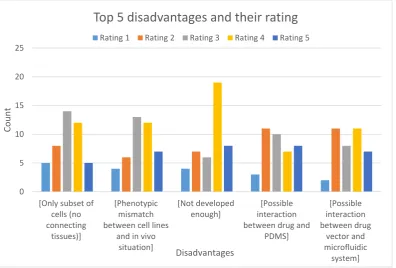
[image:23.595.101.498.186.454.2]The top 5 highest ranking disadvantages were ranked neutral. The highest ranking disadvantage was “not developed enough”, which was ranked with a mean score of 3.45 out of 5. Figure 7 depicts this neutral ranking over all the top 5 disadvantages. The only outlier is the ranking of 4 for the “not developed enough” disadvantage.
Figure 7: The top 5 highest rated disadvantages identified by stakeholders and the counts of the different rankings
All other disadvantages were ranked neutral, which can be observed in Appendix VI.
This could be confirmed after the percentages were calculated of the stakeholders who see the disadvantages as such. In Appendix VII it can be seen that, except for the disadvantage “not developed enough”, the percentages of stakeholders who see a disadvantage as such is almost equal to the percentage of stakeholders who do not see a disadvantage.
There were however two disadvantages that were rated significantly different by stakeholders from a university versus a pharmaceutical company. Stakeholders from pharmaceutical companies see the disadvantages “difficult to obtain human organ specific cells with both proliferative capacity and full differentiation capability” and “more expensive than well plates” as real disadvantages, while the ranking of university stakeholders is much lower, ranking it as no disadvantage (see Appendix VIII).
0 5 10 15 20 25
[Only subset of cells (no connecting
tissues)]
[Phenotypic mismatch between cell lines
and in vivo situation]
[Not developed enough]
[Possible interaction between drug and
PDMS] [Possible interaction between drug vector and microfluidic system] Cou n t Disadvantages
Top 5 disadvantages and their rating
23
Development of organ-on-a-chip
The estimated development time is hard to determine, due to the different complexities of systems and the different applications of the OOC system. 34% of the respondents thinks OOC will be developed enough to implement in the drug development process in five years. However, 34% of the respondents thinks that OOC would be developed enough within three years or less and 14% of the respondents thinks it will be ten years or longer. Stakeholders from pharmaceutical companies were more optimistic about the development time 61% of these respondents saw the development time of OOC as five years or less, while 77% of the stakeholders from universities saw the development time of OOC as taking five years or longer.
24
Discussion
This research started with literature study. The literature study had a difficult start. There is no single definition for the concept of an OOC and this concept is not yet commonly known as an OOC. Search terms therefore included microfluidic systems, lab-on-a-chip organ etc. and a definition was created using the expert interviews and literature. This definition was used in the survey:
"Organ-on-a-chip is a multichannel 3D microfluidic cell culture chip that simulates the activities and mechanics of entire organs and organ systems"
Based on the literature study a top 5 advantages of implementing OOC in the drug development process was created. The selecting of this top 5 was done by selecting those advantages that were mentioned most often. These advantages were:
Replacement of animals
Toxicity screening
Personalized medicine
Whole body response
Efficacy
The interviews did not result in a definitive ranking of these 5 advantages. The experts were divided in their opinions which advantages were best and added two advantages which were not found in the literature which were “better understanding of target” and “repurposing of drugs”. All advantages found were presented to the stakeholders in the survey. The survey response was low, 33% (n=50). Due to time restriction no reminder was send out during the research project, which could lead to a higher response rate. The survey resulted in a different top 5 in advantages:
Better toxicity screening
Predict human drug toxicity
Replacement of animals
Better understanding of target
Better identification of target organs/drugs
25
advantages that require a simple OOC model, while the advantages obtained from the literature study require more complicated OOC models.
The disadvantages that were presented to the stakeholders were not all disadvantages of implementing OOC in the drug development process. Some of the disadvantages could be called underdevelopments. These factors have to be improved before OOC can be implemented in the drug development process. This was also reflected by the disadvantage “not developed enough” which was highly ranked in the survey. The other highest ranking disadvantages scored neutral (average rank of 3), the majority of the respondents did not view these as disadvantages.
The results of the top 5 advantages were consistent with an earlier question in the survey in which respondents were asked which stage in the drug development process could be improved by implementing OOC. 90% of respondents saw improvement possibilities in the basic research, especially in target identification and 88% of respondents saw improvement possibilities in preclinical development, especially in toxicity screening and number of animals needed.
A mere 54% of respondents chose the improvement in pharmacokinetic measurements. There are multiple explanations for this occurrence. Respondents either did not see this as a possible improvement or started doubting the ability to measure these end points due to the complexity of the OOC model that would be needed to measure pharmacokinetics.
When asked what would be improved by implementing OOC respondents selected the efficiency of drug development (82%) most often, followed by costs reduction (68%). These factors can be related. If more toxic drugs could be detected earlier in the process, the costs could reduce (see exploratory study). Notable is the percentage of respondents who thought the quality of drug development would improve. This was only 54%, while it was expected that this was closely related to the efficiency of the drug development which scored higher.
26
literature and the expert interviews are seen by stakeholders as “risk” organs that need to be developed first.
There were significant differences in opinions observed between stakeholders from pharmaceutical companies and stakeholders from universities. These significant differences were found for the advantages “shorten length of drug development”, “replacement/reducing human trials” and “personalized medicine can be developed easier”. The first two advantages are based on conjecture and can most likely only be proven when OOC is accepted into the drug development process and fully developed. University stakeholders ranked the advantage “personalized medicine” significantly higher than stakeholders working at a pharmaceutical company. A reason could be that pharmaceutical companies do not see enough profits from personalized medicines and therefore the pharmaceutical company stakeholders are not as familiar with the concept as university stakeholders are.
Due to the small number of stakeholders working at a university (n=22) no statistical analysis was performed to observe a difference in opinion between university employees who work in drug development (n=1), OOC development (n=10), both (n=3) or have another position (n=8). Therefore the university employees were used as one group to compare to the pharmaceutical company employees. The number of respondents working for a (non-pharmaceutical) commercial company (n=5) a non-profit organisation (n=4) or another type of company (n=1) were similarly small and therefore not used in the statistical analysis.
A calculation was performed to estimate the economic benefits if a greater number of toxic drugs would be detected before the clinical trial phase. The calculated saving was 7.5-10% which amounts to $120-149 million on a drug which first developed for $1.596 million. The calculations were based on assumptions. It was calculated how many drugs fail due to toxicity (n=7). The number of toxic drugs detected at an earlier stage (n=5) was an assumption, based on the results of the expert interviews which mentioned a higher predictability in toxicity screening.
27
can be saved if drug failure can be established before the animals’ studies. This is only a small amount compared to the millions that are saved in the exploration study. However, this indicates a larger saving when OOC is implemented earlier in the drug development process.
A remark mentioned in the expert interviews as well as the survey comments was about the regulatory agencies. The FDA, for example, invests in OOC development, however the rules for drug development still state a specific amount of animal testing should have been performed before a drug can be applied for investigational new drug.
Another remark mentioned in the expert interviews and survey comments was “the technique is not validated enough”. There should be funding for head-to-head studies, comparing in vitro and in vivo systems to OOC systems. When and if these studies prove the equivalence or even the superiority of these OOC systems compared to the current systems, then the regulatory agencies will be able to change the rules and can OOC be implemented in the drug development as a complementary test which can possibly result in the reduction of the number of animals.
28
29
Conclusion
The use of an organ-on-a-chip model in the drug development process can be beneficial in either the basic research stage or the preclinical stage. It can be an addition or replacement of the 2D or non-microfluidic 3D screening systems currently in use for target identification. Furthermore the more complex OOC-systems, containing multiple connected cell types and tissues, could be a beneficial complementary test to the animal models. This could change the drug development process by (partial) replacement of the animal models. Hepatotoxicity is an important reason for drugs to fail during the clinical trial phases. Therefore development of a liver-on-a-chip should be a priority for improving the drug development process. This is in concordance with the opinion of stakeholders who would prioritize the development of liver-, heart- and kidney-on-a-chip.
30
Acknowledgements
I would like to thank my supervisors Professor Ijzerman and Professor Stamatialis for their guidance and constructive feedback. Furthermore I would like to thank the experts from the University of Twente as well as external experts who made the time to meet with me and answer all my questions, giving me even more insights into the subject of organ-on-a-chip. All stakeholders (although anonymous), I am very grateful that you took the time to fill out my survey, giving my research a real significance and giving me the ability to compare the opinions of different stakeholders.
31
References
1. Moyer MW. Organs-on-a-Chip for Faster Drug Development [Internet]. [cited 2015 Mar 15]. Available from: http://www.scientificamerican.com/article/organs-on-a-chip/
2. Bhise NS, Ribas J, Manoharan V, Shrike Y, Polini A. Organ-on-a-chip platforms for studying drug delivery systems. J Control Release [Internet]. Elsevier B.V.;
2014;190:82–93. Available from: http://dx.doi.org/10.1016/j.jconrel.2014.05.004
3. Bhatia SN, Ingber DE. Microfluidic organs-on-chips. Nat Biotechnol [Internet]. Nature Publishing Group; 2014;32(8):760–72. Available from:
http://www.ncbi.nlm.nih.gov/pubmed/25093883
4. Huh D, Kim HJ, Fraser JP, Shea DE, Khan M, Bahinski A, et al. Microfabrication of human organs-on-chips. Nat Protoc [Internet]. Nature Publishing Group;
2013;8(11):2135–57. Available from:
http://www.ncbi.nlm.nih.gov/pubmed/24113786
5. Bathia SN, Ingber donald E. Microfluidic organs-on-chips. Nat Biotechnol. 2014;
6. Wagner I, Materne E-M, Brincker S, Süssbier U, Frädrich C, Busek M, et al. A dynamic multi-organ-chip for long-term cultivation and substance testing proven by 3D human liver and skin tissue co-culture. Lab Chip [Internet]. 2013;13(18):3538–47. Available from: http://www.ncbi.nlm.nih.gov/pubmed/23648632
7. Nefarma. Ontwikkeling van een medicijn [Internet]. [cited 2015 Mar 6]. Available from: http://www.nefarma.nl/feiten-en-cijfers/ontwikkeling-van-een-medicijn
8. DiMasi J a., Hansen RW, Grabowski HG. The price of innovation: New estimates of drug development costs. J Health Econ. 2003;22:151–85.
9. Allison M. Feature: Reinventing clinical trials. Nat Biotechnol [Internet].
2012;30(1):41–9. Available from: http://www.ncbi.nlm.nih.gov/pubmed/22231093
10. The Independent Institute. Drug development and approval process [Internet]. [cited 2015 Mar 6]. Available from: http://www.fdareview.org/approval_process.shtml
11. Schuster D, Laggner C, Langer T. Why Drugs Fail - A Study on Side Effects in New Chemical Entities. In: Vaz RJ, Klabunde T, editors. Antitargets: Prediction and Prevention of Drug Side Effects. Weinheim: Wiley-VCH Verlag GmbH & Co. KGaA; 2008. p. 1–18.
12. Huh D, Hamilton G a., Ingber DE. From 3D cell culture to organs-on-chips. Trends Cell Biol [Internet]. Elsevier Ltd; 2011;21(12):745–54. Available from:
32
13. Marx U. Trends in cell culture technology. In: Balls M, Combes RD, Bhogal N, editors. New technologies for toxicity testing. New York: Springer science+business Media, LLC Landes bioscience; 2012. p. 26–46.
14. Viravaidya K, Sin A, Shuler ML. Development of a Microscale Cell Culture Analog to Probe Naphthalene Toxicity. Biotechnol Prog. 2004;20:316–23.
15. Sutherland ML, Fabre KM, Tagle D a. The National Institutes of Health
Microphysiological Systems Program focuses on a critical challenge in the drug
discovery pipeline. Stem Cell Res Ther [Internet]. 2013;4 Suppl 1(Suppl 1):I1. Available from: http://stemcellres.com/content/4/S1/I1
16. Huh D, Matthews BD, Mammoto A, Montoya-Zavala M, Hsin HY, Ingber DE.
Reconstituting Organ-Level Lung Functions on a Chip. Science (80- ). 2010;328(1662).
17. Stolpe A Van De, Toonder JMJ Den. Workshop meeting report Organs-on-Chips: human disease models. Lab Chip. 2013;13:3449–70.
18. Meer AD van der, Berg A van den. Organs-on-chips: breaking the in vitro impasse. Integr Biol. 2012;4(5):461–70.
19. Huh D, Torisawa Y, Hamilton G a., Kim HJ, Ingber DE. Microengineered physiological biomimicry: Organs-on-Chips. Lab Chip. 2012;12:2156.
20. Fabre KM, Livingston C, Tagle DA. Organs-on-chips (microphysiological systems): tools to expedite efficacy and toxicity testing in human tissue. Exp Biol Med.
2014;239:1073–7.
21. Van Midwoud PM, Verpoorte E, Groothuis GMM. Microfluidic devices for in vitro studies on liver drug metabolism and toxicity. Integr Biol (Camb). 2011;3:509–21.
22. Valencia PM, Farokhzad OC, Karnik R, Langer R. Microfluidic technologies for accelerating the clinical translation of nanoparticles. Nat Nanotechnol [Internet]. Nature Publishing Group; 2012;7(10):623–9. Available from:
http://dx.doi.org/10.1038/nnano.2012.168
23. Wen Y, Zhang X, Yang S-T. MEDIUM TO HIGH THROUGHPUT SCREENING:
Microfabrication and Chip-Based Technology. In: Balls M, Combes RD, Bhogal N, editors. New technologies for toxicity testing. New York: Springer science+business Media, LLC Landes bioscience; 2012. p. 181–206.
24. Zhang C, Zhao Z, Abdul Rahim NA, van Noort D, Yu H. Towards a human-on-chip: culturing multiple cell types on a chip with compartmentalized microenvironments. Lab Chip. 2009;9(22):3185–92.
33 2014;507(7491):181–9. Available from:
http://www.nature.com/nature/journal/v507/n7491/pdf/nature13118.pdf\nhttp://w ww.ncbi.nlm.nih.gov/pubmed/24622198
26. Luni C, Serena E, Elvassore N. Human-on-chip for therapy development and
fundamental science. Curr Opin Biotechnol [Internet]. Elsevier Ltd; 2014;25:45–50. Available from: http://dx.doi.org/10.1016/j.copbio.2013.08.015
27. Organs-on-chips [Internet]. 2015 [cited 2015 Mar 24]. Available from: http://wyss.harvard.edu/viewpage/461/
28. Balls M, Combes RD, Bhogal N. The use of integrated and intelligent testing strategies in the prediction of toxic hazard and in risk assessment. In: Balls M, Combes RD, Bhogal N, editors. New technologies for toxicity testing. New York: Springer science+business Media, LLC Landes bioscience; 2012. p. 221–53.
29. Marx U, Walles H, Hoffmann S, Lindner G, Horland R, Sonntag F, et al. “Human-on-a-chip” developments: A translational cuttingedge alternative to systemic safety assessment and efficiency evaluation of substances in laboratory animals and man? ATLA Altern to Lab Anim. 2012;40(November 1986):235–57.
30. Wolbers F, Franke HR, Klaase JM, Brinkhuis M, Berg A Van Den, Vermes I. Breast cancer research on chip. 2011;87–90.
31. Unknown. Human stem cells for Organs-on-Chips: towards clinical trials “on chips”? [Internet]. [cited 2015 Mar 4]. Available from:
http://www.medicaldelta.nl/uploads/media_items/organ-on-a-chip-information.original.pdf
32. Benam KH, Dauth S, Hassell B, Herland A, Jain A, Jang K-J, et al. Engineered In Vitro Disease Models. Annu Rev Pathol Mech Dis [Internet]. 2015;10:195–262. Available from: http://www.annualreviews.org/doi/abs/10.1146/annurev-pathol-012414-040418
33. Huh D, Leslie DC, Matthews BD, Fraser JP, Jurek S, Hamilton G a, et al. A human disease model of drug toxicity-induced pulmonary edema in a lung-on-a-chip microdevice. Sci Transl Med [Internet]. 2012;4(159):159ra147. Available from: http://www.ncbi.nlm.nih.gov/pubmed/23136042
34. About The hDMT Institute [Internet]. 2015. [cited 2015 Jul 6]. Available from: http://hdmt.technology/about
35. Chapman K, Robinson V. Working with the Pharmaceutical Industry: Pioneering Better Science. 2014;1–6. Available from:
34
36. NC3R’s. NC3R’s Prize winners [Internet]. 2012 [cited 2015 Jun 7]. Available from: http://www.nc3rs.org.uk/3rsprizewinners#2012
37. Matevia M. Organs-on-a-chip Gain Momentum and Support [Internet]. 2013 [cited 2015 Jul 3]. Available from: http://alttox.org/organs-on-a-chip-gain-momentum-and-support-2/
38. Seyfert-MArgolis V. The Regulatory Science Strategic Plan Update on Progress [Internet]. 2012 [cited 2015 Jul 3]. Available from:
http://www.fda.gov/downloads/AdvisoryCommittees/CommitteesMeetingMaterials/ ScienceBoardtotheFoodandDrugAdministration/UCM321910.pdf
39. Schot JW. Constructive Technology Assessment and Technology Dynamics: The Case of Clean Technologies. Sci Technol Human Values. 1992;17(1):36–56.
40. Guston DH, Sarewitz D. Real-time technology assessment. 2002;24:93–109.
41. Murphy K, Packer C, Stevens A, Simpson S. Effective early warning systems for new and emerging health technologies: developing an evaluation framework and an assessment of current systems. Int J Technol Assess Health Care. 2007;23(3):324–30.
42. Atlas. Atlas TI. Berlin: ATLAS.ti Scientific Software Development GmbH; 2012.
43. LimeSurvey Project Team. LimeSurvey [Internet]. Hamburg, Germany: LimeSurvey Project; 2015. Available from: http://www.limesurvey.org
44. IBM Corp. IBM SPSS Statistics for Windows. Armonk, NY; 2013.
45. Moors EHM, Cohen AF, Schellekens H. Towards a sustainable system of drug
development. Drug Discov Today [Internet]. Elsevier Ltd; 2014;00(00):1–10. Available from: http://dx.doi.org/10.1016/j.drudis.2014.03.004
46. Bao G, Bazilevs Y, Chung J-H, Decuzzi P, Espinosa HD, Ferrari M, et al. USNCTAM perspectives on mechanics in medicine. J R Soc Interface [Internet].
2014;11:20140301. Available from: http://www.ncbi.nlm.nih.gov/pubmed/24872502
47. Sung KE, Beebe DJ. Microfluidic 3D models of cancer. Adv Drug Deliv Rev. 2014;80:68– 78.
i
Appendix
Appendix I: The most important remarks from the expert interviews
Appendix II: The advantages presented to the experts during interviews with their ranking Appendix III: Stakeholders opinion; where would implementing OOC be beneficial and what would improve?
Appendix IV: The differences in ranking between pharmaceutical company stakeholders and university stakeholders
Appendix V: All advantages and their ranking Appendix VI: All disadvantages and their ranking
Appendix VII: The top 5 (dis)advantages of implementing OOC in the drug development process and the percentage of stakeholders who see the disadvantage
Appendix VIII: The different distributions of ranking of disadvantages by pharmaceutical stakeholders compared to university stakeholders
Appendix IX: Which OOC organ model should be developed first according to different stakeholders?
ii
Appendix I: The most important remarks from the expert interviews
TOTALS:
Add-on animal testing 7
Animal models not predictive 5
Animals needed 5
Personalized medicine 5
Less drugs in clinical trials 5
Implementation in high throughput 4
Proof of concept 4
Toxicity 3
Clinical trials expensive 3
Need solid data 3
Regulation should change 3
3R's 2
Implementation before animal testing 2
Improvement drug understanding 2
Improvement safety of drugs 2
In vitro not predictive enough 2
Difficult to mature cells 2
Disadvantage PDMS 2
Not whole body, but interaction between organs 2
Missing immune system 2
Toxic drugs fail in clinical trials 2
Understanding neurological diseases 2
Understanding target 2
Use stem cells 2
Difficult to link different organs 1
Disease model on a chip 1
Early discovery 1
First small pharma, then big pharma will follow 1
Less animals needed 1
Need ready product to present 1
Needs development 1
Not personalized medicine 1
OOC better toxicity than animal models 1
Prioritize organs 1
Repurposing 1
Small improvement pharma relevant 1
Too simple, need more cell types 1
Vascular models 1
iii
Appendix II: The advantages presented to the experts during interviews with their ranking
The advantages presented to the experts during interviews with their ranking. Ranking 1 is considered a real advantage. If the advantage was not mentioned in the ranking a - was marked
Rank
Int. 1 Int. 2 Int. 3 Int. 4 Int. 5 Int. 6 Int.7
Toxicity screening 2 3 1 1 1 1 1
Efficacy 2 1 - 2 1 4 3
Replacement of animals ethical 4 2 3 1 2 4
Whole body response - - - 5 2 5 5
iv
Appendix III: Stakeholders opinion; where would implementing OOC be beneficial and what would improve?
Total N=50 Total percentage Adjusted percentage
Improvement in basic research: 45 90%
Target identification 35 70% 78%
High throughput screening 23 46% 51%
Other 10 20% 22%
Improvement in preclinical development 44 88%
Pharmacokinetic measurements 27 54% 61% Earlier detection of in vitro
toxicity (pharmacodynamics)
34 68% 77%
Earlier detection of in vivo toxicity (safety/efficacy)
32 64% 73%
Fewer animals needed due to partial replacement by organ-on-a-chip
39 78% 89%
Other 7 14% 16%
Improvement in clinical trials 11 22%
Replacement of humans 3 6% 27%
Fewer humans needed 9 18% 82%
Duration of clinical trials 4 8% 36%
Less costs due to fewer drugs that start in clinical trials
9 18% 82%
Phase 1 trials are redundant 2 4% 18%
Phase 2 trials are redundant 1 2% 9%
Phase 3 trials are redundant 0
Other 2 4% 18%
Respondents who see improvement possibilities 49 98%
Efficiency of drug development 41 82% 84%
Quality of drug development 27 54% 55%
Reducing costs 34 68% 69%
Time-to-market of new drugs 28 56% 57%
Other 2 4% 4%
v
Appendix IV: The differences in ranking between pharmaceutical company stakeholders and university stakeholders
vi
Appendix V: All advantages and their ranking
0 5 10 15 20 25
Co
u
n
t
Advantages
Advantages and their ranking
vii
Appendix VI: All disadvantages and their ranking
0 2 4 6 8 10 12 14 16 18 20
[Models fail to fully mimic organ-specific functions] [3D system difficult to sustain long-term]
[Only subset of cells (no connecting tissues)] [Difficult to monitor genomic levels of cells] [Difficult to obtain human organ specific cells with both proliferative capacity and full differentiation capability] [Phenotypic mismatch between cell lines and in vivo
situation] [More expensive than well plates] [Not developed enough] [PDMS* is much thicker than normal membrane] [Possible interaction between drug and PDMS] [Possible interaction between drug vector and microfluidic system] Co u n t Disadvantages
Disadvantages and their ranking
viii
Appendix VII: The top 5 (dis)advantages of implementing OOC in the drug
development process and the percentage of stakeholders who see the disadvantage.
0 10 20 30 40 50 60 70 80 90 [Better identification of target organs/drugs] [Better understanding of target] [Better toxicity screening (earlier detection non-effective compounds)] [Predict human drug toxicity] [Replacement of animals] Perc en ta ge Advantages
Top 5 advantages and the percentage of
stakeholders who see the advantage
No advantage Neutral Advantage
0 10 20 30 40 50 60 70 80 90
[Only subset of cells (no connecting tissues)] [Phenotypic mismatch between cell lines and in vivo
situation] [Not developed enough] [Possible interaction between drug and PDMS] [Possible interaction between drug vector and microfluidic system] Perc en ta ge Disadvantages
Top 5 disavantages and the percentage of
stakeholders who see this as a disadvantage
ix
x
Appendix IX: Which OOC organ model should be developed first according to different stakeholders?
Pharmaceutical versus university
Heart 13% Lung 17% Brain 13% Kidney 19% Liver 21% Intestines 13% Skin 4% Pharmaceutical company Heart 22% Lung 10% Brain 16% Kidney 17% Liver 20% Intestines 6% Skin 6% Eye 3% University
xi
Appendix X: Expert interviews 1. What is your job-description
2. What is your educational level/education background?
3. Picture drug development process
4. Where does the drug development process work properly and where can there be improvements?
5. (For developers only: Why do you develop OOC? Specific goals or just to build and find purpose later on)
6. In your opinion, would organ-on-a-chip be a solution for the aforementioned problems in the drug development timeline?
a. If implemented instead of animal studies, Can all animals be replaced
7. Where in the drug development timeline would you suggest organ-on-a-chip to be implemented?
8. What are the advantages of implementing OOC in the drug development process?
Rank advantages found including their advantages
9. Would there be disadvantages in implementing OOC in the drug-development timeline?
10.In your opinion, are there diseases for which OOC would be more beneficial in the drug development timeline? And where would it be more beneficial?
11.Do you think the technique is developed enough to implement? Or what would be the time when it can be implemented?
12.If you were in the position in the pharmaceutical company to decide where to invest, would you invest in OOC?
13.Why would/wouldn’t you?
14.Would the investment choice be influenced by the number of patients that can be treated?
Advantage: Rank:
Toxicity screening
Efficacy
Replacement of animals
Whole body response
xii
Appendix XI: Survey