Re-‐skilling for Research
An investigation into the role and skills of subject and
liaison librarians required to effectively support the
evolving information needs of researchers
Conducted for RLUK by Mary Auckland, OBE MSc HonFClip
January 2012
Contents
Contents ... i
Preface ... 1
Executive Summary ... 2
Acknowledgments ... 7
1 Introduction ... 8
1.1 About RLUK ... 8
1.2 The Project ... 8
1.3 Methodology ... 10
2 ZĞƐĞĂƌĐŚĞƌƐ͛ŝŶĨŽƌŵĂƚŝŽŶĂŶĚŽƚŚĞr needs, and the role of Subject Librarians in supporting them ... 13
2.1 Researchers and their information and other related needs ... 13
2.2 Role of the Subject Librarian ... 15
2.3 ZĞƐĞĂƌĐŚĞƌƐ͛ŶĞĞĚƐĂŶĚƚŚĞƐĞƌǀŝĐĞƐĂŶĚƐƵƉƉŽƌƚƉƌŽǀŝĚĞĚďLJ^ƵďũĞĐƚ>ŝďƌĂƌŝĂŶƐ ... 16
2.4 Commentary ... 32
3 Skills and knowledge ... 34
3.1 The skills and knowledge set ... 35
3.2 The skills gap survey ... 38
3.3 Validation of the set of skills and knowledge ... 39
3.4 'ĂƉƐŝŶ^ƵďũĞĐƚ>ŝďƌĂƌŝĂŶƐ͛skills and knowledge ... 41
3.5 Commentary ... 44
4 DŽĚĞůƐ ŽĨ ͚ůŝďƌĂƌLJ͛ ƐƵƉƉŽƌƚ ĨŽƌ ƌĞƐĞĂƌĐŚĞƌƐ͕ ^ƵďũĞĐƚ >ŝďƌĂƌŝĂŶƐ͛ũŽďĚĞƐĐƌŝƉƚŝŽŶƐ͕Žther research support posts and staffing structures ... 46
4.1 DŽĚĞůƐŽĨ͚ůŝďƌĂƌLJ͛ƐƵƉƉŽƌƚĨŽƌƌĞƐĞĂƌĐŚĞƌƐ ... 46
4.2 Subject Librarians -‐ job descriptions ... 51
4.3 Other posts supporting researchers ... 55
4.4 Staffing structures ... 57
4.5 Commentary ... 58
5 Training opportunities ... 60
5.2 Training providers ... 62
5.3 Schools of Library and Information Studies ... 65
5.4 Commentary ... 70
6 Alternative models of information support for researchers ... 72
6.1 Commentary ... 75
7 Conclusion ... 76
Appendix A: Steering Committee ... 80
Appendix B: Bibliography ... 81
Appendix C: Survey questionnaire ... 90
Appendix D: Checklist of job description and person specification items ... 92
ƉƉĞŶĚŝdž ͗ &ĞĞĚďĂĐŬ ĨƌŽŵ ĚĞůĞŐĂƚĞƐ Ăƚ ƉĂƌĂůůĞů ƐĞƐƐŝŽŶ ĂďŽƵƚ ƚŚĞ ͚^ƵďũĞĐƚ >ŝďƌĂƌŝĂŶ͛ ƐƚƵĚLJ Ăƚ Z>h< Conference 2010 ... 98
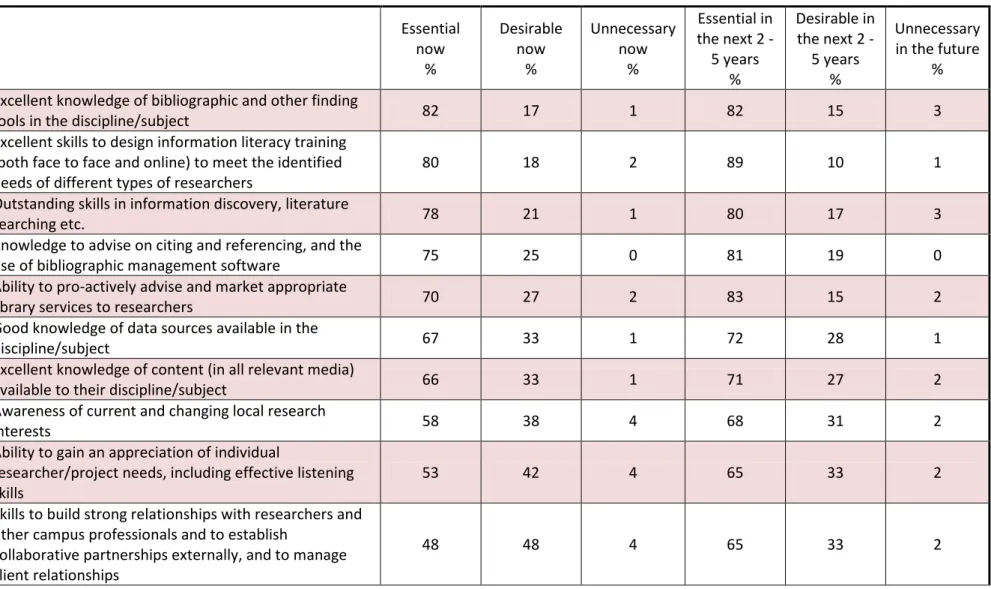
Table 1 How necessary do you think it is for Subject Librarians in your context to have the following skills and knowledge currently and in the future? ...100
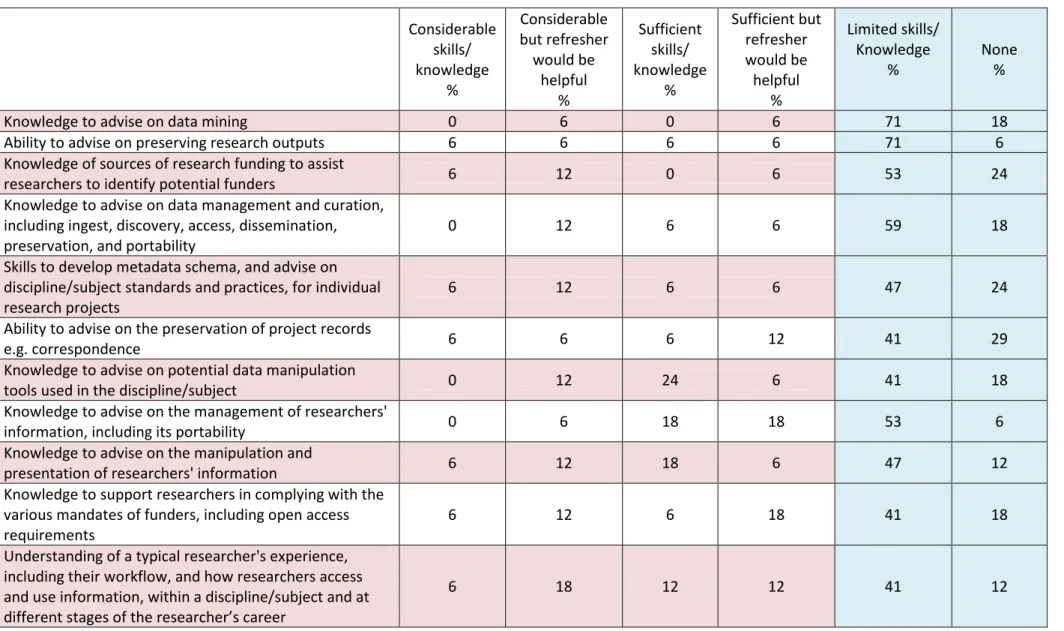
Table 2 The extent to which Subject Librarians personally have the following skills and knowledge ...103
Table 3 To what extent do you think Subject Librarians in general currently have the following skills and knowledge? ...106
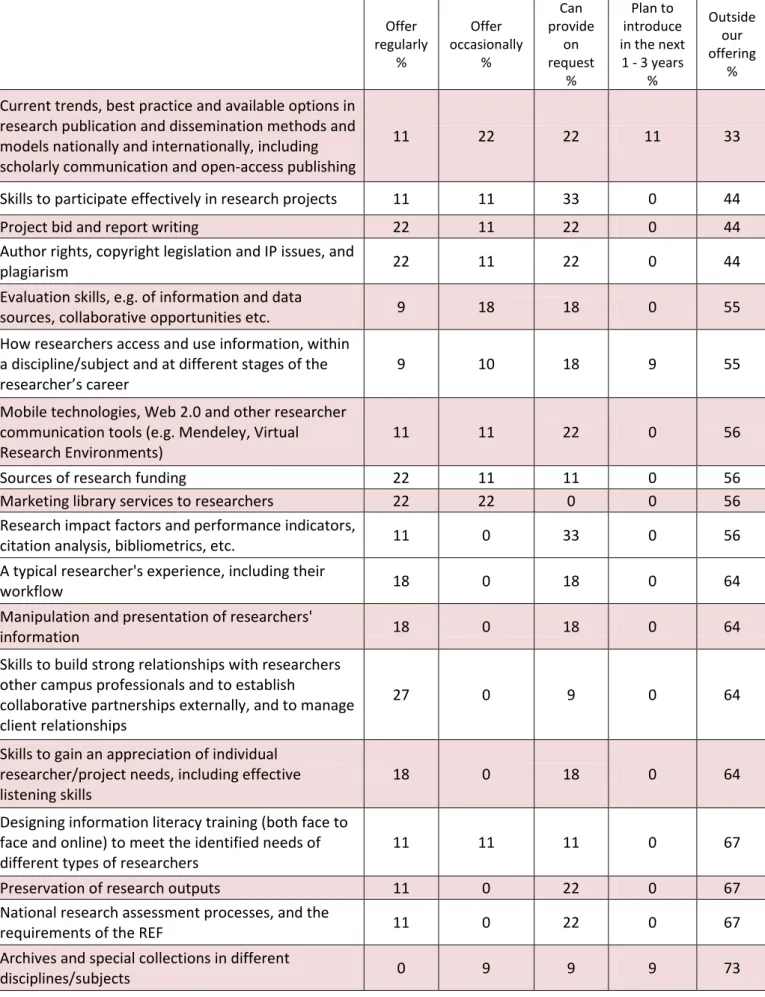
Table 4 The extent to which the trainers provide, or could provide, training in the following areas ...109
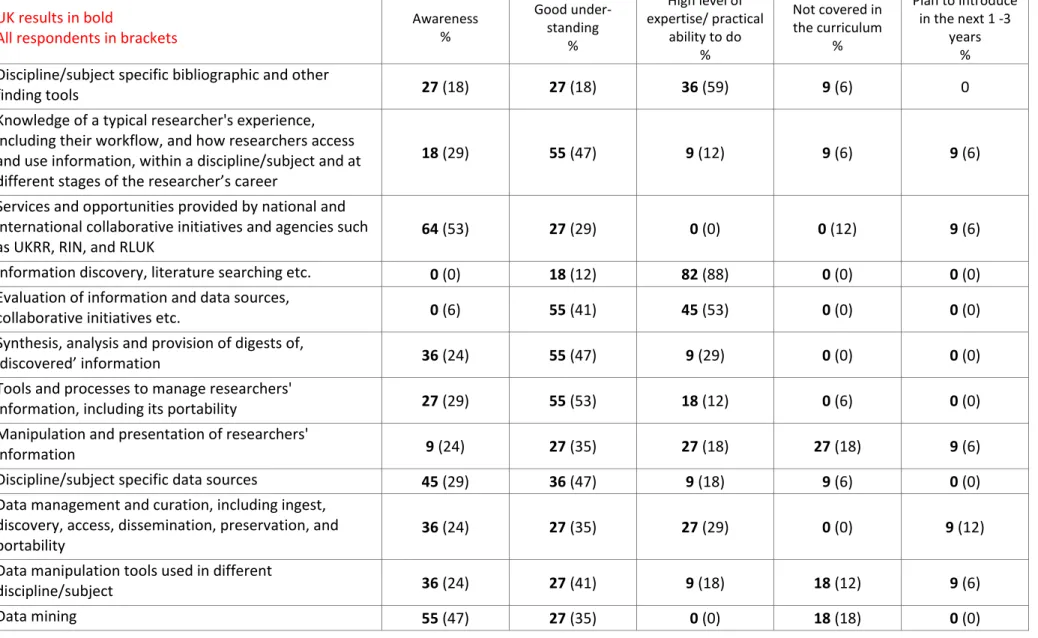
Table 5 The extent to which students opting for academic library options on postgraduate courses acquire knowledge/skills in the following areas ...111
Preface
It is clear that as the nature of research within our institutions changes, so must the role of the library in supporting research. The increasingly competitive research environment demands greater collaboration (across discipline, institutional, and national boundaries) and generates greater quantities of data than ever before. In addition, funders are placing increased emphasis on the demonstration of the impact of research outputs and engendering wide dissemination of research findings.
As research activities evolve, research support must evolve with it. There has been much debate within libraries as to what form this evolution will take -‐ but little consensus in terms of the part to be played by the library in general, or the role of library staff members in particular. What discussions there have been have tended to focus on support and liaison librarians as the natural constituency to fulfill the new research requirements.
RLUK has been keen to determine what the new requirements of researchers are, and how best these needs can be met by the library. We want to place the needs of the researcher in the context of the liďƌĂƌLJ͛ƐĐƵƌƌĞŶƚŽĨĨĞƌŝŶŐ͕ĂŶĚůŽŽŬĂƚŚŽǁǁĞŵƵƐƚĐŚĂŶŐĞƚŽĨƵůĨŝůůƚŚĞŶĞǁĚĞŵĂŶĚƐƉůĂĐĞĚƵƉŽŶƵƐ͘
This report, Re-‐skilling for Research, takes us a long way to mapping these requirements. It looks in detail Ăƚ ƌĞƐĞĂƌĐŚĞƌƐ͛ ŝŶĨŽƌŵĂƚŝŽŶ ŶĞĞĚƐ ;^ĞĐƚŝŽŶ ϮͿand begins to outline the skills and knowledge that are required to meet those needs (Section 3). Section 4 offers a comparison of different models of library support for researchers, with valuable comparisons of current job descriptions. Finally, the report explores issues around the training opportunities for subject librarians to acquire the additional skills and knowledge they will need to fulfill their new roles.
A report such as this does not provide a definite set of answers, but initiates a valuable process, highlighting a number of activities for individual institutions, associations such as RLUK, library schools, etc. tĞŚŽƉĞƚŚĂƚDĂƌLJƵĐŬůĂŶĚ͛ƐĞdžĐĞůůĞŶƚǁŽƌŬŝŶƚŚĞƌĞƉŽƌƚǁŝůůďĞƚŚĞƐƚĂƌƚŽĨĂǀŝŐŽƌŽƵƐĚŝƐĐƵƐƐŝŽŶƚŚĂƚ helps to redefine the place of the library in the research process.
David Prosser
Executive Summary
RLUK, Research Libraries UK is a long-‐established consortium of the top research-‐led institutions in the UK and Ireland. The consortium has successfully initiated new ideas, plans, projects and services with the single aim of providing some of the best support for research libraries and information services in the UK and beyond.
Z>h<ŝƐĂǁĂƌĞŽĨƚŚĞĐŽŶƐŝĚĞƌĂďůĞƌĞĐĞŶƚĚŝƐĐƵƐƐŝŽŶĂŶĚĂŶĂůLJƐŝƐŽĨƌĞƐĞĂƌĐŚĞƌƐ͛needs and the continuing rapid changes in the research landscape. The survival of the subject/liaison role in libraries is dependent on an agile and flexible response by staff in those roles, and by their managers. While much work has been done in recent years to re-‐energise support for teaching and learning, more is still required to develop subject/liaison support for research, despite the emergence of new roles, such as data librarians. RLUK commissioned Mary Auckland to undertake a study to map the information needs of researchers onto tasks to be undertaken by Subject Librarians, information specialists and liaison staff, in order to develop the skills sets of existing staff to ensure they meet the needs of a constantly changing research environment.
The study consisted of four work packages of information gathering and analysis. The first consisted of an exploration of the information needs and information seeking behaviour of researchers and mapping the role of Subject Librarians to these needs. Information was gathered from a review of current literature, returns from 23 libraries to a short questionnaire, and the additional documentation they provided. What is clear is that researchers are not a homogeneous group. Their activities, discourse, approaches to research, and their information needs differ, in particular in relation to their discipline and/or subject and its culture and praxis, and the stage of their career. Researchers have diverse information and related needs depending, for example, on their discipline and the stage of their career. To most effectively provide the support and services needed to meet these needs Subject Librarians must have a deep understanding of what they are ʹ one size does not fit all. They will need to keep abreast of the findings of ongoing investigations into researcher behaviour and respond accordingly, not by trying to restrain and mould researcher behaviour to the old modes of service and support, but by embracing the new ways and designing innovative and responsive approaches. To date, Subject Librarians have supported the needs of researchers through relatively traditional services revolving around information discovery, collection development and some elements of information management. The survey of participating libraries and the literature provide evidence for a shift in the nature of support and services, which are becoming more diverse and extensive, and moving beyond purely information-‐related activities and towards a greater emphasis on research data management in particular. They recognise the importance of the research
agenda to their institutions and of giving it appropriate and relevant support, and a range of new roles for Subject Librarians are being explored and embedded. These issues are explored in more detail in Chapter 2 of the Report.
To support the information and related needs of researchers expertly, now and in the future, and to perform the roles identified in Chapter 2, Subject Librarians will need to have a set of skills and knowledge, and be able to apply these appropriately. The second work package focused on reviewing the skills sets required to support researchers. The study identified a set of 32 skills and areas of knowledge that Subject Librarians currently need, or will need in the future, to varying degrees, if they are to perform the tasks discussed earlier that will provide the support researchers require. 169 Subject Librarians and their managers from 22 RLUK member libraries completed a web-‐based survey designed to validate the skills and knowledge areas identified, and to assess the extent to which Subject Librarians currently have these skills and how important they felt they would be in the future. The full details of the 32 skills and knowledge areas, and the findings of the skills' gap survey are given in Chapter 3.
Most significantly, the findings indicate that there is a high skills gap in nine key areas where future involvement by Subject Librarians is considered to be important now and is also expected to grow sharply. It is in these areas that consideration needs to be given, and decisions made, with respect to training and development, and recruitment. The nine areas are listed below:
x Ability to advise on preserving research outputs (49% essential in 2-‐5 years; 10% now) x Knowledge to advise on data management and curation, including ingest, discovery, access,
dissemination, preservation, and portability (48% essential in 2-‐5 years; 16% now)
x Knowledge to support researchers in complying with the various mandates of funders, including open access requirements (40% essential in 2-‐5 years; 16% now)
x Knowledge to advise on potential data manipulation tools used in the discipline/ subject (34% essential in 2-‐5 years; 7% now)
x Knowledge to advise on data mining (33% essential in 2-‐5 years; 3% now)
x Knowledge to advocate, and advise on, the use of metadata (29% essential in 2-‐5 years; 10% now)
x Ability to advise on the preservation of project records e.g. correspondence (24% essential in 2-‐5 years; 3% now )
x Knowledge of sources of research funding to assist researchers to identify potential funders (21% essential in 2-‐5 years; 8% now)
x Skills to develop metadata schema, and advise on discipline/subject standards and practices, for individual research projects (16% essential in 2-‐5 years; 2% now)
In Chapter 4 ƐŽŵĞŽĨƚŚĞ͚ƚƌĂĚŝƚŝŽŶĂů͛ĂŶĚŶĞǁŵŽĚĞůƐďĞŝŶŐĞŵƉůŽLJĞĚƚŽĞŶŐĂŐĞǁŝƚŚƌĞƐĞĂƌĐŚĞƌƐĂƌĞ considered, based primarily on the information provided by participating libraries. Other related relevant Library posts supporting researchers, SubjĞĐƚ>ŝďƌĂƌŝĂŶƐ͛ũŽďĚĞƐĐƌŝƉƚŝŽŶƐ͕ĂŶĚƐƚĂĨĨŝŶŐƐƚƌƵĐƚƵƌĞƐĂƌĞĂůƐŽ
discussed. There is a clear trend towards providing support for research that is driven more by the requirements of researchers than it has been in the recent past, and a movement in some institutions towards a more proactive model of engagement with researchers. Alternative routes to providing ͚ůŝďƌĂƌLJ͛ ƐƵƉƉŽƌƚ ĨŽƌƌĞƐĞĂƌĐŚĞƌƐ͕ŝŶĐůƵĚĞ ƚŚĞ ͚ĐůĂƐƐŝĐĂů͛ŵĞƚŚŽĚŽĨĚĞƉůŽLJŝŶŐ^ƵďũĞĐƚ >ŝďƌĂƌŝĂŶƐ͕ƚŚĞ emerging model of greater engagement and embedding them, and a more hybrid model of support in which new library posts are being created. Another objective of the study, covered in Chapter 6, was to review alternative models of information support for researchers that may bypass traditional ͚ůŝďƌĂƌLJ͛support, based on information from the literature and the returns from participating libraries. A variety of alternative models, indeed sources, of support and services that researchers can turn to in order to meet their information and related needs are identified, and research libraries and their Subject Librarians face the challenge of ensuring that they remain relevant and visible in this environment of diverse support and service provision. Libraries will need to make every effort to collaborate (liaise seems ƚŽ ďĞ Ă ǀĞƌLJ ƉĂƐƐŝǀĞ ĂŶĚ ŝŶĂĚĞƋƵĂƚĞ ĐŽŶĐĞƉƚ ŝŶ ƚŚŝƐ ĐŽŶƚĞdžƚͿ ǁŝƚŚ ƚŚĞƐĞ ͚ĐŽŵƉĞƚŝƚŽƌƐ͛ ǁŚŽ ĂƌĞ ĂůƐŽ potential partners, to change the challenge they present into an opportunity, and to ensure the best possible support for researchers and the best value for money for their institutions.
Work package 3 investigated training opportunities, and gaps, for existing and future Subject Librarians, and Chapter 5 explores the opportunities for them to acquire any additional skills and knowledge they need to perform their role in support of researchers. It draws on information gathered from the participating libraries about the methods they currently utilise to provide training and development opportunities, and on a survey completed by eleven organisations known to provide training, and another completed by 18 Schools of Library and Information Studies in the UK, continental Europe, North America and Australia.
The majority of the training and development activities reported in the survey of libraries centred around ͚ĐŽƌĞ͛ ƐŬŝůůƐ ĂŶĚ ƚŚĞ ŵŽƌĞ ƚƌĂĚŝƚŝŽŶĂů ŵĞƚŚŽĚƐ ŽĨ ƐƵƉƉŽƌƚŝŶŐ ƌĞƐĞĂƌĐŚ͕ ĂůƚŚŽƵŐŚ ĞǀĞŶƚƐ ĚĞƐŝŐŶĞĚ ƚŽ improve the skills of Subject Librarians and their capability to support research in new ways are being provided, albeit on a lesser scale. The small number of respondents to the survey sent to training providers makes it difficult to assess the current situation with confidence, but it does appear that there may be limited opportunities to acquire many of the new skills and knowledge areas in which Subject Librarians identify a skills gap, from a core group of large training providers. It is more likely that opportunities will need to be carefully sourced from a very wide range of providers, often outside the ŶŽƌŵĂů ͚ůŝďƌĂƌLJ͛ ĂƌĞŶĂ. There is considerable scope for RLUK to work in partnership with appropriate training providers to develop the training and development programmes that are increasingly going to be needed by Subject Liberians who support researchers. All of the skills and knowledge areas are
currently covered to a greater or lesser extent in the Library Schools that responded to the survey. Although they are providing more of a generic offering, and have little scope for producing graduates with the level of skills and knowledge to become Subject Librarians able to effectively support researchers.
Chapter 7, the concluding chapter reflects on the findings of the study that will, hopefully, enable RLUK and its members to plan the best possible fit between assessed needs and present and future staffing profiles. Libraries, and their staff (including Subject Librarians) who have a responsibility to support and provide services for researchers, face a huge challenge that could be turned into a huge opportunity. The ůŝƚĞƌĂƚƵƌĞĂďŽƵƚƌĞƐĞĂƌĐŚĞƌƐ͛ŝŶformation and related needs and behaviour, points to a trend of them by-‐ passing the library as a source of support and services. Libraries will need to respond to this challenge by developing a unique role in consultation with their institution for the part they will play in the support of ŵĞĞƚŝŶŐ ƌĞƐĞĂƌĐŚĞƌƐ͛ŝŶĨŽƌŵĂƚŝŽŶĂŶĚƌĞůĂƚĞĚŶĞĞĚƐ͘dŚĞƌĞƐĞĂƌĐŚĞŶǀŝƌŽŶŵĞŶƚŝƐĐŚĂŶŐŝŶŐ͕ĚƌŝǀĞŶŶŽƚ least by the power of technology to transform the way researchers work. Libraries are largely in uncharted territory, and have the chance to draw a new map of support and services for researchers.
This investigation has highlighted an exciting and demanding new role for Subject Librarians in supporting the information and research data needs of researchers that embraces a range of new and modernised services and support, and that builds on their existing traditional and valued role. A shift can be seen which takes Subject Librarians into a world beyond information discovery and management, collection development and information literacy training, to one in which they play a much greater part in the research process and in particular in the management, curation and preservation of research data, and in scholarly communication and the effective dissemination of research outputs. To be able to fully deliver this new role Subject Librarians need to have the skills and knowledge required to perform it expertly and with confidence. This study has uncovered a skills gap in a number of key areas which will need to be bridged through training and development of the existing workforce, and the recruitment of new staff with the necessary skills and knowledge. No obvious sources for the provision of this training and development were uncovered, and it is likely that new partnerships between research libraries, RLUK and various training providers will need to be forged to fully capitalise on the deployment of those people that already have the required skills and are able to impart them to others. The demand for this enhanced role for Subject Librarians is already being felt in research libraries, and is likely to grow considerably over the next 2 -‐ 5 years, unless researchers are forced to look elsewhere because the workforce is not quickly and fully prepared and equipped with the skills and expertise to support them.
Building on existing competencies may only be part of the picture if research libraries are to continue to provide responsive and relevant support and services to support the information and data management needs of researchers. The support and services research libraries are charged with providing will have to ďĞĐůĞĂƌůLJĂƌƚŝĐƵůĂƚĞĚĂŶĚƚŚĞŝƌďĞŶĞĨŝƚƐĞdžƉƌĞƐƐĞĚŝŶƚĞƌŵƐŽĨƌĞƐĞĂƌĐŚĞƌƐ͛ŶĞĞĚƐĂŶĚŚŽǁƚŚĞƐĞǁŝůůďĞ met actively, they will have to be delivered within a timeframe thĂƚĐŽƌƌĞƐƉŽŶĚƐƚŽƌĞƐĞĂƌĐŚĞƌƐ͛ƉĂƚƚĞƌŶƐ of work, and they will have to be vigorously and assertively promoted. They will need to ensure they have staff who embrace the role they play and feel confident and skilled to deliver the support and services expected of them, and they will need to do it soon.
Acknowledgments
Many people contributed to the findings in this report. The respondents to the initial survey of libraries, drawn from the UK and internationally, willingly provided a wealth of candid, detailed information about the roles and skills of their Subject Librarians that was invaluable to the study. Subject Librarians and their managers in the RLUK member libraries provided a picture of their current and future knowledge skills sets, and Schools of Library and Information Studies and trainers contributed information about how some of these skills might be imparted to the workforce. Not all the information gathered could be used in the report but will be made available to the RLUK Steering Group as a separate body of information. Antony Brewerton and the RLUK Project Steering Group (see Appendix A for the membership) provided invaluable support and guidance throughout the period of the study. A special thank you has to go to a proof reader extraordinaire and his wise comments and eagle eye.
1
Introduction
1.1
About RLUK
RLUK, Research Libraries UK is a long-‐established consortium of the top research-‐led institutions in the UK and Ireland. The consortium has successfully initiated new ideas, plans, projects and services with the single aim of providing some of the best support for research libraries and information services in the UK and beyond. In over 25 years of activity, RLUK has sponsored some of the major free online UK resources in support of research, including Copac, the de facto UK Union Catalogue of over 35 million books and serials, the Archives Hub, a national gateway to descriptions of archives in UK universities and colleges, and the award-‐winning SHERPA services1, which are developing open-‐access institutional repositories in universities to facilitate the rapid and efficient worldwide dissemination of research.
1.2
The Project
RLUK is aware of the considerable recent discussion and analysis of researcheƌƐ͛ ŶĞĞĚƐ ĂŶĚ ƚŚĞ ĐŽŶƚŝŶƵŝŶŐ ƌĂƉŝĚ changes in the research landscape. The survival of the subject/liaison role in libraries is dependent on an agile and flexible response by staff in those roles, and by their managers. While much work has been done in recent years to re-‐energize support for teaching and learning, more is still required to develop subject/liaison support for research, despite the emergence of new roles, such as data librarians.
An initial overview of job descriptions and literature on the role of Subject Librarians, information specialists and liaison staff suggested ƚŚĂƚƌŽůĞĚĞƐĐƌŝƉƚŝŽŶƐĂƌĞ͚ůŝďƌĂƌLJŽƌŝĞŶƚĂƚĞĚ͛ƌĂƚŚĞƌƚŚĂŶŽƌŝĞŶƚĂƚĞĚ towards the needs of the research community.2
RLUK commissioned Mary Auckland to undertake a study to map the information needs of researchers onto tasks to be undertaken by subject librarian, information specialist and liaison staff (hereafter referred
1
www.sherpa.ac.uk/index.html 2
Brewerton (2011)
͞tŚŝůĞ ƚŚĞƌĞ ŝƐ ŐĞŶĞƌĂů ĂŐƌĞĞŵĞŶƚ ƚŚĂƚ
liaison roles are changing, research libraries are grappling with defining the scope of these new roles. Identifying emerging roles, determining what work to let go of, designing supportive institutional structures, and ensuring that liaisons [sic] have needed skills and knowledge present
ĐŚĂůůĞŶŐĞƐ͘͟
ARL website
to as Subject Librarians), in order to develop the skills sets of existing staff to ensure they meet the needs of a constantly changing research environment.
Several of the contributors to the study commented on how timely the study is, and a number of other organisations are currently exploring the library roles and skills needed to support researchers. The picture is similar internationally. LIBER (The Ligue des Bibliothèques Européennes de Recherche) has a Steering Committee looking at the skills and organisational structures needed in research libraries today3. OCLC are expůŽƌŝŶŐĂŶƵŵďĞƌŽĨŝƐƐƵĞƐŝŶƚŚĞŝƌZĞƐĞĂƌĐŚ/ŶĨŽƌŵĂƚŝŽŶDĂŶĂŐĞŵĞŶƚŝŶŝƚŝĂƚŝǀĞŝŶŽƌĚĞƌƚŽ͞ƌĞĂĐŚĂ collective understanding of the responsibilities of, and opportunities for, libraries in a changed research ĞŶǀŝƌŽŶŵĞŶƚ͟4. The Association of Research Libraries ;Z>Ϳ ƌĞƉŽƌƚƐ ƚŚĂƚ ŝƚƐ ůŝďƌĂƌŝĞƐ ĂƌĞ ͚ŝŶĐƌĞĂƐŝŶŐůLJ exploring and adopting a range of new roles in serving research institutions, researchers, scholars, and ƐƚƵĚĞŶƚƐ͛͘ /ƚ ŚĂƐ ĐŽŵŵŝƐƐŝŽŶĞĚ Ă ͚ƌĞƉŽƌƚ ĐůƵƐƚĞƌ͛ ĂŶĚ ǁĞďĐĂƐts focusing on key new roles which will ͞ŝĚĞŶƚŝĨLJĂŶĚĚĞůŝŶĞĂƚĞĞŵĞƌŐŝŶŐƌŽůĞƐ͟ĚƌĂǁŝŶŐŽŶƚŚĞĞdžƉĞƌŝĞŶĐĞŽĨƚŚĞŝƌŵĞŵďĞƌůŝďƌĂƌŝĞƐ͘dŚŝƐǁŽƌŬŝƐ still in progress5.
The study focuses on the role of Subject Librarians in the support of researchers rather than on the larger picture of the strategic issues for libraries. By and large therefore the role of libraries generally, and related university activities in support of researchers, are not explored in detail. Other studies are, or have, focused on this wider perspective. For example 'Towards the academic library of the future'6 -‐ a project funded by the British Library, JISC, the Research Information Network (RIN), RLUK and the Society of College, National and University Libraries (SCONUL), and the proceedings of two recent symposia held in the USA. One of these was hosted by the Council on Library and Information Resources 7, and the other8 was held at The University of Texas at Austin.
3 www.libereurope.eu/node/458
4 www.oclc.org/research/activities/rim.htm 5
www.arl.org/rtl/plan/nrnt/index.shtml 6
www.rin.ac.uk/our-‐work/using-‐and-‐accessing-‐information-‐resources/towards-‐academic-‐library-‐future 7
Council on Library and Information Resources (2008) 8
1.3
Methodology
The major part of the study, information gathering and analysis consisted of four work packages:
Work package 1, carried out in Summer 2010, focused on a review of Subject Librarian roles, and consisted of:
x An exploration of the information needs and information seeking behaviour of researchers, and the role of Subject Librarians supporting these, and mapping the role of Subject Librarians to the needs of researchers.
x Ŷ ĞŶǀŝƌŽŶŵĞŶƚĂů ƐĐĂŶ ŽĨ ͚ƐƵďũĞĐƚ ůŝďƌĂƌŝĂŶ͛ ũŽď descriptions, staffing structures and models of researcher support.
Information was gathered from a review of current literature
(see Appendix B), returns from 23 libraries to a short questionnaire (see Appendix C), and the additional documentation the provided. The participating libraries were selected to give a good national and international spread and because they were known to be actively supporting researchers based on the knowledge of the investigator and the project Steering Committee, and information on their web sites. They were:
University of Canterbury, New Zealand Cardiff University Information Services Columbia University Library, USA Durham University Library
University of Edinburgh, Information Services University of Hong Kong Libraries
Leeds University Library Liverpool University Library
London School of Economics and Political Science Library
The University of Manchester, John Rylands University Library
University of Maryland Libraries, USA
University of Melbourne Library, Australia Monash University, Australia
Newcastle University Library Purdue University Library, USA
University of Northumbria Library and Learning Services
Rice University, Fondren Library, USA Southampton University Library University of Sydney
Tilburg University Library
University of Toronto Libraries, Canada Trinity College Dublin Library, Ireland University of Warwick Library
Research libraries, once proud curators of historic print collections, face enormous challenges in this digital marketplace. The philosophy of warehousing large book collections, `just-‐in-‐case-‐ƚŚĞLJ͛ƌĞ ŶĞĞĚĞĚ͕͛ ŝƐ ƌĂpidly becoming redundant as users turn their backs on the library as a physical space. Instead, research libraries are having to adjust to a new reality: the need to compete for attention among user groups, especially the young, who demand involving, dynamic and personalised content experiences that can compete with the likes of Facebook.
Throughout the Report, libraries are referred to ĐŽůůĞĐƚŝǀĞůLJĂƐƚŚĞ͚ƉĂƌƚŝĐŝƉĂƚŝŶŐůŝďƌĂƌŝĞƐ͕͛ĂŶĚŝŶĚŝǀŝĚƵĂůůLJ by an abbreviated version of the name of their institution, normally the city in which they are located.
The findings of this work package are used throughout the report, but inform Chapter 2 in particular.
Work package 2 focused on reviewing the skills sets required to support researchers and consisted of: x Defining the knowledge and skills sets required by Subject Librarians to support researchers based
on the information gathered in work package 1.
x A validation of the relevance of the knowledge and skills sets identified
x An analysis of the extent to which Subject Librarians and their managers think the skills are currently available, and have future relevance, based on the survey of participating libraries and a web-‐based survey completed in 22 RLUK member libraries, conducted in late Summer 2010.
The findings of this work package are detailed in Chapter 3.
Work package 3, carried out in Autumn 2010, reviewed relevant training and development activities currently available in the sector to investigate training opportunities, and gaps, for existing professionals. This was based on desk research, a short web-‐based survey sent to a selection of 28 organisations known to provide training for librarians or who might have an interest in doing so, and information obtained from participating libraries about the methods they currently utilise to provide training and development opportunities. Eleven organisations completed the survey (two chose to remain anonymous):
CILIP Training and Development Economic and Social Research Council (ESRC) researcher development section Hudson Rivers Management and Training Consultants
Netskills
Research Councils UK (RCUK) Research Information Network (RIN) SALCTG (Scottish Academic Libraries Co-‐ operative Training Group)
UKSG Vita
In addition, the 16 UK Schools of Library and Information Studies providing CILIP accredited courses, and a sample of 20 European, North America and Australian Schools, were similarly surveyed to identify training opportunities and gaps for new entrants, and to explore opportunities for RLUK to work with them to ensure new professionals are equipped to work effectively in the current and emerging research environment. The term Schools of Library and Information Studies is used as a generic term to include all the schools and departments surveyed.
18 Schools, from the following universities, completed the survey:
Aberystwyth University University of Brighton
Bristol Institute of Technology, UWE British Columbia University
Dalhousie University University of Glasgow
Liverpool John Moores University London Metropolitan University Manchester Metropolitan University Queensland University of Technology Robert Gordon University
Rutgers, the State University of New Jersey Simmons College
University of South Australia Strathclyde University Syracuse University Thames Valley University University College London
The findings of these surveys are detailed in Chapter 5
Work package 4 considered some potential alternative models of information support for researchers that ŵĂLJďLJƉĂƐƐƚƌĂĚŝƚŝŽŶĂů͚ůŝďƌĂƌLJ͛ƐƵƉƉŽƌƚ͕ďĂƐĞd on information from the literature and the returns from participating libraries.
The details are given in Chapter 6.
2
Researchers
͛
information and other needs, and the role of Subject
Librarians in supporting them
2.1
Researchers and their information and other related needs
ďƌŝĞĨ ƌĞǀŝĞǁ ŽĨ ĐƵƌƌĞŶƚ ůŝƚĞƌĂƚƵƌĞ ĞdžƉůŽƌŝŶŐ ƌĞƐĞĂƌĐŚĞƌƐ͛ ŝŶĨŽƌŵĂƚŝŽŶ ĂŶĚ ƌĞůĂƚĞĚ ŶĞĞĚƐ ĂŶĚ ƚŚĞŝƌ information seeking was conducted (see Appendix B) and the findings of these studies provides context for the work of Subject Librarians, and insights that will enable them to identify and deliver appropriate and responsive services and support.
What is clear from the literature is that researchers are not a homogeneous group. Their activities, discourse, approaches to research, and their information needs differ, in particular in relation to their discipline and/or subject and its culture and praxis, and the stage of their career. Connaway and Dickey9 reviewed evidence from projects funded by the Joint Information Systems Committee (JISC) to begin to ĚĞǀĞůŽƉĂƉƌŽĨŝůĞŽĨƚŽĚĂLJ͛ƐƌĞƐĞĂƌĐŚĞƌ͘dŚĞLJŝĚĞŶƚŝĨŝĞĚĞdžĂŵƉůĞƐŽĨǁĂLJƐŝŶǁŚŝĐŚƌĞƐĞĂƌĐŚĞƌƐŝŶĚŝĨĨĞƌĞŶƚ disciplines behave differently and have different needs. They found, for example, that science researchers are more likely to use digital repositories and a VRE and more likely to use Twitter, while mathematicians and computer scientists are more predisposed to archive their own material, and, like classicists, to disseminate their research outputs themselves. Social scientists on the other hand are more reluctant to use new technologies, for example they are less likely to Tweet or use a laptop at a conference. A Research Information Network (RIN) and JISC study found that motivations to publish in different formats differ significantly across disciplines10. RIN with the British Library (BL) has also commissioned a series of case studies11 looking at how researchers use information in the life sciences, physical sciences, humanities and in collaborations. The case studies in the life sciĞŶĐĞƐ ŚŝŐŚůŝŐŚƚĞĚ ͞ƚŚĞ ĐŽŶƐŝĚĞƌĂďůĞ variances in practice for information use and exchange amongst the groups...ƐƚƵĚŝĞĚ͟12, and there is no reason to expect that the findings of the others will do otherwise.
Other studies have concentrated on researchers at different stages of their careers. James et al13 focused on ͚ĞĂƌůLJ ĐĂƌĞĞƌ ƌĞƐĞĂƌĐŚĞƌƐ͛ ;ZƐͿ͕ WŚs and postdoctoral researchers, in the first few years of their careers and the way they work, providing potential insights into the library services and support that might meet their information and other needs and how these might best be delivered.
9
Connaway and Dickey (2009)
10 Research Information Network and the Joint Information Systems Committee (2009)
11 www.rin.ac.uk/our-‐work/using-‐and-‐accessing-‐information-‐resources/disciplinary-‐case-‐studies-‐life-‐sciences 12
Research Information Network and the British Library (2009) 13
Bent et al14 ĐĂƚĞŐŽƌŝƐĞĂƌĞƐĞĂƌĐŚĞƌ͛ƐůĞĂƌŶŝŶŐůŝĨĞŝŶƚŽĂƐĞƌŝĞƐŽĨƐƚĂŐĞƐǁŚŝĐŚƚŚĞLJĐĂůůƚŚĞ^ĞǀĞŶŐĞƐŽĨ Research. They link the learning needs of researchers to each stage and link these to the development of information literacy. The Seven Ages they identified are:
1. Masters students 2. Doctoral students 3. Contract research staff 4. Early career researchers 5. Established academic staff 6. Senior researchers
7. Experts
The recŽŐŶŝƚŝŽŶŽĨƚŚĞĚŝĨĨĞƌĞŶĐĞƐŝŶƌĞƐĞĂƌĐŚĞƌƐ͛information needs and information seeking behaviour is not new. For example, the Information Requirements of the Social Sciences study led by Maurice Line in the 1960s aimed to discover how social scientists used information15,16. This and other earlier studies had significant impact and will have had an ongoing influence on Subject Librarians over the years. But changing client expectations, the vast changes in information and communications technologies, and a harsher economic climate make it imperative in the current environment that Subject Librarians can respond knowledgeably and innovatively to the diverse needs of researchers. They need to be are aware of, understand the differences, and carefully assess the individual needs of the researchers or groups of researchers they are supporting, taking account of these in service and support delivery.
Researchers live by 'satisficing' (accepting an adequate answer or solution over an optimal one) to quote a recent OCLC report17 and they require support that is driven by their needs, ͞integrated into their workflows, available at the point of need, is good enough and is discipline specific͘͟ĐŽŵŵŽŶĐŽŶĐĞƌŶof researchers is time pressure or constraints. ECRs for example argue they need ͞tools which fit into their busy and varied lives, and which do not come with a heavy training overhead͟18, and the RIN/BL study concluded that one reason for ƌĞƐĞĂƌĐŚĞƌƐ͛ restricted choice of information tools and resources is that they have limited time to review the whole information landscape19. They want services and support that are easy to use, with minimum overheads, and that fit in with their workflows; and they are looking for more personalised services.
14
Bent et al (2007) 15
Line (1971) 16 Line (1999) 17 Prabha et al (2007 18
James et al (2009) 19
Gabridge20 highlights the importance of Subject Librarians understanding tŚĞ ŶĞĞĚƐ ŽĨ ƌĞƐĞĂƌĐŚĞƌƐ͗ ͞^ƚƵĚLJŝŶŐ ƚŚĞ ƌĞƐĞĂƌĐŚ ŶĞĞĚƐ ŽĨ ŝŶĚŝǀŝĚƵĂů researchers and of the institution as a whole is a major component of the work of library subject liaisons. As such, these librarians are well ƉŽƐŝƚŝŽŶĞĚ͕ ĂŶĚ ǁŝůů ďĞ ĞƐƐĞŶƚŝĂů ŝŶ ďƵŝůĚŝŶŐ ƚŚĞ ͞ůĂƐƚ ŵŝůĞ͟ ŽĨ ƌĞƐĞĂƌĐŚ data cyberinfrastructureͶthe part of the network that will provide connections between the systems and the researchers, and ultimately, to ŶĞǁƵƐĞƌƐŽĨƚŚĞĚĂƚĂ͘͟The RIN and BL report on the research patterns in life sciences concludes that the evidence from the seven case studies
concluded so far ͞ŚĂƐĂĚŝƌĞĐƚďĞĂƌŝŶŐŽŶƚŚĞƉƌŽǀŝƐŝŽŶŽĨŝŶƐƚŝƚƵƚŝŽŶĂůŝŶĨŽƌŵĂƚŝŽŶƐĞƌǀŝĐĞƐ;//^ͿĨŽƌƚŚĞƐĞ ƐƉĞĐŝĨŝĐ ƐƵďũĞĐƚƐ ĂŶĚ ƉĞƌŚĂƉƐ ŽƚŚĞƌƐ͟ ĂŶĚ ƚŚĂƚ ƚŚĞ ĚŝĨĨĞƌĞŶĐĞ ŝŶ ƌĞƐĞĂƌĐŚĞƌƐ͛ ďĞŚĂǀŝŽƵƌ ͞ƌĞƉƌĞƐĞŶƚƐ Ă ŵĂũŽƌĐŚĂůůĞŶŐĞĨŽƌ//^ƉƌŽǀŝĚĞƌƐŝŶƚĞŶƚŽŶƐƵƉƉŽƌƚŝŶŐĂďƌŽĂĚƌĂŶŐĞŽĨƌĞƐĞĂƌĐŚ͟21. Many of these issues were explored in depth in the RIN and Consortium of University Research Libraries (now RLUK) report that examined rĞƐĞĂƌĐŚĞƌƐ͛ƵƐĞŽĨĂĐĂĚĞŵic libraries and their services22. All of these patterns of behaviour by researchers, and their information and related needs, are in flux and will change as new cohorts of people enter the research arena. It is essential that Subject Librarians stay abreast of the changes and respond quickly in delivering their support and services.
2.2
Role of the Subject Librarian
The picture of the current and changing role of Subject Librarians is one of considerable flux. Activities considered current in one institution are seen as potential activities for the future in another. In some research libraries, Subject Librarian roles are changing and expanding to accommodate new responsibilities, while in others specialist posts are being created to perform them. Some of these models are explored in greater detail in Chapter 4. What is clear from this current study, from other recent studies, and from the responses from the participant libraries, is that university research libraries recognise the need for a sea change in the support that libraries and Subject Librarians give to researchers, and are responding to the challenges. How they are doing this is looked at in more depth in section 2.3 below. Information about the role that Subject Librarians play in meeƚŝŶŐƌĞƐĞĂƌĐŚĞƌƐ͛ŶĞĞĚƐ was gathered from the survey returns received from participating libraries and recent literature. It was also drawn from the findings of two studies conducted last year for the Open University that looked at the training needs of
20 Gabridge (2009)
21
Research Information Network and the British Library (2009) 22
Research Information Network and the Consortium of University Research Libraries [now RLUK] (2007)
͞^ƚƵĚLJŝŶŐ ƚŚĞ ƌĞƐĞĂƌĐŚ ŶĞĞĚƐ
of individual researchers and of the institution as a whole is a major component of the work of library subject
ůŝĂŝƐŽŶƐ͟
their Learning and Teaching Librarians23. Much of the literature relating to the role of Subject Librarians has until recently focussed on activities supporting teaching and learning. In all that follows, those activities specific to teaching and learning support, as well as any generic duties and responsibilities such as maintaining web pages, enquiry desk work, are, by and large, taken as given, and attention has inevitably been given to the role of Subject Librarians in relation to their support of research.
2.3
ZĞƐĞĂƌĐŚĞƌƐ͛ŶĞĞĚƐ
and the services and support provided by Subject Librarians
In this section, stages of the research life cycle are used as a framework for mapping the current and potential future roles of Subject Librarians to the needs of researchers. The life cycle model used has been ĚĞǀĞůŽƉĞĚ ƚŽ ďĞƐƚ ŝůůƵƐƚƌĂƚĞ ƚŚĞ ŝŶƚĞƌƐĞĐƚŝŽŶ ŽĨ ƌĞƐĞĂƌĐŚĞƌƐ͛ ŶĞĞĚƐ ĂŶĚ ^ƵďũĞĐƚ >ŝďƌĂƌŝĂŶƐ͛ roles. It is important to remember that the model is a tool to help systematise and map͕ǁŚŝůĞŝŶƌĞĂůŝƚLJ͞the fine structure of research and information activities does not conform to a
ƐŝŵƉůĞůŝŶĞĂƌŽƌĐLJĐůŝĐĂůŵŽĚĞů͟24.
While it is important for Subject Librarians to be aware of the distinctions between different types of researchers, it is also crucial for them to have an understanding of the activities that researchers generally engage in during the ͚ƌĞƐĞĂƌĐŚůŝĨĞĐLJĐůĞ͛ďĞĐĂƵƐĞ it is here that many library services currently intersect and support their work, and where the potential for
new services can be identified. ƌĞĐĞŶƚZ/Eͬ>ƌĞƉŽƌƚǁĂƌŶƐƚŚĂƚ͕͞There is a significant gap between how researchers behave and the policies and strategies of funders and service ƉƌŽǀŝĚĞƌƐ͟25. Without a good ĂŶĚĐƵƌƌĞŶƚƵŶĚĞƌƐƚĂŶĚŝŶŐŽĨƌĞƐĞĂƌĐŚĞƌƐ͛ŝŶĨŽƌŵation needs and information seeking behaviour there is a danger that Subject Librarians will be unable to deliver the support and services that are really needed.
At Purdue, Subject Librarians have become more proactive at engaging researchers, using a variety of methods ranging from participating in formal and informal meetings to becoming part of a research ƉƌŽũĞĐƚƚĞĂŵ͕ƚŽĚŝƐĐƵƐƐƌĞƐĞĂƌĐŚĞƌƐ͛ĂĐƚŝǀŝƚŝĞƐ͕ĂƐƐĞƐƐƚŚĞŝƌŶĞĞĚƐ, and identify strategic opportunities to act on. At Minnesota they work closely with researchers to understand their changing workflows and patterns of scholarly communication͕ĂŶĚĂƚDĂƌLJůĂŶĚƚŚĞLJ͞ǁŽƌŬĐůŽƐĞůLJǁŝƚŚĨĂĐƵůƚLJ...to determine their
23 Open University (2009a); Open University (2009b) 24
Research Information Network and the British Library (2009) 25
Research Information Network and the British Library (2009)
͞dŚĞ >ŝďƌĂƌLJ ǁŝůů ďĞĐŽŵĞ Ă
clear and critical component of a central service that addresses all aspects of the research lifecycle´
University of Edinburgh
͞Librarian roles are constantly evolving as the client demands evolve, so we evaluate and create new services to better
ƐƵƉƉŽƌƚƚŚĞƐĞĚĞŵĂŶĚƐ͟ University of Sydney
ƚĞĂĐŚŝŶŐ ĂŶĚ ƌĞƐĞĂƌĐŚ ŶĞĞĚƐ͘͟ Warwick observed that, in planning to develop services to meet wider ƌĞƐĞĂƌĐŚĞƌŶĞĞĚƐ͕ƚŚĞLJĂƌĞ͞ƐĐĂŶŶŝŶŐƚŚĞŵŝĐƌŽ-‐environment (and to a degree the macro-‐environment) to gain a greater understanding of those needs and where the Library fits into /could fit into the wider hŶŝǀĞƌƐŝƚLJƐƵƉƉŽƌƚŵĞĐŚĂŶŝƐŵ͘͟At Northumbria the Research Support and Collection Development team has worked with other Library colleagues to run focus groups with researchers to identify their needs with regard to space and collaborative research facilities.
2.3.1
Conceptualising new research, developing proposals, and identifying funding
opportunities
This initial stage of research is likely to involve the researcher in reviewing the published literature and other earlier research outputs, and exchanges with
colleagues. As well as developing a proposal for the research aims, methodology etc., a grant writer will probably have to produce costings and a project plan26. The researcher may also be seeking funding at this stage; this is a concern especially for the ECR but even the established researcher is concerned with finding grant funding27,28.
On the whole there is little indication that Subject Librarians are actively engaged in this phase except in a few libraries where they are beginning to be engaged in research projects. Subject Librarians at Melbourne, for example, are offering support and providing assistance with grant applications, and at Leeds they occasionally co-‐author funding bids as part of a research team. Some are also providing information about funding sources.
2.3.2
Seeking new information
Researchers now have ŵŽƌĞ͚ŐůŽďĂůĂŶĚƵŶďŽƵŶĚĞĚĂĐĐĞƐƐƚŽƌĞƐŽƵƌĐĞƐĂŶĚĐŽŶƚĞŶƚ͛29 than ever before, and the plethora of available information makes it harder and harder to know which sources to consult.
26 Research Information Network and the British Library (2009) 27 James et al (2009)
28
Bent et al (2007) 29
Association of Research Libraries (2010a)
͞In general terms, this new form of information seeking behaviour can be characterised as being horizontal, bouncing, checking and viewing in nature. Users are promiscuous, diverse and volatile and it is clear that these behaviours represent a serious challenge for traditional information providers, nurtured in a hardcopy paradigm and, in many respects, still tied to it. Libraries must move away from bean counting dubious download statistics, and get much closer to monitoring the actual information seeking behaviour of their users.͟
Researchers want to be able to identify the resources that are relevant to them, to narrow searches, and retrieve information effectively30. Their methods of discovering information resources are varied but the literature indicates that because of its ease of use, many rely heavily on Google as a major information discovery point31. For example the participants in the RIN/BL life sciences case studies ͞regard Google as the ultimate enabler. They like its ease of use, its word-‐search capability and its ostensibly large index...Thus searches often deliver serendipitous contextual information in addition to what is ĞdžƉĞĐƚĞĚ͟32. A report from CIBER into the information behaviour of researchers of the future, commissioned by JISC and the BL, also found that search engines, especially Google, are the starting point for much information discovery. dŚĞLJŵĂŬĞƚŚĞƉŽŝŶƚƚŚĂƚŝƚŝƐŶŽƚŽŶůLJƚŚĞLJŽƵŶŐ͕ƚŚĞ͚EĞƚŐĞŶ͛, for whom this is true͗͘͘͞. ŝƚǁŽƵůĚďĞĂŵŝƐƚĂŬĞƚŽďĞůŝĞǀĞƚŚĂƚŝƚŝƐŽŶůLJƐƚƵĚĞŶƚƐ͛ŝŶĨŽƌŵĂƚŝŽŶƐĞĞŬŝŶŐƚŚĂƚŚĂƐďĞĞŶ fundamentally shaped by massive digital choice, unbelievable (24/7) access to scholarly material, disintermediation, and hugely powerful and influential search engines. The same has happened to professors, lecturers and practitioners. Everyone exhibits a bouncing /flicking behaviour, which sees them searching horizontally rather than vertically. Power browsing and viewing is the norm for all͟ 33. ZĞƐĞĂƌĐŚĞƌƐ͛ access to the information they need is frequently ͞through direct access to web-‐based resources, including bibliographic search and retrieval tools, on-‐line scientific publications, and dedicated ǁĞďƐŝƚĞƐƚŚĂƚƚŚĞLJƚƌƵƐƚ͟34.
The RIN/BL report also found that researchers ĂƌĞŶŽƚŽǀĞƌůLJĐŽŶĐĞƌŶĞĚǁŝƚŚƚŚĞ͞ƉĂƌƚŝĂůĂŶĚƉŽƚĞŶƚŝĂůůLJ ƵŶŵĞĚŝĂƚĞĚ ƐĞƚ ŽĨ ƌĞƐƵůƚƐ͟35, which is a finding supported in other studies and with other groups of researchers. dŚĞ Z/EͬhZ> ƐƚƵĚLJ ĨŽƵŶĚ͕ ĨŽƌ ĞdžĂŵƉůĞ Ă ͞ƚĞŶĚĞŶĐLJ ŽŶ ƚŚĞ ƉĂƌƚ ŽĨ ƌĞƐĞĂƌĐŚĞƌƐ͗ Ă ͚ŐŽŽĚ ĞŶŽƵŐŚ͛ ĂŶĚ ŶŽƚ ŶĞĐĞƐƐĂƌŝůLJ ƌŝŐŽƌŽƵƐ ĂƉƉƌŽĂĐŚ ǁŚŝĐŚ ƌĞůŝĞƐ ŽŶ ĨŝŶĚŝŶŐ ĂŝĚƐ ǁŝƚŚ ǁŚŝĐŚ ƌĞƐĞĂƌĐŚĞƌƐ ĂƌĞ familiar or whiĐŚƉƌŽĚƵĐĞƐŽŵĞƐŽƌƚŽĨƌĞƐƵůƚ͟36. They also found that researchers do not on the whole find printed finding aids useful and are more reliant on electronic tools. A recent OCLC study identified similar findings37. However, researchers do also use other sources, such as discipline-‐specific databases, and informal advice from colleagues to identify relevant information resources. Researchers also have a need to keep up-‐to-‐date with the information and literature being published38.
30 Bent et al (2007)
31 Research Information Network and the Consortium of University Research Libraries [now RLUK] (2007) 32
Research Information Network and the British Library (2009) 33
CIBER (2008) 34
Research Information Network and the British Library (2009) 35 Research Information Network and the British Library (2009)
36 Research Information Network and the Consortium of University Research Libraries [now RLUK] (2007) 37
Kroll and Forsman (2010) 38
One of the ways Subject Librarians are typically supporting researchers in their information discovery activities is by having a detailed knowledge of information resources in their subject areas and the skills to efficiently find the resources required and, by providing advice and training, to enable researchers to find relevant resources easily. Yet the findings of recent studies into the behaviour of researchers suggest that Subject Librarians will have to ǁŽƌŬŚĂƌĚƚŽĚĞŵŽŶƐƚƌĂƚĞƚŚĂƚƚŚĞLJĐĂŶĂĚĚǀĂůƵĞƚŽƌĞƐĞĂƌĐŚĞƌƐ͛ůŝƚĞƌĂƚƵƌĞ searching efforts. The RIN/BL study found for example that the distinctions information professionals make about the status of information resources may not be what matters to researchers whose orientation is primarily pragmatic. Also, some researchers see the training that is available to them as ͞not specific enough for the kinds of refined resources or utilities they are using͟39.
Many libraries report Subject Librarians using traditional means, such as creation of online guides and tutorials to help researchers learn how to use new information resources, and information literacy ƐĞƐƐŝŽŶƐŽĨǀĂƌŝŽƵƐŬŝŶĚƐ͕ƚŽƐƵƉƉŽƌƚƌĞƐĞĂƌĐŚĞƌƐ͛ŝŶĨŽƌŵĂƚŝŽŶĚŝƐĐŽǀĞƌLJŶĞĞĚƐ͘Ƶƚthere is evidence that the role of Subject Librarians is being transformed in some libraries to provide more targeted services for researchers, tailored to their specific needs, such as developing effective search strategies, and undertaking literature searches for individual researchers or research teams. The latter vary from small searches, to large pieces of literature-‐based research, e.g. at Leeds, Subject Librarians undertake literature
searches to support systematic reviews, support researchers undertaking literature reviews and provide advice and training on information sources and search methods. Also they will occasionally, as part of a research team, write up the search methodology in the project report.
Several libraries, e.g. Canterbury New Zealand and Cardiff, are providing SDI (selective dissemination of information) and current awareness services to notify researchers of new information resources in their areas of interest. A significant change is the emerging role of synthesising, analysing and/or interpreting the information found from databases and printed sources and presenting these in a digest, report, etc. Cardiff has established a Support Unit for Research Excellence (SURE)40 and Information Specialists are building partnerships with researchers to provide many of the types of information support outlined above, both inside and outside of the University.
Underpinning much of the ƌĞƐĞĂƌĐŚĞƌƐ͛ ability to discover and use information resources (in all formats) is the collection development work undertaken by some Subject Librarians. They play a key role in the purchase of new publications and information resources, are involved in collection policy development, and ensure that collections meet the needs of researchers as well as those of teaching and learning. At
39
Newcastle they envisage that ĐŽůůĞĐƚŝŽŶ ĚĞǀĞůŽƉŵĞŶƚ ǁŝůů ďĞĐŽŵĞ ͞ŝŶĐƌĞĂƐŝŶŐůLJ selective and evidence-‐ based, closely allied to an understanding of ƌĞƐĞĂƌĐŚĞƌƐ͛ǁŽƌŬĨůŽǁƐ͘͟The RIN/BL study recognises this and says it is ͞increasingly important, but also increasingly difficult, for libraries to sustain a dynamically-‐relevant subscriptions portfolio that supports the ever-‐evolving research programmes pursued in the university as a whole. Hence it is crucial that a lively and continuous dialogue is maintained between researchers and the IIS team. Otherwise, the evidence from our groups is that failure to include in the subscriptions portfolio the specialist journals they need can constitute a real barrier to effective research͟41.
2.3.3
Information management
Researchers have a need to manage, manipulate and present the information, for example bibliographic references, frequently visited websites etc., which they gather during the life of their research project. Kroll ĂŶĚ &ŽƌƐŵĂŶ ĨŽƵŶĚ ƚŚĂƚ ͞Researchers report that they struggle unsuccessfully with storage and management of a burgeoning volume of documents and data sets that they need and that result from their work͕͟ĂŶĚƚŚĂƚĚĞƐƉŝƚĞƚŚĞservices designed to help them manage their research data and information ͘͘͘͞ many researchers flounder in a disorganized and rising accumulation of useful findings that may be lost or unavailable when conducting future research͟42.
There are many examples of Subject Librarians providing advice and training on information management, and some see the potential to also advise on its manipulation and presentation. One of the most common activities is providing support on citing and referencing, and managing bibliographic references. For example Subject Librarians at Melbourne provide support and training in the use of bibliographic software and, at Leeds, the Library supports researchers in developing ͞their research information management skills, including the ability to use bibliographic software...and [to] have sound citation and referencing skills ...͟
2.3.4
Research data collection
The distinction made here between data and information is that data refers to discrete items, such as numbers or images, without intrinsic meaning, whereas information is analysed and interpreted data. TŚƵƐĂ͞ƉŝĞĐĞŽĨĚĂƚĂďĞĐŽŵĞƐŝŶĨŽƌŵĂƚŝŽŶŽƌŬŶŽǁůĞĚŐĞŽŶůLJǁŚĞŶŝƚŝƐŝŶƚĞƌƉƌĞƚĞĚďLJŝƚƐƌĞĐĞŝǀĞƌ͟43. Research data generation, be it through experiment, observation, simulation, interview, survey, or some
40 www.cardiff.ac.uk/insrv/sure
41 Research Information Network and the British Library (2009) 42
Kroll and Forsman (2010) 43