DESIGN AND TESTING OF A BEHAVIORAL WEIGHT LOSS PROGRAM FOR AFRICAN AMERICAN WOMEN WHO ARE SEVERELY OBESE
Danielle Furci Braxton
A dissertation submitted to the faculty at the University of North Carolina at Chapel Hill in partial fulfillment of the requirements for the degree of Doctor of Philosophy in the Department
of Nutrition (Intervention and Policy) in the Gillings School of Global Public Health.
Chapel Hill 2016
© 2016
ABSTRACT
Danielle Furci Braxton: Design and Testing of a Behavioral Weight Loss Program for African American Women Who Are Severely Obese
(Under the direction of Carmen Samuel-Hodge and Alice Ammerman)
The prevalence of severe obesity (BMI > 40 kg/m2) in African American women tripled between 2000 (6%) and 2010 (18%). Behavioral weight loss (BWL) programs offer many benefits, yet we know very little about how to design effective programs for African American women with BMIs > 40 kg/m2. Thus, the overarching goal of this research is to understand the weight loss barriers of this specific group and then use this information to design and pilot-test a tailored BWL program.
To meet this goal, we conducted three inter-related research projects (two formative and one experimental). First, we coordinated 5 focus groups with African American women who met the BMI criteria for severe obesity (n = 20). The primary purpose of the focus groups was to investigate the impact of two culturally-defined forms of stress (Role Overload and the Superwoman Role) on lifestyle behaviors relevant for weight loss.
Second, we used baseline data from a NC-based 5-year community-wide research project to compare diet and physical activity behaviors as well as the physical and mental well-being of African American women who are severely obese (n = 112) with those who are
stress-the ST+SR program to a standard BWL program (“Standard Treatment”, ST). Our primary outcome was difference in weight change (pre-post) between the two groups at 6-months
follow-up compared using a 2-sample t-test and intent-to-treat.
Forty-six (n= 46) women were randomly assigned to the two treatments. Findings indicated that the prepost weight changes were not significantly different between groups; -0.31%. vs. – 2.1% (p = 0.17). Unfortunately, participant attrition was high (n = 19, 41%). More research needs to be devoted to understanding how to improve BWL program retention and
program adherence among African American women who are severely obese. The most critical
questions relate to understanding which cultural and psychosocial variables are most relevant for
ACKNOWLEDGEMENTS
First, I would like to express my sincere and heart-felt gratitude to the members of my dissertation committee: Dr. Alice Ammerman (chair), Dr. Carmen Samuel-Hodge (co-chair), Dr. Sadye Paez Errickson, Dr. Cheryl Giscombe, Dr. Thomas Keyserling and Dr. Deborah Tate. Thank you for your guidance and encouragement throughout this process; it was truly an honor having each of you on my committee. To my academic advisor and committee chair, Dr. Ammerman, thank you for taking a chance on me and for your sustained faith in me through all of the ups and downs of this journey. To my research advisor and mentor, Dr. Samuel-Hodge, thank you for the sacrifices you made on my behalf. I am forever grateful for your wisdom, encouragement, patience and most of all, your friendship.
TABLE OF CONTENTS
LIST OF TABLES ... xii
LIST OF FIGURES ... xiii
LIST OF ABBREVIATIONS ... xiv
CHAPTER I: INTRODUCTION ... 1
I.A. Overview ... 1
I.B. Formative Aims and Rationale ... 1
Formative Aim 1 ... 1
Formative Aim 2 ... 2
Formative Aim 3 ... 3
I.C. Experimental Aims and Hypotheses ... 3
Experimental Aim 1 ... 3
Experimental Aim 2 ... 4
Experimental Aim 3 ... 4
Experimental Aim 4 ... 4
Experimental Aim 5 ... 4
Experimental Aim 6 ... 5
Experimental Aim 7 ... 5
CHAPTER II: A CONCEPTUAL MODEL DEPICTING A HYPOTHESIS FOR THE DEVELOPMENT OF SEVERE OBESITY IN AFRICAN AMERICAN WOMEN ... 6
Behavioral and Biological Components ... 9
II.C. Role Overload ... 11
Construct Overview ... 11
“The Multiple Caregiver Role” ... 11
Insufficient Social Support ... 13
Economic Strain ... 14
II.D. “The Superwoman Role” ... 15
An Obligation to Manifest Strength ... 16
An Obligation to Suppress Emotions ... 17
Resistance to Being Vulnerable or Dependent ... 17
II.E. Stress Coping Strategies and Body Weight ... 17
Low Levels of Physical Activity ... 18
Compulsatory Eating Behaviors and Disordered Eating Patterns ... 19
Increased Caloric Intake Primarily Through “Junk Foods” ... 23
II.F Other Contributors ... 25
Cultural Factors ... 25
Physical Limitations ... 27
Genetic Makeup ... 28
II.G Summary ... 29
CHAPTER III: LITERATURE REVIEW ... 34
III.A. Obesity Defined ... 34
III.B. Contributors to Obesity ... 34
III.C. Obesity, Disease Risk and Public Health Consequences ... 35
III.D. Rationale For Severe Obesity as a Public Health Priority ... 36
III.F. Pharmacotherapy as a Treatment for Severe Obesity ... 37
III.G. BWL Programs as a Treatment for Severe Obesity ... 38
BWL Programs | Diet ... 39
BWL Programs | Physical Activity ... 41
BWL Programs | Behavior Therapy ... 41
BWL Programs | Examples ... 42
III.H. Tailoring BWL Programs ... 43
III.I. Efficacy of BWL Programs for African American Women ... 44
III.J. Efficacy of BWL Programs for Severely Obese Populations ... 46
III.K. Summary ... 47
CHAPTER IV: A MIXED METHODS INVESTIGATION OF CONTEXTUAL STRESS EXPERIENCES AND ASSOCIATED COPING BEHAVIORS IN AFRICAN AMERICAN WOMEN WHO ARE SEVERELY OBESE ... 54
IV.A. Overview ... 54
IV.B. Introduction ... 55
IV.C. Methods ... 58
Participant Recruitment ... 58
Questionnaire ... 59
Focus Groups ... 62
Data Analysis ... 63
IV.D. Results ... 64
Participants ... 64
Questionnaires ... 64
Focus Groups ... 66
Strengths and Weaknesses ... 73
Implications for Future Research and Practice ... 73
CHAPTER V: COMPARING PSYCHOSOCIAL CHARACTERISTICS AND LIFESTLYE BEHAVIORS OF AFRICAN AMERICAN WOMEN WHO ARE SEVERELY OBESE TO AFRICAN AMERICAN WOMEN WHO ARE OVERWEIGHT/OBESE: A CROSS-SECTIONAL STUDY ... 78
V.A. Overview ... 78
V.B. Introduction ... 79
V.C. Methods ... 81
V.D. Results ... 84
V.E. Discussion and Conclusions ... 85
CHAPTER VI: THE S.T.R.E.N.G.T.H. (SHAPELY SISTERS TARGETING REALISTIC EXERCISE & NUTRITION GOALS THROUGH HEALTHY HABITS) STUDY: RESULTS FROM A RANDOMIZED CONTROLLED TRIAL TO EVALUATE THE FEASIBILITY OF A BEHAVIORAL WEIGHT LOSS PROGRAM FOR AFRICAN AMERICAN WOMEN WHO ARE SEVERELY OBESE ... 95
VI.A. Overview ... 95
VI.B. Introduction ... 96
VI.C. Methods ... 99
VI.D. Results ... 109
VI.E. Discussion and Conclusions ... 112
CHAPTER VII: SUMMARY OF FINDINGS AND RECOMMENDATIONS FOR FUTURE RESEARCH ... 125
VII.A. Summary of Findings ... 125
Aim One ... 126
Aim Two ... 128
Aim Three ... 130
LIST OF TABLES
Table 1: Top food categories that contribute to caloric intake, all Americans
vs. African Americans only ... 33
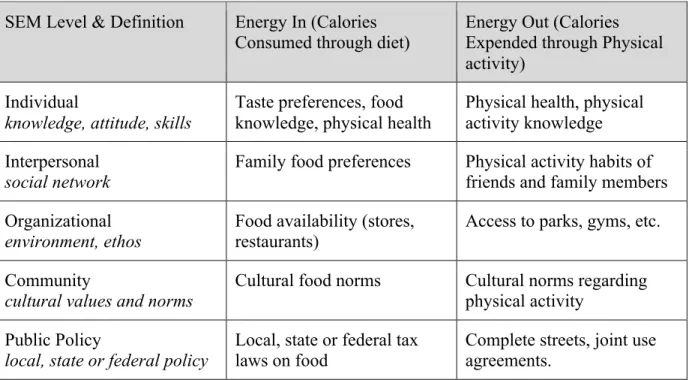
Table 2: Social-Ecological Model (SEM) levels/definitions and examples related to energy balance ... 49
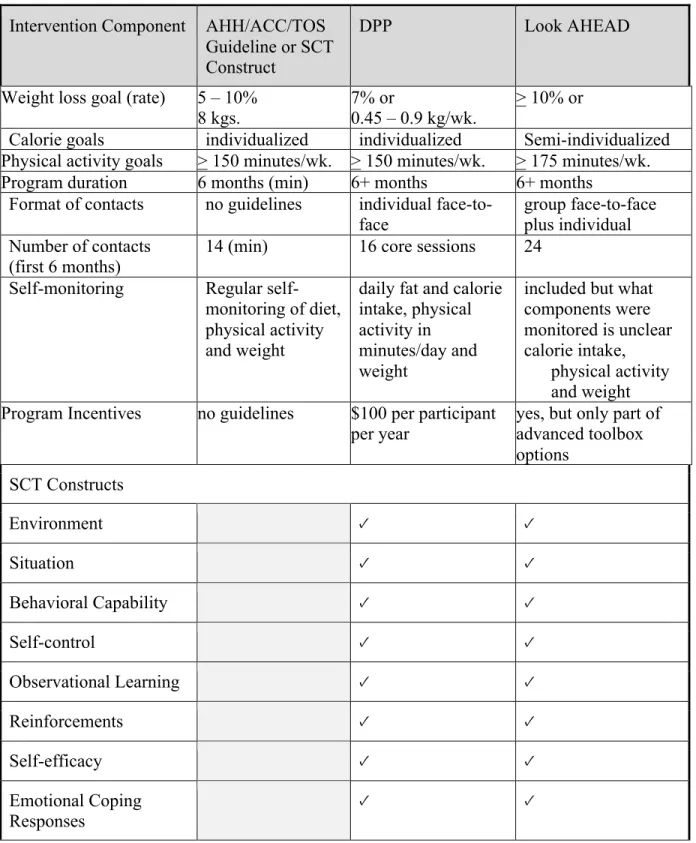
Table 3: A Comparison of DPP and Look AHEAD with the AHH/ACC/TOS guidelines and SCT key constructs ... 51
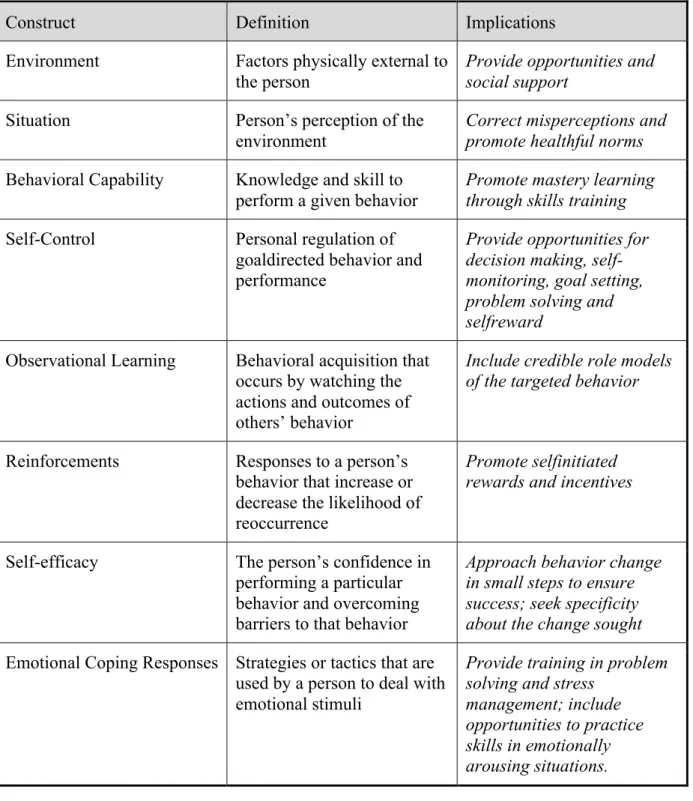
Table 4: Selected SCT constructs with definitions and intervention implications ... 52
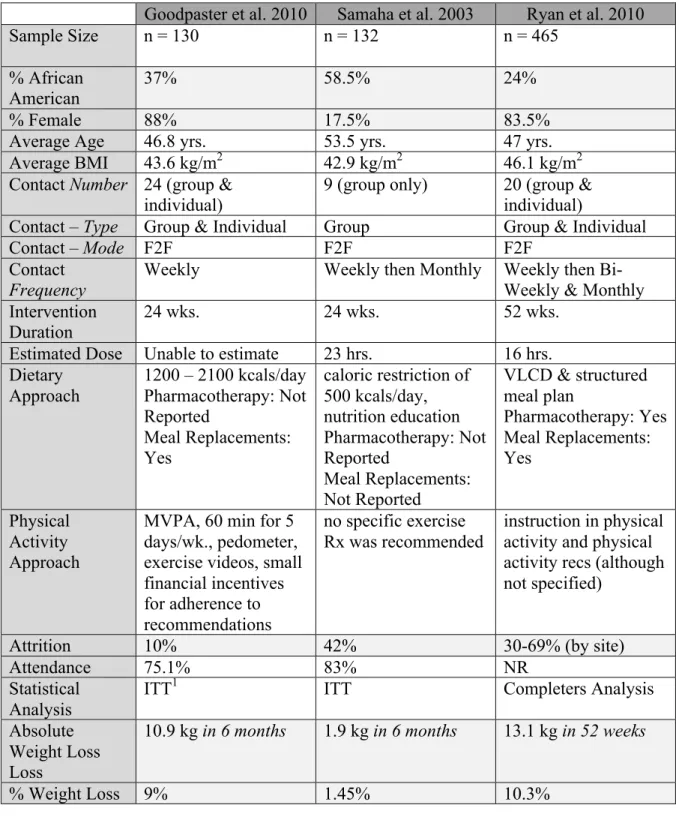
Table 5: A selection of characteristics of three BWL programs designed for severely obese populations ... 53
Table 6: Focus group participant demographics ... 75
Table 7: Focus group participant psychosocial variable scores ... 76
Table 8: Pearson product moment correlations results for focus group participants ... 77
Table 9: African American female HHL participant demographics ... 90
Table 10: DRA scores for African American female HHL participants ... 91
Table 11: Physical Composite, Mental Composite and Social Support Scores for African American female HHL participants ... 92
Table 12: Pedometer measured steps per day for African American female HHL participants ... 93
Table 13: Physical activity scores for African American female HHL participants ... 94
Table 14: Session topics by group for the STRENGTH study ... 117
Table 15: Baseline STRENGTH study participant characteristics ... 120
Table 16: Change in primary outcome (weight) from baseline to follow-up by treatment group for STRENGTH study participants ... 122
LIST OF FIGURES
Figure 1: A conceptual model depicting a hypothesis for the development of severe obesity in African American women ... 30 Figure 2: Factors influencing the stress-obesity relationship based on previous
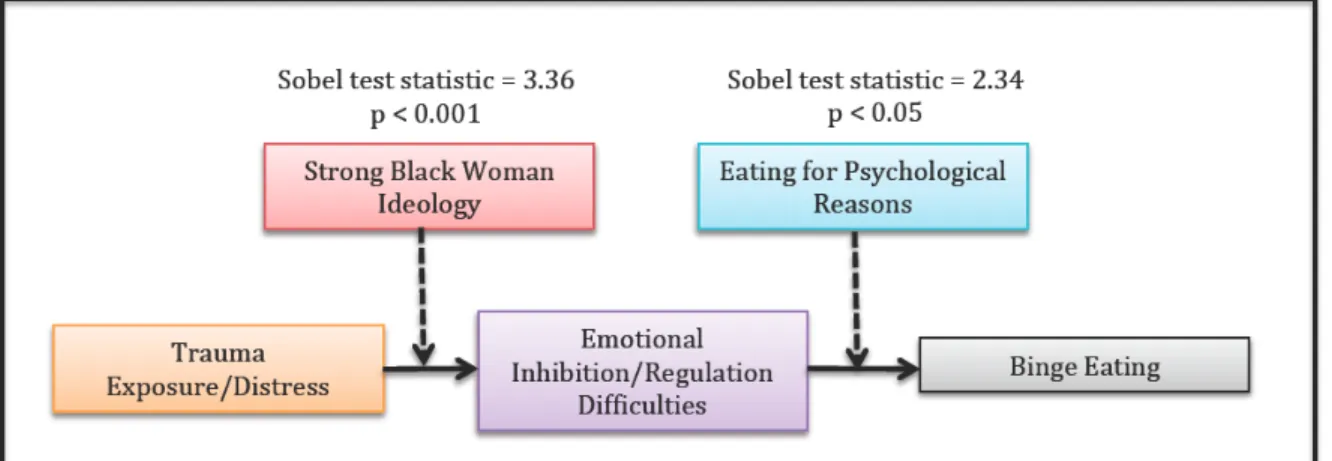
models by Lazarus et al. (1984) and McEwen et al. (1993) ... 31 Figure 3: Mediators of the relationship between “Trauma Exposure/Distress”
and “Binge Eating” among African American women based on the findings presented in Harrington et al. (2010) ... 32 Figure 4: Social-Ecological Model of Health ... 48 Figure 5: Percentage increase in BMI categories since 1986 from Sturm et al. (2006) Reprinted with permission. ... 50 Figure 6: Flow of participants through randomized control trial
LIST OF ABBREVIATIONS
AHA/ACC/TOS American Heart Association/American College of Cardiology /The Obesity Society
ANOVA Analysis of Variance
BWL Behavioral Weight Loss (Program)
BED Binge Eating Disorder
BES Binge Eating Scale
BMI Body Mass Index (kg/m2)
CES-DS Center for Epidemiologic Studies Depression Scale
DPP Diabetes Prevention Program
DASH Dietary Approaches to Stop Hypertension
DRA Dietary Risk Assessment
ST+SR Standard Treatment + Stress Reduction
GRSS Gender-Related Stress Scale
HHL Heart Healthy Lenoir (Project)
ITT Intention To Treat
MOS-SS Medical Outcomes Study Social Support (Scale)
MCS Mental Composite Score
MLR Multiple Linear Regression
MCR Multiple Caregiver Role
MCMI Multiple Caregiving Measurement Instrument
RESIDE RESIDential Environment (physical activity questionnaire) NHANES National Health and Nutrition Examination Survey
NES Night Eating Syndrome
PSQ Perceived Stress Questionnaire
PCS Physical Composite Score
RO Role Overload
SCT Social Cognitive Theory
SD Standard Deviation
SS-D (Sallis) Social Support for Diet SS-E (Sallis) Social Support for Exercise
ST Standard Treatment
SRBWS Stereotypic Roles for Black Women Scale
SR Superwoman Role
UNC-CH The University of North Carolina at Chapel Hill
UNC-HPDP The University of North Carolina at Chapel Hill, Center for Health Promotion and Disease Prevention UNC-IRB The University of North Carolina Institutional Review Board
UFTCS Using Food to Cope Scale
CHAPTER I: INTRODUCTION
I.A. Overview
The prevalence of severe obesity—defined as having a Body Mass Index (BMI) > 40—in African American women doubled between 1990 (3%) and the year 2000 (6%) and tripled
between 2000 and 2010 (18%). Despite this trend, there are no published studies—qualitative, quantitative, experimental or otherwise—that specifically seek to investigate the weight loss needs of African American women who are severely obese. While bariatric surgery has shown to be an effective treatment for severe obesity, it is not sufficient to meet the needs of a growing and diverse severely obese population. More specifically, disparities in uptake of this modality are seen among minorities, notably African Americans. Behavioral weight loss (BWL) programs offer many benefits, yet, we know very little about how to design effective treatments for this population. Thus, the overarching goal of this research is to understand the weight loss barriers of African American women who are severely obese and then design and evaluate the efficacy of a BWL program tailored to meet these specific needs.
I.B. Formative Aims and Rationale
Formative Aim 1
intervention content and characteristics (e.g. location, timing, setting, preferences for qualities in a program facilitator, etc.).
RATIONALE
The literature is clear that African American women experience high levels of stress and that the types of stress they experience are unique to their gender and race. Through both
physiological and behavioral mechanisms, stress has been shown to have a significant and profoundly negative impact on their health, including increased body weight. However, very little is known about how to help African American women reduce stress in a manner that is both clinically significant and long lasting or if reducing stress levels can assist in weight loss. In addition, little is known about how to design effective BWL programs for African American women in large part because African American women are frequently underrepresented in BWL intervention research and are at higher risk of attrition once enrolled. We know even less about designing BWL programs for African American women who are also severely obese.
Formative Aim 2
Using baseline data collected from a subsample of participants in the Heart Healthy Lenoir (HHL) Intervention studies examine differences between moderately obese (BMI 30 – 39.9 kg/m2; n = 195) and severely obese (n = 112) African American women with regards to demographic characteristics, psychosocial variables (depression, social support, etc.) and diety/physical activity behaviors.
RATIONALE
Studies with predominately Caucasian samples have shown that individuals who are severely obese report significantly lower levels of social support and self-esteem and significantly higher
Determining whether severely obese African American experience these differences or others, will inform the focus areas of the intervention. Diet and physical activity modifications are central components of BWL programs. However, few if any details are published about the dietary and physical activity habits of individuals who are severely obese and individuals who are severely obese within certain racial/ethnic groups. As such, there is little information on baseline behaviors within this target population.
Formative Aim 3
The findings from Formative Aims 1 and 2 described above will be used to modify components of the experimental aims and/or improve details of the actual intervention. Given the paucity of research in this specific population it is possible that refinements may be needed in the following areas: recruitment strategies or materials, types of measures that are collected
(specifically, secondary outcomes such as psychosocial variables, dietary or physical activity) and/or curricula content (topics to emphasize, add or remove, etc.).
I.C. Experimental Aims and Hypotheses
Experimental Aim 1
Using a 2-arm randomized controlled trial, compare the efficacy of a standard 6month tailored BWL program—“Standard Treatment”—compared to a stress-focused 6-month tailored BWL program—“Standard Treatment + Stress Reduction”—on weight change in African American women who are severely obese.
HYPOTHESIS
Experimental Aim 2
Determine the effect of an ST+SR vs. ST on physical mobility. HYPOTHESIS
Timed-Up-and-Go (TUG) Test scores for mobility for African American women who are severely obese in the ST+SR group will be significantly lower than TUG Test scores for African American women who are severely obese in the ST group at the end of 6 months.
Experimental Aim 3
Determine the effect of an ST+SR vs. ST on minutes of physical activity per week. HYPOTHESIS
Total number of self-report minutes of physical activity for African American women who are severely obese in the ST+SR group will be significantly higher than total number of self-report minutes of physical activity for African American women who are severely obese in the ST group at the end of 6 months.
Experimental Aim 4
Determine the effect of an ST+SR vs. ST on perceived stress levels. HYPOTHESIS
Perceived stress levels as measured by in the ST+SR group will be significantly lower than perceived stress levels in the ST group at the end of 6 months.
Experimental Aim 5
HYPOTHESIS
Scores on the Using Food to Cope Scale (UFTCS) for African American women who are severely obese in the ST+SR group will be significantly lower than scores on the UFTCS for African American women who are severely obese in the ST group at the end of 6 months.
Experimental Aim 6
Determine the effect of an ST+SR vs. ST on dietary patterns. HYPOTHESIS
Scores on the Dietary Risk Assessment (DRA) survey for African American women who are severely obese in the ST+SR group will be significantly higher than scores on the DRA survey for African American women who are severely obese in the ST group at the end of 6 months.
Experimental Aim 7
Determine the effect of an ST+SR vs. ST on social support for diet and exercise. HYPOTHESIS
Scores on the SS-D and SS-E for African American women who are severely obese in the ST+SR group will be significantly higher than scores on the SS-D and SS-E for African American women who are severely obese in the ST group at the end of 6 months.
CHAPTER II: A CONCEPTUAL MODEL DEPICTING A HYPOTHESIS FOR THE DEVELOPMENT OF SEVERE OBESITY IN AFRICAN AMERICAN WOMEN
II.A. Introduction
The prevalence of severe obesity—Body Mass Index (BMI) > 40—in African American women doubled between 1990 (3%) and the year 2000 (6%) and tripled between 2000 and 2010 (18%).1,2 Despite this trend, there are no published studies—qualitative, quantitative,
experimental or otherwise—that specifically seek to investigate the weight loss needs of African American women who are severely obese. This is concerning because challenges related to weight loss can be specific to one or more of many individual characteristics including race, gender and BMI. As previously discussed, this overarching knowledge gap defined the general purpose of this research, which was to understand the weight loss barriers of African American women who are severely obese and then design and evaluate the efficacy of behavioral weight loss (BWL) program tailored to meet these specific needs.
An extensive literature review was conducted using the search terms: weight loss, African American, women, severe obesity, morbid obesity and class III. The information
A diagram of proposed causal linkages among a set of concepts (aka factors or variables, abstract terms able to be empirically observed or measured) believed to be related to a particular public health problem.
The flexibility of conceptual models is a characteristic that greatly enhances their usefulness. They can be informed by one or more formal theories and/or less formally defined empirical observations.
Because there is very little published data on the specific population of African American women who are severely obese, two separate but related literature bases were used when
developing the conceptual model and included the following: (1) studies focusing on BWL programs for African American women and (2) studies focusing on BWL programs for
individuals who are severely obese. It should be noted that both bodies of literature are relatively small and a good proportion of the studies are qualitative or cross-sectional in design. For
example, several cross-sectional quantitative studies have been conducted mainly investigating demographic, psychosocial and sometimes physiological differences between individuals who are severely obese (BMI > 40 kg/m2) and their moderately obese (BMI 30 – 39.9 kg/m2) and/or overweight (BMI 25 – 29.9 kg/m2) counterparts. In the case of African Americans, studies tend to look at differences in many of these same factors by race/ethnicity.
With respect to interventions, with the exception of a few large, well-funded trials3-5 most of the published weight loss studies focusing on either African Americans or individuals who are severely obese are small,6-11 underfunded (which often impairs measurement) and/or use less rigorous research designs such as one group pre-post, retrospective cohorts or no
randomization.9-19 Furthermore, many of the lifestyle weight loss interventions targeting
For African American women, the paucity of high quality weight loss studies is due in large part to the fact they are consistently underrepresented in research in proportion to their representation in the general population.31,32 The reasons for this under-representation are multi-faceted and include: distrust of the medical/scientific community, lack of knowledge concerning clinical trials, cultural barriers and the failure of researchers to actively recruit minority
populations.31-33 To exacerbate these challenges, attrition rates for African American women and
women with higher bmi in weight management trials have sometimes been found to be to be significantly higher than their Caucasian counterparts, which further exacerbates the ability to draw conclusions concerning the efficacy of a particular approach.32
Thus, although there is relatively little high quality data on which to develop a framework for a weight loss intervention for this population, the conceptual model presented in Figure 1 was built on evidence obtained via a careful view of the literature. Only the most salient, consistent and significant findings were included in the model.
II.B The Stress-Obesity Relationship
One thing that is clear from the literature on African Americans and obesity is the
deleterious effect of stress on maintaining a healthy body weight. One of the most robust, salient and well-studied themes in the African American weight loss literature is the role of “stress”, which is the central theme of this conceptual model. There are several recent publications that attest to both the high amount and unique sources of stress in the lives of African Americans, especially African American women.34 Even compared to African American men, African
levels of coworker support, heavier workloads and more trouble with their boss and subordinates.36 Mullings et al. (1984) describe how African American women reported the lowest level of emotional well-being across sex and race with 63% reporting moderate to severe levels of stress.37 Ironically, despite the saliency of this theme in the qualitative and cross-sectional literature, while many weight loss interventions address stress management to some degree (e.g. through problem solving techniques, etc.) only one lifestyle intervention among African American women has been conducted with a central focus on stress management;6 the details will be discussed later.
High levels of stress have also been noted within the severely obese population. In a cross-sectional study by Wadden et al. (2006) even compared to their moderately obese counterparts (e.g. those with a BMI ranging from 30.0 – 39.9 kg/m2), individuals who are
severely obese were significantly more likely to report contending with health-related stressors (60% for Class III vs. 21.6% for Class I & II, p < 0.01) and legal/financial stress (30.9% for Class III vs. 10.2% for Class I & II).5 Although there is little to no information on whether stress levels vary by weight status among African American women, a study by James et al. (2012) of 413 African American women found that obese women were significantly more likely to report they desired information on how to manage stress (p < 0.01).38
Behavioral and Biological Components
scientists stress the importance of understanding the individual’s perception of the stress instead of the objective experience.41,42 The second part of the stress event is the way that an individual responds to the stressor, which can be broken down into two different but highly related
components: behavioral responses and biological responses.
Behavioral responses to stress have been broken down and defined in many different ways but, in general, they fall into two broad categories; adaptive or maladaptive. 40,43,44
Adaptive coping behaviors tend to reduce the impact of the stressor whereas maladaptive coping behaviors either have no impact or, in some cases, worsen the impact of the stressor. The role of specific adaptive and maladaptive behavioral responses used by African American women to cope with stress will be discussed in greater detail later.
An individual’s biological response to stress is dependent upon several factors including: their perception of the stressor,41 genetics45 and, of course, the coping strategy they use to
confront the stressor.46,47 However, generally speaking, the central sympathetic nervous system is responsible for the major stress response pathway in humans. Included in this pathway is the hypothalamic pituitary adrenal axis, which is responsible for the release of cortisol. Cortisol plays a role in energy regulation by releasing energy through gluconeogenesis and lipolysis. It also activates lipoprotein lipase, which, in turn, regulates lipid accumulation in adipocytes increasing fat retention, particularly in the abdomen.48-51 See Figure 2 for conceptual model of the stress-obesity relationship based on theories described above.
studies done with women investigating the role of cortisol release in the stress/body weight relationship found positive and statistically significant relationships between stressful experiences or perceived stress with cortisol release and low waisttohip ratios.51,52 II.C. Role Overload
Construct Overview
Although African American women face many significant and unique stressors, the concept of Role Overload (RO) is especially prominent. In their 1985 publication Barnett et al. coined the term, which they define as having so many role demands or obligations that the
individual feels unable to perform them all adequately.53 Thus, in accordance with this definition, RO is a combination of two important and contrasting states: high demands and low resources. Many historical, social, cultural and socioeconomic factors that are unique to African American women contribute to the high risk of experiencing RO related stress. Included among them are (1) the embodiment of the multiple caregiver role (MCR) (high demands), (2) low levels of social support (low resources) and (3) low socioeconomic status (low resources) as depicted in the conceptual model (Figure 1).
“The Multiple Caregiver Role”
as retired and/or living alone reported little to no stress whereas women who were working or caring for other family members mentioned experiencing many stressful situations. More specifically, the caregivers cited that the stress of the MCR was attributable to lack of empathy from friends and family, which resulted in a lack of tangible support in performing physical tasks.
These findings are similar to those of several other studies. Two cross-sectional quantitative studies and one qualitative study found that women (and in two studies, African American women specifically) rated responsibilities to friends and family as a top source of stress and a barrier to weight loss.55-57 A mailed questionnaire to 143 mothers of preschool-aged children (race/ethnicity not reported) found that the number of children was uniquely related to RO (B = 0.70, p < 0.01) such that as the number of children increased so did RO.42
There are many reasons why African American women are subject to embodying the MCR. A number of theorists suggest that for women, in general, the central or organizing principle of their lives is their “relatedness to and mutual support and empathy with others”.42 For African Americans specifically, some women report that assuming the MCR meant having the ability to wear many hats (e.g. wife, mother, second mother, cook, household manager, worker outside the home, chauffeur, church member, caregiver and confidante), which gave them a sense of purpose, independence and control and, most importantly, confirmed their identification as strong Black women.56,58 However, African American women do not always openly embrace the MCR, which is not surprising given that is a common source of stress. Sometimes women embody this role out of a feeling of obligation or as a result of having
themselves (as opposed to serving the needs of others) they will be viewed as “weak” by other African American women.59
Insufficient Social Support
There is a broad and relatively robust literature supporting the important and positive role that social support can play in health behaviors among African Americans including diet and physical activity60-63, which are key components of a lifestyle based weight loss program. Like
“stress”, social support is a construct that is multifaceted in that it can be physical/tangible, emotional or informational. In addition, the efficacy of social support also varies by the health behavior in question, the characteristics and relationship of the person providing the support and also by how the supportive act is perceived by the recipient.
Although some theories have been proposed, there still seems to lack consensus on the theoretical mechanisms through which social support and social relationships are able to promote healthy behaviors.64,65 As a result, despite the evidence in favor of social support listed above, the heterogeneity of the construct and also the tools used to measure it have led to inconclusive findings for several health behaviors, including weight loss,66,67 diabetes management,68 and physical activity.69 What is important to remember about social support is that in order for it to
be effective: (1) the type of support provided must match the needs of the recipient65,70, (2) the recipient’s relationship to the support provider (as well as characteristics of the provider) impacts how a supportive act is perceived 70 and (3) the perception of the supportive act by the recipient is what determines its efficacy in changing behavior.64,71
African American women and their family members was conducted, and family members reported that although they felt a sense of responsibility to “monitor the self-management behaviors of their family members living with diabetes” they had difficulty identifying their specific needs. Family members would sometimes try to support their family member with diabetes by reminding them to engage or not engage in certain behaviors, which was viewed as “nagging”. Or, they would reminded them of the adverse outcomes of uncontrolled diabetes that the women felt was “cruel”.74
The relationship between the support provider and the recipient are also important to consider. Family members of African American women with diabetes reported conflict between their roles as supporter and that of husband, wife, mother, daughter etc.74 Characteristics of the supporter are also important. Thoits et al. (1986) argue that in order for support to be effective, supporters must be able to empathize and/or be “socially similar” with the individual to whom they are providing the support.70 When there is a disjoint, support may be perceived as being “controlling” or “demanding” and perhaps more motivated by the supporters self-interests than that of the support recipient. It is also important to note that African American women are
sometimes reluctant to accept support from others. The reasons for this are primarily cultural and will be discussed in more detail in a later section of this manuscript.
Economic Strain
Being African American and/or being severely obese have both been associated with low socioeconomic status. The many socioeconomic challenges of African American women
attributable to a history of “institutional racism”, which has resulted in geographic areas characterized by increased population density, poor housing quality, poverty, lack of access to services and goods, political disempowerment, etc.77 Among individuals who are severely obese, compared to their moderately obese counterparts, those with a BMI > 40 were found to report higher legal/financial stress 10.2% vs. 30.9% (p < 0.01)78 and lower of education (13.9 years vs. 16 years, p < 0.01) at levels that are both statistically and clinically significant. 79
II.D. “The Superwoman Role”
Cultural expectations play a significant role in how African American women respond to the chronic stressor, RO. In more recent years, these cultural expectations have been the subject of further investigation, and they have been identified, named, labeled and examined as a cohesive group of interconnected factors that have been shown to have both physical and psychological outcomes as well as influence coping responses that have an impact on an individual’s body weight. The culmination of these cultural factors has been termed the Superwoman Role (SR).
and three are particularly relevant to how African American women view(3) resistance to being vulnerable or dependent.
An Obligation to Manifest Strength
Women reported that given the trials their ancestors had endured, by comparison, their personal trials were much smaller, and they should have to endure them. There was a sense of doing this “for the sake of family and friends”. While the manifestation of strength was a source of pride for these women, it was also a source of stress.56 Beauboeuf-Lafontant (2007) attest that the assumptions that comprise the “Strong Black Woman” construct is deleterious to the health of African American women for several reasons. These assumptions include: (1) strong Black women are the stark opposite of weak, feminine Caucasian women; (2) “strength” is a natural quality of Black women and a litmus test for their womanhood; (3) being strong accurately characterizes Black women’s motivations and behaviors. She goes on to describe how women without visible adversity in their lives could be viewed by other African American women as “weak”, “not Black” or “White”.
An Obligation to Suppress Emotions
A “silencing paradigm” as described by Jack (1991) can result in depression as a result of women being socialized to believe that their acceptance in their community and personal well-being are dependent upon their embodiment of certain values.80 This is especially troublesome since African American women are already at higher risk for depression due to their higher risk of poverty, unemployment, loweducational attainment and single parenthood.81,82 Unfortunately,
depression is viewed by many Black women as a “White Illness” and is seen as a sign of
weakness and considered “intolerable” further incentivizing suppression of these feelings instead of reaching out to others for support.59
Resistance to Being Vulnerable or Dependent
Again, tied into the strength concept is the resistance to being seen as vulnerable or dependent. Women report not knowing how to accept help and a desire to want to prove to others that they can make it on their own.56 Carter Edwards et al. (2004) describe how African
American women were reluctant to accept support because it was a threat to their perception of themselves as strong and independent. One reason for resisting support as suggested by Ford et al. (1998) is that the acceptance of social support implies that the acceptor of the support will be expected to return the favor of support in the future.71 Interestingly, while some studies have discussed the importance of female networks among African American women for social support,83,84 the women in Beauboeuf-Lafontant et al. (2007) rarely if ever discussed the role of support from other women.
II.E. Stress Coping Strategies and Body Weight
exhaustion, depression, psychological distress and powerlessness) contribute to high levels of chronic stress. Chronic stress is then exacerbated by the acute stressors—such as a death or illness of a loved one, conflicts with family members or coworkers etc.—which these women experience on a regular basis. The literature indicates that there are three common deleterious stress coping mechanisms that are used by African American women including: (1) decreased physical activity,55,85 (2) bingeing/night eating,86,87 and (3) increased intake calories primarily via
“comfort foods”. 39,88 These three coping behaviors—discussed individually below—have a negative impact on body weight.
Low Levels of Physical Activity
A recent report from the American Heart Association reported that compared to their Caucasian counterparts, the number of African American women meeting the 2008 National Physical Activity Guidelines for Americans are considerably lower (19.1% vs. 11.2%).89 Similar findings were found in the 2005 Behavioral Risk Factor Surveillance System data, which found that only 36.3% of African American women reported engaging in regular exercise compared to 49.8% of Caucasian women.90
stress, physical exercise decreased 0.08 (p < 0.01). Women in the study who identified family/friends as their most important stressor had higher mean BMI levels, which were associated with lower physical exercise.55
Two cross-sectional studies in African American women have indirectly identified role strain as a barrier to engaging in physical activity. The first is a cross-sectional study of 917 African American women in South Carolina that found that meeting the current physical activity recommendations was associated with having lower role strain.92 The second, conducted in Maryland (n = 234) found that inactive women were more likely to have a partner, belong to community groups and/or have more social roles.85
Compulsatory Eating Behaviors and Disordered Eating Patterns
BINGE EATING DISORDER
Only in the past few decades have researchers really begun to explore the prevalence of Binge Eating Disorder (BED) and Night Eating Syndrome (NES) within these two specific sub-groups (e.g. African American women and individuals who are severely obese) as well as the significance they may have on impairing weight loss. BED was only recently added to the Diagnostic and Statistical Manual of Mental Disorders DSMV), which was published in 2013.93
BED diagnostic criteria include: BED diagnostic criteria include:
1. Recurrent episodes of binge eating.
NOTE An episode is considered a binge only when both of the characteristics beloware present.
þ A sense of lack of control over eating during the episode (e.g., a feeling that one cannot stop eating or control what or how much one is eating).
2. The bingeeating episodes are associated with at least three of the following characteristics.
þ Eating much more rapidly than normal
þ Eating until feeling uncomfortably full
þ Eating large amounts of food when not feeling physically hungry,
þ Eating alone because of feeling embarrassed by how much one is eating
þ Feeling disgusted with oneself, depressed, or very guilty afterward. 3. Marked distress regarding binge eating is present.
4. The binge eating occurs, on average, at least once a week for 3 months. 5. The binge eating is not associated with the recurrent use of inappropriate
compensatory behavior as in bulimia nervosa and does not occur exclusively during the course of bulimia nervosa or anorexia nervosa.93
While eating disorders, including BED, were once thought to be rare among ethnic minorities, recent studies are calling into question the accuracy of those beliefs. A population-based, cross-sectional study in the San Francisco area found that prevalence of BED was 5% in African American women compared to 2% in Caucasian, although the results were not
statistically significant.86 This is consistent with a more recent cross-sectional study by Taylor et al. (2007) that used data collected from the National Survey of American Life (n = 5,191 African American adults), which found that among African American women, 2.36% met the
qualifications of a BED diagnosis and 5.82% reported any binge eating behaviors.87 A 1994
with “more emotional inhibition/regulation difficulties, eating for psychological reasons, and ultimately binge eating”.95
More specifically, in that same study, the researchers sought to design and test (via structural path analysis) a model of binge eating with African American women who are trauma survivors to discover the mechanisms through which experiences with trauma/stress were related to BED symptomology.95 Several significant mediating variables were found including
identification with “Strong Black Woman Ideology” and “Eating for Psychological Reasons”. The details of these relationships are depicted in Figure 3.
Unfortunately, there seems to be no data as to whether the prevalence of BED or BED symptoms varies within African American women by the degree of obesity. However, several studies have provided evidence that the prevalence of binge eating is high among obese and individuals who are severely obese in general. In a study of individuals seeking bariatric surgery (n = 552, 19.7% African American), 55% of the Class III obesity individuals reported some level of BED.96 Loro et al. (1981) report that 28.6% of obese patients disclosed binge eating (defined as the consumption of “large or enormous quantities of food in short periods of time”) at least 2 times per week and an additional 22% reported this practice at least once a week.97 Gormally et
Stanford University, a significant correlation (r = 0.42, p < 0.01) was found between binge eating status and BMI scores. Most notably that the percent of subjects who are binge eaters increases markedly above a BMI of 34 kg/m2.100
NIGHT EATING SYNDROME
Unlike BED, NES has not yet been given a specific/separate diagnostic code in the DSMV. Rather, NES falls into a more general, catch-all category, which can be used when disordered eating is clearly present but none of the other diagnostic codes accurately describe the condition. The DSMV describes NES as:
Recurrent episodes of night eating, as manifested by eating after awakening from sleep or by excessive food consumption after the evening meal. There is awareness and recall of the eating. The night eating is not better explained by external influences such as changes in the individual’s sleep-wake cycle or by local social norms. The night eating causes significant distress and/or impairment in functioning. The disordered pattern of eating is not better explained by binge-eating disorder or another mental disorder, including substance use, and is not attributable to another medical disorder or to an effect of medication.93
The prevalence of NES in the general adult population is estimated to be approximately 1.5%.101 Unfortunately, there is very limited information regarding the prevalence of NES
among minority groups including African American. However, in a 2007 study by Malpede et al. in Alabama, African American women taking part in focus groups reported that they would eat large amounts of unhealthy snacks—particularly at bedtime—when feeling stressed.102
Additionally, a cross-sectional study of 682 African American women found that the prevalence of NES was ~1.5% (n = 20).103 Perhaps the more interesting aspect of this finding is that African American women with NES were significantly more likely to have two or more children, which supports the RO phenomenon in the development of disordered eating patterns.
weight loss samples, 10.1% of class II–III obese adults, 15% of severely obese adults and 8–42% of gastric bypass candidates.101 Other studies by Cleator et al. (2012) and Colles and al. (2007) had similar findings.104,105
Although the associations between body weight and BED/NES are relatively clear, there are many questions that remain regarding the etiology of BED/NES and weight gain,104-106 especially the important question of whether BED/NES precedes weight gain or vice versa.101
However, one study by Yanovski et al. (1992) reports that women with BED have been found to consume significantly more calories at a single meal setting than those without a BED diagnosis (2963 kcals vs. 2017 kcals, p < 0.01).107
There are also mixed reviews on whether these two disorders impact weight loss outcomes. In one case-control weight loss study using a very low calorie diet (VLCD), the
presence of NES did not appear to impact weight loss outcomes.108 Although another prospective case-control weight loss study (again, using a VLCD) with 38 obese women (21 with BED diagnosis and 17 with no BED diagnosis) found similar results with regards to the absolute weight loss at 26 weeks, those with BED reported a greater number and more severe lapses than those without BED during the refeeding period (p = 0.03, posthoc Fisher LSD test). This finding raises concerns about the ability of those with BED to successfully maintain the lost weight after the intervention period.109
Increased Caloric Intake Primarily Through “Junk Foods”
chips (6.3%, #3) and cake and pastries (5.1%, #6). Top contributors to sugar intake (natural and added) were sodas (34.1%, #1), sweetened drinks (15.2%, #2) sweetened juices (9%, #3), sugar/syrup (8.3%, #4), cake and pastries (4.2%, #5), candies (4.1%, #6), ice cream (3.2%, #7) and cookies (2.5%, #8). As can be seen in Table 1, these results are similar to those for all Americans (as assessed by the 2003–2004 and 2005– 2006 National Health and Nutrition Examination Survey). From these data it is clear that prepared/pre-packaged foods make up a large portion of the diets most Americans—including African Americans. This is problematic as these types of foods are usually high in calories, unhealthy fats, refined carbohydrates and sugar while also being low in essential vitamins and minerals.
There are many personal, cultural, historical, economical and environmental factors that determine any individual’s dietary intake – both quality and quantity. For African American women, one of the main contributing factors is hypothesized (by the author, DFB) to be stress. Increased stress levels have been associated with increased preference for and consumption of high fat foods in animal studies39 and among African American women.88 Studies conducted in London and Saudi Arabia have found that during times of stress, women especially, have been shown to have a preference for sweets and chocolate111,112 and a study by Grunberg et al. (1992)
found that women in a “high stress” condition ate about twice as much sweet food than women in a “low stress” condition.113
from economic challenges, obligations to friends and family (e.g. the MCR) and ineffective coping responses. Thus prepared/prepackaged foods offer a convenient option for feeding their families when they are short on time.
While no studies were found characterizing the specific types of foods individuals who are severely obese and/or African Americans consumed in response to stress, a study comparing oral responsiveness differences for sweet foods between African American and European
Americans found that habituation was similar between the two groups for all except the sweetest food, which African Americans showed no habituation.114 Among the 7 sweet foods sampled African Americans had a significantly greater desire for another taste of the same food, which was correlated with the degree of sweetness intensity. The authors also measured perceived stress levels in all participants and found that they were higher among the African American participants, and the authors postulate that the higher stress levels may contribute to the increased desire for sweet tasting foods.
II.F Other Contributors
There are many other factors that play an important role in determining body weight among African American women who are severely obese that do not fit within the framework of the stress-coping response model. These factors can be classified into three basic categories: (1) cultural factors, (2) physical limitations and (3) genetics.
Cultural Factors
sweet potatoes, legumes, okra and tomatoes,115 there are also less desirable aspects including
high sodium content. African American women taking part in focus groups have identified “soul food” as an important part of their food culture and its negative impact on body weight.102 It will be important for a weight loss intervention for African American women to build on the work published by other authors on how to make healthy, acceptable modifications to “soul foods”.
Finally, several studies have documented differences in perceptions of body image between Caucasian and African American women. More specifically, Caucasian women tend to perceive themselves as overweight whereas African American women are more likely to
underestimate their body size.117,118 A woman’s view of her ideal body size is determined by many factors. Social norms are certainly important as African American women have reported identification with a larger body size because it provides a sense of belonging among friends and family members who are also overweight or obese.57 Similarly, African American women have reported that African American men have a more accepting attitude towards full-figured women and have “reported that male family members, particularly fathers and husbands encourage them not to lose too much weight because they don’t like ‘bony women’”.102 Interventions for African American women must consider how their perception of their current body weight and the opinions of friends and family may or may not be a source of motivation in a weight loss trial.
Physical Limitations
A qualitative study conducted by Wiklund et al. (2010) sought to explore the perceptions of individuals who are severely obese about exercise. The authors report that half of the
during walking. This finding has been confirmed by another study by Hergenroeder et al. (2011).120
The ability to walk without impediment, pain or discomfort is an important part of engaging both activities of daily living and leisure time physical activity,121 a primary target of this intervention. Walking impairments have also been associated with depression122 and health related quality of life.121 As a result, improving physical limitations (where needed) will be an
important target of this intervention.
Participants in the study by Wiklund et al. (2010) also reported several social barriers to engaging in regular physical activity. They reported that exercising with others was often difficult because their fitness levels tended to be lower than that of their friends. This is
significant because many of the participants expressed the importance of having company while exercising. The participants in this study also expressed being uncomfortable in gym clothes and reported embarrassment about their bodies as a barrier to engaging in regular physical activity.119
Genetic Makeup
Genetic differences relevant to body weight have been found in African Americans123 and individuals who are severely obese.45 However, the current literature suggests that the overall
II.G Summary
The conceptual model presented in Figure 1 is a visual depiction of a hypothesis for the development of severe obesity in African American women. Decisions regarding which
Table 1: Top food categories that contribute to caloric intake, all Americans vs. African Americans only
All Americans126
%
African Americans Only110 %
#1 7.2% Cakes, Cookies, Quick Bread,
Pastry, Pie 9.5% Sodas
#2 7.1% Yeast Breads and Rolls 8.2% Chicken Dishes #3 5.4% Soft Drinks/Soda 6.0% Breads
#4 4.7% Beef 4.2% Cake and Pastries
#5 4.7% Crackers, Popcorn, Pretzels, Chips 4.0% Sandwiches and Burgers
#6 4.6% Cheese 3.8% Sweetened Drinks
#7 4.6% Milk 3.7% Chips
#8 4.5% Candy, Sugars, Sugary Foods 3.3% Pasta Dishes
#9 4.3% Poultry 3.1% Meat Dishes
CHAPTER III: LITERATURE REVIEW
III.A. Obesity Defined
Obesity is a health condition that is characterized by the excessive accumulation and storage of fat in the body. Obesity is commonly measured and defined via Body Mass Index (BMI). BMI is determined by dividing a person’s weight in kilograms by the square of their height in meters. Although BMI is not a perfect assessment of true obesity, it has been associated with higher rates of both morbidity and mortality.127,128 Overweight and obesity are defined by BMI ranges; normal/healthy weight = BMI 18.5 – 24.9 kg/m2, overweight = BMI 25.0 – 29.9 kg/m2, obesity class I = BMI 30 – 34.9 kg/m2, obesity class II = BMI 35 – 39.9 kg/m2 and obesity class III (also known as severe obesity) = (BMI > 40 kg/m2).
III.B. Contributors to Obesity
At the most basic level, obesity is the result of an imbalance in energy (calories)
Disease Control defines the SEM as a framework that “considers the complex interplay between individual, relationship, community, and societal factors”.130 The relationships between these factors are both complex and dynamic and remain a popular subject in public health research. Table 2 provides more details about the five levels of the socialecological model including examples for factors at each level that could impact (1) energy consumed through diet or (2) energy expended through physical activity.
The quality and amount of information available about each of these factors—and the many others that have been identified—varies widely. Obesity is a difficult phenomenon to study and understand, primarily due to the number of contributory variables and the complex
interactions between those variables. These challenges are exacerbated by the inherent issues that are common to most social science research such as ensuring methodological rigor, comparing findings across studies that operationalize variables differently and lack of statistical
methodologies that match the complexity of the relationships that are being investigated. III.C. Obesity, Disease Risk and Public Health Consequences
Obesity is a health risk because visceral fat is a metabolically active tissue, not just a storage repository for excess calories. Adipose tissue secretes many hormones including: insulin, estrogen, leptin and prostaglandins. Thus, changes in the amount of body fat can have
endocrinologic consequences, which, in turn, can disrupt many physiological processes such as insulin sensitivity, lipid metabolism, and inflammation. These endocrine fluctuations are
believed to be at the root of the development of many chronic diseases, including cancer, stroke, heart disease, hypertension, dyslipidemia, gynecological abnormalities and others.131-133
obesity are estimated to range from $147 - $210 billion per year,135 and absenteeism related to
obesity is believed to cost employers over $4 billion annually.136 III.D. Rationale For Severe Obesity as a Public Health Priority
As previously stated, class III or severe obesity is defined as having a BMI > 40 kg/m2). The data indicate that the degree of excess weight matters when it comes to disease risk and treatment costs (due to needing more care and higher risk of complications when receiving care).128,137 Even compared to their overweight (BMI 25 – 29.9 kg/m2) and obese (BMI 30 – 39.9 kg/m2) counterparts, severely obese patients incur healthcare costs are both clinically and
statistically higher.1,137,138 The number of individuals who are severely obese in the United States is growing rapidly. In fact, from 2001 to 2005 the prevalence of individuals with a BMI > 40 increased at more twice the rate than those with a BMI > 30 (52% vs. 24%).1 See Figure 5 for
more details.
III.E. Surgery as a Treatment for Severe Obesity
Multiple studies and reviews indicate that bariatric surgery is clearly an effective treatment for reducing body weight in individuals who are severely obese across all races.141 And, for certain populations, weight loss surgery is an appropriate and accessible option. However, concerns remain about the ability of this one type of treatment to meet the growing population demand given that only 1% of all severely obese adults in the US undergo bariatric surgery each year.142 Not only is there concern about being able to meet growing demand, it is important to note that surgery is not a lifetime cure for obesity nor is it successful in every patient.
III.F. Pharmacotherapy as a Treatment for Severe Obesity
One of the most common weight loss drugs on the market is Xenical (generic, orlistat), which alters fat absorption by reducing secretion of pancreatic lipases. A 2004 systematic review of the effectiveness of orlistat for weight loss reviewed 23 placebo-controlled trials and found that the drug was effective at producing significantly greater weight loss, but only in the order of approximately 3 kg compared to control 143. For those individuals with diabetes the effect of orlistat was smaller (about 2.5 kg between groups).
Lorcaserin is another popular weight loss drug that was only recently approved for use in the US in 2012. Lorcaserin helps to promote weight loss by acting as a serotonin agonist, which reduces appetite. Although there are fewer studies documenting the efficacy of lorcaserin (compared to orlistat), its efficacy when combined with diet and physical activity changes seems to be similar to that of orlistat (e.g. ~ 3kg).144-146
differences in weight loss between AAs and Caucasians. At the end of the 6-month treatment involving orlistat and a comprehensive behavioral program, compared to their Caucasian
counterparts, AA subjects exhibited significantly less improvement in weight (p < 0.05) and BMI (p < 0.01).147
In summary, it appears that both lorcaserin and orlistat can have a statistically significant and positive impact on weight loss. However, the magnitude of this impact is relatively small (~3 kg.) and many questions remain including how the drugs may perform differently by
race/ethnicity, by degrees of body weight and to what degree they have a positive effect on other health outcomes such as heart disease and diabetes.
III.G. BWL Programs as a Treatment for Severe Obesity
According to the 2013 American Heart Association/American College of Cardiology /The Obesity Society (AHH/ACC/TOS) guidelines for the management of overweight and obesity in adults, effective lifestyle interventions for weight loss should include at least three primary components: (1) prescription of a reduced calorie diet designed to induce healthy weight losses of 1 – 2 lbs./week, (2) recommendations for an increased physical activity regimen and (3) the incorporation of behavioral strategies to facilitate adherence to diet and activity
recommendations.151
Short-term comprehensive BWL programs can expect to produce an average weight loss between 5-10% of initial body weight (or approximately 8 kg) over the course of 6 months. While bariatric surgery can result in weight losses that are 3–5 times greater,152 moderate weight losses such as these can have a profoundly positive impact on health for the individual. Moderate weight loss has been linked to improved health-related quality of life,153 improved HA1c
levels,154 reduced risk of cardiovascular disease155 and others. At the population level, a 5-10% reduction in body weight could have a profound impact on the economic burden of obesity.
BWL Programs | Diet
The composition of the prescribed diet has varied through the years. A variety of dietary approaches have been used successfully in weight loss interventions including: higher protein diets (25% of total calories from protein, 30% of total calories from fat, and 45% of total calories from carbohydrate), lacto–ovo–vegetarian–style diets, low-carbohydrate diets (initially <20 g/d carbohydrate), low–glycemic–load diets and many other variations. Low carbohydrate diets (< 40% of calories from carbohydrates and 30-55% of calories from fat) and low fat diets
outcomes the literature indicates that the most important factor is that the dietary approach creates a large enough calorie deficit to induce weight loss.151 For example, a meta-analysis published in the Journal of the American Medical Association found that there were no
significant differences in mean weight losses between the two approaches at 6-month follow-up (8.73 kg vs. 7.25 kg, respectively).156
However, because weight losses must be maintained in order to retain the associated health benefits, adhering to the dietary approach over the long run is critical. Studies have shown that low-fat diets can be more challenging for individuals to sustain.157 In contrast, studies with energy-restricted Mediterranean-style diets have had more promising results with regards to long-term adherence.158 The macronutrient composition of the Mediterranean diet could be described as “moderate” and falling somewhere inbetween the two more extreme dietary approaches of low-fat and low-carbhohydrate. Mediterranean-style diets are characterized by their focus on plant-based foods (fruits, vegetables, legumes, nuts and whole grains), healthy fats (monounsaturated) and substituting red meat for fish or poultry.159 In addition, the Mediterranean diet has been show to have health benefits independent of those associated with weight loss including reducing the risk of central obesity, hyperglycemia, depression, cardiovascular disease and type 2 diabetes.160,161-163
level of physical activity and/or injury. Subtracting 500 – 1000 calories from the final daily caloric estimate should be a good guide to create an energy deficit that will result in the loss of 1 – 2 pounds per week.
BWL Programs | Physical Activity
The recommendation for physical activity for lifestyle weight loss intervention programs is the prescription 150 minutes per week (> 30 minutes/day on most days) of aerobic activity. This goal can be met gradually over the course of the intervention, however increasing this goal to 200 – 300 minutes per week is recommended to maintain weight losses. Brisk walking or a comparable aerobic exercise is often recommended primarily due to its low risk and low cost. There are no citations in this section – you sould site the obesity guidelines and the ACSM position statement on PA for weight loss at minimum.
BWL Programs | Behavior Therapy
A structured behavior therapy program is a recommended component of lifestyle
interventions. Self-monitoring of diet, physical activity and/or weight is frequently incorporated into the program. Although not included in the (AHH/ACC/TOS) guidelines, the use of theory or theoretical constructs in a structured behavior program for lifestyle interventions can be
beneficial in many ways. Theory provides a framework for designing, implementing and evaluating the program. More specifically, theory helps explain the reasons why a particular approach may have worked or failed. It helps researchers understand the direction and
importance of the relationships between constructs (like self-efficacy) that are targeted as part of an intervention.166,167
edition of “Health Behavior and Health Education | Theory, Research and Practice” describe SCT as “a theory that addresses both the psychosocial dynamics in influencing health behavior and methods for promoting behavioral change. [Within the theory] human behavior is explained in terms of a triadic, dynamic and reciprocal model in which behavior, personal factors
(including cognitions) and environmental influences all interact”.171 A selection of the major constructs of SCT (chosen by the author, DFB) based on their relevance to designing BWL interventions) along with their definitions and implications for interventions is presented in Table 4.
Additional evidenced-based recommendations mentioned in the AHH/ACC/TOS guidelines pertain to treatment modality and intervention frequency/duration. With regards to treatment modality, there seems to be no evidence supporting the efficacy of one of the approaches—e.g. individual or group—over the other. Both types of interactions offer unique benefits and challenges to both researchers and participants. When considering meeting frequency and program duration, the AHH/ACC/TOS guidelines suggest a miniumum of 14 sessions over the span of at least 6 months.
BWL Programs | Examples
The Diabetes Prevention Program (DPP) and Look AHEAD research trials are two of the largest and most informative BWL interventions. They also provide some of the strongest
III.H. Tailoring BWL Programs
One of the main benefits of BWL programs is that they can be tailored. Tailoring is “developing…a single intervention approach for a defined population sub-group [taking] into account characteristics [that are] shared by the sub-group’s members”.172 Tailoring an
intervention is believed to improve treatment retention and adherence thereby increasing efficacy. Interventions can be tailored based one or more participant characteristics including: demographics, level of motivation, physical or cognitive limitations, etc..173,174 Developing BWL programs for African American women who are severely obese that are tailored effectively may be especially important given that higher attrition and lower treatment adherance have been associated with both race175,176 and BMI.177
Cultural tailoring is a frequently used strategy when designing BWL programs for non-White populations.32 As defined by Resnicow et al., there are two dimensions to cultural
tailoring: surface structures and deep structures.178 Surface-structure modifications are those that involve “matching intervention materials and messages to observable, "superficial"
characteristics of a target population” such as through language, images, locations, clothing, etc.178 Commonly used surface-structure cultural modifications for interventions with African
American women include: conducting the intervention in an African American church or matching the race/ethnicity of the interventionist to that of the participants.179 Surface-structure adaptations theorize that when participants feel more comfortable in the intervention setting or can identify with the interventionist they may be more likely to attend sessions and adhere to the recommendations.
Deep-structure changes involve incorporating the “cultural, social, historical,
target population” into the intervention.178 One of the most frequently used deep-structure
cultural modifications is adapting the curriculum content to reflect the values, beliefs and/or cultural norms of the race/ethnicity, gender and/or age of the participants.179
In developing BWL programs, caution should be taken when making assumptions about the efficacy of any adaptation when there are differences in age, race, gender or any other potentially relevant participant characteristic. For example, cultural adaptations that are relevant for African American women may not apply to African American men or vice versa. For African American women who are severely obese it is important to consider the potential roles of race, gender and body weight. To date, the studies that provide guidance on how to tailor based on these three characteristics are presented in separate literature bases by race/gender (research with African American females of varying BMI classifications) and by BMI classification (research with severely obese populations of varying races and genders). Very little is known about how the combination of these characteristics may modify needs for BWL program tailoring. III.I. Efficacy of BWL Programs for African American Women
As discussed previously, BWL programs can produce a weight loss of approximately 5-10% (or 5 – 10 kg) in 4-6 months in the general population.180 However, these outcomes are not
typical for African American women. A review by Fitzgibbon et al. (2012) of weight loss outcomes in African American women examined 25 articles published between 1990 and 2010. The authors report that the average weight change ranged from +0.5 kg to –3.2 kg in 4-6 months with only two exceptions.32 In the DPP African American women lost on average 4.7 kg (4.5%) and in the Weight Loss Maintenance (WLM) Trial,181 African American women lost 4.1 kg. One