THE EFFECT OF DIFFERENT WARM-UP PROTOCOLS ON SPEED AND AGILITY
Eric Biener
A thesis submitted to the faculty of the University of North Carolina at Chapel Hill in partial fulfillment of the requirements for the degree of Master of Arts in the Department of
Exercise and Sport Science (Exercise Physiology).
Chapel Hill 2007
Approved by:
Claudio Battaglini, PhD
Darin A. Padua, PhD, ATC
© 2007 Eric Biener
ABSTRACT
Eric Biener
The Effect of Different Warm-Up Protocols on Speed and Agility (Under the direction of Dr. Claudio Battaglini)
Research suggests that, in addition to training, the utilization of a proper warm-up protocol may improve results of maximal performance testing. However, the impact of different protocols has been inconclusive. Therefore, this study investigated the effect of a dynamic warm-up (DWU) protocol compared to a static stretching warm-up (SSWU) protocol on speed and agility performance. Fifteen male collegiate club sports athletes participated in this study. Results suggested a significantly faster 40-Yard Dash following the DWU protocol compared to the SSWU (p<0.005). Meanwhile, results suggested no significant difference in time to completion for the Pro Agility Shuttle between the two protocols (p>0.005). Elevated muscle and core temperatures, increased neuromuscular activation, and rehearsal of movement are among the factors that may have led to the
ACKNOWLEDGEMENTS
I would like to take this opportunity to thank everyone responsible for allowing me to complete this document. First and foremost, I cannot put into words the gratitude I have toward my advisor, Dr. Claudio Battaglini. The time spent going over revisions, completing testing sessions, and providing moral support were invaluable aids in this process.
Additionally, I would also like to thank the other members of my committee, Dr. Darin Padua and Mr. Chris Hirth. Their passion and experience for research were integral in pushing this project toward completion. I would also like to thank my parents and family for their encouragement and support over the years to allow me to get to this point in my
TABLE OF CONTENTS
LIST OF TABLES..………...…viii
LIST OF FIGURES...……….…..ix
CHAPTERS I. INTRODUCTION………...…………1
Statement of Purpose………..………...…3
Hypotheses……….………3
Limitations……….………3
Delimitations……….……….…3
Definition of Terms………..………..………4
Assumptions………..……….…5
Significance……….………...……5
II. REVIEW OF LITERATURE……….…...…6
General Overview and Importance of Speed and Agility…………..…………6
Importance of Warming-Up on Performance………...……8
Effect of Static Stretching Warm-Up on Performance…………...….………12
Effect of Dynamic Warm-Up on Performance………..…..…17
III. METHODS………..…………25
Subjects………..………..25
Experimental Approach to the Problem……….…..…25
General Procedures..………..……..……25
Warm-Up Protocols………...……26
Static Stretch Warm-Up (SSWU)………26
Dynamic Warm-Up (DWU)………27
Testing Procedures……….……..……28
40-Yard Dash………..……….28
Pro Agility Shuttle………..……….29
Instrumentation……….……...…29
Statistical Analyses……….……….…30
IV. RESULTS………...…….…31
Subjects……….………...………31
Hypothesis 1……….………31
Hypothesis 2……….………32
V. DISCUSSION, RECOMMENDATIONS, AND CONCLUSION…….…….34
The Impact of DWU and SSWU on Speed………..……35
The Impact of DWU and SSWU on Agility………39
Exploratory Analysis of the Data……….…………42
Recommendations for Future Research………...………43
Timing………..…43
Footwear and Running Surface………44
Fitness and Experience Level……..………45
Protocol Design.………...………...46
Conclusions………..…47
APPENDICES……….…49
Appendix A………..……49
Appendix B………..…50
Appendix C………..………53
LIST OF TABLES
Tables
1. Subject characteristics………..……31
2. Descriptive statistics for the analysis of Hypothesis 1……….………32
3. 40-Yard Dash times between the DWU and SSWU protocols………32
4. Descriptive statistics for the analysis of Hypothesis 2….………33
LIST OF FIGURES
Figures
CHAPTER I
INTRODUCTION
The ability to improve one’s speed and agility are of primary importance in athletics; improvement in these areas will allow these athletes to earn more playing time and make more plays. The implications of improved speed and agility can be seen in any sport: an outfielder in baseball who has to sprint to catch a fly ball, or change direction if he misreads the ball; a soccer forward trying to run downfield for a fast break and get around a defender; or a basketball player making quick cuts to get an easier shot are all of great benefit to their team.
In order for coaches and athletes to monitor improvements in these physical
Athletes spend many weeks preparing for the maximal performance testing in an effort to improve physical conditioning. In addition to this training, recent research suggests that there may be other means to acutely improve performance during the day of testing. One suggested way is through the utilization of a proper warm-up protocol (Bishop, 2003; Fletcher and Jones, 2004; Little and Williams, 2006). While the acute improvement from warm-up will be of a much smaller magnitude than gains seen through training, they are nonetheless important and beneficial.
The coaching community makes use of various warm-up modalities before activity. Many used to employ static stretching (SSWU) due to the belief that static stretching would aid performance through increased range of motion and decreased risk of injury (Holcomb, 2000). Previous research has questioned this warm-up method (Fletcher and Jones, 2004). With the coaching community’s concern about the effectiveness of a SSWU on performance, many coaches have started using dynamic warm-up (DWU) protocols with their athletes. A DWU is a series of movements intended to move muscles through an active range of motion for each joint (Fletcher and Jones, 2004). Recently, this area of performance-enhancement has started to attract more attention. However, the results of current research are
no significant difference in power performance (Koch, et al., 2003) between warm-up protocols.
STATEMENT OF PURPOSE
The purpose of this study is to compare the effects of a DWU with a SSWU on given speed and agility tests in collegiate club athletes.
HYPOTHESES
• H1: There will be significant difference in time to completion for a 40-Yard Dash between the DWU and SSWU protocols.
• H2: There will be significant differences in time to completion for the Pro Agility Shuttle between the DWU and SSWU protocols.
LIMITATIONS
• The error of timing with a stopwatch (Harman, et al., 2000)
• No control for diet DELIMITATIONS
• All subjects are collegiate-level athletes
• Both warm-up protocols are standardized, and will be followed exactly the same for all subjects
• An attempt will be made to test all subjects at the same time of day for all trials; this should account for diurnal variations in muscle temperature that could impact proposed mechanisms for improvement (Racinais, et al., 2005)
• If a subject reports for testing with a non-musculoskeletal condition that prevents participation, the test will be re-scheduled
DEFINITION OF TERMS
• General Warm-Up: The initial phase of a warm-up activity. Consists of general activities (ie: cycling or jogging) to increase heart rate, blood flow, deep muscle temperature, respiration rate, and perspiration and decreases viscosity of joint fluids (Holcomb, 2000).
• Specific Warm-Up: Phase of warm-up that incorporates movements similar to the movements of the athlete’s sport; it is sometimes based on the dynamic movements of a given sport or activity (Holcomb, 2000).
• Static Stretching Warm-Up: Slowly-applied stretch torque to a series of lower-body muscles, maintaining the muscles in a lengthened position for 20 seconds (Fletcher and Jones, 2004).
• Dynamic Warm-Up: A series of controlled lower-body movements through the active range of motion for each joint (Fletcher and Jones, 2004).
• Active Warm-Up: A warm-up activity performed prior to testing. These activities tend to be general in nature, and are sometimes identical to those tested (ie:
swimming warm-up prior to swim testing). They are performed at a lower intensity than will be tested.
• Primary Leg: The leg that is receiving the stretch during both the SSWU and DWU protocols.
• Speed: Displacement per unit time; usually quantified as the time taken to cover a fixed distance (Harman, et al., 2000).
• Agility: The ability to explosively brake, change direction, and accelerate again (Plisk, 2000).
• NFL Combine: A three-day showcase where college football players perform physical and mental tests in front of NFL coaches, general managers, and scouts (Sierer, 2006).
ASSUMPTIONS
• It is assumed that the warm-up will be conducted at a sufficient intensity to elicit benefit, but not at too great an intensity to inhibit performance (Bishop, 2003)
• All subjects will strictly follow pre-assessment guidelines prior to all testing sessions
• The best effort will be given by all subjects during all test trials SIGNIFICANCE
Previous research investigating the effectiveness of warm-up protocols has suggested mixed results. Further, among the few studies conducted, there has been little investigation on the value of a DWU and its effect on speed or agility. Additionally, to the best of this author’s knowledge, no previous research has examined the effect of SSWU and DWU protocols on subsequent 40-Yard Dash or Pro Agility Shuttle performance. Therefore, this study will further increase the body of knowledge regarding the influence of different warm-up protocols on speed and agility in collegiate athletes. The results of this study may be used to assist athletes in determining the most appropriate warm-up protocol to improve
CHAPTER II
REVIEW OF LITERATURE
GENERAL OVERVIEW AND IMPORTANCE OF SPEED AND AGILITY
Performing a warm-up activity prior to exercise has become a standard practice. Research has shown that improvements in performance can be obtained through the utilization of a proper warm-up protocol. Many of the proposed mechanisms for these improvements are centered on increases in body and muscle temperature. But, in addition to this and other physiological changes, research has suggested that a possible psychological benefit can also be earned following the implementation of a warm-up protocol.
Research investigating the most effective warm-up for athletes is an area of study that is currently generating a lot of attention. Years ago, many coaches were taking advantage of static stretching prior to activity. A static stretching warm-up (SSWU) was used because static stretching has been proven to increase range of motion; an increased range of motion about joints would theoretically lead to a reduced occurrence of injury.
Recently, many coaches have begun implementing what is referred to as a dynamic warm-up (DWU). This series of movements moves the joints through their active range of motion in an effort to also minimize the risk of injury, while simultaneously taking advantage of other proposed physiological warm-up benefits.
shown no major differences. Additionally, much of the previous research has looked at strength, power, and/or flexibility. Many sports, however, also demand that athletes possess speed and agility. There is limited research that has investigated the effect of different warm-up protocols on these athletic parameters.
Speed is defined as displacement per unit time and is usually quantified as the time taken to cover a fixed distance (Harman, et al., 2000). It is a manifestation of explosive force applied to a specific task (Plisk, 2000). Agility, meanwhile, is defined as the ability to
explosively brake, change direction, and accelerate again; it implies greater involvement of deceleration and the ability to reactively couple it with acceleration (Plisk, 2000).
IMPORTANCE OF WARMING-UP ON PERFORMANCE
Based on an abundance of research, it is widely understood and accepted that
warming-up prior to activity is important and beneficial. This research suggests that many of these benefits are temperature-related. By performing an adequate and appropriate warm-up, there is an increase in muscle and core temperatures. This increase in temperature is also related to additional physiological responses that are believed to improve performance. Further, it has been suggested that performing warm-up activities may have an advantageous effect on metabolic pathways and the contractile properties of muscles during exercise. And, it has also been suggested that there may even be a positive psychological outcome gained through the implementation of a warm-up protocol prior to the initiation of activity.
The vast majority of the proposed physiological mechanisms by which a warm-up can improve performance are focused on an elevation of core and muscle temperatures.
Exercising muscles generate a substantial amount of heat. Research by Saltin, et al. has suggested that muscle and core temperature increased linearly with a relative workload (Saltin, et al., 1968). An increase in temperature may allow for an improved performance by decreasing the viscous resistance in muscles (Bishop, 2003). Additional research supports a decrease in passive resistance due to elevated temperature (Buchthal, et al., 1944; Wright and Johns, 1961); in fact, the study conducted by Wright and Johns discovered a 20% decrease in stiffness in metacarpal joints with increased temperature (Wright and Johns, 1961).
flow (Bishop, 2003). The combination of these factors has suggested the potential to increase the amount of oxygen delivered to exercising muscles (VO2); this increase is accomplished via a rightward shift in the oxyhemoglobin dissociation curve and the vasodilation of blood vessels. McCutcheon, et al. looked at various metabolic and oxygen delivery mechanics in horses following different warm-up protocols. The results of this study found that, in general, performing a warm-up increased muscle temperature at the onset of exercise and increased endurance, as suggested by a longer run to fatigue. Following the warm-up protocols, the horses tended to use less glycogen and have a reduced lactate
accumulation, decreased oxygen (O2) deficit, increased peak O2delivery during exercise, and decreased anaerobically-derived ATP (McCutcheon, et al., 1999).
that an elevated muscle temperature does not contribute to the slow component of VO2 during heavy exercise (Koga, et al., 1997).
While there is still debate concerning the effect of warm-up on the possible speeding of O2delivery to exercising muscles, warm-up may provide another oxygen-related
performance boost. It has been suggested that athletes will begin competition with an elevated baseline O2consumption following warm-up, compared to the absence of warm-up. An elevated VO2at the onset of exercise allows more of the initial work to be completed aerobically. Rather than using phosphagens and stored glycogen, the body can spare them and potentially have them available for energy during competition. The benefit of sparing the anaerobic system allows for a longer time to exhaustion and, since phosphagens and glycogen remain available, an improved performance in activities requiring significant anaerobic contributions (Bishop, 2003). Increased blood flow and O2availability may also minimize the accumulation of waste products that can inhibit performance. Research by Ingjer and Stromme found a blunted blood lactate response to standard workload following active warm-up (Ingjer and Stromme, 1979). It is important to note that any potential benefit observed from elevated baseline O2consumption is dependent on VO2not returning to rest between warm-up and performance. Research has shown that VO2returns very close to normal values within approximately five minutes of a moderate to heavy warm-up (Ozyener, et al., 2001).
before they will be required to function optimally. Previous literature has spoken of the importance of rehearsal of movement (Fletcher and Jones, 2004; Gourgoulis, et al., 2003; Shellock and Prentice, 1985). An increase in muscle temperature has been found to improve central nervous system function and increase the transmission speed of nerve impulses (Karvonen, 1992). Improved neuromuscular functioning will certainly aid overall
performance, specifically speed and agility testing in this case. Ross and Leveritt suggested that an improvement in nervous system function may be especially important for tasks that demand high levels of complex body movements or that require rapid reactions to a variety of stimuli (Ross and Leveritt, 2001).
Performing an adequate warm-up may improve subsequent performance by affecting the contractile properties of muscle. Performance can be aided by taking advantage of postactivation potentiation, the transient increase in muscle contractile performance
following previous contractile activity (Sale, 2002). Thus, contractile force is greater after a prior contraction. David Bishop’s 2003 review article stated that with an appropriate rest period, it appears that an active warm-up that includes maximal or near maximal voluntary contractions may be able to increase twitch potentiation and improve subsequent strength and power performance (Bishop, 2003).
breaking of actin-myosin bonds, there is the potential for an increase in force development and power during short duration tasks (Bishop, 2003).
The benefit of warming-up is not entirely physical. It has also been suggested that warm-up activities have a positive psychological benefit for athletes. First, it affords athletes some time to mentally prepare for the activities in which they are about to participate.
Qualitative research has suggested that spending time mentally preparing for competition was a characteristic of successful Olympians (Orlick and Partington, 1987). Shellock and Prentice have also written on the psychological importance of warm-up activities, discussing the significance of having time to concentrate and prepare (Shellock and Prentice, 1985). EFFECT OF STATIC STRETCHING WARM-UP ON PERFORMANCE
Traditionally, many coaches employed static stretching protocols in their warm-up activities in an attempt to increase range of motion. Studies have shown that decreased range of motion is significantly associated with an increased risk of injury (Wilson, et al., 1991; Witvrouw, et al., 2003). And, static stretching has been shown to have a profound effect on range of motion (Shellock and Prentice, 1985).
Previous research has shown it possible to obtain the increased range of motion associated with stretching following a general warm-up. Zakas, et al. found that a general warm-up (20 minutes of jogging) alone increased range of motion through only the ankle dorsiflexion joint. Meanwhile, passive stretching (either following the general warm-up or alone) was found to increase range of motion in trunk flexion and each of the
heart rate reserve, could maintain hamstrings flexibility gains up to fifteen minutes following a prioproceptive neuromuscular facilitation (PNF) stretch intervention (Wenos and Konin, 2004).
Because SSWU protocols had been widely used, they have also been given a great deal of attention in the literature. And, despite the improvement in range of motion offered by static stretching, recent research has questioned its effectiveness immediately prior to activity. A 2001 study by Knudson, et al. found mixed results in vertical jump performance following static stretching, compared to a control condition. Knudson, et al. found that 55% of the subjects had a decreased vertical jump velocity following static stretching, while 45% had no change (10%) or an increase in jump velocity (35%). It was suggested that
neuromuscular inhibition was the mechanism responsible for the small decrease rather than changes in muscle stiffness (Knudson, et al., 2001).
As previously stated, performance of an appropriate warm-up protocol should theoretically enhance the neuromuscular system. But, additional research has also
study had their calves passively stretched for one hour; a duration much longer than any that would be included prior to competition.
Kubo, et al. proposed that a SSWU prior to activity could cause structural changes in the musculotendinous unit, leading to more compliance and increased elasticity of the unit (Kubo, et al., 2001); increased compliance and elasticity are related to a loss of force
production and a delay in muscle activation due to alterations of the stretch-shortening cycle. More compliant muscles, such as those observed following stretching, would be less able to store elastic energy during the eccentric phase of contraction because of their already-lengthened position; this would affect the length-tension relationship of the muscles, restricting the amount of force they could produce and absorb, consequently inhibiting performance. Young and Elliot demonstrated that passive stretching, which maintains the muscles in an elongated position similar to SSWU, mainly affects the eccentric phase of movement, which reduces the elastic return from the stretch-shortening cycle (Young and Elliot, 2001).
dangerous loading effects that could stretch ligaments beyond their ability to absorb force (Thacker, et al., 2004).
The majority of the research analyzing static stretching’s effect on performance seems to suggest that a SSWU will either have no effect or a negative effect on subsequent performance. Research by Church, et al. found no significant differences in vertical jump and flexibility performance between a SSWU and a general warm-up. The three warm-up protocols consisted of a general warm-up (a five-minute bodyweight circuit followed by three practice vertical jumps), the general warm-up followed by static stretching that focused on the hamstrings and quadriceps, or the general warm-up followed by PNF stretching that focused on the hamstrings and quadriceps. Though there was no difference in flexibility across any of the warm-up protocols, the PNF treatment significantly lowered vertical jump performance compared to the other conditions; there was no significant difference between the SSWU and the general warm-up alone (Church, et al., 2001).
Meanwhile, other research has suggested that a SSWU protocol may impair power performance. Yamaguchi, et al. compared the effect of SSWU to seated rest. Results suggested a significant decrease in peak power output following the implementation of the SSWU (Yamaguchi, et al., 2006), though it should be noted that the SSWU used in the study was rather extensive. Subjects completed four 30-second repetitions of six stretches for a total time of approximately 20 minutes; traditionally, warm-up protocols prior to competition would not include 20 minutes of static stretching.
voluntary contraction, compared to no significant change in the control group. Static stretching also increased muscle inactivation (Behm, et al., 2001).
Fowles, et al. found a similar drop in strength expression. The inclusion of
maximally-tolerable passive stretching performed cyclically for 30 minutes caused a 28% decrease in maximum voluntary contraction; there was no significant change following a control condition. Five minutes following the stretch intervention, maximal force was recovered to about 80% of pre-stretch levels, and had returned to 87% 15-minutes post-stretch. However, force was still below pre-intervention levels 60 minutes after the intervention. Additionally, motor unit activation was significantly decreased immediately post- and five minutes after stretching (Fowles, et al., 2000). The authors suggested several factors that may affect force-generating abilities after stretch, including changes in the length-tension relationship and/or deformation of connective tissue. Further, they cited the Golgi tendon reflex, mechanoreceptor and nociceptor pain feedback, and/or fatigue responses as several neuromuscular factors that could contribute to activation failure following the maximal stretch intervention (Fowles, et al., 2000).
EFFECT OF DYNAMIC WARM-UP ON PERFORMANCE
Several other studies have demonstrated beneficial findings following the
implementation of an active warm-up protocol (de Vries, 1959; Dolan, et al., 1985; Goodwin, 2002; Grodjinovsky and Magel, 1970; McKenna, et al., 1987; Pacheco, 1957; Sargeant and Dolan, 1987; Thompson, 1958).
However, not all studies have found improved results. Some studies have suggested that the implementation of an active warm-up protocol may not significantly affect
performance (de Vries, 1959; Hawley, et al., 1989; Pyke, 1968). Meanwhile, it has also been suggested that an active warm-up may actually inhibit performance (Sargeant and Dolan, 1987). It important to note some factors that may have been working to confound the results of some of these studies. The study conducted by Pyke, for example, did not discover a significant warm-up effect following an active warm-up. However, each of the tests in the study were performed multiple times, which could mask the effect of the warm-up alone, and the four days of testing were conducted consecutively (Pyke, 1968). Further, the effects of warm-up duration, intensity, and recovery period also likely played a role in some of the conflicting results (Sargeant and Dolan, 1987).
Many other performance gains observed following the implementation of an active warm-up relate to improvements in the nervous system. By allowing the muscles and joints to move through their active range of motion, the nervous system can become better
activated before competition; previous research has proposed the value of this rehearsal of movement (Fletcher and Jones, 2004; Shellock and Prentice, 1985). Shellock and Prentice also suggested the increased neural activation may lead to an improved signal transmission through the nervous system (Shellock and Prentice, 1985). It has even been suggested that performing light sets of resistance training exercises may improve performance through the activation of the nervous system via rehearsal of movement (Zentz, et al., 1998).
There are certainly other studies that suggest the importance of nervous system activation through the movement of muscles through their active range of motion.
Yamaguchi and Ishii tested the effect of passive stretching and dynamic stretching against a no-stretching protocol. For the passive condition, five lower body muscles were stretched by the experimenters and held for 30 seconds. For the dynamic stretch condition, subjects were instructed to contract antagonist muscles to allow agonists to get a stretch through their active range of motion. The dynamic stretching enhanced leg extension power for all subjects; power following the dynamic stretch was greater than the no-stretch protocol. While there was not a significant difference in leg extension power following the passive stretching compared to the no-stretch protocol, there was a tendency toward decreased power (Yamaguchi and Ishii, 2005).
passive warm-up (application of heating pads). The differences in performance were established within the first 30 seconds of the trial, after which there was no difference between the assessments (O’Brien, et al., 1997); the existence of this initial effect would benefit speed and agility performance. The study also supports many of the proposed
benefits of warm-up. At the commencement of the active warm-up trial, heart rate and rectal temperature were significantly higher and remained higher for the duration of the trial
compared with the passive warm-up trial (O’Brien, et al., 1997). The increase in temperature following an active warm-up, as well as many of the associated benefits has been previously stated.
Some studies have included resistance training in their protocols to warm the muscles and increase blood flow, as well as activate the nervous system and signal-firing
mechanisms. Koch et al. investigated the effect that different warm-up protocols had on standing broad jump performance. The first warm-up protocol was high force, meaning low repetition squats performed at a high percentage of the athletes’ one-repetition maximum (1RM). The second warm-up protocol was high power, meaning low repetition squats performed at a low 1RM percentage, but emphasizing speed of movement. In addition to comparing these protocols against each other, they were also compared to a SSWU protocol and a no warm-up condition. Results of the warm-up protocols on subsequent vertical jump performances suggested that neither of the protocols induced a significant improvement in performance (Koch, et al., 2003).
increased from 20% of the subjects’ 1RM in the first set up to a 90% load by the last warm-up set. Results suggested an insignificant change in power (determined by a force platform), though there was a significant increase in jump height following the warm-up. The stronger subjects were found to have a greater increase in performance than weaker subjects
(Gourgoulis, et al., 2003). Gourgoulis, et al. attributed the improved jump height to neural activation obtained via the rehearsal of movement.
Vertical jump was also the focus of a 2005 study by Burkett, et al. Four warm-up protocols were used in the study, two of which utilized a rehearsal of the movement by including jumps at different intensities, while the other protocols utilized either static stretching or no activity. The weighted jumping protocol called for subjects to hold
dumbbells equaling 10% of their bodyweight and perform one set of five jumps onto a box. The other jumping protocol involved one set of five jumps during which subjects jumped to 75% of their pre-determined maximal jump. The static stretch warm-up consisted of 14 stretches, each of which was held for 20 seconds. Burkett, et al. found a significantly better performance following the weighted jumps compared to either of the other protocols
(Burkett, et al., 2005). It was suggested that the rehearsal of movement was key to eliciting the improved performance, as it allows the neuromuscular system to efficiently recruit the proper fibers; perhaps the inclusion of the weighted vest also demanded that more fibers be recruited, allowing subsequent jumps without the weight to be easier.
being tested. Meanwhile, a DWU protocol is intended to elicit the effects of an active warm-up, while at the same time moving muscles and joints through their active ranges of motion.
Among the studies that have included a DWU, the results have not been entirely consistent. First and foremost is the unpublished master’s thesis, from which the protocols used in the current study were largely based (Aguilar, 2006). The design of Aguilar’s study was a between-subjects design, and thus compared the effects of a DWU, a SSWU, and a control condition. Aguilar found mixed results on different strength, power, and flexibility parameters. Significantly greater quadriceps eccentric strength and hamstrings flexibility, as well as a trend toward increasing concentric quadriceps strength were observed following the implementation of a DWU; no change was observed following the implementation of the SSWU (Aguilar, 2006).
For the aforementioned gains in performance observed following the DWU, there were also parameters that remained unchanged regardless of warm-up protocol. Results showed no change in quadriceps or hip flexor flexibility, concentric and eccentric hamstrings strength, hamstrings to quadriceps ratio, or vertical jump height following either protocol (Aguilar, 2006).
conditions. The SSWU and DWU protocols produced a significantly better speed performance compared to the no warm-up protocol (Little and Williams, 2006).
Previous research has suggested that the utilization of a proper DWU can positively affect acceleration and speed. A DWU protocol has been suggested to improve acceleration performance (10 meter sprint) compared to the no warm-up protocol (Little and Williams, 2006). Meanwhile, Fletcher and Jones found that a warm-up protocol similar to the DWU used in the current study produced a significantly faster 20-meter sprint performance. In contrast, static active stretching and passive stretching regimens similar to the SSWU used in the present study decreased 20-meter sprint performance (Fletcher and Jones, 2004).
Little and Williams also discovered that the best agility performance observed during testing was seen following the DWU compared to both the SSWU and no warm-up
conditions (Little and Williams, 2006).
McMillian, et al. also compared the effect of a DWU protocol comparable to the one used in the present study against SSWU and control protocols for various measures of power and agility. The DWU used in the current study was designed to specifically target the musculature that would be involved in subsequent running movements. In contrast,
Faigenbaum, et al. had subjects perform three different warm-up protocols. The first protocol consisted of five minutes of walking followed by five minutes of static stretching. The second protocol consisted of ten minutes of dynamic exercise, a protocol less demanding than that used in the present study, but one that is marginally comparable. The third protocol consisted of the second protocol with the addition of three drop jumps. Static stretching was found to decrease vertical jump and shuttle run performance compared to both dynamic conditions, while it also lowered long jump performance relative to the third condition; there was no difference in flexibility (Faigenbaum, et al., 2005).
Another study used a SSWU consisting of five minutes of “comfortable” cycling followed by five minutes of static stretching. The DWU protocol used was also less than, but comparable to, the protocol used in the present study; it consisted of 10 minutes of dynamic exercises. The third condition was the same as the DWU, but utilized a weighted vest (10% bodyweight) for the final four movements. Testing was conducted in the same order
following each of the warm-up protocols – vertical jump followed by long jump. The results suggested that the DWU (with or without the vest) increased both vertical jump and broad jump performance, compared to the SSWU (Thompsen, et al. 2007).
Faigenbaum, et al. found that shuttle run times were significantly faster during the second testing session than the first, and that flexibility was significantly improved during the third testing session compared to the first two (Faigenbaum, et al., 2005).
Recently, some studies have begun to challenge the validity of static stretching acting as a safeguard from injury as part of a warm-up protocol (Gleim and McHugh, 1997;
Thacker, et al., 2004). Static stretching’s role in increasing range of motion is not likely the cause, but rather it may be due to compliance or a change in the muscles’ ability to produce or decelerate force. A 2005 study by Olsen, et al. used a very large sample size (1837 in the intervention group, 879 in the control group) and found that a DWU played a role in injury prevention in team handball players. Several of the movements used in the study were similar to those used in the current DWU protocol, with supplementary jumping movements, strength movements, and handball-specific movements added. Results of the study
CHAPTER III
METHODS
SUBJECTS
The 15 athletes, ranging in age from 18-24 years, used in this study were recruited from collegiate club sports teams. Subjects were recruited through direct personal contact with players, conversations with coaches, and in-class recruitment. All subjects were asked to sign an informed consent form prior to participation in the current study.
Inclusion Criteria for participation will include
• Collegiate club athletes (those currently active on the roster)
• 18-25 years of age
Exclusion Criteria will include
• No athletes were used who reported an injury or illness that limited their full participation. Athletes reporting an injury within the last three months were excluded.
EXPERIMENTAL APPROACH TO THE PROBLEM:
General Procedures
The study design included an introductory familiarization meeting followed by four testing trials which lasted approximately 25 minutes each.
to qualified participants. In addition to receiving more in-depth information on the study protocols, subjects were also asked to sign an informed consent form at this meeting. There were no time restriction on the familiarization session; subjects were allowed to spend as much time as was necessary to learn and become comfortable with testing and warm-up procedures. All subjects received pre-assessment guidelines (Appendix A) during the
familiarization session which were to be followed prior to reporting for testing. Additionally, testing trials were scheduled with subjects during this session. All testing trials were
conducted at approximately the same time of day to account for diurnal variations in muscle temperature; muscle temperature is the mechanism by which most of the proposed
improvement in performance takes place (Bishop, 2003). All subjects then reported for testing on four additional, non-consecutive days in a randomized order: one session for each test, using each warm-up protocol. Following either warm-up protocol, subjects performed one of two speed and agility tests: 40-Yard Dash or Pro Agility Shuttle; the tests and
protocols were all administered in a randomized order to minimize any potential order effect. Time was used as the assessment variable. Three timekeepers were used for each test. The average of the two closest timekeepers was used as the official time; the time farthest from the other two was excluded as an outlier. This was done for all tests to account for human reaction error in timing (Harman, et al., 2000).
Warm-Up Protocols
Static Stretch Warm-Up (SSWU)
muscles: gluteals, hamstrings, quadriceps, hip adductors, hip flexors, gastrocnemii, and solei (Aguilar, 2006; Fletcher and Jones, 2004). All stretches were held for 20 seconds per muscle group at a point where the stretch could be felt without inducing pain (Aguilar, 2006;
Fletcher and Jones, 2004). Subjects performed each stretch twice bilaterally, alternating sides of the body beginning with the dominant side. Subjects were given approximately 2-5 seconds between stretches. The series of stretches was (in order): Standing Gastrocnemius Stretch, Standing Adductor Stretch, Supine Gluteus Stretch, Lunge Rotation (Hip Flexor Stretch), Seated Hamstring Stretch, and Standing Quadriceps Stretch (Appendix B).
Dynamic Warm-Up (DWU)
The DWU protocol was also based on previous research (Aguilar, 2006; Fletcher and Jones, 2004). As with the SSWU, the first five minutes of this protocol were also spent performing self-paced low-intensity jogging. The final 10 minutes were spent performing a DWU. These movements took place over a 20-yard distance and activated the same
Testing Procedures
Testing sessions were conducted in a randomized order: subjects performed either warm-up (SSWU or DWU) followed by either test (40-Yard Dash or Pro Agility Shuttle). Each of the four combinations of warm-up protocols and tests were written on sheets of paper. The pieces of paper were placed into a hat and drawn out at random to determine the testing sequence. All subjects performed five minutes of self-paced, low-intensity jogging followed by 10 minutes of their respective warm-up protocol. Subjects were given a three to five minute rest period following the warm-up to allow for the replenishment of any ATP/CP used during the warm-up. Following rest, subjects performed either the 40-Yard Dash or the Pro Agility Shuttle. No feedback on results was given to subjects until all individual data were collected, though subjects were given verbal encouragement during testing.
40-Yard Dash
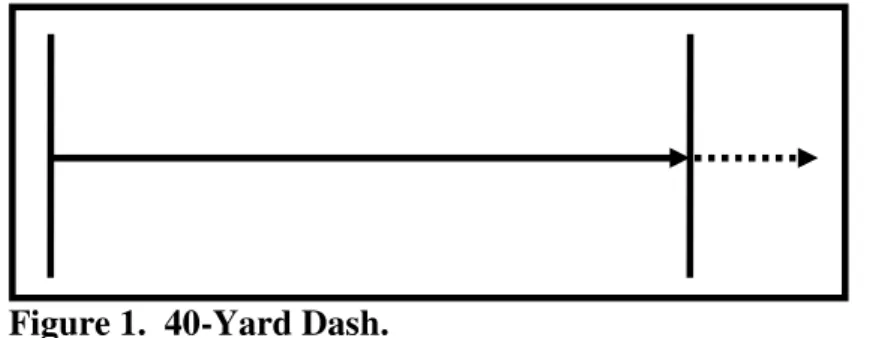
Figure 1. 40-Yard Dash.
This test was used to assess the athlete’s anaerobic power, acceleration, and speed (Arnold, et al., 1980). The athletes began by standing behind a designated line. The players then ran 40 yards as quickly as possible. The players were timed, starting at initial
Pro Agility Shuttle
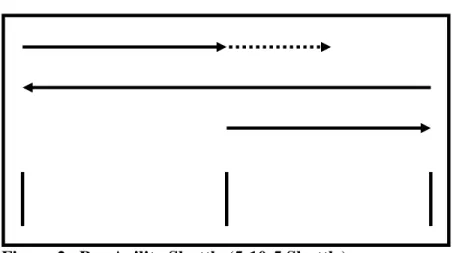
Figure 2. Pro Agility Shuttle (5-10-5 Shuttle).
The Pro Agility Shuttle has also been called the “20-Yard Shuttle” or “5-10-5 Shuttle.” This refers to the distance the athlete ran at each portion of this test. This test was used to assess the athlete’s anaerobic power, the ability to increase or decrease speed rapidly, and the ability to change direction quickly (McGee and Burkett, 2003). The athlete began by standing over the middle line. The athlete sprinted 5yd to the right line and touched the line with his right hand. The athlete then turned and sprinted 10yd to the far left line. The athlete touched the left line with his left hand, turned, and sprinted 5yd through the middle line. Time began with the athlete’s movement and concluded with his finish through the middle line.
INSTRUMENTATION
STATISTICAL ANALYSES
All data were entered in to an electronic database for analyses. All data were analyzed on SPSS version 14.0 for Windows, a statistical software program. Descriptive statistics were presented in the form of means and standard deviations. Statistical significance was
determined with a probability value less than or equal to 0.05.
Hypothesis 1: There will be a significant difference in time to completion for a 40-Yard Dash between the DWU and SSWU protocols. This was analyzed using a paired-samples t-test. The dependent variable was time. The independent variables were the different warm-up protocols – SSWU or DWU.
CHAPTER IV
RESULTS
The purpose of the study was to compare the effects of a dynamic warm-up (DWU) with a static stretch warm-up (SSWU) on given speed and agility tests in collegiate club athletes. All data were entered into an electronic database for analysis. All data were analyzed on SPSS version 14.0 for Windows, a statistical software program. An alpha level of 0.05 was used for all statistical procedures.
SUBJECTS
Fifteen male subjects, ages 18-24 years, volunteered to participate in this study. All subjects were club sports athletes at the University of North Carolina at Chapel Hill.
Subject’s characteristics are summarized in Table 1 below. Table 1. Subject characteristics.
Age (years) Height (cm) Body Weight (kg)
Mean SD Mean SD Mean SD
20.5 1.7 177.7 7.6 81.5 11.3
HYPOTHESIS 1
recorded after the administration of the DWU and SSWU protocols. The descriptive statistics of the analyses of Hypothesis 1 is presented in Table 2.
Table 2. Descriptive statistics for the analysis of Hypothesis 1.
Variable Mean SD
40-Yard Dash Time with
DWU (sec) 5.08 0.19
40-Yard Dash Time with
SSWU (sec) 5.16 0.21
(n=15)
A statistically-significant difference was observed for the 40-Yard Dash times
between the DWU and SSWU protocols (p = 0.005). Table 3 presents the results of the t-test used to analyze Hypothesis 1.
Table 3. 40-Yard Dash times between the DWU and SSWU protocols. Paired Differences Mean Std. Deviation Std. Error
Mean t Df
Sig. (2-tailed) 40-Yard Dash (DWU v. SSWU protocols)
-0.077 0.09 0.023 -3.324 14 0.005
HYPOTHESIS 2
Table 4. Descriptive statistics for the analysis of Hypothesis 2.
Variable Mean SD
Pro Agility Shuttle Time
with DWU (sec) 4.75 0.22
Pro Agility Shuttle Time
with SSWU (sec) 4.72 0.15
(n=15)
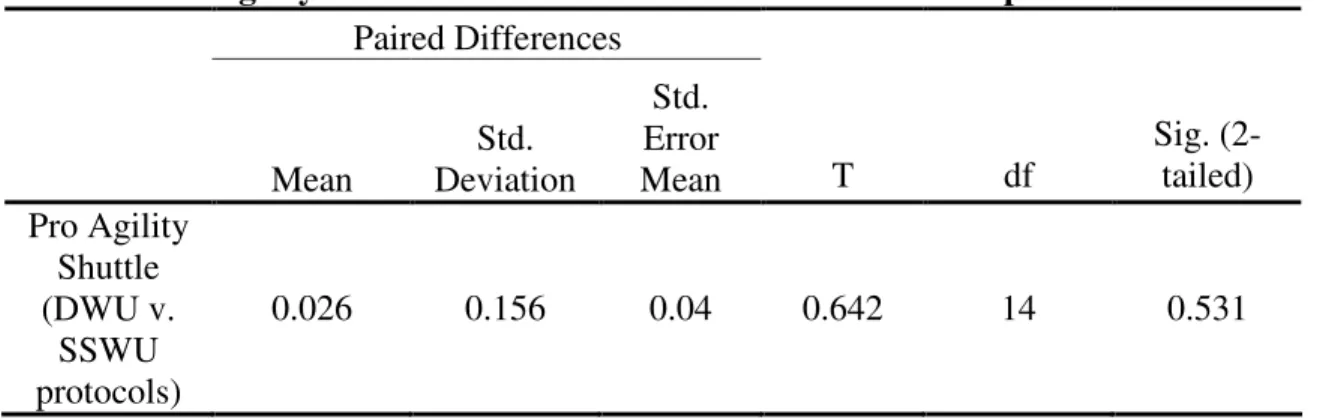
No significant difference was observed for the Pro Agility Shuttle times between the DWU and SSWU protocols (p = 0.531). Table 5 presents the results of the t-test used to analyze Hypothesis 2.
Table 5. Pro Agility Shuttle times between the DWU and SSWU protocols. Paired Differences Mean Std. Deviation Std. Error
Mean T df
Sig. (2-tailed) Pro Agility Shuttle (DWU v. SSWU protocols)
0.026 0.156 0.04 0.642 14 0.531
CHAPTER V
DISCUSSION, RECOMMENDATIONS, AND CONCLUSION
Speed and agility are fitness parameters necessary for success in many sports. Whether speed and agility are components of a sport (like soccer or basketball) or the
primary objective of the sport (like track), an improvement in speed and agility would put an athlete in a better position to succeed in their particular sport.
The best way to gauge an athlete’s capacity for speed and agility is through maximal performance testing. This is typically done at selected periods throughout a training cycle. Athletes will spend many weeks training prior to performance testing. In addition to training, research has shown that there may be other ways to improve performance. One suggested way is through the utilization of a proper warm-up protocol (Bishop, 2003; Shellock and Prentice, 1985). While the acute improvement from warm-up will be of a much smaller magnitude than gains seen through training, they are nonetheless important and beneficial.
movements intended to move muscles through an active range of motion for each joint (Fletcher and Jones, 2004). Recently, this area of performance-enhancement has started to attract more attention. However, the results of current research are inconclusive. Some studies have suggested performance improvements in speed, agility, power, strength, and/or flexibility via the implementation of a DWU (Aguilar, 2006; Faigenbaum, et al., 2005; Fletcher and Jones, 2004; Little and Williams, 2006; Stewart, et al., 2006; Thompsen, et al., 2007; Yamaguchi and Ishii, 2005) via the implementation of a DWU, compared to SSWU; no significant difference in these athletic parameters has also been observed (Aguilar, 2006; Koch, et al., 2003; Little and Williams, 2006).
The purpose of this study was to compare the effects of a DWU with a SSWU on given speed and agility tests in collegiate athletes. The information obtained from this study could be used to increase the body of knowledge on the effect of different warm-up protocols on speed and agility performance.
THE IMPACT OF DWU AND SSWU ON SPEED
Hypothesis 1, there will be a significant difference in time to completion for a 40-Yard Dash between the DWU and SSWU protocols, was analyzed to examine the impact of DWU and SSWU protocols on speed. A significant improvement in time to completion for the 40-Yard Dash following the completion of the DWU was observed compared to the SSWU (p = 0.005).
concentric quadriceps strength (Aguilar, 2006). The warm-up protocols used in the present study were based largely on the warm-up protocols used in the Aguilar study; minor
modifications were made with the specific goal of maximal sprint preparation.
Among the few studies that have investigated the impact of warm-up protocols on speed and agility, results have been mixed (Fletcher and Jones, 2004; Little and Williams, 2006; Nelson, et al., 2005). Nelson, et al. evaluated the impact of static stretching on 20-meter sprint performance using three different stretching conditions and a control condition. All four testing sessions were preceded by an active movement series, followed by passive stretching of either leg, both legs, or neither leg; passive stretching focused on the
hamstrings, quadriceps, and calves. No difference was observed between any of the three stretch conditions, but the times for each stretch condition were significantly slower than the time for the control condition (Nelson, et al., 2005).
In Fletcher’s and Jones’ investigation, the researchers examined the difference between four different warm-up protocols. The researchers observed a significantly faster sprint time when active dynamic stretching, a warm-up protocol similar to the DWU used in the current study, was compared to the other warm-up protocols. Fletcher and Jones
Rehearsal of movement was also credited with the findings of Gourgoulis, et al.’s 2003 study. In the study, subjects performed a squatting warm-up with increasing intensity of the subjects’ one-repetition maximum. Though no significant change in power was observed from the measurements of a force plate, there was a significant change in jump height (Gourgoulis, et al., 2003).
Little and Williams observed that a warm-up protocol similar to the DWU used in the current study produced significantly superior performances in acceleration (Little and
Williams, 2006). However, the improvement was seen relative to a no-stretch protocol; their dynamic warm-up produced a non-significant improvement compared to a static stretch warm-up (Little and Williams, 2006). Further, the authors looked at the effect their warm-up protocols could have on maximal speed testing. Their results suggested no significant
difference between the dynamic warm-up and static stretch warm-up protocols used in their study. The authors, however, found a significant improvement in maximal speed using either of those protocols relative to the no-stretch protocol.
A 2005 study conducted by Racinais, et al. found that an active warm-up improved maximal power regardless of diurnal increase in central temperature (Racinais, et al., 2005). Two warm-up protocols were used in this study. One condition was an active warm-up, which consisted of 12 minutes of cycling at 50% of the subjects’ maximal oxygen uptake (VO2max); this was balanced by a control condition. Each warm-up condition was performed in the morning and evening to account for diurnal changes in muscle temperature. An
Conducting all testing sessions at the same time of day to account for these changes has also been done previously (McMillian, et al., 2006).
Yamaguchi and Ishii discovered that a dynamic stretching protocol aided power performance compared to passive stretching. By allowing subjects to move themselves through an active range of motion rather than being passively stretched, subjects were able to generate greater power (Yamaguchi and Ishii, 2005). This is matched by a different protocol that included dynamic movements and calisthenics. In that study, McMillian, et al. observed that a DWU protocol generally aided power and agility performance above the gains seen by a SSWU (McMillian, et al., 2006).
According to the current and previous studies that have examined the impact of different warm-up protocols on speed, the consensus is that performance can be improved through the utilization of a proper DWU. Many of the proposed mechanisms for this
improvement center on an increase in muscle and body temperature. While temperature was not recorded in the current study, it seems logical that muscle temperature may have played a role in the improvement. The SSWU was performed in a slow, controlled manner, with each stretch being held for 20s; in contrast, the DWU was designed for movement and increased in intensity as the protocol progressed.
DWU protocols used in the research lasted ten minutes, the ten minute SSWU was split between five minutes of walking or cycling and five minutes of static stretching. Thus, the effect of the warm-up protocols could not be isolated since they were not equal. The current study attempted to control for this, by having both the DWU and SSWU perform five
minutes of jogging followed by ten minutes of the respective warm-up. THE IMPACT OF DWU AND SSWU ON AGILITY
Hypothesis 2, there will be a significant difference in time to completion for the Pro Agility Shuttle between the DWU and SSWU protocols, was analyzed to examine the effect of the two warm-up protocols on agility. No significant improvement was observed in time to completion of the Pro Agility Shuttle following the implementation of either warm-up protocol relative to the other.
Research by Little and Williams suggested that different warm-up protocols could have an effect on agility performance. In Little’s and Williams’ study, the researchers found significant differences in agility performance among warm-up protocols. The dynamic warm-up protocol (which was similar to the DWU protocol used in the current study) resulted in significantly better performance than static stretching or no stretching (Little and Williams, 2006).
Koch, et al. tested the effectiveness of different warm-up protocols on standing broad jump performance. In their study, the warm-up protocols utilized different percentages of a previously-determined one-repetition maximal effort (1RM) squat weight. The first warm-up protocol, a high-force warm-up, consisted of low-repetition sets of squats, based on a high 1RM percentage. The second warm-up protocol, a high-power warm-up, consisted of low-repetition sets of squats performed explosively at a lower percentage of the previously-determined 1RM weight. The third condition consisted of statically stretching the muscles associated with the broad jump. And, the fourth warm-up protocol consisted of no activity. The results of Koch, et al. study found that none of the warm-up conditions altered broad jump performance when compared to warm-up consisting of no activity. Additionally, there was no difference in the jump measurements obtained immediately-after or 15 minutes following the warm-up protocols (Koch, et al., 2003). The authors’ explanation for the lack of a significant difference between warm-up protocols focused on post-activation
potentiation (PAP). Koch, et al. suggested that the high-force or high-power warm-up protocols may not have been of a sufficient intensity or duration to cause PAP. Further, the timing sequence used in the study may not have been appropriate. The authors suggested that fatigue may have affected the jumps immediately following warm-up. And, it is possible that PAP may have decreased to the point where no enhancement could be observed for the jumps recorded 15 minutes following warm-up. The authors also suggested that the
stimulation frequency of motor units involved in unloaded explosive movements may be beyond the PAP limit (Koch, et al., 2003).
adversely affect hamstrings flexibility or vertical jump performance relative to a general warm-up (Church, et al., 2001). However, other research has suggested a declined power performance following a SSWU (Yamaguchi, et al., 2006). It should be noted that the SSWU used by Yamaguchi, et al. was rather extensive, with subjects completing four 30-second repetitions of six different stretches for a total time of approximately 20 minutes. Traditionally, warm-up protocols used prior to competition would not include 20 minutes of static stretching.
Many of the proposed physiological mechanisms by which a SSWU could decrease performance focus on temperature and neuromuscular effects. The DWU used in the present study was movement-oriented. Though temperature was not measured, it was observed that many subjects began to sweat more noticeably during DWU testing sessions than during SSWU sessions; this is indicative of the subjects’ need to regulate an increase in muscle and core temperature. No neuromuscular activity was assessed during this study, but there are several mechanisms by which a SSWU has been proposed to impair performance relative to a DWU. A loss of neural coordination with the muscles, increased muscular inactivation, and increased muscle compliance are chief among them (Avela, et al., 1999; Behm, et al., 2001; Kubo, et al., 2001). It should be noted that in spite of these findings, some of the studies were atypical. Avela, et al., for example, performed an hour of passive stretching, which is a much longer duration than would be commonly employed in a warm-up protocol.
The results of the current study demonstrated a lack of significant difference in time to completion of the Pro Agility Shuttle between the DWU and SSWU. This lack of
led to the insignificant findings in the current study. Perhaps the biggest limiting factor to performance on the shuttle was that the subjects were not knowledgeable in the technique used to perform the test. This study purposefully included a familiarization session to introduce the test to the subjects, but also made an effort not to teach technique to the athletes; this was done to avoid/minimize a learning curve on the tests themselves. Additionally, the combination of running surface and inappropriate footwear likely also played a role in creating a non-significant finding. All testing was performed on an indoor track surface, but the surface was slick some mornings – most likely after having just been washed. But, a wet surface, along with inappropriate footwear, would cause the athletes to move slowly into each of the turns in the Shuttle, or even to slip coming out of the turns. Indeed, it was observed by the primary investigator of the current study that several subjects went into turns slowly during many of the testing sessions; some subjects did lose their footing as well.
EXPLORATORY ANALYSIS OF THE DATA
Some subjective data were collected from the subjects during testing. This was collected in an effort to understand possible limitations to the study and its possible implications on study results. For example, it is possible that the warm-up protocols employed in the current study (specifically the DWU) were performed at too high an
it may have been appropriate. For example, many subjects reported that the DWU left them “better prepared” and “more stretched” for running and that the similarity of the movements to running mechanics were “more realistic” and “helped” during testing. Further, they added that the SSWU felt “inadequate” as preparation for maximal speed/agility testing. However, despite the overall feeling from many that the DWU left subjects feeling “looser,” there was a sentiment among subjects that the DWU “tired them out” and could have impaired
performance. One subject, in fact, said that the DWU “felt like a workout by the end.” To this end, some subjects even claimed feeling “faster with the SSWU.” While this subjective data was helpful to be able to assess some of the strengths and weaknesses of the overall design of this study, it is important to note that the subjects’ perceptions did not always equate to the recorded values of their times.
RECOMMENDATIONS FOR FUTURE RESEARCH
Given the results observed in the present study, and taking into account many of the factors that could have confounded the results of the current study, the following
recommendations are suggested for future research:
Timing
future studies, it may be best to utilize an electronic timing system for the purposes of recording time.
Footwear and Running Surface
This was one of the more limiting factors of the current investigation. The indoor track facility used in the present study was selected for its consistent ambient temperature and atmospheric conditions. However, this forced the participants to have to complete testing on an indoor track surface. In future research, it may be best to perform testing on a surface more appropriate to the conditions of competition. For example, some of the athletes used in the present study were soccer players, so perhaps it would have been useful to have been able to conduct all tests on either a grass or an artificial turf field.
Also, since the athletes all came from club sports teams, all equipment used during testing was the athletes’ own equipment, rather than being team-issued. However, the lack of consistent equipment between subjects became evident as testing progressed. Some subjects, for example, were wearing basketball shoes when performing their sprint work.
Additionally, some athletes were wearing older sneakers, and destroyed the shoes over the course of testing, having to replace their shoes between testing sessions.
Fitness and Experience Level
Due to some difficulties through the recruiting process, it became difficult to evaluate the volunteer subjects for fitness level prior to testing. Perhaps this is something that future studies could control for by building a basic fitness testing battery into the
inclusion/exclusion criteria.
Along with fitness level, it may be wise to include athletes with more experience with the testing procedures. The speed and agility tests used in the current study are common among professional and varsity athletes, but many of the club athletes could have been unfamiliar with the testing procedures prior to testing. A familiarization session was included in the design of the current study to minimize the learning effect that would be inherent with a study like this. For example, all subjects were offered the opportunity to practice the Pro Agility Shuttle during the familiarization session. Some accepted the offer, some declined the offer, but all subjects left the session saying they felt comfortable
performing the test. When it came time for testing, some subjects needed to be reminded of the procedure, and some performed the testing with improper technique. So, perhaps a more thorough teaching of the 40-Yard Dash and Pro Agility Shuttle techniques, like that used by McMillian, et al., would be more appropriate in future research studies. Subjects in that investigation practiced each of the testing procedures until their results no longer improved (McMillian, et al., 2006).
Expanding the Subject Pool
the ever-increasing number of female athletes. Additionally, perhaps future research studies should investigate a possible interaction effect that the different warm-up protocols could have with changing hormonal levels through a female athlete’s menstrual cycle.
Additionally, future research should investigate the overall effect of the different warm-up protocols within athletes on the same team and within the same sport. Club sports athletes from four different teams were used in the current study, making it very general in nature. Perhaps future research should focus its efforts on the effect of the different warm-up protocols on specific teams; maybe, too, the warm-up protocols could be slightly adjusted to be more specific to the nature of the sport. The warm-up protocols employed in the current study was designed to be general in nature, yet specific enough to activate the major muscle groups involved during running (ie: hips, hamstrings, and quadriceps).
Future research should address many of these limitations (confounders) to allow for a more precise conclusion on the impact of a DWU protocol versus a SSWU protocol on speed and agility.
Protocol Design
In hindsight, much of the DWU protocol was designed with straight-ahead
CONCLUSIONS
running surface, and the technique of the Pro Agility Shuttle could all have influenced the non-significant finding.
Static stretching has been proven effective in increasing range of motion, which is certainly an important component of athleticism and vital to performance. However, when taking into account the results of the present study, some confounding variables in the
APPENDIX A – Pre-Assessment Guidelines
THE UNIVERSITY OF NORTH CAROLINA AT CHAPEL HILL Eric Biener, B.S. CSCS
Department of Exercise and Sport Sciences Woollen Gym, CB # 8605
(919) 405-2526 / Email: [email protected]
To assure the best possible accuracy of the information that will be obtained from the testing sessions, please follow the instructions listed below prior to each testing day:
1. No eating two hours prior to testing.
2. Maintain normal hydration status prior to and during testing procedures. 3. Void completely before the assessment.
4. Please wear appropriate clothing for the assessments (T-shirt, shorts, and sneakers). 5. No exercise 12 hours prior to testing.
6. No alcohol consumption 48 hours prior to testing. 7. No caffeine 12 hours prior to testing.
8. No diuretic medications 7 days prior to testing.
APPENDIX B – Static Stretching Warm-Up Protocol and
Description
THE UNIVERSITY OF NORTH CAROLINA AT CHAPEL HILL Eric Biener, B.S. CSCS
Department of Exercise and Sport Sciences Woollen Gym, CB # 8605
(919) 405-2526 / Email: [email protected] General Warm-Up Phase:
• This phase of the warm-up will consist of five minutes of self-paced jogging
Specific Warm-Up:
• This phase of the warm-up will consist of 10 minutes of static stretching. These
movements will stretch the muscles associated with running.
• Descriptions:
1 Gastrocnemius Stretch: Subjects will be in a prone position similar to “pushup position.” One foot will be flat on the ground, with an emphasis to maintain heel contact with the ground. The opposite foot will be placed just above the primary foot to increase the stretch on the primary foot through added
resistance.
2 Standing Adductor Stretch: While standing, subjects will stretch both legs outward from the midline, maintaining an extended knee. Subjects will reach outward toward the primary foot, reaching both hands toward that foot. The trunk will lean to the appropriate side, but will maintain its erect position. 3 Supine Gluteus Stretch: Subjects will lie supine on the ground and cross the
opposite leg will be pulled inward toward the chest, stretching the gluteals and lateral aspect of the primary leg.
4 Lunge Rotation (Hip Flexor Stretch): Subjects will lunge forward with the one leg using proper technique. Subjects will then rotate their trunk toward the forward knee, stretching the hip flexors of the back leg.
5 Seated Hamstring Stretch: From a seated position, subjects will extend the primary leg outward. Subjects will then reach out toward the primary foot. The subjects’ trunk will also flex toward the primary leg, but will maintain its erect position.
1. Gastrocnemius Stretch
4. Lunge Rotation (Hip Flexor Stretch)
2. Standing Adductor Stretch
5. Seated Hamstring Stretch
3. Supine Gluteus Stretch
APPENDIX C – Dynamic Warm-Up Protocol and Description
THE UNIVERSITY OF NORTH CAROLINA AT CHAPEL HILL Eric Biener, B.S. CSCS
Department of Exercise and Sport Sciences Woollen Gym, CB # 8605
(919) 405-2526 / Email: [email protected] General Warm-Up Phase:
• This phase of the warm-up will consist of five minutes of self-paced jogging
Specific Warm-Up:
• This phase of the warm-up will consist of 10 minutes of dynamic activity. These
movements will actively stretch the muscles associated with running.
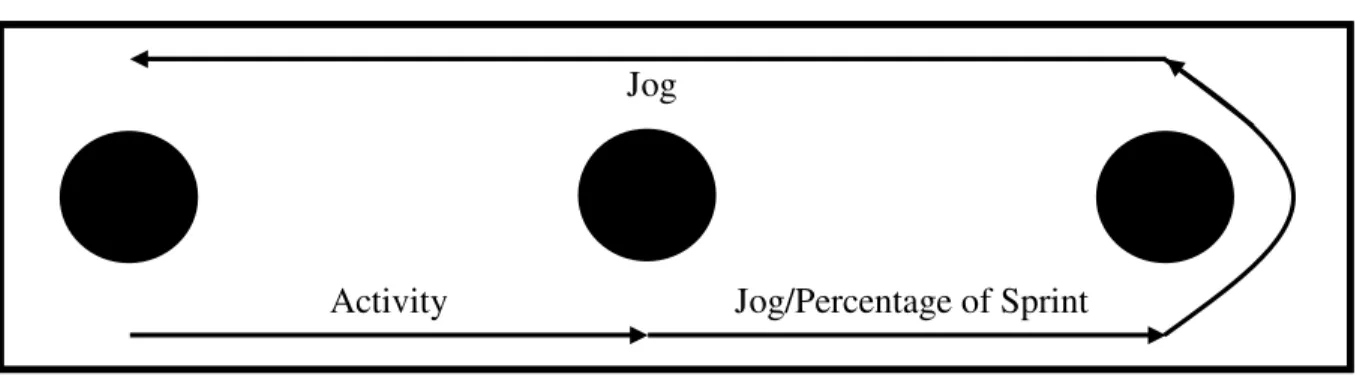
• This phase will cover 20 yards
• The first 10 yards will include one of the following movements
• The second 10 yards will include a run at an approximated percentage of
maximal sprint speed (except where specifically noted otherwise)
• The subjects will then jog back to the initial cone for the next movement
Figure 3. Overview of Dynamic Warm-Up Format
• Descriptions:
1 Ankle Skip: Subjects will stand with extended legs. They will propel
themselves by plantarflexing their ankle, contracting their gastrocnemeii and soleii. Subjects will jog the second 10 yards.
Jog
2 Walking Gastrocnemius: Participants will step forward with one leg, keeping the heel of the back leg on the ground with a flexed knee. The subject will contract the quadriceps and tibialis anterior of the primary leg, and then move slightly forward to the point of mild stretch. Subjects will jog the second 10
yards.
3 Forward Run: The subjects will run forward at a jogging pace for the full 20 yards.
4 Backward Run: Subjects will “backpedal” for the first 10 yards. When they reach the cone, they will turn and jog the final 10 yards.
5 Russain Walk/Quad Pull: This movement will be a combination of two dynamic movements. For the Russian Walk, subjects will raise their leg, with both their hip and knee flexed. Subjects will then extend their knee, stretching their hamstrings muscles. From the end-position of the Russian Walk,
subjects will cycle their leg underneath them (similar to running). They will then reach back with their hands and grab their foot to stretch their quadriceps muscles. Subjects will cover the second 10 yards at approximately 50% of
maximal sprint speed (self-determined).
second ten yards will be covered by lunging with the alternate leg, followed by the jog back to the initial cone.
7 Balanced Gluteal Stretch: Subjects will cross one leg over the other, placing the lateral aspect of the lower primary leg across the thigh of the opposite leg. The subjects will then come into a partial single-leg squat with the opposite leg in order to stretch the gluteal and hip extensor muscles of the primary leg.
Subjects will cover the second 10 yards at approximately 50% of maximal
sprint speed (self-determined).
8 Marching Drill: Subjects will maintain an erect posture and will kick the primary leg upward, flexing their hip with an extended knee. The subjects will reach across their body and touch the toe of the primary leg with their opposite hand. This movement stretches the hamstrings muscles, as well as the erector spinae. Subjects will cover the second 10 yards at approximately
50% of maximal sprint speed (self-determined).
9 Reverse Marching Drill: Maintaining an erect spine, subjects will keep their primary leg slightly flexed. Subjects will bend at the hip and reach across to the primary leg, swinging the opposite leg behind them; the opposite leg remains inline with the trunk. Subjects will cover the second 10 yards at
approximately 50% of maximal sprint speed (self-determined).