THE EFFECTS OF A 10 KM RUN AND 30 KM CYCLING TIME-TRIAL ON VENTILATORY THRESHOLD DURING THE FINAL RUNNING LEG OF AN ITU
DUATHLON IN HIGHLY-TRAINED MULTI-SPORT ATHLETES
Nathaniel T. Berry
A thesis submitted to the faculty of the University of North Carolina at Chapel Hill in partial fulfillment of the requirements for the degree of Master of Arts in the
Department of Exercise and Sport Science (Exercise Physiology)
Chapel Hill 2012
Approved By:
Claudio L. Battaglini, Ph.D.
Anthony C. Hackney, Ph.D., D.Sc.
iii ABSTRACT
NATHANIEL T. BERRY: The effects of a 10 km run and 30 km cycling time-trial on ventilatory threshold during the final running leg of an ITU Duathlon in
highly-trained multi-sport athletes (Under the direction of Dr. Claudio L. Battaglini)
This study investigated the effects of a 10 km run and 30 km cycling time-trial on maximal oxygen uptake (VO2max) and ventilatory threshold (VT) during the subsequent run of an ITU Duathlon simulation. Highly-trained multi-sport subjects (n=6) completed three trials; Trial-1: a speed only VO2max (SOVO2max) protocol to determine VO2max and VT during an single-bout run; Trial-2: a 10 km run at 95-98% of VT followed by a cycle ergometer VO2max test to determine VO2max and VT; Trial-3: a 10 km run and 30 km cycling time-trial, each performed at 95-98% of VT, followed by a SOVO2max protocol to determine VO2max and VT. No significant difference in VO2max, (p=0.06, 66.8 mL/kg/min 6.6 and 60.9 mL/kg/min
3.1 respectively), or VT (%VO2max) (p=0.36, 75.9% 3.9 and 77.5% 10.4, respectively)
ACKNOWLEDGMENTS
I would first like to thank my family for their gracious support throughout my academic endeavors. Without this support, none of my achievements would be possible, nor would they mean as much. I would also like to thank each of my friends for their unrelenting support throughout these past years.
I would also like to thank each of my committee members (Dr. Anthony Hackney and Dr. Edgar Shields) for their support, friendship, and mentorship over these past years. I would like to give a special thank you to my advisor, Dr Claudio Battaglini, for his friendship, mentorship, support, and the great times we have had – I look forward to more.
v
TABLE OF CONTENTS
LIST OF TABLES……….……….vii
CHAPTER I. INTRODUCTION………...1
Statement of Purpose……….3
Hypotheses……….…3
Limitations……….…4
Delimitations………..………4
Definition of Terms………5
Assumptions………...…………6
Significance………7
II. REVIEW OF LITERATURE………..……..8
Oxygen Consumption and Metabolism……….…9
Sport Specificity: The Multi-Sport Competition……….……12
III. METHODS………..16
Subjects………16
Instrumentation………16
General Procedures.……….……17
Trial-1………..……20
Trial-2………..………21
Statistical Analysis.………..………24
IV. RESULTS………26
Hypothesis 1……….………26
Hypothesis 2……….………27
V. DISCUSSION……….……….32
Environmental Factors Influencing Performance in Triathlon and Duathlon races………...34
Sport Specific Factors Influencing Performance in Triathlon and Duathlon Races……….37
Study Limitations………...……39
Recommendations for Future Research………...…40
APENDICIES……….……….42
Appendix I………...42
Appendix II………..44
Appendix III……….…46
Appendix IV………...…….50
Appendix V...………...51
Appendix VI………...……….52
vii
LIST OF TABLES
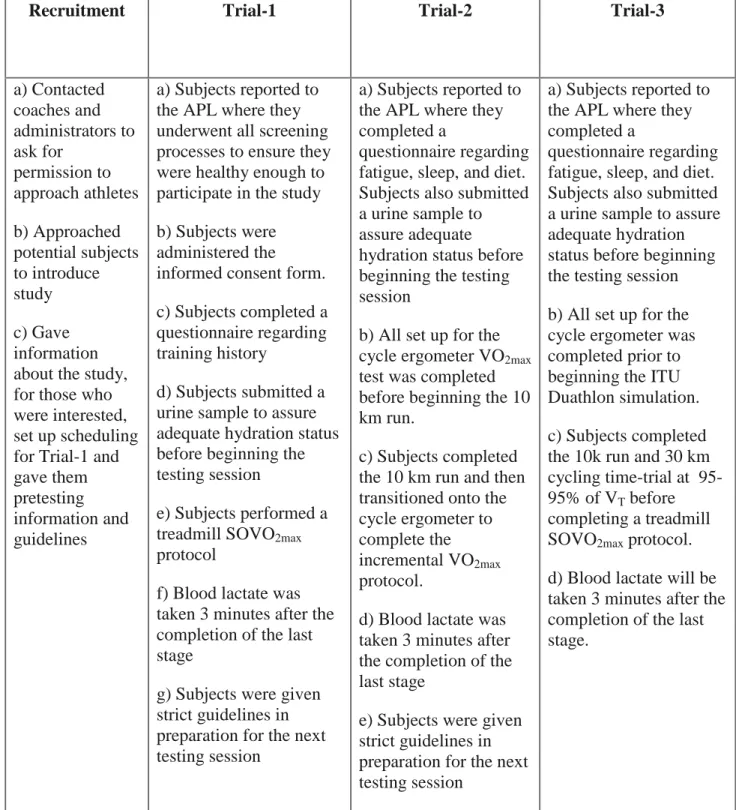
Table 1: Summary of Study Protocol ………...………….…...………..…19
Table 2: SOVO2max Treadmill Protocol………...……24
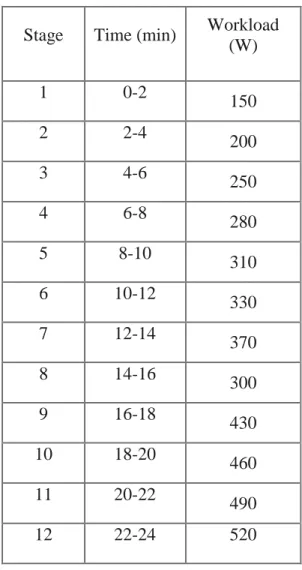
Table 3: Cycle ergometer VO2max Protocol ...……….…24
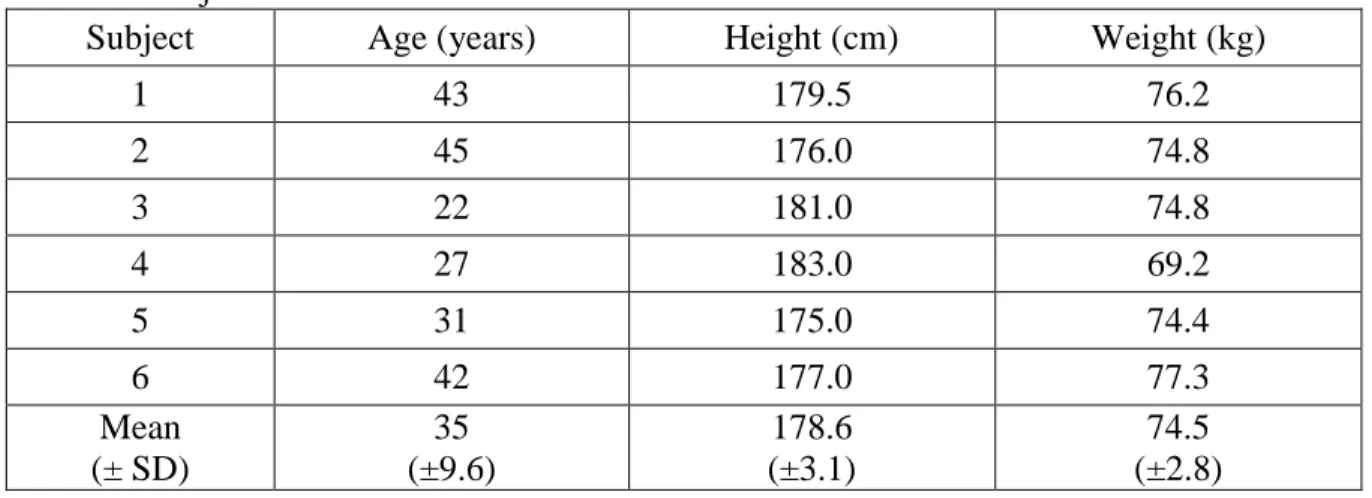
Table 4: Subject Characteristics……….….…26
Table 5: VO2max, VO2 at VT, and VT (%VO2max) responses for the VO2max (Trial-1) and VO2max test performed following a 10 km treadmill run and 30 km cycling time-trial (Trial-3) ………...………28
Table 6: HRmax, lactate, RPEmax, RERmax and RER at VT responses during the VO2max Trial-1 (SOVO2max) and Trial-3 (after running 10 km and riding a 30 km cycling time trial at 95-95% VT) ………....…….29
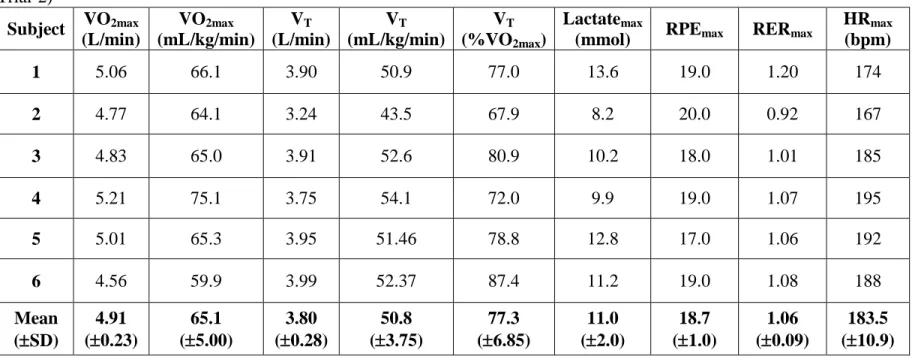
Table 7: VO2max, VO2 at VT, VT (%VO2max), blood lactate, RPE, RERmax, and HRmax responses on the cycle ergometer VO2max (Trial-2) ……….…30
Table 8: Descriptive statistics for the 10 km treadmill run in Trial-2 and Trial-3 ...………...31
CHAPTER I
INTRODUCTION
The duathlon is a multi-sport event consisting of three endurance events (swimming, cycling, and running) performed in immediate and consecutive order. There are several variations of the duathlon, which include variations in terrain, distance, and mode of exercise. At an internationally competitive level, the International Triathlon Union (ITU, 2012) acts as the governing body for all triathlon, duathlon, cross triathlon, winter triathlon, long distance triathlon, aquathon, team, and paratriathlon events; all considered multi-sport events that encompasses two or more different sports performed in one event. The ITU is responsible for making amendments to the rules and regulations, sanctioning events, and overseeing athlete eligibility. The first recorded modern-day multi-sport event performed in immediate and consecutive order (a triathlon) was performed in 1974 (ITU, 2012). Due to its exponential increase in popularity, the International Olympic Committee (IOC) first included the event into the 1994 Olympic games.
2
in an effort to develop and perfect a training methodology and be able to most effectively periodize an athlete’s program. Such measures include, but are not limited too; maximal oxygen uptake (VO2max), ventilatory threshold (VT), and lactate threshold (LT).
Maximal oxygen uptake (VO2max) is an individual’s maximal capacity to utilize oxygen during exercise. The treadmill is a popular testing platform used in testing an individual’s cardiopulmonary function. Such testing also provides information that can be effectively used to design/prescribe exercise training programs (Balady et al. 2010). The information provided through a VO2max test includes the information used to determine various thresholds and training intensities which can then be used in an effort to increase performance through training (Londeree 1986). These procedures are often performed with endurance athletes as a method of determining an individual’s maximal cardiorespiratory fitness, allowing such values to then be used for prescribing training intensities and monitoring training load.
The method of testing becomes increasingly important when testing trained individuals and attempting to use the physiological information in prescribing exercise intensities. Research has shown that highly-trained single-sport athletes elicit a higher VO2max when tested in their preferred discipline (Bouckaert et al. 1990, Millet et al. 2009). Nevertheless, while highly-trained multi-sport athletes have high relative maximal oxygen uptake values, these values are lower than that of a highly-trained athlete specializing in one event (Sleivert and Rowlands, 1996).
2005), there have been far fewer studies which investigate the effects of running on cycling performance (Vallier et al. 2003). There have been two primary studies that have investigated the compounding effect of an entire multi-sport competition. De Vito et al. (1995) examined the effects of the swim and cycling bouts on run performance within an Olympic distance triathlon simulation. Vallier et al. (2003) investigated the compounding effects of the run-cycle-run transitions in the final run performance of a duathlon, finding that the energy cost of the final running bout during the run-cycle-run transition did not elicit the same physiological or biomechanical responses present within a triathlon event.
Statement of Purpose
The purpose of this study was to compare the ventilatory threshold (VT) from a single-bout maximal treadmill protocol to the VT observed in a maximal treadmill test following an ITU Duathlon simulation within a controlled laboratory setting. The secondary purpose of this study was to examine maximal oxygen consumption (VO2max) between the single-bout maximal treadmill protocol and the VO2max assessed following the 10 km run and 30 km cycling time-trial in an ITU Duathlon simulation.
Hypotheses
4
H2: There will be a decline in VO2max after performing a 10 km run and 30 km cycling time-trial when compared to a single-bout maximal treadmill protocol
Limitations
- The current training phase of each subject was not controlled in this study.
- The use of the cycle ergometer (While the cycle ergometer set up was adjusted for each subject, the bike position may have limited maximal performance due to the dissimilarity between the cycle ergometer and the set-up of each athlete’s time-trial bike. This position may have limited the specific riding mechanics of each athlete).
- Even though all attempts were made to monitor fatigue and diet prior to each testing trial, there was no way to make sure the athlete answered these questions honestly.
Delimitations
- All participants were highly-trained multi-sport athletes.
- Hydration status was monitored via urine specific gravity testing before the start of each trial.
Definition of Terms
- ITU Duathlon – A 10 km run, 40 km cycling time-trial and 5 km run performed consecutively and immediately following one another.
- Highly-trained multi-sport athletes – Individuals who have been training a minimum of 15 hours per week for at least 6 months to compete in events such as duathlons and/or triathlons (swim, bike, run).
- 40 km cycling time-trial – the fastest pace an individual can perform a 40 km cycling bout. For the purposes of this study, the cycling time-trial intensity was controlled so that a comparison could be made between testing trials. In the laboratory setting, riding a 40 km right below the ventilatory threshold (Intensity between 95-98% of Ventilatory Threshold (VT), takes in average 35-45min longer than covering the same distance while cycling outdoors with variable pace (which is the case during triathlon and duathlon races). Therefore, as an attempt to closely reproduce the total time that takes during a real duathlon event and reduce any adverse affects of extra time spent on the bike, the 40 Km cycling distance regulated by ITU was shortened to 30 Km in this study.
- Maximal Oxygen Consumption (VO2max) – The maximal amounts of oxygen that an individual is able to consume, transport, and utilize within working muscle to produce (aerobic) energy.
6
- Maximal treadmill protocol (VO2max test) – An incremental exercise test, increasing intensity in stages, thus allowing the subject to reach one’s maximal capacity for aerobic exercise. While maximal aerobic exercise can be tested invasively or non-invasively, in the lab or in the field, this study will use both a cycle ergometer and treadmill protocol within a laboratory setting.
- SOVO2max (Speed only VO2max) protocol: protocol for measuring VO2max using incremental increases in speed while maintaining a constant grade of 0%. Please see Table 2.
Assumptions
- It was assumed that all subjects in this experiment abstained from alcohol, drugs, or any other ergogenic aid that could have affected the results of the study.
- It was assumed that subjects maintained a similar diet between trials, avoiding any drastic deviation in their standard dietary regimen. Subjects were provided pre-testing information and asked to complete a questionnaire before each trial to assess whether dietary patterns were consistent.
- It was assumed that all subjects consumed the same foods and liquids that they would consume during competition. It is also assumed that subjects did not ingest irregular amounts of food or liquid during this study.
- It was assumed that all subjects answered the training history questionnaire (Appendix IV) and pre-trial questionnaires (Appendix VI) honestly.
Significance
CHAPTER II
REVIEW OF LITERATURE
There are many genetic, physiological, and biomechanical aspects that contribute to sport performance. As multi-sport events such as the duathlon and triathlon have received an increasingly large amount of attention within the sport performance field. There are many areas of that must be researched including the specifics of nutrition, hydration, metabolism, thermoregulation, and endocrinological responses. A primary focal point in current physiological and biomechanical research relating to athletic performance has been on the transitions during multi-sport events. Single-bout endurance performance in events such as cycling and running has been investigated in many environments and conditions. Performing each of these events in immediate and successive order (run-cycle-run) is more complex than any single-bout event of the same discipline. The result is that physiological responses and adaptations to performance and training make duathlon performance a unique endeavor.
Oxygen Consumption and Metabolism
Oxygen uptake is the body’s ability to utilize oxygen in order to fuel the metabolic processes that provide the necessary energy to function on a daily basis. Oxygen uptake (VO2) is dependent on exercise intensity and increases in a positive relationship with workload until VO2 will either plateaus or decline. The highest point measured value is defined as an individual’s maximal oxygen uptake (VO2max) (Skinner and McLellan, 1980). Both submaximal and maximal oxygen uptake values are useful in a number of settings including, but not limited to health, research, and sport performance perspectives. Such information is essential in developing and periodizing training programs as well as regulating intensity during competition.
The body’s metabolic processes provide the necessary energy (adenosine triphosphate – ATP) needed to facilitate muscular contraction and move the skeleton. ATP is produced through immediate, non-oxidative, and oxidative pathways. During exercise, each of these three metabolic processes works to maintain ATP homeostasis. Exercise intensity can be determined by measuring oxygen uptake kinetics and further evaluation of thresholds such as the ventilatory threshold (VT) and lactate threshold (LT) can add reliability and precision to an exercise testing/prescription program.
10
change in the other two. While the arterio-venous oxygen difference (a-v O2Diff) changes very little in response to training, cardiac output is the primary factor affecting one’s ability to increase oxygen consumption. The heart’s ability to provide increased blood throughout the body is responsible for the majority of change in VO2max observed through training (Brooks et al. 2005).
While VO2max can be tested in many ways, the two most popular methods include the treadmill and cycle ergometer. Testing an individual’s VO2max provides a measure of cardiorespiratory fitness as well as additional information that can be used for exercise prescription and periodization of training programs (Balady et al., 2010). Because endurance performance is focused around an athlete’s ability to produce energy aerobically, VO2max is often considered a measure of performance potential while the submaximal thresholds, such as LT and VT, are often considered more important measures in endurance performance.
increases in order to restore blood pH levels by blowing off the excess carbon dioxide (CO2) that is produced from the buffering of pyruvate into lactate.
As previously noted, exercise intensity contributes to the percent contribution between the metabolic processes and the substrate being utilized. Performing just below VT for an extended period of time will lower blood glucose levels, thus reducing the ability to perform acute bouts of high-intensity exercise. Pre-competition nutrition has a huge impact on substrate availability and should be monitored in order to achieve maximal performance potential. Nevertheless, during-competition nutrition and hydration also become very important for maintaining glucose levels and optimizing performance. Failure to maintain proper hydration can be detrimental to performance due to its effect on hormonal balance and substrate utilization. Inadequate hydration can also result in cardiac drift and has detrimental effects on performance (Brooks et al. 2005). A decrease in hydration results in a reduced plasma volume. As plasma volume decreases, venous return to the heart is reduced, meaning that heart rate must increase in order to maintain cardiac output. Any deviation outside of homeostatic conditions will result in an illicit endocrinological response during exercise.
12 Sport Specificity: The Multi-Sport Competition
There are five key training principles that affect athletic performance: 1) sport specificity, 2) overload, 3) recovery, 4) adaptation, and 5) reversibility. The concept of sport specificity plays an interesting role within multi-sport events due to the transition phases from one bout to another. The concept of specificity suggests that the greatest performance potential will be obtained when the training and fitness programs are focused on the demands of the sport. As shown in the literature, elite athletes will test better in their preferred discipline as opposed to an alternative mode of exercise (Bouckaert et al. 1990, Millet et al. 2009). The overload principle states that if you do not stress your physiological systems during exercise, then you will not improve. Consequently, the recovery principle states that your body needs adequate time to regenerate, re-fuel, and recover in order to benefit from the effects of training. The body used the recovery phase to adapt and “grow,” which is where/how we quantify an improvement in athletic performance. The concept of reversibility states that without continuing to stress the body, that these benefits observed with prior training will fade.
there have been far fewer studies that have investigated the compounding effects of an entire multi-sport event on performance (De Vito et al. 1995, Vallier et al. 2003).
The cycle-run transition has been shown to elicit differences in VE, the ventilatory equivalent ratio for oxygen (VE/VO2), the ventilatory equivalent ratio for carbon dioxide (VE/VCO2), breathing frequency (f), and heart rate (HR) (Hue et al. 2000). In addition to the physiological parameters associated with the cycle-run transition, researchers have also focused on the biomechanical adaptations associated with the transition. However, confounding variables associated with the research have resulted in conflicting results between studies. Additionally, the applicability of these experiments has been questioned as cycling races and the cycling leg of triathlons consist of large variations in intensity and workload (Bentley et al. 2002), however, it is important to note the goals and hierarchy of research. While the applicability of these studies may be questioned, the overall physiological response must first be proven before further studies can investigate more specific responses. Suriano et al. (2007) demonstrated that variable power output during a 30 minute cycling bout followed with a maximal treadmill test improved run duration compared to run performance following a cycling bout at a constant power output. Although VO2, VE, HR, and blood lactate values showed no statistical significance, the improvement in sub-maximal and sub-maximal running speeds suggest a theoretical improvement in running time during the final stage of a triathlon competition.
14
any significant differences in running velocity or VO2 during the subsequent run. Gottschall and Palmer (2000) observed a lower stride length and higher stride frequency at the initiation of the running bout following a high intensity cycling effort and as the run progresses, stride length has been shown to increase as stride frequency decreases (Gottschall and Palmer 2000). A seven percent (7%) decrease in stride length has also been reported at the start of the running bout of a triathlon simulation when compared to a single bout run (Hausswirth et al. 1997).
To the best of this author’s knowledge, there have been only two studies that have examined the compounding effects of a multi-sport event on physiological performance during a laboratory controlled, experimental race simulation. De Vito et al. (1995) performed a triathlon simulation, measuring VO2, VE, and HR at VT (%VO2max) and VO2max. While the final running bout of the triathlon simulation (1500 m swim and 32 km cycling time-trial followed by a treadmill VO2max test) did elicit a decline in decline in VO2 and VT (%VO2max) when compared to a single-bout maximal treadmill protocol, the swim and cycling intensities were not controlled. The fact that the cycling time-trial was performed outside raises many questions as factors such as temperature, air pressure, humidity, and wind could impact pace and effort.
measured in this study, the conclusions suggest that there is no difference in run performance between a single-bout run and the final running bout of a duathlon competition.
CHAPTER III
METHODS
Subjects
Six highly-trained multi-sport athletes, ages 18-45 years were recruited to participate in this study. Subjects had been training a minimum of fifteen hours per week for at least six months prior to enrolling in this study. Subjects were healthy (classified as low risk individuals for participation in maximal exercise testing based on the guidelines set forth by the American College of Sports Medicine – ACSM) and free of any orthopedic injury that precluded successful completion of the study. Each subject was given a physical examination, administered a medical history questionnaire, and completed a Par-Q (physical activity readiness questionnaire) prior to being deemed eligible to participate in this study. Subjects were also required to have an organized dietary/nutritional plan during competition.
Instrumentation
scale (Borg, 1970) was used to quantify rating of perceived exertion throughout each of the trials.
General Procedures
This study consisted of three testing sessions, each of which were performed in the
Applied Physiology Laboratory (APL) located in Fetzer Gymnasium, room 025. Each
testing session occurred on three different days and were completed within three
weeks/twenty-one days of the first trial.
Prior to reporting to the APL, recruited subjects were given pre-trial testing
guidelines (Appendix V) and instructions on what would happen during the first session
(Trial-1). During Trial-1, subjects were screened for participation in the study [physical
examination (Appendix I) and the Par-Q questionnaire (Appendix II)], answer a training
history questionnaire (Appendix IV), a pre-trial questionnaire (Appendix VI)] and then given
further and more detailed information regarding the study protocol and requirements. The
objective of the pre-trial questionnaire (Appendix VI) was to subjectively quantify a level of
fatigue, sleep, and dietary habits. Each subject was also weighed and provided a urine sample
to ensure adequate hydration status. Subjects were then administered an informed consent
form that had been approved by the UNC Biomedical IRB before any further involvement in
the study.
Trial-1 began once all of the screening processes were completed and consent had
18
connected to the metabolic cart. The third and final trial (Trial-3) consisted of a 10 km run and a 30 km cycling time-trial followed by a treadmill SOVO2max protocol. Subjects
completed the laboratory based 10 km run and 30 km cycling time-trial on a treadmill and
cycle ergometer respectively. Participants performed each of these exercise bouts at 95-95%
of VT. Subjects were taken on and off the metabolic cart throughout various times of the
exercise bouts in order to assess and monitor exercise intensity. In addition to the metabolic
data, blood lactate, heart rate, and a rating of perceived exertion was also collected
throughout each of these three trials. A summary of the testing protocol is listed below in
Table 1: Summary of Study Protocol
Recruitment Trial-1 Trial-2 Trial-3
a) Contacted coaches and administrators to ask for permission to approach athletes b) Approached potential subjects to introduce study c) Gave information about the study, for those who were interested, set up scheduling for Trial-1 and gave them pretesting information and guidelines
a) Subjects reported to the APL where they underwent all screening processes to ensure they were healthy enough to participate in the study
b) Subjects were administered the informed consent form.
c) Subjects completed a questionnaire regarding training history
d) Subjects submitted a urine sample to assure adequate hydration status before beginning the testing session
e) Subjects performed a treadmill SOVO2max protocol
f) Blood lactate was taken 3 minutes after the completion of the last stage
g) Subjects were given strict guidelines in preparation for the next testing session
a) Subjects reported to the APL where they completed a
questionnaire regarding fatigue, sleep, and diet. Subjects also submitted a urine sample to assure adequate
hydration status before beginning the testing session
b) All set up for the cycle ergometer VO2max test was completed before beginning the 10 km run.
c) Subjects completed the 10 km run and then transitioned onto the cycle ergometer to complete the incremental VO2max protocol.
d) Blood lactate was taken 3 minutes after the completion of the last stage
e) Subjects were given strict guidelines in preparation for the next testing session
a) Subjects reported to the APL where they completed a
questionnaire regarding fatigue, sleep, and diet. Subjects also submitted a urine sample to assure adequate hydration status before beginning the testing session
b) All set up for the cycle ergometer was completed prior to beginning the ITU Duathlon simulation.
c) Subjects completed the 10k run and 30 km cycling time-trial at 95-95% of VT before completing a treadmill SOVO2max protocol.
20 Trial-1
Trial-1 consisted of an incremental treadmill test to assess maximal oxygen uptake
(VO2max). Prior to testing, subjects completed a pre-trial questionnaire (Appendix VI) and submitted a urine sample to assure proper hydration status. Measurement of VO2max was performed using a speed-only protocol (SOVO2max) consisting of one-minute stages beginning at 5.0mph. Speed was increased by 1.0mph each minute until a speed of 11.0mph was reached when speed was increased by 0.5mph each minute. Table 2 presents the SOVO2max protocol. Oxygen uptake (VO2), VE, VCO2, ventilation (VE), and the respiratory exchange ration (RER) were measured every 15 seconds throughout the testing session.
Rating of perceived exertion (RPE) was taken at the conclusion of each stage and at the
conclusion of the testing protocol.
Heart rate was monitored via heart rate monitors while blood lactate was being taken
by finger-prick three minutes after the conclusion of the last stage. Subjects were asked to sit
with their palm facing upwards on the arm of the chair before cleaning the fingertip with an
alcohol swab. After disinfected, every effort was taken to not contaminate the area, and if
needed, the area was cleaned again. Holding the subject’s finger with one hand, the
autolancet was held in the other, placed against the subject’s fingertip and release button
pressed. The subject’s finger tip was squeezed and the first beads of blood were wiped off
using a sterile gauze pad. The proceeding drops of blood were analyzed via the portable
lactate analyzer. Upon completion, the autolancet needle, gauze, and anything else that
touched the subjects blood was disposed of into a sharps container.
VT and VO2max observed during a single-bout maximal exercise to the observed values during
the ITU Duathlon simulation (Trial-3). Subjects were required to achieve no less than three
of the following criteria for the trial to be considered a true, and viable, maximal effort:
1) Respiratory Exchange Ratio (RER) >1.10
2) RPE >18
3) Heart Rate (within 10 beats of age predicted max)
4) Plateauing (+ 2 ml/kg/min) or decline of VO2- with increased workload)
5) Blood lactate (> 8mmol/L)
Once the subject was cooled down, the following visit was scheduled. In an effort to
control for circadian rhythm and any variation that could affect the results of this study, each
additional session was scheduled at a similar time of day (+ 2 hours).
Trial-2
The second testing session consisted of a 10 km run followed by an incremental
VO2max test performed on a cycle ergometer. Prior to testing, each subject completed a
pre-trial questionnaire (appendix VI) and submitted a urine sample to assure proper hydration
status. Each subject performed the 10 km treadmill run at 95-95% of VT before transitioning
onto the cycle ergometer to perform an incremental VO2max test. Ventilatory threshold was
determined using the V-slop method (Casaburi et al. 1977) and expressed as a percentage of
22
dropped by an additional 5% so that the exercise bout could be completed. If a subject could
not complete the trial at an intensity level equal to 90% of their VT then the subject was
disqualified from the study. Metabolic data was collected during kilometers 0-2, 5-7, and
9-10.
Upon transitioning to the cycle ergometer, subjects began the incremental treadmill
protocol at an intensity of 150W and increased by 50W every two minutes until a workload
of 250W was reached. At this point, intensity was increased by 30W every two minutes until
maximal volitional fatigue was reached. Table 3 describes the cycle ergometer VO2max
protocol. The same criteria used for determining VO2max in Trial-1 was used in Trial-2. This
trial was used to standardize the exercise intensity in the 30 km cycling time-trial during the
ITU Duathlon simulation (Trial-3).
Trial-3
The third and final testing session consisted of the ITU Duathlon simulation. Prior to
testing, each subject completed a pre-trial questionnaire (appendix VI) and submitted a urine
sample to assure proper hydration status. This trial consisted of a 10 km run, a 30 km cycling
time-trial and treadmill SOVO2max protocol performed immediately after one another. The
initial 10 km run and succeeding 30 km cycling time-trial were performed at an intensity
equal to 95-95% of VT. These intensities were calculated using the same methodology
discussed in Trial-2. Subjects exercised at an intensity equal to 95-95% of their VT and if
needed, intensity was dropped by 5% in order to complete the trial. If subjects were unable
study. During the 10 km run, this intensity was equated to a specific running speed while
exercise intensity on the cycle ergometer was equated to a specific workload (Watts). During
both the 10 km run and 30 km cycling time-trial, metabolic data was collected periodically in
order to assess and monitor exercise intensity. Heart rate and RPE was taken every 5
minutes throughout each of these bouts.
Upon completion of these two exercise bouts, the subjects transitioned back onto the
treadmill to complete the SOVO2max protocol. Oxygen uptake, ventilation (VE), and volume
of carbon dioxide (VCO2) were measured every 15 seconds throughout the trial while heart
rate (HR) was monitored via use of a heart rate monitor and RPE recorded at the end of each
stage. Blood lactate was taken three minutes after the completion of the SOVO2max protocol.
i
Table 2: SOVO2max Treadmill Protocol Table 3: Cycle ergometer VO2max Protocol
Stage (1 min intervals) Speed (mph)
1 5.0
2 6.0
3 7.0
4 8.0
5 9.0
6 10.0
7 11.0
8 11.5
9 12.0
10 12.5
11 13.0
12 13.5
13 14.0
14 14.5
Stage Time (min) Workload (W)
1 0-2
150
2 2-4
200
3 4-6
250
4 6-8
280
5 8-10
310
6 10-12
330
7 12-14
370
8 14-16
300
9 16-18
430
10 18-20
460
11 20-22
490
12 22-24 520
Statistical Analyses
All recorded data was entered into an electronic database, analyzed via descriptive
statistics, and presented in the form of means ± standard deviation (SD). Analysis was completed using SPSS version 19.0 for Windows; an alpha level of P<0.05 was used for all
analyses.
Hypothesis 1: There will be a significant decline in VT (%VO2max) after performing a 10 km run and 30 km cycling time-trial when compared to a single-bout maximal treadmill protocol.
Hypothesis one was analyzed using a dependent samples t-test where the VT
(%VO2max) between the single-bout maximal treadmill protocol (Trial-1) and the VT
(%VO2max) of the final running leg in a laboratory based ITU Duathlon simulation
(Trial-3) were used for comparison.
Hypothesis 2: There will be a decline in VO2max after performing a 10 km run and 30 km cycling time-trial when compared to a single-bout maximal treadmill protocol. Hypothesis two was analyzed using a dependent samples t-test where the VO2max
between the single-bout maximal treadmill protocol (Trial-1) and the VO2max of the
final running leg in a laboratory based ITU Duathlon simulation (Trial-3) were used
CHAPTER IV
RESULTS
The primary purpose of this study was to examine the effects of the initial run and cycling time trial on the final run performance within an ITU Duathlon. Six highly-trained multi-sport athletes were tested in order to compare the effects of a 10 km run and 30 km cycling time trial on running performance during the final running leg of an ITU Duathlon compared to a single-bout run performance. Individual characteristics as well as the mean and standard deviation (SD) of the sample are presented in table 4 below:
Table 4: Subject Characteristics
Subject Age (years) Height (cm) Weight (kg)
1 43 179.5 76.2
2 45 176.0 74.8
3 22 181.0 74.8
4 27 183.0 69.2
5 31 175.0 74.4
6 42 177.0 77.3
Mean (± SD)
35 (±9.6)
178.6 (±3.1)
74.5 (±2.8)
Hypothesis 1 stated “there will be a significant decline in VT (%VO2max) after performing a 10 km run and 30 km cycling time-trial when compared to a single-bout
maximal treadmill protocol.” The mean percentages attained during Trial-1 and Trial-3 were
30 km cycling time-trial performed in Trial-3 (p=0.36, 75.9% 3.9 and 77.5% 10.4, respectively) (Table 5).
Hypothesis 2 stated “there will be a decline in VO2max after performing a 10 km run and 30 km cycling time-trial when compared to a single-bout maximal treadmill protocol.”
The mean VO2max values attained during Trial-1 and Trial-3 were used in the analysis. No Significant difference in VO2max between Trial-1 and Trial-3 (p=0.06, 66.8 mL/kg/min 6.6 and 60.9 mL/kg/min 3.1 respectively) was observed (Table 5).
28
Table 5: VO2max, VO2 at VT, and VT (%VO2max) responses for the VO2max (Trial-1) and VO2max test performed following a 10 km treadmill run and 30 km cycling time-trial (Trial-3).
* Significant difference at (p<0.05) between Trial-1 and Trial-3. Subject
VO2max (L/min) VO2max
(mL/kg/min) VT (L/min) VT (mL/kg/min) VT (%VO2max) Trial-1 Trial-3 Trial-1 Trial-3 Trial-1 Trial-3 Trial-1 Trial-3 Trial-1 Trial-3
1 4.50 4.51 59.0 59.2 3.51 2.98 46.1 39.1 78.1 66.0
2 4.60 4.94 61.4 66.0 3.75 3.76 50.2 50.3 81.7 76.1
3 5.20 4.50 69.6 60.1 3.84 3.30 51.4 44.2 73.8 73.5
4 5.38 4.15 77.8 60.0 4.08 3.97 59.0 57.4 75.8 95.7
5 5.03 4.66 67.6 62.7 3.53 3.34 47.4 44.9 70.1 71.6
6 5.08 4.43 65.7 57.3 3.85 3.65 49.8 47.2 75.8 82.4
Mean (SD)
4.96 (0.35)
4.53 (0.26)
66.9 (6.6)
60.9 (3.1)
3.76* (0.22)
3.50* (0.36)
50.6* (4.5)
47.2* (6.2)
75.9 (3.9)
77.5 (10.4)
Individual responses as well as mean and standard deviations (SD) for HRmax, lactate (post VO2max), RPEmax, RERmax and RER at VT or during the VO2max Trial-1 and Trial-3 (after running 10 km and riding a 30 km cycling time trial at 95-95% VT) are reported below in Table 6.
running 10 km and riding a 30 km cycling time trial at 95-95% VT).
Subject
HRmax (bpm) Lactate (mmol) RPEmax RERmax RER at VT
Trial-1 Trial-3 Trial-1 Trial-3 Trial-1 Trial-3 Trial-1 Trial-3 Trial-1 Trial-3
1 171 169 13.4 11.1 20.0 19.5 1.13 1.02 0.94 0.84
2 168 167 9.4 6.2 19.5 18.0 1.13 0.97 0.86 0.83
3 188 178 13.6 6.4 19.0 18.5 1.10 0.92 0.88 0.80
4 191 185 9.5 6.7 19.0 18.0 1.19 0.90 0.85 0.87
5 192 190 14.3 8.8 19.0 18.5 1.16 1.09 0.88 0.82
6 182 189 15.4 10.0 18.0 19.0 1.14 1.09 0.94 0.89
Mean (SD)
182 (10)
179 (10)
12.6* (2.5)
8.2* (2.1)
19.1 (0.7)
18.6 (0.6)
1.14 (0.03)
1.00 (0.08)
0.89 (0.04)
0.84 (0.03) * Significant difference at (p<0.05) between Trial-1 and Trial-3; RPE=Rate of Perceived Exertion; Lactate (obtained 3 minutes post completion of VO2max tests)
30
Individual response for VO2max, VO2 at VT, and VT (%VO2max) performed on the cycle ergometer as well as VO2max, VO2 at VT, and VT (%VO2max) and mean ± standard deviation (SD) of the sample are presented in Table 7:
Table 7: VO2max, VO2 at VT, VT (%VO2max), blood lactate, RPE, RERmax, and HRmax responses on the cycle ergometer VO2max (Trial-2)
Subject VO2max (L/min) VO2max (mL/kg/min) VT (L/min) VT (mL/kg/min) VT (%VO2max) Lactatemax
(mmol) RPEmax RERmax
HRmax (bpm)
1 5.06 66.1 3.90 50.9 77.0 13.6 19.0 1.20 174
2 4.77 64.1 3.24 43.5 67.9 8.2 20.0 0.92 167
3 4.83 65.0 3.91 52.6 80.9 10.2 18.0 1.01 185
4 5.21 75.1 3.75 54.1 72.0 9.9 19.0 1.07 195
5 5.01 65.3 3.95 51.46 78.8 12.8 17.0 1.06 192
6 4.56 59.9 3.99 52.37 87.4 11.2 19.0 1.08 188
Mean (SD)
4.91 (0.23)
65.1 (5.00)
3.80 (0.28)
50.8 (3.75)
77.3 (6.85)
11.0 (2.0)
18.7 (1.0)
1.06 (0.09)
183.5 (10.9)
Individual responses as well as mean and standard deviations (SD) for HR, RPE, and RER during the 10 km treadmill run in Trial-2 and Trial-3 at the prescribed 95-98% of ventilatory threshold are presented in Table 8 below:
Table 8: Descriptive statistics for the 10 km treadmill run in Trial-2 and Trial-3. Subject
10 km Run (Trial-2) 10 km Run (Trial-3) Exercise Intensity HRavg RPEavg RERavg HRavg RPEavg RERavg VT 95%VT 98%VT
1 146 12.9 0.94 146 12.3 0.87 46.1 43.8 45.2
2 152 13.6 0.80 152 12.9 0.82 50.2 46.1 49.2
3 162 15.0 0.84 157 14.8 0.75 51.2 48.8 50.2
4 180 14.3 0.86 168 13.5 0.89 59.0 56.0 57.8
5 172 13.1 0.87 165 12.3 0.87 47.3 45.0 46.4
6 163 12.25 0.86 164 12.1 0.86 49.8 47.3 48.8
Mean (SD)
163 (13)
13.5 (1.0)
0.86 (0.05)
159 (9)
13.0 (1.0)
0.83 (0.06)
50.6 (4.5)
47.8 (4.4)
49.6 (4.4) * Significant difference at (p<0.05) between Trial-1 and Trial-3; HRavg = Heart rate average during trial. RPEavg = Rate of Perceived Exertion average during trial; RERavg = Respiratory Exchange Ration average during trial.
32
Individual responses as well as mean and standard deviations (SD) for HR, RPE, RER and workload (watts) during the 30 km cycling time trial in Trial-3 at the prescribed 95-98% of ventilatory threshold are presented in Table 9 below:
Table 9: Physiological characteristics responses during the 30 km cycling time-trial in Trial-3.
Subject HRavg RPEavg RERavg 95%VT
(ml/kg/min)
98%VT
(mL/kg/min) Wattsavg
1 152 12.5 0.90 48.3 49.8 242
2 146 13.4 0.82 41.3 42.6 211
3 144 15.8 0.84 50.0 51.6 217
4 154 14.1 0.87 51.3 52.8 227
5 161 15.0 0.91 48.9 51.4 266
6 164 12.9 0.94 49.8 51.3 220
Mean (SD)
153 (8)
13.9 (1.3)
0.86 (0.04)
48.3 (3.6)
49.9 (3.7)
223 (11.9) HRavg = Heart rate average during trial. RPEavg = Rate of Perceived Exertion average during trial; RERavg = Respiratory Exchange Ration average during trial; Wattsavg = average watts produced while exercising between 95-98% of VT during the 30 km trial 3.
3
CHAPTER V
DISCUSSION
The purpose of this study was to investigate the effects of a 10 km run and 30 km cycling time-trial on the final run performance during an ITU Duathlon. Specifically, the goal of this study was to improve upon previous ITU Duathlon simulation research by more effectively controlling for exercise intensity, resulting in a more accurately examination of the compounding effects of combined run, cycle efforts on final run performance. The primary findings of this study provided some interesting insight into the physiological response associated within an ITU Duathlon. While there was no change within the VT (%VO2max) between Trial-1 and Trial-3, the decrease in VO2max from Trial-1 to Trial-3 approaches significance (P=0.06).
Before proceeding with any part of this discussion, it should be pointed out that this analysis is underpowered with only 6 subjects. Unfortunately, for the purpose of time and resources we were unable to test any additional subjects for this study, which was supposed to be completed with 8 subjects. While there were no significant results found amongst the stated hypotheses, there were several additional exploratory analyses performed which presented some interesting and applicable findings.
34
result in an average increase of 2 min 14 sec to complete the final 5 km running leg of an ITU Duathlon race.
The results of the current study contradict the results of the only other similar study available in the current literature, performed by Vallier and colleagues in 2003. Vallier et al. (2003) investigated the variability in energy cost of running and an outdoor duathlon simulation. While they found no significant change in physiological parameters (such as metabolic and respiratory alterations) from the first run the last run, there are several limitations that may be explained by environmental factors and terrain.
While the duathlon and triathlon are separate events, consisting of different physical demands, both multi-sport events share similar qualities and require athletes to perform three endurance events in immediate and consecutive order. The compounding effects of the first two exercise bouts on the final run performance have become an increasingly popular subject within the research field. De Vito et al. (1995) conducted a triathlon simulation and did not find any significant difference in VO2max or VT (%VO2max) between the single-bout maximal exercise and triathlon simulation but did observe a difference in relative oxygen uptake (mL/kg/min) at VT. Similar to Vallier et al., De Vito et al. also conducted the cycling time-trial outside on a closed loop circuit, thus raising similar concerns made about the methodology used by Vallier et al.
Environmental Factors Influencing Performance in Triathlon and Duathlon races
36
sweat rate. Additionally, the increased epinephrine (EPI) release over the course of time will have various metabolic consequences. Increased EPI will result in the increased stimulation of a muscle phosphorylase to breakdown glycogen into glucose 6 phosphate. Consequently, this will result in increased lactate production and a decrease in pH which will inhibit lipolysis and the mobilization of free fatty acids (FFA).
Through the interpretation of the data presented within the current study, the decrease in glycogen can be interpreted through the decline in maximal RER values and decrease in blood lactate following the treadmill VO2max tests in Trial-3 compared to Trial-1. There are several factors that could affect performance during a race simulation, some of which were discussed above, however, in order to combat these variables, the intensities throughout the 10 km run and 30 km cycling time trial were intensely monitored and controlled (Table 9). Performing the 10 km run and 30 km cycling time-trial at 95-98% of VT results in a
depletion of glycogen stores.
The RERmax and maximal blood lactate values observed during the treadmill max test in Trial-3 are indicative of this decrease. While each of these highly-trained athletes would utilize a higher concentration of fats for fuel when compared to an average individual, exercising at these intensities for 2+ hours will deplete glycogen
stores regardless of fitness level.
Each of the subjects were instructed to prepare themselves for these sessions as though they would an actual competition and were required to consume a caloric beverage and/or food during Trial-3. Future research studies should also be directed
While each of these trials were performed in a thermo-neutral environment, it is important to note the potential effects of plasma volume lost through sweat. While blood pressure falls, anti-diuretic hormone (ADH) and aldosterone release will be stimulated in order to help maintain plasma volume. ADH is part of the hypothalamic pituitary adrenal system and is stimulated through decreases in blood volume (10-20%) (Brooks et al. 2005). Decreased blood volume signals the hypothalamus to signal the posterior pituitary to release ADH, increasing water reabsorption within the kidneys. This is important from a thermoregulative standpoint and because it helps to maintain stroke volume. Maintaining stroke volume means that cardiac output can be maintained and an individual can continue working at a particular intensity. Low sodium and high potassium also stimulate the secretion of aldosterone. Additionally, the kidneys release renin which reacts with angiontensinogin, forming angiotensin II and stimulating the release of aldosterone from the adrenal cortex. This results in the reabsorption of sodium and increased secretion of potassium.
Sport Specific Factors Influencing Performance in Triathlon and Duathlon Races
non-38
draft legal races, it is important to consider the effects of drafting during competition and consider these effects when developing/considering race strategy.
Other factors to consider are the effects of cycling cadence on run performance (Bernard et al. 2003, Gottschall and Palmer 2000, Vercruyssen et al. 2002, Vercruyssen et al. 2005, Suriano et al. 2007), the effects of swimming on cycling performance (Delextrat et al. 2005), dietary/hydration strategy (McMurray et al. 2006), clothing (Trappe et al. 1996, Lowden et al. 1992) as well as race strategy (Lehenaff et al. 1998).
Suriano et al. (2007) further expanded the exploration of cycling strategy on subsequent run performance by examining the effects of variable cycling power output on maximal run time – finding that variable power output during a 30 minutes cycling bout improved maximal run time.
In the current study, cadence was not controlled, however, an electronically braked cycle ergometer was used in order to control power output regardless of any change self-selected cadence throughout the trial. While a change in cadence throughout the trial could alter the oxygen uptake, the researchers assumed that maintaining a constant and steady power output was adequate for this particular study. Methodologically, this approach was used to control the intermittent nature of cycling bouts observed in DeVito et al. (1995) and Vallier et al. (2003) – a major limitation to each of these studies.
Study Limitations
40
recruitment. Each coach has his or her own training methodology and each methodology must be modified to best suit the individual athlete. Recruitment for this study spanned over a course of four months which would have certainly resulted in a variation of training phases between each subject.
While glycogen depletion has been discussed as the primary reason behind the observed decline in relative oxygen uptake at ventilatory threshold and downward trend in maximal oxygen uptake, this could be confirmed by performing blood draws throughout the trials in order to quantify glucose uptake.
In conclusion, this study did not result in any significant findings in either of the listed hypotheses, however, a downward trend in VO2max and a significant decrease in
relative VO2 at ventilatory threshold during a maximal treadmill test following a 10 km run and 30 km cycling time-trial compared to a lone single-bout maximal treadmill protocol was observed. These findings suggest that an individual cannot perform the final 5 km run during an ITU Duathlon at the same intensity at which one performs the
initial 10 km run. One key physiological factor associated with this includes, but is not limited to glycogen depletion.
Recommendations for Future Research
While none of these studies have focused specifically on the ITU Duathlon, each of these studies pose interesting questions related to race strategy and duathlon performance. Future research should also begin to investigate:
- Nutrition and Diet – Future research should not only control for diet during similar studies, but also examine the effects of various dietary strategies both before and during competition
- Training Phases – Future research should attempt to control for the current training phase of each athlete in order to try and control for the current fitness level of each individual and the type of training they have been performing in recent weeks. Ideally, subjects would be tested as they peak for competition. - Equipment – Specifically, the cycle ergometer was a major limitation to this study
as the variation in bike fit between the cycle ergometer and each athlete’s personal bike could limit performance and efficiency throughout the trials.
42 APPENDIX I
Examination status: Approved Disapproved
Department of Exercise & Sport Science Physical Examination Screening
Name: ____________________ ID: __________ Age: ________ Gender: ___________ Please respond to each of the following in writing.
Pulse rate and regularity: ________________ ECG Interpretation: ________________ Blood Pressure:
Supine: _________ Sitting: ____________ Standing (Left side): _______ Squat: ____________ Standing (Right side): ___________ Marfan Syndrome evaluation: ( BP, Physical Char.) ________________________
Palpation of Pulses: Carotid: __________ Radial: __________ Pedal: __________ Auscultation of the Lungs:
Back: Lower: __________ Middle: __________ Upper: __________
Front: Middle: __________ Upper: __________
Auscultation of Heart Sounds:(Supine, Standing, Squatting) Non-Specific HS: _____ /______ /_____
Murmur: _____ Gallop: _____ Click: _____ Rub: _____ Click w/ Murmur: _____
Bruits: Carotid: __________ Abdominal: __________
Tenderness: Abdominal: __________ Other: ___________ Xanthoma or xanthelasm: ___________
Medical / Family History:
High Blood Pressure: ______ Diabetes: ________ CHD/CAD: ___________ Last examination w/ physician: ___________
46 APPENDIX III
Department of Exercise and Sport Science Medical History
Subject:__________________________ ID: ___________ Telephone:______________ Address:________________________________________________________________ Occupation:___________________________________ Age:______________________
YES NO Patient History
1. How would you describe your general health at present? Excellent______ Good_______ Fair______ Poor______
2. Do you have any health problems at the present time? _____ _____ 3. If yes, please describe:
4. Have you ever been told you have heart trouble? _____ _____ 5. If yes, please describe:
6. Do you ever get pain in your chest? _____ _____
7. Do you ever feel light-headed or have you ever fainted? _____ _____ 8. If yes, please describe:
9. Have you ever been told that your blood pressure has been elevated? _____ _____ 10. If yes, please describe:
11. Have you ever had difficulty breathing either at rest or with exertion? _____ _____ 12. If yes, please describe:
13. Are you now, or have you been in the past 5 years, under a doctor’s care for any reason? _____ _____
14. If yes for what reason?
15. Have you been in the hospital in the past 5 years? _____ _____ 16. If yes, for what reason?
17. Have you ever experienced an epileptic seizure or been informed that you have epilepsy? _____ _____
18. Have you ever been treated for infectious mononucleosis, hepatitis, pneumonia, or another infectious disease during the past year? _____ _____ 19. If yes, name the disease:
20. Have you ever been treated for or told you might have diabetes? _____ _____ 21. Have you ever been treated for or told you might or low blood sugar? _____ _____
23. If so, what?
24. Have you ever been “knocked-out” or experienced a concussion? _____ _____ 25. If yes, have you been “knocked-out” more than once? _____ _____ 26. Have you ever experienced heat stroke or heat exhaustion? _____ _____ 27. If yes, when?
28. Have you ever had any additional illnesses or operations? (Other than childhood
diseases) _____ _____
29. If yes, please indicate specific illness or operations:
30. Are you now taking any pills or medications? _____ _____ 31. If yes, please list:
32. Have you had any recent (within 1 year) difficulties with your:
a. Feet _____ _____
b. Legs _____ _____
c. Back _____ _____
Family History
33. Has anyone in your family (grandparent, father, mother, and/or sibling) experienced any of the following?
a. Sudden death _____ _____
b. Cardiac disease _____ _____
c. Marfan’s syndrome _____ _____
Mental History
34. Have you ever experienced depression? _____ _____ 35. If yes, did you seek the advice of a doctor? _____ _____ 36. Have you ever been told you have or has a doctor diagnosed you with panic disorder, obsessive-compulsive disorder, clinical depression, bipolar disorder, or any other
psychological disease? _____ _____
37. If yes, please list condition and if you are currently taking any medication.
Condition Medication
Bone and Joint History
34. Have you ever been treated for Osgood-Schlatter’s disease? _____ _____ 35. Have you ever had any injury to your neck involving nerves or
vertebrae? _____ _____
36. Have you ever had a shoulder dislocation, separation, or other injury of the shoulder that
incapacitated you for a week or longer? _____ _____
48
38. Have you ever experienced any injury to your arms, elbows, or wrists?_____ _____ 39. If yes, indicate location and type of injury:
40. Do you experience pain in your back? _____ _____ 41. Have you ever had an injury to your back? _____ _____ 42. If yes, did you seek the advice of a doctor? _____ _____ 43. Have you ever been told that you injured the ligaments or cartilage of either knee joint?
_____ _____
44. Do you think you have a trick knee? _____ _____
45. Do you have a pin, screw, or plate somewhere in your body as the result of bone or joint surgery that presently limits your physical capacity? _____ ____
46. If yes, indicate where:
47. Have you ever had a bone graft or spinal fusion? _____ _____ Activity History
48. During your early childhood (to age 12) would you say you were:
Very active ____ Quite active____ Moderately active____ Seldom active____ 49. During your adolescent years (age 13-18) would you say you were:
Very active ____ Quite active____ Moderately active____ Seldom active____ 50. Did you participate in:
a. Intramural school sports? _____ _____
b. Community sponsored sports? _____ _____
c. Varsity school sports? _____ _____
d. Active family recreation? _____ _____
51. Since leaving high school, how active have you been?
Very active ____ Quite active____ Active____ Inactive____
52. Do you participate in any vigorous activity at present? _____ _____ 53. If yes, please list:
Activity Frequency Duration Intensity
54. How would you describe your present state of fitness? Excellent_____ Good_____ Fair_____ Poor_____
55. Please list the type(s) of work you have been doing for the previous ten years:
Year Work Indoor/Outdoor Location (city/state)
56. Whom shall we notify in case of emergency? Name:
Address:
57. Name and address of personal physician:
All of the above questions have been answered completely and truthfully to the best of my knowledge.
50 APPENDIX IV
BASELINE MEASUREMENTS/TRAINING HISTORY QUESTIONNAIRE Subject ID: _____________________________
DEMOGRAPHICS & ANTHROPOMETRICS Age: ______________years
Height: ______________cm Body Mass: ____________kg
EATING & SLEEPING PATTERNS
Normal Bed Time: ________________ AM / PM Normal # Hours of Sleep: ________________
Normal # Meals per Day: ________________
TRAINING HISTORY
1) In the past six months, how many hours per week (on average) have you swum? < 1 2-3 4-6 7+
Estimation___________
2) In the past six months, how many hours per week (on average) have you cycled? < 4 5-7 8-10 11+
Estimation___________
3) In the past six months, how many hours per week (on average) have you run? < 3 4-5 5-7 8+
APPENDIX V
THE UNIVERSITY OF NORTH CAROLINA AT CHAPEL HILL Claudio Battaglini, Ph.D.
Department of Exercise and Sport Sciences 125 Fetzer Gym, CB # 8700
(919) 843-6045 / Email: [email protected]
Pre-Test Guidelines 1. No eating 4 hours prior to testing.
2. Void completely before testing.
3. Maintain proper hydration prior to testing.
4. Please wear appropriate clothing/shoes for testing (running shorts/shirt/shoes) 5. No exercise 12 hours prior to testing.
6. No alcohol consumption 48 hours prior to testing. 7. No diuretic medications 7 days prior to testing.
52 APPENDIX VI
PRE-TRIAL TESTING QUESTIONNAIRE
TRIAL-1 TRIAL-2 TRIAL-3
SUBJECT ID: __________________
DATE: __________________ TIME: __________________ AM / PM
EATING AND SLEEPING PATTERNS
BEDTIME: __________________ AM / PM
HOURS OF SLEEP: __________________ LAST MEAL: __________________ AM / PM
NUMBER OF MEALS TODAY: __________________
PHYSICAL ACTIVITY PREPAREDNESS
PERCEIVED FATIGUE: (none) 0 1 2 3 4 5 (wanting to sleep)
MUSCLE SORENESS: (none) 0 1 2 3 4 5 (unbearable)
REFERENCES:
American College of Sports Medicine (ACSM). (2009). ACSM's Guidelines for Exercise Testing and Prescription (8th ed.). Philadelphia: Lippincott Williams and Wilkins. Balady, G.J. et al. (2010). Clinician’s Guide to Cardiopulmonary Exercise Testing in Adults:
A Scientific Statement from the American Heart Association. Circulation. 122 (2): 191–225.
Bassett D.R., Flohr J., Duey W.J., Howley E.T., Pein R.L. (1991). Metabolic responses to drafting during front crawl swimming. Medicine and Science Sports and Exercise, 23:744–747.
Bassett D.R., and Howley E.T. (1997). Maximal oxygen uptake: “classical” versus “contemporary” viewpoints. Medicine and Science in Sports and Exercise. 29(5): 591-603.
Bernard T., Vercruyssen F., Grego F., Hausswirth C., Lepers R., Vallier J.M., and Brisswalter J. (2003). Effect of cycling cadence on subsequent 3 km running performance in well trained triathletes. British Journal of Sports Medicine, 37, 154– 159.
Bouckaert J., Vrijens J., Pannier JL. (1990). Effect of specific test procedures on plasma lactate concentration on peak oxygen uptake in endurance athletes. Journal of Sports Medicine and Physical Fitness, 30(1): 13-18.
Borg, G. (1970). Perceived Exertion as an indicator of somatic stress. Scandinavian journal of Rehabilitation Medicine, 2(2), 92-98.
Brooks G.A., Fahey T.D., and Baldwin K.M. (2005). Exercise Physiology: Human bioenergetics and its applications. Boston: McGraw Hill.
Casaburi, R., Whipp, BJ., Wasserman, K., Beaver, WL., and Koyal, SN. (1977). Ventilatory and gas exchange dynamics in response to sinusoidal work. Journal of Applied Physiology, 42(2): 300-311.
Delextrat A., Tricot V., Bernard T., Vercruyssen F., Hausswirth C., and Brisswalter J. (2005). Modification of cycling biomechanics during a swim-to-cycle trial. Journal of Applied Biomechanics. 2T297-308.
De Vito G., Vernardi M., Sproviero E., Figura F. (1995). Decrease in endurance performance during Olympic triathlon. International Journal of Sports Medicine, 16:24-28.
54
Hue O., Le Gallais D., Boussana A., Chollet D., and Prefaut C. (2000). Performance level and cardiopulmonary response during cycle-run trial. International Journal of Sports Medicine, 21: 250-255.
Hue O., Le Gallais D., Boussana A., Galy O., Chamari K., Mercier B., and Prefaut C., (2000). Catecholamine, blood lactate and ventilatory response to multi-cycle-run blocks. Medicine and Science in Sports and Exercise, 32(9)1582-1586.
Hue, O., Galy, O., Le Gallais, D., Prefaut, C. (2001). Pulmonary responses during the cycle- run succession in elite and competitive triathletes. Canadian Journal of Applied Physiology, 26(6): 559-573.
International Triathlon Union (2012). Triathlon – International Triathlon Union. Retrieved from http://www.triathlon.org/multisports/duathlon/
Lehenaff D., Hausswirth C., Dreano P., and Savonen K. (1998). The impact of bike-riding in a drafting position on the subsequent run performance during the triathlon. 11 Congres International De Triathlon De L ’Insep. (Conception et realisation: Insep-publications, 1998)
Londeree B.R. (1986). The use of laboratory test results with long distance runners. Sports Medicine. 3(3): 201-213.
Lowdon B.J., McKenzie D., and Ridge B.R. (1992). Effects of clothing and water temperature on swim performance. Australian Journal of Science and Medicine in Sport, 24: 33-8.
McCole S.D., Claney K., Conte J.C., Anderson R., Hagberg J.M. (1990).Energy expenditure during bicycling. Journal of Applied Physiology, 68:748–753.
McMurray R.G., Williams D.K., and Battaglini C.L. (2006). The timing of fluid intake during an Olympic distance triathlon. International Journal of Sports Nutrition and Exercise Metabolism, 16: 611-619.
Midgley, A.W., L.R. McNaughton, and A.M. Jones (2007). Training to Enhance the Physiological Determinants of Long-Distance Running Performance. Sports Medicine. 37(10): 857-880.
Millet G., Vleck VE., Bentley DJ. (2009). Physiological differences between cycling and running. Sports Medicine, 30(3): 179-206.
Neptune R.R. and M.L. Hull (1999). A theoretical analysis of preferred pedaling rate