Changes in Quality and
Bioactivity of Native
Foods during Storage
Changes in Quality and
Bioactivity of Native Foods
during Storage
by Y. Sultanbawa, D. Williams, M. Chaliha, I. Konczak, and H. Smyth
February 2015
ii
© 2015 Rural Industries Research and Development Corporation. All rights reserved.
ISBN 978-1-74254-754-1 ISSN 1440-6845
Changes in quality and bioactivity of native foods during storage Publication No. 15/010
Project No. PJR-005135
The information contained in this publication is intended for general use to assist public knowledge and discussion and to help improve the development of sustainable regions. You must not rely on any information contained in this publication without taking specialist advice relevant to your particular circumstances.
While reasonable care has been taken in preparing this publication to ensure that information is true and correct, the Commonwealth of Australia gives no assurance as to the accuracy of any information in this publication.
The Commonwealth of Australia, the Rural Industries Research and Development Corporation (RIRDC), the authors or contributors expressly disclaim, to the maximum extent permitted by law, all responsibility and liability to any person, arising directly or indirectly from any act or omission, or for any consequences of any such act or omission, made in reliance on the contents of this publication, whether or not caused by any negligence on the part of the Commonwealth of Australia, RIRDC, the authors or contributors.
The Commonwealth of Australia does not necessarily endorse the views in this publication.
This publication is copyright. Apart from any use as permitted under the Copyright Act 1968, all other rights are reserved. However, wide dissemination is encouraged. Requests and inquiries concerning reproduction and rights should be addressed to RIRDC Communications on phone 02 6271 4100.
Researcher Contact Details
Dr Yasmina Sultanbawa
Queensland Alliance for Agriculture and Food Innovation University of Queensland
Health and Food Sciences Precinct Block 10, 39 Kessels Road Coopers Plains QLD 4108
Phone: 07 32766037
Fax: 07 32169591
Email: [email protected]
In submitting this report, the researcher has agreed to RIRDC publishing this material in its edited form.
RIRDC Contact Details
Rural Industries Research and Development Corporation Level 2, 15 National Circuit
BARTON ACT 2600
PO Box 4776
KINGSTON ACT 2604
Phone: 02 6271 4100
Fax: 02 6271 4199
Email: [email protected]. Web: http://www.rirdc.gov.au
Electronically published by RIRDC in February 2015
Foreword
Australian native foods have long been consumed by the Indigenous people of Australia. There is growing interest in the application of these foods in the functional food and complementary health care industries. Recent studies have provided information on the health properties of native foods but systematic study of changes in flavour and health components during processing and storage has not been done.
It is well known that processing technologies such as packaging, drying and freezing can significantly alter the levels of health and flavour compounds. However, losses in compounds responsible for quality and bioactivity can be minimised by improving production practices.
This report outlines research developed to provide the native food industry with reliable information on the retention of bioactive compounds during processing and storage to enable the development of product standards which in turn will provide the industry with scientific evidence to expand and explore new market opportunities globally.
Data on the composition of flavours, phytochemicals and vitamins will be an important tool to both optimise the quality and promote the benefits of native foods. Additionally, these parameters are needed for establishing quality assurance processes that can validate quality and bioactivity across different batches of the same plant source and throughout the storage life of the labelled product. This report represents the first systematic evaluation of changes in quality and bioactivity of native herbs and fruits during processing, packaging and storage and the generation of information on key chemical markers that could be used to determine the storage life of processed products.
Finally, the report provides information on processing and packaging improvements which will ensure the quality and safety of the product over extended storage periods. The results from this study can be used in developing product standards for the selected native herbs and fruits. This will enable the development of functional ingredients and open new markets for the native food industry in Australia. This report was funded from the RIRDC core funds provided by the Australian Government and also from industry through Australian Native Food Industry Limited (ANFIL) and the Coles Indigenous Food Fund.
It is an addition to RIRDC’s diverse range of over 2000 research publications and is part of the New and Emerging Plant Industries program which aims to facilitate the development of new rural industries based on plants or plant products that have commercial potential for Australia.
Most of RIRDC’s publications are available for viewing, free downloading or purchasing online at
www.rirdc.gov.au. Purchases can also be made by phoning 1300 634 313.
Craig Burns
Managing Director
iv
Acknowledgments
This project was conducted with industry partners from the Australian Native Food Industry Limited (ANFIL).
We would like especially to thank the following industries for supplying samples and patiently answering our questions during one-on-one discussions and for filling in the questionnaire to
understand current industry practices: Tasmanian pepper leaf – Diemen Pepper Supplies (Chris Read); lemon myrtle and anise myrtle – Australian Rainforest Products Pty Ltd (Gary Mazzorana, Sibyilla Hess-Buschmann); Davidson’s plum (Davidsonia pruriens) – Rainforest Bounty Pty Ltd (Margo Watkins) and Ooray Orchards (Kris Kupsch); quandong – Outback Pride (Mike and Gayle Quarmby); Kakadu plum – Coradji Pty Ltd (Robert Forbes, Robert Dean).
A special thanks to Alison Saunders (Senior Research Manager, New Rural Industries, RIRDC) for her support during this project.
The project team from Department of Agriculture, Fisheries and Forestry is gratefully acknowledged for their contribution towards this project: Jessica Sanderson, David Edwards, Sharon Pun, Andrew Cusack, Margaret Currie, Paul Burt, Kevin Matikinyidze, Jimmy Baker, Kerrie Abberton .
Abbreviations
AA Ascorbic acid
ANFIL Australian Native Food Industry Limited AOAC Association of Analytical Communities ASE Accelerated solvent extraction
BO Biaxially oriented CPP Casted polypropylene DHAA Dehydroascorbic acid DW Dry weight
EA Ellagic acid
EDTA Ethylenediamine tetraacetic acid EG Ellagic acid glycoside
ET Ellagitannin
FRAP Ferric reducing antioxidant power FW Fresh weight
GCMS Gas chromatography mass spectrometry HDPE High density polyethylene
HPLC High performance liquid chromatography LDPE Low density polyethylene
LLDPE Linear low-density polyethylene LLE Liquid-liquid extraction
NCTC National Collection of Type Cultures PE Polyethylene
PET Polyethylene terephthalate PVDC Polyvinylidene chloride RH Relative humidity
RIRDC Rural Industries Research and Development Corporation RT Retention time
SIM Selected ion monitoring TFA Tri-fluoroacetic acid TP Total phenolics
vi
Contents
Foreword ... iii
Acknowledgments... iv
Abbreviations ... iv
Executive Summary ... xiv
1. Native herbs and fruits ... 1
1.1 Industry needs for quality improvements through processing ... 1
1.1.1 Introduction ... 1
1.1.2 Objective ... 2
1.1.3 Methods ... 2
1.1.4 Results ... 3
1.2 Initial chemical and physical composition of native herbs and fruits... 10
1.2.1 Introduction ... 10
1.2.2 Methods ... 10
1.2.3 Results ... 13
2. Effect of processing, packaging and storage on the quality and bioactivity of native herbs – aroma volatiles, non-volatile bioactive compounds and colour ... 15
2.1 Quality changes in native herbs during storage at room temperature for a period of six months ... 15
2.1.1 Introduction ... 15
2.1.2 Objective ... 16
2.1.3 Materials and methods... 16
2.1.4 Results and discussion ... 22
2.2 Quality changes in lemon and anise myrtle during long-term storage at room temperature ... 30
2.2.1 Introduction ... 30
2.2.2 Objective ... 30
2.2.3 Materials and methods... 32
2.2.4 Results and discussion ... 34
2.3 Effect of milling on volatile phytochemicals in Tasmanian pepper leaf during storage ... 42
2.3.1 Introduction ... 42
2.3.2 Objective ... 42
2.3.3 Materials and methods... 42
2.3.4 Results and discussion ... 45
2.4 Antimicrobial and antioxidant activity of native herbs ... 47
2.4.1 Introduction ... 47
2.4.2 Materials and Methods ... 47
3. Effects of processing and storage on the changes in quality and bioactivity of native
fruits – value addition through freezing and drying ... 61
3.1 An introduction to freezing and some literature on changes in quality and bioactivity ... 61
3.2 Effects of freezing and frozen storage on Davidson’s plum ... 62
3.2.1 Introduction ... 62
3.2.2 Materials and methods... 62
3.2.3 Results and discussion ... 65
3.3 Effects of freezing and frozen storage on Kakadu plum ... 71
3.3.1 Introduction ... 71
3.3.2 Materials and methods... 71
3.3.3 Results and discussion ... 73
3.4 Effect of drying, packaging and storage on the bioactivity of quandong ... 80
3.4.1 Introduction ... 80
3.4.2 Materials and methods... 80
3.4.3 Results and discussion ... 82
4. Changes in quality and bioactivity of native herbs and fruits during storage – further investigations into antimicrobial and antioxidant activity ... 87
4.1 Phytochemical analysis of native herbs and fruit ... 87
4.1.1 Introduction ... 87
4.1.2 Materials and methods... 88
4.1.3 Results and discussion ... 92
4.2 Antimicrobial properties and phenolic compounds in a polyphenol-rich extract of Davidson’s plum ... 102
4.2.1 Introduction ... 102
4.2.2 Methods ... 102
4.2.3 Results and discussion ... 103
4.3 Antimicrobial properties and phenolic compounds in polyphenol-rich extract of commercially grown native Australian herbs ... 107
4.3.1 Introduction ... 107
4.3.2 Materials and methods... 107
4.3.3 Results and discussion ... 108
Appendix ... 111
viii
Tables
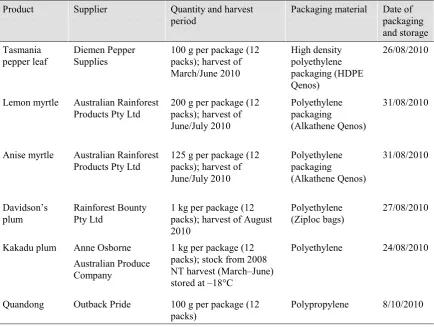
Table 1.1 Details of the commercial products used for the first phase of the storage study ... 8
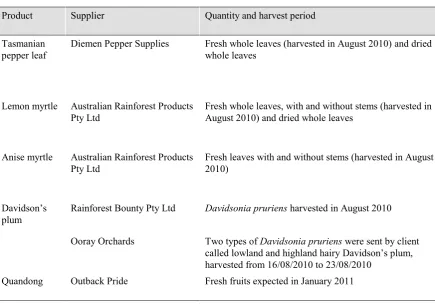
Table 1.2 Details of the fresh products used for the first phase of the storage study ... 10
Table 1.3 Summary of the chemical analysis in native fruits ... 13
Table 1.4 Summary of the chemical analysis in native herbs ... 13
Table1.5 Microbiological qualities of raw and finished products ... 14
Table 2.1 Packaging material gas and moisture barrier properties ... 17
Table 2.2 GCMS retention times, selected ions, calibration range, and linearity of target volatile compounds ... 20
Table 2.3 Concentration of volatiles (mg/kg) ... 25
Table 2.4 Packaging material gas and moisture barrier properties ... 32
Table 2.5 Concentration of neral and geranial in top, middle and bottom layer of stored lemon myrtle flakes during a storage period of 12 months ... 38
Table 2.6 Concentration of estragole and anethol in top, middle and bottom layer of stored anise myrtle flakes during a storage period of 12 months ... 39
Table 2.7 Gas and moisture barrier properties of the packaging material ... 41
Table 2.8 Antioxidant activity of fresh and dried native herbs ... 54
Table 2.9 Changes in antioxidant activity of lemon myrtle with different packaging material during storage ... 55
Table 2.10 Changes in antioxidant activity of anise myrtle with different packaging material during storage ... 56
Table 2.11 Changes in antioxidant activity of Tasmanian pepper leaf with different packaging material during storage ... 57
Table 2.12 Effect of storage on the colour of lemon myrtle 1.6 mm flakes ... 58
Table 2.13 Effect of storage on the colour of anise myrtle 1.6 mm flakes ... 58
Table 2.14 Effect of storage on the colour of Tasmanian pepper leaf commercially milled samples ... 59
Table 2.15 Effect of storage on the colour of Tasmanian pepper leaf dried leaves ... 59
Table 3.1 Average levels of total phenolic compounds and antioxidant capacity (FRAP values) of Davidson’s plum samples ... 65
Table 3.3 Changes in antioxidant activity of commercial whole Kakadu plum during frozen storage ... 73 Table 3.4 Changes in total phenolics (mg GA Eq/g DW) over storage time of quandong dried at different drying temperatures ... 83 Table 3.5 Changes in FRAP (µmol Fe+2 Eq/g DW) over storage time of quandong dried at different
x
Figures
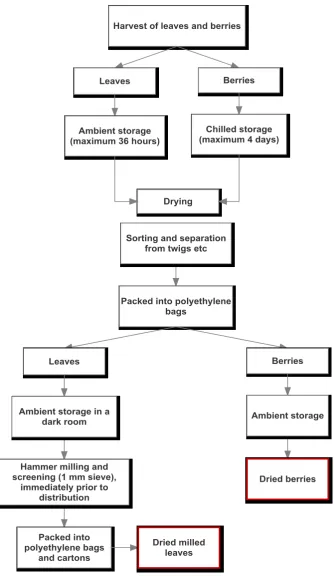
Figure 1.1 Processing flowchart for Tasmanian pepper leaves and berries ... 3
Figure 1.2 Processing flowchart for lemon and anise myrtle ... 4
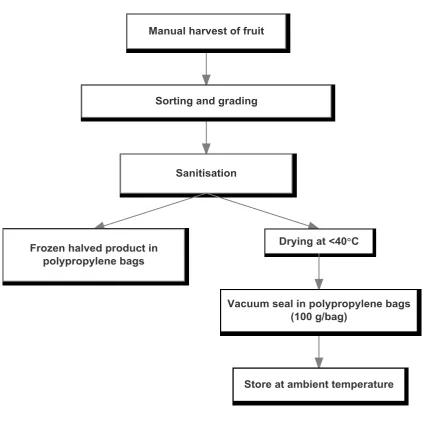
Figure 1.3 Processing flowchart for Davidson’s plum ... 5
Figure 1.4 Processing flowchart for Kakadu plum ... 6
Figure 1.5 Processing flowchart for quandong ... 7
Figure 1.6 Overall approach to experiments ... 11
Figure 1.7 Steps involved in the measurement of colour ... 12
Figure 2.1 Samples used for collecting baseline data on proximate analysis and bioactivity and proof-of-concept studies on processing and packaging for native herbs ... 17
Figure 2.2 Processing flowchart and sampling plan for the 6-month storage of native herbs ... 18
Figure 2.3 Schematic representation of liquid-liquid extraction of volatiles from native herbs .... 21
Figure 2.4 Concentrations of major volatiles (mg/kg) present in native herb samples at the beginning of the storage trial (month = 0) for [A] neral and geranial in lemon myrtle, [B] estragole and anetholin anise myrtle and [C] eucalyptol and eugenol in Tasmanian pepper leaves. (n=4). Average concentrations analysed with a student’s t test. Different letters (i.e. a,b,c) across sample types for each volatile denote significant differences between mean concentrations according to a Tukey-Kramer HSD. ... 23
Figure 2.5 Change in concentration of volatiles (mg/kg) during six months of storage for lemon myrtle (dried, milled leaves) in packaging materials – LDPE, PVDC coated PET/CPP and PET/PET/Foil/PE of [A] neral and [B] geranial (n=4). Average concentrations analysed with a student’s t test. Different letters (i.e. a, b, c) within a storage month denote significant differences between mean concentrations according to a Tukey-Kramer HSD. ... 26
Figure 2.6 Change in concentrations of volatiles (mg/kg) during six months of storage for anise myrtle (dried, milled leaves) in packaging materials – LDPE, PVDC coated PET/CPP and PET/PET/Foil/PE of [A] estragole and [B] anethol (n=4). Average concentrations analysed with a student's t test. Different letters (i.e. a, b, c) within a storage month denote significant differences between mean concentrations according to a Tukey-Kramer HSD. ... 27
Figure 2.7 Change in concentration of volatiles (mg/kg) during six months of storage for Tasmanian pepper leaves (dried, milled) stored in three different packaging materials – HDPE, PVDC coated PET/CPP and PET/PET/Foil/PE of [A] eucalyptol and [B] eugenol (n=4). Average concentrations analysed with a student’s t test. Different letters (i.e. a, b, c) within a storage month denote significant differences between mean concentrations according to a Tukey-Kramer HSD. ... 28
Figure 2.8 Flowchart depicting the longer storage trial of lemon myrtle and anise myrtle with sampling dates ... 31
with a student’s t test. Different letters (i.e. A, B, C) within a storage time (days) denote significant differences between mean concentrations according to a Tukey-Kramer HSD. ... 34 Figure 2.11 Change in concentration of major volatiles [A] neral and [B] geranial mg/kg) in top, middle and bottom layers in lemon myrtle (dried, milled leaves) during 12 months of storage (n=4). Average concentrations analysed with a student’s t test. Different letters (i.e. A, B, C) within a storage time (days) denote significant differences between mean concentrations in the top, middle and bottom layers according to a Tukey-Kramer HSD. ... 35 Figure 2.12 Change in concentration of major volatiles [A] estragole and [B] anethol (mg/kg) of anise myrtle (dried, milled leaves) during 12 months of storage (n=4). Average concentrations analysed with a student’s t test. Different letters (i.e. A, B, C) within a storage time (days) denote significant differences between mean concentrations according to a Tukey-Kramer HSD. ... 36 Figure 2.13 Change in concentration of major volatiles [A] estragole and [B] anethol (mg/kg) in top, middle and bottom layers in anise myrtle (dried, milled leaves) during 12 months of storage (n=4). Average concentrations analysed with a student’s t test. Different letters (i.e. A, B, C) within a storage time (days) denote significant differences between mean concentrations in the top, middle and bottom layers according to a Tukey-Kramer HSD. ... 37 Figure 2.14 Flowchart depicting the trial conducted in October 2013 ... 41 Figure 2.15 Flowchart depicting the storage and milling trial of Tasmanian pepper leaves ... 43 Figure 2.16 Sampling plan for Tasmanian pepper leaves [A] dried unmilled leaves and [B]
commercially milled samples ... 44 Figure 2.17 Change in concentration of major volatiles [A] eucalyptol and [B] eugenol (mg/kg) in Tasmanian pepper leaves during storage (n = 4) and with different milling treatments. Average concentrations analysed with a student’s t test. Different letters (i.e. A, B, C) within a storage time (days) denote significant differences between mean concentrations in different sampling points according to a Tukey-Kramer HSD. ... 45 Figure 2.18 Changes in antimicrobial activity of different extracts of lemon myrtle (at a
concentration of 8.75% v/v) over 6 months of storage in different packaging, as measured by
inhibition of Stahylococcus aureus ... 48 Figure 2.19 Changes in antimicrobial activity of different extracts of lemon myrtle (at concentration of 8.75% v/v) over 6 months of storage in different packaging, as measured by inhibition of E.coli .. 49 Figure 2.20 Changes in antimicrobial activity of different extracts of anise myrtle (at a
concentration of 8.75% v/v) over 6 months of storage in different packaging, as measured by
inhibition of Stahylococcus aureus ... 50 Figure 2.21 Changes in antimicrobial activity of different extracts of anise myrtle (at concentration of 8.75% v/v) over 6 months of storage in different packaging, as measured by inhibition of E.coli .. 51 Figure 2.22 Changes in antimicrobial activity of different extracts of Tasmanian pepper leaf (at concentration of 8.75% v/v) over 6 months of storage in different packaging, as measured by
xii
Figure 2.24 Changes in antioxidant activity of lemon myrtle with different packaging material during storage ... 55 Figure 2.25 Changes in antioxidant activity of anise myrtle with different packaging material during storage ... 56 Figure 2.26 Changes in antioxidant activity of Tasmanian pepper leaf with different packaging material during storage ... 57 Figure 3.1 Flowchart depicting the frozen storage trial of Queensland Davidson’s plum ... 63 Figure 3.2 Changes in antioxidant capacities of Davidson’s plum samples during storage ... 65 Figure 3.3 Changes in antimicrobial activity of different extracts of Davidson’s plum (at a
concentration of 8.75% v/v) over 6 months of storage, as measured by inhibition of Stahylococcus
aureus ... 67
Figure 3.4 Changes in antimicrobial activity of different extracts of Davidson’s plum (at a
concentration of 8.75% v/v) over 6 months of storage, as measured by inhibition of Escherichia coli68 Figure 3.5 Drip loss during month 3 and month 4 for blast-frozen or client frozen Queensland Davidson’s plum ... 69 Figure 3.6 Flowchart depicting frozen storage trial of Kakadu plum ... 72 Figure 3.7 Changes in antioxidant activity of commercial whole Kakadu plum during frozen storage ... 73 Figure 3.8 Changes in antimicrobial activity of different extracts of Kakadu plum (at a
concentration of 8.75% v/v) during 6 months of storage, as measured by inhibition of Staphylococcus
aureus and Escherichia coli ... 74
Figure 3.9 Antimicrobial activity of Kakadu puree extracts against Escherichia coli during 4, 5 and 6 months of storage at a concentration ranging from 2.5 to 8.75% (v/v) ... 75 Figure 3.10 Antimicrobial activity of Kakadu puree extracts against Staphylococcus aureus during 4, 5 and 6 months of storage at a concentration ranging from 2.5 to 8.75% (v/v). ... 76 Figure 3.11 Antimicrobial activity of Kakadu whole extracts against Escherichia coli during 4, 5 and 6 months of storage at a concentration ranging from 2.5 to 8.75% (v/v) ... 77 Figure 3.12 Antimicrobial activity of Kakadu whole extracts against Staphylococcus aureus during 4, 5 and 6 months of storage at a concentration ranging from 2.5 to 8.75% (v/v) ... 78 Figure 3.13 Flowchart depicting the dehydration trial for quandongs ... 81 Figure 3.14 Changes in quandong weight versus time at different drying temperatures ... 82 Figure 3.15 Changes in total phenolics (mg GA Eq/g DW) over storage time of quandong dried at different drying temperatures ... 82 Figure 3.16 Changes in FRAP (µmol Fe+2 Eq/g DW) over storage time of quandong dried at
Figure 3.18 Changes in antimicrobial activity of different extracts of quandong (at a concentration
of 8.75% v/v) during 6 months of storage, as measured by inhibition of Escherichiacoli ... 85
Figure 4.1 Reduction scheme of DHAA to AA using DL-homocysteine... 92
Figure 4.2 The AA/DHAA ratio of frozen stored Kakadu plum samples ... 94
Figure 4.3 The free EA/total EA% of stored anise myrtle and lemon myrtle samples ... 100
Figure 4.4 HPLC chromatogram of major phenolic compounds identified in Davidson’s plum polyphenolic-rich fraction before acid hydrolysis. 1 delphinidin sambubioside; 2 cyanidin 3-sambubioside; 3 pelargonidin 3-3-sambubioside; 4 peonidin 3-3-sambubioside; 5 and 6 unknown anthocyanins; 7 malvidin 3-sambubioside, 8 unknown anthocyanin, ET ellagitannin; EA ellagic acid; EG ellagic acid glycoside; R rutin; M myricetin; Q quercetin. ... 103
Figure 4.5 HPLC chromatograms of polyphenolic-rich fractions obtained from: [A] Tasmanian pepper leaf (TP), [B] anise myrtle and [C] lemon myrtle. Major polyphenols detected are shown in the chromatograms and their names are expanded in the right hand side panel. ... 108
xiv
Executive Summary
What the report is about
This report addresses changes in quality and bioactivity at critical steps along the production chains of three native herbs (lemon myrtle, anise myrtle and Tasmanian pepper leaf) and three native fruits (Kakadu plum, Davidson’s plum and quandongs). This is the first systematic study to evaluate and monitor such changes. Processing, packaging and storage stages are investigated. Current industry practices are evaluated and alternative methods to minimise losses in bioactivity and flavour are recommended.
This research will enable the industry to select processing and storage options that will maximise product quality and meet shelf life expectations of customers. The measurement of bioactive and flavour components will enable quality specifications to be set as well as provide information on the composition of antioxidants and health components that can be used for marketing purposes.
Who is the report targeted at?
The report is targeted at:
the Australian native food industry
the general food and beverage industry
extraction companies interested in developing functional ingredients
food standards and regulating authorities.
Background
Consumers desire food products that are healthy but also innovative and authentic. As a consequence, food and beverage manufacturers are looking for ingredients derived from natural sources and new functional foods that can provide a point of difference in the market. They are also increasingly calling for improved manufacturing guidelines, accurate labelling and higher levels of consistency and safety. The functional food market is evolving into a more mature industry with scientific evidence to support product claims. The emerging Australian native food industry with its diverse and rich flora has enormous potential to contribute to this market of natural ingredients with the advantage of its native foods being consumed traditionally, having a unique flavour diversity and possessing significant health-promoting and other functional properties.
However, the industry is still challenged in delivering native foods (whole and/or processed product) with consistent quality through the entire value chain. Retaining and ensuring the stability of bioactive compounds during handling, processing, packaging and storage will greatly benefit this industry and open new markets.
Recent studies on native foods have revealed promising antioxidant and antimicrobial activities that would be of value in commercial applications. However, more studies are required on the systematic identification of compounds in native foods that contribute to functional properties like health benefits, food preservation and flavour changes.
Aims/objectives
The aim of this study was to use chemical analyses to track changes in quality and bioactivity of six native foods (three herbs and three fruits) during processing, packaging and storage and to identify possible improvements for these stages in the production lines for native foods.
Methods used
A set of six native plant species were investigated: three herbs (lemon myrtle, anise myrtle,
Tasmanian pepper leaf) and three fruits (Kakadu plum, Davidson’s plum (Davidsonia pruriens) and quandong).
Changes in the composition of key health and flavour compounds were monitored during storage periods of varying length. A series of trials were conducted to determine if improvements such as use of packaging with high-barrier properties, different milling processes and improved freezing and drying techniques would minimise changes in bioactivity and flavour.
Commercial and processed native herb and fruit products were subjected to the following analyses:
volatile analysis, using SIM-GCMS
anti-oxidant capacity assays, using the ferric reducing antioxidant power(FRAP) assay
total phenolic (TP) content, quantified using the Folin-Ciocalteu assay
anti-microbial activity, using broth dilution assays
analysis of vitamin C
analysis of phytochemicals, using HPLC.
Results/key findings
This research has yielded a range of significant findings, suitable for immediate adoption by the industry at various stages in the production line and for the future development of product standards to provide producers and customers with a reference point for product quality and safety.
High-barrier packaging material was evaluated for its ability to retain the major volatiles of lemon myrtle, anise myrtle and Tasmanian pepper leaf. The packaging was shown to extend the shelf life of these native herbs from 1 month to 12 months at ambient temperature. The industry now has the opportunity to store products for a longer period of time and increase export potential.
Milling of native herbs can have a significant effect on volatiles as conventional milling generates heat and losses of up to 30% of characteristic volatiles can occur. On the other hand, cryogenic milling significantly reduces volatile loss due to its low temperature which absorbs heat generated during the grinding operation and stabilises volatile oils within the herbs. This presents another opportunity for the industry to improve product quality for targeted, high-value niche markets.
Gram-xvi
Selected bioactive compounds in whole and pureed Kakadu plum can retain efficacy for a period of 18 months under frozen storage (–20°C). The high free ellagic acid content in Kakadu plum enhances its application in the functional food market. Kakadu plum is more potent as an antimicrobial agent against Gram-positive bacteria than against Gram-negative bacteria.
Drying at higher temperatures (ranging from 40°C to 60°C) did not affect antioxidant and antimicrobial activity in quandong. The current industry drying practices are acceptable as a processing standard.
Chemical markers to determine end-of-storage life have been identified for the native herbs and Kakadu plum. These include volatile markers for lemon myrtle (citral which is the combination of two isomers neral and geranial), anise myrtle (estragole and anethol) and Tasmanian pepper leaf (eucalyptol and eugenol) and non-volatile markers for Kakadu plum, lemon myrtle and anise myrtle (ellagic acid) and Tasmanian pepper leaf (chlorogenic acid).
Polyphenol-rich extracts obtained from the native herbs or residues of leaves after extraction of essential oils, have valuable bioactive components that can be used for further value addition in the functional food ingredient and health markets.
Implications for relevant stakeholders for:
If adopted, this research will enable the development of individual product standards which will provide producers and customers with a reference point for product quality and safety. The benefits of extended storage life through improvements to processing and packaging will open new markets for the native food industry. Implications of the research include:
enhanced ability of the industry to meet appropriate product standards and increase export opportunities
improved product information, including information on stability of bioactivity in native foods and identification of chemical markers during storage, will support market access and growth
market expansion through product innovation and scientific evidence to support product claims
improved manufacturing guidelines for products and accurate information for labelling
sustainable growth for the Australian native foods industry based on an increased understanding of their protocols and products.
Recommendations
Information obtained from this project can be used to promote native plant products as functional ingredients with credible scientific data. The economic benefit of getting access to global markets and gaining customer confidence is very significant and could increase sales exponentially. Opportunities for cross-industry applications of native fruit and herb extracts as natural preservatives and
antioxidants in other food systems present innovative uses of native plant ingredients. Such
applications could be considered only the beginning of potential uses of these ingredients, not only in food and beverages but also in the complementary health care and cosmetic industries.
1. Native herbs and fruits
1.1 Industry needs for quality improvements through processing
1.1.1 Introduction
The Indigenous population of Australia has been using Australian endemic plants as food and medicine for centuries. The rich Australian native flora comprises more than 25 000 plants (Cooper 2004). Australian endemic plants have gained significant attention over recent years due to their use in pharmacy, medicine, food, beverages, cosmetics, perfumery and aromatherapy. There has been an increasing national and international demand for Australian native foods such as native herbs, spices, nuts, essential oils and fruits. Most of the native foods are used as preserves, sauces, chutneys and other condiments, although fresh herbs and spices are also used by the food service and catering industry. These herbs are usually incorporated as the essential oil (e.g. essential oils of lemon myrtle and anise myrtle) or as a milled form of the dried leaves (e.g. Tasmanian pepper leaves). The
following products and their growers/processors were selected as project participants in consultation with ANFIL and RIRDC:
lemon myrtle and anise myrtle – Australian Rainforest Products Pty Ltd (Gary Mazzarona)
Tasmanian pepper leaf – Diemen Pepper Supplies (Chris Read)
Davidson’s plum (Davidsonia pruriens) – Rainforest Bounty Pty Ltd (Margo Watkins) and Ooray Orchards (Kris Kupsch)
quandong – Outback Pride (Mike and Gayle Quarmby)
Kakadu plum – Coradji Pty Ltd (Robert Dean).
1.1.1.1 Lemon myrtle (Backhousia citriodora)
Lemon myrtle (Backhousia citriodora, family Myrtaceae) is an important and highly aromatic shrub endemic to eastern Australia (Hayes and Markovic 2002). Lemon myrtle leaves are used to extract the essential oil which is incorporated into food products, cosmetics and toiletries and also used as an aromatherapy oil. The predominant (95%) volatile aromatic compound in the essential oil from lemon myrtle (chemotype B. citriodora F. Mueller) is citral (3,7-dimethyl-2-6-octadienal) which is an isomeric mix of two aldehydes – neral and geranial. Citral has significant antimicrobial activity against a range of Gram-positive and Gram-negative bacteria, yeast and mould (Konczak et al. 2010a; Hayes and Markovic 2002). Due to their strong lemon flavour, the leaves and flowers are used in tea blends and beverages, dairy products, biscuits, breads, confectionery, pasta, syrups, liqueurs,
flavoured oils, packaged fish (salmon), dipping and simmer sauces (Konczak et al. 2010a).
1.1.1.2 Anise myrtle (Syzygium anisatum)
2
1.1.1.3 Tasmanian pepper leaf (Tasmannia lanceolata)
Tasmanian pepper (Tasmannia lanceolata R. Br., family Winteraceae) is associated with the humid Antarctic flora of the southern hemisphere. The plant is a shrub (height up to 5 m) with dark green leaves and distinctive crimson young stems (Netzel et al. 2006). Most Tasmanian pepper leaf is supplied from Tasmania and Victoria. Both the pepper-flavoured berry (5–7 mm diameter) and leaves are sold commercially and used as a condiment, giving an unusual fragrant, spicy taste and a ‘bushy’ rainforest feel (Ahmed and Johnson 2000). Leaves of Tasmanian pepper are used as a herb whereas berries are used as a spice. The warm, pungent and spicy character of Tasmanian pepper has been associated with a sesquiterpene polygodial (Konczak et al. 2010a).
1.1.1.4 Davidson’s plum (Davidsonia pruriens var. pruriens and var. jerseyana)
The Davidson’s plum (Davidsonia pruriens, family Davidsoniaceae) is a small rainforest tree with a height of up to 15 m. Davidson’s plum production occurs in the sub-tropical coastal regions of New South Wales and Queensland. The plum-like, sour fruit can be used for jams, sauces, vinegars, dressings, ice creams, drinks, and stewing. Davidson’s plums have a high anti-oxidant capacity and a high ratio of potassium to sodium (Clarke 2012; Konczak et al.2009). There are three species of
Davidsonia:
Davidsonia jerseyana – also known as the New South Wales Davidson’s plum
Davidsonia johnsonii – the smooth-leaved Davidson’s plum, is native to New South Wales, rarely
cultivated and endangered in the wild
Davidsonia pruriens – the Queensland Davidson’s plum, grows to a height of 12 m and is native
to tropical north-east Queensland.
1.1.1.5 Quandong (Santalum acuminatum)
The quandong (Santalum acuminatum, family Santalaceae) is a small tree that grows in semi-arid areas of Australia, producing an edible fruit which can be used in sweet or savoury dishes. The major volatile identified in quandong is methyl benzoate (Ahmed and Johnson 2000).
1.1.1.6 Kakadu plum (Terminalia ferdinandiana)
The Kakadu plum (Terminalia ferdinandiana, family Combretaceae) is a small tree found in the Northern Territory and Western Australia. The edible Kakadu plum fruit are used in a variety of food products, and also in cosmetics. Kakadu plum is known to have an exceptionally high level of ascorbic acid with 71.3 μmol/g fresh weight (FW) compared to blueberry which has a vitamin C content of 0.076 μmol/g FW (Netzel et al. 2007). Kakadu plum is further value added in the forms of freeze dried powder, liquid extract, frozen whole and pureed Kakadu plum.
1.1.2 Objective
The aim of this study is to track quality changes, specifically bioactivity, of a selection of key commercial native foods during storage.
1.1.3 Methods
1.1.4 Results
4
6
8
Table 1.1 Details of the commercial products used for the first phase of the storage study
Product Supplier Quantity and harvest period
Packaging material Date of packaging and storage Tasmania pepper leaf Diemen Pepper Supplies
100 g per package (12 packs); harvest of March/June 2010 High density polyethylene packaging (HDPE Qenos) 26/08/2010
Lemon myrtle Australian Rainforest Products Pty Ltd
200 g per package (12 packs); harvest of June/July 2010
Polyethylene packaging
(Alkathene Qenos)
31/08/2010
Anise myrtle Australian Rainforest Products Pty Ltd
125 g per package (12 packs); harvest of June/July 2010 Polyethylene packaging (Alkathene Qenos) 31/08/2010 Davidson’s
plum Rainforest Bounty Pty Ltd 1 kg per package (12 packs); harvest of August 2010
Polyethylene
(Ziploc bags) 27/08/2010
Kakadu plum Anne Osborne Australian Produce Company
1 kg per package (12 packs); stock from 2008 NT harvest (March–June) stored at –18°C
Polyethylene 24/08/2010
Quandong Outback Pride 100 g per package (12 packs)
Polypropylene 8/10/2010
1.1.4.1 Industry needs
One-on-one discussion and a questionnaire was sent to the industry partners to understand current production practices and a summary of the improvements identified within each production line is given below:
Respondents represented the main commercial producers of six key native food species (lemon and anise myrtle, Tasmanian pepper leaf, Kakadu plum, quandong and Davidson’s plum).
They are all involved in multiple aspects of the supply chain, i.e. growing, processing, marketing etc.
There is no scientific basis used for quality assessments. Currently it is largely a subjective assessment of visual quality, taste and aroma intensity.
There was agreement between all respondents on the need for future research; that being 1) appropriate parameters for determining acceptable shelf life, 2) optimal storage conditions to maximise shelf life and eating quality and 3) identification of protective, environmentally friendly and convenient packaging.
1.1.4.1.1 Lemon myrtle, anise myrtle and Tasmanian pepper leaf
no information on the retention of active volatiles when stored at room temperature. In addition there is no information on the loss of active volatiles during drying and milling.
1.1.4.1.2 Davidson’s plum
The processors identified the need for value addition of the fresh fruit to an intermediate product that could be utilised as the starting material for further value addition when there is a large harvest. Improved frozen fruit should be similar to fresh fruit for flavour, colour and nutritional value when thawed. The intermediate products identified by the industry included frozen halves and puree with a possible frozen storage life of 18–24 months.
1.1.4.1.3 Quandong
The processors identified drying as an area that needs further improvement. At present, the drying process is not optimised and changes in bioactivity after drying and during storage is an area that needs to be studied.
1.1.4.1.4 Kakadu plum
10
1.2 Initial chemical and physical composition of native herbs and
fruits
1.2.1 Introduction
Food quality in this report will refer to the changes in physicochemical parameters (e.g. colour, volatiles) and bioactivity (e.g. antimicrobial activity, antioxidant activity) during processing,
packaging and storage of native fruits and herbs. This study will also assess the changes in bioactive compounds (or phytochemicals) and selection of phytochemical markers to standardise product quality. These bioactive compounds are defined as ‘inherent non-nutrient constituents of food plants with anticipated health promoting and beneficial effects when ingested’ (Gry 2007).
The physicochemical property of the starting raw material and the processed product supplied by the native food industry is assessed in this section. This information is useful for the development of individual product standards which will provide producers and customers with a reference point for product quality and safety.
Table 1.2 Details of the fresh products used for the first phase of the storage study
1.2.2 Methods
The overall experimental approach is depicted in Figure 1.6. Methods were developed to determine changes in volatiles and antimicrobial and antioxidant activities and are described briefly here with details for each method found in following sections of the report.
Product Supplier Quantity and harvest period
Tasmanian
pepper leaf Diemen Pepper Supplies Fresh whole leaves (harvested in August 2010) and dried whole leaves
Lemon myrtle Australian Rainforest Products
Pty Ltd Fresh whole leaves, with and without stems (harvested in August 2010) and dried whole leaves
Anise myrtle Australian Rainforest Products Pty Ltd
Fresh leaves with and without stems (harvested in August 2010)
Davidson’s
plum Rainforest Bounty Pty Ltd Davidsonia pruriens harvested in August 2010
Ooray Orchards Two types of Davidsonia pruriens were sent by client called lowland and highland hairy Davidson’s plum, harvested from 16/08/2010 to 23/08/2010
Figure 1.6 Overall approach to experiments
1.2.2.1 Determination of antioxidant activity
1.2.2.1.1 Total phenolic (TP) content
The method for determining total phenolic (TP) content of native herbs and fruits was done using the Folin-Ciocalteu assay (Singleton and Rossi 1965) and is described in detail in Section 3.2.2.3.1.
1.2.2.1.2 Ferric reducing antioxidant power (FRAP) assay
The method for assaying FRAP of native herbs and fruits was according to Benzie and Strain (1996) and is described in detail in Section 3.2.2.3.2.
1.2.2.1.3 Vitamin C
The measurement of vitamin C was carried out according to Konczak et al. (2010a).
1.2.2.2 Determination of antimicrobial activity
12
1.2.2.2.2 Microtitre assay method
Antimicrobial activity was determined using a microtitre assay method (Sultanbawa et al. 2009) and described in Section 3.2.2.4.2.
1.2.2.3 Quantification of volatile compounds
1.2.2.3.1 Extraction of volatile compounds
The method for volatile extraction from native food samples is described in detail in Section 2.1.3.5.
1.2.2.3.2 Gas chromatography mass spectrometry (GCMS)
The method for GCMS analysis for quantification of major volatile compounds in native herb samples is described in detail in Section 2.1.3.6.
1.2.2.4 Measurement of colour
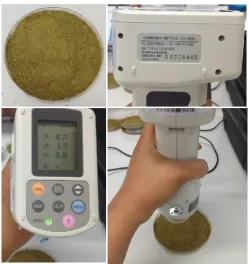
A Minolta Chroma Meter CR 400 (Konica Minolta Sensing, Inc, Japan) was used to measure colour (Figure 1.7) in the stored herbs (lemon myrtle, anise myrtle and Tasmanian pepper leaf). The following procedure was performed:
5 g of the stored herb sample was placed in a polypropylene Petri dish (50 mm i.d. x 12 mm)
colour of the sample was measured using a Minolta Chroma Meter CR 400
three replicates of the colour measurement were made for each sample and reported data were the means of the three measurements.
1.2.3 Results
1.2.3.1 Results from chemical analysis of native fruits and herbs
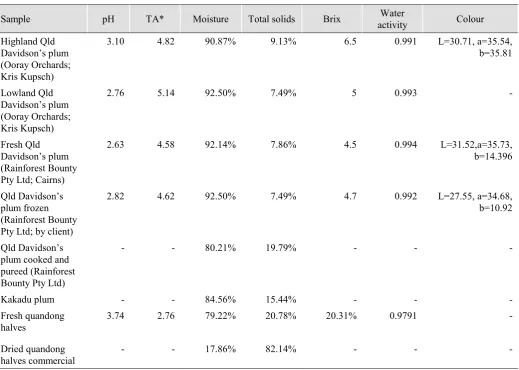
Table 1.3 Summary of the chemical analysis in native fruits
Sample pH TA* Moisture Total solids Brix activity Water Colour
Highland Qld Davidson’s plum (Ooray Orchards; Kris Kupsch)
3.10 4.82 90.87% 9.13% 6.5 0.991 L=30.71, a=35.54, b=35.81
Lowland Qld Davidson’s plum (Ooray Orchards; Kris Kupsch)
2.76 5.14 92.50% 7.49% 5 0.993 -
Fresh Qld Davidson’s plum (Rainforest Bounty Pty Ltd; Cairns)
2.63 4.58 92.14% 7.86% 4.5 0.994 L=31.52,a=35.73, b=14.396
Qld Davidson’s plum frozen (Rainforest Bounty Pty Ltd; by client)
2.82 4.62 92.50% 7.49% 4.7 0.992 L=27.55, a=34.68, b=10.92
Qld Davidson’s plum cooked and pureed (Rainforest Bounty Pty Ltd)
- - 80.21% 19.79% - - -
Kakadu plum - - 84.56% 15.44% - - -
Fresh quandong halves
3.74 2.76 79.22% 20.78% 20.31% 0.9791 -
Dried quandong
halves commercial - - 17.86% 82.14% - - -
*Titrable acidity (TA) was expressed as malic acid.
Table 1.4 Summary of the chemical analysis in native herbs
Sample Moisture
Lemon myrtle fresh leaves (with stem) 60.04% Lemon myrtle fresh leaves (without stem) 55.75%
Lemon myrtle dried whole leaves 11.30%
Lemon myrtle leaves dried, milled 8.89%
Anise myrtle fresh leaves (with stem) 53.55% Anise myrtle fresh leaves (without stem) 55.98%
Anise myrtle leaves dried, milled 6.25%
Tasmanian pepper fresh leaves 65.00%
14
1.2.3.2 Results from microbiological assessment of raw and finished native food samples
Table1.5 Microbiological qualities of raw and finished products
CFU*/gram
Product description Standard plate
count
Yeast Mould
Quandong Fresh 2.10E+05 1.00E+04 1.30E+04
Davidson’s plum Highland, NSW 3.00E+01 <100 1.00E+02
Lowland, NSW 1.00E+01 <100 <100
Lowland, Cairns 1.20E+02 1.00E+02 2.00E+02
Pureed fruit, Cairns 3.30E+03 3.20E+03 2.00E+02
Kakadu plum Whole (frozen 2008 batch) 8.10E+03 <100 1.00E+02
Minced (frozen 2008 batch) 1.40E+04 <100 <100
Tasmanian pepper leaf Fresh unmilled leaves 7.50E+02 <100 2.00E+02
Dried leaves 2.00E+02 <100 2.00E+02
Commercially milled 1.10E+02 <100 3.00E+02
Lemon myrtle Fresh leaves with stems 1.30E+05 >25000 8.40E+03
Fresh leaves without stem 7.40E+04 1.00E+03 2.90E+03
Dried whole leaves 1.50E+04 7.00E+02 3.00E+03
Commercially milled (1.6 mm) 1.00E+04 <100 4.80E+03
Anise myrtle Fresh leaves with stems 8.80E+04 >25000 4.20E+03
Fresh leaves without stem >250000 >25000 3.30E+03
Commercially milled (1.6 mm) 1.20E+04 3.00E+02 1.60E+03
*CFU – colony forming units.
2. Effect of processing, packaging and
storage on the quality and bioactivity of
native herbs – aroma volatiles, non-volatile
bioactive compounds and colour
2.1 Quality changes in native herbs during storage at room
temperature for a period of six months
2.1.1 Introduction
Packaging is an immediate and important issue that needs to be addressed for the processors of native herbs (in particular lemon myrtle, anise myrtle and Tasmanian pepper leaf).
Low molecular weight organic volatile compounds are important constituents of food products as they influence the flavor of the food products (Mohney et al. 1988). Moreover, many of the active
components are in the volatile form. Loss of quality in terms of aroma, taste, colour and texture is well known in dried products (Nijhuis et al. 1998). Deterioration of food products takes place progressively during storage and loss of the freshness parameters such as aroma are immediately recognised by consumers (Rizzo and Muratore 2009) as the human nose can detect olfactory sensation even at a very low concentration (Quezada-Gallo et al. 2000). Therefore the maintenance of aroma of food products during storage and the improvement of quality retention in dried products via altered processing, storage conditions and/or pretreatments, has been a major research area in recent years (Cohen and Yang 1995).
2.1.1.1 Current challenges faced by the native food industry
At the moment the industry is unable to give a shelf life to the product as there is no information on the retention of active volatiles when stored at room temperature. In addition there is no information on the loss of active volatiles during drying and milling. Currently, the Australian native food industry faces a challenge in retaining the aroma and flavours in dried, milled leaves as there are significant losses of volatile aroma compounds after 1 month of storage in high density polyethylene (as reported by the industry). Moreover, certain volatile compounds such as citral migrate into and cause
disintegration of the packaging material.
Packaging materials for food and agricultural industries is a rapidly growing and important area. Packaging fulfils a number of purposes from preventing contamination during distribution, through to preserving product integrity and maintaining the desired flavour profile of the product (Risch 2000). Packaging materials are crucial factors in maintaining the quality and stability of food products. Migration of water, oxygen and aroma can take place through packaging materials which can change the quality of the food product. Loss of aroma leads to a decrease in the flavour intensity or
modification of the aroma profile of the food. The food industry therefore tries to prevent or control the transfer of micro molecules between food products and the surrounding media by incorporating an appropriate packaging material (Mohney et al. 1988; Quezada-Gallo et al. 2000).
16
2.1.2 Objective
In this study, we investigated the effectiveness of two packaging materials with a high-barrier property in preventing the loss of aroma volatiles in three native Australian herbs, stored at room temperature for six months.
2.1.3 Materials and methods
2.1.3.1 Plant materials
Three native Australian herb samples selected by Australian Native Food Industry Ltd. (ANFIL), were analysed in this study. Samples for lemon myrtle (Backhousia citriodora F. Muell) and anise myrtle
(Syzygium anisatum Vickery, Craven & Biffen) were obtained from Australian Rainforest Products
(New South Wales, Australia). Leaf samples of Tasmanian pepper (Tasmannia lanceolata) were supplied by Diemen Pepper (Tasmania, Australia).
The herb samples were supplied in the commercially available dried, milled form. The suppliers also provided fresh samples (Figure 2.1) for each of the herbs, which included: fresh whole leaves with stem (for lemon myrtle), fresh whole leaves separated from stem (for lemon myrtle, anise myrtle and Tasmanian pepper), and whole dried leaves before milling (for lemon myrtle and Tasmanian pepper). These samples are referred to as fresh, month = 0, samples herein.
2.1.3.2 Chemicals
A preliminary gas chromatography mass spectrometry (GCMS) analysis was carried out to identify the major volatiles in each of the selected plant samples which included neral and geranial (Z- and E- isomers of citral respectively) in lemon myrtle, estragole (1-allyl-4-methoxybenzene) and anethol (1-methoxy-4-(1-propenyl)benzene) in anise myrtle, eucalyptol (1,3,3-trimethyl- 2-oxabicyclo[2,2,2] octane) and eugenol (4-allyl-2-methoxyphenol) in Tasmanian pepper. All these reagents were purchased from Sigma-Aldrich, Australia. Hexadecane (Sigma-Aldrich, Australia), was used as an internal standard. All the reagents and solvents used were purchased at the analytical quality, and used without further purification. All aqueous solutions were prepared using deionised water. Stock
standard solutions were stored at –20ºC.
2.1.3.3 Conditions for storage trial
Table 2.1 Packaging material gas and moisture barrier properties
Material
(layer thickness in µm)
Transmission rate
Water [g/m2/24 h] Oxygen [cm3/m2/24 h]
LDPE (80) 10–20 at 38oC (RH 90%) 6500–8500 at 38oC (RH 90%)
HDPE (80) 7–10 at 38oC (RH 90%) 1600–2000 at 38oC (RH 90%)
PVDC coated PET (12)/ CPP (20) 0.5–1 at 38oC (RH 90%) 2–4 at 23oC (RH 50%) PET (12)/ PET (12)/ Foil (9)/
LLDPE (65)
0.25 at 37oC (RH 98%) 0.02 at 25oC (RH 95%)
HDPE – high density polyethylene; PET – polyethylene terephthalate; PVDC – polyvinylidene chloride; CPP – casted polypropylene; LLDPE – linear low-density polyethylene; RH – relative humidity.
18
Figure 2.2 Processing flowchart and sampling plan for the 6-month storage of native herbs
Month = 0
Month = 1
Month = 2
Month = 3
Month = 4
Month = 5
04 Sep 2010
04 Oct 2010
11 Nov 2010
02 Dec 2010
10 Jan 2011
01 Feb 2011
Month = 6 01 Mar 2011
Month = 0
Month = 1
Month = 2
Month = 3
Month = 4
Month = 5
04 Sep 2010
04 Oct 2010
11 Nov 2010
02 Dec 2010
10 Jan 2011
01 Feb 2011
2.1.3.4 Cryomilling of fresh samples
All the fresh samples of native herbs (labelled as month = 0) were cryogenically milled using a Mixer Mill MM 200 (Retsch, Germany). Approximately 1 g of leaf material was weighed into stainless steel cells, sealed and immediately immersed in liquid N2 for a minute. The cells were than inserted into the
cryomill and ground for 30 sec at a speed of 300 rpm/sec. These samples (month = 0) provided the baseline information regarding the concentration of volatiles in the material at the beginning of the storage trial.
2.1.3.5 Extraction of volatiles from herb samples
Liquid-liquid extraction (LLE) was employed for extracting the volatile compounds from the native herb samples as it has been reported as an adequate extraction technique for simple matrices like fruits and vegetables (Plutowska and Wardencki 2007). Figure 2.3 shows the schematic representation of the protocol involved in LLE. All dried, pre-milled native herb samples were directly subjected to LLE. For LLE, 0.5 g of prepared herb sample was weighed immediately in a 25 mL clear glass vial. The extraction solvent used was pentane-diethyl ether (2:1 ratio) and 5 mL of this extraction solution was added to each of the samples along with 5 mL of deionised water and 50 µL of the internal standard (hexadecane, concentration 1000 mg/L) was also added. The samples were shaken for 5 min in a vortex mixer and allowed to sit at room temperature until two clear layers of solvent could be seen. The top organic layer was carefully transferred to new amber vials. A small volume of magnesium sulphate was added to each of the vials to get rid of any aqueous phase left behind. The liquid extract in theses vials were blown down to 1 ml under continuous and gentle N2 flow.
2.1.3.6 Gas chromatography mass spectrometry (GCMS)
Samples were analysed with a 6890N gas chromatograph equipped with an MSD 5975 mass spectrometric detector (Agilent Technologies, Palo Alto, CA, USA). The gas chromatograph was fitted with a DB-WAX column (J&W Science, 253.00 µm i.d., length 30.0 m, film thickness 0.25 µm). Helium (BOC gasses, ultra high purity), was used as a carrier gas at a linear velocity of 56 cm/min and at a flow rate of 2.4 mL/min.
The native herb samples prepared by LLE were analysed with the help of liquid injection. For the liquid injections, the samples were allowed to come back to room temperature. From the concentrated extracts, 100 µL was added to 2 mL clear glass vials with the help of a glass syringe, and topped up with dicholoro methane (as organic compounds for GCMS must be in an organic solution for injection into the gas chromatograph). The oven temperature was started at 50°C for 1 min then increased at 20°C per min to 240°C and held for 4 min. The extracts were injected with the help of a 10 µL
automated MPS liquid injection syringe (GERSTEL, Germany). The fill volume of the syringe was 10 µL and injection volume was 3 µL at 5 µL/s speed. The syringe had two wash cycles in 2-propanol and the extraction solvent in between samples. Solvent delay was 3 min.
The mass spectrometry ion source was kept at 250°C. Mass spectra in the electron impact (EI) mode were generated at 70 eV and ran at specific ion monitoring (SIM) mode. Data analysis was carried out with the help of the MSD ChemStation Data Analysis software (Agilent Technologies, Palo Alto, CA, USA). Compounds were identified by comparison with the mass spectra library (NIST 05).
20
Table 2.2 GCMS retention times, selected ions, calibration range, and linearity of target volatile compounds
Compound Ions selected (m/z)a Relative retention time (min)
Calibration range (mg/l)
Linearity (r2)
Eucalyptol 81, 108, 139 4.260 0.625–50 0.941
Estragole 133, 147,148 7.619 0.625–50 0.958
Neral 69, 94, 109 7.700 0.625–50 0.986
Geranial 69, 109, 137 8.008 0.625–50 0.983
Anethol 133, 147, 148 8.610 0.625–50 0.975
Eugenol 137, 149, 164 10.482 0.625–50 0.807
a Quantitative ions are underlined.
2.1.3.7 Quantitative analysis
Calibration graphs were obtained by injecting five standard solutions containing a mixture of the target compounds eucalyptol, estragole, neral, geranial, anethol and eugenol in concentrations of 0.0, 0.625, 12.5, 25.0 and 50.0 mg/L respectively and a constant concentration of the internal standard hexadecane of 1000 mg/L. The calibration curves were obtained by plotting the ratio of the peak area of the target compounds to the peak area of the internal standard against the corresponding
concentration. Five linear calibration graphs were obtained. The calibration range and linearity of the curves are summarised in Table 2.2.
2.1.3.8 Statistical analysis
Figure 2.3 Schematic representation of liquid-liquid extraction of volatiles from native herbs 20 ml glass vial
0.5 g herb
5 ml of 2:1 pentane:diethyl ether 5 ml of water
50 μl internal standard (hexadecane)
Vortex for 5 min
Allow to sit at RT for ~30 min (until 2 clear layers can be seen)
Carefully take out organic layer
Reduce to volume to 1 ml under gentle N2 flow)
22
2.1.4 Results and discussion
2.1.4.1 Concentration of major volatiles in month = 0 samples
Interesting comparisons could be made between the fresh samples of lemon myrtle and anise myrtle with and without leaves. While similar levels and ratios of the two major volatile components were found in lemon myrtle with and without stems (Figure 2.4 [A]), quite different ratios between the two major components were found for anise myrtle with and without stems (Figure 2.4 [B]). The fresh leaves of anise myrtle appear to be much richer in anethol, the character impact aroma component of anise, and have a reduced level of estragole compared to the sample containing both stems and leaves. A sample of Tasmanian pepper leaf without stems was not available for comparison.
Concentration of Eucalyptol and Eugenol in fresh smaple (month =0) of Tasmanian pepper leaves
0 20 40 60 80 100 120 140
Fresh whole leaves Dried whole leaves Dried, milled leaves
(commercial product) Sample description C o n ce n tr at io n (m g /k g ) Euclyptol (mg/kg) Eugenol (mg/kg) Co ncent rat io n (m g/kg ) Eucalyptol Eugenol
Concentration of Eucalyptol and Eugenol in fresh smaple (month =0) of Tasmanian pepper leaves
0 20 40 60 80 100 120 140
Fresh whole leaves Dried whole leaves Dried, milled leaves
(commercial product) Sample description C o n ce n tr at io n (m g /k g ) Euclyptol (mg/kg) Eugenol (mg/kg)
Concentration of Eucalyptol and Eugenol in fresh smaple (month =0) of Tasmanian pepper leaves
0 20 40 60 80 100 120 140
Fresh whole leaves Dried whole leaves Dried, milled leaves
(commercial product) Sample description C o n ce n tr at io n (m g /k g ) Euclyptol (mg/kg) Eugenol (mg/kg) Co ncent rat io n (m g/kg ) Eucalyptol Eugenol Fresh leaves (with stem) Dried leaves (before milling) Dried, milled leaves Concentration of Estragole and Anethol in fresh samples
(month = 0) samples of Anise myrtle
0 100 200 300 400 500 600
Fresh whole leaves on stem
Fresh whole leaves without stem
Dried, milled leaves (commercial product) Sample description C o n c e n tr a ti o n ( m g /k g ) Estragole (mg/kg)
Anethol (mg/kg)Estragole
Anethol Co ncent rat io n (m g/kg )
Concentration of Estragole and Anethol in fresh samples (month = 0) samples of Anise myrtle
0 100 200 300 400 500 600
Fresh whole leaves on stem
Fresh whole leaves without stem
Dried, milled leaves (commercial product) Sample description C o n c e n tr a ti o n ( m g /k g ) Estragole (mg/kg) Anethol (mg/kg)
Concentration of Estragole and Anethol in fresh samples (month = 0) samples of Anise myrtle
0 100 200 300 400 500 600
Fresh whole leaves on stem
Fresh whole leaves without stem
Dried, milled leaves (commercial product) Sample description C o n c e n tr a ti o n ( m g /k g ) Estragole (mg/kg)
Anethol (mg/kg)Estragole
Anethol Co ncent rat io n (m g/kg ) Fresh leaves (with stem) Fresh leaves (without stem) Dried, milled leaves
Conc of Neral and Geranial in fresh samples (month = 0) samples of Lemon myrtle
0 500 1000 1500 2000 2500 3000 3500 4000 Fresh whole leaves on stem
Fresh whole leaves without stem Dried whole leaves Dried, milled leaves (commercial product) Sample description C o n c e n tr a ti o n ( m g /k g ) Neral (mg/kg) Geranial (mg/kg)
Conc of Neral and Geranial in fresh samples (month = 0) samples of Lemon myrtle
0 500 1000 1500 2000 2500 3000 3500 4000 Fresh whole leaves on stem
Fresh whole leaves without stem Dried whole leaves Dried, milled leaves (commercial product) Sample description C o n c e n tr a ti o n ( m g /k g ) Neral (mg/kg) Geranial (mg/kg) Co ncent rat io n (m g/kg ) Neral Geranial Fresh leaves (with stem) Fresh leaves (without stem) Dried leaves (before milling) Dried, milled leaves
[A]
[B]
[C]
b b c a b b a c a b c b b a b a b a a bFigure 2.4 Concentrations of major volatiles (mg/kg) present in native herb samples at the beginning of the storage trial (month = 0) for [A] neral and geranial in lemon myrtle, [B] estragole and anetholin anise myrtle and [C] eucalyptol and eugenol in
Tasmanian pepper leaves. (n=4). Average concentrations analysed with a student’s t test. Different letters (i.e. a,b,c) across sample types for each volatile denote
24
2.1.4.2 Concentration of major volatiles in commercial samples during storage
As shown in Table 2.3, the average concentration (n = 4) of major volatiles found in samples of dried milled leaves prior to packaging and storage were: neral (795 mg/kg) and geranial (844 mg/kg) in lemon myrtle; estragole (60 mg/kg) and anethol (471 mg/kg) in anise myrtle; and eucalyptol (5.2 mg/kg) and eugenol (57 mg/kg) in Tasmanian pepper leaves.
For herbs, the most important factors in preserving quality are the water and oxygen transmission rates of packaging material. The recommended transmission rates for water and oxygen in packaging material for herbs are <1 g/m2/day, (38°C, 90% RH) and <1 cm3/m2/day respectively (Anonymous
Table 2.3 Concentration of volatiles (mg/kg)
Different letters within a row (i.e. a, b, c) denote significant differences between means according to a Tukey-Kramer HSD.
Volatile Packaging type Storage time (months)
0 1 2 3 4 5 6 LSD
Lemon myrtle
Neral
LDPE
795
627 a 548 c 319 d 275 e 221 f 182 f 42
PVDC coated PET/ CPP 930 a 860 b 766 d 816 bc 644 e 578 f 49
PET/PET/Foil/PE 1142 a 1089 a 963 b 1175 a 1106 a 1082 ab 142
Geranial
LDPE
844
683 b 618 c 367 d 317 e 257 f 215 f 48
PVDC coated PET/ CPP 941 a 868 b 766 d 814 cd 650 e 588 f 50
PET/PET/Foil/PE 1173 a 1098 a 961 bc 1164 a 1109 a 1087 ab 148
Anise myrtle
Estragole
LDPE
60
48 b 26 c 15 d 9 de 7 e 4 e 8
PVDC coated PET/ CPP 115 a 105 ab 92 b 114 a 107 ab 97 b 18
PET/PET/Foil/PE 110 a 105 a 96 a 99 a 102 a 80 b 16
Anethol
LDPE
471
525 a 376 b 295 c 187 d 153 de 93 e 68
PVDC coated PET/ CPP 800 a 726 abc 639 c 750 ab 728 abc 668 bc 119
PET/PET/Foil/PE 762 a 727 a 660 a 676 a 716 a 561 b 112
Tasmanian pepper leaf
Eucalyptol
HDPE
5.2
1.6 b 0.7 c 0.5 d 0.4 d 0.2 e 0.2 e 0.1
PVDC coated PET/ CPP 9 a 8 ab 7 b 5 c 4 c 5 c 1.2
PET/PET/Foil/PE 7.4 a 7.5 7.6 a 8.3 a 6.4 ab 7.5 a 2.3
Eugenol
HDPE
57
69 a 57 b 52 bc 46 cd 42 d 32 e 7
PVDC coated PET/ CPP 85 a 68 b 60 b 40 c 41 c 45 c 11
26
Conc of Neral (mg/kg) in 3 diffetent packagng materials over storage
0 200 400 600 800 1000 1200 1400
0 1 2 3 4 5 6
Storage time (months)
C o n c o f N e ra l (m g /k g ) HDPE
PVDC coated PET/CPP PET/PET/Foli/PE Linear (HDPE) Linear (PVDC coated PET/CPP) Linear
(PET/PET/Foli/PE)
Conc of Geranial (mg/kg) in 3 diffetent packagng materials over storage
0 200 400 600 800 1000 1200 1400
0 1 2 3 4 5 6
Storage time (months)
C on c of G e ra ni a l (m g/ k g) HDPE
PVDC coated PET/CPP PET/PET/Foli/PE Linear (HDPE) Linear (PVDC coated PET/CPP) Linear (PET/PET/Foli/PE) C o n cen tr at io n o f N er al (mg /kg )
[A]
C o n cen tr at io n o f Ger an ial (mg /kg )Storage time (months)
Storage time (months)
[B]
c c, d a c b e f f d a b d f e b, c a a b a, b a a b, c a c b c d e f f f a b d c, d e b, ca a a a, b
a
Conc of Estragole (mg/kg) in 3 diffetent packagng materials over storage -20 0 20 40 60 80 100 120 140
0 1 2 3 4 5 6
Storage time (months)
C o n c o f N e ra l (m g /k g ) HDPE
PVDC coated PET/CPP
PET/PET/Foli/PE
Linear (HDPE)
Linear (PET/PET/Foli/PE)
Linear (PVDC coated PET/CPP)
Conc of Anethole (mg/kg) in 3 diffetent packagng materials over storage
-100 50 200 350 500 650 800 950
0 1 2 3 4 5 6
Storage time (months)
C on c of N e ra l (m g/ k g) HDPE
PVDC coated PET/CPP
PET/PET/Foli/PE
Linear (HDPE)
Linear (PET/PET/Foli/PE)
Linear (PVDC coated PET/CPP) C o n cen tr at io n o f A n eth o l (mg /kg ) C o n cen tr at io n o f Estr ag o le (mg /kg )
Storage time (months) Storage time (months)
[A]
[B]
a b c d d, e e e a a b d c d, e e c a, b a a, b b ba, b a, b, c
b, c a, b, c
a a d a c a a a a a b b a a a a b a
Figure 2.6 Change in concentrations of volatiles (mg/kg) during six months of storage for anise myrtle (dried, milled leaves) in packaging materials – LDPE, PVDC coated PET/CPP and PET/PET/Foil/PE of [A] estragole and [B] anethol (n=4). Average concentrations analysed with a student's t test. Different letters (i.e. a, b, c) within a storage month denote significant differences between mean concentrations
28