FORMULATION AND CHARACTERIZATION OF COLON SPECIFIC
DRUG DELIVERY SYSTEM OF A MATRIX TABLET
Rajeswari P.*, Kiranmai T., Manthrunaik D., A. V. Suresh Babu, Sunil Kumar M,. Subbarao G., Gopaiah K., Dr. Sudhakara Rao G.
Vishwabharathi College of Pharmaceutical Sciences, Perecherla, Guntur, A.P.
Article Received on 15/03/2016 Article Revised on 05/04/2016 Article Accepted on 28/04/2016 ABSTRACT
The objective of the present study is to develop colon targeted drug
delivery system by using Chitosan as a carrier for Mesalamine. Matrix
tablets containing various excipients and Chitosan were prepared by
wet granulation technique using different binder systems. The prepared
tablets were evaluated for Hardness, Weight variation, Drug uniformity, Friability and
In-vitro Drug release study. The final product is expected to have the advantage of being
biodegradable and pH dependant. The matrix tablet containing Chitosan as a carrier and
xanthum gum as binder was found to be suitable for targeting mesalamine for local action in
the colon as compare to other matrix tablets containing different binders. Matrix tablets
containing Chitosan released 99.99% of mesalamine in simulated colonic fluid. The stability
study for prepared tablets at 40ᵒC/75% relative humidity for three months showed no
significant change in In-vitro drug release pattern. The results of in-vitro study indicate that
matrix tablets containing Chitosan as carrier and xanthum gum as binder are most suitable to
deliver the drug specifically in colonic region. The final formulation of mesalamine for
colon-specific drug delivery gives pH, time and enzyme controlled release.
KEYWORDS: Mesalamine, Matrix tablet, Chitosan, Hydroxypropyl methyl cellulose.
INTRODUCTION
Targeted drug delivery to the colon is highly desirable for local treatment of a variety of
bowel diseases such as (ulcerative colitis, crohn’s disease) amebiosis, colonic cancer, and for
local treatment of local colonic pathologies, and the systemic delivery of protein and peptide
World Journal of Pharmaceutical and Life Sciences
WJPLS
www.wjpls.org
SJIF Impact Factor: 3.347*Corresponding Author Rajeswari P.
Vishwabharathi College of
Pharmaceutical Sciences,
drugs [Adkin et al., 1993]. The colon specific drug delivery system (CDDS) should be
capable of protecting the drug on route to colon (i.e. drug release and absorption should not
occur in the stomach and the small intestine and bioactive agent should not be degraded)
[Ahrabi et al., 2000] and to allow drug release only in the colon. The GI tract is divided into
stomach, small intestine and large intestine. The large intestine extending from the ileocecal
junction to the anus is divided in to three main parts. These are the colon, the rectum and anal
canal. [Sarasija et al., 2000]. The entire colon is about 5 feet (150 cm) long, and is divided in
to five major segments. Peritoneal folds called as mesentery which is supported by ascending
and descending colon. [Kopack et al., 1992] The right colon consists of the caecum,
ascending colon, hepatic flexure and the right half of the transverse colon and the values were
shown in Table 1.
Table 1: Measures of different parts of colon S. No
1
Large intestine
Caecum
Length(cm)
6 – 9
2 Asending colon 20 -25
3 Descending colon 10 -15
4 Tranverse colon 40 -45
5 Sigmoid colon 35 -40
6 Rectum 12
7 Anal canal 3
The major function of the colon is the creation of suitable environment for the growth of
colonic microorganisms, storage reservoir of faecal contents, expulsion of the contents of the
colon at an appropriate time and absorption of potassium and water from the lumen [Bajpai
et al., 2007]. The absorptive capacity is very high, each about 2000ml of fluid enters the
colon through the ileocecal valve from which more than 90% of the fluid is absorbed. On
average, it has been estimated that colon contains only about 220 gm of wet material
equivalent to just 35 gm of dry matter. The majority of this dry matter is bacteria. The colon
tissue containing the villi, lymph, muscle, nerves, and vessels. The human intestine and colon
Figure 1: Structure of colon
pHDifferences in the Colon: On entry in to the colon, the pH dropped to 6.4 ± 0.5. The pH in the mid colon was found to be 6.6 ± 1 and in the left colon, 7.0 ± 1 and the values are
shown in Table 2.
Table 2: Different pHconditions in gastro intestinal tract
S.No Location pH
1
Stomach 1 - 2
Fasted condition <1
Fed condition 1.5 - 2
2 Small intestine Jejunum 5 - 6.5 3 - 5
Ileum 6 - 6.5
3
Large intestine 6.4
Right colon 6.7 - 7.3
Mid colon 7.3 - 7.5
Left colon 7.5 – 8.0
Opportunities in Colon Targeted Drug Delivery
In the area of targeted delivery, the colonic region of the GI tract is the one that has been
embraced by scientists and is being extensively investigated over the past two decades.
Targeted delivery to the colon is being explored not only for local colonic pathologies,
thus avoiding systemic effects of drugs or inconvenient and painful trans- colonic
administration of drugs.
This is also a potential site for the treatment of diseases sensitive to circadian rhythms
such as asthma, angina and arthritis.
The treatment of disorders of the large intestine, such as irritable bowel syndrome (IBS),
colitis, Crohn’s disease and other colon diseases.
protein drugs whose bioavailability is very low.
The bioavailability of protein drugs delivered at the colon site needs to be addressed.
Approaches used for Site Specific Drug Delivery to Colon
The various strategies for targeting orally administered drugs to the delivery system. There
are four practical mechanisms by which a delivery system can be targeted to the colon by oral
administrations:
Use of a pH dependent delivery system
Use of time dependent delivery system.
Use of a pressure controlled delivery system
Use of a bacterially triggered delivery system
pH- Dependent Delivery: pH sensitivity enteric coatings have been used routinely to deliver drugs to the small intestine these polymers coatings are insensitive to acidic conditions of the
stomach yet dissolve at the higher pH environment of small intestine. This pH differential
principle has also (7-7.5), has been developed recently.
Time-Dependent Delivery: Time dependent delivery has also been proposed as a means of targeting the colon. Time-dependent system releases their drug load after a pre-programmed
time delay. To attain colonic release, the lag time should equate to the time taken for the
system to reach the colon. This time is difficult to predict in advance, although a lag time is
reported to be relatively constant at three to four hours.
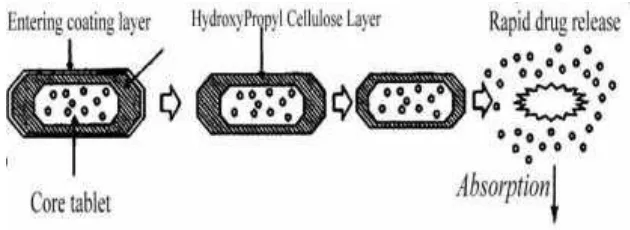
Figure 2: Design of enteric coated timed-release press coated tablet
Pressure-Dependent Delivery: Gastro intestinal pressure has also been utilized to trigger drug release in the distal gut. This pressure, which is generated via muscular contraction of
throughout the GIT, with the colon considered to have a higher luminal pressure due to the
process that occur during stool formation. Systems have developed therefore to resist the
pressure of the upper GIT but rupture in response to the raised pressure of the colon. Capsule
shell fabricated from the water insoluble polymer ethyl cellulose has been used for this
purpose. The system can be modified to withstand and rupture at different pressures by
changing the size of the capsule and thickness of the capsule shell wall. [Sharma Anuj et al.,
2010].
Bacteria-Dependent Delivery: The resident GIT bacteria provide a further means of effecting drug release in the colon. These bacteria predominantly colonize the distal region of
GIT where the bacterial count in the colon is 1011 per gram, as compare to 104 per gram in
upper small intestine. Moreover, 400 different species are present. Colonic bacteria are
predominantly anaerobic in nature and produce enzymes that are capable of metabolizing
endogenous and exogenous substrate, such as carbohydrate and proteins that escape digestion
in the upper GIT. Therefore, materials those are recalcitrant to the condition of the stomach
and small intestine. [Anil Philip et al., 2010, Jitender et al.,2011, Vinay Kumar et al.,2011
and Hemant et al.,2012].
Prodrug Approach for Drug Delivery to Colon
A prodrug is a pharmacologically inactive derivative of a parent molecule that requires some
form of transformation in vivo to release the active drug at the target site. This approach
involves covalent linkage between the drug and its carrier in such a manner that upon oral
administration the moiety remains intact in the stomach and small intestine. The type of
linkage that is formed between the drug and carrier would decide the triggering mechanism
for the release of the drug in the colon. This biotransformation is carried out by a variety of
enzymes, mainly of bacterial origin, present in the colon. The enzymes that are mainly
targeted for colon drug delivery include azoreducatase-galactosidase, β-xylosidase,
nitroreductase, glycosidase, deaminase etc. Generally, a prodrug is successful as a colon drug
carrier if it is hydrophilic and bulky, to minimize absorption from the upper GI tract and,
once in the colon, it is converted into a more lipophilic drug molecule that is then available
for absorption. [Rubinstein et al.,1990 and Friend et al.,1991]
Polysaccharide Based Delivery Systems
The use of naturally occurring polysaccharides is attracting a lot of attention for drug
wide availability are inexpensive and are available in a verity of a structures with varied
properties. They can be easily modified chemically, biochemically, and are highly stable,
safe, nontoxic, hydrophilic and gel forming and in addition, are biodegradable. These include
naturally occurring polysaccharides obtained from plant (guar gum, inulin), animal (chitosan,
chondrotin sulphate), algal (alginates) or microbial (dextran) origin. The polysaccrides can be
broken down by the colonic microflora to simple saccharides [ashrod et al., 1993] Therefore,
they fall into the category of “generally regarded as safe” (GRAS).
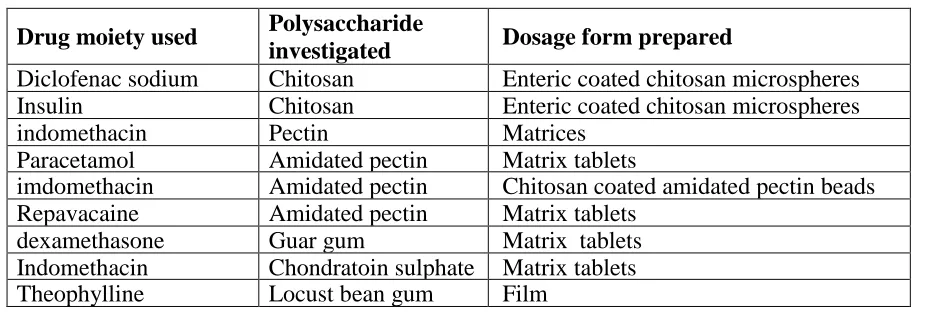
Table 3: Polysaccharides investigated for colon-specific drug delivery.
Drug moiety used Polysaccharide
investigated Dosage form prepared
Diclofenac sodium Chitosan Enteric coated chitosan microspheres
Insulin Chitosan Enteric coated chitosan microspheres
indomethacin Pectin Matrices
Paracetamol Amidated pectin Matrix tablets
imdomethacin Amidated pectin Chitosan coated amidated pectin beads
Repavacaine Amidated pectin Matrix tablets
dexamethasone Guar gum Matrix tablets
Indomethacin Chondratoin sulphate Matrix tablets
Theophylline Locust bean gum Film
Newly Developed Approaches for CDDS
Novel Colon Targeted Delivery System (CODES TM): CODESTM was a unique CDDS technology which is a combined approach involving pH dependent and microbially triggered
CDDS and was designed to avoid the inherent problems associated with pH or time
dependent systems. It was developed by utilizing a unique mechanism involving lactulose,
acting as a trigger for site specific drug release in the colon. The system consists of a
traditional tablet core containing lactulose, which is coated with acid soluble material
Eudragit E, and then subsequently over coated with an enteric material, Eudragit L. The final
conclusion of this technology is that the enteric coating protects the tablet while it is located
in the stomach and then dissolves quickly following gastric emptying.
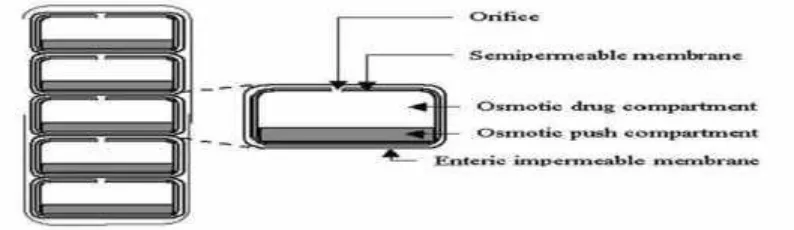
Osmotic Controlled Drug Delivery (OROS-CT): The OROS-CT was used to target the drug locally to the colon for the treatment of disease or to achieve systemic absorption that is
otherwise unattainable. The OROS-CT system can be a single osmotic unit or may
incorporate as many as 5-6 units, each encapsulated within a hard gelatin capsule (Figure 5).
Each bilayer unit contains an osmotic push layer and a drug layer, both surrounded by a
Figure 3: Cross-Section of the OROS-CT Colon Targeted Drug Delivery System
Combination of Different Approaches of CDDS: An oral colonic drug delivery system of 5-aminosalicylic acid was developed using combination of pH dependent, time-based and
enzyme degradable approaches. The pellets were coated with three functional layers i.e. the
outer EudragitL30D-55 layer for protection against GI fluids, the intermediate layer of ethyl
cellulose to inhibit the drug release during passage through the small intestine and the inner
layer of pectin for swelling and enzyme degradation. In-vitro release studies indicated that the
coated pellets completely protected the drug release in 0.1M HCl while the drug release was
delayed for 3 to 4 h in pH6.8 phosphate buffer. [Pramod Kumar et al., 2013].
Hydrogel Based CDDS: Hydrogels are usually formed by the covalent cross linking of linear hydrophilic polymers to form a network of material capable of absorbing water, yet
still remaining insoluble. Heterogenous polymer mixture may also be used to form hydrogels
without the need for covalent cross linking. [Ranjit Singh et al., 2012].
Other Novel Drug Delivery Systems: A new microparticulate system containing microsponges was prepared by microencapsulation for colon specific delivery [Kollam
Prasad et al., 2011].
Polymers Used in the Colon Drug Delivery System
Oral colon targeted drug delivery systems have recently gained importance for delivering a
variety of therapeutic agents for both local and systemic administration.
Biodegradable Polymers: Natural polysaccharides are extensively used for the development of solid oral dosage forms for colonic delivery of drugs [Jain et al., 2006]. Biodegradable
polymers are generally hydrophilic in nature and have limited swelling characteristic in acidic
pH. Various bacteria present in the colon secretes many enzymes which can cause hydrolytic
dextranase, α-D-xylosidase [Wilson et al., 2008].
Guar gum: Guar gum is derived from the seeds of the cyomopsis tetragonolobus (Fam. Leguminosae). Chemically, guar gum is a polysaccharide composed of the sugars galactose
and mannose. The backbone is a linear chain of β 1, 4-linked mannose residues to which
galactose residues are 1, 6-linked at every second mannose, forming short side-branches
[Shirwaikar et al., 2008].
Pectin: Pectin is a linear, heterogeneous polysaccharide which is mainly composed of galacturonic acid and its methyl ester. These are predominantly linear polymers of mainly
(1→4) linked D-galacturonic acid residue interrupted by 1,2-linked L-rhamnose residue with
a few hundred to about one thousand building blocks per molecule [Shirwaikar et al., 2008].
Chondroitin Sulfate: Chondroitin sulfate is a soluble mucopolysaccharide that is used as a substrate by Bacteroides species in the large intestine mainly by B. thetaiotaomicron and B.
ovatus. Chondroitin sulphate consists of β-1, 3-D-glucuronic acid linked to N-acetyl-D-
galactosamide.
Dextran: Dextran is a polysaccharide consisting of α-1, 6 D-glucose and side chain of α-1,3
D-glucose units [Wilson et al., 2008 and Jain et al., 2007]. These highly water soluble
polymers are available commercially as different molecular weights with a relatively narrow
molecular weight distribution.
Chitosan: Chitosan is functional linear polymer obtained from the alkaline deacetylation of chitin. Chitosan is consisting of the repeated units of (2-amino-2-deoxy-D-gluco-pyranose)
which are linked by (1-4) β-bonds. [Jain et al 2007 and Wilson et al 2008].
Mesalamine: Mesalamine is an anti-inflammatory agent which is used to treat inflammatory bowel disease, crohn’s disease and ulcerativecolitis. appears to have a topical anti-
inflammatory effect on the colonic epithelial cells. Mucosal production of arachidonic acid
metabolites, both through the cyclooxygenase and lipoxygenase pathways, is increased in
patients with chronic inflammatory bowel disease, and it is possible that Mesalamine
diminishes inflammation by blocking cyclooxygenase and inhibiting prostaglandin
production in the colon. Mesalamine has the potential to inhibit the activation of nuclear
MATERIALS AND METHODS
Polymers like HPMC phthalate, Hydroxy Propyl Methyl CelluloseK15M (methocel), Gum
karaya, Guar gum, Chitosan, Olibanum gum, Xanthan gum are Commercially procured from
Yarrow chem. Products, Mumbai and Mesalamine a Gift sample from Mylan Pharma Ltd,
Hyderabad.
Preparation of Mesalamine Standard Dilutions: Aliquots of Mesalamine stock solutions was transferred into 5 volumetric flasks and were further diluted with 7.2 pH phosphate
buffer so as to get 5,10,15,20 and 25 µg/ml of standard dilutions of Mesalamine. The
absorbance values of above dilutions were measured in ELICO double beam UV-VIS
spectrophotometer at 302nm using 7.2 pHphosphate buffer as blank.
Preformulation Studies on Mesalamine: The drug and the polymer or excipient interaction studies were evaluated by checking the physical appearance, drug content and FTIR studies.
Preparation of Mesalamine Matrix Tablets
Mesalamine matrix tablets were prepared by wet granulation method. The Mesalamine matrix
tablet formulations consisted of drug, polymer, diluent, gums and effervescing agent. The
drug concentration was maintained constantly while polymer proportions were varied. The
weight of all the tablet formulations was maintained uniformly by using MCC as diluent.
Table 4: Composition of Various Mesalamine Matrix Formulations
Ingredients (mg/tab) F1 F2 F3 F4 F5 F6 F7 F8 F9 F10
250 250 250 250 250 250 250 250 250 250
Mesalamine 125 62.5 125 62.5 125 62.5 125 62.5 125 62.5
HPMC K15M 62.5 125 - - - -
Gum karaya - - 62.5 125 - - - -
Guar gum - - - - 62.5 125 - - - -
Olibanum gum - - - 62.5 125 - -
Chitosan - - - 62.5 125
Xanthan gum 25 25 25 25 25 25 25 25 25 25
Sodium carbonate 76.5 76.5 76.5 76.5 76.5 76.5 76.5 76.5 76.5 76.5
MCC 5.5 5.5 5.5 5.5 5.5 5.5 5.5 5.5 5.5 5.5
Magnesium stearate
Talc 5.5 5.5 5.5 5.5 5.5 5.5 5.5 5.5 5.5 5.5
Evaluation of Powder Flow Characteristics
Angle of Repose: Angle of repose for the powder blends were performed by Fixed Funnel Method and is the measure of the flowability of powder. A funnel with 10 mm inner diameter
of stem was fixed at a height of 2 cm over the platform. About 10 gm of powder blend was
slowly passed along the wall of the funnel till the tip of the pile formed and touches the stem
of the funnel. A rough circle was drawn around the pile base and the radius of the powder
cone was measured [Lachman et al., 1990].
Angle of repose was calculated from the average radius using the following formula
-1 (h/r) h = Height of the pile, r = Average radius
Table 5: Specifications of Angle of Repose
Angle of Repose Type of Flow
< 25 Excellent
25 – 30 Good
30 – 40 Passable
> 40 Very Poor
Compressibility Index: A simple test was used to evaluate the flowability of a powder by comparing the poured density and the tapped density of a powder and the rate at which it is
packed down. The Carr’s index can be calculated using the following formula.
Carr’s index = (Tapped density – bulk density / Tapped density) X 100
Table 6: Specifications of Flow Properties Corresponding to Compressibility Index % Compressibility Flow Description
<10 Excellent
11-15 Good
16-20 Fair
21-25 Passable
26-31 Poor
32-37 Very poor
>38 Extremely poor
Hausner’s ratio: Hausner ratio is an indirect index of ease of powder flow. It is calculated by the following formula.
Hausner’s ratio= Tapped density/ Bulk density
Evaluation of Physical Parameters of Mesalamine Matrix Tablets
Uniformity of Weight: Twenty tablets from each batch at random were taken and weighed. The average weight was calculated, then each tablet was weighed individually and weights of
each tablet were noted. The weights of individual tablets were then compared with the
average weight that was already calculated.
Table 7: IP Limits for the Percentage Deviation of Average Weight
Average Weight Percentage Deviation
80 mg or less 10
More than 80mg but less than 250mg 7.5
250 mg or more 5
Hardness Test: Hardness of the tablets was determined by using Monsanto hardness tester (Tab-machines, Mumbai). The tablet to be tested is held in fixed and moving jaw and reading
of the indicator was adjusted to zero. Then force to the edge of the tablet was gradually
increased by moving the screw knob forward until the tablet breaks.
Friability Test: Friability test was performed by using Roche friabilator (Remi Equipments, Mumbai). Ten tablets of a batch were weighted and placed in a friabilator chamber and it was
allowed to rotate for 100 revolutions. During each revolution these tablets fall from a distance
of six inches to undergo shock. After completion of 100 revolutions, tablets were again
weighed and the loss in weight indicated friability.
Friability = Initial Weight - Final Weight X 100 Initial Weight
Uniformity of Drug Content: Matrix tablet of Mesalamine from a batch was taken at random and was crushed to a fine powder. The powdered material was transferred into a
250ml volumetric flask and 200ml of 7.8 pHphosphate buffer was added to it. It was shaken
occasionally for about 30 minutes and the volume was made up to 250ml by adding 7.2 pH
phosphate buffer.
In Vitro Dissolution Studies: Dissolution studies on each formulation were performed in a calibrated 8 station test apparatus (LAB INDIA) equipped with paddles (USP apparatus II
method) employing 900ml of 0.1N HCl as a dissolution medium for 2 hours, 900 ml of 7.2
pH phosphate buffer for next 6hours, then with 900ml of 7.2 pH phosphate buffer up to 24
37±0.5°C throughout the experiment. Samples were withdrawn at regular intervals for 24hrs
and replaced with equal volume of same dissolution medium to maintain the constant volume
throughout the experiment.
Accelerated Stability Studies Accelerated Study:
75 ± 5% RH for 3 months.
Long Term Study:
5%RH for 6 months.
RESULTS AND DISCUSSION
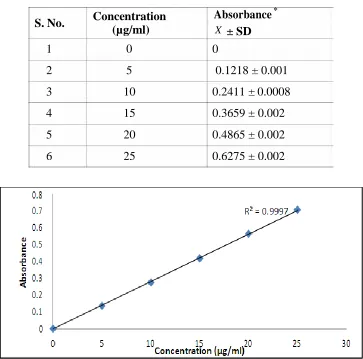
Table 8: Calibration Curve for the Estimation of Mesalamine in 7.2 PH
Figure 3: Calibration Curve for the Estimation of Mesalamine in 7.2 pH phosphate buffer
S. No.
1
2
3
4
5
6
Concentration (µg/ml)
0
5
10
15
20
25
Absorbance *
X
0
0.1218 ± 0.001
0.2411 ± 0.0008
0.3659 ± 0.002
0.4865 ± 0.002
0.6275 ± 0.002
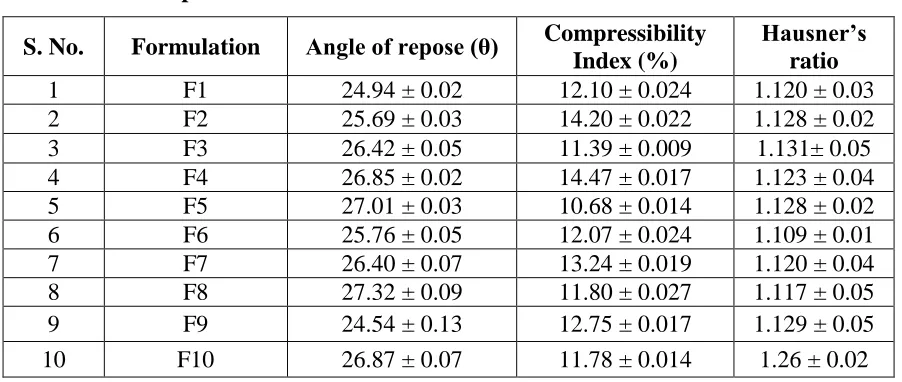
Table 8: Flow Properties of Powder Blends of Mesalamine Matrix Tablets
S. No. Formulation Angle of repose (θ) Compressibility Index (%)
Hausner’s ratio
1 F1 24.94 ± 0.02 12.10 ± 0.024 1.120 ± 0.03
2 F2 25.69 ± 0.03 14.20 ± 0.022 1.128 ± 0.02
3 F3 26.42 ± 0.05 11.39 ± 0.009 1.131± 0.05
4 F4 26.85 ± 0.02 14.47 ± 0.017 1.123 ± 0.04
5 F5 27.01 ± 0.03 10.68 ± 0.014 1.128 ± 0.02
6 F6 25.76 ± 0.05 12.07 ± 0.024 1.109 ± 0.01
7 F7 26.40 ± 0.07 13.24 ± 0.019 1.120 ± 0.04
8 F8 27.32 ± 0.09 11.80 ± 0.027 1.117 ± 0.05
9 F9 24.54 ± 0.13 12.75 ± 0.017 1.129 ± 0.05
10 F10 26.87 ± 0.07 11.78 ± 0.014 1.26 ± 0.02
Table 9: Preformulation Studies on Mesalamine
S.No Description Method
Evaluated 0th day 1 month 3 months
1 Mesalamine Physical
Evaluation Light pink powder Complied Complied
2 Mesalamine + Excipients
Physical
Evaluation Light pink powder Complied Complied
3 Mesalamine + Excipients
Assay by UV
method Complied Complied Complied
6 Mesalamine FTIR Studies 3441.54cm-1-1487.98cm-1 Complied Complied
7 Mesalamine +
Excipients FTIR Studies 3442.29cm-1– 1487.86cm-1 Complied Complied
4 Mesalamine DSC Studies
Melting Endotherm was
observed at 181.10C Complied Complied
5
Mesalamine +
Excipients DSC Studies
Melting Endotherm was
observed at 180.10C Complied Complied
Table 10: Physical Properties of Mesalamine Matrix Tablets
S. No. Formulation
Weight uniformity (mg) Hardness (kg/cm²) Friability (%w/w) Drug content* (mg/tablet)
1 F1 551± 2.0 5.5 ± 0.4 0.19 248.5 ± 0.5
2 F2 549 ± 3.0 5.7 ± 0.3 0.12 251.3 ± 0.5
3 F3 552 ± 3.0 5.5 ± 0.3 0.18 250.4 ± 0.5
4 F4 548 ± 2.0 5.8 ± 0.2 0.17 251.9 ± 0.2
5 F5 549 ± 4.0 5.5 ± 0.3 0.15 249.2 ± 0.3
6 F6 551± 2.0 5.6 ± 0.2 0.18 249.8 ± 0.5
7 F7 552 ± 3.0 5.7 ± 0.3 0.16 250.6 ± 0.5
8 F8 550 ± 3.0 5.5 ± 0.4 0.18 249.8 ± 0.3
9 F9 551± 2.0 5.8 ± 0.1 0.14 248.2 ± 0.5
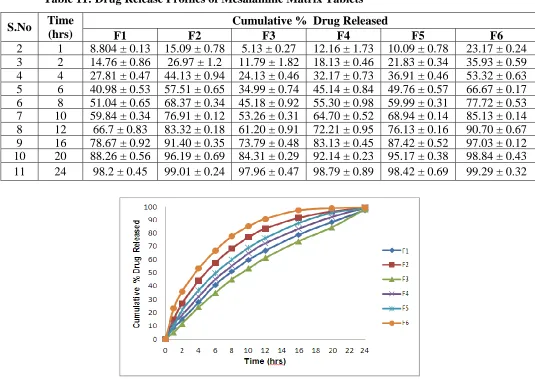
Table 11: Drug Release Profiles of Mesalamine Matrix Tablets
S.No Time (hrs)
Cumulative % Drug Released
F1 F2 F3 F4 F5 F6
2 1 8.804 ± 0.13 15.09 ± 0.78 5.13 ± 0.27 12.16 ± 1.73 10.09 ± 0.78 23.17 ± 0.24 3 2 14.76 ± 0.86 26.97 ± 1.2 11.79 ± 1.82 18.13 ± 0.46 21.83 ± 0.34 35.93 ± 0.59 4 4 27.81 ± 0.47 44.13 ± 0.94 24.13 ± 0.46 32.17 ± 0.73 36.91 ± 0.46 53.32 ± 0.63 5 6 40.98 ± 0.53 57.51 ± 0.65 34.99 ± 0.74 45.14 ± 0.84 49.76 ± 0.57 66.67 ± 0.17 6 8 51.04 ± 0.65 68.37 ± 0.34 45.18 ± 0.92 55.30 ± 0.98 59.99 ± 0.31 77.72 ± 0.53 7 10 59.84 ± 0.34 76.91 ± 0.12 53.26 ± 0.31 64.70 ± 0.52 68.94 ± 0.14 85.13 ± 0.14 8 12 66.7 ± 0.83 83.32 ± 0.18 61.20 ± 0.91 72.21 ± 0.95 76.13 ± 0.16 90.70 ± 0.67 9 16 78.67 ± 0.92 91.40 ± 0.35 73.79 ± 0.48 83.13 ± 0.45 87.42 ± 0.52 97.03 ± 0.12 10 20 88.26 ± 0.56 96.19 ± 0.69 84.31 ± 0.29 92.14 ± 0.23 95.17 ± 0.38 98.84 ± 0.43 11 24 98.2 ± 0.45 99.01 ± 0.24 97.96 ± 0.47 98.79 ± 0.89 98.42 ± 0.69 99.29 ± 0.32
Figure 4: Drug Release Profiles of Various Matrix Tablet Formulations of Mesalamine
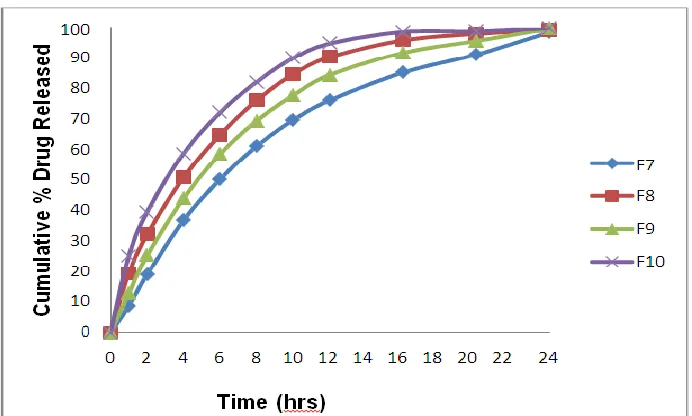
Table 12: Drug Release Profiles of Mesalamine Matrix Tablets
S.No Time (hrs)
Cumulative % Drug Released
F7 F8 F9 F10
1 1 8.73 ± 0.32 19.39 ± 0.27 12.74 ± 0.43 25.13 ± 0.18
2 2 18.97 ± 0.54 32.2 ± 0.84 25.31 ± 0.61 39.48 ± 0.48
3 4 36.82 ± 1.35 50.79 ± 0.52 43.94 ± 0.73 58.77 ± 0.92
4 6 50.26 ± 0.73 64.93 ± 0.42 58.60 ± 0.93 72.19 ± 0.43
5 8 61.24 ± 0.52 76.12 ± 0.37 69.48 ± 0.83 82.13 ± 0.27
6 10 69.73 ± 0.49 84.70 ± 0.56 77.81 ± 0.84 89.98 ± 0.18
7 12 76.13 ± 0.83 90.32 ± 0.95 84.42 ± 0.39 94.83 ± 0.37
8 16 85.20 ± 0.52 95.89 ± 0.31 91.74 ± 0.98 98.70 ± 0.29
9 20 91.17 ± 0.56 98.08 ± 0.54 95.70 ± 0.41 98.88 ± 0.69
Figure 5: Drug Release Profiles of Various Matrix Tablet Formulations of Mesalamine
Table 13: Physical Parameters of Mesalamine Matrix Tablet Formulations Before and After Storage at Different Conditions
Table 14: Drug Release Profiles of Mesalamine Matrix Tablet Formulation (F10) Before and After Storage at Different Conditions
Time
(hrs) Before Storage 25 ± 2 0
C, 60 ± 5% RH 40 ± 2 0
C, 75 ± 5% RH
1 1.97 1.965 1.962
2 7.39 7.36 7.31
4 27.60 27.54 27.48
6 44.03 43.85 43.73
8 57.65 57.59 57.47
10 70.29 70.18 70.11
12 78.20 78.05 78.01
16 87.61 87.54 87.32
20 94.14 94.03 93.97
24 95.88 95.63 95.57
Formulation
Storage Condition
Weight Uniformity
(mg)
Hardness (Kg/cm2)
Friability (% w/w)
Drug Content (mg/tab)
F9
Before storage 549±1.0 5.6± 0.3 0.12 250.4±0.2
25±20C, 60±5% RH 549±1.0 5.6± 0.3 0.12 250.3±0.2
40±20C, 75±5% RH 549±1.0 5.6± 0.3 0.11 249.4±0.2
F10
Before storage 550±3.0 5.8±0.3 0.18 249.3±0.4
25±20C, 60±5% RH 550±3.0 5.8±0.3 0.18 249.3±0.4
SUMMARY AND CONCLUSIONS
The objective of developing a Colon Drug Delivery System (CDDS) is to minimize the
disadvantages associated with existing dosage form (DF) and optimize therapy. Despite
tremendous advancements in drug delivery, the oral route remains the most promising route
of drug delivery because of the low cost of therapy and high levels of patient compliance. An
important requisite for the successful performance of CDDS is that the drug should have
good absorption in colon, preferably by passive diffusion, to ensure continuous absorption of
the released drug. A major constraint in colon drug delivery is that not all drug candidates are
absorbed uniformly throughout the GIT. Such drugs are said to have an absorption window,
which identifies the drug's primary region of absorption in the GIT. This limitation could be
overcome, for various judiciously selected drugs, by prolonging drug release over a extended
period of time.
The drug candidate Mesalamine is selected for formulation as colon targeted drug delivery,
which is an anti-inflammatory agent used in the treatment of ulcerative colitis and in mild to
moderate Crohn`s disease. Mesalamine is slightly soluble in water, practically insoluble in
alcohol. It dissolves in dilute solutions of alkali hydroxides and dilute hydrochloride. It
undergoes rapid and extensive hepatic first-pass metabolism following oral administration,
with a reported systemic bioavailability between 20 % and 30%, peak plasma concentration
occurs 1 hr after oral administration, and protein binding is around 76%, metabolism occurs
in liver. Mesalamine is mainly excreted as unchanged form in urine and mean elimination
half life is 5 hr after initial dose and 7 hr at steady state, thus necessitating frequent
administration for a prolonged period of time to maintain constant therapeutic drug levels.
Mesalamine is found to have drawbacks, such as adverse side effects resulting from
accumulation of drug in multi-dose therapy, poor patient compliance and high cost. To
minimize the problems as stated above, Mesalamine may be formulated as matrix tablets in
order to extend the drug release from the dosage form. These studies were carried out by
investigating the effect of temperature on the physicalproperties of the tablets and on drug
release from the matrix tablets F10 containing Mesalamine.
REFERENCES
1. Adkin DA, Davis SS, Sparrow RA and Wilding IR, “Colonic transit of different sized
tablets in healthy subjects”, Journal of Controlled Release, 1993; 23: 147- 156.
matrix tablets for colonic delivery of model drug Ropivacaine”, European Journal of
Pharmaceutical Sciences, 2000; 10: 43-52.
3. Ahmed S, “Effect of simulated gastrointestinal condition on drug release from
pectin/ethyl cellulose as film coating for drug delivery to the colon”, Drug Development
and Industrial Pharmacy, 2005; 31: 465-470.
4. Aiedeh K and Taha MO, “Synthesis of chitosan succinate and chitosan phthalate and their
evaluation as suggested matrices in orally administered colon specific drug delivery
system”, Arch. Pharmacol. Research, 1999; 332: 103-107.
5. Akala EO, Elekwachi O, Chase V, Johnson H, Marjorie L and Scott K, “Organic redox
initiated polymerization process for the fabrication of hydrogel for colon specific drug
delivery”, Drug Development and Industrial Pharmacy, 2003; 29(4): 375- 386.
6. Amit K. Pandey, Niharika Choudhary, Vineet K. Rai, Harinath Dwivedi, Koshy M.
Kymonil and Shubhini A. Saraf, “Fabrication and Evaluation of Tinidazole Microbeads
for Colon Targeting”, Asian Pacific Joural of Tropical Disease, S197- S201, 2012.
7. Anil kumar.S.N, chitagunta pavanveena and k.kavitha, “colonic drug delivery system of
trimetazidine hydrochloride for angina Pectoris”, Int J Pharm Pharm Sci, 2011; 3(2):
2226.
8. Ankita Patel, Dhruvita Patel, Trupti Solanki, Dr. P. D. Bharadia, Mr. V. M. Pandya and
Mr. D.A. Modi, “Novel Approaches for Colon Targeted Drug Delivery System”, IJPI’s
Journal of Pharmaceutics and Cosmetology, 2011; 1: 5.
9. Ansari S.H, “Essentials of Pharmacognosy”, First Edn, 324,325, 2005.
10. Anil K. Philip and Betty Philip, “Colon Targeted Drug Delivery Systems: A Review on
Primary and Novel Approaches”, Oman Medical Journal, 2010; 25(2).
11. Asford M, Fell JT, Attwood D, Sharma H and Woodhead PJ, “Studies on pectin
formulations for colonic drug delivery”, Journal of Controlled Release, 1994; 30: 225-
232.
12. Asha Patel, Nilam Bhatt, Dr.K.R.Patel, Dr.N.M.Patel and Dr. M.R.Patel, “Colon Targeted
Drug Delivery System: A Review System”, JPSBR, 2011; 1(1): 37-49.
13. Ashish patel, Mukesh R. Patel, Kanu M. Patel and Patel N M, “Formulation and
evaluation of colon targeted Aceclofenac tablet”, An international journal of
pharmaceutical sciences, 2012; 3(4).
14. Ashord M, Fell JT, Attwood D, Sharma H and Woodhead P, “An evaluation of pectin as a
213-220.
15. Ashord M, Fell JT, Attwood D, Shar ma H, Woodhead P, “An evaluation of pectin as a
carrier for drug targeting to the colon”, J Control Release, 1993; 26: 213-220.
16. Ashwini Sopan Bansode, Avinash Bhausaheb Athare, Veena Sanjay Kasture and P.
N. Kendre, “Colon Targeted Drug Delivery System: An Overview”, Int. Imperial J.
Pharmaceutics & Cosmetology, 2012; 2(2): 1-7.
17. Badhana.S, Navneet Garud and Akanksha Garud, “Colon specific drug delivery of
mesalamine using eudragit S100- coated chitosan microspheres for the treatment of
ulcerative colitis”, International Current Pharmaceutical Journal, 2013; 2(3): 42-48.
18. Bangale.G.S, Stephen.RB, Shinde.G.V, Umalkar.D.G. and Rajesh K.S,“Formulation and
Evaluation of Natural Gum Based Matrix Tablets for Oral Controlled Delivery of
Nimodipine”, Indian Journal of Pharmaceutical Education and Research, 2011; 45(4):
375-383.
19. Basit A W, Podczeck F and Newton J M., “The use of formulation technology to assess
regional gastrointestinal drug absorption in humans”, Eur. J. Pharm. Sci, 2004; 21: 179–
189.
20. Basit A and Bloor J, “Prespectives on colonic drug delivery”, Pharmtech, 2003; 185-190.
21. Bhawna gauri, Shailendra k singh , and Dimple chopra., “Formulation and evaluation of
colon targeted oral drug Delivery systems for Metronidazole in treatment of amoebiasis”,
International journal of pharma and bio sciences, 2011; 24.
22. Biresh Kumar Sarkar, Jain DA and Vikram Sharma, “Formulation And Evaluation of
Flurbiprofen Matrix Tablets For Colon Targeting”, International journal of
pharmaceutical and chemical sciences, 2012; 1(2).
23. Brahma P Gupta, Navneet Thakur , Surabhi Jain, Priyanka Patel , Deepak Patel , Nilesh
Jain and Nishi P Jain, “A Comprhensive Review On Colon Specific Drug Delivery System (CSDDS)”, Journal of Pharmacy Research, 2010; 3(7): 1625-1629.
24. Brown BC & G Livesey, “Energy balance and expenditure while consuming guar gum at
various fat intakes and ambient temperatures”, American Journal Clinical Nutrition,
1994; 60(6): 956-964, (ISSN: 0002-9165).
25. Bussemer T and Otto Bodmeier IR., “Pulsatile drug-delivery systems”. Crit. Rev. Ther.
Drug Carrier System, 2003; 18: 433-458.
26. Cawley D B, Simpson D L and Hershman H R. Biochimie, 1981; 683,375–381.
27. Chandramohan .K and B.Rajkapoor, “Development and invitro evalution of colon
28. Chan RP, Pope DJ, Gilbett AP, Sneta PJ, Baron JH and Bennardjones JF. “Studies of two
novel sulphasalazine analogs I.P. salazide and balsalazide”, Digestive Diseases Sciences,
1983; 28: 609-716.
29. Chandrakant S. Satpute, Prashant K. Pagare, Varsha M. Jadhav and Vilasrao J. Kadam.,
“Potential Approaches of Colon Targeted Drug Delivery System A Review”, Am. J.
Pharmtech Res, 2012; 24.
30. Chavan MS, Sant VP and Nagarsenker MS., “Azo-containing urethane analogues for
colonic drug delivery: synthesis, characterization and in vitro evaluation”, Journal of
Pharmacy Pharmacology, 2001; 53: 895-900.
31. Chourasia M K and Jain S K., “Pharmaceutical Approaches to Colon Targeted Drug