© 2017 Bharath Raman et al. This is an open access article distributed under the terms of the Creative Commons Attribution License -NonCommercial-ShareAlikeUnported License (http://creativecommons.org/licenses/by-nc-sa/3.0/).
Journal of Applied Pharmaceutical Science Vol. 7 (09), pp. 160-170, September, 2017 Available online at http://www.japsonline.com
DOI: 10.7324/JAPS.2017.70922 ISSN 2231-3354
Pharmaceuticals in the tropics: A quantitative study measuring
changes in quantity of the active ingredient and microbiological
growth
Bharath Raman1, Hana Morrissey2*, Patrick Ball2
1
Charles Darwin University, Darwin, Australia.
2
School of Pharmacy, Faculty of Science and Engineering, University of Wolverhampton, United Kingdom.
ARTICLE INFO ABSTRACT
Article history: Received on: 06/04/2017 Accepted on: 22/06/2017 Available online: 30/09/2017
Global climate change is challenging for the pharmaceutical industry as it is for all other industries, where they have to select packaging that keep their products stable. The aim of this study was to investigate the effect of a tropical environment on pharmaceutical preparations in repackaged containers using the drug in the original container as control. This study concluded that in a tropical environment, some immediate release medications, underwent significant changes in their physical characteristics, and a less significant loss of efficacy. Bacterial and fungal growth inside and outside packages used in re-packaging and on the tablet surface occurred after four weeks. To improve patient adherence, multiple-dose compartment dose administration aids are used to alleviate the risk of patients’ non-adherence due to the regimen complexity of chronic disease therapy. On discharge, hospitals dispense between three and seven days’ supply of medication, usually in plastic bottles or sometimes plastic bags, as a cost-saving measure. Re-packaging of medications is currently common practice, to personalizes medication for individual patients. This preliminary study demonstrated that products stored in tropical conditions, changed in their characteristics and gained microbial contamination during the process or repacking. Further research is required to fully characterize the problem.
Key words: Storage conditions, pharmaceuticals stability, microbial growth, temperature and humidity, medications.
INTRODUCTION
Packaging is one of the largest industries in the world. All producers of goods for human consumption, including the pharmaceutical industry, face challenges in providing packaging that keeps products attractive to consumers but protected from the climate. Storage conditions for pharmaceuticals are usually standardized to suit the formulation however, this only apply to
the product in manufacturer containers or packs (Liu et al., 2011;
Feng et al., 2014). To improve patient adherence, multiple-dose
compartment administration aids (re-usable or disposable) are used to alleviate the risk of non-adherence due to the complexity of chronic disease therapy, poor health literacy or cognitive impairment. Additionally, hospitals only dispense
between three and seven days’ medication to save costs, usually
.
* Corresponding Author
E-mail: hana.morrissey @ wlv.ac.uk
in plastic bottles or bags. The stability of medications and possible microbial growth on the solid form (tablets or capsules) when repackaged out of the original container into another during dispensing is not guaranteed by the manufacturer. This study investigated the stability of pharmaceuticals in different packaging when used to improve patient adherence or for partial supply from a full pack. Currently, 85% of manufacturers in Europe use blister packs (Pilchik, 2000a; Pilchik, 2000b) whereas in the United States of America (USA) the majority of over the counter and prescribed medications are repackaged from large containers of up to 1000 tablets into smaller bottles according to the required quantity,
either manually or by robots (Zadbuke et al., 2013). The use of
blister packaging is becoming more recognized in the USA as it can provide product integrity, product protection, tamper evidence, reduced possibility of accidental use and patient adherence.
The microbial quality of pharmaceuticals is influenced by the process used, the environment and the quality of the raw
materials used during formulation. The incidence of medication contamination, especially those required to be sterile, is known to be related to the nature of the ingredients (whether natural or synthetic), the quality of the vehicle used to manufacture the medications, the container used and the training, care and attitude of personnel involved in their handling (Okunlola, 2007).
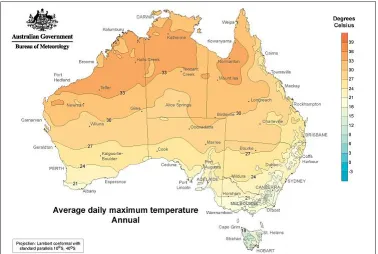
Most raw materials for pharmaceutical excipients allow microbial growth, depending on the nutritional properties and moisture content (Gunar, 2011). Accordingly, as part of medications quality assurance process, the microbial presence or contamination load, must be documented. In many tropical countries, pharmaceutical raw materials and final products are subject to be stored in-transit or during use under uncontrolled conditions, and may be dispensed in non-protective packaging or even without any packaging at all, where the average temperature is 30°C and the average RH is >75% (Gunar, 2011). Dispensing of tablets and capsules from large packs is a common practice in hospital pharmacies, clinics and nursing homes. Some open large containers take an average of four weeks to be completely dispensed, depending on demand (Akerele and Ukoh, 2011). Unlike the rich literature around microbial contamination in injectable liquids, few studies have been conducted investigating the bioburden on solid oral formulations. Microbiological quality parameters of drugs are closely associated with the safety of their useand the route by which they will be administered (Okunlola, 2007). Drug contamination may occur at any stage during the manufacturing process from the equipment used, raw materials, excipients, method of storage, transportation stages, water use in manufacture, air ventilation or personnel (Department of Health and Human Services US, 2004). Stability testing is a routine procedure performed on medicinal substances and products, and is employed at various stages of product development. In early stages, accelerated stability testing (at relatively high temperatures and/or humidity) is used to determine the type of degradation that may be found after long-term storage (International Council for
Harmonization Expert Working Group, 2009; Feng et al., 2015).
Shelf life is the time during which the product, if stored appropriately as per the manufacturer’s instructions, will retain fitness for use (British Pharmacopoeia vol. IV, 2008; Grimm, 1998). In addition to the specific shelf life indicated by the manufacturer, some medications prepared in the pharmacy or the ward must follow the limits set up by the different pharmacopoeias, definitions such as ‘freshly prepared’ (use within 24 hours of preparation) or ‘recently prepared’ (can be used for up
to four weeks if stored at 15–25°C) (International Council for
Harmonization Expert Working Group, 2009). For new drugs, it is normal practice to grant only a two-year expiry date when the product is first registered. This is based on satisfactory one-year
long-term and six-month accelerated stability data (Bentley, et al.
2015). The expiry date for third and later years is allowed only on
production of real-time data for the subsequent years (Bentley et
al., 2015). Most pharmaceutical products are characterized by one
shelf life. However, in some cases a product may have a shelf life before constitution and another after opening (e.g. reconstituted
antibiotics suspensions or injection, or eye preparations) (Bentley
et al., 2015). Chemical kinetics refers to the rate of chemical change during a chemical reaction (Charde, 2014).
The Mean Kinetic Temperature (MKT) is the single calculated temperature at which the total amount of degradation over a particular period is equal to the sum of the individual degradations that would occur at various cycles of higher and lower temperature (Charde, 2014). It is an isothermal storage temperature that simulates the non-isothermal effects of storage temperature variation (Charde, 2014). The MKT takes into account seasonal and daily temperature variations during a year. It expresses the cumulative thermal stress undergone by a product at varying temperatures during storage and distribution (Charde, 2014; Bottand Oliveira, 2009).
As world populations age, patients may require assistance in medication adherence and residential home staff may require support in managing their residents’ medications (NiDirect Government Services, 2017). As medication use increases with advancing age, nursing/residential homes rely on pharmacy services to support their aging residents (Edirisinghe, 2015). Monitored dosage systems (MDS) and medicine compliance aids (MCA) or dose administration aids (DAA) have been supplied to improve patient adherence with prescribed medications for those having difficulties managing their medications (The international pharmacopoeia, vol. 5, 2013). Those aids are prepared and supplied by pharmacists. There is ongoing debate about drug stability in MDS, MCA and DAA (Akerele and Ukoh, 2011) Since there is limited short-term stability data for medications in MCAs (Akerele and Ukoh, 2011). In Australia, DAAs are commonly used for older patients and for Indigenous Australians living in remote communities.
AIM
The aim of this study was to investigate the effect of a tropical environment on pharmaceutical preparations in original (control) and repackaged containers.
METHODS AND DESIGN
All testing was conducted at Charles Darwin University laboratory. The equipment used, consumables and personal protective equipment are listed in table 1.
The study was designed and conducted over three phases –Phase 1: preparation of material and workplace, Phase 2: creation and validation of the of the absorbance calibration curves, baseline microbial growth, physical appearance, pH and re-packaging of
samples, Phase 3:testing stability, microbial growth, physical appearance and pH after exposure to heat and humidity. Eleven of the medications most commonly prescribed for the treatment of chronic disease, were selected.
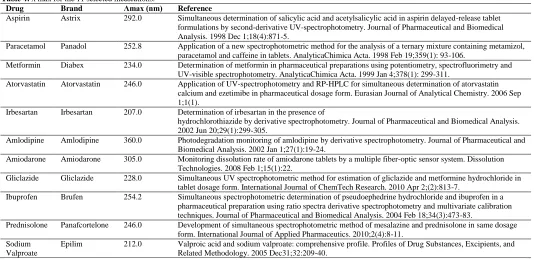
Each medication product tested was from a single batch for all samples (Table 2).The absorbance peak for each drug was determined from the literature (Table 3).
Fig. 1: Average daily 9 am relative humidity in Australia (Image Source: Bureau of Meteorology, Australia).
Table 1: Equipment and material.
Purpose Type Supplier
Equipment A pH meter TPS Instruments, Brisbane.
Temperature and Humidity Chambers TCH-150 and TCH-460, Thermoline Scientific Equipment.
Tablet disintegration apparatus Electrolab.
UV spectrophotometer UV-Vis spectrophotometer (Model U-1100), Hitachi Corporation Ltd.
Incubator Labec Laboratory Equipment.
Microscope Olympus
Colony counter Gallenkamp
Tablet Hardness tester Model:EH01, Oclas Luggage
Fridge Thermoline Scientific Equipment
Consumable Culture media plates (Nutrient agar and Sabouraud agar plates). ThermoFisher Scientific
Swabs, Multigate Medical Products Swabs, Multigate Medical Products
Saline, Baxter 10 ml sachets Saline, Baxter 10 ml sachets
Reverse osmosis water Enware
Blister packs Medico-Pack and Webster-Pak™
Bottles Sarstedt
Personal protective equipment
Gloves, sterile, powder and latex free Mediflex
Safety glasses Prosafe
Two-way filter Face mask Livingstone
Lab coat Hard Yakka
Table 2: Medication procurement information.
Drug Manufacturer Strength and Formulation Batch Number Expiry Date AUST-R Number
Amiodarone GenRx 200 mg tablets E484 April 2016 80768
Amlodipine Apotex Private Ltd 200 mg tablets MC2450 September 2017 135125
Aspirin Mayne Pharma 100 mg tablets 995528 August 2016 194209
Atorvastatin Apotex Private Ltd 80 mg tablets 33619 December 2015 153729
Gliclazide GenRx 80 mg tablets KW1494 March 2016 80084
Ibuprofen Abbott Australasia Private Ltd 400 mg tablets 49961PC December 2017 80659
Irbesartan Apotex Private Ltd 50 mg tablets 1405002456 March 2017 213310
Metformin Apotex Private Ltd 500 mg tablets ACN4016 December 2016 176509
Paracetamol Apotex Private Ltd 500 mg tablets X40201 February 2016 156815
Prednisolone Nova Pharmaceuticals Private Ltd 5 mg tablets PY54008 April 2017 13469
Sodium Valproate Winthrop 200 mg tablets E002 December 2017 125620
Table 3: Tablet repacks for stability and microbiological testing.
Time line Original and repackaged dose administration pack
Day 1 - on purchase
Create absorbent/concentration curve and establish physical appearance (photographs and in word description), pH and baseline microbial count
One set of three tablets of all 11 medications in original manufacturer’s container
Re-pack of samples for stability and microbial testing for duration of 24 weeks
Four sets of three tablets of all 11 medications repackaged in bottles and in separate blisters in dose administration aid packs (Webster-Pak™& Medico-Pak™)
Incubated in humidity and temperature chamber Week 1
Test for stability, microbial growth, physical appearance and pH
Three tablets out of an original pack (one tablet for each) x 11 medications Three tablets (one tablet for each) in bottles x 11 medications
Three tablets (one tablet for each) in Webster-Pak™ x 11 medications Three tablets (one tablet for each) in MedicoPak™ x 11 medications Week 2
Test for stability, microbial growth, physical appearance and pH
Three tablets out of an original pack (one tablet for each) x 11 medications Three tablets (one tablet for each) in bottles x 11 medications
Three tablets (one tablet for each) in Webster-Pak™ x 11 medications Three tablets (one tablet for each) in MedicoPak™ x 11 medications Week 4
Test for stability, microbial growth, physical appearance and pH
Three tablets out of an original pack (one tablet for each) x 11 medications Three tablets (one tablet for each) in bottles x 11 medications
Three tablets (one tablet for each) in Webster-Pak™ x 11 medications Three tablets (one tablet for each) in MedicoPak™ x 11 medications Month 3
Test for stability, microbial growth, physical appearance and pH
Three tablets out of an original pack (one tablet for each) x 11 medications Three tablets (one tablet for each) in bottles x 11 medications
Three tablets (one tablet for each) in Webster-Pak™ x 11 medications Three tablets (one tablet for each) in MedicoPak™ x 11 medications Month 6
Test for stability, microbial growth, physical appearance and pH
Three tablets out of an original pack (one tablet for each) x 11 medications Three tablets (one tablet for each) in bottles x 11 medications
In addition to tablets left in their original containers as control undisturbed but labeled as control, repackaged samples were packed according to good pharmaceutical manufacturing practice for the testing sequence showing in table 4. For the purpose of this paper “original container” refers to the control where all results will be compared to.
The method was validated by using the specified method on the batched will be used against two different batches of each product, the results were the same for the three batches and also matched the products manufacturer specifications for API content and physical and chemical characteristics and appearance.
Spectrophotometric calibration curves for the chosen medications were developed and validated on Day-1.
The products from the original containers (control) were tested for appearance, hardness, pH, content of API and for microbiological contamination. As soon as the medications were repackaged, they were placed inside the temperature and humidity chamber at 30 °C and 80% RH. A swabbing technique was used to test for microorganisms. The enumeration was done on the outer and inner surface of all four types of packs (original, bottle, Webster-Pak™ and Medico-Pak™) and tablets used in this study at regular time intervals using a commercially available swab.
They were then transferred to the both nutrient agar and sabouraud agar plates. The plates were pre-marked with all required information such as date and samples details. Nutrient agar plates were incubated for 24 hours for bacterial growth in an incubator at 37°C, while sabouraud agar plates were incubated at 25±2°C for 72 hours for fungal growth detection in an inoculation hood. Typical colonies of microbial growth on plates were counted
at the end of the incubation period with the aid of a Stuart™ colony counter. This procedure was followed for all the samples. Gram staining was used as part of the identification process.
RESULTS
Stability testing results
Control and baseline
Sampling and testing was conducted on Day 1, as soon as the products were received from the supplier. Table 5 shows the
data used to establish the absorption/concentration curve for all 11 medications tested at concentrations of 100%, 75%, 50%
and 25%.
Table 5: Standard: Absorption/concentration data.
Drug λ max* 100% 75% 50% 25%
Amiodarone 305.0 nm 1.90 1.40 1.00 0.60 Amlodipine 360.0 nm 1.60 1.00 0.70 0.40
Aspirin 292.0 nm 1.90 1.40 0.70 0.60
Atorvastatin 246.0 nm 4.60 4.40 4.30 4.20 Gliclazide 228.0 nm 3.50 3.45 3.44 3.42 Ibuprofen 254.2 nm 1.80 1.70 1.60 1.50 Irbesartan 207.0 nm 5.50 4.10 4.00 3.8 Metformin 234.0 nm 3.53 3.50 3.48 3.45 Paracetamol 252.8 nm 4.40 4.30 4.20 4.10 Prednisolone 246.0 nm 3.38 3.36 3.33 3.29 Sodium Valproate 212.0 nm 4.20 4.00 3.90 3.70 Note: * λ max for each product was sourced from the product information document.
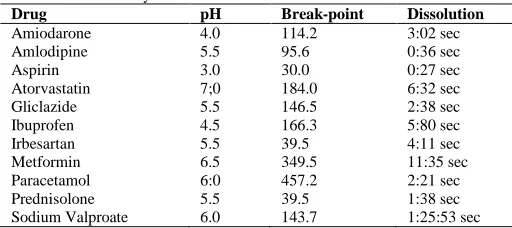
Table 6 presents the physical characteristics for each product at baseline on Day-1. All results conformed to the
Table 4: ʎ max for the 11 selected medications.
Drug Brand Λmax (nm) Reference
Aspirin Astrix 292.0 Simultaneous determination of salicylic acid and acetylsalicylic acid in aspirin delayed-release tablet formulations by second-derivative UV-spectrophotometry. Journal of Pharmaceutical and Biomedical Analysis. 1998 Dec 1;18(4):871-5.
Paracetamol Panadol 252.8 Application of a new spectrophotometric method for the analysis of a ternary mixture containing metamizol, paracetamol and caffeine in tablets. AnalyticaChimica Acta. 1998 Feb 19;359(1): 93-106.
Metformin Diabex 234.0 Determination of metformin in pharmaceutical preparations using potentiometry, spectrofluorimetry and UV-visible spectrophotometry. AnalyticaChimica Acta. 1999 Jan 4;378(1): 299-311.
Atorvastatin Atorvastatin 246.0 Application of UV-spectrophotometry and RP-HPLC for simultaneous determination of atorvastatin calcium and ezetimibe in pharmaceutical dosage form. Eurasian Journal of Analytical Chemistry. 2006 Sep 1;1(1).
Irbesartan Irbesartan 207.0 Determination of irbesartan in the presence of
hydrochlorothiazide by derivative spectrophotometry. Journal of Pharmaceutical and Biomedical Analysis. 2002 Jun 20;29(1):299-305.
Amlodipine Amlodipine 360.0 Photodegradation monitoring of amlodipine by derivative spectrophotometry. Journal of Pharmaceutical and Biomedical Analysis. 2002 Jan 1;27(1):19-24.
Amiodarone Amiodarone 305.0 Monitoring dissolution rate of amiodarone tablets by a multiple fiber-optic sensor system. Dissolution Technologies. 2008 Feb 1;15(1):22.
Gliclazide Gliclazide 228.0 Simultaneous UV spectrophotometric method for estimation of gliclazide and metformine hydrochloride in tablet dosage form. International Journal of ChemTech Research. 2010 Apr 2;(2):813-7.
Ibuprofen Brufen 254.2 Simultaneous spectrophotometric determination of pseudoephedrine hydrochloride and ibuprofen in a pharmaceutical preparation using ratio spectra derivative spectrophotometry and multivariate calibration techniques. Journal of Pharmaceutical and Biomedical Analysis. 2004 Feb 18;34(3):473-83.
Prednisolone Panafcortelone 246.0 Development of simultaneous spectrophotometric method of mesalazine and prednisolone in same dosage form. International Journal of Applied Pharmaceutics. 2010;2(4):8-11.
Sodium Valproate
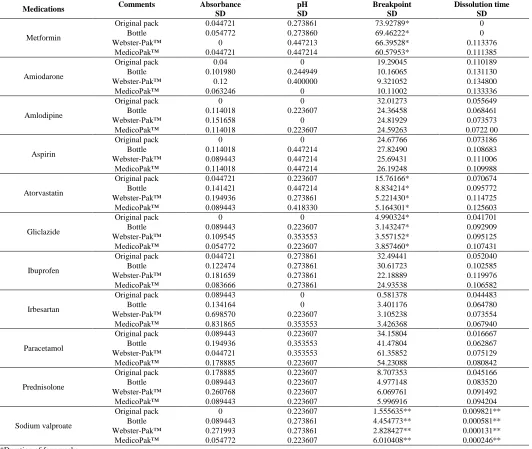
published product information for each of the 11 medications tested. Tables 7 to 10 contains results for all tested parameters.
Table 6: Standard: Physical characteristics.
Drug pH Break-point Dissolution
Amiodarone 4.0 114.2 3:02 sec
Amlodipine 5.5 95.6 0:36 sec
Aspirin 3.0 30.0 0:27 sec
Atorvastatin 7;0 184.0 6:32 sec
Gliclazide 5.5 146.5 2:38 sec
Ibuprofen 4.5 166.3 5:80 sec
Irbesartan 5.5 39.5 4:11 sec
Metformin 6.5 349.5 11:35 sec
Paracetamol 6:0 457.2 2:21 sec
Prednisolone 5.5 39.5 1:38 sec
Sodium Valproate 6.0 143.7 1:25:53 sec
Metformin
The largest changes in the API level were seen in the repackaged bottles for pH, major changes occurred in MedicoPak™ It was not possible to measure hardness (breakpoint) SD in metformin tablets beyond four weeks, as the tablets had become softened. After four weeks, major changes in breakpoint occurred in the original container. Changes were significant in original container after six months (SD= +101.9696). Dissolution time also changed from baseline, with significant changes in both Webster-Pak™ and MedicoPak™.
Amiodarone
Most changes in the API level and pH changes were in Webster-Pak™. The changes in break point in the original pack were more significant than in the repackaged samples were the dissolution time changes were significant but similar in both repacks and original pack.
Amlodipine
Most changes in the API level were seen in the Webster-Pak™. Changes in pH occurred only in MedicoPak™ and bottles. The changes in breakpoint for amlodipine were seen in all containers where the changes in the dissolution time were significant and slightly higher in Webster-Pak™ than all other containers.
Aspirin
Most changes in the API level and pH were seen in the repackaged bottles and not in the original containers. The changes in the breakpoint in original pack were less significant than in the repackaged samples. Dissolution time also changed from baseline; the changes in the original pack were less significant than in the repackaged samples.
Atorvastatin
Most changes in the API level were seen in the Webster-Pak where changes in the pH occurred in all containers. It was not possible to measure the breakpoint beyond four weeks as the tablets had softened. After the first four week, most changes in breakpoint occurred in original container after6 months it was also
significantly high in the original container. The changes in dissolution time in the original pack were less significant than that in the repackaged samples.
Gliclazide
The changes in gliclazide level and pH were most seen in the repacks when compared to the original containers. The changes in breakpoint were less significant in original bottle than that in the repackaged samples in the first four weeks. It was not possible to be measured in beyond four weeks, as the tablets softened, but after six months it was significantly high in original control (SD=7.460362). Dissolution time also changed from that measured at baseline; the changes in the original pack were less significant than in the repackaged samples.
Ibuprofen
Most changes in the API level were seen in the Webster-Pak™. The pH changes occurred in all repackaged samples when compared to original pack. The changes in breakpoint the original pack and in the repackaged samples were similar and significant. Dissolution time changes in the original pack were less significant than in the repackaged samples.
Irbesartan
Most changes in irbesartan stability during the six-month study period were seen in the MedicoPak™ where the changes in pH occurred mostly in MedicoPak™ and Webster-Pak™. The changes in breakpoint for irbesartan original pack were less significant than that in the repackaged samples. Dissolution time changes in the original pack were less significant than in the repackaged samples.
Paracetamol
The changes in paracetamol stability and pH after six-month study period were seen in all containers. While the tablets did not soften, they had high moisture content after Week 4 resulting in similar and significant changes in the breakpoint in all packs. Dissolution time changes in the original pack were less significant than in the repackaged samples.
Prednisolone
Most of the changes in prednisolone stability during the six-month study period were seen in the original pack and re-packed bottles. Similar significant changes for pH and breakpoint were significant and occurred in all containers. Dissolution time changes in the original pack were less significant than in the repackaged samples.
Sodium valproate
Dissolution time changes in the original pack were less significant than in the repackaged samples. Dissolution rate was not possible to be measure beyond two weeks as the tablets softened and disintegrated.
Microbiology investigation
As soon as the products were received from the supplier on Day 1, a sterile spreader was used to swab the inside and outside of the original container and the tablet surface, and then used to distribute the inoculum over the surface of already prepared culture plates. Two types of plates were used – nutrient agar plates for bacteria detection and Sabouraud Agar plates for fungus detection. An incubation period of 24 hours for nutrient agar plates and 72 hours for sabouraud agar plates was selected.
There was a bacterial growth detected on the paracetamol container, and on the metformin and sodium valproate original boxes. There was also some fungal growth detected on the amiodarone, gliclazide, metformin, paracetamol and prednisolone original containers.
After seven days in the temperature and humidity controlled chamber, the tablets and their containers were swabbed and cultured. There was bacterial growth detected on and in the paracetamol container and on the metformin and sodium valproate original packs. There was also some fungal growth detected on the amiodarone, gliclazide, metformin, paracetamol and prednisolone original containers. There was bacterial growth detected on and/or in the repackaged bottles for amiodarone, atorvastatin, metformin, paracetamol and sodium valproate. There was also fungal growth detected on the amiodarone, gliclazide, metformin, paracetamol and prednisolone repackaged bottles and on the ibuprofen tablet surface.
There was bacterial growth detected on and in the
Webster-Pak™ for paracetamol, amiodarone, atorvastatin,
irbesartan, metformin and sodium valproate, and there was also growth on the gliclazide tablet surface. There was fungal growth detected on the amiodarone, gliclazide, metformin, paracetamol and prednisolone Webster-Pak™ and on the ibuprofen and sodium valproate tablet surfaces. There was bacterial growth detected on and in the MedicoPak™ for amiodarone, atorvastatin, irbesartan, paracetamol, metformin and sodium valproate, and growth on the gliclazide tablet surface. There was also fungal growth detected on
the amiodarone, gliclazide, metformin and prednisolone
MedicoPak™ and on the ibuprofen and sodium valproate tablet surfaces.
After 14 days in the temperature and humidity controlled chamber the tablets and their containers were swabbed and cultured. There was bacterial growth detected on and in the paracetamol container and on the sodium valproate original packs. There was also some fungal growth detected on the amiodarone, gliclazide, metformin and paracetamol original containers. There was bacterial growth detected on and in the aspirin, irbesartan, paracetamol and sodium valproate repackaged bottles and on the amiodarone tablet surface. There was also fungal growth detected on the aspirin, irbesartan, paracetamol and prednisolone
repackaged bottles and on the amiodarone, gliclazide and sodium valproate tablet surfaces.
There was bacterial growth detected on and in the Webster-Pak™ for aspirin, paracetamol, amiodarone, gliclazide, irbesartan and sodium valproate, there was no growth on the tablet surfaces. There was also fungal growth detected on the amiodarone, aspirin, gliclazide, irbesartan, metformin and prednisolone Webster-Pak™ and on the amlodipine and paracetamol tablet surfaces. There was bacterial growth detected on and in the MedicoPak™ for amiodarone, aspirin, gliclazide, atorvastatin, irbesartan, paracetamol and sodium valproate, there was no growth on tablet surfaces. There was also fungal growth detected on the amlodipine, ibuprofen, metformin and prednisolone MedicoPak™ and on the sodium valproate tablet surfaces.
After 28 days in the temperature and humidity controlled chamber the tablets and their containers were swabbed and cultured. There was bacterial growth detected on and in the amiodarone, paracetamol, aspirin and sodium valproate original containers. There was also fungal growth detected on the amiodarone, amlodipine, atorvastatin, metformin and prednisolone original containers (control) and on the irbesartan tablet surface. There was bacterial growth detected on and in the amiodarone, aspirin, gliclazide, irbesartan, paracetamol and sodium valproate repackaged bottles. There was also fungal growth detected on the gliclazide and paracetamol repackaged bottles and on the amiodarone, aspirin, irbesartan and sodium valproate tablet surfaces. There was bacterial growth detected on and in the Webster-Pak™ for aspirin, amiodarone, gliclazide, ibuprofen, metformin, prednisolone and sodium valproate; there was no growth on the tablet surfaces. There was also fungal growth detected on the amiodarone, aspirin, gliclazide, ibuprofen, metformin and sodium valproate tablet surfaces and on the prednisolone Webster-Pak™. There was bacterial growth detected on and in the MedicoPak™ for amlodipine, aspirin, gliclazide, irbesartan, metformin, prednisolone and sodium valproate, there was no growth on tablet surfaces. There was also fungal growth detected on the amlodipine, aspirin, gliclazide, ibuprofen, metformin, prednisolone and sodium valproate packed in MedicoPak™ on the surface of the tablets.
prednisolone and sodium valproate, there was no growth on the tablet surfaces. There was also fungal growth detected on the aspirin, gliclazide, ibuprofen, metformin, prednisolone and sodium valproate packed in Webster-Pak™ on the surface of the tablets. There was bacterial growth detected on and in the MedicoPak™ for amlodipine, gliclazide, atorvastatin, metformin, prednisolone and sodium valproate; there was no growth on tablet surfaces. There was also fungal growth detected on the amiodarone, amlodipine, atorvastatin, gliclazide, ibuprofen, metformin, prednisolone and sodium valproate packed in MedicoPak™ on the surface of the tablets. After six months in the temperature and humidity controlled chamber the tablets and their containers were swabbed and cultured. There was bacterial growth detected on and/or in the amiodarone and amlodipine original containers. There was also fungal growth detected on the aspirin, gliclazide, paracetamol and prednisolone original containers. There was bacterial growth detected on and in the amlodipine, aspirin, ibuprofen, metformin, prednisolone and sodium valproate repackaged bottles, there was bacterial growth on irbesartan tablet surface. There was also fungal growth detected on the gliclazide and metformin on the bottle surface and there was fungal growth
on the amlodipine, atorvastatin, ibuprofen, metformin,
prednisolone and sodium valproate tablet surfaces in the repackaged bottles. There was bacterial growth detected on and in the Webster-Pak™ for aspirin, amlodipine, ibuprofen, metformin, prednisolone and sodium valproate, and there was bacterial growth on the irbesartan tablet surface. There was also fungal growth detected on the amlodipine, atorvastatin, ibuprofen, metformin, prednisolone and sodium valproate packed in Webster-Pak™ on the surface of the tablets and on the amlodipine and on the Webster-Pak™ for gliclazide and paracetamol. There was bacterial growth detected on and in the MedicoPak™ for metformin, paracetamol and sodium valproate; there was no growth on tablet surfaces. There was also fungal growth detected on the
amiodarone, metformin, paracetamol and prednisolone
MedicoPak™ outside surface.
DISCUSSION
The findings from this study can be used as a baseline for further investigations. This study was carried out on frequently prescribed medicines in immediate (traditional) release tablet formulations that are used for cardiovascular diseases, diabetes, arthritis and respiratory conditions such as COPD (chronic obstructive pulmonary disease) or asthma. The 11 medicines chosen were aspirin, paracetamol, metformin, atorvastatin, irbesartan, amlodipine, amiodarone, gliclazide, ibuprofen and prednisolone.
Active pharmaceutical ingredient stability and physical changes
The WHO guidelines of 1998recommend that the storage labeling statement should be: Store at 25 °C; excursions permitted to 15–30 °C (42). If storage remains within the manufacturer’s recommended range, the proposed shelf life can be maintained.
This study investigated the stability of pharmaceuticals stored in a tropical environment where heat and humidity exceeds that described by manufacturers, and in many occasions room temperature exceeds 30°C, especially in the housing of lower socioeconomic patients where air-conditioning is not available. Additionally, when medication is exposed to these conditions (heat and humidity) and in many cases, directly exposed to the sun, soil or rain (if the patient is homeless or living outdoors) can also compromise the physical characteristics of the tablets.
The study tested the stability of the medications through quantifying the amount of API after exposure to heat and humidity from seven days to 24 weeks. The study also measured any change in appearance, dissolution and disintegration of the medications in both the manufacturer’s original container and in the repackaged DAAs or bottles. Although there are few studies on the stability and therefore the efficacy and safety of medicines during packing and storage, and consequently little data, this study provides new evidence of the stability of enteric coated sodium valproate when repackaged in DAAs. It is important however, that DAAs are stored in a cool, dry place protected from light, for example inside lockable chambers. Monitoring the integrity of DAAs throughout the usage period is recommended, since DAAs may be subjected to a reasonable amount of handling, inadequate sealing due to change in the glue effectiveness in the hot and humid environment and accidental puncture of the blister seals, which may further increase the possibility of the exposure to intensive levels of heat and humidity that exceeds the manufacturer’s recommendations.
Baseline testing indicated that the starting product met all
parameters as indicated in the drug product information and the Pharmaceopeial limits. The current literature on the effect of temperature on hardness of organic materials indicates that an increase in temperature affects the sucrose used in coating tablets. The effect on coating was found to reduce the indentation hardness of the tablets (Olusanmi, 2010). The increase in temperature and humidity may also increase the permeability of the PVC bottles or sheets used to make the blister packs which can also affect the tablet hardness due to moisture absorption (Olusanmi, 2010). The increase in hardness due to loss of moisture is further accelerated at temperatures greater than room temperature (Olusanmi, 2010).
16 weeks) and tested at two, four, eight, 12 and 16 weeks, where in this study fixed temperature and RH (30°C/80% RH) were used and stability and physical characteristics of tablets were tested at intervals of one, two, and four weeks, then after three and six months in four different packaging materials. Hosny (1999) measured tablet weight, which was not measured in this current study (Olusanmi, 2010).
Hosny (1999) found that the tablet’s mean weight significantly increased at 30°C/98% RH, when compared to 40°C/79.3% RH, and 50°C/65% RH, and proportional hardness was reduced – becoming zero at 30°C/98% RH and 92.9% RH, which corresponds to the results from this current study at three-month and six-three-month testing. All 11 tested medications underwent changes (reduction) in hardness in their original containers, except aspirin and paracetamol that remained unchanged. In the repackaged bottles, Webster-Pak™ and MedicoPak™, aspirin and paracetamol remained the same, while amiodarone, amlodipine, ibuprofen, irbesartan and prednisolone reduced, and atorvastatin, gliclazide, metformin and sodium valproate became zero.
The API amount measured at baseline remained unchanged for gliclazide and metformin, with a changed SD of
between 0.070 (amlodipine) and 0.636 in atorvastatin (Table 7) in all containers. The pH also changed from baseline to six months, with the most significant change seen in metformin; however, there were no other studies found to compare this finding to (Table 8). Hosny (1999) found that tablets stored at 30°C with 98% and 92% RH showed an increase in disintegration time (Hosny, 1999). The moisture uptake resulted in an increase in tablet weight, a decrease in tablet hardness and faster tablet dissolution rate (Hosny, 1999). The results for the repackaged containers were similar to the results of this current study, where amiodarone had the most significant change. No changes to tablet appearance were seen during the first 28 days. In week four; sodium valproate became soft and disintegrated in almost all repackaged containers. Table 9 shows the disintegrated tablets in a Webster-Pak™. By the third month, samples of atorvastatin, gliclazide and metformin also were disintegrated. The results are comparable to that of Hosny (1999). These research findings highlight the need for storing DAAs in controlled environments for those patients living in hot and humid climates. Healthcare professionals can play an important role in advising patients, caregivers and other members of the healthcare team on the stability of medications and the importance of packaging, storing and using them correctly.
Table 7: Change in active pharmaceutical ingredient absorbance from baseline to six months.
Drug Absorbance at baseline Absorbance at six months SD
Amiodarone 1.9 1.7 0.141421
Amlodipine 1.6 1.5 0.070711
Aspirin 1.9 1.4 0.353553
Atorvastatin 4.6 3.7 0.636396
Gliclazide 3.5 3.5 0
Ibuprofen 1.8 1.6 0.141421
Irbesartan 5.5 5.3 0.141421
Metformin 3.6 3.6 0
Paracetamol 4.4 3.6 0.565685
Prednisolone 3.38 3.7 0.226274
Sodium Valproate 4.2 4.0 0.141421
Table 8: Change in pH from baseline to six months.
Drug Baseline Original Bottle Webster-Pak™ Medico-Pak™ SD
Amiodarone 40 4.5 5.0 5.0 4.5 0.41833
Amlodipine 5.5 5.0 5.5 5.5 5.0 0.2738613
Aspirin 3.0 4.0 4.0 4.0 4.0 0.4472136
Atorvastatin 7.0 6.0 6.5 6.5 6.0 0.41833
Gliclazide 5.5 5.5 6.0 6.0 5.5 0.2738613
Ibuprofen 4.5 5.0 5.0 5.0 5.0 0.2236068
Irbesartan 5.5 5.5 6.0 6.0 6.0 0.2738613
Metformin 6.5 6.5 5.5 5.5 5.5 0.5477226
Paracetamol 6.0 6.5 6.5 6.5 6.0 0.2738613
Prednisolone 5.5 5.5 6.0 6.0 6.0 0.2738613
Sodium Valproate 6.0 6.5 6.5 6.5 6.0 0.2738613
Table 9: Dissolution time from baseline to six months.
Drug Baseline Original Bottle Webster-Pak™ (sec) Medico-Pak™ (sec) SD
Amiodarone 3:02 7:54 8:34 8:44 8:44 0.102558889
Amlodipine 0:36 3:35 3:44 3:54 3:54 0.059494884
Aspirin 0:27 4:05 5:23 5:43 5:43 0.093291575
Atorvastatin 6.:32 10:09 10:25 10:35 11:05 0.016369849
Gliclazide 2:38 4:34 7:04 6:54 7:45 0.088791179
Ibuprofen 5:08 7:43 9:56 11:08 9:05 0.095985437
Irbesartan 4:11 6:19 6:35 6:40 6:08 0.042697322
Metformin 11:35 15:03 14:35 14:45 14:45 0.060039532
Paracetamol 2:21 3:09 5:20 5:28 5:45 0.0645359
Prednisolone 1:38 3:48 5:32 5:35 5:43 0.073416606
Microbiology investigation
Akerele et al. (2002) concluded that on microbiological
examination of tablets dispensed from large containers in hospitals and community pharmacies there was growth of both aerobic bacteria and fungi detected (Gunar, 2011). The aerobic organisms were mainly Bacillus species and Streptococci (Akerele and Ukoh, 2011).
The frequent occurrence of enterobacteria among ascorbic acid and folic tablets from hospital and community pharmacies were compared (Akerele and Ukoh, 2011). Among the
fungi encountered with the tablets were Microsporum spp,
Penicillium spp, Trichophyton, Aspergillus, Cephalosporium and
Epidermophyton (Akerele and Ukoh, 2011). In this current study, there was contamination by microorganisms in both the original
and repackaged containers. However, after one week, growth was found on both the outer and inner surface of all containers, including the original pack. Growth on the surface of the tablets was not consistent, and might have been related to the packing of that container rather than the batch. In Week 2 there was bacterial growth on the amiodarone tablet surface, but it was not found again. Similarly, bacterial growth was found for gliclazide in Week 1, and sodium valproate and irbesartan in month 6. Occurrences of bacterial growth were apparent in all types of packaging used for re-packaging. Fungal growth was different; it was seen on and in all repackaged containers, and on the surface of all tablets from Week 4 to Month 6, which further indicates the greater effect of humidity and temperature together, rather than humidity alone.
Table 10: Changes after 6 months in the controlled temperature and humidity cabinet (unless otherwise specified).
Medications Comments Absorbance
SD
pH SD
Breakpoint SD
Dissolution time SD
Metformin
Original pack 0.044721 0.273861 73.92789* 0
Bottle 0.054772 0.273860 69.46222* 0
Webster-Pak™ 0 0.447213 66.39528* 0.113376
MedicoPak™ 0.044721 0.447214 60.57953* 0.111385
Amiodarone
Original pack 0.04 0 19.29045 0.110189
Bottle 0.101980 0.244949 10.16065 0.131130
Webster-Pak™ 0.12 0.400000 9.321052 0.134800
MedicoPak™ 0.063246 0 10.11002 0.133336
Amlodipine
Original pack 0 0 32.01273 0.055649
Bottle 0.114018 0.223607 24.36458 0.068461
Webster-Pak™ 0.151658 0 24.81929 0.073573
MedicoPak™ 0.114018 0.223607 24.59263 0.0722 00
Aspirin
Original pack 0 0 24.67766 0.073186
Bottle 0.114018 0.447214 27.82490 0.108683
Webster-Pak™ 0.089443 0.447214 25.69431 0.111006
MedicoPak™ 0.114018 0.447214 26.19248 0.109988
Atorvastatin
Original pack 0.044721 0.223607 15.76166* 0.070674
Bottle 0.141421 0.447214 8.834214* 0.095772
Webster-Pak™ 0.194936 0.273861 5.221430* 0.114725
MedicoPak™ 0.089443 0.418330 5.164301* 0.125603
Gliclazide
Original pack 0 0 4.990324* 0.041701
Bottle 0.089443 0.223607 3.143247* 0.092909
Webster-Pak™ 0.109545 0.353553 3.557152* 0.095125
MedicoPak™ 0.054772 0.223607 3.857460* 0.107431
Ibuprofen
Original pack 0.044721 0.273861 32.49441 0.052040
Bottle 0.122474 0.273861 30.61723 0.102585
Webster-Pak™ 0.181659 0.273861 22.18889 0.119976
MedicoPak™ 0.083666 0.273861 24.93538 0.106582
Irbesartan
Original pack 0.089443 0 0.581378 0.044483
Bottle 0.134164 0 3.401176 0.064780
Webster-Pak™ 0.698570 0.223607 3.105238 0.073554
MedicoPak™ 0.831865 0.353553 3.426368 0.067940
Paracetamol
Original pack 0.089443 0.223607 34.15804 0.016667
Bottle 0.194936 0.353553 41.47804 0.062867
Webster-Pak™ 0.044721 0.353553 61.35852 0.075129
MedicoPak™ 0.178885 0.223607 54.23088 0.080842
Prednisolone
Original pack 0.178885 0.223607 8.707353 0.045166
Bottle 0.089443 0.223607 4.977148 0.083520
Webster-Pak™ 0.260768 0.223607 6.069761 0.091492
MedicoPak™ 0.089443 0.223607 5.996916 0.094204
Sodium valproate
Original pack 0 0.223607 1.555635** 0.009821**
Bottle 0.089443 0.273861 4.454773** 0.000581**
Webster-Pak™ 0.271993 0.273861 2.828427** 0.000131**
MedicoPak™ 0.054772 0.223607 6.010408** 0.000246**
Limitations
Due to the short time of the master by research candidature,
there were some limitations imposed on the methodology:
A small sample of medications was used to reduce the cost
(n=11).
There was one set of temperature and RH used (30◦C/80% RH)
instead of different combinations of temperature and RH at the set time of testing to replicate previous studies (Hosny, 1999).
The study did not include capsules or other specialized release
tablets such as sublingual or wafers.
This preliminary study has demonstrated that products stored in
tropical conditions changed in their characteristics and also gained microbial contamination during the processing. Further research is required to fully characterize the problem.
CONCLUSION
Re-packaging and re-labeling of medications are currently common practice for patients on discharge from hospital, or for those taking multiple medications that require management to avoid patient confusion, often by re-packaging into a DAA. Additionally, re-packaging and re-labeling is common practice for dispensing all prescriptions in countries where bulk medication containers are used. This practice personalize medication for individual patients.
This study contributes meaningful data to current practice. The process for determining stability (chemical and physical) of pharmaceuticals outside the manufacture container is complex because of the various factors that influence the stability of pharmaceutical products. However, it is an important area for further research because medication should treat a medical condition, not create a new problem.
Financial support and sponsorship: Nil.
Conflict of Interests: There are no conflicts of interest.
REFERENCES
Akerele JO, Ukoh GC. Aspects of microbial contamination of tablets dispensed in hospitals and community pharmacies in Benin City, Nigeria. Trop J Pharmaceut Res, 2011; 1(1):23-28.
Bureau of Meteorology. Average annual & monthly maximum, minimum, & mean temperature. Available at: http://www.bom.gov.au/jsp/ncc/climate_averages/temperature/index.jsp
Bentley J, Heard K, Collins G, Chung C. Mixing medicines: how to ensure patient safety. Pharm J, 2015;DOI: 10.1211/PJ.2015.20068289.
British Pharmacopoeia. 2008. Efficacy of antimicrobial preservation. British Pharmacopoeia, volume IV, appendix XVI C. Ph. Eur. General Text 5.1.3.[ONLINE] Available at: http://www.uspbpep.com/bp2008/data/842.asp. [Accessed 09 May 2017].
Bott RF, Oliveira WP. Storage conditions for stability testing of pharmaceuticals in hot and humid regions. Drug DevelInd Pharm, 2007; 33(4):393-401.
Charde MS, Shinde MM, Welankiwar AS, Jitendra K. Development of analytical and stability testing method for vitamin-A palmitate formulation. Int J PharmaceutChem, 2014; 4(1):39-51.
Department of Health and Human Services US Food and Drug Administration.2004. Pharmaceutical CGMPs for the 21st century — a
risk-based approach: final report. [ONLINE] Available at: https://www.fda.gov/downloads/drugs/developmentapprovalprocess/manu facturing/questionsandanswersoncurrentgoodmanufacturingpracticescgmp fordrugs/ucm176374.pdf. [Accessed 09 May 2017].
Edirisinghe S, Raimi-Abraham BT, Gilmartin JF-M, Orlu-Gul M. Multi-compartment compliance aids (MCAs): Application to the geriatric community. EurGeriatr Med, 2014; 6(1):65-68.
Feng X, Ye X, Park JB, Lu W, Morott J, Beissner B, Lian ZJ, Pinto E, Bi V, Porter S,Durig T,Majumdar S,Repka MA.Evaluation of the recrystallization kinetics of hot-melt extruded polymeric solid dispersions using an improved Avrami equation, Drug Dev IndPharm, 2014; 41(9):1479-1487.
Feng X, Vo A, Patil H, Tiwari RV, Alshetaili AS, Pimparade MB, Repka MA. The effects of polymer carrier, hot melt extrusion process and downstream processing parameters on the moisture sorption properties of amorphous solid dispersions. J Pharm Pharmacol, 2016; 68(5):692–704. Grimm W. Extension of the International Council for Harmonisation Tripartite Guideline for Stability Testing of New Drug Substances and Products to countries of Climatic zones III and IV. Drug Dev Ind Pharm, 1998;24(4):313-325.
Gunar OV. Aspects of investigating microflora contamination of drugs (a review). PharmaceutChem J, 2011; 45(2):93-102.
Hosny EA. Study of accelerated storage conditions affecting physical characteristics, in-vitro dissolution and stability of bioadhesive containing tablets. B ChimFarmaceut, 1999; 138(6):243-248.
International Council for Harmonisation Expert Working Group. 2009. Guidance for industry Q10 pharmaceutical quality system. U.S. Department of Health and Human Services Food and Drug
Administration. [ONLINE] Available at:
https://www.fda.gov/downloads/Drugs/.../Guidances/ucm073517.pdf. [Accessed 09 May 2017].
Liu X, Lu M, Guo Z, Huang L, Feng X, Wu C. Improving the chemical stability of amorphous solid dispersion with co-crystal technique by hot melt extrusion, Pharmaceut Res, 2011; 29(3): 806-817.
NiDirect Government Services. 2017. Disabled people’s rights
in everyday life. [ONLINE] Avilable at:
https://www.nidirect.gov.uk/articles/disabled-peoples-rights-everyday-life. [Accessed 09 May 2017].
Okunlola A, Adewoyin BA, Odeku OA. Evaluation of pharmaceutical and microbial qualities of some herbal medicinal products in south western Nigeria. Trop J Pharmaceut Res, 2007; (6)1:661-70.
Olusanmi CW, Ghadiri M, Ding Y, Roberts KJ. Effect of temperature and humidity on the breakage behaviour of aspirin and sucrose particles. Powder Technol, 2010; 201(3):248–252.
Pilchik R. Pharmaceutical blister packaging, part I: Rationale and materials. PharmaceutTechnol, 2000a; 24(11):68-78.
Pilchik R. Pharmaceutical blister packaging, part II: Machinery and assembly. PharmaceutTechnol, 2000b; 24(12):56-60.
World Health Organization. 2003. The international pharmacopoeia, vol. 5. Tests and general requirements for dosage forms; Quality specifications for pharmaceutical substances and tablets. 3rd ed.
[ONLINE] Available at:
https://pharmafed.files.wordpress.com/2013/04/international-pharmacopia.pdf. [Accessed 09 May 2017].
Zadbuke N, Shahi S, Gulecha B, Padalkar A, Thube M. Recent trends and future of pharmaceutical packaging technology. J Pharm Bioallied Sci, 2013; 5(2):98-110.
How to cite this article: