IMPROVING MEN’S HEALTH THROUGH WEIGHT CONTROL: RANDOMIZED TRIALS TESTING RECRUITMENT MESSAGING AND A NOVEL WEIGHT LOSS
INTERVENTION
Melissa M. Crane
A dissertation submitted to the faculty at the University of North Carolina at Chapel Hill in partial fulfillment of the requirements for the degree of Doctor of Philosophy in the
Department of Health Behavior in the Gillings School of Global Public Health.
Chapel Hill 2015
Approved by:
Deborah F. Tate
J. Michael Bowling
Lesley D. Lutes
ABSTRACT
Melissa M. Crane: Improving Men’s Health through Weight Control: Randomized Trials Testing Recruitment Messaging and a Novel Weight Loss Intervention
(Under the direction of Deborah F. Tate)
The combined prevalence of overweight and obesity is greater among men than
women in the United States but men are less likely to participate in behavioral weight control
interventions. This dissertation tested ways to increase men’s involvement with such
programs so that they can improve their health through weight management. Aim One tested
targeted recruitment messages to increase men’s recruitment to a study of weight gain
prevention. Young-adult households (n=30,000) were randomized to receive either a generic
or a male-targeted recruitment postcard. The number of male respondents was similar across
mailings (p=0.30); however a greater proportion of the total respondents to the targeted card
were men (36.8% versus 19.1%; p=0.07). In Aim Two, a novel weight loss intervention was
developed that incorporated men’s preferences for weight loss with evidenced-based
strategies. The program was designed to appeal to men by increasing autonomy and using a
unique approach to calorie reduction. Men (N=107) were randomized to an immediate
intervention group or a wait list control: 90.6% of those randomized provided data at the
six-month assessment. The intervention was delivered via two face-to-face sessions followed by
weekly Internet contact (tailored feedback and participant lesson selection) through three
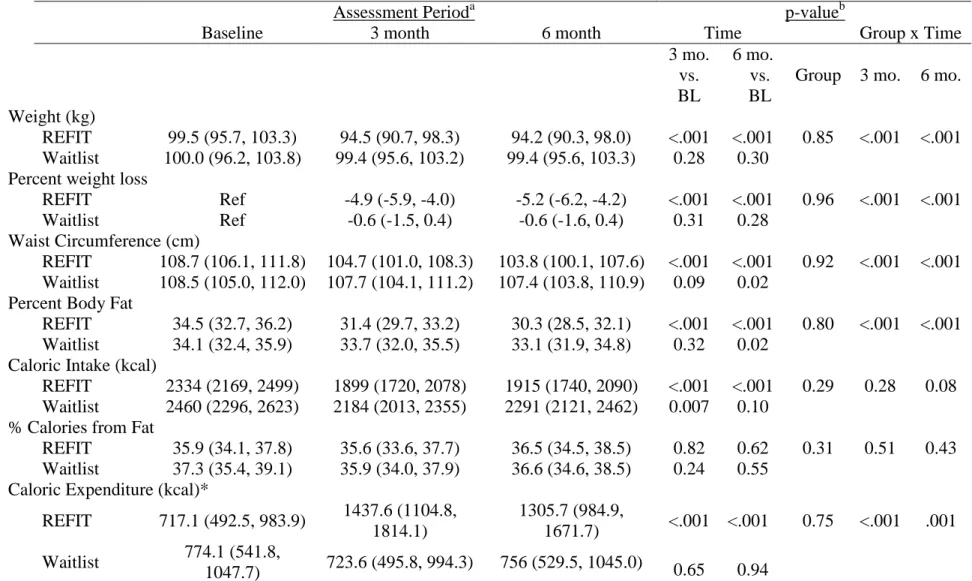
lost significantly more weight than the waitlist group (5.6 kg vs. 0.6 kg, p<0.001) at six
months. Greater reductions in percent weight loss, waist circumference, and body fat were
also observed in the intervention group compared to the control group (all p’s<0.001).
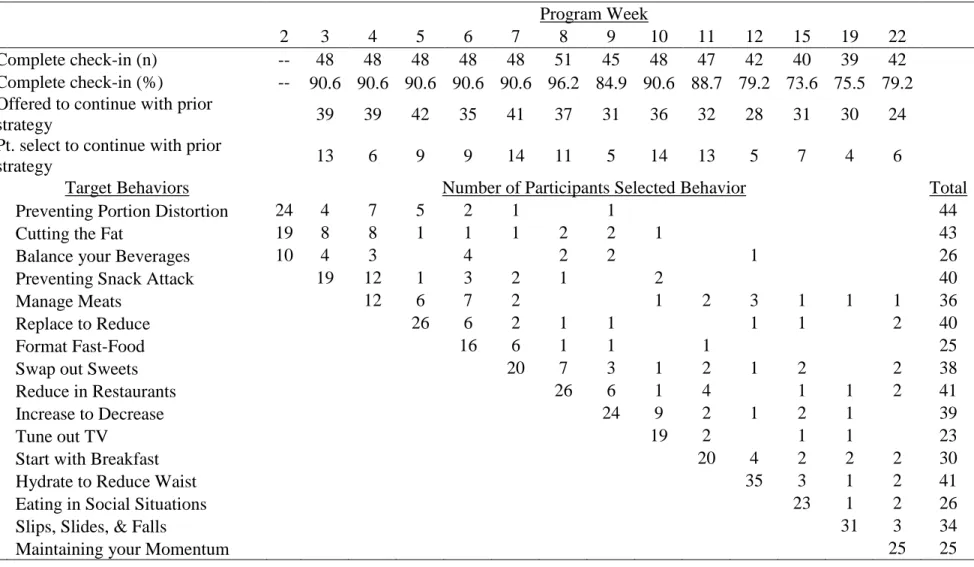
Participants completed an average of 11.2 (SD=2.7) of 13 online contacts. Aim Three tested
whether changes in theoretical constructs and behaviors mediated the intervention effect on
weight loss at six months. Changes in autonomous motivation, efficacy, and
self-regulation for diet; caloric intake; and frequency of daily self-weighing mediated the
intervention effect on weight loss. This collection of studies contributes to the growing
literature focused on men’s weight loss by providing evidence for using targeted messages to
recruit men and by testing a novel approach to weight control that holds promise as an
ACKNOWLEDGEMENTS
This work would not have been possible without the guidance and support of so many
people. First, I thank my advisor and chair, Dr. Deborah Tate, for all of her guidance, input,
expertise, and most of all for her moral support. Her generous guidance helped me take this
project from an idea into a reality. I am also grateful for the constructive feedback and
guidance provided by my committee: Dr. Dianne Ward, Dr. Lesley Lutes, Dr. Mike Bowling,
and Dr. Kurt Ribisl.
I gratefully acknowledge the organizations that provided the financial support for this
project: the Cancer Control Education Program Predoctoral Fellowship provided by the
Lineberger Comprehensive Cancer Center and the Dissertation Completion Fellowship
provided by The Graduate School at UNC. I sincerely thank Dr. Michael O’Malley for his
mentorship while I was a CCEP fellow and for his guidance since.
I am immensely grateful for all of the wonderful people who have been mentors to
me as an undergraduate and master’s student, and who encouraged, supported, and helped me
to grow as a researcher as I pursued my graduate education. Without the wonderful
mentorship I received, I would not have known I could take on a project of this magnitude.
Thank you to Dr. Cathy Grover, Dr. Ken Weaver, Dr. Amy Gorin, and Dr. Rena Wing.
I am indebted to the team at UNC Weight Research for all of their assistance with this
project. From feedback on papers, lessons, and presentations, to staying in the office with me
Carmina Valle, Karen Hatley, Rachel Bordogna, Loneke Blackman, Candice Alick, Kristen
Polzien, and Molly Diamond. I am sincerely grateful for my volunteer research assistants
Marcus Layer and Lam Chau.
Finally, I thank my friends and family who have supported me throughout this long
and challenging process: their love and support made it possible for me to complete this
project. I want to especially thank my mother and sister (Tessa) who provided wonderful and
much needed support through phone calls when I needed them most. Finally, I give my
sincere gratitude to Stephen Garrett- my partner in adventure and resident copy editor- who
read endless drafts and encouraged me throughout this process. Without his love and humor,
TABLE OF CONTENTS
LIST OF TABLES ... x
LIST OF FIGURES ... xi
LIST OF ABBREVIATIONS ... xii
CHAPTER 1: INTRODUCTION ... 1
Overview ... 1
Dissertation Aims... 2
CHAPTER 2: BACKGROUND AND LITERATURE REVIEW ... 4
Obesity as a Public Health Problem... 4
Behavioral Treatment for Obesity ... 6
Behavioral Interventions Delivered via Technology ... 10
Gender in Behavioral Treatment of Obesity ... 12
Gender Differences in Weight Related Beliefs and Behaviors ... 16
Men’s Perceptions of Weight Loss and Preferences for Treatment ... 20
Weight Loss Programs for Men ... 24
Summary ... 29
CHAPTER 3: THEORETICAL FRAMEWORK, RATIONALE, AND METHODS OF THE REFIT STUDY ... 30
Theoretical Framework and Conceptual Model ... 30
Study Methods and Intervention Description ... 41
Data Collection Procedures and Measures ... 48
Sample Size and Analysis ... 53
CHAPTER 4: RECRUITMENT OF YOUNG ADULTS FOR WEIGHT GAIN PREVENTION: RANDOMIZED COMPARISON OF DIRECT MAIL STRATEGIES ... 59
Overview ... 59
Background ... 60
Main Study Methods ... 65
Study One... 67
Study Two ... 69
Discussion ... 71
CHAPTER 5: A RANDOMIZED TRIAL TESTING THE EFFICACY OF A NOVEL APPROACH FOR WEIGHT LOSS AMONG OVERWEIGHT AND OBESE MEN ... 79
Overview ... 79
Background ... 80
Methods... 83
Results ... 93
Discussion ... 96
CHAPTER 6: ANALYSIS OF THE THEORETICAL AND BEHAVIORAL MEDIATORS OF A WEIGHT LOSS INTERVENTION FOR MEN ... 110
Overview ... 110
Background ... 111
Results ... 120
Discussion ... 123
CHAPTER 7: SYNTHESIS AND DISCUSSION ... 135
Summary of Findings ... 135
Implications of Findings ... 148
Recommendations ... 150
Conclusion ... 153
APPENDIX A: EXAMPLE LESSON ... 155
APPENDIX B: SELF-MONITORING CHECKLIST FORM ... 158
APPENDIX C: RECRUITMENT FLYERS ... 160
APPENDIX D: EXAMPLE FEEDBACK AND ONLINE CHECK-IN ... 162
APPENDIX E: TEXT FROM BASELINE ELECTRONIC QUESTIONNAIRES ... 169
APPENDIX F: PROGRAM EVALUATION QUESTIONNAIRES ... 200
APPENDIX G: UNADJUSTED DATA ANALYSIS ... 210
LIST OF TABLES
Table
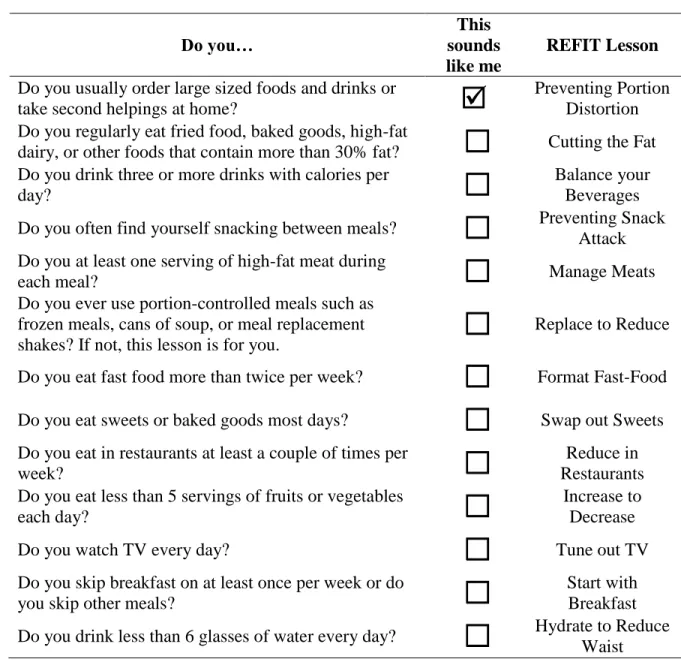
3.1. REFIT Lesson Titles and Behavior Descriptors ... 55
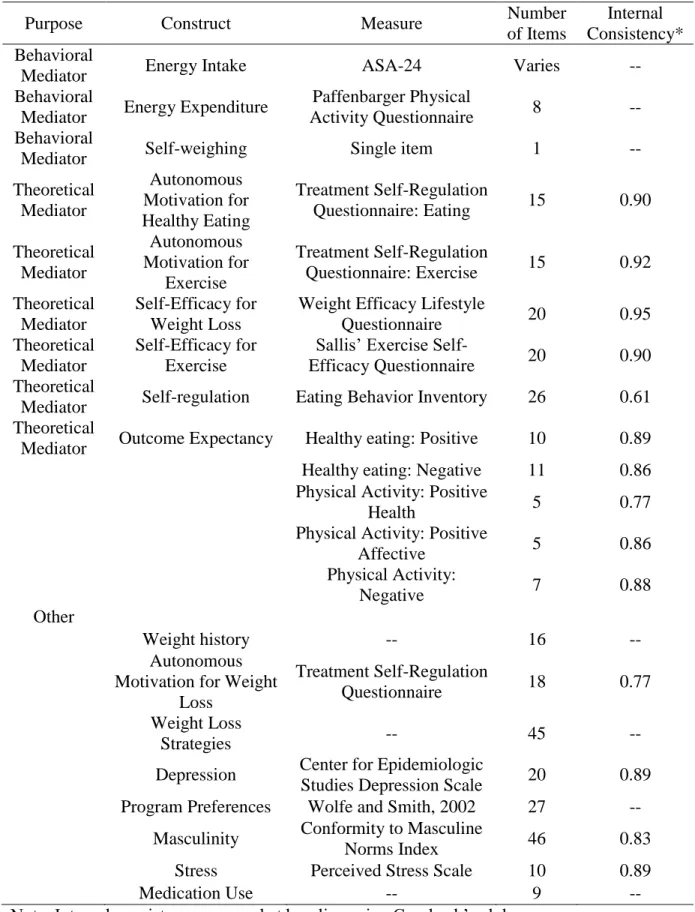
3.2. Description of Self-Report Measures for REFIT Study ... 56
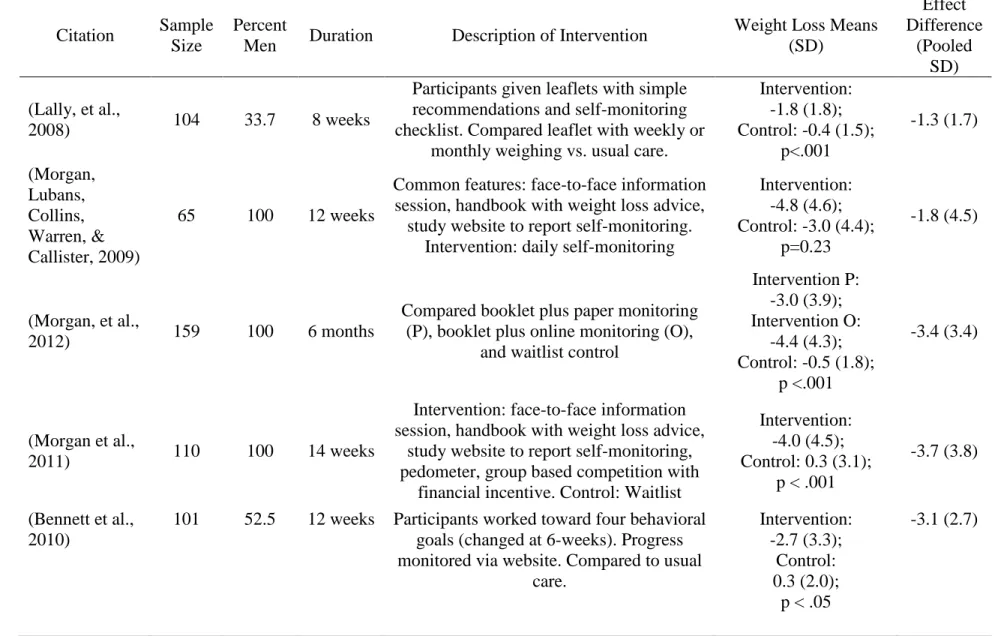
3.3. Studies used for Effect Size Estimates... 57
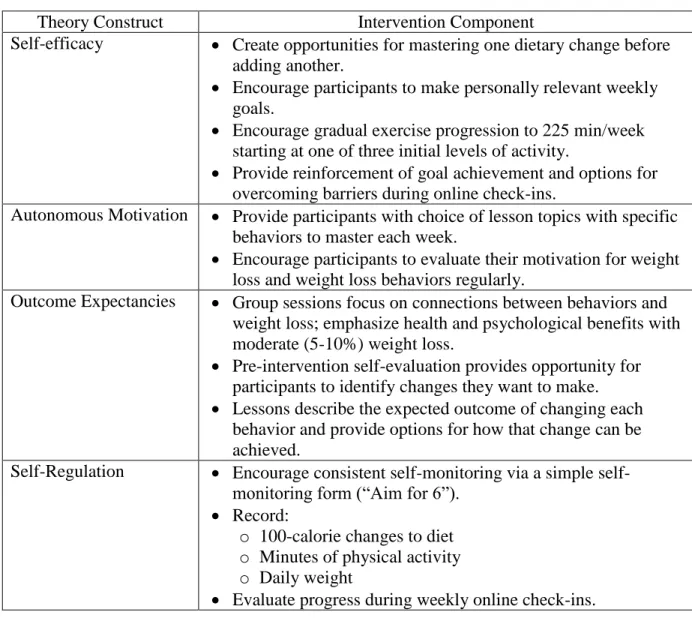
5.1. Intervention Components and Theory Constructs ... 104
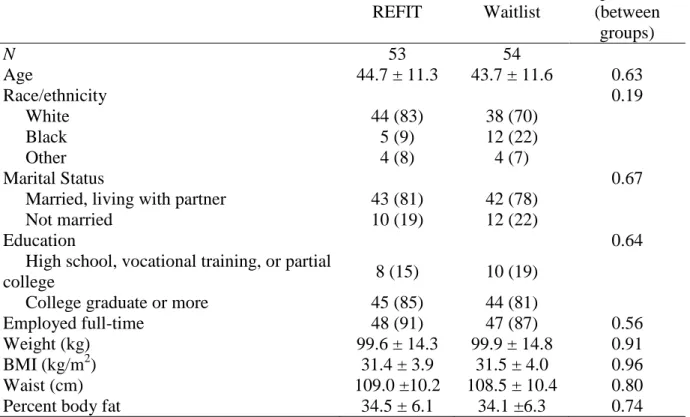
5.2. Baseline Sample Characteristics ... 105
5.3. Weight, Body Composition, and Behavior Outcomes by Treatment Group ... 106
5.4. Check-in Completion Rates, Target Behaviors, and Participant Selections ... 107
6.1. Observed Means by Treatment Group and Time ... 129
6.2. Simple Mediation Analyses with Weight Outcome ... 130
6.3. Simple Mediation Analyses with Diet and Physical Activity Outcomes ... 131
LIST OF FIGURES
Figure
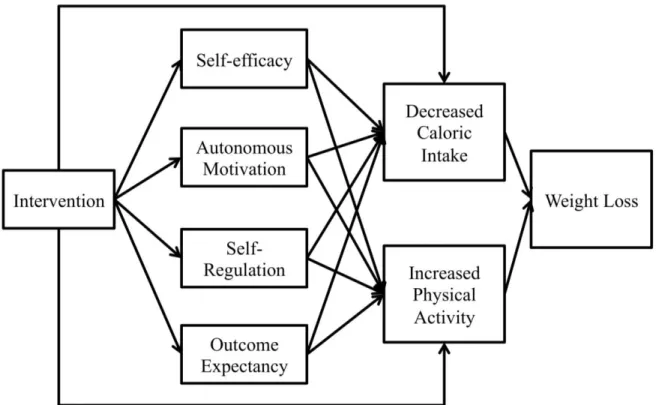
3.1. Conceptual model of the REFIT intervention ... 58
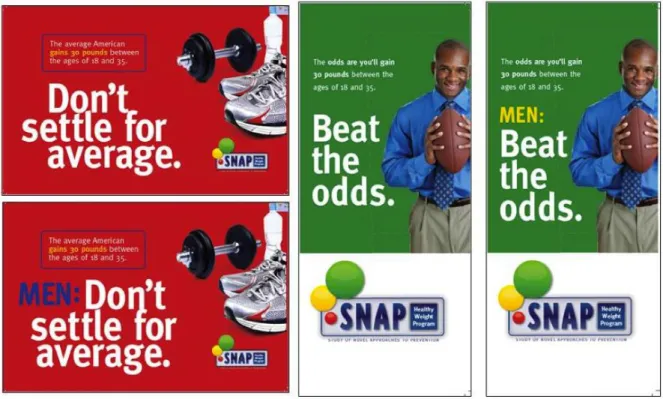
4.1. Direct mail recruitment materials ... 77
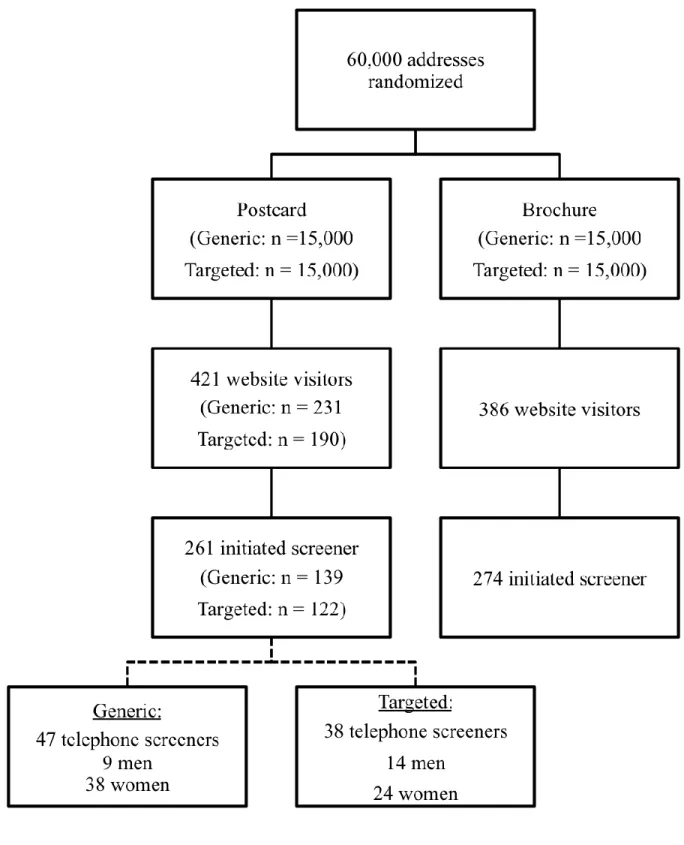
4.2. Website visits and screening rates by message and mailing type ... 78
5.1. Participant flow ... 108
5.2. Weight loss by group and time ... 109
6.1. Conceptual model of the REFIT intervention ... 133
LIST OF ABBREVIATIONS
ASA-24 Automated Self-Administered 24-Hour Recall
BMI Body mass index
CI Confidence interval
ELM Elaboration likelihood model
KG kilogram
KG/M2 kilograms per meter-squared
MVPA Moderate to vigorous physical activity
SCT Social cognitive theory
SDT Self-determination theory
SE Standard error
SHED-IT Self-Help, Exercise, and Diet using Technology
SMART Specific, measurable, attainable, reward, and time-bound
SNAP Study of Novel Approaches to Prevention
CHAPTER 1: INTRODUCTION
Overview
Obesity is one of the greatest threats to modern public health. It is associated with
negative physical and mental health outcomes as well as increased healthcare expenditures.
In the United States, men have consistently been more likely than women to be overweight
and, conversely, women have been more likely to be obese. However, this situation is
changing: over the past decade, the prevalence of obesity has increased among men while it
has stabilized among women. For the first time, men and women have near equal rates of
obesity; approximately 35.7% of American adults are classified as obese. Meanwhile, the
prevalence of overweight continues to be higher among men than among women.
Behavioral interventions for obesity have reliably produced weight losses of
approximately 5-10% of initial body weight. Weight losses of this magnitude have been
associated with decreased risk for type 2 diabetes, reduced blood pressure, and improvement
in mental health outcomes among other benefits. Unfortunately, men do not take advantage
of such programs. Across multiple reviews, men make up approximately 27% of study
samples. This has led to accrual of little information about how to enroll men in weight loss
programs and how to create programs that appeal to men while still being effective. In order
to combat increased obesity in men and help them to reduce or avoid the negative
consequences of obesity, it is important to help overweight and obese men change their
There are two major hypotheses for why men are not participating in weight control
programs. The first is that the messages recruiting or advertising for weight control programs
are not being received and processed by men. A second hypothesis is that the programs that
are currently available are not aligned with their preferences for weight control. Therefore,
the purpose of this research project is to test how modifying the messages used for
recruitment and the type of program can be used to help more men benefit from behavioral
weight control.
Dissertation Aims
This was a two-phase project with the following specific aims:
Phase One: Randomized comparison of recruitment messages conducted during recruitment
for the Study of Novel Approaches to Prevention (SNAP) randomized controlled trial.
Aim One: Determine whether modifying recruitment materials will influence
recruitment of men for a study of weight gain prevention.
1a. Test whether using recruitment postcards or brochures will yield the
greatest response to recruitment materials.
1b. Test whether using targeted recruitment messages will increase men’s
response to recruitment materials.
Phase Two: Randomized controlled trial to determine the efficacy of a novel behavioral
weight loss intervention for men delivered primarily online that focused on increasing
autonomy and achieving weight loss through diet and exercise modification with minimal
lifestyle disruption.
Aim Two: Determine the effects of an autonomy focused behavioral weight loss
circumference, percent body fat, percent weight change, caloric intake, and leisure time
physical activity) as compared to a waitlist control group at six months.
Aim Three: Test whether proposed theoretical and behavioral intervention targets
CHAPTER 2: BACKGROUND AND LITERATURE REVIEW
Obesity as a Public Health Problem
In the United States, 68.8% of adults are overweight (body mass index (BMI) 25-29.9
kg/m2) or obese (BMI ≥ 30 kg/m2; Flegal, Carroll, Kit, & Ogden, 2012)). The prevalence of overweight and obesity have increased dramatically since 1960 when approximately 43.3%
of adults were overweight or obese (Flegal, Carroll, Kuczmarski, & Johnson, 1998). In the
past decade, the prevalence of obesity in men has continued to rise (from 27.5% in 1999 to
35.5% in 2010) while the prevalence in women has generally remained the same (33.4% in
1999 and 35.8 in 2010; Flegal, et al., 2012). The impact of obesity on public health is
far-reaching with effects seen on physical health, mental health, disability, and mortality.
Obesity is associated with increased risk for a variety of cardiovascular problems
including hypertension, hyperlipidemia, and stroke (Field et al., 2001). Additionally, type 2
diabetes is comorbid with overweight and obesity and as average body weights have
increased in the U.S., so has the prevalence of diabetes (Wilson et al., 2007). It is estimated
that the number of Americans with diabetes will increase from the current 11 million cases to
29 million by 2050, should obesity rates continue to increase as projected (Boyle et al.,
2001). Excess body weight has also been associated with increased risk for cancers including
colon and rectal cancers, kidney cancer, and post-menopausal breast cancer (Calle,
Rodriguez, Walker-Thurmond, & Thun, 2003; Renehan, Tyson, Egger, Heller, & Zwahlen,
overweight has increased (Eheman et al., 2012). Because of its association with numerous
health outcomes, medical costs associated with overweight and obesity totaled an estimated
$147 billion in 2008 (Finkelstein, Trogdon, Cohen, & Dietz, 2009).
Obesity is also related to negative psychological outcomes and poorer daily
functioning outcomes. Individuals who are overweight and obese face weight related stigma
which has been associated with lower pay and increased risk of depression (Puhl & Heuer,
2009). Obesity also affects quality of life across multiple domains, ranging from physical
functioning to emotional functioning (Kushner & Foster, 2000). Overweight and obesity is
associated with increased functional disability, especially among the elderly (Alley & Chang,
2007). The strong connection between body weight and disability causes individuals with
obesity to have a significantly lower disability-free life expectancy than normal weight adults
(Al Snih et al., 2007). Finally, obesity is associated with an increased risk of all-cause
mortality (Allison, Fontaine, Manson, Stevens, & VanItallie, 1999; Flegal, Graubard,
Williamson, & Gail, 2005). Most of the deaths associated with obesity are caused by
coronary heart disease, other forms of cardiovascular disease, and cancers associated with
obesity (Flegal, Graubard, Williamson, & Gail, 2007).
With the numerous negative outcomes associated with obesity, it is important for
public health researchers to focus on finding ways to slow or reverse the trend of the
continuing obesity epidemic. Although surgical and pharmacological approaches to obesity
treatment are possible, these are costly and may not be appropriate for many people.
Behavioral interventions for obesity hold promise for reducing the negative effects of obesity
Behavioral Treatment for Obesity
Behavioral weight loss programs focus on using diet, exercise, and cognitive behavior
therapy to promote weight loss. These changes to habits are presented as a way to maintain a
healthier lifestyle that can be continued beyond the treatment phase of the weight loss
program, increasing the impact of the interventions. The behavior therapy focuses on using
techniques from cognitive behavior therapy to change behaviors related to diet and physical
activity. Techniques often used include focus on self-regulation and stimulus control
(Wadden, Butryn, & Byrne, 2004; Wadden, Webb, Moran, & Bailer, 2012). Generally, these
programs encourage a reduction of caloric intake by 500 to 1000 calories per day in order to
produce weight losses of approximately one to two pounds per week. Participants are also
encouraged to increase their physical activity to approximately 200 minutes per week during
weight loss and 300 minutes per week for weight loss maintenance (Jakicic, Marcus,
Gallagher, Napolitano, & Lang, 2003; Wadden, et al., 2012). The intervention is typically
delivered in-person to groups of 10-30 adults that occur weekly and last between 60-90
minutes per session. Most behavioral weight loss programs are short (6-12 months) with
limited long-term follow-up (18-24 months).
Behavioral treatment for obesity has proven to be an effective option for weight loss.
In meta-analyses, behavioral weight loss programs produce average weight losses between
5-10% of the initial body weight during the first year of treatment (Franz et al., 2007; Wadden
& Butryn, 2003). This magnitude of weight loss is associated with reductions in risk for
developing type 2 diabetes (Diabetes Prevention Program Research Group, 2004), reduction
in blood pressure, improvements in lipid profiles, and reduction in cardiovascular disease
improvements, behavioral treatments are also associated with improvements in depression
and self-esteem (e.g., Blaine, Rodman, & Newman, 2007). Although weight losses achieved
during the intensive treatment phase are often regained without continuing intervention
(MacLean et al., 2015; Ross Middleton, Patidar, & Perri, 2011) there is evidence that even
with regain, behavioral interventions for weight loss produce long-lasting health benefits.
The Diabetes Prevention Program compared the effects of a behavioral weight loss
intervention, a diabetes medication, and usual care for preventing the onset of type 2 diabetes
among participants who entered the program with insulin resistance. Participants who were
randomized to take part in the intensive lifestyle intervention for weight loss reduced their
risk for developing type 2 diabetes during a 10-year follow-up period as compared to both
the mediation and usual care groups. This effect was seen despite poor weight loss
maintenance during this time (Diabetes Prevention Program Research Group, 2009).
Similarly, improvements of cardiovascular risk factors were found among lifestyle
intervention participants in the Look AHEAD trial three years after the intervention period
ended. These effects again were seen despite significant weight regain (The Look AHEAD
Research Group, 2010).
Although these programs have led to encouraging results, face-to-face behavioral
treatment for obesity has several limitations. First, the behavioral weight loss treatments
discussed above are costly to implement. A recent intervention that used 60-minute group
meetings, once per week, for six months estimated the cost of implementation to be $113,738
for 130 individuals (Krukowski, Tilford, Harvey-Berino, & West, 2011). Additionally, behavioral weight loss programs have been critiqued because of their limited geographical
homogenous sample of participants—generally middle-aged, college-educated, white women (Pagoto et al., 2011). Both of these factors severely limit the potential for disseminating these
programs on a large enough scale to combat the obesity epidemic as well as limiting the generalizability of the results of the studies to other populations.
In order create behavioral weight loss programs that have a larger reach, is it first
necessary to understand which recommendations are most effective for producing weight
loss. To advance this understanding, three major aspects of the interventions have been tested
to better understand their influence on subsequent weight loss. These include the composition
of the recommended diets, the recommendations for physical activity, and the role of
self-monitoring in weight loss. First, the macronutrient composition of the diets recommended for
weight loss has been extensively tested. Two major types of diet compositions that have been
tested are high versus low carbohydrate recommendations (e.g., Foster et al., 2010) and high
versus low glycemic index diets (e.g., Fabricatore et al., 2007). Taken as a whole, this body
of research appears to indicate that the composition of the diet recommended does not have
strong effects on weight loss over a period of 12 months. Rather, it is the reduction of total
calories that is associated with weight loss. Thus, Wadden and colleagues recommend that
diet compositions should be guided by the presence of comorbid conditions and by
participant preference rather than making generalized recommendations supporting any
particular macronutrient diet content (Wadden, et al., 2012).
The role of physical activity in weight loss has also been tested. Dietary changes
alone do not produce weight losses that are as great as through the combination of changes in
diet and physical activity (Swift, Johannsen, Lavie, Earnest, & Church, 2014). This finding
physical activity alone does not seem to produce weight loss among women but there is some
evidence that high levels of moderate physical activity (200-300 minutes per week) has been
associated with weight loss in men (Donnelly et al., 2003). Physical activity is more
important during weight loss maintenance. Observational data suggest that high levels of
moderate to vigorous activity (MVPA) are associated with improved weight loss
maintenance (i.e., weight loss after 12 or more months after initial weight loss initiation). In a
study of successful weight losers, participants report an average of 60 minutes of exercise,
most days per week (Wing & Phelan, 2005). This level of activity has been confirmed to be
effective for weight loss maintenance in randomized trials (Jakicic et al., 2011; Jeffery,
Wing, Sherwood, & Tate, 2003). Thus, a combination of diet and physical activity is
recommended for weight loss and maintaining high levels of moderate physical activity is
recommended for weight loss maintenance.
Finally, self-monitoring is an important behavior for successful weight loss.
Self-monitoring serves multiple purposes including feedback on progress towards goals and
identifying problematic habitual behaviors. A recent meta-analysis concluded that
self-monitoring of diet and physical activity was associated with total weight loss (Burke, Wang,
& Sevick, 2011). However, as noted in the review, there is still uncertainty concerning the
detail of the self-monitoring that is needed for weight loss. It is hypothesized that detailed
self-monitoring of diet (including recording the calories and fat in every food eaten) is
necessary to maximize weight loss (Burke et al., 2008). Unfortunately, monitoring at this
level is taxing and generally decreases over time. Other research suggests that the detail of
the monitoring recording is not as important as the process of self-monitoring itself (Burke,
observational (Linde, Jeffery, French, Pronk, & Boyle, 2005) and experimental studies
(Steinberg et al., 2013; Wing, Tate, Gorin, Raynor, & Fava, 2006) that only monitoring daily
body weight and responding to changes in weight with appropriate behavior changes is
sufficient to produce weight loss, at least in the short term.
Behavioral Interventions Delivered via Technology
In order to overcome some of the limitations of face-to-face behavioral weight loss
interventions, delivery of interventions using technology has been explored. Although some
studies have been conducted that use telephones (e.g., Perri et al., 2008) or text-messages
(e.g., Haapala, Barengo, Biggs, Surakka, & Manninen, 2009), use of the Internet and email to
deliver interventions has received the most attention. Internet delivery of behavioral
interventions has the potential to reach many people simultaneously while maintaining the
core tenants of face-to-face programs.
The majority of American adults (87%) use the Internet at least occasionally (Pew
Research Center, 2014). Although Internet use remains lower among those who have less
education (76% for individuals with less than a high school education) or among those with
lower household incomes (77% for those making < $30,000 per year), these groups are still
well represented online (Pew Research Center, 2014). Thus, delivery of behavioral
interventions over the Internet may be able to reach many individuals, with detailed
information and on their schedule, making it an ideal delivery system for health promotion
programs.
Internet-delivered behavioral weight loss programs have been tested over the past
decade. Several reviews have concluded that Internet-delivered programs produce weight
Irwin, 2011; Neve, Morgan, Jones, & Collins, 2009; Wieland et al., 2012). A recent
Cochrane review attempted a meta-analysis of seven studies of interactive, Internet-delivered
interventions and found that weight losses were 1.5 kg greater in the computer delivered
intervention groups than minimal contact control groups at six months (Wieland, et al.,
2012). However, as noted in this review and others, the overall effectiveness and cost
effectiveness of behavioral interventions delivered online is difficult to determine due to the
heterogeneity of the programs (Tate, Finkelstein, Khavjou, & Gustafson, 2009).
In order to better understand the comparisons in efficacy as well as cost effectiveness
between face-to-face and Internet-delivered weight loss, a study compared delivery of the
same weight loss program in-person, online, or using a hybrid approach (Harvey-Berino et
al., 2010). As might be expected, the weight losses were greatest among those in the
inperson intervention with no differences between the Internet and hybrid groups (7.6 kg vs.
-5.5 and -6.0, respectively; Harvey-Berino, et al., 2010). In contrast to the absolute weight
losses, a similar percentage of individuals in each group (approximately 59%) lost a
clinically significant weight loss of at least five percent of their initial weight. The in-person
group, in contrast, was more likely to achieve a 7% weight loss compared to the two other
treatment groups. The cost-effectiveness analysis of this program found that while the
in-person program was most effective, it was also much more costly per in-person (in-in-person:
$706 vs. Internet: $373; Krukowski, et al., 2011). The authors conclude that the differences
in weight loss may not be as important as the reduced cost as well as the potential
dissemination of the program offered by the online program. This finding suggests that using
the Internet to deliver weight loss programs has the potential to be more cost-effective than
Despite the increased flexibility and cost effectiveness, Internet-delivered weight loss
programs still attract a limited segment of the overweight and obese population. The
participants in both face-to-face and technology delivered programs tend to be
college-educated, non-Hispanic white women (Wieland, et al., 2012), similar to face-to-face
programs. Therefore, regardless of mode of treatment delivery, there is a need to involve a
broader representation of the population in behavioral weight loss treatment.
Gender in Behavioral Treatment of Obesity
Men represent one segment of the population that is largely missing from behavioral
weight control programs. Several reviews of weight loss programs—including programs
delivered both in-person and online, those with a minimum of one year follow-up, and those
exclusively delivered online—have found that only about 27% of participants are men
(Franz, et al., 2007; Pagoto, et al., 2011; Wieland, et al., 2012). A closer examination of both
of the Franz, et al. and Pagoto, et al., reviews suggest that the percentage of men participating
studies testing behavioral interventions may be even lower than these estimates. For
example, some of the studies that were reviewed that were exclusively comprised of men
were testing the effect of the addition of a specific food to a diet on weight loss in the short
term (e.g., guar gum in Kovacs et al., 2001) rather than testing a lifestyle intervention.
Although men are underrepresented in behavioral weight loss trials, they are not
entirely absent and there is limited research that has been conducted to understand how men
perform in these programs. A recent review and meta-analysis examined whether there were
differences in weight loss, percent weight loss, and BMI change during weight loss programs
by gender (R. L. Williams, Wood, Collins, & Callister, 2015). The articles reviewed that
these studies tested for differences by gender. Men lost more weight, measured in absolute
kilograms and percent of initial weight, than women, regardless of type intervention (diet
only, exercise alone, or combination). On the other hand, there appeared to be no difference
in change in BMI by gender, although the sample for this analysis was limited (R. L.
Williams, et al., 2015). This evidence suggests that men perform as well as women when
they join a weight loss program.
Despite these findings however, results from the review must be extrapolated with
caution. The men who join weight loss programs, despite being in the minority, may not be
representative of men in general. For example, these participants may be more highly
motivated or have more obesity-related health concerns than men who choose not to join a
weight loss program. Additionally, there may be personality factors that lead these men to
seek help with weight loss when perhaps a more typical response is avoiding help seeking for
health concerns (Galdas, Cheater, & Marshall, 2005).
Men’s health researchers suggest that men’s lack of participation in weight loss
programs is part of a larger trend where men avoid healthcare and health promotion
behaviors as a demonstration of masculinity (Addis & Mahalik, 2003; Galdas, et al., 2005;
Hammond, Matthews, Mohottige, Agyemang, & Corbie-Smith, 2010). Masculinity has been
widely studied from a constructivist approach where gender is viewed as a socially created
construct and is something that is “performed” on a daily basis. These behaviors are selected
subconsciously rather than as part of a more conscious decision-making process. The
predominant form of masculinity in Western societies is characterized by the “denial of
weakness or vulnerability, emotional and physical control, the appearance of being strong
define masculine behaviors, affect, and cognition are: a focusing on winning, emotional
control, risk-taking, violence, power over women, dominance, primacy of work, disdain for
homosexuality, and pursuit of status (Mahalik et al., 2003). While not all men, or subgroups
of men, endorse all of these characteristics, these descriptors form the basis of hegemonic
masculinity that is defined by the dominant group in the United States; that is, by Caucasian,
middle or upper-class heterosexuals (Mahalik, et al., 2003). Theorists believe that hegemonic
masculinity affects all other subgroups in the population who in turn, act out masculinity in
ways appropriate for their cultural subgroup. This creates a multitude of masculinities that
vary based on the age, sexual orientation, and racial group of the man (Courtenay, 2000;
Evans, Frank, Oliffe, & Gregory, 2011).
It is hypothesized that because of the central focus on self-reliance in masculinity,
men are more likely than women to avoid seeking medical attention even during emergencies
because it would demonstrate weakness (Addis & Mahalik, 2003; Galdas, et al., 2005).
Further, men often avoid situations where they are low in the social hierarchy, for example as
a patient in a healthcare situation because can be seen as an act of submission (Addis &
Mahalik, 2003). Finally, because of the focus in masculinity on control over physical
conditions, preventative health behaviors are seen as more feminine than masculine
(Courtenay, 2000).
While broad theorizing has been used to explain differences between men and
women, a more useful approach to studying the effect of masculinity on health has been to
compare men who highly endorse traditional masculinity to those lower on this trait (Galdas,
et al., 2005). Mahalik and colleagues have conducted a series of studies where endorsement
self-reported perception of risk for disease. In two studies of self-self-reported health behaviors,
samples of men in the United States and Australia who reported higher levels of endorsement
of masculinity also reported fewer health promotion behaviors (Mahalik, Burns, & Syzdek,
2007; Mahalik, Levi-Minzi, & Walker, 2007). Among the health behaviors measured,
masculinity endorsement was associated with eating fewer servings of fruit and lower intake
of fiber. In another study, masculinity moderated the effect of perceived barriers on health
promoting behaviors. For men higher on masculinity, perceived barriers to health promoting
behaviors were more strongly and negatively associated with their behaviors than men who
reported lower levels of masculinity (Mahalik & Burns, 2011).
It is not surprising, given that even general health promotion can be seen as feminine,
that participating in weight loss programs and dieting have both been reported as “feminine”
activities in qualitative studies of men’s perceptions of weight loss (de Souza & Ciclitira,
2005). Gough’s discourse analysis of mainstream media’s discussion of weight loss for men
suggested that men are expected to express their masculinity through their selection of
masculine foods such as red meat. Further, Gough notes that men are often talked down to in
articles discussing weight loss, implying that men are not aware of what is needed for weight
loss (Gough, 2007). An analysis of Men’s Health magazine found that in reference to diet,
men are frequently encouraged to increase their consumption of protein rich foods in order to
increase muscle mass and rarely encouraged to reduce intake to manage weight (Cook,
Russell, & Barker, 2014). In light of the growing obesity epidemic, this advice is concerning
and there is a need to involve men in weight loss programs and overcome the perception that
need to emphasize how men can continue to express their masculinity while participating in
the program in order to appeal to men.
Gender Differences in Weight Related Beliefs and Behaviors
Masculinity intersects men’s weight through influencing their perceptions of their
bodies, how they eat, and how they approach weight loss. Men typically consider an ideal
body to be one that is large and muscular (Frederick et al., 2007). This view is mirrored in
popular media which presents messages to men that they should focus on “bulking up” by
gaining muscle rather than focusing on losing weight (Cook, et al., 2014; Gough, 2007). The
impact of this message in a society where most men are overweight or obese is troubling.
This message of the ideal male body that is bulky due to muscle may lead to men who are
overweight not due to muscle, but instead due to excess fat, to overlook excess body weight
as a health concern.
There is evidence that this misclassification of body weight due to these societal
ideals is taking place. In contrast to men, women strive for a body type that is smaller than
their own (Cohn & Adler, 2006). These differences in ideal body weight translate directly
onto overweight men and women’s classification of their own body weight. Overweight
women are more likely than overweight men to correctly identify themselves as overweight
(Gregory, Blanck, Gillespie, Maynard, & Serdula, 2008a). Similarly, obese women are more
likely to report themselves as "very overweight" than obese men. This misclassification
likely explains why overweight men are less likely to view their weight as a health risk than
overweight women, which is an important viewpoint because the perception of weight as a
health risk in turn is associated with reporting a current attempt to lose weight (Chang &
overweight and obese men are more satisfied with their current weight than women and are
less likely than similarly sized women to report a desire to change their current eating or
physical activity habits (Kuk et al., 2009). This increased satisfaction with current weight
status may indicate that overweight men may have less motivation to change the behaviors
needed for weight loss than women.
Similar to perceptions of bodies, men have concerning perceptions about diet. In
qualitative analyses, men report that food is something that is necessary to sustain life and is
likened to fuel rather than something to be enjoyed (Sellaeg & Chapman, 2008) and report
that they eat a “masculine” diet including meat, potatoes, alcohol, and few fruits or
vegetables (Jensen & Holm, 1999; Sellaeg & Chapman, 2008; Sobal, 2005). Foods that are
lower in calories and fat that are often prescribed in weight loss programs—including fruits,
vegetables, and low-fat dairy products—are all perceived by men to be feminine (Gough &
Conner, 2006), insufficient to curb hunger (Roos, Prattala, & Koski, 2001), and too time
consuming to prepare on a regular basis (Sellaeg & Chapman, 2008; Welsh, Sherwood,
VanWormer, Hotop, & Jeffery, 2009).
The reports of men’s views of food are confirmed in analyses of consumption
patterns between men and women. Using data from the National Health and Nutrition
Examination Survey, gendered displays of consumption are found across multiple food
groups and eating patterns. Men report eating more calories per day, (approximately 2,507
calories per day) compared to women (1,760 calories; Sebastian, Wilkinson Enns, &
Goldman, 2011), however it is unclear if these estimates adjust for men’s larger stature and
higher caloric needs. Men are less likely than women to report eating breakfast
foods. Men in the United States eat approximately the same number of servings of fruits and
vegetables per day as women but men are more likely to get their servings from juice
(Demydas, 2011). Not surprisingly, men tend to eat more meat, particularly red meat, a food
strongly associated with masculinity (Daniel, Cross, Koebnick, & Sinha, 2011). Finally, men
are also more likely than women to drink sugar-sweetened beverages on a daily basis (Rehm,
Matte, Van Wye, Young, & Frieden, 2008). These eating habits found in the United States
are also found in studies of European populations indicating consistent gender differences in
eating across western cultures (Jensen & Holm, 1999) and worldwide men consume diets that
are less health promoting than women (Imamura et al., 2015).
In addition to differences in eating patterns and food selections, men and women also
differ in their cognitive and emotional reactions to foods. These differing reactions to food
begin appearing between boys and girls during adolescence and are maintained as they age
(Rolls, Fedoroff, & Guthrie, 1991). This suggests that these gender differences are well
established by the time individuals reach adulthood. For example, studies suggest that men
do not consider food choices with the same level of cognition as women, who spend more
time weighing pros and cons of each food choice (Levi, Chan, & Pence, 2006). Additionally,
men and women have differing neural responses to food cues. Using functional magnetic
resonance imaging, women demonstrate greater overall reactions to food cues than men
when compared to nonfood cues in both fasting and fed states (Uher, Treasure, Heining,
Brammer, & Campbell, 2006). Women are also more likely than men to show reactions in
the reward pathways of the brain when shown high-calorie foods while in a fasting state
(Frank et al., 2010). This difference may have significant implications for weight loss and
they try. A recent study found that strong reactions to high-calorie foods within the reward
pathway was predictive of poorer weight loss in a 12-week behavioral weight loss
intervention (Murdaugh, Cox, Cook, & Weller, 2012).
Taken as a sum, this evidence suggests that the weight loss programs that have been
developed using samples primarily composed of women may not be the most effective or
efficient programs for men, despite men’s past success. Men and women enter into weight
loss programs with differing concerns that need to be addressed as part of the weight loss
program. Whereas men’s selections of foods and their patterns of intake are problematic,
women typically have more emotional and cognitive concerns related to eating and their
bodies that need to be addressed. For example, women are more likely to express barriers to
weight loss related to emotional eating than men whereas men report barriers such as food
knowledge and other practical barriers (French, Jeffery, & Wing, 1994). At enrollment into a
weight loss program woman are more likely to report being depressed than men and also
more likely to report binge eating (Linde et al., 2004). Lessons focused on overcoming
emotional barriers to weight loss are often featured in standard behavioral weight loss
programs.
The additional time that is spent in a weight loss program on addressing emotional
eating with women may be better served by focusing on appropriate portion control and
selection of diet with men. Some of the gender differences in food consumption described
above suggest that men on average consume diets that are associated with increased body
weight or poorer weight loss. For example, men report drinking more sweetened drinks and
more juice than women. The consumption of sugar-sweetened beverages is associated with
consuming whole fruit (Flood-Obbagy & Rolls, 2009). Further, reducing caloric drinks is
associated with greater weight losses in behavioral weight loss trials (Chen et al., 2009; Tate
et al., 2012). Another example is that men are less likely than women to report eating
breakfast. Breakfast consumption is associated with longterm weight loss success (Wyatt et
al., 2002). Addressing these issues directly may be beneficial to men’s weight loss progress.
The development of a weight loss program that focuses on men’s eating styles may
lead to greater weight losses among men. Programs to date do not consider the differences in
men and women’s habitual food patterns prior to the weight loss program. Because men are
resistant to diets high in fruits and vegetables, typical weight loss programs ask men to make
larger changes in their diet and to eat more foods that they initially avoid than women.
Maintaining these large changes may be especially challenging for men, which may in part,
explain why although men lose more weight during treatment programs, these larger loses
are not always maintained into the weight loss maintenance phase (e.g., Svetkey et al., 2011).
Men’s Perceptions of Weight Loss and Preferences for Treatment
In order to better understand how to reconcile the conflicting pressures men face
between how masculinity suggests they should behave and their need for weight loss,
researchers have begun studying how men perceive weight loss programs and what they want
from these programs. Three qualitative studies and one quantitative study have been
published that investigated these questions from different perspectives and with different
samples. The results of these studies support what might be hypothesized using masculinity
theory and can provide insight when developing weight loss interventions for men.
To study men’s perceptions and preferences for weight loss, two qualitative studies
Raben, & Holm, 2007) and Australia (Egger & Mowbray, 1993) while the third study
recruited men from slimming clubs (commercial weight loss programs) in the United
Kingdom (de Souza & Ciclitira, 2005). A quantitative study was identified that included men
who had never participated in an organized weight loss program who were recruited at a
primary care clinic (Wolfe & Smith, 2002). In these studies, nearly all men reported that they
had attempted to lose weight in the past. Many men reported using “crash-diets” and most
reported attempting to lose weight on their own. The finding that men are unlikely to have
experience with formal weight loss programs has also been found in quantitative analyses of
men in weight loss research studies (Crane & Tate, 2013; Forster & Jeffery, 1986).
When asked about their barriers to joining a weight loss program, many men
indicated that formal weight loss programs are seen as aimed at women, which supports the
masculinity theory’s supposition that dieting is seen as feminine. Interestingly, when de
Souza and Ciclitira interviewed men participating in a sliming club, five of the six men
joined the club with their wives. These men reported that they would not have joined without
their wives because their wives instigated the weight loss attempt. For many men, language
represented another barrier to joining a weight loss program. Perhaps in an attempt to
masculinize weight loss, men in the qualitative studies preferred to avoid the phrase “weight
loss”. Instead, men preferred to frame messages about weight loss as improving health,
increasing fitness, or getting fit. This finding encouraged Egger and colleagues to focus their
program (described below) as focusing on “waist loss” rather than weight loss. This finding
supports what is found in the masculinity literature in that “weight loss” is perceived as
feminine therefore changing the focus to general health would reduce some of the perception
Another barrier to joining a weight loss program the men identified were differences
in reasons for weight loss between themselves and women. De Souza and Ciclitira found that
men who were interested in losing weight drew strong distinctions between men’s and
women’s motivations for weight loss. The men in this study reported that women wanted to
lose weight for reasons of vanity while men are motivated by “legitimate” health concerns
and the desire to feel better (de Souza & Ciclitira, 2005). When asked about their reasons for
weight loss, improved health, improved quality of life, and improved fitness were found
across both qualitative (Egger & Mowbray, 1993; Sabinsky, et al., 2007) and quantitative
studies (Hankey, Leslie, & Lean, 2002; Wolfe & Smith, 2002). In the two studies conducted
at worksites, the men also reported that they were motivated to lose weight to improve their
work performance.
Interestingly, changing intake was reported as one of the strongest deterrents from
joining weight loss programs despite correctly identify changing diet change as one of the
major components of an effective weight loss program. Men in the three qualitative studies
reported they felt that changing their diet was the best way to lose weight (de Souza &
Ciclitira, 2005; Egger & Mowbray, 1993; Sabinsky, et al., 2007). On the other hand, men
reported that the diets needed to lose weight were unappealing because they were too
restrictive and would not be sufficient to fuel them in their daily lives (Egger & Mowbray,
1993). Another study of men and eating found that “healthy eating” was reported by men to
seem boring, time consuming, and would lead to feelings of deprivation (Gough & Conner,
2006).
When researchers investigated what features of a weight loss program would appeal
survey, men reported that they were not interested in a “one-size fits all” approach. In both
the qualitative and quantitative studies, men reported wanting individually focused programs
that would not include strict meal plans (Sabinsky, et al., 2007). Instead, men wanted to be
able to tailor the diet to their preferences, including eating meat and drinking alcohol.
Further, participants reported that while they had followed their own approach, if they were
going to join a program they would want valid information presented in a clear manner but
that they would also appreciate humor (Sabinsky, et al., 2007). Another common preference
was for a program that would not disrupt their daily routine. Specifically, men reported being
interested in programs would take place either in a worksite or at a fitness facility (Wolfe &
Smith, 2002). Finally, across the studies, men reported that they were not interested in
attending group sessions for the treatment intervention and instead wanted personal
intervention delivery.
One significant drawback to the qualitative studies discussed above is that they were
all conducted outside the United States. The prevalence of obesity has been significantly
higher among men than women in these countries for a longer period than in the United
States, which may influence the men’s perceptions of weight loss. However, there is also
reason to believe that the results of these studies can be generalized to men living in the
United States. As evidence of this, a survey conducted by Wolfe and Smith in the United
States (Wolfe & Smith, 2002) concluded that men would prefer individually focused
programs conducted either in fitness centers or in the home. This result confirms findings
from the qualitative literature reviewed above.
In summary, men in these studies reported many barriers to joining weight loss
men describe as appealing lend themselves well to delivery of the intervention over the
Internet. This mode of delivery would allow for a program that is individualized and is less
disruptive to men’s lifestyles than a standard weight loss program, delivered face-to-face in
group settings. Researchers have begun to use these studies as formative research for weight
loss programs designed to meet men’s needs and have created programs that have generally
been perceived positively by men.
Weight Loss Programs for Men
In response to men’s preferences for weight loss, researchers have begun developing
weight loss treatments that focus on men and incorporating their program preferences. A
systematic review found that 23 studies have been published that tested behavioral
interventions for weight loss or weight loss maintenance using samples of only men (Young,
Morgan, Plotnikoff, Callister, & Collins, 2012). Of note, not all of these interventions were
developed to target men: some tested the effects of generic weight loss programs using
samples of men. The five studies that focused on weight loss, used randomized trials, and
featured a no-treatment control were combined in a meta-analysis. The resulting difference
between groups indicated a 5.6 kg greater weight loss in the intervention groups as compared
to the no-intervention control groups. However, this analysis combined studies with
significant heterogeneity in the studies’ interventions (diet only vs. diet plus physical activity
vs. comprehensive behavioral weight loss) and length of intervention (3 months to 12
months). Nevertheless, the studies included in this review represent attempts to date to target
men with weight loss interventions. Of the studies conducted evaluating weight loss
programs for men, novel approaches to recruitment, calorie reduction, and delivery have
Some researchers have attempted to better involve men in weight control by changing
recruitment messages and framing of the intervention to be more appealing to men. One
novel approach used in this area was to recruit men by emphasizing their role as a father and
role model for their children. The intervention, developed and evaluated in Australia, was
delivered during eight face-to-face group sessions and used a standard approach to weight
control but stressed the importance of fathers changing weight-related behaviors in order to
be a healthy role model for their children. At the six-month follow up, men in the treatment
group had lost more weight (-6.7 kg) than men in the control group (-0.4 kg; Morgan,
Lubans, et al., 2011). Another novel approach that has been tested was to develop a weight
loss program that was affiliated with professional football teams (Wyke et al., 2015). For this
program, recruitment and intervention delivery took place at the stadium, capitalizing on the
affiliation with the team. This approach was tested in the United Kingdom, and was
compared to a waitlist control group during a six-month randomized trial. The program used
a gender-sensitized behavioral approach to weight control, including 12 weekly group
sessions delivered at the football stadiums and exercise sessions conducted on the stadium
field. The program was successful in producing a 5.8 kg weight loss within the intervention
group at 12 weeks, which was largely sustained until the 12-month assessment (intervention:
5.6 kg vs. control: 0.58 kg).
Another unique approach to recruitment and program delivery was tested where a
weight loss program was delivered directly to men or through their wives (Matsuo et al.,
2009). The authors suggest that by influencing the social network of the target man, their
behavior would be changed. Although not stated in the article, this approach may be of
(Sobal, 2005). The results suggest that the direct delivery of the intervention to the male
participant was more effective than the indirect intervention (-6.2 kg vs. -4.4 kg) but both
were better than the no intervention group (-0.7 kg; Matsuo, et al., 2009).
Finally, the majority of studies have focused on changing the approach of the
intervention in order to make it more appealing to men. Several of these studies have been
conducted in Australia, including the early “Gut Busters” program. This program developed
by Egger and colleagues focused on “waist loss” and incorporated aspects of the male diet
into the weight loss program, including drinking alcohol and eating red meat. The group
delivered, face-to-face intervention focused on the science of weight loss, tracking fat (not
calories), increasing fiber, increasing walking, and on making “tradeoffs” of increased
exercise to allow for consumption of alcohol. Unfortunately, this program has only been
evaluated using a one-group pre-/post- design, limiting the conclusions that can be reached
about its effectiveness. Nevertheless, Egger reported that men enjoyed the program and lost
an average of approximately 15 kg after six weeks, although the exact weight losses were not
reported (Egger, Bolton, O'Neill, & Freeman, 1996). This magnitude of weight loss has not
been reported by other behavioral interventions for weight loss among men or women and
may have resulted from unique characteristics of the sample used in this study rather than the
program itself.
More recently, a series of studies have been conducted that have tested similar
interventions in varying contexts in Australia. The core intervention, Self-Help, Exercise, and
Diet using Technology (SHED-IT), was delivered via one group session and weekly
electronic feedback for 12 weeks. Educational intervention content was provided via a
system. The nine keys to weight loss were simple, easy to communicate strategies for weight
loss including “keep a health lifestyle diary,” “reduce your junk food,” and “tilt the balance
with physical activity.” Men in the intervention were asked to track their intake using an
online calorie tracker and to submit diaries to the study on a weekly basis. In the first study,
this intervention was compared to the booklet alone and no differences were observed
between groups at any time point (12-months: -3.0 kg control, -4.8 kg intervention; Morgan,
Lubans, Collins, Warren, & Callister, 2011). Men from both treatment arms significantly
reduced their total intake, portion sizes, energy from fat and saturated fat, and intake of
energy-dense foods between baseline and the six-month assessment, suggesting that the keys
to weight loss provided during the intervention were effective in changing men’s diet
patterns (Collins, Morgan, Warren, Lubans, & Callister, 2011). Men in both groups also
increased their average steps per day from 8,500 steps per day at baseline to 9,625 at month
six (Morgan, Lubans, Collins, Warren, & Callister, 2009). The results of semi-structured
interviews conducted after the final assessment indicated that men enjoyed participating in
the program and that the program was appealing because of the low time commitment
required and because it allowed for “treat” foods. The interviews also revealed that the
presentation of the information (which balanced science and education about weight loss
with humor) was appealing (Morgan, Warren, Lubans, Collins, & Callister, 2011).
The intervention developed for the SHED-IT trial was then used as the basis of a
program to promote weight loss among employees at an aluminum production facility. The
intervention was compared to an assessment only control group. Similar to the initial trial,
the group that received the intervention lost more weight (4.0 kg) than the control group (0.3
their physical activity more than the control group but few significant changes were found for
diet. Most recently, this intervention was tested without the face-to-face meetings (Morgan et
al., 2012). In this trial, the booklet developed for the SHED-IT intervention was given along
with an introductory DVD to men randomized to use paper self-monitoring or online
monitoring plus periodic feedback from study staff. These groups were compared to a
waitlist control. Men were encouraged to follow the program for three months, followed by
three months of no treatment. At the end of the six-month period, men in both treatment
groups had lost more weight (3.7 and 4.7 kg) than men in the comparison group (0.5 kg).
Patrick and colleagues conducted the only randomized trial that evaluated a weight
loss program developed specifically for men in the United States. This study tested the effect
of an online weight loss program delivered over one year as compared to a delayed
intervention group (Patrick et al., 2011). Similar to the SHED-IT trial, this intervention
focused on a limited number of strategies that could be used to produce weight loss.
Additionally, the intervention focused on improving the healthfulness of the diet rather than
on restriction and did not provide a suggested calorie intake or suggest that participants
self-monitor their diet. The intervention was delivered via a study website and focused on goal
setting to involve the participants with the weight loss program. At the end of one year,
weight losses from both groups were minimal; however, there was a trend toward the
intervention group losing more weight (0.9 kg vs. 0.2 kg) although this difference was not
statistically significant.
Taken in summary, there is still a great need for the development and evaluation of
weight loss interventions for men. First, there is a need for more research to be conducted in
(the remainder of which were in Australia, the United Kingdom, and Japan). It is unclear if
men in these other countries are similar to men in the US but with high obesity rates, the US
is greatly in need of programs that will appeal to men. Secondly, these studies indicate that
using specific weight loss recommendations, rather than focusing on using a full standard
behavioral approach may be fruitful for weight loss in men; however, more research is
needed on this topic.
Summary
Obesity represents a major threat to public health and needs to be addressed through
interventions that will help the nearly 68% of American adults who are overweight or obese
to lose weight. As reviewed above, behavioral weight loss interventions demonstrate
effectiveness in helping individuals to lose weight and improve their health. Unfortunately,
these programs are generally tested using samples of women. To overcome this disparity,
research is needed that focuses on men’s weight loss needs. This dissertation addresses this
need through randomized trials focusing on two aspects of men’s weight loss. First, in Aim
One, recruitment messages that are targeted toward men were tested for their effectiveness as
compared to general recruitment messages. Secondly, in Aim Two, a new approach to
behavioral weight loss was tested that integrated the formative research on men’s perceptions
of weight loss programs with health behavior theories in an innovative weight loss
intervention developed specifically for men. Finally, in Aim Three, the effects of theoretical
and behavioral mediators were examined to understand the mechanisms through which the
CHAPTER 3: THEORETICAL FRAMEWORK, RATIONALE, AND METHODS OF THE REFIT STUDY
Theoretical Framework and Conceptual Model
Social cognitive theory (SCT) and self-determination theory (SDT) are two of the
most commonly used theories in health behavior research. These theories were used in
tandem to guide the development of the Rethinking Eating and FITness (REFIT) program
due to their complimentary views on sustainable behavior change. SCT focuses on the
learning and environmental factors that influence changing behaviors while SDT focuses on
the motivation for the behavior change. Understanding how to help individuals change
behavior while addressing the motivation underlying these changes is vital to creating a
health behavior program that will produce sustainable behavior change and, in turn,
prolonged positive effects on health. Figure 3.1 shows the conceptual model of the
intervention that integrates constructs from these two theories.
Social cognitive theory. Social cognitive theory (SCT) describes five categories of
influence that determine how an individual behaves: psychological determinants, results from
observational learning, environmental determinants, self-regulation, and moral
disengagement (McAlister, Perry, & Parcel, 2008). Additionally, SCT posits that through
reciprocal determinism the social and physical environment in which individuals and groups
live influences their behaviors. Simultaneously, individuals and groups also influence their
environment (McAlister, et al., 2008). Although SCT offers a comprehensive theory to
SCT. Self-efficacy, self-regulation, and outcome expectations will be used as intervention
targets because these constructs have each been associated with weight loss or behaviors
needed for weight loss in previous behavioral weight loss interventions.
Self-efficacy.Self-efficacy is the belief held by an individual that he or she can
control his or her behaviors and that these behaviors will then lead to a desired outcome
(McAlister, et al., 2008). Bandura has suggested that self-efficacy is central to behavior
change because it influences directly the individual’s perceptions of attainable behavior
change (outcome expectancy) as well as the goals an individual creates for him or herself
(Bandura, 2004). Within the arena of weight control, self-efficacy is generally
operationalized as feelings of control over eating and physical activity behaviors in socially,
emotionally, and structurally challenging situations (Clark, Abrams, Niaura, Eaton, & Rossi,
1991; Sallis, Pinski, Grossman, Patterson, & Nader, 1988). In a recent systematic review,
increases in self-efficacy during a weight loss program were associated with increased weight
losses (Stubbs et al., 2011). Although only one study was found that specifically reported the
relationship between self-efficacy and weight loss among men, the association supports the
theory that self-efficacy is positively associated with weight loss (Jeffery et al., 1984);
however, other studies have found that baseline self-efficacy predicts weight loss among men
but not among women (French, et al., 1994; Presnell, Pells, Stout, & Musante, 2007).
The REFIT intervention was designed to increase self-efficacy in several ways. First,
self-efficacy can be enhanced through mastery experience (McAlister, et al., 2008). In
traditional weight loss programs, calorie reduction is typically achieved through providing
participants with a structured meal plan that requires immediate and dramatic changes in
mastery due to the large behavioral changes that are required. Instead of using this standard
approach, behavior shaping was used in this study. Shaping is used in cognitive behavioral
therapy to successively change behavior in small increments in order to increase feelings of
mastery while moving closer to the ultimate goal (Ferguson & Christiansen, 2008). In the
REFIT intervention, shaping was used by asking participants to change one significant
weight loss behavior at a time. The REFIT program also encouraged participants to increase
their physical activity incrementally during program. Additionally, self-efficacy was
enhanced through integrating goal setting into the intervention. Goal setting can increase
feelings of mastery by focusing on small but realistic goals in order to reach an ultimate goal
(Bandura, 2004). Finally, self-efficacy was enhanced in this program through written
encouragement included in the weekly tailored feedback (McAlister, et al., 2008).
Self-regulation. Self-regulation is a process of monitoring progress through
systematic self-monitoring, goal-setting, receiving feedback, self-reward, self-instruction,
and enlistment of social support (McAlister, et al., 2008). Self-monitoring has been
associated with weight loss in behavioral weight loss studies when operationalized as both
detailed monitoring of diet and activity (Burke, Wang, et al., 2011) and as daily
self-weighing (Steinberg, et al., 2013). Using an intervention based on self-regulation,
participants in a face-to-face intervention group were able to maintain greater weight losses
than participants in the self-guided group (Wing, et al., 2006). Self-regulation is generally
cited as a core component in successful weight loss programs (e.g., Wadden, et al., 2012).
Self-regulation was integrated centrally into the REFIT program. First, all participants
were encouraged to self-monitor their weight loss behaviors, physical activity, and their