THE INFLUENCE OF MATERNAL PSYCHOSOCIAL FACTORS AND HOUSEHOLD COMPOSITION ON INFANT FEEDING OUTCOMES
Katherine J. Barrett
A thesis submitted to the faculty at the University of North Carolina at Chapel Hill in partial fulfillment of the requirements for the degree of Master of Arts in the Department of
Anthropology in the College of Arts and Sciences.
Chapel Hill 2015
Approved by:
Amanda L. Thompson
Margaret E. Bentley
ABSTRACT
Katherine J. Barrett: The Influence of Maternal Psychosocial Factors and Household Composition on Infant Feeding Outcomes
(Under the direction of Amanda L. Thompson)
The present study explores if maternal psychosocial factors, specifically self-esteem and
depressive symptomology, and the presence of an infant’s grandmother in the household
influence infant feeding styles and nutritional outcomes for infants nine months of age.
Participants include 160 low-income, African-American mother-infant pairs in central North
Carolina. Results indicate that parental self-efficacy, parental satisfaction, and depressive
symptomology are significantly associated with infant feeding styles but not inappropriate
feeding. Parental self-efficacy is positively associated with restrictive practices, whereas
satisfaction is negatively associated with pressuring practices. Depression is associated with
pressuring feeding styles. The presence of an infant’s grandmother in many cases modifies these
ACKNOWLEDGEMENTS
This material is based upon work supported by the National Science Foundation Graduate
Research Fellowship under Grant No. DGE-1144081. This research also received support from
the Population Research Infrastructure Program awarded to the Carolina Population Center (R24
HD050924) at The University of North Carolina at Chapel Hill by the Eunice Kennedy
TABLE OF CONTENTS
LIST OF TABLES ... vii
LIST OF FIGURES ... viii
CHAPTER 1 – INTRODUCTION ... 1
CHAPTER 2 – LITERATURE REVIEW ... 4
Dietary Environment: Feeding Styles and Nutritional Outcomes ... 5
Maternal Characteristics ... 8
Household Composition ... 9
CHAPTER 3 – METHODS ... 11
Sample ... 11
Feeding Style Outcomes ... 12
Dietary Outcomes ... 13
Maternal Psychosocial Characteristics ... 14
Household Composition ... 15
Covariates ... 16
Statistical Methods ... 16
Qualitative Methods ... 18
CHAPTER 4 – RESULTS ... 19
Sample Descriptives ... 19
Maternal Self-Esteem, Depressive Symptomology, and Feeding Style... 21
Maternal Self-Esteem, Depressive Symptomology, and Dietary Outcomes ... 26
Influence of Household Composition on Feeding Styles ... 27
Influence of Household Composition on Inappropriate Feeding ... 29
Ethnographic Interviews ... 32
CHAPTER 5 – DISCUSSION ... 34
Limitations ... 38
CHAPTER 6 – CONCLUSION ... 41
APPENDIX A – ROSENBERG SELF-ESTEEM SCALE ... 42
APPENDIX B – PARENTAL SENSE OF COMPETENCY SCALE ... 43
APPENDIX C – CENTER FOR EPIDEMIOLOGIC STUDIES DEPRESSION SCALE ... 44
LIST OF TABLES
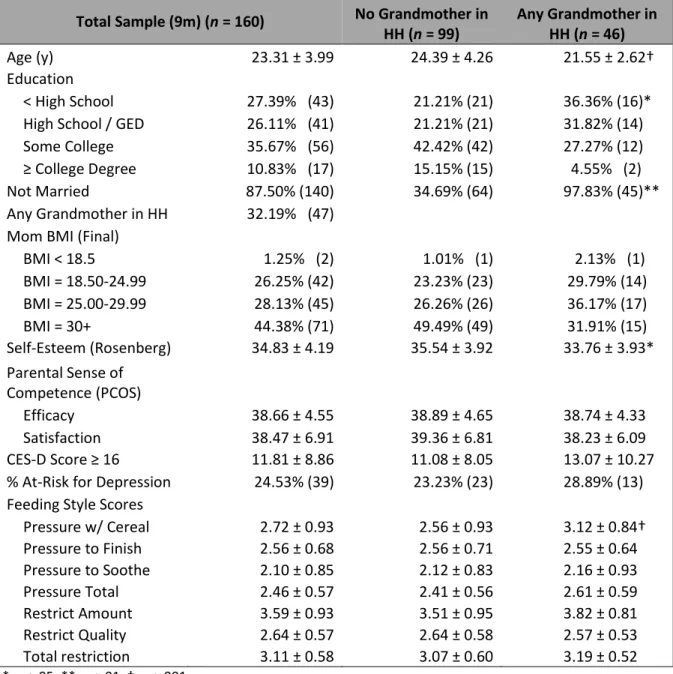
Table 1.Descriptive characteristics of participating mothers at the 9 month visit ... 20
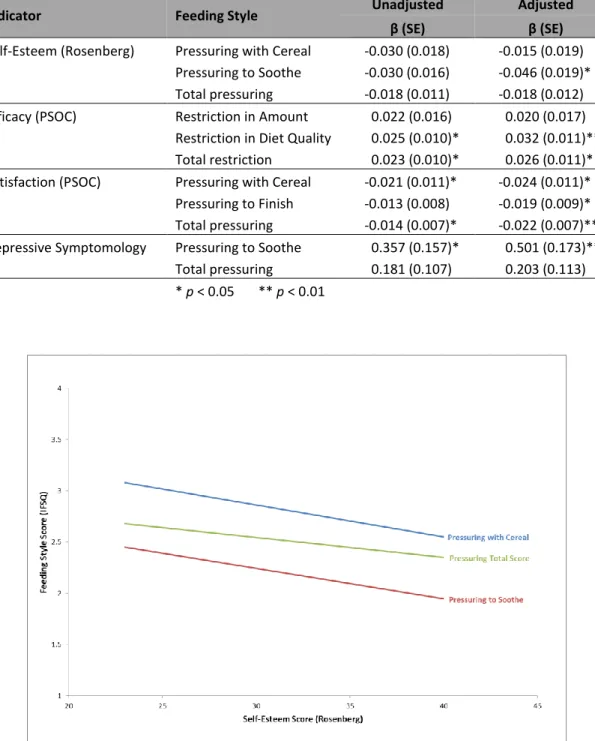
Table 2. Associations between maternal characteristics and infant feeding styles ... 21
Table 4. Combined model: maternal characteristics and restrictive feeding style associations ... 25
Table 5. Adjusted associations between pressuring to finish and nutritional
outcomes when controlling for maternal satisfaction ... 26
LIST OF FIGURES
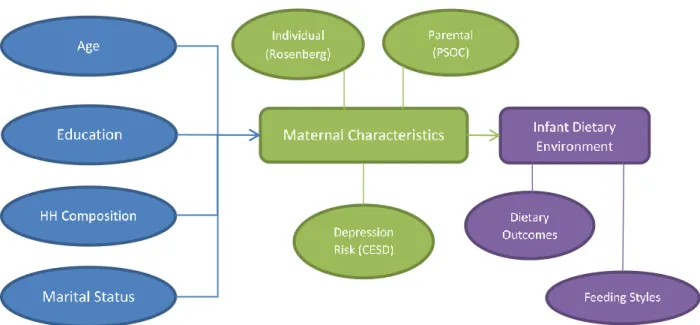
Figure 1. Conceptual model ... 17
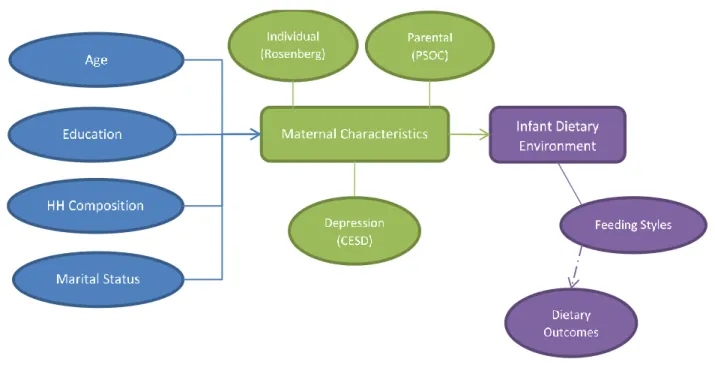
Figure 2. Revised conceptual model ... 18
Figure 3.Mothers’ sense of individual self-esteem and associated infant feeding styles ... 21
Figure 4. Mothers’ sense of parental self-efficacy and associated infant feeding styles ... 22
Figure 5.Mothers’ sense of parental satisfaction and associated infant feeding styles ... 23
Figure 6.Maternal depressive symptomology and associated infant feeding styles ... 23
Figure 7.Interactions between maternal satisfaction and total pressuring score for inappropriate feeding ... 27
Figure 8.Interactions between individual self-esteem and pressuring with cereal for inappropriate sweetened snacks when a grandmother is present ... 29
Figure 9.Interactions between individual self-esteem and pressuring to soothe for inappropriate sweetened beverages when a grandmother is present ... 30
Figure 11. Interactions between parental satisfaction and pressuring to finish for inappropriate feeding when a grandmother is present ... 31
Figure 10. Interactions between self-efficacy and restriction amount for inappropriate sweetened beverages when a grandmother is present ... 31
CHAPTER 1 – INTRODUCTION
Obesity is an important emerging health issue in the United States because of its
increasing impact and implications for socioeconomic inequalities. Obesity rates beginning in
early childhood are much higher among racial minorities than among non-Hispanic Whites
(Ogden et al., 2014). Current research and intervention efforts often target nutrition in
school-aged children, because obese children are much more likely to exhibit type II diabetes, signs of
cardiovascular risk, and continued obesity into adulthood (Baker, Olsen and Sørensen, 2007;
Stettler et al., 2003; Weiss et al., 2004). Yet there is evidence that the early childhood nutritional
environment, especially feeding practices and nutritional outcomes for infants and toddlers, can
set the stage for a person’s risk of obesity and chronic disease over the life course (Thompson,
2012). The nutritional environment is one aspect of the broader developmental environment in
which a child is raised. The developmental environment—itself fashioned by parental,
household, community and cultural factors—influences a child’s biological, psychological, and
social developmental trajectories. This project uses an ecocultural theoretical framework to
examine how maternal and household factors shape an infant’s nutritional environment.
Ecocultural theory integrates “nature” and “nurture” conceptualizations of child-rearing
to illustrate how culture becomes embodied during child development (Worthman, 2010b). It
draws from psychocultural studies that focus on the developmental niche, or the
microenvironment in which a child grows and matures, which is fashioned by a confluence of
styles—or parents’ practices and behaviors that are shaped by their beliefs and attitudes about
feeding—and dietary composition. Ecocultural theory recognizes that parents’ abilities to enact
particular cultural models or scripts, such as culturally informed feeding practices, are contingent
upon their own psychology and immediate environment (Super and Harkness, 1986; Whiting and
Whiting, 1975). This study examines data from the Infant Care and Risk of Obesity Project in
central North Carolina to investigate how maternal psychosocial factors and household
composition may contribute to creating particular dietary environments that shape the trajectories
of developing infants.
Although there are several aspects of parental psychology one might consider, current
research suggests that maternal self-esteem may influence an infant’s developmental trajectory.
Maternal self-esteem has been found to moderate the relationship between infant temperament
and weight (Anzman-Frasca et al., 2013), which may in part be explained by a negative
association between maternal self-esteem and controlling feeding practices (Mitchell et al.,
2009). However, there is still a need to investigate these relationships in low-income and
minority populations and additionally to understand if and how an infant’s diet may be
influenced. To explore the mechanisms through which the relationship between maternal
psychosocial factors and infant development might operate, the present study analyzes how
maternal individual self-esteem and parental self-esteem, composed of self-efficacy and
satisfaction domains, each influence the infant’s dietary environment. Additionally, because
maternal depression has been associated with many aspects of children’s developmental
environment (Braungart-Rieker et al., 2014; Rahman et al., 2004; Rodgers et al., 2014), this
Finally, household composition exerts significant influence on children’s developmental
trajectories, and the role of grandparents is particularly strong (Augustine and Raley, 2013;
Black and Nitz, 1996; Spieker and Bensley, 1994; Whiting and Whiting, 1975). This is
especially true when it comes to children’s dietary environments (Jingxiong et al., 2007; Speirs
et al., 2009), as many mothers rely on grandmothers for advice and support (Bentley et al.,
1999b; McLorg and Bryant, 1989; Wasser et al., 2013). This study examines the role of
grandmothers in the household and whether or not their presence influences mothers’ feeding
CHAPTER 2 – LITERATURE REVIEW
How exactly the environment and social processes get “under the skin” to influence
human physiology is a major concern within biological anthropology. An ecological model
considers interactions among the physical, social, and cultural environments and human biology
(Pelto and Freake, 2003). Ecocultural theory extends this model to provide a framework for
thinking about how various influences shape the developmental environment. Ecocultural theory
holds that the individual child possesses dispositions and capacities that are shaped by
evolutionary processes, and individual development itself unfolds within broader contexts
shaped by cultural and historical forces (Worthman, 2010a). Early work in the anthropology of
child development led to the theorization that culture acts through proximal conditions of child
development, especially in early childhood experiences (Whiting and Edwards, 1988; Whiting
and Whiting, 1975; Worthman, 2010a). The importance of studying the child in context, which includes the immediate family environment as well as broader social systems in which an
individual is embedded, is critical for understanding how an individual develops
(Bronfenbrenner, 1979). The concept of the developmental niche, borrowed and modified from
biological ecology, describes the context for the biological, psychological, and social
development of individual children (Super and Harkness, 1986).
The developmental niche is a framework that accounts for the influences of the physical
and social settings of children, the customs of care and rearing practiced by parents and
caregivers, and caretaker psychology (Super and Harkness, 1986). It is a fluid, open system that
community structures. The physical and social contexts that shape the developmental niche
shape individual physiology, which in turn provides feedback that shapes the developmental
niche (Harkness and Super, 1994; Worthman, 2003; Worthman, 2010a). Anthropologists have
studied several aspects of the developmental niche in relation to the development of obesity,
including parents’ education, employment, and income (Crooks, 1999; Crooks, 2000), and
household and mealtime interactions (Brewis, 2003; Brewis and Gartin, 2006). This study
considers the dietary environment, a milieu in which parents, other caregivers and infants
interact to create dynamic feedback systems that influence infant growth. Two aspects of the
dietary environment considered here are infant feeding styles and nutritional outcomes. This
study also considers how maternal psychosocial characteristics and the presence of other
caregivers might influence the creation of a particular dietary environment.
Dietary Environment: Feeding Styles and Nutritional Outcomes
Rapid or excessive weight gain in infancy is associated with increased risk of obesity
later in life (Baird et al., 2005; Monteiro and Victora, 2005; Ong and Loos, 2006), and the
feeding styles parents employ may help explain how differential growth trajectories may
develop. Feeding style is an important component of the dietary environment and developmental
niche, and attitudes and approaches to infant feeding vary widely (Dettwyler, 1989; Hodges et
al., 2008). There is evidence that feeding styles, which encompass both parental attitudes toward
feeding interactions and the associated practices (Thompson, Adair and Bentley, 2013), are
associated with child weight status (Birch and Fisher, 1998; Birch and Fisher, 2000; Hughes et
al., 2005; Johnson and Birch, 1994; Thompson, Adair and Bentley, 2013). Research in this area
suggests that feeding styles reflect domain-specific parenting (Costanzo and Woody, 1985) that
2009). Feeding styles may develop as early as infancy (Thompson et al., 2009) and remain stable
throughout early childhood (Blissett and Farrow, 2007; Duke et al., 2004).
Controlling feeding styles, specifically pressuring and restriction, are associated with
infant growth and dietary outcomes (Thompson, Adair and Bentley, 2013). Pressuring, which
includes pressuring to finish meals or the instrumental use of food (Thompson et al., 2009), is
associated with higher energy intake and lower weight-for-age z-scores among infants
(Thompson, Adair and Bentley, 2013). It is also associated with increased reliance on external
cues to finish eating and decreased responsiveness to energy density in the diet, indicating less
sensitivity to internal cues of satiety (Birch and Fisher, 1998). It may also lead to decreased
preference for the foods with which parents pressure (Birch, 1999).
The restrictive feeding style, which includes restricting foods perceived to be unhealthy
or the amount of food consumed (Thompson et al., 2009), is associated with lower energy intake
(Thompson, Adair and Bentley, 2013). As with pressuring, restriction may affect children’s taste
preferences; in this case it is associated with an increased preference for restricted foods (Fisher
and Birch, 1999). Among young children, it is also associated with eating in the absence of
hunger, higher energy intake, higher BMI, and prevalence of overweight (Faith and Kerns, 2005;
Fisher and Birch, 2002).
As a component of the developmental niche that influences behavioral patterns over the
life course, these feeding styles focus infant’s and children’s attention on external rather than
internal cues for initiating and terminating feeding and furthermore are linked to poorer
self-regulation later in life (Fisher and Birch, 2000; Johnson and Birch, 1994). Additionally, both
pressuring and restriction are associated with overall pickiness (Moroshko and Brennan, 2013),
2005). These feeding styles are not mutually exclusive and in some cases may actually operate
in concert. In a study of 5-year-old girls and their parents, parents who reported pressuring styles
were more likely to report restriction as well (Carper, Fisher and Birch, 2000). However, this
was not the case among African-American mothers in North Carolina (Thompson et al., 2009),
indicating that it is important to understand what influences feeding styles among different
populations.
In addition to exhibiting particular feeding styles, caregivers determine the types of foods
infants and young children can access. Complementary foods often are defined as foods and
drinks other than breast milk or infant formula that are consumed during the same period as
breast- and formula feeding. The American Academy of Pediatrics (AAP) recommends feeding
breast milk or formula exclusively for the first six months of life and introducing complementary
foods shortly thereafter (Eidelman et al., 2012). Macronutrient composition—particularly of
protein and fat—is important for the maturation of various biological processes such as
psychomotor development and visual functioning (Agostoni, 2008) and impacts the rate at which
infants gain mass (Thompson, 2012).
A 5-country European study found that formula-fed infants who received complementary
foods prior to 22 weeks of age grew faster and were heavier at 24 months than infants who did
not, yet there was not strong evidence that this influenced overall weight-for-length (Grote et al.,
2011). A study that compared infant feeding practices in the United States, China, and Mexico
found that the timing and progression of the introduction of complementary foods did explain
some of the variations in growth, particularly between China and the United States (Woo et al.,
2013). Both studies suggest that the types and quality of complementary foods infants receive
Maternal Characteristics
Caregiver psychology, especially maternal mental health, is an important factor that can
influence the developmental niche (Super and Harkness, 1986). Few studies have examined the
relationship between child growth and maternal self-esteem or self-efficacy. A study in Australia
found no relationship between maternal self-esteem and BMI (Gibson et al., 2007), whereas a
recent study in the U.S. found that maternal self-efficacy moderates the relationship between
child temperament and weight, such that children with higher negativity scores have lower BMIs
when their mothers have higher self-efficacy scores (Anzman-Frasca et al., 2013). Studies of the
feeding environment may elucidate mechanisms that help explain this phenomenon.
In contrast to the paucity of data regarding maternal self-esteem or self-efficacy and child
growth, there have been numerous studies examining the relationship between maternal
depression and child growth. Although maternal depression has been associated with food
insecurity (Casey et al., 2004; Laraia, Borja and Bentley, 2009), poorer child health (Casey et al.,
2004; Rahman et al., 2004) and negative parenting behaviors (Braungart-Rieker et al., 2014;
McCurdy et al., 2014), its influence on child weight and obesity risk is equivocal. Some studies
show that maternal depression is associated with smaller infants (Traviss, West and House,
2012), while others identify a positive correlation between maternal depression and child BMI
(Morrissey and Dagher, 2014; Surkan, Kawachi and Peterson, 2008), weight (Surkan, Kawachi
and Peterson, 2008), and adiposity (Ertel et al., 2010). Yet others identify no relationship at all
(Ajslev et al., 2010; Braungart-Rieker et al., 2014; Grote et al., 2010; McCurdy et al., 2014) or
find that the relationship varies by child age and gender (Duarte et al., 2012). There is evidence
that maternal depression early in childhood may affect weight later in life. A longitudinal study
months were more likely to be overweight in grades 1 through 6, and longer exposure to
maternal depression was associated with a higher risk of childhood overweight (Wang et al.,
2013). The infant and early childhood dietary environment may provide one pathway through
which this association operates.
Several studies of infant and child feeding have found that maternal psychosocial
characteristics may impact feeding style outcomes. A study of mothers with infants in Maryland
found that maternal stress, anxiety, and depressive symptomology were positively associated
with pressuring feeding styles (Hurley et al., 2008). Anxiety has also been associated with
restrictive feeding styles among mothers with one-year-olds (Farrow and Blissett, 2005). Among
parents with older children, maternal depressive symptomology has been associated with
pressuring feeding styles, although not necessarily restriction (Farrow and Blissett; Francis,
Hofer and Birch, 2001; Haycraft, Farrow and Blissett, 2013). An Australian study did find
positive associations between maternal stress, anxiety, and depressive symptomology and both
the pressuring and restrictive feeding styles, while maternal satisfaction and efficacy were
negatively associated with these feeding constructs (Mitchell et al., 2009). Further research may
help to identify the degree of influence between these various psychosocial characteristics and
feeding styles.
Household Composition
The developmental niche considers all types of interactions that influence an individual’s
development, and other household caregivers are part of that story. Although feeding occurs
outside the household (such as at daycare and school), biocultural research among Mexican
among peers (Brewis, 2003). Fathers do influence the dietary environment, but their level of
influence may vary based on their relationships with infants’ mothers (Wasser et al., 2013).
Cross-culturally, grandmothers are present and active advisors and caregivers for infants
and growing children, and they often influence children’s nutritional environments (Aubel,
2012). Grandparents worldwide are commonly involved in childcare, food purchasing, and food
preparation and therefore influence children’s nutritional intake (Goh, 2013; Jingxiong et al.,
2007; Speirs et al., 2009). The results of that influence are not necessarily clear. A study in the
United Kingdom found that grandparents often provide a healthier food environment, such as
supplying healthier foods and allowing children to regulate their own intake, but they also
demonstrate some maladaptive techniques, such as using food as a reward or for emotional
regulation (Farrow 2014).
Mothers in the United States frequently cite the infants’ maternal grandmothers as
primary advisors (Heinig et al., 2009; McLorg and Bryant, 1989) and important sources of
support and information (Bowman, 2006; Hannon et al., 2000; Karp, Lutenbacher and Dietrich,
2010). Studies among low-income African American mothers find that the presence of maternal
grandmothers, particularly when mothers are very young, influences feeding practices and the
introduction of solid foods, especially the early introduction of cereal in the bottle (Bentley et al.,
1999b; Wasser et al., 2013). However, little research has examined how grandmothers may
influence complementary feeding later in infancy. There is evidence of high rates of
inappropriate feeding and low rates of feeding the recommended fruit and vegetable servings per
day among young and low-income mothers (Barton, 2001; Karp, Lutenbacher and Dietrich,
2010), but how grandmothers influence these decisions, and whether or not their presence in the
CHAPTER 3 – METHODS Sample
The Infant Care, Feeding and Risk of Obesity Project was conducted between 2003 and
2006 in Orange, Wake, and Durham counties in central North Carolina. The project was an
observational study of African-American mother-infant dyads designed to assess household
factors that influence infant feeding patterns, such as infant feeding styles and diet, and the risk
of obesity. Healthy, first-time mothers aged 18 to 35 years old with healthy infants were
recruited from local Supplemental Food Program for Women, Infants, and Children (WIC)
clinics. Healthy mothers were identified as those who had no serious health problems requiring
regular treatment and no history of substance abuse. Healthy infants were identified as those who
completed at least 35 weeks of gestation, did not have a chronic or congenital illness, were not
diagnosed with failure to thrive, and were not receiving medical treatment that could interfere
with dietary intake or growth. The analytic sample focuses on mothers of infants 9 months of age
in Phases I and II with the aim of contributing to our understanding of the early complementary
feeding environment. A 9-month cross-section was selected because by the time of this
interview, all infants were receiving complementary foods. Therefore, infants had already been
exposed to a relatively wide variety of food, and inappropriate feeding was readily identifiable
based on the diet histories and recalls provided by mothers.
Phase I of the study consisted of semi-structured ethnographic interviews in mothers’
African-American children. Twenty mothers participated in this phase of the study; single parity
was not a requirement for inclusion. The interviews included in the present analysis were from
the six mothers who had infants approximately 9 months of age. The aim was to understand what
influenced mothers during this particular stage of infant development, a time during which
infants are learning to eat a variety of complementary foods in preparation for the transition to a
fully solids-based diet.
Phase II of the study consisted of in-home interviews conducted when infants were 3, 6,
9, 12, and 18 months old. The present study analyzed cross-sectional data from the 9-month visit;
160 of the 217 mothers originally recruited in Phase II remained in the study and were
interviewed. Maternal psychosocial characteristics were evaluated using the Rosenberg
Self-Esteem Scale (Gray-Little, Williams and Hancock, 1997), the Parental Sense of Competence
Scale (Johnston and Mash, 1989), and the Center for Epidemiologic Studies Depression Scale
(CES-D) (Radloff, 1977). Mothers were given the option to self-administer the Rosenberg and
CES-D assessments. Infant feeding styles were measured using the Infant Feeding Style
Questionnaire (IFSQ) (Thompson et al., 2009). Infant diet histories and 24-hour food recalls
were also collected during the home visits. Two additional 24-hour dietary recalls were collected
by telephone on random, nonconsecutive days within two weeks of the home visit. The study
was approved by the School of Public Health Institutional Review Board at the University of
North Carolina at Chapel Hill.
Feeding Style Outcomes
Infant feeding styles were measured using the IFSQ (Thompson et al., 2009). Although 6
constructs and 13 subconstructs were measured, only pressuring and restrictive feeding
tested in the models because they are the only feeding styles significantly associated with infant
growth outcomes (Thompson, Adair and Bentley, 2013). The pressuring feeding style is
characterized by a concern for increasing the amount of food consumed by the infant, and its
sub-constructs include pressuring with cereal, pressuring to finish a meal, and pressuring to
soothe (Thompson et al., 2009). The restrictive feeding style is characterized by concerns for
regulating the nutritional quality and limiting the amount of food consumed by the infant
(Thompson et al., 2009). Therefore its sub-constructs include restriction in diet quality and
restriction in amount of food. All constructs and sub-constructs were measured on a scale from 1
to 5 with higher scores indicating higher levels of controlling styles among mothers. To examine
overall controlling practices, combined restrictive and pressuring scores were created. Pearson’s
correlation testing indicated that pressuring with cereal was significantly correlated with
pressuring to soothe (r = .38, p < .001) and pressuring to finish (r = .21, p < .01), although pressuring to soothe and pressuring to finish were not significantly correlated. Restriction in
amount and restriction in diet quality were weakly correlated (r = .16, p < .05), but the relationship was significant.
Dietary Outcomes
Infant dietary outcomes were assessed using information obtained from 24-hour dietary
recalls and food histories. The Nutrition Data System for Research (version 2005; Nutrition
Coordinating Center, University of Minnesota, Minneapolis) was used to administer and analyze
24-hour dietary recalls. Specific dietary components that were analyzed included: mean number
of fruit and vegetable servings per day, mean calories (in kcal) per day from fruits and
vegetables, mean percentage of total calories per day from fruits and vegetables, and mean total
Additionally, inappropriate feeding measures based on the AAP 2009 guidelines for
9-month-old infants were used to assess infant dietary outcomes (Barness, 2009). All measures
were dichotomous and defined as allowing infants to consume foods with added sugars and salts,
sweetened or carbonated beverages, or French fries. The specific variables assessed included:
Inappropriate sweetened beverages, such as sodas and flavored milks.
Inappropriate sweetened snacks, such as cookies and ice cream.
Inappropriate sweets, an umbrella measure encompassing sweetened beverages and
snacks.
Inappropriate feeding, which includes salty snacks and french fries in addition to sweets.
Maternal Psychosocial Characteristics
To assess maternal psychosocial factors that may influence infant feeding styles, three
measures of self-esteem and one measure for risk of depression were included as exposures in
statistical models. Individual self-esteem was measured using the Rosenberg Self-Esteem scale
(Gray-Little, Williams and Hancock, 1997), an assessment that includes ten statements with
which respondents agreed on a 4-point Likert scale (1 = strongly agree; 4 = strongly disagree)
(Appendix A). The total possible score ranged from 10 to 40, with higher scores indicating
higher levels of self-esteem.
Parental self-esteem was measured using the Parental Sense of Competence scale which
includes two separate measures: self-efficacy and satisfaction (Johnston and Mash, 1989).
Parental self-efficacy was measured using eight statements with which respondents agreed on a
6-point Likert scale (1 = strongly agree; 6 = strongly disagree) (Appendix B). Responses were
measured using nine statements with which respondents agreed on a 6-point Likert scale (1 =
strongly agree; 6 = strongly disagree). Three individual cases had invalid response scores, which
were imputed using the mean of the remaining response scores. The total possible score ranged
from 9 to 54. For both measures, higher scores indicated higher levels of parental self-esteem.
Because each measure assesses a unique aspect of parental self-esteem, each component was
modeled individually when examining the influence maternal psychosocial characteristics on
infant feeding patterns.
Maternal depression risk was assessed using the Center for Epidemiological Studies
Depression (CES-D) scale. The scale consists of 20 statements, and respondents indicated how
many times per week they experienced the feeling described by each statement. Each response
was scored on a scale from zero to three, and four questions were reverse scored (Appendix C).
The total possible score ranged from 0 to 60. Scores were dichotomized using the clinical cut
point of 16 or higher to identify mothers who expressed depressive symptomology and were at
risk for clinical depression (Radloff, 1977). One individual case had a single invalid response
score, which was imputed based on the remaining response scores and did not affect the
dichotomized score.
Household Composition
The presence of a grandmother in the household was used to assess the impact of
household composition. The presence of fathers was not examined because some research has
shown that the role of fathers in infant feeding becomes important only in the context of marital
unions (Wasser et al., 2013). Grandmothers, however, are often significant features in
African-American households with infants and may influence complementary feeding practices (Bentley
Therefore, the absence or presence of a grandmother in the household was used as a proxy for
household composition, and several of the models were stratified using this measure.
Covariates
Covariates included maternal age, maternal education (categorized as less than high
school, high school or degree equivalent, some college or program certificate, 4-year degree or
higher), and marital status (dichotomized as single or married).
Statistical Methods
All statistical analyses were conducted in STATA software (version 13.1; STATA
Corporation, College Station, TX). Descriptive statistics were run first to compare characteristics
across household types. Next, unadjusted bivariate analyses tested the relationship between
maternal psychosocial factors and infant feeding style using t-tests and linear regression. The linear regression models were then adjusted for maternal age, education, marital status, and
household composition, according to the conceptual model for this study (Fig. 1). A combined
linear regression model that included all maternal psychosocial factors and covariates was run in
order to test how each of the maternal psychosocial factors might affect each other. These
separate and combined models were next stratified to determine if the presence of grandmothers
in the household influenced mothers’ infant feeding styles.
The next set of models evaluated feeding outcomes. Linear regression models tested the
unadjusted and adjusted relationships between maternal psychosocial factors and energy
consumption from fruits and vegetables, specifically fruit and vegetable servings, total calories
and total calories as a percentage of overall daily calories. The associations between maternal
psychosocial factors and inappropriate feeding were tested using logistic regression. Unadjusted
status, and household composition. The original conceptual model was modified to examine if
maternal psychosocial factors influenced dietary outcomes through the associated feeding style
constructs (Figure 2). The associations between infant feeding style and inappropriate feeding
were tested using logistic regression models. Interaction terms were included in the adjusted
models to test how inappropriate feeding might be modified by the relationship between infant
feeding style and maternal psychosocial factors. Prediction lines were graphed using the
interaction margins identified through the adjusted models. Finally, all models were further
stratified to test whether or not a grandmother was in the household moderated the effect of
maternal psychosocial factors on infant feeding outcomes.
Qualitative Methods
Interviews from Phase I were analyzed in an effort to contextualize the quantitative
findings of this study. Only mothers with infants approximately 9 months of age were included
in this subset (n = 6) to explore potential influences on the feeding environment during this particular phase of infant development. Interviews were iteratively coded for major themes such
as sources of advice and influences on feeding. Representative quotes were chosen to illustrate
CHAPTER 4 – RESULTS Sample Descriptives
Select sociodemographics, maternal characteristics, and feeding styles are presented in
Table 1. The majority of mothers were unmarried at the time of the study, and nearly one-third
lived in a household with the infant’s grandmother present. On average, mothers who lived with
grandmothers in the household were three years younger (p < .001), unmarried (p < .01), and had less education (p = .03) than mothers who did not. Nearly half of all mothers achieved more than a high school education, and rates were much higher among mothers who did not live with the
infant’s grandmother in the household. Individual self-esteem (Rosenberg) scores were high,
averaging 34.8 on a scale of 40, and were two points higher among mothers who did not live
with grandmothers in the household (p = .01). Parental self-efficacy (PSOC) scores averaged 38.7 on a scale of 48, and satisfaction (PSOC) scores averaged 38.5 on a scale of 54. Scores did
not differ significantly among mothers who did not live with the infant’s grandmother in the
household. CES-D scores averaged 11.8 out of a possible 60, and nearly one-quarter of mothers
were at-risk for clinical depression based on the scale, although the percentage of mothers at-risk
for clinical depression was higher among mothers who lived with the infant’s grandmother in the
Overall, mothers had higher scores for restrictive versus pressuring feeding styles, and
there were minimal score variations between mothers who did and mothers who did not live with
the infant’s grandmother in the household. Pressuring with cereal was the only feeding style
associated with the presence of a grandmother (p < .001).
Total Sample (9m) (n = 160) No Grandmother in HH (n = 99)
Any Grandmother in HH (n = 46)
Age (y) 23.31 ± 3.99 24.39 ± 4.26 21.55 ± 2.62†
Education
< High School 27.39% (43) 21.21% (21) 36.36% (16)* High School / GED 26.11% (41) 21.21% (21) 31.82% (14)*
Some College 35.67% (56) 42.42% (42) 27.27% (12)*
≥ College Degree 10.83% (17) 15.15% (15) 4.55% (2)*
Not Married 87.50% (140) 34.69% (64) 97.83% (45)**
Any Grandmother in HH 32.19% (47)
Mom BMI (Final)
BMI < 18.5 1.25% (2) 1.01% (1) 2.13% (1)
BMI = 18.50-24.99 26.25% (42) 23.23% (23) 29.79% (14) BMI = 25.00-29.99 28.13% (45) 26.26% (26) 36.17% (17)
BMI = 30+ 44.38% (71) 49.49% (49) 31.91% (15)
Self-Esteem (Rosenberg) 34.83 ± 4.19 35.54 ± 3.92 33.76 ± 3.93* Parental Sense of
Competence (PCOS)
Efficacy 38.66 ± 4.55 38.89 ± 4.65 38.74 ± 4.33
Satisfaction 38.47 ± 6.91 39.36 ± 6.81 38.23 ± 6.09
CES-D Score ≥ 16 11.81 ± 8.86 11.08 ± 8.05 13.07 ± 10.27 % At-Risk for Depression 24.53% (39) 23.23% (23) 28.89% (13)
Feeding Style Scores
Pressure w/ Cereal 2.72 ± 0.93 2.56 ± 0.93 3.12 ± 0.84† Pressure to Finish 2.56 ± 0.68 2.56 ± 0.71 2.55 ± 0.64 Pressure to Soothe 2.10 ± 0.85 2.12 ± 0.83 2.16 ± 0.93
Pressure Total 2.46 ± 0.57 2.41 ± 0.56 2.61 ± 0.59
Restrict Amount 3.59 ± 0.93 3.51 ± 0.95 3.82 ± 0.81
Restrict Quality 2.64 ± 0.57 2.64 ± 0.58 2.57 ± 0.53 Total restriction 3.11 ± 0.58 3.07 ± 0.60 3.19 ± 0.52 * p < .05, ** p < .01, † p < .001
Maternal Self-Esteem, Depressive Symptomology, and Feeding Style
Associations between all maternal psychosocial characteristics and infant feeding styles
were analyzed following the original conceptual model (Fig. 1), and only the associations that
TABLE 2 Associations between maternal characteristics and infant feeding styles.
Indicator Feeding Style Unadjusted Adjusted β (SE) β (SE)
Self-Esteem (Rosenberg) Pressuring with Cereal -0.030 (0.018) -0.015 (0.019) Pressuring to Soothe -0.030 (0.016) -0.046 (0.019)* Total pressuring -0.018 (0.011) -0.018 (0.012) Efficacy (PSOC) Restriction in Amount 0.022 (0.016) 0.020 (0.017) Restriction in Diet Quality 0.025 (0.010)* 0.032 (0.011)** Total restriction 0.023 (0.010)* 0.026 (0.011)* Satisfaction (PSOC) Pressuring with Cereal -0.021 (0.011)* -0.024 (0.011)* Pressuring to Finish -0.013 (0.008) -0.019 (0.009)* Total pressuring -0.014 (0.007)* -0.022 (0.007)** Depressive Symptomology Pressuring to Soothe 0.357 (0.157)* 0.501 (0.173)** Total pressuring 0.181 (0.107) 0.203 (0.113) * p < 0.05 ** p < 0.01
were found to be moderate-to-significant (p < .20) are presented in Table 2. Individual self-esteem, as measured by the Rosenberg Scale, was negatively associated with pressuring with
cereal, pressuring to soothe, and total pressuring scores (Fig. 3). The association between
self-esteem and pressuring with cereal attenuated when adjusted for maternal age, education, marital
status, and household composition. Conversely the association between self-esteem and
pressuring to soothe strengthened (p = .015), and the association between self-esteem and the total pressuring score remained unchanged. Parental self-efficacy was positively associated with
restrictive feeding styles (Fig. 4), and the associations between self-efficacy and restriction in
diet quality (p < .01) and the total restriction score (p = .02) were significant. Maternal
satisfaction was negatively associated with pressuring with cereal (p = .03), pressuring to finish (p = .03), and total pressuring (p < .01) (Fig. 5). Depressive symptomology was positively
Fig. 5. Mothers’ sense of parental satisfaction and associated infant feeding styles.
To test the independent effect of each variable and to see if the different maternal
psychosocial measures affected one another, combined adjusted models were run. The
associations between maternal characteristics and pressuring feeding styles are presented in
Table 3. Model 1 represents a single maternal psychosocial exposure, and Model 2 represents
multiple psychosocial exposures. The associations between individual self-esteem (Rosenberg)
and pressuring feeding styles were not maintained when all four measures were included, which
indicates that other maternal characteristics impacted the associations between individual
self-esteem and feeding style. The negative associations between parental satisfaction (PSOC) and
pressuring with cereal (p = .02), pressuring to finish (p < .01) increased significantly,
demonstrating that parental satisfaction is a statistically significant, independent predictor of
these feeding styles. The association between depressive symptomology and pressuring to soothe
attenuated but remained significant (p = .03). Although other factors may influence this association, the risk of depression itself is an important predictor of pressuring to soothe.
Pressuring with Cereal Pressuring to Finish Exposure Model 1 β (SE) Model 2 β (SE) Model 1 β (SE) Model 2 β (SE)
Self-Esteem (Rosenberg) -0.015 (0.019) 0.004 (0.023) 0.007 (0.015) 0.023 (0.018) Self-Efficacy (PSOC) 0.008 (0.016) 0.028 (0.018) -0.005 (0.013) 0.006 (0.014) Satisfaction (PSOC) -0.024 (0.011) -0.032 (0.014)* -0.019 (0.009)* -0.029 (0.011)** Depressive Symptomology 0.226 (0.177) 0.137 (0.184) -0.118 (0.139) -0.164 (0.144)
Pressuring to Soothe Total pressuring Exposure Model 1 β (SE) Model 2 β (SE) Model 1 β (SE) Model 2 β (SE)
Self-Esteem (Rosenberg) 0.046 (0.019)* -0.036 (0.022) 0.018 (0.012) -0.003 (0.014) Self-Efficacy (PSOC) 0.000 (0.016) 0.023 (0.018) 0.001 (0.010) 0.019 (0.012) Satisfaction (PSOC) -0.022 (0.011)* -0.011 (0.014) -0.022 (0.007)** -0.024 (0.009)** Depressive Symptomology 0.501 (0.173)** 0.386 (0.180)* 0.203 (0.113) 0.120 (0.116) * p < 0.05 ** p < 0.01
Model 1: adjusted for age, education, marital status, grandmother in household; single exposure
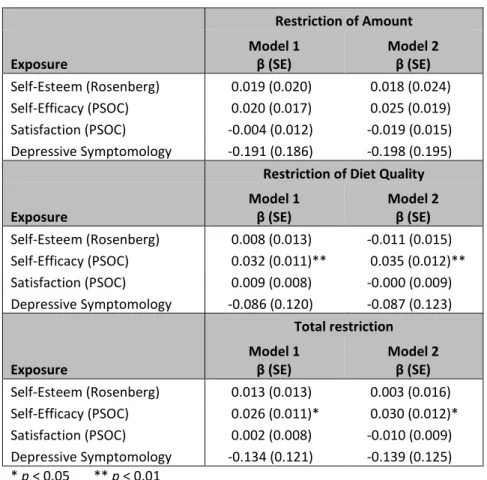
The associations between maternal characteristics and restrictive feeding styles identified
through the combined models are presented in Table 4. The significant associations between
parental self-efficacy and restriction feeding styles were maintained. Parental self-efficacy was
positively associated with restriction of amount, restriction of diet quality (p < .01), and total restriction (p = .02), indicating that parental self-efficacy is a statistically significant,
independent predictor of these two feeding styles.
Restriction of Amount Exposure
Model 1 β (SE)
Model 2 β (SE)
Self-Esteem (Rosenberg) 0.019 (0.020) 0.018 (0.024) Self-Efficacy (PSOC) 0.020 (0.017) 0.025 (0.019) Satisfaction (PSOC) -0.004 (0.012) -0.019 (0.015) Depressive Symptomology -0.191 (0.186) -0.198 (0.195)
Restriction of Diet Quality Exposure
Model 1 β (SE)
Model 2 β (SE)
Self-Esteem (Rosenberg) 0.008 (0.013) -0.011 (0.015) Self-Efficacy (PSOC) 0.032 (0.011)** 0.035 (0.012)** Satisfaction (PSOC) 0.009 (0.008) -0.000 (0.009) Depressive Symptomology -0.086 (0.120) -0.087 (0.123)
Total restriction Exposure Model 1 β (SE) Model 2 β (SE)
Self-Esteem (Rosenberg) 0.013 (0.013) 0.003 (0.016) Self-Efficacy (PSOC) 0.026 (0.011)* 0.030 (0.012)* Satisfaction (PSOC) 0.002 (0.008) -0.010 (0.009) Depressive Symptomology -0.134 (0.121) -0.139 (0.125) * p < 0.05 ** p < 0.01
Model 1: adjusted for age, education, marital status, grandmother in household; single exposure
Model 2: adjusted for age, education, marital status, grandmother in household; multiple exposures
Maternal Self-Esteem, Depressive Symptomology, and Dietary Outcomes
Direct associations between maternal characteristics and dietary outcomes were not in
and of themselves significant, so the conceptual model was revised to investigate the
relationships vis-à-vis their associations with feeding styles (Fig. 2). Results of caloric intake
analysis confirmed previous findings (see: Thompson, Adair, and Bentley 2013): higher
pressuring with cereal scores were associated with higher energy intake overall, and higher
restriction in quality scores were associated with lower energy intake (results not shown).
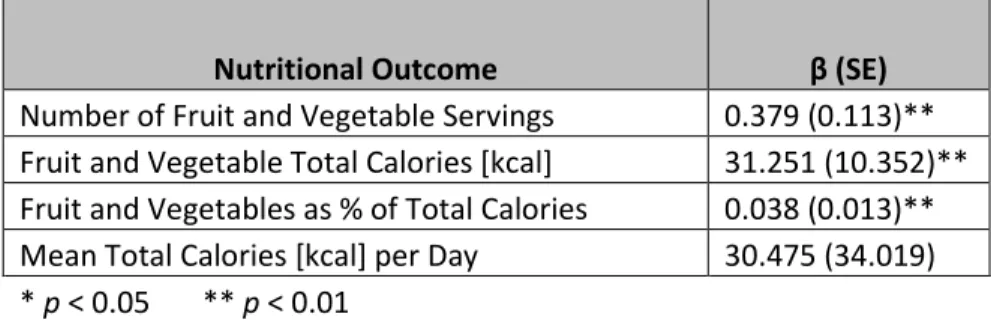
Maternal psychosocial factors did not significantly influence the effect size or significance of the
associations between feeding styles and energy intake with one exception: when controlling for
parental satisfaction, the mean percentage of overall daily calories from fruits and vegetables
increased as the pressuring to finish score increased (p < .01) (Table 5).
Nutritional Outcome β (SE)
Number of Fruit and Vegetable Servings 0.379 (0.113)** Fruit and Vegetable Total Calories [kcal] 31.251 (10.352)** Fruit and Vegetables as % of Total Calories 0.038 (0.013)** Mean Total Calories [kcal] per Day 30.475 (34.019) * p < 0.05 ** p < 0.01
The feeding outcome models tested if infant feeding styles modified the relationship
between maternal psychosocial characteristics and inappropriate feeding using logistic regression
models that included interaction terms. Prediction lines were graphed to depict the interactions
between maternal characteristics and feeding styles on the odds of the inappropriate feeding of
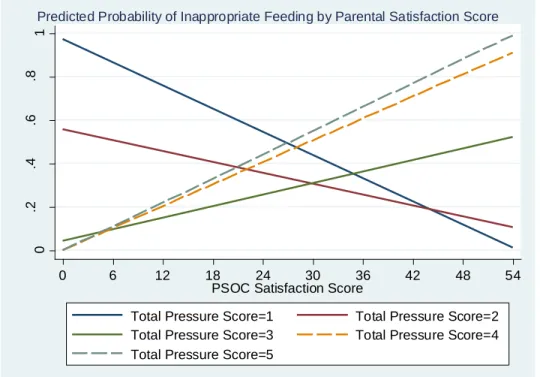
specific types of foods as well as inappropriate feeding overall. The only significant interaction
identified was that between maternal satisfaction and the total pressuring score on the odds of TABLE 5. Adjusted associations between pressuring to finish and
any inappropriate feeding (Fig. 7). As satisfaction and total pressuring scores increased, the
likelihood of inappropriate feeding increased (OR = 1.11, 95% CI [1.00, 1.23]).
Influence of Household Composition on Feeding Styles
To ascertain if household composition influenced feeding styles, the results for
associations between maternal psychosocial characteristics and infant feeding style outcomes
were stratified by whether or not the infant’s grandmother was in the household; results are
presented in Table 6. The adjusted model did not include marital status because of collinearity
between marital status and the presence of a grandmother. When stratified by household
composition, the negative association between individual self-esteem (Rosenberg) and pressuring
with cereal became positive. The effect size of the negative association with pressuring to soothe
increased, while it decreased for the negative association with the total pressuring score. Fig. 7. Interactions between maternal satisfaction and total pressuring score
for inappropriate feeding.
0 .2 .4 .6 .8 1 P ro b a b ili ty I n a p p Fee d in g
0 6 12 18 24 30 36 42 48 54
PSOC Satisfaction Score
Total Pressure Score=1 Total Pressure Score=2 Total Pressure Score=3 Total Pressure Score=4 Total Pressure Score=5
TABLE 6. Stratified associations between maternal characteristics and infant feeding styles
Indicator Feeding Style No Grandmother
Grandmother Present β (SE) β (SE)
Self-Esteem (Rosenberg) Pressuring with Cereal -0.038 (0.024) 0.014 (0.033) Pressuring to Soothe -0.030 (0.022) -0.071 (0.036) Total pressuring -0.025 (0.015) -0.003 (0.024) Efficacy (PSOC) Restriction in Amount 0.013 (0.022) 0.034 (0.030) Restriction in Diet Quality 0.040 (0.012)** -0.009 (0.017) Total restriction 0.026 (0.014) 0.013 (0.018) Satisfaction (PSOC) Pressuring with Cereal -0.037 (0.013)** -0.012 (0.020) Pressuring to Finish -0.026 (0.010)* 0.001 (0.015) Total pressuring -0.024 (0.008)** -0.023 (0.014) Depressive Symptomology Pressuring to Soothe 0.297 (0.200) 0.994 (0.350)** Total pressuring 0.124 (0.134) 0.002 (0.008) * p < 0.05 ** p < 0.01
The absence or presence of a grandmother dramatically affected the associations between
maternal self-efficacy and infant feeding style. The association with restriction in amount
weakened slightly when a grandmother was not present in the household, while the association
remained constant for total restriction and strengthened for restriction in diet quality (p < .01). When a grandmother was present, the association between self-efficacy and restriction in amount
strengthened, whereas it weakened for total restriction and reversed for restriction in diet quality.
When the associations between parental satisfaction and infant feeding style were
stratified, the negative associations with pressuring with cereal (p < .01), pressuring to finish (p = .01), and total pressuring (p < .01) all strengthened when a grandmother was not present in the household. When a grandmother was present, the association with total pressuring remained
constant although was not significant. The association with pressuring with cereal weakened and
The associations between depressive symptomology and pressuring to soothe and the
total pressuring scores weakened when a grandmother was not present in the household. When a
grandmother was present, the association between depressive symptomology and pressuring to
soothe strengthened significantly (p < .01) and weakened dramatically for total pressuring. Influence of Household Composition on Inappropriate Feeding
The influence of household composition on caloric intake and inappropriate feeding was
not significantly different from what was identified in the non-stratified analysis; the presence of
grandmothers was not associated with dietary outcomes. The interaction models that assessed the
influence of maternal psychosocial factors and feeding styles on inappropriate feeding were
stratified according to whether or not a grandmother was present in the household in order to test
if grandmothers’ presence influenced infants’ mothers.
Fig. 8. Interactions between individual self-esteem and pressuring with cereal for inappropriate sweetened snacks when a grandmother is present.
0 .2 .4 .6 .8 1 P ro b a b ili ty In a p p S w S n a c k s
0 5 10 15 20 25 30 35 40
Rosenberg Self-Esteem Score
Pressure w Cereal=1 Pressure w Cereal=2 Pressure w Cereal=3 Pressure w Cereal=4 Pressure w Cereal=5
First stratified interactions between individual self-esteem and infant feeding style were
reviewed. When a grandmother was present in the household, the probability of feeding
inappropriate sweetened snacks decreased as self-esteem and pressuring with cereal scores
increased (OR = 0.66, 95% CI [0.44, 0.98]) (Fig. 8). Similarly, the probability of giving an infant
sweetened beverages decreased as self-esteem and pressuring to soothe scores increased (OR =
0.68, 95% CI [0.47, 0.99]) (Fig. 9).
Next, when looking at the interactions between maternal self-efficacy and infant feeding
styles, the only significant interaction found was that between self-efficacy and restriction in
amount. When a grandmother was present in the household, the probability of giving an infant
sweetened beverages actually increased as self-efficacy and restriction in amount of food scores
increased (OR = 1.51, 95% CI [1.07, 2.13]) (Fig. 10).
Fig. 9. Interactions between individual self-esteem and pressuring to soothe for inappropriate sweetened beverages when a grandmother is present.
0 .2 .4 .6 .8 1 P ro b a b ili ty I n a p p S w B e ve ra g e
0 5 10 15 20 25 30 35 40
Rosenberg Self-Esteem Score
Pressure to Soothe=1 Pressure to Soothe=2 Pressure to Soothe=3 Pressure to Soothe=4 Pressure to Soothe=5
Fig. 10. Interactions between self-efficacy and restriction amount for inappropriate sweetened beverages when a grandmother is present.
Fig. 11. Interactions between parental satisfaction and pressuring to finish for inappropriate feeding when a grandmother is present.
0 .2 .4 .6 .8 1 P ro b a b ili ty I n a p p S w B e ve ra g e s
0 6 12 18 24 30 36 42 48
PSOC Self-Efficacy Score
Restriction Amount=1 Restriction Amount=2 Restriction Amount=3 Restriction Amount=4 Restriction Amount=5
Predicted Probability of Inappropriate Sweetened Beverages by Parental Self-Efficacy Score
0 .2 .4 .6 .8 1 P ro b a b ili ty In a p p F e e d in g
0 6 12 18 24 30 36 42 48 54
PSOC Satisfaction Score
Pressure to Finish=1 Pressure to Finish=2 Pressure to Finish=3 Pressure to Finish=4 Pressure to Finish=5
Two inappropriate feeding outcomes were found to be associated with interactions
between maternal satisfaction and pressuring feeding styles. First, when a grandmother was
present in the household, the probability of any inappropriate feeding decreased as maternal
satisfaction and pressuring to finish scores increased (OR = 0.73, 95% CI [0.56, 0.96]) (Fig. 11).
This contrasted with the next finding: when a grandmother was not present in the household, the
probability of any inappropriate feeding actually increased as maternal satisfaction and total
pressuring scores increased (OR = 1.20, 95% CI [1.03, 1.41]) (Fig. 12).
Finally, no inappropriate feeding outcomes were significantly associated with the
interactions between depressive symptomology and infant feeding styles in the stratified models.
Ethnographic Interviews
Two significant themes emerged through analysis of the ethnographic interviews:
grandmothers as advisors and the importance of modeling behaviors. First, infants’ grandmothers Fig. 12. Interactions between parental satisfaction and total pressuring score
for inappropriate feeding when a grandmother is not present.
0 .2 .4 .6 .8 1 P ro b a b ili ty In a p p F e e d in g
0 6 12 18 24 30 36 42 48 54
PSOC Satisfaction Score
Total Pressure Score=1 Total Pressure Score=2 Total Pressure Score=3 Total Pressure Score=4 Total Pressure Score=5
indicated that the infants’ grandmothers proactively offered advice. One mother indicated that
she spent a lot of time with her own mother and stated, “She told me, ‘Don’t start him on fruits.
Don’t give him anything with the sweet. Start him on vegetables first.’ So that’s what I did.”
Four mothers indicated they actively sought advice from infants’ grandmothers. One mother
stated, “I’m always listening to my mama. I call her all the time.” Two mothers indicated that
advice from infants’ grandmothers is weighted more heavily than advice from anyone else
because they valued grandmothers’ own experience rearing children. When asked whose advice
she would follow were there a discrepancy, one mother indicated, “I’d go with my mom is who
I’d go. Unless it was my grandmother or somebody like that, more wiser. But I’d probably take
my mama’s—so and so said that “you should do like this.” If she says they’re wrong, then
they’re wrong.” Another was even up front with her physician about her reliance on her own
mother’s advice, “Because she’s my mama and with all the grandchildren and her own children,
I just feel like she’s knowledgeable—I think we came out pretty good, so what she tells me is
usually what I go by. And I’ll tell the doctor, ‘Well my mama said…’”
Second, when it comes to feeding complementary foods, modeling emerged as an
important strategy. Two mothers felt that their own habits influenced what their children eat, and
all mothers indicated that their own childhood—how they were raised by their mothers—
influenced how and what they fed their children. As one mother remarked about her children’s
diets in relation to hers growing up, “it’s like a family thing.” Another mother elaborated, “I
think it sticks with you. You know, how you were raised or how you grew up.” When asked if
her own childhood influenced how she feeds her children, yet another mother stated, “Yeah, I
CHAPTER 5 – DISCUSSION
Maternal Psychosocial Characteristics and the Infant Dietary Environment
Overall, parental self-esteem and depressive symptomology were found to influence
infant feeding style outcomes. The associations between parental self-esteem, specifically
maternal satisfaction followed by maternal self-efficacy, are more significantly associated with
infant feeding style outcomes than other maternal psychosocial characteristics, which indicates
that it may be important for infant development to help mothers feel content and confident in
their roles specifically as parents. Individual self-esteem was not significantly associated with
infant feeding style when other maternal psychosocial characteristics were considered.
This study found that maternal self-efficacy was positively associated with restrictive
feeding styles, which contrasts with other findings. Mitchell’s et al. (2009) study among
Australian mothers and their preschool-aged children found that both parental efficacy and
satisfaction were negatively correlated with restrictive feeding styles. Although differences in
children’s age in each study may be one factor, there may be other factors—such as cultural
practices, socioeconomic status, or other unmeasured observable traits—that explain the
differences in findings between African-American mothers and infants in this study and the
predominantly Australian participants in Mitchell’s et al. research (Dettwyler, 1989; Perrin et al.,
2014). More research is needed to investigate what those factors or traits may be.
Results show that maternal satisfaction was negatively associated with pressuring feeding
parents with toddlers of normal developmental trajectories, children’s temperament was
positively correlated with maternal sense of competence and negatively correlated with parental
control during feeding interactions (Aviram et al., 2015). It’s possible that either parents with
higher satisfaction perceive more positive infant temperaments, or parents with more positive
infants have higher parental satisfaction, and therefore exert less pressuring control in feeding
interactions. Few studies have examined how parenting self-esteem relates to infant and child
feeding styles, so more research is needed to understand this relationship, especially in terms of
the infant’s own characteristics and mother-infant interactions during feeding.
Depressive symptomology was significantly associated with the pressuring to soothe
feeding style. This finding is consonant with other research that has found positive associations
between maternal depressive symptomology and forceful or controlling feeding in older children
(Farrow and Blissett, 2005; Hurley et al., 2008), specifically with pressuring feeding styles
(Francis, Hofer and Birch, 2001; Gemmill, 2013; Goulding, 2014; Haycraft, Farrow and Blissett,
2013). Some researchers have suggested possible associations between maternal depression and
infant temperament (Hurley et al., 2008), and others have found that mothers who are higher
emotional eaters reported higher emotional feeding scores (Wardle et al., 2002). It’s possible that
mothers who exhibit depressive symptomology eat more themselves when distressed, and when
they perceive their babies are fussy they may be more likely to pressure with food in order to
calm their infants.
Dietary outcomes were largely unaffected by maternal psychosocial characteristics. The
only exception was the association between fruit and vegetable intake and pressuring scores
when adjusted for maternal satisfaction. As pressuring to finish scores increased, so did the mean
Bentley (2013) found, pressuring scores were related to higher energy intake overall. This study
demonstrates that, when parental satisfaction is considered, the pressuring construct does result
in higher net intake of “healthy” fruits and vegetables. However, when the interaction terms are
considered, the likelihood of inappropriate feeding also increased as parental satisfaction and
pressuring scores increased. It is unknown if feeding inappropriate foods occurred as a reward
for finishing healthier foods (Dettwyler, 1989), or if other processes are operating toward this
end. More research is needed to understand the interacting dynamics among these variables.
Household Composition
The only maternal feeding style directly associated with the presence of a grandmother
was pressuring with cereal, which is unsurprising given that reliance on maternal grandmothers
for advice has been associated with the early introduction of cereal in the bottle among infants
(Bentley et al 1999; McLorg & Bryant 1989). When examined separately from maternal
psychosocial exposures and feeding styles, the mere presence of grandmothers in the household
did not have an impact on energy intake, the consumption of fruits and vegetables, or
inappropriate feeding among 9-month-old infants.
The associations between maternal psychosocial characteristics and feeding styles were
stratified by whether or not a grandmother was present in the house, and the results confirmed
that parental self-esteem, followed by depressive symptomology, was significantly associated
with infant feeding style outcomes. Individual self-esteem was not a predictor of infant feeding
style in the stratified models. Notably, maternal self-efficacy and satisfaction were significant
only when a grandmother was not present in the household. The presence of a grandmother
feeding style. The only exception was that the association between parental self-efficacy and
restriction in amount of food strengthened, but it was not statistically significant.
The presence of a grandmother may influence how mothers fulfill their roles as parents.
A study among adolescent mothers in Washington found that adolescent mothers living with
grandmothers were more likely to continue in their adolescent roles; grandmothers were more
likely to treat mothers as teenagers rather than facilitate the transition into their new roles as
parents (Spieker and Bensley, 1994). Similarly, a study of low-income, teenaged
African-American mothers in Baltimore found that grandmothers who had extended access to infants
frequently played the dominant role in determining the infant’s diet; young mothers’ dependence
on their own mothers often resulted in deferment of infant dietary decisions (Bentley et al.,
1999b). It is possible that similar mechanisms operated among the mothers who participated in
this study. Because mothers who lived in households with grandmothers were younger and less
educated, they may have been more likely to rely on grandmothers for support regarding feeding
decisions. As the ethnographic interviews demonstrate, mothers frequently model grandmothers
in caring for their children. The modeling effect may be stronger when mothers and
grandmothers are in more frequent and prolonged contact, such as when they cohabitate. More
research is needed to illuminate the pathways through which these familial relationships inside
the household affect mothers’ psychosocial experiences and decision making.
The interactions between maternal psychosocial characteristics and infant feeding styles
add another dimension to this question about how grandmothers influence infant feeding. In
several instances, the presence of grandmothers was actually protective of inappropriate feeding.
Even as controlling feeding styles increased with the intensity of self-esteem, efficacy, or
grandmother. Only as parental satisfaction and total pressuring scores increased did the
likelihood of any inappropriate feeding also increase when a grandmother was present. These
findings contrast those of several studies that have found associations between the reliance on
grandmothers for advice and inappropriate feeding of younger infants, namely by putting cereal
in the bottle (Baughcum et al., 1998; Bentley et al., 1999b; McLorg and Bryant, 1989).
There are many mechanisms that could help to explain these findings. Research among
families with older children has shown that parents and grandparents often are knowledgeable
about the kinds of diets that are healthy for children, and constraints such as time, money and
difficult interactions influence what ultimately ends up on the table (Brewis and Gartin, 2006;
Kaplan, Kiernan and James, 2006). One study in Maryland (Speirs et al., 2009) found that
grandmothers who cared for their grandchildren often bought and prepared much of what the
children ate and, importantly, had a monthly income significantly higher than mothers did. It is
possible that additional economic resources in the household enable the provisioning of healthier
foods in lieu of foods that are inappropriate for infants. Furthermore, this may be an example of
grandmothers’ influence operating through mothers’ modeling of feeding and dietary behaviors,
a notion that was supported by the ethnographic interviews.
Limitations
Because this study examined a cross-sectional sample of mothers with infants
approximately 9 months old, the results reflect only a snapshot of what occurs throughout the
course of infant development. They do not address changes over time that may occur as a
consequence of changes in the mothers’ psychosocial characteristics, infants’ temperament, or
This analysis did not examine mothers’ perceptions of their infant or infants themselves
as mediators of feeding styles and dietary outcomes. Other studies have demonstrated that infant
and child temperament (Hodges et al., 2008; Stifter et al., 2011; Wasser et al., 2011), gender
(Sacco et al., 2007), and size (Farrow and Blissett, 2008; Francis, Hofer and Birch, 2001; Ogden,
Reynolds and Smith, 2006; Thompson, Adair and Bentley, 2013) influence feeding outcomes.
This is an important consideration within the ecocultural model, which identifies the infant as an
agent who helps to shape the developmental environment (Worthman, 2010a). Therefore, it will
be important for future research to consider the role of the infant in determining these feeding
processes and outcomes.
There are also questions of data collection to consider. Although diet histories were
self-reported and may be subject to recall bias, the information was collected by reviewers trained in
multi-pass procedures, a method that elicits eating patterns consistent with those obtained
through weighed food records (Fisher et al., 2008). Additionally, despite the fact that all of the
data were drawn from sources within the same population, the qualitative and quantitative data
were drawn from different individual sources. It is possible that the modeling reported by some
mothers did not match the individual experiences of mothers who provided the infant feeding
style and dietary outcome data. However, given that the mothers in Phase II of the study were
first time mothers, whereas many of the mothers in Phase I had multiple children, one might
expect them to rely more heavily on their own mothers as examples for parenting.
Despite these limitations, this study does have its strengths. Self-esteem, self-efficacy and
depression symptom questionnaires were administered at each interview throughout the project,
so the scores reflect each mother’s state at the time of the interview. As some research shows, the
(Wang et al 2013). Identifying the associations among maternal psychosocial characteristics,
infant feeding patterns, and dietary outcomes is a step toward understanding the mechanisms