ABSTRACT
James N. Struve. A Guidance Manual for the North Carolina
Pass/Fail Chronic Toxicity Test: Application to the OWASA
Mason Farm Wastewater Treatment Plant (Under the direction
of Dr. Philip C. Singer).
The objectives of this report are to provide the reader with
an understanding of the statistical tests utilized to interpret
chronic toxicity test data, and to examine the data to determine
problems associated with the test protocol. Chronic toxicity
data, obtained from the Orange County Water And Sewer Authority
(OWASA) Mason Farm Wastewater Treatment Plant (WWTP) in Carrboro,
NC, is analyzed to illustrate the underlying statistical concepts
and procedures, and to illustrate biomonitoring variability. A
spreadsheet was developed to compute the test statistics required
to compare mortality and reproduction data for an effluent sample
to those for a control sample, in accordance with the North
Carolina Division of Environmental Management requirements for
chronic toxicity tests. The spreadsheet was applied to two years
of chronic toxicity data from the OWASA Mason Farm WWTP.
A GUIDANCE MANUAL FOR THE
NORTH CAROLINA PASS/FAIL CHRONIC TOXICITY TEST:
APPLICATION TO THE OWASA MASON FARM WASTEWATER TREATMENT PLANT
TABLE OF CONTENTS
Page
List of Tables--- v
List of Figures--- vii
1. INTRODUCTION --- 1
1 .1 Format of the Report--- 2
2. BIOMONITORING --- 5
2.1 History--- 5
2.2 Acute vs Chronic Toxicity --- 10
2.3 North Carolina's Biomonitoring Program --- 14
2.4 Comparison of North Carolina's Biomonitoring
Program with Selected Other States --- 213. SOURCES OF WASTEWATER TOXICITY --- 24
3.1 Industrial Contributions --- 25
3.2 Chlorine--- 28
3.3 Ammonia--- 34
4. STATISTICAL METHODS--- 41
4.1 Introduction--- 41
4.2 Data Collection and Presentation---[—--- 42
4.3 Test for Normal Distribution of Data: Chi-Square Goodness of Fit Test--- 47
4.4 Test for Normal Distribution of Data:
Shapiro-Wi Ik's Test--- 50
4.5 Test for Homogeneity of Variance: Bartlett's Test--- 53
4.6 Parametric Test for Significant Difference in
Reproduction: Dunnett's Test Procedure --- 55
4.7 Non-Parametric Test for Significant Difference in Reproduction: Wilcoxon's Rank Sum Test --- 60
4.8 Test for Significant Difference in Mortality:
Fisher's Exact Test--- 635. APPLICATION OF THE PASS/FAIL CHRONIC TOXICITY TEST AT THE OWASA MASON FARM WWTP--- 75
5.1 Wastewater Treatment Process --- 75
5.2 Influent/Effluent Quality --- 76
5.3 Chronic Toxicity Test Data--- 80
5.4 Statistical Analysis of Test Data--- 93
5.5 Correlation of Test Results with Effluent
Quality--- 99
TABLE OF CONTENTS (cent.)
Page
6. CONCLUSIONS---•--- 105
REFERENCES--- 107
Appendices A. Selected States' Biomonitoring Programs --- 112
B. Derivation and Calculation of Maximum Allowable ͣ Ammonia Concentrations Discharged to a Receiving Body of Water for Preservation of Aquatic Life --- 121
C. Statistical Tables Utilized to Interpret Chronic Toxicity Data--- 128
D. North Carolina Division of Environmental Management T Test--- 137
D.I Introduction--- 138
D.2 F Test--- 141
D.3 Equal Variance T Test--- 141
D.4 Unequal Variance T Test--- 143
D.5 Examples of T Test--- 144
E. Graphical Illustration of Monthly-Average Influent and Effluent Characteristics for OWASA Mason Farm WWTP--- 159
LIST OF TABLES
Page
Table 3.1: Priority Pollutants
Metals--- 26
GC/MS Acid Extractions--- 26
PCB/Pesticides --- 26
GC/MS Purgeables--- 27
GC/MS Base/Neutrual Extractables --- 27
Table 3.2: Residual Chlorine Levels Toxic to Aquatic Life--- 33
Table 3.3: Un-Ionized Ammonia Levels Toxic to Aquatic Life--- 39
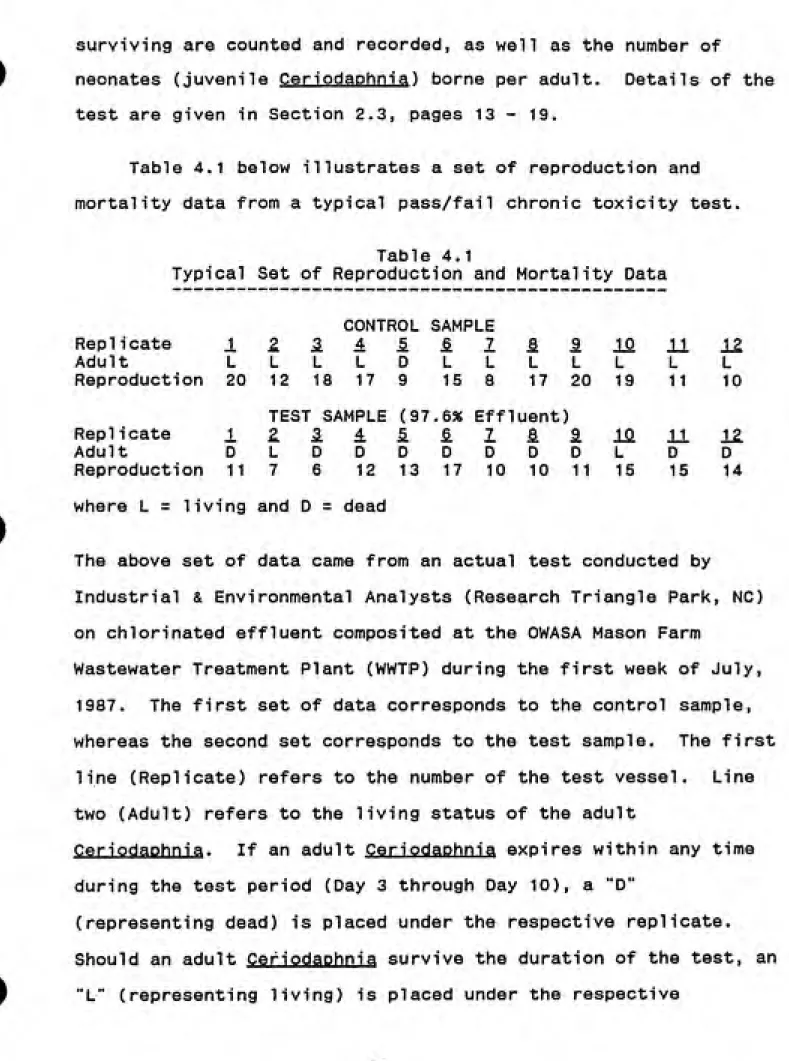
Table 4.1: Typical Set of Reproduction and Mortality Data--- 44
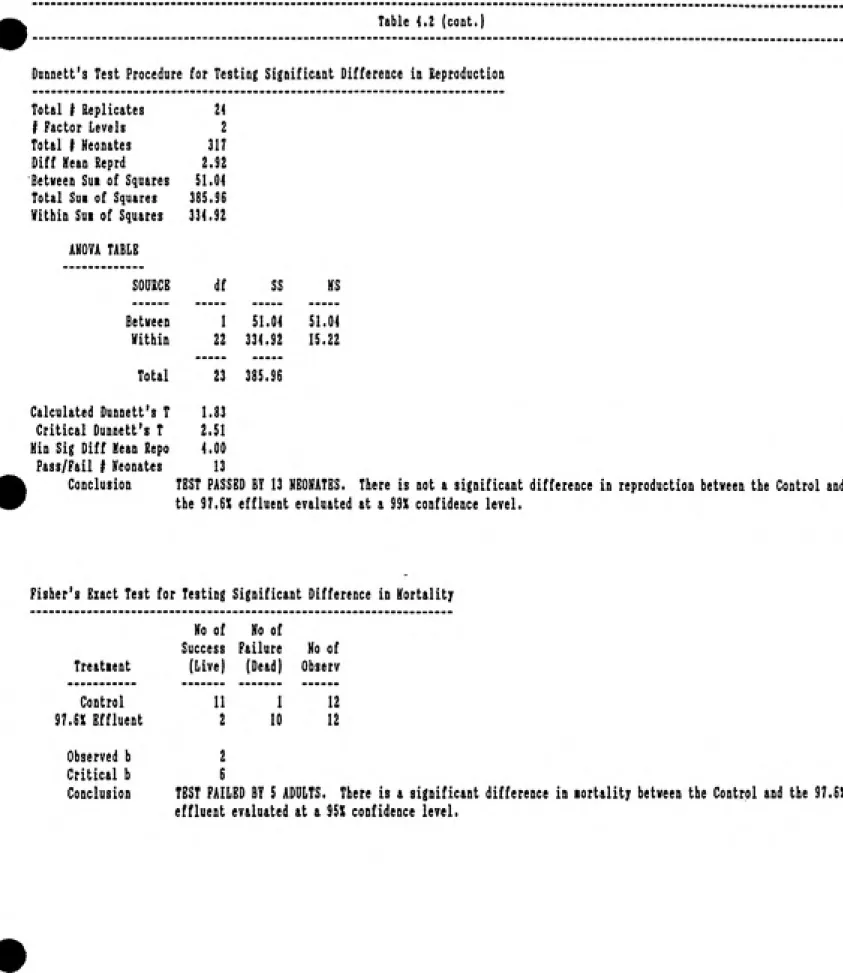
Table 4.2: OWASA #1 Statistical Spreadsheet Example Calculations --- 66
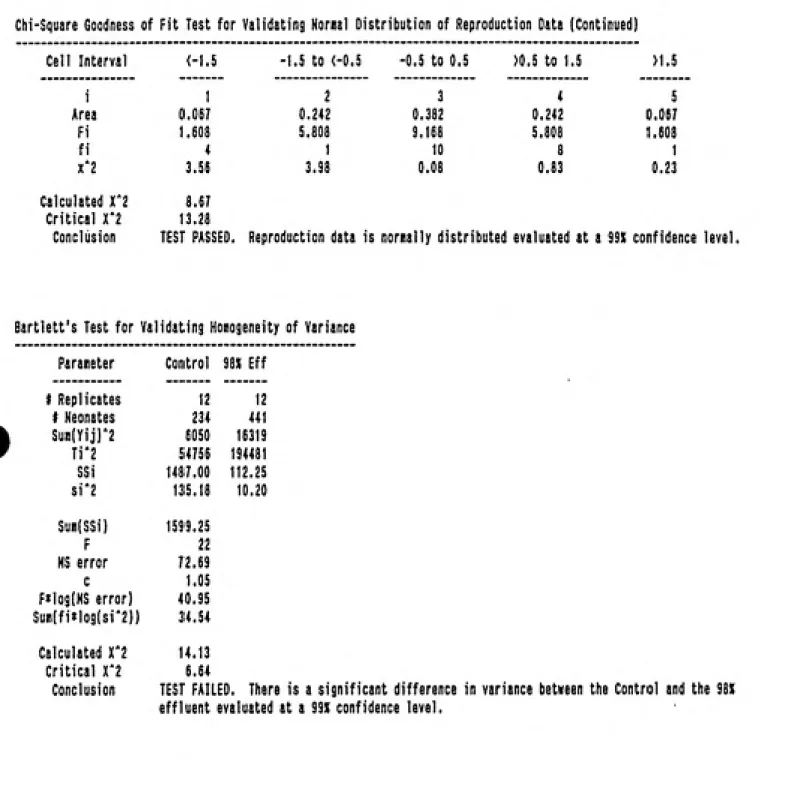
Table 4.3: OWASA #19 Statistical Spreadsheet Example Calculations --- 69
Table 4.4: OWASA #4 Statistical Spreadsheet Example Calculations --- 72
Table 5.1: Influent Wastewater Quality at the OWASA Mason Farm WWTP (Average Monthly Values) —- 77 Table 5.2: Effluent Wastewater Quality at the OWASA Mason Farm WWTP (Average Monthly Values) --- 78
Table 5.3: Selected OWASA Mason Farm WWTP Effluent Discharge Limits --- 79
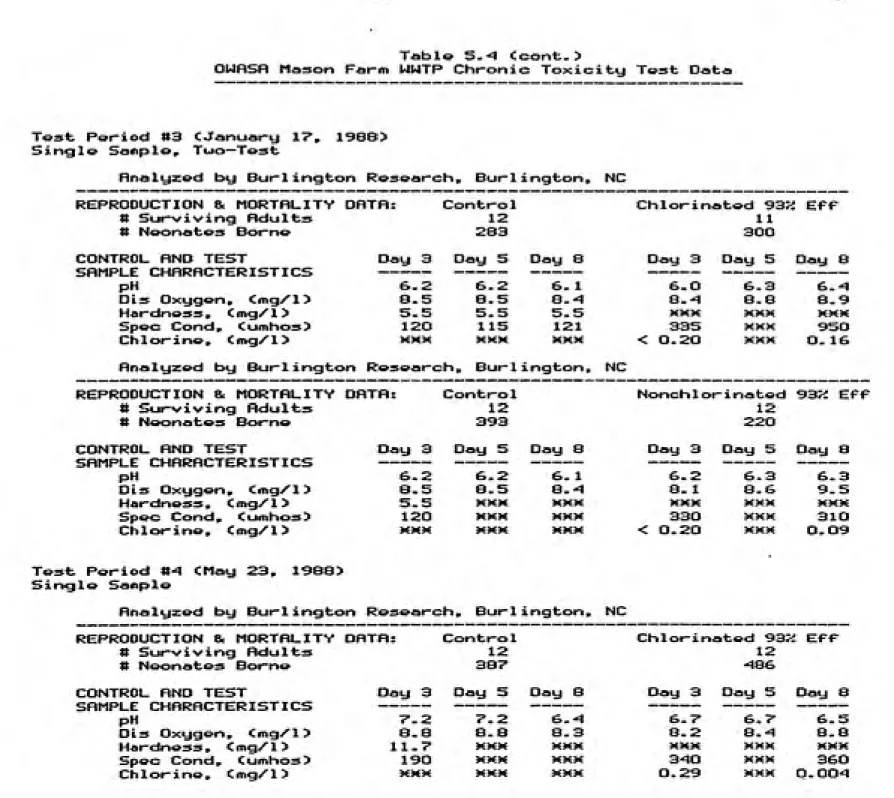
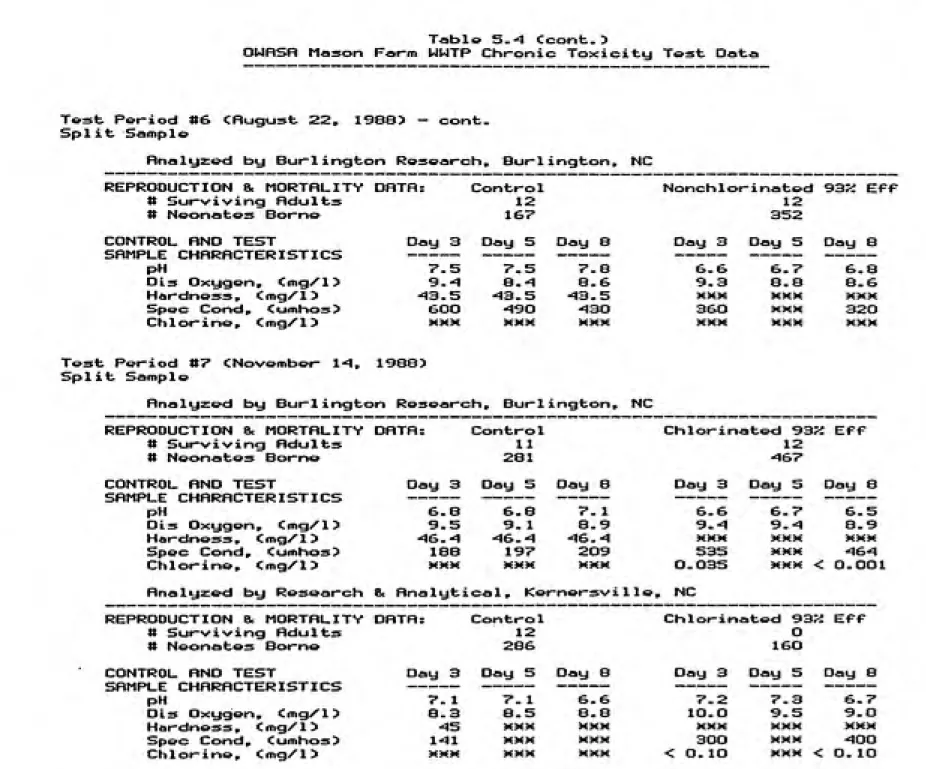
Table 5.4: OWASA Mason Farm WWTP Chronic Toxicity Test Data--- 81
Table 5.5: Ceriodaphnia Reproduction and Mortality Data (Chlorinated Samples from OWASA) --- 91
Table 5.6: OWASA Mason Farm WWTP Summary of Ceriodaphnia 7-Day Pass/Fail Chronic Toxicity Test Results--- 94
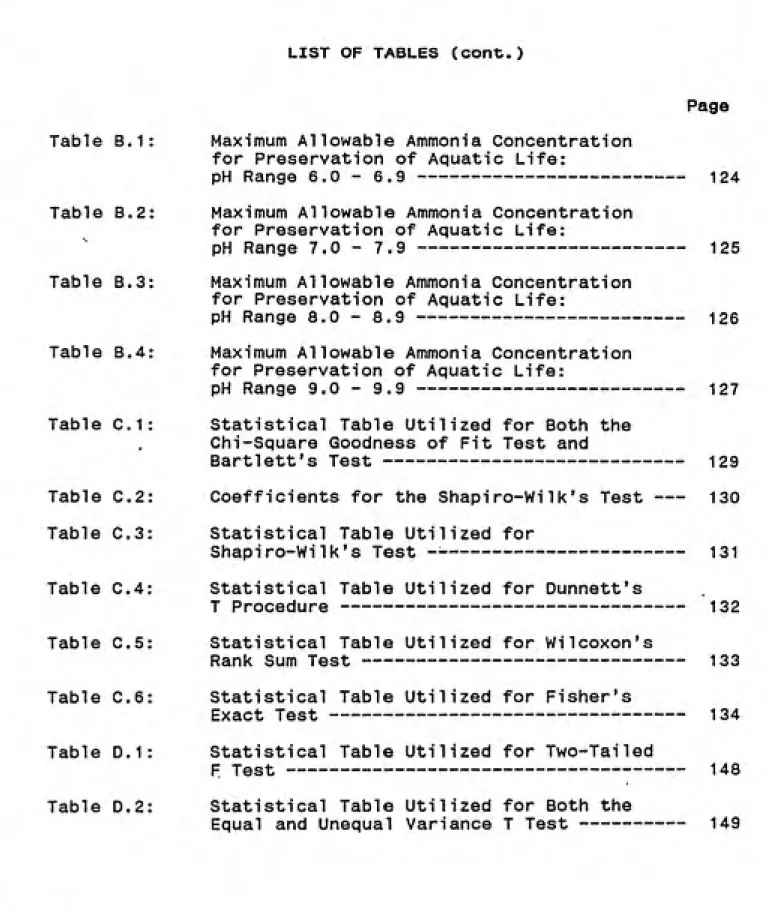
LIST OF TABLES (cont.)
Page Table B.1: Maximum Allowable Ammonia Concentration
for Preservation of Aquatic Life:
pH Range 6.0 - 6.9--- 124
Table B.2: Maximum Allowable Ammonia Concentration for Preservation of Aquatic Life:
pH Range 7.0 - 7.9--- 125
Table B.3: Maximum Allowable Ammonia Concentration
for Preservation of Aquatic Life:
pH Range 8.0 - 8.9--- 126
Table B.4: Maximum Allowable Ammonia Concentration for Preservation of Aquatic Life:
pH Range 9.0 - 9.9--- 127
Table C.I: Statistical Table Utilized for Both the Chi-Square Goodness of Fit Test and
Bartlett's Test--- 129
Table C.2: Coefficients for the Shapiro-WiIk's Test --- 130
Table C.3: Statistical Table Utilized forShapi ro-Wi Ik's Test--- 131
Table C.4: Statistical Table Utilized for Dunnett's
T Procedure--- 132 Table C.5: Statistical Table Utilized for Wilcoxon's
Rank Sum Test--- 133
Table C.6: Statistical Table Utilized for Fisher's
Exact Test--- 134
Table D.I: Statistical Table Utilized for Two-Tailed
F Test--- 148
Table D.2: Statistical Table Utilized for Both the
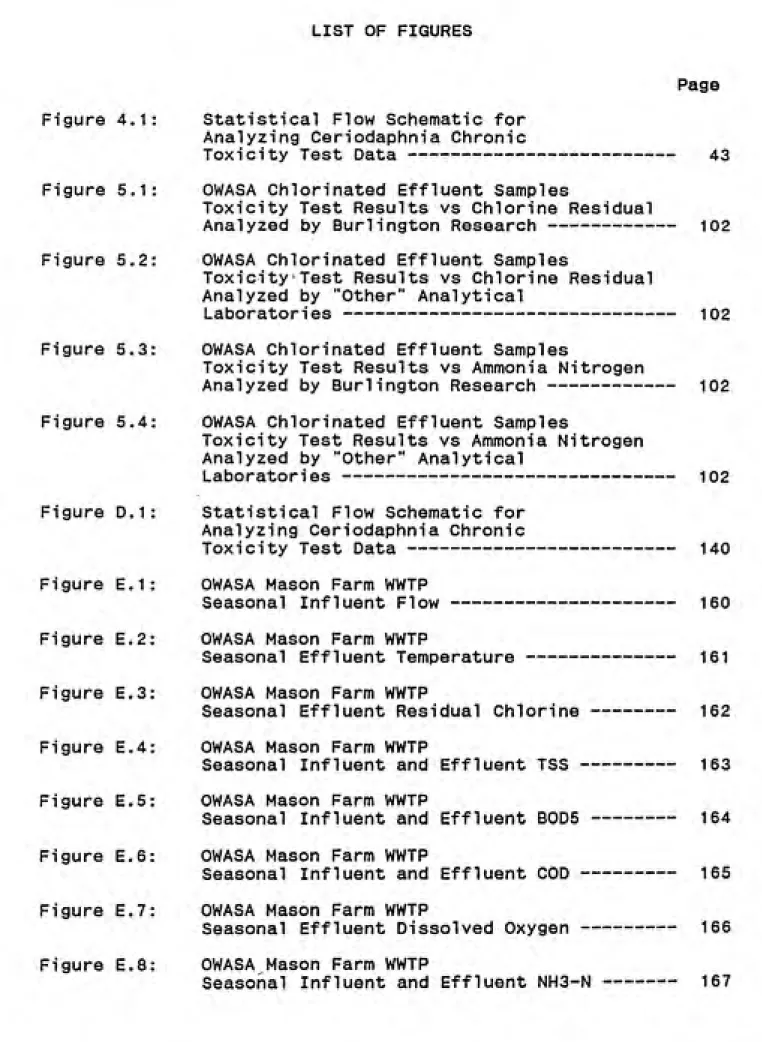
LIST OF FIGURES
Page
Figure 4.1: Statistical Flow Schematic for
Analyzing Ceriodaphnia Chronic
Toxicity Test Data--- 43
Figure 5.1: OWASA Chlorinated Effluent Samples
Toxicity Test Results vs Chlorine Residual
Analyzed by Burlington Research --- 102
Figure 5.2: OWASA Chlorinated Effluent Samples
Toxicity Test Results vs Chlorine Residual
Analyzed by "Other" Analytical
Laboratories --- 102
Figure 5.3: OWASA Chlorinated Effluent Samples
Toxicity Test Results vs Ammonia Nitrogen
Analyzed by Burlington Research --- 102
Figure 5.4: OWASA Chlorinated Effluent Samples
Toxicity Test Results vs Ammonia Nitrogen
Analyzed by "Other" Analytical
Laboratories --- 102
Figure D.I: Statistical Flow Schematic for
Analyzing Ceriodaphnia Chronic
Toxicity Test Data--- 140
Figure E.I: OWASA Mason Farm WWTP
Seasonal Influent Flow --- 160 Figure E.2: OWASA Mason Farm WWTP
Seasonal Effluent Temperature --- 161
Figure E.3: OWASA Mason Farm WWTP
Seasonal Effluent Residual Chlorine --- 162 Figure E.4: OWASA Mason Farm WWTP
Seasonal Influent and Effluent TSS —--- 163 Figure E.5: OWASA Mason Farm WWTP
Seasonal Influent and Effluent B0D5 --- 164 Figure E.6: OWASA Mason Farm WWTP
Seasonal Influent and Effluent COD --- 165
Figure E.7: OWASA Mason Farm WWTP
Seasonal Effluent Dissolved Oxygen --- 166
Figure E.8: OWASA Mason Farm WWTP
Seasonal Influent and Effluent NH3-N --- 167
LIST OF FIGURES (cent.)
Page
LIST OF FIGURES (cont.) Page
Figure E.9: OWASA Mason Farm WWTPSeasonal Influent and Effluent TKN --- 168 Figure E.10: OWASA Mason Farm WWTP
Seasonal Influent and Effluent
Organic Nitrogen --- 169
Figure E.11: OWASA Mason Farm WWTP
Seasonal Influent and Effluent
1. INTRODUCTION
A "whole effluent" chronic toxicity protocol was developed
by the United States Environmental Protection Agency (USEPA) as a
means to regulate surface water discharge of toxic substances.
This protocol was published in 1985 after five years of field and
laboratory investigations (USEPA, 1986). It contains discussions
on effluent sampling procedures, test organism culturing, chronic
testing methodology, and test data analysis. In essence, it is
to serve as a guidance manual for regulatory agencies as they
begin to establish water quality-based toxicity control programs.
The State of North Carolina was one of the first states to
implement whole effluent chronic toxicity testing by writing
toxicity requirements in their National Pollutant Discharge
Elimination System (NPDES) permits. North Carolina "extensively
reduced in complexity" USEPA's protocol "in order to provide a
relatively inexpensive means of assessing suitable water quality
with respect to chronically toxic substances" (North Carolina
Division of Environmental Management (NCDEM), 1988b). The major
difference between the two test protocols is in the number of
test concentrations and, consequently, the associated statistical
analysis procedures.
The protocol developed by the NCDEM determines the effects
of whole effluents on the mortality and reproduction of a species
for an extended period of time. Mortality and reproduction
results for the effluent sample are compared to those for a
control by performing statistical tests of significance.
However, after eighteen months of implementation, there still
appears to be confusion on how to statistically analyze the
chronic toxicity data. Furthermore, there is concern regarding
the validity and utility of the protocol due to conflicting test
results when split effluent samples are analyzed by independent
laboratories. There appears to be significant difficulties
associated with sample compositing and handling, culturing of the
test organism, and laboratory reproducibility of the test
protocol.
Therefore, the primary objectives of this report are to
provide the reader with an understanding of the statistical tests
utilized to interpret the chronic toxicity test data, and to
examine the data to determine problems associated with the test
protocol. Data obtained from the OWASA Mason Farm Wastewater
Treatment Plant in Carrboro, NC is analyzed to illustrate the
underlying statistical concepts and procedures, and to illustrate
biomonitoring variability.1.1 Format of the Report
The succeeding chapters in this report are organized in the
following manner:Chapter 2 provides historical information regarding the
conception of biomonitoring, compares and contrasts acute
modifications in North Carolina's chronic toxicity protocol
relative to the USEPA's, and provides information regarding
biomonitoring programs in several other states. Chapter 3
discusses three of the principal sources of toxicity in municipal
wastewater. Concentrations toxic to aquatic organisms are
reported. Chapter 4 presents and explains the statistical
procedures employed to interpret chronic toxicity test data. In
addition, a statistical spreadsheet is introduced which
illustrates the necessary statistical computations. Chapter 5
describes the OWASA wastewater treatment processes as well as the
respective influent and effluent water quality characteristics.
OWASA chronic toxicity test data and results are presented and
re-analyzed making use of the spreadsheet developed.
Additionally, an attempt is made to relate toxicity test results
to effluent quality. Chapter 6 summarizes the conclusions of the
study.
Following Chapter 6 are six appendices. Appendix A provides
additional information regarding biomonitoring programs in the
other states surveyed. Appendix B presents a derivation and
calculation (based on pH and temperature) of the maximum allowable
ammonia concentration discharged to a receiving body of water for
preservation of aquatic life. Appendix C contains the
statistical tables utilized to interpret the chronic toxicity
data. Appendix D describes and illustrates the new statistical
procedure (T Test) that will be implemented after November 1,
1989 to analyze chronic reproduction data. Appendix E presents
the OWASA Mason Farm Wastewater Treatment Plant. Lastly,
Appendix F provides the statistical spreadsheets used to re¬
2. BIOMONITORING
2.1 History
The earliest use of aquatic invertebrates in tolerance
research was carried out to answer questions concerning adaption
and evolution over a century and a half ago. In the first
studies that were reported, freshwater invertebrates were
subjected to seawater, and marine invertebrates were exposed to
freshwater. Later, scientists conducted research on the effects
of ions in various combinations and concentrations on both
freshwater and marine invertebrates. It was only about five
decades ago that serious consideration was first given to the use
of aquatic invertebrates as test animals for the determination of
the toxicity of potential pollutants (Buikema and Cairns, 1980).
Almost all of the bioassay work that had been done prior to
the 1920's on the toxicity of various substances involved
concentrations that killed the test organism in a relatively
short time (an acute toxic response). The following
chronological list (Buikema and Cairns, 1980) recognizes the
founding fathers of biomonitoring who utilized aquatic
invertebrates as their test organism.
- The earliest report in which aquatic invertebrates were
involved in the basic aspects of bioassays appears to be
that of Beudant in 1816. Beudant conducted a series of
experiments in which he subjected 15 species of freshwater
mollusks to 2% and A% salt solutions.- Bert in 1871 reported his observations on various
freshwater animals that he had immersed in seawater.
Among them were Daohnia.
- In 1925, Ramult set out to determine the concentrations of sodium chloride, Ringer's solution, and Van't Hoff's
solution that would restrain the development of pathogenetic eggs of Daphnia and other cladocerans.
- Strom in 1926 concerned himself with the effects of
altered hydrogen ion concentrations on Stentor. Diaptomus. and Daphnia.
- In 1928, Gresen published studies in which he attempted to
establish the highest salinities that five different genera would tolerate, the highest salinities that would
permit reproduction, and the highest salinities to which
these genera could become acclimated.
The use of Daphnia in bioassays really began with the work
of Naumann (Buikema and Cairns, 1980). In 1933 and 1934, Naumann
presented a series of 17 papers on the use of Daphnia magna as a
test animal, demonstrating that he could rear Daphnia magna
satisfactorily in water from many different sources (e.g., from soft humus waters to hard mineralized waters). Based on his observations, Naumann made the following recommendations with
respect to experimental animals (Buikema and Cairns, 1980):
1. Size class should be observed, since young animals often
have different sensitivities than older animals.
2. Changes from normal red color of animals should be noted,
since certain substances manifest their toxicity in a
color change.
3. Animals with large broods should be used, because some
toxic materials affect egg production.
4. Solutions should be maintained at the same constant
6. Tests should be carried out at a constant temperature of 20
degrees Celsius.
Naumann also found that certain conditions affect the
behavior of Daohnia magna (Buikema and Cairns, 1980):
1. Mechanical irritation causes animals to gather on the
bottom. .
2. Lack of oxygen causes animals to approach the surface.
3. Accumulation of animals at the side of vessels indicates unequal lighting.
4. Under conditions of irritation, Daohnia magna plunge more
or less senselessly through the medium, sometimes going
through "loopings". Normal swimming consists of hopping
movements - a rising with the sweep of the antennae
followed by a sinking.
In response to the environmental movement of the late 1960's
and early 1970's, the 92nd United States Congress passed the
Federal Water Pollution Control Act (FWPCA) Amendments (Public
Law 92-500) in 1972. One of the principal objectives of these
amendments was to restore and maintain the biological integrity
of the nation's waters and to achieve, by July 1, 1983, wherever
attainable, a quality of water that provides for the protection
and propagation of aquatic life. Recognizing the interdependence
of human health and welfare and aquatic life, Congress included
in this legislation the authorization and/or directives for the
United States Environmental Protection Agency (USEPA) and the
state environmental protection programs to conduct comprehensive
biological monitoring programs. Section 502 (15) of the FWPCA
defined biological monitoring as "the determination of the
(A) by techniques and procedures including sampling of organisms
representative of appropriate levels of the food chain
appropriate to the volume and the physical, chemical, and
biological characteristics of the effluent, and (B) at
appropriate frequencies and locations" (Worf, 1980). To achieve
the goals of this legislation, extensive effluent toxicity
screening programs were conducted during the mid 1970's by the
EPA regions and the states (Horning and Weber, 1985). ^
The setting of water quality-based contols for toxicity can
be accomplished in two ways. The first is the chemical specific
approach which involves setting limits for single chemicals based
on laboratory-derived no-effect levels for various test
organisms. The second is the "whole effluent" approach which
involves setting limits using effluent toxicity as a control
parameter. Traditionally, EPA has pursued the former approach to
regulate dischargers of toxic pollutants. Industrial dischargers
are required to analyze their wastewater for a number of widely
encountered toxic compounds (e.g., 126 Priority Pollutant List
and other "non-conventional" toxicants). However, it soon became
apparent that a chemical-specific approach, by itself, could not
adequately protect all surface waters because many toxic
compounds cannot be measured by available analytical methods.
Also, toxicological data are unavailable for the thousands of
potentially toxic compounds that are routinely discharged.
Additionally, toxicity data on the effects of individual
industrial and municipal wastewater. Recognizing this, EPA began
research on quick, reliable, and inexpensive biological testing
methods to measure the toxicity of complex effluents to a number
of vertebrate (Pimeohales oromelas. i.e. the fathead minnow),
invertebrate (Ceriodaohnia dubia). and plant species (Selenastrum
capricornutum) (Wall and Hammer, 1987).
In 1981, the EPA initiated the "Complex Effluent Toxicity
Testing Program." This program was initiated to support the
developing trend toward water quality-based toxicity control in
the National Pollution Discharge Elimination System (NPDES)
permit program. It was designed to investigate, under actual
discharge situations, the appropriateness and utility of "whole
effluent toxicity" testing in the identification, analysis, and
control of adverse water quality impacts caused by the discharge
of toxic effluents. The four objectives of the Complex Effluent
Testing Program are (USEPA, 1986):
1. To investigate the validity of effluent toxicity tests in
predicting adverse impact on receiving waters caused by
the discharge of toxic effluents.
2. To determine appropriate testing procedures which would
support regulatory agencies as they began to establish
water quality-based toxicity control programs.
3. To provide practical case examples of how such testing
procedures could be applied to effluents discharged to a
receiving stream.4. To field test short-term chronic toxicity tests involving
the test organisms, Ceriodaohnia and Pimeohales
prQmgla?-As part of the Complex Effluent Toxicity Testing Program,
industrial and municipal wastewater treatment plant (WWTP)
discharges at 8 sites across the country. In each case, toxicity
testing identified those effluents which were toxic, and
predicted whether the effluent was causing toxic effects in the
receiving water. Effects on the receiving water were confirmed
by biosurvey data (Wall and Hammer, 1987).
On March 9, 1984, the USEPA issued a national policy
statement recommending that state and regulatory agencies use
biological techniques as a complement to chemical-specific
analyses when assessing effluent discharge toxicity, and that
they use effluent toxicity as a control parameter in writing
permit limits (Wall and Hammer, 1987). Thus, NPDES permit limits
are written based not only on national guidelines, but also on
site-specific water quality considerations.
2.2 Acute vs Chronic Toxicity
Toxicity refers to the potential for a substance to have an
adverse or harmful effect on a living organism. A toxicant is an
agent (e.g., a specific chemical or a chemical mixture such as
effluent wastewater) that can produce an adverse effect in a
biological system, seriously damaging its structure or function
or producing death. The adverse effects can either be
categorized as acute or chronic. Acute effects are those that
occur rapidly as a result of short-term exposure to a high
concentration of the toxicant. Acute effects are relatively
severe and are characterized by lethality of the test organism.
produces deleterious effects due to repeated or long-term
exposures to a relatively low concentration of the toxicant.
There may be a relatively long latency period for the expression
of these effects, particularly if the exposure concentration is
very low. Chronic effects are sublethal and may include:
behavioral changes (alteration of swimming, attraction-avoidance,
and prey-predator relationships), physiological changes (growth,
reproduction, and development), biochemical changes (blood enzyme
and ion levels), and histological changes. Thus, toxicity tests
were developed to evaluate the concentration of the toxicant and
the duration of exposure required to produce such adverse effects
on a living test organism under standardized, reproducible
conditions (Rand and Petrocelli, 1985).
During a chronic toxicity test, aquatic organisms are
exposed to the toxicant continuously during an entire
reproductive life cycle to evaluate the toxicant's effect on
reproduction and growth. Generally, the concentration of
toxicant that produces chronic effects is lower than that which
produces the more-readily observable acute effects such as
mortality. Therefore, chronic toxicity tests can provide a more
sensitive measure of toxicity than acute toxicity tests (Rand and
Petrocelli, 1985). For this reason, regulatory agencies often
require (as written in the discharger's permit) the use of a
seven-day (chronic), static renewal, toxicity test which uses the
cladoceran, Ceriodaohnia dubi^. as the aquatic test organism for
freshwater discharges. Static refers to batch exposure in
contrast to continuous exposure as in a flowing system.
Therefore, a static renewal test is one in which the test
solutions and control water are renewed periodically by
transferring the test organisms to chambers with freshly-prepared
test solutions. This test is initiated with neonates (juvenile
Ceriodaphnia) less than 24-hours old and within 4-hours of age of
each other (NCDEM, 1988b).
The static renewal test method is preferred over the static
non-renewal test (in which the test organism is exposed to the
same effluent concentration throughout the duration of the test)
because of toxicant adsorption on the walls of the test chamber,
uptake of the toxicant by the test organism, bi©degradation of
the toxicant by microorganisms, and the effect of metabolites on
toxicity (Peltier and Weber, 1985). It is also preferred over
the flow-through test (in which the test organism is exposed to a
continuous flow of "fresh" effluent during the entire test
period) for the following reasons (Peltier and Weber, 1985):
1. It is simple and inexpensive.
2. It is cost-effective.
3. Limited resources are required (e.g., manpower, space,
and equipment). Therefore, staff can perform many
sequential tests on samples over time.
4. It requires a small volume of effluent sample
(approximately 1 to 20 liters).
5. It provides some indication of toxicity persistence.
1. It does not reflect temporal changes in effluent
composition and toxicity.
2. There may be a dissolved oxygen (DO) demand exerted by
the waste, leading to DO depletion.
3. Toxicants can be lost due to volatilization, adsorption
to the test vessel, or biodegradation.
Cladocerans, also known as "water fleas", have been used in
tolerance studies for over a century (Standard Methods, 1985).
There are several reasons why cladoceran species (e.g., Daohnia
magna. Daohnia oulex. Ceriodaohnia reticulata. Ceriodaohnia
dubia) have been extensively used as test organisms for aquatic
toxicity testing. First, they are macroscopic and do not require
the use of a microscope. However, they are smaller than most
fish and, hence, require less space and less toxicant for
purposes of testing. Because of the difference in space,
equipment, and toxicant requirements, the cost of equipping and
running an aquatic invertebrate toxicity laboratory is
approximately one-tenth the cost of equipping and running a
similar fish toxicity laboratory (Buikema and Cairns, 1980).
Second, reproduction and life-cycle studies may often be
completed within 2 to 4 weeks utilizing cladocerans as test
organisms, whereas life-cycle studies with rapidly-reproducing
fish (e.g., flagfish and zebra fish) may require as long as 3
months. Hence, the use of cladocerans can result in more
toxicants and/or more species being tested within a given time
than would be possible if fish alone were used (Buikema and
Cairns, 1980). Third, Mount and Norberg (1984) have found
cladocerans to be readily available, adaptable to laboratory
conditions, and one of the more sensitive aquatic animals to test
chemicals. They also state that "the functional role of
cladocerans in the community is less often mentioned as a reason
for using them as test animals." They go on to say that
cladocerans "are among the most important groups converting
phytoplankton and, perhaps more importantly, bacteria into animal
protein that is nutritionally valuable for higher animals, such
as fishes. Thus, their important role in aquatic communities
makes them logical choices for inclusion among species that need
to be protected."
Ceriodaohnia dubia has been found to be the best cladoceran
choice as a test animal due to their ease of culturing in the
laboratory, their young (neonates) are easier to count, the
adults produce large broods, and ephippia (a protected dormant
stage of the daphnid life cycle which indicates unfavorable
conditions and an unhealthy population) are uncommon even in
crowded cutures (Mount and Norberg, 1984). As far as sensitivity
to toxicants is concerned. Mount and Norberg compared the 48-hour
LC50 (LC50 is defined as the concentration estimated to cause
mortality in 50% of the test population over a specified time
period) data for four cladoceran species (Q^ magna. D. pulex. C.
reticulata, and Sj. vetulus) to 13 toxic substances. The data
suggest that none of the four species were distinctly more
sensitive than any of the others.
2.3 North Carolina's Biomonitoring Program
either an acute or a chronic response. Consequently, both acute
and chronic tests have been developed to evaluate the adverse
effects of a toxicant. Presently, in the State of North
Carolina, most dischargers are required to monitor for chronic
effects and not acute effects. However, in instances where the
receiving stream or mixing zone is almost entirely effluent.
North Carolina's Division of Environmental Management (NCDEM)
often requires the use of an acute methodology in which acute
mortality in a specific effluent can be statistically determined
(NCDEM, 1988b).
NCDEM has modified EPA's standard acute method (Methods for
Measuring %hs. Acute Toxicity q± EfflM^ntg %Q. Freshwater snd
Marine Organisms. EPA/600/4-85/013) in order to test higher
effluent concentrations where a measured LC50 may not necessarily
protect for acute toxicity. NCDEM's acute testing procedure is
outlined in its July 1988 information packet entitled "AQUATIC
TOXICITY TESTING - Understanding and Implementing Your Testing
Requirement" and is summarized as follows:
The acute procedure is a static non-renewal toxicity
test using either the Pimeohales promelas (fathead minnow), Dj.
Pulex. or Qj_ dubia. Two sample populations are utilized in this
procedure with the control population specified as sample "one"
and the effluent specified as sample "two". Generally, the
effluent concentration is diluted to 90%; however, the actual
concentration is specified either in the NPDES permit or by the
NCDEM. Each sample is tested using four identical test vessels
each containing ten test organisms. At the end of the test
period (48-hours), all organisms are identified as alive or dead.
The data are then statistically analyzed by using a Standard Student T Test to determine if mortality in the effluent is
significantly different than the control population evaluated at
a 99X confidence level.
In contrast to NCDEM's acute toxicity test, the North Carolina Pass/Fail Chronic Toxicity Test measures both Ceriodaohnia survival and reproduction during a 7-day test period. The test is performed on two samples. Twelve female adult Ceriodaohnia are exposed to each sample in individual test chambers containing 15 mL of solution. The first sample is
considered as the control population and is dosed at 0% effluent
and 100% culture water. Culture water is defined as the same
source of water as that used to maintain the test organism
population in the laboratory. This sample serves as a control to evaluate the significance of the response in sample two. Sample two exposes the test organisms to the predicted instream waste concentration of the effluent. The instream waste concentration of the effluent is obtained by diluting the effluent with culture
water as follows:
Percent (Permitted Discharge Volume)*(100)
Instream =
---Waste Cone (Permitted Discharge Volume + 7Q10) where 7Q10 is the lowest average 7-day flow in the
receiving stream which has a probability of recurrence
every ten years.
concentration equivalent to instream low flow values, has
significant detrimental impact upon reproduction as compared to
the control population. If there is no significant detrimental
impact compared to the control population, then the effluent
discharged to the receiving stream is not considered chronically
toxic to instream organisms/populations, and is considered to
have passed the toxicity test. However, if there are significant
differences in either reproduction or mortality between the test
and the control samples, then the effluent disharged to the
receiving stream is considered chronically toxic, and is
considered to have failed the test (NCDEM, 1988b).
The day to day procedures of the North Carolina Pass/Fail
Chronic Toxicity Test are briefly summarized as follows (NCDEM,
1988b).
Day 1: Discharger begins compositing 24-hour effluent sample. Composited sample should be refrigerated or cooled by ice to maintain a temperature less
than or equal to 4 deg C. A minimum effluent sample volume of 500 mL is collected.
Day 2: Discharger collects, packages, and ships 24-hour composite sample to analyzing laboratory where
toxicity test is performed. Care should be taken to ensure effluent sample temperature upon
arrival at laboratory is less than or equal to 4
deg C.
Day 3: The toxicity test is initiated as the test
organisms (Ceriodaphnia) are introduced to the
control and test samples. Dissolved oxygen, temperature, pH, and specific conductance are measured and recorded in both the control and
test samples. In addition, chlorine residual
is measured and recorded in the test sample;
hardness is measured and recorded for the control
sample. Dissolved oxygen should be greater than or equal to 5.0 mg/1 and the temperature maintained
at 25 deg C (+ or - 1 deg C). The Ceriodaphnia are
fed.
Day 4: Discharger begins compositing second 24-hour effluent composite sample. Ceriodaphnia in the test solutions are fed.
Day 5: Ceriodaphnia are transferred to new solutions of
the original composite test sample and control sample. Mortality and reproduction counts are performed at this time. Also, dissolved oxygen, temperature, and pH are measured and recorded for both the original composite test and control
samples. Discharger collects, packages, and ships second 24-hour composite sample to laboratory. Ceriodaphnia are fed.
Day 6: Laboratory refrigerates and maintains second composite effluent sample's temperature at less than or equal to 4 deg C. Ceriodaphnia are fed.
Day 7: Same as Day 6.
Day 8: Renew all test solutions by transferring the
respective organisms to either the second composite test sample or to the new control sample.
Mortality and reproduction counts are performed. Dissolved oxygen, temperature, and pH are measured
and recorded in both the discarded and the new
second sample for both the composite test and control samples. In addition, specific conductance and
chlorine residual are measured and recorded in the
second composite test sample. Specific
conductance and hardness are measured and recorded
in the new control sample. Ceriodaphnia are fed. Day 9: Ceriodaphnia are fed.
Day 10: Perform final mortality and reproduction counts as well as measure and record dissolved oxygen,
temperature, and pH. Begin statistical analysis to determine if there is a significant difference
in either mortality or reproduction between the
control and the test samples.
The North Carolina Pass/Fail Chronic Toxicity Test is a modified version of the USEPA's protocol entitled Methods for Estimating %hs. Chronic Toxicity af Effluents and Receiving Viaisrs
to Freshwater Organisms. EPA-600/4-85-014. The reasoning behind
means of assessing suitable water quality with respect to
chronically toxic substances" (NCDEM, 1988b).
The major difference between the two test protocols is in
the number of test concentrations and, consequently, the
associated statistical analysis procedures. NCDEM's protocol
yields data that either accepts or rejects an effluent for
discharge to a specific body of water. It does not determine the
"no observable effect concentration" (NOEC), i.e. the safe
concentration below which no impact is expected to occur. At
times, however, it may be necessary to determine the NOEC in
order to evaluate the degree of toxicity reduction needed. In
that instance, EPA's methodology of using an expanded series of
dilutions is employed.
The USEPA's protocol suggests exposing the test organism to
five test concentrations and a control. This contrasts with
NCDEM's pass/fail test which uses only one test concentration and
a control. The test concentrations in the USEPA's dilution
series is established around the instream waste concentration by
factors of three. The highest concentration is two multiples
above the instream waste concentration and the lowest is two
multiples below that concentration. For example, if the low flow
instream waste concentration is 5%, then the exposure
concentrations to be tested are as follows:Concentration % Multiple 45 15 X 3
15 IWC X 3 5 0
1.5 IWC / 3 0.45 1.5/3
Control Not Applicable
where IWC is the instream waste concentration
The chronic value, also called the "maximum acceptable
toxicant concentration" (MATC) is calculated as the geometric
mean of the lowest observable effect concentration (LOEC) and the
NOEC. This hypothetical concentration is in a range bounded at
the lower end by the highest concentration in the chronic test
that produces no effect (NOEC), and at the higher end by the
lowest concentration tested that produces a statistically
significant effect (LOEC) (Rand and Petrocelli, 1985). If the
chronic value lies above the range of concentrations, then the
effluent is of minimal concern regarding toxics tested in the
discharge. However, should the lowest concentration be impacted
in comparison to the control, then the toxicity of the effluent
must be viewed as harmful to the receiving stream and will not
meet the pass/fail criteria (the pass/fail criteria and the
underlying statistics are discussed in Chapter 4).
Due to NCDEM's smaller sample size (one test concentration
as compared to the USEPA's five), NCDEM requires a greater
confidence level, i.e. more proof, in order for a discharger to
fail a test than does the USEPA. Consequently, NCDEM requires
reproduction data to be evaluated at a 99X confidence level,
2.4 Comparison of North Carolina's Biomonitoring Program with
Selected Other States
One of the first states to recognize the adverse effects of biocides (chemicals used to kill bacteria and other
microorganisms) in wastewater discharges, North Carolina emerged as a national leader in using aquatic toxicology as a regulatory tool. But how does North Carolina's program compare to programs in other states? To try to answer this question, the author intended to contact and survey selected states within several of EPA's 10 regions regarding their biomonitoring programs. This plan of attack was quickly abandoned after contacting the states within EPA Region 1 and not obtaining much useful information.
It appears that most of the states in EPA Region 1
(Massachusetts, New Hampshire, Maine, Rhode Island, Vermont, and Connecticut) are only requiring acute toxicity testing of
industrial process discharges at this time, and requiring
municipal wastewater treatment plants only to monitor the chronic toxicity of their final effluent in order to establish a data base. In addition, three of the states (Vermont, Rhode Island, and Connecticut) have dechlorination policies or foresee adopting dechlorination policies in the near future.
It appears that the State of Connecticut has the most developed program of the six states surveyed. That state has written acute toxicity limits into their industrial NPDES
permits; these limits are enforceable. Connecticut follows EPA's standard acute protocol, but utilizes application factors for establishing toxicity limits (e.g., 3 for acute and 20 for
chronic, corresponding to limits of LC50/3 and LC50/20,
respectively). In addition, since May of 1988, all industries must submit a "Discharge Toxicity Evaluation." This report states the type of waste being discharged, how it is being treated, and the type of monitoring program being employed. Connecticut also requires municipal WWTPs to monitor for acute toxicity, but their permits do not contain limits. The state has modified EPA's acute pass/fail test for municipal dischargers and dischargers who discharge in low flow streams (i.e., minimal
dilution effect). The modified version is referred to as the "No Kill Protocol." This method calls for 5 effluent test
populations and 3 control populations. The mean survival for both the 5 test samples and 3 controls must be 90X in order to constitute a passing result.
In summary, most of the states in EPA Region 1 are just beginning to implement their biological monitoring programs, and consequently, their data bases are relatively scarce. For
further information regarding their respective biomonitoring programs, refer to Appendix A.
Even though the State of Colorado was not contacted, their unique approach towards biomonitoring deserves discussion.
Colorado has received considerable attention regarding their biomonitoring program due to their recent articles published in the Journal of the Water Pollution Control Federation (Grimes, 1987; Michael, Egan, and Grimes, 1989). Colorado has based
contrast to North Carolina's strict liability approach. To
clarify this point, enforcement action is based not on the
results of individual biomonitoring tests, but on the diligence
with which dischargers detect and pursue elimination of toxicity
in their final effluent (Michael, Egan, and Grimes, 1989). The
major features of Colorado's biomonitoring regulations (Michael,
Egan, and Grimes, 1989) are summarized below:
1. NPDES permit limits are established only for acute
toxicity. However, chronic toxicity testing is required
of effluents discharged to aquatic-sensitive streams as
an information gathering tool only. This is due to the
fact that no Toxicity Reduction Evaluation (TRE) procedures relevant to chronic toxicity have been
developed.
2. Enforcement is based on the discharger displaying a lack
of diligence (defined in terms of the timely performance of specified requirements at an acceptable level of
effort). The diligence approach recognizes the
fundamental differences between conventional pollutants and toxics. Publicly owned treatment works (POTWs) are only held accountable for those process elements within
their control. Another item of importance to POTWs is
that the regulation recognizes the possibility that existing technology may not be able to identify causes,
sources, or treatment options for toxicity in complex POTW effluents.
3. Toxicity incidents are defined by detecting a pattern of
toxicity rather than by a single biomonitoring test
result. Thus, POTWs are not held responsible for
isolated events such as spills or "midnight dumps" into
their collection system.
4. All investigations and control program requirements are designed under the oversight and approval of the
permitting authority. The permitting authority becomes
a knowledgeable and active partner in the process of
toxicity control rather than a mere enforcement agency.
3. SOURCES OF WASTEWATER TOXICITY
If a pattern of whole effluent toxicity has been established in a discharger's final effluent, the next steps are to first identify the toxicant(s), and then to remove the causative
agent(s) or to eliminate the contributing factors. As a result, the USEPA Environmental Research Laboratory in Duluth, Minnesota has published a series of guidance documents intended to aid the discharger in conducting aquatic Toxicity Identification
Evaluations (TIEs) as part of an overall Toxicity Reduction Evaluation (TRE). EPA's approach is divided into three phases: Phase I contains methods to identify the physical/chemical nature of the constituent(s) causing toxicity without specifically
identifying the toxicant(s); Phase II describes methods to specifically identify the toxicant(s) if they are non-polar organics, ammonia, or metals; and Phase III desribes methods to confirm the suspected toxicant(s) (Mount and Anderson-Carnahan,
1988).
Once the toxicant has been identified, bench- or pilot-scale treatability studies can be performed to examine options for
removing the toxicant(s). Possible treatment processes include coarse and/or fine media filtration, chemical reduction by
wastewater system can be pursued.
Possible sources of municipal whole effluent toxicity (e.g., industrial contributions, residual chlorine and chlorination by¬ products due to disinfection practices, and ammonia) are
discussed below.
3.1 Industrial Contributions
Traditionally, most wastewater treatment plants were designed to remove suspended solids and biodegradable organic material (i.e., BOD). Nutrient removal (nitrogen and phosphorus) was introduced in the late 1960's and early 1970's. During this same time frame, America was experiencing a chemical revolution as new synthetic chemicals were developed for a myriad of uses (e.g., the application of herbicides and pesticides to increase agricultural production, and the utilization of lubricants and solvents to enhance industrial operation). As man's technology advanced and his dependence on synthetic chemicals continued, chemical compounds in concentrations deleterious to aquatic life
were detected in final wastewater effluents. The sources of
these harmful chemicals are attributed principally to industrial wastes, but they may also be derived from surface runoff (both urban and rural) and domestic discharges. Due to the presence of these harmful chemical compounds in municipal wastewaters,
regulatory agencies have begun to write "priority pollutant" limits into NPDES permits. Currently, 126 chemicals constitute the priority pollutants. These 126 priority pollutants are
further subdivided as either metals (14), GC/MS acid extractables
(11), PCB/pesticides (27), GC/MS Purgeables (31), or
GC/MS/neutral extractables (43). Table 3.1 below lists the 126 priority pollutants.
Table 3.1
Priority Pollutants Metals
Compound
Cyanide
SiIver Arsenic
Beryl 1ium Cadmium
Total Chromium
Copper
Compound
Mercury Nickel
Lead
Antimont Selenium
Zinc
Thai 1ium
GC/MS Acid Extractables
Compound Compound
4-Chloro-3-Methylphenol 2-Chlorophenol
2,4-Dichlorophenol 2,4-Dimethylphenol 2,4-Dinitrophenol
2-Methyl-4,6-Dinitrophenol
2-Nitrophenol 4-Nitrophenol Pentachlorophnol
Phenol
2,4,6-Trichlorophenol
PCB/Pesticides
Compound Compound
alpha-BHC 4,4'-DDT
beta-BHC Endrin Ketone
delta-BHC Methoxychlor
gamma-BHC (Lindane) alpha-Chlordane
Heptachlor gamma-Chlordane
Aldrin Toxaphene
Heptachlor Epoxide PCB 1016
Endosulfan I PCB 1221
Dieldrin PCB 1232
4,4'-DDE PCB 1242
Endrin PCB 1248
Endosulfan II PCB 1254
4,4'-DDD PCB 1260
Table 3.1 Priority (Continued) Pollutants GC/MS Purgeables Compound Benzene
Bromod i ch1oromethane Bromoform Bromomethane Carbon Tetrachloride Chlorobenzene Chloroethane 2-Chloroethylvinyl Ether Chloroform Chioromethane Di bromochloromethane 1,2-Dichlorobenzene 1,3-Dichlorobenzene 1,4-Dichlorobenzene 1,1-Dichloroethane Compound trans-1,2-Dichloroethene 1,2-Dichloropropane cis-1,3-Dichloropropene trans-1,3-Dichloropropene Ethyl Benzene Methylene Chloride 1,1,2,2-Tetrachloroethane Tetrachloroethene Toluene 1,1,1-Trichloroethane 1,1,2-Trichloroethane Trichloroethene Trichlorofluoromethane Vinyl Chloride
GC/MS Base/Neutral Extractables
Compound
Acenaphthene Acenaphthylene Anthracene
Benzo (a) Anthracene
Benzo (a) Pyrene
Benzo (b) Fluoranthene
Benzo (ghi) Perylene
Benzo (k) Fluoranthene
Bis (2-Chloroethoxy) Methane Bis (2-Chloroethyl) Ether Bis (2-Chloroisopropyl) Ether Bis (2-Ethylhexyl) Phthalate
4-Bromophenyl Phenyl Ether Benzyl Butyl Phthalate 2-Chloronaphthal6ne
4-Chlorophenyl Phenyl Ether Chrysene
Dibenzo (a,h) Anthracene 1,2-Dichlorobenzene 1,3-Dichlorobenzene 1,4-Dichlorobenzene 3,3'-Dichlorobenzidine Compound Diethyl Phthalate Dimethyl Phthalate Di-N-Butyl Phthalate
2,4-D i n i troto1uene
2,6-Dinitrololuene Di-N-Octy1phthalate
Fluoranthene Fluorene
Hexachlorobenzene
Hexach1orobutad i ene
Hexachlorocyclopentadiene
Hexachloroethane
Indeno (1,2,3-cd) Pyrene
Isophorone Naphthalene Nitrobenzene
N-Nitrosodipropyl amine N-N i trosod i pheny1 am i ne
Phenanthrene Pyrene
1,2,4-Trichlorobenzene
Of the 126 priority pollutants, metals (e.g. cadmium, nickel, chromium, lead, copper and zinc) are associated
principally with metal plating industries; phenols, solvents (e.g. carbon tetrachloride), and solvent weld by-products (e.g. trichloroethene and tetrachloroethene) are characteristically found in industrial wastewaters; and pesticides (e.g. endosulfan, 4,4'-DDT and aldrin) are attributed to surface runoff from
agricultural farmland.
Influent wastewater to OWASA's Mason Farm WWTP is
principally domestic in origin with appreciable amounts of urban storm water runoff. Except for the University of North Carolina at Chapel Hill, there are no industrial contributors. Therefore, the remainder of this discussion focuses on the two other key potential toxics, chlorine and ammonia.
3.2 Chlorine
- Wastewater Chlorination
Over the past century, chlorination has evolved as the most commonly used method of disinfecting both water and wastewater.
The extensive use of chlorine has come about as a result of its
bactericidal effectiveness, ease of application, relatively low cost, and relatively persistent residual (Aieta, 1980). It has not been until the past decade, however, that its possible
detrimental effects have been considered. Two of the most
for these and other reasons that the indiscriminate practice of
wastewater chlorination for the purpose of disinfection is
presently undergoing review in the United States.
Prior to the 1970's, regulations governing wastewater
disinfection were at the discretion of the individual states.
Some states required either year-round disinfection or no
disinfection at all, whereas other states allowed either seasonal
disinfection or mandated disinfection on a case-by-case basis.
The implementation of mandatory effluent disinfection
drastically changed in August 1973 when the Federal Government,
through the USEPA, assumed regulatory control with the passage of
Public Law 92-500, the Federal Water Pollution Control Act
(FWPCA). The vast majority of wastewater treatment plants could
not meet the imposed maximum concentration of 2000 fecal
coliforms per 100 mL and were thus forced to employ a separate
disinfection step in the treatment process. Because chlorination
was the cheapest and most common disinfection technique available
at that time, the USEPA had in effect mandated the chlorination
of all wastewater discharges in the United States (Singer, Brown,
and Wiseman, 1988).
Following the enactment of the FWPCA, concern over the
impact of chlorinated effluents on receiving waters led to
initiation of considerable research. Thus by 1976, in response
to these concerns, the USEPA dropped the fecal coliform
limitations from the FWPCA. The states, therefore, reassumed the
responsibility for setting and enforcing their own water quality
regulations (Singer, Brown, and Wiseman, 1988). - Chemistry of Chlorine
When chlorine gas (C12) is added to water, two reactions occur: hydrolysis and ionization. In the hydrolysis reaction,
hypochlorous acid (HOC!) is formed. During the ionization
reaction, the hypochlorous acid will partially dissociate to form
the hypochlorite ion (0C1-). Chlorine existing as either HOCl or
OCl- is referred to as free chlorine or free available chlorine
(FAC). The two reactions and the corresponding equilibrium
constants (at 25 degrees Celsius) are given below (Tchobanoglous and Schroeder, 1985).
Hydrolysis reaction:
-4
C12 + H20 = HOCl + H+ + CI- Kh = 4.5 X 10 Ionization reaction:
-8 HOCl = H+ + OCl- Ka = 3.7 x 10
At 25 degrees Celsius and pH = 7.43, the activities of HOCl
and OCl- are equal. At pH values below 7.43, HOCl predominates,
whereas at pH values above 7.43, OCl- is the predominant species.
This pH relationship is significant as far as disinfecting
ability is concerned. It is reported that HOCl is approximately 80 to 100 times more effective at killing Escherichia coli than OCl- (Snoeyink and Jenkins, 1980).
Chlorine is a relatively strong oxidant and will
in a reduced level of disinfecting effectiveness.
In dilute ammonia solutions, hypochlorous acid (HOCl) reacts with ammonia (NH3) to form monochloramine (NH2C1),
dichloramine (NHC12), and trichloramine (nitrogen trichloride) (NC13). In addition, chlorine reacts with organic nitrogen
compounds to form organic chloramines. These species (inorganic and organic chloramines) are referred to collectively as combined chlorine or combined available chlorine (CAC). Inorganic
chloramines are much less effective than FAC as a disinfectant, but their disinfectant capability is more persistent (Brungs, 1973). In contrast, most organic chloramines possess little or no germicidal power although they titrate as combined chlorine in the iodometric and DPD procedures (Singer, Brown, and Wiseman,
1988). In fact, some of these species titrate as FAC, giving false and misleading FAC residuals.
- Chlorine Toxicity
Prior to 1970, little consideration was given to any
possible deleterious effects that might accompany the discharge of chlorinated wastewater to an aquatic system. Thereafter, early investigators of chlorine toxicity focused their attention
on the relative toxicities of free and combined chlorine.
Duodoroff and Katz in 1950, and Merkens in 1958 determined that FAC was more toxic and acted more rapidly than combined chlorine. However, they also both concluded that the toxicity of each class was probably of the same order of magnitude. In 1984, Wolf came
to similar conclusions and stated that a measure of total
residual chlorine would be sufficient to express the relative toxicity of a wastewater (Singer, Brown, and Wiseman, 1988). However, due to the presence of residual ammonia and organic
nitrogen in wastewater, and since chlorination is seldom carried to the point necessary to produce free chlorine, the residual chlorine typically exists in a combined state. (Brungs, 1972). Therefore, the major source of chlorine to which freshwater organisms are exposed to in wastewater effluent is residual
combined chlorine.
A search through the pertinent literature has shown that residual combined chlorine is extremely toxic even in dilute
concentrations. Chloramine concentrations of a few tenths of a
mg/1 are lethal to warm water fish (sunfish, bullheads, minnows). In addition, average concentrations of 0.16 mg/1 to 0.21 mg/1 residual combined chlorine caused complete kills of fathead minnows (Zillich, 1972). Daohnia magna. one of the more sensitive invertebrate species, died at a residual chlorine concentration (defined by Brungs as the summation of free chlorine, dichloramine and monochloramine) of 0.014 mg/1 and
acceptable reproduction occurred at 0.003 mg/1 and below (Brungs, 1973). Brungs goes on to report that for continuous
chlorination, the total residual chlorine concentration should not exceed 0.002 mg/1 (this should protect most aquatic
organisms). For intermittent chlorination, the total residual chlorine concentration should not exceed 0.04 mg/1 for a period of 2-hrs/day (this should protect most species of fish). Table
chlorine, dichloramine and monochloramine) for selected test
organisms (Brungs, 1973).
Table 3.2
Residual Chlorine Levels Toxic to Aquatic Life
Species Tested
Yellow perch Largemouth bass
Fathead minnow
Rainbow trout Black bullhead Fathead minnow
Golden shiner Fathead minnow
Scud
Daphnia magna
Measured Residual
Chlorine Cone (mg/1)
0.494 12-hr LC50 0.365 12-hr LC50
0.26 12-hr LC50
0.14 - 0.29 96-hr LC50
0.099 96-hr LC50
0.05 - 0.16 96-hr LC50
0.19 96-hr LC50
0.0165 Safe Cone
0.012 - 0.0034 Safe Cone
0.003 Safe Cone
It appears that the principal toxicant in most municipal secondary wastewater treatment plant effluent is residual
chlorine (Paller, et al, 1983). A number of field investigations support this statement (Zillieh, 1972; Esvelt, Kaufman and
Selleek, 1973; Environmental Research Laboratory, 1975; Bellanca and Baily, 1977; Ward and Degraeve, 1980).
From the results of the five field investigations previously referenced, it can be concluded that total residual chlorine in
final effluent, even at low levels, is extremely toxic. However,
dechlorination, with either sodium bisulfite or sulfur dioxide,
can significantly reduce chlorine-induced toxicity. As a result, some nearby Atlantic Coast States (e.g., Maryland and Virginia) have enacted dechlorination policies.
Municipal wastewater treatment plants in the State of
Virginia are required to meet fecal coliform counts equal to or
less than 200 colony forming units (CPUs) per mL. If chlorine is
utilized as the disinfectant, dischargers are required to
maintain a minimum chlorine residual (after 30 minutes of contact
time) of 1 mg/1. However, the maximum allowable chlorine
residual in the receiving stream (for freshwater streams) is
0.011 mg/1. Dischargers failing to meet this maximum allowable
limit must dechlorinate. In addition, Virginia does not allow
chlorinated or dechlorinated final effluent discharged into its
trout streams. Consequently, dischargers must use an alternative
disinfectant (e.g., ultra-violet light, ozone).
Maryland requires its discharges into shellfish waters to
meet fecal coliform counts less than or equal to 14 CFUs/ml, and
200 CFUs/ml for all other waters. Maryland is even more
stringent than Virginia in that all municipal WWTPs are required
to dechlorinate. However, a chlorine residual prior to
dechlorination is not specified.
3.3 Ammonia
- Ammonia in Wastewater
Ammonia is a natural by-product of the decomposition of all
types of nitrogen-containing organic matter. Consequently, it is
a major constituent of municipal wastewater discharges. It can
also enter natural waters from other sources including industrial
waste discharges (e.g., steel, petroleum, leather, and meat
urban runoff (Paller, et al, 1983; Ammonia, 1986). Amounts of
ammonia discharged annually in the United States by major
5
anthropogenic point sources were estimated to be nearly 5.6 x 10
tons. Industrial dischargers contribute less than 5% of the
total ammonia discharged into surface waters, while publicly owned treatment works (POTWs) contribute more than 955IS of the total (Ammonia, 1986).
- Chemistry of Ammonia
The terms ammonia, ammonium, ionized and un-ionized ammonia
have been a point of confusion in the literature. For purposes
of clarity and uniformity, the terms "ionized ammonia" (NH4+) and
"un-ionized ammonia" (NHS) will be adopted and used in this
report to describe the two forms of ammonia, and the term
"ammonia" will refer to both forms (NH4+ and NHS).
Like chlorine, ammonia undergoes an ionization reaction when
it comes into contact with an aqueous solution. The reaction and
corresponding equilibrium constant (at 25 degrees Celsius) is
given below (Snoeyink and Jenkins, 1980).
-10
NH4+ = H+ + NHS Ka = 5.0 x 10
Therefore at 25 degrees Celsius and pH = 9.3, the activities of
NH4+ and NHS are equal. At pH values below 9.3, NH4+ is the
predominat species, whereas at pH values above 9.3, NHS
predominates.
POTWs are required to monitor and control the level of
ammonia discharged to a receiving body of water. When excess
concentrations of ammonia enter nutrient-limited aquatic
habitats, there can be an increase in primary productivity
(i.e., eutrophication). Algal blooms associated with
eutrophication can greatly increase the concentration of organic
matter in bodies of water. During the subsequent decomposition
of this organic matter, the water column can be severely depleted
of oxygen, thereby causing major fish kills. In addition, in an
aerobic environment, ammonia is oxidized to nitrate as
illustrated by the reactions.NH4+ + (3/2)(02) = N02- + H20 + 2H+ + N02- + (1/2)(02) =
N03-NH4+ + (2)(02) = N03- + H20 + 2H+
Stoichiometrically, 2 moles of oxygen are required for each mole
of ammonia oxidized. This corresponds to 4.57 grams oxygen per
one gram nitrogen. Therefore, nitrification can also severely
deplete the oxygen concentration in a body of water.
Additionally, ammonia, like chlorine, is extremely toxic to
aquatic life.
- Ammonia Toxicity
Several factors have been shown to influence acute ammonia
toxicity in fresh water. Some factors alter the concentration of
ammonia in the water by affecting aqueous ammonia equilibrium,
while other factors affect the toxicity of ammonia itself, either
ameliorating or exacerbating its effects. Factors that have been
shown to affect ammonia toxicity (Ammonia, 1986) include pH,
temperature, dissolved oxygen concentration, previous
exposures, carbon dioxide concentration, salinity, and the
presence of other toxic substances. From a literature review, it
appears that pH and temperature are the dominant factors
affecting ammonia toxicity.
Early investigators observed that the toxic effect of
ammonia could be related to the pH of the solution. Wuhrman and
Woker (1948) demonstrated that it was the un-ionized ammonia
molecule (NHS) that was the toxic agent and that as the pH of the
solution increased, the fraction of un-ionized ammonia increased
correspondingly. Later studies performed by Downing and Merkens
(1965) confirmed that the toxicity of ammonia could be directly
related to the concentration of un-ionized ammonia present.
Tabata (1962) found that the ionized ammonia (NH4+) fraction
could be toxic, but concluded that it was only one-fiftieth as
toxic as the un-ionized fraction (Willingham, 1976).
However, recent studies indicate that pH plays a more significant
role in the toxicity of ammonia than simply that of controlling
the NH3/NH4+ equilibrium. Thurston, Russo, and Vinogradov (1981)
showed that the toxicity of un-ionized ammonia, i.e. NHS,
increased at lower pH values. Data were analyzed from the
toxicity of ammonia to rainbow trout and to fathead minnows from
two series of 96-hr flow-through toxicity tests in which pH was
contolled within the range of 6.5 to 9.0. It was concluded that
NH4+ exerts some measure of toxicity and/or that an increased
hydrogen ion concentration increases the toxicity of un-ionized
ammonia (Thurston, Russo and Vinogradov, 1981).
Generally, the toxicity of ammonia decreases with lower
temperatures due mainly to decreasing fractions of un-ionized
ammonia present. Burrows (1964), in his observations of toxicity
of ammonia to hatchery-reared salmonids, demonstrated that the
mitigating effects of lower temperatures may hold true only to
about 10 degrees Celcius. Burrows reported that un-ionized
ammonia was more toxic to chinook salmon below 10 degrees
Celcius. Work conducted by Brown (1969) suggests that at 3
degrees Celcius, the LC50 of un-ionized ammonia for rainbow trout
is about half that found at 10 degrees Celcius. It appears,
therefore, that the effect which temperature has on the
dissociation of ammonia could be negated by the stress induced by
lower critical temperatures (Willingham, 1976). For this reason,
Appendix B of this report derives and calculates the maximum
allowable ammonia concentration, as a function of pH and
temperature, discharged to a receiving body of water for
preservation of aquatic life (i.e., to prevent chronic toxicity
effects).
A search through the pertinent literature revealed toxic
concentrations of ammonia reported to vary from 0.16 mg/1 to 16.5
mg/1 un-ionized ammonia. This wide range of values may be
attributed to the investigators' failure to report pH and
temperature values as well as other factors which might have
influenced their observations. The literature suggests that the
highest concentration of un-ionized ammonia which will not cause
any adverse effects is 0.020 mg/1 as NH3-N (Willingham, 1976).
selected test organisms (Willingham, 1976; Ammonia, 1986).
Table 3.3
Un-Ionized Ammonia Levels Toxic to Aquatic Life
Species Tested
Toxicity (mg/1 as N Un-ionized Ammonia)
Rainbow Trout 0.16 24-hr LC50
Atlantic Salmon Smolt 0.23 24-hr LC50
Daphnia pulicaria 1 .16 48-hr LC50
Daphnia magna 2.08 48-hr LC50
Daphnia magna 4.94 48-hr LC50
Bluegi11, Sunfish 6.0 48-hr LC50
Fathead minnow 7.0 48-hr LC50
Rainbow Trout 0.16 -1.1 96-hr LC50
Brown Trout 0.47 96-hr LC50
Cutthroat Trout 0.52 -0.80 96-hr LC50
Brook Trout 0.96 - 1 .05 96-hr LC50
Fathead minnow 0.75 - 3.4 96-hr LC50
Bluegi11 0.26 - 4.60 96-hr LC50
Daphnia magna Reproduction and growth
were affected at a
concentration of 1 .6 mg/1
In order to prevent ammonia toxicity and reduce nitrogenous
oxygen demand in a receiving body of water, many wastewater
treatment plants nitrify their wastewater. Nitrification is the
conversion of ammonia (NHS) to nitrate (N03-) performed by
chemoautotrophic bacteria in an aerobic environment. The major
nitrifying bacteria are thought to be Nitrosomonas and
Nitrobacter. The nitrification process itself occurs in two
distinct steps. In the first step, Nitrosomonas oxidize ammonia
to nitrite (N02-). The nitrite is further oxidized to nitrate by
Nitrobacter (2nd step). The biochemical reactions are shown
as follows (Rand and Petrocelli, 1985).
Step #1: 2NH3 + 302 + Nitrosomonas = 2N02- + 2H+ + 2H20
Step #2: 2N02- + 02 + Nitrobacter =
Since nitrite is rarely measured in significant
concentrations in the natural environment and since the recorded growth rate for Nitrobacter are greater than those for
Nitrosomonas. the first step of the nitrification process appears
to be rate-1imi ting and affects the overall conversion of ammonia to nitrate (Tchobanoglous and Schroeder, 1985). This is of
significant importance as nitrite is extremely toxic to aquatic
organisms, whereas, nitrate is relatively nontoxic.
Representative acute toxicity values for nitrite and nitrate are
0.1 to 0.4 mg/1 N02-N and 1,360 mg/1 N03-N, respectively (Rand