IMPROVING A HOSPITAL’S JUST CULTURE ENVIRONMENT:
REFRAMING NURSE LEADER RESPONSES TO ADVERSE EVENTS THROUGH EDUCATION AND ROLE PLAY
Renée Pouliot Bridges
A dissertation submitted to the faculty at the University of North Carolina at Chapel Hill in partial fulfillment of the requirements for the degree of Doctor of Nursing Practice (Healthcare
Systems) in the Department of Nursing in the School of Nursing.
Chapel Hill 2020
Approved by: Cheryl B. Jones Rebecca Kitzmiller
ii ©2020
iii ABSTRACT
Renée Pouliot Bridges: Improving a hospital’s just culture environment: Reframing nurse leader responses to adverse events through education and role play
(Under the direction of Cheryl B. Jones)
This quality improvement project addressed nurse leaders’ perceptions of Just Culture concepts and their application of Just Culture in situations to create a learning environment following after an adverse event. An educational intervention was designed to include content on Just Culture concepts, use of the Just Culture Algorithm©, event investigation, case scenario reviews, and opportunities to practice skills learned through role play. The intervention
consisted of two one-hour educational sessions. A survey to assess nurse leaders’ perceptions of Just Culture was administered pre- and post-intervention, using the Just Culture Assessment Tool (JCAT). The JCAT was scored on a seven-point Likert-type scale, where 1 = strongly agree, and 7 = strongly disagree. Thus, the goal was for nurse leaders’ responses post-intervention to be lower scores, reflecting greater agreement with the principles of Just Culture represented by JCAT dimensions.
Nurse leaders, those in formal nurse leader positions, were invited to participate in the educational program. Fifty-five participants completed both sessions, 67 in educational session one, and 62 in educational session two. Responses to all surveys were compared using t-tests: the “matched” pre-post responses (n = 8) were compared using a paired t-test, and then all
iv
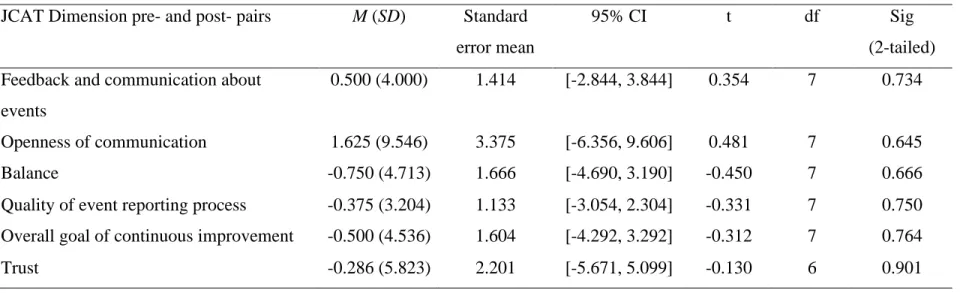
The analysis of the paired t-test indicated there were no significant differences in mean scores. However, the largest difference observed was on the dimension of openness of
communication, with post-intervention scores being 1.625 points lower than pre-intervention
scores (95% CI [-6.356, 9.606]).
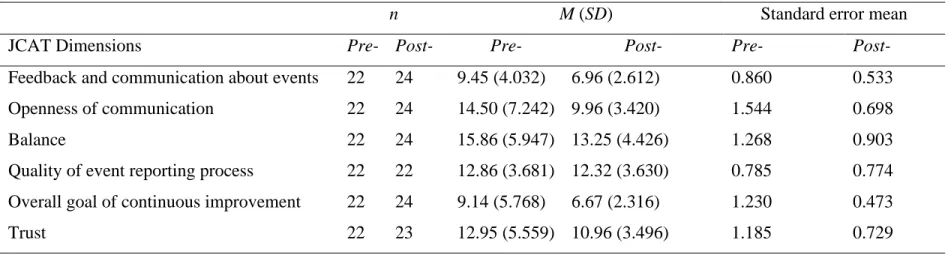
The results of the independent t-test comparing participants completing only pre- or post-intervention surveys found lower JCAT scores on the following dimensions: feedback and
communication about events (t35.473 = 2.467, p = 0.029), and openness of communication (t29.341 = 2.680, p = 0.038). The findings of this project indicate that the educational intervention may improve nurse leaders’ responses regarding communication, especially feedback about events and openness of communication specific to Just Culture. Future projects are needed to
understand how such an educational session affect nurse leaders’ knowledge of Just Culture
v
To all healthcare workers who tirelessly pursue safety, and especially the nurses who are speaking up for safety, caring for patients, and supporting healthcare during the
vi
ACKNOWLEDGEMENTS
To my husband Jim, thank you for being my rock, for your constant love and support. Without you, this work would not have been possible.
To my parents, for their encouragement, love and for their unwavering pride in my journey and hard work.
To Janice Laurore and Roger Adkins, for their partnership as nursing colleagues in safety and Just Culture. Thank you for sharing your expertise and theatrical talent to illustrate Just Culture and make it come alive!
To my DNP Committee Dr. Cheryl Jones, Dr. Rebecca Kitzmiller, and Dr. Julia Aucoin, for your steady guidance and relentless pursuit of academic excellence. It’s an iterative process!
vii
TABLE OF CONTENTS
TABLE OF CONTENTS ... vii
LIST OF TABLES ... x
LIST OF FIGURES ... xi
LIST OF ABBREVIATIONS AND SYMBOLS ... xii
CHAPTER 1: INTRODUCTION ... 1
Just Culture ... 5
Problem Statement ... 8
Purpose of the Project ... 9
Significance to Nursing and Healthcare ... 10
Chapter Summary ... 10
CHAPTER 2: REVIEW OF THE LITERATURE (ROL) ... 11
Introduction ... 11
The Literature Search ... 11
Results of the Literature Review ... 13
Educational interventions for nurse leaders in just culture. ... 15
Leadership and communication skills related to patient safety. ... 17
Organizational and individual impact of adverse events. ... 20
Summary of the Literature ... 21
Chapter Summary ... 23
viii
Introduction ... 24
Just Culture Concepts and Behaviors ... 25
Event Investigation and the Just Culture Algorithm© ... 28
Chapter Summary ... 31
CHAPTER 4: METHODS ... 32
Introduction ... 32
Intervention Characteristics ... 34
Setting (Outer and Inner) ... 34
Organizational culture. ... 39
Procedures: Implementation Process ... 44
Characteristics of the Individuals: Project Sample ... 49
Sample recruitment. ... 50
Variables and Data Collection Instruments ... 50
Ethics and Human Subjects Permissions ... 56
Data Analysis ... 56
Resources and Budget ... 57
Barriers and Facilitators to Project Implementation and Sustainability ... 57
Chapter Summary ... 59
CHAPTER 5: RESULTS ... 60
Introduction ... 60
Description of Sample... 60
Analysis of Pre- and Post-Intervention JCAT Scores ... 63
ix
CHAPTER 6: DISCUSSION ... 76
Introduction ... 76
Discussion of Findings ... 76
Limitations ... 81
Implications... 83
Conclusions ... 84
APPENDIX A. MATRIX OF LITERATURE REVIEW ... 86
APPENDIX B. JUST CULTURE ALGORITHM©. ... 94
APPENDIX C. POWERPOINT SLIDES FOR EDUCATIONAL SESSION ONE ... 100
APPENDIX D. POWERPOINT SLIDES FOR EDUCATIONAL SESSION TWO ... 114
APPENDIX E. CASE SCENARIO FOR EDUCATIONAL SESSION TWO ... 122
APPENDIX F. PRE-INTERVENTION SURVEY ... 124
APPENDIX G: POST-INTERVENTION SURVEY ... 133
APPENDIX H. EMAIL GRANTING PERMISSION TO USE JCAT ... 142
x
LIST OF TABLES
Table 1. Definitions for Nurse Leaders ... 2
Table 2. Rating System for Hierarchy of Evidence for Intervention and Questions ... 14
Table 3. Definitions of Just Culture Behavior Categories ... 26
Table 4. HSPSC Responses, Safety Grades and Non-Punitive Response to Human Error ... 38
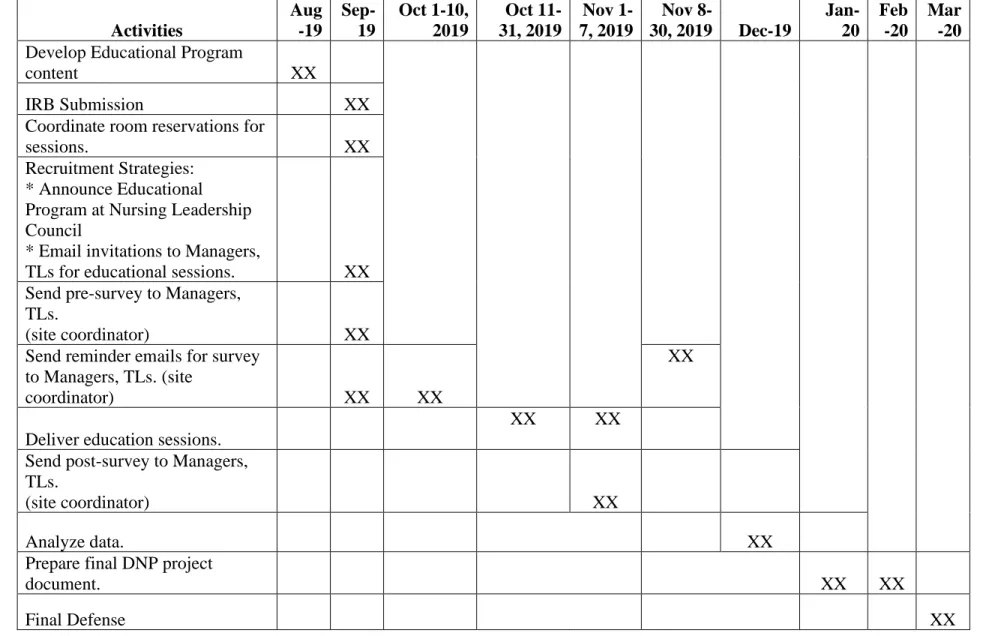
Table 5. Timeline of Project Activities ... 48
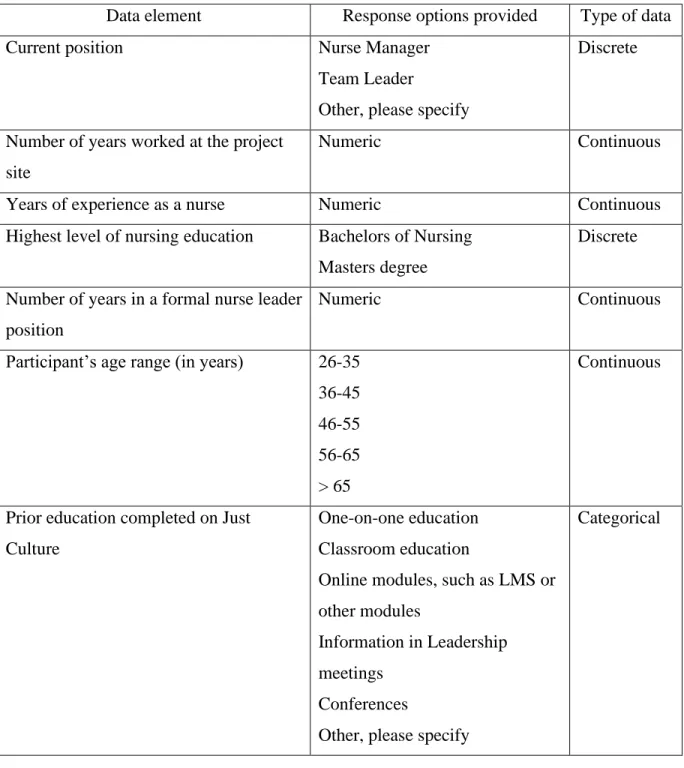
Table 6. Demographic Data Elements ... 51
Table 7. Definitions for JCAT Dimensions and Items ... 53
Table 8. Demographic Characteristics of Survey Participants ... 62
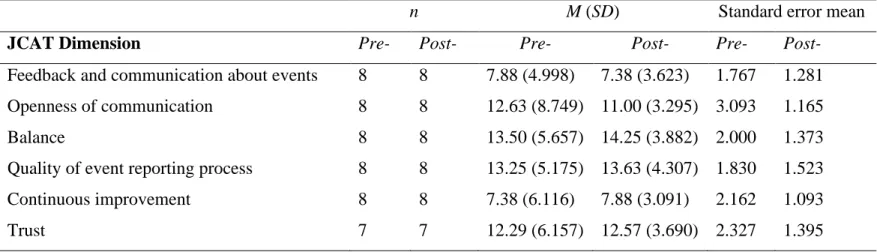
Table 9. Descriptive Statistics for Variables used in Paired t-test ... 64
Table 10. Results of Paired t-test (n = 8) ... 66
Table 11. Descriptive Statistics, Variables used in Independent t-test Analysis ... 68
Table 12. Results of Independent t-test (n = 22) ... 70
Table 13. Cronbach's alpha Pre- and Post-Intervention Groups, by JCAT Dimension ... 71
xi
LIST OF FIGURES
Figure 1. PRISMA ... 12
Figure 2. Nurse Leader Attendance for Education Sessions... 60
Figure 3. Surveys Returned by Nurse Leaders ... 61
Figure 4. Session one responses, "How do you intend to change your practice?" ... 73
Figure 5. Session two responses, "How do you intend to change your practice?" ... 74
xii
LIST OF ABBREVIATIONS AND SYMBOLS
AE = Adverse Events
AHRQ = Agency for Healthcare Research and Quality ANCC = American Nurses Credentialing Center © = Copyright
CAUTI = Catheter-associated Urinary Tract Infection CE = Continuing Education
CEO = Chief Executive Officer
CFIR = Consolidated Framework for Implementation Research CI = confidence interval
CINAHL = Cumulative Index of Nursing and Allied Health Literature CLABSI = Central-line-associated Blood Stream Infection
CMS = Centers for Medicare and Medicaid Services CN IV = Clinical Nurse IV
CNO = Chief Nursing Officer
xiii
LIST OF ABBREVIATIONS AND SYMBOLS
HSPSC = Hospital Survey on Patient Safety Culture IOM = Institute of Medicine
IRB = Institutional Review Board IT = Information Technology
JCAT = Just Culture Assessment Tool LMS = Learning Management System MeSH = Medical Subject Headings PDCA = Plan, Do, Check, Act
PRISMA = Preferred Reporting Items for Systematic Reviews and Meta-Analyses PSO = Patient Safety Organization
QI = Quality Improvement ® = Registered
ROL = Review of Literature TL = Team Leader
1
CHAPTER 1: INTRODUCTION
2 Table 1. Definitions for Nurse Leaders
Title Description
Chief Nursing Officer (CNO)
Top level of nurse leader, with ultimate responsibility for overseeing operations in the hospital and all patient care areas, supporting quality care across the continuum of care, guiding financial decisions impacting patient care areas, especially nursing, and supporting strategic planning for the organization.
Nursing Director Mid-level nurse leader, with responsibility for managing service-line or other groupings of non-direct patient care departments. Responsibilities include: supervision of staff in areas of responsibility; performance management; budgetary and productivity oversight; and support for organizational initiatives.
Clinical Nurse Manager Front-line nurse leader, with responsibility for managing one patient care unit or clinical area. Responsibilities include supervision of all staff in a patient care unit or clinical area; hiring staff; performance management; budgetary and productivity oversight; and support for organizational initiatives.
Clinical Nurse IV-Team Leader (TL)
Front-line nurse leader, with a combination of clinical and administrative responsibilities. Clinical duties
3
Nurse leaders in formal leadership positions have direct supervisory responsibilities in health care organizations, and assume a duty to promote and improve patient safety in their areas of responsibility (e.g. overseeing patient care units) (Armstrong & Laschinger, 2006; Kanerva, Kivinen, & Lammintakanen, 2017; Xie, et al., 2017). These nurse leaders promote patient safety by seeking input from staff on patient care units, supporting teamwork among the various staff on units, sharing and exchanging information with staff and leaders across the health care organization, and taking on the role of change agent when patient safety initiatives are
introduced (Kanerva, Kivinen, & Lammintakanen, 2017). At times, all leaders, and nurse leaders in particular, must take actions on behalf of their unit staff, as well as the organization as a whole, when they recognize weaknesses in the system that might jeopardize patient safety and quality, and participating in educational initiatives to strengthen teams and promote quality and safety on their units (Kanerva, Kivinen, & Lammintakanen, 2017). Because of their key roles in promoting patient safety in health care organizations, nurse leaders are in a unique position to affect the culture of safety in hospitals and other healthcare settings.
Much of the quality and safety literature has focused on the prevention of adverse events, and how these events can be used as opportunities for organizations, their leaders, and unit staff to learn from these events. An adverse event (AE) refers to unintentional harm, or injury, caused by medical mismanagement by health care team members as opposed to the underlying condition of the patient (Institute of Medicine, 2000, Sherwood & Bernsteiner, 2012). AE-induced harm may be temporary or permanent, and may not always be preventable or arise from medical errors (Martinez, Lehmann, Hu, Desai, & Shapiro, 2016, p.6). After an AE occurs in hospitals, leaders often conduct an investigation to thoroughly understand events leading up to the AE, by
4
reviews (Agency for Healthcare Research and Quality, 2017). These help to pinpoint sources of problems, develop and implement specific actions to prevent the AE from occurring in the future, share learnings with others, and develop and offer educational activities to improve patient safety culture (Xie et al, 2017).
Errors, defined as “the failure of a planned action to be completed as intended (i.e., error of execution) or the use of a wrong plan to achieve an aim (i.e., error of planning)” (Institute of
Medicine (IOM), 2000, p. 28), are also associated with quality and safety, but differ from AEs. Errors occur at times due to latent conditions, such as poor system design, undetected
manufacturing defects, gaps in supervision or training, or inadequate equipment (Reason, 1997). As defined, an AE that leads to an error is considered a “preventable adverse event” (IOM, 2000, p.28). When an AE does not lead to an error it is classified as an injury, or near miss (IOM, 2000, p.28). For the purposes of this DNP project, the term AEs will include errors because both errors and AEs can result from either a flawed system design or poor behavior choices by individuals. Examples of AEs include hospital-acquired pressure injuries (HAPIs), catheter-associated urinary tract infection (CAUTI), central-line catheter-associated blood stream infection (CLABSI), patient fall with or without injury, and patient medication errors.
5
Ideally, when an AE occurs, the nurse leader conducts an investigation to describe the unfolding of the event, and identify lessons learned, and then share the AE and the lessons with other leaders and unit staff. This proactive approach is recommended and involves analyzing what happened, developing guidelines for actions that should occur after an AE, and
implementing prevention activities such as sharing lessons learned (Mira et al., 2017). For this approach to be successful, nurse leaders need to promote an open environment in which unit staff are invited to discussions regarding AEs, encouraging communication (Garon, 2011; Nembhard & Edmondson, 2006). Hospitals urgently need formal leaders, especially nurse leaders, to promote patient safety goals, help prevent AEs, and respond to AEs when they occur. The creation of an environment where learning can occur following an AE and where justice is created through leader responses is referred to as a Just Culture.
Just Culture
In a primer on patient safety, David Marx (2001) described the healthcare environment as one that did not support safety for two reasons: 1) because errors occur in healthcare at an
6
Grenny, McMillan, Patterson, & Switzler, 2005; Reason, 2000). Punitive environments and lack of transparency contribute to the magnitude of errors in healthcare (Morris, 2011).
Using knowledge from both systems engineering and law, Marx (2001) developed the concepts of Just Culture, the Just Culture Algorithm©, and was the catalyst for improvement in the healthcare systems. Well in advance of healthcare, the aviation industry created a safe environment for workers to bring forward concerns about an unsafe situation beginning in the 1970s (Marx, 2019b), that lead to improved reporting structures in aviation (Marx, 2019b), and a renewed focus for patient safety in healthcare (Reason, 2013). The 2000s brought an added safety focus, with the IOM report To Err is Human (IOM, 2000), and the introduction of Patient Safety Organizations (Marx, 2019b). Healthcare was ripe for change, and ready for the entrance of Just Culture. Reason (1997) describes the condition needed prior to implementing Just Culture: “an agreed set of principles for drawing the line between acceptable and unacceptable actions” (p. 205). In the healthcare community, there has been much discussion about how to
navigate the need for a nonpunitive environment that supports staff reporting while still holding staff accountable (Marx, 2019b).
Marx (2001) described the philosophy and framework of Just Culture as a way to address the punitive environment and improve patient safety in health care organizations. This approach recognizes that the environment in health care organizations is often one in which health care staff are punished or blamed when mistakes or errors occur (Marx, 2001). Instead, Marx
7
In keeping with Marx’s work, Freeman, Morrow, Cameron, and McCullough (2016) outlined four core principles of a Just Culture:
1) Human beings are not perfect and can make errors.
2) Humans make unsafe behavioral choices, and sometimes drift away from the known practices that are safe. These choices are usually unintentional, but occasionally are intentional, and become reckless behavior.
3) System design and employee behaviors must align with organizational values, else organizations are put at risk. Thus, organizational risks must be identified and reported to maintain a safe and Just Culture.
4) Organizational leaders must encourage broad participation in quality and safety activities by employees at all levels of the organization to support and maintain a Just Culture (36-37).
Leaders’ actions following an AE are important in creating and maintaining a Just
Culture. Marx (2009) advises leaders to utilize one of three actions when responding to AEs: “Console the human error; coach the at-risk behavior; or punish the reckless behavior” (p. 54).
As the Just Culture model is updated, Marx (2019b) has updated the language to the following: “Accept the error; coach the at-risk behavior; sanction the reckless, knowledge, and purpose” (p.
243). Also, it is important to note that responses to the behaviors and investigation are completed “independent of the outcome” (Marx, 2009, p. 54), to support the Just Culture concept to focus
on the behavioral choices and system design, not the outcome of the AE (Marx, 2019b, p. 242). Just Culture is one element of a culture of safety. Patient safety culture has three
8
what actually happens to “challenge its basic assumptions—and has the will to change them when they are shown to be maladaptive” (Reason, & Hobbs, 2003, p. 146). Reporting culture is
present when there is an environment of trust, where people are comfortable to confess their errors and near misses (Reason, & Hobbs, 2003). The three parts are linked, in that “without a Just Culture, you have minimal reporting; without reporting, you have no opportunities to learn and improve” (Ulrich, & Kear, p. 450). Additional characteristics of patient safety culture
include nonpunitive, and emphasis on accountability (Sherwood, & Barnsteiner, 2012), which are also characteristics of Just Culture. Reason (2013) reflects on the journey in patient safety culture since the 1990’s, noting that most of the successes have come not in eliminating errors,
but in changing how we view errors, with more focus on the problem and less on the people. Problem Statement
The problem being addressed in this Doctorate of Nursing Practice (DNP) quality
9
punitive or blaming environment, or one that fosters learning. Nurse leaders can support a Just Culture through sharing learnings from adverse events (Khatri, Brown, & Hicks, 2009),
promoting reports of patient safety incidents (Kaufman, & McCaughan, 2013), and encouraging open communication (Battard, 2017; Freeman, Morrow, Cameron, & McCullough, 2016). Purpose of the Project
Nurse leaders need initial and ongoing education to enhance their knowledge and skills in creating a culture that is safe, responding to and being considerate of staff psychological needs, and to apply Just Culture concepts and principles in their interactions with unit staff. Nurse leaders’ use of Just Culture concepts and principles in their interactions with unit staff will
support their leadership practice, and staff engagement, when an AE occurs.
10 Significance to Nursing and Healthcare
Nurse leaders are instrumental in affecting patient safety and improving quality in health care. Creating a safe environment where open conversations can occur is necessary to promote a learning environment (Fischer, Jones, & Verran, 2017). Just Culture is one set of tools to support organizations with accountability and safety. Dekker (2007) describes that Just Culture informs the creation of a safety culture by demonstrating: “how to reconcile accountability for failure with learning from failure—with the aim to keep making progress on safety” (p. 26). Nurse leaders are in key positions to create and maintain a Just Culture (Mayer & Cronin, 2008), because they are integral in the development of an open environment that promotes communication, and in turn, supports a culture of safety (Garon, 2012).
Chapter Summary
11
CHAPTER 2: REVIEW OF THE LITERATURE (ROL)
Introduction
A large body of literature exists on the broad topic of patient safety culture. In particular, there has been a focus on how to ensure patient safety, including the reporting systems for AEs, leaders’ influence on the impact of patient safety, communications about AEs, organizational
approaches to improve patient safety, and a variety of other topics related to patient safety and creating a patient safety culture. This chapter presents the review of literature that supported this project. In the sections that follow, a description will be provided about how the literature was searched.
The Literature Search
12 Figure 1. PRISMA
13
The following search terms were used, both individually and in combination: patient safety culture; nurse manager; nurse administrator; nurse leadership; models; theoretical; psychological safety; systems theory; learning from errors; Nursing; nurse and leader influence. During the search, the following MeSH terms were also used: patient; safety; ethnology; culture; nurse administrators; manager; nurse manager; nurses; nurse; leadership; nursing.
Inclusion criteria for this search included empirical research and projects that
implemented educational interventions focusing on Just Culture at an organizational level. Also, the search was limited to English language publications. Although dates were not restricted, the articles retrieved were published between 2005 to 2018. The following exclusion criteria were used: all non-empirical works, including letters to the editors, editorials, student theses; interventions focused on a single clinical unit; and patient safety research or interventions conducted in non-hospital settings (e.g., ambulatory and nursing home setting).
The first search yielded 24 articles that were very broad in nature. To further develop the search results, “Just Culture” was added to the search terms. The search was also focused on “healthcare”, to provide more focus for the review. After adding “Just Culture”, and
“healthcare”, the total number of articles increased to 40.
A total of 40 records were initially identified, including six duplicate records, which were removed; 34 records remained for screening. After screening the abstracts of each article, 26 records were excluded because they did not fit with the project’s purpose. This process of elimination yielded eight articles for final review (see literature matrix in Appendix A). Results of the Literature Review
14
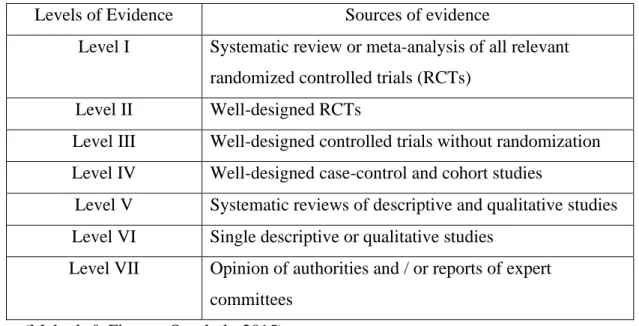
studies ranged from 9 to 566, depending on the study methodology, and included nurse leaders (e.g., nurse managers, clinical nurse specialists), as well as staff nurses, and physicians. The Rating System for Hierarchy of Evidence for intervention / questions, established by the American Medical Association in 2002 (see Table 2), was used to determine the level of evidence represented by each article. In this system, Level I is the strongest level of evidence (systematic review or meta-analysis), while Level VII (expert opinion) is the weakest (Melnyk & Fineout-Overholt, 2015).
Table 2. Rating System for Hierarchy of Evidence for Intervention and Questions Levels of Evidence Sources of evidence
Level I Systematic review or meta-analysis of all relevant randomized controlled trials (RCTs)
Level II Well-designed RCTs
Level III Well-designed controlled trials without randomization Level IV Well-designed case-control and cohort studies
Level V Systematic reviews of descriptive and qualitative studies Level VI Single descriptive or qualitative studies
Level VII Opinion of authorities and / or reports of expert committees
(Melnyk & Fineout-Overholt, 2015)
Applying this rating system to this review, there were no studies identified that were rated at Levels I, II, IV, and VII. Instead, studies were rated as follows: two studies were
determined to be quasi-experimental, or evidence Level III; one study was a systematic review, or Level V; and five studies were rated as evidence Level VI, with one categorized as a
descriptive study, and four as qualitative studies (Melnyk & Fineout-Overholt, 2015).
15
of Just Culture; 2) training in leadership skills and appropriate communication such as listening and supporting suggestions for improvements and their roles in patient safety; and 3) the organizational impact of AEs and Just Culture on the individuals and organization where AEs occur. The literature in each of these areas will be discussed below.
Educational interventions for nurse leaders in just culture. Educating nurse leaders to
ensure patient safety is critically important because they supervise frontline staff and oversee care delivery. Providing education on Just Culture concepts and then repeating the education periodically, is especially important to introduce, emphasize, and reinforce Just Culture concepts and principles over time, and then to support and maintain the culture once created. Studies of leaders, both in nursing and medicine, report this training as being instrumental in affecting patient safety culture through leaders’ abilities to foster or impede the development of the safety culture (Ginsburg, Norton, Casebeer, & Lewis, 2005; Mira et al., 2017; Ullström, Sachs,
Hansson, Øvretveit, & Brommels, 2014). Focusing on ways to strengthen the relationship
between staff and leaders was instrumental in supporting a culture of safety in hospitals (Squires, Tourangeau, Laschinger, & Doran, 2010).
Three studies of educational interventions on Just Culture developed for nurse leaders were identified in the literature review. In one Level III quasi-experimental study (Ginsburg, Norton, Casebeer, & Lewis, 2005), an educational intervention and leadership support for nurses in leadership roles (e.g., nurse managers, nurse educators, clinical nurse specialists) was
16
improvement. It was reported to be effective in providing a model and evidence for improving nurse leaders’ perceptions of patient safety culture. Participants, nurses in clinical leadership
roles, completed self-report questionnaires measuring patient safety culture and leadership for improvement before and after the intervention. When data before and after implementation of the educational intervention were compared, there was a significant increase in the value of safety at the organizational and departmental levels (p < 0.001), but no significant change in fear of negative repercussions and perceived state of safety (Ginsburg, Norton, Casebeer, & Lewis, 2005). However, the interaction between “leadership for improvement” and the educational intervention explained a significant amount of variance (p < 0.001) in leaders’ fear of negative repercussions (Ginsburg, Norton, Casebeer, & Lewis, 2005). The leadership for improvement part of the questionnaire assessed how respondents felt senior leaders used hospital data, such as performance data, and how they used the data for improvement (Ginsburg, Norton, Casebeer, & Lewis, 2005). Results suggested that the combination of the educational intervention and
leadership support is likely needed to improve the perception of culture of safety (Ginsburg, Norton, Casebeer, & Lewis, 2005).
17
using more non-punitive response to staff errors, and AEs (patient falls and HAPIs) decreased significantly (p < 0.05) (Xie et al, 2017).
In another study, a Level VI qualitative study of educational interventions and their impact on patient safety culture, interviews of nurse managers were completed to evaluate competencies (Freeman, Morrow, Cameron & McCullough, 2016). This intervention consisted of gathering information through interviews of nurse managers about their perceptions about developing the personal competencies to effectively implement Just Culture, thus guiding the design of the Just Culture education program (Freeman, Morrow, Cameron & McCullough, 2016). Interviews with nurse managers showed that opportunities to use their knowledge in a practice environment is necessary to become competent with the skills of Just Culture, especially for investigating cases (Freeman, Morrow, Cameron & McCullough, 2016). The results from the interviews were consolidated into recommendations for the educational program for
implementation of Just Culture. Freeman, Morrow, Cameron, and McCullough (2016) concluded that nurse leaders needed further development in the skills of conducting AE investigations, and using facilitative language, so as to support coworkers instead of blame.
Taken together, these studies of educational interventions provided to nurse leaders on Just Culture indicate that there is value in educating nurse leaders, shown through the
improvements in responses by nurse leaders and increased knowledge of Just Culture concepts. The findings of these studies inform this project by influencing the design of an educational program for nurse leaders, as well as the pre-post design for the surveys.
Leadership and communication skills related to patient safety. Three studies were
18
surveyed nurses to evaluate their perceptions of factors impacting safety outcomes in hospitals in Ontario, to test and refine a hypothesized model. Surveys examined staff nurse perceptions of the following: relationship between staff nurses and their immediate nurse leader; resonant
leadership style; interactional justice and nurse leader behavior; work environment; and patient safety and quality outcomes. The results of their analysis showed that effect sizes were large between resonant leadership and leader-nurse relationship (0.52), nurse leader-nurse relationship and safety climate (0.53), work environment and safety climate (0.66) and work environment and emotional exhaustion (-0.51), indicating a good fit with the model. The model demonstrates the interaction between manager span of control, years with manager, resonant leadership,
interactional justice, and number of years worked with leader—nurse relationship, which in turn interacts with safety climate and the work environment (Squires, Tourangeau, Laschinger, & Doran, 2010). Resonant leadership is described as high emotional intelligence, being in tune with emotions and able to properly use empathy and emotions to build relationships (Squires, Tourangeau, Laschinger, & Doran, 2010). There were medium effects, meaning weaker relationship, between interactional justice and leader-nurse relationship, as well as combined with work environment (0.46), and between safety climate and intent to leave (-0.34). Survey results and the model point to the importance of the relationships between nurse leaders and nurses, and how they support high quality and safe nurse environments (Squires, Tourangeau, Laschinger, & Doran, 2010).
Another Level VI qualitative study examined staff nurse perceptions about factors that impact patient safety, with a focus on organizational and information technology (IT) factors (Mwachofi, Watson, & Al-Omar, 2011). Data were collected through questionnaires
19
organizational factors impact patient safety. Nurses reported that if they shared a safety
suggestion that was taken seriously, or addressed by a nurse manager, they were more likely to perceive better patient safety in their hospital (Mwachofi, Watson, & Al-Omar, 2011). Nurses who had “seen others make errors that had the potential to harm patients” (Error-Seen) reported that they were less likely to have positive perceptions of safety about their departments or hospital (Mwachofi, Watson, & Al-Omar, 2011, p. 278). Socioeconomic factors were not found to influence nurses’ perceptions of patient safety. The authors concluded that communication
skills were important in improving patient safety culture, and may encourage quality improvement, and problem-solving (Mwachofi, Watson, & Al-Omar, 2011).
Gathering information through formal conversations, interviews and focus groups, helps to identify recommendations for organizational improvements, and particularly patient safety improvements, as well as specific actions needed by leaders to support patient safety and organizational health. In a Level VI qualitative study, a Delphi technique was used to achieve consensus regarding factors influencing the relationship between transformational leadership and safety culture (Fischer, Jones, & Verran, 2018). A diverse panel of experts in leadership and patient safety represented various practice areas to provide adequate feedback for the
20
These studies of nurse leadership and communication skills specific to patient safety indicate that nurse leader communication and the relationship between nurses and their immediate nurse leader is important, and helps support high quality care and patient safety, as well as supporting Just Culture through investing in using non-punitive responses. The findings of these studies inform this project by including focus on nurse leader communications in the educational program, seen through role play, as well as the case scenario.
Organizational and individual impact of adverse events. Two studies were reviewed
that examined how AEs affect organizations and individuals who work in them. For example, if an AE occurs in a hospital, the patient who experienced the AE is the first victim, but the
employee who was involved in the AE is potentially the second victim. This phenomenon, called second victim, is either helped or hindered depending on the safety culture of the patient care
area.
In a Level VI qualitative study of healthcare employees, physicians, nurses, and allied healthcare professionals, interviews were conducted one to three years following an AE to determine experiences following an AE. Healthcare professionals who had experienced an AE reported that the impact of the event affected them in different ways. First, they reported
21
In a Level V study, focus group interviews were conducted with nurses and other healthcare professionals, who had experience in quality and patient safety in the Spanish
National Health System, to gather information about their perceptions of patient safety. Results of the focus groups were synthesized, and categorized into four groups: preventing the aftermath of an AE; patients as first victims of AEs; professionals as second victims of AEs (i.e.,
healthcare workers reported feeling the impact of the AE); and institutions as third victims of AEs, [healthcare organizations have impact from the AE, such as public loss of trust, reputation damage] (Mira et al., 2017). Recommendations from this study were evaluated by healthcare managers. Findings revealed the importance of the healthcare manager in taking a proactive role in applying evidence-based recommendations for healthcare workers, leaders and those at the bedside, for improving the patient safety culture (Mira et al., 2017). Recommendations from this study included preparing a plan for actions in the case of an AE; asking the right questions in an AE investigation; appropriately involving patients in an AE investigation; and a variety of recommendations to support the second victim and third victim (Mira et al., 2017).
The studies examining the effects of AEs on organizations and the individuals who work in them indicate that it is important for leaders to be aware of the impact on individuals involved with an AE, and to be prepared with a plan for responding to an AE. The findings of these studies inform this project by including event investigation information in the educational program, as well as awareness for how AEs may impact the individuals involved with an AE, so they can offer support.
Summary of the Literature
22
nurse leaders (managers, educators, and clinical nurse specialists) affect patient safety culture and the impact of AE on individuals and staff (i.e., the second victim phenomenon) (Ginsburg, Norton, Casebeer, & Lewis, 2005; Ullström, Sachs, Hansson, Øvretveit, & Brommels, 2014). Specifically, strong nurse leader—nurse relationships support high quality and safe patient care, as well as Just Culture through open communication and encouragement to report safety events. Second, leaders’ and organizational responses to errors (Fischer, Jones, & Verran, 2018; Xie et al., 2017) are important because nurse leaders can support Just Culture by being prepared with a plan for investigating AEs, and responding appropriately. Across all studies, recommendations for organizations were provided, including promoting practices that improve patient safety culture such as creating safe spaces for open dialogue, and creating a plan for investigating AEs, (Fischer, Jones, & Verran, 2018; Ginsburg, Norton, Casebeer, & Lewis, 2005; Mira et al, 2017). Additionally, nurse manager perceptions about competencies related to Just Culture
implementation indicated that leaders’ feeling uncomfortable with event investigations and follow-up conversations with staff could be amended through education and practice, or role play. These strategies effectively improved the confidence and competencies of leaders
(Freeman, Morrow, Cameron, & McCullough, 2016; Mira et al, 2017). Finally, staff perceptions about patient safety related to information technology, demographic and system factors and relationships among leadership and other factors impacted the safety outcomes of patients (Mwachofi, Watson, & Al-Omar, 2011; Squires, Tourangeau, Laschinger, & Doran, 2010).
23
Casebeer, & Lewis, 2005) and resulted in a significant decrease in AEs at one healthcare facility (Xie, et al, 2017).
Leaders are better prepared to respond to AEs when they have a plan for response such as structured and consistent investigation, as well as supporting staff who experienced the AE, especially if staff are suffering from the second victim phenomenon (Fischer, Jones, & Verran, 2018; Mira et al., 2017; Ullström, Sachs, Hansson, Øvretveit, & Brommels, 2014). Maintaining patient safety culture and Just Culture is supported through leadership and communication skills, such as supportive leader-nurse relationships, promoting an open environment where unit staff feel comfortable to share ideas to leaders, and problem-solving in relation to improving safety culture and patient safety outcomes (Mwachofi, Watson, & Al-Omar, 2011; Squires,
Tourangeau, Laschinger, and Doran (2010);). Chapter Summary
This chapter presented a focused review of the relevant literature on patient safety
24
CHAPTER 3: CONCEPTUAL MODEL
Introduction
The previous chapters have introduced the problem, the purpose of the project, and described the review of the literature. The focus is the need to develop nurse leaders by impacting their perceptions of Just Culture, and increasing their knowledge and skills of Just Culture, so they in return can support their staff and the organization in the use of Just Culture concepts and tools.
Just Culture is a model that supports leader accountability, focusing on behaviors and system design, as opposed to blaming people (Marx, 2019a). Just Culture was built from the desire to respond to errors in more appropriate ways, moving away from punishing people for making mistakes, while still supporting accountability (Marx, 2001). Just Culture benefits
organizations through creating a safe environment for reporting errors, or an “account of failure”, which in turn does the following in organizations: “satisfy demands for accountability” and “contribute to learning and improvement” (Dekker, 2007, p. 24). Boysen (2013) reminds that
organizations have a duty to employees and patients regarding the quality of healthcare, and that employees are held accountable for their choices. Just Culture is a model that helps organizations support an environment for honest reporting, and appropriate accountability balanced with learning, because the focus has shifted from “errors and outcomes to system design and management of the behavioral choices of all employees” (Boysen, 2013, p. 400).
25
unjustifiable risk or harm (Marx, 2019a). The second duty is related to accepted practices in the organization, or how things are done. This duty is specific to following a procedure (Marx, 2019a). In healthcare settings, this duty to follow a procedural rule is especially common, as so often procedures or protocols are in place. The third duty is related to what is done in the
organization, and emphasizes the production of outcomes (Marx, 2019a). An example of the duty to produce an outcome is attendance, the outcome of arriving to work on time.
Just Culture Concepts and Behaviors
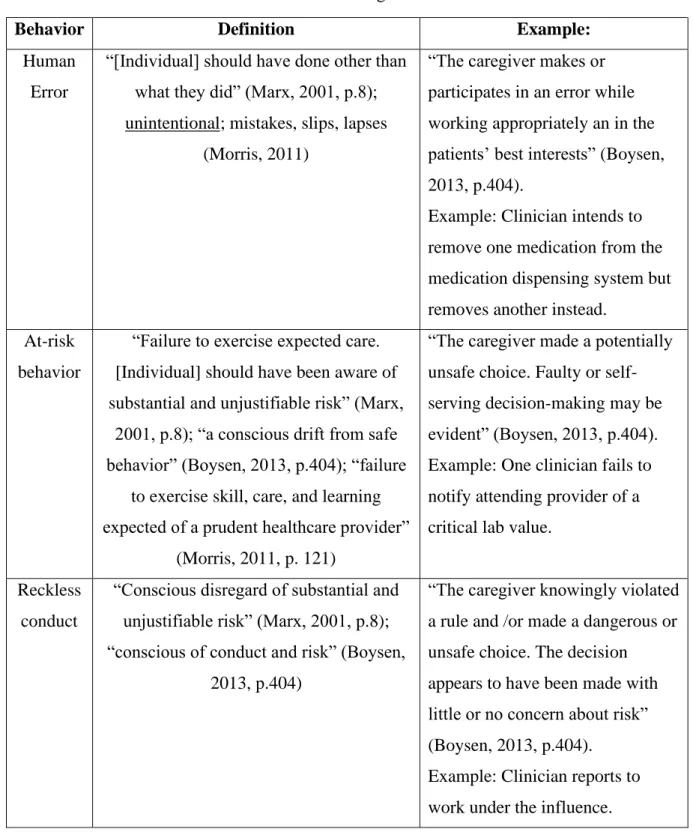
26
Table 3. Definitions of Just Culture Behavior Categories
Behavior Definition Example:
Human Error
“[Individual] should have done other than what they did” (Marx, 2001, p.8); unintentional; mistakes, slips, lapses
(Morris, 2011)
“The caregiver makes or participates in an error while working appropriately an in the patients’ best interests” (Boysen, 2013, p.404).
Example: Clinician intends to remove one medication from the medication dispensing system but removes another instead.
At-risk behavior
“Failure to exercise expected care. [Individual] should have been aware of substantial and unjustifiable risk” (Marx,
2001, p.8); “a conscious drift from safe behavior” (Boysen, 2013, p.404); “failure
to exercise skill, care, and learning expected of a prudent healthcare provider”
(Morris, 2011, p. 121)
“The caregiver made a potentially unsafe choice. Faulty or self-serving decision-making may be evident” (Boysen, 2013, p.404). Example: One clinician fails to notify attending provider of a critical lab value.
Reckless conduct
“Conscious disregard of substantial and unjustifiable risk” (Marx, 2001, p.8); “conscious of conduct and risk” (Boysen,
2013, p.404)
“The caregiver knowingly violated a rule and /or made a dangerous or unsafe choice. The decision appears to have been made with little or no concern about risk” (Boysen, 2013, p.404).
27
The first of these behaviors is human error. Marx (2015) illustrates the first Just Culture concept in the following statement: “We are inescapably fallible human beings. No matter how we are pieced together as a collection of human beings, we will inevitably produce undesired results” (p. 297). Marx defines human error as “unintended conduct”, or when actual behaviors
are different than intended behaviors (Marx, 2019a, p. 17). Because of the imperfect nature of humans, errors, slips, or lapses occur. Slips are usually not intentional, whereas lapses may indicate the individual thinks the action will not lead to harm (Reason, 2000). All of these— errors, slips, and lapses -- reflect “human error” in Just Culture, and the recommended response to human error is to accept, or console the individual involved in the error (Marx, 2019a). Marx updated console to “accept the error”, which is described as “to refrain from any sanction” and to
focus on the system and behavior choices that brought the individual to this error (Marx, 2019b, p. 243).
In spite of a well-designed system, the second Just Culture concept is that employees have a “propensity to drift” (Marx, 2015, p. 301). A propensity to drift means that individuals
may fail to do the “right thing” because they drift into engaging in at-risk behaviors, including taking shortcuts to complete tasks or work activities (Marx, 2009). Marx explains that as
humans, we “are always looking for quicker, easier ways to navigate through the many duties we daily face” (Marx, 2009, p. 94). This type of behavior is identified as “at-risk behavior” in Just
28
The third concept is that employee behaviors that do not match with organizational values and safety have to be identified and the perpetrator held accountable (Marx, 2015, p. 302). When behaviors move away from the organization’s values, and especially in light of a
“willingness to accept an unjustifiable risk” on the part of the perpetrator, this is identified as
reckless behavior in Just Culture (Marx, 2019b, p. 241). The recommended response is generally
to punish, or sanction, the individual (Marx, 2019a). Punish is described as “disciplinary action, civil or criminal charges” (Boysen, 2013, p. 405). Marx updated punish to “sanction reckless, knowledge, and purpose” which is described as applying artificial danger, such as the criminal penalties for violating a patient’s privacy (Marx, 2019b, p. 244).
A critical component in the process of ensuring Just Culture is the fourth concept, that leaders support the process at all levels of the organization, by being role models, and delivering feedback to employees (Marx, 2015, p. 307). Leaders also help with proper evaluation of
systems, investigations of events, and responses to individuals (Marx, 2019a). Actions following the AE, or breach of duty, are important in maintaining Just Culture.
The fourth concept is one that guides this DNP project, focusing on the importance of leadership support for Just Culture. Through participation in the education program, formal nurse leaders, defined as Clinical Nurse Managers and Clinical Nurse IV-Team Leaders, will be better equipped and prepared to support Just Culture in the organization.
Event Investigation and the Just Culture Algorithm©
The Just Culture model guides health care leaders to investigate the AE to enhance understanding, categorize behaviors, and apply appropriate actions following the AE. Morris (2011) highlights that the investigation is one central piece that separates a traditional
29
analysis: “What happened? What normally happens? and What should have happened?”
(Freeman, Morrow, Cameron & McCullough, 2016, p. 43). It is important for the leaders who will be conducting the investigations to learn the Just Culture concepts initially, but also to have ongoing practice, using scenarios (Freeman, Morrow, Cameron & McCullough, 2016). Taking time to identify the root cause is often missed in investigations, therefore understanding the root cause of an error or AE is vital in order to help prevent future events is critical (Morris, 2011).
Using an algorithm, or decision tree, supports leaders in making decisions on how to hold staff accountable, as well as remain consistent (Morris, 2011). The Just Culture Algorithm© (Outcome Engenuity, 2017) was designed by David Marx, and is used to guide the conduct of leader investigations following an AE. (See Figure 2.) Through a series of questions, the leader is guided to the behavior category for this event, and therefore the response to accept or console for human error, coach for at-risk behavior, or punish for reckless behavior (Marx, 2019a). The leader needs to know how to evaluate the behavior that occurred and the potential harm that was inflicted to properly answer the algorithm questions. This investigation is important because it helps avoid assumptions about what occurred, and helps the leader better understand the event as well as understand how to respond to the event.
The first part of the Just Culture Algorithm© refers to the “higher” duty, or the values duty, “The duty to avoid causing unjustifiable risk or harm” (Marx, 2019a). This duty refers to actions that are described as “do not do” (Marx, 2019a, p. 49). There are multiple examples, such
30
for disregard of the risk, helping the leader to identify if this was reckless behavior, or at-risk behavior.
The second part of the Just Culture Algorithm© refers to “The duty to follow a
procedural rule” (Marx, 2019). This duty refers to actions that are described as “how to” (Marx,
2019a, p. 49). Some examples include using a checklist for a specific procedure, or a detailed stepwise process, such as surgical counts of sponges. There is consideration if a social benefit outweighs the risk of the breach of duty, through use of the algorithm (Marx, 2019a). For
example, omitting hand hygiene before entering a patient room, to prevent a patient from falling. There is consideration for the individual having mistakenly believed that the action was justified, helping the leader to identify if this was reckless behavior, or at-risk behavior.
The third part of the Just Culture Algorithm© refers to “The duty to produce an outcome” (Marx, 2019a). This duty refers to actions that are described as “what to do” (Marx, 2019a, p. 49). An example of this duty includes time and attendance. Outcomes feed into the body of work for the individual, and so that big picture of the body of work is included in the investigation (Marx, 2015). There is again consideration if a social benefit outweighs the risk of the breach of duty, through use of the algorithm (Marx, 2019a). For example, an employee was late to work because she encountered an accident on the way, and stopped to help, since she is a healthcare provider.
31
The project’s educational program also emphasizes use of the Just Culture Algorithm© to ensure leaders remain consistent in their responses to AEs and behaviors. Case scenarios and role play during the educational program will help illustrate and provide reinforcement of how to use the algorithm.
Chapter Summary
The model of Just Culture was developed to support organizations in appropriate
32
CHAPTER 4: METHODS
Introduction
This DNP project used a QI approach to evaluate nurse leaders’ perceptions of Just Culture on clinical units before and after the implementation of an educational intervention. The Consolidated Framework for Implementation Research (CFIR) originally was developed to implement evidence-based research (Damschroder, Aron, Keith, Kirsh, Alexander, & Lowry, 2009). However, subsequent studies have demonstrated its capacity to be used in quality
improvement studies to frame the study and implement strategies. Because of the broad detail in the CFIR domains, it is recommended for use in implementations that impact an entire
organization, and was selected to guide this project implementation (Frederiksson, Eldh, Vengburg, Dahlström, Halford, Wallin, & Winblad, 2014; Rojas Smith, Damschroder, Lewis, Weiner, 2015). Because CFIR is such a detailed framework, it may not be appropriate for some QI projects, especially for a small setting. Although this project targeted one portion of the organizational workforce (nurse leaders), the focus of Just Culture is applicable to the entire organization.
This framework promoted project planning and design by guiding a thorough analysis of the following domains prior to project implementation: intervention characteristics; outer setting; inner setting; characteristics of the individuals; and implementation process (Damschroder, Aron, Keith, Kirsh, Alexander, & Lowry, 2009).
33
intervention (Damschroder, Aron, Keith, Kirsh, Alexander, & Lowry, 2009). According to CFIR, the implementation should be compatible with the values and abilities of the organization.
Values of high quality and safety are in line with both the organizational drive and individuals who are motivated for this change.
The setting includes both outer and inner domains. The outer setting domain reflects external pressures, including policies, government regulations, and other structures that will promote or prohibit implementation or adaptation. (Damschroder, Aron, Keith, Kirsh, Alexander, & Lowry, 2009). The inner setting domain has the most detail, including a description of the organizational setting where the intervention will be implemented, its age and size, the norms and values of the organization, as well as the networks and lines of communication, and the capacity and readiness for change. (Damschroder, Aron, Keith, Kirsh, Alexander, & Lowry, 2009). For this DNP project, the outer and inner settings will be discussed together.
The characteristics of individuals reflected an analysis of the groups of individuals involved in the project implementation, mainly focusing on the ability of individuals and groups to change and lead change. Assessment details included an evaluation of individuals’ knowledge of the intervention; their beliefs regarding their own capability to carry out the implementation; their stage of change for the individual related to application of the intervention; their beliefs about and commitment to the organization; and any other individual characteristics (e.g., values, intellect, and skills) that might influence the implementation and sustainability of the
intervention. (Damschroder, Aron, Keith, Kirsh, Alexander, & Lowry, 2009).
34
other change agents, even if they were external to the organization. (Damschroder, Aron, Keith, Kirsh, Alexander, & Lowry, 2009).
Each of these CFIR domains will be discussed with respect to this implementation project. These domains interact to impact the effectiveness of project implementation (Damschroder, Aron, Keith, Kirsh, Alexander, & Lowry, 2009).
Intervention Characteristics
The intervention implemented in this project was an educational program for nurse
leaders at the project site. The educational program included specific implementation processes as well as a survey to evaluate understanding of program contents. Details on the implementation processes are discussed in a subsequent section.
Setting (Outer and Inner)
The setting for this QI project was a private, not-for-profit tertiary care hospital in the southeastern United States (US). The project site was one of over ten affiliate hospitals in a large academic health system. Established 125 years ago, today the project site had over 400 inpatient beds, an acute care hospital, five wellness centers across the county, two skilled nursing
35
and a varying number of Clinical Nurse IV(CNIV)-Team Leaders, depending on the total number of unit staff.
This facility was designated as a Patient Safety Organization (PSO) by the state-level affiliate of the American Healthcare Association. The PSO was established in this state to provide a safe environment for healthcare providers to come together to discuss and learn from patient safety events (AHRQ, nd). Designation as a PSO focuses effort towards promoting a Patient Safety Culture and provides a network to other organizations for collaborative learning.
The project site promoted collaborative learning among its leaders. There was a strong desire by the project site leaders to become a High Reliability Organization (HRO). The Agency for Healthcare Research and Quality (AHRQ) described high reliability organizations as those that manage complex environments without incurring serious accidents or catastrophic failures (AHRQ, 2019b). Improving Just Culture was one aspect to achieving this goal. HROs share five principles: preoccupation with failure, reluctance to simplify, sensitivity to operations,
commitment to resilience, and deference to expertise (Agency for Health Research and Quality, 2019b; Chassin, & Loeb, 2013). Organizations that demonstrate high reliability and strong safety cultures include leadership engagement at all levels, as well as employee engagement to act on suggested changes to enhance safety, and maintain fair environments (Sherwood, & Barnsteiner, 2012).
Benchmarking for metrics was available through a multitude of agencies, depending on the metrics and patient population that is being supported. Centers for Medicare and Medicaid Services (CMS) and The Joint Commission both provide guidance for regulatory standards, as well as benchmarking among accredited organizations. Local and national patient safety
36
In looking at networks and communication at the project site, information was shared both formally and informally. Communication was shared organizationally twice a week with updates using such strategies as a Coworker Blast, where marketing highlights important information, and sends this coworker newsletter to all project site coworkers. News was shared with leaders, Manager level and up, each Monday via email in the leadership email, and as needed on emails to the Managers, Directors and Executive Leaders. Each unit had their own individual style and process for information sharing. For example, most units use email, and some units used huddles, bulletin boards, and websites to communicate information among staff.
Organizational goals and strategies at the study site are communicated through the organization’s chain of command: Executive leaders to Directors, to Managers, and to front-line
staff. Updates of goals are communicated through the project site intranet, as well as in division staff meetings. If goals were met, celebrations occur. If goals were not met, adjustments were made, and specific actions were taken to meet a goal. These adjustments have been made to achieve patient experience goals, financial goals, and other organizational metrics, such as MyChart enrollment, the patient portal of the electronic health record.
37
been achieved, such as Magnet, CMS 5-star, and Leapfrog A Grade, and the high marks for patient safety and quality, there was internal pressure from these external sources. These recognitions reflect the will and desire of organizational leaders to continuously engage in quality improvement initiatives.
Benchmarking that reflected organizational leaders’ commitment to patient safety was available through the Agency for Healthcare Research and Quality (AHRQ), and its Patient Safety Culture survey (AHRQ, 2019a), known as the Hospital Survey on Patient Safety Culture (HSPSC). According to the Hospital Survey on Patient Safety Culture 2018 User Database Report, the twelve domains of the Culture of Safety survey include: Teamwork within units; Supervisor / Manager expectations and actions promoting patient safety; Organizational learning-continuous improvement; Management support for patient safety; feedback and
communication about error; frequency of events reported; Overall perceptions of patient safety; Communication openness; Teamwork across units; Staffing; Handoffs and transitions;
Nonpunitive response to error (Famolaro, et al., 2018). Participants also had an opportunity to assign a “patient safety grade” to their work area, rating as Excellent (A), Very Good (B),
Acceptable (C), Poor (D) or Failing (F) (Famolaro, et al., 2018, p. 28).
This hospital-wide survey was administered every two years to gather data from all clinical staff (frontline unit staff as well as leaders) on all units about their perceptions regarding safety in the hospital. Survey responses from staff across the hospital to a routine survey of patient culture of safety revealed ongoing problems.
38
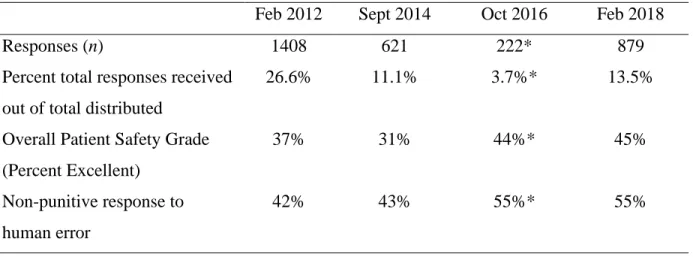
occur, and patient handoffs (L. Harmon, personal communication, November, 9, 2018). In its most recent survey, the site organization scored below the national benchmark, 55% versus 45% for the national average, in responses for staffs’ perception about mistakes being held against them (L. Harmon, personal communication, November 9, 2018). For this question, lower percent is better, indicating a lower number of staff agreed that their mistakes are held against them. Also, the February 2018 survey administration yielded a very low response rate of only 13.5%, (L. Harmon, personal communication, November, 9, 2018). The results indicated that staff agreed that their mistakes are held against them, and the level of agreement continued to increase, instead of decrease. Table 4 provides an overview of survey response rates and trends for overall patient safety grades and non-punitive response to human error (“Staff worry their mistakes are held against them”).
Table 4. HSPSC Responses, Safety Grades and Non-Punitive Response to Human Error Feb 2012 Sept 2014 Oct 2016 Feb 2018
Responses (n) 1408 621 222* 879
Percent total responses received out of total distributed
26.6% 11.1% 3.7%* 13.5%
Overall Patient Safety Grade (Percent Excellent)
37% 31% 44%* 45%
Non-punitive response to human error
42% 43% 55%* 55%
(L. Harmon, personal communication, November, 9, 2018) *suburban sites excluded
39
The climate for change and the acceptance of new projects implemented at the project site was evaluated by the Performance Improvement department. This department had
responsibility for supporting performance improvement efforts throughout the hospital, and the monitoring of the metrics associated with those projects. However, in healthcare organizations, like any organization, there can be tensions due to the ongoing pressures of change from internal and external sources. This pressure can be felt by organizational leaders and front-line staff alike.
Organizational culture. Culture is an important part of the inner setting that was vital to
project implementation. An organization’s culture represented a combination of many
subcultures, as well as the organization’s values, norms, attitudes, both social and professional
systems and structures (Sherwood, & Barnsteiner, 2012). Organizational culture is often described as the way we work.
At the project site, there were many aspects that impacted the culture, including Carolina Care®, a growing Just Culture, Zero Harm initiative, a culture of accountability, and a culture of safety. Carolina Care was the framework for caring behaviors with patients, based on Swanson’s Theory of Caring (Swanson, 1991; Tonges, & Ray, 2011). This theory was used to describe caring processes (maintaining belief, knowing, being with, doing for, and enabling) (Swanson, 1991), that are linked with caring behaviors for healthcare workers (moment of caring, hourly rounds, no passing zone, words and ways that work, and blameless apology) (Tonges, & Ray, 2011).
40
organizations on Just Culture and other related concepts (Outcome Engenuity, 2019). The initial Just Culture training at the project site was provided to existing leaders at the project site in 2012, and since that time, new leaders hired into or promoted in the organization complete a Just Culture for Healthcare Managers online module, available through the project site learning
management system, generally completed during the initial 90-days of employment. The project site Human Resources department partners with leaders by giving them, usually when hired, a Just Culture Algorithm©. As previously described, this algorithm was developed by David Marx and is used as a tool to assist in AE investigations. Appendix B presents the Just Culture
Algorithm© (Outcome Engenuity, 2017), and that permission was granted to use the Just Culture Algorithm© (personal communication, D. Marx, July 8, 2019).
The project site also supported two employees, nurses, to obtain additional training that would allow them to become certified and teach others in the principles and practices of Just Culture. These two Just Culture-certified nurses periodically, once every few years, provide refresher information about Just Culture for organizational leaders. In these one-hour refresher courses, Just Culture concepts were reviewed at a high level, along with the Just Culture
Algorithm©, and the application of the algorithm in scenarios familiar to managers. During this course, participants had an opportunity to share learning needs regarding Just Culture so that future education and training can be provided.
41
to develop lecture content and reflection exercises, including role play and case studies. The educational sessions designed were consistent with official training materials from the Just Culture training program with David Marx. Information presented included relatable examples, that cross multiple nursing unit settings, that participants could use to mold to their own settings and apply to their own needs.
The most recent Just Culture refresher training, prior to the intervention, was offered to nurse managers at the project site on May 7, 2019. At that time, participants verbally shared specific needs regarding additional learning opportunities; this information was be used to develop the educational intervention for this DNP project.
The Zero Harm initiative at the project site was intended to help the organization move toward the elimination of patient harm that pertains to an episode of care. The Zero Harm initiative was represented in literature as a connection to high reliability, and the way to address quality and safety problems (The Joint Commission, 2018). This initiative involved a weekly meeting where patient care leaders and unit representatives present a summary of the
42
blame and disengage from communication and learning, making the goal of Zero Harm unattainable (Outcome Engenuity, 2019).
A culture of accountability was promoted at the project site, although novice leaders in the organization (Clinical Nurse Managers and Team Leaders), like all novice leaders, may struggle to develop specific accountability skills. Accountability includes three main characteristics: defining responsibility; answering about actions, by those who have the responsibility for the duty; and enforcing sanctions or disciplinary actions when appropriate (World Health Organization, 2019).
A culture of safety was a subculture of the organizational culture and reflects the comfort of individuals to draw attention to possible hazards or actual errors, without fear of
condemnation from leadership (Wachter, 2012). In all organizations, there are often employee perceptions that differ throughout the organization, and even across disciplines and entities within a healthcare system (Giffords, & Dina, 2003). Leaders helped manage these differences of perceptions through dialogue for understanding, and actions such as need for additional
43
leaders, nursing leaders were also committed to making improvements in Just Culture knowledge and the application of concepts.
The learning climate at the project site reflected the degree to which the organization utilized opportunities to learn from errors or failures, and to make improvements. Organizations that support a learning-oriented climate demonstrate that “failure and mistakes are used as an input for improvement and not as a reason for punishment” (Caniëls, & Baaten, 2019, p. 563).
The project site Just Culture certified trainers were utilized to facilitate change in the organizational culture, moving toward Just Culture. However, there were only two of these trainers, and with an organization the size of the project site, two trainers are insufficient. There is support for small tests of change from many nursing units, as well as the Performance
Improvement department, as seen in the frequent unit reports in the Quality and Safety Committee meetings, as well as Nursing Leadership Council. It was not uncommon to hear updates from a pilot, or a PDCA cycle on a patient care area. Psychological safety, a “shared belief that the team is safe for interpersonal risk taking” (Edmondson, 1999, p. 354), can vary
depending on the leader. The pace of activity at the project site was a rapid one, and time for reflection and evaluation was not always integrated in project timelines. It had to be intentionally planned and carved out and supported by leadership.
Key personnel and stakeholders. The stakeholders for this QI project were the
44
As Just Culture is only one aspect of the entire patient safety culture, it was important to have a solid understanding of the landscape of the organization regarding not only Just Culture, but also patient safety culture. To best understand the problem that needed improvement, as well as the history and culture at the project site, the Project Lead had conversations and meetings with the stakeholders to gain insight and context. These interactions lead to a more complete understanding of the current situation, the desired improvement, the implications for the organization and how this DNP project would influence these needs.
Procedures: Implementation Process
The characteristics of the educational intervention that were implemented in this DNP project included a series of two, one-hour sessions, offered on different days of the week, at different times of day to optimize leaders’ opportunity for attendance. Informal discussions with
potential organizational leader / participants indicated that several one-hour educational sessions were preferable to one long session. The educational materials used in the training sessions included both didactic and experiential learning components.
Appendix C contains the slides used in educational session one, and Appendix D contains the slides used in educational session two. Didactic strategies included content about the project and relevant Just Culture principles. A case scenario, presented in Appendix E, was developed to reflect multiple scenarios in a day in the life on a typical patient care unit, but no identifying information was included (Outcome Engenuity, 2017). Experiential learning occurred through role plays using the developed case studies where participants applied the Just Culture
Algorithm© (Outcome Engenuity, 2017), and then engaged in reflection.