9-12 December 2019
Muscat, Oman
MEETING REPORT
WHO Global Meeting to
Accelerate Progress on
SDG Target 3.4 on
Noncommunicable Diseases
and Mental Health
WHO Global Meeting to
Accelerate Progress on
SDG Target 3.4 on
Noncommunicable Diseases
and Mental Health
9-12 December 2019
Muscat, Oman
WHO global meeting to accelerate progress on SDG target 3.4 on noncommunicable diseases and mental health, 9–12 December 2019, Muscat, Oman: meeting report
ISBN 978–92–4-000496–2 (electronicversion) ISBN 978–92–4-000497–9 (printversion)
© World Health Organization 2020
Some rights reserved. This work is available under the Creative Commons Attribution-NonCommercial-ShareAlike 3.0 IGO licence (CC BY-NC-SA 3.0 IGO; https://creativecommons.org/licenses/by-nc-sa/3.0/igo).
Under the terms of this licence, you may copy, redistribute and adapt the work for non-commercial purposes, provided the work is appropriately cited, as indicated below. In any use of this work, there should be no suggestion that WHO endorses any specific organization, products or services. The use of the WHO logo is not permitted. If you adapt the work, then you must license your work under the same or equivalent Creative Commons licence. If you create a translation of this work, you should add the following disclaimer along with the suggested citation: “This translation was not created by the World Health Organization (WHO). WHO is not responsible for the content or accuracy of this translation. The original English edition shall be the binding and authenticedition”.
Any mediation relating to disputes arising under the licence shall be conducted in accordance with the mediation rules of the World Intellectual PropertyOrganization.
Suggested citation. WHO global meeting to accelerate progress on SDG target 3.4 on noncommunicable diseases and
mental health, 9–12 December 2019, Muscat, Oman: meeting report. Geneva: World Health Organization; 2020. Licence: CC BY-NC-SA 3.0IGO.
Cataloguing-in-Publication (CIP) data. CIP data are available at http://apps.who.int/iris.
Sales, rights and licensing. To purchase WHO publications, see http://apps.who.int/bookorders. To submit requests for commercial use and queries on rights and licensing, see http://www.who.int/about/licensing.
Third-party materials. If you wish to reuse material from this work that is attributed to a third party, such as tables, figures or
images, it is your responsibility to determine whether permission is needed for that reuse and to obtain permission from the copyright holder. The risk of claims resulting from infringement of any third-party-owned component in the work rests solely with theuser.
General disclaimers. The designations employed and the presentation of the material in this publication do not imply the
expression of any opinion whatsoever on the part of WHO concerning the legal status of any country, territory, city or area or of its authorities, or concerning the delimitation of its frontiers or boundaries. Dotted and dashed lines on maps represent approximate border lines for which there may not yet be fullagreement.
The mention of specific companies or of certain manufacturers’ products does not imply that they are endorsed or recommended by WHO in preference to others of a similar nature that are not mentioned. Errors and omissions excepted, the names of proprietary products are distinguished by initial capitalletters.
All reasonable precautions have been taken by WHO to verify the information contained in this publication. However, the published material is being distributed without warranty of any kind, either expressed or implied. The responsibility for the interpretation and use of the material lies with the reader. In no event shall WHO be liable for damages arising from itsuse. This publication does contains the report of the WHO global meeting to accelerate progress on SDG target 3.4 on noncommunicable diseases and mental health and does not necessarily represent the decisions or policies ofWHO.
22
Contents
Foreword 6 Acknowledgements 8 Abbreviations 9 01 Overview 10 1.1 Context 121.2 The Global Meeting 14
1.3 Highlights of the Global Meeting 20
02 Global Meeting: technical part 22
2.1 Universal health coverage (UHC): 1 billion more people benefiting from UHC 24 2.2 Health emergencies: 1 billion more people better protected from health emergencies 31 2.3 Healthier populations: 1 billion more people enjoying better health and well-being 37
03 Global multistakeholder partners’ forum 48
3.1 Collaborative governance and accountability for multisectoral and
multistakeholder action to accelerate NCD responses 50 3.2 Global multistakeholder partnerships: innovative solutions 57
Foreword
The burden of noncommunicable diseases (NCDs), such as cardiovascular diseases, cancer, diabetes, chronic respiratory diseases, and mental disorders, is growing in rich and poor countries alike. However, in low- and middle-income countries, the NCD challenge is compounded by persistent communicable diseases, poor maternal and child health, and fragile health systems. The premature mortality from NCDs, that is, deaths under the age of 70, is particularly concerning, as those deaths are occurring among the economically most productive population. These productivity losses, combined with the rising treatment costs for chronic NCDs, are affecting households, overwhelming health systems, and negatively impacting nationaleconomies.
Recent years have seen encouraging developments in elevating NCDs in the global policy agenda, with a series of high-level meetings and the inclusion of Sustainable Development Goal (SDG) target 3.4, on NCDs and mental health, in the 2030 Agenda for SustainableDevelopment.
An organized response to NCDs, however, is yet to emerge in many low- and middle-income countries, as the governance structures, institutional arrangements, multisectoral policy development and planning, and effective regulation and coordination mechanisms across different sectors and actors are not well developed. National ministries of health are critical in responding to NCDs, as they have an important role to play in oversight, management and planning for the development of well aligned, NCD-specific, sectorwide policies and programmes. Therefore, strengthening the capacities of ministries of health to lead on strategizing, guiding, planning and coordinating activities for the implementation of Health in All Policies, both within health systems and across all government sectors, isparamount.
The World Health Organization (WHO) works closely with its Member States in providing technical assistance, tools and guidance to scale up action against NCDs, including
strengthening health systems, addressing the social, economic, and environmental determinants of NCDs, and improving coordination with non-State actors to catalyse politicalaction.
In an effort to spur the implementation of national responses against NCDs, WHO and the Government of the Sultanate of Oman co-organized the Global Meeting to Accelerate Progress on SDG Target 3.4 on Noncommunicable Diseases and Mental Health. Oman was chosen for its remarkable achievements in terms of sustained investment in development of the health sector, political commitment to prioritization of NCDs as part of universal health coverage, and institutionalization of the SDGs within the national healthagenda.
The focus of the Global Meeting was on overcoming the implementation challenges and building the capacities of national NCD managers to reduce premature mortality from NCDs through prevention and treatment and to promote mental health and well-being. The meeting embraced the so-called five-by-five approach and offered sessions on the four main types of NCDs plus mental health, along with the main risk factors, including tobacco use, harmful use of alcohol, unhealthy diet, physical inactivity and airpollution.
The technical part of the meeting introduced all WHO packages and tools to help countries implement the whole spectrum of NCD interventions from promotion and prevention to treatment, rehabilitation and palliation. The partners’ forum provided an opportunity for national NCD managers to engage with relevant non-State actors to explore opportunities for meaningful and effective collaboration at global, regional and local levels to reduce premature mortality from NCDs and promote mental health, while giving due regard to managing potential conflicts ofinterest.
Over the course of the four-day conference, over 600 participants from Member States, United Nations system organizations, academia,
civil society, professional associations and the private sector discussed what actions could be implemented to help countries achieve the SDGs, particularly SDG target 3.4, and how integrated governance and multisectoral and multistakeholder partnerships could help to make fast progress. The rich discussions provided ample opportunities to learn, to connect, and to bring about innovative solutions. The quality of presentations, insightful speakers, experts and the youth forum contributed to the success of the meeting and made it a memorable learning experience. The release of the report of the WHO Independent High-level Commission on Noncommunicable Diseases and the launch of the BMJ special series on NCD solutions were some of the highlights of the GlobalMeeting. We would like to express our sincere appreciation to all WHO colleagues from the six regions and
three levels of the Organization who contributed their expertise and worked tirelessly for several months to make this conference happen. We would also like to acknowledge a very special collaboration between WHO and the Sultanate of Oman, amplified by the support of the Ministry of Health of Oman, the Director of the WHO Regional Office for the Eastern Mediterranean and the WHO country representative, as well as the regional office and country office teams, whose efforts were key in making the meeting asuccess. We hope you enjoy reading this report, which aims to capture the main outputs of the Global Meeting and serve as a reference to the WHO technical packages and other important resources on how we can move from global commitments to localaction.
Dr Tedros Adhanom Ghebreyesus Director-General
World Health Organization
Dr Ahmed Mohammed Obaid Al Saidi Minister of Health
Acknowledgements
This report was prepared by the Global NCD Platform, Office of the Deputy-Director General, World Health Organization, Geneva. Téa Collins coordinated the development and writing of the report. Erik Landriault provided technical support. Jack Fisher oversaw thedesign.
We wish to thank Zsuzsanna Jakab, Ali Al Hinai, Svetlana Akselrod, Akjemal Magtymova, Minghui Ren, Naoko Yamamoto and Mubashar Sheikh for their support andguidance.
Core contributions to the content of the report were provided by Muhim Abdalla, Faten Ben Abdelaziz, Ayoub Al-Jawaldeh, Nazneen Anwar, Yulia Bakonina, Nick Banatvala, Josef Bartovic, Suha Awni Mohammed Battash, Daria Berlina, Melanie Bertram, Fabienne Besson, Douglas Bettcher, Lubna Bhatti, Maureen Birmingham, Francesco Branca, Joao Breda, Fiona Bull, Bob Castro, Oleg Chestnov, Marilis Corbex, Lana Crnjac, Alya Dabbagh, Siddhartha Sankar Datta, Nicoletta de Lissandri, Gampo Dorji, Tarun Dua, Fatima El-Awa, Jill Farrington, Elena Fidarova, Jack Fisher, Guy Fones, Heba Fouad, Gauden Galea, Alex Gasasira, Paul Garwood, Sophie Genay-Diliautas, Abdul Ghaffar, Jaimie Marie Guerra, Nalika Gunawardena, Ritta Hamalainen, Christoph Hamelmann, Clayton Hamilton, Asmus Hammerich, Fahmy Hanna, Anselm Hennis, Menno Van Hilten, Martyna Hogendorf, André Ilbawi, Maed Kaltoum, Kanokporn (Jum) Kaojaroen, Edward Kelly, Devora Kestel, Taskeen Khan, Rick Kim, Rokho Kim, Monika Kosinska, Ruediger Krech, Etienne Krug, Alexey Kulikov, Catherine Lam, Nisreen Abdel Latif, Guangyuan Liu, Lucero Lopez, Lamia Mahmoud, Lina Mahy, Nashwa Mansour, Ricardo Martinez, Daniel Mic, Mitch Mijares-Majini, Bente Mikkelsen, Omid Mohit, Chizuru Nashida, Maria Neira, Dorit Nitzan, Mark van Ommeren, Jeremias Paul Jr, Scott Pendergast, Razia Pendse, Rana Rajjeh, Manju Rani, Dag Rekve, Leanne Riley, Nathalie Roebbel, Khalid Saeed, Santino Severoni, Hai-Rim Shin, Steven Shongwe, Slim Slama, Wendy Dawn Snowdon, Thaksaphon Tamarangsi, Juan Tello, Pavel Ursu, Martin Vandendyck, Cherian Varghese, Temo Waqanivalu, Kremlin Wickramasinghe and GodfreyXuereb.
Abbreviations
FENSA Framework of Engagement with Non-State Actors
Global Fund Global Fund to Fight AIDS, Tuberculosis and Malaria
IAEA International Atomic Energy Agency
ITU International Telecommunication Union
NCD noncommunicable disease
NGO nongovernmental organization
OECD Organisation for Economic Co-operation and Development
SDG Sustainable Development Goal
STEPS STEPwise approach to noncommunicable disease risk factor surveillance
TB tuberculosis
UHC universal health coverage
UNAIDS Joint United Nations Programme on HIV/AIDS
UNDP United Nations Development Programme
UNIATF United Nations Interagency Task Force
UNICEF United Nations Children’s Fund
WFP World Food Programme
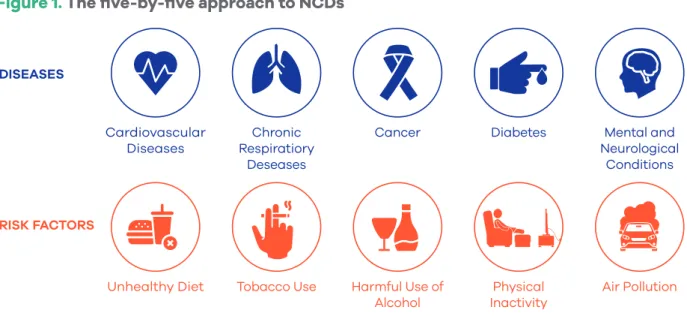
diseases through prevention and treatment and promote mental health and well-being”) in the 2030 Agenda for Sustainable Development as part of Goal 3, “Ensure healthy lives and promote well-being for all at all ages”.1 In 2019, the United Nations High-level Meeting on Universal Health Coverage was held in New York, United States of America. The political declaration of the meeting built on SDG target 3.8 on universal health coverage (UHC) and the “triple billion” goals in the WHO Thirteenth General Programme of Work. As all SDG targets are intertwined, SDG targets 3.4 and 3.8 cannot be achieved if countries do not progress on bothcounts. All political declarations and outcome documents emerging from these high-profile meetings repeatedly stressed the importance of whole-of-government, whole-of-society, and cross-sectoral approaches at the global, regional and national levels to improve the health of populations. The NCD agenda has also been expanded from the four-by-four (four major NCDs and four shared risk factors, namely tobacco use, harmful use of alcohol, physical inactivity, and unhealthy diets) to the so-called five-by-five approach, which includes mental health and environmental determinants (Figure1).
1 Transforming our world: the 2030 Agenda for Sustainable Development. Resolution adopted by the General Assembly on 25 September 2015. New York: United Nations; 2015.
1.1 Context
1.1.1 The NCD burden
Noncommunicable diseases (NCDs) – cardiovascular diseases, cancer, chronic respiratory diseases, and diabetes – have long been the leading cause of deaths and ill-health globally, imposing a considerable burden on individuals, households, health systems and country economies, especially in low- and middle-income countries. The World Health Organization (WHO) estimates that there were 56.9 million deaths in 2016, and that NCDs were responsible for 40.5 million of those deaths, or 71% of the global mortality. It is particularly concerning that 15 million of the NCD deaths worldwide took place before the age of 70, and 85% of this premature mortality occurred in low- and middle-incomecountries.
1.1.2 Increased global awareness
Despite being the major cause of mortality and morbidity for years, NCDs have relatively recently been prioritized on the global political agenda, most notably when the United Nations General Assembly convened three high-level meetings on the prevention and control of NCDs in 2011, 2014 and 2018. In 2015, countries agreed to include a specific Sustainable Development Goal (SDG) target 3.4 (“By 2030, reduce by one third premature mortality from noncommunicable
Figure 1. The five-by-five approach to NCDs
DISEASES RISK FACTORS Cardiovascular Diseases Chronic Respiratiory Deseases
Cancer Diabetes Mental and Neurological
Conditions
Unhealthy Diet Tobacco Use Harmful Use of Alcohol
Physical Inactivity
1.1.4 Solution: building national
capacities to address NCDs
and enhance mental health
The role of governments is critical to helping translate global commitments into national implementation. However, countries continue to vary in their capacity to take action to prevent and control NCDs and to address a growing burden of mental, neurological, and substance use disorders (mental health conditions), as well as environmental pollution. Adequate country capacity is one of the critical missing factors to attain the SDGs, including SDG target 3.4, since maintaining the momentum after the initial political commitments were made has proved to be a major challenge. WHO regularly conducts NCD country capacity surveys to assess national capacities for the prevention and control of NCDs, with a focus on NCD infrastructure, policy formulation, surveillance, and the health system response to address NCDs at the nationallevel. Building the capacity of ministries of health and national NCD managers to develop the necessary knowledge and skills to respond to NCDs is essential to meet new and future public health challenges. Areas of engagement will include attending to inequalities and their impact on health and disease, strengthening health governance and health systems, addressing the social determinants of NCDs, and moving from siloed to integrated approaches across sectors. Of countries that had conducted country capacity surveys, 86% stated they had a unit or department within their ministry of health with responsibility for overseeing work on NCDs and their risk factors, while 84% had at least one full-time technical member of staff employed within the NCD unit or department.3 Building the capacities of these NCD managers, including technical competence, skills, and application of knowledge for improvements in
1.1.3 Implementation challenges
WHO developed a menu of policy options and cost-effective interventions (Appendix 3 of the
Global Action Plan for the Prevention and Control of Noncommunicable Diseases 2013–2020), which was updated in 2017 and renamed as Tackling NCDs: “best buys” and other recommended interventions for the prevention and control of NCDs. The recommended interventions aim to assist Member States in implementing measures to achieve national and global NCD targets, as appropriate for their nationalcontexts.
There are a total of 88 interventions, where 16 are considered the best buys with proven cost-effectiveness and high feasibility for implementation (for example, excise taxes on tobacco and alcohol, reduced salt intake through the implementation of front-of-pack labelling and behaviour communication, drug therapy for hypertension and glycaemic control for diabetes, and vaccination against human papillomavirus (two doses) for 9–12-year-oldgirls).
WHO is currently preparing a menu of policy options and cost-effective interventions for mental health to assist Member States in addressing the expanded NCD agenda through the five-by-five approach, which includes mental health and environmentalconsiderations. Irrespective of the availability of the best buy interventions to comprehensively address NCDs and their shared risk factors, the progress to date across countries has been slow and uneven. The WHO High-level Commission on NCDs identified several obstacles that governments face in their efforts towards SDG target 3.4: flack of political will, commitment, capacity
and action
flack of policies and plans for NCDs fdifficulty in priority setting
global meetings and conferences, including the WHO global meetings for national NCD programme directors and managers to strengthen their abilities to lead multisectoral and multistakeholder efforts to tackle NCDs. The first such capacity-building meeting was held in 2016 in Geneva, Switzerland. The Global Meeting in Oman was the second meeting organized by WHO targeting NCD directors and programme managers. The third global meeting is planned to take place in2022. To scale up the implementation of national responses to address NCDs and their risk factors, WHO has developed technical packages of prioritized interventions for MemberStates: fMPOWER to reduce tobacco use (as outlined
in the WHO Framework Convention on TobaccoControl)
fSAFER to reduce the harmful use of alcohol fSHAKE to reduce salt intake
fREPLACE to eliminate industrially produced trans fatty acids from the food supply fACTIVE to promote physical activity fHEARTS to reduce hypertension
fmhGAP to address mental health conditions and promote mental health
fLIVE LIFE to prevent suicide
fINSPIRE to reduce violence against children fSAVE LIVES to reduce road traffic injuries
anddeaths.
Capacity development is important not only for the public sector but also for civil society organizations and the private sector. The complexity of the NCD agenda requires a well- coordinated multisectoral and multistakeholder collaborative effort to amplify impact and accelerate change. Multistakeholder partnerships will allow governments and non-State actors to pool their resources to bring heightened and focused attention to NCD prevention and control. Partnerships may also become an important consolidator and disseminator of knowledge and information. To address these issues, in addition to the technical part, the Global Meeting also included a global multistakeholder partners’ forum.
1.2 The Global Meeting
The WHO Global Meeting to Accelerate Progress on SDG Target 3.4 on Noncommunicable Diseases and Mental Health took place in Muscat, Oman, from 9 to 12 December2019.
1.2.1 Goal
The overarching goal of the Global Meeting was to accelerate the implementation of national responses to address NCDs and mental health conditions with a view to reducing premature mortality and scaling up interventions to reach SDG target 3.4 by 2030. Specifically, the Global Meeting focused on increasing country ownership of the WHO technical packages and tools to tackle NCDs, while recognizing the importance of political leadership, policy coherence, multistakeholder engagement, understanding of national contexts, learning from experiences and sharinglessons.
1.2.2 Objectives
The objectives of the Global Meeting were to strengthen the capacity of national NCD directors and managersto:
fimplement a set of priority interventions that will put their countries on a sustainable path to attain SDG target 3.4 on NCDs and mental health by2030;
ffulfil the commitments made by Heads
of State and Government in the political declarations of the United Nations General Assembly adopted in 2011, 2014 and2018; fcontribute to the targets for NCD-related
actions included in the triple billion goals set out in the WHO Thirteenth General Programme of Work (Figure2).
1.2.3 Structure
The Global Meeting included the followingsegments: ftechnical meeting for national NCD directors
and programme managers (9–10December); fhigh-level segment for Member States and
United Nations organizations, as well as non-State actors, at the level of ministers and heads of organizations (afternoon of 10December);
fglobal multistakeholder partners’ forum
(11December);
fregional meetings, side events and site visits (12December).
The focus of the technical part of the meeting was on the challenges and solutions to the implementation of the WHO technical packages for NCD prevention and control to achieve SDG target 3.4.
The objectives of the global multistakeholder partners’ forum were to strengthen the capacity of national NCD directors and programme
fstrengthen non-State actors’ commitments and contributions to the implementation of national responses to prevent and control NCDs and promote mental health to achieve SDG target 3.4.
The Global Meeting’s technical part and multistakeholder partners’ forum were anchored in the vision outlined in the WHO Thirteenth General Programme of Work (2019–2023) to address three strategic priorities (achieving UHC, addressing health emergencies, and promoting healthier populations) through the triple billion goals. To accomplish this, the overarching themes of the global multistakeholder partners’ forum were (a) governance and accountability, and (b) innovativesolutions.
The focus on the governance and accountability challenges reflected the growing importance of non-State actors in contributing to the implementation of the NCD agenda. The Global Meeting acknowledged that despite the central role of government in the prevention and control of NCDs, effective governance in Figure 2. Triple billion goals
One billion
more people benefiting fromOne billion
more people better protected fromOne billion
more people enjoying betterUN
IV
ER
SA
L HEALTH COV
ER
AG
E
HEA
LTH AND WE
LL
-B
EI
N
G
HE
ALT
H EM
ERGENCIE
S
delegating the government’s responsibility for the population’shealth.
The sessions on innovative solutions explored themes that would require multisectoral and multistakeholder cooperation at both global and countrylevels.
The multistakeholder partners’ forum sought to create a collaborative community of Member States, foundations, private sector representatives, academia, humanitarian and professional organizations, and civil society to leverage their strengths and promote synergies. More specifically, the forum achieved thefollowing:
ffostered an open dialogue and inspired action on how to further strengthen multisectoral and multistakeholder collaboration towards the implementation of scalable, context-specific solutions for NCD prevention andcontrol;
fprovided networking opportunities for
various stakeholders andpartners;
foffered a platform to share information and goodpractices.
In total, the programme offered five plenary sessions, 20 parallel sessions, and six lunchtime seminars on the implementation of the WHO Framework Convention on Tobacco Control, suicide prevention, health literacy, fiscal
measures and NCD accelerators, civil society engagement, and development cooperation. The last day of the meeting included visits to primary health care clinics organized by the host, followed by the six WHO regionalmeetings.
1.2.4 Participation
The Global Meeting attracted over 600 participants. There were more than 95 countries represented by Member State delegations, as well as approximately 100 participants from non-State actors, including youth organizations, academia, nongovernmental organizations (NGOs), professional associations, civil society organizations and the private sector. A total of 178 experts had a chance to speak in the meeting as panellists, moderators and presenters. The high-level participation included 10 health ministers, several deputy ministers, WHO regional directors from the WHO regional offices for Europe and the Eastern Mediterranean, parliamentarians, senior representatives from ministries of foreign affairs, H.R.H. Princess Dina Mired of Jordan, representatives of United Nations agencies, and other distinguishedguests.
Information categorizing the participants by gender, WHO region, and affiliation is presentedbelow.
Figure 3. Gender balance of participants (%)
Registrations
49%
51%
50%
50%
Speakers Male FemaleTable 1. Participation by WHO region
African Region 12.4%
Region of the Americas 10.7%
South-East Asia Region 6.5%
European Region 17.3%
Eastern Mediterranean Region 43.0%
Western Pacific Region 10.1%
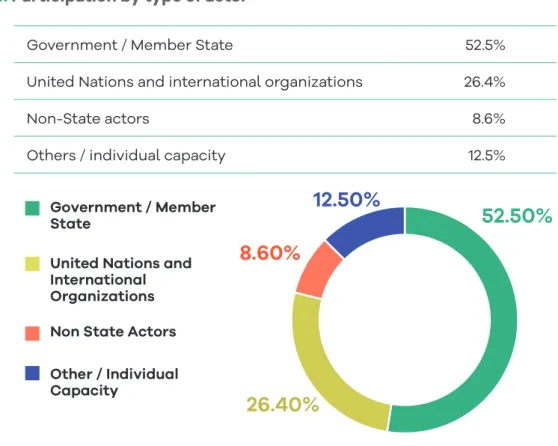
Figure 4. Participation by type of actor
Government / Member State 52.5%
United Nations and international organizations 26.4%
Non-State actors 8.6%
Others / individual capacity 12.5%
52.50%
26.40%
8.60%
12.50%
Government / Member StateUnited Nations and International Organizations Non State Actors Other / Individual Capacity
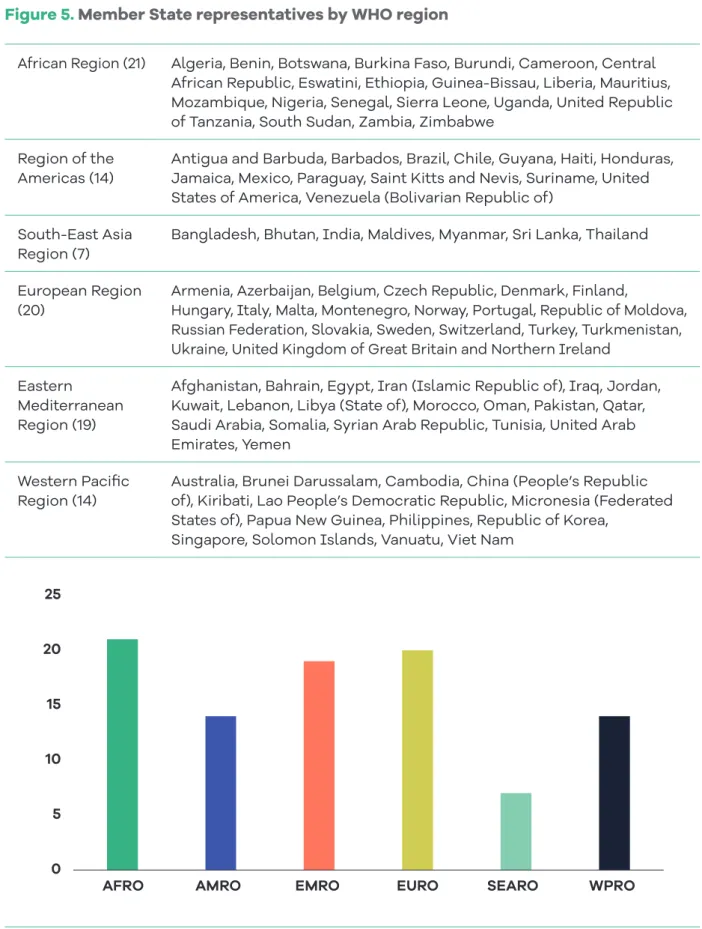
Figure 5. Member State representatives by WHO region
African Region (21) Algeria, Benin, Botswana, Burkina Faso, Burundi, Cameroon, Central African Republic, Eswatini, Ethiopia, Guinea-Bissau, Liberia, Mauritius, Mozambique, Nigeria, Senegal, Sierra Leone, Uganda, United Republic of Tanzania, South Sudan, Zambia, Zimbabwe
Region of the
Americas (14) Antigua and Barbuda, Barbados, Brazil, Chile, Guyana, Haiti, Honduras, Jamaica, Mexico, Paraguay, Saint Kitts and Nevis, Suriname, United States of America, Venezuela (Bolivarian Republicof)
South-East Asia Region (7)
Bangladesh, Bhutan, India, Maldives, Myanmar, Sri Lanka, Thailand European Region
(20) Armenia, Azerbaijan, Belgium, Czech Republic, Denmark, Finland, Hungary, Italy, Malta, Montenegro, Norway, Portugal, Republic of Moldova, Russian Federation, Slovakia, Sweden, Switzerland, Turkey, Turkmenistan, Ukraine, United Kingdom of Great Britain and Northern Ireland
Eastern
Mediterranean Region (19)
Afghanistan, Bahrain, Egypt, Iran (Islamic Republic of), Iraq, Jordan, Kuwait, Lebanon, Libya (State of), Morocco, Oman, Pakistan, Qatar, Saudi Arabia, Somalia, Syrian Arab Republic, Tunisia, United Arab Emirates, Yemen
Western Pacific
Region (14) Australia, Brunei Darussalam, Cambodia, China (People’s Republic of), Kiribati, Lao People’s Democratic Republic, Micronesia (Federated States of), Papua New Guinea, Philippines, Republic of Korea,
Singapore, Solomon Islands, Vanuatu, Viet Nam
0 5 10 15 20 25
Figure 6. Participation of the United Nations and other international organizations Global Fund to Fight AIDS, Tuberculosis and Malaria (GlobalFund)
International Atomic Energy Agency (IAEA) International Telecommunication Union (ITU)
Joint United Nations Programme on HIV/AIDS (UNAIDS) United Nations Development Programme (UNDP)
United Nations Children’s Fund (UNICEF) World Food Programme (WFP)
World Health Organization (WHO)
Organization for Economic Cooperation and Development (OECD)
Non-State actor participation
WHO specifically reached out to non-State actors with a proven track record of collaboration, including academia, NGOs, professional associations, philanthropic foundations, civil society organizations and the private sector. The screening of potential participants was conducted in accordance with the rules of the WHO Framework of Engagement with Non-State Actors (FENSA). A total of 45 entities were accepted to participate and over 100 representatives attended the Global Meeting, including expert speakers who participated in their individualcapacity.
1.3 Highlights of the
Global Meeting
The highlights of the Global Meeting included thefollowing.
Launch of BMJ special edition. The launch took place of the BMJ special edition on scalable solutions for NCD prevention and control, including environmental determinants and mental health. The edition was a result of a two-year collaboration between WHO (six regions and three levels of the Organization) and the BMJ.4 Release of High-level Commission’s final
report. The final report of the WHO Independent
High-level Commission on NCDs was released. The official launch of the report took place in January 2020 on the margins of the WHO Executive Board meeting.5
Launch of The Lancet series. The Lancet series on
the double burden of malnutrition was launched.6 Youth engagement. The forum involved the participation of 19 young global health leaders competitively selected through a call for engagement with youth delegates from a range of public health areas. The call resulted in more than 500 applications. The finalists were granted financial awards from WHO to support their attendance. To ensure meaningful engagement with the Global Meeting NCD community, selected 4 Solutions for non-communicable disease prevention and control. The BMJ (https://www.bmj.com/NCD-solutions, accessed 10 April 2020).
5 It’s time to walk the talk. WHO Independent High-level Commission on Noncommunicable Diseases: final report. Geneva: World Health Organization; 2019 (https://apps.who. int/iris/handle/10665/330023, accessed 10 April2020). 6 The double burden of malnutrition. Lancet series,
December 2019 (https://www.thelancet.com/series/ double-burden-malnutrition, accessed 10 April2020).
youth delegates were invited as speakers in several plenary and parallel sessions as youth voices and agents for change. On the final day of the Global Meeting, WHO hosted a workshop for the youths to discuss innovative ideas that young leaders could implement in their countries. The youth representatives also met with Dr Ahmed Al-Mandhari, WHO Regional Director for the Eastern Mediterranean, and other high-leveldelegates. Walk the Talk Oman: Health for All Challenge. A physical activity event was organized by the national Ministry of Health and Ministry of Sports of Oman in collaboration with WHO. Up to 500 attendees participated in the challenge. The event included a visit to the Sultan Qaboos Sports Complex, which is a government-owned, multipurpose facility, including a football field, tennis courts and gymnasium. Participants across all age groups followed a 2-kilometre route, which involved running, a marching band, and a range of national culturalgames.
High-level plenary. The high-level plenary, which took place on Tuesday, included the participation of 10 health ministers, several deputy ministers, the WHO regional directors for Europe and the Eastern Mediterranean, parliamentarians, senior delegates from ministries of foreign affairs, H.R.H. Princess Dina Mired of Jordan, United Nations agencies, and chief executive officer-level representation from non-State actors, including civil society and the private sector. The plenary session was followed by a cultural event and gala dinner, courtesy of thehost.
Lunchtime seminars. The seminars complemented the programme by exploring in depth the programmatic areas that will help countries identify their priorities and implement their high-level commitments in a more coordinated way to include governments, civil society, the private sector and other national stakeholders.
The following seminars were offered during the GlobalMeeting:
fcontribution of the WHO Framework
Convention on Tobacco Control (and its Protocol to Eliminate Illicit Trade in Tobacco Products) to the broader NCDagenda;
fhealth literacy for preventing NCDs and
enhancing mentalhealth;
fsupporting countries to scale up care for mental, neurological and substance useconditions;
communications strategy, which created a strong visual identity through branding (on site and off screen), and dynamic multilingual communication assets, such as publications, posters, inspirational videos, and a range of interactive activities, including a meeting app and the interactive zone (marketplace), which showcased WHO’s global and regional portfolio of tools. In addition, national, regional and international media were engaged to produce opinion editorials and interviews for print Release of the report of the WHO Independent High-level Commission on NCDs
During the high-level segment, the final report of the WHO Independent High-level Commission on NCDs – It’s time to walk the talk – was released in front of more than 600 people from governments, United Nations agencies, civil society, the private sector, philanthropies and academia. The Commission was convened by Dr Tedros Adhanom Ghebreyesus, WHO Director-General, to provide advice on the formulation of bold recommendations on how to close the gap on SDG target 3.4 on NCDs. The Commission had provided recommendations for Member States, civil society and the private sector in its first report – Time to deliver – which was released on 1 June 2019. The second report, released at the Global Meeting, laid out a set of eight recommendations forWHO:
1. encourage Heads of State and Government to fulfil their commitment to provide strategic leadership by involving all relevant government departments, businesses, civil society groups, health professionals and people at risk from or suffering from NCDs and mental healthconditions; 2. support countries in efforts to empower individuals to make healthy choices, including
by ensuring that the environment is conducive to living a healthy life, and that people receive the information they need to make healthychoices;
3. encourage countries to invest in the prevention and control of NCDs and mental health conditions as a key opportunity to enhance human capital and accelerate economicgrowth; 4. advise countries to include services to prevent and treat NCDs and mental health as
essential components ofUHC;
5. ensure that no one falls into poverty because they have to pay for health care out of their own pockets, through the provision of adequate social protection foreveryone;
6. increase engagement with businesses and provide technical support to Member States so they can mount effective national responses to NCDs and mental healthconditions; 7. encourage governments to promote meaningful engagement with civilsociety;
8. advocate the establishment of a multidonor trust fund to support countries in activities to reduce NCDs and promote mentalhealth.
02
Global Meeting:
does not expose the users to financial hardship, with an emphasis on the poor, vulnerable, and marginalized segments of the population.”7 Progress towards UHC is a continuous process that evolves according to shifting demographic, epidemiological and technological trends, as well as people’s expectations. Governments have a responsibility for delivering on their right to health and UHC commitments as reflected in SDG target 3.88 of the 2030 Agenda for Sustainable Development. UHC is also a priority of the WHO Thirteenth General Programme of Work 2019–2023. However, achieving SDG targets 3.4 and 3.8 will not be possible without addressing NCDs and mental health conditions as part of national UHC efforts. Therefore, a major policy focus towards UHC should be on determining what services should be made available as part of UHC schemes to address NCDs, mental health conditions and underlyingconditions.
The solutions
fBolder political commitments and coherence of global and national policies, increased funding, and strengthened technical, legal and managerial capacities are needed to achieve UHC and SDG target 3.4 by2030. fUHC, as one of the SDG health targets, is critical
to achieving improved levels and distribution of health and to achieving SDG target 3.4.
fCountries of different political, socioeconomic, demographic and epidemiological contexts will take different routes on the path towards UHC and healthequity.
fHealth systems, and particularly human
workforce challenges, need to be addressed to achieve SDG targets 3.4 and 3.8.
fMoving away from out-of-pocket spending
towards prepaid funding schemes is critical to achievingUHC.
7 Political Declaration of the High-level Meeting on Universal Health Coverage. Universal health coverage: moving together to build a healthier world. New York, United States: United Nations; 2019.
8 Achieve universal health coverage, including financial risk protection, access to quality essential health-care services and access to safe, effective, quality and affordable essential medicines and vaccines forall. The focus of the technical part of the meeting
was on leaving no one behind – achieving the WHO triple billion targets for NCDs, as outlined in the WHO Thirteenth General Programme of work 2019–2023.
2.1 Universal health
coverage (UHC):
1 billion more people
benefiting from UHC
Prioritizing action to ensure more
people benefit from universal health
coverage – building on the outcomes
of the United Nations High-level
Meeting on UHC
The challenge
How dowe…
fimprove access to quality essential health
services to address NCDs and mentaldisorders?
freduce the number of people suffering financial
hardship from NCDs and mentaldisorders?
fimprove access to essential medicines,
vaccines, diagnostics and devices to address NCDs and enhance mental health in primary
healthcare?
fexplore synergies between noncommunicable
and communicable diseases at the primary
care level forUHC?
The goal of UHC is to ensure that all people irrespective of their circumstances can receive the health services they need without incurring financial difficulties and impoverishing theirfamilies.
A comprehensive definition of UHC is provided by the Political Declaration of the 2019 United Nations High-level Meeting on Universal Health Coverage, which states: “universal health coverage implies that all people have access, without discrimination, to nationally determined sets of the needed promotive, preventive, curative, rehabilitative and palliative essential health services, and essential, safe, affordable, effective and quality medicines and vaccines, while ensuring that the use of these services
Parallel session highlights
fStandardized protocols are essential for team-based care, ensuring adequate drug supply and improving supply chainmechanisms.
fSimple effective programmes (such as
HEARTS) targeting priority conditions are needed to catalyse the NCD response at the primary health carelevel.
fNational cancer control programmes and
policies should integrate childhood cancer, encompassing elements of the CURE Allframework.
fEngagement of all Member States and
stakeholders is vital for the success of the Global Initiative for ChildhoodCancer. fAwareness of childhood cancer is a priority,
as greater action is needed to lower the alarming rate of mortality caused by cancer inchildren.
fAddressing childhood cancer is a matter
of equity. In high-income countries, the survival rate for a child with cancer is 80%, while in low- and middle-income countries it is only20%.
fCURE All is the WHO global initiative aimed at improving quality of childhood cancer treatment and increasing prioritization of childhood cancer at national, regional and globallevels.
fExpanding fiscal space to increase public spending on health is essential to ensureequity. fA priority-setting process to design health
benefit packages in low- and middle-income countries to include NCD interventions is a difficult but essential step in the rightdirection. fMental health is an integral part of UHC. No one
should be denied access to mental health care because they are poor or live in remoteareas. fGiven that the prevention and management of
NCDs and mental disorders should take place within the framework of strengthening primary health care, primary health care should be the entry point for UHC as part of a mutually reinforcingagenda.
fThe WHO technical packages to address
NCDs and prevent mental health conditions provide clear and simple strategies and tools to efficiently manage and prevent NCDs in primary health caresettings.
fThe WHO Special Initiative for Mental Health aims to ensure that all people achieve the highest standard of mental health and well-being.
fAchieving UHC and SDG target 3.4 will
require action beyond health systems, including measures to reduce health inequities by addressing the social, economic and environmental determinants ofhealth.
WHO technical packages and tools
HEARTS technical package to improve cardiovascular health CURE All framework
mhGAP to address mental health conditions and promote mental health
LIVE LIFE to prevent suicide
Suicide prevention toolkit
organizations of service users and carers and poor advocacy hinder the design and implementation of policies and activities sensitive to their needs andwishes.
fBy 2023, WHO aims to implement a special UHC initiative on mental health to ensure access to quality and affordable mental health care for at least 100 million more people across 12 prioritycountries.
fThe strategic interventions to achieve this mental health initiative will require US$ 60 million over five years for full implementation, based on average cost of US$ 1 million per country peryear.
fStrategic actions required for implementing the special initiative include advancing mental health policies, advocacy and human rights; and scaling up interventions and services across community-based, general health and specialistsettings.
fExamples of the types of services countries will implement through the special initiative include mental health care in primary health centres, community-based mental health centres, mental health units in general hospitals, day centres, mobile clinics, and outreach services for home-based support, offering evidence-based treatment, rehabilitation, care andrecovery.
fCURE All has already been successfully
implemented in several countries (Myanmar, Peru, the Philippines), and there is a planned scale-up to 25 countries by2025.
fThe experience of countries that have
already implemented CURE All shows that a multisectoral approach is crucial, and best outcomes are achieved when all relevant stakeholders are continuouslyinvolved. fChildhood cancer should be part of national
cancer control programmes and policies on the path toUHC.
fReducing premature mortality from cervical cancer will contribute to the achievement of SDG target 3.4.
fMental health is an integral part of the 2030 Agenda as part of SDG target 3.4.
fStigma is a major cause of discrimination and exclusion: it affects people’s self-esteem, disrupts their family relationships and limits their ability to socialize and obtain housing and jobs. It hampers the prevention of mental disorders, the promotion of mental well-being, and the provision of effective treatment and care. It also contributes to the abuse of humanrights.
fPeople living with mental disorders and
their carers have long battled stigma and discrimination. The limited support for
Country voices: innovative national response to scale-up action towards SDG target 3.4 in Afghanistan
“In Afghanistan, the emergency and adversity has provided an opportunity to strengthen the mental health care system with inclusion of mental health in the package of health services to be delivered through primary health care staff (more than 1200 primary health care doctors trained) and at secondary care level through setting up mental health units in 27 provincial hospitals and five regional hospitals. An innovation is deployment of more than 800 trained psychosocial counsellors for provision of non-pharmacological interventions at the level of thecommunity.”
Monday, 9 December 2019:
lunchtime session
Contribution of the WHO Framework
Convention on Tobacco Control and its
Protocol to the broader NCD agenda
Key messagesfFull compliance with Article 5.3 and its guidelines to prevent interference from the tobacco industry is crucial to the full implementation of the WHO Framework Convention on Tobacco Control and itsProtocol.
fThere are still gaps in implementation of the WHO Framework Convention on Tobacco Control at country level. A comprehensive approach to its implementation is needed, addressing both demand and supply reductionmeasures.
fThe illicit trade in tobacco products, often linked to organized crime and corruption, is a major global concern, impacting health, public finance, and legal and economic governance. Parties to the Convention need to ratify the Protocol to Eliminate Illicit Trade in Tobacco Products in order to respond to the financial, legal and health impacts of illicit trade in tobaccoproducts.
I cannot think of a better tool than the WHO Framework Convention on Tobacco Control to control the tobacco epidemic. Accelerating its full implementation at country level is a key element for success in tobacco control. I am committed, our organization is committed, to keep the momentum up for tobacco control. Together we can make the difference needed in this region and we will save the lives that are taken
by tobacco use everyyear." Ahmed Al-Mandhari, WHO Regional Director for the Eastern Mediterranean
“
Tobacco use contributes to one third of the burden of NCDs. The WHO Framework Convention on Tobacco Control and the Protocol to Eliminate Illicit Trade in Tobacco Products are legally binding public health treaties which save lives and contribute to the global NCD agenda. Implementation of the Convention is target 3.a of the SDGs, and will contribute to target 3.4 and the other 56 targets of the SDGs. The WHO
“
Monday, 9 December 2019:
lunchtime session
Accelerating the impact of NCD
interventions using health literacy:
practical tools and approaches
Key messagesfHealth literacy is not only about knowledge and education, but also about empowering communities to make informed health decisions. It is the demonstration of “what to do” information, which is needed if we are to meet the health-relatedSDGs.
fCritical health literacy thinking is needed at all levels across the system. Health literacy is providing new insights not only into who is being left behind, but also into how to develop new strategies and approaches to improve access to health services for better healthoutcomes.
We don’t understand the end user. That is why we continue to leave people behind. We need populations who are empowered to make choices, but also empowered to demand that organizations and government make the healthier choice the easiestchoice."
Guy Fones, Adviser, Global Coordination Mechanism on NCDs, WHO
“
Currently we waste billions of dollars a year on programmes that are eventually abandoned … because they are never really developed for people on the ground. We need to think about the health literacy of people in the community who are not even coming into ourservices." Richard Osborne, Director, Centre for Global Health and Equity, Swinburne University of Technology, Australia
I would like to thank WHO for giving the opportunity to Oman to showcase our best practices with regard to NCD prevention and management and to reiterate our
commitments and pledges made at the UN General Assembly Third High-level Meeting on NCD Prevention and Control on2018."
H.E. Dr Ali Al Hinai, Undersecretary of Planning Affairs, Ministry of Health of Oman
“
The Special Initiative for Mental Health is not only about WHO working with ministries of health. It provides a compass for everybody – WHO, governments, civil society, donors and the private sector – to work on mental health reform for a range of conditions across levels of thesystem.”
Devora Kestel, Director, Department of Mental Health and Substance Use, WHO
“
We have a lot to share and learn from each other, and through WHO’s convening and coordinating role, we can take what is discussed here to every corner of the globe, and to remote locations with under-servedpopulations." Akjemal Magtymova, WHO Country Representative, Oman
“
UHC is key to achieving elimination of cervical cancer as a public healthproblem.” Steven Shongwe, A/Director, NCD Cluster, WHO Regional Office for Africa, WHO
“
Noncommunicable diseases are extremely communicable, they spread easily and are transmitted by lifestyle habits and behaviours that
“
Country voices: selected examples
of national innovations to scale up
action towards SDG target 3.4
Bangladesh’s new mental health plan will place community clinics in a new role of creating parity between physical health and mental health – a unique platform for community-based mental health and psychosocial supportservices." Saima Wazed Hossain, Chair, Shuchona Foundation, Bangladesh
“
At United for Global Mental Health, we aim to help voices of people with lived experience to be heard at a national and internationallevel."
James Sale, Policy and Advocacy
Manager, United for Global Mental Health, United Kingdom
“
Zimbabwe is scaling upFriendship Bench, a task-shifting, community-based, problem-solving therapy for mild depression and anxiety implemented by lay health workers (‘grandmothers’)."
Chido Madzvamutse, Deputy Director, Mental HealthServices, Ministry of Health and Child Care, Zimbabwe
“
The truth always stems from awareness. Where there is no awareness, there is notruth.”
Quote from the film Astu, by Mohane Agashe, psychiatrist and film maker, India
“
The Ministry of Health in Lebanon is supporting the creation of an independent association led by and for persons with livedexperience."Rabih El Chammay, Head, National Mental Health Programme, Ministry of Public Health, Lebanon
“
Stigma associated with epilepsy has social, emotional and psychologicalconsequences." Mary Secco, Secretary-General,
International Bureau for Epilepsy, Ireland
“
2.2 Health emergencies:
1 billion more people
better protected
from health
emergencies
Prioritizing action to ensure more
people are protected from health
emergencies, and promoting the
health of refugees and migrants
The challenge
How do we …
fstrengthen the design and implementation
of policies, including for resilient health systems, to treat people living with NCDs and
mental disorders inemergencies?
fprevent and control NCDs and promote
mental health among refugees andmigrants?
fensure that essential lifesaving health services,
including health promotion, disease prevention, and mental health and psychosocial support, as well as nutrition services, including support for exclusive breastfeeding, reach the people
most inneed?
The natural and anthropogenic disasters occurring globally have a significant impact on numerous lives and livelihoods in countries of all income levels. In 2019, there were 141.7 million people in need of humanitarian assistance, with about half of them being displaced by conflict. NCDs are often neglected during and after humanitarian crises and emergency situations. People living with NCDs are more vulnerable to the health impact of emergencies.9 Conversely, emergencies exacerbate NCDs that may have Bolder political commitments
and coherence of global and national policies, more funding and strengthened technical, legal, and managerial capacities are needed to achieve UHC and reach SDG 3.4 by2030.” Jill Farrington, Coordinator, Integrated Prevention and Control of NCDs, WHO Regional Office for Europe
“
We must promote primary health care as the most
powerful vehicle for delivering essential NCD and mental health services. Our fight against NCDs can only
succeed if it is part of our wider effort to achieve universal healthcoverage.”
Menno Van Hilten, Cross-cutting Lead Strategy (NCDs), Office of the Assistant Director General, WHO
“
Mental disorders are of concern, as individuals and communities experiencing conflict are 3 times more likely than the general population to live with some form of mental condition, from mild depression and anxiety to psychosis. WHO estimates that in conflict settings, 22.1% of the population will have disorders such as schizophrenia, anxiety, depression, post-traumatic stress disorder and bipolar disorder.10 In addition, in emergency situations health systems are usually disrupted and their capacity to “promote, restore or maintain health” is compromised, resulting in their inability to provide much-neededcare.
The solutions
fGreater advocacy and awareness regarding NCDs and mental disorders are needed during complex humanitarian emergencies and naturaldisasters.
fIt is important to expand the focus in
how we deal with refugees, from a single-country problem to one that is connected with the countries of transit and destination. Humanitarian actors should prioritize building countries’ long-term capacities to support the NCD and mental health of refugees, migrants and the internally displaced, as well as hostpopulations.
fMental health and psychosocial support
should be systematically integrated into emergency preparedness and disaster response plans and recovery and rebuilding mechanisms, embedded into local and national services, and linked to longer-term sustainable investments in social welfare, education and health systems, including through the implementation ofUHC.
fCapacity development for health workers
is essential to better manage chronic diseases and mental disorders and to deliver appropriate prevention and treatment in crisissituations.
10 Charlson F, van Ommeren M, Flaxman A, Cornett J, Whiteford H, Saxena S. New WHO prevalence estimates of mental disorders in conflict settings: a systematic review and meta-analysis. Lancet. 2019;394:240–8 (https:// www.thelancet.com/pdfs/journals/lancet/PIIS0140– 6736(19)30934–1.pdf, accessed 12 April2020).
fMany of the issues related to the health of refugees and migrants involve commitment and cooperation across multiple levels, including mental health care, physical health care, social services, education, employment, housing, and law enforcement. Multisectoral approaches should therefore be adopted to address the social and environmental determinants of NCDs, with appropriate legal and fiscal instruments to develop health-promotingenvironments.
fHumanitarian actors should prioritize
building the long-term capacities of local government services, NGOs and community organizations to support the mental health and psychosocial needs of both displaced and hostpopulations.
fTo support good decision-making, the
generation of high-quality, migrant-specific data is essential, which requires inclusion of migrant status and related information in vital statistics gathered during routine datacollection.
fCross-border collaboration can play an
important role in ensuring continuous care of refugees and migrants with NCDs, and improving surrounding conditions for refugees and migrants, such as safe routes and access to healthservices.
fAs the emergency begins to wane, funders and programme planners must put recovery strategies in place to build back better health systems and services, because the health consequences of public health emergencies are longterm.
WHO technical packages and tools
NCD Emergency Kit to support treatment for chronic disease in emergency settings
Inter-Agency Standing Committee guidelines for mental health and psychosocial support in emergency settings
Psychological first aid: Guide for field workers for people in a position to help others who have experienced an extremely distressing event
mhGAP Humanitarian Intervention Guide for the clinical management of mental, neurological and substance use conditions in humanitarian emergencies
Problem Management Plus for individual psychological help for adults impaired by distress in communities exposed to adversity
fEmergency funding appeals and funding
schemes should take into consideration NCD and mental health as part of efforts to support the preservation and restoration of essential preventive and curative healthservices. fIn crisis-affected communities, one person
in five lives with some form of mental condition. That is 3 times more than the general population worldwide suffering from theseconditions.
fMental health and psychosocial support for affected populations can be addressed more efficiently by ensuring it is systematically integrated in preparedness (including simulation exercises) and emergency response and recovery plans, as well as linked to longer-term sustainable investments in social welfare, education and health systems, including through the implementation of universal healthcoverage.
fThere is a need to increase focus on the mental health needs of the personnel engaged in care and service delivery in emergencysettings.
fIn 2019, WHO is addressing mental health in countries and territories with populations affected by large-scale emergencies across
Parallel session highlights
fThe main concern for people affected by
NCDs in emergency settings is the lack of continuity of care. A way to address this is by strengthening and scaling up the use of existing primary health care systems in emergency settings, and by avoiding building parallel systems to care forNCDs.
fThe NCD kit allows countries in crisis
situations to secure a set of essential medicines, supplies and equipment, thus mitigating supply chain disruption in emergency settings. The kit offers a way to bridge the humanitarian–development nexus, helping countries to prioritize an essential set of medicines and technologies for the management of the most common chronic conditions at the primary health care level, thus contributing to the progressive realization ofUHC.
fAn emergency kit alone does not address the various pre-existing or emergency-related gaps limiting the provision of essential services. More attention should be given to the key health system requirements (such as a trained health workforce or a coherent health information system) to ensure
as diabetes, malnutrition, tobacco use, and harmful use of drugs and alcohol are key drivers of TB incidence, and around 40% of TB patients suffer from mental illness. These co-morbidities have a bidirectional impact on one another, leading to poor treatment outcomes and risk of death. For these reasons, TB, NCDs and mental illness cannot be addressed insilos.
fThe most vulnerable and at-risk populations face major barriers in accessing quality health care and other services due to socio-political, cultural, gender-related and legal barriers, as well as direct violations of their human rights. These barriers include discrimination, stigma, marginalization and catastrophic economiccosts.
fKey enablers and opportunities for
integration include a strong government commitment at the highest levels, a robust primary health care system, and civil society and NGO engagement, particularly for the mostvulnerable.
fIt is also critical that programmes work together to strengthen multisectoral engagement and to build a case for investment by ministries of finance to reduce the common determinants of diseases and to build the necessary primary health care platform for quality-assured, patient-centred servicedelivery.
fMinistries of health should be empowered to work across sectors, including with other ministries such as justice, social welfare, labour, the interior and finance, as well as civil society andcommunities.
in emergency settings. In the Syrian Arab Republic, for example, before the conflict, there was scarcely any mental health care available outside the mental hospitals in Aleppo and Damascus. Now, thanks to a growing recognition of the need for support and to the availability of humanitarian aid, mental health and psychosocial support has been introduced in primary and secondary health facilities, in community and women’s centres, and in school-basedprogrammes. fAll countries have an obligation to invest in
mental health. It is particularly important in conflict situations where the rate of mental health conditions is more than double that among people living in peacefulsituations.
fThere is a need to further develop
standards, normative guidance, tools and service packages for NCD management in emergencies, drawing on and taking stock of current and past humanitarian responses. The kit revision needs to draw on thoseexperiences.
fAccountability frameworks and indicators should be developed to monitor, evaluate and report on the performance of the NCD and mental health-related emergencyresponse. fThere is a need to increase focus on the
mental health needs of the personnel engaged in care and service delivery in emergencysettings.
fMigration is a social determinant of health. The health status of refugees and migrants is shaped by their surrounding conditions in the place of origin, during transit, and in host communities. The conditions often experienced by refugees and migrants – restrictive migration policies, uncertain legal status, economic hardship and anti-migrant sentiments – increase their health inequities and NCDburden.
fMigrants are not a homogeneous group,
and discerning the health status of these populations isdifficult.
fThere can be no achievement of SDG
target 3.4 or UHC without refugee and migranthealth.
fVulnerable and marginalized populations
carry inequitable burdens of tuberculosis (TB) and NCDs. In addition, conditions such
Medical guidelines on
management and monitoring of chronic diseases are set up for stable times and not foremergencies."
Rana Hajjeh, Deputy Regional Director, WHO Regional Office for the Eastern Mediterranean
“
We need to address short-termand long-term implications of refugee and migrant health. We cannot get stuck on an emergency type of approach. Promote primary health care integrative service inclusive of migrant and refugees. Invest in knowledge sharing. There is no UHC without migrant
and refugeehealth.” Santino Severoni, Special Adviser, Migration and Health Programmes, WHO Regional Office for Europe
“
With the large proportion of migrants in several Member States, the global quest to achieve NCD targets cannot be realized without tackling NCDs inmigrants."
Charles Agyemang, Professor of Global Migration, Ethnicity and Health, Academic Medical Centre, University of Amsterdam, and Vice-President, Migration Section, European Public Health Association, Netherlands
“
Important progress in fighting NCDs was made in the first decade of the 21st century. The momentum of change has dwindled in the second decade. Diabetes mortality rates have even increased. I am sure that this second global meeting for national NCD Directors will make an enormous difference due to its focus on the implementation challenges and the spirit of partnerships across sectors.” Bente Mikkelsen, Director, Division of Noncommunicable Diseases and Promoting Health through the Life-Course, WHO Regional Office for Europe
Country voices: selected examples of
national responses to scale up action
to achieve SDG target 3.4
Iraq successfully completed in 2019 a national assessment of mental health and
psychosocial support services integration into primary health care, which involved more than 600centres." Zaid Alkubaisi, Director, Integration Unit, Ministry of Health, Iraq
“
Syria successfully integrated mental health into primary health care in more than 30% of functioning primary health care facilities in more than 10 Syriancities."
Amal Shakko, Director, Mental Health Directorate, Ministry of Health, Syrian Arab Republic
“
The WHO Regional Office for South-East Asia is actively engaged in building the capacity of 100% of mental health focal points at ministries of health in the region on mental health and psychosocial supportpreparedness." Nazneen Anwar, Regional Adviser, Mental Health, WHO Regional Office for South-East Asia
“
Nigeria, has developed, with WHO support, a strategic framework for Borno state in the north-east of the country to scale up mental health and psychosocial support to cope with emerging needs of the displacedpopulation." Florence Baingana, Consultant, NCDs, WHO Regional Office for Africa