University of Central Florida University of Central Florida
STARS
STARS
Electronic Theses and Dissertations, 2004-20192008
Multimedia Computer-based Training And Learning: The Role Of
Multimedia Computer-based Training And Learning: The Role Of
Referential Connections In Supporting Cognitive Learning
Referential Connections In Supporting Cognitive Learning
Outcomes
Outcomes
Sandro ScielzoUniversity of Central Florida
Part of the Psychology Commons
Find similar works at: https://stars.library.ucf.edu/etd University of Central Florida Libraries http://library.ucf.edu
This Doctoral Dissertation (Open Access) is brought to you for free and open access by STARS. It has been accepted for inclusion in Electronic Theses and Dissertations, 2004-2019 by an authorized administrator of STARS. For more information, please contact [email protected].
STARS Citation STARS Citation
Scielzo, Sandro, "Multimedia Computer-based Training And Learning: The Role Of Referential Connections In Supporting Cognitive Learning Outcomes" (2008). Electronic Theses and Dissertations, 2004-2019. 3762.
MULTIMEDIA COMPUTER-BASED TRAINING AND LEARNING: THE ROLE OF REFERENTIAL CONNECTIONS
IN SUPPORTING COGNITIVE LEARNING OUTCOMES
by
SANDRO SCIELZO
M.S. University of Central Florida, 2005 B.S. University of Central Florida, 2001 A.A. Valencia Community College, 1998
A dissertation proposal submitted in partial fulfillment of the requirements for the degree of Doctor of Philosophy
in the Department of Psychology in the College of Sciences at the University of Central Florida
Orlando, Florida
Summer Term 2008
Major Professors: Florian Jentsch Stephen M. Fiore
DRAFT 06/07/08 ii
DRAFT 06/07/08 iii ABSTRACT
Multimedia theory has generated a number of principles and guidelines to support computer-based training (CBT) design. However, the cognitive processes responsible for learning, from which these principles and guidelines stem from, are only indirectly derived by focusing on cognitive learning outcome differences. Unfortunately, the effects that cognitive processes have on learning are based on the assumption that cognitive learning outcomes are indicative of certain cognitive processes. Such circular reasoning is what prompted this dissertation.
Specifically, this dissertation looked at the notion of referential connections, which is a prevalent cognitive process that is thought to support knowledge acquisition in a multimedia CBT
environment. Referential connections, and the related cognitive mechanisms supporting them, are responsible for creating associations between verbal and visual information; as a result, their impact on multimedia learning is theorized to be far reaching. Therefore, one of the main goals of this dissertation was to address the issue of indirectly assessing cognitive processes by directly measuring referential connections to (a) verify the presence of referential connections, and (b) to measure the extent to which referential connections affect cognitive learning outcomes. To achieve this goal, a complete review of the prevalent multimedia theories was brought fourth. The most important factors thought to be influencing referential connections were extracted and cataloged into variables that were manipulated, fixed, covaried, or randomized to empirically examine the link between referential connections and learning. Specifically, this dissertation manipulated referential connections by varying the temporal presentation of modalities and the color coding of instructional material. Manipulating the temporal presentation of modalities was achieved by either presenting modalities simultaneously or sequentially. Color coding
DRAFT 06/07/08 iv
manipulations capitalized on pre-attentive highlighting and pairing of elements (i.e., pairing text with corresponding visuals). As such, the computer-based training varied color coding on three levels: absence of color coding, color coding without pairing text and corresponding visual aids, and color coding that also paired text and corresponding visual aids. The modalities employed in the experiment were written text and static visual aids, and the computer-based training taught the principles of flight to naïve participants. Furthermore, verbal and spatial aptitudes were used as covariates, as they consistently showed to affect learning. Overall, the manipulations were hypothesized to differentially affect referential connections and cognitive learning outcomes, thereby altering cognitive learning outcomes. Specifically, training with simultaneously presented modalities was hypothesized to be superior, in terms of referential connections and learning performance, to a successive presentation, and color coding modalities with pairing of verbal and visual correspondents was hypothesized to be superior to other forms of color coding. Finally, it was also hypothesized that referential connections would positively correlate with cognitive learning outcomes and, indeed, mediate the effects of temporal contiguity and color coding on learning. A total of 96 were randomly assigned to one of the six experimental groups, and were trained on the principles of flight. The key construct of referential connections was successfully measured with three methods. Cognitive learning outcomes were captured by a traditional declarative test and by two integrative (i.e., knowledge application) tests. Results showed that the two multimedia manipulation impacted cognitive learning outcomes and did so through corresponding changes of related referential connections (i.e., through mediation). Specifically, as predicted, referential connections mediated the impact of both temporal
DRAFT 06/07/08 v
and practical implications of the results are discussed in relation to computer-based training design principles and guidelines. Specifically, theoretical implications focus on the contribution that referential connections have on multimedia learning theory, and practical implications are brought forth in terms of instructional design issues. Future research considerations are described as they relate to further exploring the role of referential connections within multimedia CBT paradigms.
DRAFT 06/07/08 vi
I would like to dedicate this dissertation to:
My wonderful, supporting and loving wife, Shannon Amerilda Scielzo, who has always been present, for all the ups and downs.
My beautiful and inspiring daughter, Jade Amerilda Scielzo, who has enriched my life beyond anything I thought was possible. My dear mother, Sophie Delannoy, whose unwavering optimism, love,
and support taught me to never quit against any odds.
My caring father, Vito Scielzo, who has given me the foundation, structure, and morals to become the man that I am today.
DRAFT 06/07/08 vii
ACKNOWLEDGMENTS
First and foremost I would like to acknowledge my two mentors and advisors: Dr. Stephen M. Fiore and Dr. Florian Jentsch. Without their purposeful guidance and unwavering support, I would have never been able to succeed both academically and as a research scientist. In particular, I have an immense debt of gratitude to my first mentor, Dr. Fiore, who, under his leadership and direction, changed me into the creative and meticulous empirical researcher that I believe I am. In addition, I want to sincerely and wholeheartedly thank Dr. Jentsch, who actively led me, with his methodological rigor, throughout the dissertation process, making it an
incredible and unforgettable learning experience! Second, I would like to extend my appreciation for the thoughtful involvement of my other committee members, Dr. Eduardo Salas and Dr. Atsusi Hirumi, for their help throughout the strenuous process of bringing my dissertation to fruition. Third, I would like to thank my lead research assistant, Javier A. Rivera, without whom this dissertation would be devoid of any data. Fourth, I would like to extend my gratitude to my fellow researchers, present and past, at the Team Performance Laboratory (TPL). They have been like a family to me for more than seven years, and it will be hard to depart from such an outstanding group of people. Particularly, I wish to thank Dr. Clint A. Bowers, former director of TPL, for accepting me into the program and believing in me, in spite of my – then – less than stellar English skills. Furthermore, I want to thank Dr. Haydee M. Cuevas and Dr. Sherri A. Rehfeld for their friendship and support throughout these tasking years. The graduate adventure was made more bearable thanks to them and to all my other colleagues at TPL. Finally, I want to thank my best friend, Alban Paris de Bollardière, for his thoughtful counsel over the years. To all of you, my sincere, most heartfelt thanks!
DRAFT 06/07/08 viii
TABLE OF CONTENTS
LIST OF FIGURES ... xiv
LIST OF TABLES ... xvi
LIST OF ABBREVIATIONS ... xviii
CHAPTER 1: THEORETICAL FRAMEWORK AND RESEARCH PLAN FOR INVESTIGATING REFERENTIAL CONNECTIONS IN A MULTIMEDIA COMPUTER-BASED TRAINING ENVIRONMENT ... 1
Problem Statement... 2
Scope of Research ... 2
Referential Connections in the Multimedia Literature ... 3
Referential Connections and Paivio’s Dual Coding ... 3
Referential Connections and Mayer’s Cognitive Theory of Multimedia Learning ... 6
Referential Connections and Seufert’s “Coherence Formation” ... 9
Other Relevant Factors within the Multimedia Literature ... 11
An Integrated Theoretical View of Referential Connections ... 13
The CTML Model ... 14
The HIP Model ... 16
A Framework of Processes ... 17
Selection of information. ... 17
Organization of information ... 17
Integration of information ... 18
Referential Connections Redefined ... 18
RCs with simultaneous A/V... 18
RCs with successive A/V ... 19
RC Summary ... 21
Measuring Referential Connection Strength and Multimedia Learning ... 22
Referential Connections Assessment ... 22
Measuring referential connections directly ... 22
Subjectively assessing referential connections ... 23
Knowledge Assessment ... 24
Declarative measures ... 24
Integrative measures ... 25
DRAFT 06/07/08 ix
CHAPTER 2: AN EMPIRICAL EXAMINATION OF REFERENTIAL CONNECTIONS AND COGNITIVE LEARNING OUTCOMES VIA TEMPORAL CONTIGUITY AND
COLOR CODING MANIPULATIONS ... 29
A Multimedia Framework ... 29
Assessing the Effects of Temporal Contiguity on RCs and Learning Outcomes ... 30
Temporal Contiguity Manipulation ... 30
Simultaneous presentation ... 31
Successive presentation ... 32
First factor’s selection criteria ... 32
Temporal Contiguity Hypotheses ... 32
Hypothesis 1 – RC strength ... 32
Hypothesis 2 – cognitive learning outcomes ... 33
Assessing the Effects of Color Coding on RCs and Learning Outcomes ... 33
Color Coding Manipulations ... 33
Color coding effects ... 34
Absence of color coding ... 35
Color coding without pairing ... 35
Color coding with pairing ... 36
Second factor’s selection criteria ... 36
Color Coding Hypotheses ... 37
Hypothesis 3 – RC strength ... 37
Hypothesis 4 – cognitive learning outcomes ... 37
Assessing the Interaction of Temporal Contiguity by Color Coding on RCs and Learning Outcomes ... 37
Hypothesis 5 – RC Strength ... 37
Hypothesis 6 – Learning Outcomes ... 38
Assessing the Relationship between Manipulated Factors, RCs, and Learning Outcomes ... 38
Hypothesis 7 – RC Correlation to Learning ... 38
Hypothesis 8 – RC Mediating Learning ... 39
Covarying-Out Verbal and Spatial Ability ... 39
Fixed Variables ... 40
CHAPTER 3: METHOD ... 41
Participants ... 41
Design ... 43
DRAFT 06/07/08 x
Computer-Based Training ... 43
Instructional theory and CBT development ... 44
Temporal contiguity in the CBT ... 45
Color coding the CBT ... 46
CBT modules and concepts ... 47
Referential Connections Assessment ... 49
Implicit association RC test ... 49
Rating-scales RC test ... 51 Recognition measure ... 53 Knowledge Assessment ... 55 Declarative measure ... 55 Integrative measure ... 56 Aptitude Tests ... 58 Spatial aptitude... 58 Verbal comprehension ... 60 Color Vision ... 61 Apparatus ... 61 Procedure ... 62 CHAPTER 4: RESULTS ... 64 Foundational Analyses... 64
Psychometric Analyses of RC Scales ... 64
Matrix for the study variables ... 68
Assessment of the Covariates ... 75
Collapsing Color Levels in the Color Condition ... 76
Check of Random Assignment ... 77
Training and Cognitive Learning Outcomes ... 77
Hypothesis Testing Structure ... 77
Statistical Setup ... 78
Main Effects of Training on Cognitive Learning Outcomes ... 78
Interaction of Temporal Contiguity and Color Coding on Learning ... 79
Training Effects on a New Overall Instruments Knowledge Aggregate ... 81
Training and Referential Connections ... 82
Statistical Setup ... 82
Main Effects of Training on Instrument RCs ... 84
Interaction of Temporal Contiguity and Color Coding on Instrument RCs ... 84
Training Effects on a New RC Overall Instruments Aggregate ... 87
RC Instrument Measures as a Mediator of Instruments Knowledge ... 88
DRAFT 06/07/08 xi
Statistical Technique used to Demonstrate Moderated Mediation ... 89
Knowledge and RC measures used in Multiple Regression Models ... 90
Demonstration of Moderated Mediations ... 91
Summary of the Results... 98
CHAPTER 5: DISCUSSION ... 100
Measures and Multimedia CBT Development ... 101
Psychometric Evaluation of RC Measures ... 101
RC1 ... 101
RC2 ... 102
RC3 ... 103
Knowledge Measures Psychometrics ... 103
Declarative measure ... 104
Integrative measure ... 104
Multimedia CBT ... 106
Discussion of Main Findings ... 106
The impact of Training Manipulations on Cognitive Learning Outcomes ... 107
The impact of Training Manipulations on the Creation of RCs ... 109
RCs Mediating Cognitive Learning Outcomes ... 111
Multimedia Learning Framework... 112
Implications for an Integrated Multimedia Learning Framework ... 113
Selection of information. Results suggest that ... 113
Organization of information ... 114 Integration of information ... 115 Theoretical Implications ... 115 Practical Implications ... 116 Instructional Theory ... 116 Instructional Design ... 117 Experiment Limitations... 118 Color Coding ... 118 Generalization Concerns ... 119
Training Goals Issues ... 120
Other Statistical Limitations ... 120
Directions for Future Research ... 121
Training Manipulations, Multimedia Learning Theory, and RCs ... 121
DCT factors ... 121
DRAFT 06/07/08 xii
SLH factors ... 123
RC Measures and Development ... 124
Conclusion ... 125
APPENDIX A: FULL RESULTS MATRIX BY ORDER OF HYPOTHESES ... 126
APPENDIX B: POWERPOINT VBA CODE FOR SIMULTANEOUS AND SEQUENTIAL CBT CONDITIONS ... 136
APPENDIX C: COMPUTER-BASED TRAINING SLIDES TITLED ACCORDING TO THE CBT VARIATION... 149
APPENDIX D: CBT CONCEPTS, CATEGORIES, AND FREQUENCY COUNT... 363
APPENDIX E: RC1 TEST ... 365
APPENDIX F: RC1 CAR TEST ... 420
APPENDIX G: RC2 TEST ... 428
APPENDIX H: RC2 CAR TEST ... 457
APPENDIX I: RC3 TEST ... 465
APPENDIX J: RC3 CAR TEST ... 490
APPENDIX K: DECLARATIVE TEST ... 498
APPENDIX L: INTEGRATIVE TEST ... 503
APPENDIX M: SPATIAL ABILITY TEST ... 529
APPENDIX N: VERBAL ABILITY TEST ... 554
APPENDIX O: COLOR VISION TEST ... 593
DRAFT 06/07/08 xiii
APPENDIX Q: EXPERIMENTER’S SCRIPT ... 603
APPENDIX R: CBT BRIEFING ... 607
APPENDIX S: BIOGRAPHICAL QUESTIONNAIRE... 613
APPENDIX T: CBT DEBRIEFING ... 622
DRAFT 06/07/08 xiv
LIST OF FIGURES
Figure 1. DCT model adapted from Paivio (1986, p. 67) illustrating the verbal and nonverbal systems, as well as the three types of connections: Representational, associative, and referential. 4
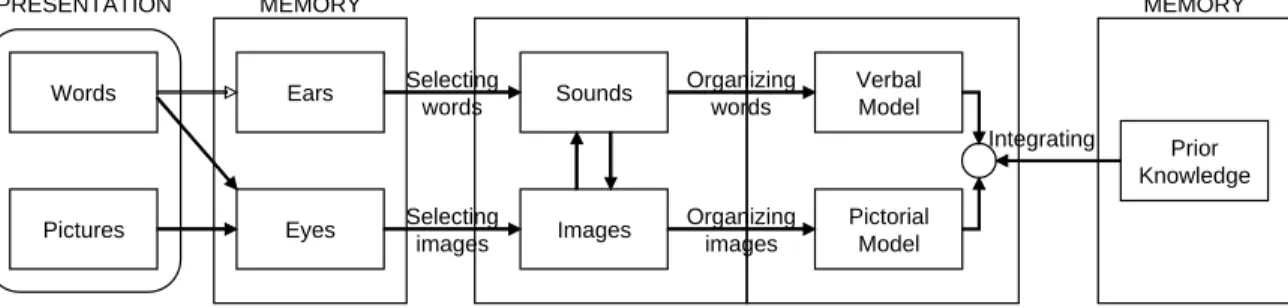
Figure 2. CTML Model, adapted from Mayer (2001) ... 14
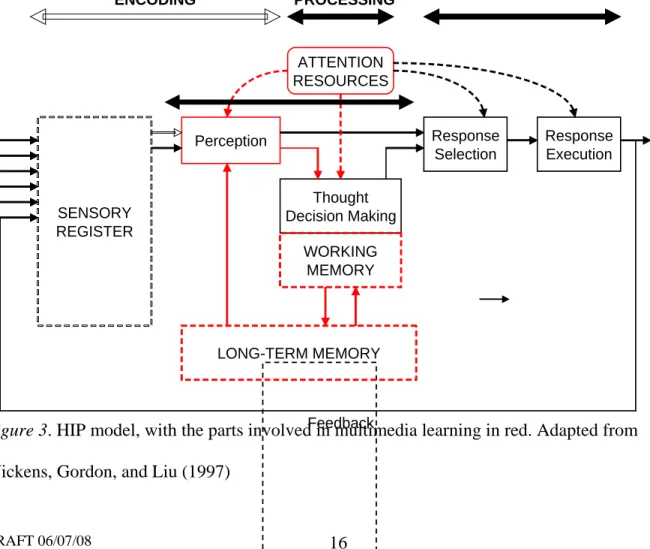
Figure 3. HIP model, with the parts involved in multimedia learning in red. Adapted from Wickens, Gordon, and Liu (1997) ... 16
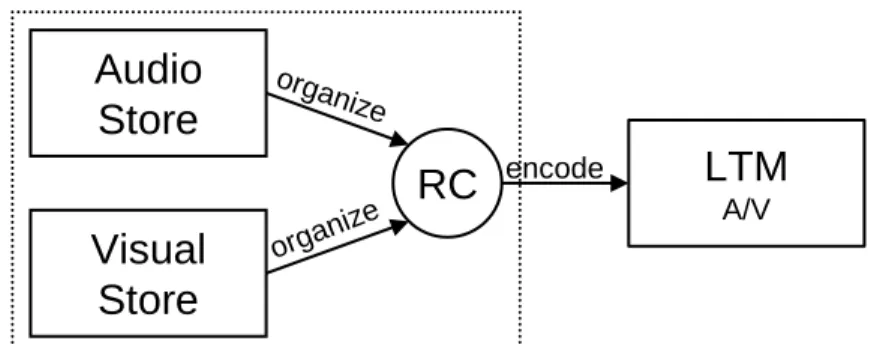
Figure 4. Illustration of the RC process, with simultaneous presentation of audio and visual information. Working memory processes are within dotted boundaries. ... 19
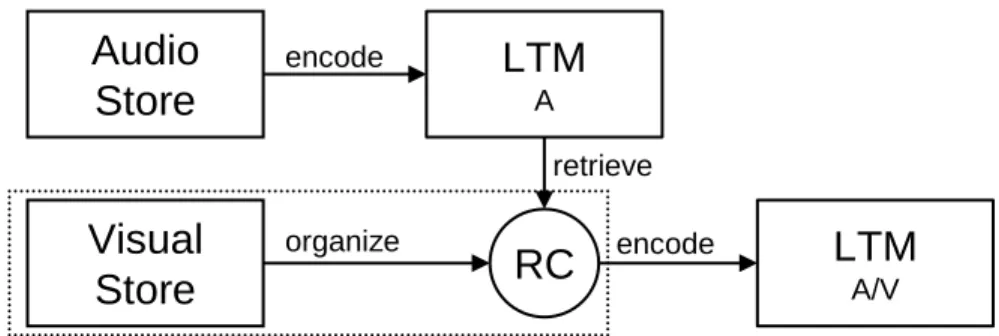
Figure 5. Illustration of the RC process, with successive presentation of audio and visual information. Working memory processes are within dotted boundaries. ... 20
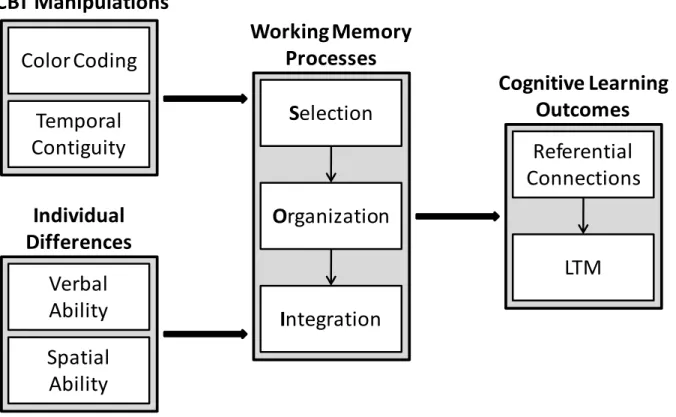
Figure 6. Multimedia framework illustrating how CBT manipulations and individual differences affect SOI working memory processes, which are responsible for RC creation and LTM retention. ... 30
Figure 7. Representation of the moderated mediation ... 39
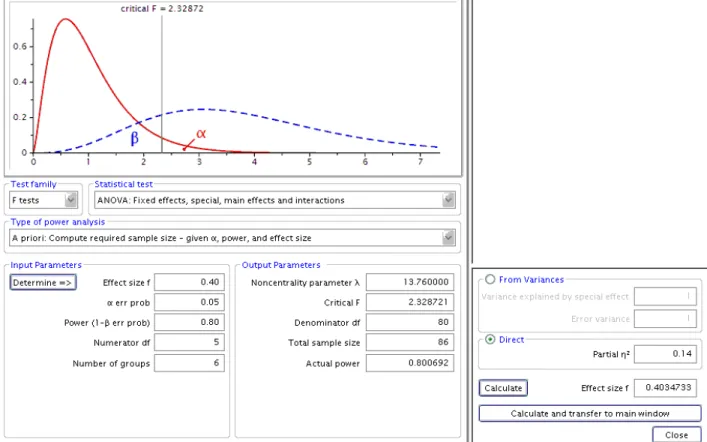
Figure 8. Screenshot of the power analysis tool G*Power 3, illustrating the parameters used to calculate the sample size. ... 41
Figure 9. CBT slide examples illustrating the simultaneous and successive CBT conditions. .... 45
Figure 10. CBT slide examples illustrating the three color conditions. ... 46
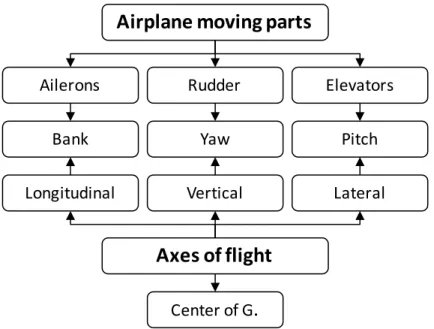
Figure 11. Module 1 map showing all the concepts taught and their relationships. ... 48
Figure 12. Module 2 map showing all the concepts taught and their relationships. ... 49
Figure 13. Example of an implicit association RC text-visual pair. ... 51
DRAFT 06/07/08 xv
Figure 15. Example of a rating-scale RC test item. ... 53
Figure 16. Example of recognition question. ... 54
Figure 17. Example of a 4-instrument cluster, which is animated in the test. ... 57
Figure 18. Example of an exocentric view of an airplane, which is animated in the test. ... 58
Figure 19. Example of spatial aptitude question. ... 59
Figure 20. Example of verbal aptitude question. ... 60
Figure 21. Example of an item from the Ishihara test for color blindness. ... 61
Figure 22. Temporal contiguity by color coding interaction on declarative, gyroscopic instruments measure. ... 80
Figure 23. Temporal contiguity by color coding interaction on integrative, instrument measure. ... 81
Figure 24. Temporal contiguity by color coding interaction on the instruments knowledge measure. ... 82
Figure 25. Temporal contiguity by color coding interaction on the RC1 pitot-static instruments knowledge measure. ... 86
Figure 26. Temporal contiguity by color coding interaction on the RC3 pitot-static instruments knowledge measure. ... 87
Figure 27. Pattern of results example using the simultaneous-color training variation and the concept of the attitude indicator. The graph show the actual pattern of results obtained at each levels. ... 99
DRAFT 06/07/08 xvi
LIST OF TABLES
Table 1: RC computer-based design factors according to DCT ... 6
Table 2: RC computer-based design factors according to CTML ... 9
Table 3: RC computer-based design factors according to the ‘coherence formation’ framework ... 11
Table 4: RC computer-based design factors from the literature at large ... 12
Table 5: Individual differences factors from the literature at large ... 13
Table 6: Factors influencing RCs within their main category in terms of their influence on the selection, organization, integration process, attention resources, and LTM ... 26
Table 7: Proposed factor categorization ... 28
Table 8: Design matrix describing cell content for the interaction of the two IVs ... 43
Table 9. Internal reliability for the RC measures ... 67
Table 10. Discriminant and convergent validity for the three RC scales ... 68
Table 11. Measures means, standard deviations, zero-order correlations, and reliability ... 69
Table 12. Normality assessment of the dependent measures in terms of skewness and kurtosis . 75 Table 13. Correlations of the verbal and spatial covariates with all the dependent measures .... 76
Table 14. Correlations of RC instruments scales ... 83
Table 15. Matrix showing RC correlations with declarative measures ... 89
Table 16. Matrix showing RC correlations with integrative measures ... 89
Table 17. Reliability estimates of the two new RC aggregates ... 91
Table 18. RC pitot-static instruments mediation with declarative gyroscopic instruments. ... 92
DRAFT 06/07/08 xvii
Table 20. RC pitot-static instruments mediation with integrative instruments. ... 94
Table 21. RC overall mediation with integrative instruments. ... 95
Table 22. RC pitot-static instruments mediation with overall instrument knowledge. ... 96
Table 23. RC overall mediation with overall instrument knowledge. ... 97
Table 24. Directional effect categorization of color coding by temporal contiguity on the declarative, integrative, and instrument knowledge measures. ... 109
Table 25. Directional effect categorization of color coding by temporal contiguity on the RC1, RC3, and overall RC instruments measures. ... 111
Table 26. DCT factors in relation to possible manipulations and expected effect on SOI and RCs. ... 122
Table 27. CTML factors in relation to possible manipulations and expected effect on SOI and RCs. ... 123
Table 28. SLH factors in relation to possible manipulations and expected effect on SOI and RCs. ... 123
DRAFT 06/07/08 xviii
LIST OF ABBREVIATIONS A / V Audio / Visual
ATI Aptitude-Treatment Interaction AVI Audio-Video-Interleaved CBDF Computer-Based Design Factor CBT Computer-Based Training
CTML Cognitive Theory of Multimedia Learning
CV Covariate Variable
DCT Dual Coding Theory DLH Deep Level Help
DV Dependent Variable
HIP Human Information Processing IDF Individual Difference Factor
IV Independent Variable
LTM Long-Term Memory
RC Referential Connection SLH Surface Level Help
SOI Selecting, Organizing, Integrating TPL Team Performance Laboratory
CHAPTER 1: THEORETICAL FRAMEWORK AND RESEARCH PLAN FOR INVESTIGATING REFERENTIAL CONNECTIONS IN A MULTIMEDIA
COMPUTER-BASED TRAINING ENVIRONMENT
Over the past few decades, multimedia learning theories have generated a number of principles and guidelines to facilitate the design of computer-based training (CBT) material. The impact these principles and guidelines have is widespread and far-reaching due to the prevalent use of CBT in academia, government, and industry (e.g., Najjar, 1998). Specifically, in academia, 90% of all universities with more than ten-thousand students employ some variation of e-learning (e.g., Galvin 2003), which falls under the umbrella of CBT and typically consists of online instructional material specially structured to fit the medium (e.g., Hirumi, 2002). The military and other government organizations also rely more on CBT as an effective method of training (e.g., Cuevas, Fiore, Bowers, & Salas, 2004; Fiore, Cuevas, Scielzo, & Salas, 2002). Finally, in business organizations, the prevalence of CBT as a means to train the workforce is exponentially increasing, with a national average of 16% at the beginning of this decade (e.g., Galvin 2003). Therefore, following accurate multimedia principles in the design of CBT is essential.
The theoretical foundations of multimedia principles and guidelines are based on cognitive processes that have rarely been directly measured; hence, their purported impact on learning, training, and overall CBT design is, at best, only indirectly supported, and based on the assumption that learning or training outcomes are indicative of corresponding underlying cognitive processes. One of these foundational elements of multimedia theory is the notion of referential connections (RCs). In short, RCs can be defined as the working memory process and outcome of integrating audio and visual information together. The process of integration – as it
relates to RCs – refers to the encoding into long-term memory (LTM) the conceptual understanding of audio and visual information, and how they relate. For example, a trainee that is learning about the “rudder” concept from the aviation domain, which is presented in a CBT with text or narration, and also with a visual description (e.g., pictures, animations, etc.). The specific information-processing steps are detailed in later sections; however, simply put, the process of understanding and encoding that audio (i.e., text or narration) and visual (e.g., animations, visual aids, etc.) information both discuss the concept of the rudder (i.e., creating a conceptual link between information from the audio and visual modalities), and transferring that connection into LTM, basically reflects the process of RC creation.
Problem Statement
According to many multimedia theories, proper integration between working memory modes (i.e., verbal and visual modes) is pivotal for successful learning. However, this positive effect on learning is based on (a) the assumption that linkages between visual and audio information occur, and (b) the assumption that learning gains are associated – in part – with RCs. This dissertation remediates this lack of direct RC evidence by (a) providing a systematic approach to isolate most computer-based design and individual differences factors thought to influence RCs, (b) directly assessing RCs to gauge the extent to which RCs impact learning, and (c) studying RCs under conditions that either facilitate or hinder their development.
Scope of Research
This first chapter provides a comprehensive theoretical overview of the cognitive processes involving RCs, and to isolate most factors that are thought to influence such RCs within a multimedia CBT. In this chapter, two main factor categorizations are brought forth: (a)
computer-based design factors and (b) individual differences factors. This categorization reflected a systematic effort to catalog factors that can influence RCs, eventually leading to this dissertation’s experiment by providing factors that were subsequently manipulated, fixed, covaried, or randomized. The variables chosen to be manipulated in this dissertation were determined by (a) level of importance, (b) practicality, and (c) interest. Overall, this process of factor categorization was necessary to bring forth a comprehensive view on referential connections and the manner in which they can impact the learning process. To achieve this aim, this chapter is divided into three (3) sections: (a) a theoretical overview of RCs in the multimedia literature, along with associated factors, (b) an integrated theoretical multimedia framework, and (c) RC factor categorization and rationale that leads into the proposed experiment for this dissertation.
Referential Connections in the Multimedia Literature
Referential Connections and Paivio’s Dual Coding
The notion of RCs in relation to multimedia learning first emerged with Paivio’s (e.g., 1978, 1986, 1991) Dual Coding Theory (DCT). DCT was first to recognize that two systems, verbal and nonverbal, were responsible for differentially processing perceived sensory information. Overall, the main contribution of DCT was that encoding information via two systems is superior, in terms of retrieval, when compared to encoding via only one system.
Figure 1. DCT model adapted from Paivio (1986, p. 67) illustrating the verbal and nonverbal systems, as well as the three types of connections: Representational, associative, and referential.
DCT proposed that, along with the two memory systems, three main processes connected information together: Representational connections1, associative connections, and RCs (e.g., Paivio, 1986; Sadoski & Paivio, 2001). Figure 1 illustrates a general model of DCT.
First, representational connections represent the process of attributing meaning to the perceived information (i.e., information in the sensory system). Specifically, the connection represents linking specific sensory information with logogens and imagens, which represent, respectively, the smallest verbal and nonverbal information units. In other words, logogens and imagens represent conscious representations of information within the sensory system. This
SENSORY SYSTEM Logogens V E R B A L S Y S T E M Imagens NO N V E R B A L S Y S T E M A sso ci a ti v e C o n n e ct io n s Asso ci a tiv e C o n n e ct io n s Referential Connections REPRESENTATIONAL CONNECTIONS
process is referred to as representational processing. Next, associative connections represent the linking of logogens with other logogens, and imagens with other imagens. Specifically, logogens within the verbal system connect sequentially and hierarchically into informational units, while imagens within the nonverbal system connect in a nested or parallel manner into information units (e.g., Paivio, 1991; Sadoski, & Paivio, 2001). The successive nature of logogens associations, compared to the parallel nature of imagens associations is important because, according to Paivio (1986) it reflects the natural constraints of the perceived sensory
information; that is, verbal information is processed sequentially (e.g., reading or hearing text), and nonverbal information is processed largely synchronously (e.g., looking at a picture or animation). Specific implications in relation to RCs are detailed in another section of this dissertation. Overall, associative processing represents the organizing of verbal and non-verbal information units within a verbal and nonverbal system, respectively, and these units can vary in size and complexity (e.g., Paivio, 1991).
RCs correspond to the linking of logogens with imagens. In Paivio’s work (1978, 1986, 1991), a RC occurs when a logogen elicits an imagen. For example, a concrete word such as ‘airplane’ may elicit a nonverbal representation of that word, and vice versa. A RC may not occur for abstract information. Generally, DCT stresses the importance of referential processing
since information that has been encoded both verbally and nonverbally can be retrieved more easily than information encoded via only one modality. This benefit is at the essence of dual-coding.
1
The term ‘connection’ and ‘interconnection’ are both used interchangeably in Paivio’s literature. In this dissertation, the term ‘connection’ is used for consistency across literature.
Overall, in terms of multimedia CBT learning, supporting each of the three processes that DCT isolates (i.e., representational, associative, and referential) would theoretically improve the strength of their respective connections. Indirect evidence abounds in the multimedia literature, indicating that CBTs employing two modalities (i.e., either text and visual aids, or narration and visual aids) are better than CBTs employing one modality in terms of overall cognitive learning outcomes (e.g., Igo, Kiewra, & Bruning, 2004; Fiore, Cuevas, & Oser, 2003; Kalyuga, Chandler, & Sweller, 2004; Lewandowski & Kobus, 1993; Mayer & Andersen, 1991, 1992; Moreno & Mayer, 2002; Michas, & Berry, 2000; Tindal-Ford, Chandler, & Sweller, 1997). However, DCT has three main drawbacks when looking at RCs in a multimedia CBT paradigm. First, DCT focuses more on isolated units of information as opposed to a larger domain of information to be learned. Second, DCT does not clearly indicate what impact on learning each interunit
connection has (i.e., associative and referential connections). Finally, DCT does not clearly distinguish between visual text and narration (i.e., audio text) which are perceived via different sensory mechanisms, but processed within the same working memory mode. Table 1 summarizes the main factors thought to influence RCs according to DCT.
Table 1: RC computer-based design factors according to DCT
RC computer-based design factors Possible manipulation Relationship to RCs
Information units Small versus large, and simple versus complex
Size and complexity may negatively impact learning
Information presentation Abstract versus concrete Logogens and imagens are more easily connected and encoded when they represent concrete information
Referential Connections and Mayer’s Cognitive Theory of Multimedia Learning
Cognitive Theory of Multimedia Learning (CTML) was developed to address the need to better understand how to design multimedia instructional material that would favor knowledge
retention (e.g., Mayer, 2001). CTML is based on empirically validated multimedia learning principles within a working memory framework.
It appears that CTML evolved in part to expand the reach of DCT to more global learning paradigms. A shift in naming convention occurred from DCT to CTML. Specifically, DCT’s associative connections (i.e., within-mode connections) are referred to as representational connections in CTML. It is not clear why the change in terminology occurred, especially since terms seemed to have been interchanged. However, in spite of change in terminology, Mayer and Anderson (1991, 1992) theorized that while representational connections’ impact on learning is more at the surface level, the creation of RCs enables problem solving; thereby emphasizing the importance of designing instructional material supporting RCs.
An important contribution of CTML regards what Mayer and Sims (1994) determined to be an extension of DCT: dual coding is superior when textual information (written or narrated) and visual information are in close proximity as opposed to being spatially separated. This concept turned into the spatial contiguity principle and has been investigated via three main multimedia design paradigms: (a) Annotated illustrations (e.g., Mayer, Bove, Bryman, Mars & Tapango, 1996; Mayer, Steinhoff, Bower & Mars, 1995), which are composed of static images with embedded key terms, while a text caption lays below the overall image, (b) narrated animations (e.g., Mayer & Anderson, 1991, 1992; Mayer & Moreno, 1998), which comprise an animation with respective narration (without any text) and a text caption below it, and (c)
integrated text (Mayer & Anderson, 1991, 1992; Mayer & Moreno, 1998), which is composed of either a static image or an animation, along with an embedded text caption within the image or animation. Overall, the learning benefits of integrating text and visual aids are assumed to be due to the creation of stronger RCs when spatial proximity between the two modalities is maximized.
Another contribution of CTML relates to the modality principle (e.g., Mayer, 2001; Moreno, 2006; Moreno & Mayer, 1999) which parallels DCT by identifying the superiority of parallel processing; specifically, the superiority of using narration and visual aids as opposed to text and visual aids (e.g., Mayer & Anderson, 1991, 1992; Mayer, & Moreno, 1998; Mayer, Moreno et al., 1999; Mayer and Sims, 1994; Moreno & Mayer, 1999; Mousavi, Low, & Sweller, 1995). This superiority is theorized by CTML to be due to the lack of split-attention that is required by a text-plus-visual-aid format. That is, even though text and visual aids are processed in parallel (in the same manner as narration and visual aids), the acquisition of text and visual information happens sequentially. Recently, multimedia research (e.g. Kalyuga et al., 2004; Moreno, 2006) has shown that the modality principle seems to be moderated by the training pace, which can be either self-paced or system-paced. Specifically, the differences between a text and visual aids design versus a narration and visual aid design are more pronounced when the pace is dictated by the system, while those differences tend to be less pronounced when the pace is controlled by the learner. In relation to RCs, it is assumed that RC creation can suffer from the split-attention induced by a text-plus-visual-aids design.
CTML offers another factor that can affect RCs. This factor is related to the presence or absence of extraneous material. Specifically, the coherence principle (e.g., Mayer, 2001)
indicates that any information (e.g., environmental sounds, narration, text, or visual aids) should be removed if it is not directly related to the material to be learned. Research has shown that the addition of extraneous text and / or images – also defined as seductive details – is detrimental to knowledge acquisition (e.g., Harp & Mayer, 1998), as is the addition of irrelevant sounds (e.g., Moreno & Mayer, 2000). Under CTML, extraneous material would distract the learner (e.g., the
learner may not readily know which verbal and visual information units to link together), and unnecessary, irrelevant, or erroneous RCs could arise, thereby, negatively affecting learning.
Finally, CTML brings forth the notion that verbal and visual information can be
presented in a CBT either simultaneously or successively. Specifically, the temporal contiguity principle indicates that cognitive learning outcomes are greater when verbal and visual
information are presented together. Theoretically, a simultaneous presentation allows for stronger RCs to occur when compared to a successive presentation (e.g., Mayer & Anderson, 1991, 1992; Mayer, Moreno, Boire, & Vagge, 1999). Table 2 summarizes the main factors thought to influence RCs.
Table 2: RC computer-based design factors according to CTML
RC computer-based design factors Possible manipulation Relationship to RCs
Spatial contiguity Integrated versus non-integrated text and visual aids
- Integrated: leads to strong RCs - Non integrated: leads to weak
RCs Modality principle narration and visual aids versus text
and visual aids (parallel versus successive information acquisition)
- Parallel acquisition: leads to strong RCs
- Sequential acquisition: leads to weak RCs
Training pace learner-paced versus system-paced - Learner-paced: leads to strong RCs
- System-paced: leads to weak RCs
Coherence principle Presence or absence of extraneous sounds, visual aids, and written or narrated text
- Presence of extraneous material: leads to weak RCs - Absence of extraneous
material: leads to strong RCs Temporal contiguity Simultaneous versus successive
presentation of verbal and visual information
- Simultaneous: leads to strong RCs
- Sequential: leads to weak RCs
Referential Connections and Seufert’s “Coherence Formation”
According to Seufert and Brunken (2004, 2006), the process of multimedia learning can be explained by the theoretical framework of “coherence formation.” Coherence formation indicates the manner in which instructional material in a multimedia paradigm is integrated,
which can be either local or global. Local coherence basically indicates the process of creating referential connections between and within text and pictures’ mental representations (i.e., Paivio’s representational units and interunit connections). Global coherence refers to the
structure mapping of mental representations of these local connections. Unfortunately, it appears that in this framework, the distinction between interunit connection type (i.e., associative and referential) is lost, and RCs reflect both within and between type of connections. Nonetheless, the coherence formation framework brought forth an important dichotomy in techniques thought to help the creation local and global coherence: Surface level help (SLH) and deep level help (DLH).
SLH is a conglomerate of computer-based techniques aimed at improving local coherence, and hence, improving RCs. These techniques are not all unique to the coherence formation framework. Color coding, for example, refers to the use of colored text to highlight important key terms with their respective visual counterparts (e.g., Kalyuga, Chandler, & Sweller, 1999; Kozma, 2003; Tabbers, Marteens & van Morrienboer, 2004). Another SLH technique is “dynamic linking” (e.g., Bodemer, Ploetzner, Feuerlein & Spada, 2004). This technique reflects the ability from the user to modify parameters and to see changes in real time (e.g., observing changes in a graph after modifying corresponding values). A final technique used in the coherence formation framework is referred to as ‘inter-textual hyperlinks’ (e.g., Brunken, Seufert, Zander, 2005). This technique reflects the use of hyperlinked key words, and when the hyperlink is activated, an arrow appears, relating the word with its visual counterpart.
DLH represents techniques that would benefit global coherence formation. These techniques, such as text prompts that indicate how various taught concepts are related together
(e.g., Seufert, 2003), are not directly related to RCs, but illustrate the importance of integrating units of information (e.g., Paivio, 1991) together.
Overall, the contribution of the coherence formation framework is important in the domain of multimedia computer-based training paradigms since it brings forward SLH and DLH techniques. Specific to RCs, SLH is composed of techniques that are thought to aid the process of creating RCs. Table 3 summarizes the main factors thought to influence RCs.
Table 3: RC computer-based design factors according to the ‘coherence formation’ framework
RC computer-based design factors Possible manipulation Relationship to RCs
Color coding Presence or absence of color coding - Presence: leads to strong RCs - Absence: leads to weak RCs Dynamic linking Presence or absence of dynamic
linking
- Presence: leads to strong RCs - Absence: leads to weak RCs Inter-textual hyperlinks Presence of absence of inter-textual
hyperlinks
- Presence: leads to strong RCs - Absence: leads to weak RCs
Other Relevant Factors within the Multimedia Literature
In this section, the following factors reflect other main computer-based design factors (i.e., techniques that are thought to influence RCs) as well as individual differences factors that are thought to moderate the relationship between design factors and RCs. These two types of factors are summarized by Table 4 and Table 5 respectively.
Table 4: RC computer-based design factors from the literature at large RC
computer-based design factors
Description and Literature Possible manipulation Relationship to RCs
Congruence principle
Content and format of the graphics should correspond to the content and format of the concepts to be conveyed. For example, using animations to illustrate concepts that change over time.
Congruent graphics lead to better learning retention as opposed to non-congruent graphics (Tversky & Morrison, 2002)
Congruent versus non congruent graphics
- Congruent: leads to strong RCs
- Non congruent: leads to weak RCs
Domain This factor is thought to influence external validity concerns (i.e., whether causal relationships hold true across domains). Domain seems to be also having a moderating effect on learning (e.g., De Westelinck, Valcke, De Craene, Kirschner, 2004).
Test various orthogonal domains
Since domain
moderates learning, the same moderation may apply to RC creation
Personalization effect
personalized text would include “yours” instead of “the” for non-personalized (e.g., Mayer, Fennell, Farmer &
Campbell, 2004; Moreno & Mayer, 2004)
Personalized versus non-personalized text
Personalizing text helps learning
Dynamic visualizations
The theoretical benefit of using dynamic displays to convey information (e.g., Hegarty, 2004; Narayaran & Hegarty, 2000; Schmidt-Weigand, 2005).
Static versus dynamic displays
N/A
3D
visualizations
The use of three-dimensional
visualization techniques to allow learners to manipulate objects (e.g., Huk, 2006; Wu, Krajcik & Soloway, 2001)
2D versus 3D N/A
Dynamic changes
Said about any visual changes aimed at capturing attention (Yantis, 1998). Effective dynamic changes are thought to improve learning by minimizing
workload, thereby improving RC creation
Presence or absence of dynamic change - Presence: leads to strong RCs - Absence: leads to weak RCs Cueing effect Cueing effect represents any visual
method (e.g., color coding) aimed at capturing the attention to improve text / visual aid links; thereby improving RCs (e.g., Tabbers, Martens & van
Merrienboer, 2004) Presence of absence of inter-textual hyperlinks - Presence: leads to strong RCs - Absence: leads to weak RCs
Table 5: Individual differences factors from the literature at large Individual
differences factors
Description and Literature Possible manipulation Relationship to RCs
Aging Effects of aging in relation to computer-based training. Evidence suggests that there are no significant differences between young and elderly (e.g., Beier & Ackerman, 2005)
Young versus elderly Chunking may be more effective with elderly, thereby facilitating RC creation
Background knowledge
level of background knowledge regarding the concepts being trained for (e.g., Chun & Plass, 1997; Lowe, 1996)
Presence or absence of background knowledge
Background knowledge may facilitate chunking, thereby facilitating RC creation
Goal orientation training novices for high goal orientation by teaching key concepts in isolation before being training on more dynamic systems improves overall performance (Bodemer, Ploetzner, Bruchmuller & Hacker, 2005)
High versus low goal orientation
N/A
Learning styles Learners’ favoritism for a type of modality such as visualizers and verbalizers (e.g., Chun & Plass, 1997)
visualizer versus verbalizer
N/A
Spatial Ability Spatial ability seems to differentially moderate the relationship between computer-based design factors and cognitive learning outcomes (e.g., Chun & Plass, 1997; Mayer, 2001; Scielzo, Dahan, Lopez & Stafford, 2006)
Post-hoc grouping of high versus low spatial ability learners
High spatial ability may reduce attention resources used when processing visual information, thereby improving pictorial model
Verbal ability Verbal ability seems to be a reliable predictor of performance (e.g., Chun & Plass, 1997; Mayer, 2001)
Post-hoc grouping of high versus low verbal ability learners
High verbal ability may reduce attention resources used when processing verbal information, thereby improving verbal model Note: N/A is used when corresponding literature does not explicitly or implicitly describes an effect on RCs
An Integrated Theoretical View of Referential Connections
This section describes the process of creating RCs within an integrated multimedia framework. This framework will draw from both Mayer’s (2001) CTML model and from Wickens’ (1997) human information processing model (HIP); however, the framework does not
represent a new model per se, rather, it represents an attempt at better understanding the processes leading to RCs.
The two chosen models each provide a complementary focus; that is, the CTML model focuses on working memory mechanisms, while the HIP model focuses on stages of processing and attention demands. Together, these two models should offer sufficient foundation to be able to categorize each factor thought to influence the process of RC creation. The goal is twofold: (a) to provide a common theoretical ground for all the factors mentioned in the previous sections, and (b) to allow for specific predictions to be made. Next, the two models will be reviewed in relation to the process of creating RCs.
The CTML Model
This model focuses on working memory, and how multimedia information is Selected, Organized, and Integrated (SOI), which is at the core of Mayer’s (1999b) constructivist learning
theory (see Figure 2). Together, the SOI learning theory, which is descriptive in nature, along with the CTML instructional theory, which is prescriptive in nature, offers a global perspective on multimedia learning. This perspective is used throughout this dissertation, and is the basis for this dissertation’s multimedia framework, which is presented in the next chapter.
Figure 2. CTML Model, adapted from Mayer (2001)
Words Pictures Ears Eyes Sounds Images Pictorial Model Verbal Model Prior Knowledge
WORKING MEMORY LONG-TERM
MEMORY SENSORY MEMORY MULTIMEDIA PRESENTATION Selecting words Selecting images Organizing words Organizing images Integrating
In this model, the process of creating referential connections is inferred rather than explicit. Theoretically, RC creation occurs when information from the verbal model is integrated with information from the pictorial model (e.g. Mayer & Sims, 1994). However, in the model, the integration step does not distinguish between representational connections (i.e., connecting information within the verbal or pictorial model) and RCs; rather, it reflects the general process of knowledge acquisition. Nonetheless, this model supports the notion that RC creation is a working memory process that links meaningful verbal and pictorial information together. Specifically, before RCs can occur, perceived sounds (i.e., text or narration) and images from sensory memory are selected and moved into working memory where they are further processed and organized into a meaningful verbal and pictorial model, that is, the process of chunking individual verbal and visual information units into a larger meaningful unit. Once the
information is organized, corresponding words (textual or narrated) and images can be linked into RCs during the process of integration.
This model is important in understanding RCs because it isolates several areas in which computer-based design factors can aid the process of creating RCs. Namely, factors that can assist the process of selecting, organizing, and integrating information, will, in turn, aid the process of creating RCs. Unfortunately, the main drawback of this model is that it does not adequately illustrate the manner in which information is selected, organized, and integrated; thereby, making it difficult to precisely categorize factors computer-based design factors that can aid the process of creating RCs. Furthermore, the model does not account for RCs, or any
integrated material, to be transferred to long-term memory, which, in turn, can influence how information is selected and organized in the first place. The next model partly remediates to these shortcomings.
The HIP Model
The HIP (Wickens, 1997) model focuses on the successive processing of information, on distinct memory systems and the manner in which they affect information processing, and on attention resources and how they may limit information processing (see Figure 3). This model was primarily developed to account for the decision-making process and consequent
physiological responses to processed information, and not specifically to account for computer-based multimedia training. Nonetheless, this model explicitly isolates the various successive steps involved in the encoding and processing of information, and how memory and attention resources are involved. This is important since it allows better understanding and categorizing of how each factor may impact the creation of RCs.
Figure 3. HIP model, with the parts involved in multimedia learning in red. Adapted from Wickens, Gordon, and Liu (1997)
Perception SENSORY REGISTER Thought Decision Making Response Selection Response Execution WORKING MEMORY LONG-TERM MEMORY ATTENTION RESOURCES Feedback PERCEPTUAL ENCODING CENTRAL PROCESSING RESPONDING
A Framework of Processes
Borrowing concepts from the CTML model and the HIP model provides more insight into the three main SOI working-memory processes (i.e., selecting, organizing, and integrating information). In relation to the creation of RCs, looking at both models allows for better prediction of how a particular factor can influence RCs. Together, the two models can help determine at what level of information processing a factor thought to influence RCs exerts its influence. As a result, in order to maximize RC creation, it is necessary to use factors that can positively affect the SOI processes along with supporting attention resources and LTM. Next, a review of the SOI processes is offered when the two models are taken into consideration, which will lead a newly theoretical explanation of RCs.
Selection of information. This perceptual encoding process draws on both attention resources and long-term memory (LTM), in terms of top-down processing, in order to attribute meaning to the information. The more effective LTM top-down processing is, the less attention resources are depleted. Furthermore, during the selection process, attention resources can be further guided to specific information by using pre-attentive methods (e.g., Treisman & Kanwisher, 1998) such as color coding and animations.
Organization of information. This working-memory process is also subject to LTM in terms of top-down processing, and attention resources can be further depleted. That is, the selection process may be aided by LTM (in terms of general knowledge and domain specific knowledge) to help chunking meaningful information units together. Furthermore, similarly to the selection process, attention resources may be differentially depleted in the organization process according to the level and efficiency of LTM top-down processing. Factors that can aid
the organization process are, for example, methods that explicitly tie presented information together, such as Seufert and Brunken (2004) SLH techniques presented earlier.
Integration of information. Once the information is organized, RCs can occur. That is, organized and meaningful verbal information units can be associated with respectively organized and meaningful visual information units (e.g., Mayer & Sims, 1994; Sadoski & Paivio, 2001). Derived from the HIP model, this process uses the remaining attention resources to move organized information into LTM. Overall, the more a computer-based multimedia presentation supports the previous two processes (i.e., selection and organization), the more attention resources will be available for integration.
Referential Connections Redefined
The framework presented above isolated the main steps of information processing (i.e., selection, organization, and integration) that lead to RCs, which represent the encoding of linked audio / visual material into LTM. As a result, RCs reflect both the working memory processes (e.g., selecting, organizing, integrating) and the learning outcome (i.e., the actual LTM memory of the audio / visual connection).
Based on the multimedia literature, RCs can occur when audio and visual information is presented simultaneously. However, a more in-depth look at RCs does not preclude a successive variation. Next, the concept of RC is theoretically discussed when it occurs in a simultaneous or successive information presentation paradigm.
RCs with simultaneous A/V. This is the typical manner, described so far, in which RCs occur. Figure 4 is a simplified schematic describing this process. The Figure shows how information that has already been selected in the audio and video store gets organized, linked into RCs, and encoded into LTM with audio / visual representations. As seen in the figure, both
audio and visual information are directly processed in working memory. In terms of attention resources, depletion occurs as described in the previous sections (i.e., at the selection,
organization, and integration steps).
Figure 4. Illustration of the RC process, with simultaneous presentation of audio and visual information. Working memory processes are within dotted boundaries.
RCs with successive A/V. Past literature does not clearly document the specific process of RCs when audio and visual information is presented sequentially. Most literature discusses Mayer’s (1999a, 2001) temporal contiguity effect in terms of general effect of varying modality presentation timing and how it affects knowledge retention. The notion of RCs is only addressed to explain the superiority of an audio / visual presentation when compared to presenting
modalities sequentially. However, theoretically, RCs can occur when information is presented sequentially (see Figure 5).
Audio
Store
Visual
Store
RC
LTM
A/V encode organize organi zeFigure 5. Illustration of the RC process, with successive presentation of audio and visual information. Working memory processes are within dotted boundaries.
The example provided in Figure 5 describes a successive multimedia CBT presentation, with audio (i.e., narration or text) presented first, followed by visual information (e.g., image, animation, etc.). When audio information is presented in isolation, only associative connections (i.e., within mode associations; not shown in figure) can be organized before they are encoded into LTM. The “A” in the LTM box refers to the fact that at that moment, only audio information units are encoded. Next, when visual information is presented, it is organized and corresponding audio information previously encoded into LTM can be retrieved and linked together into RCs. At that point, the newly linked audio / visual information is encoded into LTM. In terms of attention resources, the successive RC process is more demanding when compared to the simultaneous process because of the effort to retrieve audio information that may or may not have been properly encoded. It is also more demanding since the retrieved audio information has to be held in the working memory audio store as opposed to being readily accessible in the simultaneous presentation. Overall, theoretically, RCs can occur in a successive paradigm; however, demands are markedly higher and, as a result, RCs are less effective.
The degree to which change in terms of RC effectiveness varies from a simultaneous to a successive presentation has not been empirically investigated yet. Part of this dissertation is to
Audio
Store
Visual
Store
RC
LTM
A encode organize retrieveLTM
A/V encodeprovide direct metrics of RCs to verify effectiveness across multimedia CBT presentation type (i.e., simultaneous versus successive).
RC Summary
Most multimedia literature presents the RC as a process that links simultaneously presented audio and visual information. The overall effect of RCs on knowledge acquisition is beneficial as supported by the dual-coding notion that encoding a concept across modalities is superior, in terms of subsequent information retrieval, when compared to encoding with only one modality. However, in this section, I have illustrated the theoretical possibility of linking
sequentially presented audio / visual information into RCs. In addition, this section used two established models of information processing (i.e., CTML and HIP). From these models, the process of RC creation occurs as a result three main processes, which are the selection,
organization, and integration of information. In turn, each of these processes draws on attention resources and involves LTM.
Overall, when the selection, organization, and integration processes are supported, RC strength is high and so is the encoding of audio / visual links into LTM. Once audio / visual links are properly encoded into LTM, their retrieval should also be facilitated. This is due to the simple theoretical concept introduced earlier that material encoded with more than one modality is more likely to be retrieved when compared to encoding material with one modality alone (e.g., Paivio, 1991). Therefore, properly moderating the main working memory processes theorized to support the creation of RCs is important to maximize RC benefits on learning. However, without properly measuring RCs and learning, all these theoretical considerations remain speculative and are only indirectly supported. This concern is one of the major thrusts behind this dissertation; hence the topic of measurement is the subject of the next section.
Measuring Referential Connection Strength and Multimedia Learning
An important aspect of this dissertation is to directly assess RCs and to gauge the strength of the relationship between RCs and cognitive learning outcomes. As such, this section describes the measures adopted to evaluate both RCs and learning.
Referential Connections Assessment
Measuring cognitive processes in the multimedia CBT arena has predominantly been done indirectly by observing the impact of CBT manipulations on learning. The specific assumption is that it is possible to infer which cognitive process or processes are operating by observing learning outcome variations, as indicated by various theoretical models. However, the lack of direct evidence or influence that cognitive processes have on learning remains ubiquitous. This issue is central to this dissertation, and an attempt to directly measure a cognitive process, in this case RCs, is undertaken. The goal, as described earlier, is twofold: (a) to provide a direct measure of RCs, and (b) to assess the link between RC strength and cognitive learning outcomes.
Measuring referential connections directly. There are two possible ways in which to measure cognitive processes directly: (a) by using objective measures or (b) by using subjective measures. The measuring of cognitive processes using objective measures (e.g., physiological measures, neuroimaging techniques, eye-tracking, dual task paradigms, etc.) is often not sensitive enough, can often only indirectly assess mental mechanisms, and is often restricted to evaluate workload and attention (e.g., Schmidt-Weigand, 2005). Other ways to objectively evaluate cognitive processes may be possible; however, their use in multimedia CBT paradigms is limited; therefore, this dissertation focuses on the use of direct subjective measures to assess RCs.
Subjectively assessing referential connections. This dissertation uses the premise that RCs reflect audio / visual links to bring forth a subjective measure that evaluates the very nature of those links. Specifically, the purpose of the RC measure is to assess the strength of audio / visual connections. There are three possible manners to achieve this: (a) with an implicit association measure showing audio / visual associations that can be either correct or incorrect, (b) with a measure composed of a number of probable and improbable connections between textual and visual aid information, in which trainees are asked to rate the extent to which a connection exists between the presented text concept and visual aid, and (c) with a recognition measure, in which trainees are presented with the same text and visual aid concepts, albeit in a multiple choice format.
The first measure (i.e., implicit association) is an adaptation of the Implicit Association Test (IAT) (see Greenwald, Nosek, & Banaji, 2003, for a description of the IAT paradigm). The theoretical premise of using an implicit association paradigm to assess RCs is that accuracy should be higher for items that describe true associations between text and visual concepts when compared to wrong associations. In other words, the recognition of learned associations should be easier when verbal / visual associations are true (e.g., pairing the word “rudder” with an image of a rudder), the same way that IAT word pairs (e.g., “Plane” and “Fear”) lead to faster responses when the association reflects a true underlining attitude. In the second measure (i.e., rating-scales RC), a trainee could be exposed to the word “rudder” and to the image of either a rudder or another airplane part. At this point, the trainee would have to rate how strongly they feel the connection exists between the two presented elements. In the recognition measure, trainees evaluate the extent to which they can accurately identify concepts. In terms of RCs, this measure offers another way to gauge the strength of referential connections, since its
multiple-choice format asks learners to identify the correct combination of text concept with its corresponding visual concept. Specific details about this measure are provided in the method section of this dissertation.
Knowledge Assessment
This importance of measuring overall cognitive learning outcomes is predominantly to assess the relationship with RCs. This dissertation uses a battery of knowledge assessment measures to evaluate the extent to which learning has occurred (e.g., Cuevas et al., 2002, Fiore et al., 2003). In particular, a successful approach to measuring knowledge involves the adoption of declarative and integrative measures (see Cuevas et al., 2002, 2004; Fiore et al., 2002, 2003). The main rationale for adopting multiple learning measures is that each evaluates a different level of knowledge elaboration, ranging from low elaboration to high elaboration (e.g., Lockhart, Craik, & Jacoby, 1976). Each of these measures is described next.
Declarative measures. Declarative measures evaluate trainees’ grasp of conceptual and factual knowledge. This type of measure is a step above recognition measures in terms of level of elaboration since it often involves understanding concepts roles and functions. For example, a declarative question about the airplane’s rudder could ask about the role of the rudder when maneuvering a plane (e.g., the rudder is the moving part of the vertical stabilizer that allows the plane to move around the vertical axis). Even though other concepts are present in this correct answer (i.e., vertical stabilizer and vertical axis) it is not necessary to understand them conceptually to correctly answer the declarative question. In other words, a rote memorization of the presented material would yield correct answers on declarative measures. As such, these types of measures involve low level of elaboration (e.g., Fiore et al., 2003), which, in turn, may occasionally be unable to diagnose differences in learning across training manipulations.
Integrative measures. Integrative measures can tap into what is sometimes known as procedural knowledge, describing trainees’ ability to relate declarative knowledge (Jonassen & Grabowski, 1993). However, in this dissertation, the term “integrative” is used to specifically address the notion that to correctly answer an integrative question, trainees need to have developed an understanding of how concepts relate to one another. In other words, these measures are called integrative since they assess the extent to which learners are able to properly integrate knowledge from a variety of interacting concepts. As such, integrative knowledge involves a higher level of elaboration when compared to recognition and declarative measures. Most importantly, integrative measures are often able to tease apart the effects multimedia manipulations have on knowledge acquisition (Cuevas et al., 2002, 2004; Fiore et al., 2002, 2003, 2004).
Factor Categorization
A number of factors have been used in past research in computer-based multimedia learning paradigms. These factors, within the theoretical framework introduced earlier, can differentially moderate RC creation. Specifically, the framework presented in the previous section helped categorize factors according to which main information processing step (i.e., selection, organization, and integration) they support, while accounting for attention resources depletion, and the role of LTM. Table 6 provides a summarized list of these factors in relation to the manner in which they specifically affect the main working memory processes, attention resources, and LTM.
Overall, Table 6 represent an attempt to isolate how each factor influences the creation of RCs by indicating how each information processing step is affected, how attention resources and LTM chunking are affected. Furthermore, many factors discussed in isolation in the literature are