Georgia State University
ScholarWorks @ Georgia State University
Public Health Theses School of Public Health
5-12-2017
The Association Between Adverse Childhood
Experiences and Educational Outcomes Among
Children Ages 6-17
Naeshia McDowell
Follow this and additional works at:https://scholarworks.gsu.edu/iph_theses
This Thesis is brought to you for free and open access by the School of Public Health at ScholarWorks @ Georgia State University. It has been accepted for inclusion in Public Health Theses by an authorized administrator of ScholarWorks @ Georgia State University. For more information, please contact
Recommended Citation
McDowell, Naeshia, "The Association Between Adverse Childhood Experiences and Educational Outcomes Among Children Ages 6-17." Thesis, Georgia State University, 2017.
ABSTRACT
The Association Between Adverse Childhood Experiences and Educational Outcomes Among Children Ages 6-17
By
Naeshia McDowell
April 14, 2017
INTRODUCTION: Adverse Childhood Experiences or ACEs have been at the forefront of conversations regarding early childhood and youth development in recent years. The term adverse childhood experience refers to potentially traumatic events that occur during childhood which can have negative, lasting effects on health and wellbeing (Child Trends Research Brief,
2016).Adverse childhood experiences are not reserved to an individual’s physical health. ACEs
also have psychological implications, and can affect an individual’s learning capacity and behavior (Burke, Hellman, Scott, Weems, and Carrion, 2011). Emerging research links adverse childhood experiences to poor learning outcomes and behavioral challenges in children (Burke, Hellman, Scott, Weems, and Carrion, 2011).
AIM:This study will look at two educational outcomes, ‘caring about doing well in school’ and
‘doing all required homework’, to determine how ACEs affect those outcomes. The goal is to understand what particular aspects of the educational process are disrupted when a child faces an adverse experience.
METHODS: Data were obtained from the 2011-2012 National Survey of Children’s Health (NSCH). The study sample included 65,593 children between the ages of 6 and 17 years of age. Descriptive characteristics and adverse childhood experiences were reported by parents who served as proxy respondents for selected children. Parents also reported on two educational outcomes ‘child cares to do well in school’ and ‘child does all required homework’. Prevalence estimates were collected for descriptive characteristics and adverse childhood experiences. Multiple logistic regression models were used to determine the weighted adjusted and unadjusted odds ratios for the association between exposure to adverse childhood experiences and the two educational outcomes ‘caring to do well in school’ and ‘does all required homework’.
children exposed to one ACE (OR=0.66, CI: 0.47-0.93), two ACEs (OR=0.45, CI: 0.30-0.65), three ACEs (OR=0.37, CI: 0.23-0.58), and four or more ACEs (OR=0.21, CI: 0.14-0.31) were less likely to do all required homework when compared to males exposed to zero ACEs after adjustments for confounding. Females exposed to two ACEs (OR=0.39, CI: 0.23-0.65), three ACEs (OR=0.18, CI: 0.10-0.34), and four or more ACEs (OR=0.12, CI: 0.07-0.22) were less likely to do all required homework when compared to females exposed to zero ACEs, after adjustments for confounding.
i | P a g e
The Association Between Adverse Childhood Experiences and Educational Outcomes Among Children Ages 6-17
by
Naeshia McDowell
B.S., GEORGIA STATE UNIVERSITY
A Thesis Submitted to the Graduate Faculty of Georgia State University in Partial Fulfillment
of the
Requirements for the Degree
MASTER OF PUBLIC HEALTH
ii | P a g e
APPROVAL PAGE
The Association Between Adverse Childhood Experiences and Educational Outcomes Among Children Ages 6-17
by
Naeshia McDowell
Approved:
Dr. Shanta R. Dube, Ph.D., MPH Committee Chair
Dr. Matt Hayat, Ph.D., MPH Committee Member
April 25, 2017
iii | P a g e
Acknowledgments
I would like to start by thanking God, my Heavenly Father, for the wisdom, strength and peace of mind He granted me to finish this process.
I would also like to thank my family for their continued support and encouragement. There were days when I wanted to give up but their support kept me going.
A very warm thank you to Julia Neighbors and Jyll Walsh for all of the resources they provided me and the invaluable experiences that I received at Prevent Child Abuse Georgia. Last but certainly not least, I would like to thank my thesis committee, Dr. Dube and Dr. Hayat,
for their guidance throughout this entire process. It has been an honor working with you both. I have gained a tremendous amount of knowledge while working with each of you. This would not
iv | P a g e
Author’s Statement Page
In presenting this thesis as a partial fulfillment of the requirements for an advanced degree from Georgia State University, I agree that the Library of the University shall make it available for inspection and circulation in accordance with its regulations governing materials of this type. I agree that permission to quote from, to copy from, or to publish this thesis may be granted by the author or, in his/her absence, by the professor under whose direction it was written, or in his/her absence, by the Associate Dean, School of Public Health. Such quoting, copying, or publishing must be solely for scholarly purposes and will not involve potential financial gain. It is understood that any copying from or publication of this dissertation which involves potential financial gain will not be allowed without written permission of the author.
v | P a g e
TABLE OF CONTENTS
APPROVAL PAGE ...ii
ACKNOWLEDGEMENT...iii
LIST OF TABLES ...vii
CHAPTER ONE: INTRODUCTION...1
CHAPTER TWO: REVIEW OF THE LITERATURE...4
2.1 Adverse Childhood Experiences and Educational Outcomes...4
2.2 Adverse Childhood Experiences and Behavioral Outcomes...15
2.3 Adverse Childhood Experiences and Educational and Behavioral Outcomes...18
CHAPTER THREE: STUDY DATA AND METHODS...23
3.1 Population and Data...23
3.2 Measures and Variables...24
3.3 Analytic Methods...28
CHAPTER FOUR: RESULTS...29
4.1 Descriptive Characteristics and Prevalence of ACEs...29
4.2 Prevalence of Educational Outcomes among Male Children 6-17...29
4.3 Prevalence of Educational Outcomes among Female Children 6-17...31
4.4 Multiple Logistic Regression...33
CHAPTER FIVE: DISCUSSION...43
5.1 Discussion by Hypothesis...44
5.2 Implications...48
5.3 Limitations...52
vi | P a g e
REFERENCES...54
vii | P a g e
List of Tables
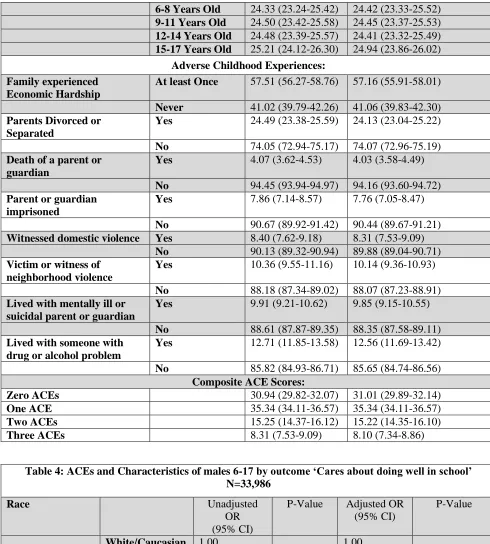
Table 1 Sociodemographic Characteristics by Sex for children 6-17 Years Old
Table 2 Characteristics of Male Children ages 6-17 by educational outcomes (weighted)
Table 3 Characteristics of Female Children ages 6-17 by educational outcomes (weighted)
Table 4 ACEs and Characteristics of males 6-17 by outcome ‘Cares about doing well in school’
Table 5 ACEs and Characteristics of Females 6-17 by Outcome ‘Cares about doing well in
school’
Table 6 ACEs and Characteristics of Males 6-17 by Outcome ‘Does all required homework’
1 | P a g e
Chapter 1
Introduction
Adverse Childhood Experiences or ACEs have been at the forefront of conversations
regarding early childhood and youth development in recent years. The term adverse childhood
experience refers to potentially traumatic events that occur during childhood which can have
negative, lasting effects on health and wellbeing (Child Trends Research Brief, 2016). These
traumatic events can include; physical and sexual abuse, exposure to a household member with
mental illness, exposure to a household member that abuses drugs or alcohol, and exposure to a
family member who was or is imprisoned.
Today, the amount of literature that addresses ACEs is expansive but one article is the
trailblazer that brought Adverse Childhood Experiences to the forefront of the medical and
public health communities. The ACE study, was a collaboration between the Centers for Disease
Control and Prevention and Kaiser Permanente, San Diego. The study was conducted between
1995 and 1997. Over 17,000 Kaiser Permanente Health Maintenance Organization (HMO)
members from Southern California completed confidential surveys concerning their childhood
experiences and current health status and behaviors (Felitti et al., 1998). Drs. Vincent J. Felitti
and Robert Anda, and a team of early CDC investigators assessed the associations between
adverse experiences and adult risk behaviors and disease (Felitti et al., 1998). Subsequently,
multiple studies were published to document the long-term health consequences of ACEs across
the lifespan (Anda et al., 2008; Anda et al., 1999; Chapman et al., 2004; Dong et al., 2004; Dube
et al., 2001; Dube et al., 2003a; Dube at al., 2003b; Dube et al., 2005; Dube at al., 2009; Hillis et
al., 2004). Multiple publications reported that as the number of ACEs increased during a study
2 | P a g e
study was conducted over twenty years ago and is more relevant today as the recognition of
ACEs has increased.
Adverse childhood experiences are not reserved to an individual’s physical health. ACEs
also have psychological implications, and can affect an individual’s learning capacity and
behavior (Burke, Hellman, Scott, Weems, and Carrion, 2011). Emerging research links adverse
childhood experiences to poor learning outcomes and behavioral challenges in children (Burke,
Hellman, Scott, Weems, and Carrion, 2011). The research indicates that when a child’s
environment is altered, his or her developmental trajectory is also altered. This leads to lifelong
consequences for educational achievement, economic productivity, health status and longevity
(Shonkoff et al., 2012).
Adverse childhood experiences can trigger a stress response in children. According to the
National Scientific Council of the Developing Child, that stress response can be positive,
tolerable or toxic (Shonkoff et al., 2012). A positive stress response is brief and the magnitude of
the response is typically mild to moderate (Shonkoff et al., 2012). A positive stress response is
characterized by the availability of a caring and responsive adult who helps the child cope with
the stress (Shonkoff et al., 2012). This relationship serves a protective factor for the child.
Tolerable stress is the result of more severe, longer lasting difficulties. Tolerable stress can be
buffered and alleviated by the support of a caring and responsive adult, so much so, that the risks
of physiologic harm and long term consequences are reduced (Shonkoff et al., 2012). Toxic
stress occurs when a child experiences strong, frequent and prolonged adversity. This type of
stress typically occurs in the absence of a supportive adult relationships (Shonkoff et al., 2012).
While some stress is beneficial to development, toxic stress can actually impede
3 | P a g e
during essential developmental periods (Shonkoff et al., 2012). This disruption, in the absence of
buffers and social support, can lead to impairments in learning and behavior. Toxic stress can
also lead to structural changes in the brain (Shonkoff et al., 2012). The consequences of these
changes are anxiety, impaired memory, and compromised mood control (Shonkoff et al., 2012).
Inattentive, disorganized and hyper behaviors that result from trauma may resemble Attention
Deficit Hyperactivity Disorder (ADHD) to teachers and other school professionals when in
reality, they are the result of a heightened arousal system caused by trauma (Childhood Trauma,
2016).
A child’s early life experiences shape and mold their educational and behavioral
outcomes. During this period in a child’s life, learning, literacy and the adaptive behaviors that
sustain physical and mental health must be nourished. Schools play a major role in this
developmental period, yet some children miss school excessively. Children who are frequently
absent from school are at risk for various negative health and social problems (Dube & Orpinas,
2009). In fact, excessive school absenteeism is associated with anxiety, depression and risky
behavior (Dube & Orpinas). Education is a social determinant of health and a child’s success
while attaining his or her education will help determine that child’s social and occupational
status in adulthood (Closing the Gap in a Generation, n.d.). The Commission on Social
Determinants of Health recommends governments provide quality education that caters to
children’s physical, social/emotional, and language/cognitive development, beginning in
pre-primary school (Closing the Gap in a Generation, n.d.). Research is needed to examine how
adverse childhood experiences affect the educational and behavioral outcomes of children and
4 | P a g e
Chapter Two
Review of the Literature
2.1 Adverse Childhood Experiences and Educational Outcomes
Porche and colleagues utilized the National Survey of Children’s Health to examine the
association between exposure to family adversity and academic outcomes as mediated by child
mental health. The National Survey of Children’s Health is a cross sectional
random-digit-dialing telephone survey. The study population included 95,677 non-institutionalized children
under the age of 18 from 50 states and the District of Colombia (Porche, Costello,
Rosen-Reynoso, 2016). The authors measured academic outcomes using three measures; school
engagement, grade retention and presence of an individualized education plan (Porche, Costello,
Rosen-Reynoso, 2016). Porche and colleagues hypothesized that a child’s mental health status
would mediate the associations between the family adversity score, caregiver mental health and
school engagement.
The results revealed a negative direct relationship between school engagement and the
number of current mental health diagnoses. The authors suspect a partial mediation exists due to
negative indirect relationships between school engagement and family adversity score (β=-0.021)
and caregiver mental health (β=-0.17) as well as negative direct relationships between school
engagement and family adversity score (β=-0.066) and care giver mental health (β=-0.068).
When the authors looked at grade retention and the number of current mental health diagnoses
they found a positive direct relationship (β=0.052). Evidence of partial mediation was suggested
by the positive indirect (β=0.004) and direct (β=0.014) relationships between grade retention and
family adversity score. The relationship between grade retention and caregiver mental health was
5 | P a g e
concluded that children with higher numbers of adverse family experiences such as a parent in
the household with a mental illness or exposure to domestic abuse, were more likely to have
higher numbers of mental health diagnoses. The children with higher numbers of diagnoses were
less likely to be engaged in school and more likely to be retained in a grade or on an
individualized education plan. Limitations of this study include cross sectional study design and
lack of information regarding timing, frequency or duration of childhood adversity.
Bethell and colleagues (Bethell, Newacheck & Hawes, 2014) utilized the National
Survey of Children’s Health to assess the prevalence of adverse childhood experiences and
associations between them and the factors affecting a child’s development and lifelong health.
The study population included 95,677 non-institutionalized children between the ages of 0 and
17 from 50 states and the District of Colombia. They hypothesized that children with adverse
childhood experiences have worse health outcomes and more school problems when compared to
children who do not have such experiences. They also hypothesized that learning, exhibiting
resilience and having access to a high-quality medical home, might mitigate these outcomes. The
results revealed that children with two or more adverse childhood experiences were 2.67 times
more likely to repeat a grade in school when compared to children without any childhood
experiences. Children without adverse childhood experiences had a 2.59 greater odds of usually
or always being engaged in school when compared with their peers who had two or more adverse
childhood experiences (Bethell, Newacheck & Hawes, 2014). It was also discovered that
resilience mitigated the impact of adverse childhood experiences on grade repetition and school
engagement. Among children with special health care needs who had two or more ACEs, those
who learned and showed aspects of resilience were 1.55 times more likely to be engaged in
6 | P a g e
that do not exhibit resilience (Bethell, Newacheck & Hawes, 2014). The study concludes that
building resilience in children affected by adverse childhood experiences could potentially
alleviate the negative effects of ACEs. One limitation of this study is its cross sectional study
design which does not allow the authors to establish a temporal sequence between ACEs and
health outcomes and school engagement (Bethell, Newacheck & Hawes, 2014).
Turney and Haskins (Turney & Haskins, 2014) estimated the relationship between
paternal incarceration and grade retention in elementary school and investigated the mechanisms
underlying the relationship. They also estimated the relationship between paternal incarceration
and grade retention separately by race/ethnicity, gender, and family structure subgroups. Parental
incarceration is one of the six adverse childhood experiences identified in the National Survey of
Children’s health. They utilized the Fragile Families and Child Wellbeing Study, which is a
longitudinal birth cohort of children. These children were followed through age nine. They
discovered that 23 percent of children with incarcerated parents were retained between
kindergarten and third grade. Only 14 percent of children without incarcerated parents were
retained between kindergarten and third grade (Turney & Haskins, 2014). Children of fathers
who experienced incarceration for the first time when children were between one and five years
of age, had a greater likelihood of being retained between kindergarten and third grade when
compared to children with never incarcerated fathers. This article had several limitations, one
being that the Fragile Families and Child Wellbeing sample is not a nationally representative
sample. Thus, the findings of this article cannot be generalized to all children. Also, only
children who experienced parental incarceration for the first time were considered in the study.
This leaves out a substantial number of children who have repeatedly experienced parental
7 | P a g e
Rosalind Duplechain (Duplechain & Packard, 2008) and colleagues took a unique
approach to childhood trauma research and explored the impact of traumatic exposure on the
reading achievement of children. For this particular study, trauma was either exposure to
violence or the loss of a loved one. The study sample included 162 elementary school students
between the 2nd and 5th grade from eight inner-city elementary schools located within the
Midwest region of the United States. To be included in the study, the students had to have
traumatic exposure data for year one and standardized achievement scores for three consecutive
school terms. Children diagnosed with a special education status due to inadequate cognitive
functioning were also excluded from the study (Duplechain & Packard, 2008). Children in the
study were grouped according to their violence exposure. Group one consisted of students with
no exposure to violence. Group two consisted of students who experienced one or two violent
events or moderate trauma exposure. Group three consisted of students who experienced three or
more violent events or high trauma exposure (Duplechain & Packard, 2008). The authors
observed that low reading achievement was consistent for both moderate trauma exposure groups
and high trauma exposure groups. They also found that children exposed to high levels of trauma
did not fair as poorly as expected. Lastly, the results revealed the moderate trauma exposure
group appeared to be most at risk due to their decline in reading achievement from year one to
year three. The authors suggested that the needs of children exposed to both moderate and high
trauma be tended to by educators. Otherwise, the reading success of students will be jeopardized.
The limitations of this study included; a short duration of data collection and a lack of data on
multiple types of trauma. The study only asked participants about violence exposure and the loss
of a significant other. Additionally, participants were not asked how many times they
8 | P a g e
Milam and colleagues (Milam, Furr-Holden & Leaf, 2010) examined the effect of the
school and neighborhood environment on academic achievement among 3rd-5th grade students in
an urban school system. The study sample included 342 3rd-5th grade students from 116
Baltimore City Elementary Schools. The study revealed schools with higher self-reported safety,
when students go to and from school, had higher percentages of students passing the reading and
math portion of the Maryland School Assessment. Increased neighborhood violence was
associated with decreases from 4.2 % to 8.7% in math and reading achievement. Increased
perceived safety was associated with increases in achievement from 16% to 22%. The authors
point out several limitations within this study. The study relied on youth self-report of perceived
safety and does not have data on the perceived safety of non-responders. Also, the study does not
control for abuse, neglect, unemployment, and lack of social support (Milam, Furr-Holden &
Leaf, 2010).
Mary Eamon (Eamon, 2002) used a mediation model to test the effects of poverty on the
mathematics and reading achievement of adolescents. The study population included 1,324
adolescents between 12 and 14 years of age. Eamon hypothesized that poverty would be
indirectly related to lower mathematics and reading achievement through constraints of parents
ability to provide a cognitively stimulating home environment. She also hypothesized that
poverty would be related to a less emotionally supportive home environment (Eamon, 2002).
The data revealed that poverty was related to lower mathematics and reading achievement
indirectly through its association with less cognitively stimulating and emotionally supportive
home environments. Poverty was also indirectly related to lower mathematics and reading
achievement through a direct link with school behavior. Lastly, poverty was directly related to
9 | P a g e
mathematics and reading achievement may have been underestimated due to poverty being
measured only one year before achievement was assessed. Secondly, the study did not take into
account fathers’ parenting practices and how those practices influenced adolescent academic
achievement (Eamon, 2002).
Joseph Crozier and Richard Barth (Crozier and Barth, 2005) examined cognitive
functioning and academic achievement in maltreated children. The authors had several goals for
this study; to compare the performance of maltreated children on standardized tests of cognitive
and academic functioning to national norms, to examine how cognitive and academic
functioning is related to individual risks and determine whether the cumulative presence of risk
factors help predict which children are most likely to exhibit low cognitive and academic
functioning. The study sample included 2,498 school children between the ages of six and fifteen
years of age. The sample was taken from the National Survey of Child and Adolescent
Well-being (NSCAW) which is a nationally representative sample of children who have been reported
to child welfare services because of alleged maltreatment and whose reports resulted in child
welfare services investigation. The authors found that children from the NSCAW study were
more likely than the normative sample to score a standard deviation or more below the mean on
standardized measures of cognitive functioning and academic achievement. The authors did not,
however, find a difference in achievement by maltreatment type. Children living in poor families
were 1.5 times more likely than non-poor children to obtain low scores on the Kaufman Brief
Intelligence test. They were also 1.4 times more likely to obtain low scores on the
Woodcock-McGrew-Werder Mini-Battery of Achievement reading test and 1.2 times more likely to obtain
low scores on the Woodcock-McGrew-Werder Mini-Battery of Achievement math test (Crozier
10 | P a g e
national norm to obtain low scores on cognitive and academic measures. The greatest limitation
of this study was that it did not include a non-maltreated comparison group which took away
from the authors’ ability to make comparative conclusions (Crozier and Barth, 2005).
Borofsky and colleagues (Borofsky et al., 2013) looked specifically at community
violence exposure which is an adverse childhood experience. Their study examined the
relationships between community violence exposure and two academic outcomes: school
engagement and academic achievement. Grade point average was used as a measure for
academic achievement. The study sample included 118 adolescents who participated in a
longitudinal study that assessed the effects of violence exposure on adolescents. The authors
proposed three hypotheses. The first hypothesis was that there would be bidirectional
relationships between community violence exposure and school engagement. The second
hypothesis was that community violence exposure and school engagement would relate to
academic achievement (GPA) and school engagement would mediate the relationship between
community violence and GPA. The third hypothesis was that psychological symptoms would
help explain the relationship between community violence and both school engagement and
academic achievement (Borofsky et al., 2013). The authors observed that community violence
negatively impacted later school engagement when adjusting for concurrent relationships and
stability over time. In support of hypothesis two, the data revealed that community violence
negatively impacted academic achievement and school engagement. School engagement helped
to explain the relationship between community violence exposure and academic achievement.
Lastly, psychological symptoms such as internalizing and externalizing behaviors mediated the
relationship between community violence and school engagement (Borofsky et al., 2013). This
11 | P a g e
researchers to explore differences between the various racial and ethnic groups. Also, some of
the measures such as low school engagement and violence exposure were based on self-report.
These are typically socially undesirable behaviors which could result in under-reporting. Lastly,
the study sample was not diverse across socioeconomic status (Borofsky et al., 2013).
Wodarski and colleagues (Wodarski, Kurtz, Gaudin & Howing, 1990) assessed school
achievement; social and emotional development in the school, community, at home, and with
peers; and adaptive behavior in functional areas such as self-help, work skills, domestic skills,
and community orientation. They retrieved data from parents, teachers, children, school records
and child protective services case workers for children in the experimental groups. The study
sample included 22 physically abused children and 47 neglected children between the ages of 8
and 16 in Georgia. The comparison group included 70 children between 8 and 16 years of age
with no history of maltreatment which was verified by the Georgia Division of Family and
Children Services (Wodarski, Kurtz, Gaudin & Howing, 1990). The study revealed that when
socio-economic status was controlled for, abused and neglected children scored lower than
comparison children on the composite index of overall school performance. Abused and
neglected children also scored lower on the mathematics portion of Iowa test of basic skills.
Neglected children scored lower than comparison children on the language portion of the
Georgia Criterion Reference Test. Twenty-four percent of comparison children repeated one or
more grades. Sixty percent of neglected children and fifty-five percent of abused children
repeated one or more grades (Wodarski, Kurtz, Gaudin & Howing, 1990). Neglected children
were absent from school (21.35 days) significantly more often than comparison children (4.52
12 | P a g e
Leiter and Johnsen (Leiter and Johnsen, 1994) investigated the effects of abuse and
neglect on school performance. The study sample included 2,219 maltreated children drawn from
the North Carolina Central Registry of Child Abuse and Neglect between October 1983 and June
1989. A school sample of 387 students in Charlotte Mecklenburg County between 1983 and
1989 was also drawn. The comparison sample included 280 children who received services from
Mecklenburg County Department of Social Services (DSS) after 1985 (Leiter and Johnsen,
1994). The study found that maltreated children did worse than the general population of school
children by statistically significant amounts on all reported school outcome measures; cognitive
achievement, school participation and integration into the normal patterns of school. Maltreated
children’s school outcomes did not differ significantly on any measure except mean grade from
those of the DSS sample (Leiter and Johnsen, 1994). One limitation identified by the authors is
that measurements at various time points were summarized together, which inhibited authors
from identifying causal relationships concerning incidents of maltreatment, school processes, and
school performance (Leiter and Johnsen, 1994).
Chappel and Vaske (Chappel and Vaske, 2010) explored whether social contexts, such as
neighborhood and school organizations, moderated the effects of child neglect on a host of
educational outcomes. The study sample included 1,080 subjects from the 1979 National
Longitudinal Survey of Youth. Data were collected from mothers and interviewers in 1988 when
children were between the ages of 2 and 5 years old. Data were also collected on the children in
1996 when the children were between the ages of 10 and 13 years old. Measures of neglect were
collected in 1988 while school organization variables were measured in 1996 (Chappel and
Vaske, 2010). The authors hypothesized that child neglect would be associated with greater
13 | P a g e
would amplify the negative effect of child neglect on school outcomes. The data revealed that at
the bivariate level, child neglect, in all forms, was related to worse school and community
organization and climate. At the multivariate level physical and educational neglect were
significantly associated with more school problems (Chappel and Vaske, 2010). One limitation
of this study was that mothers had to report whether they were neglecting their children. It is
unlikely that mothers that are seriously neglecting their children would participate in a biannual
survey. As a result, the authors could be missing a great deal of data on mothers who did commit
serious forms of neglect against their children (Chappel and Vaske, 2010).
Kendall-Tackett and Eckenrode (Kendall-Tackett and Eckenrode, 1996) examined how
child neglect and abuse affected academic achievement and school disciplinary problems for
children in elementary, junior high school and senior high school. The study sample included
324 neglected children and adolescents from a small city in New York State. The study subjects
were matched with a non-maltreated sample of 400 children and adolescents in grades K-12. The
results revealed that neglected children had lower grades, more suspensions, more disciplinary
referrals and more grade repetitions than the non-maltreated comparison group. The results also
revealed that neglect combined with physical and sexual abuse was related to lower grades and
more suspensions (Kendall-Tackett and Eckenrode, 1996). A limitation of this study was the
small number of study subjects who experienced neglect in combination with sexual abuse or
physical abuse. Resultantly, the authors could not explore the differential effects of physical
abuse combined with neglect and sexual abuse combined with neglect (Kendall-Tackett and
Eckenrode, 1996).
Neighbors and colleagues (Neighbors, Forehand & Armistead, 1992) examined the
14 | P a g e
of 58 adolescents. Twenty-nine were from recently divorced families and the remaining
twenty-nine were a comparison group from intact families or families that did not go through divorce.
Neighbors predicted boys whose parents would eventually divorce would demonstrate poorer
pre-divorce functioning than girls whose parents would divorce. He also predicted that boys and
girls would exhibit similar levels of academic deterioration with the occurrence of divorce
(Neighbors, Forehand & Armistead, 1992). The data indicated that boys from divorcing homes
had poorer academic functioning prior to their parents’ divorce than boys whose families
remained intact and girl’s parents who divorced. Girls from divorcing families experienced a
decline in academic functioning which began before divorce and continued even after divorce
(Neighbors, Forehand & Armistead, 1992).
The literature covered thus far illustrates how Adverse Childhood Experiences such as
poverty, abuse, neglect, maltreatment, parental incarceration and violence exposure negatively
impact the educational outcomes of children. When children are exposed to trauma or adverse
experiences, much of the energy they should be spending on school work is spent suppressing
trauma (Duplechain & Packard, 2008). When the children are not offered the appropriate
resources, services or treatment options, grade retention, low school engagement and low test
scores become challenges for schools. Additionally, mental illnesses are often overlooked as the
culprits behind negative educational outcomes (Porche, Costello, Rosen-Reynoso, 2016).
Duplechain and colleagues suggested that schools screen children for trauma and adverse
experiences and provide children who have experienced trauma with support and services
(Duplechain & Packard, 2008). Bethell and colleagues recommended that resiliency building be
15 | P a g e
that any further research concerning ACEs and educational outcomes should be done through
longitudinal studies so that causal inferences can be drawn.
2.2 Adverse Childhood Experiences and Behavioral Outcomes
Duke and colleagues (Duke, Pettingell, McMorris & Borowsky, 2010) evaluated the
relationship between six different adverse childhood experiences and a spectrum of violence
related behavior using data from the 2007 Minnesota Student Survey. The study population
included 136,549 sixth, ninth and twelfth grade school children. Adverse childhood experiences
were organized into two categories: abuse and household dysfunction. There were eight
behavioral constructs for violence related behavior: delinquent behavior, bullying, physical
fighting, dating violence, weapon carrying on school property, and self-directed violence (Duke,
Pettingell, McMorris & Borowsky, 2010). The authors of the study hypothesized significant
relationships would exist between each type of adverse childhood experience and outcomes of
adolescent delinquency and violence perpetration. They also hypothesized that the relationship
between an adverse event score and risk of violence-related perpetration would be cumulative.
The study found a significant positive relationship between each adverse event and delinquent
behaviors for girls and boys. Also, the likelihood of adolescent violence related perpetration
increased as the number of adverse events identified by the youth increased (Duke, Pettingell,
McMorris & Borowsky, 2010). The authors concluded that multiple types of adverse childhood
experiences, such as abuse or household dysfunction, should be considered risk factors for
various types of violence related outcomes in adolescence. Some limitations of this study
included: findings did not reflect youth who dropped out of school, were incarcerated or attended
alternative school; the data corresponded to youth who lived in a large Midwestern state and may
16 | P a g e
youth self-report and were not substantiated by interviews or clinical diagnoses; and the study
was cross-sectional so all findings were correlational and not causal (Duke, Pettingell, McMorris
& Borowsky, 2010).
Freeman (Freeman, 2014) examined the prevalence of adverse childhood experiences
among children birth to 6 years and the relationship between ACEs and emotional and behavioral
outcomes 59-97 months after the close of an investigation or assessment. The National Survey of
Child and Adolescent Well-Being was used for this study (Freeman, 2014). The study population
included a nationally representative sample of 5,501 children and families investigated by CPS
between October 1999 and December 2000. Freeman hypothesized exposure to ACEs among
young children engaged in the child welfare system would result in clinically significant
behavioral health outcomes at 59 to 97 months post investigation; and there would be significant
dose–response effects such that the effects on behavioral health outcomes would be greater as the
number of ACEs increased (Freeman, 2014). The study revealed that forty-two percent of
children in the study experienced four or more adverse childhood experiences in their first six
years of life. The odds ratios for internalizing, externalizing and total problems increased as the
number of ACEs increased. One limitation of this study was its inability to speculate about
temporal relationships. Also, many of the measures utilized in this study relied on caregiver
report versus CPS records or other reliable records. Lastly, due to the longitudinal nature of the
study, there was some missing data (Freeman, 2014).
Weaver and Schofield (Weaver and Schofield. 2014) examined internalizing and
externalizing behavior problems of children in relation to whether these children experienced
parental divorce. The study sample included 1,364 mothers and their children. The sample was
17 | P a g e
Early Child Care and Youth Development (Weaver and Schofield. 2014). The children were
recruited in 1991, approximately one month after the child’s birth, and assessed up until age
fifteen. The authors hypothesized that children from divorced families would have more
internalizing and externalizing behavior problems than children from intact families. They also
hypothesized that divorce effects would be moderated by several protective factors related to
child and family characteristics (Weaver and Schofield. 2014). The data revealed that children
from divorced families had more behavior problems when compared with a sample of children
from intact families. Children from divorced parents also exhibited more internalizing and
externalizing problems at the first assessment after parents’ separation and at the last available
assessment. Lastly, as hypothesized, associations between divorce and child behavior problems
were moderated by family income. Children whose families had a higher income prior to the
divorce had fewer internalizing problems when compared to children whose families had a lower
income prior to the divorce (Weaver and Schofield. 2014). Limitations included; correlational
findings versus causal findings, study attrition, a lack of information on father behavior
following divorce and the study was only generalizable to children of heterosexual couples
(Weaver and Schofield. 2014).
The literature addressing adverse childhood experiences and behavioral outcomes is
limited. The literature in this paper suggests that adverse childhood experiences such as parental
divorce, child abuse and neglect, household dysfunction, caregiver substance abuse, caregiver
depression, caregiver domestic violence, and caregiver criminality negatively impact the
behavior of children and adolescents. Some of the behaviors exhibited include bullying,
delinquency, and dating violence, among other internalizing and externalizing behaviors.
18 | P a g e
outcomes look at how outcomes vary by developmental period (Freeman, 2014). Duke and
colleagues suggested that in future studies the types of adverse events be broadened when
considering pathways from child maltreatment to adolescent perpetration of violent and
delinquent outcomes (Duke, Pettingell, McMorris & Borowsky, 2010). Weaver and Schofield
suggested that more research be done on parental divorce and children’ behavioral outcomes
(Weaver and Schofield. 2014).
2.3 Adverse Childhood Experiences and Educational and Behavioral Outcomes
Valdez and colleagues (Valdez, Lambert & Ialongo, 2011) examined profiles of
individual, academic, and social risks that occur during a child’s elementary school years, and
their association with mental health and academic complications in adolescence. The study
participants included 678 first graders living in an urban metropolitan area. The children were
assessed in the fall semester of first grade as a part of an evaluation of two randomized
school-based preventive interventions where the immediate targets were early learning and behavior
(Valdez, Lambert & Ialongo, 2011). The authors grouped the first graders into qualitatively
distinct groups which were based on domains of functioning that are significant in the first grade:
aggressive behavior, depressive symptoms, low peer acceptance, and low academic achievement
(Valdez, Lambert & Ialongo, 2011). Group one was considered ‘well adjusted’ meaning they did
well academically, were accepted by peers and had low levels of both depressive and aggressive
behavior. Group two was an academic—peer risk class and the children in that class had
academic and peer problems but they were less aggressive and had higher depressive symptoms
than the behavior-academic-peer risk class. Group three was a behavior-academic-peer risk class
and was characterized by high aggressive behavior, low academic achievement, and low peer
19 | P a g e
would experience different levels of depression and conduct problems, academic failure, and
mental health services during adolescence (Valdez, Lambert & Ialongo, 2011). The results did
not reveal significant differences between the risk classes with respect to adolescent outcomes
however, the "academic-peer risk" class exhibited depression, conduct problems, academic
difficulties, and increased mental health service use during adolescence (Valdez, Lambert &
Ialongo, 2011).
Nadine Burke (Burke et al., 2011) and colleagues studied the relationship between the
prevalence of ACE categories and psychological and physical outcomes such as learning and
behavior problems and obesity. They conducted a retrospective study using the medical charts of
all pediatric patients seen at the Bayview Child Health Center between April 2007 and April
2009. The study sample consisted of 701 youth between the ages of 0 and 20.9 years. The
researchers hypothesized that the majority of youth in the Bayview Hunters Point area would
endorse one or more ACE criteria and that an ACE score greater than or equal to 4 would be
associated with higher odds of the children having a learning/behavior diagnosis (Burke et al.,
2011). The results revealed that 67.2% of the study participants had experienced at least one or
more adverse childhood experiences. Additionally, 51.2% of the study participants with an ACE
score greater than or equal to 4 presented learning/behavioral problems. An ACE score greater
than or equal to 4 was associated with increased odds of reporting learning/behavior problems
when compared with an ACE score of 0. Ultimately, the results supported the authors’ main
hypothesis (Burke et al., 2011). One major limitation of this study was the history of adverse
childhood experiences was obtained from the caregiver and not via self-report as it was done in
the Kaiser-CDC ACE Study. There could be some sampling bias as a result of parents and
20 | P a g e
limited the ability to infer causation. Lastly, there was the possibility of selection bias due to the
prospective chart review design of the study (Burke et al., 2011).
Tyler and colleagues (Tyler, Johnson & Brownridge, 2008) used longitudinal data to
examine the effects of early abuse and neglect, parenting, and disadvantaged neighborhoods on
victimization, delinquency, and well-being via running away and school engagement among a
sample of currently housed, high-risk adolescents (Tyler, Johnson & Brownridge, 2008). The
study sample included 360 children and adolescents between the ages of 11 and 14 at baseline.
The authors hypothesized that having experienced child maltreatment, having poorer parent
relations, and living in a more disadvantaged neighborhood would be associated with lower
school engagement, a greater likelihood of victimization and delinquency, and lower well-being.
The authors also hypothesized that running away and lower school engagement would be
associated with greater delinquency, victimization, and lower well-being (Tyler, Johnson &
Brownridge, 2008). As it relates to school engagement, the study revealed that positive parental
relations are associated with greater school engagement. Also, having higher levels of school
engagement was associated with a lower likelihood of delinquency and greater overall
well-being (Tyler, Johnson & Brownridge, 2008). One of the limitations of this study was that some
of the measures were retrospective making them subject to recall bias. Many of the caregivers
were unlikely to admit to physically abusing their children which may have led to biased results.
There was also a large amount of missing data (Tyler, Johnson & Brownridge, 2008).
Bowen and Bowen (Bowen and Bowen, 1999) examined students’ reports of their
exposure to neighborhood and school danger, and the effects of those exposures on their
attendance, school behavior, and grades. The study sample included 1,828 middle school and
21 | P a g e
between October 31, 1996 and February 15, 1997 (Bowen and Bowen, 1999). The authors
hypothesized that both neighborhood and school danger would have a negative effect on
secondary students’ school outcomes, after accounting for the effects of demographic variables
(Bowen and Bowen, 1999). As the authors hypothesized, as neighborhood and school danger
decreased, school attendance increased. As the level of school and neighborhood danger rose,
youth were less likely to avoid school behavior problems. Lastly, as danger increased, students’
perceptions of academic performance decreased. A limitation of this study was the
cross-sectional study design, thus causal relationships could not be inferred (Bowen and Bowen, 1999).
Exposure to several adverse childhood experiences such as domestic violence, physical
abuse and sexual abuse, is associated with alcohol use among adolescents among other
adolescent risk behaviors (Dube et al., 2006). Dube and colleagues examined the relationship
between ten adverse childhood experiences with those who ever drank alcohol use during early
adolescence (≤ 14 years) mid adolescence (15-17 years) and late adolescence (18-20 years). The
study population included 8,417 adult Health Maintenance Organization (HMO) members in
California who completed a survey about ACEs (Dube et al., 2006). The data revealed that
adverse childhood experiences are strongly related to ever drinking alcohol and to alcohol
initiation in early and mid-adolescence. The data also revealed a dose response relationship
between adverse childhood experiences and the alcohol use behaviors (Dube et al., 2006).
Hillis and colleagues examined the impact of ACEs on adolescent pregnancy (Hillis, et
al., 2004). They wanted to know if adolescent pregnancies increased as the ACE score increased.
They also wanted to explore whether ACEs or adolescent pregnancy were the principal sources
22 | P a g e
discovered a strong and graded association between ACEs and adolescent pregnancy (Hillis, et
al., 2004).
Various youth and adult risk behaviors have been associated with ACEs. Dube and
colleagues discovered a powerful graded relationship between ACEs and risk of attempted
suicide throughout the lifespan (Dube, et al., 2001). Another study conducted by Dube and a
team of researchers found that ACEs had a strong graded relationship to problems with drug use,
drug addiction, and parenteral use (Dube et al., 2003). Anda and colleagues found that smoking
in adulthood was strongly associated with ACEs as well (Anda et al., 1999). It is clear that
ACEs have negative and lasting effects on behavior in adolescence and adulthood.
The studies conducted by these authors examined adverse childhood experiences and
educational and behavioral outcomes together. These studies examined early childhood risks and
a full spectrum of adverse childhood experiences. The studies support the theory that adverse
childhood experiences have a negative impact on both educational and behavioral outcomes.
Numerous studies indicate ACEs have a negative impact on the educational process. The
purpose of this study is to explore how the educational process is impeded due to ACEs. This
study will look at two educational outcomes, caring about doing well in school and doing all
required homework, to determine how ACEs affect those outcomes. The goal is to understand
what particular aspects of the educational process are disrupted when a child faces an adverse
experience. The study will also explore how the association between ACEs and the two
23 | P a g e
Chapter Three
Study Data and Methods
3.1 Population and Data
The study sample was drawn from the 2011-2012 National Survey of Children’s Health
(NSCH) (NSCH- Data Resource Center for Child and Adolescent Health", 2017). The data set is
publically available and represents the physical and emotional health of children ages 0-17. The
dataset also included factors pertaining to the health and well-being of children such as medical
homes, family interactions, parental health, school and after school experiences and access to
safe neighborhoods (NSCH- Data Resource Center for Child and Adolescent Health", 2017).
Between February 2011 and June 2012 cross-sectional telephone surveys of households, with at
least one resident child aged 0 to 17 years at the time of the interview, were conducted. The
surveys were conducted using the “State and Local Area Integrated Telephone Survey” or
SLAITS. Approximately 95,677 child-level interviews were conducted with parents or guardians
under the direction of the Maternal and Child Health Bureau and implemented through the
National Center of Health Statistics. Data were weighted to represent the population of
noninstitutionalized children ages 0-17 nationally in each state. All fifty states and the Virgin
Islands were surveyed. For this study, data from the Virgin Islands were excluded (NSCH- Data
Resource Center for Child and Adolescent Health", 2017).
Inclusion and Exclusion Criteria
This study is a secondary analysis of the 2011-2012 National Survey of Children’s
Health. For this particular study, the population of interest was children between the ages of 6
and 17 years. Children under the age of six were excluded because many children under the age
24 | P a g e
questions about education. Children in the Virgin Islands were also excluded from the study. The
total sample size was 65,593 children between the ages of six and seventeen.
3.2 Measures and Variables
Independent Variables
Age is an independent variable within this study. The NSCH defined age as the selected
child’s age at the time of the interview. The variable ‘ageyr_child’ included children between 0
and 17 years old. For this analysis a new age variable ‘newage’ was created to encompass
children between 6 and 17 years old. The variable was also categorized according to the CDC’s
stages for child development to reflect developmentally appropriate milestones (CDC- Child
Development, 2017).
1) 6-8 year old
2) 9-11 year old
3) 12-14 year old
4) 15-17 year old
Race was defined as the race/ethnicity a parent or guardian considered the selected child to be.
For the analysis, the variable ‘racer’ classified the races of participants as:
1) White
2) Black
3) Other
Mother Education was defined as the highest grade or year of school the mother of the household
completed at the time of the survey. The NSCH provided ‘educ_momr’ as the variable for
mother education. A new variable ‘momed’ was created and categorized a mother’s education
25 | P a g e
1) Less than High School Diploma
2) High School Graduate
3) Greater than a High School Diploma
Father Education was defined as the highest grade or year of school the father of the household
completed at the time of the survey. The NSCH provided ‘educ_dadr’ as the variable for father
education. A new variable ‘daded’ was created and categorized a father’s education status as:
1) Less than High School Diploma
2) High School Graduate
3) Greater than a High School Diploma
Learning Disability is also an independent variable within this study. The NSCH asked parents if
they were ever told by a doctor, health care provider, teacher or school official that the selected
child had a learning disability. The diagnosis of a learning disability was identified by the
variable ‘K2Q30A’. A new variable ‘dis’ was created to capture this information. It was
categorized as:
0) No
1) Yes
The Adverse Childhood Experiences used in the 2011-2012 NSCH are based on the ACEs
used in the adult ACE study. Any modifications made to the ACE questions were overseen by a
technical expert panel and evaluated through standard survey item testing through the National
Center for Health Statistics (Bethell, Newacheck, Hawes and Halfon, 2014). The ACEs were as
follows: family socioeconomic hardship, parent divorce/separation, death in the family,
incarcerated family member in household, domestic violence, neighborhood violence, someone
26 | P a g e
weeks, and someone in the household who has a problem with alcohol or drugs. These were
dichotomized to form two groups, either possessing the characteristic or not. All missing values
were excluded for the selected variables. A description of the eight measures used as indicators
of ACEs is described below;
Ace1: Family Socioeconomic Hardship: Parents/Guardians were asked ‘Since the selected child
[S.C.] was born, how often has it been very hard to get by on your family's income, for example,
it was hard to cover the basics like food or housing? Would you say very often, somewhat often,
not very often, or never’?
("SLAITS - National Survey of Children’s Health", 2017)
‘Very Often’, ‘Somewhat Often’ and ‘Rarely’ were categorized as ‘ever experienced’ and
‘Never’ was categorized as ‘Never experienced’.
For the following indicators, there were 2 categories ‘Yes’ for presence of the indicator,
‘No’ for absence of the indicator.
ACE3: Parent Divorce/Separation: Parent/Guardian were asked if the child ever lived with a
parent or guardian who got divorced or separated after the child was born ("SLAITS - National
Survey of Children’s Health", 2017).
ACE4:Death in the Family: Parent/Guardian was asked if the child ever lived with a parent or
guardian who died ("SLAITS - National Survey of Children’s Health", 2017).
ACE5: Incarcerated family member in household: Parent/Guardian was asked if child ever lived
with a parent or guardian who served time in jail or prison after the child was born ("SLAITS -
27 | P a g e
ACE6:Domestic violence: Parent/Guardian was asked if child ever saw or heard any parents,
guardians, or any other adults in [his/her] home slap, hit, kick, punch, or beat each other up
("SLAITS - National Survey of Children’s Health", 2017).
ACE7: Neighborhood violence: Parent/Guardian was asked if child was ever the victim of
violence or witnessed any violence in [his/her] neighborhood ("SLAITS - National Survey of
Children’s Health", 2017).
ACE8:Someone in the household who is mentally ill, suicidal, or severely depressed for more
than a couple weeks: Parent/Guardian was asked if the child ever lived with anyone who was
mentally ill or suicidal, or severely depressed for more than a couple of weeks ("SLAITS -
National Survey of Children’s Health", 2017).
ACE9:Drug and Alcohol Abuse: Parent/Guardian was asked if the child ever lived with anyone
who had a problem with alcohol or drugs ("SLAITS - National Survey of Children’s Health",
2017).
An ACE score was created to estimate the prevalence of participants with one ACE, two ACEs,
three ACEs and four or more ACEs.
Dependent Variables
Outcome Measure: The Child Cares about doing well in school
This measure was dichotomized to include two options 1=the child sometimes, usually or
always cares about doing well in school and 0=the child never cares about doing well in school.
The outcome measure is a flourishing variable as indicated by the NSCH, so the results for “the
28 | P a g e
Outcome Measure: The Child does all required home work
This measure was dichotomized to included two responses 1=the child sometimes,
usually or always does all required homework and 0=the child never does all required
homework. The outcome measure is a flourishing variable as indicated by the NSCH, so the
results for “the child never cares about doing well in school’ were not recorded.
3. 3 Analytic Methods
Bivariate associations between the predictor and outcome variables were examined using
SAS 9.4. Simple logistic regression was used for the categorical variables. Survey specific SAS
procedures such as Proc Survey FREQ and Surveylogistic, were used to account for the complex
study design of the NSCH and to generate estimates that were representative of
non-institutionalized children in the USA. The logistic regression models were run to calculate
adjusted odds ratios that indicate whether certain demographic characteristics and ACE
exposures predicted outcomes related to school engagement. The analysis focused on a subgroup
of children between the ages of 6 and 17 so the DOMAIN option in PROC SURVEY FREQ was
used to estimate the correct standard errors for the analytic sample. All models controlled for
race/ethnicity, parental education, age and whether the child was diagnosed with a learning
29 | P a g e
Chapter 4
Results
4.1 Descriptive Characteristics and Prevalence of ACEs
The descriptive characteristics of male and female children between 6 and 17 years of age
are presented in Table 1. The study sample included 65,593 children, of which 51% were male
and 49% were female. The majority of children (66%) were non-Hispanic white; 15% of
children were non-Hispanic Black and 19% of children were of other races. Approximately 12%
of the study population was diagnosed with a learning disability by a doctor, health care
provider, teacher or school official. More than half of mothers (64%) and fathers (61%) received
an education greater than a high school diploma. There was an even distribution of study
participants across the four age groups that were categorized according to the Centers for Disease
Control and Preventions’ stages for child development; 6-8 years old, 9-11 years old, 12-14 years
old and 15-17 years old (CDC-Child Development, 2017). In this study sample, 65.8% of the
participants had experienced one or more of the 8 ACE categories and 9.4% had experienced
four or more ACEs. The highest prevalence of childhood adversities reported by a parent were
family financial stress (59%) and parental divorce (25%) (Table 1).
4.2 Prevalence of Educational Outcomes among Male Children 6-17
Table 2 presents characteristics of male children between the ages of six and seventeen
by educational outcomes. It also presents the prevalence of ACEs for male children between the
ages of six and seventeen by educational outcomes.
Cares About Doing Well in School
By race/ethnicity, the greatest proportion of males whose parents/guardians reported the
30 | P a g e
followed by non-Hispanic males of other races 17.43% (CI: 16.34-18.52); non-Hispanic black
males had the lowest proportion at 13.40% (CI:12.57-14.22). Mothers with greater than a high
school diploma 60.59 (CI: 59.27-61.90) and fathers with greater than a high school diploma
58.68 (CI: 57.26-60.10) had the highest percent of male children who cared about doing well in
school. Thirteen percent (CI: 12.42-14.04) of male children with a learning disability cared about
doing well in school. The percent of parents reporting that their male children cared about doing
well in school did not differ across the four age groups (Table 2).
The prevalence of ACEs by the educational outcome ‘cares about doing well in school’
was also assessed. A higher percentage of males, whose families experienced financial difficulty,
cared about doing well in school (55.3%, 95% CI: 54.12-56.56) when compared to those males
whose families did not experience financial difficulty (39.9%, 95% CI: 38.69-41.07). For the
remaining seven ACEs, male children exposed to an ACE had a lower proportion for ‘cares
about doing well in school’ when compared to male children who were not exposed to the same
ACE.
Does All Required Homework
Across race/ethnicity, non-Hispanic White males had the greatest proportion for ‘does all
required homework’ (64.7%, CI: 63.4-65.9), while non-Hispanic Black males had the lowest
proportion for ‘does all required homework’ (13.25, CI: 12.4-14.1%). For mothers who reported
having less than a high school diploma, 13.9% (CI: 12.8-15.1) of male children ‘did all required
homework’ compared to 60.7% (CI: 59.4-62.0) of male children whose mothers reported having
greater than a high school diploma. For fathers who reported having less than a high school
diploma, 13.4% (CI: 12.23-14.53) of male children ‘did all required homework’ compared to
31 | P a g e
school diploma. When a male child was diagnosed with a learning disability by a doctor, health
care provider, teacher or school official, the proportion for ‘does all required homework’ was
13.3% (CI: 12.4-14.1). The proportions for ‘does all required homework’ were similar across all
four age groups.
Pertaining to ACEs, male children whose families experienced financial difficulty had a
greater proportion for ‘does all required homework’ (55.4%, CI: 54.1-56.6) than male children
whose families never experienced financial difficulty (40.1%, CI: 38.9-41.3). For the remaining
seven ACEs, male children exposed to an ACE had a lower proportion for ‘does all required
homework’ when compared to male children who were not exposed to the same ACE.
4.3 Prevalence Data of Educational Outcomes among Female Children 6-17
Table 3 presents characteristics of female children between the ages of six and seventeen
by educational outcomes. It also presents the prevalence of ACEs for female children between
the ages of six and seventeen by educational outcomes.
Cares About Doing Well in School
Across race/ethnicity, non-Hispanic White female children had the greatest proportion for
‘cares about doing well in school’ at 64.3% (CI: 63-65.6), while female children from other
non-Hispanic races had the second highest proportion for ‘cares about doing well in school’ at 18.4%
(CI: 17.2-19.5) and non-Hispanic Black female children had the lowest proportion for ‘cares
about doing well in school’ at 15.9% (CI: 15-16.9). For mothers who reported having greater
than a high school diploma, the proportion of children who care about doing well in school was
63.6% (CI: 62.3-64.9) compared to 12.9% (CI:11.88-13.97) of female children whose mothers
reported having less than a high school diploma. For fathers who reported having greater than a
32 | P a g e
(CI: 59.5-62.4) compared to 13% (CI: 12-14.4) of female children whose fathers reported having
less than a high school diploma. When a female child was diagnosed with a learning disability by
a doctor, health care provider, teacher or school official, the proportion for ‘cares about doing
well in school’ was 8.3% (CI: 7.6-8.7). The proportions for ‘cares about doing well in school’
were similar across all four age groups.
Pertaining to ACEs, female children whose families experienced financial difficulty had a
greater proportion for ‘cares about doing well in school’ (57.5%, CI: 56.3-58.8) than females
whose families did not experience financial difficulty (41%, CI: 39.8-42.3). For the remaining
seven ACEs, female children exposed to an ACE had a lower proportion for ‘cares about doing
well in school’ when compared to female children who were not exposed to the same ACE.
Does All Required Homework
Across race/ethnicity non-Hispanic White females had the greatest proportion for ‘does
all required homework’ at 64% (CI: 62.8-65.4) while female children from other races had the
second largest proportion for ‘does all required homework’ at 18.3% (CI: 17.1-19.4) and
non-Hispanic Black females had the lowest proportion for ‘does all required homework’ at 15.9%
(CI: 14.9-16.9). For mothers who reported having less than a high school diploma, the proportion
of female children who did all homework was 12.9% (CI: 11.9-14) compared to 21.35% (CI:
20.2-22.5) of female children whose mothers reported having a high school diploma and 63.6%
(62.3-64.9) of female children whose mothers reported having greater than a high school
diploma. For fathers who reported having less than a high school education, the proportion for
‘does all required homework’ was 13.2% (CI: 12-14.4) compared to 23.8% (CI: 22.5-25) of
female children whose fathers reported having a high school diploma and 60.8% (CI:59.3-62.3)