• No results found

Legitimacy seeking, authenticity seeking and practitioner Identity orientations in the process of identity work : a case study of newcomers in a UK police force

N/A
N/A
Protected

Academic year: 2020

Share "Legitimacy seeking, authenticity seeking and practitioner Identity orientations in the process of identity work : a case study of newcomers in a UK police force"

Copied!
243
0
0

Loading.... (view fulltext now)

Full text

(1)

A Thesis Submitted for the Degree of PhD at the University of Warwick

Permanent WRAP URL:

http://wrap.warwick.ac.uk/101265/

Copyright and reuse:

This thesis is made available online and is protected by original copyright. Please scroll down to view the document itself.

Please refer to the repository record for this item for information to help you to cite it. Our policy information is available from the repository home page.

(2)

Legitimacy seeking, authenticity seeking and practitioner ---- identity orientations in the process of identity work:

A case study of newcomers in a UK police force

By

Ye Liu

A thesis submitted in fulfilment of the requirements for

the degree of Doctor of Philosophy

Warwick Business School, University of Warwick

December 2017

(3)

Contents

Contents ... 4

List of Tables ... 7

List of Figures ... 8

Acknowledgements ... 9

Declarations ... 10

Abstract ... 11

Abbreviations ... 12

Chapter 1 Introduction ... 13

1.1 Original ideas ... 13

1.2 Study aims and methods ... 14

1.3 Outline of the thesis ... 17

Chapter 2 Literature review... 19

2.1 Introduction ... 19

2.2 Understanding police identity ... 20

2.2.1 Police identity at social arena ... 21

2.2.2 Police identity at practice arena... 24

2.2.3 Police identity at agency arena ... 29

2.3 Understanding identity ... 34

2.3.1 The focal ‘identity’ and ‘identity construction’ ... 35

2.3.2 Structure and agency ... 36

2.3.3 Stability and fluidity ... 43

2.4 Research questions ... 46

Chapter 3 Methodology ... 48

3.1 Introduction ... 48

3.2 Philosophical underpinnings ... 48

3.3 Research context ... 52

3.3.1 Rationales of choosing the research setting... 52

3.3.2 About the police ... 52

3.3.3 About the police force ... 55

3.3.4 About the initial training scheme and the studied intake ... 56

3.4 Data collection ... 58

3.4.1 Research access and ethics ... 58

3.4.2 Data, collection methods and processes, and evaluation ... 59

3.5 Data analysis and theorisation ... 70

(4)

3.5.2 Axial coding and second-order themes ... 74

3.5.3 Aggregating, modelling and theorising ... 76

3.6 Reflexivity ... 81

3.6.1 Methodological reflexivity ... 81

3.6.2 Theoretical deconstruction and epistemic reflexivity ... 84

3.7 Conclusion ... 87

Chapter 4 The unfolding social contexts ... 88

4.1 Introduction ... 88

4.2 Training at the police academy ... 89

4.2.1 Structure: less paramilitary but remaining formal and hierarchical ... 89

4.2.2 Discourses and discursive condition: ‘all-inclusive’ learning, ‘gold-standard’ policing and discursive domination ... 91

4.2.3 Practice: minimal involvement of practice ... 96

4.3 First tutored-placement ... 97

4.3.1 Discourses and discursive condition: ‘experience-prioritised’, ‘anti-academy’ and backstage discourses, and discursive contestation ... 97

4.3.2 Structure and practice: semi-autonomous structure and semi-discretional practices . 101 4.4 Post-placement training ... 103

4.4.1 Discourses and discursive condition: gold-standard discourses and discursive re-domination, idiosyncratic practical discourses and discursive diversification ... 103

4.4.2 Structure and practice: relatively controlling structure, constrained yet reflective practices ... 106

4.5 Probationary shift in real policing world ... 109

4.5.1 Practice: highly demanding practices ... 109

4.5.2 Structure: highly autonomous structure ... 114

4.5.3 Discourses and discursive condition: micro and fragmented work-based discourses117 4.6 Evaluation of the four social contexts and the process ... 119

4.7 Conclusion ... 123

Chapter 5 The orientations of identity construction ... 124

5.1 Introduction ... 124

5.2 Legitimacy seeking orientation ... 124

5.2.1 Engaging with the formal training: subjectivity ... 125

5.2.2 Engaging with the first tutored-placement: mentorship ... 130

5.2.3 Engaging with the post-placement training: identity struggle ... 133

5.2.4 Engaging with the probationary shift: complex self-regulation ... 135

5.3 Authenticity seeking orientation ... 141

5.3.1 Engaging with formal training: reserving distinctiveness and the buffering space .... 142

5.3.2 Engaging with the first tutored placement: establishing authenticity in practices ... 147

5.3.3 Engaging with post-placement training: integrating multiple materials... 149

(5)

5.4 Practitioner orientation ... 154

5.4.1 Engaging with formal training: dependence on past work experience ... 155

5.4.2 Engaging with the first tutored-placement: expanded understanding, learning and identity constructing ... 160

5.4.3 Engaging with post-placement training: role distance and identity regression ... 162

5.4.4 Engaging with probationary shift: expanding repertoire and evolving identity ... 165

5.5 Comparison between the three identity orientations ... 169

5.6 Conclusion ... 172

Chapter 6 Discussion... 174

6.1 Introduction ... 174

6.2 Identity orientation: a useful analytic lens of identity work in organisation ... 174

6.2.1 Conceptualising identity orientation ... 174

6.2.2 Differentiating identity and identity work with the framework of identity orientation ... 175

6.3 The three identity orientations: from the case study to general organization studies ... 178

6.3.1 Legitimacy seeking identity work ... 180

6.3.2 Authenticity seeking identity work... 182

6.3.3 Practitioner identity work ... 185

6.3.4 Why more than one orientation among the police recruits? ... 188

6.4 Reflection on the process of identity work during socialisation ... 194

6.4.1 Modelling identity work during socialisation from the perspective of identity orientation ... 194

6.4.2 Remarks on identity stability/fluidity during and beyond socialisation ... 200

6.5 Conclusion ... 203

Chapter 7 Practical implication ... 205

7.1 Introduction ... 205

7.2 Implications for initial training ... 205

7.3 Implications for PDU placements ... 210

7.4 Implications for external recruitment and Direct Entry (Inspector) Scheme ... 214

7.5 Conclusion ... 223

Chapter 8 Conclusion ... 224

(6)

List of Tables

(7)

List of Figures

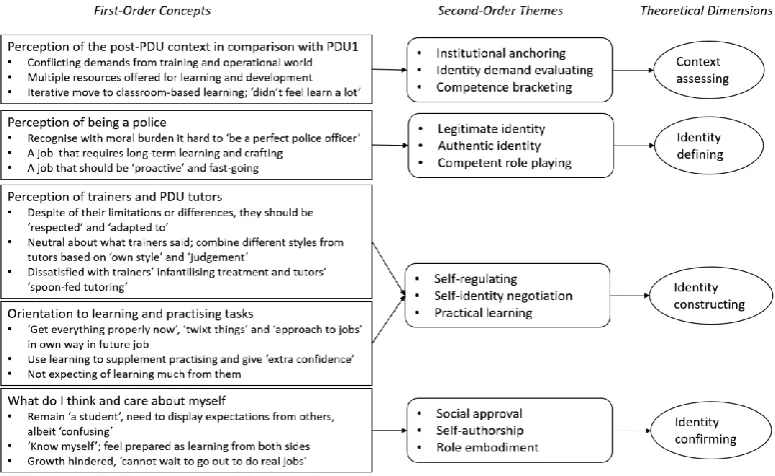
Figure 3.1 Data structure of identity construction in the first context………..77

Figure 3.2 Data structure of identity construction in the second context.…………..78

Figure 3.3 Data structure of identity construction in the third context………...78

Figure 3.4 Data structure of identity construction in the fourth context……….79

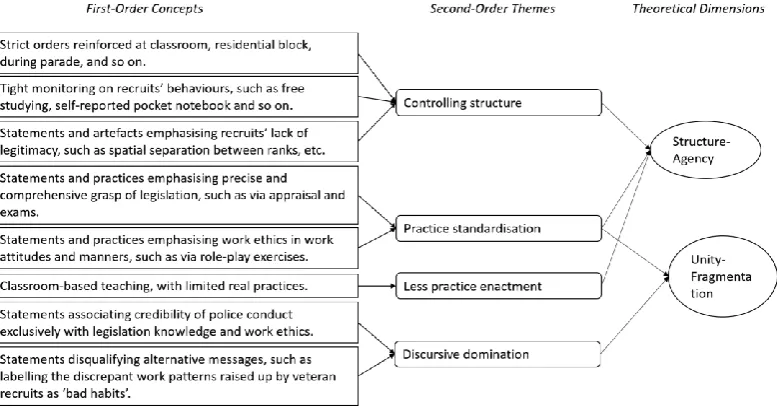
Figure 3.5 Data structure of characteristics of the first context .………79

Figure 3.6 Data structure of characteristics of the second context...………..80

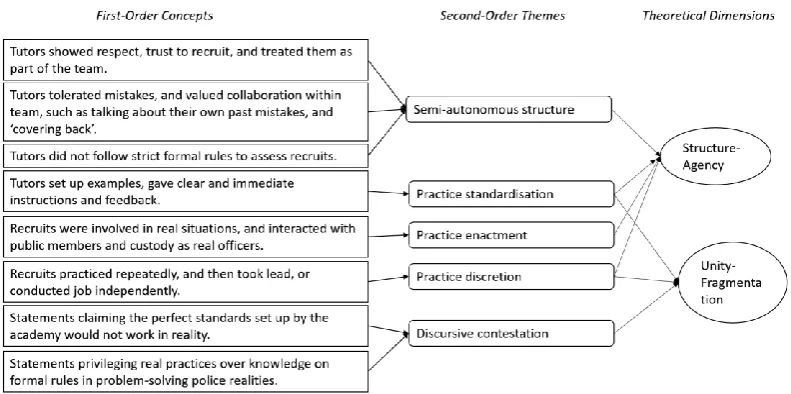
Figure 3.7 Data structure of characteristics of the third context ………80

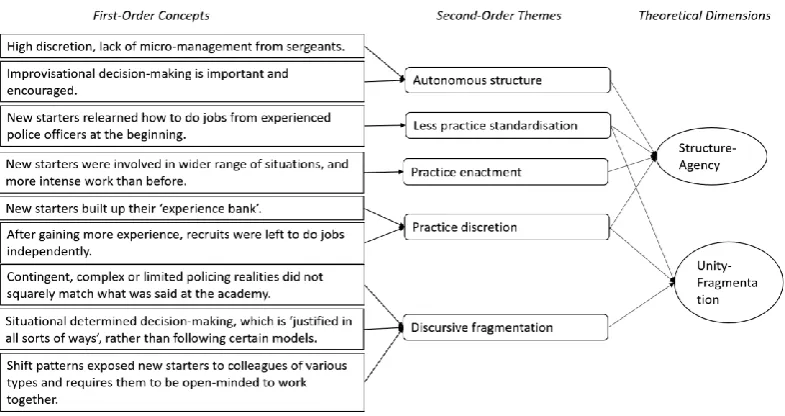
Figure 3.8 Data structure of characteristics of the fourth context...………81

Figure 4.1 Two-dimensional evaluation of social contexts ……….120

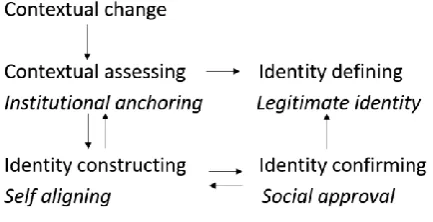
Figure 6.1 Identity work model ---- legitimacy seeking orientation ………195

Figure 6.2 Identity work model ---- authenticity seeking orientation ………..195

(8)

Acknowledgements

I would like to express my hearty thanks to my two supervisors, Professor Gerry McGivern and Professor Nick Llewellyn. Throughout the four years of PhD, they have afforded me extensive help and support in both work and life. They have generously imparted knowledge and experience to me, and enlightened me with creative ideas, without which I would not have learnt and evolved so much during the four years. Besides, they always push me to strive for higher achievement, which gives me impetus as well as confidence in conquering various challenges. Their trust, recognition and encouragement for me has vitally helped me go through many tough periods during the PhD. It is their amazing supervision that makes my PhD life a fruitful and stimulating experience.

I also wish to express my deep gratitude to Professor Tina Kiefer, Professor Kevin Morrell, Professor Keith Grint, Professor Juliane Reinecke, Professor Kim Hoque and many other professors at WBS, as well as the scholars I luckily came across during academic conferences. Their valuable and inspiring feedback or suggestions to my PhD work has also helped me crucially in developing my thesis.

Equally, I am deeply grateful for the unyielding support from my dear friends, Anne Antoni, Lauren Schrock and Sunhye Lee, who are incredibly vital in my life. Without their understanding and company, this journey could be much tougher.

My parents have sacrificed a lot for me but asked for nothing. They are the reason for what I do today. They have made my life worth living.

(9)

Declarations

I hereby declare that this PhD thesis entitled ‘Legitimacy seeking, authenticity seeking, and practitioner ---- identity orientations in the process of identity work: A case study of newcomers in a UK police force’ has been carried out by me under the guidance and supervision of Professor Gerry McGivern and Professor Nick Llewellyn. It has been submitted only for the degree of Doctor of Philosophy in Organisation Studies in Warwick Business School.

Ye Liu

(10)

Abstract

In this thesis, I analyse the identity work process of police newcomers in a large UK police force. Predicted on the view that identity work is an ongoing dialogue between individuals and the social contexts they encounter, this thesis contributes the conceptualisation of identity orientation to capture the specific pattern of identity work that varies among individuals and is relatively consistently held by them across social contexts. With this concept, new dimensions are added to identity work theorisations. First, I argue that individuals’ pattern of identity work is determined by and determines, to a large extent, the specific way they relate the self to the situated social context, which has been found to be preoccupied with legitimacy, authenticity or practical competence, though not exclusively, among different individuals. Second, I argue that rather than fixed identity meanings, individuals’ sense of stability is provided by the identity orientation that they draw efforts to maintain amidst fluid and contradictory social experiences.

In addition, the thesis also derives a focused examination on the social contexts with which the newcomers engaged to coproduce their identity. The analysis generates a two-dimensional evaluation framework that enables understanding multiple social contexts as an unfolding process, wherein the enabling and conditioning elements for different orientations of identity work are changing. The framework could therefore be utilised as an integrative and processual analytical tool for assessing contextual conditions in identity work research.

Finally, I argue that identity work process is a dynamic and two-way communication between individuals’ striving identity orientation and socially offered

(11)

Abbreviations

LPA: local policing area (i.e. police station)

PDU: police development unit (i.e. tutored placement session)

PCSO: policing community support officer

SP: special constable

IPLPD: initial policing learning and development programme

(12)

Chapter 1 Introduction

1.1 Original ideas

My PhD study originated from my curiosity regarding individual identity formation when entering into a new cultural, occupational and/or organisational environment. Observing from the socialising experiences of both myself and others, I was intrigued by two things. First, socialisation is commonly understood as a process wherein newcomers acquire some collectively shared attributes, habits, values and memories, yet simultaneously make their own choices and form quite heterogeneous identities (Ibarra, 1999). It seems that people vary considerably in their ways of interpreting and responding to an identical or similar array of events, people, relations and rules in any given new environment. These internal dialogues and social interactions often accumulatively channel people in significantly different directions over time. This could be seen, for instance, among freshmen of the same university intake, whose different attitudes and orientations to their initially shared university life gradually develop into divergent ways of being a student in the following years. The question follows, what are the key different aspects among newcomers during socialisation that lead to their later variation of identity?

The second thing that drew my attention was the tension between newcomers’ aim of seeking a relatively consistent understanding of the norms, values and rules of the new social context (Mead, 1934; Van Maanen and Katz, 1979), and the complex, contradictory and fragmented clues they actually receivced from the encountered experience. Admittedly, structured interventions, such as systematic induction or training, are constructive in guiding newcomers to ‘fit in’ (Van Maanen and Schein,

(13)

their identity construction and strive for a coherent and progressive life (Gergen and Gergen, 1997; Giddens, 1991)?

1.2 Study aims and methods

Started with interests and fundamental assumptions, I constructed the theoretical landscape for this research by iteratively reviewing my pre-existing understanding of the subject and adding to it with critical reading of pertinent literature. Through this course of intellectual efforts, my interest in the broad filed of identity construction was narrowed down to the frame of ‘identity work’ at individual level

(Sveningsson and Alvesson, 2003; Watson, 2008), though theoretical resources beyond this scope were also drawn upon open-mindedly. The nature of identity as a temporary product of the ongoing interplay between individual agency and multiple or dissonant social regulating forces is well understood within the ‘identity work’ camp (Davies and Thomas, 2003; Sveningsson and Alvesson, 2003), allowing an in-depth focus on the identity producing process which is anything but stable and orchestrated. Moreover, this approach highlights and deliberates various forms (e.g. narrative, dramaturgical, relational and so on; Down and Reveley, 2009; Snow and Anderson, 1987), initiative levels (e.g. pre-emptive or passive; Lutgen-Sandvik, 2008; Sveningsson and Alvesson, 2003), and inner processes (e.g. inward and outward; Beech, 2010; Watson, 2008) of individual agency. Therefore, this study’s attempt of probing nuanced individual variation resonates with and finds considerable insights from this theoretical stream.

(14)

Instead, identification-oriented studies (i.e. based on a relatively static and coherent view of the collective identity) have provided more insights regarding different means and ends in identity construction (e.g. Ibarra, 1999; Pratt, 2000b; Pratt et al., 2006). However, they do not address individual variation from the lens of individual-context dialogue, or go into great details on the specific critical events and processes that stimulate and reinforce varied individual agency.

Following the theoretical exploration, this study sets out to explore and hopefully systematically frame the main differences between identity constructors in their social interactions during socialising periods. By doing so, it aims to contribute more ‘applicable’ remarks to help practical and scholarly readers recognise and understand individuals involved in identity work, rather than merely delineating a historically and socially localised story for its own value.

Moreover, coming from a social constructionist origin, identity work scholarship is inherently sensitive to the co-existence of incongruent discourses, structures and norms, and the unstable nature of social realities. Some studies substantially examine the identity work driven by a momentary crucial event or radical change wherein conflicting meanings are encountered, so that identity work is principally about assembling socially contrasting or dispersed elements (e.g. Clarke et al., 2009; Thomas and Davies, 2005). Another host of studies explore the identity work preoccupied with fabricating chronologically fragmented episodes into desirable life story (e.g. Ibarra and Barbulescu, 2010; Watson, 2009). Nevertheless, there has been relatively little attempt at combining both temporal and social inconsistency into one picture. In fact, the organisational life unfolding in front of the eyes of fresh newcomers, due to their unfamiliarity with the new field, often entails sense making of disjointed meanings from both spatially and temporally dispersed spheres (Louis, 1980). Among other things is the need to adjust self-understanding by integrating the past elsewhere ‘self’, the present living ‘self’ and the future aspired-to ‘self’. Given

this, this study is also intended to investigate newcomers’ identity construction from their own point of view, and pay particular attention to how they interweave multiple elements in the socialising process into an identity they desire and strive for.

(15)

qualitative study (Pettigrew, 1990), which helped to critically unveil the nuanced individual differences and zigzagging processes of newcomers’ identity construction.

The methodology was chosen based on two considerations. Firstly, the subtle interplays between individuals and what occurs in their socialising experience could only be captured when both the individuals and the contexts are well comprehended (Alvesson, et al., 2008; Sveningsson and Alvesson, 2003). This means that a long-term and intimate engagement with the studied subjects and the environment in which they are situated is necessary. Secondly, the potentially inconsistent and ephemeral identity statuses during the identity building process could be effectively captured when data were gathered timely and freshly from fieldwork (cf. Down and Reveley, 2009; Lutgen-Sandvik, 2008; Watson, 2008). Based on these considerations, I spent 10 months doing on-site observation within the workplace and performed interviews with newcomers at four points during the initial entrance period, which afforded me surprisingly affluent and relevant data.

Furthermore, the study was contextualised in a new intake of operational policing within a large English police force. On the one hand, this type of prototypical occupations often requires newcomers to observe substantial social prescriptions attached to their social category (Hughes, 1956; Kreiner et al., 2006b). On the other hand, it is widely acknowledged that the actual policing routine is, in contrast, highly discretional and permits crucial room of job crafting (Gordon et al., 2009; Lipsky, 1980; Van Maanen, 2010; Wrzesniewski and Dutton, 2001). Also frequently noted are the discrepancies between divisions (Constable and Smith, 2015) as well as individual actors (Waddington, 1999). These features jointly render the chosen context a ‘revelatory’ case (Yin, 2009). Within this occupational setting, the divergence of

individual work identity was prominent and thus easy to recognise, and diverse and mutually contesting resources could also be expected to exist and impact newcomers. As the outcome of this study shows, the context of police identity construction does prove a fertile ground for examining idiosyncrasies, over-time transitions, and subtle iterations in identity work.

(16)

there has been a paucity of commentaries generated from the perspective of the people who are directly involved in the training and recruitment (Constables and Smith, 2015; Lee and Punch, 2004). In addition, since the implementation of Winsor’s recommendations (i.e. a series of reforms in recruitment, promotion, pension scheme and so on in English and Welsh police forces), although much attention has been paid to direct entry at higher ranks in the police sector (cf. Loveday, 2013; Smith, 2015; etc.), hardly anything has been said about the externally recruited police constables. With an in-depth and longitudinal investigation of the socialisation process of the new intake, this thesis aims to offer relevant and convincing information and suggestions for practitioners in the police sector.

1.3 Outline of the thesis

To elaborate on the theoretical background, research process, empirical findings and key arguments, the thesis main body is structured as follows.

In chapter 2, I will build up my understanding on the central inquiry by critically reviewing the existing theoretical resources. Since the inquiry is contextualised in the particular occupation of police, studies of the police will be explored first to familiarise myself and the reader with the occupational environment where the identity work in question took place. Also, with the aims of adding dimensions to the theoretical field of identity work, I will provide a review on a wide range of literature that is relevant to my thematic interests of inter-individual variation and intra-individual coherence. Based on the critical reading of these two sets of literature, I sharpen my research interests and phrase them into two specific research questions.

Chapter 3 will present in detail the methodology of the present research. I will explain the philosophical underpinning, the macro and micro research setting, the data collection activities and products, and the process of analysis. In the end of this chapter, I derive some reflexive and critical evaluation of the chosen methodology.

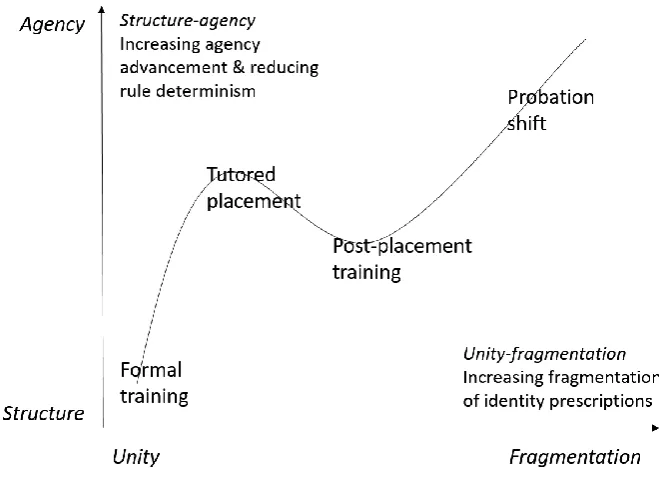
Chapter 4 and 5 will present empirical findings respectively of the social contexts and individuals’ identity work. Specifically, the study found the entire

(17)

situated newcomers in distinctive social contexts. To deepen our understanding of the identity work, Chapter 4 will delineate these social contexts in a chronological order and then derive a comparison between them to evaluate the major contextual

transformations through the process of socialisation, whereby a two-dimensional

framework is developed and employed for the evaluation.

Chapter 5 will analyse the specific identity work processes of newcomers’

identity work across the four contexts, which were identified to be undertaken in three

main patterns among the studied newcomers, which I term as legitimacy seeking

orientation, authenticity seeking orientation and practitioner orientation. Following

this, the three patterns of identity work will be compared to pin down four key aspects that contribute to the variation between individuals. To facilitate explanation, the comparison is illustrated in a 3-by-4 table.

In chapter 6, I will derive theoretical reflections on the empirical findings. Predicted on the view of individuals’ identity work as an ongoing dialogue between

their agency of identity construction and the influences from their situated context on their identity, I argue that the identity orientation they adopt is what makes them engage with social contexts in a specific way and pursue a specific version of social or work identity. I then demonstrate how the concept of identity orientation could be applied in differentiating the identity work among individuals in the same context, and how it helps understand the micro processes of identity work and the tension between identity stability and fluidity.

In chapter 7, I will offer practical implications for the police sector. Specifically, evaluation and advice will be given to the initial training and tutored placements for police recruits, which were found to be significant for police novices to progress into competent police officers. In addition, grounded in the findings of the socialisation experience of externally recruited police newcomers, reflective implications will be given to evaluate and offer advice for the recruitment reform in English and Welsh police forces implemented after Winsor’s recommendations.

(18)

Chapter 2 Literature review

2.1 Introduction

Among the various interconnected theoretical positions, a widely shared vantage point in identity scholarship is the dialectic between social-identity (i.e., socially prescribed identity) and self-identity (i.e., what one takes him/herself to be). On the one hand, socially imposed identity penetrates into individual actors’ sensemaking and

behaviours (Alvesson and Willmott, 2002; Watson, 2009). On the other hand, individuals could also negotiate the personal version of identity against various social shaping forces (Ashforth and Kreiner, 1999; Costas and Fleming, 2009; Sveningsson and Alvesson, 2003). This dialectic is especially salient when the work identity is prototyped socially and historically (Hughes, 1956), and/or characterised by its esoteric set of attributes, values, intentions and norms (Ibarra, 1999; Pratt et al., 2006), in that individual members often need not only to acquire the readymade identity, but also to retain their distinctive and authentic identity (Kreiner et al., 2006b; Wrzesniewski and Dutton, 2001).

The work identity of police officers involves similar, if not more intensive, tensions. Undeniably, on a broad level, it plays an imperative role and has a considerable impact on the society. Thus, it is bestowed with an influential and admirable identity by the public. Also, the occupation has its own expertise, skills and moral standards that grant it a highly specialised and competent status superior to the general society (Conti, 2009; Manning, 2008; Waddington, 1999). Besides, the high discretion in the job also affords individual members substantial latitude to establish themselves as heroic, competent and distinctive figures (Fielding, 1984). Even so, the police identity also involves negative ascriptions, especially the stereotyped characteristics of forcefulness and insensitivity. As Van Maanen sharply points out, ‘the occupation lacks the institutional status and social prestige that leads managers

(and outsiders) in other organizations to trust so-called professionals to control themselves’ (2010: 114). With these conflicting aspects interwoven in the police

(19)

Furthermore, the entry process that police newcomers undergo could make the dialogue of identity construction more fluid and iterative. Generally speaking, as detailed in police studies (Fielding, 1984; Hopper, 1977; Van Maanen, 1973), the initial training and real policing are critically different contexts, presenting differential elements of the occupation and demanding inconsistent cultural scripts and behavioural standards. Hence, the social-identity’ that police newcomers set out to absorb and negotiate might transform over time and involve contradictory meanings.

Since concrete knowledge of the context is vitally important to uncover the identity construction that occurs there (Langley and Abdallah, 2011; Sveningsson and Alvesson, 2003), I shall first locate the identity issue within the police setting by examining the various aspects of this occupation pertaining to individual work identity. Based on a deeper understanding of the empirical context, I will sharpen my theoretical approach to the inquired issue by specifying the thematic focuses and critically reviewing the relevant articles on the themes. In the end, by drawing on these two parts of deliberation, I will formulate the research questions of this study.

The aim of this chapter is to set up the inquiry by drawing upon and raising questions to the existing scholarship of police and identity.

2.2 Understanding police identity

(20)

Grounded in a reflective and integrative reading of these resources, I found identity construction from the entry point could be understood as a transition process in three aspects: 1) socializing into a highly distinguished social group whose boundary and image are shaped by societal and organisational discourses; 2) acquiring policing expertise, skills and norms to be able to perform the job competently, and 3) crafting a policing style that agrees with personal characteristics and perspectives. More precisely, these three aspects of transition correlate with three principal dimensions of the occupation that contribute to the formation of the work identity, namely the historically and socially ascribed identity (Ashforth and Kreiner, 1999; Kreiner et al., 2006b), the governing rules and norms of job practices (Ibarra, 1999; Pratt et al., 2006; Van Maanen andSchein, 1979), and the personalised work persona in conducting routines (Sveningsson and Alvesson, 2003; Van Maanen, 2010; Wrzesniewski and Dutton, 2001).

Since newcomers inevitably encounter these three facets of police identity, their identity construction could be metaphorically regarded as negotiation between self-identity and social-self-identity in three arenas, with social discourses, practice and agency respectively being the core tension of each arena. The rest of this section will be devoted to an in-depth evaluation of the police identity in the three arenas.

2.2.1 Police identity at social arena

Police is a long-established occupation. On a broad level, its existence is significant for political and social security and stability. It is also interactive and interdependent with the public. Police officers and their work not only serve organisational objectives and are managed by the organization, but also contribute significant influences on and receive appreciation and monitoring from the public (Lipsky, 1980). The positive presence of the police in books, films, newspapers, and other media, be it real, artistically dramatized or politically constructed, establishes a heroic image in the public’s perception. Even a 5-year-old child knows how to mimic

(21)

Consequently, these external discourses could be the original, and perhaps deepest, vessel of definitions of police identity for most newcomers. When stepping into this role, police rookies switch from an antagonist to a protagonist position among these discourses. In parallel, for these novice members of the police force, these discourses are transformed from perceptions, expectations and demands to responsibility, duties as well as dignity. As Waddington vividly states, ‘the vision of a “thin blue line” not only places the police in the position of valiant protectors of society,

but also of those who are knowledgeable of the dark side of society and therefore, in a uniquely privileged position to apprehend the danger that threatens’ (1999:299). In the eyes of the public, the positive police identity—dominated by rationality, masculinity, rich social knowledge, practical capability, altruism, integrity, fairness and so on (Conti, 2009; Chappell and Lanza-Kaduce, 2010; Hopper, 1977; Van Maanen, 1973)—becomes what new entrants need to absorb into themselves.

On the other hand, however, the police have also been associated with ‘dirty work’, ‘harm’, ‘coercion’ and ‘trouble’, and are often alineated from the public. It is

believed that their core tasks involve the use of force and violence, and interfacing with disorder and the filthy, sinful side of the society so that most policing work is conducted away from public sight (Bittner, 1970; Manning, 1977; Van Maanen, 1978). The presence of the police is a reminder of the permanent existence of threats of disorder and crimes and provisional peace and order in the living environment (Dick, 2005).

Therefore, attitudes towards the police are ambiguous and ambivalent (Douglas, 1966). These contested discourses about the police, in effect, jointly create an ‘aberrant and sacred’ image (Manning, 2008) of the police that distances this occupational community from the rest of the society, or in another word, ‘mystifies’ it (Goffman,

(22)

Additionally, this in-group identity of the police has also been observed to exist as rhetoric (Waddington, 1999) or front-stage presentation (Dick, 2005; Manning, 2008). Regarding this point, social constructionist views of identity could lend deep explanation. As many theorists argue, identity narratives stressing integrity and coherence of an individual or collective are often used to symbolically define a self against others so as to essentialise some desirable and sustainable qualities of the self (Brown, 2006; Costas and Fleming, 2009; Watson, 2009; Ybema et al., 2009). In fact, some scholars believe that identification and disidentification could be adopted as a strategy to optimize one’s position in a competing and multi-ordered context (Creed at el., 2002; Garcia and Hardy, 2007).

The symbolic use of identity, while never applied as explanatory tool in police literature, echoes many critical issues of the police. For instance, it has been noted that the ideology that callously distances and demonizes members of the public who are ‘potential offenders’ is deliberately established for the instrumental purpose of

enforcing the authoritative position of police in the society. Thus, this ideology facilitates officers’ enactment of compiling authority over public members in

face-to-face encounters (Alpert and Dunham, 2004; Skolnick and Fyfe, 1993; Van Maanen, 1978).

That is to say, identification and attachment with the group could be not just stimulated by the critical and confrontational social discourses with the aim of defending and protecting oneself, but also initiatively chosen as a strategy to dignify oneself or support one’s presentation of self in interactions with the public. Yet, the

specific aspects that individuals identify with differ between the two situations: in the former situation, individuals could be more attached to the distinctive and superior dimension of the police social-identity, while in the latter one, individuals may focus more on the confrontational aspect.

(23)

compel individuals to attach themselves to the collective identity to gain desirable self-meanings, and enable them to play the law-enforcing role.

While these discourses are stable and unavoidable, the extent of their effects could vary considerably among individual members, as they could embrace, partially accept, negotiate with or even reject any of the discourses. Nevertheless, from the newcomers’ point of view, their autonomy in deciding how to approach these

discourses is extremely constrained by the initial training of new police recruits. It is widely acknowledged that this training invariably attempts to cultivate attitudes and values based on the idealised notion of the superior police identity (Constables and Smith, 2015; Fielding, 1984; cf. Conti, 2009; Chappell and Lanza-Kaduce, 2010).

Moreover, these profound role implications ultimately have to be embodied tacitly and tactfully in concrete practice (Down and Reveley, 2009). And the practices not only sustain social-identity in palpable activities (Goffman, 1963), but also condition individuals’ ability to carry out the social-identity they wish to embrace (Van

Maanen, 2010). Therefore, closely related to the essential dimension of social discourses is the practices involved in this occupation, which is elaborated below.

2.2.2 Police identity at practice arena

The socially entrenched aspect of police identity naturally raises the question of role performance in practical everyday realities. More specifically, the socially sanctioned rules are not merely a historical construction, but involve everyday contingencies (Gordon et al., 2009; Van Maanen, 2010). Hence, it is vitally important to look at the operational side of police identity, and assess how concrete experiences shape police officers’ identity.

A crucial body of organisation studies has offered insights into identity in established occupations, and many share the point that ‘what I do’ in combination with ‘how I do’ pivotally accounts for ‘who I am’ (e.g. Fine, 1996a and b; Sandberg and

Pinnington, 2009; Van Maanen, 2010). Individuals create meanings from direct engagement with ‘work content’ and ‘process’ (Pratt et al., 2006), including

(24)

constellation of situational definitions and become incorporated into self-definitions (Ibarra, 1999).

Among others, Pratt and coauthors’ (2006) study indicates that by performing

real tasks, medical professionals deepened, expanded or altered their notion of the work identity. The customisation of identity through work experience highlighted by these authors suggests it was not external perceptions, but squarely the routine activities that constituted and shaped their professional identity. Ibarra (1999) examines the deliberate self-crafting process of consultancy and banking novices, which shows how behavioural models of seniors were internalised, tried out and modified. It was through continuous trial of provisional behavioural imperatives in encounters with clients that the novices obtained thorough comprehension of who they wanted to be in their new positions.

Like many other discretional and esoteric occupations, ‘doing’ is also an essential component in police officers’ identity. Police scholarship acknowledges that, given

that the work outcome is constantly difficult to objectify, measure or judge (Lipsky, 1980; Van Maanen, 1980), ‘how the work is done’ becomes a primary yielding ground

of police identity and offers materials of identity talks (Fielding, 1984; Van Maanen, 2010; Waddington, 1999). For patrolling officers, not many high-profile incidents occur in daily routines; instead, restoring peace and order among citizens in, for example, domestic disputes or shoplifting incidents, is the most prevalent undertaking. It is the ongoing everyday activities that stage dramaturgical role performance. Then, the practical episodes turn into ‘cultural capital’ (Bourdieu, 1981 cited in Van Maanen,

2010) that sustains and stabilises identity.

(25)

transformation in their work identity over time (Fielding, 1984, 1988; Van Maanen, 1974; Waddington, 1999).

A number of police studies have contributed detailed reviews on police competence and practical knowledge (e.g. Bittner, 1967; Gordon et al., 2009; Muir, 1977; Van Maanen and Katz, 1979). However, most of them sketch policing competence from the perspective of external observers (Fielding, 1984), with a functional focus, rather than from an interpretive approach that views competence as significantly constitutive of and shaped by individual work identity (see exceptions Fielding, 1988; Van Maanen, 2010).

Given this, I build upon the perspective of conceiving ‘professional competence as a way of being’, advanced by Sandberg and Pinnington (2009), to evaluate police competence in association with work identity. This standpoint, as indicated by the authors, underscores the notion that professional competence is fundamentally a given existing status, constituted by the actor’s constellation of interrelations and interactions with the surrounding world. Therefore, competence is not an entity-like resource. Rather, it is the ongoing enactment of a niche, where the actor lives (or ‘exists’ in their

word) by practicing historically produced norms, interacting with other social actors and utilizing relevant tangible and intangible tools.

This idea is congruent with the practical dimension of police work identity discussed here. In the policing context, the notion of ‘way of being’ is highly relevant, in that how police officers deploy their motives, knowledge, skills and tools in relating themselves to role-set members reflects what kind of police officers they would like to be. For instance, Fielding (1984) and Van Maanen (2010) note that how offenders and victims in domestic incidents are pre-judged, treated, emotionally related to, advised and disposed by police officers suggests what role they take on for themselves and apply themselves to discharge. When choosing to be like a social worker, a friendly listener, a nonchalant professional or a big-crime fighter, different officers could deal with the same incident in different ways.

Another example of competence in the form of ‘way of being’ is the geographical

(26)

responsibility for the local area (Dick, 2015; Van Maanen, 2010). In this way, patrol officers’ specific relations with and experienced interactions in their local niche

become the direct source of their self-meanings.

The concept of competence as a particular way of being in a given context of practice has also been used by scholars to examine police newcomers’ fit-in process, albeit implicitly. One pertinent example is Van Maanen and Katz’s (1979) study on

how new police officers make sense of their working environment. They find rookie officers define their situations and direct their actions by drawing upon ‘temporal’ and ‘spatial’ knowledge, which respectively refer to the locally routinized processes or procedures, and normalised relations with various surrounding actors. By internalising these sets of knowledge, they could ‘account for and anticipate the recurring events of everyday life (Mead, 1930, cited in Van Maanen and Katz, 1979) in the workplace, and thereby grow into ‘competent’ officers.

Moreover, the competent way of being in this occupation could be far too ambiguous for new entrants to grasp in the first place. Apart from the localised norms mentioned above, the integration of formal accountability and practical flexibility is also a vital but elusive element in police officers’ everyday activities. It is widely

recognized in police scholarship (e.g., Harris, 1973; Fielding, 1984; Manning, 2008) that norms and cultural scripts of the operation sector are largely determined by the specific environment of policing, rather than formal prescriptions because the contingency of policing activities necessitates using rules flexibly and tailored to situations without breaking them (Gordon et al., 2009). Simultaneously, formal rules remain significant as they are organisational ‘licenses’, with which members of the

police should be able to use to account for their activities in line for managerial and public consumption (Dick, 2005; Gordon et al., 2009; Van Maanen, 1980). Thus, an essential aspect of competence that newcomers need to cultivate is the ability to address two levels of expectations by interplaying with organisational mandates creatively to construct legitimacy for pragmatic work routines (Bittner, 1967; Fielding, 1984).

(27)

permissible deviations in policing routines (Fielding, 1984; Gordon, et al., 2009), such as giving lighter punishment to offenders in exchange for important intelligence (Manning, 2008). Not until they have entered the operation sector—and only after reflective realisations—could newcomers recognise and construct this dimension of competence.

Indeed, newcomers’ pursuit of competence in the real policing context has been

reported as a process of building professional ‘common sense’ by gathering personal work experience and reflection (Fielding, 1984) and absorbing knowledge from seniors and peers in the workplace (Butterfield, et al., 2015; Gordon et al., 2009). Van Maanen (2010) defines the common sense in operational policing as a set of tacit knowledge for independent decision making that is developed from long-term policing experience. As he puts it,

‘a kind of presence of mind that leads an officer to a shrewd analysis of problematic situation and can be acted on in certain ways to achieve or at least try to achieve a desirable goal’ (2010:24).

As this definition suggests, although common sense is only consciously activated when officers run into complicated situations, it has a substantial knowledge base derived from certain stabilised attitudes and approaches in the work. Therefore, it could be reasonable to see common sense as a mental representation of the way the actor positions him/herself in relation to the various elements and roles involved in his/her work life. To illustrate, the valuable common sense of police officers in dealing well with widely diverse individuals (Fielding, 1984; Van Maanen, 1978) comes from the officers’ own experience of role performances in combination with empirically

deducted experience shared in the local policing community. These policing behaviours and the meanings extracted from them are already dominated by a certain policing identity (e.g., social worker or big-crime fighter). A relevant example is Llewellyn’s (2008) analysis of the narratives of an inspector during community

patrolling, which reveals that the implementation of rules had been heavily shaped by the inspector’s pre-judgement of certain groups’ attitudes, dispositions and motives.

(28)

often highlighted in storytelling during informal socialising. Even so, conversations concerning critical events where personal common sense is described do not completely constitute free expression of personally valued identity, as they are inevitably shaped by the perspectives of the listeners, and/or the prevailing cultural norms in the local community (Gordon et al., 2009; Waddington, 1999).

This tension suggests that while common sense and the integration of formal rules and practical situations could be calibrated by individuals creatively and idiosyncratically, they could not be entirely self-defensive and oblivious to established norms. This correlates with the widely embraced idea that practical competence involves, primarily, an ability to take roles of ‘others’ and perform the typical norms (Goffman, 1959; Mead, 1934; Sandberg and Pinnington, 2009).

Then, an ensuing question is how far police officers can—and would like to— depart from the prevailing norms and strive for their idiosyncratic work identity? This question leads to deliberation over the agency arena of police identity.

2.2.3 Police identity at agency arena

Due to high discretion (Fielding, 1984; Gordon et al., 2009; Manning, 2008), the occupation of policing inherently involves substantial latitude for job crafting and identity manoeuvring. In this situation, individual members’ agency has to be

(29)

Regarding the interface between the police and the public, one inevitable theme is police presence, which refers to police officers’ establishment of authority in encounters with the public, as determined by the mission of law enforcing and crime fighting. A considerable number of police study scholars have argued that it is a mandate as well as a strategy to maintain the ‘edge’ (i.e., a compiling position) in interactions with public members (Alpert and Dunham 2004; Skolnick and Fyfe, 1993; Van Maanen, 1978, 1980). On the one hand, since individual officers embody the image, worth, and dignity of the entire police institution, they are entailed to play their role following the ‘order’ with other role-set members (Goffman, 1959), that is, taking charge of situations and disposing of people they encounter. On the other hand, considering the devaluation and distrust from the public, the police deliberately maintain their authoritative position to repair and reinforce their role as a justice and law enforcers, and demarcate themselves from the immoral, disorderly and harmful characters with whom the public always associates the police (Van Maanen, 1978, 1980).

For these profound implications and effects of officers’ self-presentation, the

notion of police presence may even need to be extended beyond confrontational policing situations. For example, Fielding (1984) documents police presence deliberately managed in general social interactions. One probation officer, when recognised as a new face by local people, pretended to be an old-timer who was just transferred there, with the intention of maintaining his stature and authority in the public’s perception. Another officer whom Fielding reports chose to ignore the insults

directed at him by some people he encountered in order to avoid stigmatising narratives and protect the police image.

Importantly, however, a criticism has been raised that the authority-oriented presence should not be taken as a ‘monolithic and static’ culture in the police. Even if

(30)

and/or upheld by police officers, espouse values directly at variance with the notion of the police as the absolute authority. Therefore, one aspect of the agency in police identity is how individuals, with their personal values, cognitive approach to people, as well as absorbed alternative discourses, receive and negotiate against the norm of police presence in public encounters.

Moreover, when interactions with the public happen in situations of problem solving, idiosyncratic agency could also be manifested in the specific way officers choose to engage with other people involved (Wrzesniewski and Dutton, 2001). As mentioned earlier in the above subsection, when officers view themselves in different ways (e.g., as social workers, nonchalant professionals or crime fighters), they differ from each in terms of applied skills (e.g., persuasion, execution or coercion), communication manners (e.g., patient, professional or compiling), emotional and relational boundary (e.g., sympathetic, detached or confronting), and outcomes (e.g., advice-based disposals, procedure-following intervention or punishment) (see detailed review in Van Maanen 2010). Since operational policing officers are granted with great discretion in addressing incidents (Gordon et al., 2009), they have ample space for calibrating the quality and extent of interactions with the public based on their personal values, motives and proficiency (Sandberg and Pinnington, 2009). This is not dissimilar to what is found in other occupations featured with client-service or people-management, such as consultants (Ibarra, 1999; Sandberg and Pinnington, 2009), middle managers (Sveningsson and Alvesson, 2003; Watson, 2008), and nurses (Benner et al., 1996).

(31)

Furthermore, while external social discourses often define the policing world in black and white terms, newly hired officers normally transform from that dichotomous mentality to a more ambivalent perception of the world. As they experience more ambiguous or dilemmatic situations, such as dealing with first-time offenders or homeless shoplifters, they become less certain about attributing crime simply to the people involved themselves (Fielding and Fielding, 1991). Also, after seeing recurrent criminals, their anticipation of the impact of police and the efficacy of punishment could be severely eroded (Van Maanen, 1975; 2010).

These unexpected and disturbing discoveries or realisations have been found to give rise to the prevalent ‘instrumentality’ perspective (Cook, 1977 cited in Fielding 1984) and lay-low philosophy in the police (Van Maanen, 1973, 1975; Van Maanen and Katz, 2009). However, since these transitions in orientation to work involve officers’ personal sensemaking and ideological reformulation, they should be viewed as heterogenous at individual level.

Regarding this point, some correlations could be found in other occupations. First, the disillusion after entry has also been observed among medical students (Becker et al., 1961; Pratt et al., 2006) and accounting trainees (Grey, 1994) who are challenged with intensive training but assigned with ‘scut work’, that is, extremely

basic tasks for which they are overqualified. Under such circumstances, new professionals timely adjust their understanding of the job to what they do currently (Pratt et al., 2006), or cast the anchor of self-meanings towards a promising future (Grey, 1994).

Also, in some occupations people expand or reorganise their work content or change way of perceiving the work to amplify the value of their work and themselves (Wrzesniewski and Dutton, 2001). Fine’s (1996a) study of professional cooks is a classic example. By integrating small tasks into a coherent and ‘aesthetic’ project, the

cooks perceived their ‘aesthetic judgments’ and creative management in the otherwise basic yet intensive work. Similarly, in morally stigmatic occupations, people ‘reframe’ and ‘refocus’ the meanings of their work to glorify their work identity (see review in

Ashforth and Kreiner, 1999).

(32)

thing that has been noted is the individual judgements involved in this process (Fielding, 1984; Fielding and Fielding, 1991). Some police scholars point out individuals’ pre-entry experience and antecedent factors, such as socio-economic and

educational background, gender, age, accent, occupational status and so on (Dick, 2005; Fielding and Fielding, 1991; Van Maanen, 1978), could account for variation in job approach. Moreover, some researchers point out that with the attempt of obtaining acceptance and affiliation with the police community (Fielding, 1984; Van Maanen, 1973), newcomers may feel the urge to converge attitudes with the paramount local culture first and then rely on their own judgement. All in all, there is considerable space for individual agency in the process of negotiating with the limitations and critical elements of the work.

Besides, self-narrative construction is another dimension where agency is mobilised. Informal storytelling has been widely noted for its valuable role in sustaining a community. Whilst support from the society is scattered and the use of power involved in the job causes self-doubt, the ‘backstage’ talks (Goffman, 1959) help storytellers obtain social and affective support from in-group members. As a consequence, the phenomenon of mutual reassurance through informal communication, widely known as ‘canteen culture’ (Waddington, 1999), is frequently blamed for leading to a ‘self-serving’ mentality and in-group ‘insularity’ of the police

(Dick, 2005; Fielding, 1984; Reiner, 2000; Waddington, 1999).

Nevertheless, the stories, as a crucial form of self-articulation, may reflect rather diverse work personas than captured by the ‘homogeneous culture’ (Waddington, 1999). In Van Maanen’s (2010) ethnography, patrol officers all seemed to have their ‘signature’ of work, meaning their preferred work genre, specialised skills and

distinctive work personalities, which were made known and recognised among the shift through the sharing of work stories. Likewise, Manning (1977, 2008) has drawn upon the ‘entrepreneurial’ work pattern of a drug control department to underscore the officers’ discretion in recognising the boundary of ‘tasks’ and recognising their role

(33)

2.3 Understanding identity

Based on the exploration above, it is easy to see that the work identity of police contains multi-layered meanings. Therefore, it could be perceived differently by different officers or in different situations. Likewise, Alvesson and co-authors (2008) point to the example of McDonald’s, the fast-food chain, which could possibly be seen

as a service provider, a workplace characterised by Fordism, or a vehicle of Western culture. With this example, the authors argue that the multiple available ‘discursive spins’ concerning an identity allows individuals to make choices and change choices

at different times. The aforementioned three crucial sets of meanings of police identity are apparently interconnected, yet sometimes mutually conflicting, such as the social discourses dimension and the practical competence dimension. Given this situation, on the one hand, depending on the context, certain meanings might be principally presented to and/or imposed on newcomers through socialisation mechanisms or discursive practices. On the other hand, newcomers might tend to prioritise a certain anchor of meanings over the others. Therefore, under the joint influences of contextual conditions and individual selection, the identity construction of police newcomers should be a synergetic, iterative and dynamic evolution process.

The existing literature on police socialization and competence, however, often focuses on only one dimension, and frames the socialising process as a relatively linear transformation. Among all, Van Maanen’s (1973, 1975; Van Maanen and Katz, 1978) series of studies look at the socialising process mainly as a culturally ‘breaking-in’ process, and offer substantial ethnographic and statistical evidence on how novices’

motives, work attitudes, work mannerisms and personal characteristics are adapted or passively modified as a co-production of tough police routines and influence from supervisors and peers. This approach is in line with the conventional socialisation perspective (Van Maanen and Schein, 1979), which tends to direct less attention to subjective sensemaking and divergence between individuals within this transition process (Louis, 1980).

(34)

competence that newcomers need to discover. However, this abundance of intellectual resources sheds little light on ‘the specific process’ (Sveningsson and Alvesson, 2003)

in which newcomers evaluate, select or reconcile conflicting discourses, values and principles along the path of socialisation.

Conti’s (2009) and Chappell and Lanza-Kaduce’s (2009) studies are exceptional

in contributing insights into the process whereby newcomers’ loyalty, dignity, solidarity and identification were manufactured through specific discursive practices during initial training. Nevertheless, they have looked only at the initial stage, when the prevailing discourses focus on the social component of police identity. Thus, the identity constructed there is rather provisional, subject to change and only partially constitutive of the occupational identity. To substantially analyse the identity construction of police officers, it is necessary to scrutinise what they encounter in their daily routine and how they negotiate with the localised norms and cultural scripts (Fielding, 1984; Hopper, 1977; Van Maanen, 1973, 1975).

With this consideration in mind, I will build upon the scholarship of identity construction in general organisational settings to guide my inquiry into identity construction in the particular context of the occupational socialisation of police officers.

2.3.1 The focal ‘identity’ and ‘identity construction’

In the present study, the identity construction in question is at the interface between the occupational identity and the individual self-concept, and between an unfolding, new universe of social relations and interactions and individuals’ pre-existing knowledge and understanding of themselves and the world. This situation naturally invokes a certain degree of self-doubt and self-openness (Alvesson et al., 2008a; Sveningsson and Alvesson, 2003; Watson, 2008), and ensuing efforts to acquire a credible and desirable identity in the new social context. Therefore, the identity focused on here exists as only a temporarily achieved status (Beech, 2008, 2010; Sveningsson and Alvesson, 2003; Ybema et al., 2009) and, accordingly, identity construction is an ongoing process striving for a becoming identity. That is to say, the focal identity is the answer to the question ‘who am I becoming’.

(35)

in identity construction (see subsection 1.2)—lead me to two tensions of identity in building a fundamental understanding for the present inquiry. The first tension rests in the dialectic between structure and agency (Ybema et al., 2009) in identity construction. The critical situation of occupational socialisation inevitably entails acquisition of social norms and rules that govern practical conduct in the occupation (Goffman, 1959; Mead, 1934; Van Maanen and Schein, 1979) and trigger discovery, reflection and negotiation of self-concepts (Ibarra, 1999). Thus, the structure-agency tension could generate explanation to the focal issue of identity construction, especially the thematic interest of individual variation.

Second, another tension in identity construction concerns the ontological spectrum between stability and fluidity. The entry phase captivates newcomers in structural liminality (Turner, 1967; Conti, 2009), somewhere in-between their past work or general identity and the fully-fledged police identity, which lays the ground for a precarious and iterative identity status (Beech, 2010; Louis, 1980). Moreover, as mentioned earlier, the inconsistency of elements presented in the police socialisation path could further contribute to instability and contradictions, whereas what newcomers ultimately search for is a relatively stable and coherent work identity (Gergen and Gergen, 1997; Ybema et al., 2009), or the attainment of a quasi-stationary equilibrium in the new occupation (Pratt et al., 2006). Therefore, how individuals manage a balance between stability and fluidity in identity construction could also account for the focal identity construction issue, especially the second thematic interest. In the following section, an extensive review of these two tensions of identity will be presented.

2.3.2 Structure and agency

It is worth mentioning that ‘structure’ in this thesis is used to denote a specific

array of rules, norms, cultures, value systems or discursive regimes (Kunda, 1992; Grey, 1994), in conjunction with the practices and social relations set in place to reinforce them (Covelaski et al., 1998; Townley, 1993). ‘Agency’ broadly refers to an individual’s mental reflexivity, creativity and physical ability to express and enact

(36)

(1934) ‘society’ and ‘self’, Foucault’s (1972) ‘knowledge’ and ‘subjectivity’, Berger and Luckmann’s (1966) ‘institutional structure’ and ‘individual actor’, and Giddens’ (1984) ‘structure’ and ‘knowledgeable humans’. In different theoretical approaches,

the institutionalising power of macro structure and the range and quality of individual agency could be slightly different.

Symbolic interactionist perspective

First, from a symbolic interactionist stance, the impact of structure on identity is manifested in daily interaction or communication. ‘Structure’ is seen here primarily as ‘community’, an organized set of attitudes and symbols in social interactions eligible and accessible to everyone in the community, so that one could act in relation to others with the self-consciousness of whatever attitudes arise from others (Mead, 1934). That is to say, structure grants generalized rules for individuals to reference in social interactions within a community, from which individuals derive a socialised concept of self (Charon, 2004). In addition, in an individual’s inner world, reflexive thinking

could always react to the social self—for example, in terms of ‘self regulation’ and ‘self development’. It is via these thinking practices that community members obtain

a sense of selfhood ownership, and potential changes could be initiated in the social community (Mead, 1932, 1934).

Not dissimilarly, Goffman (1959), in his classic analysis of people’s everyday self-presentation, emphasises that personality, interaction and society are interlinked in ongoing interactions between performers and audiences. It is through a performer’s gestures, postures, verbalisations and audiences’ responses that a social situation is

defined among them and the performer receives a sense of ego. Therefore, whether the interchange between a performer and audiences proceeds as the intended order determines audiences’ judgement about the performer’s ability as well as that of the

entire group to which this performer belongs (Goffman, 1959: 165-166; Manning, 2008).

Another relevant study is Roy’s (1973) examination of informal interactions

(37)

constantly ‘discerned in the carrying out of the various informal activities’ and

ultimately form a system of rules about times and themes (1973: 218, cited in du Gay, 1996). Through these structured conversations, the subculture of the group as well as the workers’ identity were produced (du Gay, 1996).

These works give validity to the assumption that identity stems mainly from interactions in the social sphere in which an individual is embedded, and the rules and orders created or reproduced in these interactions constitute this individual’s identity. They also emphasise that under a prevailing structure, there is a high level of homogeneity among individual identities in that enclosed social sphere. Moreover, Goffman (1959) distinguishes between back-region for breaks and front-region for self-presentation. Roy (1973) notes the division as well as integration between work and leisure in workers’ identity. These positions indicate that apart from the dominant

structure that determines the reproduction of identical identity, there is a space where individuals could reflect upon the structure-prescribed identity (Mead, 1932), and/or distance themselves from it (Goffman, 1959, 1961).

These theories have underpinned a vast number of socialisation studies. Following their assumptions, ‘appropriate mannerisms’, role expectation, occupational norms, local culture, and professional presence have been stressed as crucial aspects that newcomers require in order to settle in the new role (e.g. Dixon at al., 2012; Van Maanen and Schein, 1979). Van Maanen and Katz (1979), for instance, assert that knowing how to play one’s role in front of various inside and outside

audiences is a necessary part of integration into the new work group.

Another body of socialisation literature, with similar assumptions, devotes attention to organisational techniques in establishing an encapsulating structure and reconstructing newcomers’ identity (‘divestiture socialisation’ in Van Maanen and

Schein, 1979) (e.g., Conti, 2009; Kanter, 1972; Snow and Machalek, 1984). Pratt’s (2000) study of Amway’s managing of salespeople’ identity offers an extreme case of how organisations reconstruct employees’ identity by using exclusive ideology and

interpersonal relations.

(38)

meanings (Ibarra’s study is exceptional in this respect). In other words, this cluster of

socialisation studies inspired by symbolic interactionism tends to overemphasise the determination and entirety of structure, and pays less attention to individual agency.

Another group of studies addresses identity construction from a more interactive and native perspective, and maintains that the process is not a matter of one-sided role internalisation, but a mutual adaptation between personal mental, physical status, preferences, etc., and organisationally situated roles (Ashford and Taylor, 1990; Hughes, 1956). Ibarra’s (1999) study is one of the most convincing in this stream. She notes that after moving into a higher position, junior consultants were motivated to ‘convey a credible image long before they [had] fully internalised the underlying professional identity’ (p. 764). By saying this, she suggests a gap between what is delimited by the dominant presentation rules and what individuals reflexively perceive themselves to be. With this underlying perspective, Ibarra probes into junior professionals’ internal processing of interactions with mentors and clients and

discovers the significant influences of these reflections on their identity building.

Alternatively, when individuals’ self-meanings are stronger than prescriptions of

the dominant structure, social interactions could be engaged in less as part of an identity defining process, but more as a stabilising or confirming process. For instance, the manager in Down and Reveley’s (2009) study, in contrast to the junior professionals in Ibarra’s (1999) study, demonstrated more independence and initiative

in his conceptions of who he was and who he would like to be. Hence, day-to-day interactions principally served to consolidate his manager identity. Van Maanen’s

(2010) study of police patrolmen also suggests that the informal communication of police officers functions mainly as a stage where officers express their characteristic work identity, rather than a vessel of moulding identity.

(39)

Foucauldian perspective

Another theoretical stance profoundly addressing the structure-agency tension is influenced largely by Foucauldian theories (1972, 1977, 1980). According to this lens, dominant structure shapes individuals’ identity through the nexus of knowledge and power. ‘Knowledge’ arbitrarily produces meanings of the external world and individuals, whereby individuals’ construed self and their conduct is governed. In

organisational setting, knowledge, in the form of dominant discourses, seems appealing to individuals and constitutes their self-understanding, which in turn reproduces the fundamental structure. Also, by exercising disciplinary practices, such as surveillance, ranking and punishment, individuals are turned into self-regulating subjectivities, so that the structure is permanently imposed on them.

In identity literature, Foucauldian concepts underscore investigation on identity as a production of managerial regimes in the disguise of benevolent discourses or treatments (e.g., Alvesson and Willmott, 2002; Grey, 1994; Grey and Costas, 2014; Knights and McCabe, 2003; Townley, 1993), which propels individuals to undertake a project of self-discipline and -regulation with an illusion of self-actualisation (e.g., Fleming and Sturdy, 2009; Grey, 1994; Thornborrow and Brown, 2009).

An illuminating case is Grey’s (1994) study of accounting trainees. The

discursive and non-discursive elements (e.g., professional image, dress code, performance appraisal, formal and informal feedback, social networking events, and so on) centralized around professionalism and career development prompted newcomers to keenly align themselves with the elite role models in terms of work and lifestyle. Thornborrow and Brown (2009) have made similar observations of UK paratroopers, including both novices and veterans, whose subjectively aspired identity is deeply invested in organizational dominant discourses, which were reinforced through surveillance and storytelling arousing pride and solidarity (e.g., Willmott, 1993).

Figure

Figure 3.1 Data structure of identity construction in the first context
Figure 3.2 Data structure of identity construction in the second context
Figure 3.4 Data structure of identity construction in the fourth context
Figure 3.6 Data structure of characteristics of the second context
+4

References

Related documents

The more urgently everyday politics called for practical measures, the more sharply stood out the finding of natural science: The social misery has its roots far, far deeper down

The work presented here supports the prevailing view that both CD and IOVD share common cortical loci, although they draw on different sources of visual information, and that

This research paper sought to investigate four affordable housing units built by the Government of Liberia and see whether the conditions they provide for residents are

demon’s player may choose to gain the rote quality on the roll. Alternately, the player may choose to reroll all dice on a roll after the dice are rolled, but he must accept

12 Data Science Master Entrepreneur- ship Data Science Master Engineering entrepreneurship society engineering. Eindhoven University of Technology

The model theorizes the possible relationships between career-growth, social interaction, security and economic, stability and freedom, recreation, health and transport,

In many cases, a strong governance structure has evolved with the growth of the project (e.g. The notion of “public good” is also very complementary to the philosophies

Rather, it merely acknowledges that any conceptual mapping of the ICL field would be incomplete without featuring the prosecutors belonging to the International