University of South Carolina
Scholar Commons
Theses and Dissertations
2017
Causes Of Satisfaction And Disatisfaction For
Diversity Resident Librarians – A Mixed Methods
Study Using Herzberg’s Motivation-Hygiene
Theory
Jason Kelly AlstonUniversity of South Carolina
Follow this and additional works at:https://scholarcommons.sc.edu/etd Part of theLibrary and Information Science Commons
This Open Access Dissertation is brought to you by Scholar Commons. It has been accepted for inclusion in Theses and Dissertations by an authorized administrator of Scholar Commons. For more information, please [email protected].
Recommended Citation
CAUSES OF SATISFACTION AND DISATISFACTION FOR DIVERSITY RESIDENT LIBRARIANS – A MIXED METHODS STUDY USING HERZBERG’S
MOTIVATION-HYGIENE THEORY
by
Jason Kelly Alston
Bachelor of Arts
University of North Carolina at Wilmington, 2005
Master of Library Science
North Carolina Central University, 2008
Submitted in Partial Fulfillment of the Requirements
For the Degree of Doctor of Philosophy in
Library and Information Science
College of Information and Communications
University of South Carolina
2017
Accepted by:
Paul Solomon, Major Professor
Nicole Cooke, Committee Member
Karen Gavigan, Committee Member
Dick Kawooya, Committee Member
ii
iii
DEDICATION
To my three grandmothers, Lela Richardson Alston, Edna T. Kelly Anderson, and
Mildred Suggs Blount, who lived to see me begin my Ph.D. process, but were not able to
see me complete it. I thank you for the way I was raised, and for the values you instilled
into myself and the rest of the family. The life lessons you all taught your children,
grandchildren and great-grandchildren laid the foundations for all of us. All of the good
iv
ACKNOWLEDGEMENTS
I must acknowledge my biological mother M. Rena Anderson and other mother
figures: Florence Harrison, Leslie Madden, Rosa Watkins, Yolanda Bostic, Debbie
Kearny-Scott, Miranda and Ceneida. Biological father Clifton C. Alston and other father
figures: Jerome Offord, John Madden, William Evans, J.R. Smith, Walter Anderson. My
siblings Tanika, Atari, and Aneudis, my ten nieces and nephews, and multitudes of aunts,
uncles, and cousins. Also my brothers and sisters in Zeta Phi Beta Sigma, especially my
line brothers Fury, Cyntelle and Norman, plus M. Clayton Barrier and Devaris Davis.
The faculty, staff and students at USC SLIS with special thanks to my committee
members as well as Sam Hastings, Jennifer Arns, Kendra Albright, Elise Lewis, Carolyn
Delton, Sarah Keeling, Chuck Curran, Angela Wright, Zamir, Anmol, Sara, and Maria.
The supportive former coworkers I had at Midlands Technical College, Forsyth
Public Library, the Henderson Daily Dispatch, Wagoner Dining Hall, and especially
UNC-Greensboro, of which there are too many to name in this limited space. Also,
professional supporters from NC Central University, ARL, BCALA and elsewhere. My
transcription team, especially Rachel Hillcoat, Mia Mitchell and Derrick L. Thompson.
Finally good friends, of which I want to name more, but I only had one page:
Jessica Thompson, Mike and Mishelle Dixon, Anya Davis, Crissi, Robert Greene, Aki,
Christal, Keyatta, Kelvin Watson, Lori Ruffin, Natalie M. Smith, Renee Johnson, Jon
v
ABSTRACT
Diversity residency librarian programs are post-MLIS programs aimed at
providing recently graduated professionals with real work experience, with the expressed
goal of recruiting and retaining a more-diverse workforce in professional librarianship.
This mixed-method study is one of the first empirical studies examining diversity
residencies, which – at the time of this writing – have existed for more than 30 years. The
study identifies concerns raised in the mostly anecdotal literature about diversity
residencies, and 102 individuals identified as current or former diversity resident
librarians participated in the quantitative portion of the study. In the quantitative portion
of this study, there were four factors derived from the literature that correlated positively
and significantly with the residents’ overall views of their residency experiences. Those
four factors were:
1. Quality of effort as perceived by the resident that administration
and/or residency coordinators dedicated to garnering support for the residency
from library faculty and staff.
2. Perceived quality of assessment practices of the residency
program.
3. Level of professionalism of job duties expected of the diversity
vi
4. Perceived effectiveness of the residency in preparing the diversity
resident for his or her next professional appointment.
In the qualitative portion of this study, 11 current or former diversity residents
were interviewed and six emergent themes arose wherein diversity residents encountered
satisfaction or dissatisfaction when certain elements were present in the residency
experience.
The six emergent themes were:
1. Knowledge of who the residents are, what the residency is, and why it was
established combats institutional hostilities and confusion, reducing resident
dissatisfaction.
2. Diversity residents can avoid dissatisfaction with appropriate guidance and
support from coordinators, supervisors, and administrators.
3. Opportunities to perform meaningful, challenging, and innovative work
can generate satisfaction in diversity residents.
4. Job dissatisfaction occurs with lack of assessment, unpreparedness, and
failure to communicate residency intent to residents.
5. Satisfaction emerges when a resident achieves growth and “advancement”
during the term that appears to improve future job outlook.
6. Effective mentorship practices can remove job dissatisfaction during the
vii
TABLE OF CONTENTS
DEDICATION ... iii
ACKNOWLEDGEMENTS ... iv
ABSTRACT ...v
LIST OF TABLES ... viii
CHAPTER 1INTRODUCTION ...1
CHAPTER 2LITERATURE REVIEW ...15
CHAPTER 3METHODOLOGY ...46
CHAPTER 4RESULTS AND HERZBERG FRAMING ...64
CHAPTER 5DISCUSSION AND CONCLUSION ...185
REFERENCES ...213
APPENDIX A–SURVEY INSTRUMENT QUESTIONS ...233
APPENDIX B–QUALITATIVE INTERVIEW BASE QUESTIONS ...240
viii
LIST OF TABLES
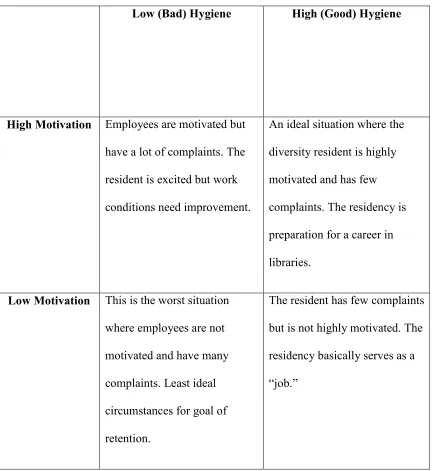
Table 2.1 Herzberg-based Motivations and Hygienes Comparison Table ...45
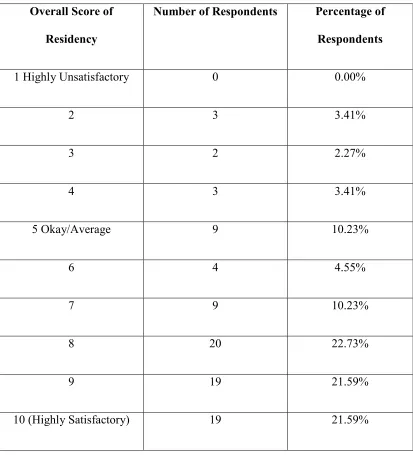
Table 4.1 Distribution of Overall Residency Ratings ...164
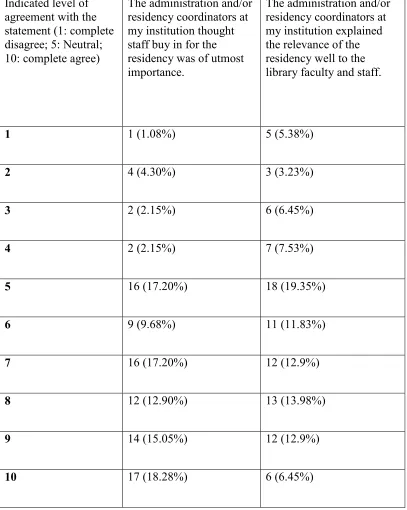
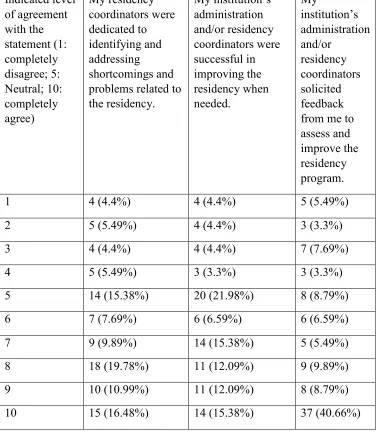
Table 4.2 Survey Results for First Two Statements to RQ1 ...165
Table 4.3 Survey Results for the Last Three Statements of RQ1 ...166
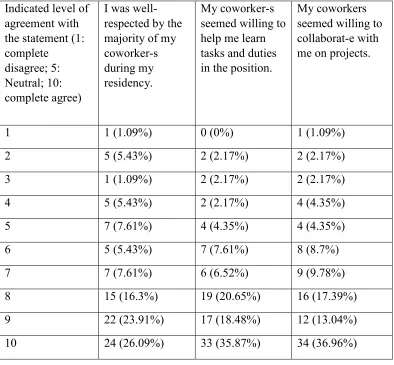
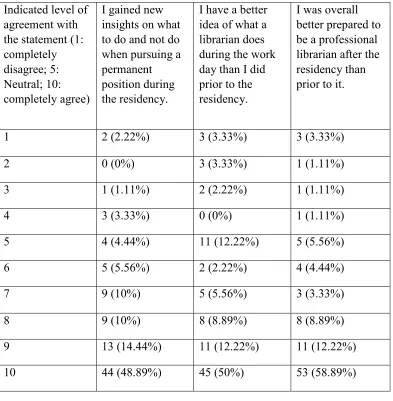
Table 4.4 Survey Results for First Three Statements of RQ2 ...167
Table 4.5 Survey Results for the Last Three Statements of RQ2 ...168
Table 4.6 Survey Results for Statements Related to RQ4 ...169
Table 4.7 Survey Results for the First Three Statements of RQ5 ...170
Table 4.8 Survey Results for the Second Three Statements of RQ5 ...171
Table 4.9 Survey Results for Statements Related to RQ6 ...172
Table 4.10 Survey Results for the First Three Statements of RQ7 ...173
Table 4.11 Survey Results for the Second Three Statements of RQ7 ...174
Table 4.12 Survey Results for Statements Related to RQ8 ...175
Table 4.13 Survey Results for Statements Related to RQ9 ...176
Table 4.14 Survey Results for Statements Related to RQ10 ...177
Table 4.15 Survey Results for Statements Related to RQ11 ...178
Table 4.16 Spearman’s Rho Correlation Values for RQ1 Survey Questions. ...179
Table 4.17 Spearman’s Rho Correlation Values for RQ2 Survey Questions ...180
Table 4.18 Spearman’s Rho Correlation Values for RQ4 Survey Questions ...181
ix
Table 4.20 Spearman’s Rho Correlation Values for RQ6 Survey Questions ...183
1
CHAPTER 1
INTRODUCTION
Background
American libraries currently do not employ enough professionals who reflect the
communities that they serve in terms of ethnicity. In 1990 when the literature of the LIS
field first started paying serious attention to ethnic diversity in the library workforce,
there were 120,365 credentialed librarians in the United States. 105,908 of these
librarians identified as white (87%) (American Library Association, 2012), while roughly
75% of the U.S. population identified as white in the 1990 U.S. Census (U.S. Bureau of
the Census, 1992). 7,423 credentialed librarians in 1990 were Black (6%) (American
Library Association, 2012), while the American population was 12% Black (U.S. Bureau
of the Census, 1992). 4,483 credentialed librarians in 1990 were Asian (4%), while the
American population was 3% Asian. 2266 credentialed librarians in 1990 were Hispanic
(1.8%), while the U.S. population at the time was roughly 9% Hispanic. There were 284
American Indian librarians (0.2%), while the U.S. population was 0.8% American Indian.
Significant underrepresentation of Blacks and Latinos in professional American
librarianship still exists two decades later with minimal-to-no progress, and there appears
to be an emerging underrepresentation of Asian/Pacific Islanders. In 2009-2010, there
were 118,666 professional librarians in the U.S. 104,392 professional American librarians
were white (88%), while the general American population was 63% non-Hispanic white.
2
non-Hispanic Black. 3260 professional librarians were Asian or Pacific Islander (2.7%),
while the American population was 5% Asian or Pacific Islander. 3661 professional
librarians were Hispanic (3%), while the U.S. population was 16% Hispanic. There were
185 American Indian librarians (0.1%), while the U.S. population was 0.9% American
Indian (American Library Association, 2012) (U.S. Bureau of the Census, 1992). Black
males are a particularly rare presence in professional librarianship, making up fewer than
600 persons and roughly 0.5% of the professional librarian workforce (Kelley, 2013).
Comparing these recent figures to 1990 figures suggests that there is no significant
improvement in diversifying the professional librarian workforce, and therefore current
initiatives to diversify may be ineffective or not effective enough or practiced on a wide
enough scale.
American libraries have long explored options for trying to increase diversity
among practicing library professionals. Because American libraries are resources that
serve to promote equity of access and provide inclusive environments, recognition of
underserved populations and efforts to correct past underservice resulting from issues
such as segregated, non-equal facilities and not making access accommodations for the
differently-abled are now top library concerns. One proposed method for creating a more
inclusive environment for library patrons is to recruit a librarian workforce that closely
reflects the communities of the libraries they serve. The American Library Association
(ALA) has asserted that diversifying the librarian workforce “makes good sense” because
the library should be a more inclusive environment and add diverse perspectives to
3
can also help institutions become more innovative and creative, and these institutions
may be better at solving more complex problems (Shorter-Gooden, 2013).
Other reasons to create a librarian workforce more reflective of the communities
that they serve have been proposed. Hastings (2015) suggested that if libraries do not hire
a front-line librarian workforce reflective of the communities they serve, potential patrons
will just turn to neighbors who have more in common with them; alternative information
sources might be less credible but libraries would not even be entertained as an
information resource. Jaeger (2015, pg. 130) proposes that a current-day goal of LIS
professionals is to be “a more integrated part of the community that they serve.” The
demographics of the United States (U.S.) are becoming increasingly diverse, particularly
along racial and ethnic lines, and institutions that do not learn how to engage a diverse
clientele are not likely to survive (Shorter-Gooden, 2013). However, while the U.S.
population rapidly diversifies, the professional librarian workforce is not diversifying at
nearly the same pace (Atkins, Virden, & Yier, 2015).
According to statistical reports generated by ALISE (Association of Library and
Information Science Education), in 1991, racial and ethnic minorities comprised 9% or
344 of the 4032 graduates receiving accredited MLIS degrees. In 2001, racial and ethnic
minorities accounted for 504 of 4,109 graduates receiving accredited MLIS degrees, or
12%. The three percent increase falls significantly short of the 152% increase of these
populations in the general U.S. population during that span (Hall, 2006). 2012 data
suggest that only four percent of students in ALA-accredited MLIS programs were Black,
4
white; remaining figures were comprised of international persons or those whose race and
ethnicity were unknown (Morales, Knowles & Bourg, 2014).
Libraries and LIS professional organizations have launched a number of programs
and initiatives aimed at diversifying the librarian workforce. ALA’s Spectrum
Scholarship has provided funding to approximately 1064 library school students of color
as of June 2017, with 18 doctoral fellowships also awarded (American Library
Association, n.d.). The Institute of Library and Museum Services (IMLS) has also
awarded scholarships for diversity cohorts at accredited library schools as part of grant
initiatives aimed at increasing diversity. Particularly in academic libraries, special
diversity-related positions are at times created, which are usually used to provide new
professionals of color with enhanced skill sets that make them more competitive on the
open market. The goal of those creating these positions is to retain practitioners of color
who have chosen the profession and give them a solid foundation for being career
librarians. Other initiatives that recruit professionals of color into the field include the
Association of Research Libraries’ (ARL) Initiative to Recruit a Diverse Workforce
(Association of Research Libraries, n.d.) and the Knowledge River Institute’s Knowledge
River scholarship program at the University of Arizona (University of Arizona School of
Information, n.d.).
There are also diversity residencies, which are the focus of this research project.
Diversity residencies take newly minted professionals and train them in different areas of
librarianship during a temporary appointment of usually 1-3 years. Expectations of
residents within diversity residency programs differ. Some residencies, such as the
5
University of Tennessee-Knoxville’s do not. Most residencies are assigned as two-year
appointments, but some appointments may be shorter or longer; the University of West
Virginia’s resident librarian appointment, for instance, lasts for three years. Some
residencies, such as the University of Tennessee-Knoxville’s, have residents serve in
cohorts of two or more, while others, like that at the University of North Carolina at
Greensboro, employ only one resident at a time. Residents ideally come out of a
residency program with a better understanding of what they wish to do professionally and
how to conduct themselves professionally in the field of library science. Additionally,
residents, in theory, finish their appointments with a more-developed skill set as they
should be training under seasoned professionals at reputable institutions. Also, in theory,
residents gain some understanding and appreciation of the importance of diversity in
librarianship and have increased competence in working toward diversity-related
initiatives following their appointments.
Research Problem
Diversity residency programs are aimed at enhancing retention of ethnic
minorities in librarianship; but given that these programs hire new professionals and
place them into their first work environments as degreed librarians, it is important for
residents to have positive experiences so that they will remain in the field and remain
enthusiastic about library work. However, not all residency experiences are positive for
the new professional (Hu & Patrick, 2006; Hankins, Saunders, & Situ, 2003; Alston,
2016). Negative residency experiences could be counterproductive to the mission of
retaining professionals of color (Sheldon & Alston, 2015). Residents with negative
6
climate does negatively impact job satisfaction and retention among academic librarians
of color (Damasco & Hodges, 2012). Former residents who had bad experiences also
might not seek to maintain professional connections with those at the host institution,
which stunts the emergence of improvements and brainstorming of good ideas (Alston,
2016). While actual numbers are unknown, it is known that some former diversity
residents are no longer practicing librarians (Cooke, N. personal communication. January
15, 2016); this is problematic given the amount of time and monetary resources dedicated
to planning and implementing a residency.
Many negative residency experiences stem from lack or perceived lack of
institutional support from residency coordinators (Sheldon & Alston, 2015). This lack of
support can take the form of inadequate mentorship and professional guidance. Genuine
lack of institutional support may also prevent the resident from gaining a sufficient skill
set to be marketable following the residency appointment. Negative experiences may also
result from hostilities or perceived hostilities toward the resident from coworkers who do
not support the diversity residency position and allow their disapproval to manifest in
ways that slight the new professional. Such hostilities can take the form of intentional
actions meant to demean the resident, or of unintentional racial microaggressions that are
not intended to cause harm or offend, but that nonetheless contribute to a hostile work
environment. Residents who suffer through these encounters may feel alienated and, due
perhaps to lack of perspective since this is typically their first professional librarian
appointment, become convinced that the profession is unwelcoming and is not suitable
7
The field of librarianship is not significantly diversifying despite residencies and
other diversification initiatives. If residents are not staying with librarianship after
residency appointments, or if they are less enthused about the field or not advancing
professionally, then program hosts fail in their mission of retention and preparation.
Librarian diversification efforts must continually be assessed to determine what is
succeeding and how improvements may continue. Concerning residencies, programs
need to be assessed to determine what factors contribute to providing satisfaction for
residents, as well as what factors contribute to dissatisfaction among residents. Once such
factors are identified, residency programs may achieve more success in retention and in
grooming professionals by sharing best practices which cultivate satisfaction while
removing dissatisfaction. Once conditions are created in which there is high satisfaction
and low dissatisfaction, residents will be optimally motivated and have few complaints,
which is a workplace goal as presented in Frederick Herzberg’s Motivation-Hygiene
Theory, the theoretical framework of this study (Herzberg, 1968).
Hence, it would be useful to know what factors cause satisfaction and
dissatisfaction with the residency experience among diversity resident librarians.
Previous professional literature on diversity residency positions is almost exclusively
anecdotal, with only a few pieces employing descriptive statistics. This study will address
the gap in existing literature by being the first study on diversity residency positions to
use inferential statistics to analyze data from surveyed past and current diversity
residents. Additionally, this study will also be the first to use qualitative methods to
identify themes among the experience reports of past diversity resident librarians
8
goal of this study, therefore, is to investigate what creates an ideal situation of high
motivation and high hygiene for a diversity resident, where the resident is highly
motivated and has few complaints.
Research Questions
Librarydiversity residency programs have existed long enough and produced
enough working practitioners to determine what factors contribute to positive residency
experiences, but the existing literature largely consists of only anecdotal recapitulations
from former residents that explain some of the ups and downs of their experiences. There
are eleven research questions in this study, as the best method to analyze this data is to
examine correlations between one independent variable and one dependent variable at a
time, and seven variables with Herzberg-relevant framing emerged through a review of
the literature; an additional four variables were devised to explore the relationship
between overall score of the residency experience, and the residents’ occupational
attitudes and approaches beyond the residency experience. There are statistical tests such
as multiple regression that would allow for comparison of several independent variables
to a dependent variable; however, using tests that could examine more than one
independent variable at a time would require a larger sample size, a larger total
population from which a sample is being drawn, and in cases such as multiple regression,
there would need to be a model constructed. Spearman’s Rho correlation tests can be
valid even with small sample numbers of people representing small overall populations.
This study, the first of its kind, will attempt to gather quantitative data from former and
9
Research Question 1: Does the quality of effort, as perceived by the resident, that
administration and/or residency coordinators dedicated to garnering support for the
residency from library faculty and staff correlate with the resident’s opinion of the overall
quality of the residency experience?
Research Hypothesis (H1): The quality of effort as perceived by the resident that
the administration and/or residency coordinators dedicated to garnering support for the
residency from library faculty and staff correlates with overall quality of a diversity
residency experience.
Research Question 2: Does the severity of hostilities the resident perceives from
coworkers during the residency term correlate with the resident’s opinion of the overall
quality of the residency experience?
(H1): The severity of hostilities the resident perceives from coworkers during the
residency term inversely correlates with the resident’s opinion of the overall quality of
the residency experience.
Research Question 3: Does severity of racial microaggressions directed toward
the resident during the residency appointment correlate with the resident’s overall view of
the residency experience?
(H1): The severity of racial microaggressions directed toward the resident during
the residency appointment inversely correlates with resident’s overall view of the
10
Research Question 4: Does perceived staff buy-in/support from the library
faculty and staff in support of the residency correlate with the resident’s overall view of
the residency experience?
(H1): The perceived staff buy-in/support from the library faculty and staff in
support of the residency correlates with the resident’s overall view of the residency
experience.
Research Question 5: Does perceived quality of assessment practices of the
residency program correlate with the resident’s overall view of the residency experience?
(H1): The perceived quality of assessment practices of the residency program
correlate with the resident’s overall view of the residency experience.
Research Question 6: Does level of professionalism of job duties expected of the
diversity resident during the term correlate with the resident’s overall view of the
residency experience?
(H1): The level of professionalism of job duties expected of the diversity resident
during the term correlates with the resident’s overall view of the residency experience.
Research Question 7: Does the perceived effectiveness of the residency in
preparing the diversity resident for his or her next professional appointment correlate
with the resident’s overall view of the residency experience?
(H1): The perceived effectiveness of the residency in preparing the diversity
resident for his or her next professional appointment does correlate with the resident’s
11
Research Question 8: Is there correlation between the resident’s overall view of
the residency program and his/ her outlook on the future of librarianship?
(H1): There is a correlation between the resident’s overall view of the residency
program and his/her outlook on the future of librarianship.
Research Question 9: Is there correlation between the resident’s overall view of
the residency program and his /her level of enthusiasm for the profession?
(H1): There is a correlation between the resident’s overall view of the residency
program and his/her level of enthusiasm for the profession.
Research Question 10: Is there correlation between the resident’s overall view of
the residency program and his /her “ambitiousness of goals”*?
(H1): There is a correlation between the resident’s overall view of the residency
program and his/her ambitiousness and goals.
Research Question 11: Is there correlation between the resident’s overall view of
the residency program and his /her level of professional activity in professional
associations?
(H1): There is a correlation between the resident’s overall view of the residency
program and his/her level of professional activity in professional associations.
* The “ambitiousness of goals” for this research is defined as how high the
resident’s aspirations are in eventual job attainment. For instance, did service as a
diversity resident prompt the resident to want to move, eventually, into library
12
to want to work for more “prestigious” institutions, such as Association of Research
Libraries (ARL) institutions?
Purpose and Significance of the Research
The potential significance of this study lies in its ability to help institutions
improve their residency programs. If residency programs are improved, this may result in
better experiences for the residents who serve in these capacities. The broader
significance is that if residency programs are improved and the librarianship field is able
to retain better-skilled librarians, then this will contribute to creating a librarian
workforce more reflective of American racial and ethnic demographics. The benefit and
effectiveness of residency programs appears to be assumed and not quantitatively
explored or assessed. I plan to provide data obtained from this study to residency
program coordinators and to those establishing residencies to help advise them of best
practices and actions/situations to avoid. This study will also, one hopes, spur the
development of a model for a successful residency, though additional research beyond
the scope of this dissertation may be required for full development of such a model.
Research Design
The research design for this study is a mixed methods design. The research
questions will be answered through correlation analysis, specifically Spearman’s Rho.
Spearman’s Rho is a nonparametric correlation test used to determine correlation
between variables measured as ordinal data. Because the research questions are answered
through a correlation, a qualitative component was added to provide further context and
in-13
depth, semi-structured interview data is used to produce the qualitative portion of the
study. Because this study is quantitative dominant, with a qualitative portion used to help
explain quantitative results, the overall study design is considered “sequential
triangulation – QUAN + qual illustration,” or more commonly, “sequential explanatory”
(Creswell, 1994).
Definition of Terms:
There are several terms that need to be defined for this study. These are listed
here and include the following:
Diversity residency: Post-degree work experience designed as an entry level
program for recent graduates of an MLS program (Residency Interest Group of the
Association of College & Research Libraries, n.d.), with some criteria of race/ethnicity or
other manifestation of diversity in candidate selection.
Racial microaggression: “Racial microaggressions are subtle, derogatory
messages conveyed to people of color. While often delivered unconsciously, these
persistent and pervasive negative messages can have devastating effects on individuals
and organizations” (Alabi, 2015).
Motivators: All factors contributing to job satisfaction (Herzberg, 1968).
Hygiene factor: A factor that, per Herzberg’s Motivation-Hygiene Theory, must
be present for a worker to avoid dissatisfaction. When hygiene factors are absent and
14
Ambitiousness of goals: How high the resident’s aspirations are for eventual job
15
CHAPTER 2
LITERATURE REVIEW
Introduction
The literature review chapter begins by describing the demographic changes
occurring in the United States. The chapter then goes on to describe how some businesses
and public resources are addressing the changing ethnic demographics in the U.S. The
focus then switches to libraries specifically. The chapter details how the changing
demographics of the U.S. are affecting American libraries, and how the demographics of
the American librarian workforce are not changing with the demographics of the broad
U.S. population. The chapter then details some other diversity initiatives in libraries,
before presenting the available literature on diversity residency programs. Finally, the
chapter ends by presenting literature on the theoretical framework of this study, which is
Frederick Herzberg’s Motivation-Hygiene Theory.
A Changing America
The United States is continuously becoming more diverse as racial and other
demographics in the nation change rapidly. Concerning racial demographics, in 1960, the
U.S. was 85 percent White, 11 percent Black, 3.5 percent Hispanic and less than one
percent Asian (Taylor & Cohn, 2012). By 2011 – only 51 years later – the U.S.
population was only 63 White, 12 percent Black, 17 percent Hispanic, and five percent
16
demographics of 47 percent White, 29 percent Hispanic, 13 percent Black and nine
percent Asian (Taylor & Cohn, 2012).
Race and ethnicity are not the only aspects of diversity and are not the only ways
in which the U.S. continues to diversify. Religiously, the U.S. was roughly 78 percent
Christian in 2007, but in 2015 this figure had dropped to 70 percent; “religious nones” are
the fastest growing religious demographic in the U.S. (Lipka, 2015). The United States
legalized same sex marriage in 2015 and discussion of gender identity is growing. While
participation of women in the professional workforce has been fairly static from the
1990s to 2013, recent numbers reflecting that roughly 75 percent of women are
participating in the workforce still mark a change from the pre-1970s, when roughly 43
percent of women participated in the workforce (Covert, 2013). There also has been a
pronounced shift in recognition of persons with disabilities as well as educational and
professional accomplishment from persons with disabilities since the 1990 passage of the
Americans with Disabilities Act. For example, the number of students with disabilities
attending colleges and universities tripled between 1978 and 2008 (Future of Equity and
Inclusion, 2013). There is also awareness of generational diversity in the contemporary
U.S. culture of inclusion and diversity. Three distinct generations – Baby Boomers,
Generation X and Millennials – currently occupy the American workforce, and
organizations leverage the differences among these distinct generations for maximum
effectiveness and accomplishment. Baby Boomers, for instance, may be used to mentor
younger generations while Millennials may be used to introduce other generations to new
technologies and to re-energize older generations with their enthusiasm (Legas & Sims,
17
As America diversifies, domestic institutions and entities that sell or provide
goods and services to the American people tend to also adapt with the times and a
changing consumer base. Even as Whites continued to be the dominant consumer market
in the U.S. into the 1960s and 1970s, decades that marked both the tail-end of the Civil
Rights Movement and a shift in advertising behavior where companies such as
Coca-Cola, McDonalds, and Kraft (manufacturers of Jell-O) began increasing racial diversity
in their advertising campaigns and hiring Black spokespersons to reach Black patrons
(Cruz, 2015). Migratory patterns and increased urbanization of Blacks in the 1960s
contributed to corporations realizing that profits could be made from Black consumers,
and corporations in turn began studying Black consumer habits and advertising more in
Black media; Ebony magazine, for instance, nearly tripled its advertising revenue from
1962 to 1969 (Weems, 1999).
The trend toward consideration of customer diversity by for-profit entities has
continued as the U.S. has become more diverse. Many large corporations now have
“inclusion and diversity” initiatives or teams, including McDonalds (About McDonald’s:
inclusion & diversity, n.d.), Hilton (Hilton worldwide: diversity and inclusion, n.d.),
Microsoft (Microsoft, n.d.), and Verizon (Verizon, n.d.). For-profit industries have
learned of the benefits that organizational diversity can bring to the bottom line Caleb
(2014).
The healthcare industry in the U.S. has also been at the forefront of recognizing
and responding to the changing demographics of America. Transcultural nursing is a
dominant mode of operation in contemporary American healthcare; this model, which
18
them, helps to “increase the delivery of culturally competent care to individual, families,
groups, communities and institutions” (Andrews & Boyle, 2002, p. 178). Transcultural
nursing concepts for addressing the needs of patients of diverse cultures has been so
effective that now nursing scholars are considering transcultural nursing concepts not just
to adapt to the needs of ethnic populations, but also to adapt to the needs of other
particular patient populations such as the homeless (Law & John, 2012).
Government entities also trend toward adapting resources to address a
diversifying America and better serving communities. Emergency dispatches are
increasingly trying to hire bilingual dispatchers (Ura, 2015), and states such as California
offer interpretation services when emergency callers do not speak English (San Mateo
County Public Safety, n.d.). Law enforcement agencies have recognized the role of
diversity in policing and recognize a need for responding to diversity in communities in
order to establish legitimacy in served communities (Wasserman, 2010). Also, in the
midst of growing diversity in America, the National Park Service and cultural heritage
resources have recognized a need to ensure that the stories told in public-facing
monuments and displays have meaning for all Americans (National Park Service, 2001).
Many institutions of higher learning have included diversity initiatives and
statements in their official policies (Bangert, 1997). North Carolina State University, for
example, has in its diversity statement, “NC State garners strength from the variety of
perspectives and experiences of our campus community. The Diversity and Inclusion unit
within the Office for Institutional Equity and Diversity advocates for equity, diversity and
inclusiveness as critical components to accomplish NC State’s vision to be distinguished
19
University, n.d.). National policies such as No Child Left Behind have the proposed goal
of ensuring that K-12 educational opportunities are adequate for all children, including
minority students, first-generation Americans, and students with disabilities (Chief
Justice Earl Warren Institute on Race, Ethnicity and Diversity, 2007). Diversity in
educational settings is credited with fostering intellectual development (Knefelkamp &
David-Lang, 2000). Additionally, a diverse educational environment reduces student
racial prejudice (Palmer, 2000) and encourages students to explore diverse perspectives
(Carnevale & Fry, 2000).
Libraries and Diversity
Like other organizations that aim to serve the general public, American libraries
are also recognizing the growing diversity and other cultural trends in the United States
and are aiming to best serve all potential populations. Jaeger (2015) maintains that the
ultimate goal of diversity and inclusion initiatives in LIS is to make libraries and their
workers integrated parts of the communities they serve, with awareness and knowledge
of those communities and welcoming attitudes toward those communities. The
Association of College and Research Libraries (ACRL) states, in its diversity standards,
“if libraries are to continue being indispensable organizations in their campus
communities, they must reflect the communities they serve,” (Association of College and
Research Libraries, 2012). Brimhall-Vargas (2015) proposes a bottom-line rationale, a
social justice rationale and an excellence rationale for fostering diversity in libraries,
saying that for social justice, this is the only way everyone will have equal opportunity
20
For excellence, evidence has proven that diverse organizations perform better in a diverse
world than homogeneous ones.
Equipping libraries to better serve diverse populations may require better
integration of diversity and social-justice training, topics and issues in LIS curricula
(Cooke, Sweeney, & Noble, 2016). A diversity consultant working with the University of
Illinois at Urbana-Champaign Graduate School in Library and Information Science
recommended that that particular program take care to not isolate particular cultural
groups, identify experts who can help faculty and staff increase cross-cultural
understandings and competencies, and offer concrete tools for constructive discussions of
racism and diversity (Cooke, Sweeney & Noble, 2016). Integrating diversity into LIS
curricula, however, may be hindered by various difficulties in discussing diversity,
including pervasive LIS attitudes on the “polite society,” and shying away in some library
school courses from discussing taboo topics (Winston, 2005). Peterson (2005) suggests
that students wish to take courses that will best prepare them for professional practice,
and this may dissuade them from taking classes fully devoted to diversity or
multi-culturalism as a central subject matter.
Libraries often try to address diversity in three areas: through services, collections
and collaborations; through diversity plans and policies/statements; and through
recruitment and retention of a diverse workforce (Dewey & Parham, 2006). Racial and
ethnic minorities seem to respond better to general outreach services. Hispanics and
non-Hispanic Blacks are significantly more likely than are non-non-Hispanic whites to consider
common services offered by libraries including free Internet/computer access,
21
their communities (Kelley, 2013). Non-Hispanic Blacks and Hispanics are also much
more likely than non-Hispanic whites to use many traditional library services monthly,
and somewhat more likely than whites to attend library events (Kelley, 2013).
Non-Hispanic Blacks and Non-Hispanics are significantly more likely than whites to believe that
libraries help people find jobs, pursue employability training, and learn emerging
technologies (Horrigan, 2015). Non-Hispanic Blacks and Hispanics are more likely than
non-Hispanic whites to believe that closure of the library would negatively impact their
lives and that libraries help patrons decide what information to trust (Horrigan, 2015).
Concerning services, collection and collaborations, academic libraries are
becoming more deliberate in collecting diversity-related library materials than they have
been historically (Gilbert, 1999; Ciszek & Young, 2010). Because of the central place
that libraries hold on college campuses, diversity, inclusion and multiculturalism became
priority foci of American college libraries largely starting in the mid-1990s (Buttlar,
1994). Diversity in services, collection, and collaborations at academic libraries is
recognized as important because librarians are seen as not only needing to mirror the
populations they serve, but also as connecting them with the diversity of the nation and
the world (Bostic, 1995). Academic libraries have been called on to create diverse
collections that go beyond suiting classroom needs and support (Schomberg & Grace,
2005). The importance of creating a diverse collection to reach diverse audiences and
boost circulation is also recognized in public libraries by the Public Library Association
(Chant, 2014). Haro & Martinez-Smith (1978) once asserted that Spanish-speaking
populations were being ignored in library services, but this appears to have changed in
22
becoming an increasingly recognized cause (Association for Library Service to Children,
n.d.), though diversification efforts have been more successful in some regions of the
U.S. than others (Williams & Deyoe, 2014).
Regarding diversity planning and policies or statements, many college and
university libraries have diversity statements of their own or abide by and support the
diversity statements of the college or university itself (Bangert, 1997). No recent study
appears to survey or analyze college and university library diversity statements in
particular, but in a recent study of mission statements for institutions of higher learning in
general, 74% of institutions mentioned diversity in their primary mission statement and
65% of institutions expanded on diversity in prose outside of the primary mission
statement or an actual diversity statement (Wilson, Meyer & McNeal, 2011).
Ballard-Thrower and Mills (2006) incorporate mission planning and listing objectives and
strategies as integral parts of making diversity a primary goal in a library. Royse (2006)
stresses the importance of defining diversity along with developing mission statements
and setting goals. With planning comes the need to survey affected communities, and
such endeavors have previously been taken (Pisano & Skidmore, 1978).
Recruiting and Retaining a Diverse Workforce
Much library literature explores the benefits of recruiting and retaining a diverse
workforce. Kim and Sin (2008) state that interpersonal similarities help library users to
feel comfortable and know that a resource or institution is right for them. Those who
come from minority populations also empathize with users from those populations and
23
1999; DuMont, Buttlar & Caynon, 1994; Alire, 1996; Knowles & Jolivet, 1991). Alire
(2001) proposed that courting ethnic diversity among library leaders in particular will aid
institutions by making them more dynamic and flexible in the face of change, as ethnic
minorities in the U.S. are accustomed to being adaptable. Smith (1974) proposed that
subject specialists who have detailed and intimate knowledge on their specialty are most
effective; this later spawned an argument that librarians of ethnic backgrounds may best
serve as subject specialists for disciplines related to their heritage (Kim, Chiu, Sin &
Robbins, 2007). The argument is not that only librarians of color can serve patrons of
color, but that these librarians may have particular sensitivities that allow them to better
serve such patrons (Hussey, 2009).
In addition to the ethnic diversity statistics offered in the beginning of Chapter 1,
it should be noted that between 1990 and 2010 the overall rate of minority students
earning masters degrees has increased by 15%, calling into question conventional
wisdom that the MLIS is a barrier to diversifying librarianship (National Center for
Education Statistics, 2012); still, requiring the MLIS to serve as a professional librarian
may obstruct diversification and normalize “whiteness” in librarianship (Hathcock,
2015).
The need for diversity among the ranks of librarians and library workers may
have been loosely recognized as early as the 1920s, when the American Library
Association in 1925 expressed enthusiasm for the development of a library school for
Blacks at Hampton Institute, and Florence Rising Curtis in 1927 made mention of the
need for library schools for Blacks during that era (Neely & Patterson, 2007; Sutton,
24
Blacks; it is presumed that ALA at the time recognized a demand for Black librarians to
serve on Black military bases during World War II (Peterson, 1996). As the 20th Century
progressed and the ideals of the Lyndon B. Johnson administration and the “Great
Society” took root, education was seen as a catalyst for leveling social playing fields and
initiatives to support institutions of higher learning in particular brought about new
demand for librarians (Kantor & Lowe, 1995).
The Great Society also brought about federally funded education grants (Title
II-B) supporting graduate education for ethnic minorities (Deloach, 1980). Librarianship
during the Lyndon Baines Johnson administration and the Civil Rights Era reflected the
Civil Rights Movement, and concerns for achieving equity and justice through diversity,
particularly in academic librarianship, prevailed (Neely & Patterson, 2007). In the 1970s,
ALA members met to mitigate the impact of real and de facto racial segregation on
library education and minority librarianship (Josey, 1970; Asheim, 1975). Trejo and
Lodwick surveyed the need for and best ways to recruit Spanish-speaking librarians in
1978. Work by Trejo and Lodwick revealed that in 1976, of 84 library directors
participating in a survey, 51 respondents said at the time that there was an increased need
for Latino librarians, while only seven said there was not, with the remaining respondents
unsure (Trejo & Lodwick, 1978). The Association of College and Research Libraries first
established a Task Force on Recruitment of Underrepresented Minorities in 1989 and,
one year later, this group authored a report for recruiting ethnic minorities (Beaudin,
Fisher, Knowles & Morita, 1990). Also, the Association of Research Libraries produced a
25
libraries have engaged in diverse workforce recruitment efforts since the 1960s, but with
limited success (Burrows, Jennings & Welch, 1990).
Retention may get overlooked in the discussion of diversity (Neely & Patterson,
2007), but there is some literature addressing the need for retention. Numerical data
related to retention of ethnic and racial minorities cannot be found. Howland (1999)
asserted that enhancing retention would require eliminating workplace factors that would
hinder librarians from diverse backgrounds from remaining in the profession; this would
first require that organizational leadership take a firm, dedicated and visible stance in
support of any diversity initiatives in practice. Visible stances include not just “lip
service” and “token gestures,” but also “cold cash and staff time”; directors must press on
in spite of resistance and must create an atmosphere in which everyone feels equally
valued (Howland, 1999). Sufficient mentoring, salary implications, and fair participation
in decision-making are also posed as factors that can impact retention of minority
practitioners (Hall & Grady, 2006; McCook & Lippincott, 1997; Josey & Abdullahi,
2002). Leadership institutes provide mentoring and networking opportunities and appear
to be effective retention tools (Maurer & Coccaro, 2002). Mentoring of ethnic minority
librarians new to the field may be especially needed for psychological reasons, and
mentored librarians of color had higher retention rates and higher outlooks on
librarianship than did librarians and former librarians of color who were not mentored
(Royster, Schwieder, Brillat & Driver, 2016).
Neely and Patterson (2007) recommend that libraries do the following to retain
diverse practitioners: orientations and welcomes, programming that addresses work
26
positive environments where opinions are valued, rewards, and recognition of the need
for work-life balance. Perry (2006) reminds organizational leaders that when they are
implementing a diversity initiative, they are attempting to change the culture of the
organization, and that they should be prepared to develop a strategy and reinforce
messages and principles constantly because the process is long and difficult. Hussey
(2009) notes that in academic settings, minority practitioners may be called upon to serve
on committees and diversity initiatives more frequently than their White counterparts are,
but they are also expected to meet the same professional obligations for tenure; this can
lead to over-assignment, burnout, and failure to meet tenure requirements.
The low gains in recruiting and retaining an ethnically diverse workforce persist
even in the midst of various outreach efforts from library organizations and institutions.
Scholarships are one tactic; various libraries support the aforementioned Spectrum
scholarship by agreeing to make matching grants to awardees (Gollop, 1999). Spectrum
also offers support for ethnically diverse doctoral students in LIS (Cooke, 2014). Plus, as
of February 2017, 197 ethnic and racial minority students have received Initiative to
Recruit a Diverse Workforce scholarships from the Association of Research Libraries,
with 33 students enrolled in the program during the spring 2017 semester (M. Swearer,
personal communication, February 21, 2017). Knowledge River scholarships at the
University of Arizona have successfully recruited Native American and Hispanic
librarians (Berry, 2004). While not a technical scholarship program for MLIS degree
tuition coverage, the American Library Association and the Institute of Museum and
Library Services have devoted student funding toward recruiting high school students and
27
The Future is Overdue” program (Chan, Lota, Smith & Booth, 2016). Scholarships are
helpful but there are not enough to give to everyone, and not every potential librarian –
paraprofessionals of color included – really has the ability to pursue a master’s degree in
library science (Kelly, 2013). Scholarship cohorts only contain a handful of students
annually. Several authorities have suggested that attempting to recruit at the legal adult
age is not good enough and that intervention must happen during high school or earlier
(Neely & Patterson, 2007; Kim, Chiu, Sin & Robbins, 2007; Stanley, 2007; Revels,
LaFleur & Martinez, 2003). Latinos and Native Americans may not consider
librarianship in part because of lack of positive experience with librarians (Guerena &
Erazo, 2000).
In addition to exercising recruitment tactics, LIS researchers have tried to identify
reasons why minority students enter LIS in hopes to exploit their motivations
(Moniarou-Papaconstantinou, Vassilakaki & Tsatsaroni, 2015; Mayer & Terrill, 2005; Kim, Chiu,
Sin & Robbins, 2007). They have also tried to examine people from why specific racial
and ethnic minority cultures may choose a particular specialty or may choose
librarianship in particular (Lian & Xiong, 2008; Trejo & Lodwick, 1978). Kim, Chiu, Sin
and Robbins (2007) identified among librarians of color that top positive factors for
choosing librarianship as a career were ability to work in a field they that love, and more
job opportunities and advancement opportunities; top negatives were low salary, high
cost of library school education, and lack of funding for library school education. Kim,
Chiu, Sin and Ribbins (2007) also examined who minority librarians said was most
influential in their decisions to become librarians; responses varied among ethnicities but
28
more likely than are their white counterparts to be heavily influenced by family in
choosing career paths, including librarianship (Brown, 2002).
Factors identified as barriers in minority recruitment include: lack of qualified
applicants in pools, lack of knowledge from recruiters about where to find diverse
applicants, and constraints in university recruitment procedures (Burrows, Jennings &
Welch, 1990). Lack of awareness about the field and possibilities within it is also a
recruitment barrier (Josey & Abdullahi, 2002; Stanley, 2007). Also, minorities are often
lumped together for recruitment-tactic brainstorming even though recruitment tactics for
one minority group may not be effective with another (Kim & Sin, 2008; Hussey, 2009);
some have proposed that within a minority subset, effective recruitment of males may
differ from effective recruitment of females (Davis-Kendrick, 2009). Most minority
recruitment is “inward” and pulls from student or paraprofessional library workers,
meaning that those outside the library field are often missed in recruitment efforts, as are
their ideas, perspectives and approaches (Hussey, 2009).
Both recruitment and retention are hindered by: lack of institutional commitment
to change, perceived racism, cultural background differences and barriers to advancement
(Beaudin, Fisher, Knowles & Morita, 1990; Lian & Xiong, 2008). Lack of diversity in
LIS curricula, lack of diversity among LIS faculty, and lack of financial support for
minority LIS students have also been cited as recruitment barriers (Neely, 2005;
Knowles, 2005; Montiel-Overall & Littletree, 2010). The field also suffers from image
problems stemming from normative whiteness (Neely, 2005). Some ethnic populations,
29
level due to transportation and financial restraints, and these factors are compounded at
the graduate level for LIS students (Montiel-Overall & Littletree, 2010).
Montiel-Overall and Littletree (2010) noted concern that successful minority
recruitment programs, such as the Graduate Library Institute for Spanish Speaking
Librarians (GLISSA) of the 1970s are not well documented and cannot be replicated;
Knowledge River, a current day program, which also educates Spanish-speaking and
Native American librarians, has documented student experiences to remedy this concern.
Another concern, lack of true will within the profession to diversify (Chu, 1994; Trejo &
Lodwick, 1978), is posed as remediable through a profession-wide collaboration that
would require coordinated activity between the American Library Association,
Association of College and Research Libraries, Association of Research Libraries,
Association of Library and Information Science Education, and other library
organizations to do such things as produce and share best practices on recruitment and
retention (Neely & Patterson, 2007). There was some concern following the 2005 closure
of the library school at historically Black Clark Atlanta University that an institutional
resource for educating ethnic minority librarians was lost (Kim & Sin, 2008; Stanley,
2007).
Attitudinal challenges and barriers also deserve mention. Peterson (1999) poses
that diversity issues and initiatives are often perceived as threatening the majority in LIS.
While there seems to be an implicit assumption that minority librarians will have
particular desire to work with patrons from their own ethnicity, this is not always the
case; also, seemingly similar ethnicities may be conflated and differences not recognized,
30
(Hussey, 2009). The majority culture within LIS has been accused of seeking to hire
ethnic minorities who appear as though they will fit in well within institutions as opposed
to those who seem like they may be disruptive or challenge institutional status quos
(Hussey, 2009; Hathcock, 2015).
Diversity Residency Programs
Aside from scholarships, the other main funded efforts for recruitment and
retention of ethnic minorities in American libraries currently are specialized positions,
which may include internships, cultural specialty center librarians, and diversity
residency librarians. Diversity residencies are defined by the Association of Library and
Information Science Education (ALISE) as, “The post-degree work experience designed
as an entry level program for professionals who have received the MLS degree from a
program accredited by the American Library Association,” (Brewer, 2007). Residencies
are not “internships” in typical library lingo because “intern” positions are not considered
professional, whereas residencies are considered to be entry-level professional positions
(Perez, 2007). Currently, most of the information about diversity residency programs
consists of anecdotal recaps from former residents or residency coordinators.
Research libraries have been experimenting with various post-MLS term-limited,
work experience programs at least since the 1940s (Brewer 2007). Originally, residency
programs, then often called full-time internships, did not have diversity-related
components (McElroy & Diaz, 2015). The U.S. National Library of Medicine began a
residency training program for credentialed new librarians in 1957 (U.S. National Library
31
Ohio State University starting in 1961 (Wilson, 1963); most residencies today, including
diversity residency programs, are hosted at academic libraries.
In 1984 the University of Delaware created the first post-master’s internship
aimed at recruitment of librarians from underrepresented groups into the librarian
profession through a temporary, full-time position (University of Delaware, n.d.).
Delaware’s program provided the model for the diversity residency that is commonly
found today. Delaware’s program was originally called an “internship” but was
reclassified as a residency in 1992 after ALISE established new guidelines for residency
programs (University of Delaware, n.d.). It would be difficult to determine how many
diversity residencies are operating in the current year because residencies may start up,
fold or freeze from year to year (Fontenot, 2010). The Association of College and
Research Libraries (ACRL) has a Residency Interest Group; the Residency Interest
Group’s web page listed 42 active residencies and four inactive residencies on its page in
2015, but not all of these residencies are diversity residencies, and this listing might not
be up to date (Residency Interest Group of the Association of College and Research
Libraries, n.d.). Most diversity residencies are hosted by academic libraries, although the
Online Computer Library Center (OCLC) and Los Angeles (CA) Public Library also host
diversity residencies (Residency Interest Group of the Association of College and
Research Libraries, n.d.). The majority of modern-day residencies are diversity related,
though not all of them (McElroy & Diaz, 2015).
Normally, diversity residency programs are two-year professional appointments
in which participants rotate through two to three different departments and gain
32
Some diversity residencies rotate the librarian through departments in the first year and
then have the librarian concentrate on building experience in a particular department
doing a particular task during the second year (Alston, 2010). Residencies are
intentionally broad, whereas an entry-level assignment in LIS is usually narrower in
scope (Brewer, 2007). Residents are usually paid a salary similar to that of an entry-level
librarian and usually receive travel support. Some residency programs expect the resident
to publish a professional paper or complete some other form of capstone by the end of the
second year. Diversity residents are usually members of underrepresented or
economically disenfranchised groups (Fontenot, 2010). Institutions are generally not
expected to retain residents after their appointments (Bayard, 2009). Residency programs
can give research libraries that normally must bypass early-career librarians in favor of
librarians with experience who can meet grueling skill and tenure requirements an
opportunity to consider early-career candidates who may offer the institution such boons
as diverse perspectives and/or technological savvy (Brewer, 2007).
Diversity residencies may also incorporate work other than on-the-job training in
traditional librarian tasks such as reference, cataloging, or archiving. Residents may be
counted on to build bridges outside of the library with student organizations and
on-campus entities such as on-campus multicultural affairs (Alston, 2010). Residents may also
be tasked with working on diversity committees within the library or the university and
trying to address diversity issues the library currently faces, even if the resident does not
have any particular training or experience in dealing with such matters (Hankins,
Saunders & Situ, 2003). Residents are usually paired with a mentor at the hosting
33
relationships can facilitate building professional contacts for the resident as well as offer
a rewarding experience to the mentor (Taylor 2005). Because residents are temporary
employees, they offer hosting institutions an opportunity to experiment and implement
services that vested employees may be unwilling or unable to accept (Brewer, 2010).
Some benefits that previous residents have reported as a result of their experience
include having a better idea of what area of librarianship they wanted to focus on
permanently (Alston, 2010) and learning how dynamic and varied academic librarianship
is after only having limited perspective previously (Goss, 2003). Residents also get the
benefit of interacting with tenure-track librarians and learning about the tenure process
during the residency appointment (Alcorta, 2007). Librarians of color report stronger
influence from role models than do other LIS professionals (Kim, Chiu, Sin & Robbins,
2007) and residencies ideally provide residents with role models. In addition to role
models, enhanced networking opportunities for new professionals has been reported as a
residency benefit (Bankhead, 2001). Boyd and Blue (2013) conducted a survey of
residents from both diversity and non-diversity residency programs and found that the
majority reported gaining leadership skills through their experience, reported becoming
prepared for ongoing changes in the library profession, and reported receiving experience
in collaborating with other academic units.
Though cast in a positive light in much of the professional literature, some write-
ups do suggest room for improvement in these diversity residency opportunities.
Insufficient assessment is a recurring problem; diversity residencies often do not have a
system in place for assessment and evaluation, and failure to reach goals and fulfill
34
Fontenot (2010) states that constant assessment of diversity residencies is necessary, and
that hosting institutions need to examine exactly how they are assessing their programs.
Fontenot further calls for hosting institutions to communicate with alumni of their
diversity residency programs to determine success or failure, and to hire independent
consultants if feasible (Fontenot, 2010). Boyd and Blue (2013) found assessment lacking
in a survey of residency coordinators and residents and recommended that assessment be
done regularly in these programs. Institutions looking to start new diversity residency
programs are encouraged to begin cultural climate assessment even before hiring a
resident in order to preemptively address issues that may arise such as coworker
hostilities or failure to live up to stakeholder expectations (Sheldon & Alston, 2015).
Also, researchers have recommended that host institutions develop and list concrete ways
that a residency can help the organization achieve certain goals and then follow through
(Boyd & Blue, 2013).
Diversity residencies can be vulnerable to cuts, especially during economic
downturns, so libraries should assess how these programs benefit the institution and the
profession to make a case for keeping them (Brewer, 2010). Perez (2007) compared
library residencies to nursing residencies since both fields have similar national
demographics and the residencies share common goals. Perez found that there is often
nothing similar in library residencies to the skills assessment pieces that measures the
progress of fledgling nurses in nursing residencies (Perez, 2007).
Diversity residencies provide libraries with an opportunity to explore new
options, such as new collaborations with other departments on campus. But given the
35
professional growth for the current resident (Alston, 2010). While residencies are
sometimes billed as potentially creating a pool of in-house candidates for tenure track
positions (Goss, 2003), most residents are not able to remain with the hosting institution
after the residency appointment. Residents may also be pigeonholed strictly into
diversity-related projects and tasks for the hosting library and not have the opportunity to
gain proficiency or demonstrate competency with other issues or challenges, making their
experiences less well-rounded and insufficient for developing a employable skill set (Hu
& Patrick, 2006; Cogell & Gruwell, 2001).
Hankins, Saunders and Situ (2003) state that diversity residencies often serve as
examples of “what not to do” in terms of diversity initiatives on campus; they further
state that diversity residencies are not “diversity initiatives” because they are short term
and quota-driven initiatives to boost statistics versus being long term solutions to
systematic problems at the library (Hankins, Saunders & Situ 2003). Hu and Patrick
(2006), recalling their diversity residency experience, said the job description for their
residency was intentionally undetailed, thus opening the possibility that they might
unintentionally infringe upon the duties and responsibilities of coworkers.
Residents may be paired with the actual residency coordinator for a mentorship
role, whereas recommended practice is for the resident’s mentor to be a librarian with
similar professional goals (Sheldon & Alston, 2015). Many residencies do include a
formal mentoring component, and DeBeau-Melting (2001) insists that a resident must be
able to count on the mentor in order for the residency to be successful. Dawson and
Llamas (2001) suggest that mentors cannot be merely assigned for a temporary task, but