MODEL FOR UNDERSTANDING ALCOHOL MISUSE IN MIDDLE ADOLESCENCE
by
Anna B. Tsiboukli
A thesis submitted in fulfillment of the requirements for the PhD degree in Educational Psychology at the University of London, Institute of Education.
for giving me the time, the support and the confidence necessary to
I would like to thank Dr. Brahm Norwich and Dr. Norman Worrall for their essential help and support. I am especially grateful to Dr. Brahm Norwich for his valuable advice. The thesis has benefited immensely from his suggestions.
My special gratitude to Mrs. Gladys Richards from the School Relations office for all her help, patient and good humour in facilitating my contact with the Educational Authori ties. I am also grateful to the British and Greek Educational Authorities who offered their help and especially to the schools and children who participated willingly in my research. I am particularly grateful to Antonios Frantzeskos for his invaluable help in the typing up of the thesis, for his patient and excellent work.
I would also like to express my gratitude to the Economic and Social Research Council and to the Greek Ministry of Education for funding the study.
PAGES
CHAPTER 1: INTRODUCTION 11-21
CHAPTER TWO: DRINKING PATTERNS IN ADOLESCENCE 22-60
2.1)Current drinking practices in adolescence. 22-32
2.2)Gender differences on drinking practices. 33-37
2.3)The effects of media and alcohol advertising on youth. 38-46
2.4)Preventive educational programmes. 47-60
i.)Alcohol education programmes: ii.)Alcohol education programmes in Britain and America
CHAPTER 3: ENVIRONMENTAL AND FAMILIAL FACTORS AFI±CTING
ALCOHOL EXPERIMENTATION/MISUSE. 61-91
3.1) Vulnerabilities for alcohol use amongst children of alcoholics:
Twin and Adoption studies. 61-74
i.)Twin studies: 63-64
ii.)Adoption studies: 65-74
3.2) Vulnerabilities for alcohol use amongst children in
dysfunctional families: Family Cohesion and Adaptability. 75-80
ADOLESCENT ALCOHOL MISUSE. 92-116 Social Stress model of Alcohol Abuse in Adolescence.
4.1) Stress and Coping. 96-100
4.2.) Attitudes & Subjective Norm: Significant Others Drinking. 101-104
4.3) Self-Efficacy expectations. 105-110
4.4) Other cognitive factors linked
to adolescent drinking. 111-116
CHAPTER 5: INTEGRATION OF SOCIAL STRESS MODEL AND
FAMILY COHESION AND ADAPTABILITY THEORY. 117-140
METHODOLOGICAL ISSUES.
CHAPTER 6: THE QUANTITATIVE STUDY. 141-159
6.1)Hypotheses. 142-143
6.2)Methodology. 144-144
6.3)Assessment measures. 145-152
6.4)Issues of reliability. 153-155
6.5)Procedure and Design. 157-159
CHAPTER 7: ANALYSIS OF THE RESULTS. 160-190
7.1)Demographic Characteristics. 160-161
7.2)Descriptive Analysis of alcohol consumption
misuse in adolescence. 168-173
7.4)Classification in Drinking Groups. 174-179
7.5)Group differences in perceptions of drinking practices by
family and peers. 180-181
7.5)Group differences in Perceptions of Family Interactional
Patterns and Intrapersonal factors. 182-190
CHAPTER 8: DISCUSSION 191-234
8.1)Understanding drinking behaviour in adolescence. 191-212 8.2)Descriptive analysis of alcohol consumption
in adolescence. 191-207
i.) Gender and age differences in alcohol consumption. 198-203 ii.) Reported Drunkenness and Troubled Behaviour. 204-207 8.3)Group differences in perceptions of Drinking practices in
the social network. 208-212
8.4)Group differences in the perception of family cohesion and
adaptability and social support. 213-225
i) The role of the Dysfunctional Family to Adolescent
Alcohol Misuse. 213-219
ii) Social Support: The lack of any significant association
with Adolescent Drinking. 220-225
8.5)Intrapersonal differences among the three groups. 226-231
BEHAVIOUR OF YOUNG ADOLESCENTS. 235-301
9.1)Methodology. 240-240
9.2)Measures. 241-245
9.3)Procedure and design. 246-247
9.4)Results. 248-301
i) Content Analysis. 248-259
ii)Bacicround Attitudes and Haqits. 260-268
iii)Self-Efficacy. 269-287
iv)Adolescent Interpretation of Drinking. 288-301
CHAPTER 10: DISCUSSION. 302-326
10.1)Comments on the qualitative study. 302-310
10.2)Comments on the overall study. 311-324
i)Future Research.
ii)Some Methodological Considerations.
CONCLUSION 324-327
BIBLIOGRAPHY 328-368
Circumplex Model 77 Figure 1 94
CARDS
Card 1 272
Card 2 274
Card 3 277
Card 4 279
Card 5 281
Card 6 283
Card 7 285
Card 8 287
QUESTIONS
Q.1 289
Q.2 290
Q.3 292
Q.4 294
Q.5 296
Q.6 298
Q.7 299
CHATI''Elk 1:2\17.R.CDU=N
Research on the aetiology of alcohol use has sought to identify factors which place individuals at risk. Early research, focused almost exclusively on knowledge and attitudes about alcohol and their effects on the individual behaviour. The assumption was that adolescents would not use alcohol if they knew the facts about drinking. Subsequent research began to address psychological and social variables such as self-esteem, locus-of-control and stress and also began to explore social factors, focusing on peer, family and media influences. However, most efforts were based on survey data, with a tendency to employ self-report instruments and large samples with data collection, allowing few possibilities to research in depth the individual's own interpretation of the situation and the psychosocial factors affecting drinking. As a result, although several studies are concerned with the aetiology of drinking in this particular age group, one is struck by the large number of correlates in the absence of any theoretical framework (Shore, 1990).
"First, many correlates are found only in cross-sectional studies, second there is no information about the relationships among the correlates; and third investigators use different labels with different orientations for the same phenomenon or construct or the use of the same label for different constructs or phenomena" (Shore, 1990).
school given also the fact that children at risk cannot be singled out in school.
"At the end of the day we know little and can ask children very little about their contact with drugs; ranging from alcohol to illicit drugs..." (Jores & Battjes, 1990).
In this thesis, the main aim was to consider the impact of sociopsychological and familial experiences on adolescent drinking as well as to explore adolescents' perceptions of drinking behaviour; for that purpose qualitative and quantitative methods of data collection were employed. The study derives from the hypothesis that adolescent drinking incidents are related to a variety of psychosocial factors which affect the well-being of the individual. Such hypothesis can be deduced from the literature review and relevant studies in the area where the current trend is to examine adolescent drinking in the social context in which it takes place (Rhodes & Jason, 1988; 1990), indicating that drinking is characteristic of this age group and its causes are multiple.
However, in this area of research an emerging problem facing the researcher derives from the considerable confusion over the definition of drinking and the identification of the individual at risk and of what constitutes a risky environment (Mayer & Filstead, 1980).
- what are the patterns of use?
- which are the most contributing to drinking factors? - who are the children most at risk?
According to Mayer & Filstead (1980), the concept of "at risk" refers to having characteristics of being in a situation that is associated with serious involvement in the use of alcohol; contributory factors combine to create chains of events that lead to the onset, exacerbation and maintenance of alcohol use; alcohol involvement ranges across a broad continuum from none whatsoever to the threatening levels of use.
In the adult population a heavy drinker is defined as the one who, for at least - a year, drinks periodically six or more drinks at a time (Mayer & Filstead, 1980). In adolescence the definition of a drinker, or at least the one who is misusing alcohol, differs from the one given for an adult drinker, mainly because during adolescence the most commonly occurring phenomenon is intoxication, whilst problems such as addiction or dependence are not yet identified. However, recent research claims that chemical dependence is a phenomenon found in all age groups; in adolescence it is often described as "problem behaviour" (Donovan, 1986).
relation to the definition of health, given by the World Health Organisation, according to which health is being defined as a state of complete physical, mental and social well-being and not just the absence of disease (WHO, 1985), one realises the risks which adolescents put themselves under, since alcohol represents one of the three major causes of death in modern societies (Newcomb & Bentler, 1988).
Therefore, it is rather difficult to associate problem drinking with adolescence and to determine the indicators of alcohol misuse, since adolescents have not been drinking long enough to develop chronic physiological or medical problems. Consequently, the concept of problem drinking does not imply an entity or state (Mayer & Filstead, 1980), although use of alcohol in early adolescence is likely to reflect problems in psychosocial development, difficulties in the immediate social environment or stresses related to the adolescent transition itself (Hawkins et. al., 1991).
Consequently, theoretical formulations present their own flaws, which result from the lack of clear definitions of use, misuse and abuse. In the adult literature, the most recent approaches suggest that a biopsychosocial model should be employed to the understanding of adult drinking (Donovan, 1986), demonstrating a greater consensus over what constitutes problem behaviour and where the causes of this behaviour can be sought.
Stress model of adolescent drinking which presents an ecological approach to the understanding of the behaviour by considering personal and social variables affecting the individual behaviour. The above model is supplemented with Family Cohesion and Adaptability theory (Olson et.al., 1985) that examines in depth the familial roles and interactions. As the literature suggests (Steinglass et.al. 1988; Baumrind, 1990) familial relationships are contributing factors to the manifestation of a maladaptive behaviour. However, the relevance of family relationships and other psychosocial variables needs more systematic exploration since the significance of family factors is well documented as being relative to alcohol misuse. The thesis supports the notion that the above two theories can be complementary to each other and contribute to the understanding of how drinking emerges from a set of available activities as the most preferred one. As in adult use, the biopsychosocial model is adopted for explaining adult drinking;in adolescence alcohol use, a comprehensive and even ecologically oriented approach considering familial interactions, is the way forward.
Additionally, a new stage of development in alcohol use research is related to the capability to increase methodological sophistication using qualitative and quantitative techniques of evaluation.
In light of these difficulties one is likely to rely on survey research and questionnaire data which however reduces the possibilities of investigating further the factors associated with drinking. However, research interest should be directed at investigating in depth, smaller samples rather than carrying out large scale research that give little understanding of the correlates of drinking.
"We need to sub-sample our large studies, look at various samples and develop measurements that give us a greater understanding at different levels of phenomena... We are currently using questionnaire data and correlating traits without other means of validity reports or obtaining intrapsychic, interpersonal or developmental data on the subjects" (Shore, 1990).
Another problem derives from the measurement of drinking behaviour per se; self-report measures have their advantages and disadvantages affecting reliability and validity of the findings.
In view of the difficulties it was decided that qualitative and quantitative measures should be utilized to investigate further the different aspects of adolescent drinking and focus on adolescents' own perceptions and interpretations of the drinking behaviour.
methods, the study considers the impact of social, psychological and familial experiences on adolescent alcohol use. The theme of this thesis reflects the current trend of research on adolescent alcohol use.
The adoption of two, different methods of research, makes it possible to contribute to the ongoing debate amongst theorists, as to which is the best method of research in social sciences. In the literature, there is often a qualitative/quantitative debate distinguishing two fundamental paradigms of research; the "scientific" and the "interpretive" or "humanistic" (Walker & Evers, 1988). Quantitative researchers have often seen qualitative research as lacking in objectivity, rigour and scientific control (Kerlinger, 1973), therefore being unable to produce a set of laws of human behaviour and to apply adequate tests for validity and reliability. On the other hand, many qualitative researchers, invoking the explanation/understanding direction, claim that human behaviour cannot be captured by statistical generalisation and causal laws. In addition to being unable to capture the necessary relation between the human mind and social reality, the quantitative approach is accused of being unable to capture the essential role of values in that kind of knowledge we need to improve the human condition. The present thesis suggests that the two approaches are equally legitimate; they are not exclusive but complementary to each other. Clearly, what interests the researcher is to distinguish between real and pseudo-problems and between better and worse formulation of the problem.
allowing the interviewee to open-up and expand on the most relevant to his/her situation areas.
One of the aims of combining different methods of research was to concentrate on the most significant factors of drinking, as those are identified with the use of quantitative techniques, and then to explore in depth, via qualitative techniques, the most significant factors, by allowing the individual to give his/her own interpretation of reality.
Consequently, the scope of the study is broad; we are not only focusing on the individual but relating the person who drinks to family and peers; our framework adopts an ecological view, since the factors presented are often interrelated, in the sense that more than one of them is present in the lives of many youth and may interact in ways that increase or decrease risk.
More specifically and in order to assist in the understanding of the process, the current study wishes to consider three fundamental needs of research:
a) to identify factors which seem to relate to alcohol use and place them within a theoretical framework,
b) to explore the ways in which research methods can assist / the understanding of the behaviour, with the additional purpose to expand upon the use of these research methods, when exploring the particular behaviour,
Therefore, the second chapter is concerned with the presentation of the current drinking practices in adolescence. In this chapter, gender issues in relation to the drinking practices are addressed, whilst the use of alcohol in different countries is speculated in terms of frequency and quantity of drinking.
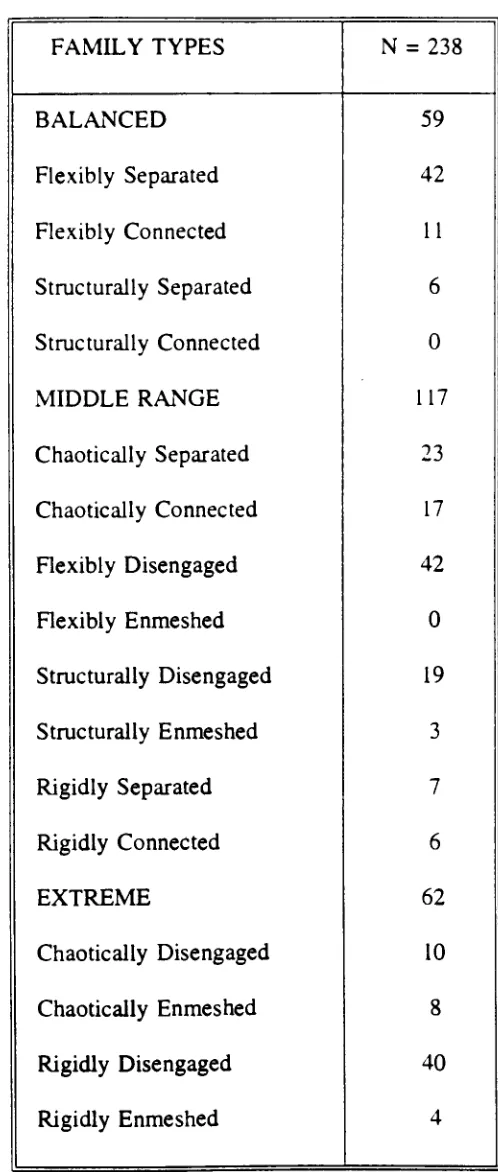
The third chapter is set to present the role that familial practices and especially family interactional patterns play, in the adoption of drinking behaviour. Family is seen not only in terms of providing role models for drinking but mostly as a setting where the constant dynamic interactions influence the well-being, the decisions and actions of the individual. Olson's et.al. (1985) Family Cohesion and Adaptability model is presented in line with the findings on the area of alcohol use and misuse. In addition the concept of social support and the role of significant others, are introduced to the explanation of the behaviour.
The fourth chapter, addresses Rhodes & Jason (1988) Social Stress Model of Adolescent Alcohol Abuse; several sociopsychological factors relative to the model are examined in relation to the current findings in the area. The addition of the Self-efficacy notion and its implications for drinking are discussed along the lines of Rhodes & Jason (1988) model.
receive the appropriate attention. The second aim concerns the research methodology; the study supports the significance of using two separate research methods for exploring the same phenomena in an attempt to gain a deeper understanding of the processes that associate with drinking. The general hypotheses, worthy of investigation are put forward.
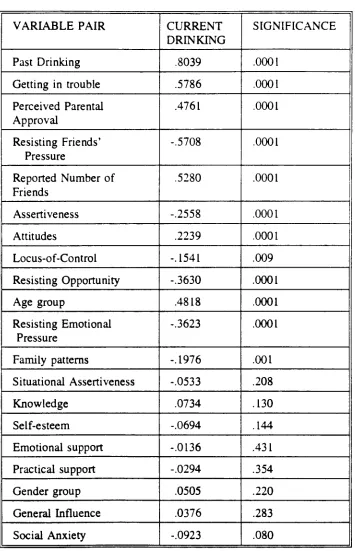
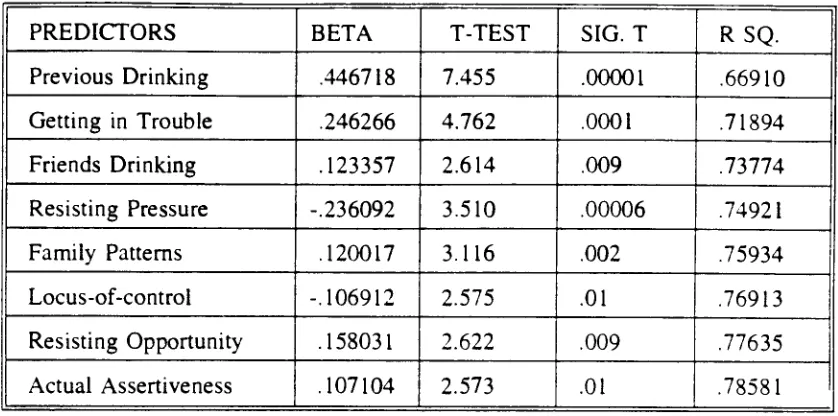
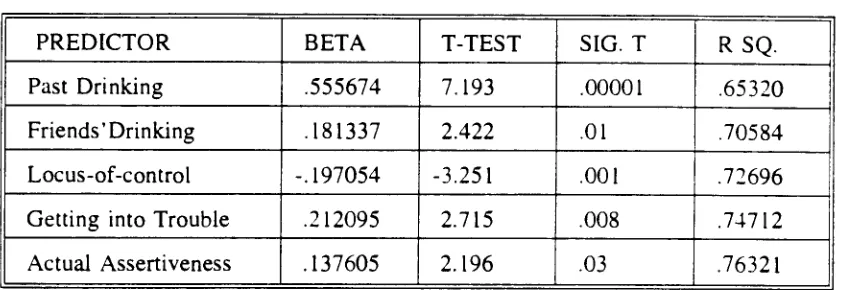
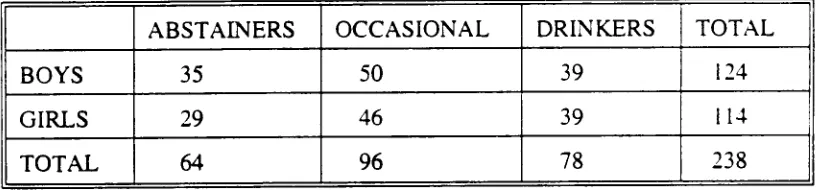
Chapter six presents the research methodology of the quantitative study. The assessment measures, the procedure and design and issues of reliability are addressed. Chapter seven is concerned with the analysis of the results, where the regression model for identifying the most significant to drinking variables is adopted and then these are examined separately and in relation to the drinking groups. Gender issues are addressed in relation to both, drinking patterns and the underlying factors associated with them.
Chapter eight presents a discussion of the major findings of the study, addressing its limitations and suggesting the areas in which future research should be directed. The significance of sensitive investigation tools and awareness of limitations and biases are discussed.
Finally, chapter ten presents: a) a discussion of the major findings of the qualitative study, b) an overall discussion of the steps taken in the study, c) the main hypotheses derived from the conjunction of Olson's et.al. (1985) Family Cohesion and Adaptability theory and Rhodes & Jason (1988) Social Stress Model and d) the need for adopting quantitative and qualitative techniques in sensitive research areas.
=TER THO: :.3 4G PATTERNS 2\T Af;CLECCEI iC
2.1) Current drinking practices in adolescence.
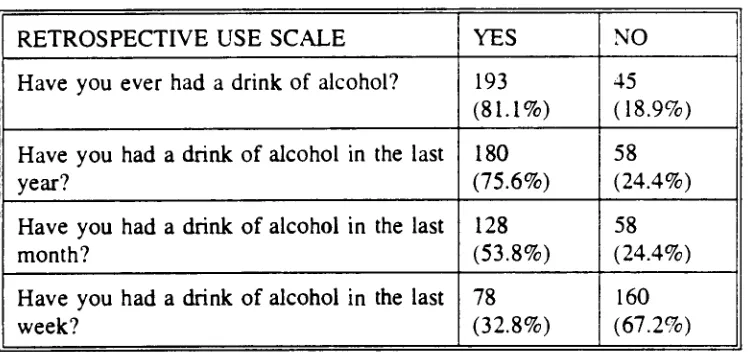
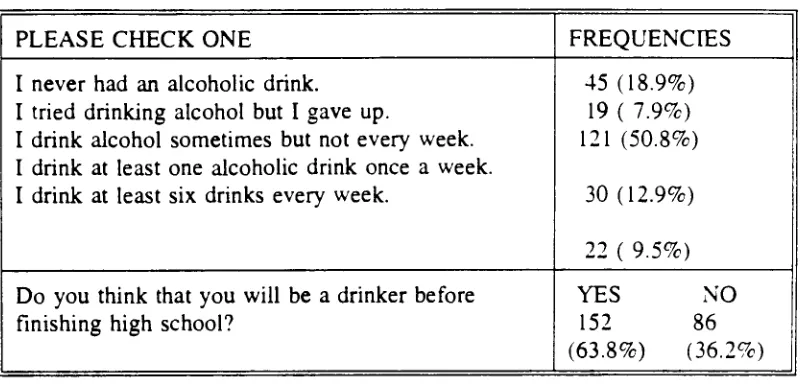
A number of studies are interested in investigating children and adolescents' drinking practices. Recent reports demonstrate that in U.K. alone, many children between the ages of 12-17 drink openly in bars (Marsh et. al., 1986). In the U.S., three million children aged 14-17, are thought to be problem drinkers and nearly half of all deaths among those aged 15-19 were involved in traffic accidents in which alcohol was a factor (Dunne & Schipperheinj, 1989). Only 6% of boys and 7% of girls had never been worried about drinking (Dunne & Schipperheinj, 1989). In a Survey by the British Office of Population census (Marsh et. al., 1986) 79% of the 13 year olds had drunk alcohol and 29% reported drinking once a week. At 13, the majority drinks at home, but by the age of 17, 62% drink openly in bars in England; in Wales 43% of the 15 year olds report public drinking (Horn, 1985 cited in Farrell, 1988). Nearly all students in Horn's study (1985 cited in Farrell, 1988) have tried alcohol (93%) and the greater majority of them (72%) have used it in the past month.
As Yamaguchi & Kandel (1984) suggest "the most important trend to emerge from cross-sectional epidemiological surveys is the onset of experimentation with legal and illegal drugs in early adolescence".
increase about the age 10, jumps at age 12 and continues to increase until age 18. Most of the initial experiences with alcohol take place before finishing high school.
From Davies & Stacey's (1972) study it appears that most adolescents remember first experiencing alcohol between the ages of 13 to 14 years; 475 of boys and 27% of girls are introduced before this modal age and 19% of boys and 24% of girls after this age. Hawkins et.al. (1991) study produced a similar finding: boys are more likely to have their first drink before the age of 10. Few of either sex however, delayed their first drink until the age of 15. Plant et. al. (1985) argue that the average age of first taste is 10 years old, for boys and 11.5 for girls.
The age at which people take their first drink is getting lower; men and women aged 17-30 claimed to have tasted their first drink at 15.1 and 16.4 years respectively; corresponding averages for those aged over 50 were 21.3 and 24.5 years (Robins & Przybeck (1990); they also argue that the potential for problems is significantly greater for those who begin use early in life than for those who begin use later; therefore age of first use appears to be a critical variable.
This phenomenon of adolescent drinking is spread worldwide. A number of studies have compared the drinking habits of young people in different countries, these including England and Ireland (O'Connor, 1978), USA and Ireland (Christiansen & Teahan, 1987), Papua New Guinea, Australia and USA (Wilks et. al., 1985); Australia, France, Norway and USA (Bank et. al., 1985) and Israel, France and the USA (Adler & Kandel, 1982). The youth of these countries exhibit different behavioural drinking patterns. However, the general level of alcohol use in the British studies is markedly higher than those noted in other studies and especially in the USA, where about 80% of the adolescents aged 16 and over reported having consumed alcoholic beverages. In the British studies it is reported that 94% of young people have had a proper drink by the age of 16 (Rowe & Elam, 1987; Plant et. al., 1985) and many had their first drink when they were much younger.
Beck & Zannis (1992) claim in their study that African Americans compared to white students in a middle class suburban high school, reported drinking smaller quantities of alcohol less frequently, were more likely to be non drinkers and to report never having been drunk.
As the review of the studies suggest, not all drinking is sensible drinking. Marsh et. al. (1986) have found that half of the 13 year old girls have been drunk at least once and 17% have been very drunk. Hughes & Dodder (1992) report in their results of a longitudinal study, that even after legislation to raise the minimum drinking age was enforced, reports on problem drinking changed very little.
Beans et. al. study (1988) also reports that the average number of units of alcohol drunk were 3.6 for all 725 children in his population and 6.28 for those drinking alcohol during last week. The 15 year old boys who drunk most were more likely to know and to be offered drugs. The recently published survey of the drinking habits of 13 to 17 year olds, is the first National Alcohol Survey in Britain (1984, cited in Marsh et. al., 1986), to be related to young people. In this survey, 90.3% said that they had drunk alcohol at some time in their lives, 62.6% they had a drink in the last week and 21.8% had taken 9 or more units. The above figures indicate that the problem of excessive drinking goes beyond the adult population and affects the youth.
have not yet started to drink have already formed expectations about alcohol's effect on cognition and behaviour. These beliefs might come about through learning and observing drinking within the immediate social context. Expectations of positive consequences may initiate drinking; subsequent drinking probably modifies expectations; and modified expectations affect future patterns of alcohol consumption. Consequently a variety of personal and environmental characteristics relate to the selection and frequency of drinking in various settings with the strongest relationship being found in the perceived environment of normative support (Lawrance, 1988).
A network of heavy drinking peers increases the possibility of exposure to setting where alcohol is available and consumed. Party drinking contexts are settings of relatively heavier drinking in the ecology of adult drinking. Adolescent involvement in such settings may be seen as exceeding the normative support of drinking in the course of socializing (Grant et.al. 1990). A few studies, that have included children in their sample, report that the latter have occasional direct experiences with alcohol consumption as well as indirect experiences which vary from parental modelling to peer modelling and to media dissemination of cultural values (Goldman et. al., 1986).
Goldman et. al. (1986) argue that high-risk youngsters are more likely to have expectations of social facilitation and of cognitive and motor functioning, through alcohol use. In their study, groups of children discussed a number of issues concerning advertising, including adverts that children liked and disliked. The findings suggested that adverts of alcoholic drinks became increasingly salient and attractive over the years of 10-14. At 14-16, lager and beer adverts were seen as promoting masculinity, sociability and working class values. Martini was seen as promoting sociability, style, sophistication and attractiveness. Even 10 year old girls said that Martini aimed at sophisticated women.
The findings indicate that adverts for alcoholic drinks, aimed at older teenagers and young adults, actually attract children by promoting certain qualities such as humour, sophistication, toughness, attractiveness and sociability. Thus, the years between 10-14 or 16 are critical in the development of an adult like perception of the imagery in adverts and t.v. commercials for alcoholic drinks (Aitken et. al., 1988).
In sum, culture is partly responsible for the promotion of alcohol use and abuse. Alcohol is part of everyday life, not only in Britain, as the increased evidence of alcohol consumption by young people suggests. Drinking alcohol is considered to be normal part of adolescent life and many young people are introduced to it by their parents (Marsh et. al., 1986; Stefanis et. al., 1993).
As Mandelbaum (1967) concludes:
Subsequently, parental attitudes to drinking play an important role in the drinking behaviour of the adolescent. Together with culture, personality factors, peer influences and coping have to be considered. A fruitful study is one that looks at personality traits, the social network, social support and familial environment, since parental drinking often predicts adolescent's drinking habits (Wilks et. al., 1989). In more than a hundred studies, one third of any sample of alcoholics had at least one parent who was alcoholic; in two thirds of the studies at least 25% of alcoholics had fathers who were alcoholic (Murray, 1989). Although members of the same family and ethnic group share the same genes, family structures and recreational opportunities, the majority of all families and ethnic groups do not become alcoholics despite exposure to heavy drinking peers and relatives (Donovan, 1986).
For a more accurate picture of how and why alcoholic experiences succeed one another, the social and cultural background of heavy drinkers and the dynamic interplay of these factors with each other and with genetic, psychological and physiological predispositions must be investigated.
Edwards (1986) also refers to the fact that for men aged 15-64 years old, the standardized mortality ratio is almost twice as high for social class V as for 1. This simply indicates that addiction is a challenge to society and not to the individual alone, and that much of it is determined by social and economic factors which operate outside the immediate control of most individuals.
"Addictions are the examples of the very general truth that a wide range of socioeconomic influences bear on the individual's capacity to handle his/her inalienable personal responsibility. Different substances, cigarettes, alcohol, illicit drugs, medically prescribed drugs, offer variations of this central theme" (Edwards, 1986).
In line with Edwards' arguments other researchers (Newcomb & Bentler, 1988; Rhodes & Jason, 1988; 1990; Wordaski, 1990) also claim that substance abuse is a problem for all age groups and for the whole of the social system. Much of the current research also points to the fact that many of the individuals who use alcohol, use simultaneously other substances (Wordaski, 1990).
The literature acknowledges the presence of six properties common to the development of many habitual health damaging behaviours. These are a) the ability of the substances to act as reinforcers, b) the acquired tolerance-reduced effectiveness of the same dose of exposure over time, c) the physical dependence and withdrawal, d) the affective constant euphoria followed by dysphoria, e) the capacity of substances to act as effective Pavlovian unconditioned stimuli and 1) the capacity of states like arousal to influence use.
Today, many argue that alcohol consumption precedes any other involvement with drugs, both licit and illicit. In accordance with the stepping stone theory of progressing into drug use 27,000 seventh to eighth grade students in the state of New York have been surveyed. The data showed that students do not use other drugs unless they also use alcohol. White, Black and Hispanic students all tend to initiate the use of drugs in the following order, Alcohol, Marijuana, pills and hard drugs. Cigarettes form an important step between alcohol and marijuana use for younger students, particularly for females (NIDA, 1987).
In a similar Greek study, Stefanis et. al. (1993) has found that for 70.6% of the adolescents in his population, the use of alcohol precedes smoking, for 65.7% it precedes the use of medically prescribed drugs and for 93.6% the use of hash.
Several explanations have been offered as to why alcohol is the entry drug" for most adolescents in the U.S.A. One of them, comes from research of Yamaguchi & Kandel (1984), who have suggested that this phenomenon may be indicative of the association of each class of drugs with the different ages of initiation and with individual attributes. Ages of initiation can explain why certain drugs, when they are used, always come first and in a certain order. Therefore, as Free (1993) suggests, the models of drug-use should be drug specific as the importance of variables may vary depending on the stage of drug involvement.
Over the past twenty years there has been a re-appraisal of the nature of alcohol problems. In earlier conceptualization, alcohol related problems were identified only within the alcoholic population; in fact, researchers used to separate alcoholics from the rest of the population who consumed alcohol and perceived alcohol related problems as exclusive to the first drink.
the problems related to alcohol consumption and to classify the specific problems that adolescents experience due to alcohol consumption, without running the risk of labelling them as either "sick" or "helpless".
Saunders (1984) identifies three categories of problems: i) problems relating to intoxication, ii) problems relating to heavy alcohol consumption and iii) problems relating to alcohol dependence. Beyond moderate levels of three to four units, alcohol intoxicates and the type of intoxication will vary from individual to individual. Alcohol intoxication is linked with legal, medical and social problems.
Similar is the case for problems relating to excessive use and dependence. In the latter category are included those who are labelled as alcoholic, since they experience all three problems; intoxication, regular use and dependence. The hallmark symptom of dependence is an inability to withdraw from the use of alcohol. This was believed to be a symptom exclusively found in adults, but current research rejects this point by identifying a new category of the Chemically dependent adolescent (Newcomb & Bentler, 1988).
2.2) Gender differences on drinking practices.
Males tend to report more drinking than females, although recent evidence suggests that such differences are less apparent in recent findings (Stefanis et. al., 1993; Marsh et. al., 1986). The argument that Marsh et. al. (1986) bring forward probably is the best example of how culture influences drinking behaviour.
"...some of the older girls are undoubtedly under-reporting their consumption...for boys to get drunk at a young age is to achieve an adolescent ambition. Many will do so as young as possible. Enjoying the status their outraged behaviour attracts, they repeat it. Girls are not drinking by an urge to heroic drinking. Getting drunk is likely to detract from as to add to a girl's status, it may attract a reputation for commonness" (Marsh et. al., 1986).
In the National Alcohol Survey it is reported that 14% of the 14 year old boys and 12% of the same age girls, reported being drunk, more than once during the last year, whilst 2% of boys and 2% of girls, at the same age group, reported drinking on a daily basis. Amongst the 14 year olds, 35% of boys and 36% of girls reported having an alcoholic drink during last week.
In a Greek study (Stefanis et. al., 1993), 7.8% of the adolescent boys and girls reported trouble due to drinking. In the Mostriou et. al. (1990) study, 1.1% of boys and 7.6% of girls aged 12-17 years old, also reported having at least an alcoholic drink, 40-49 times during the last 12 months, whilst for those aged 18-24 years old the figures are 18.3% for boys and 4.8% for girls respectively. In addition, for the last month, 10.9% of boys and 6.6% of girls reported having 20-39 drinks, 3.5% of boys and 1.8% of girls having 40-49 drinks, whilst for those aged 18-24, the relevant figures are 21.4% to 11.1%, 18.3% to 4.8% and 2.5% to 0.9% showing a convergence for the two gender groups.
In Hawkins et. al. (1984) study, 95% of boys and 90% of girls have given a positive response to the question "have you ever tasted an alcoholic drink?", by the age of 13 and by the age of 16, this had risen to 98% for both sexes.
Davies & Stacey (1974) report similar findings;92% of boys and 85% of girls have tasted alcohol by the age of 14, which increased to 98% and 96% respectively by the age of 17. For the 14 year olds, 15% of boys and 14% of girls reported drinking at least once a week, whilst 36% of boys and 33% of girls reported being drunk more than once.
2.9% of girls. 4% of boys and 3% of girls said they got drunk because they enjoy drinking, whilst absenteeism from school due to drinking was reported by the 16 year olds of both sexes.
In the National Alcohol Survey carried out by the National Institute of Drug Abuse in 1990 in the USA, 25.3% of boys and 23.7% of girls aged 12-17 years old, reported drinking during the past month, whilst for those aged 18-25, some gender differences are present (73.3% of boys and 53.3% of girls). However, interestingly enough the Survey reports that 15 year old girls in England and Wales appear to drink more often than even 16 year old boys in Scotland. 4% of boys and 3% of girls said they got drunk because they enjoyed drinking. 17% of the boys said that after having had a lot to drink, they behaved in an aggressive manner compared with 12% of girls, whilst 12% of girls, compared with 6% of boys reported being afraid to go home. The most likely age of any of these experiences was 15 and 16 years old, for both sexes.
Isralowitz et.al. (1993) also argue that in their study which was concerned with male and female differences in alcohol use and behaviour, slightly more women (94%) than men (90%) used alcohol. However, men were more likely to report problem behaviour as well as drinking and driving.
In the above pages we have been concerned to present current drinking practices in adolescence. Review of the literature suggests that a relatively small percentage of adolescents have never had alcohol. In addition, age of first time alcohol experimentation appears to have get lower, showing that an increasing proportion of adolescents have their first taste at around the age of 10.
The drinking levels of frequency and quantity may differ from culture to culture, but overall drinking starts much before the legal age. Boys tend to report more drinking than girls, but recent evidence, at least in the Greek studies, suggest that such differences are less apparent.
2.3) The effects of media and alcohol advertising on youth.
Adolescence is a critical period for developing the self-concept in the search
of identity and for integrating into society. Since these processes are heavily dependent on social interactions, leisure and youth activities constitute a central context of testing, accepting and forming new identities. These activities help the adolescent to find his/her unique place in society trough free role experimentation and broad experiences of identification.
Adolescents exist simultaneously within, both family and peer groups. and one may ask how such dual commitments influence adolescents' behaviour and socialisation. Most generalisations about socialisation emphasize the pivotal role of interpersonal processes featuring family and peers (Bandura, 1986), whilst it has been argued that youth socialisation is also affected by the messages that the current culture transmits, with the aid of media and through education.
In order to understand how drinking practices and beliefs are developed and maintained we must turn to the social systems which sustain alcohol images and behaviour. In modern, western societies the system which provides the most widely shared and continuous flow of drinking images is that of the mass media in general and television in particular, which provide a pool of values, norms, information of reality available and frameworks of understanding through which social reality may be interpreted.
So far the main focus of research on alcohol and mass media has been and continues to be: a) on the content and effects of persuasive communications namely b) advertising of alcoholic beverages and c) alcohol education and information campaigns. Therefore it is interesting to know the extent to which television cultivates and reinforces beliefs that alcohol consumption is the norm rather than the exception in social interaction, that alcohol consumption is the sign of manly behaviour, that alcohol consumption is the mark of, or attributes to, affluent lifestyles, entrepreneurship and achievement, that different types of alcoholic drinks are linked differentially to social class and sex of drinker, and that alcohol consumption rarely contributes to accidents, violence or ill-health.
members of the audience, acting as an indirect formative agent in the area of values and behaviour (Ried, 1989). This cultivation of beliefs has as a result the formation of value systems in adolescents. Others claim that parents and media work together in the formation of adolescents' values and beliefs. Certain patterns of family communication exert a mediating effect in the media orientations and behaviour of their children (Strickland & Pitman, 1984 cited in Hansen, 1986). In Western societies, the media transmits favourable views of drinking, which often correspond with parent's behaviour and beliefs and in turn influence the adolescents' behaviour.
Consequently, the influence of television on adolescents' behaviour does not depend only on the amount of time spent viewing, but also on the quality of programming, the developmental state of the adolescent and family interactions. Evidence comes also from empirical research. A study by Lawrence (1986) demonstrates that children spend 65% of their total viewing time watching television with another family member. The omnipresence and existence of television suggests that there is a basic source of stimulation and input for the growing child.
"Widespread t.v. viewing by the general population, especially young adults and children may be contributing to maladjusted health habits. There is no question that television has an enormous influence over our lives, that television can be presumed to influence health attitudes and behaviour" (Tucker, 1987).
Television has unique properties in dealing with the problem of alcohol and youth. It offers role models who are known and loved and believed. Just as problem drinking is a crucial issue for youths, so television is an important part of their socialisation environment. What television says and does about drinking is important. Television has the business of educating youth, whether this function is fully realised or not, since school lost its role as main source of information a number of years ago.
Educational programmes are at a disadvantage, when compared with the health messages transmitted through the media. To understand the implications of the damage, we have to examine firstly the role of media in affecting health beliefs and secondly the educational attempts to promote a healthy lifestyle.
may seriously tempt the adolescent to identify and select models for imitation, leading to unrealistic aspirations and expectations (Schneller, 1988).
"Mass media tells the man who he is, what he wants to be, how to get that way and how to feel that he is that even when he is not" (Mills, 1969 in Schneller, 1988).
Without traditional ties, strong role models and opportunities to satisfy interpersonal needs the adolescent retreats almost totally to screen watching. In this way he/she seeks to build an identity in the pseudo-reality of a pseudo-world. Hence, it is not surprising that the latest findings suggest that human development and behaviour are affected by television to a degree far exceeding earlier judgments.
Public concern about the effects of television and other mass media on young people has been reflected in academic research since the turn of the century. Young people watch a great deal of television averaging to 27 hours per week (Nielsen, 1986 cited in Smith et. al., 1988). This is more hours than they spend in school per year. As they proceed through school, they turn increasingly to adult programs and by the sixth grade 80% of children's preferences consist of adult programs (Singer, 1983). Adult programs contain many scenes involving drinking. Televised drinking scenes have an impact on the beliefs and behaviours of children. Evidence comes from current research.
argues that heavy viewing is associated with more favourable beliefs about drinking among 10 to 14 year olds. Fifth and sixth grade boys, but not girls expressed a more favourable attitude towards alcohol after viewing drinking scenes on television. Tucker's study (1987), suggests that light-television viewers are more physically fit, emotionally stable, sensitive, imaginative, outgoing, physically active, self-controlled, intelligent, moralistic, college bound, career oriented and confident than their counterparts, especially heavy viewers who also use drugs and particularly more alcohol. With the above evidence in mind it is rather discouraging to consider that the amount of time adolescents spend viewing television is at least 147 minutes per day, or else 17,5 hours per week on average (Lawrence, 1986).
Therefore, research designed to determine the impact of television on health and human functioning has many channels still to explore. Given that youths spend enormous amount of time each year watching television and that countless health messages are conveyed by this colourful and convincing teacher, the effect that television might have on health related attitudes and practices is of vital importance to health professionals and to our society. Singer (1983) concludes that this indifference by social scientists reflects a massive blind spot that is only recently being corrected.
To unveil a significant relation between television, alcohol adverts and human behaviour would add credence to the supposition that television may influence the minds and bodies of the viewers. Such data will provide teachers and parents with additional information regarding the wisdom of limiting exposure to the tube. Such findings would enable scientists to begin the process of guideline formulation relative to healthy levels of t.v. viewing.
In Italy alone, in 1987 -between RAI and private TV channels- 585,000 commercials were broadcasted-1500 per day, worth 6 thousand billion lira. What are the cultural and psychological mechanisms behind the influence and the success of a TV spot? Not much is known on this subject. Aitkin et. al. (1987) examined the influence of advertising on excessive and dangerous drinking in a survey of 1,200 adolescents and young adults who were shown advertisements depicting excessive consumption themes. Results indicated that advertising stimulates consumption levels, which leads to heavy drinking and drinking in dangerous situations.
Although, the advertising of alcoholic beverages on television in U.K. is governed by a number of regulations (Section 34 of the IBA Code of Advertising Standards and Practice), research, carried-out by Pendleton et. al. (1988) found that 14 out of 21 alcohol advertisements have been thought by the majority of the students to break the regulations. Regulations forbid advertisements showing solitary drinking, associating drinking with social success or with sexual success or promoting the attraction of high strength drinks. However, a number of advertisements have been contravening the regulations in some way.
2.4) Preventive educational programmes.
In order to understand the role of education in current preventive strategies and their relation to health enhancing behaviours, we have to agree on a definition of educational programmes.
Under the heading of alcohol, the definition of an educational program remains unclarified (Howe, 1989). That is because we are not really aware of the extent to which we can link prevention and education. Are we trying to prevent people from drinking or from drinking in a harmful way, or are we aiming at high-risk groups? (Howe, 1989). In other words which is our target group? How do educational programmes define prevention?
Howe (1989) gives some very good definitions of prevention, which is mainly divided in three types-primary, secondary and tertiary prevention.
a) Primary prevention is aimed at healthy people, who are moderate drinkers, and it seeks to educate them about alcohol, to enable them to enjoy it and avoid any harmful effects.
at special groups within the population thought to be particularly vulnerable to alcohol problems or in need of alcohol education.
c) Tertiary prevention is aimed at those known to be damaging themselves by their drinking and it seeks to encourage them to accept treatment and to maximise their remaining potential for healthy living.
i.) ALCOHOL EDUCATION PROGRAMMES:
Some of the main approaches to alcohol education, include information giving, shock-horror, affective, situational, behavioural and harm-minimisation. We are going to explain first the aims of each approach and then the strengths and weaknesses associated with each one. Most people find that effective educational programmes incorporate a variety of approaches.
Starting from the information processing approach, the focus is on providing information and increasing knowledge. The approach is based on the belief that human behaviour is rational and that increased knowledge will lead to changed behaviour. During the early ages of adolescence and before the onset of drinking, it would be beneficial to teach children the true nature and properties of alcohol. Although, the accumulation of knowledge does not necessarily lead to behavioural modification, an awareness of the effects of alcohol in the human body, will help to reduce fallacies and dispel myths.
adolescents who are more likely to rebel to any kind of authority and even engage in behaviour regarded as undesirable and in fact health harming.
The next approach in the area is the affective approach which considers the attitudes, opinions and values held by the individual with regard to alcohol. The aim of the approach is to clarify them and to examine them with a view to modification or change. It assumes that by raising self-awareness one can succeed in modifying one's behaviour. This approach can be used in conjunction with the information giving approach. As it is often the case that individuals form their attitudes on the basis of lack of knowledge, the information giving approach can facilitate the formation of the desirable attitudes prior to onset of drinking, while the effective approach will contribute to the change of attitudes, once being formed. However, it is debatable whether attitude change is followed by behavioural modification.
Ewles & Simnett (1985) sum up the aim of the behavioural approach as being the change of people's attitudes and behaviour and the adoption of a healthy life style. The approach includes increasing assertiveness and raising an individual's personal sense of control, confidence and coping abilities. However, it has been criticised as neglecting the broader influences on an individual's drinking and as focusing only on the individual him/herself. Finally the harm minimisation approach, which is the most recent one in the field of alcohol consumption, has as an aim to reduce or minimise patterns of drinking and not to stop people from drinking altogether.
Therefore, it encourages controlled drinking and it offers alternatives to it. In the case of adolescents, the usefulness of the harm minimisation approach is questionable and is regarded by some as encouraging health harming behaviour and engagement with other drugs as well as with alcohol. The shock-horror approach probably has no effect, since people are not bound to believe its messages or even worst they are not interested in what will happen to them after 10 years time, but are more prone in enjoying their current lifestyle.
Hence, most approaches seem to have been developing without taking into consideration the messages that the individual receives from the media, and without tackling the dilemma of indulging into a short-term rewarding behaviour or sustaining one's pleasure for the rewards of a healthy living.
ii.) ALCOHOL EDUCATION PROGRAMMES IN BRITAIN AND AMERICA:
The most widely used alcohol education programme in Britain, is the one which was developed by TACADE ( Teachers Advisory Council on Alcohol and Drug Education). In their alcohol education syllabus which is intended for students from 16 to 19, that is middle and late adolescence, a systematic attempt is made to provide a comprehensive programme of alcohol education for young people.
The programme is based on the latest thinking about the use of informal methods which actively engage young people in their own learning. Although this claim seems to be apparently true, and one can argue that young people are actively engaged in the process of learning, the curriculum does not go as far as to cater for the needs of those at risk. The programme is exclusively designed for adolescents who are moderate or light drinkers, although it involves some situations whereby hazardous drinking may take place. Even so, there is no evaluation of the programme as such and there are no indications of its success or failure. The first question arising, is whether it is adequate to deal with adolescent drinking in general or whether we should go further and attack the minority at-risk.
non-drinking behaviour and their personal and social development. This particular package which is intended for use with young people aged 16-19 years, consists of 5 units, each with a different focus or emphasis. Each unit contains systematic teacher's notes and separate sheets of pupil's materials. The first unit is an introduction to alcohol education where alcohol is explored in relation to other drugs, myths about the properties of alcohol are dispelled and attitudes to alcohol are attacked. In the second unit the emphasis is on drinking styles and influences on drinking. The initial task is to identify the drinking styles and explore the range of personal influences on such styles. The unit suggests other ways of relaxing and it provides guidelines for responsible drinking.
In the third unit the focus is on the decision-making process in social situations. The function of the pub and the pros and cons of round-buying are discussed. Some personal characteristics, such as assertiveness, a positive self-image and respect for others, which facilitate decision making are explored. The fourth unit deals with drinking and driving and the decisions which precede such an action. Finally on the fifth unit, other alternatives to alcohol consumption, are offered.
because it fails to recognise that the troubled individual needs help beyond the point
of decision making to the point of actual support and understanding from the
environment. Therefore, the above programme oversimplifies the problem of the
troubled adolescent and it is addressed exclusively to those who are experimenting
with alcohol. Even within this group its levels of success are unknown. However,
it is impossible to criticise the success rates of the programme, without having some
empirical evidence for its implementation.
There is only one study which is based on the above guidelines and gives some
information in relation to a better approach. The study, called Action Plan took place
in 1985 by a group of researchers from Bristol University and it was implemented in
the South West of England. The Action Plan stresses the need for a social learning
approach to alcohol education because this kind of approach recognises the
individual's right to choose, the importance of participative forms of learning and the
need to locate alcohol issues within the broader question of health and health
promotion. A manual known as the Drinking Choices Manual was developed by the
TACADE (Teacher's Advisory Council of Alcohol and Drug Education) and it focuses
on learning rather than teaching. The programme involves a series of residential Key
Tutor training courses, who would then run their own courses for local alcohol
educators who would in turn run courses for clients, thus building a pyramidal
structure.
However, the programme is not designed for schools or troubled adolescents
researchers approached the whole range of services available for problem drinkers. Within this framework, the researchers provide a small report of the current situation in schools. They found out that health education varied enormously in how it was taught, with the majority of teachers involved in a didactic and prescriptive approach in which young people are simply warned about the dangers of certain types of behaviour. Health education is often addressed in a fairly incoherent way through a variety of subjects supplied by a variety of teachers, many of whom were chosen because they had the space to take on further commitments.
In America, the realisation has come that the decision to drink is a multidimensional one, in which several processes are involved varying from the micro to macro culture and to the individual him/herself. The efforts vary from one school of thought to another and the distinction between prevention and identification of the high-risk groups is made. In the following pages these programmes will be presented.
The above programmes are focusing mainly on smoking behaviour and recognise peer pressure, parental pressure and media messages as the most influential on the decision to smoke (Evans et. at., 1977). Other programmes, such as the CLASP (Counselling Leadership Against Smoking Pressure) have made peers the most important agents.
Overall, psychological inoculation, role playing, cognitive modelling and peer led assertion training have all been utilised with varying success. It has been suggested however that young people with fewer environmental resources and life skills may be less successful in resisting the interpersonal pressures to smoke (Schinke et.al., 1989). Recently, the above programmes moved from focusing exclusively on smoking behaviour to focusing on a variety of drugs. Since 1980, researchers from DePaul University have been implementing a skills-based substance abuse programme in inner-city Chicago Elementary schools.
Evaluations have indicated decreases in substance use as well as improvement in a variety of behavioural and cognitive skills (Rhodes & Jason, 1988). However, the programmes fail to address the ecological factors which may be responsible for engagement with the above behaviours.
stress and low social support from adults. The aim of the programme is to develop students' self-efficacy, to increase social competence and to decrease substance abuse.
A cognitive and behavioural skills training programme has been developed by Schinke & Gilchrist (1984) aiming at the enhancement of such skills as decision-making, problem-solving and interpersonal communications in a variety of social situations. The programme has consistently demonstrated the effectiveness of the cognitive behavioural approach to substance abuse prevention. Finally, Botvin et. al. (1984) developed a curriculum based programme for prevention, called Life Skills Training (LST), which seeks to facilitate the development of generic life skills, as well as skills and knowledge more specifically related to substance abuse. The students are taught general assertiveness skills and how to use these skills to resist direct interpersonal pressure to consume drugs. Recent evaluation of the programme indicates that it is capable of producing initial reduction of 50% or more in new cigarette smoking among junior high school students and it has also been found to have a significant impact on both, drinking and marijuana use.
Rhodes & Jason (1988) summarise the problem in a single question: "Can we work with students at lower risk for substance abuse and at the same time adequately address the needs of those already engaging in problematic usage? " The answer is that more intensive and differentiated interventions should be made for those at higher risk. Obviously the starting point is to identify those at risk at an early age and to locate an appropriate programme in accordance to the individual's needs. Adolescents at risk should be identified not through the legal or the mental health system but rather through the teacher and the school system, by the identification of evident behaviours related to substance abuse and by the use of diagnostic interviews with parents and children. This is the only way to ensure that we attack the problem early enough, before it becomes irreversible. The focus is not therefore on which specific treatment to use for intervention but on how to identify and motivate the high risk adolescents to accept treatment.
SUMMARY AND REVIEW:
The above findings suggest that individuals have to cope with conflicting messages. On one hand, the media sources send messages that exert the positive aspects of drinking, and on the other educational programmes try to prove the fallacies of such beliefs and in addition to modify people's attitudes and behaviour. As a result, health messages remain unclarified and often poorly received by adolescents. According to Barnes (1984) most alcohol education programmes lack of a sound theoretical basis for programme development and evaluation. In addition, those at-risk are never identified through educational programmes and preventive strategies.
c.. 7... 3: ENV:RCNMENTAL AND FAREL:AL FA 077:.?„3 -.FE =ft r3 ALCOHOL EK7E1RualfEN7ATICN/1/12SUSE
3.1) Vulnerabilities for alcohol use amongst children of Alcoholics:
Risk factors are variables associated with an increased risk of a disorder. Even though, an association does not imply a causal relation, these factors help to identify groups who are at relatively high risk for developing a condition and may provide clues concerning its aetiology (Helzer, 1987). Today, it is recognised that the presence of one or more alcoholic parents might contribute to children's alcohol misuse. We will argue that not only the alcoholic family, but any dysfunctional family as such, constitutes a risk factor to abuse. However, our first concern is the alcoholic family and its biopsychosocial effects on the individual.
Family studies support the association of genetic factors with alcoholism and with the metabolism of alcohol which might influence tolerance and physical dependence (Nordstrom et. al., 1987; O'Connor, 1978; Werner, 1986), indicating that familial alcoholics experience a more severe form of dependence.
i.) TWIN STUDIES:
Twin studies, through the comparison of identical and fraternal twins were trying to demonstrate that identical twins were more often concordant to alcoholism than fraternal twins. This, would point to a genetic influence, since the method assumes that MZ and DZ twins have equally variable environments (Searles, 1988). Heritability can be directly estimated from twin studies data, as twice the difference between the intraclass correlations of MZ and DZ twins. [h2=2(rmz-rdz)].
In relation to the hypothesis, Kaij (1960), found that identical twins were significantly more concordant than fraternal to alcoholism. A Finnish study (Partanen, et. al., 1966), also found that among younger persons a significant difference between identical and fraternal twins was present in relation to alcoholism. A British study (Murray et. al., 1983; Murray, 1989), showed no difference at all between identical and fraternal twins.
The results of the above studies vary, since a) the criteria for the classification of alcoholism are not commonly shared and b) some methodological problems are inherent in twin studies, making it completely difficult to disentangle genetic from environmental effects (Searles, 1988).
ii.) ADOPTION STUDIES :
The adoption method permits one to access genetic and environmental factors independently. The hypothesis, is that genetically dissimilar individuals reared in the same home, yield a direct estimate of shared environmental factors. Methodologically, these studies provide the most powerful evidence of genetic and environmental contributions to any trait of behaviour, but only few of them are related to the aetiology of alcoholism (Searles, 1988). The first adoption study on alcoholism, done by Roe in 1945, found no difference in alcohol consumption levels between children of alcoholics and children of non-alcoholics, both in their early twenties. The sample size, though, was small and no criteria were presented as for the diagnosis of alcoholism.
These studies concluded that: a) sons of alcoholics were three or more times more likely to become alcoholic, whether raised by their biological or adoptive parents (Goodwin, 1985) and b) sons of alcoholics were no more susceptible to psychiatric disturbances than were sons of non-alcoholics, when both groups were raised by nonalcoholic adoptive parents. The results regarding female alcoholism were more equivocal. The Danish study introduced the notion that adoption might contribute to alcoholism (Goodwin, 1985) by showing that 4% of the daughters of alcoholics were alcoholics themselves, but 4% of the control women were also alcoholics. In a previous study, Goodwin (1973; cited in Goodwin 1985), found a genetic influence in the aetiology of alcoholism, failing however to consider the role of the environment and the social interactions. In addition several problems arose due to lack of control groups, high rates of foster parent psychopathology and high proband divorce rates (Searles, 1988).
From the methodological point of view the Danish and Iowa studies, involved personal interviews with the adopted children and the application of DSM-III type criteria for the diagnosis of alcoholism. The Swedish study, was based on records linking alcohol-related arrests, demographic information, hospitalizations and clinic visits for alcoholism. The records did not include diagnostic criteria, whilst gender biases were present, due to the heavy emphasis placed on alcohol-related arrests involving more men than women (Goodwin, 1985). Although the above studies offer some useful data on the association between genetic influences and alcohol abuse, they tell us little about how alcoholism is transmitted or what is inherited. The results can be suggestive but not conclusive due to the limitations in the data.
The heightened risk for developing alcohol-related problems is also mediated through learning and imitation of the familial practices. When considering the involvement of alcoholic families in the perpetuation of alcohol problems, it is important to appreciate that this topic can be studied from a variety of divergent perspectives, with the two most influential models being, the stress-victim and the systems approach.
The non-excessively drinking members of the family are themselves at risk of developing a drinking problem whilst trying to cope with the stress they experience. Recently, a great deal of research is concerned with the kind of stresses to which children of alcoholics are particularly prone (Orford & Velleman, 1990). Chronic exposure to poor family atmosphere with much parental marital tension, discord and disruption of joint family activities and rituals is amongst the most important sources of stress. Orford & Velleman (1990), also suggest that other forms of stress are particular to this population, such as restriction on meeting friends or reciprocating invitations because of embarrassment about parental behaviour. Thus, the stress-victim approach assigns clear roles to different family members; one is excessive drinker and the rest receive the impact and are at risk of suffering ill effects as a result.
of family life and the possible family functions that continued excessive drinking might be serving (Orford & Velleman, 1990).
There is an intensive study of limited number of families of alcoholics searching for markers that are present in alcoholic relatives but absent in non-alcoholic relatives. The alcoholism literature suggests that families with male alcoholics have matriarchal family structures in which drinking allows the husband to play a more dominant role (Jacob & Leonard, 1988). Another theme, featured in the early literature, is the systemic notion that alcoholism serves a stabilising and even adaptive function for families.
Other familial factors, such as degree of dependency, family conflict, modelling of abuse, social isolation and parental neglect, also point to environmental influences which contribute to alcohol abuse. Tarter (1988), reported that well before any exposure to drinking, biological sons of alcoholics are deficient in emotional self regulation, planning, memory, perceptual motor functioning and language processing in comparison with matched control subjects. At the physiological level, the same investigators located the area of deficit at the prefrontal cortex and posited a neurotransmitter disequilibrium at the biochemical level.
A study by El-Guebaly (1990), demonstrates that adult children of problem drinkers are more likely to be divorced, separated or remarried themselves, to be heavy drinkers with indications of alcohol problems and to use more sources of help for problems with stress, anxiety and alcoholism. Beardslee et. al. (1986), also found that the degree of exposure to alcoholism in the childhood family environment is highly correlated in later life with alcohol abuse.
Kashubeck & Christensen (1992) study which investigated within-group differences in psychological distress, social support and hardiness among adult children of alcoholics, concluded that not all adult children of alcoholics are the same or that is some common reaction on the part of all individuals to parental alcoholism.
children and adolescents are more likely to emulate and identify with a powerful alcoholic parent and through these processes learn that alcohol can make them feel powerful. If environmental and psychosocial factors play a role in the occurrence of disorders in the offsprings of alcoholics, then qualitative and quantitative studies of the degree of exposure of the child to the alcoholic parent are needed.
Up to now, studies assume that children in the same family are exposed to similar environmental influences, such as socioeconomic opportunities, child rearing practices, attitudes and other parental characteristics. Rowe & Elam (1987), suggest that in order to understand the extent of familial influences on drinking behaviour we have first to study, what is called the between-family environment or shared E (E2), which acts in order to make individuals in the same family alike, and then the non-shared or the within family environment (El) which acts to make family members different from one another and unique individuals. Because of the potential of El, multiple members of the same family can be included in future research, since the family illness, adoption and twin studies establish a modest but significant inherited vulnerability to alcoholism (Donovan, 1986).