CEC Theses and Dissertations College of Engineering and Computing
2018
Exploring Generational Differences in Text
Messaging Usage and Habits
Daniel Wayne Long
Nova Southeastern University,[email protected]
This document is a product of extensive research conducted at the Nova Southeastern UniversityCollege of Engineering and Computing. For more information on research and degree programs at the NSU College of Engineering and Computing, please clickhere.
Follow this and additional works at:https://nsuworks.nova.edu/gscis_etd
Part of theCommunication Technology and New Media Commons,Computer Sciences Commons,Digital Communications and Networking Commons, and theMass Communication Commons
Share Feedback About This Item
This Dissertation is brought to you by the College of Engineering and Computing at NSUWorks. It has been accepted for inclusion in CEC Theses and Dissertations by an authorized administrator of NSUWorks. For more information, please [email protected].
NSUWorks Citation
Daniel Wayne Long. 2018.Exploring Generational Differences in Text Messaging Usage and Habits.Doctoral dissertation. Nova Southeastern University. Retrieved from NSUWorks, College of Engineering and Computing. (1060)
Exploring Generational Differences in
Text Messaging Usage and Habits
By Daniel W. Long
A dissertation submitted in partial fulfillment of the requirements for the degree of Doctor of Philosophy in
Information Systems
College of Engineering and Computing Nova Southeastern University
An Abstract of a Dissertation Submitted to Nova Southeastern University In Partial Fulfillment of the Requirements for the Degree of Doctor of Philosophy
Exploring Generational Differences in
Text Messaging Usage and Habits
By Daniel W. Long
October 2018
Members of society today embrace multiple communication media for various purposes and intents. Text messaging has been identified as the medium of choice for continual relationship maintenance and text messaging from mobile devices overshadows all other media forms for the support of social connections. Text messaging is changing
everything from how operators market their plans to how advertisers and service providers reach consumers. But just as technology usage of social media and internet access are different across generational boundaries, text messaging usage and habits may also be different for various generational groups. The majority of peer-reviewed research regarding text messaging usage habits has focused on adolescent and young adult users with less attention on text messaging usage habits by older adults; there is a scarcity of peer-reviewed research examining cross-generation text messaging habits and texting usage patterns. The primary goal of this study was to assess the similarities and
differences in text messaging usage habits, purposes, and support of social connections differentiated by five of the commonly designated generational groups in America; the Post-War Silent Generation, Baby Boomers, Generation X, Millennials, and Generation Z. A mixed methods study provided data on the text messaging usage habits of members of the generational groups using a pool of adult college students, members of the
researcher’s LinkedIn network, and data from a survey service to determine to what extent differences and similarities exist between users’ text messaging usage habits within each generational group. Results indicated generational group membership has a significant effect on a participant’s messaging volume (UV), text messaging partner choices (TMPC), and text messaging social habits (SH), regardless of gender, education level, or employment status. The older the generational group, the more likely they are to prefer talking over texting and to have issues with the device interface. The Post-War Silent generation texts their spouses the least of any group, while Generation X texts their spouses the most, and all generational groups with the exception of Generation Z would limit texting while driving. Generational characteristics seem to have some influence over texting behaviors. Contributions to the existing body of knowledge in the human
computer interaction field include an investigation of factors that contribute to each generational group’s willingness to embrace or reject the text messaging medium, and an investigation into the into how each generation views and exploits the texting medium.
ACKNOWLEDGEMENTS
This dissertation is dedicated to my wife, Kim. Were it not for your loving guidance, support, and encouragement, accomplishing this goal would not have been possible. You never let me get off task for very long, and encouraged me through all the setbacks, keeping me positive and upbeat. I cannot begin to tell you how much you mean to me.
I would like to thank my dissertation advisor, Dr. Maxine Cohen, for her
leadership, guidance, support, and understanding throughout this dissertation process, for sticking with me beyond the call of duty. I have learned so much from you and hope to instill your patience and positive attitude into everyone whom I mentor.
My heartfelt thanks also go out to my committee members, Dr. Ling Wang and Dr. Simon Cleveland, for their encouragement and support, and wisdom, and to my Delphi committee members, Dr. Michael Nelson, Dr. Albert Ball, and Associate Dean Tracey Lanham, as well as my other two members who have asked not to be
acknowledged.
Also, a special thanks to Dr. Steven Terrell, who helped me in determining the correct statistical tests, and to Josef Long and Kim Long who provided some much-needed proofing and editing.
Thank you all for challenging me and guiding me through this process. I am very grateful and fortunate to have had you all in my corner.
v
Table of Contents
Approval ii Abstract iii Acknowledgments iv Table of Contents v List of Tables ix List of Figures x Chapters 1. Introduction 1 Background 1 Problem Statement 3 Dissertation Goal 5 Research Questions 6Relevance and Significance 7 Barriers and Issues 9
Assumptions, Limitations, and Delimitations 10 Definition of Terms 12
Summary 13
2. Review of the Literature 15
Introduction 15
Social Connections through Texting 15 Generational Groups 21
GI Generation 23
Post-War Silent Generation 23 Baby Boomers 24
Generation X 26 Millennials 27 Generation Z 29
Text Messaging and Technology 32 Summary 35
vi
Table of Contents (continued)
3. Methodology 37Overview 37
Theoretical Model 37
Research Methods Employed 39 Quantitative Method 39
Sample Development 40 Hypotheses and Model 42
Instrument Development and Validation 44 Pilot Study 47
Pre-Analysis Data Screening 47 Quantitative Data Analysis 49 Qualitative Method 53
Qualitative Data Analysis 54 Presentation of Results 54 Resource Requirements 55 Summary 56
4. Results 57
Overview 57
Quantitative Data Analysis 57 Demographic Statistics 61 Reliability Analysis 65
Research Question Analysis and Results 65
Testing Gender as a Covariate to Generational Group 74
Testing Employment Status as a Covariate to Generational Group 78 Testing Education Level as a Covariate to Generational Group 81 Quantitative Findings 85
Effect of Generational Group on Usage Volume 85
Effect of Generational Group on Text Messaging Partner Choices 85 Effect of Generational Group on Social Habits 87
Modifying Effects of Gender 88
Modifying Effects of Employment Status 89 Modifying Effects of Education Level 90 Qualitative Findings 91
vii
Table of Contents (continued)
Qualitative Data Analysis 90Qualitative Findings 92 Common Questions 92
Generationally Specific Questions - Post-War Silent Group 96 Generationally Specific Questions - Baby Boomers 97
Generationally Specific Questions - Generation X 98 Generationally Specific Questions – Millennials 99 Generational Characteristics 100
Post-War Silent Generation 100 Baby Boomers 102
Generation X 103 Millennials 105 Generation Z 106 Summary 108
5. Conclusions, Implications, Recommendations, and Summary 112
Conclusions 112 Implications 117 Recommendations 119 Summary 121 Appendices 127
A - Text Messaging Questionnaire 127 B - Interview Script and Initial Questions 131 C - NSU Institutional Review Board Approval 132 D - Participant Letter for Anonymous Survey 133 E - Invitation to participate in Telephone Interview 135 F - Participant Letter for Telephone Interview 136 G - Between Group Comparisons of GG on UV 138 H - Between Group Comparisons of GG on TMPC 139
I - Between Group Comparisons of GG on SH 150
J - Pairwise Comparisons of GG on UV with Gender covariate 153 K - Pairwise Comparisons of GG on TMPC with Gender covariate 154 L - Pairwise Comparisons of GG on SH with Gender covariate 165
viii
Table of Contents (continued)
M - Pairwise Comparisons of GG on UV with Employment Status covariate 168 N - Pairwise Comparisons of GG on TMPC with Employment Status covariate 169 O - Pairwise Comparisons of GG on SH with Employment Status covariate 180 P - Pairwise Comparisons of GG on UV with Education level covariate 183 Q - Pairwise Comparisons of GG on TMPC with Education level covariate 184 R - Pairwise Comparisons of GG on SH with Education level covariate 195
S - Summary of Common Semi-Structured Interview Questions and Consensus 198
ix
List of Tables
Tables1. Generational Groups and General Characteristics 30
2.
Text Messaging Social Habit Construct Groups 513. Mahalanobis Distance Extreme Values 59
4. Gender Representation 61
5. Survey Data Collection and Cleaning Summary 61
6. Minimum Sample Value Responses 62
7. Education level 63
8. Employment Status by Generational Group 64
9. Reliability Summary 65
10.Volume of messages sent/received by Generation Group 666
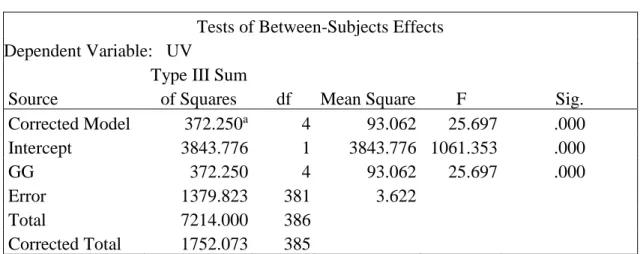
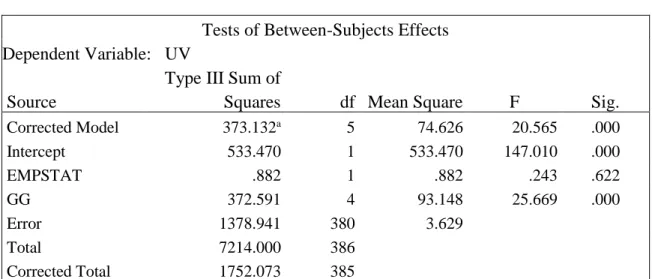
11.Tests of Effects between GG and UV 67
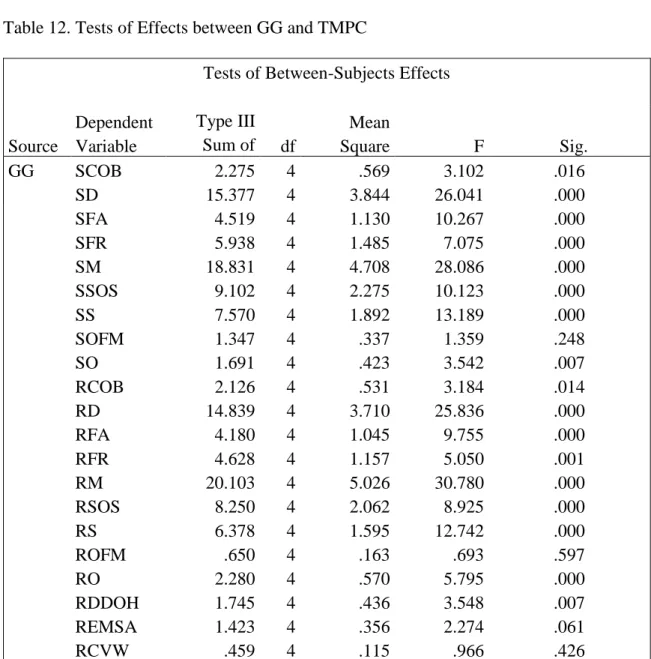
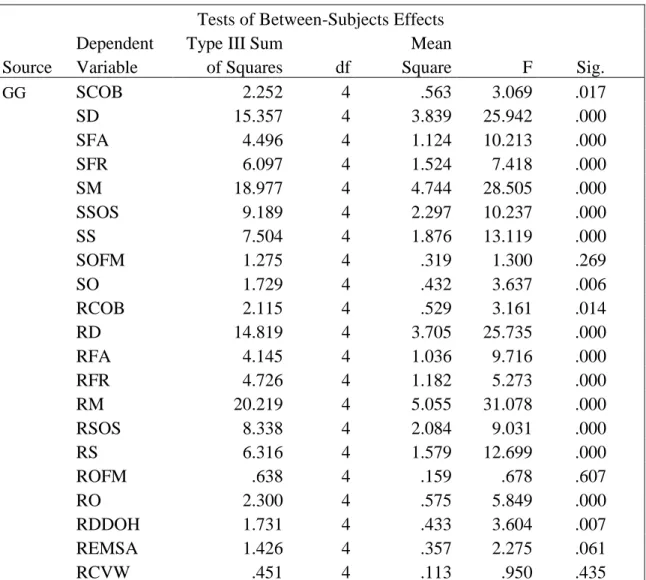
12.Tests of Effects between GG and TMPC 68
13.Tests of Effects between GG and SH 72
14.Test of Gender Effect as Modifier to GG on UV 73
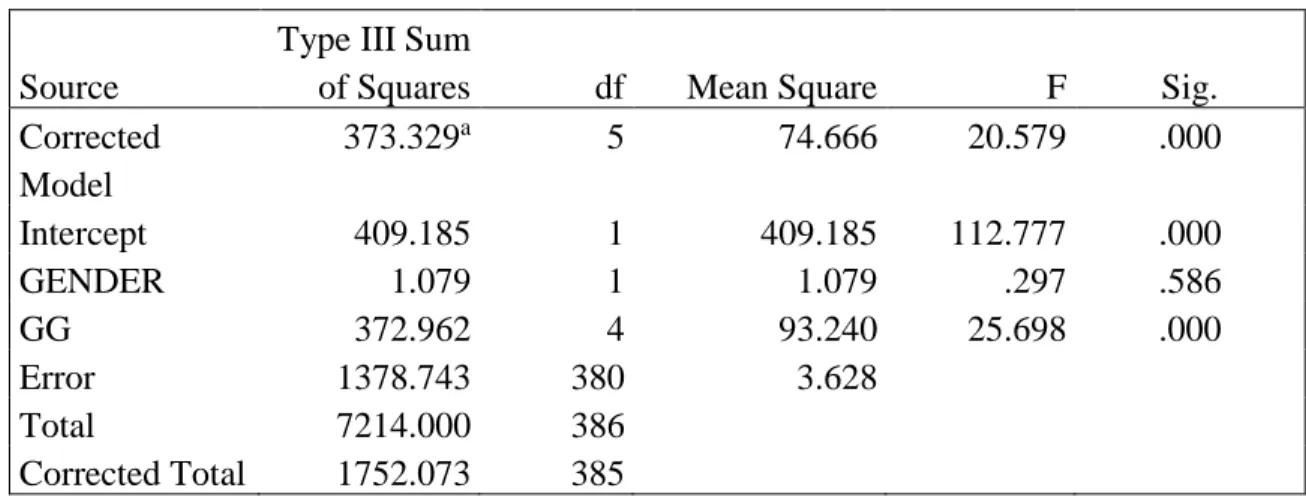
15.Test of Gender Effect as Modifier to GG on TMPC 74
16.Test of Gender Effect as Modifier to GG on SH 76
17.Test of Employment Status Effect as Modifier to GG on UV 77
18.Test of Employment Status Effect as Modifier to GG on TMPC 78
19.Test of Employment Status Effect as Modifier to GG on SH 79
20.Test of Education level Effect as Modifier to GG on UV 80
21.Test of Education level Effect as Modifier to GG on TMPC 81
22.Test of Education level Effect as Modifier to GG on SH 83
x
List of Figures
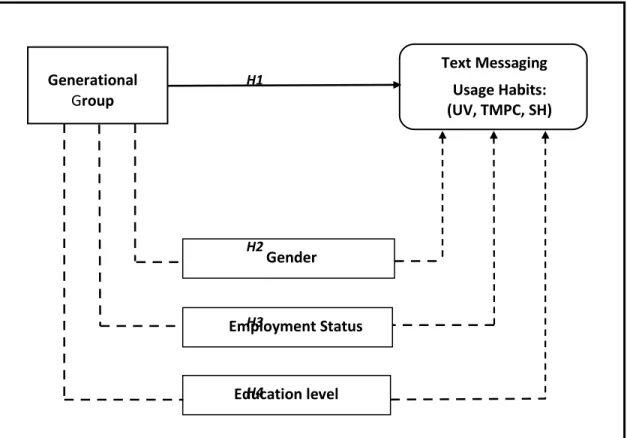
Figures1. Model of Generational Group Correlation to Text Messaging Usage Habits 43
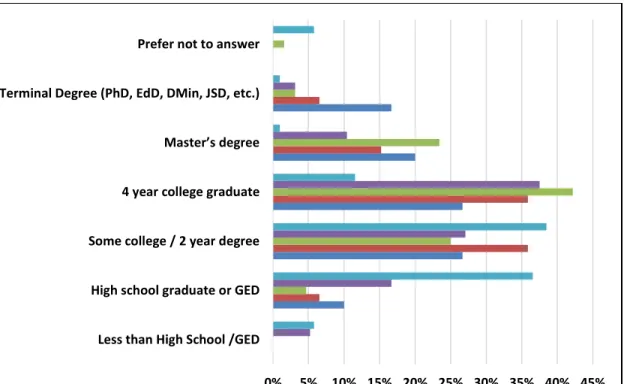
2. Education level by Generational Group 63
3. Text Messaging Conversation Send Partners 70
Chapter 1
Introduction
Background
One very important developmental task in adolescence and young adulthood is learning how to create and maintain friendly, intimate, and meaningful relationships with peers, family, and other social contacts (Koutamanis et al., 2013). Initially, such
communications were face-to-face, but juxtaposed with the need for such communication and interaction has been the use of the prevailing distance communications technologies of the time to facilitate non-face-to-face social interaction. From the postal system, telegraphs, telephones, e-mail, and the Internet (Winston & Winston, 1998), to social networking sites and the current mobility and ubiquity of interactive communications using smart mobile devices, people have always embraced technology to facilitate their interactions with others.
A prevalent technology medium often employed is that of text messaging in order to maintain those social connections (Reid & Reid, 2007; Valkenburg & Peter, 2011). While parents in previous generations fretted about the number of hours teens spent on the telephone, “today’s teens aren’t spending hours on landlines, but they are still
conversing … sending text messages to friends. Both entertainment and sociality are key reasons why teens invest so much energy in their online activities” (Boyd, 2014, p. 79).
However, the perception that using such technology is the domain of only the young is not supported; the use of technology to support social connections permeates across generational boundaries (Gell et al., 2015; Boot et al., 2015). Although initially embraced by younger adults, older adults have emerged as an important information communication technology (ICT) consumer group; ICT is enabling older adults’ abilities to maintain connectivity with family and friends, to access health services, and to
augment participation in both leisure and routine activities (Boot et al., 2015). Technology continues to evolve and to saturate more and more aspects of social communication channels, but the value and importance of social connections,
connections to other people, has not lessened (Putnam, 1993; Glaeser et al., 2002; Carver et al., 2018).
Of the information communication technologies currently available, text
messaging or SMS text messaging, is particularly popular among older adults as opposed to e-mail and is the most frequently used mobile phone feature (Gell et al., 2015).
Research indicates this may stem primarily from the fact little technological expertise is required for sending and receiving SMS text messages (Gell et al., 2015; Zhou et al., 2014); typing on a QWERTY keyboard is a skill with which most adults already have some familiarity. Although voice assistance (voice-to-text) applications are becoming more widespread and appear to provide the most positive experience for entering text data across all generations (Smith & Chaparro, 2015), their large-scale adoption has not yet been observed, as there are still few well-defined scenarios for such adoption and widespread usage is not likely soon (Yap, 2012). However, before investing time and resources to make SMS and other texting technologies more accessible and useable
across the different age groups, the usage habits and patterns of the various generations among the population need to be fully examined and compared.
This study is organized in the following manner. First, a statement of the specific problem that has been researched will be presented. Addressed next are the main
research questions, as well as the relevance and significance of the research. A literature review of related areas of research is presented within each of the relevant areas:
generational groups,as designated by five of the six commonly designated living
generational groups in America; the Post-War Silent Generation, Baby Boomers, Generation X, Millennials, and Generation Z); text messaging, and social relationship maintenance, denoting any gaps in the literature. Specific barriers, issues, limitations, and assumptions are described and methodology for the research and analysis approaches are discussed and defended. Finally, the research results and conclusions are presented, followed by a discussion of the implications, and recommendations for future studies.
Problem Statement
The research problem addressed by this study is that although every generational group participates in text messaging on smart devices, there is little specific research investigating whether or not their text messaging usage habits are similar in terms of volume, choice of texting partners, or urgency and purpose of communication across those generations. The scant existing research is contradictory, inconsistent, dated, or at best, inconclusive.
Some studies indicate little differences in the learning characteristics of
divide of technology use based on generations is not substantiated empirically” (Lai & Hong, 2014, p. 726). Other research complements this as well; perceived usability ratings for physical QWERTY text input among both younger and older smart device users differed by less than 10% (Smith & Chaparro, 2015). Issues associated with texting while driving have long been the subjects of many researchers (Ling, 2004; Rosenberger, 2013; Takao et al., 2009; Watkins et al., 2011; White et al., 2004; Billieux, 2012), but only one specifically addresses driving and texting habits combined with the age of the participants: research in 2013 by the AAA Foundation for Traffic Safety, using data collected in 2013 from 2,325 licensed drivers 16 and older indicated although those over the age of 60 were least likely to use a cell phone while driving, 72% of those between 40 and 59 admitted to using their cell phones while driving. This was compared to 58% of teens, and concluded adult drivers are by far the likeliest age group to admit to using their phone while driving (AAA Foundation, 2014). Age does not seem to be a strong
consideration when it comes to cellular technology - consumers of all ages seem to have embraced cell phones. As of January, 2017, over 95% of all Americans own a cell phone of some kind. This includes 97% of adults between the ages of 50 and 64, and 80% of adults 65 and older (Pew Research Center, 2017). Another study conducted by Guo, Dobson and Petrina (2008) did not find any significant differences in university students aged 20 to over 40 on self-perceptions of information technology competence.
Other studies come to very different conclusions, finding younger individuals to be more likely to make contacts with a text message whereas older individuals are more likely to call or use an email or other social media networks for same sex friends
in attitudes and choices regarding technology - older adults also reported being less anxious than other groups if they realized they had left their cell phone at home and were less likely than younger groups to report technology had significantly altered how they communicate with others (Van Volkom et al., 2014). Younger people have been depicted as digital natives (Prensky, 2001; Becker, 2009; Chen & Yan, 2016; Čičević et al., 2016; Kitzing et al., 2009; Sherman et al., 2013) while older people have been described as
digital immigrants (Prensky, 2001; Boyd, 2014; Chen & Yan, 2016; Frederick et al., 2014; Lepp et al., 2014; Sherman et al., 2013).
Dissertation Goal
This mixed methods research has been conducted to assess and compare the usage of the text messaging medium in support of social relationship maintenance across
various generations, to better understand the similarities and differences in generational usage habits in support of the fulfillment of social needs. An examination of the usage habits of the participants with respect to volume of usage, selection of conversation partners, various text messaging social habits, (support connection for business, emotional support, life-event coordination and maintaining relationships) and with respect to usage, contact urgency, has been done to determine similarities and differences in these habits across generations. To accomplish this, data was solicited via a survey using a pool of randomly recruited adult college students and their extended social networks as well as members of the researcher’s LinkedIn social media network, and their extended social networks. In addition, in order to ensure an adequate statistical sample representative of the population, supplementary surveys were solicited through the survey service Survey Monkey. These surveys, administered online, consisted of
various questions that solicited information about the participants’ usage volumes, usage purposes, and choices of texting partners, as well as several demographic indicators. Many similar studies have utilized a collegiate pool as their survey data source (Ahn & Shin, 2013; Bian & Leung, 2015;Čičević et al., 2016), and more recently, social networking service platforms such as Facebook and LinkedIn have been found to be an effective method to recruit individuals (Lohse, 2013; Brooks and Churchill, 2010) and to offer a way to construct snowball samples for exploratory work (Bhutta, 2012). For the purposes of this study, “text messaging usage habits” refer to the regular and established tendencies, practices, purposes, volumes, and partner selections with which a participant employs the text messaging medium to support social interaction.
After a detailed analysis was performed and the quantitative data was assessed, a supplemental qualitative study was conducted. This was accomplished by interviewing a selection of between four and six persons from each of the five generational groups to further delineate any commonalities or differences that might have occurred among the variables, and to assist in determining the usage behaviors of the generational groups and the possible motivations behind these behaviors.
Research Questions
Research questions were used to determine what, if any, current correlations exist between text messaging usage habits of participants and social connections across generational groups, using the participant’s generational group as a control variable:
RQ1: How does a person’s generational group affect their text messaging usage habits?
RQ2: How does a person’s generational group affect their text messaging usage habits when controlling for gender?
RQ3: How does a person’s generational group affect their text messaging usage habits when controlling for employment status?
RQ4: How does a person’s generational group affect their text messaging usage habits when controlling for education level?
RQ5: What are the behaviors and characteristics of the various generational groups with regard to text messaging usage habits?
Relevance and Significance
The study is relevant as it seeks to facilitate a better understanding of how, how often, and to what purpose (why) various generations utilize text messaging in support of social and professional relationship network maintenance, and event scheduling. In viewing these interactions through the lens of social exchange theory it suggests people engage in social interaction in anticipation it will lead to social rewards: improved status, peer approval, admiration, and respect (Blau, 1964). Building reputation appears to be a strong motivator towards encouraging active engagement (Donath, 1999), and in online organizations and communities outside the workplace, people intimated they increased status by responding with some frequency (Lakhani & von Hippel, 2003). Thus, the perception that contributing knowledge will enhance one's reputation and status may motivate individuals to contribute their valuable, personal knowledge to others in the network. This understanding of interpersonal disclosure in online social networking is a superlative application of social networking theory (Posey et al., 2010); reciprocation and mutual satisfaction are the principle benefits of engagement, and privacy concerns were
juxtaposed with the desire for interpersonal awareness in driving the use of self-disclosure technologies in the context of instant messaging (Lowry et al., 2011).
Complementing this viewpoint are several studies supporting the use of the social capital theory in examination of social media interactions; “evidence that the use of smartphones for different purposes (especially for information seeking, sociability, and utility) … significantly impacted social capital building” (Bian & Leung, 2014, p. 1), “online communication with the mobile phone is positively related to various indicators of subjective well-being and bonding and bridging capital” (Chan, 2015, p. 96), and when text messaging conversations occurring between face-to-face meetings were found to positively impact bonding social capital (Stephens et al., 2017).
Viewed in the social capital and social exchange context, other research has shown understanding the possible usage differences between the various generations can assist in the design of better and more targeted interfaces which are easier to learn, more likely to be used and more useful (Gould & Lewis, 1983 This will assist in the design of more relevant and directed services catering to the overall consumer base, helping to ensure technology is not an obstacle, but an enhancement and augmentation to communication (Thrunher, 2004).
From a practical point of view, this research is important for any organization relying on text messaging communications with employees, business partners, or customers. This addresses the current scarcity of peer-reviewed research examining cross-generation text messaging habits and texting usage patterns. It will help to advance current research in technology support of social relationship maintenance and facilitate an increase in the body of knowledge regarding various generations’ behaviors as they relate to their awareness, habits, and practices in the context of socially-mediated
technology-assisted relationship maintenance. Recognizing these patterns and ultimately having better understanding of their clients can help developers to design better interfaces which more accurately address the needs of multiple generations of users. Designing with the end-user in mind, with a “thorough understanding of the diverse community of users and the tasks that must be accomplished” (Shneiderman, & Plaisant, 2017, p. 13) can
encourage and assist interface designers in creating more usable and suitable designs, as well as provide social support systems and organizations with a better understanding of how various generations use the texting medium. By fully understanding the relationship between technology and those it serves, developers will be better positioned to create technology which will better serve the needs and requirements of the user community.
Barriers and Issues
The objectives of this research have been to determine the effect a person’s generational group may have on text messaging usage habits, and whether there are any usage correlations with regard to demographic indicators such as gender, employment status, or education level. One realized barrier for this study was obtaining access to a sufficient number of valid participants willing to complete the survey. This was addressed by soliciting input from multiple input sources: a collegiate pool, a social media pool, the extended networks of all participants, and the additional supplemental data provided by the engagement of a professional survey service, Survey Monkey, to ensure a sufficient number of generational group responses.
Another potential barrier concerned the validity and appropriateness of the survey questions and scales to be used to test each of the proposed constructs. To address this, an expert Delphi committee was employed to review the survey questions for bias,
ambiguous wording or other issues. Initial pass responses from the five committee members indicated no bias within the questions but noted other concerns and
considerations. It was the opinion of the committee that the Likert scale employed would be more accurate and meaningful to the participants using the nomenclature of “never-rarely-sometimes-often-always” rather than a “strongly agree-agree-neither agree nor disagree-disagree-strongly disagree”. There was also a concern from one committee member that one of the questions was potentially an outlier. Discussion and clarification of the purpose of the question led to the conclusion that it was in the same context as another question in the survey and not an outlier, as both questions are determinants of acceptable and unacceptable texting behavior in various social settings. General clean-up and consistency checks in the formatting and punctuation in the participation letter and in the survey were also addressed by the committee, and after several iterations, committee consensus was achieved.
Assumptions, Limitations, and Delimitations
There were several assumptions regarding the participant responses. It was assumed that participants would complete the survey in its entirety, be reasonably accurate in their recollection of their text-messaging usage frequencies, be honest in reporting their text-messaging habits, and be active users of the text-messaging medium on a mobile device.
Several possible limitations to this research exist which must be considered and addressed. To combat the limiting issue of low completion rates, a pilot study was conducted first to improve on the number of questions, question sequencing, formatting,
and clarity (Fan & Yan, 2010). Although the student population selected was ethnically, culturally, and generationally diverse, there was a concern that it might not offer
significant diversity in terms of economics and education: there may be inherent class bias or underrepresentation of some social class memberships. This concern was somewhat alleviated by the inclusion of snowball sampling and usage of the third-party survey service to compensate for this and to provide a better social class cross section. Another concern was the limiting factor associated with survey participants being required to have reached 18 years of age to participate in the study. Members of
Generation Z, those born in 1996 or later (Novak, 2012; Zemke et al., 2000; Carrier et al., 2009; Kitch, 2003; Twenge, 2014; Underwood, 2017), may be underrepresented in the student population and LinkedIn connections. Although obtaining a significant number of participants was not an issue, those persons surveyed that were between the ages of 18 and 21 are effectively representing all persons born after 1995. They may not necessarily provide a significantly strong cultural identity with their Generation Z group peers under the age of 18. Another delimitation employed by the study was the exclusion of those born prior to 1927. The difficulty in finding a sufficient number of constituents of this group coupled with their relatively small percentage of the overall population make it necessary and valid to remove them from consideration as participants in this study. The random elimination of many survey respondents in order to stratify the sample to be representative of the generational groups proportional to the population could potentially skew the results. It was felt that this would be a more accurate approach than to have over-representation of any of the generational groups.
Definition of Terms
Generational Group - In America, there are six living generations, distinct groups of people, with different likes, dislikes, and attributes. They have had collective experiences as they aged and therefore have similar ideals. The six commonly designated living generational groups in America are; the GI Generation, those born before 1928; the Post-War Silent Generation, born between 1928 and 1945; the Baby Boomers, born between 1946 and 1965; Generation X, born between 1966 and 1978; Millennials, born between 1979 and 1995; and Generation Z, born after 1995 (Novak, 2012)
Text messaging partner choices (TMPC) - the primary targets and partners with whom a participant exchanges text messages (Forgays, Hymnam, and Schrieber, 2013) such as friends, family, spouse or significant others, work-related, sales and coupon messages, or messaging alerts from healthcare practitioners or emergency alerts.
Text messaging social habits (SH) - the use of texting for business, emotional support, relationship maintenance, or coordination of events, and the urgency of response to texts for those connection purposes.
Text messaging usage habits - The combination of a person’s text messaging volume
(UV), their choice of texting partners (TMPC), and the social habits they maintain (SH) with respect to the texting medium.
Text messaging usage volume (UV) – the number of text messages sent and received by a participant in a given time.
Summary
Chapter one served to introduce this study, identify the research problem to be addressed, and present a theoretical foundation. The research problem that this study
addressed wasthat although every generational group participates in text messaging on
smart devices, there is little specific research investigating whether or not their text messaging usage habits are similar in terms of volume, choice of texting partners, or
urgency and purpose of communication across those generations. Text messaging has
been identified as the medium of choice for multiple generational groups for the maintenance of relationships, social connections, scheduling of life events, and to offer emotional support. It surpasses all other media forms with regard to the support of social connections.
This chapter also presented a measurable research goal and four specific research questions addressed by the study. The main goal of this study was to assess and compare the usage of the text messaging medium in support of social relationship maintenance across various generations, in order to better understand the similarities and differences in support of the fulfillment of social needs. The usage habits of the participants with
respect to volume of usage, selection of conversation partners, text messaging social habits, were examined to determine similarities and differences in these habits across generations.
The relevance and significance of this study were also presented in this chapter. This study’s relevance stems from a need to have a better understanding of how, how often, and to what purpose (why) various generations utilize text messaging in support of social and professional relationship network creation and maintenance, and the
scheduling of life events. The significance of this study is that it documented key usage patterns across the generations, which can be used to for developers to design more targeted interfaces and for social support organizations to provide a better experience and more directed services to their clients.
The final sections of the chapter included a discussion of the known limitations, delimitations, barriers, and issues associated with this study. The chapter concluded with a definition of terms used in the study, along with their acronyms.
Chapter 2
Review of the Literature
Introduction
In this chapter, a literature review was presented to review the relevant literature associated with the maintenance of social connections through the medium of text
messaging, the categorization of populace into generational groups and the characteristics of such groups, and support of the text messaging technology as the medium of choice above all others for non-collocational interactions for maintaining social communication networks. This review provided an understanding about these areas, illustrating what is already recognized about these constructs, and supports the framework of the hypothesis and research questions, in so doing creating a solid foundation for this study.
Social Connections through Texting
Supporting studies indicated social connections continue to provide people with resources (Valenzuela et al., 2009) and the emerging adulthood core developmental tasks are still much the same today as they have been in the past (Pempek, et al., 2009). A review of the extant literature has many examples of technology mediated
communication (TMC), and computer mediated communication (CMC) to support social communications for satisfaction or gratification (Auter 2007; Boyd 2014; Grellhesl & Punyanunt-Carter 2012; Hall & Baym 2012; Lepp et al. 2014; Quan-Haase & Young
2010; Caughlin, J, Basinger, E., & Sharabi, 2016). Technology in the form of text messaging is often used to maintain those social connections useful for identity
development. Maintenance of social relationships is a task for which text messaging is reportedly ideally suited: text messaging is the preferred medium of relationship maintenance (Reid & Reid, 2007), and can augment opportunities to learn and rehearse social skills in a less inhibited virtual environment (Valkenburg & Peter, 2011). In a study in China, the formation and maintenance of personal relationships were found to be the most important use of texting technology (Xia, 2012). Another area of research focused upon the addictive nature of mobile devices (Odaci & Çelik, 2013; Salehan & Negahban, 2013; Sultan 2014), or on the user’s dependency on mobile devices (Hall & Baym, 2012; Igarashi et al., 2008; Lapointe et al., 2013; Toda et al., 2008), but these studies are not specific to text messaging as the medium.
Text messaging has become a powerful tool for communication, especially among young adults, from adolescent through college (Lenhart, 2010). It is a convenient, easy to use, low cost communication method; consequently, people have become reliant upon text messaging to maintain daily relationships with friends, family and other
acquaintances, as well as being a significant vehicle for establishing their own identity. Skierkowski and Wood (2012), in researching the frequencies and patterns of alternative behaviors, non-compliance, and anxiety measured during separate restriction periods among a group of high and low text users, ages 18–23, illustrated how text messaging has been perceived by adolescents and young adults in comparison with other computer mediated communications, highlighting the importance of text messaging in normal daily maintenance of relationships. Text messaging is the medium of choice for relationship
maintenance, and more specifically conflict management with dyads, as it allows the texting partners to plan out their messages and gave them more time to get their emotions under control (Perry & Werner-Wilson, 2011). Reid and Reid (2004) alluded text
messaging is the combination of the social aspect of the chat room coupled with the psychological distance of electronic mail and thus lends texting a special, but
contradictory appeal to a significant number of users. It provides mobile, instantaneous, near real-time conversations while at the same time allows the participant time to
compose and reflect before responding, and provides the opportunity to manage and filter their self-presentation (Ling & Yttri, 2002).
Personal relationship formation and maintenance are the most important social interactions through mobile texting in everyday life. Using the actor-network theory and a qualitative research method, Thompson and Cupples (2008) evaluated mobile texting in a network of interdependent factors, including material components of mobile phones, socio-spatial relations, and mobile phone corporations, which they defined as “digital sociality” (p. 95). But despite the additional assistance provided by text messaging technologies in maintaining relationships, the very availability of the communication medium may actually be a stressor for some users of such technology, who may find themselves compromising time for other activities in support of relationship maintenance. Constant connectivity can sometimes compel or coerce responsiveness (Panek, 2014), and increased expectations of instant relationship maintenance from social connections can increase and pressure recipients to respond to messages (Hall & Baym, 2012).
Another way to address the nature of social connections through the texting medium is to view the medium and social connection through the lens of Media
Synchronicity Theory, (MST), which looks to use media synchronicity as a predictor of communications performance; the success of convergence processes is directly related to the synchronicity of the communication, whereas conveyance processes do not (Dennis et al., 2008). A study done in 2008 had mixed results in support of the MST theory: the task-technology fit (TTF) notion viewing instant messaging as a highly synchronous communications medium was not found to be effective for convergence communication (Hung et al., 2008). However, this study was directed solely at workplace
communication using internal private instant messages between co-workers, primarily from personal computers, and did not involve personal use of mobile device text messaging. Personal text-messaging has role duality: data seems to suggest communication media such as text messaging and instant messaging can be used
asynchronously as well as synchronously allowing the participant time to stop and reflect before giving a response if this is desired, or, alternatively, allow immediate response to the conversation if this is preferred. This gives participants greater control over
interactions than they would have if, say, communicating via voice calls using a
telephone or face-to-face, which are by their nature necessarily synchronous (Madell & Muncer, 2007).
Literature specific to research on text messaging, instant messaging and short message service (SMS), separate and in isolation from studies in conjunction with mobile phone usage or general internet usage in specific to social connections is a growing but diverse area, covering a scattered field of interest. Igarashi et al. (2008) described and documented dependency on texting technology and text messaging by Japanese high school students. A second work of this nature was a treatise on the importance of text
messaging in the college–aged population, noting it was an integral aspect of the culture of young people (Skierkowski & Wood, 2012).
As text messaging gained in popularity and became a more accepted form of interaction, achieving social legitimacy, the user community found an increasing number of uses for this medium (Ling, 2010). These can be roughly categorized into four general usage groups: business usage, emotional support usage, maintenance of relationships, and coordination of social activities, all with an overarching attribute of contact urgency.
The use of text messaging for businesses purposes, and social organizations employing text messaging technologies for various organizational and business functions have become increasingly common. Retail organizations and various service groups use text messaging to send coupons and sale notifications, bill reminders, appointment notifications, and information services such as weather, traffic, market rates, and headlines (Dickinger et al., 2004). Medical organizations use this technology for the purpose of appointment reminders and confirmations (Perron et al., 2013), to promote adherence to medical protocols (Nglazi et al., 2013), and to prevent the spread of disease through alert systems (Zurovac et al., 2012).
Additionally, studies have linked the use of text messaging to emotional support. Activities such as “‘sending inspirational messages’ and ‘notes of encouragement to friends and loved ones’” (Barlow, 2008, p. 36) were noted, and in overcoming the challenges of identity and changing familial roles, adolescents have been shown to use text messaging to provide each other with emotional support and to give feedback to one another’s social behavior and personality (Van Cleemput, 2008). Text messaging provides the ability and vehicle for friends and family to be able to provide emotional
support and opportunities to discuss problems (Brosch, 2008). Other research has shown the use of text messaging by participants for the purpose of reaching out to each other for social and emotional support (Ling, 2004), and to send quick notes “just to say I love you” and inform their close friends and family members of their whereabouts (Barlow, 2008, p. 36).
A third common use of the text messaging medium is relationship maintenance, the sustaining and supporting of social connections (Katz, 2008; Ling, 2004). The medium provides the ability to exchange moment-by-moment experiences with special partners, and to have a more continuous sense of connection with friends and lovers (Brosch, 2008). Skierkoski and Wood (2012) found participants fully understand the importance of texting in maintaining and promoting relationships with peers.
Text messaging is used quite often to schedule and coordinate life events. Some other studies examined the social coordination function of mobile texting, finding text messaging usage for coordinating times and places for meeting in person (Campbell & Kelley, 2006; Ling, 2004), arranging meetings and sending out confirmations (Ito & Okabe, 2005), and to orchestrate ad hoc scheduling such as last-minute additions to a shopping list to prevent repeated trips (Copeland-Welp, 2013).
Surrounding and influencing the four usage purposes; business usage, emotional support usage, maintenance of relationships, and coordination of social activities, is an overarching social sense of urgency. When a person receives a text message while interacting with others, they must decide whether to read the message and if so, decide whether or not to or respond to the message, thus interrupting their face-to-face social interaction, or they may choose to ignore the message, potentially offending the sender.
Responding may or may not lead to a conflict with current social mores in the context of the moment and may possibly be viewed in a negative way by the present face-to-face person or group. Previous research by Nickerson et al. (2008) indicates the sense of urgency to respond to text messages is influenced by several variables, such as their country of residence, setting context, and their age. Recent studies show that 95% of texts will be read within three minutes of being sent (Cohen-Sheffer, 2017), but it is unclear as to what factors determine how quickly a response will be forthcoming. However, with the rapid proliferation of the text messaging medium over the past 10 years across all generations, new research is indicated to determine if age continues to be an influencing factor in contact urgency.
Generational Groups
People’s experiences as they pass through their formative years and their coming of age, the time of crucial and impressionable “generational imprinting” (Bartels & Jackman, 2014, p. 10). It is that period of a person’s life distinguishing them from other persons in different times and social climates, when they become qualified to assume certain civil and personal rights, and to be expected to accept and assume certain responsibilities. Whether the members come of age during or after a period of national crisis, or during or after a period of cultural renewal or awakening can have a profound influence over the makeup of each generation (Howe & Strauss, 2007); understanding their generational differences is essential to understanding how and for what purpose they communicate with each other and with society. Although there are outliers and
(Rosen, 2011), as a collective each generation has its own set of beliefs, defined social and societal behaviors, and characteristics (Novak, 2012). Generations are among the most powerful forces in history (Howe & Strause, 2007). These different beliefs and attitudes are often quite pronounced, often leading to generational conflicts between various generations (Zemke et al., 2000). A sociological phenomenon originally identified by Karl Mannheim which came to be known as the “Generation Gap”
(Mannheim, 1952), seems to occur between each succeeding generation and the previous generation, reinforcing within each generational group a strong sense of generational identity (Howe & Strause, 1992). Although there may be a perceived boundary problem in determining exactly where to delineate specific social generations in the “seamless continuum of daily births” (Spitzer, 1973, p. 1358), a review of the available literature (Novak, 2012; Zemke et al., 2000; Carrier et al., 2009; Kitch, 2003; Twenge, 2010; Twenge, 2014; Underwood, 2017), shows a fairly consistent breakdown and agreement of the most common boundaries for those born since 1901, allowing a consensus to be drawn of six distinct generational groups, with distinctive social attributes within each age division. Known by their common use labels, these are the GI Generation, Post-War Silent Generation, Baby Boomers, Generation X, Millennials, and Generation Z. A brief synopsis of these groups and their predominant characteristics as gathered by the
prevailing literature is provided in the paragraphs that follow. The beginning and ending dates for each of the generational groups have been determined by taking the averages of the dates provided from all sources consulted, which at most varied by plus or minus three years.
The GI Generation
Also known as the Greatest Generation, those under this category were born between 1901 and 1927 and came of age during the Great Depression and during World War II. Many of their parents either fought in World War I (Novak, 2012), or escaped the European conflict by immigrating to the United States. As mentioned earlier as a delimitation, this generational group represents less than 1% of the currently living population of the United States (United States Census, 2017), and as such it will not be included as part of this study.
Post-War Silent Generation
Born between 1928 and 1945, in the time “just too late to be war heroes and just too early to be youthful free spirits” (Howe & Strauss, 2007, p. 4), this generation, also known as the Mature Post-War Generation, has had significant opportunities in
employment and higher education as the post-war economic explosion struck in the United States. At the same time, they lived through times of increasing Cold War
tensions, the potential for nuclear war, and the conflicts of the Korean and Vietnam Wars (Novak, 2012). Anxiety and uncertainty were prevalent throughout this generation. Members of this group tend to value security, comfort, and extreme conformity,
preferring familiar and known activities and situations, but at the same time manifesting a strong patriotism, often transforming this strong nationalism into protectionist and
jingoistic beliefs (Rosen, 2011; Underwood, 2017). They believe in discussion, inclusion, and process but often fall short of decisive action (Howe & Strauss, 2007). They are avid readers, especially newspapers (Novak, 2012), and have a strong sense of common values transcending generations, holding near-absolute truths (Rosen, 2011;
Novak, 2012). During their employment years, they have been dedicated, respectful, and faithful to the leadership hierarchy (Zemke et al., 2000). They are generally loyal to their employer - a job is something you generally keep for life (Novak, 2012). They can be disciplined, conformists (Novak, 2012; Zemke et al., 2000), self-sacrificing (Rosen 2011; Zemke et al., 2000), and cautious (Novak, 2012; Zemke et al., 2000), but at the same time willing to explore new experiences such as the suburbs, television, and the transition from big band / swing music into the new musical experience of rock and roll (Novak, 2012). This group can be disinclined to adopt new technologies unless they are
convinced this technology is important to them personally or professionally, opting not to adopt technology just for technology’s sake.
Baby Boomers
The Baby Boomers, also known as the Hippies, the Lost in Space Generation, later as the Yuppies, Generation Jones, and the “Me” Generation, were born between 1946 and 1965 and can be divided into two distinct subgroups. The first subgroup, whose members were born roughly between 1946 and 1954, are often referred to as the Boomer I group, experiencing in their formative years the protesting of the Vietnam War (Novak, 2012), increased discontent with the status quo, and the assassinations of John Kennedy, Robert Kennedy, and Dr. Martin Luther King (Kitch, 2003). They ushered in the free love and societal non-violent protests which ultimately initiated violence (Novak, 2012). They are known for strong desires to make their own rules, to change the
accepted mores and societal values for the good of all (Kitch, 2003; Howe & Strauss, 2007; Novak, 2012). They are the first true TV generation (Novak, 2012), and the first divorce generation as well, where divorce was starting to be more socially accepted, as
were alternative lifestyles such as homosexuality (Novak, 2012). Women began working outside the home in increasing numbers, challenging the glass ceiling in the workplace (Howe & Strauss, 2007) and the first generation to have children raised in a two-income household, where the mother was not ever-present. (Novak, 2012).
The second subgroup, whose members include those born roughly between 1955 and 1965, are often referred to as the Boomer II, the Yuppies, or Generation Jones. They tend to be optimistic, driven, team-oriented career climbers, the “me” generation (Kitch, 2003; Novak, 2012; Zemke et al., 2000). They tend to be somewhat righteous self-centered, and self-conscious (Kitch, 2003) and find delayed gratification difficult; they want consumer goods (Rosen, 2011), want them now, and will use credit to get them (Novak, 2012). They tend to be more positive about authority, hierarchal structure and tradition (Zemke et al., 2000). They see technology and innovation as requiring a learning process but are not reluctant to embrace education when they feel it is needed (Rosen, 2011). Some members of this generation were introduced to computers in their high schools, through remote access to college mainframes, remote terminal access to time-sharing systems, or via Apple 1 PCs (Zemke et al., 2000).
The Boomers, I and II, as a group represent one of the largest generations in history with 77 million people (United States Census, 2017). They are the first
generation to embrace retirement as a time to enjoy life after the children have left home (Novak, 2012). They exercise, travel, and take up hobbies and second careers, and stay mentally and physically active, which has been linked to an increase in their longevity (Novak, 2012). Their activism and social consciousness, initially dormant for many
years, is beginning to re-emerge (Novak, 2012). The sheer size of this group has necessitated competition and a strong focus on work.
Generation X
Born between 1966 and 1978, members of this group are sometimes referred to as the Lost Generation, or the Latchkey Generation. Growing up an era of failing and ailing schools, deteriorating marriages, and an overall decrease in the general welfare of
children (Howe & Strauss, 2007), they have a strong distrust of institutions. They tend to be entrepreneurial but government and big business mean little to them (Novak, 2012). Theirs was the first generation of latchkey kids, experiencing regular daycare by a paid non-family member, and an increasing number have had parents who were divorced (Novak, 2012). They have had the lowest voting participation rate of any generation and seem to have little interest in following the news or current social issues around them (Kitch, 2003). As many came from homes with divorced or career-driven parents, they often grew up independent but isolated, with a reluctance for commitment (Zemke et al., 2000). They are often homebodies, loyal to their local neighborhood and community but not to the rest of the world (Novak, 2012). They tend to be initially short on loyalty; skeptical and wary of commitment (Novak, 2012; Zemke et al., 2000), and often marry later in life, after cohabitation. Many of them have constructed the strong families they missed in childhood (Howe & Strauss, 2007), but although dedicated and willing to making marriage work and to be always available for their children, they are often quick to divorce (Novak, 2012).
They are the first generation to have been regularly introduced to computers in their middle and high schools (Novak, 2012). They like to learn, to explore, and to make
a contribution (Kitch, 2003; Novak, 2012). They are self-committed but tend to be informal in their approach to most things, such as apparel, communication, and basic rules and tenets. A very flexible group, they have a love of efficiency, which is directly tied to their results-oriented integration of technology in their lives. They have high employment turnover, averaging seven career changes in their lifetime (Novak, 2012), and have a free agency perspective, with strong desires to be their own boss (Howe & Strauss, 2007). They are brand-name conscious, with little desire for delayed
gratification; most are deeply in credit card debt (Novak, 2012). They are wary, distrustful, apathetic towards authority, and resourceful, self-confident (Kitch, 2003; Novak, 2012).
Millennials
Also known as Generation Y, the Net Generation, the 9/11 Generation or The Echo Boomers (due to being the offspring of the Baby Boomer generation), this generation was born between 1979 and 1995. Reaching their formative years during times of decreasing crime rates and falling teen pregnancy rates (Novak, 2012), they have a stronger sense of respect for authority and sense of duty than the previous generation (Kitch, 2003; Novak, 2012). They are often supported by so-called helicopter parents, omnipresent mothers and fathers taking an overprotective or excessive interest in the life of their child or children (Novak, 2012) and often lean towards optimism and hope (Zemke et al., 2000). They are focused, determined, somewhat regimented, scheduling everything, and self-apply massive academic pressure, optimistically ambitious, setting lofty goals and high expectations for themselves (Kitch, 2003; Novak, 2012; Zemke et al., 2000). Unlike the previous generations, members of this generation grew up with
available computer-based technology in schools and at home (Carrier et al., 2009). Their social worlds include not only physical locations, but also online worlds and systems. Having grown up in a digital environment, they prefer digital content over traditional media, and are much less likely to retain collections of written media (Carrier et al., 2009; Novak, 2012). They get the vast majority of their information and socialization from the Internet (Novak, 2012). They are flexible and changing in their fashions, their style consciousness and where and how they communicate (Carrier et al., 2009). With
unlimited access to information they tend to be assertive with strong views (Schwieger & Ladwig, 2013; Novak, 2012). They do not live to work, preferring a more relaxed work environment with frequent accolades, and a team environment where leaders and team members pull together (Schwieger & Ladwig, 2013; Zemke et al., 2000), but with individual recognition and accolades (Novak, 2012).
Technology is second nature to them. Associated with the expanse of technology-based media in the home for this generation is an ever-growing need and skill at
multitasking (Carrier et al., 2009; Schwieger & Ladwig, 2013). It is normal for them to have many windows open on their computers at the same time, to check messages in meetings on portable devices, to send email while on the phone, and to exchange texts at all times and places. This generation has described this multitasking environment as a “way of life”, stating it (multitasking) is “easy” (Rosen, 2007, p. 20). Having grown up during and after major technology booms, they are technology-assisted communicators, completely integrated with and immersed into technology. They have a difficult time imagining how earlier generations got along without it, or how to do some tasks without the assistance of technology.
Generation Z
Also known as the Post-Millennials, the iGeneration, The Homeland Generation, or the Boomlets, this is the demographic cohort following the Millennials, persons born in 1996 or later. This generation has to date no suggested definitive end date for the generational group; no subsequent group designation has yet occurred. While there is as yet not sufficient definitive data concerning the social aspects of Generation Z, much is known with regard to the environment in which they are growing up. A majority have televisions in their rooms, and most have video games and various other hand-held electronic devices such as video games and tablets (Novak, 2012). They have never known a world without computers, cell phones, or the Internet. This generation has always had and expected to be able to use the Internet, from a very young age. They anticipate and expect connectivity and seem bewildered if connectivity to the Internet is not present. As members of this group reach the age of four and five, they become less concerned with traditional toys, with an increasing desire for electronics such as cell phones, iPads and video games (Novak, 2012). Very comfortable with technology, they interact on social media websites and social media systems for a significant portion of their socializing; it is unusual to see a member of this group without a mobile device (Lai & Hong, 2014). For this generation, "the smartphone, the Internet, and everything
technological are not tools at all—they simply are…Their WWW doesn't stand for
World Wide Web; it stands for Whatever, Whenever, Wherever" (Rosen, 2011, p. 1). This constantly connected environment allows for instant gratification and immediate frustration if answers are not clear immediately (Shatto & Erwin, 2016). And although a recent study found this generation may be overly tired of the constant immersion in social
media systems with some members beginning to take breaks from social media platforms such as Facebook, Snapchat, and Instagram, it was not indicated whether this had an effect on their level of participation in text-messaging (Ortutay, 2017).
Generation Z is a much more diverse generation than any previous generational group (Shatto & Erwin, 2016); in their time biracial and multiracial children have become the fastest growing population in the United States. More than any of the current
generations, Generation Z students learn by observation and practice, not by reading and listening to presentations, and tend to be more conservative than the previous generation (Pew Research Center, 2014). This generational group has less religious identification than all previous generations: in 1966, 6.6% of incoming freshman reported being unaffiliated with any religion, but in 2015, nearly one-third (29.6%) of all incoming college students reported not identifying with any particular religion (Eagan et al., 2016).
Looking forward, higher levels of technology will make them more likely to be the catalyst for significant improvements in academics, with support for customized instruction and data mining of student histories to enable targeted instruction for both acceleration and remediation (Josuweit, 2018). It is anticipated they will be well informed consumers who will know what they want and how to get it.
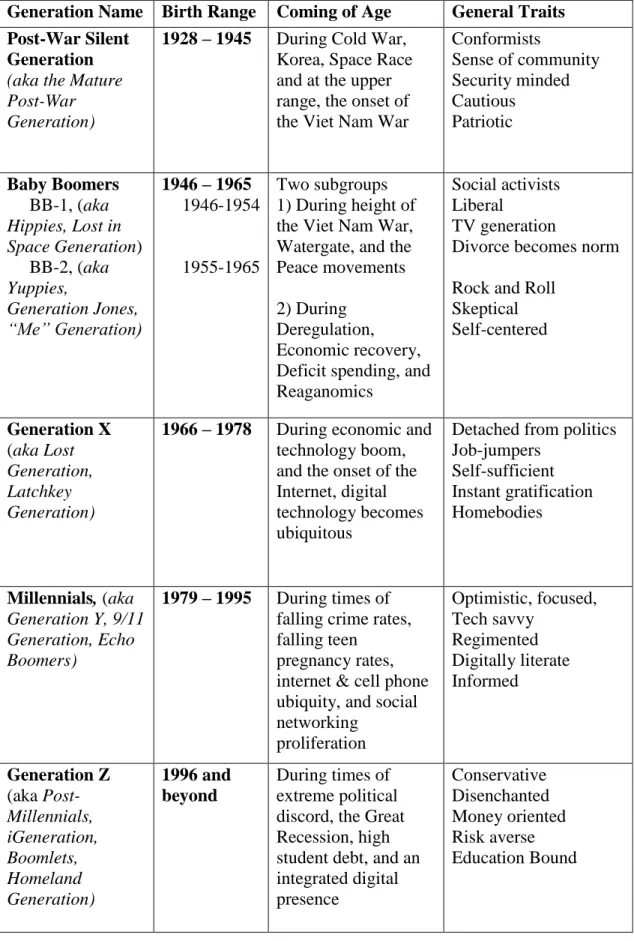
In reviewing the traits of the various generational groups each generation clearly has its own beliefs, characteristics, social and societal behaviors, and characteristics distinguishing them from the other generations (Novak, 2012). Table 1 provides a summary of these generations, their age ranges, their general observed traits, as well as the major coming of age events that occurred for that generation.
Table 1. Generational Groups and General Characteristics
Generation Name Birth Range Coming of Age General Traits Post-War Silent
Generation (aka the Mature Post-War Generation)
1928 – 1945 During Cold War, Korea, Space Race and at the upper range, the onset of the Viet Nam War
Conformists Sense of community Security minded Cautious Patriotic Baby Boomers BB-1, (aka Hippies, Lost in Space Generation) BB-2, (aka Yuppies, Generation Jones, “Me” Generation) 1946 – 1965 1946-1954 1955-1965 Two subgroups 1) During height of the Viet Nam War,
Watergate, and the Peace movements
2) During Deregulation, Economic recovery, Deficit spending, and Reaganomics
Social activists Liberal
TV generation
Divorce becomes norm Rock and Roll
Skeptical Self-centered Generation X (aka Lost Generation, Latchkey Generation)
1966 – 1978 During economic and technology boom, and the onset of the Internet, digital technology becomes ubiquitous
Detached from politics Job-jumpers Self-sufficient Instant gratification Homebodies Millennials, (aka Generation Y, 9/11 Generation, Echo Boomers) 1979 – 1995 During times of falling crime rates, falling teen
pregnancy rates, internet & cell phone ubiquity, and social networking proliferation Optimistic, focused, Tech savvy Regimented Digitally literate Informed Generation Z (aka Post-Millennials, iGeneration, Boomlets, Homeland Generation) 1996 and beyond During times of extreme political discord, the Great Recession, high student debt, and an integrated digital presence Conservative Disenchanted Money oriented Risk averse Education Bound
Text Messaging and Technology
The increase in the demand for mobile mass communication technologies helped to foster the evolution of increasingly advanced mobile phone devices, or smartphones, during the last decade. Smartphones facilitate improved real-time communications and leverage the increased power of social media and collaboration technologies, impacting numerous aspects of participants’ daily lives socially and ethically (Shneiderman et al., 2017), as well as the way business is conducted (Siau & Shen, 2003). Smartphones have innumerable applications allowing them to operate well beyond the functionality of a mobile phone: they store and play music, movies, and television shows, allow the exchange of text messages, have built-in cameras, video recorders, global positioning systems, and a myriad of other applications. They are essentially hand-hand portable computers that also make phone calls. The proliferation of technology supporting the portability and immediacy of connectivity to the Internet and applications, particularly those designed for social networking on mobile devices is growing exponentially worldwide. As of October 2014, ownership of smart phones among American adults exceeded 90% of the population, and of those using such devices, 81% use them to send or receive text messages (Duggan, 2014). Smart phones and smart devices become not only ubiquitous, but indispensable. An April 2015 Pew research study revealed nearly half (46%) of smart phone users indicated their smart phone is “something that they couldn’t live without” (Smith, 2015, p. 7).
Of particular interest for this study is the specific Computer Mediated
Communication (CMC) technology of text messaging, which has become an extremely popular form of communication. In addition to allowing e-mail and various other services, the most popular use of smartphones, with 97% of all smartphone users
participating, is to use the device for texting (Smith, 2015), the sending and receiving of text messages using the Short Message Service (SMS), or other texting application to send and receive texts, digital pictures, and audio or video content using Multimedia Messaging Service (MMS) (Anderson, 2015). According to the latest data from the Pew Research Center’s Internet and American Life Project, nearly all (97%) of young adult cell phone users, ages 18 to 24, engage in text messaging on their cell phones at a rate of nearly 110 messages per day or 3,200 per month (Smith, 2011). However, texting is not only the domain of the young. Usage percentages are above 90% for all age categories (Pew Research, 2015). These text messaging technologies have changed interpersonal interactions drastically by enabling more text-based and non-verbal communications in place of face-to-face transactions. It empowers consumers to feel increasingly
knowledgeable about things related to their friends, family members, social issues, and surrounding news (Harrison & Gilmore, 2012). Research into the number of times a person exchanges text messages per day has been done by several services (Pew 2017), Experian Marketing Services (2013), Twilio (2018), but the age range groupings do not correspond to the five known generational group age ranges.
The ubiquitous nature of text messaging technologies provides an expedient and convenient way of communication, and as it has proliferated, the volume of scholarly research has grown as well. Early research for the most part trends towards viewing and addressing all social media as a whole. The 2005 research of Bianchi and Phillips does include text messaging in the overall mix of media subject to abusive behavior but does not study text messaging specifically or separately. Reid and Reid (2007), Butt and Phillips (2008); Ehrenberg et al. (2008), Toda et al. (2008), Leung (2008), and Lapointe
et al. (2013) all follow this same model; measuring and comparing various social media preferences including text messaging in the context of personality types, addictive tendencies, and behavior. Clinicians were still viewing text messaging in the same framework as Facebook and other social media (O’Keeffe & Clarke-Pearson, 2011), while others were viewing texting and calling as “classic mobile applications” and were not being considered in the same view as other social media (Salehan and Negahban, 2013, p. 2635). Still others looked at the device itself when incorporating the various communications media in examining dependence, addiction, and relationship
maintenance (Hall & Baym, 2012; Harwood et al., 2014; Lee et al., 2014). In reviewing the existing research on the various technologies available for communication, multiple studies have indicated text messaging is the preferred form of contact, as compared to e-mail, mobile phone communication, or social media services such as Facebook (Madell & Muncer, 2007; Mahatanankoon & O’Sullivan, 2008; Reid & Reid, 2007). Possible reasons for texting having preference over other communications media may be related to the social relationship and hierarchy between the participants.
One studydetermined the patterns of usage across the various media could be placed on a
single dimensional scale, indicating a media hierarchy; close friends and peers were primary users of text messaging, but used all communication media at their disposal to connect with each other, while minor acquaintances and classmates preferred face-to-face communication and social network sites (Van Cleemput, 2010). In an earlier 2007 study, comparing text messaging usage to talking to each other using mobile phones, Madell and Muncer found talking was used primarily for lengthy conversations with peers about major life events and seemingly important issues, or for conversations with their parents.