Robotic Assisted Surgery
Health Technology Assessment Program
UPDATED FINAL EVIDENCE REPORT
Health Technology Assessment Program (HTA)
Washington State Health Care Authority PO Box 42712 Olympia, WA 98504-2712 http://www.hta.hca.wa.gov [email protected] (360) 725-5126
May 3, 2012
Robotic Assisted Surgery
May 2012
Center for Evidence-based Policy
Oregon Health & Science University 3455 SW US Veterans Hospital Road Mailstop SN-4N, Portland, OR 97239-2941 Phone: 503.494.2182 Fax: 503.494.3807 http://www.ohsu.edu/ohsuedu/research/policycenter/med/index.cfmCenter for Evidence-based Policy iii
About the Center for Evidence-based Policy
The Center for Evidence-based Policy (Center) is recognized as a national leader in evidence-based decision making and policy design. The Center understands the needs of policymakers and supports public organizations by providing reliable information to guide decisions, maximize existing resources, improve health outcomes, and reduce unnecessary costs. The Center specializes in ensuring diverse and relevant perspectives are considered, and
appropriate resources are leveraged to strategically address complex policy issues with good quality evidence and collaboration. The Center is based at Oregon Health & Science University in Portland, Oregon.
Nature and Purpose of Technology Assessments
This technology assessment report is based on research conducted by a contracted technology assessment center, with updates as contracted by the Washington State Health Care Authority. This report is an independent assessment of the technology question(s) described based on accepted methodological principles. The findings and conclusions contained herein are those of the investigators and authors who are responsible for the content. These findings and
conclusions may not necessarily represent the views of the HCA/Agency and thus, no statement in this report shall be construed as an official position or policy of the HCA/Agency.
The information in this assessment is intended to assist health care decision makers, clinicians, patients and policy makers in making sound evidence-based decisions that may improve the quality and cost-effectiveness of health care services. Information in this report is not a
substitute for sound clinical judgment. Those making decisions regarding the provision of health care services should consider this report in a manner similar to any other medical reference, integrating the information with all other pertinent information to make decisions within the context of individual patient circumstances and resource availability.
Center for Evidence-based Policy iv
Acknowledgements
This report was prepared by:Ken Gleitsmann, MD, MPH Kendra Bunker, MPH Heidi Kriz, RD, MPH Katharine Ryan, MPH Shannon Vandegriff Robyn Liu, MD MPH Aasta Thielke, MPH Valerie King, MD, MPH
Center for Evidence-based Policy Oregon Health and Science University
The tables of evidence were completed with assistance from Hayes, Inc. (Teresa Rogstad, MPH, Belinda Rowland, PhD, Susan Levine, DVM, PhD, and Anita Rihal, MPH).
Suggested Citation:
Gleitsmann, K., Bunker, K., Kriz, H., Ryan, K., Vandegriff, S., Liu, R., Thielke, A., & King, V. (2012).
Robotic assisted surgery. Portland, OR: Center for Evidence-based Policy, Oregon Health and Science University.
This document was prepared by the Center for Evidence-based Policy at Oregon Health & Science University (the Center). This document is intended to support organizations and their constituent decision-making bodies to make informed decisions about the provision of health care services. The document is intended as a reference and is provided with the understanding that the Center is not engaged in rendering any clinical, legal, business or other professional advice.
The statements in this document do not represent official policy positions of the Center. Researchers and authors involved in preparing this document have no affiliations or financial involvement that conflict with material presented in this document.
Center for Evidence-based Policy 1
Table of Contents
Executive Summary ... 2
Background ... 24
Washington State Data ... 26
PICO and key questions ... 30
Methods ... 31
Findings ... 35
Guidelines ... 124
Policy Considerations ... 126
Overall Summary ... 127
Appendix A. MEDLINE®Search Strategy ... 129
Appendix B. Excluded Studies ... 131
Appendix C. MEDLINE® Search Dates by Procedure... 152
Appendix D. Summary of Findings Tables by Procedure ... 154
Appendix E. Evidence Tables by Procedure ... 179
Appendix F. Guideline Summary Table ... 332
Appendix G. Quality Assessment of Selected Guidelines ... 337
Appendix H. Quality Assessment Tools ... 338
Appendix I. Summary of Federal and Private Payer Policies ... 350
Appendix J. Public Comments and Disposition ... 351
Appendix K. Errata ... 408
Robotic Assisted Surgery – Final Evidence Report – April 15, 2012 2
Executive Summary Background
Over the past 20 years, robotic surgical systems have been developed to assist surgeons with performing minimally-invasive procedures. Designed to increase surgical precision and
minimize complications, these systems may afford better outcomes for patients than traditional laparoscopic surgery or open surgery. In 2000, the da Vinci robot was approved by the Food and Drug Administration (FDA) for general laparoscopic surgery. Numerous other indications for the da Vinci system have since been approved by the FDA, including urological procedures, gynecologic laparoscopic procedures, general thoracoscopic procedures, and others.
Clinical and epidemiological overview
Radical prostatectomy, hysterectomy, nephrectomy, and cardiac valve repair are among the most common applications of the da Vinci surgical system. While various cancer surgeries are often the primary indications for these procedures, other indications are also common,
including benign neoplasms (e.g., uterine fibroids), as well as damaged or defective anatomical features (e.g., valvular heart disease). Many procedures are associated with increased
complexity, operative times, and technical difficulty when attempted laparoscopically, and open laparotomy approaches are the current standard of care. For these procedures, robotic-assisted surgery is appropriately compared to the open approach.
Technology overview
Overall, the da Vinci system is designed to improve upon traditional laparoscopic surgery by providing three-dimensional visualization, improved ergonomics, and increased precision. Intuitive Surgical defines the da Vinci surgical system by its four main components: the surgeon console, the patient-side cart, the EndoWrist instruments, and the vision system. Surgeons use the computer console during procedures to view the surgical field and control the robotic arms. Three to four robotic arms, which are coupled to the patient-side cart, maneuver under the surgeon’s direction. At the console, the surgeon uses EndoWrist surgical instruments that are designed to mimic human wrists by allowing seven degrees of motion. The vision system displays the surgeon’s field of view to the operating room team.
Cost information
Both the necessity of intensive surgeon and surgical team training and the financial costs associated with these systems are significant considerations. The da Vinci system itself costs $1.0M to $2.3M, depending on options, and disposable instrument costs, per procedure, range from $1,300 to $2,200 in the United States. An annual service agreement totaling $100K to $170K per year is also required. Surgeons require initial device training from the manufacturer, as well as clinical training and continuing education. Depending on the complexity of the procedure and the surgeon’s skill level, the learning curve may be steep and length of the clinical training period may be significant.
Robotic Assisted Surgery – Final Evidence Report – April 15, 2012 3
Policy context
The promises of minimally invasive surgery have captured the attention of patients, practitioners, and healthcare administrators alike. Faster recovery times and fewer
complications would likely translate to shorter hospital stays, which may also help to minimize cost. Whether robotic-assisted surgery provides better outcomes than other minimally invasive techniques are important questions still under research. In 2007, the American Medical
Association determined that an additional CPT code for robotic-assisted procedures was not necessary. As such, robotic-assisted procedures are reimbursable at the same rate as non-robotic procedures. Nevertheless, demand for non-robotic-assisted surgery is rising. Intuitive Surgical reported that 278,000 da Vinci procedures were performed in 2010, representing a 35% increase from 2009. An additional 30% increase in the number of procedures was expected for 2011. Prostatectomy procedures made up approximately one quarter of all robotic
procedures performed in 2010, while hysterectomy procedures made up more than one third. As of the first quarter of 2012, 37 da Vinci Surgical Systems had been installed in the State of Washington. According to the company, since its first da Vinci System shipment, Intuitive Surgical has expanded its installed base to more than 1,500 academic and community hospital sites across the United States, while sustaining growth in excess of 25% annually.
Methods
Key Questions
KQ 1: What is the evidence of the clinical efficacy and effectiveness of robotic assisted surgery compared with open or laparoscopic approaches not using robotic assistance? Does robotic assisted surgery improve patient outcomes? Include consideration of short and long-term outcomes, and assessment of clinically meaningful outcomes.
KQ 2: For robotic assisted surgery, what is the evidence of the severity and incidence of safety or adverse event concerns compared with open or laparoscopic approaches? Include
consideration of morbidity, mortality, reoperation, excess bleeding, and extended hospital stay.
KQ 3: What is the evidence that robotic assisted surgery has differential efficacy or safety issues in sub populations? Including consideration of:
a. Gender; b. Age;
c. Psychological or psychosocial co-morbidities;
d. Other patient characteristics or evidence based patient selection criteria, especially comorbidities of diabetes and high BMI;
e. Provider type, experience, or other characteristics and setting (including facility/team experience); and
f. Payer / beneficiary type including worker’s compensation, Medicaid, state employees.
KQ 4: What is the evidence of cost and cost-effectiveness of robotic surgery compared with open or laparoscopic approaches?
Robotic Assisted Surgery – Final Evidence Report – April 15, 2012 4
Methods – Evidence
For this WA HTA report, a search was conducted to identify published systematic reviews and individual studies (from January 2002 to January 2012) in the MEDLINE® database. An
additional search using the Medicaid Evidence-based Decisions (MED) Project primary sources was completed to identify systematic reviews (SRs) and technology assessments (TAs) (from January 2002 to January 2012).
Articles were included if they compared a robotic-assisted procedure to the same type of procedure performed without robotic assistance, either by conventional laparoscopy or open laparotomy. For Key Questions #1, #2, and #3, systematic reviews (SRs), technology
assessments (TAs), meta-analyses (MAs), randomized controlled trials (RCTs), controlled clinical trials or comparative observational studies were included. For Key Question #4, all relevant economic evaluations were included. Exclusions include obsolete robotic systems, studies that addressed pediatric populations, and those robotic systems not designed to improve
procedures otherwise performed by laparoscopy or laparotomy.
The methodological quality of the included studies was assessed using standard instruments developed and adapted by the Center for Evidence-based Policy (CEbP) and the MED Project that are modifications of the systems used by National Institute for Health and Clinical
Excellence (NICE) and the Scottish Intercollegiate Guidelines Network (SIGN) (NICE 2009; SIGN 2009). Each study was assigned a rating of good, fair, poor, based on its adherence to
recommended methods and potential for biases. The methodological quality of the economic studies was rated (good, fair, poor) using a standard instrument developed and adapted by the CEbP and the MED Project that are modifications of the British Medical Journal (Drummond 1996), the Consensus on Health Economic Criteria list (Evers 2005), and the NICE economic evaluation checklist (NICE 2009). The overall strength of evidence was rated (good, moderate, low, or very low) using a modified version of the Grading of Recommendations Assessment, Development and Evaluation (GRADE) system (Guyatt 2008).
A systematic review using best evidence methodology was used to search and summarize evidence for Key Questions #1 through #3 as outlined below:
Complete search of the Medicaid Evidence-based Decisions Project primary evidence sources;
Existing good quality SRs and TAs summarized for each key question;
If there were two or more comparable SRs or TAs identified and one was more recent, of better quality, or more comprehensive, then the other review(s) were excluded; Additional search of the MEDLINE® database completed to identify subsequently published studies. Individual studies published after the search dates of the last good quality review were appraised and synthesized with the results of the good quality SR; and
Robotic Assisted Surgery – Final Evidence Report – April 15, 2012 5
If there were no good quality reviews identified, a search, an appraisal, and a summary of primary individual studies were completed for the last 10 years (January 2002 to January 2012).
For Key Question #4, all relevant economic evaluations were included.
Methods – Guidelines
A search for relevant clinical practice guidelines was conducted using a list of predetermined high quality sources from the MED Project and additional relevant specialty organizations and associations. Guidelines included were limited to those published after 2006. The
methodological quality of the guidelines was assessed using an instrument adapted from the Appraisal of Guidelines Research and Evaluation (AGREE) Collaboration (AGREE Next Steps Consortium 2009). Each guideline was assigned a rating of good, fair, poor, based on the adherence to recommended methods and the potential for biases.
Methods – Policies
At the direction of the WA HTA program, select payer policies were searched and summarized. Aetna, Blue Cross Blue Shield, Group Health, and Medicare National and Local Coverage Determinations were searched using the payers’ websites.
Findings
For the key questions, the core sources search identified 107 SRs and TAs, of which five met inclusion criteria. The MEDLINE® search retrieved 537 citations, of which 54 articles were
included. Most of these studies were retrospective observational cohort studies and were rated as lower quality. An additional 223 studies were submitted during the public comment period for this report. Of these, 20 were found eligible for inclusion (19 cohort studies and one
economic analysis). A detailed list of excluded studies and their reasons for exclusion is found in Appendix B. All included studies are detailed in the evidence tables included in Appendix D. The findings below are grouped by procedure, with results for each key question #1 through #4 below the procedure.
Prostatectomy
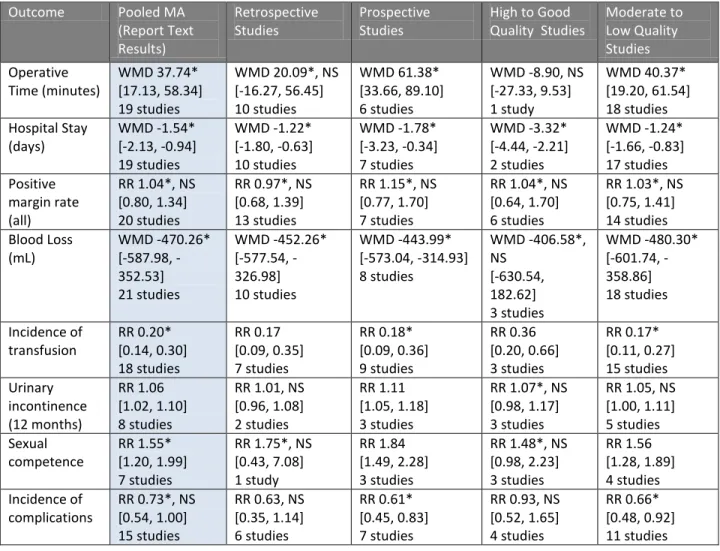
There were 55 prostatectomy studies identified comparing robotic surgery with either open or laparoscopic surgery, which addressed the clinical key questions. There were 51 studies identified in the SR selected as the sole source of evidence for this procedure, the Ho [CADTH] (2011) TA. Study quality was assessed by Ho and colleagues as being high in one study, good in six studies, fair to good in 35 studies, poor to fair in eight studies, and poor in one study.1 An
1
CADTH describes their quality assessment tool as a modified version of Hailey et al.’s. Studies are rated on a scale of A to E, where A indicates high quality with a high degree of confidence in study findings; B indicates good quality with some uncertainty about the study findings; C indicates fair to good quality with some limitations that should be considered in any implementation of the study findings; D indicates poor to fair quality with substantial limitations in the study findings; which should be used cautiously; and E indicates poor quality with unacceptable uncertainty in the study findings.
Robotic Assisted Surgery – Final Evidence Report – April 15, 2012 6
additional four studies were identified updating this TA which were quality rated using a standard CEbP tool. One study was quality rated as good, one as fair, and two as poor.
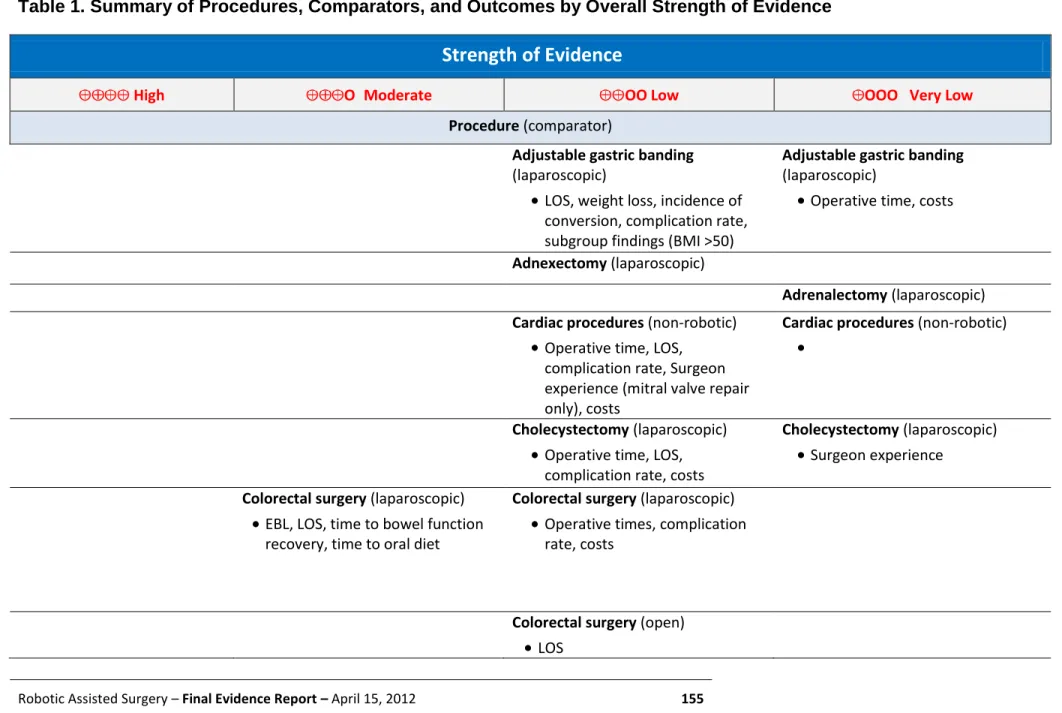
KQ1: There is moderate strength of evidence suggesting that the robotic-assisted radical prostatectomy (RARP) procedure, compared to open or laparoscopic approaches, was associated with shorter hospitals stays and reduced blood loss and transfusion rates. There is moderate strength of evidence that the robotic procedure had increased operative times, reduced positive-margin rates, increased urinary continence, and greater likelihood of sexual function compared to open surgery. There is moderate strength of evidence to suggest that RARP, compared with a laparoscopic approach, had reduced operative times and no difference in positive surgical margin rates. There is low strength of evidence that those undergoing robotic prostatectomy and the open
procedure had similar biochemical recurrence-free survival.
KQ2: There is moderate strength of evidence that RARP complication rates are not significantly different compared to open radical prostatectomy (ORP) or laparoscopic radical prostatectomy (LRP) procedures.
KQ3: There is moderate strength of evidence that surgeons experienced in RARP were noted to have improvements in most clinical outcomes (except estimated blood loss [EBL]), when compared to less experienced surgeons.
KQ4: The overall strength of the economic evaluation evidence for the following findings is moderate:
o Comparisons between the various prostatectomy procedure groups (robotic, open, laparoscopic), did not reveal clinically important differences in the major outcomes (mortality, morbidity, quality of life [QoL], disease recurrence).
o A cost-minimization study found that RARP was more expensive than ORP (incremental cost $3,860 per patient) and LRP (incremental cost $4,625). The incremental costs of RARP might have been reduced by increasing caseload, with significant cost reductions seen in the first 200 cases. A benefit of using the robot is a potential saving on hospitalization costs because of reduced lengths of hospital stay. The cost of the robot included in this economic analysis is for the newer model (da Vinci Si; US$2.6 million). However, the model reported in most of the literature is the older model (da Vinci; US$1.2 million). If this analysis had been carried out using the costs of the earlier model, the increased incremental costs of both comparisons (RARP vs. ORP and RARP vs. LRP), would have been roughly half what is reported above.
Hysterectomy
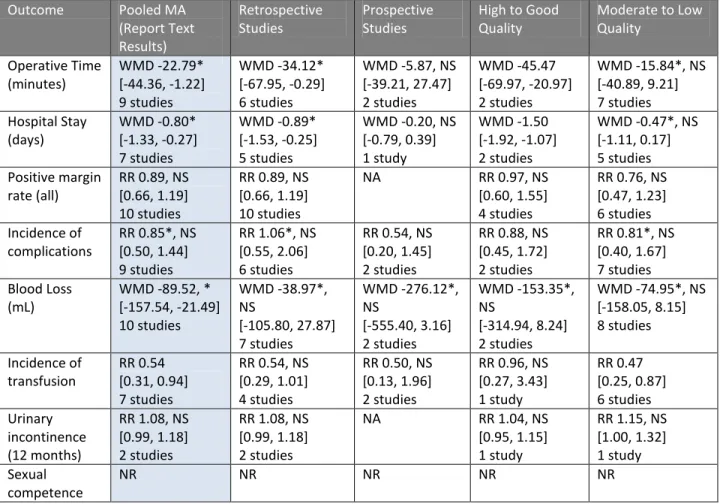
There were 34 hysterectomy studies identified comparing robotic surgery to either open or laparoscopic surgery, which addressed the clinical key questions. There were 26 studies identified in the SR selected as the sole source of evidence for this procedure, the Ho [CADTH]
Robotic Assisted Surgery – Final Evidence Report – April 15, 2012 7
(2011) TA. Study quality was assessed by Ho and colleagues as being good (five studies), fair to good (16 studies), and poor to fair (five studies). An additional eight studies were identified updating this TA, which were quality rated using a standard CEbP tool. Two of these studies were quality rated as good, two as fair, and four as poor.
KQ1: There is moderate strength of evidence that robotic hysterectomy, compared to open hysterectomy, was associated with increased operative times, shorter length of stay (LOS), reduced risk of transfusion, and reduced EBL. The strength of evidence regarding robotic compared to laparoscopic hysterectomy is moderate for shorter LOS, and reduced EBL, and no statistically significant differences for operative duration or risk of transfusion. The strength of evidence is low that robotic hysterectomy and
laparoscopic hysterectomy were associated with similar cancer recurrence rate at approximately 2.5 years. The strength of evidence is low that robotic hysterectomy was associated with lower pain scores initially, but similar pain score later when compared to laparoscopic hysterectomy.
KQ2: The overall strength of evidence is moderate that robotic hysterectomy has lower incidence of complications than laparoscopic and open approaches. Further, the
strength of evidence is moderate that the types of complications reported are similar between groups.
KQ3: There is low strength of evidence, based on consistent findings across three studies, that robotic versus open hysterectomy in obese and morbidly obese patients results in increased operative time but reduced EBL, LOS and rates of complications. There is low strength of evidence that complications associated with open surgery may be more severe than those associated with robotic surgery among obese women. There is low strength of evidence that surgical proficiency is achieved earlier with robotic than laparoscopic total hysterectomy approaches. There is low strength of evidence that surgeon experience can influence robotic hysterectomy outcomes in terms of EBL and operative time, while outcomes after laparoscopic hysterectomy are not significantly different depending on surgeon experience.
KQ4: The strength of the economic evaluation evidence is moderate that robotic surgery was generally the most costly, followed by open, and then by laparoscopic approaches. The strength of evidence is moderate that these costs were influenced primarily by operative times, LOS, and the cost of supplies, and that the incremental costs were influenced by robotic caseload. There is a very low strength of evidence that postoperative pain management costs were lower in robotic hysterectomy than traditional laparoscopic hysterectomy.
Nephrectomy
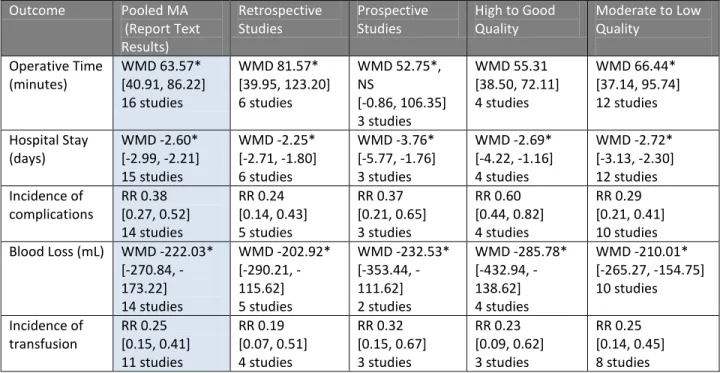
There were 12 nephrectomy studies identified comparing robotic surgery with either open or laparoscopic surgery, which addressed the clinical key questions. There were 10 studies identified in the SR selected as the sole source of evidence for this procedure Ho [CADTH]
Robotic Assisted Surgery – Final Evidence Report – April 15, 2012 8
(2011) TA. Study quality was assessed by Ho and colleagues as being good (one study), fair to good (eight studies), and poor to fair (one study). An additional two studies were identified updating this TA, which were quality rated using the standard CEbP tool. These two studies were quality rated as good. Most of these studies were observational and retrospective in design, and were rated as low quality on this basis.
KQ1: There is low strength of evidence that robotic compared to laparoscopic partial nephrectomy was associated with shorter LOS, reduced warm ischemic time, mixed results in operative duration, and no significant differences in EBL or risk of transfusion. There is very low strength of evidence that robotic radical nephrectomy, compared to a laparoscopic approach resulted in longer operative times, but similar blood loss,
incidence of transfusion and LOS. There is very low strength of evidence that robotic radical nephrectomy, compared to open radical nephrectomy, resulted in longer operative times, shorter LOS, lower EBL and similar transfusion rates.
KQ2: There is very low strength of evidence that robotic partial nephrectomy and laparoscopic partial nephrectomy had similar complication rates. There is very low strength of evidence that robotic, laparoscopic and open radical nephrectomy had similar complication rates.
KQ3: There is very low strength of evidence that robotic partial nephrectomy, compared to a laparoscopic partial approach resulted in no changes in selected surgical outcomes associated with a learning curve.
KQ4: There is very low strength of evidence that the direct and indirect costs for robotic nephrectomy are higher than laparoscopic nephrectomy, but there were mixed results when compared to open surgery. The limited information regarding patients and interventions make drawing conclusions from this cost information unclear.
Cardiac Surgery
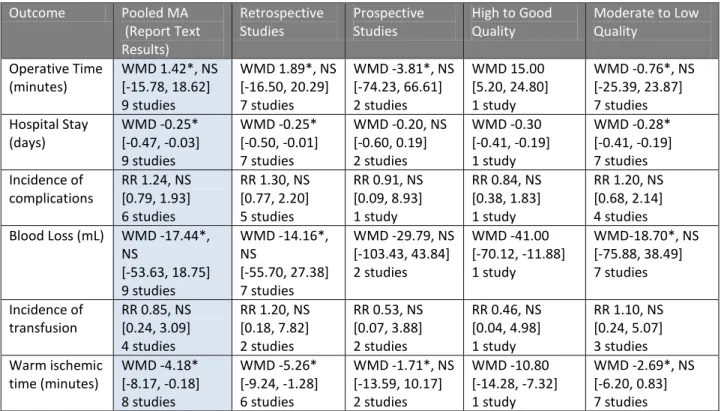
There were nine studies identified comparing robotic-assisted with non-robotic-assisted cardiac surgeries, which addressed the clinical key questions. Eight of these studies were identified in the SR, selected as the sole source of evidence for this procedure Ho [CADTH] (2011) TA. Study quality was assessed by Ho and colleagues as being high quality (one study), fair to good quality (six studies), and poor to fair quality (one study). An additional study was identified updating this TA, which was quality rated as good using a standard CEbP tool. Most of these studies were observational and retrospective in design, and were rated as lower quality on this basis.
KQ1: The strength of evidence is low that the robotic procedures were associated with longer operative time and shorter LOS, but no statistically significant differences in transfusion rates when compared to non-robotic procedures. These studies were limited by small sample sizes and various technical detail differences across interventions. The generalizability of these results is unclear.
Robotic Assisted Surgery – Final Evidence Report – April 15, 2012 9
KQ2: There is low strength of evidence on adverse events. Complication rates are mixed among intervention groups.
KQ3: There is low strength of evidence that surgical experience improved robotic mitral valve repair perioperative outcomes compared to open surgery. Evidence which
addresses this key question is limited to a single study of one type of the various cardiac surgeries included in this topic. These findings, therefore, cannot be generalized and the overall strength of evidence for all other cardiac surgery outcomes is very low.
KQ4: The overall strength of evidence on robotic-assisted cardiac procedures is low that the robotic compared to open surgery groups incurred higher average patient costs. However this was consistent findings across all types of cardiac procedures analyzed. The evidence base for cardiac surgery is limited with small sample sizes and many different types of interventions reported.
Adjustable Gastric Band
There were two studies which compared robotic-assisted to laparoscopic gastric banding approaches, which were quality rated using the standard CEbP tool. One study was assessed as being of good quality and the other rated as poor quality.
KQ1: There is low strength of evidence that there is no significant difference in LOS, weight loss at one year, and incidence of conversion to open procedure between robotic-assisted surgery and laparoscopic gastric banding. There is mixed evidence that operative time was longer in those undergoing robotic surgery, and so the strength of evidence on this outcome is very low. Studies were retrospective and observational only.
KQ2: There were no clinically significant differences between the two interventions, based on a low overall strength of evidence for all safety and adverse event outcomes. Studies were retrospective and observational only.
KQ3: In the sub-group of morbidly obese patients, there is low strength of evidence that robotic versus laparoscopic gastric banding resulted in shorter operative times in
patients with BMIs of 50 kg/m2 or greater. There were no significant differences between groups for LOS, weight loss at one year, and incidence of conversion to open procedure, based on low strength of evidence. Overall, no clinically significant
differences were apparent between the two interventions.
KQ4: The overall strength of evidence is very low that robotic-assisted surgery was more expensive than the laparoscopic procedure. However, evidence was limited as the costs included in the estimate were not described.
Robotic Assisted Surgery – Final Evidence Report – April 15, 2012 10
Adnexectomy
One SR included a single study comparing robotic-assisted and laparoscopic adnexectomy procedures. The authors of the SR did not report the quality assessment rating of this study.
KQ1: There is low strength of evidence that robotic-assisted adnexectomy was associated with longer surgical duration compared to laparoscopic adnexectomy. All other measured outcomes were similar, based on low strength of evidence.
KQ2: No evidence was identified that addressed this key question. KQ3: No evidence was identified that addressed this key question. KQ4: No evidence was identified that addressed this key question.
Adrenalectomy
There was one study which compared robotic-assisted to laparoscopic adrenalectomy
procedures, which were quality rated using the standard CEbP tool. This study was assessed as being of poor quality.
KQ1: The overall strength of evidence is very low that robotic-assisted adrebakectint compared to tolaparoscopic adrenalectomy had no significant differences for operative times, morbidity, pain, quality of sleep, and sleep duration.
KQ2: No evidence was identified that addressed this key question. KQ3: No evidence was identified that addressed this key question. KQ4: No evidence was identified that addressed this key question.
Cholecystectomy
This SR included one RCT and three cohort studies comparing robotic and laparoscopic
cholecystectomy. The authors of the SR did not report the quality assessment ratings of these studies. Two subsequent studies were identified that compared the same intervention groups, which were quality rated using the standard CEbP tool. Both were rated as being of poor quality.
KQ1: The overall strength of evidence is low that robotic-assisted cholecystectomy was associated with longer operative times but reduced LOS when compared to the
laparoscopic procedure. The quality ratings of the studies, which were observational in design, varied. The choice of patient participation in the treatment arms was subject to selection bias.
KQ2: The overall strength of evidence is low that robotic cholecystectomy and laparoscopic cholecystectomy had similar complication rates.
Robotic Assisted Surgery – Final Evidence Report – April 15, 2012 11
KQ3: Findings are mixed as to the differential efficacy of robotic-assisted surgery depending on provider experience. As such, the overall strength of evidence on the impact of surgeon experience is very low.
KQ4: Low strength of evidence suggests that robotic surgery was associated with increased costs when compared to laparoscopic surgery.
Colorectal Surgery (Colorectal Resection, Colectomy, Mesorectal Excision)
A SR included seven controlled, nonrandomized studies which compared robotic-assisted and laparoscopic approaches for colorectal resection. The authors of the SR rated all seven studies as good quality. Seven studies were subsequently identified which addressed this topic, which were quality rated using the standard CEbP tool. All of these studies were rated as being poor quality.
KQ1: There is moderate strength of evidence that robotic surgery was associated with lower EBL, shorter LOS, similar time to bowel function recovery, and similar time to oral diet when compared to laparoscopic procedures. The preponderance of evidence suggests that robotic surgery was associated with longer operative times than open or laparoscopic procedures, but the mixed findings reported result in an overall low strength of evidence. There was significant heterogeneity across these studies in terms of baseline differences between groups, and the indications for intervention.
Additionally, the observational design of most studies increases the risk of selection bias in favor of the robotic group.
KQ2: The overall strength of evidence is low that robotic surgery compared to laparoscopic surgery did not significantly differ in complication rates.
KQ3: There is low strength of evidence that surgeon experience influenced operative time outcomes between laparoscopic and robotic surgery.
KQ4: The overall strength of evidence is low that higher costs, both direct and indirect, were associated with robotic compared to laparoscopic colon resection procedures. The cost data in these studies is presented without supporting detail and conclusions drawn from these figures are speculative.
Cystectomy
A SR included four studies which compared robotic-assisted and open (three studies) or laparoscopic (one study) approaches for radical cystectomy. The authors of the SR did not report the quality assessment ratings of these studies. Three subsequent studies were
identified, all of which compared robotic-assisted to open cystectomy for treatment of bladder cancer and were quality rated using the standard CEbP tool. One study was rated as good quality and two as fair quality.
KQ1: The overall strength of evidence is moderate that robotic surgery compared to open radical cystectomy was associated with decreased blood loss. There is moderate
Robotic Assisted Surgery – Final Evidence Report – April 15, 2012 12
strength of evidence that robotic surgery compared to open radical cystectomy results in increased operative times and decreased LOS. There is very low strength of evidence to show that robotic compared to laparoscopic radical cystectomy is associated with similar operative times, similar LOS, decreased blood loss, and lower transfusion rates. The study designs were observational and mostly retrospective in nature which can induce selection bias.
KQ2: There is moderate strength of evidence that there were not significant differences in complication rates among types of cystectomy procedures.
KQ3: No evidence was identified that addressed this key question.
KQ4: This economic review presented a model which indicates that urinary diversion choices can influence costs by changing the incidence of associated complications, which are costly. This is contrary to the clinical effectiveness evidence which shows that robotic surgery compares well with other techniques in terms of complications.
Therefore, the assumptions of this study are speculative as are their conclusions. The overall strength of evidence for economic outcomes related to robotic versus open cystectomy is low.
Esophagectomy
Eight studies (N=130) were identified in a SR of this procedure, all of which were
non-comparative case series studies. The details of the perioperative outcomes for robotic-assisted esophagectomy are detailed in Appendix D. The authors of the SR did not report the quality assessment ratings of these studies.
KQ1 to 4: There was insufficient evidence to address these key questions due to the lack of comparative studies.
Fallopian Tube Reanastomosis
A SR identified two studies that compared robotic to open fallopian tube reanastomosis. The authors of the SR did not report the quality assessment ratings of these studies.
KQ1: Low strength of evidence indicates that robotic and open fallopian tube
reanastomosis produced similar outcomes in terms of LOS, pregnancy rate, miscarriage rate, ectopic pregnancy rate, intrauterine pregnancy rate, and EBL (Reza 2010). Low strength of evidence suggests that surgical duration was longer with robotic surgery, but women were able to return to work approximately two weeks sooner, on average (Reza 2010). Observational study designs and small sample size limited these findings.
KQ2: There is low strength of evidence that there were no significant differences in complications arising from robotic and open fallopian tube reanastomosis.
Observational study designs and small sample size limited these findings. KQ3: No evidence was identified that addressed this key question.
Robotic Assisted Surgery – Final Evidence Report – April 15, 2012 13
KQ4: There is low strength of evidence that robotic surgery was associated with higher costs than open surgery for tubal reanastomosis. These findings were largely limited by the failure to report how these costs were calculated, but also by the limitations of the underlying evidence presumably used to inform their calculations.
Fundoplication
A SR included four RCTs and five nonrandomized studies which compared robotic-assisted and laparoscopic approaches for fundoplication for the treatment gastroesophageal reflux. The authors of the SR did not report the quality assessment ratings of these studies.
KQ1: There is moderate overall strength of evidence that LOS and operative time were similar between robotic and laparoscopic fundoplication.
KQ2: There is moderate overall strength of evidence that complications were similar between robotic and laparoscopic fundoplication.
KQ3: No evidence was identified that addressed this key question.
KQ4: There is low strength of evidence suggesting that laparoscopic procedures had decreased costs compared with robotic fundoplication.
Gastrectomy
There were two SRs which addressed this procedure for the treatment of gastric cancer. One SR included two studies comparing robotic and laparoscopic gastrectomy; the authors did not report the quality assessment ratings of these studies. Another SR (one study) compared robotic and open approaches. This study was rated by the authors as D level (low quality) of evidence. In addition, there were two subsequent studies identified comparing robotic and laparoscopic gastrectomy, which were quality rated using the standard CEbP tool. Both studies were rated as poor quality.
KQ1: The overall strength of evidence for all reported comparators and outcomes is low. Robotic gastrectomy may have some benefits over laparoscopic procedures (e.g., faster time to bowel function recovery) and open procedures (lower EBL). However, surgery time was consistently longer in robotic procedures compared to laparoscopic or open gastrectomy across all of the identified evidence. Statistically non-significant or mixed findings were reported for other outcomes, including EBL (robotic vs. laparoscopic), LOS, lymph node yield and dissection time, time to diet resume normal diet, white blood cell count, and C-reactive protein levels. These findings are limited by observational study design, potential selection bias from having younger individuals in the robotic treatment arms, and insufficient follow-up.
KQ2: The strength of the evidence on complications arising from robotic, laparoscopic and open gastrectomy is low. However, the evidence suggests that the incidence of complications was similar between surgical modalities.
Robotic Assisted Surgery – Final Evidence Report – April 15, 2012 14
KQ4: There is low strength of evidence that robotic gastrectomy was associated with higher hospital costs than laparoscopic gastrectomy. These findings are substantially limited in their generalizability, as the methods used to calculate these figures were not described.
Heller Myotomy
One SR included three non-randomized studies which compared robotic and laparoscopic approaches for Heller myotomy to treat esophageal achalsia. The authors of the SR did not report the quality assessment ratings of these studies.
KQ1: The strength of evidence is low for no significant difference in operative duration between intervention groups.
KQ2: The strength of evidence is low for reduced incidence of esophageal perforations during robotic compared to laparoscopic procedures.
KQ3: There is low overall strength of evidence that robotic and laparoscopic Heller myotomy procedures have no statistically significant differences in terms of surgeon learning curve.
KQ4: No evidence was identified that addressed key question.
Ileovesicostomy
A single, good quality, retrospective study (n=15) was identified which compared robotic and open ileovesicostomy techniques for the treatment of adult, neurogenic bladder patients. This study was rated using a standard CEbP tool.
KQ1: There is limited evidence from a single small study to address this question and the overall strength of evidence is very low for no significant differences in operative
outcomes.
KQ2: There is limited evidence from a single small study to address this question
although no significant differences were found. The overall strength of evidence is very low for all reported outcomes.
KQ3: There is no evidence to address this key question.
KQ4: Robotic and open ileovesicostomy had similar surgical outcomes in one
comparative cohort study. Total inpatient costs were significantly higher in the robotic group, primarily due to the higher operating room supply costs. This single study was limited by both small sample size and observational design and the overall strength of evidence is very low on economic outcomes.
Liver Resection
A single retrospective cohort study (n=32) of poor quality compared robotic and laparoscopic liver resection for removal of liver tumors. This study was rated using a standard CEbP tool.
Robotic Assisted Surgery – Final Evidence Report – April 15, 2012 15
KQ1: Very low strength of evidence suggests that there were no significant differences between surgical modalities for liver resection. However, these findings are limited by the poor quality of the only study that evaluated these outcomes.
KQ2: The strength of the evidence on complications arising from robotic and
laparoscopic liver resection is very low. These findings are limited by the absence of statistical comparisons between groups.
KQ3: No evidence was identified that addressed this key question. KQ4: No evidence was identified that addressed this key question.
Lung Surgery
There were two comparative studies addressing robotic lung surgery, which were quality rated using the standard CEbP tool. One poor quality study compared robotic thoracoscopic resection to open sternotomy for the treatment of mediastinal tumors. Another study was a fair quality retrospective cohort study that compared robotic lobectomy to open lobectomy for the treatment of lung cancer.
KQ1: The strength of evidence comparing robotic and open median sternotomy is low for all reported outcomes. The robotic procedure may have had benefits over the open procedure, including less post-operative pain and higher QoL scores (Balduyck 2010). Additionally, the strength of evidence comparing robotic lobectomy to the open procedure is low for all outcomes, but suggests that robotic lobectomy was associated with shorter LOS, longer operating times, and lower lymph node yield than in the open surgical group (Veronesi 2010).
KQ2: The strength of the evidence on complications arising from robotic and open lung surgery is low, but consistently reports that the incidence of complications was similar between surgical modalities.
KQ3: There is low strength of evidence suggesting that robotic lobectomy had
differential efficacy depending on the surgeon’s level of experience. These findings are primarily limited by small sample size and observational study design.
KQ4: There is mixed evidence on the costs of robotic lung surgery relative to open lung surgery. Both of the identified studies possess significant limitations that prohibit conclusions on this key question. The strength of evidence on economic outcomes is low.
Myomectomy
A SR identified three studies comparing robotic to either laparoscopic or open myomectomy for the treatment of leiomyomata. The authors of the SR did not report the quality assessment ratings of these studies. One subsequent poor quality study comparing robotic to open myomectomy was identified. The study was rated using a standard CEbP tool.
Robotic Assisted Surgery – Final Evidence Report – April 15, 2012 16
KQ1: Low strength of evidence indicates that robotic myomectomy was associated with lower blood loss and shorter LOS, compared to both open and laparoscopic groups, but longer duration of surgery when compared to the open approach. Operative times were similar for robotic compared with laparoscopic approaches. Despite methodological limitations of retrospective design and relatively small samples, these results were consistent across studies.
KQ2: The strength of the evidence regarding similar complications arising from robotic, laparoscopic and open myomectomy is low. Although (2010) Ascher reports similar rates of complications between groups, the study also cites lower febrile morbidity in the robotic group. However, differences in post-operative monitoring may account for this finding, as the robotic group self-reported fever.
KQ3: No evidence was identified that addressed this key question.
KQ4: There is low strength of evidence that robotic myomectomy was associated with higher total hospital costs than both laparoscopic and open myomectomy. However, these findings are limited by the clinical evidence that informed this economic analysis. In particular, the underlying clinical outcomes were obtained by a retrospective study that did not perform any follow-up of patients, which may greatly affect estimates of costs associated with complications.
Oropharyngeal Surgery
Four retrospective cohort studies were identified which compared robotic, open, or
laparoscopic approaches to pancreatectomy. All were rated as poor quality. Studies were rated using a standard CEbP tool.
KQ1: The strength of evidence if very low that robotic oropharyngeal salvage surgery for recurrent neoplasm was not significantly different for LOS and gastrostomy tube
dependence at six months compared to open surgery.
KQ2: There is very low strength of evidence regarding complications of robotic compared with open oropharyngeal surgery.
KQ3: No evidence was identified that addressed this key question. KQ4: No evidence was identified that addressed this key question.
Pancreatectomy
Four retrospective cohort studies were identified which compared robotic, open, or
laparoscopic approaches to pancreatectomy. All were rated as poor quality. Studies were rated using a standard CEbP tool.
KQ1: There is low-strength of evidence that robotic pancreatectomy was associated with longer operative times compared to laparoscopic and open surgical approaches. The strength of evidence is very low that LOS and EBL were decreased for robotic versus
Robotic Assisted Surgery – Final Evidence Report – April 15, 2012 17
open procedures. There is very low strength of evidence of mixed results for blood loss, but similar LOS, compared to laparoscopic procedures.
KQ2: There is low strength of evidence that robotic surgery resulted in mixed findings for complications compared to open and laparascopic approaches.
KQ3: No evidence was identified that addressed this key question.
KQ4: There is an overall low strength of evidence that robotic, open and laparoscopic pancreatectomy had similar costs after adjustment for amortized equipment costs.
Pyeloplasty
One SR was identified that included four studies comparing robotic to laparoscopic pyeloplasty for the treatment of ureteropelvic junction obstruction. The authors of the SR did not report the quality assessment ratings of these studies. One subsequent retrospective cohort study of poor quality addressed the same interventions. The study was rated using a standard CEbP tool.
KQ1: There is a low strength of evidence that robotic pyeloplasty and laparoscopic pyeloplasty achieve similar outcomes in terms of EBL, LOS, surgical success rate, post-operative pain, and renal function. Mixed evidence suggests that laparoscopic surgery may have yielded shorter operating times than robotic procedures. Although the strength of the evidence is low, there is notable consistency across most findings. KQ2: The strength of the evidence on complications arising from robotic and
laparoscopic pyelplasty procedures is low, but consistently reports that the two surgical approaches are similar in this regard.
KQ3: No evidence was identified that addressed this key question.
KQ4: There is low strength of evidence indicating that the cost of robotic pyeloplasty was greater than laparoscopic pyeloplasty based on projected perioperative costs from a single good quality study. These findings are limited by potential bias that may have been introduced if the robotic procedures were the first ones performed by surgeons at the institution.
Rectopexy
One SR identified a single study that compared robotic and laparoscopic rectopexy for the treatment of rectal prolapse. The authors of the SR did not report the quality assessment ratings of these studies. Two additional subsequent comparative studies were identified, which were quality rated using the standard CEbP tool. One was a poor quality retrospective cohort study that compared robotic to laparoscopic rectopexy. The other was a poor quality
retrospective cohort study that compared robotic to both laparoscopic and open rectopexy. KQ1: Low strength of evidence suggests that robotic rectopexy was associated with longer operating times and higher odds of recurrence of rectal prolapse compared to
Robotic Assisted Surgery – Final Evidence Report – April 15, 2012 18
open or laparoscopic procedures. These findings are limited by small sample sizes (de Hoog 2009; Wong 2011) and different inclusion criteria between groups (de Hoog 2009). KQ2: Low strength of evidence consistently suggests that robotic, laparoscopic and open rectopexy procedures were similar in terms of complication incidence.
KQ3: There is no evidence to address this key question.
KQ4: There is low strength of evidence indicating that robotic rectopexy was more expensive than laparoscopic surgery. However, these findings are limited because the details of this cost estimate and how it was formulated were not described.
Roux-en-Y Gastric Bypass
One good quality RCT and three non-randomized studies compared robotic versus laparoscopic Roux-en-Y gastric bypass procedures for the treatment of morbid obesity. The authors of the SR did not report the quality assessment ratings of these three studies. Two subsequent
retrospective studies were identified using the same comparative groups. Both were rated as poor quality using a standard CEbP tool. One additional subsequent study of good quality, rated using a standard CEbP tool, was identified which reported the same comparative interventions in a sub-group of morbidly obese patients.
KQ1: There is moderate strength of evidence that robotic Roux-en-Y gastric bypass was associated with higher odds of operative conversion than laparoscopic gastric bypass, but is similar in terms of operative duration. There is low strength of evidence that robotic Roux-en-Y gastric bypass was associated with shorter ICU and hospital stays than open surgery. The conversions from robotic surgery were primarily to open approach with a few converted to conventional laparoscopic approach. There were no
conversions from the laparoscopic primary procedures.
KQ2: There is low strength of evidence that complications were similar between
laparoscopic and robotic procedures. The strength of evidence that complications were similar between open and robotic Roux-en-Y is low.
KQ3: There is low strength of evidence that robotic Roux-en-Y gastric bypass had shorter operative time than laparoscopic Roux-en-Y, particularly as the degree of obesity
increases.
KQ4: There is low strength of evidence that robotic procedures cost more than laparoscopic gastric bypass.
Sacrocolpopexy
One SR identified a single prospective cohort study which compared robotic to open
sacrocolpopexy for the treatment of vaginal or uterine prolapsed. The authors of the SR did not report the quality assessment ratings of this study. Three subsequent studies were identified addressing the same comparative interventions. One RCT was rated fair, the other two small retrospective studies as poor quality using a standard CEbP tool.
Robotic Assisted Surgery – Final Evidence Report – April 15, 2012 19
KQ1: Low strength of evidence indicates that robotic and laparoscopic sacrocolpopexy resulted in statistically similar activity limitation and time until return of normal activity level. Findings on perioperative outcomes, such as operating time, LOS, and EBL, and symptom relief, were mixed. Evidence comparing robotic sacrocolpopexy to open surgery was mixed. Although the Geller study (2008) reported in the Reza review (2010) reported shorter LOS, less blood loss, and longer surgical duration among the robotic group, the Patel study (2009) found no significant differences between groups on these outcomes. Given the small size of the Patel study (n=5 in each arm), it was likely
underpowered to detect such differences. The strength of evidence comparing robotic sacrocolpopexy to open surgery is very low.
KQ2: The strength of the evidence on complications arising from robotic, laparoscopic and open sacrocolpopexy is low. Compared to open surgery, robotic surgery was reported as having increased incidence of postoperative fever. Additionally, several studies have found that the incidence of complications was similar between robotic and laparoscopic methods.
KQ3: No evidence was identified that addressed this key question.
KQ4: There is low strength of evidence that laparoscopic sacrocolpopexy was associated with lower total healthcare system costs than robotic sacrocolpopexy. These findings may be limited by potential bias in favor of the laparoscopic procedure if surgeons performing robotic procedures had not yet attained complete proficiency. However, this bias may be balanced by the fact that the highest quality analysis, performed in the Paraiso study, did not account for purchase or maintenance of the da Vinci system in its cost analysis. There is very low strength of evidence that robotic sacrocolpopexy has higher total charges compared to open procedures.
Splenectomy
One small (n=12) retrospective cohort study was identified comparing robotic to laparoscopic splenectomy for treatment of hematologic disorders. This study was rated as poor quality using a standard CEbP tool.
KQ1: There is very low strength of evidence that laparoscopic splenectomy was associated with shorter operating time as compared to robotic splenectomy.
Additionally, there is low strength of evidence that LOS and EBL were similar between surgical modalities.
KQ2: The strength of the evidence on complications arising from robotic and laparoscopic splenectomy is very low due to retrospective study design and small sample size. However, the evidence suggests that the incidence and severity of complications was similar between the two approaches.
Robotic Assisted Surgery – Final Evidence Report – April 15, 2012 20
KQ4: There is very low strength of evidence that robotic splenectomy incurred higher costs than laparoscopic splenectomy, though the analysis relied primarily on itemized charges reported by a single institution’s billing department.
Thymectomy
The MEDLINE® search identified two studies comparing robotic and either thoracoscopic or open thymectomy for treatment of myasthenia gravis. Both of these studies were retrospective cohort studies that were rated as poor quality using a standard CEbP tool.
KQ1: The overall strength of evidence is low that robotic thymectomy was associated with clinical improvement at follow-up and shorter LOS as compared to thoracoscopic or open thymectomy. There is low strength of evidence for longer operative times for robotic versus open procedures. There is low strength of evidence that EBL was similar among all treatment groups.
KQ2: The strength of the evidence on complications arising from robotic, endoscopic and open thymectomy is low. However, this limited evidence suggests that the
incidence and severity of complications may have been similar among all three surgical approaches.
KQ3: No evidence was identified that addressed this key question. KQ4: No evidence was identified that addressed this key question.
Thyroidectomy
The MEDLINE® search identified five studies which compared robotic to conventional
endoscopic or open approach to thyroidectomy for the treatment of thyroid cancer, goiter, or hyperthyroidism. One of the studies was prospective and quality rated as poor. The other four studies were retrospective and quality rated as fair (one study) of poor (three studies). All studies were rated using a standard CEbP tool.
KQ1: There is low strength of evidence that robotic thyroidectomy and endoscopic or open thyroidectomy were similar in terms of most outcomes. While there was a quantity of research for this procedure, most of the studies were poor and subject to substantial biases. Operative times were longer for robotic procedures than open procedures, though evidence comparing operative times in robotic thyroidectomy to endoscopic thyroidectomy was mixed. However, in terms of patient-important
outcomes (ease of swallowing, cosmetic satisfaction), robotic surgery appeared to yield more favorable outcomes. However, these outcomes were only assessed by one
moderate quality study (Lee 2011b) and future studies may further inform these outcomes.
KQ2: The strength of the evidence on complications arising from robotic, endoscopic and open thyroidectomy is low. However, consistent evidence suggests that the
Robotic Assisted Surgery – Final Evidence Report – April 15, 2012 21
incidence and severity of complications were similar between all three surgical approaches.
KQ3: The strength of the evidence is very low that robotic thyroidectomy was associated with shorter learning curves than endoscopic thyroidectomy. Given that the same
surgeon was concurrently performing both procedures and the robotic group was more likely to have benign lesions and less likely to have lymph node dissection, these findings are substantially vulnerable to potential biases.
KQ4: The strength of evidence is very low that higher costs are associated with robotic surgery compared to endoscopic thyroidectomy.
Trachelectomy
The MEDLINE® search identified one small retrospective cohort comparing robotic and open trachelectomy. This study was rated as good quality using a standard CEbP tool.
KQ1: There is very low strength of evidence that robotic-assisted trachelectomy resulted in shorter LOS and reduced EBL when compared to the open approach.
KQ2: There is very low strength of evidence that the postoperative morbidities (fever, UTI, cervical stenosis, menstrual bleeding) of robotic and open trachelectomy were similar. However, there was a significantly higher rate of conversion to hysterectomy in the robotic group.
KQ3: No evidence was identified that addressed this key question. KQ4: No evidence was identified that addressed this key question.
Vesico-vaginal Fistula
The MEDLINE® search identified one small retrospective cohort comparing robotic and laparotomy vesico-vaginal fistula (VVF) repair. This study was rated as poor quality using a standard CEbP tool.
KQ1: The strength of evidence for all comparators and outcomes is very low. Although the strength of evidence on the comparative effectiveness of robotic VVF repair is very low, robotic VVF repair was associated with short hospital stays and lower blood loss compared to open VVF repair. No differences in operating time or surgical success rate were reported. However, these findings are limited to a single study, itself limited by retrospective design, small sample size, and reliance on surrogate outcomes. Patient-important outcomes (e.g., time to return to normal activity) were not measured.
KQ2: The strength of the evidence on complications arising from robotic and open VVF repair is very low, but suggests that the incidence and severity of complications was similar between the two approaches.
Robotic Assisted Surgery – Final Evidence Report – April 15, 2012 22
KQ4: No evidence was identified that addressed this key question.
Guidelines
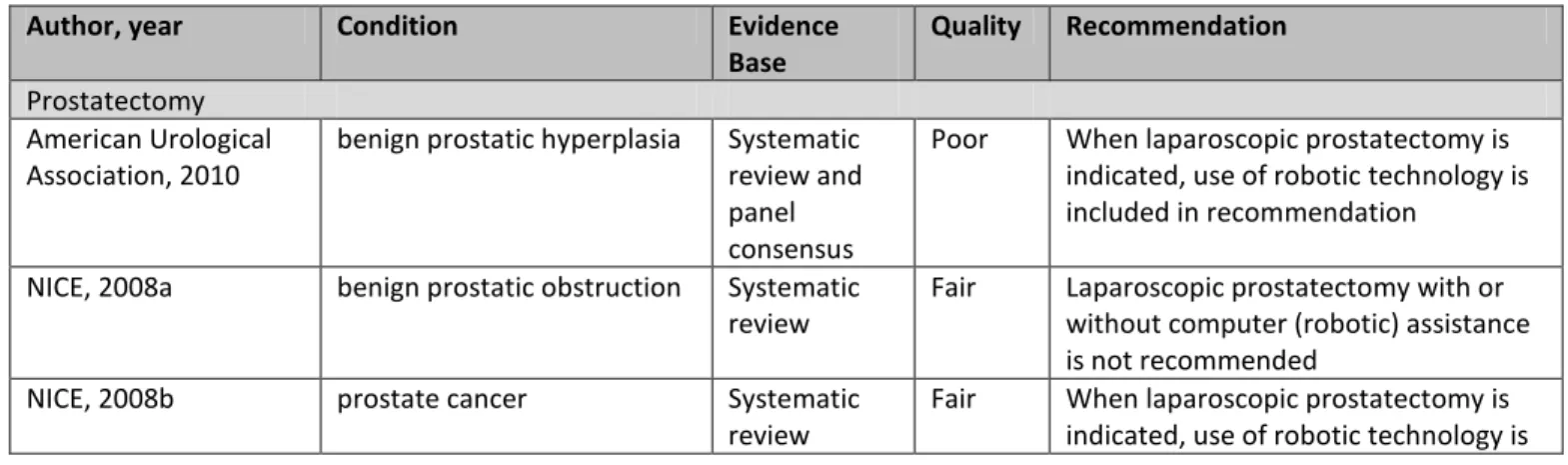
Fourteen guidelines addressed the use of robotic assistance in nine procedures. All except four recommendations are based primarily on whether the procedure is recommended for the indication rather than the specific use of robotic technology. In other words, if the laparoscopic procedure is recommended, then the robotic approach is also included.
Recommendations regarding the use of robotic assistance in prostatectomy varied according to surgical indication. In the treatment of prostate cancer and benign prostatic hyperplasia, four guidelines (NICE 2008b; Spanish NHS 2008, NCCN 2012a; AUA 2010) recommended robotic surgery along with laparoscopic while one recommended against it (NICE 2006). Prostatectomy for benign prostatic obstruction with or without robotic assistance is not recommended. Two guidelines (EAU 2011; NICE 2009) recommend laparoscopic cystectomy for bladder cancer, with or without robotic assistance. Six guidelines recommend the use of robotic techniques in esophagogastrectomy (NCCN 2011), radical and partial nephrectomy (NCCN 2012b),
pyeloplasty (NICE 2009b), fundoplication (SAGES 2010), pelvic lymph node dissection (NCCN 2012), and a weak recommendation for myotomy (SAGES 2011). One guideline recommends against robotic assisted coronary artery bypass grafting procedures (NICE 2008c).
Policy Considerations
At the direction of WA HTA, this review searched for Medicare, Aetna, Regence, and Group Health policies addressing robotic assisted surgery. Two of these payers, Medicare and Regence Blue Cross Blue Shield, have policies allowing the use of robotic assisted surgery, but not
providing additional reimbursement for this technique. Reimbursement is based on the primary or underlying surgical procedure performed. Medicare has not issued local or national
coverage determinations outlining clinical criteria for use of robotic assisted surgery. Similarly, none of the private payers searched have set forth clinical coverage criteria for robotic assisted surgery.
Overall Summary
This report presents evidence about the application of robotic assisted surgery for over 25 different individual types of procedures. There was a lack of evidence to answer all key questions for each procedure. However, in general there is low to moderate strength of evidence that robotic assisted procedures are associated with outcomes such as shorter
hospital stays, reduced blood loss and transfusion for several procedures. Operative times using robotic assistance are generally longer than for conventional surgeries. There is a general lack of study of patient-centered outcomes such as quality of life and longer term outcomes such as survival. Many studies are hampered by small sample sizes, retrospective nature of data
collection and analysis, dissimilarities of control groups, and inadequate control of potential confounders.
Robotic Assisted Surgery – Final Evidence Report – April 15, 2012 23
Many studies reported no or few types of adverse events and harms regarding the use of robotic assistance for these procedures and the overall strength of evidence for harms was insufficient to low for most procedures. Where it was reported, robotic assisted surgery generally had similar complication rates to laparoscopic procedures or to open procedures. There were insufficient data to address the question of differential safety or efficacy of robotic assisted procedures for subgroups of patients by gender, age, patient characteristics or
comorbidities, or type of payer for nearly all procedures. Where it was studied there were data indicating that there is a “learning curve” for use of robotic equipment and that some
intermediate outcomes improved with increasing levels of experience.
Most of the included economic evaluations offered insufficient or low overall strength of evidence to address economic questions. In nearly all cases, the costs of robotic procedures were higher than comparable laparoscopic or open procedures. Cost-effectiveness studies are hampered by lack of full information on all relevant outcomes and insufficient length of follow up to determine long term benefits and safety.
Robotic Assisted Surgery – Final Evidence Report – April 15, 2012 24
Background
Over the past 20 years, robotic surgical systems have been developed to assist surgeons with performing minimally-invasive procedures. Designed to increase surgical precision and
minimize complications, these systems may afford better outcomes for patients than traditional laparoscopic surgery or open surgery.
In the past, the two primary robotic surgical systems in development were the da Vinci system (Intuitive Surgical, Inc., Sunnyvale, California, USA) and the ZEUS robot (formerly of Computer Motion, Inc.). However, since the 2003 acquisition of Computer Motion by Intuitive Surgical, the da Vinci system has been the only robotic surgical system on the market (Ho [CADTH] 2011). In 2000, the da Vinci robot was approved by the Food and Drug Administration (FDA) for general laparoscopic surgery. Numerous other indications for the da Vinci system have since been approved by the FDA, including urological procedures, gynecologic laparoscopic
procedures, general thoracoscopic procedures, and others.
Clinical and epidemiological overview
Radical prostatectomy, hysterectomy, nephrectomy, and cardiac valve repair are among the most common applications of the da Vinci surgical system. While various cancer surgeries are often the primary indications for these procedures, other indications are also common,
including benign neoplasms (e.g., uterine fibroids), as well as damaged or defective anatomical features (e.g., valvular heart disease). Background information on these four most common indications is presented in the paragraphs below.
Prostatectomy is typically performed to treat prostate cancer. In 2011, an estimated 240,890 men were diagnosed with prostate cancer in the United States. From 2004 to 2008, the age-adjusted incidence of prostate cancer was estimated to be 156.0 per 100,000 men annually, while an estimated 24.4 per 100,000 men with prostate cancer died each year (National Cancer Institute [NCI] 2011a). For patients in good health, prostatectomy is often recommended as a treatment option for men with prostate cancer. Each year, approximately 158,000
prostatectomy procedures are performed in the US (CDC 2009). Of these, three in four prostatectomies are performed using the da Vinci robot (Intuitive Surgical, Inc. 2012).
Among reproductive-aged women in the US, hysterectomy is the second most frequent major surgical procedure. The Centers for Disease Control (CDC) estimates that approximately 600,000 hysterectomies are performed each year (CDC 2009). Typical indications for
hysterectomy include uterine fibroids, endometriosis, uterine prolapse, chronic pelvic pain, and reproductive system cancers (American College of Obstetrics and Gynecology [ACOG] 2011). Although laparotomy is the most common route of hysterectomy, laparoscopic hysterectomy has increased in popularity over the past 20 years (Jacoby 2009).
Kidney cancer is the most frequent indication for nephrectomy. The NCI reports that over the past 65 years, the incidence of kidney cancer has steadily risen (NCI 2011b). In 2011, an estimated 60,920 were diagnosed with cancer of the kidney and renal pelvis, while
Robotic Assisted Surgery – Final Evidence Report – April 15, 2012 25
the most common treatment modality for kidney cancer, with an estimated 150,000 radical nephrectomies and 39,000 partial nephrectomies performed across the US between 2003 and 2008 (Kim 2011).
Several types of cardiac surgery may be performed using the da Vinci robot. Repair of valvular heart diseases (e.g., mitral valve prolapse, mitral regurgitation) make up a substantial
proportion of cardiac procedures currently performed robotically. However, other cardiac procedures, such as coronary artery bypass grafting (CABG), are also being performed. The combined burden of mitral regurgitation and mitral valve prolapse is significant, with each occurring in approximately 2% of the population, and approximately 65,000 mitral valve repairs or replacements being performed each year (Curtin 2010).
Technology overview
The da Vinci system is designed to improve upon traditional laparoscopic surgery by providing three-dimensional visualization, improved ergonomics, and increased precision. Intuitive Surgical defines the da Vinci surgical system by its four main components: the surgeon console, the patient-side cart, the EndoWrist instruments, and the vision system. Surgeons use the computer console during procedures to view the surgical field and control the robotic arms. Three to four robotic arms, which are coupled to the patient-side cart, maneuver under the surgeon’s direction. At the console, the surgeon uses EndoWrist surgical instruments that are designed to mimic human wrists by allowing seven degrees of motion. The vision system displays the surgeon’s field of view to the operating room team.
Cost information
Both the necessity of intensive surgeon and surgical team training and the financial costs associated with these systems are significant considerations. The da Vinci system itself costs $1.0M to $2.3M, depending on options, and disposable instrument costs per procedure range from $1,300 to $2,200 in the United States. An annual service agreement totaling $100K to $170K per year is also required. Surgeons require initial device training from the manufacturer, as well as clinical training and continuing education. Depending on the complexity of the procedure and the surgeon’s skill level, the learning curve may be steep and length of the clinical training period may be significant.
Policy context
The promises of minimally invasive surgery have captured the attention of patients, practitioners, and healthcare administrators alike. Faster recovery times and fewer
complications would likely translate to shorter hospital stays, which may also help to minimize cost. Whether robotic-assisted surgery provides better outcomes than other minimally invasive techniques are important questions still under research. In 2007, the American Medical
Association determined that an additional CPT code for robotic-assisted procedures was not necessary. As such, robotic-assisted procedures are reimbursable at the same rate as non-robotic procedures. Nevertheless, demand for non-robotic-assisted surgery is rising. Intuitive Surgical reported that 278,000 da Vinci procedures were performed in 2010, representing a 35% increase from 2009. An additional 30% increase in the number of procedures was expected