A CORRELATIONAL STUDY OF THE RELATIONSHIP BETWEEN HELP-SEEKING BEHAVIOR AND WRITING SELF-EFFICACY
by
Brian Douglas Aunkst Liberty University
A Dissertation Presented in Partial Fulfillment Of the Requirements for the Degree
Doctor of Education
Liberty University November 21, 2019
A CORRELATIONAL STUDY OF THE RELATIONSHIP BETWEEN HELP-SEEKING BEHAVIOR AND WRITING SELF-EFFICACY
by Brian Douglas Aunkst
A Dissertation Presented in Partial Fulfillment Of the Requirements for the Degree
Doctor of Education
Liberty University, Lynchburg, VA November 21, 2019
APPROVED BY:
Amanda J. Dunnagan, Ed.D., Committee Chair
Shelah Y. Simpson, Ph.D., Committee Member
ABSTRACT
A writing center performs the academic support function of developing independent writers as revealed by students’ writing self-efficacy—their perceptions of themselves as writers. Despite the apparent link between students’ desire to seek assistance from the writing center and their writing self-efficacy, no quantitative study to date has examined this association for online graduate students. This quantitative, correlational study investigated that potential relationship. Participants were online graduate students at a large, regionally accredited, faith-based, non-profit, private university in the southeastern United States with a substantial online student population who received assistance from the online writing center (OWC) multiple times. Writing self-efficacy data from a sample of 257 online graduate students was acquired using the Post-Secondary Writerly Self-Efficacy Scale (PSWSES). A bivariate correlation analysis was performed to evaluate the possible relationship between student help-seeking behavior, as measured by the number of completed OWC draft review requests, and writing self-efficacy. Results revealed no statistically significant linear relationship between the student help-seeking behavior and writing self-efficacy; the variables are statistically independent. The empirical implications of these results include the possible limited application of writing self-efficacy as a measure of writing center effectiveness, as well as the non-linear interaction of self-efficacy and help-seeking behavior. The results also lead to practical implications concerning students who use writing center services multiple times. Further research is needed in the area of student motivation for writing center usage, as well as help-seeking frequency on student writing self-efficacy.
Keywords: online writing center, writing self-efficacy, help-seeking behavior, correlational analysis
Copyright Page
© Copyright Brian Douglas Aunkst 2019 All Rights Reserved
Dedication
Six years ago, I stood on a precipice. I was finishing up my second master’s degree and was preparing to start the Ed.D. program. It was a program I was not particularly enthused about starting, especially since I had to begin by taking remedial education courses.
Six years ago, our only son, Andy, also stood on a precipice. Andy was finishing his degree program too and was struggling with finding a job in his new field. This struggle emanated not from a difficult job market, but from within Andy because he was terrified of change. Andy had Asperger’s syndrome, and the slightest alteration of his routine caused a major uproar in his life. So, on the night of December 10, 2013, Andy decided to end his life rather than face that horrifying change.
Throughout these last six years, Andy has been my taskmaster and my inspiration, pushing and urging me on when I wanted to give up.
And so, son, it is to you I dedicate this work. I love you, Dad.
Andrew Christian Aunkst October 24, 1985 – December 10, 2013
Acknowledgments
I would like to express my deepest appreciation to my committee chair, Dr. Amanda Dunnagan, for her fundamental role in my doctoral work. She gave me the freedom to do what I wanted, at the same time continuing to contribute valuable feedback, advice, and encouragement. I would also like to extend my sincere gratitude to my other committee members, Dr. David Barton and Dr. Shelah Simpson, for their time and constructive feedback. Without their ongoing support, I would not have completed my degree.
I am deeply indebted to Dr. Simpson’s practical experience as director of Liberty University’s Online Writing Center. I want to thank you for your excellent cooperation and for all of the opportunities I was given to conduct my research and complete my dissertation. I also wish to thank Dr. Lobaina for allowing me access to the OWC data, which provided the
backbone of my study. I would also like to extend my gratitude to the OWC staff and tutors, without whom my work would have no significance.
I would also like to thank my sister, Holly, for her continual prayer support and for reminding me of my parents, whose love and guidance are with me even though they no longer are. Thank you to my daughters Lisa and Lauren for your unwavering belief in your old dad’s work and abilities.
Finally, I cannot begin to express my thanks to my precious life’s partner, Kim, whose love, support, and sacrifices sustained me when I had nothing left! You have encouraged me with love and understanding. Without you, I could never have reached this academic
accomplishment. I love you!
This last word of acknowledgment I have saved for my Lord and Savior, Jesus Christ, through whom all things are possible!
Table of Contents ABSTRACT ...3 Copyright Page...4 Dedication ...5 Acknowledgments...6 Table of Contents ...7 List of Tables ...12 List of Figures ...13 List of Abbreviations ...15
CHAPTER ONE: INTRODUCTION ...16
Overview ...16
Background ...16
Problem Statement ...19
Purpose Statement ...20
Significance of the Study ...20
Empirical ...20
Practical...21
Research Question ...21
Definitions...22
CHAPTER TWO: LITERATURE REVIEW ...24
Overview ...24
Conceptual or Theoretical Framework ...24
Writing Center Tutoring Pedagogy ...31
Summary ...41
Related Literature...41
Academic Writing Quality: Evidence of a Problem ...42
Writing and Academic Success ...47
Effectiveness of Writing Centers ...50
Writing Center Use ...51
Feedback ...53 Self-Regulated Learning ...54 Help-Seeking Behavior ...55 Dependency...59 Motivation ...60 Determinants of Self-Efficacy ...61 Adult Education ...62
Online Tutoring Services ...64
Summary ...65
CHAPTER THREE: METHODS ...66
Overview ...66
Design ...66
Research Question ...67
Null Hypothesis ...67
Participants and Setting...68
Sample Size ...72 Instrumentation ...73 Help-Seeking Behavior ...73 Writing Self-Efficacy ...74 Procedures ...76 Preparation ...76 Participant Recruitment ...77 Data Acquisition ...77 Change in Protocol ...78 Data Entry ...79 Data Security ...79 Data Analysis ...79
CHAPTER FOUR: FINDINGS ...82
Overview ...82
Research Question ...82
Null Hypothesis ...82
Descriptive Statistics ...82
Skewness and Kurtosis ...84
Help-Seeking Behavior ...85
Writing Self-Efficacy ...86
Results ...87
Hypothesis...87
Assumption Testing ...102
Options ...107
Statistical Test ...109
CHAPTER FIVE: CONCLUSIONS ...110
Overview ...110 Discussion ...110 Research Question ...110 Null Hypothesis ...111 Findings...111 Implications...114 Empirical ...114 Practical...115 Limitations ...116
Recommendations for Future Research ...118
REFERENCES ...120 APPENDIX A ...164 APPENDIX B ...165 APPENDIX C ...165 APPENDIX D ...167 APPENDIX E ...169 APPENDIX F...170 APPENDIX G ...171 APPENDIX H ...172
APPENDIX I ...173
APPENDIX J ...174
APPENDIX K ...175
APPENDIX L ...176
List of Tables
Table 1. Population Demographics ………...…….. 71
Table 2. Descriptive Statistics for Help-Seeking Behavior ………...……. 85 Table 3. Descriptive Statistics for Writing Self-Efficacy ………... 86 Table 4. Comparison of Descriptive Statistics for Help-Seeking Behavior with Outliers
Removed ………...……… 91
Table 5. Comparison of Descriptive Statistics for Writing Self-Efficacy with Outliers
List of Figures
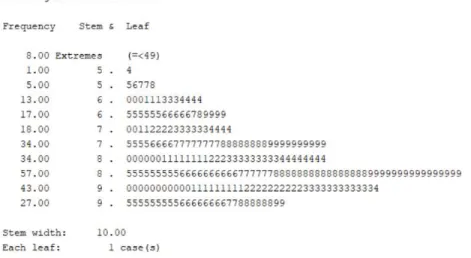
Figure 1. Stem-and-leaf plot for help-seeking behavior ………. 88
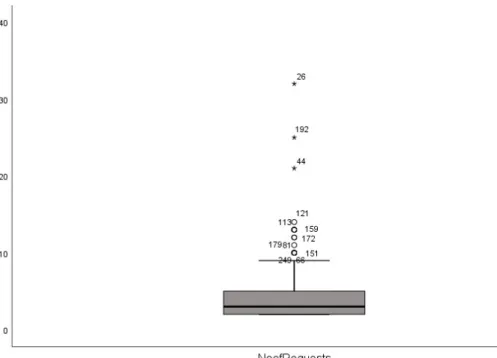
Figure 2. Box-and-whisker plot for help-seeking behavior ……… 88
Figure 3. Stem-and-leaf plot for writing self-efficacy ………. 89
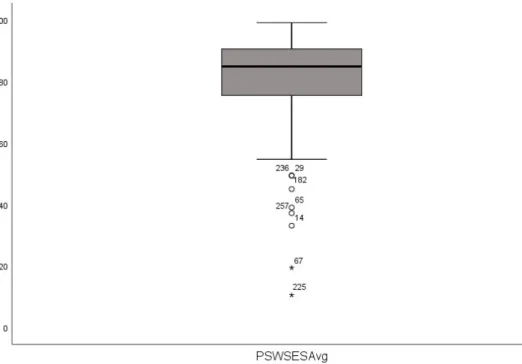
Figure 4. Box-and-whisker plot for writing self-efficacy ………... 90
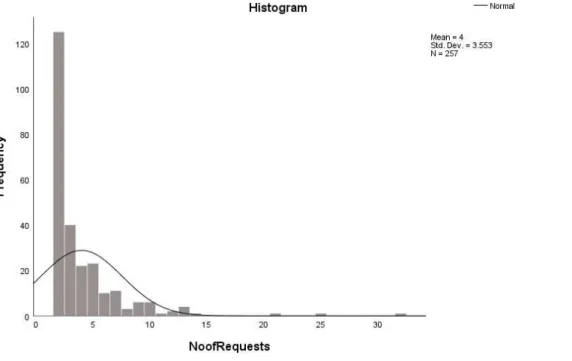
Figure 5. Histogram of help-seeking behavior showing normal (Gaussian) distribution curve ………... 94
Figure 6. Histogram of help-seeking behavior with outliers removed showing normal (Gaussian) distribution curve ………. 95
Figure 7. Histogram of help-seeking behavior with outliers removed showing normal (Gaussian) distribution curve ……….………... 95
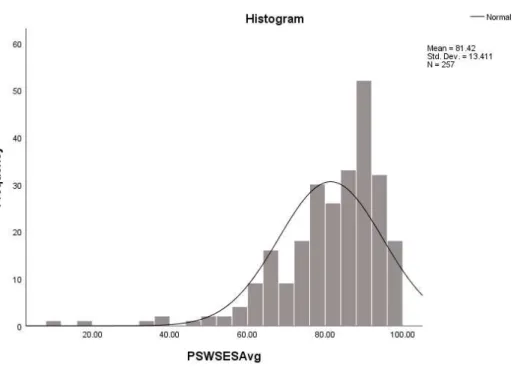
Figure 8. Histogram of writing self-efficacy showing normal (Gaussian) distribution curve ………. 96
Figure 9. Histogram of writing self-efficacy with outliers removed showing normal (Gaussian) distribution curve ………... 97
Figure 10. Histogram of writing self-efficacy with outliers removed showing normal (Gaussian) distribution curve ……….………. 98
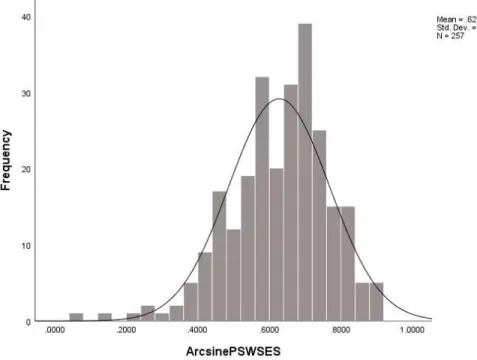
Figure 11. Histogram of writing self-efficacy, using the arcsine data transformation showing normal (Gaussian) distribution curve ………... 101
Figure 12. Histogram of writing self-efficacy, using the logit data transformation showing normal (Gaussian) distribution curve ………... 102
Figure 13. Scatter plot between help-seeking behavior and writing self-efficacy, using unscreened data with extreme bivariate outliers annotated ………. 103
Figure 14. Scatter plot between help-seeking behavior and writing self-efficacy, using
screened data with extreme bivariate outliers annotated ………. 104 Figure 15. Scatter plot showing linear relationship between help-seeking behavior and
writing self-efficacy, using unscreened data ……….... 105 Figure 16. Scatter plot showing linear relationship between help-seeking behavior and
writing self-efficacy, using screened data ……… 105 Figure 17. Scatter plot showing bivariate normality between help-seeking behavior and
writing self-efficacy, using unscreened data ……… 106 Figure 18. Scatter plot showing bivariate normality between help-seeking behavior and
writing self-efficacy, using screened data ……… 107 Figure 19. Scatter plot showing bivariate normality between help-seeking behavior, using
the common (base 10) logarithm data transformation and writing self-efficacy,
List of Abbreviations American College Testing (ACT)
Face-to-face (F2F)
International Writing Center Association (IWCA) Institutional Review Board (IRB)
Online Writing Center (OWC)
Post-Secondary Writerly Self-Efficacy Scale (PSWSES) Replicable, aggregable, and data-supported (RAD) research Scholastic Aptitude Test (SAT)
Statistical Package for the Social Sciences (SPSS) Zone of Proximal Development (ZPD)
CHAPTER ONE: INTRODUCTION Overview
Over the past 50 years, the landscape of American post-secondary education has changed dramatically (Boquet, 1999). Technology in the 21st century offers more opportunities for online graduate education, facilitating a global educational marketplace (Martirosyan, Hwang, & Wanjohi, 2015). This online globalization has placed added burden on academic support
services, such as writing centers, to help students from broader, more varied backgrounds and abilities become independent scholars (Sabatino & Rafoth, 2012). In achieving this goal, writing centers must guard against producing the opposite effect by enabling student dependency from excessive use (Williams & Takaku, 2011). This chapter examines the background of writing centers in American writing education, as well as their evolving role in student academic success. It presents the problem statement, including the inadequacy of previous research. The purpose of the study is reviewed, as is its significance. Finally, the research question is posed, and applicable definitions are given.
Background
The 1960s-70s open admissions movement in American post-secondary schools attracted vast numbers of poorly prepared students into the higher education system (Boquet, 1999). This sudden influx coincided with a marked increase in the number and use of writing centers
nationwide, as writing centers became poised to meet the needs of these particular students (Carino, 1996). More recently, there has been a second inpouring of underprepared writers into America’s post-secondary system—this introduction has come from non-native English-speaking students (Martirosyan et al., 2015). Once again, writing centers have been thrown into the
2012). While writing centers have existed in their modern form for nearly 50 years, the
constituents of an effective writing center are still hotly debated among the academic community as indicated in the extant literature (Enders, 2005; Hoon, 2009; Rosalia, 2013; Winder,
Kathpalia, & Koo, 2016).
Most writing center scholars ascribe the origins of the modern writing center to the open admissions programs of late 1960s American post-secondary education and its ensuing need to provide student academic services (Adams & Adams, 1994; Boquet, 1999; Boquet & Lerner, 2008; Carino, 1996, 2003; Jolly, 1984; Pemberton & Kinkead, 2003; Summerfield, 2001; Yahner & Murdick, 1991). Rather than evolving from some well-developed theoretical discourse,
writing centers were originally a utilitarian response to an academic need (Hobson, 1994), which means they have continually struggled to be recognized as credible, scholarly entities among their academic peers (Carino, 2001).
Ever searching for a theory to justify their existence, writing centers have mimicked the theories espoused by rhetoric and composition (Burlaga & Costino, 2003). Initially embracing the current-traditional approach to composition (Burnham, 2001), writing centers focused on the product of writing by emphasizing rules, forms, and mechanics (Berlin, 1987). The growing political unrest of the late 1960s led to growing rejection of the rather strict, authoritarian rules associated with current-traditionalism (Hobson, 2008), which introduced the notion of writing as a process, and not a mere product (Murray, 1997). This expressivist perspective encouraged the writer’s freedom of expression and highlighted the experience of the writer, rather than the mechanics used to communicate it (Berlin, 1982). Nevertheless, despite its attention to freedom, expressivism still viewed the writing process as a private, unique activity (Burnham, 1998).
By the 1980s, American politics started to embrace the more social character of an emerging global culture, which began to provoke the concept of writing as a social endeavor (Murphy, 1994). Rooted in constructivism, this social constructionist perspective emphasized the meaning of what was being written (Williams, 1998). This approach considers writing a social construct that emanates from shared correspondence and common discussion, setting social constructionism in direct opposition to its predecessor (Berlin, 1987). From this eclectic mixture of theories and philosophies, writing center pedagogy has advanced from an equally diverse amalgamation, including Bandura’s (1977a, 1977b, 1997) social (cognitive) learning theory and his idea of self-efficacy, Vygotsky’s (1978) social development theory and his zone of proximal development, Wood, Bruner, and Ross’s (1976) concept of scaffolding, and Bruffee’s (1984, 1993) collaborative learning theory and his perception of peer tutoring.
As writing centers have carried on their mission to assist students in becoming better writers, they have also struggled to meaningfully find a metric for measuring their success in accomplishing this mission. One potential gauge for assessing writer improvement builds on Bandura’s (1977a) notion of self-efficacy. Self-efficacy for writing concerns students’ perceived confidence in their ability to write independently (Bruning, Dempsey, Kauffman, McKim, & Zumbrunn, 2013). There is significant positive correlation between a student’s writing self-efficacy and academic writing performance (r = .375-.404, Bruning et al., 2013; r = .71, Hetthong & Teo, 2013; r = .34, Sanders-Reio, Alexander, Reio, & Newman, 2014). Writing centers provide a forum for improving student writing performance by developing writer self-efficacy. However, there is some question whether repeated writing center use causes student-tutor dependence, thereby reducing student self-efficacy. Recent research has focused on the relationship between writing center use and academic performance (Bielinksa-Kwapiz, 2015;
Bredtmann, Crede, & Otten, 2013) or between self-efficacy and writing performance (Hetthong & Teo, 2013; Sanders-Reio et al., 2014). Little work has been done relating writing center use to writing self-efficacy, especially at the graduate level and in an online context (Bromley,
Northway, & Schonberg, 2016).
Problem Statement
Most writing centers have accepted North’s (1984) challenge to produce better writers, a process-oriented perspective, rather than simply better writing, a product-oriented viewpoint. Having embraced this emphasis of writing as a process (Murray, 1997), writing centers have been able to improve writing proficiency (Bodnar & Petrucelli, 2016; Johnson, Ott, & Drager, 2015) and writing self-efficacy (Bodnar & Petrucelli, 2016; Sanders-Reio et al., 2014), which, in turn, leads to improved writing proficiency (Bodnar & Petrucelli, 2016; Ragula, 2017).
Nonetheless, studies suggest that many students who visit a writing center (nearly 84%) are more concerned with improving the grades on their assignments (product-orientation) than with
becoming better writers or in other words—process-orientation (LaClare & Franz, 2013), although the evidence is far from conclusive (Bromley et al., 2016; Winder et al., 2016). This difference in perspectives can put writing centers and their clients at cross-purposes. Many writing center users receive assistance more than once (Carino & Enders, 2001; Huang, 2012), suggesting a continuing need or desire for improved writing proficiency, developed through enhancing writing self-efficacy; however, continued assistance may also indicate the perception of writing centers as merely writing repair shops where students go to have their written
assignments fixed (Williams & Takaku, 2011). Research has not investigated any possible correlation between student completed draft review requests to a writing center and
mode of delivery. Specifically, the problem is no quantitative studies to date have examined the potential relationship between student help-seeking behavior and writing self-efficacy at the graduate level and in an online environment.
Purpose Statement
The purpose of this quantitative, correlational study was to determine the potential
relationship between help-seeking behavior and writing self-efficacy for online graduate students at a large, regionally accredited, faith-based, non-profit, private university in the southeastern United States with a substantial online student population. The independent variable, help-seeking behavior, was generally defined as the number of times the student received assistance from the Online Writing Center (OWC) as reported through the university’s SharePoint (2017) data management system. The dependent variable, writing self-efficacy, was generally defined as the student’s perceived confidence in his/her own writing ability as measured by the Post-Secondary Writerly Self-Efficacy Scale (PSWSES; Schmidt & Alexander, 2012).
Significance of the Study Empirical
The empirical significance of this study lies in its potential contribution to ever-changing writing center theory. Further, the results of this study should provide specific data revealing the nature of the relationship between the help-seeking behavior and writing self-efficacy for online graduate students. Several studies have examined the relationship between writing self-efficacy and academic performance and between writing center use and academic success. Jalaluddin, Paramasivam, Husain, and Abu Bakar (2015) reported no significant correlation between writing self-efficacy and writing test scores, and Khojasteh, Shokrpour, and Afrasiabi (2016) described no significant correlation between writing self-efficacy and writing performance. Bodnar and
Petrucelli (2016) related a sizable improvement in students’ grades to their writing center visits. Johnson and colleagues (2015) suggested a moderate correlation between students’ perceptions of their proficiency and their actual exam scores. Sanders-Reio and colleagues (2014)
discovered that students’ writing self-efficacy moderately predicted writing performance.
Bielinksa-Kwapiz (2015) noted that students who visited the writing center received significantly higher grades on writing assignments than students who did not. However, none of the previous research correlated writing self-efficacy with help-seeking behavior among online graduate students.
Practical
The practical significance of this study is its ability to add to the knowledge and
understanding of writing center administrators and practitioners on the potential effect of repeat writing center visits on student writing self-efficacy. This information can be applied to writing center strategies and policies to maximize student writing self-efficacy through using the writing center. For example, it reveals whether student writing self-efficacy plateaus after a number of completed draft review requests to the writing center or whether students stop visiting the writing center when their writing self-efficacy peaks. It also indicates whether, in its striving to fulfill its mission, the writing center actually enables student help-seeking behavior to devolve into
dependence.
Research Question
The following research question guides this correlational study:
RQ: What is the potential relationship between online graduate students’ help-seeking behavior, as measured by their number of completed writing center draft review requests, and
their writing self-efficacy, as measured by the Post-Secondary Writerly Self-Efficacy Scale (Schmidt & Alexander, 2012)?
Definitions Terms pertinent to this study are defined below:
1. Collaborative Learning – Building on Vygotsky’s social development theory,
collaborative learning posits that through the sharing of resources and interacting with other learners, the student learns more completely than if working alone (Bruffee, 1984). 2. Composition Theory – Composition theory is a set of principles that describes the nature
of writing, the way writing is learned, and the function writing serves (Sánchez, 2005). 3. Constructivism – Sometimes used interchangeably with constructionism, constructivism
is an epistemological approach to knowledge, which maintains that knowledge is a subjective, relative quantity, and must be constructed by the individual (Schunk, 2012a). 4. Help-Seeking Behavior – As the name implies, help-seeking behavior refers to an
individual’s attempting to procure needed assistance to surmount barriers to learning and promote achievement (Karabenick, 2011).
5. Peer Tutoring – Peer tutoring involves using the best pupils to assist in the instruction of pupils of similar age and educational level who possess lesser abilities (Goldschmid & Goldschmid, 1976).
6. Scaffolding – Frequently credited to Vygotsky, scaffolding involves the teacher or tutor controlling elements of a task that are initially beyond the capabilities of the student, thereby permitting the task to proceed to successful completion (Wood et al., 1976). 7. Self- Efficacy – Self-efficacy is one’s personal belief in his or her on capability to
8. Social Constructionism – Frequently confused with constructivism, social
constructionism differs in that it asserts that knowledge must be constructed by social interaction (Bruffee, 1986). Social constructionism spawned the social constructionist writing center theory (Burlaga & Costino, 2003).
9. Writing Center – Known by other names, such as writing lab or writing clinic, a writing center typically operates as an independent extension of an educational institution’s writing program, providing individual writing assistance to students in need (Harris, 1988).
10.Writerly Self-Efficacy – As differentiated from writing self-efficacy, writerly self-efficacy focuses on the cognitive factors writers possess, as opposed to the behavioral expressions of writing (Schmidt & Alexander, 2012). As the goal of writing centers is to create better writers, not simply better writing, this distinction is crucial; however, as the literature has standardized writing self-efficacy, that term will be used throughout this study although the goal remains creating better writers rather than better writing.
11.Writing Self-Efficacy – Writing self-efficacy refers to students’ confidence in their writing capabilities (Pajares, 2003). Note: see writerly self-efficacy for a comparison. 12.Zero-Proximity Development – An aspect of social development theory, the concept of
zero-proximity development (ZPD) refers to the gap between a child’s actual level of cognitive development as measured by problem-solving ability versus his or her potential level of development with adult supervision or collaboration with more proficient peers (Vygotsky, 1978).
CHAPTER TWO: LITERATURE REVIEW Overview
Writing centers provide a vital source of academic support, especially to online students. Many students who frequent the online writing center return for more than one session (Carino & Enders, 2001). If visiting the writing center multiple times results in student dependency on the writing center or its peer tutors, then the writing center’s primary goal of creating better writers is not accomplished (Williams & Takaku, 2011). This literature review examines the theoretical framework for writing centers, including social cognition and social construction, and
investigates related literature on the usage of writing centers and student self-efficacy. Conceptual or Theoretical Framework
The conceptual framework undergirding this correlational study combines the idea of self-efficacy (Bandura, 1977a) with an eclectic writing center theory (Carino, 2001), which itself incorporates elements of composition theory (Berlin, 1982) and collaborative learning (Bruffee, 1993). Self-efficacy, as applied to academic writing, involves students’ confidence in their writing skills, in their ability to complete specific writing tasks, and in their capacity to earn a specific grade (Pajares, 2003). Modern composition theory reckons academic writing as a process, rather than an end product (Murray, 1997), and as a social activity, rather than a solitary endeavor (Ede, 1989; Murphy, 1994). This social context for academic writing gives rise to the collaborative learning process espoused by most modern writing centers (Bruffee, 1993) and the peer tutoring practice they use (Bruffee, 1984). As an integrated whole, this theoretical
foundation supports the idea that repeated use of the writing center will result in increased writing self-efficacy, which this study tested.
In 1984, frustrated writing center evangelist Stephen North decreed, “The object is to make sure that writers, and not necessarily their texts, are what get changed by instruction. In axiom form it goes like this: Our job is to produce better writers, not better writing” (p. 438). Subsequent attempts to construct a theoretical basis for the writing center demonstrate the stirring effect of North’s call to action. Writing center scholars (Bruffee, 1993; Ede, 1989; Gillam, 1998; Hobson, 1994; Murphy, 1994) have long grappled with fundamental issues, such as the overall purpose of the writing center and the best approach to achieve that purpose. Since North’s injunction, writing center theory has morphed thorough many iterations as practitioners continue to strive for a theory that matches experience. According to Hobson (1994), “Writing center theory has problems keeping up with writing center practice because writing center theory, to a large extent, is not based on the same foundations as the practice it is most often called upon to justify” (p. 2).
Writing Center Theory
Writing centers began as a practical means to achieve an end, rather than as an outgrowth of some theoretical exposition (Yahner & Murdick, 1991). Historical writing center studies tended to offer practical techniques, rather than theoretical investigations (Carino, 2001). Since this pragmatic inception, the writing center community has been playing catch-up, trying to achieve academic credibility by establishing a solid theoretical foundation for the writing center. Recent attempts to formulate an all-inclusive theory that defines writing centers and describes their function have been largely unsuccessful (Carino, 2001). According to Hobson (1994), “Writing center theory grew out of practice because no theory called Writing Center Theory existed” (p. 3).
Composition and rhetoric. Writing center theory is closely intertwined with composition theory, which itself struggles for a theoretical foundation, leaning heavily on rhetorical theory (Burlaga & Costino, 2003). If composition and rhetoric are the stepchildren of academic English, then writing centers are the stepchildren of composition and rhetoric
(Kinneavy, 1997). A landmark review of writing pedagogy uncovered a myriad of disjointed studies and a startling absence of theoretical underpinning (Braddock, Lloyd-Jones, & Schoer, 1963). Carino (2001) noted the marginalized status of writing centers in the spectrum of
composition studies. Writing center scholarship tends to be aggregated and isolated, rather than discussed alongside other composition and rhetoric topics of research (Boquet & Lerner, 2008). One of the greatest obstacles facing writing center scholars involves the formation of a
comprehensive and pertinent theory that will facilitate instruction in the writing center (Murphy, 1994).
Scholars continue to debate the roles and relative importance of the major composition theories and pedagogies; however, most agree that compositional studies evolved from classical rhetoric at Harvard University during the late nineteenth century (Brereton, 1996). From these classical roots came the three-part arrangement (ancestor of the five-paragraph essay) and the four-part arrangement (forerunner of the argumentative essay) still used in composition courses today (Glenn & Goldthwaite, 2014). Their focus was on the essay itself—the written product. At the turn of the century, as positivist epistemology grew in popularity, the current-traditional approach to rhetoric and composition developed and became the dominant theory of twentieth-century American academics (Berlin, 1987).
Current-traditionalism. Also known as the textbook tradition, current-traditional theory focused on rote mechanics and standard form (Crowley, 1986). Current-traditional theory was
rules-driven to the extent that its practitioners began by learning the rules before actual writing could take place (Glau, 1998). Like its predecessor, current-traditionalism was an objective theory, solely concerned with the written product, most often the five-paragraph essay (Berlin, 1987). From the scientific underpinnings of its positivist foundation, current-traditional theory emphasized precision of language and correctness of arrangement (Burnham, 2001). The role of the writing center under the current-traditional theory was fairly straightforward: find student errors and ensure they were corrected (Hobson, 1994). Writing teaching and tutoring used directive, “drill-and-skill” instructional methods (Carino, 2001, p. 126). One of current-traditional theory’s major shortcomings was its restricted view of writing as simply translating ideas to paper (Crowley, 1986). Current-traditional theory also focused on the smallest elements of writing and viewed writing as a linear progression from words to sentences to paragraphs and so on (Glau, 1998). As America began to rebel against authority and embrace individual
freedom and self-expression in the 1960s and 1970s, composition studies began to shift focus to the process of writing and to the individual student doing the writing (Berlin, 1987).
Nevertheless, the current-traditional theory was never fully displaced by this new perspective— expressivism (Crowley, 1996).
Expressivism. No development in writing pedagogy has been more influential among the academic composition community than the emphasis of writing as a process (Murray, 1997). Growing from the romantic (humanistic) epistemology that truth is subjective and emanates from within the individual, the expressivist (or expressionist) theory of composition and rhetoric welcomed the individualistic nature of this process orientation (Hobson, 2008). Agency—the idea that humans are free to choose and act (Bandura, 2001)—highlights the expressionists’ view
of the writing process in which the objective of writing instruction “is to make sure that writers, and not necessarily their texts, are what get changed” (North, 1984, p. 428).
Process theory of composition depicts writing as consisting of three stages: prewriting, everything done in preparing the first draft; writing, the act of producing the first draft; and rewriting, the iterations of proofreading, editing, and revising to prepare the final written copy (Murray, 1997). Rohman and Wlecke (1964) proposed that the writing process occurs in a smooth, linear fashion, separate from and subsequent to thinking (as cited in Faigley, 1986), existing in a cause and effect relationship (Rohman, 2002). Their proposition was immediately repudiated by Emig (1964), who asserted that composition is a highly recursive process, which is intimately intertwined with thinking (as cited in Faigley, 1986). This opposition inspired
research into the concept of writing as a cognitive process (Faigley, 1986; Hyland, 2016). Emig (2002), however, stopped short of proposing a cognitive theory of writing or composition. The most enduring theory emerging from this cognitive research tradition came from Flower and Hayes (1981), who described the writing process as “a set of distinctive thinking processes which writers orchestrate or organize during the act of composing” (p. 366).
Expressivism’s antithetical epistemology, as well as its relentless focus on the process of writing, created an oftentimes antagonistic dichotomy with its forerunner, current-traditional theory (Clark, 2003). Form became less important, and meaning became pre-eminent (Brannon & Knoblauch, 1984). “Good writing, for the expressivist, does not reflect the application of rules but that of the writer’s free imagination” (Hyland, 2016, p. 13). In addition to changing the emphasis from product to process, as brought about by the expressivism movement, composition educators began to explore writing as a way for individual writers to discover themselves
(Berlin, 1982). Expressivism’s strength lies in its foundation on individual experience as articulated in the individual’s own words (Burnham, 1998).
Not everyone was a supporter of expressivism. For writing centers, the renunciation of rules-directed writing created an identity crisis as they struggled for theoretical justification (Hobson, 1994). Tutoring became non-directive, as a more minimalist, student-centered approach gained favor in an effort to promote students’ cognitive growth (Burlaga & Costino, 2003). According to the minimalist model, the writing tutor is not a proofreader, editor, or collaborator; the writing tutor is a mentor or coach who helps students navigate the writing revision stage and keeps them focused on the process by simplifying the task at hand (Brooks, 1991). Writing teachers and tutors became facilitators instead of authoritarian judges (Barnett, 1989). However, many claimed that expressivism, like its ancestor, had become too regimented and detail-oriented (Tobin, 2001). Additionally, despite its emphasis on the individual writer, expressivism continued to treat writing as an isolated, solitary activity (Burlaga & Costino, 2003; Burnham, 1998). By the 1980s, then, the expressivist view was increasingly criticized and was largely supplanted by social constructionism (Fishman & McCarthy, 1992).
Social constructionism. Social constructionism emerged from the postmodern constructivist epistemology that knowledge is not acquired but is constructed by the learner (Adams, 2007; Donahue, 2012). Constructivism is one of the four major schools of learning theory, initially developed by Piaget and suggesting a learner-centered educational framework (Bates, 2016; Leonard, 2002; Wallace, 2015). Eventually, two main branches of this theory emerged: cognitive constructivism, ascribed to Dewey and advocating active participation of the learner in the knowledge-building process; and social constructivism, credited to Vygotsky and
proposing the need for social interaction to facilitate knowledge construction (Bates, 2016; Leonard, 2002; Wallace, 2015).
While constructionism closely resembles constructivism, causing frequent confusion, there are significant differences between the two (Kafai, 2005). Papert (as cited in Leonard, 2002) espoused the theory of constructionism, allying with Piaget’s notion of constructivism and expanding it into pedagogical precepts similar to Bruner’s discovery learning (as cited in
Leonard, 2002; Wallace, 2015). According to constructionism, knowledge is built through individual and social interaction with minimal instruction, unlike constructivism, which emphasizes the personal and isolated assembly of knowledge (Kafai, 2005; Leonard, 2002).
Also deriving from constructivism, social constructionism stressed the social aspect of constructing knowledge (Dias, 1998), underscoring the role of others and of social interaction in general in that process (Pritchard & Woolard, 2010). Social constructionism contradicted current-traditional theory and expressivism in that it posited that writing is learned in a social context as an outgrowth of mutual communication or collective discourse (Berlin, 1987). Writing was no longer perceived as being skill-based, but as a social practice (Badenhorst, Moloney, Rosales, Dyer, & Ru, 2015; Kamler & Thomson, 2014). According to Murphy (1994), “In the research surrounding rhetoric and composition, social constructionist theory has begun to challenge the writing-as-process model as the dominant paradigm defining writing instruction” (p. 25). Social constructionism offered a paradigm to explain many aspects of writing
instruction; however, it did not entirely supplant other theories of rhetoric and composition (Wadden, 1996).
Many modern writing center scholars interpret writing center currently practice through the social constructionist lens, which is perceived to be in direct opposition to writing as a
process (Ede, 1989; Murphy, 1994). Despite the considerable influence of social
constructionism, expressionist-influenced pedagogies remain (Fishman & McCarthy, 1992). Opposition arises from the cognitive perception of writing, which describes it as a solitary, highly personal, intrinsic process (Ede, 1989; Murphy, 1994). To social constructionists, such an expressivist view negatively affects the image of writing center work and can factor in its
misunderstanding or even rejection (Ede, 1989; Murphy, 1994). Writing Center Tutoring Pedagogy
Social constructionism’s progenitor, constructivism, produced several theories applicable to the pedagogy employed in the modern writing center, including Vygotsky’s (1978) social development theory and zone of proximal development, Bandura’s (1977a, 1977b, 1997) social learning theory and concept of self-efficacy, Bruffee’s (1984, 1993) collaborative learning theory and idea of peer tutoring, and Wood and colleagues’ (1976) notion of scaffolding.
Social development theory. Much of the theory of social constructionism, at least as it concerns education, found its basis in the work of Vygotsky (Pritchard & Woolard, 2010), who defined human cognition as a function of the interaction between an individual and society (Langford, 2005); this came to be called his social development theory. While constructivism acknowledged the individual’s active role in constructing knowledge (Prawat, 2008), Vygotsky theorized that social interplay was necessary for complete cognitive development (Adams, 2007). According to Vygotsky (1978), “All the higher [cognitive] functions originate as actual relations between human individuals” (p. 57). Vygotsky described the gap between an
individual’s current level of cognitive development and potential level of development as the zone of proximal development (Ketterer, 2008).
Zone of proximal development. The zone of proximal development (ZPD) was the fundamental pillar in Vygotsky’s social development theory (Adams, 2007). While immediately popular in Vygotsky’s native Soviet Union, the ZPD began receiving a good deal of attention in the West during the latter part of the twentieth century, as the social nature of learning gained in popularity (Wertsch & Tulviste, 2005). The ZPD enables a student to maximize his or her potential (Leonard, 2002); however, such success can only be accomplished through optimum social interaction (Tudge & Scrimsher, 2002). Vygotsky (1978) identified four stages within the ZPD, ranging from the lower limit of the student’s present knowledge to the upper limit of the student’s potential achievement, acquired with assistance from qualified advisers (Adams, 2007). Vygotsky’s ideas of stages and assisted knowledge acquisition in the ZPD were incorporated by Wood and colleagues (1976) into their work on scaffolding (Ketterer, 2008).
Scaffolding. Scaffolding, another important outcome from Vygotsky’s social development theory, is a teaching strategy designed to expand a student’s ZPD by providing individualized support, enabling the student to progress from tasks he or she can do
independently to tasks he or she can do with assistance (Adams, 2007; Nordlof, 2014). Wood and colleagues (1976) applied to term scaffolding to the tutoring process wherein “an adult or ‘expert’ helps somebody who is less adult or less expert” (p. 89), which is reminiscent of Vygotsky’s (1978) ZPD. The term scaffolding, borrowed from the building construction
industry, denotes a temporary framework provided by the teacher or tutor, supporting learners as needed until independence is achieved and the support is no longer required (Larkin, 2008). This supportive, social interaction contributes to student cognitive development and sustains student motivation (Nordlof, 2014). The concept of scaffolding has been applied to tutoring in writing
center conferences as a way to build “rapport and solidarity” with students (Mackiewicz & Thompson, 2013, p. 66).
Three broad categories of tutor interaction have been proposed: instruction, cognitive scaffolding, and motivational scaffolding (Mackiewicz & Thompson, 2014). Instruction involves the tutor telling the student what to do; cognitive scaffolding occurs when the tutor allows the student to figure out what to do on his or her own; and motivational scaffolding deals with the tutor providing encouragement (Mackiewicz & Thompson, 2014). Mackiewicz and Thompson (2014) found that nearly one-half of tutor interactions consisted of providing instruction where only one-third used cognitive scaffolding and the remainder employed motivational scaffolding. Scaffolding truly occurs only when the tutor uses either cognitive scaffolding or motivational scaffolding (Nordlof, 2014).
Situated learning. Also elaborating on Vygotsky’s social development theory, Lave and Wenger (1991) postulated situated learning, emphasizing the social context in which learning occurs, in contrast to earlier learning theories, which were based on individual cognition (Patel, 2017). Situated learning theory is comprised of three premises: the irrelevance of classroom learning; the relevance of workplace or community learning; and the decidedly social and reciprocal nature of learning, involving collaboration and mentoring (Leonard, 2002). While reflecting the general move from the individual to the social, situated learning acknowledges the close relationship between the two (Lerner, 2009). Students in a situated learning environment are interdependent learners (Orsmond & Perry, 2015), making teaching unnecessary and inadequate (Lerner, 2009). They join the learning community as peripheral participants,
eventually becoming full participants as they evolve through the learning process (Patel, 2017). Situated learning formed the basis of the theory of cognitive apprenticeship (Leonard, 2002).
Cognitive apprenticeship. Leaning heavily on the practice of traditional apprenticeship, cognitive apprenticeship assumes that people learn from one another through observation,
imitation, and modeling (Collins, Brown, & Newman, 1987), manifesting close similarities to Bandura’s (1985) social cognitive theory. As differentiated from conventional classroom learning, apprenticeship targets the learning of skills and construction of knowledge within the social and practical context of their actual use (Collins et al., 1987). The cognitive
apprenticeship model is based on four elements: content (problem-solving strategies), method (scaffolded learning), sequence (increasing complexity and diversity), and sociology
(collaborative learning; Collins, 2005). Their substantial reliance on writing to provide instruction and to engage students with their peers and the instructor make online learning environments well suited for the application of cognitive apprenticeship (Dennen & Burner, 2009).
Social learning theory. Vygotsky's social development theory also complemented Bandura’s (1977b) work on social learning. Social learning theory grew from the perceived crucial role of social interaction in the learning process and emphasized its observational (environmental) characteristics (Pritchard & Woolard, 2010). Bandura (1977b) suggested that most humans learn by observing the behavior of others (models), registering the reactions and consequences of that behavior, and then imitating that behavior to achieve the same results. His theory blended the learning principles of behaviorism and cognitivism, thereby underscoring the social influence on learning (Kretchmar, 2017). This social interaction played a primary role in the development of cognition (Pritchard & Woolard, 2010), which explained Bandura’s (1985) updating his original theory and renaming it social cognitive theory. As the primary outcome of this interaction between observer and model, learning occurred if the observer possessed
adequate self-efficacy (Bandura, 1977a). In turn, the learner’s self-efficacy could be evaluated by thorough comparison with the behavior and performance of others (Schunk, 2012a).
Self-efficacy. Further expounding on his social (cognitive) learning theory, Bandura (1977a) postulated that self-efficacy affects one’s general performance in all circumstances. This cognitive mechanism for behavioral change is based on one’s belief or confidence that one can accomplish a particular goal, which creates persistence in one’s actions (Bandura, 1977a). As an outgrowth of his social cognitive theory, self-efficacy was built through “experience of mastery” (Bandura, 1977a, p. 191), arising from four experiential sources: “performance accomplishments, vicarious experience, verbal persuasion, and physiological states” (p. 195). Bandura (1993) offered four channels through which perceived self-efficacy changes behavior: “cognitive, motivational, affective, and selection” (p. 118).
For students, belief in their own efficacy contribute to three aspects of their academic development: “their aspirations, level of motivation, and academic accomplishments” (Bandura, 1993, p. 117). For Bandura, self-efficacy differs from self-esteem in that self-esteem is built on thoughts or feelings whereas efficacy is built on fact (“Self-efficacy,” 2014). High efficacy is described by confidence in one’s ability to accomplish a goal whereas low self-efficacy is described by uncertainty about accomplishing that goal (Pajares, 1996). Self-self-efficacy plays a vital role in motivating students to succeed academically (Zimmerman, 2000). The belief in one’s ability to accomplish a particular goal actually increases the likelihood that one’s
behavior will be modified, enabling persistence until the goal is accomplished (Schunk, 2012b). On its own, high self-efficacy does not always result in a successful outcome; neither does low self-efficacy always result in failure (Pajares, 1996). One strategy currently used by writing
centers to improve student writing self-efficacy is based on collaborative learning theory (Bruffee, 1993).
Collaborative learning. Some writing center theorists (Bruffee, 1984, 1993; Hobson, 1994; Murphy, 1994; Roberts, 2004) expounded the concept of collaborative learning through the lens of social constructionism. The most influential collaborative learning theorist, Bruffee (1984), examined the constructivist nature of collaborative learning. Collaborative learning favors the scaffolding approach since it closely mirrored techniques students use outside the classroom (Mackiewicz & Thompson, 2013). Bruffee (1993) understood writing to be a socially motivated process based on constructive discourse, as opposed to the uniquely individual
practice proposed by expressionist theory (Ede, 1989; Murphy, 1994). As Bruffee (1999) explained, “To write is to use the writer’s socially constructed authority to socially construct the authority of the text being written” (p. 57).
Viewing writing itself as a social, collaborative function is unnatural for a Western culture deeply steeped in the concept of writing as a solitary endeavor (Murphy, 1994). Ede (1989) emphasized the point that as long as writing (and even thinking) are regarded as fundamentally individual, isolated activities, writing centers cannot be seen as anything other than “pedagogical fix-it shops” (p. 7) to help those who are unable to write (or think) on their own. Little early research has been done on collaborative learning in higher education due to educational research’s tendency to be dominated by the cognitive (rather than the constructive) view of knowledge (Bruffee, 1993).
Peer tutoring. Concurrent with the emergence of the collaborative learning movement were the contemporary peer tutoring programs, which Bruffee (1984) associated with
social constructivist perspective, which emphasizes the role of social interaction between
students in constructing knowledge within their ZPDs (Clarkson & Luca, 2002). Peer tutoring is used to assist struggling students outside of traditional classroom work expectancies (Bruffee, 1984; Vick, Robles-Piña, Martirosyan, & Kite, 2015). Bruffee (1993) examined Vygotsky’s ZPD as a method for peer tutors to interact with their student tutees. Although originally believed to be most effective when children are assisted by knowledgeable adults, Vygotsky’s theory was readily expanded to include a learner assisted by a more competent peer (Hogan & Tudge, 1999). This facet of collaborative learning can be developed with heterogenous peer tutors, enabling students to complement one another’s strengths and weaknesses (Bruffee, 1993).
Bruffee’s (1984) influential article pronounced the benefits of collaborative instruction through peer tutoring. These interactions could be held online or face-to-face, conducted at all levels of educational endeavor, and administered formally or informally (Pozzi, Ceregini,
Ferlino, & Persico, 2016). In spite of the benefits associated with these methods, Roberts (2004) highlighted that cooperative and collaborative learning techniques are not widely used in higher education. Notwithstanding, peer tutoring is a respected technique, especially in the higher education and lifelong learning contexts (Carino, 2003; Munley, Garvey, & McConnell, 2010; Vick et al., 2015), since it closely mimics situations seen in actual professional activities, thereby giving learners experience in dealing with criticism and providing constructive feedback to others (Anewalt, 2005).
In the context of a writing center, prime examples of collaborative learning are writing center tutoring sessions where students and tutors work together to construct knowledge (Carino, 2003; Fitzgerald, 1994). These sessions certainly qualify as ZPDs, offering spaces to explore and expand students’ potential (Carillo, 2017). In peer tutoring, the tutee and tutor learn together
because the session is “a particular social context for conversation, a particular kind of
community” (Bruffee, 2008, p. 7). Conversation is “a social constructionist code word to talk about knowledge and teaching and learning” (Trimbur, as cited by Gillam, 1998, p. 43). As North (1984) espoused, talking is essential to the writing center methodology. The positive effects of peer interaction on student motivation and persistence are well-attested (Evans & Moore, 2013). The theoretical foundations of this successful technique include Vygotsky’s ZPD, Lave and Wenger’s situated learning, and Bandura’s self-efficacy (Evans & Moore, 2013;
Topping, 1996). However, while this beneficial impact in a face-to-face (F2F) classroom environment is supported by multiple studies, research on online peer tutoring is sparse (Al Chibani, 2014; Denton, 2017; Evans & Moore, 2013).
Modality. In traditional F2F peer tutoring, tutees are located in close proximity to their tutors, interact personally with them, and exchange information directly with them (Snart, 2015). F2F tutoring is synchronous because the tutor-tutee interaction occurs in (or near) real time (Mick & Middlebrook, 2015). According to peer tutoring purists, this bidirectional exchange of information is critical to the underlying social aspect of knowledge construction (Bruffee, 2008). However, supporters of asynchronous, i.e., not real-time, peer tutoring observe that learning occurs in the tutee through the tutor’s feedback (Harris & Pemberton, 2008), and tutors learn by developing their analytical abilities and improving their self-confidence (Hughes, Gillespie, & Kail, 2010). Roscoe and Chi (2008) speculated that tutor learning is an explicit outcome of their participation in the didactic activities fundamental to the tutoring process, such as providing instruction, resolving questions, addressing tutee mistakes.
Because “drop off” tutoring involves no real-time contact or interaction between the tutor and the tutee, it uses an asynchronous mode of delivery: The tutee provides a written draft to be
reviewed, the tutor contributes comments to the tutee’s written draft, and the tutee acquires the tutor’s written comments (Breuch, 2005). Consequently, many in the writing center community do not consider asynchronous tutoring to be legitimate peer tutoring because the conversational component is absent (Boquet, 1999; Breuch, 2005; Gillespie, 2002; McKinney, 2013; Weeks, 2000). However, as Falchikov (2001) observed, “Peer tutoring is not a unitary concept…[T]he label ‘peer tutoring’ may be applied to a variety of learning situations and the term encompasses a multitude of different ways of constituting learning pairs” (p. 4).
Setting. In addition to the mode via which tutoring is delivered, the setting in which tutoring takes place also influences the perception of peer tutoring. This distinction evolved when postsecondary institutions began offering educational programs through the internet, and writing centers developed an online component to meet the needs of those students (Harris, 1998; Sewell & Inman, 2000; Topping, 1996). In addition to providing synchronous and
asynchronous writing assistance through on-site tutoring sessions, writing centers began offering both modes of writing assistance via an online setting (Mick & Middlebrook, 2015). Vygotsky’s ZPD is readily adaptable to the online education environment, as learners can develop at their own pace (Lerch, Bilics, & Colley, 2009).
Synchronous peer tutoring may take place on-site (F2F) or online (chat, instant message, audio-video conferencing, etc.; Harris & Pemberton, 2008; Snart, 2015). While online
synchronous peer tutoring has been judged by some as inferior to F2F tutoring (Carlson & Apperson-Williams, 2000; Hewett, 2015; Wolfe & Griffin, 2012), it has several advantages, including improved student collaboration, participation, and motivation (Liang, 2010). Some research suggests that synchronous methodology is more effective than asynchronous (Al
Chibani, 2014; Burns, Cunningham, & Foran-Mulcahy, 2014), yet one study indicates the complementary value of combining both methods (Bucur, 2012).
Similarly, asynchronous peer tutoring may also take place on-site (drop-off) or online (email, computer distribution, etc.; Mick & Middlebrook, 2015). Like on-site drop-off writing tutoring, asynchronous online tutoring has its share of detractors who claim that the absence of interaction is detrimental to peer tutoring activity (Harris, 1998; Russel, 1999). Three categories of criticism have been directed toward asynchronous online tutoring: tutors do most of the work, which is antithetical to collaborative learning; the focus is on improving the writing, not the writer, which opposes North’s (1984) dogma; and it is similar to a drop-off service, which fails to engage the student in a dialogical process (Denton, 2017).
While synchronous online tutoring sessions may seem preferable because they closely resemble F2F tutoring (Mick & Middlebrook, 2015), asynchronous sessions offer several advantages (Hewett, 2015), including time, anonymity (Ryan & Zimmerelli, 2016), perceived trust and safety (Harris, 1998), and flexibility (Burns et al., 2014). Supporters of asynchronous online tutoring argue that the very reasons students select online education may also preclude them from pursuing synchronous writing tutoring; hence, offering an asynchronous option is their only viable choice to obtain writing assistance (Beyth-Marom, Saporata, & Caspi, 2005; Denton, 2017). In fact, asynchronous sessions equaled F2F sessions in terms of “learning, quality of solution, solution content, and satisfaction with the solution quality” (Ocker &
Yaverbaum, 1999, p. 436), and they were especially beneficial at the graduate level because they enabled tutors to focus on global issues, as well as lower level concerns (Vorhies, 2015).
overall (Ocker & Yaverbaum, 1999). Whatever the setting or modality, the unchanging purpose of peer tutoring from a writing center remains the production of better writers (North, 1984). Summary
As has been demonstrated above, delineating a coherent writing center theory is not a simple, straightforward task. Multiple, sometimes conflicting epistemologies and philosophies have come together to establish the writing center and guide its development and operation. While constructivism seems to dominate, remnants of current-traditional theory and
expressionism are still present and exert powerful influence. Peer tutoring is a predominant approach for higher education writing centers in the 21st century, using scaffolding strategy with the goal of developing students’ writing self-efficacy and improving their writing performance. Repeated writing center use should result in student independence as writing self-efficacy peaks and support is no longer needed.
Related Literature
Until recently, most writing center research has been non-empirical, focusing on
assessing writing center effectiveness through personal anecdotes (Gofine, 2012) at the expense of “rigorous ethnographies and case studies” (Johanek, 2000, p. 9) and largely ignoring the opportunities for other kinds of research (Lerner, 1997, 2001). Notably, some writing center researchers have argued that since writing centers already engage in observations of students, “the most suitable methodology for [research in writing centers] is some variation on an ethnographic model” (Neuleib & Scharton, 1994, p. 55), although Johanek (2000) questioned that rationale. Writing center leaders have bemoaned the prevalence of poor scholarship within their ranks (Boquet & Lerner, 2008).
In fact, writing center scholarship has demonstrated not only reluctance, but also
resistance toward “both empirical research agendas and theoretical perspectives” (Nordlof, 2014, p. 45). In their analysis of International Writing Center Association (IWCA) award-winning articles between 1985 and 2007, Liggett, Jordan, and Price (2011a) discovered that only seven of the 22 articles were based on empirical research. Similarly, Driscoll and Perdue (2012) reviewed 270 articles published by The Writing Center Journal between 1980 and 2009 and determined that only 6% involved empirical research. To validate writing center practice, more evidence is needed that meets the “replicable, aggregable, and data-supported (RAD) research” standard (McKinney, 2016, p. 9). Haswell (2005) defined RAD scholarship as “a best effort inquiry into the actualities of a situation, inquiry that is explicitly enough systematicized [sic] in sampling, execution, and analysis to be replicated; exactly enough circumscribed to be extended; and factually enough supported to be verified” (p. 201). Toward that end, Liggett, Jordan, and Price (2011b) developed a roadmap for writing center practitioners to follow to help systematize their research; however, their approach is more qualitative, incorporating pragmatism and narrative inquiry. Justifying the need for continued writing center research, regardless of format, is the ongoing problem of student inability to write at post-secondary and postgraduate levels. The National Commission on Writing in America’s Schools and Colleges (2003) called attention to this desperate situation: “American education will never realize its potential as an engine of opportunity and economic growth until a writing revolution puts language and communication in their proper place in the classroom” (p. 3).
Academic Writing Quality: Evidence of a Problem
The open admissions movement in American post-secondary institutions that began in the 1970s saw many poorly prepared students entering higher education (Boquet, 1999), a trend
that has continued to the present day. According to one report, only one-quarter of the students who took the American College Testing (ACT) college readiness exam in 2012 met the
benchmark scores for success in post-secondary education (Venezia & Jaeger, 2013).
Additionally, fewer than one-half of the students who took the Scholastic Aptitude Test (SAT) in 2013 were prepared to succeed in college (Doubleday, 2013). In fact, the average critical
reading scores for college-bound high school seniors taking the SAT have fallen between 1972 and 2015, and their writing scores have steadily declined since 2007—the first year the writing test was implemented (College Board, 2015). The trend in poor writing ability continues as only 27 percent of students in Grade 12 performed at or above proficiency level (U.S. Department of Education, 2012).
In a 2004 survey of nearly 1,500 recent high school graduates, 40% felt unprepared to succeed in the college or work environment—a number that was echoed by faculty and employers (Achieve, 2015). Sadly, despite considerable attempts to improve the American educational system at the federal, state, and local levels, a similar study conducted in 2014 reported no substantial change (Achieve, 2015). While these numbers indicate no measurable improvement over that 10-year span, evidence also reveals absence of any measurable decline (Lunsford & Lunsford, 2008). The status quo remains.
Post-secondary. Writing has been identified as the skill most necessary for academic success, yet it is also the skill in which students are poorest prepared (Conley, 2008). More than one-third of entering college freshman are underprepared for collegiate level academic writing and require support to improve their writing skills (Bodnar & Petrucelli, 2016), including use of a writing center. Lunsford and Lunsford (2008) reviewed 877 papers of freshman writers,
(the most common error) to sentence fragments (the least common error). College students continue to struggle with understanding their writing quality is poor (Plakhotnik & Rocco, 2012) although only 11% of college seniors are proficient writers (Abbate-Vaughn, 2007). Further, many students, when confronted with multi-part questions, fail to comprehend that answers require multiple parts or even what answering each part requires (Plakhotnik & Rocco, 2012). Additionally, students fail to understand that their writing must be able to stand on its own—that adequate information must be provided for any reader to understand the writer's message
(Plakhotnik & Rocco, 2012). While 65% of college seniors believed that their writing skills were adequate for business, only 27% of potential employers said graduates were well-prepared with that skill (Hart Research Associates, 2015).
Postgraduate. Unfortunately, the problem does not improve for graduate students; it worsens because faculty assume students admitted into graduate programs are already competent academic writers (Collier & Morgan, 2008; Karathanos-Aguilar & Sidman-Taveau, 2016;
Snively, Freeman, & Prentice, 2006). Sadly, these lofty expectations are not being met as many graduate students’ scholarly writing skills are weak (Cafferella & Barnett, 2000; Harris, 2006). Over one-third of graduate students experienced anxiety when confronted with writing
assignments, and nearly one-half found it difficult to express their ideas in writing (Torrance, Thomas, & Robinson, 1992). In addition, the significant differences between writing at the undergraduate and graduate levels adversely affect writing success (Brooks-Giles, Garcia, Kim, Manthey, & Smith, 2015).
A study of faculty who teach graduate information literacy suggested that, throughout the program, graduate students tended to have very little interest in writing for publication and “[saw] themselves neither as competent writers nor as active participants in the scholarly
exchange of their chosen field” (McMillen, Garcia, & Bolin, 2010, p. 428). Only 30% of postgraduate students understood that their theses needed to include a critique of the existing literature on their topic, and even fewer (22%) understood how this literature could inform them about a new direction of research on the topic (Bitchener & Banda, 2007). One writing center reported that two of three doctoral students lacked the skills necessary to conduct a literature review and to analyze and present the reviewed literature to identify the significance of their own dissertations (Switzer & Perdue, 2011). Another study of doctoral students identified multiple writing skill deficiencies among the majority, including deficits in paragraph structure, sentence structure, formatting, word-processing, and academic authorship (Harwell, 2016).
Exacerbating this problem is the notable marginalization or complete absence of
instructional programs for writing at the graduate level despite mounting evidence of the obvious need (Brooks-Giles et al., 2015; Garbus, 2005; Goodson, 2016; Rose & McClafferty, 2001; Swales & Feak, 2012). Resistance may be due to a faculty perception that writing instruction at this level should not be needed (Vorhies, 2015), or it may be due to faculty uncertainty or inability (Garbus, 2005). Additionally, assigning responsibility for providing graduate writing support has been problematic (Simpson, 2012). To make matters worse, lack of meaningful faculty feedback further heightens graduate student writing problems (Nelson, Range, & Ross, 2012). Faculty writing support tends to be limited to recommending textbooks to graduate students who are struggling (Craswell & Poore, 2012; Swales & Feak, 2012). The
presupposition among students and faculty seems to be that a student’s undergraduate writing skills will ultimately transform into those required to generate graduate-level writing (Harris, 2006). One problem with this assumption is its skills-based view of writing—the idea that
writing is a clear-cut, straightforward outcome of thought (Kamler & Thomson, 2014), reflecting the cognitive process theory of writing (Murray, 1997) and ignoring its social aspect (Ede, 1988).
As students progress through their graduate programs, they are transformed from students to professional scholars (Vorhies, 2015); hence, their writing is held to a markedly higher
standard than their undergraduate counterparts (Ondrusek, 2012). Writing is a vital part of the life of graduate students since it helps advance their professional and academic growth as they confront a variety of writing tasks as they progress (Alter & Adkins, 2001; Ragula, 2017). As their academic and professional careers move forward, the complexity and demand for their writing multiplies (Nelson et al., 2012; Swales & Feak, 2012). Developing proficiency at writing is intrinsic to graduate coursework, meaning that inadequacy in this area can stymie a graduate student’s entry into the profession (Ondrusek, 2012).
Given the obvious need for graduate writing instructional services and the equally apparent lack of available services, the writing center has become one of a few or, most probably, the only resource available, placing it in the unenviable position of filling the gap (Vorhies, 2015). Moreover, as universities continue to find it necessary to curb educational costs, fewer resources are available to offer the personalized feedback necessary to improve student writing skills (Wilson, Provaznik, & Pigeon, 2018). A writing center’s resources can become quickly overwhelmed by the many graduate students seeking help (Simpson, 2012). Further, providing graduate writing assistance frequently requires expertise peer tutors lack (Summers, 2016). Until recently, graduate student writing needs have largely been ignored, so clearly, additional research is needed in this area.