ScholarWorks @ Georgia State University
ScholarWorks @ Georgia State University
Gerontology Theses Gerontology Institute
Summer 8-7-2012
Alzheimer's Disease and Intimacy: A Content Analysis of
Alzheimer's Disease and Intimacy: A Content Analysis of
Resources Avaliable through the Alzheimer's Association and the
Resources Avaliable through the Alzheimer's Association and the
National Institute on Aging
National Institute on Aging
Danelle S. Hubbard
Georgia State University
Follow this and additional works at: https://scholarworks.gsu.edu/gerontology_theses
Recommended Citation Recommended Citation
Hubbard, Danelle S., "Alzheimer's Disease and Intimacy: A Content Analysis of Resources Avaliable through the Alzheimer's Association and the National Institute on Aging." Thesis, Georgia State University, 2012.
https://scholarworks.gsu.edu/gerontology_theses/29
ALZHEIMER’S DISEASE AND INTIMACY:
A CONTENT ANALYSIS OF RESOURCES AVAILABLE THROUGH THE
ALZHEIMER’S ASSOCIATION AND THE NATIONAL INSTITUTE ON AGING
by
DANELLE HUBBARD
Under the Direction of Candace Kemp
ABSTRACT
An estimated 5.4 million individuals in the United States have Alzheimer’s
disease, and the number is expected to rise exponentially over the next 50 years. Content
analysis was used to examine the availability and content of online resources accessible
through the Alzheimer’s Association and the National Institute on Aging (NIA) that
addressed emotional and physical intimacy for a marital unit. The analysis resulted in ten
documents from the Alzheimer’s Association’s website, seven from the NIA’s website,
and four additional documents produced from external links that met these criteria. Five
major themes emerged from these documents regarding the subject of emotional and
physical intimacy. These categories included: (a) defining sexuality and intimacy, (b)
changes that occur in the relationship due to a dementia diagnosis, (c) reasons for the
change in the relationship, (d) responses to a dementia diagnosis, and (e) strategies for
managing the changes due to a dementia diagnosis.
ALZHEIMER’S DISEASE AND INTIMACY:
A CONTENT ANALYSIS OF RESOURCES AVAILABLE THROUGH THE
ALZHEIMER’S ASSOCIATION AND THE NATIONAL INSTITUTE ON AGING
by
DANELLE HUBBARD
A Thesis Submitted in Partial Fulfillment of the Requirements for the Degree of
Master of Arts
in the College of Arts and Sciences
Georgia State University
Copyright by Danelle Hubbard
ALZHEIMER’S DISEASE AND INTIMACY:
A CONTENT ANALYSIS OF RESOURCES AVAILABLE THROUGH THE
ALZHEIMER’S ASSOCIATION AND THE NATIONAL INSTITUTE ON AGING
by
DANELLE HUBBARD
Committee Chair: Candace Kemp
Committee: Ann Pearman
Jaye Atkinson
Electronic Version Approved:
Office of Graduate Studies
College of Arts and Sciences
Georgia State University
DEDICATION
I would like to dedicate this thesis to my mother, Priscilla Hubbard, who has been my
life-long encouragement, inspiration, and supporter. You have been the cornerstone of my
pursuit for higher education. Without your continual love and support, completing this
ACKNOWLEDGEMENTS
In my 11 years of working with persons with dementias and their families, I have seen
the devastating impact of Alzheimer’s disease and other dementias. I would like to begin by
acknowledging those families for inspiring this body of work and my hopes for a cure!
Heartfelt thanks goes to my committee members. First, a deeply indebted thanks to Dr.
Candace Kemp, chair of my thesis committee, for her on-going support, mentoring, patience, and
countless hours of assistance. I would also like to thank Dr. Jaye Atkinson and Dr. Ann Pearman
for providing their guidance and input.
Within the Gerontology Institute, I would like to acknowledge previous and current staff
for all of their support over the years: Dr. Elisabeth Burgess for introducing me to the
Gerontology Institute and providing the spark of inspiration to pursue a Master’s degree in this
field, Dr. Frank Whittington for his encouragement and support of all gerontology professionals,
Dr. Sharon King, for being one of my earliest mentors in gerontology, Mary MacKinnon for her
cheerful and caring reassurance, and Dr. Yong “Tai” Wang for being an advocate and mentor. A
special thanks to all who contribute to the success of the Gerontology Institute!
I would like to acknowledge the Alzheimer’s Association, Georgia Chapter for their
support in my pursuit of higher education. In addition, my sincerest thanks goes to Ginny Helms
and Suzette Binford for granting the flexibility needed to work full time while pursuing my
Master’s degree and never doubting my ability to successfully accomplish both.
Finally, overwhelming gratitude goes to my biological and chosen family, who sustained
me during the most challenging of times. I would also like to acknowledge all of my friends,
co-workers, and classmates for your endless words of encouragement and support. I am truly
TABLE OF CONTENTS
ACKNOWLEDGEMENTS ... v.
LIST OF TABLES ... viii.
LIST OF FIGURES ... ix.
CHAPTER 1: INTRODUCTION ... 1.
Overall Aims ... 4.
Gerontological Significance ... 4.
CHAPTER 2: LITERATURE REVIEW ... 6.
Alzheimer’s Disease... 6.
Marital Couples, Life Course, Transitions, and Caregiving ... 8.
Intimacy... 10.
Emotional Intimacy ... 12.
Sexuality ... 13.
Intimacy and Alzheimer’s Disease ... 15.
Summary ... 18.
CHAPTER 3: METHODS ... 20.
Design and Methods ... 20.
Organizational Sources for Text ... 20.
Aim 1: Sample Selection and Text Classification ... 23.
Aim 2: Sample Selection and Text Classification ... 25.
Data Set ... 26.
Content Analysis ... 31.
Aim 1: Target Audience and Stages of Alzheimer’s Disease Represented ... 33.
Aim 2: Emerging Themes: Latent Coding Results ... 34.
Emotional Intimacy ... 39.
Physical Intimacy ... 41.
Defining Sexuality and Intimacy ... 42.
Changes That Occur in the Relationship ... 42.
Reasons for the Change in the Relationship ... 43.
Responses to Dementia Diagnosis ... 44.
Strategies for Managing the Changes... 46.
Overall Observations ... 48.
CHAPTER 5: DISCUSSION ... 49.
Omissions and Assumptions ... 51.
Strengths, Limitations, and Future Direction ... 54.
REFERENCES ... 59.
APPENDICES ... 65.
Appendix A ... 65.
Appendix B ... 66.
Appendix C ... 67.
LIST OF TABLES
Table 3.1 Initial Keyword Search Results ... 23.
Table 3.2 Initial Combined Keywords Results ... 24.
Table 3.3 Alzheimer’s Association Descriptive Chart ... 28.
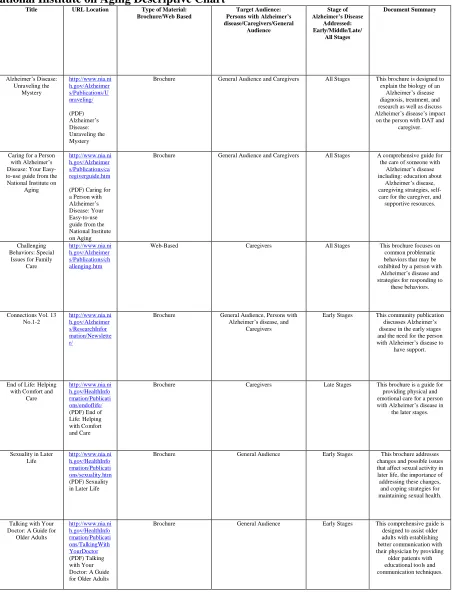
Table 3.4 National Institute on Aging Descriptive Chart ... 29.
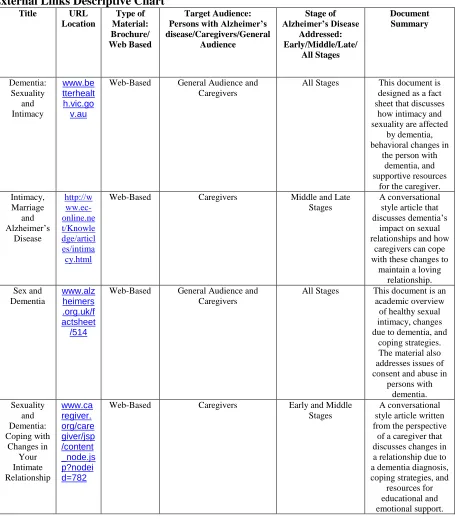
Table 3.5 External Links Descriptive Chart... 30.
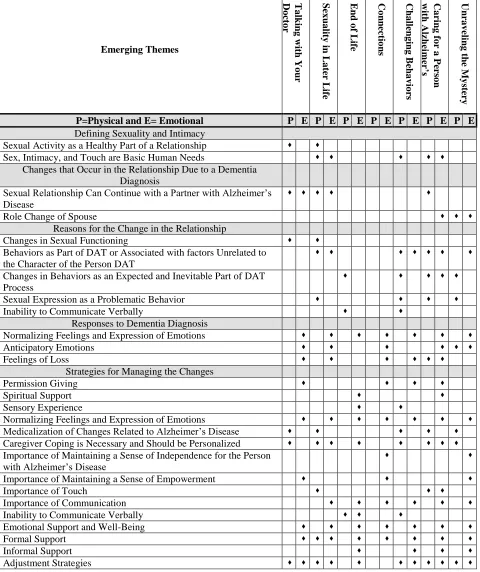
Table 4.1 Content Analysis Emerging Themes and Sub-Categories of Alzheimer’s Association Website Articles ... 36.
Table 4.2 Content Analysis Emerging Themes and Sub-Categories of National Institute on Aging Website Articles ... 37.
LIST OF FIGURES
Figure 4.1 Percentages of Website Articles Per Theme Addressing Emotional Intimacy .. 40.
CHAPTER 1: INTRODUCTION
An estimated 5.4 million individuals in the United States have dementia of the
Alzheimer’s type (DAT), and that number that is expected to rise exponentially over the next 50
years (Alzheimer’s Association, 2011). This anticipated growth is related to increasing longevity
as advanced age is one of the primary risk factors for developing Alzheimer’s disease
(Alzheimer’s Association, 2005). Until a cure is found, more families, including couples, will be
required to navigate the changes in cognitive function their loved ones experience as a result of
DAT and learn to cope with the accompanying emotional and physical challenges.
Among those who have been diagnosed with DAT, 25% are married (Alzheimer's
Association and National Alliance for Caregiving, 2004). An estimated 6% of caregivers for
those with Alzheimer’s disease are spouses (Alzheimer’s Association, 2011). Caring for a person
with Alzheimer’s disease can present challenges because of the cognitive and physical changes
associated with DAT. Spousal caregiving may be accompanied by additional challenges because
of the intimate nature of the relationship compared to other caregiver-care recipient relationships
(Connidis, 2010). For example, a spouse with Alzheimer’s disease may exhibit severe mood
swings, poor judgment, bizarre behavior early in the disease process and sometimes long before
the well-spouse is aware of DAT, may place strain on the marital relationship even prior to a
diagnosis (Stephens & Qualls, 2007). Because Alzheimer’s disease has implications for both
emotional and physical intimacy, upon diagnosis both spouses may need education about DAT
and support through the care process. However, the majority of support tends to be needed by the
well spouse, as caregiving demands increase alongside the risk of decline in emotional and
Highly relevant information and tools aimed at helping couples cope with Alzheimer’s
disease are available in scientific journals. For example, Davies, Zeiss, Shea, & Tinklenberg,
(1998) identify several intervention techniques such as counseling specific to couples coping
with an Alzheimer’s diagnosis which may be particularly helpful for spousal caregivers. In the
past, persons with Alzheimer’s disease were perceived as unable to benefit from intensive
therapy (Davies et. al., 1998, pg.201). Davies and colleagues state, “…many older couples would
be amenable to interventions that address successful adaptation to changes in sexuality caused by
Alzheimer’s disease” (Davies et. al., 1998, pg.195). In addition, emotions surrounding cognitive
changes could be addressed (Davies et. al., 1998). Yet, health literacy, which is the
comprehension of health care information, may be a barrier to accessing and understanding
information in academic or clinical resources. For example, a cross-sectional cohort study of 414
independently living older adults age 60 or older, found that health literacy scores in individuals
that had reduced cognitive ability, as measured by the mini-mental status examination, were
significantly lower than people with higher mental status scores (Federman, Sano,Wolf, Siu, &
Halm, 2009).
Although academic journals have quality content, this information is usually not
transmitted to the lay population. Spouses are more likely to seek information and support from
sources other than academic or clinical journals. A little over half of the people who care for
someone with Alzheimer’s draw on print materials (e.g.books), while many others look to the
internet for caregiving information and to learn about Alzheimer’s disease (Alzheimer's
Association and National Alliance for Caregiving, 2004). Indeed, it is clearly a growing trend
among older adults to use the internet to search for medical information and support (Birren &
health information online, which exceeds the number of persons who actually visit a physician
for health information. Although this trend does signify the growing importance of the internet as
a source for medical information (Birren & Schaie, 2006), many families may still seek the
counsel of a professional in person or by phone (Alzheimer's Association and National Alliance
for Caregiving, 2004).
A recent patient handbook developed by Geriatrics, a peer-reviewed medical journal of
physicians, identified both the National Institute on Aging (NIA) and the Alzheimer’s
Association (AA) as resources considered to provide reliable health information for patients
(Patient Handbook: Reliable health information at NIHSeniorHealth.gov., 2005). Both
institutions also meet the credibility standards set by the Successfully Preparing for Retirement
Years (SPRY) Foundation, such as affiliation with established universities and health care
organizations (Benbow, 2002). SPRY is a government organization dedicated to aiding older
adults entering retirement years. SPRY suggested that both AA’s and NIA’s respected and
respective positions in the health industry add to their credibility (Benbow, 2002).
The Alzheimer’s Association has worked in partnership with researchers and
professionals in the medical community in the areas of advocacy, staff training, and consumer
education (Maslow & Heck, 2005). Reuben and colleagues (2010) examined the success of a
referral program to the Alzheimer’s Association. In their pre-post intervention study of ten
physicians and 1,179 patients over an 11-month period, referrals to the Alzheimer’s Association
resulted in an increase in the quality of dementia care for the 17% of patients (Reuben, Roth,
Frank, Hirsch, Katz, McCreath, et al., 2010).
Although the Alzheimer’s Association and NIA are common organizations on which
and Alzheimer’s have not been scientifically evaluated for content. Identifying what materials
are available and how they address issues of intimacy and dementia is an important and essential
first step in assessing and ultimately improving information available to couples living with
Alzheimer’s disease.
Overall Aims
The overall aim of this research was to conduct a content analysis of resources available
through the Alzheimer’s Association and National Institute of Aging that address emotional and
physical intimacy for couples affected by Alzheimer’s disease. More specifically, the aims of my
proposed thesis were:
1) To identify the online resources available through the Alzheimer’s Association and the NIA
that relate to understanding emotional and physical intimacy and Alzheimer’s disease; and
2) To examine the content of the available print and on-line resources, identifying the key
patterns, themes, assumptions, and messages conveyed to spouses and couples.
My thesis contains five chapters. Following an introduction, Chapter 2 establishes the
background for my research and includes a review of literature which: covers the topics of
Alzheimer’s disease, marital couples, sexuality and older adults, defining intimacy, and intimacy
and Alzheimer’s disease. Next, Chapter 3 discusses the methods for launching this investigation.
Chapter 4 contains my findings, and Chapter 5 contains my discussion.
Gerontological Significance
Currently, Alzheimer’s disease is the 6th
leading cause of death (Centers for Disease
Control and Prevention: Aging - Healthy Brain Initiative, 2010) and its growing prevalence
means more families and couples will be touched by DAT. With advanced age as one of the
DAT by 2050, marital couples will be faced with possibility that one will be diagnosed with
Alzheimer’s disease at some point in later life (Centers For Disease Control and Prevention:
Aging - Healthy Brain Initiative, 2010). Persons with Alzheimer’s disease are among the oldest
and frailest of populations needing care (Alzheimer's Association and National Alliance for
Caregiving, 2004). Caregiving spouses are also apt to be older and frailer than other family
caregivers, such as daughters and/or sons. This fact, paired with the challenges of caring for an
intimate partner with Alzheimer’s disease, makes this population particularly vulnerable and in
need have support. In the later stages of DAT, spouses often describe their relationships as a
marital limbo, in which they no longer have a spouse but are not widowed either (Stephens &
Qualls, 2007). These concerns are reflected in the findings of various researchers of marital
caregivers of persons with dementia (see Connidis, 2010).
Due to the changes that occur with Alzheimer’s disease, “couples frequently grapple with
adaptation to changes in sexuality” (Davies et. al., 1998, pg.201). According to Adams, Oye, &
Parker, (2003), “the Internet may be especially suited for sex education because, without the risk
of being shamed or socially sanctioned, older adults may feel freer to have open and frank
discussions about issues they have been trained to avoid” (pg.411). Thus, the internet has been
identified as a possible tool for information about sexual relationships (Adams, Oye, & Parker,
2003). Emotional intimacy discussion and support are also available to couples via the internet
(Alzheimer's Association and National Alliance for Caregiving, 2004). My research was
designed to evaluate the amount and quality of internet information available to couples on the
topic of emotional and physical intimacy. This knowledge will, hopefully, be a start to the
development of guidelines for enhancement of existing literature aimed at improving quality of
CHAPTER 2: LITERATURE REVIEW
The overall aim of my research was to conduct a content analysis of resources available
through the Alzheimer’s Associate and NIA that address emotional and physical intimacy for
couples affected by Alzheimer’s disease. This chapter provides information on existing research
relating to couples facing a diagnosis of Alzheimer’s disease within their marital relationship.
The chapter establishes the context for my thesis work and is organized according to five general
areas. First, Alzheimer’s disease will be described including changes that occur with the onset of
DAT and possible treatments. Second, I will discuss marital couples through a life course
perspective including life transitions and caregiving. Third, I will define intimacy taking care to
consider both physical and emotional components. Fourth, I will examine intimacy among
couples in which one spouse is diagnosed with Alzheimer’s disease. I will conclude with a
summary statement presenting my research aims and specific questions.
Alzheimer’s Disease
According to the DSM-IV Alzheimer’s disease falls under the category of dementia
(American Psychiatric Association [APA], 2000). Dementia is defined as a loss of cognitive
function due to neurological changes in the brain (Mendez & Cummings, 2003). This diagnosis
is a persistent impairment that is not the result of a delirium, a psychological, or pharmacological
cause (Mendez & Cummings, 2003). Dementia compromises three or more of the nine spheres of
mental activity (APA, 2000). These spheres include: “…memory, language, perception,
(especially visuospatial), praxis, calculations, conceptual or semantic language, executive
functions, personality or social behavior, and emotional awareness or expression” (Mendez &
disease, Lewy Bodies, and Huntington’s disease, Alzheimer’s disease is the most common cause
of dementia (Mendez & Cummings, 2003).
According to the DSM-IV, the criteria for a diagnosis of probable Alzheimer’s disease is
as follows: memory impairment, cognitive disturbances such as aphasia (language impairment),
apraxia (disturbance of motor acts), agnosia (perceptual difficulty), or disturbances in executive
functioning, impairment in social and/or occupational functioning, gradual onset with continuing
cognitive decline and/or, impairments not due to other medical conditions or Axis I disorders
(APA, 2000). An individual must have memory impairment and one other cognitive impairment
(APA, 2000). These impairments must exist for six or more months and interfere with daily
activities and/or social functioning (APA, 2000).
Alzheimer’s disease is caused by the development of neurofibrillary tangles and
beta-amyloid plagues that lead to neuronal loss and cortical atrophy (Mendez & Cummings, 2003).
Usually, short-term memory is the first cognitive deficit that is exhibited (Alzheimer’s
Association, 2005). However, this is not always the case, and some individuals may notice other
losses first such as mood disruption or shortening of attention span (Mendez & Cummings,
2003). “The disease leads to a gradual progression through three main stages: Early/Mild,
Middle/Moderate, and Late/Severe, which leads to death” (Alzheimer’s Association, 2005). The
prognosis in the general population is that individuals live with Alzheimer’s disease an average
of 10 years from the time of diagnosis (Mendez & Cummings, 2003). However, individuals with
the disease typically live from 2 to 20 years based on overall health factors (Mendez &
Cummings, 2003).
There are two primary modes of treatment for Alzheimer’s disease: pharmacological and
medication regimens work to maximize the efficiency of the neurotransmitters and promote
neuron health (Alzheimer’s Association, 2005). The goal of this type of treatment is to fully
utilize healthy neurons in an effort to slow the disease’s progression. In addition to combating
cognitive decline, behavioral issues tend to be the primary complaint of individuals with
Alzheimer’s disease and their care partners. Medication is often prescribed also to reduce or
eliminate these behaviors if possible. Antidepressant medications are administered for depressed
mood and irritability (Alzheimer’s Association, 2005). For hallucinations, delusions, aggression,
and agitation anti-psychotics are sometimes prescribed (Alzheimer’s Association, 2005).
Anxiolytics may be used for anxiety, restlessness, and verbally disruptive behavior (Alzheimer’s
Association, 2005). The severity of the behavior and physician’s discretion determine the type
and frequency of medication given (Alzheimer’s Association, 2005). Non-pharmacological
treatments focus on the management of behavior resulting from cognitive decline in conjunction
with or as an alternative to pharmacological treatments. Psychosocial interventions such as
behavioral therapy in the earlier stages have been proven effective in treating Alzheimer’s
patients’ behavioral and psychiatric symptoms (Logsdon, McCurry, & Teri, 2007).
Marital Couples, the Life Course, Transitions, and Caregiving
From a medical perspective, the devastating effects of this disease are most apparent for
the person diagnosed with Alzheimer’s disease and there are great efforts are being made to
combat DAT for the individual. However, of those estimated 5.4 million diagnosed with
Alzheimer’s disease, over 1.3 million have a spouse (Alzheimer's Association and National
Alliance for Caregiving, 2004). Therefore, this disease becomes a shared experience in which
both partners struggle as a unit with changes brought on by Alzheimer’s disease. Yet according
designed only for the caregiver and may negate the importance of the couple as a unit. In the
Epstein, Auclair, and Mittelman (2006) study, a randomized wait-list control design in a six
session counseling treatment of 12 couples with one spouse in the early stages of Alzheimer’s
disease, one of the goals was to interact with both the spouse with Alzheimer’s disease and well
spouse equally and validate both spouses’ experiences. How a married couple copes with an
Alzheimer’s disease diagnosis is influenced greatly by the health of the marriage throughout its
life course (Connidis, 2010).
Marital relationships change over time with major life events such as birth of children,
purchase of first home, retirement, all shaping the relationship over the life course (Huyck,
2001). A couples’ ability to cope with major life changes and stressors is often a determining
factor of how a couple copes with changes later in life such as health (Huyck, 2001). Zarit
utilizes Huyck’s (2001) typology to identify various types of romantic relationships that can
occur in later life such as, “…marriage, remarriage, partnership, cohabitation, abandoned
relationships, absent relationship…” (pgs.9-10). Thus, Huyck (2001) highlights the variations
that can exist in marital relationships such as one problematic type of relationship defined as
“stable incompatible” where couples remain married but are unhappy in the relationship (Zarit,
2001). The onset of a major health crisis in a spouse could prove irrevocably damaging to this
relationship (Zarit, 2001). Thus the “therapeutic challenge” is in understanding the couple’s
dynamics and starting point to craft an intervention from their current position (Zarit, 2001).
While not all older couples will experience dementia over their life course, many experience
health transitions that require negotiating individual and shared needs and abilities (Connidis,
As a result of some health transitions, one spouse may transition into the role of
caregiver, especially when one spouse experiences health declines at a faster rate than the other
(Connidis, 2010). While declining health in both spouses may lead to greater interdependence to
meet the needs of daily living, the journey of a caregiver is clearly an experience different from
the person with the Alzheimer’s disease (LoboPrabhu, Molinari, Arlinghaus, Barr, & Lomax,
2005). Caregiving can have consequences for those who care. Some of the risks for spousal
caregivers include: (a) financial from the increasing expense of purchasing care supplies and
prescriptions as the disease progresses or loss of income from the ability to work due to
caregiving responsibilities, (b) emotional due to the strain of dealing with challenging behaviors
and/or grief for the slow loss of a partner’s ability to act as a spouse, and (c) physical from
providing direct care activities such as bathing and toileting of a person with Alzheimer’s disease
or combative behaviors from the person with Alzheimer’s disease (LoboPrabhu et. al., 2005).
Intimacy
An important function of a spousal relationship is the development and maintenance of
intimacy. However, definitions of intimacy can be highly subjective and vary in the literature. In
his pioneering book on improving marital intimacy, Waring (1988) defined intimacy as: “a
multifaceted interpersonal dimension which describes the quality of a marriage relationship at a
point in time” (p.23). Further, he describes intimacy as being comprised of eight factors,
“affection, expressiveness, compatibility, cohesion, sexuality, conflict resolution, autonomy, and
identity” (Waring, 1988, p. 23). Later, Harper and colleagues (2000) refer to these same
definitions in their work on marital quality in later life as an illustration of the complexity of the
term intimacy. However, for the purpose of their study, intimacy was defined according to the
emotional, social, sexual, intellectual, and recreational as a process of sharing feelings of
closeness through shared experiences (Harper et.al., 2000). These results were from an
examination of the marital quality of 236 older couples from a random sampling of all 50 states
(Harper, Schaalje, & Sandberg, 2000). Rheaume and Mitty (2008, p. 344) explore a wider
definition of intimacy consisting of: “…5 distinct components: commitment, mutuality
(interdependence), emotional intimacy (includes caring, positive regard), cognitive intimacy
(includes thinking about the other; shared values), and physical intimacy (ranging from closeness
to intercourse).” In Steinke’s (2005) article which addresses the intimacy needs of individuals
suffering from chronic illness, primarily cardiovascular disease, intimacy is defined as closeness
with physical sexuality as a major component. For the purposes of the following investigation,
intimacy will be defined as a relationship in which there is an exchange of both emotional
disclosure and physical affection, including sexual expression within a married couple.
Researchers discuss the significance of intimacy stating that when intimacy needs are met
a higher quality of life is experienced and that this is key in successful aging (Steinke, 2005).
According to Meyer and Roseamelia (2007), love and intimacy needs never fade. In fact couples,
in a research study on sexual relationships in long-term marriages expressed the importance of
intimacy in their relationships (Hinchliff & Gott, 2004). Intimacy remains an important
component regardless of whether couples continued to engage in sexual activities (Hinchliff &
Gott, 2004). However, research on spousal caregivers finds that loss of intimacy over the course
of caregiving can result in a decrease in marital satisfaction (Kuppuswamy, Davies, Spira, Zeiss,
& Tinklenberg, 2007). In a study on social support in spousal relationships, intimacy was one of
several factors shown to have the greatest bearing in decreasing perceived stress and depressive
“…increase in perceived intimacy is significantly related to an increase in marital quality for
both husbands and wives in preretirement/retirement-aged couples.”
Emotional Intimacy
Disclosure of emotion is a major component of intimacy in a marital relationship (Forgas,
2011). Marital communication becomes key in evaluating the health of a marital relationship.
“The way emotion is communicated (or not communicated) is critical in romantic relationships”
(Guerrero, 2009, pg.487). In Guerrero’s study of attachment and marital satisfaction, emotional
communication appeared to be a determining factor in whether couples experienced a
relationship with secure attachment with high levels of relational satisfaction or dismissive
attachment with low levels of relational satisfaction (Guerrero, 2009). In Garfield’s work on
utilizing therapeutic men’s groups to enhance couples therapy, the development of emotional
intimacy skills in men plays a crucial role in the successful outcome of couple’s therapy
(Garfield, 2010).
This pattern appears to hold true in relationship in which one partner has a dementia
diagnosis. In Braun’s investigation of marital communication between spouses of persons with
dementia and caregiver depression, “…it is plausible to assume that relations between mental
health and accordingly well-being, marital satisfaction, and communication in dementia
caregiving dyads are concordant with the associations found in healthy couples” (Braun, 2010,
pg.187). Braun goes on to emphasize the importance of not only examining the caregiver’s
communication style in communication research but also the person receiving the care (Braun,
2010). In observational coding of conversations of couples, there appears to be a relationship
between positive and negative communication between couples and the depression scores of the
appears to provide an emotional buffer and protect the well spouse (Braun, 2010). This illustrates
the impact emotional communication has not only on the well-being of the relationship but also
the emotional health of the couple.
Sexuality
Traditionally, marriage was the only social status that allowed sexual and erotic
expression resulting in a sexual interdependence of couples to fulfill these needs (Connidis,
2010). These needs do not necessarily disappear with age. Unfortunately, studies regarding older
adult sexuality have been very limited due to common prejudices and attitudes about older adults
(Butler, Lewis, Hoffman, & Whitehead, 1994). What little research that exists indicates that the
majority of older adults still engage in some form of sexual activity (DeLamater & Moorman,
2007). Yet, there appears to be gender differences in the rates of sexual activity.
In a national probability study sample of 3005 United States residents between the ages
of 57 and 85, 83.7% of men and 61.6% of women age 57-64 years old and 67% and 39.5% of
women age 65-74 years old self reported engaging in sexual activity with a partner with the past
12 months (Lindau et al., 2007). This study illustrates slight gender differences as the
percentages for male sexual activity are higher. However, women are the least sexually active in
increasing age due to the lack of available male partners (Lindau et al., 2007).
As with sexual activity, there appears to be another gender difference in views on
sexuality. For individuals that stated they had no sexual activity in the previous three months,
women overwhelmingly reported a lack of interest in sex, especially those in the older
demographics without an intimate partner (Lindau et al., 2007). In AARP’s (2010) survey of
sexuality of 1,670 English and Spanish speaking adults between the ages of 45 and 70 conducted
populations such as Hispanics had a similar outcome of sexual activity being unimportant in later
life (AARP, 2010). In addition, men were far more concerned with sexual performance and the
ability to maintain physiological functioning than women, which illustrates that both gender and
cultural differences exist regarding sexual attitudes and behaviors (AARP, 2010).
Being married is one of the biggest predicators of sexual engagement (Connidis, 2010),
and those with a sexual partner (primarily composed of married couples) report greater sexual
satisfaction than other marital status groups (AARP, 2010). Yet, the lack of available male
partners contributes to women being the least sexually active gender in increasing age (Lindau et
al., 2007). According to Butler (1994), “If sexual activity was an important part of people’s early
life…it definitely is part of their healthy later lives” (pg. 6). In the AARP (2010) study, an
average of 72% of respondents stated that a satisfying sexual relationship was important for
quality of life.
Aging can result in physical changes that make sexual forms of intimate expression more
challenging (Roberto, 2001). According to Connidis (2010), “Although certain forms of sexual
activity decline with age, sexual expression remains an important component of long term
relationships” (pgs. 91-92). The experience of chronic pain may result in a lack of physical
intimacy (Roberto, 2001) and potentially create a sense of loss for the well spouse (Connidis,
2010). In a similar category, Zeiss & Kasl-Godley (2001) find that medication can interfere with
physical performance and sexual desire. The study’s focus is on how health (particularly sexual
health) affected sexuality but the overall conclusion is the majority of older adults remain
sexually active in some form in spite of various health conditions (Lindau et al., 2007).
Similarly, the DeLamater and Moorman (2007) study, based on information from the AARP
surprisingly little influence on frequency of sexual behavior” (pg. 941). These physical
transformations may result in the need for a change in strategies for sexual activity such as
varying sexual activities, change in positions, and greater communication within the relationship
(Zeiss & Kasl-Godley, 2001).
Changes in sexual activities are not the only behavioral changes that can occur with
aging. Psychosocially, an overall sense of well-being in the relationship increases sexual
satisfaction regardless of the physical challenges (Zeiss & Kasl-Godley, 2001). However,
culturally restrictive beliefs regarding acceptable sexual activity may limit sexual expression in
couples when earlier forms of sexual activity are no longer possible (Zeiss & Kasl-Godley,
2001). Health providers should encourage communication between spouses regarding sexual
health (Zeiss & Kasl-Godley, 2001). Often spouses may carry misconceptions about reasons for
a decline in sexual activity within the relationship such as loss of desirability due to the physical
transformations that occur with age instead of the partner’s inability to perform due to a physical
condition (Zeiss & Kasl-Godley, 2001). According to Steinke (2005), “Anxiety and fear are
common reactions of older adults with chronic disease when considering return to sexual
activity. They may fear that engaging in sexual activity may cause harm or relapse of their
illness” (pg. 49).
Intimacy and Alzheimer’s Disease
As previously suggested, the emotional and physical components of intimacy are vital to
the well-being of the couple and relationship. Research suggests that many older adults continue
to desire physical intimacy even if that individual is diagnosed with an illness such as
Alzheimer’s disease (Connidis, 2010). Davies and colleagues (1998) found that caregivers
intimacy to be a source of support, reassurance, and a means of coping with their partner’s
devastating illness” (p.195). Yet, upon the progression of Alzheimer’s disease, there is a
decrease in quality of marital relationship, communication, joint activities, and shared
experiences (Epstein, et al., 2006). As Stephen and Qualls (2007) suggest, couples will “need to
renegotiate intimacy. Dementia impairs a person’s ability to plan, execute, and follow up actions
with sensitivity to context and social nuance” (p.55). This can interfere with the “sequencing of
behaviors” needed to physically perform sexual acts (Kuppuswamy et. al., 2007, pg. 77).
Physical intimacy for couples in which one partner has Alzheimer’s disease has its
unique challenges (Connidis, 2010). According to Davies, Zeiss, Shea, and Tinklenberg (1998),
“The subject of sexuality in older adults is especially difficult to confront due to the conjunction
of two strong beliefs: 1) sex is for the young, and 2) sex is for the cognitively intact” (p.196). In
a healthy couple, these beliefs may act as a barrier to discussions on this topic among couples.
With the addition of a cognitive impairment, the challenge is even greater. Although limited,
researchers have explored specific topics of sexual function, activities and satisfaction for
partners of persons with dementia (Davies, et al., 1998). This type of research is an effort to open
discussion among couples and assist persons with dementia maintain physical intimacy.
The issue of consent is an important one in discussions of physical intimacy and
dementia. Davies, Zeiss, Shea, and Tinklenberg (1998) found that caregivers of spouses with
Alzheimer’s disease voiced concerns about the ability of their partner to consent. This issue
becomes more problematic as DAT progresses and at later stages the person with Alzheimer’s
disease may no longer recognize the spouse. In fact several strategies have been developed to
help with this concern such as using a sexual permission system in which a clinician asks
non-verbal communication skills based on their partner’s level of impairment (Davies, et al., 1998).
However, researchers voice concern over the implementation of such intervention stating,
“Although several models of intervention are available, few health care professionals directly
address the subject. Cultural taboos, personal beliefs, and inadequate professional training
contribute to the lack of existing help” (Davies, et al., 1998, p. 202).
In some marital relationships, the well spouse might experience a decline in physical
intimacy needs. The increased burden of caregiving can decrease the well spouse’s interest in
pursuing physical intimacy with their partner caused by various factors such as fatigue and
increasing responsibility for maintaining spouse’s hygiene (Hayes, Boylstein, & Zimmerman,
2009). In Hayes, Boylstein, and Zimmerman’s (2009) qualitative study of 28 spousal caregivers,
some expressed feelings that the “child-like” care they provide to their spouse also decreased
desirability during their interview.
In a longitudinal study of sexuality and Alzheimer’s disease, researchers found that well
spouses who maintain sexuality activity reported better health and less depression (Wright,
1998). In addition, rejection of physical intimacy can have a negative emotional impact on the
person with dementia. According to Davies et al. (1998):
The onset of the illness does not erase sexuality, but rather alters the way in which
love is given and received. For some patients, remaining sexually active provides
one of the few remaining ways in which they feel they can maintain their role
identity and provide something of value to their partners. (p.195)
Well spouses may experience a myriad of emotions: frustration as cognitive decline
impairs their partner’s ability to perform, guilt when a partner no longer recognizes by name, or
traditional monogamous relationship, the absence of physical intimacy can be a huge loss as no
other physical outlets involving another person are permissible due to self-imposed moral and
social pressures regarding sexual acts with someone that is not your spouse. For some caregivers,
this dilemma has been describes as being a “married widow” (Baxter, Braithwaite, Golish, &
Olson, 2002).
Zarit (2001) argues that as the disease progresses, a shifting in the type of intimacy from
emotional to physical or vice versa may occur. According to Kuppuswamy and colleagues
(2007), caregivers have a myriad of emotional response including but not exclusive to: “anger,
denial, acceptance, satisfaction, humor, fantasy, and feelings of victimization” (pg.80). Some
participants in Hinchliff and Gott’s (2004) study expressed feelings of being close without
having sex, suggesting the significance and continued relevance of emotional intimacy.
LoboPrabhu et al., (2005) theorizes that some repetitive behaviors that may perceptive by the
well spouse as clingy are an attempt regain closeness with the spouse. This behavior illustrates
that the person with dementia maintains a desire to be connected to the spousal partner. In stark
contrast to the need of some persons with dementia to maintain a physical connection, others
may reject any attempts of emotional or physical intimacy.
Summary
The review of literature presented above indicates Alzheimer’s disease is proven to be a
devastating disease for both the person with DAT and their spouse. There is a clear need for
information and tools to assist couples with addressing the topic of emotional and physical
intimacy. The subject of intimacy is complicated by a variety of definitions, but a common
theme is the importance of both emotion and physical intimacy for marital couples. Further
combination of factors creates greater trepidation for martial couples coping with Alzheimer’s
disease to discuss intimacy concerns.
My research examines two existing resources for marital couples by following a
step-by-step procedure:
1) To identify the online resources available through the Alzheimer’s Association and the
National Institute on Aging that relate to understanding emotional and physical intimacy and
Alzheimer’s Disease
a) What materials are available?
b) To whom (e.g., professional vs. non-professional, and well-spouse or diagnosed
spouse or marital unit) are materials targeted?
2) To examine the content of the available online resources, identifying the key patterns, themes,
assumptions and messages conveyed within materials targeted to well spouses, diagnosed
spouses, and/or the marital unit.
a) What patterns, themes, assumptions, and messages are conveyed in the materials
targeted to spouses regarding emotional intimacy?
b) What patterns, themes, assumptions, and messages are conveyed in the materials
CHAPTER 3: METHODS
This chapter outlines my research design and methods in five sections. I begin with a
discussion of the research design and methods used in my study. This leads into a discussion of
the organizational sources used for the text. Following this section, I identify my data sources
including my justification for the sample selection and text classification. Next, I discuss the data
set including descriptive charts of my final documents followed by the procedure for my content
analysis.
Design and Methods
Research methods are tools that permit exploration of the world in a systematic way. The
two primary research techniques for evaluating data are the use of quantitative and qualitative
methods. Quantitative analysis focuses on the frequency or duration of observable data while
qualitative analysis examines patterns of forms (Berg, 1995). Qualitative methods are useful in
gathering of preliminary data of relatively unexplored topics (Berg, 1995). The use of the
qualitative method allows examination of the form in which information is communicated in the
context of a social/cultural environment (Berg, 1995). Content analysis is a common strategy for
analyzing print materials and can be conducted using quantitative and qualitative approaches; the
latter technique gives researchers the ability to identity themes within literature (Patton, 2002).
As will be discussed, this type of analysis provides a window into information the researcher can
chose to study on a directly observable and/or “manifest” level and underlying phenomenon or
“latent” level (Boyatzis, 1998).
Organizational Sources for Texts
For purposes of this study, materials provided by websites for the Alzheimer’s
Association and the NIA are listed as important resources for patient information referrals
(Patient Handbook: Reliable health information at NIHSeniorHealth.gov., 2005).
The Alzheimer’s Association is a private, non-profit organization founded in 1980
(Alzheimer’s Association, 2009). The National Headquarters is located in Chicago, Illinois with
77 chapters nationwide (Alzheimer’s Association, 2009). Their mission is:
To eliminate Alzheimer's disease through the advancement of research; to provide and
enhance care and support for all affected; and to reduce the risk of dementia through the
promotion of brain health (Association, 2005, p.1).
The organization has two primary functions. The first function is to support the community by
providing education and services to individuals and care partners facing Alzheimer’s disease and
other dementias (Association, 2009). The organization’s second function is to fund research for
Alzheimer’s disease prevention, treatment, and ultimately a cure (Association, 2009). In their last
fiscal year of 2008-2009, the Alzheimer’s Association reported 5,617,875 visits to their website
and 250,000 calls to their helpline (Association, 2009).
Second, the NIA is one out of 27 departments under the National Institute of Health
(NIA, 2009). The institute was given authority by Congress in 1974 to provide leadership in
aging research, programs, and serve as a primary Federal agency on Alzheimer’s disease
research (Aging, 2009).
Their mission is to:
Support and conduct genetic, biological, clinical, behavioral, social, and economic
research related to the aging process, diseases and conditions associated with aging, and
other special problems and needs of older Americans; foster the development of research
research on aging to the scientific community, health care providers, and the public.
(Aging, 2009)
The Alzheimer’s Association and NIA are resources on which caregivers draw both in terms of
calling and requesting information and visiting their websites.
Aim 1: Sample Selection and Text Classification
Information was collected emulating the approach spousal caregivers and/or persons
newly diagnosed with Alzheimer’s disease might use to search for information for couples
regarding physical and emotional intimacy. Each website was visited using the following web
addresses: www.nia.nih.gov for the National Institute on Aging, and www.alz.org for the
Alzheimer’s Association. I conducted multiple keyword searches using the search engines
available on these pages. In my searches, a total of 39 keyword searches were conducted (see
Table 3.1). Keywords were chosen based on terminology used by caregivers and persons with
Alzheimer’s disease in transcribed interviews from research such as in those conducted by
Hayes, Boylstein, & Zimmerman, (2009) and Baxter, Braithwaite, Golish, & Olson, (2002) as
well as previous knowledge of the literature. Words such as intimacy, Alzheimer’s, and
relationship were used as initial keywords. Data collection occurred simultaneously for both
websites over a four-day period. The first day a total of 32 initial keywords were chosen and
based on initial results some keywords were combined (see Table 3.2). This process will be
discussed later in the methods section. The second day the keyword searches for both websites
were conducted and all results were printed thus allowing for the preservation of the records
Table 3.1
Initial Keyword Search Results
Alzheimer’s Association National Institute on Aging
Keywords Initial
Results Google Refined Results Initial Results Google Refined Results
1 Intimacy 20 13 43 43
2 Intimate 18 9 45 45
3 Emotional
Intimacy
12 9 28 28
4 Physical Intimacy 11 8 30 30
5 Marriage 50 15 64 64
6 Married 127 22 91 58
7 Partner 131 41 319 165
8 Couple 59 16 256 117
9 Spouse 107 34 262 136
10 Husband* 679 N/A 137 94
11 Wife* 539 N/A 122 81
12 Feelings 126 31 268 137
13 Emotion 30 15 251 123
14 Emotional+ 227 53 409 N/A
15 Connect+ 133 45 199 N/A
16 Connection+ 93 36 780 N/A
17 Closeness 8 5 14 12
18 Confidant 4 2 3 3
19 Sharing+ 203 38 655 N/A
20 Sex 54 23 402 171
21 Sexuality 18 11 65 44
22 Sexual 35 15 180 97
23 Desire*+ 55 10 183 100
24 Attraction*+ 1 1 5 5
25 Physical*+ 439 N/A 1020 N/A
26 Touching 47 19 163 163
27 Affection 10 8 22 18
28 Relationship+ 245 62 717 N/A
29 Alzheimer’s *+ 12600 N/A 3200 N/A
30 Confide 0 0 0 N/A
31 Confiding 0 0 0 N/A
32 Confided 0 0 0 N/A
*Denotes keyword was combined for Alzheimer’s Association +Denotes keyword was combined for the National Institute on Aging
Table 3.2
Initial Combined Keywords Results
Alzheimer’s Association National Institute on
Aging
Combined Keywords Initial
Results
Google Refined Results
Initial Results
Google Refined Results
1 Husband and Intimacy 4 4 N/A N/A
2 Wife and Intimacy 5 5 N/A N/A
3 Emotional and Intimacy N/A N/A 22 22
4 Physical and Intimacy 11 8 30 24
5 Connect and Intimacy N/A N/A 34 20
6 Connection and Intimacy N/A N/A 28 17
7 Sharing and Intimacy N/A N/A 30 20
8 Desire and Attraction 0 0 3 3
9 Relationship and
Intimacy
N/A N/A 28 22
10 Alzheimer’s and
Intimacy
20 13 40 25
A database was created using a multi-stage approach. A broad preliminary search was
conducted for information containing any portion or form of the keyword. However, a function
of the Google search application used by both websites omits duplicate entries thus reducing the
total number of results per keyword (see Table 3.1). In addition, some keywords produced
tremendous results. An example of this phenomenon was that the keyword “Alzheimer’s” that
produced 12,600 results on the Alzheimer’s Association’s website. Therefore some keywords
were combined with the word “intimacy”, the focus of the analysis, in an effect to refine the
results (see Table 3.2). In contrast, some keywords yielded no results and were thus removed
The next stage, of the sample selection and data sorting, involved examining data
sources. Many types of information surfaced as a result of the keyword search, including press
releases, conference notes, research grant information, town hall meeting transcripts, resource
lists, scientific journal articles, reports, blogs, message boards, multimedia resources such as
videos or DVD’s, advertisements, personal stories, documents in languages other than English,
and various health-related information. These types of information were divided into seven
major exclusionary categories in two separate charts for each organization: multimedia, personal
stories/ messages/blogs, documents in other languages, materials related to the organization’s
operations, scientific journal articles, and materials unrelated to the proposed aims (see Appendix
A and Appendix B).
The final stage involved examining the remaining materials and dividing them into three
categories: professional audience, resource lists, and duplication (see Appendix C and Appendix
D). Keywords that produced no remaining materials were removed in this stage. Documents
that specifically addressed professional audiences such as physicians or professional caregivers
or used language indicating instructional use for professionals were excluded to address the
second aim of examining materials targeted to spouses. However, their numbers were recorded
to answer a portion of the first aim (see Appendix C and Appendix D). Lists of journal articles
targeted to researchers were also excluded. Lastly, materials that were duplicated in the results
were also excluded.
Aim 2: Sample Selection and Text Classification
The exclusionary categories were selected based on the focus of the second research aim,
for materials targeted to a spouse, and produced by one of the two organizations. To address the
Appendix C and Appendix D). A final exclusionary category was created as a result a
preliminary examination of the remaining materials that excluded three documents. These
articles fit the inclusionary criteria but failed to discuss either physical or emotional intimacy.
Final documents selected contained one or more of the keywords were publications
created by the organization, and their target audience was a general or lay population, caregivers,
and/or persons with DAT (see Table 3.3, Table3.4, and Table 3.5). Based on the aforementioned
criteria, ten documents were selected from the Alzheimer’s Association’s website and seven
from the National Institute on Aging’s website (see Table 3.3 and Table 3.4). In addition, four
documents were produced from external links that met the inclusionary criteria with the
exception that they were not produced by the organizations. However, these documents were
highly relevant to the overall aim and were cited as references by the NIA and Alzheimer’s
Association thus were included in the results (see Table 3.5). Each article was then transcribed
into a word document for analysis. From the articles selected, a descriptive chart was created
with the URL, typed of material, target audience, stage of Alzheimer’ s disease addressed, and
summarization of each article (See Table 3.3, Table 3.4, and Table 3.5).
Data Set
After all inclusionary and exclusionary criteria were considered, ten documents were
selected from the Alzheimer’s Association’s website and seven from the NIA’s website (see
Table 3.3 and Table 3.4). Four additional documents were produced from external links that met
the inclusionary criteria. Two of the articles are from online caregiver support websites from the
United Kingdom, while one is from a U.S. caregiver website, and another from an Australian
website. A total of 21 materials comprised the data set for the content analysis to address the
materials within both websites. For example, the inclusionary criteria produced the article Early
Stage Issues. However upon further examination, the material was taken verbatim from the
broader brochure Living with Alzheimer’s. Thus, only the original article was included in the data
set. The majority of the articles were brochures produced by the organizations that could be
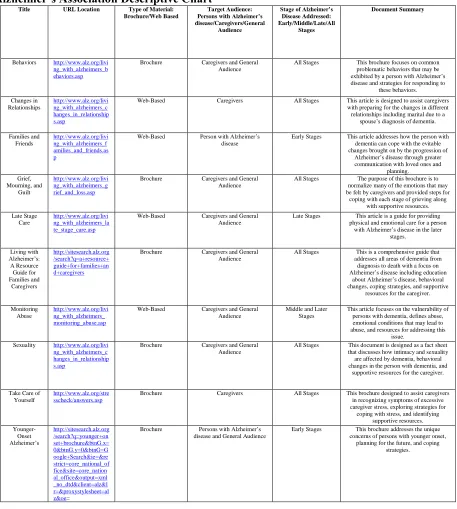
viewed in PDF on the website (see Table 3.3, Table 3.4 and Table 3.5). In addition, each website
references two articles from their resource lists exclusively addressing the subject of intimacy
Table 3.3
Alzheimer’s Association Descriptive Chart Title URL Location Type of Material:
Brochure/Web Based
Target Audience: Persons with Alzheimer’s disease/Caregivers/General
Audience
Stage of Alzheimer’s Disease Addressed: Early/Middle/Late/All
Stages
Document Summary
Behaviors http://www.alz.org/livi ng_with_alzheimers_b ehaviors.asp
Brochure Caregivers and General Audience
All Stages This brochure focuses on common problematic behaviors that may be exhibited by a person with Alzheimer’s disease and strategies for responding to
these behaviors. Changes in Relationships http://www.alz.org/livi ng_with_alzheimers_c hanges_in_relationship s.asp
Web-Based Caregivers All Stages This article is designed to assist caregivers with preparing for the changes in different relationships including marital due to a
spouse’s diagnosis of dementia. Families and Friends http://www.alz.org/livi ng_with_alzheimers_f amilies_and_friends.as p
Web-Based Person with Alzheimer’s disease
Early Stages This article addresses how the person with dementia can cope with the evitable changes brought on by the progression of
Alzheimer’s disease through greater communication with loved ones and
planning. Grief, Mourning, and Guilt http://www.alz.org/livi ng_with_alzheimers_g rief_and_loss.asp
Brochure Caregivers and General Audience
All Stages The purpose of this brochure is to normalize many of the emotions that may be felt by caregivers and provided steps for
coping with each stage of grieving along with supportive resources. Late Stage
Care
http://www.alz.org/livi ng_with_alzheimers_la te_stage_care.asp
Web-Based Caregivers and General Audience
Late Stages This article is a guide for providing physical and emotional care for a person
with Alzheimer’s disease in the later stages. Living with Alzheimer’s: A Resource Guide for Families and Caregivers http://sitesearch.alz.org /search?q=a+resource+ guide+for+families+an d+caregivers
Brochure Caregivers and General Audience
All Stages This is a comprehensive guide that addresses all areas of dementia from
diagnosis to death with a focus on Alzheimer’s disease including education
about Alzheimer’s disease, behavioral changes, coping strategies, and supportive
resources for the caregiver. Monitoring
Abuse
http://www.alz.org/livi ng_with_alzheimers_ monitoring_abuse.asp
Web-Based Caregivers and General Audience
Middle and Later Stages
This article focuses on the vulnerability of persons with dementia, defines abuse, emotional conditions that may lead to abuse, and resources for addressing this
issue. Sexuality http://www.alz.org/livi
ng_with_alzheimers_c hanges_in_relationship s.asp
Brochure Caregivers and General Audience
All Stages This document is designed as a fact sheet that discusses how intimacy and sexuality are affected by dementia, behavioral changes in the person with dementia, and
supportive resources for the caregiver. Take Care of
Yourself
http://www.alz.org/stre sscheck/answers.asp
Brochure Caregivers All Stages This brochure designed to assist caregivers in recognizing symptoms of excessive caregiver stress, exploring strategies for
coping with stress, and identifying supportive resources. Younger-Onset Alzheimer’s http://sitesearch.alz.org /search?q=younger+on set+brochure&btnG.x= 0&btnG.y=0&btnG=G oogle+Search&ie=&re strict=core_national_of fice&site=core_nation al_office&output=xml _no_dtd&client=alz&l r=&proxystylesheet=al z&oe=
Brochure Persons with Alzheimer’s disease and General Audience
Early Stages This brochure addresses the unique concerns of persons with younger onset,
Table 3.4
National Institute on Aging Descriptive Chart Title URL Location Type of Material:
Brochure/Web Based
Target Audience: Persons with Alzheimer’s disease/Caregivers/General Audience Stage of Alzheimer’s Disease Addressed: Early/Middle/Late/ All Stages Document Summary Alzheimer’s Disease: Unraveling the Mystery http://www.nia.ni h.gov/Alzheimer s/Publications/U nraveling/ (PDF) Alzheimer’s Disease: Unraveling the Mystery
Brochure General Audience and Caregivers All Stages This brochure is designed to explain the biology of an
Alzheimer’s disease diagnosis, treatment, and research as well as discuss Alzheimer’s disease’s impact
on the person with DAT and caregiver.
Caring for a Person with Alzheimer’s Disease: Your Easy-to-use guide from the
National Institute on Aging
http://www.nia.ni h.gov/Alzheimer s/Publications/ca regiverguide.htm
(PDF) Caring for a Person with Alzheimer’s Disease: Your Easy-to-use guide from the National Institute on Aging
Brochure General Audience and Caregivers All Stages A comprehensive guide for the care of someone with
Alzheimer’s disease including: education about
Alzheimer’s disease, caregiving strategies, self-care for the self-caregiver, and supportive resources.
Challenging Behaviors: Special
Issues for Family Care
http://www.nia.ni h.gov/Alzheimer s/Publications/ch allenging.htm
Web-Based Caregivers All Stages This brochure focuses on common problematic behaviors that may be exhibited by a person with
Alzheimer’s disease and strategies for responding to
these behaviors.
Connections Vol. 13 No.1-2 http://www.nia.ni h.gov/Alzheimer s/ResearchInfor mation/Newslette r/
Brochure General Audience, Persons with Alzheimer’s disease, and
Caregivers
Early Stages This community publication discusses Alzheimer’s disease in the early stages and the need for the person with Alzheimer’s disease to
have support.
End of Life: Helping with Comfort and
Care
http://www.nia.ni h.gov/HealthInfo rmation/Publicati ons/endoflife/
(PDF) End of Life: Helping with Comfort and Care
Brochure Caregivers Late Stages This brochure is a guide for providing physical and emotional care for a person with Alzheimer’s disease in
the later stages.
Sexuality in Later Life http://www.nia.ni h.gov/HealthInfo rmation/Publicati ons/sexuality.htm (PDF) Sexuality in Later Life
Brochure General Audience Early Stages This brochure addresses changes and possible issues that affect sexual activity in later life, the importance of addressing these changes, and coping strategies for maintaining sexual health.
Talking with Your Doctor: A Guide for
Older Adults http://www.nia.ni h.gov/HealthInfo rmation/Publicati ons/TalkingWith YourDoctor (PDF) Talking with Your Doctor: A Guide for Older Adults
Brochure General Audience Early Stages This comprehensive guide is designed to assist older adults with establishing better communication with their physician by providing
Table 3.5
External Links Descriptive Chart
Title URL
Location Type of Material: Brochure/ Web Based Target Audience: Persons with Alzheimer’s disease/Caregivers/General Audience Stage of Alzheimer’s Disease Addressed: Early/Middle/Late/ All Stages Document Summary Dementia: Sexuality and Intimacy www.be tterhealt h.vic.go v.au
Web-Based General Audience and
Caregivers
All Stages This document is
designed as a fact sheet that discusses
how intimacy and sexuality are affected
by dementia, behavioral changes in
the person with dementia, and supportive resources
for the caregiver. Intimacy, Marriage and Alzheimer’s Disease http://w ww.ec-online.ne t/Knowle dge/articl es/intima cy.html
Web-Based Caregivers Middle and Late
Stages
A conversational style article that discusses dementia’s
impact on sexual relationships and how
caregivers can cope with these changes to
maintain a loving relationship. Sex and Dementia www.alz heimers .org.uk/f actsheet /514
Web-Based General Audience and
Caregivers
All Stages This document is an
academic overview of healthy sexual intimacy, changes due to dementia, and
coping strategies. The material also addresses issues of consent and abuse in
persons with dementia. Sexuality and Dementia: Coping with Changes in Your Intimate Relationship www.ca regiver. org/care giver/jsp /content _node.js p?nodei d=782
Web-Based Caregivers Early and Middle
Stages
A conversational style article written from the perspective
of a caregiver that discusses changes in a relationship due to a dementia diagnosis, coping strategies, and
Content Analysis
Qualitative thematic analysis and coding, a form of content analysis mentioned above,
was used to analyze the publication materials. Qualitative thematic analysis is the process of
using inductive methods to observe patterns or themes within qualitative data (Boyatzis, 1998).
The use of inductive methods is typically used to generate information from raw information and
since no known prior research specifically on this topic exist this appears to be the most
appropriate method (Boyatzis, 1998). Topics may not be directly stated but it is plausible to
assume the authors wish to convey a message to the reader and thus becomes an example of a
latent code (Boyatzis, 1998). Latent coding would include statements of advice or phrases that
place judgment upon an occurrence.
The first stage is to look for themes and repeated statements within the materials
(Luborsky, 1994). Therefore every article from the data set was read and re-read multiple times
and a chart was made with the initial broad observations from each reading including direct
quotations. From these broader observations, patterns emerged and the second stage consisted of
classifying the information into units and then organizing them into categories by a constant
comparative method thus allowing categorical themes to emerge (Rudestam & Newton, 2007).
The results of this comparative method produced sub-categories of themes found throughout the
article and charts were created demonstrating which sub-categories were contained in each
article. Thus, using the above example, several statements reflecting upon a caregiver’s feelings
as their spouse decline could be placed the categorical theme of a sense of loss. The third stage
was assigning prospective categorical themes, common subjects that can be grouped under
broader themes, within each document. For example, statements about the importance of
became a visible pattern during the analysis. As the primary aim of this research was to examine
both forms of intimacy, an additional analysis further categorized the sub categories as related to
physical or emotional intimacy. Therefore several statements reflecting upon a caregiver’s
various feelings experienced due to the cognitive changes in their partner could imply that
caregivers will experience many responses to the dementia diagnosis were categorized as an
emotional response. The last stage was the finalization of categorical themes and assignment
under each of the broader themes. This process involved the identification of five broader themes