S T U D Y P R O T O C O L
Open Access
‘
Fit Moms/
Mamás Activas’
internet-based weight
control program with group support to reduce
postpartum weight retention in low-income
women: study protocol for a randomized
controlled trial
Suzanne Phelan
1*, Anna Brannen
1, Karen Erickson
2, Molly Diamond
2, Andrew Schaffner
3, Karen Muñoz-Christian
4,
Ana Stewart
1, Teresa Sanchez
1, Vanessa C Rodriguez
1, Dalila I Ramos
1, Linda McClure
5, Caro Stinson
6and Deborah F Tate
2Abstract
Background:High postpartum weight retention is a strong independent risk factor for lifetime obesity,
cardiovascular disease, and type 2 diabetes in women. Interventions to promote postpartum weight loss have met with some success but have been limited by high attrition. Internet-based treatment has the potential to overcome this barrier and reduce postpartum weight retention, but no study has evaluated the effects of an internet-based program to prevent high postpartum weight retention in women.
Methods/Design:Fit Moms/Mamás Activastargets recruitment of 12 Women, Infants and Children (WIC) Supplemental Nutrition Program clinics with a total of 408 adult (>18 years), postpartum (<1 year) women with 14.5 kg or more weight retention or a body mass index of 25.0 kg/m2or higher. Clinics are matched on size and randomly assigned within county to either a 12-month standard WIC intervention or to a 12-month WIC enhanced plus internet-based weight loss intervention. The intervention includes: monthly face-to-face group sessions; access to a website with weekly lessons, a web diary, instructional videos, and computer-tailored feedback; four weekly text messages; and brief reinforcement from WIC counselors. Participants are assessed at baseline, six months, and 12 months. The primary outcome is weight loss over six and 12 months; secondary outcomes include diet and physical activity behaviors, and psychosocial measures.
Discussion:Fit Moms/Mamás Activasis the first study to empirically examine the effects of an internet-based treatment program, coupled with monthly group contact at the WIC program, designed to prevent sustained postpartum weight retention in low-income women at high risk for weight gain, obesity, and related comorbidities. Trial registration:This trial was registered with Clinicaltrials.gov (identifier: NCT01408147) on 29 July 2011.
Keywords:Postpartum, WIC, Internet-based, Lifestyle intervention, Weight retention, Pregnancy
* Correspondence:[email protected] 1
Kinesiology Department, California Polytechnic State University, 1 Grand Avenue, San Luis Obispo, CA 93407, USA
Full list of author information is available at the end of the article
Background
Of the approximately four million women who give birth in the United States each year, an estimated 25% experi-ence major weight gain after pregnancy, retaining more than 4.5 kg [1,2]. High postpartum weight retention is particularly prevalent (40 to 60%) in low income His-panic women [3-9] and women facing food insecurity [10-13]. High postpartum weight retention is a strong independent risk factor for several long-term health con-sequences for the mother, including a continued trajec-tory of weight gain over time [14,15] and increased risk of lifetime obesity, cardiovascular disease, and type 2 diabetes. Moreover, women with high postpartum weight retention are heavier prior to their next pregnancy, which increases the risk of pregnancy-related tions, obesity, and obesity and serious health complica-tions in the offspring [16-21]. Overweight and obese women are at high risk of postpartum weight retention and face compounded risks associated with obesity and high postpartum weight retention [22].
Challenges in reducing postpartum weight retention Efforts to promote postpartum weight loss in high weight retainers have met with some success and yielded short-term weight losses of 4.8 to 7.8 kg [23-26]. Loveladyet al. [23] promoted weight loss in newly postpartum (four weeks) overweight women with a 10-week eating and ex-ercise program; results indicated that intervention partici-pants lost 4.8 kg, while control participartici-pants lost 0.8 kg. Similarly, O’Tooleet al.[25] found that a structured diet and exercise program that included weekly and bi-monthly group meetings promoted significant changes in weight and body fat relative to a self-directed control group at one-year postpartum. Leermakerset al.[24] de-signed a weekly correspondence-based behavioral inter-vention delivered for six months during the postpartum year in women who had retained more than 6.8 kg of their pre-pregnancy weight. Women in the correspondence group lost 7.8 kg compared to only 4.9 kg in the no-treatment control group. These weight losses compare favorably to those seen in postpartum weight loss and other behavioral programs that include weekly treat-ment meetings [27].
However, while effective in promoting weight loss, existing postpartum interventions have had several limi-tations. Interventions have been short-term (≤6 months) and generally experienced high attrition (30 to 40%). During the postpartum period, women are busy with childcare and multiple new demands, making attendance at weekly face-to-face interventions problematic [22]. Moreover, existing interventions have paid little atten-tion to the cultural, social, and contextual factors that influence postpartum body weight [22]. Lack of a theor-etical framework may underlie this shortcoming [28].
Finally, existing programs have generally failed to target a population at greatest risk for postpartum weight re-tention, including low-income, multiethnic women.
Lifestyle interventions during pregnancy can prevent excessive gestational weight gain and reduce postpartum weight retention in many women through six months postpartum [29-37]. However, despite intervention, the majority (50 to 70%) of women - and low-income women in particular - continue to experience high postpartum weight retention, and, by 12 months postpartum, there are no significant differences between intervention and con-trol groups [29,30,38]. Although there are benefits to intervening during pregnancy, effective postpartum inter-ventions are still needed to sustain positive changes insti-tuted during pregnancy and to help women with high postpartum weight retention when pregnancy interven-tions appear ineffective.
Internet-based treatment holds promise in reducing postpartum weight retention
Over the past decade, internet use has increased exponen-tially in the United States and most rapidly among young adult, low-income, and minority sub-groups [39-44]. In the United States, an estimated two out of three adults and 75% of adults under the age of 50 use the internet, with 88% of users having access from home [40-42,45]. Similar usage rates are prevalent among low-income women [46]. The flexibility of an internet-based weight control program could accommodate postpartum women who face many unpredictable time and childcare demands that have limited their attendance at traditional face-to-face treatment programs.
Reaching underserved postpartum women
The government-funded Women, Infants and Children (WIC) Supplemental Nutrition Program is designed to improve the nutritional status and health of low-income, nutritionally-at-risk pregnant or lactating women and children under five-years-old by providing supplemen-tary food (in the form of coupons or checks redeemable for specific food items), nutrition education, and refer-rals. WIC has been in place for over four decades and serves eight million low-income women and their fam-ilies each month nationwide [58]. Almost half of preg-nant women in the United States and/or their children enroll in WIC at some point during their postpartum year [59]. California has the second largest WIC pro-gram in the nation, serving about 1.4 million partici-pants monthly [60]. Evaluation research has documented improved nutritional outcomes from WIC participation, but no formal weight loss program is in place [61-65]. WIC commonly uses the internet to provide nutrition education to its patients, and patients report a prefer-ence for using the internet due to its ease and format [66]. In one of the few evaluations of a WIC website, a study of 39,541 self-selected women in the WIC pro-gram found that 75% had access to the internet from home [46]. Use of the website (was associated with sig-nificant improvements in readiness to change on a var-iety of domains, including picky eating, breastfeeding, and physical activity [46,66,67]. However, an internet-based intervention to reduce postpartum weight reten-tion has neither been formally provided nor tested as part of the WIC program, where an estimated 40 to 60% of women experience high postpartum weight re-tention [11-13].
Social cognitive theory
Social cognitive theory (SCT) emphasizes the dynamic interplay of the individual and the environment in adopting long-term behavior change. SCT suggests that a ‘resilient’ sense of self-efficacy must be developed to perform weight control behaviors (being physically active and eating a low-calorie diet) and needs to be developed over time through a series of mastery experiences. Those mastery experiences must promote changes in the use of self-regulation skills (planning, self-monitoring, problem solving, self-standards, goals, and self-incentives) to fos-ter weight control and healthy eating and exercise be-haviors. SCT further suggests the process of behavior change and maintenance is enhanced through social sup-port and an awareness of the individual’s ecology. Weight control intervention does not rely solely on individual-level information, external reinforcement, or self-regulation, but it embeds a more dynamic approach to self-regula-tion (adaptive self-regulaself-regula-tion skills) within the network of social influences germane to an individual’s ecology.
Intrapersonal, interpersonal, and organizational and in-stitutional supports are garnered to address particular barriers to change (such as limited time for physical activ-ity or meal preparation, and unsafe neighborhoods) and practice changes within specific cultural contexts [68,69]. SCT thus provided a rich basis for promoting weight loss in low-income, multiethnic, postpartum women, capitaliz-ing on the internet’s cost efficiencies, tailoring ability, ready and long-term access, and reach [70].
Study aims
Fit Moms/Mamás Activasis a cluster randomized clin-ical trial funded by the National Institute of Diabetes, Digestive, and Kidney Diseases (NIDDK). The clinical site is at California Polytechnic State University, San Luis Obispo (S Phelan, Principal Investigator (PI)) and an additional performance site that is overseeing devel-opment and delivery of the online and text-messaging intervention is the University of North Carolina at Chapel Hill (D Tate, PI). In this cluster randomized trial, 12 WIC clinics are randomized to receive the standard WIC program for 12 months or the enhanced WIC plus internet-based postpartum weight loss program. The pri-mary hypothesis is that the enhanced WIC plus internet postpartum weight loss program will produce signifi-cantly greater weight losses than the standard WIC at six and 12 months.
Secondary aims will determine whether the enhanced WIC plus internet postpartum weight loss program will result in greater improvements in eating and exercise behaviors (examined at 0, six, and 12 months) and psy-chosocial parameters (depression, social support, self-efficacy, body image, and stress) than standard care. The study will examine the proportion of women who achieve pre-pregnancy weight at six and 12 months and identify baseline characteristics that may moderate the efficacy of the intervention (such as ethnicity, socioeconomic status, pre-pregnancy weight, parity, and breastfeeding status). The study will also examine the relationship between changes in behaviors, psychosocial factors, and weight changes during the 12-month period. These evaluations will help identify the mechanisms by which the inter-vention produces greater success compared to the standard WIC.
Methods/Design
Study design
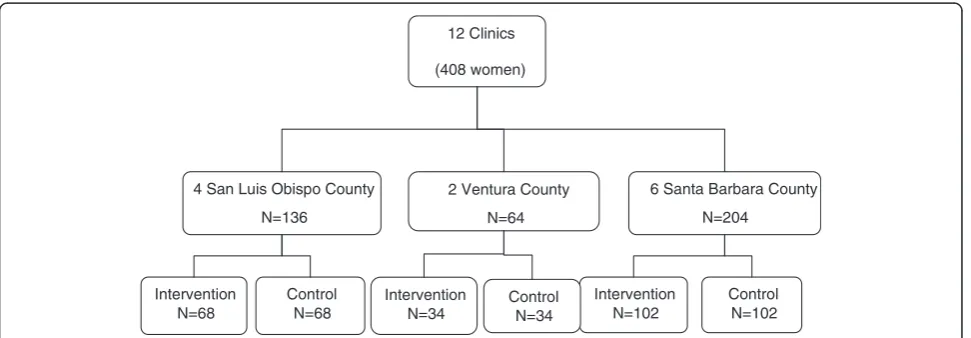
or to a 12-month WIC enhanced plus internet-based weight loss intervention (Figure 1). Assessments are con-ducted at baseline, six, and 12 months. Although the inter-vention’s primary target is the individual, and most of the intervention will occur outside of the clinic setting, we se-lected a randomized cluster design to reduce the likeli-hood of within-clinic contamination through patient interactions with other patients, or with WIC clinicians who are reinforcing use of the internet intervention. This study was approved by the Cal Poly Human Subjects Committee (approval number: 000001118; internet-based intervention and registered at Clinicaltrials.gov (identifier: NCT01408147). All participants in the study will provide informed, written consent using the Institutional Review Board-approved consent form.
Clinic and participant recruitment
A total of 12 clinics (six in Santa Barbara county, four in San Luis Obispo county, and two in Ventura county) were selected for inclusion in this study. The clinics were selected because they are representative of California state WIC populations, are willing to accept randomization, and agreed to the study’s recruitment and intervention protocols. At these clinics, a combined total of 408 partici-pants (34 per clinic) are targeted for recruitment. Blinded study research assistants are screening woman attending their postpartum visits, using our pre-established screener [71,72]. Women who appear interested in the program are asked to complete a permission to be contacted card and are then screened by phone; phone screening is done (ra-ther than on-site screening) to ensure patient privacy and limit potential burden on WIC clinics of requiring private screening rooms during recruitment. If still eligible after screening, patients will be asked to attend an orientation meeting, complete informed consent, and are scheduled for baseline screening visits. Once sample sizes are met at
a given clinic, recruitment is closed at the clinic. The flow chart of these stages of recruitment is shown in Figure 2.
Eligibility criteria
Table 1 describes the eligibility and exclusion criteria for this trial. These criteria were selected to identify a repre-sentative postpartum population at greatest risk for weight gain and obesity-related co-morbidities. As indi-cated, women must be between six weeks and 12 months postpartum. Similar to other studies [24], we selected this period to strike a balance between allowing enough time for initial pregnancy-related weight loss to occur, while still intervening early enough to prevent long-term postpartum weight retention, which has been independ-ently related to future weight gain and the development of obesity [15]. Women must be currently overweight or obese, with a body mass index (BMI) of 25 kg/m2or more or have a BMI between 22 and 24.9 and exceed pre-pregnancy weight by at least 4.5 kg (10 lb) [73]. On average, by six weeks postpartum, women retain 3 to 6.8 kg of the weight gained during pregnancy, with His-panic populations falling into the higher end of this range [6,8]. A greater than 6.8 kg weight retention after six weeks postpartum would represent a significantly higher than average weight retention [6,8], increasing the risk of major weight gain later in life.
As indicated, women must be also be between 18 and 40-years-old; English- or Spanish-speaking; non-smoking; primiparous or multiparous; lactating or non-lactating [23,74-76]; and have adequate literacy (at a fifth grade level or beyond). Participants who do not have a computer and/or internet access from home are provided with a lap-top computer and/or internet access for study use. Those with limited computer experience will receive training until they demonstrate proficiency in accessing online ma-terials. As internet access is increasing exponentially in this country, we wanted this study’s findings to be relevant
12 Clinics
(408 women)
4 San Luis Obispo County
N=136
6 Santa Barbara County
N=204
Intervention N=68
Control N=68
Intervention N=102
Control N=102 2 Ventura County
N=64
Intervention N=34
[image:4.595.57.543.547.716.2]Control N=34
to most all populations, as internet access will likely reach the vast majority of the American population in years to come [44]. Cell phone access at time of study entry is also required. Any type of cell phone is acceptable (the phone does not have to have a smartphone). Participants whose computers or cell phones break are loaned a replacement on a temporary basis.
Exclusion criteria (Table 1) were developed to maximize the safety of the intervention and minimize attrition. These include pregnancy, planning pregnancy, relocating in the next year, serious current physical disease (such as heart disease, cancer, renal disease, or diabetes) for which physician supervision of diet and exercise prescription is needed, physical problems that limit the ability to exercise [77], a history of eating disorders [78], current problems
with drug abuse, or current treatment for a serious psy-chological disorder (such as schizophrenia or bipolar dis-order). Up to 10% of postpartum women may experience depression [79]. Women with significant depressive symp-toms (Beck Depression Inventory score >20 [80-82]) re-quire provider approval (for example, from a social worker or physician) prior to enrollment or are referred for appropriate care.
Randomization and masking
Randomization is computer-generated by the statistician. Specifically, randomization is conducted at the clinic level, stratified by county, and designed to ensure bal-ance in treatment arms. Four clinics were crossed-over (in random order) in order to allow for estimation of Recruited onsite at 12 WIC clinics
Prescreening via phone
Orientation
Screening Visit 1: Begin baseline assessments; measure height, weight, and anthropometrics; provide actigraph; instruct patients to complete the 24-hour recalls and
questionnaires before next visit
Screening Visit 2: Finalize baseline assessments. Review questionnaires for
completeness.
Randomization – Attend first group session/orientation
Enhanced WIC plus Internet postpartum weight loss program
[image:5.595.67.539.88.537.2]Standard WIC program
some within-clinic effects. We decided to stratify randomization by county to control for any chance im-balance due to potentially unmeasured regional or ad-ministrative differences. We decided against further stratifying based on ethnicity and pre-pregnancy BMI due to the small likelihood of a chance imbalance, given the demographic similarity of the clinics, and limited evidence that these variables impact treatment response among postpartum (or other) women [83,84]. Within each randomized clinic, participants are sequentially se-lected until target sample sizes are met (please see Sam-ple size calculation section).
Recruiters and assessors are blinded to the clinic randomization, and participants are not told their assigned treatment status until after enrollment. Several procedures are in place to ensure blinding among clinic recruiters, as-sessors, and potential enrollees. In brochures and the study consent form, the study is presented identically at both control and intervention clinics. There is a minimal amount of cross-over activity between clinics, but the study’s branded items are distributed at both intervention and control clinics as part of retention so that the study logo is a familiar sight. The recruiters and assessors have little to no contact with individuals aware of treatment
assignment, including the WIC county chiefs and inter-vention research assistants.
Experimental conditions
Group one: standard Women, Infant and Children Supplemental Nutrition Program
The WIC program is a federal nutrition program for low-income women and their children that provides healthy foods, nutrition education, breastfeeding advice and sup-port, and referrals. WIC clinics across the nation utilize a protocoled system for standardizing the frequency of con-tact and content of each patient-practitioner visit. At one to six weeks postpartum, women are seen by a WIC clinician, assessed, and assigned a contact code based on their breast-feeding status and health risk. The minimum frequency of contact, according to federal requirement, is five times dur-ing the first postpartum year (at six weeks, three months, six months, nine months, and 12 months) and at least four times during subsequent years (for example, 15 months, 18 months, 21 months, 24 months, and so forth). More fre-quent visits (one per month) may be offered during the first postpartum year to women who are at high risk (such as those who have medical problems or very limited income). Visits are conducted by nutritionists or WIC public health aides who provide nutrition counseling and referrals as needed, general support and guidance, and food vouchers. Women desiring to lose weight are advised to limit portions and increase activity; however, no structured weight control program is currently provided.
In Fit Moms/Mamás Activas, women randomized to standard care receive the standard WIC intervention plus a brief orientation to the study (to serve the pur-pose of bonding participants to the study) and study newsletters every two months with basic information about weight control, exercise, nutrition, and wellness.
Group 2: enhanced Women, Infant and Children Supplemental Nutrition Program plus internet-based weight control program Patients in this group receive all elements of group one (standard WIC) plus an enhanced WIC and internet-based weight loss program. Given that it is now widely recognized that, to be effective, weight control treatment must be continued in long-term [85], we designed the intervention to continue for the duration of the trial (12 months). As noted earlier, our intervention is rooted in social learning theory and the social ecological model of behavior change and, thus, targets individual, inter-personal, and institutional levels, as outlined below.
Individual level intervention: internet-based weight control program
Overview
[image:6.595.55.294.110.418.2]Developed and evaluated in several interventions of up to one year by Tate et al. [49,50,86,87] this comprehensive,
Table 1 Inclusion and exclusion criteria for Fit Moms/
Mamás Activas
Inclusion criteria
Between six weeks and 12 months postpartum BMI≥25 kg/m2or have a BMI between 22 and 24.9 25 kg/m2and exceed pre-pregnancy weight by at
least 4.5 kg (10 lb). 18 to 40 years
English- or Spanish-speaking Non-smoking
Primiparous or multiparous Lactating or non-lactating Literacy≥5thgrade level Cell phone
Exclusion criteria
Pregnancy or planning pregnancy Relocating in the next year
Serious current physical disease (such as heart disease, cancer, renal disease, or diabetes) for which physician supervision of diet and exercise prescription is needed Physical problems that limit the ability to exercise History of eating disorders
Current problems with drug abuse
individually focused, SCT theory-driven, weight control program includes education, behavioral self-regulatory strategies, continuing contact, prompting, and access to social support. Tateet al.have examined this internet be-havioral weight control program in several studies [50,87]. These effective online interventions are based on the Dia-betes Prevention Program (DPP) and Look Ahead lifestyle interventions [88,89], which also have been proven effect-ive in promoting long-term weight loss in multiethnic, low literacy, English- and Spanish- speaking individuals across the country [88,89]. Since the DPP and Look Ahead interventions involved individual meetings with treatment professionals, the online lessons and assignments were re-written to be more self-directed, and tailored to individ-uals’needs through weekly assessments of progress upon login and programmed algorithms, rather than tailored by the human counselor. In Fit Moms/Mamás Activas, the intervention has been further adapted to fit needs of a postpartum, low-income, low literacy population; the web-site includes shorter written content, more pictures of pregnancy, mothers, and babies, and sleep and stress man-agement components to address the challenges of caring for a baby and cooking on a budget while changing life-style behavior. Instructional lesson overviews and other videos provide information in a visual format.
Website
The website is not specific to one particular culture or dietary intake pattern, but rather attempts to provide guidance and resources that may be helpful to individ-uals from a variety of different cultures, incomes, and backgrounds. The website content is available in both English and Spanish and is accessible to each participant anywhere she has an internet connection. Each individ-ual has a unique username and password. Participants can choose to log in at home, at work, or elsewhere. Pa-tients are provided with a ‘technical assistance’ number to call should they encounter any difficulties in accessing the website. New content (lesson, tip, or link) is provided each week, but the site is designed to permit flexibility in the pace of presentation of new information. Partici-pants are encouraged to login on Mondays to get new guidance, and then may check back periodically to see if new messages have been posted to the message board or to look for a specific link. This website was adapted from previous websites developed for research in Tate and colleagues [49,50,87] by NuMudia Productions Inc, Wake Forest, NC; USA.
Web Diary
Participants are encouraged to use an internet diary to look up foods and record intake. The diary (available in English or Spanish) is integrated with a comprehensive physical activity web diary. If patients are unable or
unwilling to use the online diary, they are provided with paper diaries or encouraged to use alternative online tracking resources. Evidence-based strategies associated with lowering calorie intake are promoted, including fol-lowing a simple, culturally relevant meal plan designed to be low cost and family-oriented.
Links
An organized directory of links is provided to quality diet-related sites (such as those that provide general nu-trition, menu planning, recipes, and/or weight loss tips), exercise-related sites (such as those that provide lifestyle activities, information on overcoming barriers, and/or walking information), and behavioral and other sites (such as those that provide information on managing emotional eating) that are monitored by program staff for quality, relevance, and timeliness.
Weekly structured weight management lessons
Each lesson focuses on a topic related to weight regula-tion, eating, exercise, or behavior change strategies [88,89]. Each new behavioral lesson is summarized in a brief, introductory video and can also be viewed through on-screen text with visuals that may be printed for refer-ence. Lessons are posted weekly for the intervention duration. Topics include: selecting appropriate calorie goals, modifying fat intake, increasing fiber, grocery shopping, label reading, restaurant eating, beginning ex-ercise, aerobic fitness, self-monitoring, stimulus control, problem solving, social assertion, goal setting, body image, cognitive strategies for avoiding negative thinking and cognitive errors, overcoming barriers, relapse pre-vention training, strategies of successful weight losers in the National Weight Control Registry [90], and numer-ous other diet or exercise topics based on the DPP [84], and other weight, nutrition, and exercise projects.
Dietary goals
calorie restriction alone [91]. A diet rich in whole grains, fruits, vegetables, and lean meats or beans is encouraged, recognizing a variety of dietary choices and styles from different cultures, incomes, and backgrounds.
Exercise goals
Participants are instructed to gradually increase their physical activity to at least 30 minutes per day on most days of the week in moderate-intensity activities [84,88,89,92]. ‘Baby-friendly’ and inexpensive activities are suggested, taking into consideration women’s poten-tially unsafe neighborhoods. Walking is encouraged, but many different moderate-intensity exercises are sug-gested. Once participants reach 30 minutes per day on most days, they are encouraged to maintain or increase their total amount of exercise to between 60 and 90 mi-nutes every day, as a higher level of physical activity may be necessary to achieve long-term weight loss mainten-ance [93-96].
Weight loss goals
Participants are given a scale and told to expect weight loss of 0.5 to 1 kg per week until reaching their weight loss goal. Women who are 10 pounds or more above their pre-pregnancy weight are encouraged to set an ini-tial goal of getting back to their pre-pregnancy weight. Women who are within 10 pounds of their pre-pregnancy weight and overweight or obese are encour-aged to set a 10% weight loss goal. Patients desiring to lose more weight are encouraged to do so, provided they maintain reasonable eating and activity patterns, and do not reduce below normal weight. Moderate weight loss does not appear to adversely affect lactation [23,74,75], but the study is monitoring such changes and tailoring goals accordingly.
Computer-tailored content and feedback
Each week upon participant login, the participant com-pletes a check-in that inquires about weight loss pro-gress and barriers to reaching goals. Responses are compared with pre-programmed algorithms to deter-mine if progress is on track with expected weight loss, slow, or nonexistent. Tailored content (additional read-ings, links, and pdf tools), feedback, and recommenda-tions are provided in a specific section of the website homepage based on progress and individual barriers.
Online message boards
From the study website, participants can access a secure, study-specific message board available in English or Spanish. The message board is designed to provide pa-tients with opportunities for group support, problem solving, and feedback from study interventionists and peers. At any time, participants may post questions or
comments. The board is moderated on a daily basis by study interventionists, who answer questions and pro-vide feedback.
Instructional and inspirational videos
As noted, each behavioral lesson includes an introduc-tory video that summarizes the lesson. Additional in-structional videos review label reading, portion sizes, self-monitoring, and other key tools for successful weight control. An inspirational video series document-ing the journeys of two women from the population en-gaging in postpartum weight loss is also included on the website. These women, fluent in both English and Spanish, volunteered to be profiled as part of a video blog in a pilot study and featured on the site. Other en-tertainment, unrelated to weight loss (such as a tele-novela type of soap opera series), is provided for the first six months as a means of attracting women to logon more frequently.
Text messaging
Each week, participants receive four SMS messages at random days and times. The messages are designed to reinforce use of the online weight loss program and pro-vide tips, suggestions, positive reinforcement, and encour-agement for weight control behaviors, using a protocol similar to one tested effectively in other studies [97]. Mes-sages are in four domains: 1) related to weekly content on the site, 2) motivation, 3) behavioral skills, and 4) individ-ualized feedback based on participant progress. Patients are not asked to respond to the text messages.
Institutional and interpersonal level intervention Brief clinic visits
support is provided by study interventionists at monthly groups.
Monthly group meetings
Group meetings introduce new weight loss topics, fur-ther reinforce messages of the online program, provide opportunities to problem-solve barriers to weight loss, and provide additional support and education on se-lected topics, following structured protocols adapted from other studies [88,89]. Consistent with WIC prac-tices, the groups last 60 minutes, are offered in Spanish and English, and allow adequate space for infants. The group visits are ‘closed’ to new participants and tied to receipt of WIC vouchers whenever feasible [98]. We considered having WIC dietitians lead these groups, but decided that future research will test this program as fully disseminated into the WIC program; thus, we used study staff to deliver intervention.
Reinforcing adherence
Adherence to behavioral goals is reinforced through allo-cation of ‘diaper points’. Women earn diaper points for logging onto the website, entering their weight onto the website, self-monitoring eating and exercise, posting a message on the message board, attending group sessions, and/or turning in the Fit Moms/Mamás Activasmessage cards provided by their WIC counselors. A maximum of 90 to 100 points are earnable by participants each month. Items vary in point values. For example, a package of dia-pers costs 75 points and wipes cost 50 points. Participants may redeem these points on the website or at a group meeting to obtain diapers or other tangible incentives.
Outcome measures
Assessments are conducted by blinded, bilingual asses-sors at baseline and after six and 12 months. Question-naires were selected based on their prior validity and use in English- and Spanish- speaking, postpartum popula-tions. Participants are provided with a US$25 honorar-ium for the baseline and six-month assessments and US $50 for the 12-month visit.
Anthropometric measures
At each assessment visit, weight is measured to the near-est 0.1 kg using a calibrated standard digital scale (Tanita Health Equipment, Arlington Heights, Illinois, USA). Two measures are completed with participants mea-sured in light clothing (without shoes). Scale calibration is checked weekly with known weights. Standing height is measured twice in patients without shoes in millime-ters with a calibrated portable SECA 217 stadiometer (SECA, Birmingham, United Kingdom) at WIC clinics. Waist circumference is measured at the midpoint be-tween highest point of iliac crest and lowest point of
costal margin using a Singer Measuring tape (Singer, LaVergne, TN, USA). Two measures of waist circumfer-ence are taken and, if the differcircumfer-ence exceeds 1.0 cm, a third measure is taken. Pre-pregnancy weight is based on self-report at time of last menstrual period. Our re-search and other studies have suggested that women are quite accurate in recalling their pre-pregnancy weight [99,100]. However, to increase the validity, we are abstracting pre-pregnancy measured weights from clinic charts whenever available.
Behavioral measures Dietary intake
Dietary intake is assessed at baseline, six months, and 12 months using 24-hour recalls on two random days over a week [101-103], and completed using the NCI Automated Self-Administered 24-hour recall ((ASA24). The primary variables of interest are: calories, protein, carbohydrates, and fat; consumption of sugar-sweetened beverages; and consumption of fast food. Under-reporting will be estimated by comparing reported energy intakes (based on 24-hour recalls) with estimated total energy ex-penditure (TEE) for pregnant women [104]. If indicated, analyses will exclude extreme under-reporters. Fast food consumption is also assessed based on self-report ques-tions used in our previous research [105].
Physical activity
The ActiGraph GT3X+ accelerometer (The ActiGraph, Pensacola, FL; USA) is used to measure maternal activity [106-108]. The monitor records time-varying accelerations ranging in magnitude from +/−6 g’s. The accelerometer output is sampled by a 12-bit analog to digital convertor (The ActiGraph, Pensacola, FL; USA) and the raw acceler-ation is then stored in the flash memory for future ana-lysis. The GT3X+ is small and lightweight (19 g) and is worn at the waist. The seven-day physical activity recall (PAR) is also administered as an additional measure of physical activity. The PAR is a semi-structured interview that estimates an individual’s time spent in physical activ-ity, strength, and flexibility activities for the seven days prior to the interview [109]. Television habits and seden-tary behaviors are also assessed by pre-established ques-tionnaires [110].
Weight control practices
Psychosocial measures Eating inventory
The Eating Inventory (TFEQ) is a 51-item self-report in-strument with three factors assessing dietary restraint, disinhibition, and hunger. The restraint factor assesses the degree of conscious control one is exerting over eat-ing behaviors; the disinhibition factor measures suscepti-bility to loss of control over eating; and the hunger factor assesses hunger.
Home environment
Food storage in the home is assessed by having partici-pants complete a checklist of the possible foods stored in their refrigerator and cabinets; this checklist has been used in diverse patient populations and settings [114,115]. Responses may be grouped into categories of high- and low-fat foods. The questionnaire also asks participants to record whether food items are stored in visible areas (for example, on countertops or coffee tables) within the home. The Exercise Environment Questionnaire is used to assess the amount and type of exercise equipment and televisions available in the home [116].
Depression
The 10-item Edinburgh postnatal depression scale is used to measure levels of depression; a score of 13 or more is used as the cutoff for probable depression [117].
Sleep
The ActiGraph GT3X+ accelerometer is also used to measure sleep objectively [106-108]. Sleep quality is assessed using the General Sleep Disturbance question-naire [118].
Eating disorders
Items from the Eating Disorders Examination-Ques-tionnaire (EDE-Q) [119] is used to assess the fre-quency of unsafe dieting practices. During the trial, participants who endorse eating disorder symptom-atology (self-induced vomiting, excessive exercise, and/or use of laxatives or diuretic use for the purposes of weight loss) will be referred for appropriate evalu-ation and/or care, and intervention activities will cease until approved by a provider.
Body image
Body image is assessed using the short version of the Body Shape Questionnaire, which is a 14-item scale that measures concerns about body shape and feelings of fat-ness [120,121].
Self-efficacy
The self-efficacy subscale of the Kendall et al. attitudes questionnaire [122] is used to measure confidence in
ability to lose weight, eat healthy, and exercise after pregnancy.
Stress
Perceived stress is measured using the 10-item perceived stress scale [123].
Social support
Social support is measured using the six-item scale of postpartum social support [124], which focuses on in-strumental (such as help with caring for the baby) and emotional (tell you that you are doing a good job as a mother) support.
Supporting measures
At baseline, participants complete a demographic ques-tionnaire assessing age, race, ethnicity, history of intentional weight loss, and weight history. Literacy is assessed using the Newest Vital Sign [125]. Information on food security and acculturation, parity, and intervals be-tween pregnancies are also collected to assess any prior re-lationship with postpartum weight retention [126-129]. Information on changes in smoking, prescription medica-tions, unsafe dieting practices [78], job status, and partici-pation in other weight loss programs are assessed at follow-up assessments. Participants are also asked at each follow-up assessment to report all prescription and non-prescription medication, and to indicate any health prob-lems that they have experienced since the last assessment. Breastfeeding intensity and duration [2], and information about introduction of formula, are also assessed at each visit. Similar to our prior research, safety assessments in-clude injuries due to physical activity, instances of extreme hunger, fatigue, and changes in milk supply.
Weight status of family
Based on the recognition that maternal eating, activity, and weight may influence family health, participants are asked to indicate the weight status of their partner and children in the home. As part of an ancillary study, par-ticipants may choose to have their infant’s weight, length, and skinfold objectively measured.
Treatment fidelity and process
Research assistants are tracking the number of newslet-ters sent. At the 12-month assessment, participants are also asked to report on the frequency they received and read newsletters; they also complete a questionnaire to rate the usefulness and satisfaction with Fit Moms/ Mamás Activas content and its delivery, which includes ratings of various aspects of the program. In the inter-vention group, data (via background website monitoring) are also available on the number of logins and number of online self-monitoring records completed, frequency of posting to the message boards, viewing of video re-sources, redemption of diaper points, and page views for various website features. Attendance at monthly group meetings is also tracked. All group treatment sessions are audiotaped, and a random 20% of these sessions are being reviewed by an interventionist who did not con-duct the intervention session. The reviewer listens to the session tape and completes a fidelity checklist developed specifically for this trial to confirm that the essential content for each session is being covered.
Cluster-level assessment
Basic demographic information and lactation status is collected in all women in the WIC. In addition, we are assessing any changes to each clinic’s nutrition and physical activity programs and documenting any external independent programmatic policy and environmental changes. Data are collected annually related to levels of physical activity and nutrition that may affect women in the WIC, including: (1) aspects of the environment in the clinic and surrounding neighborhood (such as the promotion of walking programs); (2) relevant grants and research program initiatives at clinics; (3) local, state, or federal mandates; and (4) promotions and advertising.
Procedures to retain sample
Clinic retention strategies include maintaining ongoing contact with state, county, and local WIC agencies. At the local level, we provide small incentives and ‘lunch and learn’sessions to update clinics on study progress. Participant retention strategies have been used effect-ively in our other studies of multiethnic childbearing women, and include collecting multiple phone numbers and numbers of relatives and friends for contact. For each data collection visit, participants have their visit scheduled by phone, are sent written reminders, and are called the day before. Missed visits are rescheduled and followed up on. Costs for transportation and childcare coverage are provided to participants with repeat missed assessments. If necessary, assessments are completed at patients’ homes. Compensation is provided to further promote retention: US$25 for completing the baseline
and six-month assessments and US$50 for the 12-month assessment.
Sample size calculation
The targeted sample size (12 clinics; 34 participants per clinic; total N = 408) is projected to provide≥80% power to detect a meaningful difference in weight change at 12 months as small as 2 kg between group means, when the standard deviation is 4.5 kg and the intraclass correl-ation (ICC) is 0.02, using a two-sided t-test with a sig-nificance level of 0.05, and accommodating anticipated rates of loss to follow-up (30% participant attrition at 12 months). Although we do not anticipate clinic attri-tion, 10 clinics (five in each condition) would provide 80% power to detect a difference in weight change as small as 2 kg. An ICC of 0.002 was estimated from re-sults of our pilot demonstration trial and a WIC survey study [130], but we have conservatively used an ICC of 0.02 for sample size calculations [131]. For secondary aims, in our most conservative estimates [25], we would have greater than 80% power to detect both medium and large effects (Cohen’s d = 0.5 and 0.8, respectively) for any continuous or categorical outcome variable at the alpha = 0.05 level using a two-sided test of significance.
Analysis plan
pre-pregnancy BMI, parity, gestational gain, inter-preg-nancy interval, baseline BMI, and changes in marital sta-tus and employment [2,133-139] In addition, the model will include terms to account for whole-clinic (cluster-level) variants, including Latina proportion, lactation pro-portion, mean age, mean education, and mean SES.
Our study design will give rise to temporally repeated measurements, and some subjects may be lost to follow up. In the primary analysis, missing weight measure-ments will be assumed missing at random, but diagnos-tic analyses will be conducted related to missing data (for example, comparing baseline characteristics of com-pleters versus non-comcom-pleters and creating propensity scores). If missing data appear to have the potential of influencing interpretation, we will also conduct mul-tiple imputations using several different models for non-ignorable missingness. These will be used to assess the range of impact that missing data may exert on our results.
A secondary aim is to test the hypothesis that the intervention will result in a greater percentage of the women achieving their preconception weight or below at 12 months. For this analysis, a generalized linear mixed-model (binomial with a logit link) will be used for proportion at preconception weight or below at six and 12 months postpartum, including the same predictors described above. For secondary analyses comparing changes in behavioral and psychosocial variables, the ef-fect of treatment at each time point will be investigated using the same basic linear mixed-effects model de-scribed above. In analyses of the possible differential ef-fects of treatment on various subgroups of women, interactions between patient-level covariates (as in the main analyses) and group will be examined. A Bonfer-roni adjustment will be used to adjust for multiple com-parisons. Also, generalized linear mixed-model analyses, as described above, will also be conducted to examine whether baseline variables moderate weight loss out-comes. Analyses of whether any effect of the interven-tion is mediated by differences in demographic, behavioral, and psychosocial factors will be conducted by first eliminating variables that have no impact on weight loss, then variables of interest will be entered into a final linear mixed-effects model, using both theoretical considerations to guide variable selection and the statis-tical strength of potential predictor variables [140].
Discussion
Several researchers [22,28,141-146] and governmental bodies [147,148] have called for theory-driven empirical studies evaluating interventions that occur after preg-nancy, with the specific aim of preventing postpartum weight retention and the diseases that follow. The pro-posed intervention is one of the first to apply SCT in
targeting both individual and institutional levels of sup-port. The intervention is further designed to capitalize on a natural period of redefinition that occurs among women after pregnancy [54,149,150], paying special at-tention to several unique physiological, psychological, cultural, and lifestyle changes that occur postpartum.
Internet-based behavioral treatment has been effective in promoting weight loss in other populations, but there have been no studies of internet weight control pro-grams for postpartum women. Since postpartum women are busy with childcare and multiple new demands, a flexible treatment approach is likely needed [22]. The distantly delivered nature of the Fit Moms/Mamás Acti-vasintervention, coupled with its integration within the WIC, have the potential to positively impact the large number of American women who enroll in the WIC and experience high postpartum weight retention, yet have limited access to effective weight loss treatment.
We are proposing to first evaluate the efficacy of the Fit Moms/Mamás Activas intervention to reduce post-partum weight retention in a controlled fashion. We are testing the effects of an intervention package that targets individual, interpersonal, and institutional levels. If the intervention is found to be efficacious, future research may disentangle the relative contribution of each of these levels in reducing postpartum weight retention. Findings from the current study will also inform further research in the costs and effectiveness of this program, as implemented by the WIC, and the best methods for sustaining and disseminating the treatment on a more global basis to other WIC populations. We are partner-ing with the State of California WIC program in mutual agreement that the proposed intervention could be ef-fectively disseminated into WIC programs in the state of California. We believe the intervention in the proposed study will ultimately provide a much-needed service to improve the long-term health status of underserved women of reproductive age in the state of California and beyond. A lifestyle intervention that reduces postpartum weight retention in low-income women has the potential to shift current treatment practices in the WIC and im-pact the health of many low-income women in the United States.
Trial status
This study is currently recruiting participants. Recruit-ment began and is expected to end December, 2015.
Abbreviations
Competing interests
The authors declare that they have no competing interests.
Authors’contributions
SP, DFT, AndrewS, KMC, LM, and CS conceived and designed the research and helped draft the manuscript. AB, KE, and AnaS participated in the design and coordination of the study and data acquisition methods and helped draft the manuscript. SP, DFT, KE, MD, AB, TS, VGR, and DIR participated in the design and development of the online and text messaging intervention. AndrewS developed the statistical analyses and power calculations. LM and CS participated in the design of the WIC group visits. All authors read and approved the final manuscript.
Acknowledgements
This study was funded by a National Institute of Diabetes and Digestive and Kidney Diseases grant (number: DK087889).
Author details
1Kinesiology Department, California Polytechnic State University, 1 Grand
Avenue, San Luis Obispo, CA 93407, USA.2Department of Health Behavior, University of North Carolina Gillings School of Global Public Health, 318 Rosenau Hall, Campus Box 7400, Chapel Hill, NC 27599-7440, USA.3Statistics Department, California Polytechnic State University, 1 Grand Avenue, San Luis Obispo, CA 93407, USA.4Department of Modern Languages, California Polytechnic State University, 1 Grand Avenue, San Luis Obispo, CA 93407, USA.5San Luis Obispo County Women, Infants, and Children Supplemental Nutrition Program, 2191 Johnson Ave, San Luis Obispo, CA 93401, USA.
6
Santa Barbara County Women, Infants, and Children Supplemental Nutrition Program, 315 Camino del Remedio, Santa Barbara, CA 93110, USA.
Received: 28 July 2014 Accepted: 7 January 2015
References
1. Keppel KG, Taffel SM. Pregnancy-related weight gain and retention: implications of the 1990 Institute of Medicine Guidelines. Am J Public Health. 1993;83:1100–3.
2. Ohlin A, Rossner S. Maternal body weight development after pregnancy. Int J Obes. 1990;14(2):159–73.
3. Parker JD, Abrams B. Differences in postpartum weight retention between black and white mothers. Obstet Gynecol. 1993;81:768–74.
4. Walker LO, Timmerman GM, Sterling BS, Kim M, Dickson P. Keeping pregnancy-related weight may result in long-term weight problems for women. Ethn Dis. 2004;14(1):161–2.
5. Kac G, Benicio MH, Velasquez-Melendez G, Valente JG. Nine months postpartum weight retention predictors for Brazilian women. Public Health Nutr. 2004;7(5):621–8.
6. Walker LO, Sterling BS, Timmerman GM. Retention of pregnancy-related weight in the early postpartum period: implications for women’s health services. J Obstet Gynecol Neonatal Nurs. 2005;34(4):418–27. 7. Walker L, Freeland-Graves JH, Milani T, George G, Hanss-Nuss H, Kim M,
et al. Weight and behavioral and psychosocial factors among ethnically diverse, low-income women after childbirth: II. Trends and correlates. Women Health. 2004;40(2):19–34.
8. Walker LO. Managing excessive weight gain during pregnancy and the postpartum period. J Obstet Gynecol Neonatal Nurs. 2007;36(5):490–500. 9. Schauberger CW, Rooney BL, Brimer LM. Factors that influence weight loss
in the puerperium. Obstet Gynecol. 1992;79(3):424–9.
10. Olson CM, Strawderman MS. The relationship between food insecurity and obesity in rural childbearing women. J Rural Health. 2008;24(1):60–6. 11. Schieve LA, Cogswell ME, Scanlon KS. Trends in pregnancy weight gain
within and outside ranges recommended by the Institute of Medicine in a WIC population. Matern Child Health J. 1998;2(2):111–6.
12. Ostbye T, Krause KM, Swamy GK, Lovelady CA. Effect of breastfeeding on weight retention from one pregnancy to the next: results from the North Carolina WIC program. Prev Med. 2010;51:368–72.
13. Krause KM, Lovelady CA, Peterson BL, Chowdhury N, Ostbye T. Effect of breast-feeding on weight retention at 3 and 6 months postpartum: data from the North Carolina WIC Programme. Public Health Nutr. 2010;13:2019–29. 14. Rooney BL, Schauberger CW. Excess pregnancy weight gain and long-term
obesity: one decade later. Obstet Gynecol. 2002;100(2):245–52.
15. Linne Y, Dye L, Barkeling B, Rossner S. Long-term weight development in women: a 15-year follow-up of the effects of pregnancy. Obes Res. 2004;12(7):1166–78.
16. Villamor E, Cnattingius S. Interpregnancy weight change and risk of adverse pregnancy outcomes: a population-based study. Lancet. 2006;368(9542):1164–70. 17. Driul L, Cacciaguerra G, Citossi A, Martina MD, Peressini L, Marchesoni D.
Prepregnancy body mass index and adverse pregnancy outcomes. Arch Gynecol Obstet. 2008;278(1):23–6.
18. Samuels-Kalow ME, Funai EF, Buhimschi C, Norwitz E, Perrin M, Calderon-Margalit R, et al. Prepregnancy body mass index, hypertensive disorders of pregnancy, and long-term maternal mortality. Am J Obstet Gynecol. 2007;197(5):490. e491-496.
19. Boney CM, Verma A, Tucker R, Vohr BR. Metabolic syndrome in childhood: association with birth weight, maternal obesity, and gestational diabetes mellitus. Pediatrics. 2005;115(3):e290–296.
20. Watkins ML, Botto LD. Maternal prepregnancy weight and congenital heart defects in offspring. Epidemiology. 2001;12(4):439–46.
21. Olson CM, Strawderman MS, Dennison BA. Maternal weight gain during pregnancy and child weight at age 3 years. Matern Child Health J. 2009;13(6):839–46.
22. Gore SA, Brown DM, West DS. The role of postpartum weight retention in obesity among women: a review of the evidence. Ann Behav Med.
2003;26(2):149–59.
23. Lovelady CA, Garner KE, Moreno KL, Williams JP. The effect of weight loss in overweight, lactating women on the growth of their infants. N Engl J Med. 2000;342(7):449–53.
24. Leermakers EA, Anglin K, Wing RR. Reducing postpartum weight retention through a correspondence intervention. Int J Obes. 1998;22:1103–9. 25. O’Toole ML, Sawicki MA, Artal R. Structured diet and physical activity
prevent postpartum weight retention. J Womens Health (Larchmt). 2003;12(10):991–8.
26. Kinnunen TI, Pasanen M, Aittasalo M, Fogelholm M, Weiderpass E, Luoto R. Reducing postpartum weight retention–a pilot trial in primary health care. Nutr J. 2007;6:21.
27. Wing RR. Behavioral weight control. In: Wadden TA, Stunkard AJ, editors. Handbook of obesity treatment. New York: Guilford; 2002. p. 301–16. 28. Keller C, Records K, Ainsworth B, Permana P, Coonrod DV. Interventions for
weight management in postpartum women. J Obstet Gynecol Neonatal Nurs. 2008;37(1):71–9.
29. Polley BA, Wing RR, Sims CJ. Randomized controlled trial to prevent excessive weight gain in pregnant women. Int J Obes Relat Metab Disord. 2002;26(11):1494–502.
30. Olson CM, Strawderman MS, Reed RG. Efficacy of an intervention to prevent excessive gestational weight gain. Am J Obstet Gynecol. 2004;191(2):530–6. 31. Wolff S, Legarth J, Vangsgaard K, Toubro S, Astrup A. A randomized trial of the
effects of dietary counseling on gestational weight gain and glucose metabolism in obese pregnant women. Int J Obes (Lond). 2008;32(3):495–501. 32. Thornton YS. Preventing excessive weight gain during pregnancy through
dietary and lifestyle counseling: a randomized controlled trial. Obstet Gynecol. 2009;114(1):173. author reply 173–174.
33. Shirazian T, Monteith S, Friedman F, Rebarber A. Lifestyle modification program decreases pregnancy weight gain in obese women. Am J Perinatol. 2010;27:411–4.
34. Claesson IM, Sydsjo G, Brynhildsen J, Cedergren M, Jeppsson A, Nystrom F, et al. Weight gain restriction for obese pregnant women: a case–control intervention study. BJOG. 2008;115(1):44–50.
35. Artal R, Catanzaro RB, Gavard JA, Mostello DJ, Friganza JC. A lifestyle intervention of weight-gain restriction: diet and exercise in obese women with gestational diabetes mellitus. Appl Physiol Nutr Metab. 2007;32(3):596–601. 36. Mottola MF, Giroux I, Gratton R, Hammond JA, Hanley A, Harris S, et al.
Nutrition and exercise prevents excess weight gain in overweight pregnant women. Med Sci Sports Exerc. 2010;42:265–72.
37. Algert S, Shragg P, Hollingswroth DR. Moderate caloric restriction in obese women with gestational diabetes. Obstet Gynecol. 1985;65:487–91. 38. Phelan S, Phipps MG, Abrams B, Darroch F, Grantham K, Schaffner A, et al.
Does behavioral intervention in pregnancy reduce postpartum weight retention? Twelve-month outcomes of the Fit for Delivery randomized trial. Am J Clin Nutr. 2014;99(2):302–11.
40. Harwood P, Rainie L, editors. People who use the internet away form home and work (Internet. Washington, DC: Pew Internet and American Life Project; 2004.
41. Pew Internet and American Life Project, editor. Older Americans and the Internet. Washington, DC: Pew Internet and American Life Project; 2004. 42. Cooper KB, Gallagher MD. A nation online: entering the broadband age. US
Department of Commerce: Washington, DC; 2004.
43. Pew Internet and American Life Project, editor. Health information online: eight in ten internet users have looked for health information online, with increased interest in diet, fitness, drugs, health insurance, experimental treatment, and particular doctors and hospitals. Washington, DC: Pew Internet and American Life Project; 2005.
44. McNeely JK, Hoffman GM, Eckert JE. Postoperative pain relief in children from the parascalene injection technique. Reg Anesth. 1991;16(1):20–2. 45. Census Bureau US. Computer and internet use in the United States.
Washington, DC: US Department of Commerce, Economics and Statistics Administration, US Census Bureau; 2013.
46. Bensley RJ, Brusk JJ, Anderson JV, Mercer N, Rivas J, Broadbent LN. wichealth.org: impact of a stages of change-based internet nutrition education program. J Nutr Educ Behav. 2006;38(4):222–9.
47. Harvey-Berino J, Pintauro S, Buzzell P, Gold EC. Effect of internet support on the long-term maintenance of weight loss. Obes Res. 2004;12(2):320–9. 48. Micco N, Gold B, Buzzell P, Leonard H, Pintauro S, Harvey-Berino J. Minimal
in-person support as an adjunct to internet obesity treatment. Ann Behav Med. 2007;33(1):49–56.
49. Tate DF, Jackvony EH, Wing RR. A randomized trial comparing human e-mail counseling, computer-automated tailored counseling, and no counseling in an Internet weight loss program. Arch Intern Med. 2006;166(15):1620–5.
50. Tate DF, Jackvony EH, Wing RR. Effects of Internet behavioral counseling on weight loss in adults at risk for type 2 diabetes: a randomized trial. JAMA. 2003;289(14):1833–6.
51. Womble LG, Wadden TA, McGuckin BG, Sargent SL, Rothman RA, Krauthamer-Ewing ES. A randomized controlled trial of a commercial internet weight loss program. Obes Res. 2004;12(6):1011–8.
52. McConnon A, Kirk SF, Cockroft JE, Harvey EL, Greenwood DC, Thomas JD, et al. The Internet for weight control in an obese sample: results of a randomised controlled trial. BMC Health Serv Res. 2007;7:206. 53. Heneghan AM, Mercer M, DeLeone NL. Will mothers discuss parenting
stress and depressive symptoms with their child’s pediatrician? Pediatrics. 2004;113(3 Pt 1):460–7.
54. Fidanza AA, Simonetti MS, Cucchia LM. A nutrition study involving a group of pregnant women in Assisi, Italy. Part 2: determination of vitamin nutriture. Int J Vitam Nutr Res. 1986;56(4):381–6.
55. Baker CW, Carter AS, Cohen LR, Brownell KD. Eating attitudes and behaviors in pregnancy and postpartum: global stability versus specific transitions. Ann Behav Med. 1999;21(2):143–8.
56. Fidanza AA, Fidanza R. A nutrition study involving a group of pregnant women in Assisi, Italy. Part 1: anthropometry, dietary intake and nutrition knowledge, practices and attitudes. Int J Vitam Nutr Res. 1986;56(4):373–80. 57. Abraham S. Problems with weight control during pregnancy. Med J Aust.
1989;151(4):237.
58. United States Department of Agriculture. WIC the special supplemental nutrition program for women, infants, and children. Washington, DC: Food and Nutrition Service; 2008.
59. Cole N. The prevalence of overweight among WIC children WIC-01-PCOM. Alexandria, VA: US Department of Agriculture, Food and Nutrition Service, Office of Analysis, Nutrition and Evaluation; 2001.
60. California WIC Association. California WIC facts. Sacramento, CA: California WIC Association; 2008.
61. Rush D, Leighton J, Sloan NL, Alvir JM, Horvitz DG, Seaver WB, et al. The National WIC evaluation: evaluation of the Special Supplemental Food Program for Women, Infants, and Children. VI. Study of infants and children. Am J Clin Nutr. 1988;48 Suppl 2:484–511.
62. Rush D, Sloan NL, Leighton J, Alvir JM, Horvitz DG, Seaver WB, et al. The National WIC Evaluation: evaluation of the special supplemental food program for Women, Infants, and Children. V. Longitudinal study of pregnant women. Am J Clin Nutr. 1988;48(2 Suppl):439–83.
63. Rush D, Horvitz DG, Seaver WB, Leighton J, Sloan NL, Johnson SS, et al. The National WIC Evaluation: evaluation of the special supplemental food program for Women, Infants, and Children. IV. Study methodology and
sample characteristics in the longitudinal study of pregnant women, the study of children, and the food expenditures study. Am J Clin Nutr. 1988;48 Suppl 2:429–38.
64. Owen AL, Owen GM. Twenty years of WIC: a review of some effects of the program. J Am Diet Assoc. 1997;97(7):777–82.
65. Caan B, Horgen DM, Margen S, King JC, Jewell NP. Benefits associated with WIC supplemental feeding during the interpregnancy interval. Am J Clin Nutr. 1987;45(1):29–41.
66. Birkett D, Johnson D, Thompson JR, Oberg D. Reaching low-income families: focus group results provide direction for a behavioral approach to WIC services. J Am Diet Assoc. 2004;104(8):1277–80.
67. Bensley RJ, Mercer N, Brusk JJ, Underhile R, Rivas J, Anderson J, et al. The eHealth behavior management model: a stage-based approach to behavior change and management. Prev Chronic Dis. 2004;1(4):A14.
68. Whitehead M, Dahlgren G. What can be done about inequalities in health? Lancet. 1991;338(8774):1059–63.
69. Committee on Assuring the Health of the Public in the 21st Century. The future of the public’s health in the 21st century. Washington, DC: Institute of Medicine and Board of Health Promotion and Disease Prevention; 2002. 70. Winett RA, Tate DF, Anderson ES, Wojcik JR, Winett SG. Long-term weight
gain prevention: a theoretically based Internet approach. Prev Med. 2005;41(2):629–41.
71. Arozullah AM, Khuri SF, Henderson WG, Daley J. Development and validation of a multifactorial risk index for predicting postoperative pneumonia after major noncardiac surgery. Ann Intern Med. 2001;135(10):847–57.
72. Lee SY, Bender DE, Ruiz RE, Cho YI. Development of an easy-to-use Spanish Health Literacy test. Health Serv Res. 2006;41(4 Pt 1):1392–412.
73. Lee CF, Hwang FM, Liou YM, Chien LY. A preliminary study on the pattern of weight change from pregnancy to 6 months postpartum: a latent growth model approach. Int J Obes (Lond). 2011;35(8):1079–86. 74. McCrory MA, Nommsen-Rivers LA, Mole PA, Lonnerdal B, Dewey KG.
Randomized trial of the short-term effects of dieting compared with dieting plus aerobic exercise on lactation performance. Am J Clin Nutr.
1999;69(5):959–67.
75. Larson-Meyer DE. Effect of postpartum exercise on mothers and their offspring: a review of the literature. Obes Res. 2002;10(8):841–53. 76. Amorim Adeqboye AR, Linne YM. Diet or exercise, or both, for weight
reduction in women after childbirth. Cochrane Database Syst Rev. 2013;7:No CD005627.
77. Thomas S, Reading J, Shephard RJ. Revision of the Physical Activity Readiness Questionnaire (PAR-Q). Can J Appl Sport Sci. 1992;17:338–45. 78. Cooper Z, Fairburn CG. The Eating Disorder Examination: a semi-structured
interview for the assessment of the specific psychopathology of eating disorders. Int J Eat Disord. 1987;6:1–8.
79. Mayberry LJ, Horowitz JA, Declercq E. Depression symptom prevalence and demographic risk factors among U.S. women during the first 2 years postpartum. J Obstet Gynecol Neonatal Nurs. 2007;36(6):542–9. 80. Beck AT, Steer RA. Manual for the Beck depression inventory. New York:
Psychological Corporation; 1987.
81. Wiebe JS, Penley JA. A psychometric comparison of the Beck Depression Inventory-II in English and Spanish. Psychol Assess. 2005;17(4):481–5. 82. Beck AT, Steer RA. Beck depression inventory. 1993rd ed. San Antonio:
Harcourt Brace & Company; 1987.
83. Gunderson EP, Abrams B, Selvin S. Does the pattern of postpartum weight change differ according to pregravid body size? Int J Obes Relat Metab Disord. 2001;25(6):853–62.
84. Diabetes Prevention Program Research Group. Reduction in the incidence of type 2 diabetes with lifestyle intervention or metformin. New Engl J Med. 2002;346(6):393–403.
85. Perri MG, Corsica JA. Improving the maintenance of weight lost in behavioral treatment of obesity. In: Wadden T, Stunkard A, editors. Treatment of obesity. New York: Guilford; 2002.
86. Wing RR, Tate DF, Gorin AA, Raynor HA, Fava JL. A self-regulation program for maintenance of weight loss. N Engl J Med. 2006;355(15):1563–71. 87. Tate DF, Wing RR, Winett RA. Using internet technology to deliver a
behavioral weight loss program. JAMA. 2001;285(9):1172–7. 88. Diabetes Prevention Program (DPP) Research Group. The Diabetes
Prevention Program (DPP): description of lifestyle intervention. Diabetes Care. 2002;25(12):2165–71.