Respiratory Self-Care: Identifying Current Challenges and Future
Potentials for Digital Technology to Support People with Chronic
Respiratory Conditions
ABSTRACT
Chronic respiratory conditions (CRCs) are life-long diseases affecting millions of people worldwide. They have a huge impact on individuals’ everyday lives, resulting in a number of physical and emotional challenges. Self-management interventions for CRCs are thought to provide empowerment and improve quality of life. However, despite the number of people living with CRCs, most self-management tools in previous HCI work have been designed without the insight of those affected by the conditions. In this paper, we contribute to the literature by investigating the experiences and everyday challenges faced by those with CRCs, through the involvement of 156 participants via interviews and an anonymous survey. Our findings reveal the self-care challenges of CRCs and the reactive management approaches taken by participants. We conclude by providing a set of design implications that support the design of future self-management tools for CRCs.
CCS CONCEPTS
• Human-centered computing → Human computer interaction (HCI); Interaction design process and methods; User centered design
KEYWORDS
Self-management, chronic respiratory conditions, COPD, self-monitoring, digital health
ACM Reference format:
FirstName Surname, FirstName Surname and FirstName Surname. 2018. Insert Your Title Here: Insert Subtitle Here. In Proceedings of ACM Woodstock conference (WOODSTOCK’18). ACM, New York, NY, USA, 2 pages. https://doi.org/10.1145/1234567890
1 Introduction
Chronic respiratory conditions (CRCs) are long-term chronic diseases that affect the airways and lungs [1]. Over 300 million people worldwide are living with CRCs, with the most common being Chronic Obstructive Pulmonary Disease (COPD) and asthma [1]. CRCs are characterized by periods of exacerbation (i.e. worsened symptoms) brought on by certain triggers. These triggers make it difficult for individuals to engage in everyday activities, such as walking to the shops, socializing, dressing or washing oneself. Exacerbations can lead to unscheduled hospitalization, causing distress to individuals and their families, while being a considerable challenge for the US and UK health economy [2, 3].
It is suggested that improving self-management strategies for CRCs could alleviate this challenge on the health economy [2, 3, 4, 39] and improve quality of life for individuals [32, 54].
As a result, various studies have looked at how digital tools can enhance traditional self-management for people with CRCs [5, 6, 7, 9, 45, 44], including helping them manage their symptoms (e.g. breathlessness) [44, 5], identify triggers (e.g. air pollution) [5, 9] and support rehabilitation classes [45, 31, 6]. Although these are all important aspects of managing these conditions, there is a need to gain a deeper understanding of the challenges that underpin self-care practices involved with CRCs. This would help to understand if, and how, technology could best support these practices. Cicutto et al. [10] engaged individuals with COPD to outline the different issues that can affect self-care outside of clinical settings, resulting in implications for medical practice. Understanding care challenges and individual needs can influence how self-management tools for these conditions are designed to fit into people’s lives. The majority of HCI literature around self-management tools for respiratory care have not involved end users in the early requirements gathering and design stages of the work. Instead, working with clinicians to devise these tools and outline requirements has been favored [44, 5, 6, 9, 45].
Whilst clinicians can provide useful insight, there is a need to understand the intrinsic needs, values and motivations that people with CRCs have around self-management, particularly due to the acknowledged difficulties that have been reported around engaging them in effective self-management [48, 28, 39]. For example, those with COPD are known to have a low adherence to self-management plans, including taking prescribed medication [48] and attending rehabilitation classes [28, 39]. This provides a strong case to better engage the CRC community in HCI research around self-management technologies. This can help in addressing their needs by uncovering potentials that may otherwise be overlooked when solely working with healthcare professionals [11, 12].
This paper describes a series of engagement activities with the CRC community to explore daily challenges living with the condition, experiences of self-care and perceptions of using technology for self-care. First, we conducted a survey to explore the CRC community’s everyday use of technology and their self-care techniques, which received 147 responses. We then conducted in-depth interviews with 9 people, to provide a richer picture of their self-care experiences and explore the ways in which digital tools can support them (and have supported them) for CRC self-care.
with a CRC and management approaches undertaken (both digital and traditional) to understand where, if and how technology can augment existing self-care practices. Finally, we provide a set of novel design implications to inform the future design of self-management technologies for those with CRCs.
2 Background
2.1 Managing Chronic Respiratory Conditions
Chronic Respiratory Conditions (CRCs) are conditions such as COPD, asthma, bronchiectasis and chronic bronchitis. They can develop due to factors such as smoking, air pollution and repeated lower respiratory infections during youth [14]. Identifying which condition a person has can be difficult, as characteristics of different respiratory conditions can be similar [15]. Individuals with these conditions experience breathlessness, frequent chest infections, wheezing and fatigue [16, 17]. These symptoms may be experienced in everyday life or brought on by specific triggers, such as flus, exercise, smoke inhalation and pollen [18, 23], which can then cause exacerbations that make it difficult for individuals to engage in everyday life. CRCs can affect people of all ages, however most diagnoses occur in those who are over 65 [19, 44]. ‘Self-management’ or ‘self-care’ refers to self-initiated activities conducted by an individual as part of daily living to conserve physical, social and emotional wellness [20]. Self-care is crucial to CRC management, as it can improve quality of life and physical functioning [32]. Self-care activities typically involve taking prescribed medication such as inhalers or oxygen therapy [21], avoiding specific triggers [24], and taking regular readings on a peak flow meter (a handheld mechanical device which is blown into to provide a measure of expiration speed) [43]. Individuals may also be provided with rescue medication to keep at home, containing antibiotics and oral steroids to take during exacerbations [23]. They may be advised to keep diaries of their symptoms to discuss during periodic reviews with their care provider [24]. Avoiding triggers can be challenging for those with CRCs, often leading to the adoption of a sedentary and isolated lifestyle, despite exercise and social support being important for management [25]. Those with CRCs may have difficulty enjoying hobbies and carrying out everyday activities [10]. This can lead to individuals feeling depressed and pessimistic about their future [10]. Pulmonary Rehabilitation (PR) is a program for people with respiratory conditions, which provides emotional and educational support, followed by exercise classes designed to teach breathing techniques and build lung strength [26]. It is considered a key intervention for some chronic respiratory conditions [26, 27]. Despite being an important intervention, studies show that dropout rates are considerable, due to a variety of reasons including illness, hospitalization, tiredness and transport issues [28, 29].
These adherence difficulties and quality of life challenges faced by those with CRCs demonstrate the requirement to better understand self-care practices, followed by the challenges that may affect the use of digital tools to support their needs.
Self-management technologies (e.g. mHealth apps and wearables) can support people with long-term health conditions to improve quality of life, take control of their condition and keep their clinicians informed from outside the clinic. There have been several examples of self-management and intervention tools specifically developed to support people with CRCs in the literature. Examples include tools for helping people better understand their condition [5], practicing rehabilitative exercises [6], improving air quality in the home [7] and exacerbation prediction [9].
Taylor et al. [6] looked at the ways in which people with COPD who live far from clinics can still participate in Pulmonary Rehabilitation (PR) at home. They developed a home-based PR program using video conferencing technology, reporting clinical improvements for each participant compared to traditional PR programs. Although a much-needed intervention to aid the challenges in PR participation, the study focuses on the creation of a therapist supported tool to make existing rehabilitation classes more accessible; it does not widen our understanding of self-management outside of this supervised support.
Similarly, Yun and Arriaga [5] and Pereira et al. [31] focus on the creation and evaluation of CRC education and exercise intervention tools. Yun and Arriaga [5] created an SMS intervention tool for asthmatic children, looking at the extent to which daily SMS messages improved knowledge about asthma and symptoms. Daily messages were shown to help medication compliance, improve the quality of interactions between children and their healthcare providers, and resulted in them more actively questioning aspects of their condition with their caregivers. Pereira et al. [31] described the creation of a multi-platform COPD exercise app designed by researchers, to create rehabilitative exercise sessions and communicate the generated data with caregivers and on Facebook. The app was evaluated by how well participants could navigate, complete tasks, and their overall experience. Participants noted the app features were useful. However, the study collects only limited data on user experience, which lacks detailed insights into how participants could envisage using the app beyond the study. Moreover, it does not explore participants’ perceptions around sharing their data on social networking or where these design decisions arose from.
[11]. It is rooted in social, physical and emotional difficulties faced by the individual [10], which can affect their desire and motivations to carry out certain practices. The notion of self-tracking to inform self-care can be burdensome for the individual [59], and thus it is important to understand how self-management tools may fit into individuals’ lives. Our paper addresses these limitations in the literature by underpinning the lived challenges of those with CRCs, their everyday technology use and experiences with self-management technologies. Once understood, we can design tools which address real needs to support self-care in the community.
3 Scoping Self-Care Technologies for CRCs
We secured full University ethical approval for the study activities, as well as prior support from participating support groups.
3.1 Methods
We report on two studies involving participants with one or more CRC. The first study involved a survey (with 147 respondents) to gather a broad understanding of the community’s everyday experiences using technology and their self-management techniques. The second study involved conducting 9 in-depth interviews to learn about their experiences of self-care, with particular focus on self-management technologies.
3.1.1 Survey. We employed selection lists and free-text responses for user input and advertised the survey using a snowball sampling approach [42]. We distributed it through email lists, online health forums (Reddit and HealthUnlocked) and on social media. We also posted paper versions of the survey to 4 respiratory support groups in the UK (who then distributed these to their members and posted responses back to us). This helped in reducing the chance of technology literacy bias in our results, and ensure our responses
reflected both online and offline communities.
…Survey responses were collated and analyzed using NVivo software in order to better organize, manage and code the number of survey responses [60]. We conducted content analysis of the responses, going through each free-text response and coding the data at sentence level, and grouped the codes into themes at higher level nodes [33]. The coding and the nodes which described the data were then cross-referenced between authors 1, 2 and 3.
3.1.2 Interviews. To better understand and familiarize ourselves with the CRC community, we spent 12 hours embedded in 3 different respiratory support groups in blind for review to prepare for the interviews. On some occasions, there was discussion among group members about the difficulty they faced commuting to the groups and more generally around their town. Having learnt this, we decided that it would be important to plan the interviews at places that were close to potential participants’ homes, or time them so that they were just before or after their support group meetings (to avoid them having to make additional travel arrangements). Through attending the groups and advertising online, we recruited 9 participants for 1:1 interviews. We set out to recruit participants that varied in age, length of time since diagnosis and experience of using self-management technology. Whilst not an
[image:3.612.320.556.157.273.2]inclusion criteria, the majority of our participants were over 65, which is reflective of the demographic that would most likely be diagnosed with a CRC [44]. Table 1 outlines details of the interview participants and their assigned pseudonyms.
Table 1: Interview participants. Those denoted with * had no prior involvement in the participating respiratory support groups.
Name Age Sex CRC Diagnosed
*Nelly 63 F COPD & asthma 14 years ago
Irma 65 F COPD 1.5 years ago
Jin 67 M COPD 5 months ago
*Amy 80 F COPD & asthma 50 years ago
Joti 58 F Asthma 43 years ago
Hedge 69 M COPD 20 years ago
Fred 83 M COPD 5 years ago
Dan 82 M COPD & asthma 5 years ago Seb 66 M COPD & asthma 10 years ago
Interviews were conducted using a semi-structured approach,
allowing the questions to change direction (to an extent) to explore insights provided by participants. They lasted between 30-60 minutes. During the interviews, participants were asked to recall their experiences of diagnosis, daily challenges, how they self-managed and experiences using technology (for self-management or otherwise). We also asked their thoughts on how technology could support their self-care practices.
All interviews were audio recorded with participants’ permission and transcribed verbatim for analysis. Each interview transcript was coded using a bottom-up thematic analysis approach, conducted by hand [34]. Codes were created for the data at a sentence level, which were then compared to form groups and then broader themes. The codes and themes were cross-referenced between three of the authors twice to ensure there was agreement.
4 Survey Findings
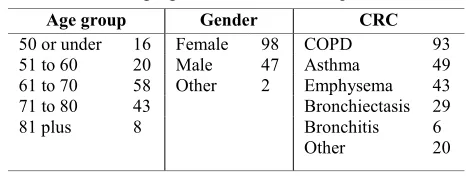
We received a total of 147 responses, 114 were online (94 from the UK, 1 from Ireland, 4 from Europe, 1 from Asia, 13 from US and 1 from Canada) and 33 were paper (all UK). The breakdown is detailed in table 2. Note that respondents could select that they had more than one CRC. Where free-text responses are discussed, respondents will be referred to as Rn with n representing the respondent’s identifier (e.g. R5 refers to respondent 5).
Table 2: Age, gender and CRCs of respondents.
Age group Gender CRC
50 or under 16 Female 98 COPD Asthma Emphysema Bronchiectasis Bronchitis Other
93 49 43 29 6 20
51 to 60 20 Male 47
61 to 70 58 Other 2 71 to 80 43
81 plus 8
4.1 Use of Technology
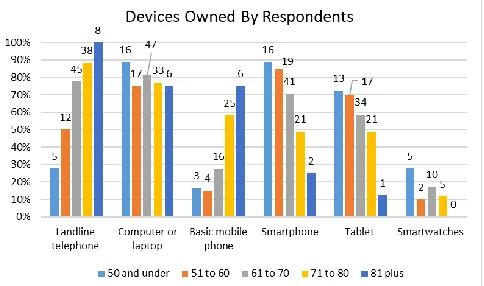
[image:3.612.320.553.576.669.2]‘smartphone’, ‘tablet’ and ‘smartwatches’. The aim was to understand the types of mainstream devices that respondents engaged with (Fig.1).
Figure 1. Devices owned by respondents grouped by age
The device most commonly owned across all respondent age groups was a computer or laptop, with smartwatches being the least common. Basic mobile phones with limited capabilities were mostly owned by those aged 71 and over, with smartphones being owned by a majority of those aged 70 and under. Newer technologies were owned increasingly by younger respondents, with the inverse being true for older devices and older respondents.
4.2 Self-Management Experiences
4.2.1 Experience Using Self-Management Technology. Overall, 70% of respondents had used some form of technology for self-management or self-monitoring either currently or in the past: 13% had used a dedicated mHealth app, 54% had used a pulse oximeter (a small digital device which monitors the oxygen saturation in people’s blood), 11% had used wearable technology such as smart watches and 12% tried other ways such as telehealth, fitness apps and digital spirometers (a device that measures lung function.).
4.2.2 Self-Managing Through Research Online. One notable way in which some respondents had used technology to self-manage their condition was through research about their CRC on the internet. Responses discussed researching their condition, symptoms, different treatments, exercises and advancements in medicine online. Respondents discussed seeking information and answers online about how to best self-manage: e.g. ‘I do exercises at home which I found online, I've never been advised what exercises to do by any professional’ (R28); ‘[I conduct a]detailed study (mostly via internet) of my various conditions and symptoms as well as best ways to manage these conditions at home’ (R46). Some respondents discussed using condition specific websites and forums for information and advice, for instance R64 discussed reading online support group discussion pages but stressed ‘I certainly don't use Dr. Google – from healthy to dead in three clicks’ while R33 used ‘British Lung Foundation [Websites]’. 4.2.3 Experience of Self-Management Techniques. Respondents were asked to select the types of techniques and methods they had used (either currently or in the past) to manage the symptoms of
oximeter readings and following exercise plans were the most popular techniques tried by respondents. Keeping a diary of symptoms and reflecting was the least popular technique. Respondents that selected ‘other’ techniques were asked to specify, and noted techniques such as: ‘positive thinking and avoiding conditions that may lead to infection’ (R62); ‘being a member of the British Lung Foundation [a respiratory support charity]’
[image:4.612.322.557.185.300.2](R109) and ‘[practicing]meditation and well-being’ (R40).
Figure 2. Self-management techniques used by respondents
4.3 Summary of Survey Findings
There were 3 key findings from the survey: (1) younger respondents owned newer devices, with the inverse being true for older respondents; (2) many respondents had used technology to self-manage their CRC, with pulse oximeters being most common device for this and one of the most common self-care techniques used; (3) respondents conducted research online and engaged in forum discussions to learn more about self-management.
5 Interview Findings
Where the survey provided a broad snapshot of technology use and experiences with self-management technology in the CRC community, the interviews offered a deeper understanding of the ways in which technology could support self-care interventions and make a meaningful difference to people’s quality of life. Emergent findings are summarized below.
5.1 Building an Understanding of CRCs
their general life-span, raising questions such as “does it mean that my lifespan will be shorter by 10 years?” (Nelly). Seb described believing that COPD was a terminal illness when diagnosed, emphasizing the effect that lack of information can have on a persons’ mental state: “not one person ever told me anything about it … I thought it was terminal there and then.” He continued to recall how conducting his own research online to discover more about the condition led him to feel “depressed” as he uncovered negative stories from other people living with COPD.
Uncertainty around potential disease progression and what this would mean for participants’ future was also discussed. For example, exacerbations were sometimes described as being able to
“kick off without warning” (Jin), which can be “scary” (Jin). It was felt that this fear for the future should be better recognized by healthcare services, and was just as important as the role of prescribing medicine: “Sometimes you get the feeling you’re out on your own ... they’ll [the health service] supply you with the medicine but that’s all you’re gonna get.” (Jin)
5.1.2 Building Confidence through Peer Support. Participants believed peer support helped them in the management of their condition. We found that peer support contributed to easing anxieties around the future and built confidence in day to day living with a CRC. Participants that attended support groups believed that they were great avenues to exchange knowledge with others directly affected by the condition. Learning from these peers allowed participants to experiment with new techniques to help them manage their conditions better at home. For example, Fred recalled: “I was talking to an old lady [at the group] and she’s got a little fan, she said to me, ‘go and buy one of these fans and it helps you to breathe’”. This was advice that Fred otherwise felt he would
not have access to. This avenue for practical advice on self-managing was felt to be important and limited the need for frequent clinical visits: “I can't go to the doctor every time I get a little tweak so, [I go to] this group” (Jin).
Moreover, peer support groups enabled participants to build confidence around living with their condition. Participants discussed how attending support groups made them feel more hopeful about their condition, a contrast to how they described their feelings when initially diagnosed. Irma discussed how seeing others who were managing effectively at later stages of the condition helped her to change her own outlook about the future: “I could see there were people further along the line than I was … but were managing and coping.”
We found that peer support helped participants build further confidence in their interactions with healthcare professionals. Fred discussed feeling more confident in asking questions to healthcare professionals about his condition as a result of observing the questions asked by other group members:
“We have the doctors from the hospitals coming [to the group] … it was a question and answer session … you can find out things that you wouldn’t usually … some people asked questions which then gave you the incentive to ask questions, so if I want to know something now, I would ask.”
Hedge noted that he “would make a list of things that I had to ask the consultant” and that he “had the information that I needed
because I asked the questions”, which he believed was an important
step to receive necessary information for effective self-management. However, four participants felt that the more emotive questions such as “why me? I’m not old enough, I’ve never smoked…” (Irma) and “what’s going to happen to me in the future?” (Nelly) can be difficult to address with healthcare
professionals. Emotive questions were eased when participants joined support groups and met those with similar conditions. This emphasizes the need for support networks to consist of those with similar conditions, needs or experiences, especially for coming to terms with more emotive aspects of living with a CRC.
Support groups also restored confidence in participants to try new activities, which may have otherwise not been successful due to worries about standing out with their condition. One notable example was Irma, who felt making friends at the support group made her feel confident to become more active:
“I found some health walks that were in the local areas and actually some members of the group were a part of that, so I didn’t have the feeling that I was going and I was going to be the only one there …I think sometimes it's not about your condition, it’s about having fun with people who are in a similar situation to you.”
5.2 Challenges of Living with CRCs
5.2.1 Physical Oppression. Participants discussed difficulty with mobility, exhaustion and breathlessness. These difficulties were a major challenge noted by participants, and were described as “oppressive” (Nelly), affecting participants’ ability to conduct
everyday activities such as household chores, socializing and leaving the home. Hedge summarized this challenge by emphasizing to the researchers that regardless of having a good or bad day: “everything that you do is really limited by the COPD.”
Participants discussed having to take periods of rest in between activities or stop doing them altogether. This meant that some participants had to give up their hobbies and avoid social situations if their triggers were present (such as smoking or pets). Amy recalled having to give up her life-long hobby of playing sports despite strong perseverance to continue, as it created problems for her health: “I lost control of my breath and I couldn’t get near an inhaler and I thought ‘why am I putting myself through this?’ I decided then enough was enough and I finished.” Whereas Jin had to give up his hobby of walking due to increased breathlessness, describing how this had led him to an inactive lifestyle: “you’re wishing you never came out … that doesn't do me any good, all I’m doing is sitting around the house”.
This physical oppression created further challenges for participants, as they knew that keeping active was important for their overall health but also the management of their CRC. Dan noted that this difficulty was heightened with age: “you can’t do much else really at my age really, when you get to this sort of standard, you sit down and it’s no good for your health, you need to be active, but you can’t be active.”
maintaining their home. This transition away from what previously seemed to be a ‘normal life’ to living with symptoms of a CRC caused participants to feel frustrated and upset. For example, Fred noted the difficulty in keeping up with his family members and how his symptoms disrupted important occasions in his life: “I was
looking for was somewhere to sit down because I just couldn’t… and that’s the biggest thing because I love going out with my grandchildren and you can’t keep up with them”
Nelly described how the physical limitation of being unable to maintain her home to her own standards was difficult for her. However, it was dealing emotionally with being incapable of doing so which was most profound for her. She stated: “I get depressed … it builds up and gets you down”.
Embarrassment was another factor which discouraged participants from leaving their homes or socializing with others in ways which they normally would. For example, when facing severe symptoms, such as “coughing … people don’t like people
coughing in general because they feel they are passing something on” (Seb) or “wetting or soiling myself” (Irma). Where participants were facing severe and unmanageable symptoms, they began to isolate themselves or avoid social situations. For example, Irma discussed “I didn’t want to go out because when I
had a coughing fit something would happen, you know?” This had a negative impact on their emotional wellbeing and affected their identity, who they felt they once were pre-condition.
5.2.3 Guilt and Stigma. The topic of guilt and stigma associated with CRCs arose from five participants during the interviews. Perceived social stigma often resulted in participants being less willing to seek help when needed and feeling shame when they did so. Some participants described their condition as being
“self-inflicted” due to one of the possible reasons for COPD being cigarette smoking. Participants who had never smoked wished to emphasize this to us during the interviews, and felt resentment towards other smokers (whose smoking they believed they were affected by). For example, Irma described being frustrated when asked if she was a smoker and initially resenting other smokers:
“That’s the first question people ask … I wanted to blame people.
If I saw people in the street smoking I wanted to go up to them and say ‘hey! This is what you could do to yourself and this is what you are doing to other people’ so yeah I felt resentful.”
It was also discussed that there was guilt associated with being an older adult when needing to access health services as they felt like a “nuisance” (Nelly). Although this made participants more motivated to self-manage at home and in the community, this was partly to avoid feeling like a burden to healthcare services. Nelly described this guilt by saying: “a lot of older people have got it [COPD] and don't wish to bother the doctors.” Nelly discussed being reluctant to seek help as she was unsure if she was unwell ‘enough’, using the philosophy “just hang on to see if it goes”
which often lead to increased severity of illness.
5.3.1 Managing Reactively. Participants described having a reactive approach to managing their condition, describing a lesser desire to self-manage and monitor themselves when they felt well. This extended to being against the advice of healthcare professionals, who may prescribe them medication to take regularly or instruct them to record peak flow readings. Participants also acknowledged that more consistent self-management and monitoring practices could alleviate the severity of the bad days, but it was not an approach that they took in practice. For example, Nelly acknowledged that consistent monitoring of peak flow readings could be beneficial for her health and CRC management:
“You're meant to monitor it [peak flow readings] regularly but
I've never done that because my symptoms aren't so bad that I've needed to, when I'm OK, I don't do anything, it's just when things go down I take action, perhaps if I monitored it then I would have been in a better situation when I got that chest infection.”
Similarly, Dan discussed taking his prescribed oxygen more reactively compared to instructions: “If I need it [oxygen] I’ll take it, if I don’t then I don’t bother with it. That’s the way I deal with it.” When Jin was asked if he would continually monitor his symptoms each day for sharing with his clinician, he stated“at the
moment, things are not too bad”. Thisdemonstrates a lack of need for continual monitoring when feeling well, despite potential clinical interest for the data. When Nelly was asked the same question, she described that any potential usage of technology to self-monitor and manage would only be used when she felt low:
“I'd like something like that [a self-monitoring tool] when I'm feeling not so good … not when I’m feeling well, but if I was starting to feel unwell, then I might like to monitor.”
However, Hedge stated that it was important to take a constant approach to self-management and monitoring rather than a reactive approach: “you might be too poorly, by the time you do something, you might have missed the chance [to avoid an exacerbation].” 5.3.2 ‘Knowing’ Yourself. The notion of ‘knowing yourself’ was uncovered in the interviews. This related to understanding symptoms and capabilities over time and eventually reaching a point where additional support is no longer required. We saw how Jin, who had only been diagnosed 5 months prior to the study, felt his triggers were “unpredictable” and had not yet fully adapted to life with a CRC. Whereas Hedge, who was diagnosed 20 years prior to the study, described being able to “forecast” exacerbations as he was “so well aware” of his condition.
5.4 Experience of Self-Monitoring Technologies
5.4.1 Engaging Symptom Monitoring Apps. Participants who had experience using self-monitoring technology for their CRCs were asked about their experiences. Amy, Dan, Hedge and Seb had all engaged self-management technologies for their CRC either currently or in the past. They all had experience using the same diary-based smartphone app1, which required them to record data
about their symptoms daily for self-reflection, while also providing a set of recommendations for the day (such as ‘consider contacting
a healthcare professional’). Amy was still an avid user of the app, and had been using it 2 years consistently before the study. At the time of the interview, Seb was currently using a new symptom monitoring diary app as part of a clinical trial.
Participants were asked how they engaged with the diary app throughout their time using it. Amy, Seb and Hedge had all used their personal smartphones to engage with the diary app each day. Dan did not have a smartphone or internet connection, so phoned a relative each night who input the answers for him on their phone. However, Dan felt the approach he had to take was ineffective as he could not always reach his relative which meant the advice provided by the app became outdated. For Dan, smartphones “cost
too much money” and he preferred using his computer for tasks. Amy noted that although she uses the diary app each day as part of her daily “routine”, when her symptoms become worse, the
worsened symptoms serve as a strong ‘reminder’ to write her entries. When queried, she stated: “because [being unwell] it reminds me. Because I am wheezing a bit, I am a bit puffy, I better fill [the app] in”. This demonstrates the ways in which heightened symptoms can influence self-monitoring behaviors.
5.4.2 Linking App Data to Support Networks. Participants discussed the importance of self-monitoring data linking with specific support networks. Having somebody ‘check in’ with participants was seen as positive and motivated participants to better engage with the app. Amy shared her diary app data with her daughter, which she believed was positive for her overall management as her daughter could oversee her entries. Seb felt motivated to use his new app each day as the data was accessed by respiratory nurses: “it’s proactive so, whenever I’m putting something on there, someone’s reading and taking notice”. Hedge strongly believed that self-monitoring data should be sent to clinicians who should act on potentially concerning entries:
“Something that would just flag up or even send a signal to – it may be a GP or respiratory clinic — that Mrs ‘X’ sats [oxygen saturation levels] and observations are poor, it might be a good idea to pay her a call.” He further described the importance of having support networks (such as designated carers) involved in the network of self-monitoring and believed alerts to support networks of concerning entries would be “the epitome of success”.
5.4.3 Keeping Up With Evolving Needs. It was clear from participants who stopped using the diary based app that it did not keep up with the evolving needs of their condition. Participants felt that the diary based app was not able to provide them with new
1 How Are You Today? COPD app
https://play.google.com/store/apps/details?id=com.intelesant.copd&hl=en
knowledge about their condition, which led to a lack of value obtained from its use. Participants raised the point that self-monitoring technology should provide value to the user beyond generating data, something more than what can be achieved with just a “piece of paper” (Hedge). The potentials around future self-monitoring technologies for CRCs were said to be providing novel insights into a person’s condition and preventing exacerbations. For example, Hedge felt that he was at a stage in his condition where he knew himself when he should seek help. Therefore, he felt the feedback from the diary app was not valuable when he was being told to seek professional help: “I don’t need an app to tell me
that [that I should go and see my doctor].” Similarly, Seb felt that the questions asked by the diary app were out of sync with his current condition stage, noting: “I have emphysema so I’m going to be breathless [commenting on the alerts raised when he input that he was breathless]”. He eventually abandoned the diary app when it was clear that it could not learn that being breathless was normal for him, and not the basis of which to seek help. He felt that the app would be useful for somebody adjusting to life with a CRC, but he was “too far on this journey for this app to be of any use.” This demonstrates how participants have different needs according to their condition stage and length of time having had the condition.
5.5 Summary of Interview Findings
Overall, there were 5 key findings from the interviews: (1) participants lacked information about CRCs, both at diagnosis and more long-term; (2) participants experienced stigmatization and can be reluctant to seeking help; (3) participants adopt a reactive approach to self-managing; (4) self-monitoring technologies should link to support networks; (5) those at different stages of their condition will find value in different self-management tools.
6 Discussion
The following sections synthesize the findings from both studies, outlining design implications for CRC self-management tools.
6.1 Designing for Reactive Management
self-observation of one’s CRC can be detrimental to their wellbeing [36, 40, 46]. Particularly, Lupton [46] discussed that the emphasis placed on self-monitoring and self-surveillance of a person’s condition can be overwhelming. Craven et al. [36] found that daily self-monitoring of asthma symptoms on an app were intrusive for the user and made them more conscious of their asthma. Similarly, Pols [40] found that daily peak flow readings were seen as counterproductive as they could only be interpreted in unhelpful ways, which did not improve the situation for the individual. This contrasts with the emphasis placed on ensuring patient generated data is being regularly collected to be useful for clinical care planning [50]. What can be deemed clinically relevant to a patient versus a healthcare professional can differ, as Pols [41] described how physiological readings can depict the condition of one’s body in a way that may not be experienced directly by the patient themselves. Therefore even when an individual may not find value in self-monitoring, there may be clinical relevance in doing so. This highlights a tension which exists between clinician’s desire for self-reported data and patients’ desire to self-report.
Our findings demonstrated that there were instances where participants took control in deciding for themselves when they needed medication, opposed to consistently following instructions from their healthcare professionals. This identified reactive management approach, combined with prior work by Pols [40, 41] and Craven [36], suggests that long-term, consistent daily self-monitoring is a practice that can lack value for individuals with CRCs. Expecting consistent, long term self-monitoring practices from the individual can negatively affect their quality of life [36, 40], but also interfere with how they organically routinize, organize and manage their everyday life to accommodate living with a CRC. This further emphasizes the tension in being able to generate clinically useable patient-generated data for CRC care planning. Even within the sphere of IoT solutions, which can reduce the need for explicit user input, this tension can still exist. Through revisiting work by Anastasiou et al.’s [9] on an asthma exacerbation prediction system, we can see how this tension may arise: the system had demonstrated promise in predicting COPD exacerbations, however it relies on input variables from the individual to be entered each day. This may suit periods when individuals with CRCs are feeling unwell over longer periods of time, such those that are acutely unwell or after a recent hospitalization (and may be more motivated to self-monitor until reaching a certain level of wellness). However, outside of these scenarios when (or if) an individual feels well, they may disengage with the technology which compromises its long term usefulness. Moreover, passive approaches that do not incorporate any active involvement from the user can lead to feeling a lack of agency [51, 47]. Ways to identify potential exacerbations that do not require consistent daily variables to be input by the user could be promising, such as smart inhalers and peak flow meters which record increased use [9]. Heightened use of artefacts designed to help with CRC management could be an indication of struggle or decline in health, which could prompt user engagement to monitor where necessary, returning agency. For example, our survey demonstrated that medication and pulse oximeters were most
increased contact with these objects could suggest a change in health condition, which could be used to generate data points without overburdening patients for day to day additional data input.
6.2 Designing for Evolving Needs
We uncovered the concept of outgrowing certain self-care practices as participants learned more about their condition and capabilities. This particularly related to ‘knowing yourself’, in which participants abandoned activity tracking devices that supported knowledge building around their capabilities once this knowledge had formed. This was also evident with participants that had lived with the condition for many years, who expressed that their developing experiential knowledge of their condition introduced them to different needs. Evolving needs also surfaced from our survey respondents, who turned to the internet to research their CRC and move forward with managing. For example, the respondent who carried out exercises that they had self-researched to better manage, and the respondent who conducted their own online ‘study’ of their symptoms and conditions to find the best ways in managing at home.
The concept of self-monitoring technology being consistent with
the progression of health conditions has been previously explored in HCI literature. Kelley et al. [53] describe how self-monitoring tools for mental wellbeing in young adults should be designed for their different life stages. We argue it is necessary for CRC self-management tools to be designed with not only the different stages of condition in mind, but also the length of time having lived with the condition, as needs change over time. If self-monitoring technology evolves with the progression of the CRC and experiences of the individual, it can retain more value. As CRCs progress over time, the experience of living with the condition also matures, thus progression of the condition and progression of the
about their symptoms, while experiencing stigma and guilt. Anonymous forms of communication for a shared interest, such as CRC self-care, could benefit individuals who feel reluctant to voice their struggles due to these negative feelings. Revisiting Pereira et al.’s [31] COPD exercise app, we believe providing users the option to share their data onto CRC shared interest platforms that allow anonymity may be more valuable than sharing data onto Facebook. This could further benefit those who require this support but are too unwell to physically travel to respiratory support groups.
6.3 Designing to Reach Everyone
Facing guilt and stigma for having a CRC has been reported in previous work, particularly relating to smoking and wider societal blame [13, 44]. This guilt and self-blame can lead those with COPD to withdraw and become isolated from support networks [13]. We found that guilt and stigma can affect how willing individuals are to access healthcare services and seek help. The feeling that older adults may not want to ‘bother’ doctors might also be heightened by the stigmatization of some CRCs. Lack of social support can have a negative effect on chronic illness self-management behaviors [22], and the reluctance to seek help could impact how an individual can practice self-care.
The prospect of linking self-monitoring data to peer support networks (such as those who are already collaboratively supporting a person’s self-care processes) was seen as a promising step to alleviate challenges in seeking help. The importance of viewing self-care as a collaborative process patients and carers has been discussed by Nunes and Fitzpatrick [55]. Here, we highlight the potentials that technology can have in connecting these supporting networks to help reach those who may be reluctant to seek help. For example, if mHealth data entries indicated that a person was becoming unwell, selected carers could be encouraged to check in on the individual. This approach can help reluctant individuals in the CRC community to obtain help when needed, and over time may build confidence in them actively seeking help themselves. It has been argued that some researchers may be more focused on concept novelty than patient empowerment in their development of technical solutions [49]. Pols [40] stresses the redundancy of handing patients technology that they cannot find ways to conveniently fit into their lives. Evidence suggests that respiratory conditions such as COPD are linked to social deprivation [35] and that older adults may ‘always’ have a resistance to newer technology (despite generations growing to be more technology proficient) [37, 38]. This shows there is a clear disconnect in assuming those within this community can acquire newer and more costly technology for support [64], even when taking into consideration the potentials of wider prevalence of technology use as generations age [37].
For example, Pereira et al. [31] suggested future work to include expanding their COPD exercise app onto newer devices to increase the number of users. However, our survey findings showed that most commonly owned device across all age groups were computers and laptops, with newer technology such as smartwatches being less commonly owned overall (but most likely owned by younger respondents). Therefore, our findings highlight
that designing for newer devices can exclude a large and older proportion of the current CRC community. This is not to say that those with CRCs will not own newer gadgets, but raises the importance of considering the community inclusivity of the platforms in which we design. Pols [18] discussed how the materiality of self-care devices are important, and asking users to engage with a device which is not part of their existing lives and routines can be burdensome. For instance, Pereira et al.’s [31] exercise app also runs on web platforms, allowing users to access the tool on personal computers, which our findings suggest would be more community inclusive.
Revisiting Yun and Arriaga’s [5] SMS education tool for children with asthma, we can see how utilizing SMS based communication improved the response rate for their study, which looked at improving asthma health outcomes. Moreover, this decision was conscious: they note that SMS-based communication is prevalent among youths, which motivated their decision for its use. This demonstrates the impact of taking community inclusive approaches to designing technology for CRC self-management.
7 Conclusion
This paper reports on the challenges and opportunities for designing future CRC self-management technologies. We do so by analyzing and reflecting on the findings of a scoping survey and series of in-depth interviews. By engaging with adults diagnosed with CRCs, we were able to uncover novel insights regarding their personal care approaches and experiences around self-management technologies. These insights allowed us to deliver a set of design considerations for future CRC self-management technologies. In particular, future work should focus on the design of community inclusive platforms that can support reactive management approaches and evolving needs, while striving to reach those who may need extra support. It is important to note that our participants were largely older adults, and design implications for CRC self-management technologies may differ for children or young adults.
REFERENCES
[1] World Health Organisation. 2018. Chronic Respiratory Diseases. Online. Retrieved July 20, 2018 from http://www.who.int/respiratory/about_topic/en/ [2] NHS. 2012. An Outcomes Strategy for COPD and Asthma: NHS Companion Document. Online. Retrieved July 20, 2018 from https://www.gov.uk/governme nt/uploads/system/uploads/attachment_data/file/216532/dh_134002.pdf [3] T. M. Halpern, R. H Stanford. and R Borker. 2003. The Burden of COPD in the
U.S.A.: Results from the Confronting COPD Survey. Respiratory Medicine. 97, C. 81-89. DOI: https://doi.org/10.1016/S0954-6111(03)80028-8
[4] Hilary Pinnock. 2015. Supported Self-Management for Asthma. European
Respiratory Society. 11, 2. 98-108. DOI: 10.1183/20734735.015614
[5] Yun, T and Arriaga, R. 2013. A Text Message a Day Keeps the Pulmonologist Away. In Proceedings of the SIGCHI Conference on Human Factors in
Computing Systems (CHI '13). 1769-1778.
[6] Taylor, A. Aitken, A. Godden, D. Colligan, J. 2011. Group Pulmonary Rehabilitation Delivered to the Home via the Internet: Feasibility and Patient Perception. In Proceedings of the SIGCHI Conference on Human Factors in
Computing Systems (CHI '11). 3083-3092.
[7] Sunyoung, K. and Paulos, E. 2009. inAir: Measuring and Visualizing Indoor Air Quality. In Proceedings of the 11th International Conference on Ubiquitous
Computing (UbiComp '09). 81-84.
Exacerbations. In Proceedings of the 10th Hellenic Conference on Artificial
Intelligence (SETN '18). DOI: https://doi.org/10.1145/3200947.3201036
[10] Lisa Cicutto, Dina Brooks, Katy Henderson. 2004. Self-Care Issues from the Perspective of Individuals with Chronic Obstructive Pulmonary Disease.
Patient Education and Counseling. 55, 2. 168-176.
[11] Francisco Nunes and Geraldine Fitzpatrick. 2018. Understanding the Mundane Nature of Self-care: Ethnographic Accounts of People Living with Parkinson's.
In Proceedings of the 2018 CHI Conference on Human Factors in Computing
Systems (CHI '18). DOI: https://doi.org/10.1145/3173574.3173976
[12] McNaney, R. Bull, C. Mackie, L. Dahman, F. Stringer, H. Richardson, D. Welsh, D. 2018. StammerApp: Designing a Mobile Application to Support Self-Reflection and Goal Setting for People Who Stammer. In Proceedings of
the 2018 CHI Conference on Human Factors in Computing Systems (CHI '18).
[13] Wahl, A. Halding, A. Heggdal, K. 2011. Experiences of Self‐Blame and Stigmatisation for Self‐Infliction Among Individuals Living with COPD. Scandinavian Journal of Caring Sciences. 25. 100-107.
[14] Asthma UK. 2018. What Causes Asthma? Online. Retrieved July 31, 2018 from https://www.asthma.org.uk/advice/understanding-asthma/causes/
[15] A.S. Buist. 2003. Similarities and Differences Between Asthma and Chronic Obstructive Pulmonary Disease: Treatment and Early Outcomes. European
Respiratory Society. 21, 39. 30-35. DOI: 10.1183/09031936.03.00404903
[16] British Lung Foundation. 2018. Symptoms of COPD. Online. Retrieved July 20, 2018 from https://www.blf.org.uk/support-for-you/copd/symptoms [17] Asthma UK. 2018. Symptoms of Asthma. Online. Retrieved August 17, 2018
from https://www.asthma.org.uk/advice/understanding-asthma/symptoms/ [18] Jeannette Pols and Ingunn Moser. 2009. Cold Technologies Versus Warm
Care? On Affective and Social Relations with and Through Care Technologies,
Alter. 3, 2. 159-178. DOI: https://doi.org/10.1016/j.alter.2009.01.003.
[19] Department of Health. 2010. Facts about COPD. Online. Retrieved March 16 2017 from http://webarchive.nationalarchives.gov.uk/+/
www.dh.gov.uk/en/Healthcare/Longtermconditions/COPD/DH_113006 [20] Dorthea E. Orem. 1985. Nursing: Concepts of Practice. 3rd ed. New York:
McGraw-Hill. 84.
[21] British Lung Foundation. Treatments for COPD. Online. Retrieved July 31, 2018 from https://www.blf.org.uk/support-for-you/copd/treatment
[22] Mary P. Gallant. 2003. The Influence of Social Support on Chronic Illness Self-Management: A Review and Directions for Research. Health Education &
Behavior. 30, 2. 170- 195. DOI: https://doi.org/10.1177/1090198102251030
[23] Asthma UK. 2018. Asthma Triggers. Online. Retrieved July 31, 2018 from https://www.asthma.org.uk/advice/triggers/
[24] Asthma UK. 2018. Managing Your Severe Asthma. Online. Retrieved August 1, 2018 from https://www.asthma.org.uk/advice/severe-asthma/managing-severe-asthma/manage-your-severe-asthma/
[25] J.F. Burr, W. Davidson, R.J. Shephard and N. Eves. 2012. Physical Activity in Chronic Respiratory Conditions: Assessing Risks for Physical Activity Clearance and Prescription. Canadian Family Physician, 58, 7. 761–764. [26] National Institute for Health and Care Excellence. 2016. Chronic Obstructive
Pulmonary Disease. Online. Retrieved July 31, 2018 from https://www.nice.org.uk/guidance/qs10/chapter/Quality-statement-4-Pulmonary-rehabilitation-for-stable-COPD-and-exercise-limitation [27] R. Linhas, R. Marçôa, I. Ladeira, R. Lima, R. Monteiro, I. Pascoal
and A. Carvalho. 2017. Effects of Pulmonary Rehabilitation in Asthma Patients.
European Respiratory Journal. 50, 61.
[28] MJ. Fischer, MJ. Scharloo, M. Abbink, JJ. van’t Hul AJ.van Ranst, D. Rudolphus, A. Weinman, J. Rabe, KF. Kaptein, AA. 2009. Drop-Out and Attendance in Pulmonary Rehabilitation: the Role of Clinical and Psychosocial Variables. Respir Med. 103, 10. 1564-71. DOI: 10.1016/j.rmed.2008.11.020 [29] McNaney, R. Balaam, M. Holden, A. Schofield, G. Jackson, D. Webster, M. Galna, B. Barry, G. Rochester, L. Olivier, P. 2015. Designing For and With People with Parkinson's: A Focus on Exergaming. In Proceedings of the 33rd
Annual ACM Conference on Human Factors in Computing Systems (CHI '15).
[30] Greg Wadley, Wally Smith, Bernd Ploderer, Jon Pearce, Sarah Webber, Mark Whooley, and Ron Borland. 2014. What People Talk About When They Talk About Quitting. In Proceedings of the 26th Australian Computer-Human
Interaction Conference on Designing Futures: the Future of Design (OzCHI
'14). 388-391. DOI: http://dx.doi.org/10.1145/2686612.2686671
[31] Marco Pereira, Ana Margarida Almeida and Helder Caixinha. 2016. Exercit@rt Mobile: Monitoring of Pulmonary Rehabilitation in COPD. Proceedings of the 1st International Conference on Technology and Innovation in Sports, Health
and Wellbeing (TISHW 2016).
[32] Shu-Hui Yu, Ai-Min Guo, Xiang-Juan Zhang. 2014. Effects of
Self-Management Education on Quality of Life of Patients with Chronic Obstructive Pulmonary Disease. International Journal of Nursing Sciences. 1, 1. 53-57. [33] Hsiu-Fang Hsieh and Sarah E. Shannon. 2005. Three Approaches to Qualitative
Content Analysis. Qualitative Health Research. 15, 9. 1277-1288. [34] Virginia Braun and Victoria Clarke. 2006. Using Thematic Analysis in Psychology. Qualitative Research in Psychology. 3, 2. 77-101.
disease-and-height.aspx
[36] Craven, P. and Selvarajah, Kirusnapillai and Miles, Robert and Schnädelbach, Holger and Massey, Adam and Vedhara, Kavita and Raine-Fenning, Nick and Crowe, John. 2013. User Requirements for the Development of Smartphone Self-Reporting Applications in Healthcare. In: Kurosu M. (eds) Human-Computer Interaction. Applications and Services. HCI 2013. Lecture Notes in Computer Science, vol 8005. Springer, Berlin, Heidelberg.
[37] Bran Knowles and Vicki L. Hanson. 2018. The Wisdom of Older Technology (Non)Users. Communications. ACM. 61, 3.72-77.
[38] John Vines, Mark Blythe, Paul Dunphy and Andrew Monk. 2011. Eighty Something: Banking for the Older Old. In Proceedings of the 25th BCS
Conference on Human-Computer Interaction (BCS-HCI '11). 64-73.
[39] C. McGuckin, GR. Prentice, CG. McLaughlin and E. Harkin. 2013. Prediction of Self-Monitoring Compliance: Application of the Theory of Planned Behaviour to Chronic Illness Sufferers. Psychol Health Med. 17, 4. 478-87. [40] Jeannette Pols. 2014. Knowing Patients: Turning Patient Knowledge into
Science. Science, Technology, & Human Values. 39, 1. 73–97.
[41] Jeannette Pols. 2010. - Bringing Bodies - and Health Care - Back In. Exploring Practical Knowledge for Living with Chronic Disease. MEDISCHE ANTROPOLOGIE. 22, 2.
[42] Timothy P Johnson. 2014. Snowball Sampling: Introduction. In Wiley StatsRef: Statistics Reference. Online. (eds N. Balakrishnan, T. Colton, B. Everitt, W. Piegorsch, F. Ruggeri and J. L. Teugels).
[43] Asthma UK. 2019. Peak Flow Test. Online. Retrieved August 20, 2018 from https://www.asthma.org.uk/advice/manage-your-asthma/peak-flow/ [44] Marcus BS, McAvay G, Gill TM, Vaz Fragoso CA. 2015. Respiratory
Symptoms, Spirometric Respiratory Impairment, and Respiratory Disease in Middle and Older-Aged Persons. Journal of the American Geriatrics Society. 63, 2. 251-257.
[45] Gabriele Spina, Guannan Huang, Anouk Vaes, Martijn Spruit and Oliver Amft. 2013. COPDTrainer: A Smartphone-Based Motion Rehabilitation Training System with Real-Time Acoustic Feedback. In Proceedings of the 2013 ACM International Joint Conference on Pervasive and Ubiquitous Computing
(UbiComp '13). 597-606. DOI: https://doi.org/10.1145/2493432.2493454 [46] Deborarh Lupton. 2013. The Digitally Engaged Patient: Self-Monitoring and Self-Care in the Digital Health Era. In Social Theory and Health. 11, 3. 256- 270. DOI: https://doi.org/10.1057/sth.2013.10
[47] Maria Angela Ferrario, Will Simm, Adrian Gradinar, Stephen Forshaw, Marcia Tavares Smith, Thomas Lee, Ian Smith, and Jon Whittle. 2017. Computing and Mental Health: Intentionality and Reflection at the Click of a Button.
In Proceedings of the 11th EAI International Conference on Pervasive
Computing Technologies for Healthcare (PervasiveHealth '17). 1-10.
[48] Paola Rogliani, Josuel Ora, Ermanno Puxeddu, Maria Gabriella Matera, Mario Cazzola. 2017. Adherence to COPD Treatment: Myth and Reality. Respiratory
Medicine. 129. 117-123. DOI: https://doi.org/10.1016/j.rmed.2017.06.007.
[49] Thor Jarle J. Skinstad and Babak A. Farshchian. 2016. Empowerment or Concealed Compliance?: A Review of Literature on Mobile ICT Solutions for Patient Empowerment. In Proceedings of the 9th ACM International Conference on Pervasive Technologies Related to Assistive Environments
(PETRA '16). DOI: https://doi.org/10.1145/2910674.2910710 [50] Peter West, Max Van Kleek, Richard Giordano, Mark J. Weal, and Nigel
Shadbolt. 2018. Common Barriers to the Use of Patient-Generated Data Across Clinical Settings. In Proceedings of the 2018 CHI Conference on Human
Factors in Computing Systems (CHI '18).
[51] Larsen, J. E., Eskelund, K., & Christiansen, T. B. 2017. Active Self-Tracking of Subjective Experience with a One-Button Wearable: A Case Study in Military PTSD. In Proceedings of the 2nd Computing and Mental Health Workshop at ACM CHI 2017.
[52] Ari H. Pollack, Uba Backonja, Andrew D. Miller, Sonali R. Mishra, Maher Khelifi, Logan Kendall, and Wanda Pratt. 2016. Closing the Gap: Supporting Patients' Transition to Self-Management after Hospitalization. In Proceedings
of the 2016 CHI Conference on Human Factors in Computing Systems (CHI
'16). 5324-5336. DOI: https://doi.org/10.1145/2858036.2858240 [53] C. Kelley, B. Lee, L, Wilcox. Self-Tracking for Mental Wellness:
Understanding Expert Perspectives and Student Experiences. In Proceedings of
the 2017 CHI Conference on Human Factors in Computing Systems (CHI '17).
629-641. DOI: https://doi.org/10.1145/3025453.3025750
[54] Aarne Lahdensuo. 1999. Guided Self-Management of Asthma – How To Do It.
BMJ. 319, 7213. 759-760. DOI: https://doi.org/10.1136/bmj.319.7212.759
[55] Francisco Nunes & Geraldine Fitzpatrick. 2015. Self-Care Technologies and Collaboration, International Journal of Human–Computer Interaction, 31:12, 869-881, DOI: 10.1080/10447318.2015.1067498