www.ijtes.net
Student
Attitudes
Towards
Online
Education during the COVID-19 Viral
Outbreak of 2020: Distance Learning in a
Time of Social Distance
Shem Unger, William R. Meiran
Wingate University, United States of America
To cite this article:
Unger, S., & Meiran, W. R. (2020). Student attitudes towards online education during the
COVID-19 viral outbreak of 2020: Distance learning in a time of social distance.
International Journal of Technology in Education and Science (IJTES), 4
(4), 256-266.
Volume 4, Issue 4, Fall 2020
ISSN: 2651-5369
Student Attitudes towards Online Education during the COVID-19 Viral
Outbreak of 2020: Distance Learning in a Time of Social Distance
Shem Unger, William R. Meiran
Article Info
Abstract
Article History
Received: 08 April 2020
In this paper, undergraduate student attitudes towards rapidly shifting to an entirely online learning environment were assessed due to COVID-19. In addition, surveys on perceptions about misinformation in media, overall anxiety towards distance learning, knowledge of disease outbreak, and level of preparedness during the onset of the Coronavirus (COVID-19) 2020 outbreak were analyzed. Students surveyed (N = 82) consisted of Wingate undergraduate students from across majors and academic years as part of an animal behavior course covering psychology and human behavior during the COVID-19 2020 crisis during the first two weeks when students returned to school entirely online from off-campus. The majority of students responded that online learning would not be the same as in-class learning (91.5%), indicating a significant difference in responses. Many students indicated they had witnessed some misinformation on COVID-19 in media (98.8%), and there was a significant difference for student perception on being well informed from standard news media (e.g., TV, newspapers) versus social media (t-test = 3.78, p <0.001). Many students (75.6%) responded they held some level of anxiety towards rapidly shifting to finishing a semester online, with 84.2% having discussed disease transmission actively and yet only 64.6% felt well prepared for emergency situations. The majority of students felt preventative measures (university requiring students to move off campus and remainder of semester moving to online distance learning) were based on good science and medical knowledge. Of the students that freely commented in the survey, overall students displayed a wide range of responses, with most expressing anxiety toward online learning, disappointment regarding graduation ceremony, and online learning being different than standard in-class learning. A follow up survey consisting of one question, revealed improvement in students that stated they felt less anxiety towards online learning after 3 weeks (51.4% Yes: 48.6% No), but still many students exhibiting anxiety towards distance education.
Accepted: 25 August 2020
Keywords
Covid-19 Distance learning Student anxiety
Introduction
span of weeks in March of 2020, most major universities and colleges. In many cases, students were given a few short days to move off campus, and were informed within ~two weeks the remaining of their Spring 2020 semester would be moved to Distance Learning (online format) with no more in person classes held. Subsequently, students not only were required to alter their lifestyle while attending university, but also faced the challenge and many unknowns and stressors related to viral disease outbreaks related to an ongoing pandemic. Information on an emerging, novel epidemic may create a demand for risk of contracting a disease, even as experts lack basic facts about a disease, as has been documented for SARS (Bennet et al., 2015). On top of normal school work, being stuck at home due to the fear of Coronavirus, leads to a sense of fear, stress, and anxiety not normally felt (Singh & Singh 2020). Concomitantly, misinformation appears to be widespread, highlighting a disconnect between the medical scientific community and the public related to COVID-19 (Mian & Khan 2020). Moreover, psychological effects of quarantine due to coronavirus include infection fears, confusion, frustration, inadequate supplies and inadequate information (Brooks et al., 2020). Isolation and lack of social contact may be increased as stay at home orders are issued during COVID-19, which may lead to anxiety and depression (Hiremath et al., 2020). Indeed, the mental health of college students should be monitored during epidemics, as anxiety can be as common as ~21% of college students in China during the COVID-19 epidemic (Cao et al., 2020).
Review of Relevant Literature
There is some evidence of student anxiety toward online learning when compared to more traditional, or in person, in class learning environment, as well as perceptions of media toward emergency situations. Public agencies, political entities, and research institutions may both enable and also constrain learning during a disease outbreak crisis (Muller-Seitz & Macpherson, 2013). Moreover, crisis management is an active process, whereby “lessons learned” or previous knowledge from emergency situations can be difficult to process in an emerging emergency scenario for public institutions and entities (Elliott & Macpherson, 2010). While online learning technologies offer much potential for student engagement, it may differ from on-campus and in person learning (Robinson & Hullinger, 2008). Results of surveys found less than half of adults surveyed say the online class format was equal to that of a course taken in a classroom, with the potential of plagiarism appearing to increase with online learning (Parker et al., 2011). Distance learning delivered strictly through videoconferencing can also lead to lower course satisfaction and lower academic grades when compared to traditional instruction in person (Roth et al., 2020). Moreover, the “learning curve” for both students and educators towards active learning and computer confidence present practical challenges needing to be overcome for online learning (Kenny, 2002). However other studies have found when the same professor is teaching an in-class and online class, that student performance (measured by exam scores), can be similar (Stack, 2015). Interestingly, there may be some potential benefits to undergraduate university students staying at home, including support received from parents and varying domestic tasks, and financial considerations as reported during an economic crisis in Portugal (Cairns, 2011). Alternatively, other studies have found no significant difference between online learning and in-class or off-line learning, and may even enhance the undergraduate learning experience (Pei & Wu, 2019). Also, distance learning implementation may have reduced socialization or communication between students when compared to a traditional classroom (McKenna, 2018). However, it is unclear to what extent online learning correlates if students are required to adjust within a semester in 1-2 weeks of time.
Previous examples of countries and schools responding to crisis situations have provided limited data on the move to online learning. During the SARS and H1N1 outbreaks of 2002 and 2008, Honk Kong implemented complete online schooling (Barbour et al., 2011). However, there is currently limited research for how students are impacted when schools have to close unexpectedly, indefinitely, and move to online learning communities, as has been documented during Hurricane Katrina and Rita (Lapraire & Hinson, 2006). Previous research on Ebola outbreaks has identified knowledge and attitudes of students on disease transmission can help inform best practices for public health (Holakouie-Naeieni et al., 2015). Social media may play some part in dissemination of information and connecting communities, as has been found during the 2016 flooding of Louisiana (Kim & Haska, 2018). In addition, information on the severity and spread of COVID-19 in the United States is affected by news media outlet bias, with noted partisan and political differences for response and importance of behavior during the pandemic (Allcott et al., 2020).
1. Were students anxious towards moving entirely to distance learning due to COVID-19?
2. How did students perceive coverage of COVID-19 in standard news media versus social media? 3. Were students well informed on disease transmission and preventative measures and behaviors related
to minimizing spread of the disease?
4. Were students prepared for an emergency quarantine lasting potentially the rest of the semester? 5. Did students’ attitudes on preventative measures translate to accepting the university decision to move
to online learning?
Method
Survey Design
Surveys were designed by authors in an upper level animal behavior class, as part of a module on human psychology and behavior. The instructor and one honors student of the course are authors of this study. Students enrolled in the course were asked to email the survey to 3-4 student peers. This allowed for relatively quick data collection across multiple academic years (Freshman to Graduate Student), and also across academic majors (e.g., Biology, Business, Exercise Science, etc.). Students taking the survey were asked to fill out three questions before the survey to collect basic demographic data (academic year, academic major, and date taking the survey). No additional demographic information from students taking the survey (age, gender, race, or financial information) was collected to increase likelihood of students completing survey in a short amount of time (approximately the first two weeks of online learning). Survey questions were designed to assess student’s perception on a wide range of topics related to COVID-19 outbreak in the US, including anxiety towards having to transition to strictly online learning off campus, level of emergency preparedness, attitudes towards media news sources (standard versus social media), rate their level of experience for learning environment, and perception of misinformation regarding COVID-19 (Table 1). Students were also asked if they had discussed viral disease transmission from a biological perspective of human population approach, and also if they felt preventative measures (at the time commonly seen in Google as “DO THE FIVE”) were likely to be violated by students, and if decisions to move toward an online learning environment were over-reactive, and if these decisions were based on good scientific or medical knowledge (Table 1). Additional space to provide written comments related to COVID-19 in general and how it was likely to impact their learning and student experience was also included as part of the survey. Overall, questions were designed to allow for multiple comparisons in responses (Likert scale, Yes or No, and free response) and kept minimal to increase likelihood of completion in approximately five minutes. Surveys were answered between 03/18/2020 and 04/1/2020 during the first two weeks in which students of the universities transitioned towards making all courses online (distance learning) in response to the COVID-19 outbreak Spring of 2020. A follow up survey which asked students which took the survey 1 question [Do you feel less anxiety towards online learning (e.g., Canvas lectures, Zoom, online assignments, exams, etc.) now that you have been distance learning for several weeks, Y or N?] with additional written comments was compiled after 2 weeks of online teaching.
Statistical Analysis
A t-test to compare responses for question 1 and 2 (COVID-19 information via news media or social media) was performed. A chi-squared test on several questions which used a Likert scale by combining Agree responses, comparing them to disagree responses and removing neutral responses was performed for question 7 (anxiety towards online learning?) and question 8 (Online same as in-class?). For the two questions asking yes or no, summary statistics are reported. Descriptive statistics were calculated in Excel, with t-test and chi-squared test using significance value of 0.05. As the follow up survey was only one question, we only report % of responses.
Results and Discussion
on COVID-19 by various media, albeit with significant differences in responses to standard news media versus social media (t = 3.78, p < 0.001), with higher responses for standard news media (see Table 1).
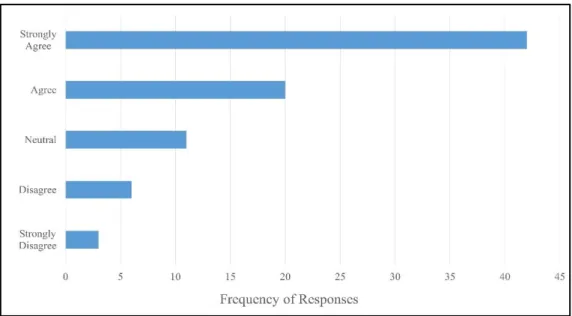
Figure 1. Frequency of Student Responses to Question 7 on Anxiety towards Online Learning
Overall, a larger percentage of students at our university during the COVID-19 United States Outbreak of 2020, expressed anxiety towards the sudden transition to strictly online distance learning and moving off campus (75.6% “agreeing” to having some anxiety, X2 = 23.5, p < 0.001, Figure 1).
Table 1. Survey Questions (Q1-Q12) with Responses (N = 82). With Exception to Q6, Q9, and Q12, Responses on Likert Scale (1 = Strongly agree, 2 = Disagree, 3 = Neutral, 4 = Agree, 5 = Strongly Agree)
Survey Questions Response (%
Yes or No; Mean)
Q1: I feel well informed regarding COVID-19 via the news either on standard news media (TV, or online news sources).
Mean = 3.82; Median = 4
Q2: I feel well informed regarding COVID-19 via the news on social media. Mean = 3.17; Median = 3
Q3: I feel well informed on “DO THE FIVE” or wash hands often, elbow cough, not touching face,
staying more than 3 feet apart, and if sick stay home, as preventative of spreading COVID-19.
Mean = 4.59; Median = 5
Q4: I am likely to violate or not correctly perform any of the “DO THE FIVE” (or wash hands
often, elbow cough, not touching face, staying more than 3 feet apart, and if sick stay home) to prevent spread of COVID-19 on any given day.
Mean = 2.48; Median = 2
Q5: I feel well prepared and have enough emergency supplies at home (e.g. first aid, food, batteries, toilet paper, etc.) in case of a quarantine lasting several weeks in response to COVID-19.
Mean = 3.77; Median = 4
Q6: I have witnessed at least one or more examples of misinformation regarding COVID-19, either in social media or in person.
98.8% Yes, 1.2% No
Q7: I have anxiety regarding the rest of the semester as a result of having to switch to online learning, leaving school or dormitory and in-class learning in lectures and laboratories.
Mean = 4.1; Median = 5
Q8: I feel spending the rest of the semester online learning (e.g., Canvas, video chats, etc.), will provide me with a similar experience as in-class learning.
Mean = 1.5; Median = 1
Q9: I have at least once discussed viral disease outbreak from a biology or human population perspective or had a conversation regarding disease transmission and the importance of helping to stop the coronavirus with either friends, family, or strangers.
84.2% Yes, 15.8% No
Q10: I feel some of the preventative measures aimed at decreasing the spread of COVID-19 are extreme or over-reactive in how they affect my school or day to day activities over the next several weeks or months.
Mean = 2.84; Median = 3
Q11: I feel the preventative measures aimed at decreasing the spread of COVID-19 are based on good science and medical knowledge to lower the potential spread and severity of the virus.
Mean = 3.93; Median = 4
Q12: Any additional information or comments regarding COVID-19 effects on your education you would with to communicate or would like to provide further detail on your experience, attitudes on how this may affect your learning experience, or how it might or has already impacted your education experience overall, please use the space provided below to answer.
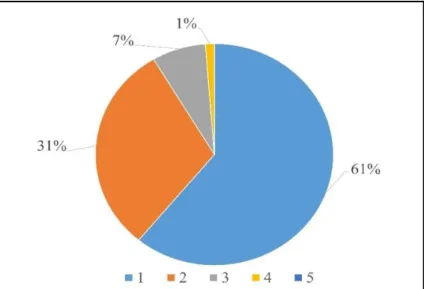
Responses to question 8 asking whether online learning will provide a similar experience as in-class learning were significantly different with most students answering they disagree or strongly disagree, X2 = 47.22, p <0.001 (see Figure 2). The responses to question 6 (witnessed misinformation on COVID-19) and question 9 (discuss disease transmission) were mostly “yes” with 98.8% and 84.2% indicating “yes”, respectively. The majority of students felt overall informed on proper safety related to reducing disease transmission (median= 1, strongly agree), with only a low number of responses of students stating they were likely to violate safety measures (see Table 2).
Figure 2. Percentage of Student Responses of Likert Scale to Question 8 Asking if Online Teaching is Same as In-class Teaching
Table 2. Survey Questions (abbreviated descriptions) with Frequency of Responses (Likert Scale), N = 82 Strongly
Disagree
Disagree Neutral Agree Strongly Agree
Q1: Well informed on COVID-19 via standard news media
4 4 17 35 22
Q2: Well informed on COVID-19 via social media
6 19 22 25 10
Q3: Well informed on preventative methods to lessen spread of COVID-19
0 0 6 22 54
Q4: Likely to daily violate preventative steps for lessening spread of COVID-19
17 30 16 17 2
Q5: Well prepared for Emergency during COVID-19 in cases of quarantine
1 12 16 29 24
Q7: Anxiety toward shifting to completely online learning off campus
3 6 11 20 42
Q8: Online Class is same experience as in-class learning
50 25 6 1 0
Q10: Preventative measures for COVID-19 extreme or over-reactive
12 25 19 16 10
Q11: Preventative measures of COVID-19 based on good science/medical knowledge
1 2 17 44 18
“studying will be difficult at home due to a lack of a quiet environment and study area” and also “worried about how well I will retain information through online learning”. Others were direct by stating “I don’t like online classes” and “I hate this. I just want a graduation ceremony” “my learning is about to decrease” and even “I want my semester back”. Others wrote in they would feel more lost without direct contact with professors and tutors, as well as “I think this will limit how much I really learn from my classes this semester”. However, several students expressed either positive feelings toward moving to distance learning or concern for others and stated “It’s tough at first, but then it gets easier. It’s just discipline” or “professors having difficulty switching to online if they are not used to teaching an online course” or “I think the media and doctors are doing their best to provide the right information to people” and “I am concerned for the people who do not have the ability to stock up and prepare for a quarantine lasting several weeks”.
Table 3. Examples of Written Responses to Free Response Question 12 on Additional Comments on COVID-19
Representative Responses
“Since this has never happened before, I am anxious of how everything will go throughout the rest of the school year.”
“ I have a feeling I am going to struggle with online learning as I have very little experience with online classes”
“Requiring that all students leave campus was just the worst thing, I don’t even know where to begin honestly.”
“My learning is about to decrease overall and I just wanted to graduate in May.” “I don’t like online classes.”
“I’m really anxious about having all my classes online.” “It’s tough at first, but then it gets easier. It’s just discipline.”
“Even though the same information is provided, the attitude and desire to learn surrounding that information has been lost some.”
Overall, students clearly had strong attitudes toward quickly adjusting to entirely distance learning environment versus what they were previously more acclimated to for education, or in-class learning. While several undergraduate professors at Wingate University, where the survey was conducted, often assign online assignments (pers. comm.), the loss of in-person lecture and laboratories resulted in great concern and negative perceptions to online learning by students in the short term. Student responses indicated their concern for continued academic success, lack of personal interaction, and overall decreased ability to learn entirely online. It is likely other factors, leaving campus unexpectedly with little planning and moving home may have been additional sources of stress and anxiety on student. While many students appear to understand the importance of steps taken to minimize disease transmission, indicated by responses to questions 3, 9, & 11, the written in responses to question 12 indicate many students were still frustrated by having to practice distance learning along with the loss of their graduation ceremony. Interestingly, a large number of responses to the “Do the 5” question stated they would not violate the five suggestions to avoid spreading the virus, based on our survey. However as “face touching” is among the “five”, previous research has shown that students on average touch their face 23 times per hour (Kwok et al., 2015), therefore the veracity of this claim may need further research. Social media can provide rapid communication during mass emergencies (Yin et al., 2012), as we noted student’s perception of being well informed via social media to a lesser extent when compared to standard news media. It seems parsimonious that students participating in this survey trusted standard media over social media for accuracy related to COVID-19, as the accuracy of headlines related to COVID-19 on Facebook has only ~ 50% rating by people sharing headlines (Pennycook et al., 2020). While the public recognize bias in social media and research has found some bias in social media reporting (Lin et al., 2011), particularly on misinformation on medical health portrayed by social media (Wang et al., 2019), traditional media may still be preferred as a source for standard news (Ardevol-Abreu & Zuniga, 2016). However, social media if propagated by local agencies, including universities, can aid in providing preparedness information, warnings (Houston et al., 2014), as Wingate University utilized their twitter and Facebook social media pages to communicate to students, updates on COVID-19. Future potential research could be conducted on how social media postings during emergencies, such as the COVID-19 outbreak, can effectively communicate between universities, students, and concerned parents.
which participated in the survey, is confirmed by other recent studies which found increased anxiety during the COVID-19 pandemic to occur more often in people under the age of 35 (Huang & Zhao, 2020). All of these variables likely typically present during a normal semester, were potentially exacerbated by a rapid shift to online learning and may have contributed to student responses which mentioned anxiety. Moreover, the ability of undergraduate students to utilize computers may add additional anxiety, differs by field of study or major, yet undergraduate students have high computer self-efficacy and use computers for doing research, downloading electronic resources, as well as communication (Sam et al., 2005). However, many undergraduate students utilizing university implemented internet-based learning likely have increased academic knowledge (Renuka & Gurunathan, 2017), and should therefore be an additional source for students to continue to undertake research related to online learning. Online distance learning when compared to traditional in-class learning may require addressing motivation by undergraduate students, but can be aided by developing and incorporating videos for online learning which supplement traditional teaching methods (Breneiser et al., 2018). The use of online lectures, discussion questions, and email contact with professors have been identified as online teaching strategies which engage students, reduce anxiety while also increasing knowledge (Rapp-McCall & Anyikwa, 2016).
The follow up survey was answered by 74 of 82 original responders, and 48.6% answered No, with 51.4% answering yes if they felt less anxiety towards online learning after practicing distance learning for 3 weeks. Examples of responses to this follow up question that were written included comments such as “if anything it has caused more anxiety”, “it’s been more stressful and more time consuming” as well as “retention and learning hasn’t been as good” and “online classes are just not the best way for me to learn personally, so this whole event has been a constant struggle”. Additional written comments included “Lab has been more difficult due to the lack of hands on experiments” and also “even though I have adapted to a new schedule because of online learning, I still feel anxious about it all”. However, others responded by stating “I feel less anxiety” or “just for exams but not for regular class” and “it is less stressful, but the workload is not any easier” and “there is less anxiety but it still feels like more of a hassle and seems like a lot of work”. The follow up written comments and scores on anxiety illustrate an improvement over the initial survey for anxiety and seem to indicate students are able to cope with and adjust somewhat to distance learning given several weeks under emergency circumstances such as the COVID-19 pandemic. However, as only ~half answered they felt less anxious, responses concomitantly indicating a large segment of undergraduates were still facing anxiety while taking classes online and distance learning in an online environment.
Conclusion
While there are many potential contributing factors to individual anxiety towards learning, it is possible that during a crisis, a shift from standard in-class student learning to a completely online learning program needs further evaluation. Lawanto et al., 2014, found higher performing students accessed course content significantly more than lower performers, illustrating that engagement and goal setting is vital for online learning. Further research should be conducted on the effectiveness of school closings for diminishing the spread of COVID-19, as has been found to be minimal in Japan (Iwata et al., 2020). The results of this study are limited to the initial outbreak and reflect opinions of students having to re-adjust their remaining semester to exclusive online learning, and are likely biased, given the short amount of time students were given to prepare for distance learning. Moreover, they do not reflect how much students after an entire semester may respond differently once they have further experience learning in the online environment. However, these results should allow other similar sized undergraduate universities (~3,000 students) to become aware of issues related to rapid shifts in learning methodologies in response to prolonged emergency situations. While other countries have previously dealt with viral diseases, the worldwide response to COVID-19, both in the United States and other countries, may require that future protocols are in place if other emerging pathogens require a rapid shift to strictly online learning.
Recommendations
We recommend universities develop evidence based emergency protocols for maintaining a continued online learning environment, which may involve both developing curriculum, training faculty, and psychological appraisal, and forms of evaluation to improve effectiveness (Rush et al., 2014). In addition, distance learning can benefit from several technological innovations available for free to both professors and students, including video conferencing platforms, emailing to continue communication, and making lectures available to students online with audio content (Oranburg, 2020). Providing several types of distance learning may also help overcome student perceptions of videoconference learning, which is often viewed negative by undergraduate students (Candarli & Yuksel, 2012). The use of online learning, via course content and discussion, has been shown to be positively perceived by students when used to supplement face-to-face classroom methods (Ituma, 2011).
In order to inform future potential crises and disease outbreaks, student access to technology should be incorporated into university recommendations for distance learning, as access to technology needed for online learning may differ between undergraduate students in urban versus more rural areas (Lembani et al., 2020). Informing undergraduate students on the importance of emergency preparedness has been conducted using a variety of formats including an example by the CDC using a graphic novel on zombie apocalypse (Kruvand & Bryant, 2015). Therefore, we advise using innovative methods to inform students on the importance of biology and medical science backgrounds vital to understanding disease transmission and the need for quarantine and thus distance learning. This is of utmost importance as students receiving information from social media that may contain inaccurate information (Saez-Trumper et al., 2013). Concerns of educators and students related to additional stress may be offset in disasters if support systems are available as well as flexibility to course curriculum and delivery (Richardson et al., 2015). Therefore, university administrators, faculty, and students are concomitantly being tasked with rapidly shifting situations during a disease outbreak and should consider being open and fostering knowledge transmission as well as support. We also recommend further assessments, perhaps via additional follow-up surveys to assess more accurately how student confidence and perhaps anxiety and opinions have changed once distance learning has ended and universities resume normal operations and standard in-class lectures.
It is important to note that the current study was conducted at a small, private liberal arts university, and may be difficult to generalize the results of this study to larger state or land grant universities, or even other private universities and colleges based on the relatively small sample size. Future researchers can conduct larger surveys assessing student responses to the COVID-19 pandemic. However, one of the objectives of this study was to address student perception during COVID-19, as well as many potential issues which may need to be overcome for developing distance learning, with or without ongoing social distancing and during a viral outbreak or emergency. Moreover, this current study and its generalizations may not exactly translate to distance learning in other types of schools or other countries, which may have different systems in place, media access, ability to conduct online programs, access to technology, etc. Finally, the necessity of conducting the survey during the COVID-19 pandemic precluded assessing post survey thoughts, outside of one follow up question. Therefore, future studies could increase participation of undergraduate students across majors to both increase sample size as well as sample potential changes by student perceptions toward distance learning. In spite of the limitations, many of the lessons learned from student perception surveys can be helpful for universities to develop methods for assessing potential anxiety towards online learning, emergency preparedness, and balancing information from news sources and other media. Educators can also perform mini surveys via email or other methods to gauge student anxiety and design learning programs that engage students in an online environment.
Acknowledgements
References
Allcott, H., Boxell, L., Conway, J., Gentzkow, M., Thaler, M., & Yang, D. Y. (2020). Polarization and the public health: partisan differences in social distancing during the coronavirus pandemic. Retrieved from SSRN: https//ssrn.com/abstract=3570274.
Ardevol-Abreu, A., & Zuniga, H. G. (2016). Effects of editorial media bias perception and media trust on the use of traditional, citizen, and social media news. Journalism and Mass Communication Quarterly, 94(3), 1-22.
Barbour, M., Brown, R., Waters, L. H., Hoey, R., Hunt, J., Kennedy, K., Ounsworth, C., Powell, A., & Trim, T. (2011). Online and blended learning: a survey of policy and practice from K-12 schools around the world. Retrieved from https://files.eric.edu.gov/fulltext/ED537334.pdf
Bennet, D., Chiang, C., & Malani, A. (2015). Learning during a crisis: The SARS epidemic in Taiwan. Journal of Developmental Economics, 112, 1-18.
Breneiser, J. E., Rodefer, J. S., & Tost, J. R. (2018). Using tutorial videos to enhance the learning of statistics in an online undergraduate psychology course. North American Journal of Psychology, 20(3), 715-729. Brooks, S. K., Webster, R. K., Smith, L. E., Woodland, L., Wessely, S., Greenberg, N., & Rubin, G. J. (2020).
The psychological impact of quarantine and how to reduce it: rapid review of the evidence. Lancet, 395, 912-920.
Cairns, D. (2011). Youth, precarity and the future: undergraduate housing transitions in Portugal during the economic crisis. Sociologia Problemas E Praticas, 66, 9-25.
Candarli, D., & Yuksel, H. G. (2012). Students’ perceptions of video-conferencing in the classrooms in higher education. Procedia, Social and Behavioral Sciences, 47, 357-361.
Cao, W., Fang, Z., Hou, G., Han, M., Xu, X., Dong, J., & Zheng, J. (2020). The psychological impact of the COVID-10 epidemic on college students in China. Psychiatry Research, 287, 1-5.
Cardoso, J.V., Gomes, C.F.M., Pereira, R.J., & Silva, D.A. (2019). Stress in university students: an epidemiological approach. Journal of Nursing UFPE On Line, 13, 1-6.
DiGiovanni, C., Conley, J., Chiu, D., & Zaborski, J. (2004). Factors influencing compliance with quarantine in Toronto during the 2003 SARS outbreak. Biosecurity and Bioterrorism: Biodefense Strategy, Practice, and Science, 2(4), 265-274.
Elliott, D., & Macpherson, A. (2010). Policy and practice: recursive learning from crisis. Group and Organizational Management, 35(5), 1-22.
Hiremath, P., Kowshik, C.S., Manjunath, M., & Shettar, M. (2020). COVID-19: Impact of lock-down on mental health and tips to overcome. Asian Journal of Psychiatry, 51, 1-6.
Holakouie-Naeini, K., Ahmadvand, A., Raza, O., Assan, A., Elduma, A. H., Jammeh, A., Kamali, A. S. M. A., Kareem, A. A., Muhammad, F. M., Sa-Bahat, H., Abdullahi, K. O., Saeed, R. A., & Saeed, S. N. (2015). Assessing the knowledge, attitudes, and practices of students regarding Ebola virus disease outbreak. Iranian Journal of Public Health, 44(12), 1670-1676.
Houston, J. B., Hawthorne, J., Perreault, M. F., Park, E. H., Hode, M. G., Halliwell, M. R., McGowen, S. E. T., Davis, R., Vaid, S., McElderry, J. A., & Griffith, S. A. (2014). Social media and disasters: a functional framework for social media use in disaster planning, response, and research. Disasters, 39(1), 1-22. Huang, Y., & Zhao, N. (2020). Generalized anxiety disorder, depressive symptoms and sleep quality during
COVID-19 outbreak in China: a web-based cross-sectional survey. Psychiatry Research, 20, 1-20. Huh, S. (2020). How to train health personnel to protect themselves from SARS-CoV-2 (novel coronavirus)
infection when caring for a patient of suspected case. Journal of Educational Evaluation for Health Professionals, 17, 1-6.
Ituma, A. (2011). An evaluation of students’ perceptions and engagement with e-learning components in a campus based university. Active Learning in Higher Education, 12, 58-68.
Iwata, K., Doi, A., & Miyakoshi, C. (2020). Was school closure effective in mitigating coronavirus disease 2019 (COVID-19)? Time series analysis using Bayesian inference. Preprints, 2020. Retrieved from httos://www.preprints.org/manuscript/202004.0058/v1.
Kenny, A. (2002). Online learning: enhancing nurse education. Journal of Advanced Nursing, 38(2), 127-135. Kim, J., & Haska, M. (2018). Social network analysis: characteristics of online social networks after a disaster.
International Journal of Management, 38, 86-96.
Kruvand, M., & Bryant, F. B. (2015). Zombie apocalypse: can the undead teach the living how to survive an emergency? Public Health Reports, 130, 655-663.
Kwok, Y.L. Gralton, J., & McLaws, M. L. (2015). Face touching: a frequent habit that has implications for hand hygiene. American Journal of Infection Control, 43(2), 112-114.
Lawanto, O., Santoso, H. B., Lawanto, K., & Goodridge, W. (2014). Self-regulated learning skills and online activities between higher and lower performers on a web-intensive undergraduate engineering course. Journal of Educators Online, 11(3), 1-32.
Lembani, R., Gunter, A., Breines, M., & Dalu, M. T. B. (2020) The same course, different access the digital divide between urban and rural distance education students in South Africa. Journal of Geography in Higher Education, 44(1), 70-84.
Lin, Y. R., Bagrow, J. P., and Lazer, D. (2011). More voices than ever? Quantifying media bias in networks. In: Nicolov, N., Shanahan, J.G., editors. Proceedings of the Fifth International AAAI Conference on Weblogs and Social Media. Barcelona: Association for the Advancement of Artificial Intelligence (AAAI), 193-200.
McKenna, K. (2018). The online classroom: a thorough depiction of distance learning spaces. Journal of Continuing Higher Education, 66, 13-21.
Mian, A., & Khan, S. (2020). Coronavirus: the spread of misinformation. BMC Medicine, 18, 1-2.
Muller-Seitz, G., & Macpherson, A. (2013). Learning during crisis as a “war for meaning”: the case of the German Escherichia coli outbreak in 2011. Management Learning, 45(5), 593-608.
Nash, G. C., Schiffmann, A., & Graic, S. T. (2020). Comparing the spread of COVID-19 between Italy and the United States. Retrieved from SSRN: https://ssrn.com/abstract=3554959.
Oranburg, S. C. (2020). Distance education in the time of coronavirus: quick and easy strategies for professors. Retrieved from https://ssrn.com/abstract=3553911.
Parker, K., Lenhart, A., & Moore, K. (2011). The digital revolution and higher education college presidents, public differ on value of online learning, Pew Social & Demographic Trends. Retrieved from https://files.eric.ed.goc/fulltext/ED524306.pdf.
Pei, L., & Wu, H. (2019). Does online learning work better than offline learning in undergraduate medical education? a systemic review and meta-analysis. Medical Education Online, 24, 1-14.
Pennycook, G., McPhetres, J., Zhang, Y., Lu, J. G., & Rand, D. G. (2020). Fighting COVID-19 misinformation on social media: Experimental evidence for a scalable accuracy-nudge intervention. Psychological science, 31(7), 770-780.
Phelan, A. L., Katz, R., & Gostin, L. O. (2020). The novel Coronavirus originating in Wuhan, China challenges for global health governance. Journal of the American Medical Association, 323(8), 709-710.
Rapp-McCall, L. A., & Anyikwa, V. (2016). Active learning strategies and instructor presence in an online research methods course: can we decrease anxiety and enhance knowledge? Advances in Social Work, 17(1), 1-14.
Renuka, S., & Gurunathan, D., (2017). Usage of internet for academic purposes by undergraduate students. Journal of Advanced Pharmacy Education and Research, 7(1), 18-21.
Richardson, S. K., Richardson, A., Trip, H., Tabakakis, K., Josland, H., Maskill, V., Dolan, B., Hickmott, B., Houston, G., Cowan, L., & McKay, L. (2015). The impact of a natural disaster: under- and postgraduate nursing education following the Canterbury, New Zealand, earthquake experience. Higher Education Research & Development, 34(5), 986-1000.
Robinson, C. C., & Hullinger, H. (2008). New benchmarks in higher education: Student engagement in online learning. Journal of Education for Business, 84, 101-109.
Roth, J. J., Pierce, M. & Brewer, S. (2020). Journal of Criminal Justice Education, 1-15.
Rush, S. C., Wheeler, J., & Partridge, A. (2014). A proposed template for an emergency online school professional training curriculum. Contemporary School Psychology, 18(2), 143-156.
Saez-Trumper, D., Castillo, C., & Lalmas, M. (2013). Social media news communities: gatekeeping, coverage, and statement bias. Proceedings of the 22nd ACM International Conference on Information and Knowledge Management, 2013, 1-10.
Saglietto, A., D’Ascenzo, F., Zoccai, G. B., & Ferrari, G. M. (2020). COVID-19 in Europe: The Italian lesson. The Lancet, 395(10230), 1110-1111.
Sam, H.K., Othman, A. E. A., & Nordin, Z. S. (2005). Computer self-efficacy, computer anxiety, and attitudes toward the internet: a study among undergraduates in Unimas. Education Technology and Society, 8(4), 205-219.
Singh, J., & Singh, J. (2020). COVID-19 and its impact on society. Electronic Research Journal of Social Sciences and Humanities, 2(1), 168-172.
Stack, S. (2015). Learning outcomes in an online vs traditional course. International Journal for the Scholarship of Teaching and Learning, 9, 1-18.
Tracy, C. S., Rea, E., & Upshur, R. E. G. (2009). Public perceptions of quarantine: community-based telephone survey following an infectious disease outbreak. BMC Public Health, 9, 1-8.
Wang, C., Cheng, Z., Yue, X., & McAleer, M. (2020). Risk management of COVID-19 by universities in China. Journal of Risk and Financial Management, 13(2), 36.
Wang, Y., McKee, M., Torbica, A., & Stuckler, D. (2019). Systemic literature review on the spread of health-related misinformation on social media. Social Science & Medicine, 240, 1-12.
World Health Organization (2020). Coronavirus disease 2019 (COVID-19), situation report, 66. Retrieved online from http://www.who.int/docs/default-source/coronaviruse/situation-reports/202003.
Yin, J., Lampert, A., Cameron, M., Robinson, B., & Power, R. (2012). Using social media to enhance emergency situation awareness. IEEE Intelligent Systems, 27(6), 52-59.
Zhou, L., Li, F., Wu, S., & Zhou, M. (2020). School’s out, but class’s on, the largest online education in the world today: taking China’s practical exploration during the COVID-19 Epidemic prevention and control as an example. Best Evidence of Chinese Education, 4(2), 501-519.
Author Information
Shem D. UngerWingate University
Wingate, North Carolina 28174 United States
Contact e-mail: [email protected]
William R. Meiran
Wingate University