K
AMILAW
OJAS−K
RAWCZYK1, P
AWEŁK
RAWCZYK1, S
YLWIAC
HOCHOLSKA1, 2, A
NNAG
ÓRA3,
B
ARBARAM
ACKIEWICZ1, M
ARZANNAC
IESIELKA4, P
IOTRK
OZIOŁ4, J
ANUSZM
ILANOWSKI1, 3CYP1A1
,
GSTT1
, and
GSTM1
Polymorphisms
and Lung Cancer in Eastern Poland
Polimorfizm genów
CYP1A1
,
GSTT1
i
GSTM1
a występowanie raka płuca w populacji mieszkańców wschodniej Polski
1Department of Pulmonology, Oncology, and Allergology, Medical University of Lublin, Poland
2Department of Hematooncology and Bone Marrow Transplantation, Medical University of Lublin, Poland 3Institute of Agricultural Medicine, Lublin, Poland
4Forensic Medicine Department, Medical University of Lublin, Poland
Adv Clin Exp Med 2009, 18, 5, 461–471 ISSN 1230−025X
ORIGINAL PAPERS
© Copyright by Wroclaw Medical University
Abstract
Background. Tobacco smoke is an established major cause of lung cancer, resulting in a 15− to 20−fold increased risk among smoking individuals. Genetically determined differences in the activities of CYP1A1−related and GSTs enzymes could modulate individual susceptibility to cancer development.
Objectives. The aim of the study was to determine the importance of polymorphisms of the CYP1A1, GSTT1and
GSTM1genes in the predisposition to lung cancer in the population of Eastern Poland.
Material and Methods. The study population comprised of 134 cancer patients and 239 unrelated healthy indi− viduals. Multiplex polymerase chain reaction (PCR) was used to analyze polymorphisms of GSTM1and GSTT1.
CYP1A1(m1and m2variant alleles) was examined by the PCR−based restriction fragment length polymorphism method (PCR−RFLP).
Results. The presence of polymorphic forms of the examined alleles insignificantly increased the risk of lung can− cer; in particular, GSTM1*0increased the risk of GC, CYP1A1 w1/m1of SCC, and CYP1A1 w2/m2of NSCLC and AC. In contrast, the frequency of the GSTT1*0genotype was slightly higher in the control group. The CYP1A1 m2
variant allele was closely linked to the CYP1A1 m1variant allele in control group. Gene−gene interaction of
CYP1A1 w2/m2and CYP1A1 w1/m1was not observed in the lung cancer group. The lung cancer patients with both the CYP1A1 w1/w1and CYP1A1 w2/m2genotype were at increased risk of lung cancer (OR = 4.336, p= 0.023). Both GSTM1*0/CYP1A1 w2/m2and GSTT1*0/CYP1A1 w2/m2genotype significantly increased the risk of lung cancer (OR = 2.946, p< 0.05 and OR = 5.752, p < 0.05, respectively). Additionally, the GSTM1*0/GSTT1*0/ /CYP1A1 w2/m2genotype was observed only in lung cancer patients.
Conclusions. Collective analysis of polymorphic forms could be more substantial in determining lung cancer pre− disposition than single analyses of the particular genes (Adv Clin Exp Med 2009, 18, 5, 461–471).
Key words: CYP1A1,GSTM1,GSTT1,polymorphism, lung cancer.
Streszczenie
Wprowadzenie. Palenie papierosów to jeden z najważniejszych czynników ryzyka wystąpienia raka płuca. Sza− cuje się, że ryzyko zachorowania na raka płuca jest 15–20−krotnie większe w grupie osób palących. Aktywność en− zymów CYP1A1 i GST, zależna od występowania różnych form polimorficznych genów kodujących te enzymy, może zmieniać indywidualną skłonność do występowania raka płuca.
Cel pracy. Ocena częstości występowania form polimorficznych genów CYP1A1, GSTT1 i GSTM1w populacji osób chorych na raka płuca i osób zdrowych wschodniej Polski oraz wykazanie związku między występowaniem pewnych form polimorficznych tych genów a ryzykiem rozwoju tej choroby.
Materiał i metody. Badaniami objęto 134 pacjentów z rakiem płuca oraz 239 niespokrewnionych zdrowych osób. Do wykrycia różnych form polimorficznych genów GSTT1iGSTM1zastosowano metodę multiplex PCR. Poli− morfizm genu CYP1A1 został zbadany z użyciem metody PCR−RFLP.
Lung cancer is the most frequent cause of death among malignant neoplasm. Each year, 1.2 million of new lung cancer cases in the world and 20.000 in Poland are diagnosed. Only about 14% of the patients live longer than five years. Tobacco smoke is an established major cause of lung can− cer, resulting in a 15–20−fold increased risk among smoking individuals [1].
The major classes of carcinogens present in tobacco smoke are converted into DNA−reactive metabolites by cytochrome P−450 (CYP)−related enzymes, several of which display genetic poly− morphism [2]. Individual susceptibility to cancer is likely to be modified by genotypes for enzymes affecting the activation or detoxification of tobac− co carcinogens and the repair of DNA damage. Some CYPvariants have been associated with an increased risk of different cancers [3, 4].
CYP1A1 human enzyme is involved in the activation of polycyclic aromatic hydrocarbons (PAHs) and aromatic amines and is present in many epithelial tissues. About 10% of the Cauca− sian population has a highly inducible form of CYP1A1 enzyme, designated benzopyrene(a) hydroxylase, which is associated with an increased risk of bronchial, laryngeal, and oral cavity tumors in smokers [1]. The numbers of polymorphism within CYP1A1 have been identified [5]. They include the MspI polymorphism (m1) due to a T→C substitution within the 3’ non−coding region of the gene, which has been associated with increased catalytic enzyme activity. An A→G transition in exon 7 results in an allelic variant of the CYP1A1 gene (m2) which also results in a 2−fold increase in microsomal enzyme activity [5, 6]. The CYP1A1 m3 variant has a mutation in intron 7 and is specific to the African−American population. Another polymorphism of CYP1A1, named m4, is located two bases upstream of the
m2site in the heme−binding region of the enzyme and its role in lung cancer susceptibility has been evaluated [5–8].
The risk of cancer is often increased in indi−
viduals with GSTM1 deficiency [9–11]. Gluta− thione S−transferases (GSTs) are an important part of the protective system against a wide range of potentially harmful chemical compounds [10].
GSTT1 (theta) and GSTM1 (mu) are mainly involved in detoxification reactions of carcino− genic PAH intermediates produced by cytochrome P−450 [10, 11]. GST gene polymorphisms may modify the levels of PAH DNA adducts in human tissues [12–17].
In the present paper an analysis on CYP1A1
and GSTgene polymorphisms in an Eastern Polish population in relation to lung cancer is reported.
Material and Methods
Study Subjects
The study population consists of 134 patients. Lung carcinoma was pathologically verified at the Department of Pathology, Medical University of Lublin. The clinical characteristics of the lung can− cer patients are presented in Table 1. All cases were newly diagnosed at the Department of Pulmonology, Oncology, and Allergology, Medi− cal University of Lublin. A one−year observation of living cancer patients was carried out and a detailed medical history of each patient was col− lected. In the examined group, 108 patients had non−small−cell lung cancer (NSCLC) and 26 had small−cell lung cancer (SCLC). In the NSCLC group, 58 patients with locally advanced and advanced disease were qualified for chemotherapy or combined chemotherapy and radiotherapy, 32 patients with early stages of disease were qual− ified for surgical treatment, and 18 patients were qualified for surgical treatment together with adju− vant or neoadjuvant chemotherapy or they re− ceived palliative treatment. The control group con− sisted of 239 healthy individuals working in an industrial area of Lublin. All subjects were Caucasians of Polish origin and were not related. kowym) oraz CYP1A1 w2/m2(w całej grupie chorych na niedrobnokomórkowego raka płuca i w raku gruczoło− wym). Częstotliwość występowania formy polimorficznej GSTT1*0 była nieznacznie większa w grupie osób zdro− wych niż chorych na raka płuca. Autorzy wykazali, że allel CYP1A1 m2 występuje często łącznie z allelem
CYP1A1 m1u osób zdrowych. Nie zaobserwowano takiej interakcji w grupie chorych na raka płuca. Występowa− nie genotypów CYP1A1 w1/w1and CYP1A1 w2/m2wiązało się ze zwiększeniem ryzyka wystąpienia raka płuca (OR = 4,336; p = 0,023). Równoczesna obecność obu genotypów GSTM1*0/CYP1A1 w2/m2 lub GSTT1*0/ /CYP1A1 w2/m2także zwiększała ryzyko rozwoju tej choroby (odpowiednio OR = 2,946; p < 0,05 i OR = 5,752; p < 0,05). Genotyp GSTM1*0/GSTT1*0/CYP1A1 w2/m2występował jedynie u osób chorych.
Wnioski. W ocenie genetycznej predyspozycji do rozwoju raka płuca przydatna może się okazać analiza występo− wania różnych form polimorficznych CYP1A1iGST. Łączne występowanie rzadkich alleli tych genów u badanych osób wydaje się, że zwiększa ryzyko rozwoju tej choroby (Adv Clin Exp Med 2009, 18, 5, 461–471).
Before the investigation, the agreement of the Ethics Committee of the Medical University of Lublin was obtained. Venous blood was collected from each subject and genomic DNA was extract− ed using a Blood Mini Kit (A&A Biotechnology, Poland).
CYP1A1
Genotyping
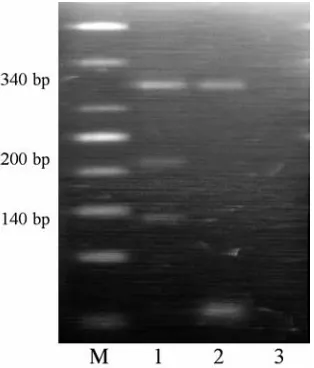
CYP1A1 genotypes at the m1 and m2 sites were analyzed by PCR−based restriction fragment length polymorphism (RFLP) methods as previ− ously described by Cascorbi et al. [5]. The primers for the m1 site were M1F (5’−CAG TGA AGA GGT GTA GCC GCT−3’) and M1R (5’−TAG GAG TCT TGT CTC ATG CCT−3’), which produce a 340−bp fragment. PCR was performed in a total volume of 25 µl containing 100 ng template DNA, 1 µM of each primer, 0.2 mM of each dNTP,
2.4 mM MgCl2, and 1.0 U Taq polymerase with
1 × reaction buffer (Fermentas, Canada). PCR amplification was carried out in a T−Personal (Biometra, Germany) thermocycler under the fol− lowing conditions: initial denaturation at 94°C for 5 min followed by 30 cycles of 1 minute at 94°C, 1 minute at 61°C and 1 minute at 72°C, with a final elongation step of 10 minutes at 72°C. The PCR products were digested overnight with 5 U of
MspI. The wild−type allele of the m1site has a sin− gle band representing the entire 340−bp fragment and the variant allele results in two fragments of 200 and 140 bp.
The primers for the m2site were 5’−TTC CAC CCG TTG CAG CAG GAT AGC C−3’ and 5’− CTG TCT CCC TCT GGT TAC AGG AAG−3’, which generate a 204−bp fragment. These frag− ments were amplified in the same reaction mixture as m1 under the following PCR condition: initial
Table 1.Clinical characteristics of the lung cancer patients and control group
Tabela 1.Kliniczna charakterystyka pacjentów chorych na raka płuca oraz osób z grupy kontrolnej
Lung cancer (n= 134) Controls (n= 239) (Rak płuca) (Grupa kontrolna) Age – mean ± SD (Wiek – średnia ± odch.st.) 62.49 ± 10.6 51.04 ± 13.2 Sex (Płeć)
female (kobieta) 28 (20.8%) 92 (38.5%)
male (mężczyzna) 106 (79.2%) 147 (61.5%)
Smoking status (Palenie)
never smoking (nigdy niepalący) 23 (17.1%) 117 (48.9%)
currently smoking (obecni palacze) 111 (82.9%) 122 (51.1%)
< 20 pack−years (<20 paczkolat) 7 (6.3%) 76 (62.3%)
≥20 pack−years (≥20 paczkolat) 104 (93.7%) 46 (37.7%)
Mean amount – pack−years 40.53 ± 19.39 10.12 ± 14.3
(Średnia liczba wypalanych papierosów – paczkolata) Histological type (Typ histologiczny raka płuca):
SCLC 26 (19.4%)
NSCLC include (zawiera): 108 (80.6%)
SCC 48 (35.8%)
GC 19 (14.2%)
AC 24 (17.9%)
Other (Inne) 17 (12.7%)
Observation period of surviving lung cancer patients – months 27.15 ± 21.1 (n = 20) (Czas obserwacji dla pacjentów żyjących – miesiące)
Overall survival of lung cancer patients who died – months 11.75 ± 9.65 (n = 114) (Całkowite przeżycie chorych zmarłych z powodu raka płuca – miesiące)
Overall survival of NSCLC patients who died (n= 93) – months: (Całkowite przeżycie chorych zmarłych z powodu NSCLC (n = 93) – miesiące:
patients with chemotherapy (n= 56) 12.76 ± 11.24
(pacjenci po chemioterapii)
patients with surgical treatment (n= 19) 11.58 ± 5.8 (pacjenci poddani operacji)
other (inne) (n= 18) 6.0 ± 5.24
AC – adenocarcinoma. GC – giant−cell carcinoma. SCC – squamous cell carcinoma.
AC – gruczolakorak.
denaturation at 94°C for 5 minutes followed by 35 cycles of 0.5 minute at 94°C, 0.5 minute at 63°C, and 0.5 minute at 72°C, with a final elonga− tion step of 10 minutes at 72°C. The PCR products were digested overnight with 2.5 U of BseMI. In case of mutation, the cleavage site was lost and a single band results, whereas the wild−type allele of m2site generates 149 and 55 bp fragments. The restricted products were analyzed by electrophore− sis in 2% agarose gel containing ethidium bro− mide.
Multiplex PCR
GSTT1and GSTM1genotyping to detect gene deletion was carried out by multiplex PCR using primers for GSTT1 (F: 5’−TTC CTT ACT GGT CCT CAC ATC−3’ and R: 5’−TCA CCG GAT CAT GGC CAG CA−3’), which produced 480−bp frag− ments, and primers for GSTM1(F: 5’−GAA CTC CCT GAA AAG CTA AAG−3’ and R: 5’−GTT GGG CTC AAA TAT ACG GTG−3’), which pro− duce 215−bp fragments. At the same time, amplifi− cation of the CYP1A1gene (F: 5’−GAA CTG CCA CTT CAG CTG TCT−3’ and R: 5’−CAG CTG CAT TTG GAA GTG CTC−3’) was used as an internal control and produced a 312−bp fragment. PCR was performed in 25 µl containing 100 ng template DNA, 10 µM of each primer, 0.2 mM of each dNTP, 2.5 mM MgCl2, and 1.25 U Taq poly−
merase with 1 ×reaction buffer (Fermentas, Cana− da). PCR amplification were carried out in ther− mocycler under the following conditions: initial denaturation at 94°C for 5 minutes followed by 35 cycles of 1 minute at 94°C, 1 minute at 62°C, and 1 minute at 72°C, with a final elongation step of 10 minutes at 72°C.
GSTT1*0 (homozygous null) was evidenced by the absence of the 480−bp fragment and
GSTM1*0 (homozygous null) by the absence of the 215−bp fragment. The presence of the 312−bp fragment was indicative of a successful PCR (internal control).
Statistical Analysis
The control and patient groups were in Hardy− Weinberg equilibrium with non−significant χ2val−
ues when comparing the observed and expected genotype frequencies of CYP1A1 polymorphisms. Differences in the frequencies of the alleles between patients and controls were tested by the Pearsonχ2test. Odds ratios (ORs) with 95% con−
fidence intervals (95%CI) were calculated by logistic regression analysis using a program which estimates haplotype frequencies (http://ihg.gsf.de). The Cox proportional hazards regression model
and the Kaplan−Meier method were used to com− pare the clinical course of the patients with lung cancer with regard to CYP1A1, GSTM1, and
GSTT1 gene polymorphisms. Differences with apvalue of < 0.05 were considered significant.
Results
The relevant characteristics of the study sub− jects are shown in Table 1. The age and gender dis− tributions were slightly different between cases and controls, the mean age being 51.04 and 62.49 years for the controls and cases, respectively. In terms of smoking history, more smokers were pre− sent in the lung cancer group than in the controls (χ2 = 41.48, p < 0.0001). The cancer cases had
a higher value of pack−years smoked than the con− trols; 93.7% of the lung cancer patients smoked
≥20 pack−years compared with 37.7% of the con− trols (χ2= 79.45, p< 0.0001).
Distributions of Genotypes
in the Lung Cancer
Patients and Controls
The distributions of the GSTM1, GSTT1, and
CYP1A1 polymorphic forms in the patients and controls are shown in Table 2. Multiplex PCR analyses for the GSTM1 and GSTT1 polymor− phisms with the CYP1A1gene as a positive inter− nal control are shown in Figure 1. The PCR−RFLP analysis for the CYP1A1 m1 and CYP1A1 m2
polymorphisms are presented in Figures 2 and 3, respectively. No significant differences in the dis− tributions of the examined alleles were found when stratified by gender.
The distributions of the genotypes of the two
GSTgenes did not differ significantly between the controls and lung cancer patients. However, the frequency of the GSTT1*0allele was slightly high− er (22.6% vs. 17.2%) and the GSTM1*0allele was slightly lower (42.7% vs. 48.55%) in the controls than in the lung cancer subjects (Tabs. 2 and 3).
Influence of Genetic
Polymorphism on Lung
Cancer Risk
and Survival
No elevated risk of lung cancer in the total group of patients with GSTT1*0 or GSTM1*0
genotype was observed. However, GC patients with the GSTM1*0genotype had an about three− fold elevated risk of lung cancer (OR = 2.910, 95%CI: 1.070–7.916, p< 0.03).
NSCLC patients (OR= 1.980, 95%CI: 0.957– –4.096, p= 0.062) and especially, AC patients (OR
= 2.456, 95%CI: 0.157–7.960, p = 0.1233) with the CYP1A1 w2/m2 genotype had insignificantly increased risk of lung cancer (Table 3). The risk of lung cancer was also insignificantly increased in squamous cell carcinoma patients with the
CYP1A1 w1/m1 genotype (OR = 1.989, 95%CI: 0.90–4.034, p = 0.054), particularly for heavy− smoking SCC patients (χ2 = 2.61, OR = 1.883,
95%CI: 0.868–4.087, p = 0.106). There were no
other differences in the distributions of the alleles when stratified by smoking status.
NSCLC patients with the genotype GSTM1*0
and CYP1A1 w2/m2had a threefold significantly elevated risk of lung cancer (OR= 2.946, 95%CI: 1.125–7.689, p < 0.05). Moreover, patients with NSCLC with the GSTT1*0 and CYP1A1 w2/m2
genotype had an about fivefold elevated risk of lung cancer (OR = 5.752, 95%CI: 1.098–30.135,
p < 0.05). The GSTM1*0/GSTT1*0/CYP1A1 w2/m2genotype was observed only in lung cancer patients (3.7%, n = 5). This genotype was more frequently present with the CYP1A1 w1/w1geno− type (n = 4) than with the CYP1A1 w1/m1(n = 1). In the Cox proportional hazards regression model, favorable prognostic factors in the lung cancer patients were tumor resection (HR = 0.27,
p = 0.0001) and chemotherapy (HR = 0.42, p = = 0.001). In contrast to the analyzed clinical para− meters, no significant correlation was found between the examined polymorphic forms of
GSTM1*0 (HR = 0.83), GSTT1*0 (HR = 0.83), and CYP1A1m1 (HR= 0.74) and prognosis for the
Table 2.Genotype distributions of the lung cancer patients and controls
Tabela 2. Rozkład poszczególnych genotypów w grupie chorych na raka płuca i w grupie kontrolnej
Controls Total SCLC NSCLC SCC GC AC Other
(Grupa lung n n n n n n
kontrolna) cancer % % % % % %
n (Rak
% płuca)
n(%)
GSTT1*1 185 (77.4) 111(82.8) 21 (80.8) 90 (83.4) 40 (83.3) 16 (84.2) 20 (83.3) 14 (82.4)
GSTT1*0 54 (22.6) 23 (17.2) 5 (19.2) 18 (16.6) 8 (16.7) 3 (15.8) 4 (16.7) 3 (17.6)
GSTM1*1 137 (57.3) 69 (51.5) 14 (53.9) 55 (51) 30 (62.5) 6 (31.6) 14 (58.3) 5 (29.4)
GSTM1*0 102 (42.7) 65 (48.5) 12 (46.1) 53 (49) 18 (37.5) 13 (68.4) 10 (41.7) 12 (70.6)
CYP1A1 w1/w1 198 (82.8) 110 (82) 24 (92.3) 86 (79.7) 34 (70.8) 15 (78.9) 23 (95.8) 14 (82.4)
CYP1A1 w1/m1 41 (17.2) 24 (18) 2 (7.7) 22 (20.3) 14 (29.2) 4 (21.1) 1 (4.2) 3 (17.6)
CYP1A1 w2/w2 221 (92.4) 117 (87.3) 24 (92.3) 93 (86.2) 42 (87.5) 16 (84.2) 20 (83.3) 15 (88.2)
CYP1A1 w2/m2 18 (7.6) 17 (12.7) 2 (7.7) 15 (13.8) 6 (12.5) 3 (15.8) 4 (16.7) 2 (11.8)
GSTT1*0+GSTM1*0 25 (10.5) 19 (14.2) 5 (19.2) 14 (12.9) 5 (10.4) 3 (15.8) 3 (12.5) 3 (17.6)
GSTT1*0+CYP1A1w1/m1 8 (3.3) 1 (0.7) 0 1 (0.9) 0 0 0 1 (5.8)
GSTT1*0+CYP1A1 w2/m2 2 (0.8) 6 (4.4) 1 (3.86) 5 (4.6) 2 (4.2) 0 2 (8.3) 1 (5.8)
GSTM1*0+CYP1A1 w1/m1 14 (5.8) 10 (7.5) 0 10 (9.2) 4 (8.3) 3 (15.8) 0 3 (17.6)
GSTM1*0+CYP1A1 w2/m2 8 (3.3) 11 (8.2) 1 (3.86) 10 (9.2) 2 (4.2) 3 (15.8) 3 (12.5) 2 (11.8)
CYP1A1 w1/w1+CYP1A1 3 (1.25) 7 (5.2) 1 (3.86) 6 (5.5) 2 (4.2) 0 3 (12.5) 1 (5.8)
w2/m2
CYP1A1 w1/m1+CYP1A1 26 (10.8) 14 (10.4) 1 (3.86) 13 (12) 10 (20.8) 1 (5.2) 2 (11.8)
w2/w2
CYP1A1 w1/m1+CYP1A1 15 (6.3) 10 (7.5) 1 (3.86) 9 (8.3) 4 (8.3) 3 (15.8) 1 (4.2) 1 (5.8)
w2/m2
GSTT1*0+GSTM1*0+ 1 (0.4) 1 (0.7) 0 1 (0.9) 0 0 0 1 (5.8)
CYP1A1 w1/m1
GSTT1*0+GSTM1*0+ 0 5 (3.7) 1 (3.86) 4 (3.7) 1 (2.1) 0 2 (8.3) 1 (5.8)
CYP1A1 w2/m2
GSTT1*0+GSTM1*0+ 0 1 (0.7) 0 1 (0.9) 0 0 0 1 (5.8)
CYP1A1w1/m1+CYP1A1w2/m2
GSTM1*0+CYP1A1 w1/m1+ 7 (2.9) 5 (3.7) 0 5 (4.6) 1 (2.1) 3 (15.8) 0 1 (5.8)
lung cancer patients. In this model (χ2 = 23.24, p< 0.001), the presence of the CYP1A1m2allele was a non−significant unfavorable prognostic fac− tor (HR = 1.67, p = 0.19). It was found that in NSCLC patients with surgical treatment, the pres− ence of the mutated form CYP1A1 w2/m2seemed to be connected with a lower survival rate of the patients (p= 0.163). Moreover, in the SCC patients a lower survival rate seemed to be connected with the CYP1A1 w1/m1 genotype (p = 0.123, Fig. 4) and a higher survival rate with the GSTT1*0geno− type (p= 0.173).
Gene–Gene Interaction
All possible combinations of genotype were examined. In the control group, interaction of
CYP1A1 w2/m2 and CYP1A1 w1/m1 gene poly− morphism was observed. Of the 18 control sub− jects with the CYP1A1 w2/m2 genotype, 3 also carried the CYP1A1 w1/w1 and 15 the CYP1A1 w1/m1genotype (χ2= 16, p= 0.0001). Moreover,
of the 41 subjects with the CYP1A1 w1/m1geno− type, 26 also carried the CYP1A1 w2/w2 and 15 the CYP1A1 w2/m2genotype. Gene−gene interac− tion of CYP1A1 w1/m1and CYP1A1 w2/m2 was not observed in the lung cancer group. Moreover, the lung cancer patients with both CYP1A1 w1/w1
and CYP1A1 w2/m2 genotype were at increased risk of lung cancer (χ2= 5.18, OR= 4.336, 95%CI:
1.102–17.057, p= 0.023). What is more, no inter− action between both CYP1A1 w1/m1and CYP1A1 w2/w2genotype and elevated risk of all lung can− cer was observed (χ2= 0.02, OR= 0.956, 95%CI:
0.481–1.9, p = 0.897), but this genotype had an about twofold elevated risk of SCC (χ2= 3.61, OR
= 2.156, 95%CI: 0.962–4.831, p= 0.057).
Discussion
The major classes of tobacco carcinogens are converted into DNA−reactive metabolites by oxi− dative, mainly CYP−related, enzymes. The CYP1A1
Table 3. Odds ratios for the risk of lung cancer associated with genotype
Tabela 3.Iloraz szans wystąpienia raka płuca w zależności od posiadanego genotypu
GSTT1*0 GSTM1*0 CYP1A1 w1/m1 CYP1A1 w2/m2
Lung cancer (Rak płuca)
χ2 1.55 1.18 0.03 2.68
OR 0.710 1.265 1.054 1.784
95%CI 0.413–1.220 0.827–1.935 0.605–1.835 0.886–3.591
p 0.214 0.277 0.854 0.101
NSCLC
χ2 1.59 1.23 0.52 3.49
OR 0.685 1.294 1.235 1.980
95%CI 0.380–1.236 0.820–2.042 0.694–2.199 0.957–4.096
p 0.207 0.267 0.472 0.062
SCLC
χ2 0.15 0.12 1.54 0
OR 0.816 1.151 0.402 1.023
95%CI 0.294–2.265 0.511–2.594 0.092–1.770 0.224–4.680
p 0.695 0.734 0.214 0.976
SCC
χ2 0.83 0.44 3.72 1.29
OR 0.685 0.806 1.989 1.754
95%CI 0.303–1.552 0.426–1.525 0.980–4.034 0.658–4.678
p 0.362 0.507 0.054 0.256
GC
χ2 0.47 4.72 0.19 1.61
OR 0.642 2.910 1.288 2.302
95%CI 0.180–2.287 1.070–7.916 0.407–4.080 0.613–8.647
p 0.491 0.03 0.667 0.205
AC
χ2 0.45 0.01 2.74 2.37
OR 0.685 0.959 0.210 2.456
95%CI 0.225–2.091 0.410–2.247 0.028–1.599 0.157–7.960
A→G transition (m2 mutation) causes an Ile→Val transition in the heme−binding enzyme region and is in complete linkage disequilibrium with the
CYP1A1 MspI (m1) mutation in the Caucasian population [8]. The presence of both polymorphic forms of CYP1A1has been associated experimen− tally with increased enzyme catalytic activity [8]. Smokers with the A→G mutation in exon 7 were found to have more PAH DNA adducts in their
leukocytes than smokers without this variant [18, 19]. Moreover, the concentrations of benzo[a]py− rene diolepoxide (BPDE) and PAH DNA adducts in lung parenchymal tissue of smokers positively correlated with CYP1A1enzyme activity [20]. The fact that CYP1A1 expression can vary by 50−fold in human lung tissue explains the large inter−indi− vidual differences in CYP1A1−mediated ben− zo[a]pyrene metabolism and in BPDE DNA adduct level. Previous studies concerning the con− nection of tobacco smoking and cancer showed that the high levels of CYP1A1 enzyme inducibil− ity were associated with increased risk of lung, oral, pharyngeal, esophageal, and even breast can− cer in postmenopausal women [1, 3, 6, 8].
Glutathione S−transferase M1 enzyme is involved in the detoxification of tobacco−related carcinogens, such as epoxides and hydroxylated Fig. 1. Representative examples of multiplex PCR
assays for GSTM1(215 bp) and GSTT1(480 bp) poly− morphism with CYP1A1(312 bp) as the positive con− trol. Lanes: M – DNA marker ladder; 1 –
GSTM1*1/GSTT1*1; 2,3,5,7 – GSTM1*0/GSTT1*1; 4 – water; 6 – GSTM1*0/GSTT1*0
Ryc. 1. Przykładowy obraz multiplex PCR dla polimorfizmu badanych genów GSTM1(215pz),
GSTT1(480pz) i genu kontrolnego CYP1A1(312pz). Linie: M – marker DNA; 1 − GSTM1*1/GSTT1*1; 2,3,5,7 – GSTM1*0/GSTT1*1; 4 – woda; 6 – GSTM1*0/GSTT1*0
Fig. 2. Representative examples of CYP1A1 m1poly− morphism analysis. Lanes: M – DNA marker ladder; 1 – CYP1A1 w1/m1; 2 – CYP1A1 w1/w1; 3 – water Ryc. 2. Przykładowy obraz analizy polimorfizmu genu
CYP1A1m1. Linie: M – marker DNA; 1 – CYP1A1 w1/m1; 2 – CYP1A1 w1/w1; 3 – woda
Fig. 3. Representative examples of CYP1A1 m2poly− morphism analysis. Lanes: M – DNA marker ladder; 1, 2, 3 – CYP1A1 w2/m2; 4 – water
Ryc. 3.Przykładowy obraz analizy polimorfizmu
CYP1A1 m2. Linie: M – marker DNA; 1, 2, 3 – CYP1A1 w2/m2; 4 – woda
Fig. 4. Kaplan−Meier survival curves for CYP1A1 m1
polymorphism in SCC patients
Ryc. 4. Prawdopodobieństwo przeżycia pacjentów chorych na raka płaskonabłonkowego płuc z obecną formą polimorficzną CYP1A1 m1oszacowane metodą Kaplana−Meiera
commutative proportions surviving Kaplan-Meier o uncensored + censored
survival time – months
cummulative proportions
metabolites of benzo[a]pyrene [6, 21, 22]. Vaury et al. reported that a high inducibility of CYP1A1
gene transcription by 2,3,7,8–tetrachlorodibenzo− p−dioxin was associated with the GSTM1*0 geno− type, whereas the presence of at least one of
GSTM1 allele correlated with a lower level of CYP1A1 mRNA [15]. These data indicate a corre− lation between the CYP1A1 phenotype and the homozygous GSTM1*0 genotype, mainly in chemically induced cancers. Moreover, the
CYP1A1 m2/m2and GSTM1*0genotypes resulted in a high PAH DNA adduct level in healthy Caucasians. The function of GSTT1 enzyme is distinct from the other GST enzymes in its slow metabolizing rate of 1−chloro−2,4−dinitrobenzene and in its biotransformation of several low−molec− ular−weight toxins, such as ethylene oxides and butadiene [23]. GSTT1 enzyme is indicated as a risk factor of as well as a factor protecting against cancer because of its dual role in both detoxification and/or activation of carcinogens [11, 23]. Additionally, GSTT1 enzyme also metab− olizes protective dietary antioxidants [23–25]. Therefore the balance between the activities of CYP1A1, GSTT1, and GSTM1 enzymes may have an impact on the level of carcinogens and cancer risk. Most studies have shown that loss of
GSTM1 gene expression is associated with an increased risk of lung, bladder, and breast cancer [3, 26, 27]. A connection between the GSTT1*0
genotype and increased risk of brain and colorec− tal cancer was also reported [3].
Ethnic differences in the frequencies of the
CYP1A1 m1 and m2 alleles have been observed [3, 12]. Both alleles are rather rare in Caucasians compared with the Japanese. Bartsh et al. summa− rized studies on the effect of CYP polymorphism in humans, alone or in combination with phase II enzymes such as glutathione transferases, on the risk of some major tobacco−related cancers [3]. Their analysis included case−control studies pub− lished from 1990 to 1999 conducted in patients with cancers of the upper aerodigestive tract, uri− nary tract and breast. The studies performed in a Japanese population indicated an increased risk of lung cancer in association with both the m1and
m2mutation and with combined CYP1A1variants (either m2 or m1) and the GSTM1*0 genotype. The CYP1A1 m1/m1 genotypes have been asso− ciated with the development of squamous cell carcinoma in heavy smokers [3]. However, in Japanese populations, about 10% of healthy sub− jects carry the homozygous CYP1A1 m1/m1
genotype and about 3.5–5% carry the homozy− gous CYP1A1 m2/m2genotype. The percentages of Japanese lung cancer patients with the homozygous genotypes are about 2−times higher
than in controls (20–23% and 10–12%, respec− tively) [3, 6].
These findings were not confirmed in early studies conducted in Caucasian populations, par− ticularly in Norway, Finland, Sweden, German, Belgium, the United States, and France, perhaps because of the much lower prevalence of the m1
allele in Caucasians [3, 8, 9]. Only about 10% of the Caucasian population has a highly inducible form of the CYP1A1 enzyme (the presence of one of the CYP1A1 m1and/or m2alleles). In contrast to the Japanese population, in Caucasians there are less than 1% of subjects with the CYP1A1 m1/m1
or m2/m2 genotypes. However, approximately 50% of the Caucasian populations carry the
GSTM1*0genotype and about 8–20% of this pop− ulation have both copies of the GSTT1gene delet− ed [3, 6, 21].
The results presented in our report are in keep− ing with those obtained by Alexandrie et al. [28], who found no significant differences between con− trols and lung cancer cases with regard to the dis− tribution of the CYP1A1, GSTM1, and GSTT1
genotypes in a Swedish population (524 lung can− cer patients and 530 control subjects). Stratifi− cation by histological subtype of lung cancer indi− cated that an elevated OR for SCC−bearing patients was associated with the presence of the
CYP1A1 m1 allele in ever−smokers [28]. A non− significant protective role of the GSTT1*0 geno− type, mainly pronounced for SCLC and AC, was also observed. An increased risk in ever−smokers with the CYP1A1 m1 allele was only present in subjects carrying the GSTM1*0 genotype [28]. However, the protective effect of the GSTT1*0
genotype was not found in combination with the
CYP1A1 m1allele. More importantly, the authors observed that in the group of light−smoking cancer patients, the distribution of the CYP1A1, GSTM1, and GSTT1 genotypes was rather different from that in control light smokers [28]. The frequencies of the CYP1A1 m1allele as well as the GSTM1*0
and GSTT1*0 genotypes were clearly higher in lung cancer cases than in controls. In contrast to the observation in light smokers, the genotype associated with an increased risk of lung cancer was underrepresented in the cases of lung cancer classified as heavy smokers [28].
The role of GSTT1polymorphisms in suscep− tibility to lung cancer is still controversial. Rish et al. showed no significantly increased risk of lung cancer overall due to any single GSTgeno− type in a German population [30]. The risk alleles of GSTM1, GSTM3, and GSTP1 conferring reduced enzyme activity were present at higher frequencies in SCC than in AC patients. However, significantly increased ORs for lung cancer for the combination of GSTT1 non−null and GSTP1 G/G or A/G genotypes were identified [30]. The authors suggested that the function of GSTT1 enzyme in eliminating cancer−chemopreventive agents would explain the observed lower risk of lung cancer with the GSTT1*0genotype [30]. On the other hand, Sorensen et al. and Salagovic et al. suggested that individuals from Denmark and Slovakia who have both the GSTM1*0 and
GSTT1*0genotypes were at increased risk of lung cancer because they lack both enzyme activities [27, 31]. Addi−tionally, Sorensen et al. noted an about 9.6−fold elevated risk of lung cancer in younger subjects (50–55 years of age) with the
GSTT1*0 genotypes [31]. The results of the pre− sent study could explain this dual role of GSTT1 polymorphism reported in the above publications. The present authors hypothesized that GSTT1*0
seems to be a genotype which protects against lung cancer if it appears without the CYP1A1 m2
allele and GSTM1*0 genotype. However, the
GSTT1*0 genotype is suggested to be a risk factor for lung cancer in subjects with the CYP1A1 m2
allele and GSTM1*0genotype.
During recent decades, trends in cigarette smoking in the European population have changed radically. Higher percentages of ex−smokers and smoking woman are observed and the quality of cigarettes has improved [4, 24]. Cigarettes are engineered to have a lower amount of cancer−caus− ing compounds and cigarettes with filter tips appeared. Due to these changes, adenocarcinoma is observed more frequently than SSC among the new histopathologically diagnosed lung cancer cases [4, 24]. This situation is probably responsi− ble for the increased risk of lung cancer in
CYP1A1 m2 allele carriers. Simultaneously, it seems that CYP1A1 m1 allele carriers had no ele− vated risk of lung cancer, except for some cases of squamous cell lung cancer. For the same reason, the CYP1A1 w2/m2 and CYP1 w1/w1 genotype may be a risk factor for lung cancer in Caucasians. In the present study it was found for the first time that there was no gene−gene interaction for
CYP1A1 polymorphisms in a lung cancer group from Eastern Poland. At the same time, CYP1A1 m1and m2polymorphisms were closely linked in the control group.
The present authors’ supposition seems to be confirmed by a meta−analysis by Hung et al., who pooled raw data from a total of 302 nonsmoking cases and 1631 nonsmoking controls [32]. The odds ratio of lung cancer for the CYP1A1 w2/m2
and m2/m2 genotypes was 2.99 (95%CI: 1.51– –5.91). This effect was markedly stronger in lung adenocarcinoma (OR = 4.85, 95%CI: 2.03–11.6). The authors did not observe a significant effect of
CYP1A1 m1 polymorphism or GSTM1*0 geno− type on the risk of lung cancer [32]. Furthermore, their analyses suggested a combined effect of the
CYP1A1 m2 polymorphism and GSTM1*0geno− type [32].
According to the results obtained by Alexandrie et al. and Hung et al. as well as in view of epidemiological changes, the data on the fre− quencies of the CYP1A1, GSTM1, and GSTT1
genotypes in the Caucasian population from the last three years are remarkable. Cote et al. exam− ined CYP1A1 genotyping in 272 lung cancer patients and 323 control subjects from the United States Caucasian population [4]. There were no statistically significant differences in frequency of the CYP1A1 m1allele and CYP1A1 w2/m2geno− type between the cases and the controls. However, individuals who carried the CYP1A1 w2/m2geno− type were at decreased risk of lung cancer com− pared with those with the CYP1A1 w2/w2geno− type [4]. In a study by Vineis et al. in an Italian population (611 cases and 870 controls), the risk of lung cancer was increased with the combination of CYP1A1 m1and m4alleles and the double dele− tion of both GSTM1 and GSTT1 [33]. These results are in keeping with those of the present study. Moreover, Vineis et al. found that the men− tioned gene combination was associated with ORs of 16.19 among never−smokers [33]. These obser− vations were partially confirmed by a meta−analy− sis by Raimondi et al. which included raw data from 21 case−control studies for a total of 2764 nonsmoking Caucasians [34]. A significant associ− ation between the risk of lung cancer and the
CYP1A1 m2 allele was observed. The GSTT1*0
genotype seems to be a risk factor for lung cancer only in nonsmokers. A protective effect on lung cancer was observed with the combination of
CYP1A1 wild−type, GSTM1*0, and GSTT1 non− nullgenotypes [34].
References
[1] Houlston RS: CYP1A1 polymorphisms and lung cancer risk: a meta−analysis. Pharmacogenetics 2000, 10, 105–114.
[2] Oyama T, Sugio K, Uramoto H, Kawamoto T, Kagawa N, Nadaf S, Carbone D, Yasumoto K: Cytochrome P450 expression (CYP) in non−small cell lung cancer. Front Biosci 2007, 12, 2299–2308.
[3] Bartsch H, Nair U, Risch A, Rojas M, Wikman H, Alexandrov K:Genetic polymorphism of CYP genes, alone or in combination, as a risk modifier of tobacco−related cancers. Cancer Epidemiol Biomarkers Prev 2000, 9, 3–28. [4] Cote ML, Wenzlaff AS, Bock CH, Land SJ, Santer SK, Schwartz DR, Schwartz AG: Combination of cytochrome P−450 genotypes and risk of early−onset lung cancer in Caucasians and African Americans: A popu− lations−based study. Lung Cancer 2007, 55, 255–262.
[5] Cascorbi I, Brockmoller J, Roots I: A C4887A polymorphism in exon 7 of human CYP1A1: population fre− quency, mutation linkages’, and impact on lung cancer susceptibility. Cancer Res 1996, 56, 4965–4969.
[6] Garte S, Gaspari L, Alexandrie AK:Metabolic gene polymorphism frequencies in control populations. Cancer Epidemiol Biomarkers Prev 2001, 10, 1239–1248.
[7] Song N, Tan W, Xing D, Lin D: CYP 1A1 polymorphism and risk of lung cancer in relation to tobacco smoking: a case−control study in China. Carcinogenesis 2001, 22, 11–16.
[8] Hirvonen A, Husgafvel−Pursiainen K, Karjalainen A, Anttila S, Vainio H:Point−mutational MspI and Ile−Val polymorphisms closely linked in the CYP1A1 gene: lack of association with susceptibility to lung cancer in a Finnish study population. Cancer Epidemiol Biomarkers Prev 1992, 1, 485–489.
[9] Hirvonen A, Husgafvel−Pursiainen K, Anttila S, Vainio H:The GSTM1 null genotype as a potential risk mod− ifier for squamous cell carcinoma of the lung. Carcinogenesis 1993, 14, 1479–1481.
[10] Katoh T, Yamano Y, Tsuji M, Watanabe M:Genetic polymorphisms of human cytosol glutathione S−trans− ferases and prostate cancer. Pharmacogenomics 2008, 9, 93–104.
[11] Malats N, Camus−Radon AM, Nyberg F, Ahrens W, Constantinescu V, Mukeria A, Benhamou S, Batura− −Gabryel H, Bruske−Hohlfeld I, Simonato L, Menezes A, Lea S, Lang M, Boffetta P: Lung cancer risk in non −smokers and GSTM1 and GSTT1 genetic polymorphism. Cancer Epidemiol Biomarkers Prev 2000, 9, 827–833. [12] Sreeja L, Syamala V, Hariharan S, Madhavan J, Devan SC, Ankathil R: Possible risk modification by CYP1A1, GSTM1 and GSTT1 gene polymorphisms in lung cancer susceptibility in a South Indian population. J Hum Genet 2005, 50, 618–627.
[13] Sreeja L, Syamala V, Hariharan S, Syamala VS, Raveendran PB, Sivanandan CD, Madhavan J, Ankathil R: Glutathione S−transferase M1, T1 and P1 polymorphisms: susceptibility and outcome in lung cancer patients. J Exp Ther Oncol 2008, 7, 73–85.
[14] Stücker I, Hirvonen A, de Waziers I, Cabelguenne A, Mitrunen K, Cénée S, Koum−Besson E, Hémon D, Beaune P, Loriot MA: Genetic polymorphisms of glutathione S−transferases as modulators of lung cancer sus− ceptibility. Carcinogenesis 2002, 22, 1475–1481.
[15] Vaury C, Laine R, Noguiez P, de Coppet P, Jaulin C, Praz F, Pompon D, Amor−Guéret M:Human glutathione S−transferase M1 null genotype is associated with a high inducibility of cytochrome P450 1A1 gene transcription. Cancer Res 1995, 55, 5520–5523.
[16] Wang J, Deng Y, Li L, Kuriki K, Ding J, Pan X, Zhuge X, Jiang J, Luo C, Lin P, Tokudome S:Association of GSTM1, CYP1A1 and CYP2E1 genetic polymorphisms with susceptibility to lung adenocarcinoma: a case− control study in Chinese population. Cancer Sci 2003, 94, 448–452.
[17] Wenzlaff AS, Cote ML, Bock CH, Land SJ, Schwartz AG:GSTM1, GSTT1 and GSTP1 polymorphisms, envi− ronmental tobacco smoke exposure and risk of lung cancer among never smokers: a population−based study. Carcinogenesis 2005, 26, 395–401.
[18] Mooney LV, Bell DA, Santella RM, Van Bennekum AM, Ottman R, Paik M, Blaner WS, Lucier GW, Covey L, Young TL, Cooper TB, Glassman AH, Perera FP:: Contribution of genetic and nutritional factors to DNA dam− age in heavy smokers. Carcinogenesis 1997, 18, 503–509.
[19] Alexandrov K, Cascorbi I, Rojas M, Bouvier G, Kriek E, Bartsch A:CYP1A1 and GSTM1 genotypes affect benzo[a]pyrene DNA adducts in smokers’ lung: comparison with aromatic/hydrophobic adduct formation. Carcinogenesis 2002, 23, 1969–1977.
[20] Butkiewicz D, Cole KJ, Phillips DH, Harris CC, Chorazy M: GSTM1, GSTP1, CYP1A1 and CYP2D6 poly− morphisms in lung cancer patients from an environmentally polluted region of Poland: correlation with lung DNA adduct levels. Eur J Cancer Prev 1999, 8, 315–323.
[21] Garte S, Taioli E, Popov T, Kalina I, Sram R, Farmer P: Role of GSTT1 deletion in DNA oxidative damage by exposure to polycyclic aromatic hydrocarbons in humans. Int J Cancer 2007, 120, 2499–2503.
[22] Benhamou S, Lee WJ, Alexandrie AK:Meta− and pooled analyses of the effects of glutathione S−transferase M1 polymorphisms and smoking on lung cancer risk. Carcinogenesis 2002, 23, 1343–1350.
CYP1A1 m2 and m1 variant alleles could be important in identifying the group of persons high− ly susceptible to lung cancer. The collective analy−
[23] Landi S:Mammalian class θGST and differential susceptibility to carcinogens; a review. Mutat Res Rev 2000, 463, 247–248.
[24] Taioli E, Gaspari L, Benhamou S: Polymorphisms in CYP1A1, GSTM1, GSTT1 and lung cancer below the age of 45 years. Int J Epidemiol 2003, 32, 60–63.
[25] Schneider J, Bernges U, Philipp M, Woitowitz HJ:GSTM1, GSTT1, and GSTP1 polymorphism and lung can− cer risk in relation to tobacco smoking. Cancer Lett 2004, 208, 65–74.
[26] Seremak−Mrozikiewicz A, Drews K, Semczuk A, Jakowicki JA, Mrozikiewicz PM:CYP1A1 alleles in female genital cancers in the Polish population. Eur J Obstet Gynecol Reprod Biol 2005, 118, 246–250.
[27] Salagovic J, Kalina I, Stubna J, Habalová V, Hrivnák M, Valanský L, Kohút A, Biros E: Genetic polymor− phism of glutathione S−transferases M1 and T1 as a risk factor in lung and bladder cancers. Neoplasma 1998, 45, 312–317.
[28] Alexandrie AK, Nyberg F, Warholm M, Rannug A: Influence of CYP1A1, GSTM1 GSTT1 and NQO1 geno− types and cumulative smoking dose on lung cancer risk in a Swedish population. Cancer Epidemiol Biomarkers Prev 2004, 13, 908–914.
[29] Dresler CM, Fratelli C, Babb J, Everley L, Evans AA, Clapper ML:Gender differences in genetic suscepti− bility for lung cancer. Lung Cancer 2000, 30, 153–160.
[30] Risch A, Wikman H, Thiel S, Schmezer P, Edler L, Drings P, Dienemann H, Kayser K, Schulz V, Spiegelhalder B, Bartsch H: Glutathione−S−transferase M1, M3, T1 and P1 polymorphisms and susceptibility to non−small−cell lung cancer subtypes and hamartomas. Pharmacogenetics 2001, 11, 757–764.
[31] Sørensen M, Autrup H, Tjønneland A, Overvad K, Raaschou-Nielsen O: Glutathione S-transferase T1 null-genotype is associated with an increased risk of lung cancer. Int J Cancer 2004, 110, 219–224.
[32] Hung RJ, Boffetta P, Brockmöller J:CYP1A1 and GSTM1 genetic polymorphisms and lung cancer risk in Caucasian non−smokers: a pooled analysis. Carcinogenesis 2003, 24, 875–882.
[33] Vineis P, Anttila S, Benhamou S, Spinola M, Hirvonen A, Kiyohara C, Garte SJ, Puntoni R, Rannug A, Strange RC, Taioli E: Evidence of gene gene interactions in lung carcinogenesis in a large pooled analysis. Carcinogenesis 2007, 28, 1902–1905.
[34] Raimondi S, Boffetta, P, Anttila S:Metabolic gene polymorphisms and lung cancer risk in non−smokers. An update of the GSEC study. Mutat Res 2005, 592, 45–57.
Address for correspondence:
Kamila Wojas−Krawczyk
Department of Pulmonology, Oncology, and Allergology Medical University of Lublin
Jaczewskiego 8 20−954 Lublin Poland
Tel.: +48 81 724 44 31; +48 81 724 42 93 E−mail: [email protected]
Conflict of interest: None declared