ABSTRACT
MENG, TING. Effect of Storage on Bacteriological and Immunological Qualities in Fresh, Pasteurized and Leftover Human Milk. (Under the direction of Dr. April D. Fogleman and Dr. Jonathan C. Allen).
Human milk is an optimal feeding source for infants. However, it is difficult for mothers to implement breastfeeding with working demand, where a reported 85% of breastfeeding mothers in the U.S. have ever expressed milk for continuous human milk feeding. In neonatal intensive care unit, when mother’s own milk is not available for hospitalized infants, pasteurized donor milk is recommended as a feeding alternative. Both situations require milk storage. Most guidelines on fresh human milk storage are based on milk bacteriological quality, while the immunological quality was neglected. Although the immunological status of human milk was proven stable during storage, very few studies reached the length that the guidelines recommended. Furthermore, the qualities of stored pasteurized milk or leftover milk were not researched.
Mother-baby dyads were recruited. Each baby was fed 1-2 ounces of mother’s fresh
and pasteurized milk from a bottle and the remaining milk was collected as the leftover milk.
Each mother’s fresh milk (FM, unpasteurized frozen milk), leftover milk (LM, leftover of
unpasteurized frozen milk), pasteurized milk (PM, pasteurized frozen milk) and pasteurized
leftover milk (PLM, leftover of pasteurized frozen milk) were divided and stored at both
room temperature (24°C) and refrigerated temperature (4°C). At each designed time point,
bacteriological qualities (aerobic bacteria, coliform/Escherichiacoli and Staphylococcus
Firstly, bacteriological property measurements found that, at room temperature storage, FM and LM had a significant increase in bacteria after 9 hours (P<.01) and 6 hours
(aerobic bacteria, P<.05; coliform, P<.001), respectively. For refrigerated storage, bacteria
growth in FM and LM was minimal throughout 7 days. PLM had a significant increase
(P<.01) in aerobic bacteria after 9-hour room temperature storage, while a significant
decrease (P<.001) was found during 7-day refrigerated storage. No positive coliform was
found in PLM.
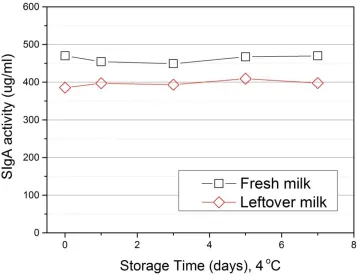
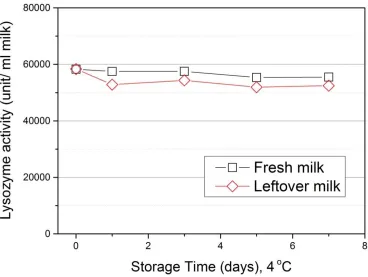
Secondly, the immunological quality of FM and LM during storage was investigated.
Lysozyme activity and SIgA activity remained stable for both FM and LM under all storage
conditions examined. No significant change in protein content was observed for both FM and
LM during room temperature storage. A significant increase (P< .05) in FM protein content
was found after 5 days refrigerated storage. This increase may be caused by the presence of
di or tripeptides that could produce a greater amount of color in the BCA assay. LM, on the
other hand, had a slower protein increase than fresh milk but was not significant in
refrigerated storage. In addition, LM had a significant decrease in SIgA activity (P<.05)
compared to FM.
Thirdly, we determined the immunological quality of PM and PLM during storage.
No significant change was found in protein content, lysozyme activity or SIgA activity for
either PM or PLM under all the storage conditions examined. No significant difference was
also shown in the examined components after baby’s partial consumption.
Last, the effect of Holder pasteurization on immune active components in human
(P<.001) by Holder pasteurization in all samples whereas a significant increase (P<.05) in
SIgA activity was found.
These findings suggested that guidelines for mothers’ storage of their milk can be
extended for longer periods of time and still maintain the nutritional elements in the milk
critical to the healthy growth of babies. Furthermore, the leftover human milk can be stored
Effect of Storage on Bacteriological and Immunological Qualities in Fresh, Pasteurized and Leftover Human Milk
by Ting Meng
A thesis submitted to the Graduate Faculty of North Carolina State University
in partial fulfillment of the requirements for the degree of
Master of Science
Nutrition Food Science
Raleigh, North Carolina 2014
APPROVED BY:
_______________________________ ______________________________ April D. Fogleman, PhD Jonathan C. Allen, PhD
DEDICATION
I dedicate this thesis and degree to my beloved parents who have always given me unconditional support on my dreams. Their affirmation and encouragements make me who I am. I love them more than anything else in the world. I also dedicate the thesis to my
BIOGRAPHY
Ting Meng was born in 1988, a year of dragon in Hebei Province, China. Her father is from a family of scholar in Northern part of China, and her mother is from the Southern. The cultures divergence in North and South offered her a special family environment where she can think independently and be open to new matters, which lays foundations to her future learning.
Though she was talented in music in her young age, she decided to transfer the focus to science learning. Luckily, she was outstanding in school work and was accepted by Zhejiang University, a top 3 university in China. There she met her most important half Runlai Luo, and with his encouragements, Ting decided to explore the world outside and pursue a degree she was always interested in abroad.
ACKNOWLEDGMENTS
I would like to give my special thanks to my dear advisor, Dr. April D. Fogleman, for offering such a valuable opportunity so that I can learn more about human milk. Her support and help was absolutely important: it not only makes me enjoy my time in the lab but also provides me valuable opportunities for internship and conferences. She is an awesome advisor and I know she will have more excellent students in the future.
I want to thank Dr. Jonathan C. Allen, not only as a committee co-chair, but also the director of graduate program. He was the first professor I knew in the department. I cannot count how much help he has given me. He was so generous to provide me helps during my research and other course work.
I am also thankful to Dr. Sophia Kathariou, for serving on my committee. Dr. Kathariou was always very helpful in my learning on Microbiology as well as on my research. She gave me valuable advice and helped me figure out problems. Her smiling encouragements and knowledge are always appreciated.
Special thanks to Ruth Watkins for all her time in the lab answering my questions and helping me solve problems. I am also grateful to Jason Osborne, Mara Massel, Judy Cooper, Sihang Chen for their support and help during my research.
TABLE OF CONTENTS
LIST OF TABLES ... ix
LIST OF FIGURES ... x
CHAPTER 1: Literature Review... 1
1.1 Benefits of Human Milk ... 1
1.2 Factors that Impact Breastfeeding ... 3
1.3 Human Milk Expression ... 5
1.4 Human Milk Banking ... 6
1.4.1. History of Human Milk Banks ... 7
1.4.2. How Human Milk Banks Operate ... 8
1.4.3. Benefits of Human Donor Milk ... 9
1.5 Storage of Human Milk ... 9
1.5.1. Protein during Storage ... 10
1.5.2. Lipids during Storage ... 11
1.5.3. Carbohydrates during Storage ... 12
1.5.4. Vitamins during Storage ... 12
1.5.5. Bacteria Activity during Storage... 13
1.6 Human Milk Storage Guidelines ... 14
1.7 Future Work ... 15
1.7.1. For Policy Makers ... 15
1.7.2. For Researchers ... 17
CHAPTER 2: Impact of Infant Consumption on the Bacteriological Property of Human
Milk during Storage ... 31
2.1 Introduction ... 32
2.1.1. Bacteria Indicator Selection ... 35
2.2 Methods ... 36
2.2.1. Study Design ... 36
2.2.2. Statistical Analysis ... 39
2.3 Results ... 40
2.3.1. Bacteriological Status –Home Setting ... 40
2.3.2. Bacteriological Status –Donor Milk Setting ... 40
2.3.3. Coliform Count of Leftover Milk ... 42
2.4 Discussion ... 43
2.5 Future work ... 45
2.6 References ... 46
CHAPTER 3: Bioactive Factors in Fresh, Stored, and Leftover Human Milk ... 57
3.1 Introduction ... 58
3.2 Methods ... 60
3.2.1. Study Design ... 60
3.2.2. Statistical Methods ... 62
3.3 Results ... 63
3.3.1. Room Temperature Storage ... 63
3.3.2. Refrigerated Storage ... 64
3.4 Discussion ... 66
3.5 Conclusion ... 68
CHAPTER 4: Bioactive Factors in Fresh, Stored, and Leftover Pasteurized Human
Milk ... 80
4.1. Introduction ... 81
4.1.1. How Human Milk Banks Operate ... 81
4.1.2. Benefits of Human Donor Milk ... 82
4.2. Methods ... 83
4.2.1. Study Design ... 83
4.2.2. Statistical Methods ... 85
4.3. Results ... 86
4.3.1. Total Protein Content ... 86
4.3.2. Lysozyme Activity ... 87
4.3.3. Secretory IgA Activity ... 87
4.4. Discussion ... 88
4.5. Conclusion ... 89
4.6. References ... 90
CHAPTER 5: Impact of Holder Pasteurization on Immunological Activity of Human Milk ... 104
5.1. Introduction ... 105
5.1.1. Holder Pasteurization Procedure15,17,18 ... 106
5.2. Methods ... 108
5.2.1. Study Design ... 108
5.2.2. Statistical Methods ... 110
5.3. Results ... 110
5.3.1. Total protein content ... 110
5.3.2. Lysozyme activity ... 111
5.3.3. SIgA activity ... 112
5.4. Conclusions ... 112
APPENDICES ... 124
Appendix 1. Bacterial Analysis ... 125
Appendix 2. Total Protein Measurement ... 126
Appendix 3. Lysozyme Activity Measurement ... 128
Appendix 4. Secretory IgA Activity Measurement ... 130
Escherichia coli Somatic Antigens Preparation ... 130
Solution Preparation ... 131
Assay Procedure ... 133
Appendix 1-4 References ... 135
Appendix 5. Informed Consent Form ... 136
LIST OF TABLES
Table 1 Human milk storage recommendations (CDC & ABM, 2010) ... 50
Table 2 Fresh milk protein content, lysozyme and SIgA activity during room temperature storage ... 72
Table 3 Leftover milk protein content, lysozyme and SIgA activity during room temperature storage ... 72
Table 4 Fresh milk total protein, lysozyme and SIgA activity during refrigerated storage .... 73
Table 5 Leftover milk total protein, lysozyme and SIgA activity during refrigerated storage 73 Table 6 Pasteurized milk protein content, lysozyme and SIgA activity during room temperature storage ... 94
Table 7 Pasteurized leftover milk protein content, lysozyme and SIgA activity during room temperature storage ... 94
Table 8 Pasteurized milk protein content, lysozyme and SIgA activity during refrigerated storage ... 95
Table 9 Pasteurized leftover milk protein content, lysozyme and SIgA activity during refrigerated storage ... 95
Table 10 Differences in protein content between pasteurized and pasteurized leftover milk during room temperature storage ... 96
Table 11 Differences in protein content between pasteurized and pasteurized leftover milk during refrigerated storage ... 96
Table 12 Differences in lysozyme activity between pasteurized and pasteurized leftover milk during room temperature storage ... 96
Table 13 Differences in lysozyme activity between pasteurized and pasteurized leftover milk during refrigerated storgae ... 96
Table 14 Differences in secretary IgA activity between pasteurized and pasteurized leftover milk during room temperature storage ... 97
Table 15 Differences in secretary IgA activity between pasteurized and pasteurized leftover milk during refrigerated storage ... 97
Table 16 Bovine serum albumin protein standards set for BCA kit ... 126
Table 17 E. coli serotypes used for E. coli somatic antigen preparation ... 130
LIST OF FIGURES
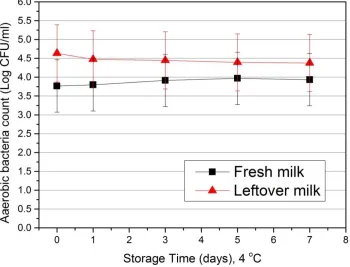
Figure 1. Aerobicbacteria growth at room temperature storage, home settings ... 51
Figure 2. Aerobic bacteria growth in refrigerated storage, home settings ... 52
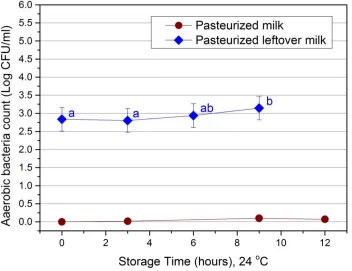
Figure 3. Aerobic bacteria growth at room temperature storage, donor milk settings ... 53
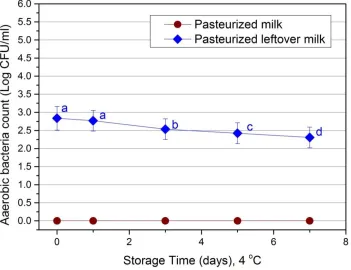
Figure 4. Aerobic bacteria growth in refrigerated storage, donor milk settings ... 54
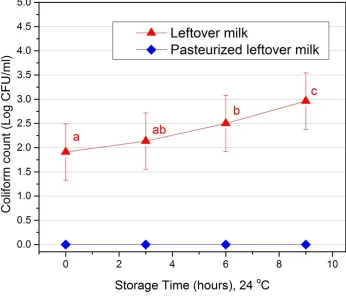
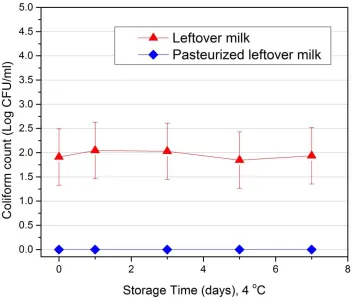
Figure 5. Leftover milk coliform growth at room temperature storage ... 55
Figure 6. Leftover milk coliform growth in refrigerator ... 56
Figure 7. Lysozyme activity of fresh and leftover milk at room temperature storage ... 74
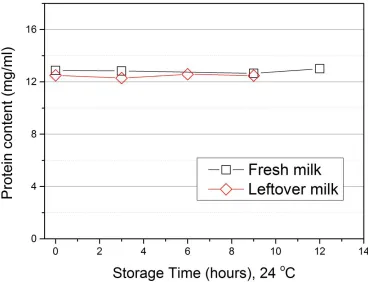
Figure 8. Protein content of fresh and leftover milk at room temperature storage ... 75
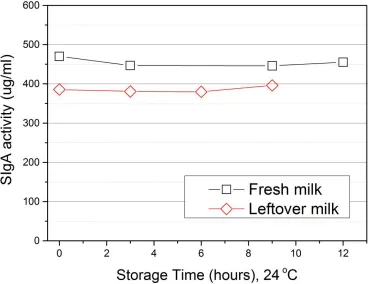
Figure 9. Secretory IgA activity of fresh and leftover milk at room temperature storage ... 76
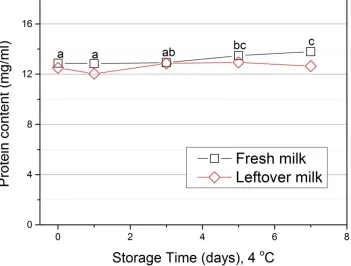
Figure 10. Protein content of fresh and leftover milk at refrigerated storage ... 77
Figure 11. Secretory IgA activity of fresh and leftover milk at refrigerated storage ... 78
Figure 12. Lysozyme activity of fresh and leftover milk at refrigerated storage... 79
Figure 13. Protein content of pasteurized and pasteurized leftover milk at room temperature storage ... 98
Figure 14. Protein content of pasteurized and pasteurized leftover milk at refrigerated storage ... 99
Figure 15. Lysozyme activity of pasteurized and pasteurized leftover milk at room temperature storage ... 100
Figure 16. Lysozyme activity of pasteurized and pasteurized leftover milk at refrigerated storage ... 101
Figure 17. Secretory IgA activity of pasteurized and pasteurized leftover milk at room temperature storage. ... 102
Figure 18. Secretory IgA activity of pasteurized and pasteurized leftover milk at refrigerated storage ... 103
Figure 19. Human milk protein content before and after pasteurization ... 119
Figure 20. Human milk lysozyme activity before and after pasteurization ... 120
Figure 21. Relationship in human milk lysozyme activity before and after pasteurization.. 121
Figure 22. Human milk secretary IgA activity before and after pasteurization ... 122
CHAPTER 1 1. Literature Review
1.1 Benefits of Human Milk
Human milk not only provides essential nutrients for infants during growth and development, but also offers unique immunological compounds to help defend the baby from diseases. According to epidemiologic studies and related surveys, breastfeeding of infants can significantly decrease the risks of acute respiratory infection1,2 and diarrhea1–3, which are the leading causes of morbidity and mortality in infants, especially in developing countries4. Necrotizing enterocolitis (NEC), a serious gastrointestinal disease most commonly occurring in preterm infants, may be prevented by feeding human milk5,6. Breastfed infants are also
associated with lower incidence of developing acute otitis media, leukemia, sudden infant death syndrome and other diseases7–9. Infants who were not breastfed were found to have a higher incidence of infectious morbidity, as well as more possibility to develop childhood obesity and diabetes in the babies’ later lives10. It is reported that partial or no breastfeeding was associated with 2.40 and 3.94 folds higher risk of infant deaths caused by respiratory infections and diarrhea, respectively1. Studies suggested that in order to confer a protective impact on infants’ health, breastfeeding shall be exclusively continued for at least three months11,12.
continued for at least six months13,14. The relationship between breastfeeding and ovarian cancer is also revealed by several studies. One study17 suggested that prolonged lactation had
a lower risk than short-term lactation. Similarly, Gwinn18 found the decreased trend in developing ovarian cancer correlated with a longer duration of breastfeeding. A
meta-analysis19 based on 5 prospective and 30 case-control studies was able to conclude that breastfeeding and prolonged breastfeeding can both reduce the risks of ovarian cancer.
Benefits of breastfeeding is widely recognized and endorsed by the following
organizations, while long breastfeeding duration is especially recommended to maximize the benefits for both the babies and mothers.
CDC20 (United States Centers for Disease Control and Prevention)
“Breastfeeding is the most effective preventive measures a mother can take to protect the health of her infant”. It is necessary for everyone to recognize the value of breastfeeding and start to support breastfeeding as “the success rate among mothers who want to breastfeed can be greatly improved through active support from their families, friends, communities,
clinicians, health care leaders, employers, and policymakers.”
WHO21 (World Health Organization) & AAP8 (American Academy of Pediatrics) Mothers should exclusively breastfeed for the first six months of life and breastfeeding shall be continued for up to two years and beyond as long as mutually desired by mother and child. National Health Service22 (United Kingdom)
1.2 Factors that Impact Breastfeeding
Efforts were being made to promote breastfeeding and the benefits of breastfeeding are usually well understood by parents. The desire of mothers to breast feed is compromised shortly after a baby is delivered23. According to the CDC report in 201124, the breastfeeding rate of new-born in the United States was 75%, but only 15% remained exclusively
breastfeeding 6 months later. Scott25 found that if it would be easy and convenient, 92.9% of the mothers would agree to choose breastfeeding.
One of the major constraints in breastfeeding is the public attitude. A survey26
focused on the public opinion about breastfeeding in the U.S. showed that though the benefits of breastfeeding are generally understood by the public, most of the population (63.9% to 79.6% based on region) consider it inappropriate to show a women breastfeeding on
television, and about half of the population think it is not right to breastfeed in public. On the other hand, it was found that women are more likely to feel it is embarrassing or
unacceptable to breastfeed in public compared to men27, especially those from low-income families28. Public attitude and approval on breastfeeding is of importance to provide an
environment that is easy for moms to breastfeed. Support from family members and friends is critical when mothers make breastfeeding decisions26,29.
mothers about breastfeeding benefits throughout the pregnancy period as well as how to successfully breastfeed. After six weeks, mothers who received professionally mediated peer support were found to have longer breastfeeding duration, higher exclusive breastfeeding rates as well as better satisfaction towards breastfeeding. Mothers who did not receive
professional support were more likely to encounter physical conditions such as score nipples, engorgement, and mastitis, which led to unsuccessful breastfeeding.
It is especially hard for working mothers to breastfeed. According to surveys31–34,
work demands were found as one of the top reasons why mothers stop breastfeeding. Most of the new moms in the U.S. have to return to work within three months after delivery35, and this may cause a sharp decline in exclusive breastfeeding rate, which was observed in Li’s study34. Mothers described inconveniences associated with work, such as fatigue, breast engorgement and leaking milk, and suggested the necessity of establishing a breastfeeding friendly working environment36. On the other hand, supportive state laws on workplace breastfeeding were found to be associated with higher rates of breastfeeding33.
1.3 Human Milk Expression
To ensure human milk supply and avoid inconvenience, more and more mothers choose to express and store human milk for later feeding37. A U.S. based study38 reported that 85% of breastfeeding mothers between 1.5 and 4.5 months postpartum had ever
expressed milk since their infant was born, with 43% having done so occasionally and 25% on a regular basis. The human milk expression rate is even higher in Australia. Based on a survey39 of 903 mothers, 98% of the survey takers indicated that they have ever expressed milk before. In Singapore, an increased trend in human milk expression was also observed, while direct human milk feeding had declined over the same 8 years40.
As mentioned above, a lot of constraints to direct breastfeeding exist. Concerns about public attitudes41,42 as well as physical conditions (including breast engorgement, mastitis and nipple pain)39,43 were found as the most common reasons why mothers express milk. Working mothers contributed another large group to milk expression38,39. Human milk expression allows someone else to feed the baby when the mother is not available, which offers mothers a more flexible schedule. Besides, the increased commercial availability of breast pumps and infant feeding bottles have facilitated the convenience on human milk expression37.
The outcomes of human milk expression on breastfeeding are under debate. Some studies found that human milk expression may help extend the lactation duration for up to 12 weeks44 or 6 months45 due to the fact that breastfeeding was more likely to be discontinued if mothers couldn’t produce enough milk or had to return to work44, and human milk
lactation period. A survey46 found that mothers who received an electronic pump in WIC during early lactation were 5.5 times less likely to request formula after 6 months compared with the ones didn’t receive an electronic pump. Since human milk expression makes it easier for mothers to feed infants human milk, mothers are able to continue breastfeeding longer than the ones who encountered difficulties during breastfeeding.
However, the impact of milk expression on mothers’ milk producing ability (lactogenesis) may be a different case. In a clinical trial47, sixty women were asked to use
electric pumps for 10 to 15 minutes from 24 to 72 hours postpartum. Milk transfer and breastfeeding behavior were evaluated daily. It was found that mothers who used a breast pump earlier had shorter lactation duration than the control group (mothers held the pump to their breasts without suction), which suggested a negative impact of milk expression on lactogenesis. However, there are limitations in the study. Firstly, only electric pumps were evaluated and the result may be different with hand pumps. Secondly, a negative impact on lactogenesis was only found in primiparous women, and was not significant, so might be a random error. More studies could be done to further investigate the relationship between breast pumping and lactogenesis.
1.4 Human Milk Banking
When mother’s own milk is not available for the hospitalized newborn, pasteurized human donor milk as the recommended feeding alternative to human milk, rather than
routinely provide pasteurized human donor milk in NICU51.The pasteurized human donor milk is processed under standard procedures, by the human milk banks52.
1.4.1. History of Human Milk Banks
The United States is one of first countries to have donor milk banks. The Boston Wet Nurse Directory officially became a donor milk bank in the year of 191953.
Massive efforts have been made to better preserve the donor milk. In the early years when refrigeration was not available, it was extremely difficult to store the milk. The very first attempts, which were the additions of hydrogen peroxide and calcium peroxide to the milk, were not ideal54. Afterwards, different kinds of heat treatments including autoclaving or boiling were utilized, which resulted in a large nutritional loss in the milk. In some other milk banks, milk was dispensed unprocessed53.
In the middle of 1980s, concerns on donor milk safety arose with the advent of AIDS and resulted in the closure of many milk banks55. By the 1990’s, the benefits of donor milk to the premature infants were being realized. Research was done to examine the methods and effectiveness of donor milk processing in order to develop a safe donor milk standard operating procedure.
At the same time, the Human Milk Banking Association of North America
1.4.2. How Human Milk Banks Operate
In human milk banks, donors shall be screened by blood testing and other medical risk factors to ensure the donor is in healthy condition with no medication or drug usage56. Once the human milk from a healthy donor is received, it is kept frozen under a temperature no higher than -20oC to inhibit bacteria growth during storage. Milk from several donors
(usually 3 to 5 donors) is pooled to ensure even distribution of milk components. Afterwards, milk is Holder pasteurized (62.5oC for 30 minutes) to eliminate the microorganisms in the milk. A pasteurized milk sample is checked for bacteria growth after processing each batch. Once no bacteria growth is confirmed, the pasteurized milk batch is shipped frozen overnight to the recipients. Otherwise, the milk will be discarded immediately. All donor milk is
processed based on the standard HMBANA guidelines57–59 to ensure the human milk safety while delivering the optimal nutritional and immunological quality.
The demand for human donor milk is huge and increasing year by year. Currently there are 17 human milk banks in North America with 3 more banks in development60. It is reported that HMBANA milk banks process more than one million ounces of human milk every year48,59 and in the year of 2011, about 2.18 million ounces of human milk were distributed by HMBANA milk banks61. Among those recipients, the population that
1.4.3. Benefits of Human Donor Milk
To hospitalized infants, human donor milk has superior and obvious advantages over commercial formula. Milk of the human origin is not only species specific, thus fitting the infant’s nutritional need, but also provides precious immune active compounds that protect sick babies from diseases. Though some of the bioactive compounds were affected by pasteurization, most of the key nutritional and biological compounds remained stable after pasteurization. A reduction in IgA and SIgA concentration was observed64–66 after
pasteurization, but the decrease did not diminish milk’s activity against enteropathogenic E.coli67. Besides, immunoglobulins68, carbohydrates48,69, fat content70 and lysozyme actvity66 were found unchanged after pasteurization. Furthermore, clinical studies71,72 have found that
human donor milk is able to prevent NEC among preterm infants. Two meta-analyses based on previous studies (one based on three studies and the other based on five) found that infants fed with human donor milk had a lower risk of necrotizing enterocolitis (NEC) compared with infants being fed infant formula73,74.
Another fact worth mentioning is the cost effectiveness of human donor milk.
Compared with the cost of NEC treatment, the dollars spent on donor milk is minimal. If the use of donor human milk does reduce the infants’ length of stay in NICU for NEC, every $1 spent for human donor milk could save about $11 on health care and medication expenses, based on Wight’s calculation75.
1.5 Storage of Human Milk
precious nutrients and bioactive compounds in human milk. Numerous studies have been performed to examine the effect of storage.
1.5.1. Protein during Storage
Though protein constitutes only 0.9% of the human milk contents, it plays critical roles in human growth, development and metabolism. Proteins in human milk include casein, serum albumin, immunoglobulins, lysozyme as well as many enzymes and other minor proteins76. It provides essential amino acids to supply infants’ growth and development, and at the same time delivers immune defense compounds to protect infants from diseases. Several proteins in human milk inhibit pathogenic bacteria as well as viruses77–79 including HIV80. Furthermore, immune active proteins in human milk were also reported to develop the baby’s immune defense system faster than artificial feedings81,82
The stability of protein during room temperature and refrigerated storage was confirmed in several studies83–85. Particularly, Garza measured the storage effect on human milk protein in both room temperature and refrigerated temperature85. The protein content during each storage temperature did not show significant change, but a significant difference was found between room temperature and refrigerated temperature, where protein content at refrigerated storage was slightly lower than that of room temperature. Most other
Molinari84 examined some specific protein components during room temperature storage. He found the immunological proteins including secretory IgA (SIgA), lysozyme and lactoferrin were resistant to breakdown during room temperature storage. The stability of immune active compounds was also confirmed in refrigerated storage for 96 hours and frozen storage for 3 months in studies83,87,88.
1.5.2. Lipids during Storage
At least half of the energy content in human milk is attributed to the milk lipids. Human milk lipids not only serve as a primary energy supplier, but also perform critical functions in the body development of infants. It is rich in both omega-6 and
omega-3polyunsaturated fatty acids (PUFA) including linoleic (18:2n6) and linolenic acid (18:3n3). These PUFA can be converted to long chain PUFA and further facilitate infant development of cardiovascular, immune and nervous systems89.
Lavine and Clark90 measured the lipolysis in human milk at various storage temperatures including 25, 4, -11 and -70°C. Milk lipolysis was detected in all storage temperatures except for -70°C. In temperatures other than -70°C, free fatty acid levels in human milk increased with the length of storage and with increased temperature. The increase in free fatty acids during storage at room temperature91, refrigerated temperature86 and frozen temperature (-20°C)92,93 was also observed in other studies. However, the lipolysis process especially increased the free 18:2 and 20:4 PUFA which are required for body
The inhibition of lipolysis at -70°C was again reported by Berkow and his
colleagues93. He examined the lipid status in human milk during frozen storage for both -20
and -70°C where significant lipid degradation was only observed at -20°C storage. However, a recent study97 stated significantly lowered lipid content in human milk after storage at -80°C within 1 to 10 weeks. The opposing opinions on lipid content at deep frozen storage encourage more research on this subject.
1.5.3. Carbohydrates during Storage
Mature human milk contains 6.9% - 7.2% carbohydrate76, with about 6.8% from lactose and 1% from oligosaccharides98. Lactose has been specifically linked to newborn growth by enhancing calcium absorption and preventing rickets99. Oligosaccharides, on the other hand, may function to inhibit pathogens and promote the growth of intestinal micro flora98.
Limited studies have been done related to the carbohydrate status during storage. Nevertheless, decrease in carbohydrates have been found at different storage conditions including ambient temperature storage (29°C) after 3 hours100, refrigerated storage (4°C) over 96 hours83, frozen storage (-20°C) over 180 days101 and deep frozen storage (-80°C) over 83
days97. The decline might have been caused by the activity of bacteria during storage, which converts the main sugar, lactose, to lactic acid by anaerobic glycolysis83,100.
1.5.4. Vitamins during Storage
Significant losses of vitamin C in human milk were reported in studies. Buss102 reported loss of one-third of vitamin C after refrigeration (4-6°C) for 24 hours cold
temperature storage and a two-thirds decrease after freezing(-16 to -17°C) for 2 months. The loss of vitamin C content in cold storage was also confirmed by Romeu-Nadal103 after 96 hours of refrigerated storage at 4°C, and 12 months of frozen storage at −20°C or −80oC.
Unlike vitamin C, vitamins B and E were preserved during storage. Moffatt104
examined the vitamin E content at extensive storage conditions including 24 hours at 4°C, 72 hours at -11°C, -20°C and -70°C. In none of these conditions were observed significant differences. A similar result was also found in another study103. Vitamin B was also reported stable during 24 hours of refrigerated storage105 and 3 months frozen storage at -25°C106. Little research has focused on human milk vitamin content during room temperature storage.
1.5.5. Bacteria Activity during Storage
Human milk is easily contaminated by bacteria from maternal skin and the
surrounding environment. Inadequate sanitation and improper storage can result in bacterial contamination and threaten infant health. Studies found that pathogenic bacteria can cause severe infant infections including diarrhea107, meningitis108 and bloodstream infections109,110,
to name a few. Therefore, it is of great importance to understand the bacteriological status of human milk during storage and thus ensure proper milk handling procedures.
studies on human milk refrigerated storage, no increase in bacteria level was observed in any of the examined storage durations including 24 hours or 48 hours112, 4 days86,113 or 5 days114.
Human milk was also found to be bacteriologically stable for up to 6 weeks at -20°C111–113. In contrast to the findings in refrigerated storage, the understanding of human milk microbiological status in room temperature is under debate. Several studies91,115 suggested little change in bacteria levels after 25°C storage for 4 to 8 hours. However, Yasuko112 reported a significant increase in bacteria after 3 or 6 hours of room temperature storage (20°C). Similar to Yasuko, a significant bacterial increase in human milk was found by Eteng after 3 hours of room temperature (29°C) storage100. The difference may be caused by the variance in temperatures studied. Nevertheless, more research is encouraged to further investigate the bacteriological status during room temperature storage.
1.6 Human Milk Storage Guidelines
Human milk storage guidelines have been established to support the increased
prevalence of human milk expression as well as to ensure proper milk handling guidelines.
Based on the proposal of The Academy of Breastfeeding Medicine116, Centers for Disease
Control and Prevention(CDC)117 recommend that human milk can be stored for 6-8 hours at
room temperature (up to 25°C), 5 days in refrigerator (4°C) and 2 weeks, 3-6 months or 6-12
months frozen depending on different freezers used.
National Guideline Clearinghouse (NGC, belongs to U.S. Department of Health &
Human Service) made a more elaborated recommendation on human milk storage118, where
into consideration. They recommended that human milk can be stored for 3 to 4 hours at
room temperature (27 to 32°C), and for very clean milk, 6 to 8 hours may be reasonable with
lower room temperature. The suggested storage durations in refrigerated and frozen
temperatures were similar with that of CDC recommendation.
La Leche League119, an international nonprofit breastfeeding organization has also
provided recommendations on milk storage. Longer storage durations were proposed for
room temperature and refrigerated storage: human milk can be stored for up to 10 hours at
room temperature (19-22°C) and up to 8 days in a refrigerator (0-4°C).
The definition of room temperature is somewhat dim and may vary by geography. It
is preferred to use digital temperature when making guidelines for clarification.
1.7 Future Work
Massive efforts have been made to improve the understanding of human milk during storage, and with the endeavor of both policy makers and researchers, more progress can be carried forward in the future.
1.7.1. For Policy Makers
The human milk storage protocol116 written by Academy of Breastfeeding Medicine
(ABM) Protocol Committee has been widely used to establish guidelines by CDC and other
social media117,118,120. In the protocol, the storage time recommended is mostly based on the
bacteriological quality of human milk during storage, which serves as “a marker for milk
quality”. It is a priority to consider the bacteriological status of milk during storage to ensure
components are also important to consider. Only frozen milk was discussed in the protocol
for its fragile components including the immune active compounds during storage. The same
problem was found in other storage guidelines118,120,121. The storage length of human milk
shall be considered in an integrated standpoint so that the milk quality could be preserved for
the infants.
On the other hand, research was being done examining different components of
human milk during storage to provide scientific evidence for both policy makers and family
members. However, the suggestions on storage duration vary. Regarding refrigerated storage,
studies recommended a maximal storage length anywhere ranging from 2 days up to 8
days122. This is mainly due to different criteria used to determine the expiration time such as
the antioxidant activity123, immunological activity124,125, bacteriological properties126,127,or
the degree of component breakdown during the storage91.
Criteria or baselines should be established to standardize the minimal acceptances of
human milk during storage, with regard to the important nutritional, immune and bacterial
milk properties. For example, as carbohydrates decrease during storage, how much reduction
is allowed and how long the milk will reach such a reduction? Moreover, for bacteria, is it
necessary to prohibit any growth during storage? Or can we set a number or concentration of
bacteria that is a safe level, like the dairy industry does? It is urgent to answer the above
question and clarify how quality controls can be facilitated in human milk applications.
Especially for the infants who are premature or critically ill in NICU, the preservation of
1.7.2. For Researchers
The length of human milk storage studies can be extended. The stability of immune active proteins during refrigerated storage has been confirmed in several studies, but most are limited to a storage duration no longer than 96 hours83,86,88. According to CDC117 and
ABM116 human milk storage guidelines, human milk can be stored for much longer than 96
hours in refrigerator. Therefore, it is necessary to extend the study length and understand the immunological status of human milk throughout the recommended storage period.
On the other hand, more attention should be paid to the immune active compounds during room temperature storage. Emanuele128 studied SIgA, lysozyme and lactoferrin content during room temperature storage and reported no significant change after 4 hours at 25°C.Similar to the studies on refrigerated storage, the research did not reach the CDC recommended storage time of 6-8 hours in room temperature storage. Though Molinari129 extended the storage length to 72 hours and found immunological proteins were stable, more research could be done to validate the findings.
Human milk bacteria growth was found to be restricted during refrigerated storage in various storage duration studies, including 24 hours or 48 hours112, 4 days86,113 or 5 days114; in none of these studies was bacteria growth observed. This demonstrates the bacteriological safety of human milk longer than 5 days in refrigerator temperature. Therefore, an extended refrigerated storage length with bacteriologically safe human milk might be possible.
two different temperatures, where protein content at refrigerated storage was slightly lower than that of room temperature. Though most studies83,84,86 claimed no change in protein
content during storage, they only focused on the effect of a single storage temperature and failed to examine the effect of temperature on protein content.
Secondly, lipolysis in human milk was believed to be inhibited at deep frozen temperature(-70°C) 93,97. However, a recent study97observed significantly lowered lipid content in human milk after storage at -80°C within 1 to 10 weeks. The opposing opinions on lipid content at deep frozen storage encourage more research on this subject.
Furthermore, conflicts exist on bacteria growth at room temperature storage. Several studies91,115 suggested little change in bacteria level after 25°C storage for 4 to 8 hours. On the contrary, Yasuko112 claimed a significant bacterial increase after 3 or 6 hours of lowered room temperature storage (20°C). Significant bacteria increase was also found by Eteng after 3 hours at room temperature (29°C)100. Though variance in studied temperatures might have caused some difference, more research can further investigate the bacteriological status of human milk during room temperature storage.
In addition, a lot of questions regarding human milk storage remain unanswered.
Holder pasteurization is utilized in human milk banks to eliminate pathogenic bacteria in
human milk. The pasteurization process has been found to negatively impact some
immunoglobulins64–66.However, it may also inactivate degradation enzymes and help
“stabilize” the milk content. No attention was paid to the nutritional and immunological
quality of pasteurized human milk during storage. This topic is of importance since it helps
Little attention has been given to the storage of leftover human milk. There are
situations in which infants do not finish the feeding, resulting in a portion of human milk left
in the bottle. Current guidelines recommend discarding the leftover human milk 1-2 hours
after finishing feeding116 because of the possibility of milk contamination by baby’s saliva. On the other hand, if leftover milk may be saved for the next feeding, it not only means less
waste of the milk, but may also spare mothers with more milk to donate. Currently, no study has been done on leftover human milk and scientific support is needed for the guidelines regarding the leftover human milk storage, for both fresh milk in home settings as well as pasteurized donor milk in NICU settings. If the bacteriological, nutritional and immune qualities are acceptable after partial consumption, leftover human milk could be reusable and tons of “golden milk” can be saved.
The objectives of the following research was to investigate the bacteriological and immunological activity of fresh, pasteurized and leftover milk during room temperature and refrigerated storage, and thus to provide scientific support on human milk storage guidelines for both home settings and donor milk settings. In the study, the storage of fresh milk (FM, freshly frozen milk that was not pasteurized) and leftover milk (leftover of FM) mimic the home setting, and the storage of pasteurized milk (PM, pasteurized frozen milk) and
pasteurized leftover milk (PLM, leftover of PM) represent the donor milk setting. Chapter 2 focuses on the bacteriological status of stored FM, LM, PM and PLM. In chapter 3 and 4, the immunological quality of FM and LM, and PM and PLM during storage is discussed,
1.8 References
1. Arifeen S, Black R, Antelman G, Bagui A, Caulfield L, Becker S. Exclusive
breastfeeding reduces acute respiratory infection and diarrhea deaths among infants in Dhaka slums. Pediatrics. 2001;108(4):e67.
2. Lopez-Alarcon M, Villalpando S, Fajardo A. Breast-feeding lowers the frequency and duration of acute respiratory infection and diarrhea in infants under six months of age. J Nutr. 1997;127(3):436–443.
3. Lamberti L, Walker C, Noiman A, Victora C, Black R. Breastfeeding and the risk for diarrhea morbidity and mortality. BMC Public Health. 2011;11:S15.
4. World Health Organization. Country Cooperation Strategy at AGlance.; 2013.
5. Gessler P, Bischoff G, Wiegand D, Essers B, Bossart W. Cytomegalovirus-associated necrotizing enterocolitis in a preterm twin after breastfeeding. J Perinatol.
2004;24(2):124–6.
6. Guner Y, Franklin A, Chokshi N, et al. P-glycoprotein induction by breast milk
attenuates intestinal inflammation in experimental necrotizing enterocolitis. Lab Invest. 2011;91(11):1668–79.
7. Ip S, Chung M, Raman G, et al. Breastfeeding and maternal and infant health outcomes in developed countries. Evid Rep Technol Assess (Full Rep). 2007;(153):1–186.
8. Breastfeeding and the use of human milk. Am Acad Pediatr. 2012:600–603. doi:10.1542/peds.2011-3553.
9. Brown J, Isaacs J, Krinke B, Lechtenberg E, Murtaugh M. Nutrition Through the Life Cycle. 4th ed. Wadsworth Publishing; 2010.
10. Stuebe A. The risks of not breastfeeding for mothers and infants. Rev Obs Gynecol. 2009;2(4):222–231.
11. Arifeen S, Black R, Antelman G, Baqui A, Caulfield L, Exclusive BS. Effect of breastfeeding on diarrheal mortality. Pediatrics. 2001;108(4):E67.
13. Gonzalez-Jimenez E, Garcia P, Aguilar M, Padilla C, Alvarez J. Breastfeeding and the prevention of breast cancer: a retrospective review of clinical histories. J Clin Nurs. 2013;doi: 10.1111.
14. Kotsopoulos J, Lubinski J, Salmena L, Lynch H, Kim-Sing C, Etc. Breastfeeding and the risk of breast cancer in BRCA1 and BRCA2 mutation carriers. Breast Cancer Res. 2012;14:R42.
15. Tryggvadottir L, Tulinius H, Eyfjord J, Sigurvinsson T. Breastfeeding and reduced risk of breast cancer in an Icelandic cohort study. Am J Epidemiol. 2001;154(1):37–42. 16. Romieu I, Hernandez-Avila M, Lazcano-Ponce E, Weber JP, Dewailly E. Breast
cancer, lactation history, and serum organochlorines. Am J Epidemiol. 2000;152(4):363–70.
17. Su D, Pasalich M, Lee A, Binns C. Ovarian cancer risk is reduced by prolonged lactation: a case-control study in southern China. Am J Clin Nutr. 2013;97(2):354–9. 18. Gwinn M, Lee N, Rhodes P, Layde P, Rubin G. Pregnancy, breast feeding, and oral
contraceptives and the risk of epithelial ovarian cancer. J Clin Epidemiol. 1990;43(6):559–68.
19. Luan N, Wu Q, Gong T, Vogtmann E, Wang Y, Lin B. Breastfeeding and ovarian cancer risk: a meta-analysis of epidemiologic studies. Am J Clin Nutr.
2013;98(4):1020–31.
20. Centers for Disease Control and Prevention. Breastfeeding promotion & support. 2013. Available at: http://www.cdc.gov/breastfeeding/promotion/index.htm. Accessed
February 12, 2014.
21. WHO/UNICEF Joint statement: meeting on infant and young child feedings. J Nur Midwife. 1980;25:31–38.
22. National Health Service. Why breastfeed? 2012. Available at:
http://www.nhs.uk/Conditions/pregnancy-and-baby/Pages/why-breastfeed.aspx#close. Accessed February 12, 2014.
23. Agunbiade O, Ogunleye O. Constraints to exclusive breastfeeding practice among breastfeeding mothers in Southwest Nigeria: implications for scaling up. Int Breastfeed J. 2012;7:5.
25. Scott J. Attitudes to breastfeeding. In: Infant Feeding Practices: A Cross-Cultural Perspective. New York, USA; 2011:39–54.
26. Hannan A, Li R, Benton-Davis S, Grummer-Strawn L. Regional variation in public opinion about breastfeeding in the United States. J Hum Lact. 2005;21:284–288. 27. Kavanagh K, Lou Z, Nicklas J, Habibi M, Murphy L. Breastfeeding knowledge,
attitudes, prior exposure, and intent among undergraduate students. J Hum Lact. 2012;28(4):556–64.
28. Guttman N, Zimmerman D. Low-income mothers’ views on breastfeeding. Soc Sci Med. 2000;50(10):1457–73.
29. Arora S, McJunkin C, Wehrer J, Kuhn P. Major factors influencing breastfeeding rates: Mother’s perception of father's attitude and milk supply. Pediatrics. 2000;106(5):e67. 30. Vari P, Camburn J, Henly S. Professionally mediated peer support and early
breastfeeding success. J Perinat Educ. 2000;9(1):22–30.
31. Ong G, Yap M, Li F, Choo T. Impact of working status on breastfeeding in Singapore. Eur J Public Health. 2005;15:424–430.
32. Setegn T, Belachew T, Gerbaba M, Deribe K, Deribew A, Biadgiligh S. Factors associated with exclusive breastfeeding practices among mothers in Goba district, southeast Ethiopia: a cross-sectional study. Int Breastfeed J. 2012;7:17.
33. Murtagh L, Moulton A. Working mothers, breastfeeding, and the law. Am J Public Heal. 2009;101(2):217–223.
34. Li R, Darling N, Maurice E, Barker L, Grummer-Strawn L. Breastfeeding rates in the United States by characteristics of the child, mother, or family: The 2002 national immunization survey. Pediatrics. 2005;115(1):e31–e37.
35. Tully M. Work & breastfeeding. AWHONN Lifelines. 2005;9(3):198–203.
36. Naeem Z, Irma B. Breastfeeding and working full time Experiences of nurse mothers in Karachi, Pakistan. Int J Caring Sci. 2008;1(3):132–139.
38. Labiner-Wolfe J, Fein SB, Shealy KR, Wang C. Prevalence of breast milk expression and associated factors. Pediatrics. 2008;122 Suppl(October):S63–8.
39. Clemons SN, Amir LH. Breastfeeding women’s experience of expressing: A
descriptive study. J Hum Lact. 2010;26(3):258–65. doi:10.1177/0890334410371209. 40. Hornbeak D, Dirani M, Sham W, et al. Emerging trends in breastfeeding practices in
Singaporean Chinese women: Findings from a population-based study. Ann Acad Med Singapore. 2010;39(2):88–94.
41. Johnson S, Williamson I, Lyttle S, Leeming D. Expressing yourself: A feminist analysis of talk around expressing breast milk. Soc Sci Med. 2009;69(6):900–7. 42. Binns C, Win N, Zhao Y, Scott J. Trends in the expression of breastmilk 1993-2003.
Breastfeed Rev. 2006;14(3):5–9.
43. Gedney L. Working mothers’ challenge — finding a way to pump throughout the day. Today’s Dietit. 2010;12(5):32.
44. Schwartz K, D’Arcy H, Gillespie B, Bobo J, Longeway M, Foxman B. Factors associated with weaning in the first 3 months postpartum. J Fam Pr.
2002;51(5):439–44.
45. Win N, Binns C, Oddy W. Breastfeeding duration in mothers who express breast milk: a cohort study. Int Breastfeed J. 2006;1:28.
46. Meehan K, Harrison G, Afifi A, Nickel N, Jenks E, Ramirez A. The association between an electric pump loan program and the timing of requests for formula by working mothers in WIC. J Hum Lact. 2008;24(2):150–8.
47. Chapman D, Young S, Ferris A, Perez-Escamilla R. Impact of breast pumping on lactogenesis stage II after Cesarean delivery: a randomized clinical trial. Pediatrics. 2001;107(6):e94.
48. O’Hare EM, Wood A, Fiske E. Human milk banking. Neonatal Netw. 2010;32(3):175–83.
49. Village EG. Breastfeeding and the use of human milk. Pediatrics. 2012;129(3):e827–41.
51. Perrine C, Scanlon K. Prevalence of use of human milk in US advanced care neonatal units. Pediatrics. 2013;131(6):1066.
52. Human Milk Banking Association of North America. Donor human milk: Ensuring safety and ethical allocation. 2011. Available at:
http://scholar.google.com/scholar?hl=en&btnG=Search&q=intitle:Donor+Human+Mil k+:+Ensuring+Safety+and+Ethical+Allocation#0. Accessed February 11, 2014. 53. Jones F. History of North American donor milk banking: One hundred years of
progress. 2003;19:313.
54. Arnold L. Human milk storage and preservation in the early 1900s. J Hum Lact. 1992;8:91.
55. Jones F. The history of milk banking. 2003. Available at: https://www.hmbana.org/history. Accessed February 13, 2014.
56. Human Milk Banking Association of North America. Donate milk. Available at: https://www.hmbana.org/donate-milk. Accessed February 11, 2014.
57. Human Milk Banking Association of North America. Processing. Available at: https://www.hmbana.org/processing. Accessed February 11, 2014.
58. Arslanoglu S, Bertino E, Tonetto P, et al. Guidelines for the establishment and
operation of a donor human milk bank. J Matern Fetal Neonatal Med. 2010;23 Suppl 2(September):1–20.
59. Sakamoto P. Human Milk Banking Association of North America. :1–31. Available at: http://www.fda.gov/downloads/AdvisoryCommittees/CommitteesMeetingMaterials/Pe diatricAdvisoryCommittee/UCM235619.pdf. Accessed February 27, 2014.
60. HMBANA. HMBANA milk bank locations. Available at: https://www.hmbana.org/milk-bank-locations.
61. Shane B. Use of mother’s milk banks, milk-sharing skyrockets. USA Today.
http://usatoday30.usatoday.com/news/health/story/2012-09-02/breast-milk-bank-donor s/57535706/1. Published September 3, 2012.
62. Human Milk Banking Association of North America. Who we are. Available at: https://www.hmbana.org/. Accessed February 16, 2014.
64. Czank C, Prime D, Hartmann B, Simmer K, Hartmann P. Retention of the
immunological proteins of pasteurized human milk in relation to pasteurizer design and practice. Pediatr Res. 2009;66(4):374–9.
65. Liebhaber M, Lewiston N, Asquith M, Olds-Arroyo L, Sunshine P. Alterations of lymphocytes and of antibody content of human milk after processing. J Pediatr. 1977;91(6):897–900.
66. Ford J, Law B, Marshall V, Reiter B. Influence of the heat treatment of human milk on some of its protective constituents. J Pediatr. 1977;90:29–35.
67. Carbonare S, Palmeira P, Silva M, Carneiro-Sampaio M. Effect of microwave radiation, pasteurization and lyophilization on the ability of human milk to inhibit Escherichia coli adherence to HEp-2 cells. J Diarrhoeal Dis Res. 1996;14:90–94. 68. Wight N. Donor human milk for preterm infants. J Perinatol. 2001;21(4):249–54. 69. Giuliani F, Bertino E, Coppa G, Testa T, Etc. Human milk oligosaccharides: Effects of
holder pasteurization. Early Hum Dev. 2008;84:105.
70. Fidler N, Sauerwald T, Koletzko B, Demmelmair H. Effects of human milk
pasteurization and sterilization on available fat content and fatty acid composition. J Pediatr Gastroenterol Nutr. 1998;27(3):317–322.
71. Sullivan S, Schanler R, Kim J, Patel A, Etc. An exclusively human milk-based diet is associated with a lower rate of necrotizing enterocolitis than a diet of human milk and bovine milk-based products. J Pediatr. 2010;156(4):562–7.
72. Lucas A, Cole T. Breast milk and neonatal necrotising enterocolitis. Lancet. 1990;336(8730-8731):1519–1523.
73. Boyd C, Quigley M, Brocklehurst P. Donor breast milk versus infant formula for preterm infants: systematic review and meta-analysis. Arch Dis Child Fetal Neonatal Ed. 2007;92(3):F169–75.
74. Quigley M, Henderson G, Anthony M, McGuire W. Formula milk versus donor breast milk for feeding preterm or low birth weight infants. Cochrane Database Syst Rev. 2007;Oct 17(4):CD002971.
77. Marks L, Clementi E, Hakansson A. The human milk protein-lipid complex HAMLET sensitizes bacterial pathogens to traditional antimicrobial agents. PLoS One.
2012;7(8):e43514.
78. Newburg D. Innate immunity and human milk. J Nutr. 2005;135:1308–1312. 79. Lawrence R. Storage of human milk and the influence of procedures on
immunological components of human milk. Acta Paediatr. 1999;88(430):14–8. 80. Fouda G, Jaeger F, Amos J, et al. Tenascin-C is an innate broad-spectrum,
HIV-1–neutralizing protein in breast milk. Proc Natl Acad Sci USA. 2013;110(45):18220–5.
81. Field C. The immunological components of human milk and their effect on immune development in infants. J Nutr. 2005;135(1):1–4.
82. Newman J. How breastmilk protects newborns. Available at:
http://kellymom.com/pregnancy/bf-prep/how_breastmilk_protects_newborns/. Accessed February 11, 2014.
83. Giribaldi M, Ortoffi MF, Giuffrida MG, et al. Effect of prolonged refrigeration on the protein and microbial profile of human milk. Int Dairy J. 2013;31(2):121–126. 84. Molinari C, Casadio Y, Arthur P, Hartmann P. The effect of storage at 25 °C on
proteins in human milk. Int Dairy J. 2011;21(4):286–293.
85. Garza C, Johnson C, Harrist R, Nichols B. Effects of methods of collection and storage on nutrients in human milk. Early Hum Dev. 6(3):295–303.
86. Slutzah M, Codipilly CN, Potak D, Clark RM, Schanler RJ. Refrigerator storage of expressed human milk in the neonatal intensive care unit. J Pediatr.
2010;156(1):26–8.
87. Pardou A, Serruys E, Mascart-lemone F, Dramaix M, Vis H. Human milk banking: influence of storage processes and of bacterial contamination on some milk
constituents. Biol Neonate. 1994;65(5):302–9.
88. Evans T, Ryley H, Neale L, Dodge L, Lewarne V. Effect of storage and heat on antimicrobial proteins in human milk. Arch Dis Child. 1978;53(3):239.
90. Lavine M, Clark R. Changing patterns of free fatty acids in breast milk during storage. J Pediatr Gastroenterol Nutr. 1987;6(5):769–74.
91. Hamosh M, Ellis L, Pollock D, Henderson T, Hamosh P. Breastfeeding and the working mother: effect of time and temperature of short-term storage on proteolysis, lipolysis, and bacterial growth in milk. Pediatrics. 1996;97:492.
92. Chang Y, Chen C, Lin M. The macronutrients in human milk change after storage in various containers. Pediatr Neonatol. 2012;53(3):205–9.
93. Berkow S, Freed L, Hamosh M, et al. Lipases and lipids in human milk: Effect of freeze-thawing and storage. Pediatr Res. 1984;18(12):1257–62.
94. Thormar H, Isaacs C, Kim K, Brown H. Inactivation of visna virus and other enveloped viruses by free fatty acids and monoglycerides. Ann N Y Acad Sci. 1994;724:465–471.
95. Estados U. Products of lipolysis in human milk destroy parasites. Nutr Rev. 1987;45:236–238.
96. Isaacs C, Thormar H. The role of milk-derived antimicrobial lipids as antiviral and antibacterial agents. Adv Exp Med Biol. 1991;310:159–165.
97. Lev H, Ovental A, Mandel D, Mimouni F, Marom R, Lubetzky R. Major losses of fat, carbohydrates and energy content of preterm human milk frozen at −80°C. J Perinatol. 2014:1–3.
98. Newburg D. Glycobiology of human milk. Publ Russ Biokhimiya. 2013;78:990–1007. 99. Lawrence R. Biochemistry of human milk. In: Breastfeeding: A Guide for the Medical
Profession. 4th ed. St.Louis; 1994:118.
100. Eteng M, Ebong P, Eyong E, Ettarh R. Storage beyond three hours at ambient temperature alters the biochemical and nutritional qualities of breast milk. Afr J Reprod Health. 2001;5(2):130–4.
101. Garcia-Lara N, Vieco D, De la Cruz-bertolo J, Lora-Pablos D, Velasco N,
Pallas-alonso C. Effect of holder pasteurization and frozen storage on macronutrients and energy content of breast milk. J Pediatr Gastroenterol Nutr. 2013;57(3):377–82. 102. Buss I, McGill F, Darlow B, Winterbourn C. Vitamin C is reduced in human milk
103. Romeu-Nadal M, Castellote A, Lopez-Sabater M. Effect of cold storage on vitamins C and E and fatty acids in human milk. Food Chem. 2008;106(1):65–70.
104. Moffatt P, Lammi-Keefe C, Ferris A, Jensen R. Alpha and gamma tocopherols in pooled mature human milk after storage. J Pediatr Gastroenterol Nutr.
1987;6(2):225–7.
105. Bank M, Kirksey A, West K, Giacoia G. Effect of storage time and temperature on folacin and vitamin C levels in term and preterm human milk. Am J Clin Nutr. 1985;41(2):235–42.
106. Friend B, Shahani K, Long C, Vaughn L. The effect of processing and storage on key enzymes, B vitamins, and lipids of mature human milk. I. Evaluation of fresh samples and effects of freezing and frozen. Pediatr Res. 1983;17(1):61–4.
107. Addy P, Antepim G, Frimpong E. Prevalence of pathogenic Escherichia coli and parasites in infants with diarrhoea in Kumasi, Ghana. East Afr Med J. 2004;81(7):353. 108. Greenhow TL, Hung Y-Y, Herz AM. Changing epidemiology of bacteremia in infants
aged 1 week to 3 months. Pediatrics. 2012;129(3):e590–6.
109. Schaumburg F, Alabi A, Mombo-Ngoma G, et al. Transmission of Staphylococcus aureus between mothers and infants in an African setting. Clin Microbiol Infect. 2013. 110. Rowe H. Breastfeeding in mothers who are carriers of Staphylococcus aureus. 2013.
Available at:
http://www.infantrisk.com/content/breastfeeding-mothers-who-are-carriers-staphyloco ccus-aureus.
111. Marin M, Arroyo R, Jimenez E, Gomez A, Fernandez L, Rodriguez J. Cold storage of human milk: effect on its bacterial composition. J Pediatr Gastroenterol Nutr.
2009;49(3):343–8.
112. Yasuko H, Hiroko N, Yasuko I, Akihiro O. Bacteriological safety of human milk storage. Jikeikai Med J. 2013;60:17–22.
113. Alda E, Covas M, Baeza A, Ferrer L, Ferrandez C. Human milk storage: Influence on chemical composition and bacterial growth. Pediatr Res. 1999;45:275A–275A. 114. Sosa R, Barness L. Bacterial growth in refrigerated human milk. Am J Dis Child.
115. Pittard W, Anderson D, Cerutti E, Boxerbaum B. Bacteriostatic qualities of human milk. J Pediatr. 1985;107(2):240–3.
116. ABM Clinical Protocol # 8 : Human milk storage. Breastfeed Med. 2010;5(3):29–32. 117. CDC. Proper handling and storage of human milk. 2010. Available at:
http://www.cdc.gov/breastfeeding/recommendations/handling_breastmilk.htm. Accessed March 3, 2014.
118. National Guideline Clearinghouse. Human milk storage information for home use for full-term infants. 2010. Available at: http://www.guideline.gov/content.aspx?id=23797. Accessed March 3, 2014.
119. Walters S. Expressing and storing milk. New Beginnings. 2007;24:168–9. 120. Ameda. Breast milk storage guidelines. Ameda.com. Available at:
http://www.ameda.com/breast-pumping/storage-handling/storage-guidelines. Accessed February 6, 2014.
121. Eglash A. Storing human milk. La Leche Leag Int. 2008;10134.
122. Davanzo R, Travan L, Demarini S. Storage of human milk: accepting certain uncertainties. J Hum Lact. 2010;26(3):233–4.
123. Hanna N, Ahmed K, Anwar M, Petrova A, Hiatt M, Hegyi T. Effect of storage on breast milk antioxidant activity. Arch Dis Child Fetal Neonatal Ed.
2004;89(6):F518–20. Available at:
http://www.pubmedcentral.nih.gov/articlerender.fcgi?artid=1721790&tool=pmcentrez &rendertype=abstract. Accessed January 25, 2014.
124. Ogundele M. Technique for the storage of human breast milk: implications for anti-microbial functions and safety of stored milk. Eur J Pediatr. 2000;159:793. 125. Jocson M, Mason E, Schanler R. The effects of nutrient fortification and varying
storage conditions on host defence properties of human milk. Pediatrics. 1997;100:240.
126. Silvestre D, López M, March L, Plaza A, Martínez-Costa C. Bactericidal activity of human milk: stability during storage. Br J Biomed Sci. 2006;63:59.
128. Emanuele A, Erika C, Thom H, Anthony R, Maria F. Proteins and proteolysis in pre-term and term human milk and possible implications for infant formulae. Int Dairy J. 2010;20:715–723.
CHAPTER 2
2. Impact of Infant Consumption on the Bacteriological Property of Human Milk during Storage
Abstract
Objectives: The bacteriological properties of leftover human milk were examined to
determine how long human milk may be stored in both home and human milk bank settings.
Methods: Mother-baby dyads were recruited and each baby was fed 1-2 ounces of mother’s
fresh and pasteurized milk from a bottle. Leftover milk, the portion of the bottle not
consumed, was collected in sterile containers and analyzed for aerobic plate count,
coliform/Escherichia coli count and Staphylococcus aureus immediately after the designed
storage times of 0 hours, 3 hours, 6 hours and 9 hours at room temperature (24oC) and 1 day,
3 days, 5 days and 7 days in refrigerator (4oC).
Results: At room temperature, leftover milk and fresh milk had a significant increase in
bacteria when stored for 6-hours (aerobic bacteria, P<.05; coliform, P<.001) and 9-hours
(P<.01), respectively. Bacteria growth in fresh milk and leftover milk was minimal during 7
days of refrigerated storage. Pasteurized, leftover milk had a significant increase in aerobic
bacteria when stored for 9-hours (P<.01) and the bacteria growth rate was slower than
unpasteurized milk in room temperature. A significant decrease in aerobic bacteria was found
in pasteurized, leftover milk during 7-day (P<.001) refrigerated storage. No positive coliform
was found in pasteurized, leftover milk.
Conclusions: Leftover milk may be stored up to 3 hours at 24oC and at 4oC for 7 days
be stored at 24oCfor at least 12 hours and at 4oC for at least 7 days. Pasteurized leftover milk
may be stored for at least 6 hours at 24oC and 7 days at 4oC. Bacteria introduced by the infant
may have lower resistance to immune compounds in human milk than the bacteria introduced
through milk expression and handling.
2.1 Introduction
Breastfeeding is known as the optimal feeding method for infants. The World Health
Organization (WHO) and American Academy of Pediatrics recommend exclusive
breastfeeding for the first six months to ensure the best nutritional and immunological needs
for infants1,2 with breastfeeding continuing as long as mutually desired by mother and baby2.
It is the position of the American Academy of Pediatrics2, the Academy of Breastfeeding
Medicine3 and WHO4 that when mother’s own milk is unavailable, donor human milk
(DHM) should be used for infant feeding, if possible.
It is reported that among breastfeeding mothers whose infants were younger than 4.5
months, 85% had expressed milk since their infant was born, with 43% expressing milk
occasionally and 25% on a regular basis5, mainly due to mothers’ work-place demands6 as
well as the increasing convenience in the use of human breast pump5. Additionally, mothers
may express milk in order to donate their oversupply to human milk banks. While there is
diversity among the recipients of DHM in regards to age and health condition, the greatest
numbers of recipients of donor milk are premature infants in the hospital Neonatal Intensive
Care Unit (NICU)7. There are currently 17 established and 3 developing human milk banks
Human Milk Banking Association of North America9 (HMBANA). It was also found that
30.8% of maternity hospitals routinely provide DHM in NICU10.
Both expression of human milk in home settings and DHM processed in human milk
banks require the storage of human milk, and thus there is a need for human milk storage
guidelines. Though studies have been done to improve the guidelines of human milk storage,
the recommendations vary. Various studies recommend that human milk should be stored
anywhere ranging from 2 days up to 8 days11. This is mainly due to different criteria used to
determine the expiration time, including the antioxidant activity12, immunological
activity13,14, bacteriological properties15,16 as well as the component breakdown during the
storage17.
Centers for Disease Control and Prevention18 propose that unpasteurized human milk
can be stored for 6-8 hours at room temperature (up to 25oC), 24 hours in an insulated cooler
bag, 5 days in the refrigerator (4oC) and 2 weeks, 3-6 months or 6-12 months in a freezer,
depending on the freezer temperature used (Table 1). These recommendations are based on a
clinical protocol written by the Academy of Breastfeeding Medicine Protocol Committee.
Storage durations suggested in the protocol are based on studies examining bacterial growth
of human milk during storage, which emphasize the importance of considering
bacteriological properties when reviewing the human milk storage guidelines in order to
prevent spoilage and ensure the bacteriological safety of human milk. Studies examining the
bacteria level in human milk report no significant increase in bacteria during 8 hours of
temperature or 5 days in the refrigerator19–21. This suggests that a longer storage time may be
examined.
Furthermore, little attention has been given to the storage of leftover human milk.
There are situations in which infants do not finish the feeding, resulting in a portion of
human milk left in the bottle. Current guidelines recommend discarding the leftover human
milk 1-2 hours after finishing feeding22 because of the possibility of milk contamination by baby’s saliva. On the other hand, if leftover milk may be saved for the next feeding, it not only means less waste of the milk, but may also spare mothers with more milk to donate. So
far no study has been done on leftover human milk and scientific support is needed for the
guidelines regarding the leftover human milk storage.
In addition to studying storage of unpasteurized milk, there is a need to investigate
the bacteriological status of Holder pasteurized leftover human milk to give insight on the
storage of leftover DHM, specifically in the NICU. The heat during pasteurization was found
to have adverse effects on antimicrobial properties of human milk23,24, but most
immunological proteins were retained after Holder pasteurization25. Most bacteria in
human milk are destroyed during pasteurization, leading to lower bacteria in pasteurized
leftover milk than in unpasteurized leftover milk. To better understand the above
uncertainties, we designed a study to examine the bacteriological properties of leftover
unpasteurized and pasteurized human milk, with the goal of improving guidelines for human