Reactive Psychosis in a First-Episode Psychosis Population
Helen Krstev
School of Social Sciences and Psychology
Thesis submitted to Victoria University in partial fulfilment of the
requirements for the degree of Doctor of Psychology (Clinical
Declaration
“I, Helen Krstev, declare that the Doctor of Psychology (Clinical) thesis entitled Reactive
Psychosis in a First-Episode Psychosis Population is no more than 40,000 words in length
including quotes and exclusive of tables, figures, appendices, bibliography, references and
footnotes. This thesis contains no material that has been submitted previously, in whole or in
part, for the award of any other academic degree or diploma. Except where otherwise
indicated, this thesis is my own work”.
I further declare that the ethical principles and procedures specified by the Department of
Psychology Ethics Committee of Victoria have been adhered to in the preparation of this
thesis.
Acknowledgements
Table of Contents
Chapter 1: Early Psychosis: The Current State of Play...1
Chapter 2: Trauma and Psychosis...12
2.1 Incidence of Trauma in Psychosis...12
2.2 A Brief Look at Models for Understanding the Development of Psychosis ...15
2.3 The Nature of the Trauma as Reflected in the Symptoms of Psychosis...17
Chapter 3: Historical and Contemporary Perspectives on Reactive Psychosis ...19
3.1 First Introduction of Reactive Psychosis Throughout History...20
3.2 Developments in Conceptualisation of Reactive Psychosis and Differences Across Nations ...23
3.2.1 Scandinavia ...23
3.2.2 French constructs – Bouffée Délirante ...24
3.2.3 Hysterical psychosis ...25
3.2.4 Cycloid psychoses ...27
3.2.5 Schizophreniform psychoses – Langfeldt...29
3.2.6 Atypical psychosis ...29
3.2.7 Culture bound syndromes ...30
3.3 Reactive Psychoses in ICD and DSM Classification Systems ...31
3.4 Epidemiology and Outcome Studies ...34
3.5 Commonalities Among Reactive Psychosis Constructs and Contrasts with Schizophrenia...35
3.6 A Brief Note on Treatment ...37
3.7 Criticisms of the Reactive Psychosis Concept...37
3.8 Development of the Reactive Psychosis Rating Form ...38
Chapter 4: Rationale and Objectives of the Study...40
4.1 Aims and Objectives 1...41
4.2 Aims and Objectives 2...41
4.3 Aims and Objectives 3...42
4.4 Aims and Objectives 4...45
4.5 Aims and Objectives 5...45
Chapter 5: Method ...46
5.1 Organisational Context ...46
5.3 Instruments...47
5.3.1 Diagnoses ...47
5.3.1.1 Royal Park Multidiagnostic Instrument for Psychosis...47
5.3.1.2 Reactive psychosis. ...49
5.3.2 Symptom measures...53
5.3.2.1. Scale for the Assessment of Negative Symptoms (SANS). ...53
5.3.2.2 Brief Psychiatric Rating Scale...53
5.3.3 Social and occupational functioning measures ...54
5.3.3.1 Premorbid adjustment. ...54
5.3.3.2 Quality of Life. ...55
5.3.3.3 Social and Occupational Functioning Assessment Scale (SOFAS). ...55
5.3.4 Service use ...56
5.4 Procedure ...56
5.5 Method of Data Analysis ...59
Chapter 6: Results ...60
6.1 Reliability of Reactive Psychosis Rating Form ...60
6.2 General Sample Characteristics ...61
6.3 Establishing Reactive Psychosis Groups ...62
6.4 Sociodemographic Characteristics of Reactive Psychosis and Non-Reactive Psychosis Groups ...66
6.5 Illness Related Characteristics and Level of Psychopathology at Admission to the Service for each Reactive Psychosis Group...67
6.6 Length of Psychosis, Rate of Remission, Severity of Psychopathology and Service Use Measured at 3 Months, 9 Months and 15 Months for the Reactive and Non-Reactive Psychosis Groups...72
6.6.1 Length of psychosis and rate of remission...73
6.6.2 Severity of general psychopathology and positive symptoms ...73
6.6.3 Severity of negative symptoms ...77
6.6.4 Degree of comorbid affective symptoms over the course of the follow up period...79
6.6.6 Dosage of antipsychotic medication and number of days on antipsychotic medication measured at 3 months, 9 months and 15 months for reactive and
non-reactive psychosis groups. ...85
6.7 Functional recovery and quality of life...89
6.7.1 Social and occupational functioning...89
6.7.2 Quality of Life Scale...90
6.8 Examining the Degree of Overlap of Reactive Psychosis with DSM, ICD-10 and Other Historical Psychotic Diagnoses ...92
Chapter 7: Discussion ...98
7.1 Reliability of the Reactive Psychosis Rating Form...98
7.2 Prevalence of Reactive Psychosis ...100
7.3 Description of Reactive and Non-reactive Samples at Baseline...102
7.4 Clinical Outcome of Reactive and Non-reactive Psychosis ...102
7.4.1 Duration of psychosis, rate of remission and severity of psychopathology across the course of follow up...102
7.4.2. Affective symptoms over the course of follow up ...104
7.4.3 Service use ...105
7.4.4 Use of anti-psychotic medication ...107
7.5. Social and Occupational Functioning and Quality of Life ...109
7.6 Overlap of Reactive Psychosis with Other Psychotic Diagnoses ...110
7.7 Summary of Diagnosis and Clinical Course of Reactive Psychosis ...112
7.8 Treatment Recommendations ...114
7.9 Limitations and Future Directions...115
References ...120
List of Tables
Table 1. International clinical practice guidelines for early psychosis (2005)...10
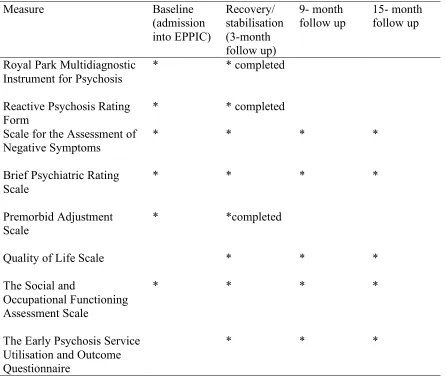
Table 2. Outline of assessment procedure for course of study...58
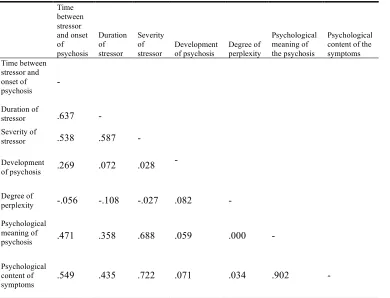
Table 3. Inter-Item Correlation Matrix for Reactive Psychosis Rating Form...61
Table 4. Severity of stressor ...62
Table 5. Time between stressor and onset of psychosis...62
Table 6. Duration of stressor ...63
Table 7. Development of psychosis ...63
Table 8. Degree of perplexity ...63
Table 9. Psychological meaning of psychosis ...63
Table 10. Psychological content of psychosis ...63
Table 11. Duration of psychosis ...64
Table 12. Premorbid vs post psychotic functioning...64
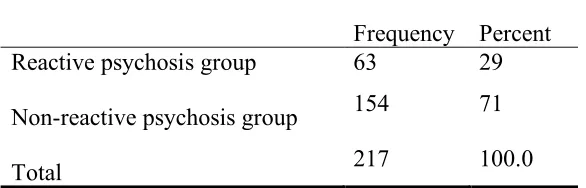
Table 13. Reactive psychosis diagnostic groups ...66
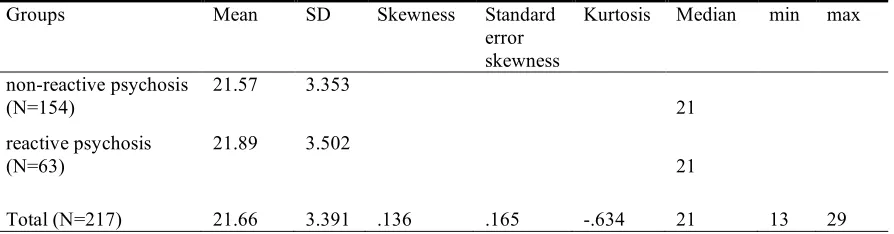
Table 14. Age of onset for non-reactive and reactive psychosis groups...68
Table 15. Premorbid adjustment for reactive psychosis groups ...68
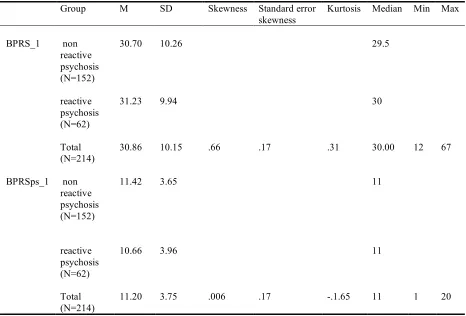
Table 16. Brief Psychiatric Rating Scale (BPRS) and BPRS psychotic subscale (BPRSps) scores for reactive psychosis groups at admission to the service ...69
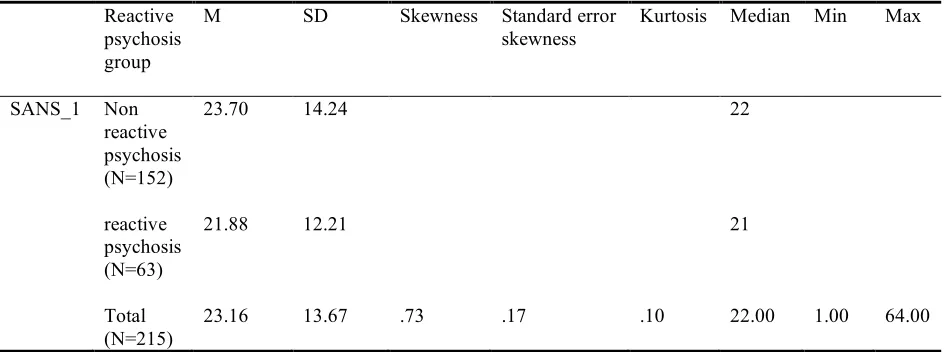
Table 17. Scale for the Assessment of Negative Symptoms (SANS) scores for reactive psychosis groups at admission to the service (baseline) ...70
Table 18. Social and Occupational Functioning Scale (SOFAS) score for reactive psychosis groups at admission to the service (baseline) ...70
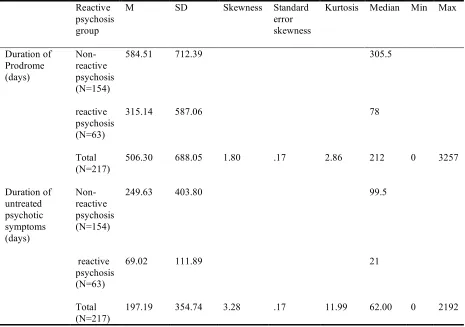
Table 19. Duration of prodromal symptoms and untreated psychotic symptoms (no. of days) for reactive psychosis groups...72
Table 20. Length of psychosis for reactive psychosis groups ...73
Table 21. Brief Psychiatric Rating Scale total scores as measured at 3, 9 and 15 months post entry into the service...75
Table 22. Brief Psychiatric Rating Scale Psychotic Subscale total score as measured at 3, 9 and 15 months post entry into the service...77
Table 23. Scale for the Assessment of Negative Symptoms (SANS) total score as measured at 3, 9 and 15 months post entry into the service ...79
Table 24. Degree of affective symptoms over the course of the follow up period for the reactive psychosis groups...81
Table 25. Service use for reactive psychosis groups at 3, 9 and 15 months post entry into the service ...83
Table 26. Dosage and number of days on antipsychotic medication for reactive psychosis groups at 3, 9 and 15 months post entry into the service...87
Table 27. Social and Occupational Functioning Scale (SOFAS) score for reactive psychosis groups at 3, 9 and 15 months post entry into the service...90
Table 28. Quality of Life for reactive psychosis (RP) and non-reactive psychosis (Non-RP) groups at 3, 9 and 15 months post entry into the service ...91
Table 29. Frequency of overlap of Reactive psychosis with DSM and ICD-10 psychotic diagnoses ...94
List of Appendices
Appendix A: Royal Park Multidiagnostic Instrument for Psychosis...144
Appendix B: The Reactive Psychosis Rating Form...148
Appendix C: Scale for the Assessment of Negative Symptoms...151
Appendix D: Brief Psychiatric Rating Scale ...153
Appendix E: Premorbid Adjustment Scale...154
Appendix F: Quality of Life Scale...162
Appendix G: Social and Occupational Functioning Scale ...163
Appendix H: EPPIC Service Utilisation and Outcome Questionnaire ...164
Appendix I: Consent Form ...168
Abstract
Chapter 1: Early Psychosis: The Current State of Play
First-episode psychosis populations have been studied for the last 20 years. This was borne out of a strong desire to revolutionise treatments for early psychosis, with the emphasis on maximising intervention during, what Birchwood coined, ‘the critical phase’ or the first two to five years after the onset of early signs of psychosis (Birchwood, 2000).
The research impetus in the first decade had been to promote the ethos of early detection, undoubtedly an intuitive endeavour and one familiar to general medicine. Intuitiveness aside, several studies produced in these early years pointed to the deleterious effects of prolonged delay in the treatment of psychosis.
Several studies have found that a longer duration of untreated psychosis (DUP) was significantly associated with a longer time to remission and a poorer level of remission and outcome (Loebel, Lieberman, Alvir, Mayerhoff, Geisler, & Szymanski, 1992). A long DUP has also been linked to an increased risk of relapse (Crow, MacMillan, Johnson, & Johnstone, 1986), more pronounced negative symptoms (Haas, Garratt, & Sweeney, 1998), positive symptoms and general psychopathological symptoms as well as a lower global functioning 15 years after the first psychiatric admission, even after effects of other factors, possibly related to the long-term outcome, were controlled for (Bottlender et al., 2002).
potential confounding variables, answering criticism that DUP is merely a proxy for other variables such as premorbid adjustment (Verdoux et al., 1998; 2001). In light of this evidence, it has been suggested that acute psychotic symptoms may reflect an active morbid process, which if not influenced by early treatment, could result in more lasting morbidity (Loebel et al., 1992).
In addition to any assumed biological entrenchment of this disorder, delays in treatment also lead to a number of psychosocial complications, which could further contribute to impaired recovery and future outcomes. Prolonged periods of untreated psychosis may lead to vocational derailment, developmental delay, demoralisation and depression (Edwards et al., 1994). They may contribute to a disruption in protective social networks (Lincoln & McGorry, 1995) and they are associated with more serious family difficulties and increased morbidity amongst family members (Johnstone, Crow, Johnson, & MacMillan, 1986). A French study found that patients
with a long delay in treatment were more likely to have lower education levels, poorer global functioning prior to admission and a more severe global clinical state (Verdoux et al., 1998).
The duration of untreated psychosis remains one of the most widely researched predictors of outcome. However, it is worth briefly highlighting other factors that may influence outcome. While several studies have shown that duration of untreated psychosis is the most significant predictor of outcome, other factors such as negative symptoms (Emsley, Rabinowitz, & Medori, 2007), age of onset (Emsely et al., 2007), premorbid adjustment (Simonsen, Friis, Haahr, et al., 2007) and higher education level (Simonsen et al., 2007) also contribute to a better symptomatic outcome.
Gender has long been considered a prognostic factor in the course and outcome of schizophrenia. Although males have tended to be overrepresented in older more chronic samples of schizophrenia (Castle & Murray, 1991; Iacono & Beiser, 1992; Kendler & Walsh, 1995) there is little in the way of evidence to suggest that females have a better outcome than males in a first episode psychosis sample. Hafner, Maurer, Loffler and Rossler’s (1993) study of 267 first episode patients found that gender differences in the course of psychosis were completely accounted for by their differing age of onset and that the early course of positive and negative symptoms was not related to gender but rather other age dependent variables. Norman, Townsend and Malla’s (2001) study of early psychosis showed that male gender was associated with better cognitive performance than their female counterparts, with females having a more significant deterioration.
consideration. It is apparent even in this brief review of studies focused on predictors of outcome in psychosis that the studies vary considerably in the way outcome is defined and measured.
A recent systematic review of outcome in psychosis has highlighted several limitations in this research field, most notably that there is disagreement about what defines ‘good outcome’ and a lack of consistency in measuring it (Menezes, Arenovich, & Zipursky, 2006). This brings up the difficulty in generalising and comparing research findings highlighting the course of psychotic disorders. Some studies have emphasised the level of remission of positive and negative symptoms or the number of relapses, and others, including consumer groups, have noted the importance of considering social and occupational functioning and quality of life (Bellack, 2006; Menezes, et al., 2006; Resnick, Fontana, Lehman, & Rosenheck, 2005). It is worth noting that all of these aspects of a young person’s recovery are important and need to be more consistently measured and defined.
Given the inconsistencies in defining and measuring outcome, it is not surprising that schizophrenia research has long reported varied outcomes, with studies citing between 20-50% of people recovering (Bleuler, 1978; Ciompi, 1980; Harding et al., 1992; Huber et al., 1980; Shepherd et al., 1989; van Os et al., 1996), whilst a majority have multiple episodes (Bleuler, 1978; Ciompi, 1980; Harding et al., 1992; Huber et al., 1980; Shepherd et al., 1989; van Os et al., 1996). A recent meta-analysis of 37 studies including 4100 first episode psychosis patients (schizophrenia spectrum), whilst highlighting the varying domains (symptoms recovery, relapse and social and occupational functioning) and definitions of outcome and its limitations in summarising results, nonetheless reported a ‘good’ outcome for 42% of the population, an ‘intermediate’ outcome for 35%, and a ‘poor’ outcome for 27% (Menezes et al., 2006).
Assessment of Negative Symptoms (SANS; Andreasen, 1984) and ≤ 3 on the Positive and Negative Symptoms Syndrome Scale (Andreasen & Olsen, 1982) maintained over a 6-month period. Whilst it is a significant improvement in defining symptomatic recovery, it neglects the importance of social and occupational functioning in the recovery process.
In a recent study Henry et al. (2010) utilised Andreasen’s criteria in their seven-year follow up of 723 consecutive first-episode psychosis patients. Symptomatic remission at follow-up was observed in 59% of the cohort (using the Brief Psychiatric rating Scale) and 37% (using the combined SANS and BPRS) and social/vocational recovery was observed in 31% of the cohort. Furthermore, over the two years prior to follow up, 46.2% reported never being actively psychotic, 20.8 % reported an episodic course (discrete episodes less than 6 months in duration), 33% reported a continuous course and 2.7% had neither an episodic nor a continuous course. Other studies using Andreasen’s criteria have shown that 70% achieved a rating of mild or less on the 8 key PANS remission items, with patients taking an average of 5 months to reduce the severity of their symptomatology (Emsley et al., 2007), whilst some have reported a symptomatic recovery in 50% of the sample at a 2 year follow up (Wunderlink, et al., 2009). Consistent with other authors, Henry et al. (2010) and Andreasen et al. (2005) highlighted the importance of including negative symptoms as an outcome in first episode psychosis as they have been considered a direct manifestation of the basic dysfunctions of schizophrenia (Peralta, Cuesta, Martinez-Larrea, & Serrano, 2000).
Early intervention has made ground in reducing the duration of untreated psychosis. If we are treating people earlier in their phase of psychotic illness, it is likely that at least some of what we are seeing is a less severe or longstanding clinical picture of psychosis and possibly less comorbidity and decline in functioning. This raises the question of what is deemed appropriate treatment for this earlier phase.
Furthermore, high rates of psychotic-like experiences have been reported in community studies (Laurens et al., 2007; Yung et al., 2007) and these experiences can occur without distress, interference in functioning, therefore questioning the need for treatment or intervention of any kind (Yung et al., 2006).
It leaves open the question of determining when there is a ‘need’ to intervene. In beginning to answer this question, the clinical staging model of psychiatric disorders could be the next wave of development and research in early intervention. This staging model proposes that earlier treatments could be less invasive and also be more effective than those delivered later in the course of a disorder if, by reducing duration of untreated psychosis, they are able to prevent progression to more severe forms of disorder (McGorry, Hickie, Yung, Pantelis, & Jackson, 2006).
These ‘less intrusive’ interventions would consist of psychoeducation, psychological and social interventions, considering antipsychotic treatment as second line treatments. It is proposed that antipsychotic treatment would be avoided in the early stages of the disorder and only introduced when less aggressive treatments have had an inadequate impact (McGorry, et al., 2006). The next section briefly outlines the current treatment guidelines for first-episode psychosis and briefly summarises some of the evidence of the medical consequences of considering antipsychotic medication as a first-line treatment.
The guidelines detailing initial treatment for early psychosis are comprehensive, detailed and specific. In order to not lose any of their specificity, they have been reproduced in Table 1 (see page 10) from the International Early Psychosis Association Writing Group, published in the British Journal of Psychiatry 2005 (IEPA Writing Group, 2005). One could argue that the guidelines are quite prescriptive, particularly the focus on antipsychotic medication as first-line treatment.
longer-term effects such as tardive dyskinesia (Llorca, Chereau, Bayle, & Lancon, 2002).
A review on metabolic monitoring for patients being treated with antipsychotic medications revealed that patients with serious mental illness had markedly elevated rates of metabolic disturbance, including obesity, diabetes and dyslipidemia, with antipsychotic medication being a contributing factor (Cohn & Sernyak, 2005). In fact, in Canada, recent diabetes treatment guidelines recognise schizophrenia as an independent risk factor for type 2 diabetes (Canadian Diabetes Association, 2003). Furthermore, metabolic disturbance puts individuals at a higher risk of cardiovascular disease.
An Australian consensus statement released by representatives of psychiatry, endocrinology, epidemiology, general practice, mental health nursing, and pharmacy as well as those from community and non-government agencies, contends that the newer, second-generation antipsychotic agents are more likely to produce diabetes and worsening blood sugar control (Lambert & Chapman, on behalf of the consensus working group, 2004). They insist that the “management of psychosis takes priority over concerns about the potential metabolic sequelae of treatment, but the prevalence of the latter requires that all patients taking antipsychotic agents be actively screened and treated” (Lambert & Chapman, on behalf of the consensus working group, 2004 pg. 544,). At the same time they recognise that mortality and medical morbidity is higher in psychotic populations, raising some serious concerns about the position adopted.
The early intervention model accepts that early optimal treatment includes the introduction of novel atypical anti-psychotic medication at low doses in order to minimize DUP. Therefore, patients who may be treated with psychological support, without the introduction of anti-psychotics would be considered ‘untreated’. In spite of evidence that there is an association between DUP and outcome in first-episode psychosis (Marshall et al., 2005), it has not been established that anti-psychotic medication is the definitive treatment for all cases of first-episode psychosis.
In fact, the contrary may be true for those with a more chronic course of psychosis. In a recent meta-analysis conducted, Bola (2006a) found a small, non-significant advantage in outcomes for initially non-medicated groups with established schizophrenia over medicated groups. Bola argued that this finding provided evidence that an initial period of non-medication produces superior outcomes to those who receive medication. Others have reported similar findings (Carpenter, 1997; Johnstone, Owens, Crowe & Davies, 1999), which have directed some to advocate providing psychosocial interventions with short-term withholding of anti-psychotic medication (Bola, 2006b; Carpenter, Appelbaum, & Levine, 2003).
Cognitive behaviour therapy (CBT), behavioural family interventions, in addition to psychoeducation, social and vocational rehabilitation and group activities are recommended approaches for the treatment of psychosis as reflected in contemporary guidelines (RANZCP, 2005). A review of the efficacy of varying types of psychotherapy for psychosis, is beyond the scope of this thesis, but suffice to say that the author advocates for an ‘integrated approach’ to the treatment of psychotic disorder, considering the importance of psychoanalytically oriented therapy and culturally sensitive practice in addition to contemporary guidelines (Gleeson, Killacky & Krstev, 2008).
of psychotic diagnosis, the stress-vulnerability model (Nuechterlein & Dawson, 1984), aetiological considerations and psychotherapeutic interventions.
The next endeavour in this field of research, in reference to the staging model (McGorry et al., 2006) is identifying which first episode psychosis patients may benefit from treatments with fewer side effects. One place to start is considering those patients with more ‘psychogenic’ components to their disorder, in particular, examining the role of environmental stress and the acuity of onset. This thesis could be seen at complementing the current research milieu (particularly in light of the pilot stages trial at the Orygen Research Centre, randomising first-episode psychosis patients who are anti-psychotic naive to an initial delay in antipsychotic treatment but with intense psychosocial support), as a secondary outcome from our study will raise the question of whether there is a subgroup of patients that can be treated without antipsychotic medication or for shorter periods of time.
Although not addressing these concerns directly, this study hopes to shed light on the usefulness of applying the reactive psychosis diagnosis in the Australian psychiatric setting, which may have implications for the treatment of first-episode psychosis.
There is a breadth of research examining prognostic variables affecting the onset, course and medium to long term outcome of psychotic disorders, particularly those of a biological or genetic basis and relatively little attention has been paid to the role of major life stressors in the aetiology, onset and course of psychosis, despite its potential clinical implications. Furthermore, creating the generic, all inclusive term early psychosis was an attempt to capture the essence of an early psychosis, its flux and fluid course, however in the process, the discourse regarding psychopathology and diagnosis has perhaps been undervalued.
Table 1. International clinical practice guidelines for early psychosis (2005)
Clinical guidelines for early psychosis: Initial management
1. Before initiating treatment, it is important to consider physical illnesses that can cause psychosis.
2. Extrapyramidal side-effects from antipsychotic treatment should be avoided in order to encourage future adherence to medication. Although typical antipsychotics may be as efficacious as atypical antipsychotics in reducing positive psychotic symptoms, they are frequently less well tolerated even at low doses. For this reason alone, atypical antipsychotics should be used as first-line therapy, commencing with a low dose and titrating upwards very slowly over a period of several weeks (‘start low, go slow’).
3. Examples of appropriate initial target doses for most patients are risperidone 2 mg/day or olanzapine 7.5–10.0 mg/ day. Initial target doses of other medications such as quetiepine, ziprasidone and amisulpride are yet to be established.
4. Half to two-thirds of patients might be expected to achieve a good response in positive psychotic symptoms within 3 weeks at the initial dose, but if necessary the doses can be increased to 4 mg/day risperidone or 20 mg/day olanzapine.
5. The level of clinical response and risk should be assessed frequently, but the dose of the antipsychotic should be increased only at widely spaced intervals (after initial titration, usually 14–21 days) if the response has been inadequate, and then only within the limits of sedation and the emergence of extrapyramidal side effects. However, extrapyramidal side effects should not be tolerated.
6. If the response is not adequate at therapeutic doses by 6–8 weeks, another atypical antipsychotic should be tried. When use of typical antipsychotics is unavoidable, they should be commenced at very low doses (1–2mg haloperidol or equivalent) and titrated very slowly within the limits of extrapyramidal side-effects.
7. Generally, this will be a maximum of 4–6mg haloperidol or equivalent in first-episode psychosis.
8. Low doses of antipsychotic medication will not have a rapid effect on distress, insomnia and behavioural disturbances secondary to psychosis; skilled nursing care, a safe and supportive environment, and regular and liberal doses of benzodiazepines are essential interim components of management in many cases.
9. Although some atypical antipsychotics have initial sedative side-effects, treatment of psychosis should be separated conceptually from the need for tranquillisation. 10. If positive psychotic symptoms persist after a trial of two first-line atypical antipsychotics (around 12 weeks), the reasons for the failure of treatment should be reviewed. Possible contributing factors include adherence problems, family stresses and substance misuse.
11. Slow recovery or early treatment resistance of this kind is of concern and requires more intensive intervention.
12. Clozapine and cognitive–behavioural therapy for persistent symptoms are obvious alternatives to consider.
13. Supportive crisis plans are needed to facilitate recovery and acceptance of treatment.
family stresses, increased suicide risk and substance misuse occur.
15. Families are usually in crisis at the point of initiation of treatment and require emotional support and practical advice.
16. Families and other members of the person’s social network, possibly including friends, teachers and employers, should be progressively informed and educated about the nature of the problem, treatments and the outcomes expected
17. If there are frequent relapses or slow recovery, a more intensive and prolonged psychoeducational and supportive intervention for families may be required. A calm and optimistic approach is vital, especially if the early course is stormy or there are additional family problems or secondary consequences of untreated psychosis. 18. Family therapy may be indicated when there is a high degree of distress in the family.
19. Structured group programmes tailored to the immediate needs of the patient should be available.
Chapter 2: Trauma and Psychosis
2.1 Incidence of Trauma in Psychosis
There is sufficient literature to suggest that trauma or stressors are associated with psychotic illness. The focus of this thesis will be on negative life events or experiences in general, therefore drawing from the literature on the role of trauma and stressors in the development of psychosis. Several studies report that the incidence of trauma is higher in people who develop psychotic disorders than those in the general population. Shaw’s (2002) entire sample of 42 people with severe mental illness had at least one traumatic event in their lives; 36.8% had experienced two and 43.4% had experienced three or more. In Mueser et al.’s (1998) sample of 275 people with serious mental illness, 98% had experienced at least one traumatic event in their lifetime. This trend is not confined to people diagnosed with serious mental illness. An association has also been found between childhood maltreatment and higher levels of unusual perceptions and beliefs in college undergraduates who do not meet criteria for a serious mental illness (Berenbaum, 1999).
High levels of trauma and posttraumatic stress disorder (PTSD) are found in people with psychosis (Resnick, Bond, & Mueser, 2003), and high rates of psychosis have been found in individuals with PTSD, compared with the general population (Kinzie & Boehnlein, 1989). One recent study found that people who had experienced trauma are at a 15 times greater risk of developing psychosis than people who have not experienced trauma (Bebbington et al., 2004). Morrison, Frame and Larkin (2003) suggested that few empirical studies have examined the relationships between PTSD and psychosis since Jeffries’ (1977) initial suggestion. Several studies point out that the lifetime prevalence of PTSD is higher in those who later go on to develop severe mental illness than those in the general population (8-9%; Morrison et al., 2003).
psychosis sample (N = 426) was 68.5% and 26.5% of those who were exposed to trauma met the criteria for PTSD. This study’s strengths were its large-scale nature and that it used a highly reliable interview schedule to ascertain DSM-IV psychotic diagnosis, PTSD diagnosis, and trauma history. The current controversy in the literature on PTSD and psychosis focuses on the directionality of causation. Does PTSD cause psychosis and can psychosis cause PTSD? Morrison attempted to integrate the responses to trauma and proposed that PTSD and psychosis could be a part of a spectrum of responses to a traumatic event (Morrison, Frame & Larkin, 2003).
Interpersonal trauma is also associated with psychosis (Resnick et al., 2003). A large-scale survey of 8580 private households in Britain, found significantly higher rates of victimizing experiences in people with psychosis than in other patient groups and the general population (Bebbington et al., 2004). The odds ratios were in favour of the psychotic group for a history of childhood sexual abuse and violence in the home. Read, a New Zealand academic, has published extensively on this subject. A recent review highlighted consistent findings that patients with psychotic illnesses are more likely to have experienced a history of childhood sexual abuse and that this history is specifically associated with the development of critical or commanding voices in adulthood (Kilcommons & Morrison, 2005; Read, Mosher, & Bentall, 2004; Read, Van Os, Morrison, & Ross, 1995; Ross, Andersen, & Clark, 1994). Psychologists have attempted to explain the trajectory to the development of critical and commanding voices and have observed that it is possible to link extreme negative self evaluations to early interpersonal trauma that predates the onset of psychosis
(Garety, Kuipers, Fowler, Freeman, & Bebbington, 2001).
Other studies in support of a dose-response include a long-term follow-up of Pacific Theatre prisoners of World War II, where a marked increase in the diagnosis of schizophrenia in those prisoners who had experienced the most severe traumas was found (Beebe, 1975). Furthermore, Kilcommons and Morrison’s (2005) study of people diagnosed with psychosis, found that 94% of participants reported exposure to at least one traumatic event over their lives and that the more severe the trauma, the more severe were the psychotic and PTSD symptoms. The type of psychotic symptom may be specific to certain traumas. Physical assault was only related to positive psychotic symptoms and sexual assault was only related to hallucinations (Kilcommons & Morrison, 2005).
Socio-economic factors have also been associated with higher rates of psychotic disorders. Cantor-Graae and Selten’s (2005) recent meta-analysis and review of schizophrenia and migration, concluded that migration was an important risk factor for schizophrenia. Their interest was piqued by an observation of alarmingly high rates of psychosis among people of African Caribbean background, living in the United Kingdom (Sharpley, Hutchinson, McKenzie, Murray 2001). The reviewers’ own study in the Netherlands found higher rates of schizophrenia among people from Australia, Africa and Greenland (Cantor-Graae, Pedersen, McNeil, & Mortensen, 2003). In trying to elucidate the stressors more specifically, it appeared that social isolation might be the key in understanding the stress of migration. A recent study found that the incidence of psychotic disorders was highest amongst immigrants living in neighborhoods where their own ethnic group comprised a small proportion of the population (Veiling et al., 2008).
them altogether. The question left unanswered in the literature is how traumatic life events contribute to the development of psychosis.
The following section will briefly outline models for understanding the development and interplay of stressors with other factors in the development of psychosis.
2.2 A Brief Look at Models for Understanding the Development of Psychosis
The predominant model for understanding the aetiology and development of psychosis (and other mental illnesses) is the stress vulnerability model originally developed by Zubin and Spring (1977). Their original model proposed a shift in the emphasis of uni-factorial explanations and suggested the first integrated aetiological account of schizophrenia. Most importantly, it was promoted as a theoretical framework for integrating psychotherapeutic and biological treatments.
The stress vulnerability models posit that psychotic episodes emerge from an interaction between stable or distal factors (e.g., genetics or personality variables) and transient or proximal factors (e.g., life events, interpersonal conflict) via the activation of latent vulnerability (Ciompi, 1989; Nuechterlein et al., 1992; Perris, 1989; Strauss, Hafez, Lieberman, & Harding, 1985; Zubin & Spring, 1977). The renewed clinical hope emerging from these models was that acute psychotic symptoms can be prevented or ameliorated by some combination of the individual’s personal resources, the emotional support of close others, and by biological treatments (Gleeson, Killackey & Krstev, 2008).
In a further development on the theory, Zubin and Steinhauser (1984) added the concept of etiotypes to the model (i.e., heterogeneous pathways leading to the development of schizophrenic vulnerability with equivalent behavioural and symptom outcomes). It was argued that aetiological life events could produce various etiotypes through genetic, biochemical, neurophysiological, developmental, or learning mechanisms. That is, many pathways potentially lead to vulnerability and ultimately psychosis. Gleeson et al. (2008) argued that these theorists foreshadowed the trauma-vulnerability pathway highlighted by Read and colleagues in their traumatogenic model (Read, Perry, Moskowitz, & Connolly, 2001).
Although conceptualised as a step in the right direction in a move away from the disease model of psychosis, namely, schizophrenia, there was some criticism of these early stress vulnerability models. Concerns were raised that the aetiological pathways to vulnerability were not specific to schizophrenia and that ‘stress’ did not consider one’s subjective appraisal of life events (Nicholson & Neufeld, 1992). Recovery between episodes focused on the remission of positive psychotic symptoms and did not consider deterioration in other symptom domains, such as negative symptoms, that are potentially more debilitating (Carpenter, 1981).
individual differences in parental mind-mindedness. Finally, a third area of developmental psychology that Bentall and others have cited as being compromised in patients experiencing auditory hallucinations, is source monitoring (Bentall & Slade, 1985; Johns et al., 2001).
2.3 The Nature of the Trauma as Reflected in the Symptoms of Psychosis
In the investigation of the causality of psychotic illness, the discourse of the quality of psychotic symptoms has perhaps been underplayed. In English-speaking western psychiatry there is a small amount of research examining how trauma is reflected in the content of the psychotic symptoms and how they may function as a means of ‘escaping’ or ‘working’ the effects of the trauma. Some of the literature is summarised below.
Read and Argyle (1999) found a link between the nature of abusive experiences and the content reflected in psychotic symptoms. They examined the relationship between hallucinations, delusions, and thought disorder and childhood physical and sexual abuse among psychiatric inpatients. Although a small study that relied on case notes, they found that 77% of patients with an abuse history exhibited at least one psychotic symptom and that half of the symptoms (for which content was recorded) appeared to be related to the abuse. Furthermore, Read, Agar, Argyle and Aderhold’s (2003) study of 200 outpatients, found that hallucinations were significantly related to sexual abuse and childhood physical abuse. This was particularly the case for commenting voices and command hallucinations. Goff, Brotman, Kindlon, Waites and Amico (1991) have also suggested that such a history of childhood sexual abuse may contribute to the symptomatology and course of a psychotic illness. Several others have found congruence between the nature of traumatic experiences and the form and content of psychotic symptoms (Raune, Kuipers, & Bebbington, 1999; Fowler, 2000).
histories of childhood incest were more likely to have sexual delusions (Beck & van der Kolk, 1987).
The question remains whether the association between trauma and content of psychotic symptoms is a causal link. An alternative view is that psychotic symptoms are always related to the person’s developmental history and that if this contains traumas, this will be used in his or her development of explanations for anomalous experiences.
As a consequence of a psychoanalytic understanding of psychiatric difficulties not ‘falling out of favour’, non-English speaking psychiatry (in Western Europe) has long held onto the belief that the content of trauma may be reflected in psychotic symptoms. One such conceptualisation is that of reactive psychosis. Whilst recognising the traumatic nature of psychosis itself, this study is focused on the role of stressors prior to the onset of psychosis, whilst acknowledging that the path may be via PTSD, for some patients.
Chapter 3: Historical and Contemporary Perspectives on Reactive
Psychosis
Reactive psychosis is a term used by some to describe a subset of psychotic presentations that has been constituted as being separate from schizophrenia and affective disorders. This distinction is based on clinical observations and whilst having some merit, the concept reactive psychosis requires empirical investigation. These clinical observations have noted a relatively fast onset of psychotic symptoms that emerge as a response to a significant life stressor. The psychosis can be associated with perplexity and confusion and the psychotic symptoms are often transient. In presentations considered reactive the meaning and the content of the psychotic symptoms often reflect the stressor and are argued to function as an escape or release from the original trauma. Aside from psychiatric clinical populations, reactive psychosis has been reported in people with a terminal illness (Onishi et al., 2003) and as a reaction to news of war (Omigbodun & Okunade, 2002; Rushing, & Jean-Baptiste, 2003).
Reactive psychoses appear as a direct contradiction to the traditional notion of psychotic disorder as a progressive disease that ends in the deteriorating or destruction of mental faculties. The paradox of this disorder lies in the psychotic presentation being no less severe than its schizophrenia spectrum counterparts, but there is a rapid return to premorbid functioning.
Despite the clinical distinction of this class of psychotic disorders, it is becoming less recognised in English-speaking Western psychiatry, while maintaining its popularity in Scandinavian and some developing nations (particularly Africa and India). Some of the dissent can be attributed to the lack of agreement amongst proponents as to what distinguishes this diagnosis from others (at least at the subtle level).
This chapter outlines the conceptual history of reactive psychoses (dating back over a century), cross cultural nuances in the diagnosis of reactive psychosis, the current classification of reactive psychoses in ICD-10 (WHO, 1992) and DSM-IV (APA, 2004), epidemiology, outcome studies and a critique of the reactive psychosis concept leading to the aims of the present study.
3.1 First Introduction of Reactive Psychosis Throughout History
Ungvari and Mullen (2000) have argued that contemporary western psychiatry is disengaging too readily with the notion that severe mental disorder characterised by psychotic experiences such as hallucinations and delusions can be a primary reaction to overwhelming stress or distress. If an understanding of a psychotic disorder (and the same can be said of higher prevalence disorders such as depression and anxiety) is removed from an individual’s psychological and social sphere, then we may be left with an over-reliance on biological models to explain and treat psychotic illnesses.
third psychosis lies between the affective illnesses and the schizophrenic syndromes (Jauch & Carpenter, 1988).
There was an attempt to challenge the disease notion of psychoses, even in the beginning of its inception. Ludwig Kahlbaum, in his work Die Gruppirung psychischer Krankheiten (1863), conceptualised dysphrenia as a group of severe psychotic disorders that had a good prognosis and a return to premorbid functioning. Rather than the typical disease processes underlying these disorders, he argued that an underlying epileptic, sexual or rheumatic process caused them. His work did not become influential; instead Kraepelin’s narrow deterministic view of dementia praecox or schizophrenia dominated psychiatry in the 20th century.
Kraepelin took a dichotomous position on the diagnosis of psychosis, arguing that dementia praecox had an underlying disease process with a deleterious outcome; the other was manic illness. Although he took a degenerative disease approach to psychosis, case studies of the brief and acute kind can be found in his early textbooks. His early illustrations were of how these disorders developed within 2-3 days, were accompanied by vivid hallucinations, delusions, changes in mood, and lasted several weeks to months. Although gaining initial attention in Kraepelin’s diagnostics system under periodic delirium (Kraepelin, 1893), they were then completely subsumed under the category of manic illness as delirious mania in subsequent editions and eventually were not distinguished at all (Kraepelin, 1896; 1899; 1904; 1913). Pillman and Marneros (2003) attributed this misclassification as the source of the present day difficulty in accepting reactive psychosis into official diagnostic systems.
Wimmer’s (1916) paper on psychogenic psychoses stated:
As psychogenic psychoses we designate…..the various clinically independent psychoses, the main feature of which is that they – usually on a (definite) predisposed foundation – are caused by mental agents (‘mental traumata’), and in such a way these pathemata determine the point in time of the start of the psychosis, fluctuations (remissions, intermissions, exacerbations) in the disease, very often also its cessation. Likewise the psychosis in form and content is more or less directly and completely (‘comprehensively’) determined by the precipitating mental factors. To these criteria, finally, be added the predominant tendency, of these disorders to recover, and more specifically, that they never end in deterioration (translated by Stromgren, 1986; p. 261).
Jaspers (1963) added that reactive psychosis accounts for personality and life history and an individual’s vulnerability to psychological trauma. Furthermore, he stated that it cannot be classified by symptoms alone, as the whole range of symptoms may be present, albeit transient. In his text General Psychopathology, he outlined factors he considered essential in determining reactive or psychogenic conditions. (1) The onset of the illness must have a clear temporal relationship to a precipitating stress, (2) the precipitating stress must be adequate, (3) there must be a meaning for the reaction- it should serve as a defense, a wish fulfilment or as an escape (4) the contents of the reaction must reflect the stress in a meaningful way (Jaspers, 1963).
Since the initial conceptualisation of reactive psychosis, many non-English speaking western and developing countries have developed the nosology, investigated the epidemiology and attempted to clarify the diagnostic conditions of reactive psychosis, adapting the concept to suit the needs of their psychiatric populations. Each nation has acquired a distinct version of what constitutes reactive psychosis, which aspects to emphasise and which to eliminate, often making further observations on the disorder. What follows is an overview of some of the cross-cultural aspects of reactive psychosis.
3.2 Developments in Conceptualisation of Reactive Psychosis and Differences Across Nations
Before undertaking this discussion it is worth considering why different nations have variations on the diagnosis. Pillman and Marneros (2003) shed some light on this and asserted that the common challenges faced by proponents of the reactive psychosis concept are (1) they have to be accommodated in the respective nosological systems (2) diagnostic criteria have to be assigned that delineate them from other psychotic disorders and (3) they demand an aetiological explanation for the coexistence of severe disturbance and good prognosis.
3.2.1 Scandinavia
Scandinavian psychiatry has been the most persistent in pursuing the idea of reactive psychosis. The seminal work of Langfeldt (1939), Strømgren (1974), Faergeman (1945), Retterstol (1966), Noreik (1970) and others made reactive psychosis a popular concept in Denmark and Norway. There appears to have been a delineation of at least four differing constructs of reactive psychosis among Scandinavian nations levelling criticism at the reliability and validity of the original construct (Guldberg, Dahl, Bertelsen, et al., 1996). The four positions are outlined below.
catathymic area of their personality. The patient’s thoughts would reflect the trauma and most importantly, the psychosis would recede when the psychological conflict resolves. His notion of reactive psychosis most closely resembles Jaspers’ (1963).
2. Ødegård (Norway): Reactive psychoses are those defined as not resembling schizophrenia or manic-depression (Ødegård, 1968). What differentiates this Norwegian concept is that the term ‘reactive’ is viewed as neutral, without any aetiological implications. Thus, reactive psychoses are defined by exclusion, having more in common with DSM-III-R’s atypical psychoses (APA, 1987) than the diagnosis formulated by Wimmer or Jaspers.
3. Astrup and Noreik (1966): According to this Norwegian group, reactive psychoses are defined as functional psychoses of a non-schizophrenia nature with good outcomes. The difficulty with this diagnosis is that it cannot be made until the course and outcome of the psychoses are manifest.
4. Retterstøl (1987): The most commonly held view of reactive psychosis in Denmark and Norway is this interactive notion where reactive psychoses are characterised by an interaction of trauma and personal predisposition (vulnerability). Retterstøl (1987) argued that reactive psychoses are triggered by psychogenic or somatic traumatising factors. The trauma strikes the person, who, due to their vulnerable constitution or somatic status at the time, is vulnerable to a point that the only way to react is through a psychotic breakdown.
3.2.2 French constructs – Bouffée Délirante
Bouffée délirante shares commonalities with reactive psychosis in that it also recognises that psychosis may result from the impact of psychological stress on a vulnerable personality and the psychotic symptoms are relatively short with a return to premorbid adjustment (Allodi, 1982; Hatotani, 1996; Pichot, 1986a, 1986b). The French construct highlights a sudden onset of delusional ideas and the rapidly evolving intense symptoms conferring different and often changing contents such as a polymorphous psychosis (e.g. megalomania, persecution, hypochondrias) that remits after a short time (Pichot, 1986a).
Although there are phenomenological similarities to the psychogenic psychoses described, bouffée délirante does not necessitate the presence of a stressor. Fundamentally the concepts are varied as the aetiology of reactive psychosis is embedded in a history of trauma on a vulnerable personality in contrast to bouffée délirante whose aetiology is embedded in an understanding of degeneration. It is interesting how one can fit the idea of a more reactive psychosis within the degeneration theory. Magnan postulated that in these acute psychotic episodes, degeneration was a static concept for the individual, so that the process of degeneration could occur over generations but not necessarily imply progressive deterioration in the individual patient (Appia, 1964).
Magnan’s original degeneration theory was heavily critiqued and his work made way for French psychiatry’s influence by Kraeplin (Appia, 1964; Pichot 1986 a & b). Bouffée délirante was reintroduced by Henri Ey (1900 – 1977) and soon came to dominate French Psychiatry (Ey, Bernard, & Brisset, 1960). It was included in the first official French diagnostic system (INSERM, 1969) and has been operationalised (Pull, Pull, & Pichot, 1984, 1987).
3.2.3 Hysterical psychosis
paper on neuropsychoses suggested that psychotic symptoms, in this state of hysteria, were due to a failure in repression and in response to a stressor. The psychotic symptoms function to (a) permit the eruption of material out of awareness and (b) modify the ego function concerned with evaluating reality.
Hollender and Hirsch (1964) added that hysterical psychosis was characterised as having a sudden and dramatic onset, temporally related to a stressor, with a duration of less than three weeks (generally), with few residual symptoms, resolving as rapidly as it began but relapses are likely. Furthermore it is more commonly seen in women with a hysterical personality. Symptoms include hallucinations, delusions, depersonalisation, grossly unusual behaviour, volatile affectivity, and only transient circumscribed thought disorder (Modestin & Bachmann, 1992). Importantly, the condition is amenable to psychotherapy. Although their report saw a flurry of resurgent interest in the diagnosis, varied attention has been given to aspects of the diagnosis.
Some have emphasised the variable onset, variable course and its influence by the social environment. Cavenar, Sullivan and Maltbie (1979) distinguished it from acute schizophrenia by stating hysterical psychosis was characterised by emotions that have been engendered by an overt sexual advance or rage and disappointment over a lack of a sexual advance. There has been little conceptual consistency in the construct, some arguing that it is essentially hysteria with psychotic symptoms (Mallett & Gold, 1964).
content of the psychotic symptoms is shaped by the nature of the precipitating situation. Consistent with the proposal that psychotic experiences exist on a continuum with normal experiences, this report argued that a less vulnerable or hysterical personality is needed for a psychotic break when the stressor is more severe (i.e. in combat or biological stress such as exhaustion and malnutrition). To reemphasise one of the key differentials of hysterical or reactive psychosis, it is the ability to quickly reintegrate the ego function.
A case example is as follows:
The patient, a 45-year-old widow, had worked as a housemother in an orphanage so that she could raise and support her daughter. After 20 years, her daughter, who had finished college, left to establish a life of her own. Other housemothers pointed out to the patient that she was still relatively young and attractive and she might get married now that she had fulfilled her responsibilities to her daughter. Reluctantly, she had accepted their advice. Family members found a suitable suitor for her, a widower 10 years her senior. After going out with him twice, she developed an acute psychotic disorder which took the form of fears that men were breaking into her house and of hallucinations in which she was being called a prostitute or something similar. She was admitted to the psychiatric service of a general hospital. Her therapist suggested that the stress of marriage, after being a widow so many years, would be too much for her, and he recommended that she return to a position similar to her former one. The psychotic symptoms cleared up in less than a week and she was discharged from hospital (Hollender & Hirsch, 1964: p. 1069-1070).
3.2.4 Cycloid psychoses
anxious affect leading to psychotic symptoms, often paranoia. His second classification described motility psychosis whereby people displayed motor symptoms including hyperkinetic, akinetic and mixed forms. His main focus was to classify these disorders on pathogenic hypothesises in terms of dysfunction of brain systems and he was not concerned with prognosis or aetiology, thereby not differentiating anxious or motility psychosis from deteriorating psychotic disorders (Pillman et al., 2000).
Cycloid psychosis was further elaborated on by Kleist (1926) and Leonhard (1961) who added a third form, anxiety-elation psychosis (Leonhard, 1957) which added to Wernicke’s’ anxious-psychosis, an elated mood accompanied by the patient’s desire to please others. In their final classification, cycloid psychoses (Leonhard, 1957) consisted of three distinct forms and were characterised by a phasic course, remission without residual symptoms and a bipolar appearance (anxiety-elation psychosis, hyperkinetic-akinetic motility psychosis and excited-retarded confusional psychosis).
Perris and Brockington (1981) combined these phenomenologies to reflect a psychological state distinguished from other reactive psychoses by the presence of psychodelic experiences, dysperceptions, derealisation and depersonalisation. A recent study found that a diagnosis of cycloid psychosis (using Perris’ & Brockington’s formulation) was associated with perplexity, mood-incongruent delusions, pananxiety, mood swings and concern with death. Importantly there was significant overlap with brief psychotic disorder, bipolar disorder and schizophrenia. Psychiatric prevalence rates have varied from 8-24% (van der Heijden, Tuinier, Kahn, & Verhoeven, 2004).
3.2.5 Schizophreniform psychoses – Langfeldt
Langfeldt differentiated schizophreniform psychoses from what he termed process schizophrenia, in which prognosis was invariably poorer. He designated five types of psychosis under schizophreniform including (1) preponderantly endogenically conditioned (constitutional) forms (2) neurosis-like, psychogenically more comprehensible cases, (3) symptomatic and other predominantly exogenically (infectiogenic, traumatogenic, psychogenic) precipitated psychoses, (4) cases belonging to the manic-depressive group of psychoses, and (5) real atypical schizophrenias (Langfeldt, 1982). In a letter to the British Journal of Psychiatry in 1982, addressing the confusion in his terminology, he was emphatic that his description of psychoses had ‘nothing to do’ with the DSM definition of schizophrenia and other psychotic classifications.
3.2.6 Atypical psychosis
Atypical psychoses have similar presentations to those described above and have been used as short hand to describe unclassifiable psychotic disorders termed “psychotic disorders not otherwise specified” in DSM-III and DSM-III-R (APA, 1980; 1987). The classification includes conditions such as post-partum psychosis that does not meet its full criteria, disorders that do not meet the duration criteria, and psychotic presentations with more obscure symptoms that do not fit other diagnoses.
3.2.7 Culture bound syndromes
A clinical picture of acute psychoses with good prognosis is common in developing countries (Wig, 1990). In Susser and Wanderling’s (1994) WHO 10 nation study the incidence of ‘nonaffective acute remitting psychosis’ was found to be ten times higher in developing countries than in industrialized countries. There is some evidence that some of these cases may have a different clinical profile. In an Indian study Pandurangi and Kapur (1980) found more cases of histrionic behaviours, excitement and sleep disturbances and less confusion, irritability and depression than the Scandinavian studies.
Clinicians in non-western countries have heralded the usefulness of considering acute brief psychoses for some time, arguing that western classification of psychoses does not accurately capture the clinical picture that emerges in their psychiatric settings (Langness, 1967). These culturally specific syndromes have been referred to as culture-bound syndromes.
Recurrent, locality-specific patterns of aberrant behavior and troubling experience that may or may not be linked to a particular DSM-IV diagnostic category. Many of these patterns are indigenously considered to be 'illnesses', or at least afflictions, and most have local names. Although presentations conforming to the major DSM-IV categories can be found throughout the world, the particular symptoms, course, and social response are very often influenced by local cultural factors. In contrast, culture-bound syndromes are generally limited to specific societies or culture areas and are localized, folk, diagnostic categories that frame coherent meanings for certain repetitive, patterned, and troubling sets of experiences and observations. (p. 844)
3.3 Reactive Psychoses in ICD and DSM Classification Systems
Reactive psychosis was first included in international classification systems with the 8th edition of the International Classification of Disorders (ICD-8: WHO, 1967), and the third edition of the Diagnostic and Statistical Manual of Mental Disorders (DSM-III-R: APA, 1980). The shift toward removing subjectivity from diagnosis meant that reactive psychosis no longer occupied a separate diagnostic category with each revision of the ICD (WHO, 1978; 1992) and DSM (APA, 1987; 1994). The definition of reactive psychosis became narrower than Jaspers’ original concept and reactive psychosis was subsumed under ICD-9 as reactive depression, reactive excitation, reactive confusion and acute paranoid reaction.
In ICD-10, the closest description to the original reactive psychosis diagnosis is subsumed under the category of acute transient psychotic disorders (ATPD: WHO, 1992). This category was devised to encapsulate not only reactive psychosis but also some of the historical diagnoses discussed earlier such as bouffée délirante, cycloid psychosis and schizophreniform. ATPD is described as:
is defined as a crescendo development of a clearly abnormal clinical picture in about two weeks or less. For these disorders there is no evidence of organic causation. Perplexity and puzzlement are often present but disorientation for time, place and person is not persistent or severe enough to justify a diagnosis of organically caused delirium. Complete recovery usually occurs within a few months, often within a few weeks or even days. If the disorder persists, a change in classification will be necessary. The disorder may or may not be associated with acute stress, defined as usually stressful events preceding the onset by one to two weeks (WHO, 1992: p. 121).
This reduces the presence of a stressor to a specifier or moderator and requires a complex judgement of the interaction between personality, stressor and psychosis. In essence a clinical judgement is warranted. There are 6 subtypes in the ICD-10 classification:
• Acute polymorphic psychotic disorder without symptoms of schizophrenia
• Acute polymorphic psychotic disorder with symptoms of schizophrenia
• Acute schizophrenia-like psychotic disorder
• Other acute predominantly delusional psychotic disorders • Other acute and transient psychotic disorders
• Acute and transient psychotic disorder, unspecified (apparently linked to the original reactive psychosis).
criteria (Mojtabai, Varma, & Susser, 2000). Although there are only a few studies of this kind, it is concerning that many cases of reactive psychosis may be missed in the revised classification system.
In the latest edition of the DSM (APA, 1994), the diagnosis with closest resemblance to reactive psychosis is brief psychotic disorder with marked stressor. Again, this diagnosis reduced the importance of the presence of a stressor to a specifier or moderator implying that the psychosis was not necessarily reactive, thus negating the core criterion. Furthermore, psychoses must be limited to one month. One advantage of the ICD-10 is that allows acute and transient psychoses to last up to 3 months (WHO, 1992). A further critique is that the international classification systems do not adequately capture Jaspers’ original construct as they exclude schizotypal personality disorder and ignore emotional reactions (Jauch & Carpenter, 1988).
Although it may be difficult to recognise and separate a vulnerable personality during a presentation of acute psychosis, there is a significant body of theory and research linking a vulnerable personality to reactive psychoses. The psychoanalysts Stern (1938) and Kernberg, (1986) propagated the idea that borderline personality was indicative of somebody ‘bordering on’ psychosis and drew attention to the occurrence of brief psychotic episodes.
Personality difficulties such as shyness, oversensitivity and anxiety have more commonly been observed in reactive psychosis patients compared with their non-psychotic siblings (McCabe, 1975) and non-reactive psychoses (Kapur & Pandurangi, 1979). Others have found a greater prevalence of cyclothymic and suspicious traits in the pre-morbid personality of those with reactive psychosis compared with controls (Chavan & Kulhara, 1988).
and unspecified or non-schizophrenia-like psychoses (Clarke, Hafner & Holme, 1995; Ekselius, Von Knorring, Lindstrom & Persson, 1994; Jorgensen, Bennedsen, Christensen & Hyllested 1996).
3.4 Epidemiology and Outcome Studies
Owing to the varying criteria used to define and operationalise reactive psychosis, there is a scarcity of raw data on the incidence and prevalence of reactive psychosis with the exception of a few studies from the Nordic countries. Scandinavian national statistics estimated that the life-time risk of reactive psychosis was 0.3-1% (Faergeman, 1963; Stromgren, 1974). Their national registries estimated that between 13-30% of all psychiatric admissions are diagnosed with reactive psychosis (Daahl, 1986). In Denmark, a review of first psychiatric admission registries between 1970 and 1988 found that a diagnosis of reactive psychosis was more than five times as likely as a diagnosis of schizophrenia (Jorgensen & Mortensen, 1992).
To date there are no studies examining the outcome for those diagnosed with the Scandinavian concept of reactive psychosis but some have researched the outcomes of the related constructs outlined here. The following is a brief summary of some of these seminal studies.
parts of one psychotic continuum or as different nosological entities. Their study’s unique gender ratio seems to separate brief psychotic disorder from schizophrenia and the high level of relapse contradicts the notion that it is a less severe form of psychotic illness.
Further support for separating reactive-type psychoses from schizophrenia comes from the work of Jager who examined the descriptive validity of ICD-10 schizophrenia (Jager, Bottlender, Strauss & Hans-Jurgen, 2003). Their study found that those with schizophrenia had more negative symptoms at assessment and discharge, lower global functioning and more first rank symptoms at discharge compared to those with acute and transient psychotic disorders (Jager et al., 2003). Other studies have found more favourable outcomes for ICD-9 hysterical psychosis or reactive/psychogenic psychosis compared with schizophrenia (Modestin, & Bachmann, 1992).
Another important consideration when establishing the validity of a diagnosis is how stable the diagnosis is. Several follow up studies have indicated varying rates of change of diagnosis during subsequent episodes (Jorgensen, Bennedsen, Christensen, & Hyllested, 1997; McCabe, 1975; Susser et al., 1995). From these studies, Jauch and Carpenter (1988) concluded that at least half of patients with an original diagnosis of reactive psychosis maintain their diagnosis.
3.5 Commonalities Among Reactive Psychosis Constructs and Contrasts with Schizophrenia
The following illustration from Ungvari and Mullen (1997) of a case of reactive psychosis exemplifies the core features of the clinical picture including perplexity, distress and psychotic symptoms whose meaning and content was understandable in terms of the precipitant stressor:
admitted and given night sedation. The next day she was less agitated but still expressing fears of being in danger though the source of the threat was ill defined. She was markedly self-referential and clearly puzzled by the meaning of even the most innocent remark or mundane occurrences. A history was obtained from her mother and later amplified by the patient. She was an academically able young woman, though somewhat shy and oversensitive. She had become involved at university in a relationship with a fellow student who though reputedly talented was erratic and known to be abusing a range of drugs. She had become pregnant and, under pressure from the young man and her parents, had an abortion 2 months previously. A week prior to her admission the young man had died as a result of what was presumed to be an accidental overdose of opiates. Prior to the admission, her parents had been astonished at how well she had coped with events. She remained hallucinated and self-referential over the next week but with a gradual decrease in the intensity of the distress and psychotic symptomatology. Ten days after admission, she showed no continuing abnormalities of mental state but was able to express understandable sadness and anger about recent losses (p. 52-53).
In summary, it is apparent from the literature that there is variation in which aspects constitute a reactive psychosis clinical picture, or at the very least, which are being emphasised. This makes it difficult to advocate for its inclusion in classification systems. It is important to elucidate which factors of reactive psychosis are common amongst the varying proponents.
In summary, commonalities in reactive psychosis constructs arising from the aforementioned review are:
• Presence of a trauma