Scholarship@Western
Scholarship@Western
Electronic Thesis and Dissertation Repository
8-16-2018 2:00 PM
The Listening Shift: Evaluating a Communication-Strategies
The Listening Shift: Evaluating a Communication-Strategies
Training Program for Telepractice Nurses Experiencing Hearing
Training Program for Telepractice Nurses Experiencing Hearing
Challenges
Challenges
Raphaelle Koerber
The University of Western Ontario Supervisor
Mary Beth Jennings
The University of Western Ontario Joint Supervisor Margaret Cheesman
The University of Western Ontario
Graduate Program in Health and Rehabilitation Sciences
A thesis submitted in partial fulfillment of the requirements for the degree in Doctor of Philosophy
© Raphaelle Koerber 2018
Follow this and additional works at: https://ir.lib.uwo.ca/etd Part of the Other Rehabilitation and Therapy Commons
Recommended Citation Recommended Citation
Koerber, Raphaelle, "The Listening Shift: Evaluating a Communication-Strategies Training Program for Telepractice Nurses Experiencing Hearing Challenges" (2018). Electronic Thesis and Dissertation Repository. 5702.
https://ir.lib.uwo.ca/etd/5702
This Dissertation/Thesis is brought to you for free and open access by Scholarship@Western. It has been accepted for inclusion in Electronic Thesis and Dissertation Repository by an authorized administrator of
i
Workers who wish to remain employed should be supported in doing so, even if they are experiencing age-related disabilities, such as hearing loss. I aimed to better understand the strategies from which workers with hearing loss might benefit, and how they can be supported in adopting these strategies. To collect rich data, I
recruited telepractice nurses who rely on listening to make critical decisions about triaging and health care recommendations. My first research question was: What
strategies exist for making telephone speech more intelligible for health care providers and patients with hearing challenges? I performed a scoping review following the
Joanna Briggs Institute’s protocol. I identified 11 types of strategies, many of which required cooperation from, and disclosure to, providers’ employers, co-workers, and clients. This led me to consider the public narrative workers associated themselves with when they disclosed. Thus, my second research question was: How do Canadian
newspapers portray workers with hearing loss? Through a thematic analysis of
newspapers articles on this topic, I found they are predominantly portrayed as striving cheerfully both towards functioning normally and towards differentiating themselves and their hearing loss as unique and positive. To further explore how a subset of adults with hearing loss strive to work with a hearing loss, I developed an online
communication-strategies training program tailored to nurses with hearing challenges. I then used a multiple case study to answer the following research question: How do
nurses with hearing challenges change in terms of their telephone performance and workplace wellbeing in response to participation in an online communication strategies training program? Results suggested that nurses engaged in a problem-solving process
ii
Keywords: hearing loss; aural rehabilitation; telephone; nurse; intervention;
iii
‘Representations of workers with hearing loss in Canadian newspapers: A thematic analysis’ was written with Drs. Mary Beth Jennings, Lynn Shaw, and Margaret Cheesman’s suggestions and direct edits. A version of this chapter has been published in the International Journal of Audiology.
iv
This work would not have been possible without the untiring support of my supervisor, Dr. Mary Beth Jennings. Her commitment to workers with hearing loss is inspiring, and I am grateful for the conscientious research style she modelled
throughout my PhD. I also owe a debt of gratitude to my committee members, Drs. Margaret Cheesman and Michael Rouse, who provided me with valued feedback, and invaluable growth opportunities.
I wish to thank the National Centre for Audiology and the MClSc class of 2015 for their outstanding support in the face of a health challenge. I’d like to thank the
administration within the National Centre for Audiology and the Health and
Rehabilitation Sciences Program for their support and demonstrated commitment to the delivery of quality graduate programming.
I also extend my thanks to the members of my examination committee, Drs. Sheila Moodie, Richard Booth, Michael Rouse, and J.P. Gagné for generously committing their time and expertise in the review of my thesis document. In addition, I’m grateful for mentorship from Dr. Booth whose guidance led me to work with nurses.
v
Abstract……… i
Keywords………. ii
Co-Authorship Statement……… iii
Acknowledgements………. iv
List of Tables………. vi
List of Figures……… viii
List of Appendices………. x
List of Abbreviations……….. xii
Chapter 1: Introduction……….………. 1
Chapter 2: Increasing the accessibility of telephone-based health care for clients and providers with hearing loss: a scoping review with recommendations……… 24
Chapter 3: Representations of workers with hearing loss in Canadian newspapers: a thematic analyses………..………. 58
vi
Table 1 Recommendations for managing hearing challenges on the telephone,
as described by Erber (1985) and Castle (1988)……….. 26
Table 2 Data Extraction Categories by Type of Research………. 32
Table 3 Strategies for increasing the accessibility of telephone-based health care for clients with mild to moderately-severe hearing loss………. 48
Table 4 Strategies for increasing the accessibility of telephone-based health care for providers with mild to moderately-severe hearing loss………….. 50
Table 5 Organizing Theme: Prominent individuals struggle, take action, and continue despite hearing loss..………. 64
Table 6 Organizing Theme: Workers with hearing loss in the community create their best day themselves………. 65
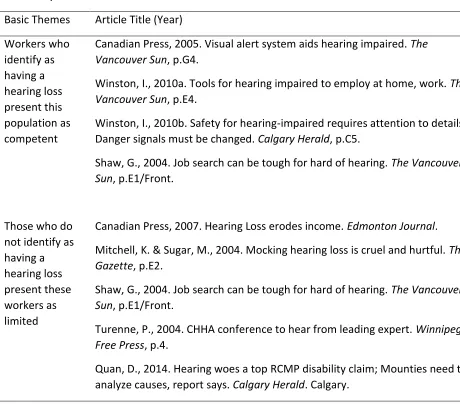
Table 7 Organizing Theme: Workers with hearing loss, as a generalized whole, are portrayed as either competent or limited……… 66
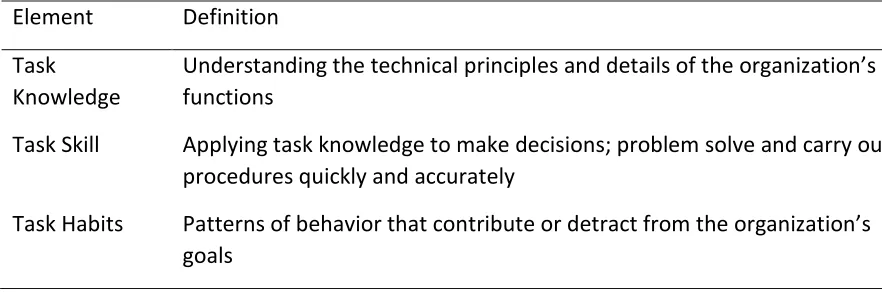
Table 8 Elements of Motowildo, Borman and Schmit’s (1997) task performance model……….. 84
Table 9 Best practices in online education, and their incorporation into the program………. 100
Table 10 Elements of task performance, and their incorporation into the program………. 102
Table 11 Elements of self-efficacy, and their incorporation into the program…… 102
Table 12 Principles of andragogy, and their incorporation into the program……… 103
Table 13 Week 1: Technology to Help You Hear……… 105
Table 14 Week 2: Telephones and Hearing Aids……… 106
Table 15 Week 3: Requesting Accommodation……….. 107
Table 16 Week 4: Listening Strategies……….. 108
vii
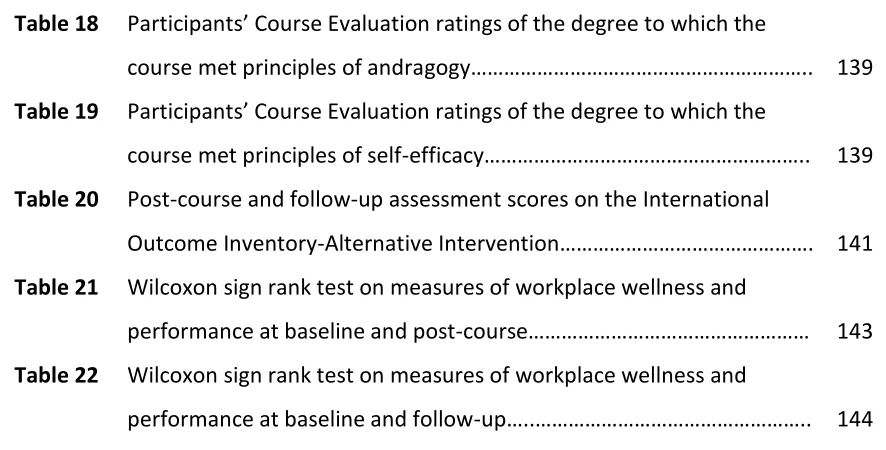
Table 19 Participants’ Course Evaluation ratings of the degree to which the
course met principles of self-efficacy……….. 139
Table 20 Post-course and follow-up assessment scores on the International
Outcome Inventory-Alternative Intervention………. 141
Table 21 Wilcoxon sign rank test on measures of workplace wellness and
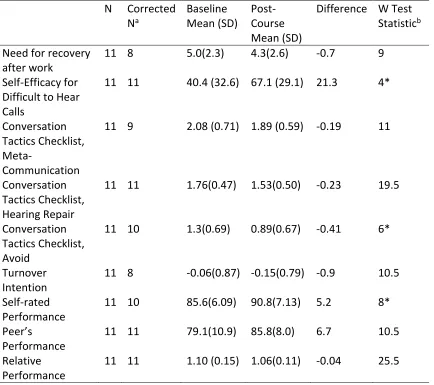
performance at baseline and post-course……… 143
Table 22 Wilcoxon sign rank test on measures of workplace wellness and
viii
Figure 1 Tye-Murray’s (2014) phases of communication strategy training. 7
Figure 2 Search terms used in CINAHL………. 29
Figure 3 Search terms used in Medline……….……….. 30
Figure 4 Search terms used in Web of Science ……….. 30
Figure 5 Flow diagram of scoping review……… 35
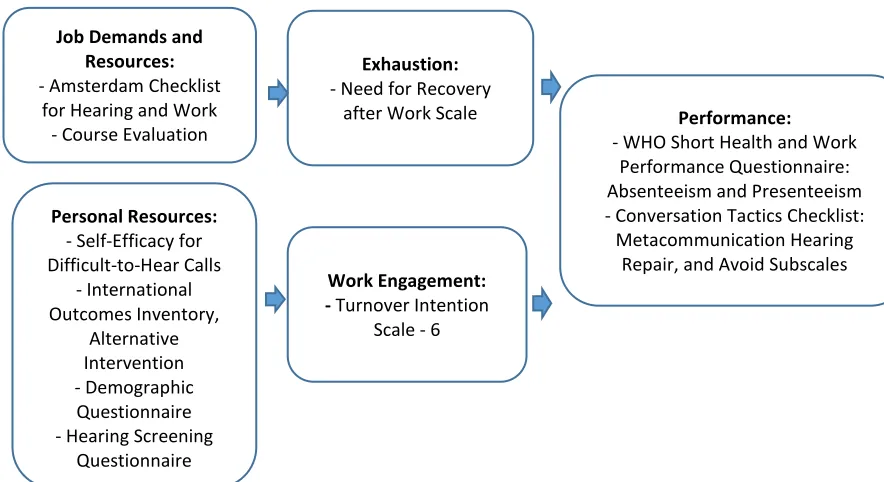
Figure 6 Koopman and colleagues’ (2011) Conceptual Framework of Individual Work Performance……….. 83 Figure 7 Task performance element of Motowildo, Borman and Schmit's (1997) Theory of Individual Differences in Task and Contextual Performance………. 85 Figure 8 Job Demands and Resources Model of Work Engagement…………. 86
Figure 9 Self-report measures of constructs within the Job Demands and Resources Model………..…… 117
Figure 10 Proposed program logic model, arrows represent predicted causal relationships explored through the case studies……… 124 Figure 11 Job characteristics by workplace as measured by the Amsterdam Checklist; possible ratings ranged from 1 (almost never) to 4 (almost always)……….. 132 Figure 12 Sample within-case, theory-driven logic model (BL)……… 134
Figure 13 Sample within-case, data-driven logic model (BL)………. 137
Figure 14 Total score on the Self-efficacy for Difficult-to-Hear Calls
questionnaire at pre- and post-course……….
146
Figure 15 Total score on the Self-efficacy for Difficult-to-Hear Calls
questionnaire at baseline, post-course, and follow-up………. 147
Figure 16 Self-rated performance over four weeks prior to completing
questionnaire, from the WHO Short Health and Work Performance Questionnaire. Scores from baseline and post-course ………..
ix
Performance Questionnaire; Scores from baseline and
follow-up………. 149
Figure 18 Program logic model, arrows represent predicted causal
relationships explored through the case studies, with outcomes corresponding to interpretive categories………
x
Appendix A Eighty Texts Included in Scoping Review……… 195
Appendix B Design of Experimental Studies ………. 201
Appendix C Design of Experiments with Devices rather than Participants………….. 205
Appendix D Design of Qualitative Research ………..……….. 206
Appendix E Design of Surveys….……….….……… 207
Appendix F Experts’ Discussion of Technology and Strategies…….………. 208
Appendix G Amplification Evidence………. 210
Appendix H Background-Noise, Evidence……… 212
Appendix I Bilateral Listening Evidence……… 213
Appendix J Captioned-Phone, Evidence……… 214
Appendix K Internet-Based-Telephony, Evidence………. 216
Appendix L Selecting Appropriate Coupling-Strategies, Evidence………. 217
Appendix M Mobile and Digital Phones, Evidence……… 218
Appendix N Improving User’s Telephone Skills, Evidence……… 219
Appendix O Improving User’s Telephone Communication Tactics, Evidence………. 220
Appendix P Requesting Accommodation for Telephone Work, Evidence……… 221
Appendix Q Accounting for Individual Differences, Evidence………..………. 222
Appendix R Standardized and Objective Design Criteria for Evaluating Web-Based Learning Platforms (Hsu et al., 2009) ………... 223
xi
Appendix U Better Hearing Institute Quick Hearing Check……… 232
Appendix V Amsterdam Checklist for Hearing and Work……… 234
Appendix W Need for Recovery After Work Scale……….... 237
Appendix X Self-Efficacy for Difficult-to-Hear Calls………. 238
Appendix Y Conversation Tactics Checklist……….. 240
Appendix Z Turnover Intention Scale-6 ……….. 242
Appendix AA World Health Organization Short Health and Work Performance Questionnaire – Presenteeism……….. 243 Appendix AB International Outcome Inventory – Alternative Intervention………. 244
Appendix AC Course Evaluation……….. 245
Appendix AD Within-Case Logic Models: Theory-Driven and Data-Driven………. 247
Appendix AE Cost per Employee per Year, Calculation Methods and Results……….. 299
Appendix AF Ethics Approval………. 301
Appendix AG Permission to Reproduce ‘Representations of workers with hearing loss in Canadian newspapers: a thematic analysis’………. 302
xii
WHL Worker with Hearing Loss
HRC Hanover Research Council
Chapter One: Introduction
Literature Review
A country’s demographics are linked to its economic performance (Abel 2001, 2003; Brooks 2002). For example, Bakshi and Chen (1994) found that the economic booms enjoyed during the 1980s and ‘90s were attributable to the fact that Baby Boomers, born between 1945 and 1965, were entering their prime working years. Today, Baby Boomers’ retirement is described as an economic ‘headwind’ (Liu & Spiegel, 2011). The Bank of Canada has predicted that by 2030, unless the situation is managed actively, the increased prevalence of retired persons will reduce Canada’s projected per capita output by 20% (Boivin, 2012), lowering Canada’s anticipated standard of living. According to the 2016 Retirement Confidence Survey, a third of Americans over 50 plan to continue working after 65 and two-thirds plan to continue working for pay even after officially retiring. However, far fewer actually do so with the majority citing a factor beyond their control; disability or ill health pushing them out of the workforce (Helman, Copeland, & VanDerhei, 2016).
Managing Disability in the Workplace
the average able-bodied employee (Hernandez & McDonald, 2010). Similarly, a study done at Washington Mutual Inc.’s call centre found that while the turnover rate of able-bodied customer service representatives was 45%, turnover in those with disabilities was 8% (Romano, 2003). With lower rates of turnover and few additional costs, workers with disabilities may provide additional value to their employer. There may be a
business case for proactively accommodating workers with chronic conditions and disabilities, and for supporting their resilience.
McCraty and Atkinson (2012) define resilience as “the capacity to prepare for, recover from, and adapt to stress, adversity, trauma or tragedy” (p. 49). Employers can build employee resilience through the provision of cognitive and behavioral training, sufficient job control, or stressor-specific support programs (Koerber, Rouse, Stanyar & Pelletier, 2017). Disability management exemplifies a stressor-specific program with the potential to promote employee resilience and benefit the organization as a result.
Currently, programs exist to support health and resilience in the workplace. Workplace wellness programs aim to prevent the occurrence or progression of disease (Goetzel & Ozminkowski, 2008; Hind & Rouse, 2014). However, disability is more than “just a health problem” (World Health Organization, 2018, para. 2). While disability management programs exist to accommodate employees whose disabilities require them to take time off from work (Dyck, 2006), such interventions respond to the dilemma of work absence, rather than preventing it. As a result, both preventative wellness programs and traditional disability management programs overlook the needs of workers with disabilities who attend work regularly. This inattention raises questions around how society perceives workers with disabilities, how they cope, and how their potential to contribute in the workforce might be impacted by the provision of proactive support services.
Hearing Loss in the Workplace
Organization, 2018, para. 1). Hearing loss is estimated to cause more people worldwide to experience moderate to severe disability than any other condition (World Health Organization, 2008). Hearing loss can by described by six degrees of severity: slight, mild, moderate, moderately-severe, severe, and profound (Gelfand, 2009). Adults with a mild loss (i.e. average sensitivity thresholds of 30 dB HL to 40 dB HL) have a threshold of hearing that normally-hearing individuals can approximate by deeply inserting earplugs (Toivonen, Pääkkönen, Savolainen, & Lehtomäki, 2002). At this degree of hearing loss, individuals will struggle with soft or distant speech. Further, damaged cells in the
hearing organ can lead this population to struggle with understanding speech presented in background noise (Edwards, 2003). Persons who have a moderate or moderately-severe loss will generally struggle to understand l speech spoken at a normal loudness level unless they have amplification, such as that provided by a hearing aid, and a quiet listening environment. The term ‘hard of hearing’ applies to individuals with mild to moderately-severe hearing loss who communicate through speech (Canadian Association of the Deaf, 2015). Persons who have severe or profound hearing loss typically struggle to understand speech even in quiet environments and with
amplification. Individuals with these levels of loss (audiologically described as ‘deaf') generally use assistive technologies such as hearing instruments or cochlear implants and may use sign language to communicate. ‘Deaf’, when capitalized, describes the sociological group of individuals who use sign language and identify with the culture of those who use this language (Canadian Association of the Deaf, 2015). Within this dissertation, I focus on workers with mild to moderately-severe hearing loss who choose to communicate through speech, whether or not they use hearing assistive technologies such as hearing aids. This demographic comprises the vast majority of workers
experiencing hearing loss (Goman & Lin, 2016; Statistics Canada, 1992).
The prevalence of hearing loss in Canadian working-aged adults ranges from 7% in ages 20 to 39 to 20% in ages 50 to 59 (Feder, Michaud, Ramage-morin, Mcnamee, & Beauregard, 2015). Because workers with hearing loss (WHL) are less likely to
the actual Canadian workforce is less clear. A study undertaken in Sweden found that 11% of working adults reported hearing loss (Hasson, Theorell, Westerlund, & Canlon, 2010) while in the Netherlands, it has been estimated at 3% (Cuijpers, Lautenbach , & Kösters, 2007 as cited by Gussenhoven et al., 2013). Productivity loss accounts for most of hearing loss’ national economic burden, a burden estimated at 1.4% of GDP in Australia (Access Economics, 2006). Hearing loss affects certain job tasks that require auditory or verbal communication, such as telephone use. According to Scherich (1996), telephone hearing challenges lead more workers with hearing loss to quit, take early retirement, or be fired from their jobs than any other hearing challenge.
WHL struggle with using the telephone, participating in group meetings, and integrating into their organization’s social fabric (Backenroth, 1995; Jennings, Shaw, Hodgins, Kuchar, & Bataghva, 2010; Scherich, 1996). They must manage their hearing loss in addition to performing job-related tasks. In consequence, workers’ degree of hearing loss correlates with work-related fatigue as measured by the Need for Recovery scale (Nachtegaal, Festen, & Kramer, 2012). WHL, particularly female workers, more frequently experience an imbalance between the job demands placed on them, and the amount of control (i.e., ability to make decisions and have those decisions respected) they have in dealing with these demands (Danermark & Gellerstedt, 2004). Moreover, a narrative qualitative study by Martindale (2017) found that working women face
barriers to accessing resources that they report might be helpful in coping with the challenges they face. These barriers include the cost of devices and services and a lack of understanding and awareness on the part of those they might turn to for help, including employers, audiologists and other health-care providers (Martindale, 2017). The
imbalance between demands and resources correlates with poorer health and psychosocial outcomes (Van der Doef & Maes, 1999).
The poor quality of social support that WHL experience exacerbates this
typically-hearing peers (Danermark & Gellerstedt, 2003, p.115). Poor job outcomes, including disproportionate employment in unskilled and semi-skilled jobs, lower salaries, career immobility, frequent turnover in search of fairer treatment, and early retirement are all more common within this population (Hogan, O’Loughlin, Davis, & Kendig, 2009; Kochkin, 2010; Mowry & Anderson, 1993). Williams, Falkum, and Martinsen (2015) found that, within a population of employees with hearing loss, the severity of the hearing disability did not predict depression symptoms as measured by the Hospital Anxiety and Depression Scale. Rather, a fear of negative evaluation from others and avoidant communication strategies predicted symptoms of depression. Additional challenges may exist for adults who develop hearing loss in their later working years. As an example, middle-aged adults with childhood-onset disabilities demonstrate higher levels of workforce participation than those with adult-onset disabilities (Verbrugge & Tang, 2002). Concerns around ageism may complicate the disclosure and
accommodation requests for older workers with hearing loss (Jennings & Shaw, 2008). The need to adapt to a new disability within an existing job may present a greater challenge than starting a new job with a disabling condition. Despite these many challenges, adults with hearing loss who participate in the workforce enjoy greater wellbeing than those with hearing loss who retire or take disability leave (Grimby & Ringdahl, 2000).
To summarize, hearing loss presents a cost to society, and instead of systematic support for managing this disability, WHL face forms of discrimination. We need a deeper understanding of the public discourse around workers with hearing loss and how to support them through programming, such as communication-strategies training.
Training in Communication Strategies
effort’ than persons with no hearing loss (Picou, Ricketts, & Hornsby, 2013).
Communication-strategies training helps persons with hearing loss to optimize their listening environments and repair communication when it breaks down (Tye-Murray, 2014). Hnath-Chisolm, Abrams, & McArdle (2004) found that veterans fit with hearing aids performed better, at least in the short term, when communication-strategy training accompanied their hearing aid fitting. The strategies taught in such training programs have been gleaned from the experiences of persons with hearing loss and the
professionals who work with them. For example, Trychin is a psychologist with hearing loss who has developed materials and programs for supporting adults with hearing loss. He has identified the following list of communication strategies that can be used by persons with hearing loss, (2003, p.7):
Pick the best spot to communicate by avoiding areas that are poorly lit and very noisy.
Anticipate difficult situations and plan how to minimize problems.
Pay attention to the speaker
Look for visual clues to what is being said.
Ask for written clues of ke words, if needed.
Provide feedback that you understand or fail to understand.
Do not bluff.
Arrange for frequent breaks, if discussions or meetings are long.
Provide feedback to the speaker by saying how well he or she is doing.
Try not to interrupt too often.
Set realistic goals about what you can expect to understand.
Task-specific communication strategies have also been developed. For example, Castle (1988) and Erber (1985) have written guides on telephone use for persons with hearing loss. I describe their strategies, and other strategies for telephone use, in chapter two.
Figure 1). In the first stage, the instructor explains the strategy with an example and presents a pencil-and-paper activity that allows the participants to become comfortable with the concept. Next, in the guided learning phase, the participants role-play to practice and gain feedback. Finally, through real-world practice, participants progress from using the strategy with friends and family to applying it at work and with strangers. In the following section, I will describe past communication-strategies training
interventions for WHL and the lessons gained from them.
Figure 1. Tye-Murray’s (2014) phases of communication strategy training.
Aural Rehabilitation for Workers with Hearing Loss
Holistic ‘aural rehabilitation’ contains, among other components,
communication-strategy training. Understanding the World Health Organization’s (WHO) International Classification of Impairments, Disabilities and Handicaps (1980) is central to understanding aural rehabilitation. In the WHO framework, a physical
impairment can lead to a disability (i.e., a limited ability to perform functions) which can in turn lead to a handicap (i.e., the disadvantages associated with the disability). Aural (or audiological) rehabilitation is an interactive process that supports individuals to manage the limitations imposed by hearing loss (American Speech-Language-Hearing Association, 2001) to “restore or optimize participation in activities considered
limitative” by the individual or their communication partners (Gagné 2000, p. 6). Aural rehabilitation can address disability and handicap in a range of environments. Research attention has been devoted towards the role of aural rehabilitation and communication-strategy training in the workplace.
In 2013, Gussenhoven and colleagues published a systematic review of the literature on vocational aural rehabilitation programs. They summarized programs that
Formal Instruction
Guided Learning
support workers with hearing difficulties and instruments that assist in the identification of workers’ auditory perceptual demands. Their review identified 10 publications
describing seven vocational aural rehabilitation programs and two tools for identifying workplace hearing demands. These programs occurred in a range of settings (i.e., audiology clinics, community agencies, workplaces), employed a range of professionals (e.g. audiologists, psychologists, occupational health experts), and varied in duration from one half-day to seven weekly sessions. The programs provided education in technical devices, communication strategies, and financial decisions, such as early retirement. The majority included education in the prescription and fitting of hearing aids and assistive devices. Most also included training in hearing tactics (i.e.
communication strategies). A few provided training in coping strategies, such as
assertiveness and relaxation techniques, or recommended workplace accommodations. Of the seven programs reviewed, four reported quantitative results. The programs demonstrated some benefits to their participants in terms of work readiness,
communication strategies, and the severity of hearing problems. At the same time, their methodological quality was limited; the authors did not include power calculations or include a control group. A more in-depth examination of these quantitatively evaluated studies provides insights into how to support workers with hearing loss. I have described these along with three additional, relevant studies.
noise; elevated hearing thresholds were not prerequisite. Five workers participated, and three of these five workers completed the program. In follow-up interviews, these three participants revealed that while they felt better equipped to manage their hearing loss, they also felt more distressed about its implications.
Getty and Hétu (1991) sought to improve upon Lalande’s pilot project by recruiting a larger sample and rooting the intervention in theory. They took a more community-based approach to recruitment, relying on an occupational health nurse who was trusted by the population of interest to recruit a total of 48 workers with occupational hearing loss. The program was based on the Blum hearing health approach (Hétu & Getty, 1991). As a result, the trained instructors focused on strategies that both minimized the precursors to hearing problems and repaired hearing problem when they arose. In addition to teaching communication strategies, the course, spread out over eight hours of class time, included training in hearing loss, the use of assistive listening devices, and the use of hearing aids. Audiologists attended each session and were available to provide follow-up care after the program. The intervention’s success was evaluated through qualitative interviews in which workers and their spouses reported a reduction in their perceived handicap and a greater sense of mastery in coping with hearing loss. On the other hand, the researchers did not use a control group, and quantitative results came from a psychometrically untested questionnaire, making the results difficult to interpret.
Hallberg and Barrenas (1994) provided a psychoeducational support program for working, middle-aged Swedish men with occupational hearing loss. Based on Soder’s (1988) conceptualization of disability as an interaction between a person’s body and the environment in which they live, the program focused on reducing problematic
interactions between the workers’ environment and their hearing loss. As in the
researchers assigned 27 to participate in the intervention, and 26 to form the control group. Of those assigned to the intervention, 12 completed the program. Compared to the control group, intervention participants demonstrated a significant quantitative improvement in hearing handicap, as measured by The Hearing Handicap and Support Scale (Erlandsson, Hallberg, & Axelsson, 1993). In contrast, results did not suggest a change in social support (as measured by the Hearing Handicap and Support Scale), acceptance of hearing loss (as measured by the Acceptance of Illness Scale) or coping strategies, as measured by Demorest and Erman’s (1987) Communication Strategies Scale of the Communication Profile for the Hearing Impaired.
Six years later, Ringdahl et al. (2001) tested the effectiveness of a far more intensive program, composed of 160, rather than 12 hours of training. Working adults who experienced hearing loss, and secondary psychosocial problems, participated. The full-time program lasted four weeks and was designed to improve participants’
understanding of hearing loss and ways to manage it. The research team screened 200 patients from the caseload of a state hearing therapist and social worker, and the team recruited 39 participants. Instructors sought to help participants approach rather than avoid their hearing-related problems through this more intensive rehabilitation program. Participants rated the program highly and, based on the Communication Strategies Scale of the Communication Profile for the Hearing Impaired (CPHI; Demorest & Erdman 1987), they showed lower levels of avoidant communication strategies after the intervention. Nevertheless, they did not score significantly higher on the use of adaptive communication strategies subscale of the CPHI. They also showed no significant decrease in their symptoms of distress, as measured by the Symptom
The results of the interventions described thus far were published between 1988 and 2000. They consisted of group aural rehabilitation classes held in the community, wherein workers with hearing loss learned about hearing loss and its consequences, communication strategies, emotional adjustment, and hearing instruments and devices. These programs demonstrated mixed results in terms of participants’ uptake of
communication strategies, decrease in hearing handicap, and improvements in overall wellbeing. In the decade following the year 2000, no additional studies were published in this area.
More recently, two programs have tried new approaches to supporting workers with hearing loss. In 2014, Williams, Falkum and Martinsen used cognitive therapy to support 15 workers experiencing hearing challenges and mental distress. Participants learned to challenge negative cognitions. They learned to recognize when they were avoiding hearing challenges and to use alternative coping strategies. Compared to the control group who received treatment as usual, this intervention group showed a significant reduction in both anxiety and avoidant coping strategies. Taking another approach, Gussenhoven et al. (2015) provided workers with hearing loss with one-on-one multidisciplinary evaluations and follow-up plans tailored to the workers’ unique psychosocial, occupational and hearing needs. Participants reported high levels of satisfaction with the program and moderate improvements in their functioning at work. Despite these positive outcomes, the participants and their employers implemented few recommendations from their follow-up plans. Further investigation revealed that they found many recommendations impractical within their work environment.
Call-centre workers and hearing loss
A high percentage of call-centre workers face communication-related problems. One study compared call-handling customer service representatives with non-call-handling administrative staff who also worked in call centres (Taylor, Baldry, Bain, & Ellis, 2003). Call handlers reported sore throats, cough, and voice loss more frequently, as well as significantly higher levels of earache attributed to “problems with headsets and poor audial environment” (Taylor, Baldry, Bain, & Ellis, 2003, p. 443). A third of the call-handlers in this study reported trouble hearing over the phone, attributing their difficulties to background noise in combination with poor telephone connections. In a review of 1183 Swedish call-centre workers, 11% self-reported a hearing loss (Gavhed & Toomingas, 2007). This number is almost three times the prevalence of self-reported hearing loss in the population: 4% of Canadians self-report a hearing loss, despite 12% having one (Feder et al., 2015). Furthermore, 43% of operators report dissatisfaction with the background noise levels in their call centre, and 11 of 15 call centres tested had background noise levels that surpassed the maximum recommended noise level for office work (Gavhed and Tomingas, 2007). This finding is relevant to those with hearing loss, because they struggle to understand speech in the presence of background noise (Dubno, Dirks, & Morgan, 1984).
Managing background noise and other hearing challenges may be difficult in the rigid work environment of a call centre. Worker with disabilities fare less well in
inflexible work environments (Baumgartner, Dwertmann, Boehm, & Bruch, 2015), but management within call centres exert high levels of control (Bain & Taylor, 2000). In addition, relative to workers in other industries, call-centre workers experience high levels of work-related stress, illness, and both voluntary and involuntary turnover (Norman, Nilsson, Hagberg, Tornqvist, & Toomingas, 2004). Call-centre workers must engage in emotional labor to maintain a friendly and enthusiastic demeanor (Goldberg & Grandey, 2007; Taylor & Bain, 1999). Unsurprisingly, call-centre workers report high levels of emotional exhaustion (Lewig & Dollard, 2003), which may leave fewer
telepractice nurses with listening challenges, whose performance on the telephone impacts the health of their clients. Within my dissertation, these nurses are my target population.
Nurses working with hearing loss
To my knowledge, no data exist on the prevalence of hearing loss among nurses, and I must assume that it is comparable with the levels found in the general population. Nevertheless, one might assume that it can be critical to a nurse’s job to be able to understand speech effectively. In a study completed by Dare (2009), 82% of nurses reported that communication challenges had a high to very high impact on their ability to work efficiently, and an even greater proportion reported that it threatened patient safety. According to the Joint Commission Center for Transforming Healthcare (2014), ineffective communication was the leading cause of adverse health care events in all categories investigated between 1995 and 2006. Misunderstandings over the telephone can lead to serious consequences, but telepractice nurses have access to few
management strategies to prevent such miscommunications. Best practice guidelines in telepractice nursing provided by the College of Nurses of Ontario (CNO; 2009)
emphasize the importance of effective communication during phone calls. The college urges nurse to “find solutions to communication and language or cultural barriers” (p.4). Unfortunately, the guidelines do not describe how to do so.
rather, they reported that the disability supported the patient-provider rapport. Thus, while nurses with disabilities gain the trust of clients, they still feel the need to hide their disability from their employer (Matt, 2008; Neal-Boylan, 2012). To understand this inconsistency, I will further explore public discourse around workers with hearing loss later this dissertation.
Nurses’ work on the telephone
Nurses use the telephone to meet a variety of patient-care goals, and the use of telepractice in healthcare is growing (Goodwin, 2007). In more traditional health-care settings, nurses use the telephone to provide clients with lab results, schedule
appointments, organize medications refills, follow-up on patients after discharge, and consult with other professionals. Nurses also provide education and counselling to patients with various conditions through not-for-profit hotlines (e.g., the Alzheimer’s Association 24/6 Helpline). In addition, nurses perform triage. Originally, untrained receptionists triaged the clients who called into their physician’s office. Nurses stepped in during the 1980s, developing and performing telephone protocols to ensure patients in need could access help immediately, while preventing unnecessary medical
appointments (Lafferty & Baird, 2001). Through the telephone, nurses save time and financial resources, while improving access to care (Katz, 2001).
Nurses in Call Centres
Collin-Jacques (2004) evaluated the nature of nurses’ work in a call centre in England and a call centre in Quebec. She found that in Quebec the call-centre work was an extension of the professionals’ previous nursing experience. The nurses hired at this call centre had significant prior nursing experience. At the Quebecois call centre, they applied the same profession-wide ‘nursing process’ (assess, plan, implement, and evaluate) they had learned in nursing school and had used in previous positions. They performed their patient assessments independently, relying on their clinical expertise. Quebecois nurses only used their computers to document their findings and to pull up the scientific nursing protocols relevant to the patient concern they had identified. While the protocols existed to maintain quality, these nurses altered them to match the needs of their patients. Nurses working in Quebec relied primarily on their clinical judgement.
On the other hand, British call-centre nurses relied primarily on the computer software and its algorithm. These nurses assessed clients by asking computer-prompted questions. Based on patients’ responses, nurses checked off either (a) ‘yes’/‘uncertain’/ ‘no’ or (b) the symptoms that had been reported by the patient. The system then provided recommendations for the nurse to share with the client. British nurses could override their system and provide a different recommendation, if they documented their rationale for doing so. As with most non-professional call-centre workers, managers closely monitored the nurses in England. The call-centre dialing system
tracked the number of calls nurses took and the frequency with which they overrode the algorithm’s recommendations. The British telephone advisory nurses followed the computer prompts, asking questions that guided clients to provide one of a finite number of answers. As a result, the British nurses had less control and flexibility than the nurses in Quebec.
and listening to perform assessments, and in their profession, poor communication presents a safety risk. In combination with the lack of flexibility found in call-centre work, these nurses present a demographic that stands to benefit from a communication strategies training program. Their single communication modality and metrics-based understanding of their own performance also make them an ideal population through which to assess and model the outcomes of a communication strategy training program.
Conclusion
The components and outcomes of communication strategy training programs for workers with hearing loss have been studied since the 1980s. Nevertheless, at the outset of my studies, I was able to identify areas in which to build upon the existing work. First, the process by which participants changed in response to these programs was unclear. Second, the cost or performance impact of such programs remained unexamined. This prevented employers from evaluating their value in the context of an organization-funded wellness and disability management strategy. Third, strategies needed to be better tailored to the specific contexts and communication challenges experienced by participants. Fourth, given that many strategies require workers to disclose their hearing loss publicly, and that many workers worry about the negative consequences of doing so, it was important to examine the discussion of workers with hearing loss in Canada’s public sphere.
I aimed to contribute to the research developing communication strategies training programs for workers with hearing loss. In preparing to develop and assess an intervention, I performed a scoping review of telephone listening strategies for
telephone health care providers, increasing the likelihood that the communication strategies recommended in the program would be appropriate. This scoping review, described in chapter two, followed the scoping review protocol outlined by the Joanna Briggs Institute. Next, as workers with hearing loss resist using strategies that make their hearing loss public, I explored the public discussion of hearing loss applying critical framing theory to seven English-language Canadian newspapers. In the following chapter, Chapter Four, I developed and analyzed an online communication training program for telepractice nurses with hearing challenges. I used a multiple case study methodology to analyze the course. Through grounded theory analyses of each case’s interviews, discussion forum comments, and surveys, I built a program logic model outlining the mechanism by which nurses engaged with the course and changed in response to it. In the concluding chapter, I summarized the findings that had emerged for each chapter’s research question:
Chapter 2: What strategies exist for making telephone speech more intelligible for health care providers and patients with hearing challenges?
Chapter 3: How do Canadian newspapers portray workers with hearing loss? Chapter 4: How do nurses with hearing challenges change in terms of their telephone performance and workplace wellbeing in response to participating in an online communication strategies training program?
References
Abel, A. B. (2001). Will bequests attenuate the predicted meltdown in stock prices when baby boomers retire? Review of Economics and Statistics, 83(4), 589–595.
Access Economics. (2006). Listen Hear! The economic impact and cost of hearing loss in
Australia. Retrieved from Australian Indigenous HealthInfoNet website:
https://healthinfonet.ecu.edu.au/key-resources/publications/?id=1929
American Speech-Language-Hearing Association. (2001). Knowledge and skills required
for the practice of audiologic/aural rehabilitation. Retrieved from American
Speech-Language-Hearing Association website: www.asha.org/policy Backenroth, G. A. (1995). Deaf people's perception of social interaction in working
life. International Journal of Rehabilitation Research, 18(1), 76-81. Bain, P., & Taylor, P. (2000). Entrapped by the ‘electronic panopticon’? Worker
resistance in the call centre. New Technology, Work and Employment, 15(1), 2-18.
Bakshi, G. S., & Chen, Z. (1994). Baby boom, population aging, and capital markets. Journal of Business, 67(2), 165-202.
Baumgärtner, M. K., Dwertmann, D. J., Boehm, S. A., & Bruch, H. (2015). Job satisfaction of employees with disabilities: The role of perceived structural flexibility. Human
Resource Management, 54(2), 323-343.
Beer, C. (2010). Charting a path forward: Report of the Independent Review of the
Accessibility for Ontarians with Disabilities Act, 2005. Retrieved from
https://www.ontario.ca/page/charting-path-forward-report-independent-review-accessibility-ontarians-disabilities-act.
Boivin, J. (2012, April 12) Aging Gracefully: Canada’s Inevitable Demographic Shift. Retrieved from the website of the Bank of Canada:
https://www.bankofcanada.ca/2012/04/aging-gracefully-canadas-inevitable/. Canadian Association of the Deaf (2015, July 3). Terminology. Retrieved from
http://cad.ca/issues-positions/terminology/
Castle, D. L. (1988). Telephone strategies: A technical and practical guide for
hard-of-hearing people. Self Help for Hard of Hearing People. Bethesda, MD: Self Help for
Hard of Hearing People, Inc.
Chisolm, T. H., Abrams, H. B., & McArdle, R. (2004). Short-and long-term outcomes of adult audiological rehabilitation. Ear and Hearing, 25(5), 464-477.
College of Nurses of Ontario (2017, February). Practice Guideline: Telepractice. Retrieved from College of Nurses of Ontario website:
https://www.cno.org/globalassets/docs/prac/41041_telephone.pdf.
College of Nurses of Ontario (2012, January). Fact Sheet: Requisite skills and abilities for
nursing practice in Ontario. Retrieved from College of Nurses of Ontario website:
College of Nurses of Ontario (2015, February). Membership statistics. Retrieved from College of Nurses of Ontario website:
http://www.cno.org/globalassets/docs/general/43069_stats/43069_membershi pstatistics-highlights.pdf
Collin-Jacques, C. (2004). Professionals at work: A study of autonomy and skill utilization in nurse call centres in England and Canada. In Deery, S. & Kinnie, N., (Eds.) Call
Centres and Human Resource Management (pp. 153-173). Palgrave Macmillan:
London.
Danermark, B., & Coniavitis Gellerstedt, L. (2003). Att höra till: om hörselskadades
psykosociala arbetsmiljö. Örebro universitet.
Danermark, B., & Gellerstedt, L. C. (2004). Psychosocial work environment, hearing impairment and health. International Journal of Audiology, 43(7), 383-389. Dare, F. (2009, September). The high cost of nurses’ communication challenges.
Retrieved
from www.cisco.com/web/about/ac79/docs/Nurses_Survey_Report_0923FINAL. pdf.
Demorest, M.E., Erdman, S.A., (1987). Development of the Communication Profile of the Hearing Impaired. Journal of Speech and Hearing Disorders, 52(2), 129-43.
Derogatis, L.R. (1976). SCL-90 R (revised version), Manual-I. Baltimore, MD: Clinical Psychometrics Research Unit, Johns Hopkins University School of Medicine. Dubno, J. R., Dirks, D. D., & Morgan, D. E. (1984). Effects of age and mild hearing loss on
speech recognition in noise. The Journal of the Acoustical Society of
America, 76(1), 87-96.
Dyck, D. E., & Borner, H. (2006). Disability management: theory, strategy & industry
practice. London, UK: LexisNexis/Butterworths.
Edwards, B. (2003, march 10). The distortion of auditory perception by sensorineural hearing impairment. Retrieved:
https://www.audiologyonline.com/articles/distortion-auditory-perception-by-sensorineural-1134.
Erber, N. P. (1985). Telephone communication and hearing impairment. San Diego, California: College-Hill Press
Erlandsson, S. I., Hallberg, L., R.M., Axelsson, A. (1992). Psychological and audiological correlates of perceived tinnitus severity. Audiology. 31: 168-179
Feder, K., Michaud, D., Ramage-Morin, P., McNamee, J., & Beauregard, Y. (2015). Prevalence of hearing loss among Canadians aged 20 to 79: Audiometric results from the 2012/2013 Canadian Health Measures Survey. Health reports, 26(7), 18. Gavhed, D., & Toomingas, A. (2007). Observed physical working conditions in a sample
of call centres in Sweden and their relations to directives, recommendations and operators’ comfort and symptoms. International Journal of Industrial
Gagné, J.P. (2000). What is treatment evaluation research? What is its relationship to the goals of audiological rehabilitation? Who are the stakeholders of this type of research? Ear and Hearing, 21(4), 60s-73s.
Gelfand, S. A. (2016). Essentials of audiology. New York: Thieme Medical Publishers Inc. Getty, L., & Hétu, R. (1991). Development of a Rehabilitation Program for People
Affected with Occupational Hearing Loss 2. Results from Group Intervention with 48 Workers and Their Spouses. Audiology, 30(6), 317-329.
Goetzel, R. Z., & Ozminkowski, R. J. (2008). The health and cost benefits of work site health-promotion programs. Annual Review of Public Health, 29, 303-323. Goldberg, L. S., & Grandey, A. A. (2007). Display rules versus display autonomy: emotion
regulation, emotional exhaustion, and task performance in a call center simulation. Journal of Occupational Health Psychology, 12(3), 301.
Goman, A. M., & Lin, F. R. (2016). Prevalence of hearing loss by severity in the United States. American Journal of Public Health, 106(10), 1820-1822.
Goodwin, S. (2007). Telephone nursing: an emerging practice area. Nursing
Leadership, 20(4), 37-45.
Grimby, A., & Ringdahl, A. (2000). Does having a job improve the quality of life among post-lingually deafened Swedish adults with severe-profound hearing
impairment?. British Journal of Audiology, 34(3), 187-195.
Gussenhoven, A. H., Jansma, E. P., Goverts, S. T., Festen, J. M., Anema, J. R., & Kramer, S. E. (2013). Vocational rehabilitation services for people with hearing difficulties: A systematic review of the literature. Work, 46(2), 151-164.
Gussenhoven, A. H., Singh, A. S., Goverts, S. T., van Til, M., Anema, J. R., & Kramer, S. E. (2015). A process evaluation of implementing a vocational enablement protocol for employees with hearing difficulties in clinical practice. International Journal
of Audiology, 54(8),507-517.
Hallberg, L. R. M., & Barrenäs, M. L. (1994). Group rehabilitation of middle-aged males with noise-induced hearing loss and their spouses: Evaluation of short-and long-term effects. British Journal of Audiology, 28(2), 71-79.
Hasson, D., Theorell, T., Westerlund, H., & Canlon, B. (2009). Prevalence and characteristics of hearing problems in a working and non-working Swedish population. Journal of Epidemiology & Community Health.
doi:10.1136/jech.2009.095430
Helman, R., Copeland, C., VanDerhei, J. (2016, March). The 2016 retirement confidence survey: workers confidence stable, retiree confidence continues to increase.
Employee Benefits Research Institute Issue Brief, Number 422.
Hernandez, B., & McDonald, K. (2010). Exploring the costs and benefits of workers with disabilities. Journal of Rehabilitation, 76(3), 15.
Hogan, A., O'Loughlin, K., Davis, A., & Kendig, H. (2009). Hearing loss and paid employment: Australian population survey findings. International Journal of
Audiology, 48(3), 117- 122.
Jahiel, R. I., & Scherer, M. J. (2010). Initial steps towards a theory and praxis of person– environment interaction in disability. Disability and rehabilitation, 32(17), 1467-1474.
Jennings, M. B., & Shaw, L. (2008). Impact of hearing loss in the workplace: raising questions about partnerships with professionals. Work, 30(3), 289-295. Jennings, M. B., Shaw, L., Hodgins, H., Kuchar, D. A., & Bataghva, L. (2010). Evaluating
auditory perception and communication demands required to carry out work tasks and complimentary hearing resources and skills for older workers with hearing loss. Work, 35(1), 101-113.
Joint Commission Center for Transforming Healthcare. (2014, December 22). Improving
transitions of care: hand-off communication. Retrieved from
https://pdfs.semanticscholar.org/presentation/eee3/afc8e2e6027f88737b559fd 6ea72f b9a1588.pdf
Katz, H. P. (2001). Telephone medicine: triage and training for primary care. FA Davis Company.
Kochkin, S. (2010). MarkeTrak VIII: The efficacy of hearing aids in achieving
compensation equity in the workplace. The Hearing Journal, 63(10), 19-24. Lafferty, S., & Baird, M. (2001). Tele-nurse: telephone triage protocols. United Nations
Publications.
Lalande, N. M., Riverin, L., & Lambert, J. (1988). Occupational hearing loss: an aural rehabilitation program for workers and their spouses, characteristics of the program and target group (participants and nonparticipants). Ear and
Hearing, 9(5), 248-255.
Lewig, K. A., & Dollard, M. F. (2003). Emotional dissonance, emotional exhaustion and job satisfaction in call centre workers. European Journal of Work and
Organizational Psychology, 12(4), 366-392.
Loy, B. (2016). Workplace accommodations: Low cost, high impact. Retrieved from Job Accommodation Network website:
https://askjan.org/media/downloads/LowCostHighImpact.pdf
Martindale, A. (2017). Accessing resources: The narratives of women working with a
hearing loss (master’s thesis). University of Western Ontario, London, Ontario.
Matt, S. B. (2008). Nurses with disabilities: Self-reported experiences as hospital employees. Qualitative Health Research, 18(11), 1524-1535.
McCraty, R., & Atkinson, M. (2012). Resilience training program reduces physiological and psychological stress in police officers. Global Advances in Health and
Medicine, 1(5), 44-66.
profound hearing loss in the United States. International Journal of Technology
Assessment in Health Care, 16(04), 1120-1135.
Mowry, R. L., & Anderson, G. B. (1993). Deaf adults tell their stories: Perspectives on barriers to job advancement and on-the-job accommodations. The Volta Review.
95(4), 367-377.
Nachtegaal, J., Festen, J. M., & Kramer, S. E. (2012). Hearing ability in working life and its relationship with sick leave and self-reported work productivity. Ear and
Hearing, 33(1), 94-103.
Neal‐Boylan, L. (2012). An exploration and comparison of the worklife experiences of registered nurses and physicians with permanent physical and/or sensory
disabilities. Rehabilitation Nursing, 37(1), 3-10.
Norman, K., Nilsson, T., Hagberg, M., Tornqvist, E. W., & Toomingas, A. (2004). Working conditions and health among female and male employees at a call center in Sweden. American Journal of Industrial Medicine, 46(1), 55-62.
Picou, E. M., Ricketts, T. A., & Hornsby, B. W. (2013). How hearing aids, background noise, and visual cues influence objective listening effort. Ear and Hearing, 34(5), e52-e64.
Preminger, J. E. (2007). Issues associated with the measurement of psychosocial benefits of group audiologic rehabilitation programs. Trends in amplification, 11(2), 113-123.
Ringdahl, A., Brenstaaf, E., Simonsson, S., Wilroth, M., Caprin, L., Lyche, S., Wiik, H, Eriksson-Mangold, M., & Andersson, G. (2001). A three-year follow-up of a four-week multidisciplinary audiological rehabilitation programme. Journal of
Audiological Medicine. 10(2), 142-157.
Romano, S. T. (2003). For firms, hiring disabled people offers a big payback. Crain's
Chicago Business, 26(9).
Scherich, D. L. (1996). Job accommodations in the workplace for persons who are deaf or hard of hearing: Current practices and recommendations. Journal of
Rehabilitation, 62(2), 27.
Soder, M. (1988) The Concept of handicap-a comparison between ICIDH definition and the Swedish definition. In: Soder, M., Impairment, Disability and Handicaps. Stockholm: Swedish Council for Planning and Coordination of Research. Statistics Canada. (1992). Canadians with impaired hearing. Ottawa, ON: Statistics
Canada.
Taylor, P., & Bain, P. (1999). ‘An assembly line in the head’: work and employee relations in the call centre. Industrial Relations Journal, 30(2), 101-117.
Taylor, P., Baldry, C., Bain, P., & Ellis, V. (2003). A unique working environment': health, sickness and absence management in UK call centres. Work, employment and
Toivonen, M., Pääkkönen, R., Savolainen, S., & Lehtomäki, K. (2002). Noise attenuation and proper insertion of earplugs into ear canals. Annals of Occupational
Hygiene, 46(6), 527-530.
Trychin, S. (2003). Living with hearing loss: communication rules for people who are hard
of hearing. Author.
Tye-Murray, N. (2014). Foundations of aural rehabilitation: Children, adults, and their
family members. Nelson Education.
Van der Doef, M., & Maes, S. (1999). The job demand-control (-support) model and psychological well-being: a review of 20 years of empirical research. Work &
Stress, 13(2), 87-114.
Verbrugge, L. M., & Yang, L. S. (2002). Aging with disability and disability with aging. Journal of Disability Policy Studies, 12(4), 253-267.
Williams, K. C., Falkum, E., & Martinsen, E. W. (2015). A cognitive therapy program for hearing-impaired employees suffering from mental distress. International
Journal of Audiology, 54(4), 227-233.
World Health Organization. (1980). International classification of impairments,
disabilities and handicaps. Geneva: WHO Press.
World Health Organization. (2008). The global burden of disease: 2004 update. Geneva: World Health Organization.
Chapter Two: Increasing the accessibility of telephone-based health care for clients and providers with hearing loss: a scoping review with recommendations
Introduction
Health care providers use the telephone to meet a variety of client-care goals, including client follow-up after discharge, consultations with other health-care providers, the provision of lab results, health education, and triage through hotlines (Lafferty & Baird, 2001). The use of telepractice within healthcare is growing (Goodwin, 2007), and through using the telephone, providers save on time, cost, and improve access to care (Katz, 2001). However, as the population ages and experiences more hearing loss (Brant & Fozard, 1990), older clients, as well as older health care providers, will more frequently struggle to understand speech over the telephone.
In health care settings, the prevalence of mild to moderately-severe hearing loss may be underestimated as affected clients and providers often conceal their loss due to concerns of stigmatization (Hines, 2000; Neal-Boylan, 2012). In Canada hearing loss impacts 10% of the adult population under 50 (Feder, 2015). The prevalence of hearing loss rises to 47% of adults aged 60 to 79 (Statistics Canada, 2015). Similar statistics appear in other developed and westernized countries (e.g., Lin, Thorpe, Gordon-Salant, & Ferrucci, 2010).
can hear speech well enough to understand its meaning (College of Nurses of Ontario, 2012). For providers with mild to moderate hearing loss, meeting this requirement may be more challenging over the telephone.
Telephones convert the speech signal from acoustic to electromagnetic (via microphone), and back to acoustic (via speaker) upon arriving at the communication partner’s phone, losing signal richness in the process (Brain, 2000). Telephone lines only transmit a portion of the frequency bandwidth used for speech, making sounds such as ‘s’ and ‘th’ harder to hear. While on the telephone, users lack visual cues by which to identify and clarify misunderstandings. The use of hearing aids is not always a
satisfactory solution. Out of 15 communication domains, modern digital hearing aids users expressed the lowest satisfaction with the instruments’ helpfulness on the telephone (Kaplan-Neeman, Muchnik, Hildesheimer, & Yael, 2012).
Table 1
Recommendations for managing hearing challenges on the telephone, as described by Erber (1985) and Castle (1988)
To avoid misunderstanding, the person experiencing telephone hearing challenges should:
Ensure the phone’s speaker is placed by the hearing aid microphone, if they are using a hearing aid
Familiarize themselves beforehand with the topics and the jargon that might arise in the call
Use assistive technology (e.g., a hearing aid set to its telephone setting or a phone amplifier)
Reduce distractions by making calls in aquiet environment, requesting that others not interrupt while on the phone, and avoiding calls when ill, tired, stressed, or in pain
Call back if noise or technical troubles arise on their own end
Disclose telephone hearing troubles to colleagues and callers when necessary
Maintain control of the conversation
Meet face-to-face when possible
Track commonly confused words and numbers; confirm these when they arise
Keep a list these strategies by the phone for reference purposes
Upon misunderstanding, the person experiencing telephone hearing challenges should:
Take note of unclear points to be resolved
Request repetition, if this request generally works on the first attempt
Make a guess and have the call partner confirm
Ask the call partner to rephrase what they had said
Ask for a single keyword
Ask that the call partner spell out hard-to-hear words using code words (e.g., NATO alphabet)
Ask that the call partner relay large numbers digit by digit, and if needed, count up to each digit
Confirm the central message before hanging up
The call partner should:
Place the telephone microphone near their mouth
Speak clearly: pausing between phrases, speaking somewhat louder, stressing important syllables, and maintaining intensity (not fading) at the ends of sentences
Make calls in a quiet environment
Reduce sources of distortion in their speech (e.g., speaking with food or a cigarette in their mouth; sniffing or coughing during speech; raising their voice)
Provide forewarning before changing the conversation topic
Be concise and direct, using simple sentences and avoiding jargon
If needed, transfer the caller to someone with an easier-to-understand voice (e.g., a caller with a high frequency-loss may be transferred from a female to a male speaker)
Confirm that the person with hearing challenges has understood them correctly
Keep a list of these strategies by the phone for reference purposes
In performing this scoping review, I aimed to identify strategies by which health care providers with hearing loss could use the telephone more successfully, and which all providers could use to make the telephone more accessible to clients with hearing loss. The literature on telephone listening strategies contains heterogeneous patient populations and methodologies. In areas of heterogeneous research, scoping reviews can “summarize and disseminate research findings… to policymakers, practitioners, and consumers who might otherwise lack the time or researches to undertake such work themselves” (Arksey and O’Malley, 2005, p.6). As such, a scoping review methodology was used to identify strategies for increasing the accessibility of telephone-based health care for clients and providers with hearing loss.
Methods
Literature Search
following these steps we consulted with stakeholders, namely telepractice nurses experiencing hearing challenges. We drew upon the population, concept, and context of interest, to develop the following research question:
What strategies exist for increasing the accessibility of telephone-based health care for clients and providers with hearing loss?
Terms Relating to Hearing Loss
AND (MH "Hearing Loss, Partial") OR (MH "Hearing Loss, Sensorineural") OR (MH "Hearing Loss, Noise-Induced") OR (MH "Hearing Loss, High-Frequency") OR (MH "Hearing Loss, Conductive") OR (MH "Hearing Disorders") OR (MH "Presbycusis") OR (MH "speech intelligibility") OR (MH "speech discrimination") OR (MH "speech perception") OR (TI "Hearing Loss") (TI "Hearing Disorder*") OR (TI "Presbycusis") OR (TI "speech intelligibility") OR (TI "speech discrimination") OR (TI "speech perception") OR (TI "speech recognition")
OR (AB "Hearing Loss”) OR (AB "Hearing Disorder*") OR (AB "Presbycusis") OR (AB "speech intelligibility") OR (AB "speech discrimination") OR (AB "speech perception") OR (AB "speech recognition")
Terms Relating to Telephones and Telemedicine
(TI "Telemedicine") OR (TI "Telerehabilitation") OR (TI "Telenursing") OR (TI "Telehealth") OR (TI "Teleconferenc*") OR (TI "Interactive Voice Response Systems") OR (TI "Telecommunications") OR (TI "Telephone Information Services") OR (TI "Telephone") OR (TI "Cellular Phone") OR (TI "Voice Mail") OR (TI "Telepractice") OR (TI "caller") OR (TI "telephone user") OR (TI "mobile phone") OR (TI "cell phone")
OR (AB "Telemedicine") OR (AB "Telerehabilitation") OR (AB "Telenursing") OR (AB "Telehealth") OR (AB "Teleconferenc*") OR (AB "Interactive Voice Response Systems") OR (AB "Telecommunications") OR (AB "Telephone Information Services") OR (AB "Telephone") OR (AB "Cellular Phone") OR (AB "Voice Mail") OR (AB "Telepractice") OR (AB "caller") OR (AB "telephone user") OR (AB "mobile phone")
OR (MH "Telemedicine") OR (MH "Remote Consultation") OR (MH "Telerehabilitation") OR (MH "Telenursing") OR (MH "Telehealth") OR (MH "Voice Mail") OR (MH "Teleconferencing") OR (MH "Interactive Voice Response Systems") OR (MH "Telecommunications") OR (MH "Telephone Information Services") OR (MH "Telephone") OR (MH "Cellular Phone") OR (MH "Telephone Consultation (Iowa NIC)") OR (MH "Text Messaging") OR (MH "Voice Mail")
Terms Relating to Management Strategies
AND (MH "usability study") OR (MH "social participation") OR (MH "equipment design") OR (MH "job accommodation") OR (MH "Health service accessibility") OR (MH "communication aids for disabled") OR (MH "rehabilitation of hearing impaired") OR (MH "communication skills training") OR (MH "hearing aids") OR (MH "hearing aid fitting") OR (MH "assistive technology devices") OR (MH "assistive listening systems") OR (MH "assistive technology services") OR (MH "assistive technology")
OR (AB "technology") OR (AB "captel") OR (AB "assistive device*") OR (AB "handicapped aid*") OR (AB "assistive technology device*") OR (AB "hearing aid compatible") OR (AB "prosthesis") OR (AB "equipment design") OR (AB "hearing aid") OR (AB "amplification") OR (AB "fitting formula") OR (AB "aural rehabilitation") OR (AB
"communication method") OR (AB "accessibility") OR (AB "barrier*") OR (AB "accommodation") OR (AB "universal design") OR (AB "participation") OR (AB "usability") OR (AB "strategy") OR (AB "tactic") OR (AB "skill")
OR (TI "technology") OR (TI "captel") OR (TI "assistive device*") OR (TI "handicapped aid*") OR (TI "assistive technology device*") OR (TI "hearing aid compatible") OR (TI "prosthesis") OR (TI "equipment design") OR (TI "hearing aid") OR (TI "amplification") OR (TI "fitting formula") OR (TI "aural rehabilitation") OR (TI "communication method") OR (TI "accessibility") OR (TI "barrier*") OR (TI "accommodation") OR (TI "universal design") OR (TI "participation") OR (TI "usability") OR (TI "strategy") OR (TI "tactic") OR (TI "skill")
Figure 2. Search terms used in CINAHL. MH = mesh heading search; TI = title search; AB