ABSTRACT
CLARK, CORY WILLIAM. Developing a Competency System for Counseling Children: A Delphi Study. (Under the direction of Drs. Adria Dunbar and Marc Grimmett).
The purpose of this mixed methods dissertation study is to answer the following simple question: What is child counseling? There is a dearth of literature on the clinical competencies involved in child counseling. Additionally, there is little training specific to children in
professional counseling. An introduction to the need for child counseling competencies is accompanied by a review of literature that includes discussion of the child counseling subfield, the training structure for child counselors, related ethical and legal issues in counseling children, and child counseling competency systems and theories. A framework is introduced from which to base a child counseling competency system. A mixed methods classical Delphi study was employed to engage a panel of 37 child counseling experts about what constitutes the practice of child counseling and what makes it unique. Initial items for a comprehensive child counseling competency system were illuminated.
This study resulted in 57 items that encompass child counseling competencies in the core domains of child counseling attitudes, knowledge, skills and actions. Additionally, participants ranked items for a final list of ten competencies in child counseling that including the following: (1) passion for children, (2) authenticity, (3) advocating for children, (4) evidence-based
Developing a Competency System for Counseling Children: A Delphi Study
By
Cory William Clark
A dissertation submitted to the Graduate Faculty of North Carolina State University
in partial fulfillment of the requirements for the degree of
Doctor of Philosophy
Educational Leadership, Policy, and Human Development
Raleigh, North Carolina 2019
APPROVED BY:
___________________________ ___________________________
Dr. Adria Dunbar Dr. Marc Grimmett
Co-Chair of Advisory Committee Co-Chair of Advisory Committee
___________________________ ___________________________
DEDICATION
I dedicate this dissertation to my wife, children and parents.
For my wife, Kate Melillo, who supports and loves me unconditionally through all the times. For my children Sebastian and Dawson, who represent my purpose in life.
BIOGRAPHY
Cory William Clark is a Licensed Professional Counselor Associate (LPCA) and a student in the Counseling and Counselor Education program at North Carolina State University. Cory also holds a Masters degree in Clinical Mental Health Counseling from NC State and a Bachelors degree from the University of North Carolina at Chapel Hill, where he graduated with honors in Psychology. Cory has spent several years in Asia as a child and adolescent behavior therapy consultant, working with children with externalizing behavior issues and associated diagnoses, such as ADHD, Oppositional Defiant Disorder and Autism Spectrum Disorders. His research interests are in the areas of child counseling competencies, counselor training, child psychopathology, family systems and multicultural counseling.
Cory has over ten years of experience working with a variety of clients but especially children and families. He has worked with children from preschool age through early adulthood. Cory’s love for serving children and families stems from his early experiences as an early childhood educator where he realized how deeply he could connect with children on an individual level. Cory believes that kids can intuitively sense the genuineness and level of
comfort an adult has when interacting with them and Cory has had a natural rapport with kids for as long as he can remember.
Cory’s passion is serving individuals across the lifespan in the areas of behavior issues, developmental disorders (ADHD, ASD, etc.), family and parenting issues, mood disorders, anxiety, relationship issues, life transition dynamics, trauma, abuse, self-esteem concerns, social skills issues and school issues.
ACKNOWLEDGEMENTS
Dissertations are marathons. In order to get through this marathon training regimen that is a dissertation, I could not have done it without many wonderful individuals. First and foremost, I thank my committee: Dr. Adria Dunbar, Dr. Marc Grimmett, Dr. Stan Baker, and Dr. Jessica DeCuir Gunby. Dr. DeCuir Gunby, you have consistently modeled for me the professionalism and competence of an excellent educator and researcher and I thank you for supporting me throughout this process. I was in your scholar leader course at a time when my energy and enthusiasm for counseling classwork was about completely drained. You renewed my energy to give me the motivation to keep reading, writing, and following my path to becoming a counselor educator. Dr. Baker, you absolutely live up to your reputation for being a fierce advocate for your students. I have always felt welcome to come to you with any concerns. Your words of encouragement in your classes has fueled my confidence to complete this dissertation. You have also been the most influential educator to teach me how to improve my writing and I am forever grateful for that as well.
Dr. Dunbar, in retrospect, I feel like I won the lottery with having you as my advisor, dissertation co-chair and overall mentor these last few years. Your personality,
supervision/mentorship style and overall counselor education approach aligns perfectly with me. Our relationship is everything I could hope for. The texts and calls at odd hours during different crises are an indicator of your ongoing support as I’ve weathered many storms the last couple years. I am incredibly grateful for your dedication and support you’ve given to me. You’ve helped me mature as a counselor, counselor educator, researcher and as an adult overall.
Thank you to my expert panel members. The Delphi method is a long process which requires commitment over time. The panel members who participated in this study were all selected for their dedication and service to children and families. I will be forever grateful for their participation and insight on this valuable topic.
Thank you to my family of origin for supporting me from childhood. We lost our parents far too early and although it has been a tumultuous ride since they’ve been gone, I could never be here today if it weren’t for the 6 wonderful siblings I have looking out for me. Thank you Mark and Michele, for encouraging me to sustain my efforts in this long academic process. Mark, my editor-in-chief, although I sometimes loathe your feedback style when you tell me of all the errors I make in my writing…I am sincerely grateful of the time and energy you spent reading this and working with me.
TABLE OF CONTENTS
LIST OF TABLES ... x
LIST OF FIGURES ... xi
Chapter 1: Examining Child Counseling ... 1
Introduction ... 1
Statement of the Problem ... 6
Purpose of the Study ... 6
Significance of the Study ... 8
Delimitations ... 9
Definition of Terms ... 11
Chapter 2: Reviewing the Literature ... 14
Developmental Stages of Childhood ... 17
Child Counselor Training and Education ... 21
Evidence-Based Child Counselor Trainings ... 29
Child Developmental Theories ... 32
Child Counseling Legal and Ethical Understandings ... 49
Framework for Counseling Competencies: MSJCC ... 55
Chapter 3: Methodology ... 58
Epistemology ... 58
The Delphi Methodology ... 62
Research Questions ... 65
Population and Sample ... 65
Data Collection and Analysis Procedures ... 68
Validity ... 74
Researcher Position ... 76
Phase 1 Pilot Study Results ... 80
Chapter 4: Results ... 87
Phase 2 Main Study Results ... 88
Phase 2 Round 1 Results ... 90
Phase 2 Round 2 Results ... 95
Phase 2 Round 3 Results ... 99
Chapter 5: Discussion ... 104
Summary of Findings ... 105
Findings by Research Question ... 111
Implications ... 121
Child Counseling Competencies ... 121
Counselor Training ... 129
Counselor Licensure ... 131
Future Research ... 132
Strengths ... 134
APPENDICES ... 165
Appendix A: Recruitment Email: Pilot Study ... 167
Appendix B: Pilot Study Consent Form ... 171
Appendix C: Brainstorming Session Prompts ... 173
Appendix D: Recruitment Email: Main Study ... 169
Appendix E: Consent Form: Main Study... 174
Appendix F: Main Study Instructions Emails ... 177
Appendix G: Main Study Round 1 Questionnaire ... 180
Appendix H: Phase 2 Round 2 Email ... 199
Appendix I: Phase 2 Round 1 Questionnaire ... 200
Appendix J: Phase 2 Round 2 Comments ... 214
Appendix K: Final Round Email ... 219
Appendix L: Phase 2 Round 3 Questionnaire ... 220
LIST OF TABLES
Table 1.1 Major child developmental theories ... 48
Table 2.1 Category definitions of attitudes, knowledge, skills and actions ... 69
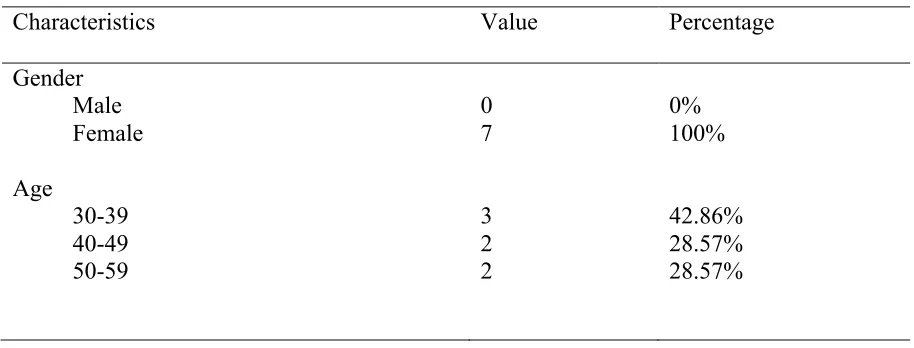
Table 3.1 Pilot study demographic data ... 80
Table 4.1 Results: pilot study phase 1 ... 82
Table 5.1 Demographic information of main study participants ... 89
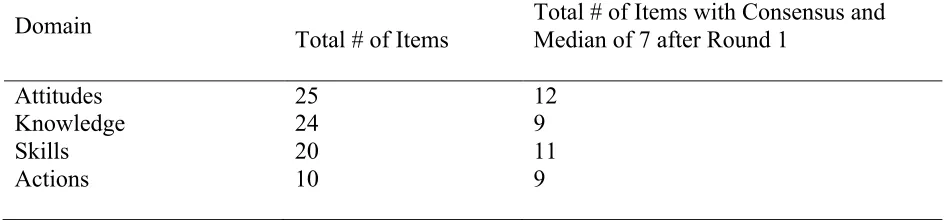
Table 6.1 Distribution of pilot study items by domain ... 91
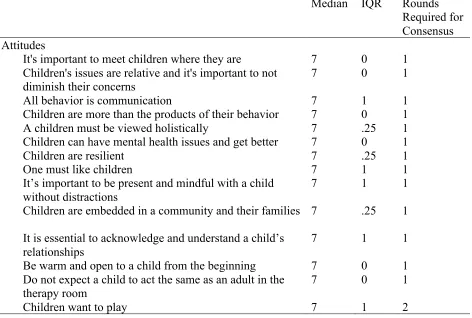
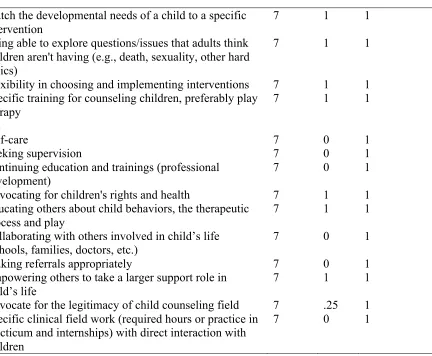
Table 7.1 Round 1 – median and IQR for attitudes, knowledge, skills and actions questionnaire responses ... 92
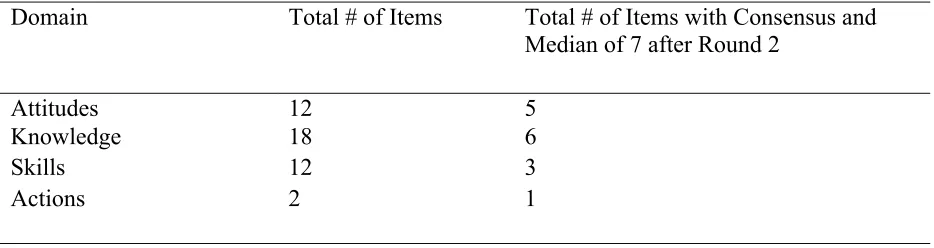
Table 8.1 Distribution of round 2 items by domain ... 96
Table 9.1 Round 2 – median and IQR for attitudes, knowledge, skills and actions questionnaires responses ... 97
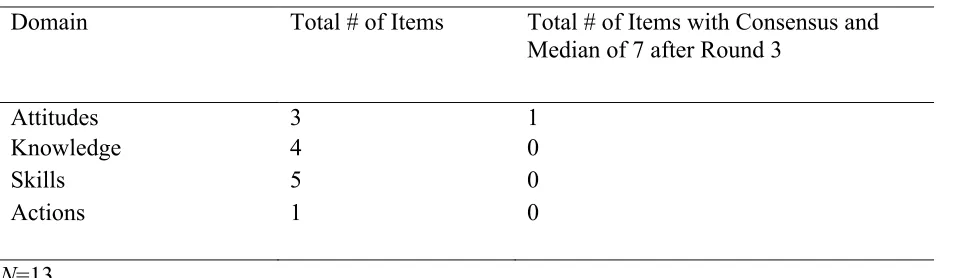
Table 10.1 Distribution of round 3 items by domain ... 100
Table 10.2 Round 3 – median and IQR for attitudes, knowledge, skills and actions questionnaire responses ... 100
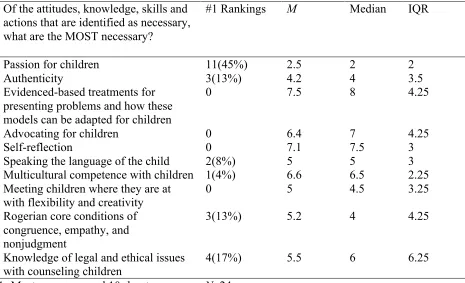
Table 11.1 Most essential attitudes, knowledge, skills and actions after final round ... 101
LIST OF FIGURES
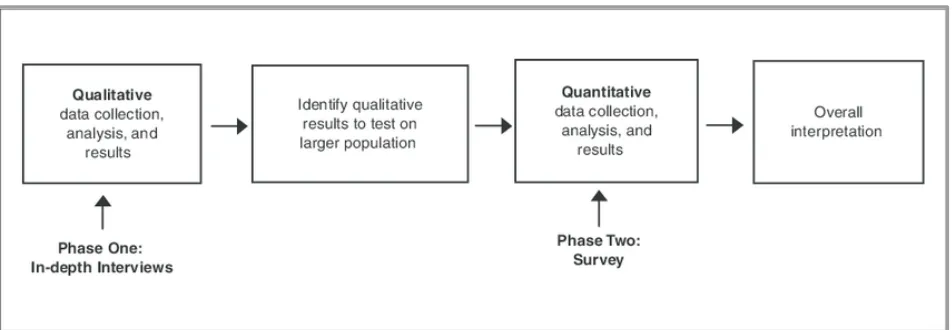
Figure 1.1 Mixed methods exploratory sequential design ... 61
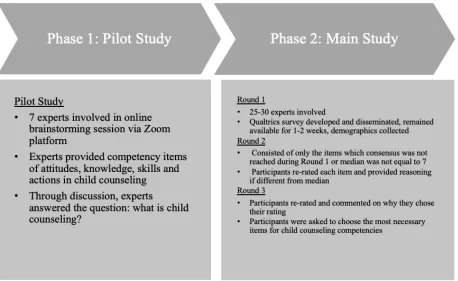
Figure 2.1 Phases 1 and 2 of current Delphi study ... 64
Figure 3.1 Necessary attitudes, knowledge, skills and actions ... 108
Figure 4.1 Most essential competencies of child counseling ... 111
Figure 5.1 AKSA domain themes ... 117
CHAPTER I INTRODUCTION
There is little consensus about what constitutes child counseling in the professional counseling literature. The number of developmental changes and transitions happening from infancy through childhood are unparalleled by any later time in a person’s life, making childhood one of the most complex developmental phases. Child counselors must account for the
uniqueness of this developmental period as they consider theories, techniques, and interventions to address issues that arise for their child clients. The purpose of this study is to highlight the uniqueness of counseling children and demonstrate the need for developing standards and
competencies of child counseling. A specific list of competencies is proposed from which to base education, training and licensure considerations in the counseling field.
This mixed methods study identifies the core competencies of child counseling. Child counseling is a unique and challenging subfield of counseling in which many therapists do not feel adequately trained at the completion of their graduate level training programs (Sori,
Maucieri, Bregar & Kendrick, 2015). Although child-focused post-graduate training exists in the form of specializations like child-centered play therapy or filial therapy, what is lacking is a set of competencies for counselors who work with children. To date, a set of competencies has not been established for counseling children between the ages of birth through 12. The purpose of this dissertation is to describe the rationale for the creation of such competencies, as well as to identify a list of key competencies recommended by experts in the field of child counseling.
Children’s Mental Health
Houtrow, Larson, Newacheck, 2012). Researchers have long demonstrated how child mental health concerns have long-term negative outcomes, including lower educational attainment, lower income, lower likelihood of employment, and more criminal behavior (Delaney & Smith, 2012; Stabile & Allin, 2012). More importantly, the destructive impact of early mental health issues continues even if mental health and wellness later improves (Currie & Spatz Widom, 2010).
The Diagnostic and Statistical Manual of Mental Disorders (5th ed.; DSM–5; American Psychiatric Association [APA], 2013) recognizes a range of conditions that can uniquely affect children’s mental health. Some of the most common and prevalent disorders seen in childhood include the following diagnoses: (a) attention deficit/hyperactivity disorder (ADHD), (b) developmental disorders like autism spectrum disorder (ASD), (c) depressive disorders, (d) anxiety disorders, and (e) disruptive, impulse-control, and conduct disorders (American Psychiatric Association, 2013). Children receive mental healthcare, and their diagnoses, in a variety of settings, often starting in a pediatrician’s office, followed by a referral to a mental health professional working in a school or an outpatient setting. Children are also consistently treated in school settings by licensed school counselors (Burns et al., 1995).
Children from families living in poverty are especially at risk and need support from mental health professionals. The Center for Disease Control (CDC) analyzed data from the 2016 National Survey of Children’s Health (NSCH) on the relationship between mental health
a diagnosis of a mental, behavioral or developmental disorder (22.1% versus 13.9%), and less likely to have seen a health care provider in the previous year (80.4% versus 93.8%) (Cree et al., 2018). Among children living below 200% of the federal poverty level, who did not see a health care provider in the previous year, seven of ten were in families receiving at least one public assistance benefit (Cree et al., 2018). Not only is it important for child counselors to understand the mental health needs of children, but they must also be aware of socioeconomic factors that can impact children’s mental health, their access to mental health care, and potential patterns of diagnoses that result.
Evidence-Based Practice in Child Counseling
outcomes and identify treatments is, therefore, critical in furthering the professional identity of mental health counselors within the mental health professions (p. 197). One way that child counselors may document the effectiveness of their treatments may be through the use of a standardized competency system.
Child Counselor Competencies
There is a dearth of literature on the clinical competencies involved in child counseling. As Korfmacher (2014) states, there is some movement toward developing competency systems in infant, toddler, and preschool age mental health. An organization called ZERO TO THREE has emerged in recent years as a leader in promoting the social, emotional, and developmental needs of infants and toddlers, and they sponsored a call in 2008 for competency system development for addressing the mental health needs of infants, toddlers and preschool-age children (Korfmacher, 2014). Korfmacher (2014) presents important findings on similarities across different competency systems, including focus on the philosophical understandings of early child mental health as opposed to specific skills and abilities. However, there are yet to be developed a set of national standards or competency systems for addressing early to late
childhood mental health needs in counseling.
Korfmacher and Hilado (2008) posited there are three main reasons to develop
competency systems and standards for child counseling. Primarily, a competency system should establish a strong foundation for training programs (Kenny, Oliver & Poppe, 2002; Korfmacher, 2014). Additionally, a competency system can promote a professional credibility that the field of child counseling deserves (Dunlap & Fox, 2007; Finello & Poulson, 2005; Korfmacher &
health specialists through one of the different competency systems are (on average) more skills and competent than those who have not demonstrated these competencies, then these systems could be used as a way to establish quality control and to ensure that people hired by certain agencies or for certain roles have the qualifications to work with young children and their families” (p. 21).
Statement of the Problem
A license to practice counseling is all that is required to work with children (Prout & Brown, 2007). Compare this to the medical model, where a general practitioner may work under certain conditions, but specialization in child care requires additional training in pediatrics (Berman, 1998). In the field of psychology, there are specific training, education and
examination requirements to earn the specialty in child and adolescent psychology. In contrast, generally trained counselors often expect children to respond successfully to interventions designed for adults (Sommers-Flanagan & Sommers-Flanagan, 2018). This issue must be examined. There’s no specific required training that addresses the uniqueness of counseling children. Additionally, children’s mental health services remain underfunded, understaffed, and underused (SAMHSA, 2012). There is a widespread shortage of child counselors (Mellin, 2009). Shortages of professionals specifically trained to work with children have been reported across a variety of settings, including community agencies, hospitals and private practices (Korfmacher, 2014; Korfmacher & Hilado, 2008; Owens, Hoagwood, Horwitz, Leaf, Poduska, Kellam & Ialongo, 2002). Families are in need of trained child counselors more than ever before, yet there is no way for families to know that a counselor is properly trained and will follow best practices with their children. To account for this problem, a child counseling competency model must be developed.
Purpose of the Present Study
be used to identify how future and emerging counselors are trained in graduate programs. The ASKAs can also inform potential future licensing considerations such as making a specific counseling license that is based on the competencies outlined in the ASKAs.
Building upon experiences and knowledge of past and current experts in child
counseling, the identification of ASKAs that are necessary for child counseling can be used to develop a better understanding of what should be included in the training of masters level counseling students. It is possible that the lack of generalizable understanding of what is necessary for child counseling may be a piece of why child counseling is so minimally
emphasized in counseling graduate programs. The Delphi method was used to reach consensus about specific ASKAs that are necessary for child counseling. The Delphi method was created as a forecasting strategy to produce information about phenomena that lack an established
knowledge base (Grisham, 2009; Ziglio, 1996). This method is characterized by an iterative process of questioning and controlled feedback designed to establish consensus among an expert panel (Linstone & Turoff, 1975; Ziglio, 1996). The Delphi method is an effective way to better understand complex phenomena and guide future practice (Grisham, 2009; Krell & Pérusse, 2012; Ziglio, 1996). Thus, the Delphi method is an advantageous technique to identify and describe the ASKAs for child counseling as a first step in building an understanding of specific areas for training future leaders in the child counseling subfield.
Research Questions
1. What is child counseling?
Research Question A: What attitudes do counselors identify as necessary for themselves as child counselors?
Research Question B: What knowledge bases and understandings do child counselors identify as necessary?
Research Question C: What best practices and skills do child counselors identify as necessary?
Research Question D: What actions do counselors identify as necessary for their role as child counselors?
2. Of the attitudes, knowledge, skills and actions that are identified as necessary, what are the most necessary?
Significance of the Study
The American Counseling Association welcomed its 20th division in 2013 when it approved the Association for Child and Adolescent Counseling (ACAC) (Rudow, 2013). Founder of the ACAC Dee Ray said, “We were fairly certain that there were many counselors within ACA who worked primarily with children and adolescents but did not seem to have a home within the larger organization” (Rudow, 2013, para. 5). The ACAC holds its own
and conceptualizations related to child and adolescent counseling” (Ray, 2015, p. 1). The work of the JCAC serves as a strong foundation for scholarly work, but there is yet to be established a guiding framework from which child counselors can operate. That is, it has not established the core competencies of child counseling. Preliminary core competencies are generated in this study from examining the attitudes, knowledge, skills and actions required for child counselors.
With an understanding of what specific ASKAs are needed for child counseling, graduate counseling programs could more adequately address training for future child counselors and better prepare students to take on positions in child mental health after graduation. By
developing an understanding of the attitudes, knowledge, skills and actions that are necessary for child counseling, child counselors may better serve their clients and their communities, and they may continue the development and growth of the subfield overall.
Delimitations
There are undoubtedly limitations to every research design, so it is essential to make informed and intentional decisions to control for limitations whenever possible (Creswell, 2007). The subsequent chapters examine the methodology and limitations of this study in further detail, however, it is valuable to make a note of the delimitations of this study at this time. According to Ellis and Levy (2009), delimitations provide parameters for research designs which are
determined by the choices made in the beginning of the study regarding what factors and variables will be excluded. Within the context of this study, several delimitations were considered, such as the rationale for ages of children under study, parameters of definitions, selection of supporting literature, research question construction, and participant selection.
of Pediatrics were appropriate for this study. From a developmental perspective, there are major transitions that typically happens after an individual reaches the age of 13 and thus this study is about narrowing the focus to the phenomena of counseling children aged 12 and under.
Additionally, the study focuses primarily on children from age 4 and older. As will be discussed later, infant and toddler mental health and corresponding competency systems have been
developed extensively (Korfmacher, 2014). As such, this study is about filling in the gap for competency systems for older children.
There are many ways to review literature surrounding the topic of child counseling. From childhood diagnoses and child counseling modalities to child developmental theories, the child counseling literature base is a robust one. A review of all major child counseling modalities and child-dominated mental health diagnoses is beyond the scope of the study’s topic. Instead, the review of literature was narrowed to what makes children unique clients in counseling, and accordingly, Chapter 2 includes details on major child developmental theories.
competence and were chosen for this study as the guiding framework for how competencies are structured.
In a Delphi Study, the selection of participants who best fit the subject needing consensus is essential. Child counseling is carried out in many ways across the world, and each country has its own laws, regulations, and expectations of professionals working with children. As a
consequence, this study involved recruiting participants from the pool of experts working within the United States. Furthermore, to best address the research on this phenomenon, counselors and counselor educators who meet the definition of an expert made up the participants. To receive expert consideration in this study, a participant needed to meet one or more of the three following areas: (1) hold a membership with the Association of Child and Adolescent Counseling and have at least two years’ experience counseling children, (2) be a counselor education expert with a specialty in the topic and field of counseling children, or (3) be a mental health clinician in another field (e.g. psychology, social work, etc) who focuses on counseling children and has at least two years’ experience.
Definition of Terms
condensed into three developmental stages: (a) Birth-4 years (Berk, 2006; Greenspan & Wieder, 2006; Korfmacher, 2014; Troutman, Moran, Pelzel, Luze & Lindgren, 2011), (b) 5- 8 years (Prout & Brown, 2007), and (c) 9-12 years (Barber & Olsen, 2004; Blume & Zembar, 2009). Sometimes these stages are referred to as infancy, toddlerhood and early childhood, middle childhood, and late childhood (Smith-Adcock & Tucker, 2017).
Child counselor is defined as a “professional who works with young children and their
families who are experiencing or are at risk for emotional and behavioral challenges”
(Korfmacher & Hilado, 2008, p.3). A child counselor can hold various titles from counselor or social worker to psychologist and as such, licensure and training backgrounds vary.
Child counseling is defined in this study as a psychotherapeutic process between a child client and mental health professional who is trained specifically to work with children
(Korfmacher, 2014). The counseling considerations of children are unique in comparison to adults (Innerhofer, 2013). Additionally, the counseling needs of children vary significantly, depending on their ages and developmental levels (Korfmacher, 2014). Often times counseling children and counseling adolescents are grouped together when in fact, they are quite different populations (Kieling et al., 2011; Hoagwood et al., 2001). Developmentally, adolescents more closely resemble young adults than they do children (Smith-Adcock & Tucker, 2017).
counseling (Ratts, Singh, Nassar-McMillan, Butler, McCullough, 2016). The competency system and framework for multicultural counseling was chosen as a guideline for use with this study and will be described later.
Overview
This research dissertation is presented in five chapters. The first chapter has provided an introduction to the topic of child mental health and child counseling, competency systems, the need for child counselors, and a rationale for creating core competencies in child counseling through the consensus understanding of attitudes, knowledge, skills and actions of child
CHAPTER II
REVIEW OF THE LITERATURE
The purpose of this literature review is to explore the body of literature that currently exists related to counseling children and what makes children unique. The following sections contain theoretical, foundational and empirical research that will serve as a foundation on which to build future research in this area. Based on the premise that child counseling is unique, a review of literature supporting the development of competency standards is provided. An overview of the various child developmental theories is presented, including the integration of established counseling competency frameworks in the child counseling subfield.
The Need for Counseling Children
An estimated 15 million children can currently be diagnosed with a mental health disorder in the United States (“Why Is Children's Mental Health Important?”, 2018). According to the American Psychological Association, many are also at risk of developing a disorder due to risk factors in their biology or genetics; within their families, schools, and communities; and among their peers (“Why Is Children's Mental Health Important?”, 2018). There is a great need for mental health professionals to provide the best available care that takes into account the unique characteristics of the child (Brener & Demissie, 2018).
General’s Conference on Children’s Mental Health (USPHS, 2000), former Surgeon General David Satcher stated:
Growing numbers of children are suffering needlessly because their emotional,
behavioral, and developmental needs are not being met by those very institutions which were explicitly created to take care of them. It is time that we as a Nation took seriously the task of preventing mental health problems and treating mental illnesses in youth. (p.5) Psychologists and social workers have responded to the call to improve mental health services for children and their families. Psychologists have demonstrated commitment to
improving the children’s mental health systems through specific leadership and advocacy roles at the national level (Mellin, 2009). The American Psychological Association (APA) created the Working Group on Children’s Mental Health to respond to recommendations made in the Report of the Surgeon General’s Conference on Children’s Mental Health: A National Action Agenda (Hoagwood & Olin, 2002). The American Board of Clinical Child and Adolescent Psychology (ABCCAP) is responsible for establishing criteria related to the definition, education, training, competencies, and the examination leading to certification as a specialist in Clinical Child and Adolescent Psychology (abpp.org). This specialty involves a rigorous application and
examination process including an oral examination and submission of counseling videos to a board of child and adolescent psychology specialists.
minimum of 20 contact hours of children and family education and 1 year (1,500 paid hours) of supervised work experience with children and families, among other profession-specific
requirements (NASW, 2005). In addition to these credentials, NASW created the Center for Workforce Studies (Parker-Oliver & Demiris, 2006). In 2006, this group produced a special report on social work services for children and families created from their study Assuring the Sufficiency of a Frontline Workforce: A National Study of Licensed Social Workers (Whitaker, Weismiller, & Clark, 2006). This work assessed professional preparation, practice, services to clients, and workplace issues among 5,000 social workers. The results of this study supported the assumption that there are not enough licensed professionals to meet the needs of children and families. Neither the American Counseling Association nor the American Mental Health Counselors Association has undertaken a similar effort. Compared to social workers and
psychologists, counselors do not have specific calls to action to address the mental health needs of children in the age range of 5-12 years.
Global trends. Plans are in place to address the needs of children on a global scale. In May of 2012, the Sixty-fifth World Health Assembly adopted resolution WHA65.4, or the Comprehensive Mental Health Action Plan (Saxena, Funk & Chisholm, 2013). This plan is about “the global burden of mental disorders and the need for a comprehensive, coordinated response from health and social sectors at the country level... taking a comprehensive and multisectoral approach, through coordinated services from the health and social sectors, with an emphasis on promotion, prevention, treatment, rehabilitation, care and recovery.” (Saxena, Funk & Chisholm, 2013, p. 1970). One of the core objectives is to provide mental health intervention services to children and adolescents. The resolution states that children and adolescents with mental
other non-pharmacological interventions based in the community, avoiding institutionalization and medicalization” (Saxena, Funk & Chisholm, 2013, p. 1971). One of the primary targets for this resolution is that service coverage for severe mental disorders will be increased by 20% by the year 2020 (Saxena, Funk & Chisholm, 2013).
Developmental Stages of Childhood (Birth - 12 years)
Understanding developmental stages has been highlighted as an essential competency in child and adolescent psychology (American Board of Clinical Child and Adolescent
Psychology), so an overview of these stages is necessary in this study. Children undergo substantial development from birth through late childhood. An overview of these changes follows as they yield basic markers for counseling with children in each stage. The stages that will be discussed are (a) infancy, toddlerhood and early childhood, (b) middle childhood, and (c) late childhood.
Infancy, Toddlerhood and Preschoolers (Birth – 4 Years)
Infancy is the time between birth and 1 years of age when infants experience explosive growth across all developmental domains (Berk & Myers, 1996). Toddlerhood is the period from 1 to 3 years old, and ‘preschoolers’ are those children eligible to be in preschool settings,
generally around 3-4 years of age (American Academy of Pediatrics, n.d.). Many of the issues presented in clinical settings involving children aged birth to 4 years are related either to nontypical development in one or more domains (cognitive, psychosocial, biological) or to problems in parenting behaviors (Zeanah & Zeanah, 2009).
experience, sensation and affect especially during the first 2 to 3 years of life, while the
nonverbal right brain is dominant (Sheridan & Nelson, 2009). In Piaget’s terms, toddlers make the transition from sensorimotor to preoperational thinking around age 2, when toddlers have difficulty understanding the point of view of others (Piaget, 1973).
Psychosocial development. Psychosocial development is most substantial between birth and age 4. Erikson (1963) marked this period through the categories of trust vs. mistrust
autonomy vs shame and doubt. Infants cared for by positive and effective caregivers will develop a basic sense of trust in others. Conversely, infants who are neglected may develop a
fundamental sense that they cannot trust people to keep them safe or meet their basic needs (Bowlby, 1973; Erikson, 1963). Children gain a measure of independence from others during toddlerhood (Berk, 2006). However, the issue of independence in toddlerhood varies in
importance across cultures, and it is important for counselors who work with toddlers and very young children to be aware of these respective cultural norms (Vernon & Clemente, 2005). Middle Childhood (5 – 8 Years)
Physical and cognitive ability increases substantially with the advent of elementary school (Berk, 2006). Pretend play is replaced by more structured play and children make more intentional decisions about with whom and how.
well with peers at school. Decentrism is when children think about multiple aspects of a problem at once rather than focusing solely on the most pressing aspect of an issue (Piaget, 1926).
Psychosocial development. Children begin to establish an internal locus of control during middle childhood (Cobb, 2001). Friendships made during this phase become more meaningful and intentional. Peer groups begin to form a sense of identity in relation to others (Vernon & Clemente, 2005).
Late Childhood (9 – 12 Years)
Children learn the values of their culture and attempt to integrate those values in their sense of self as they reach late childhood (Salkind, 2004). They are sensitive to others’ opinions and thus have more fragile self-esteem. They are also aware of how their behavior affects others (Salkind, 2004).
Cognitive development. By late childhood, children build upon skills gained in early and middle childhood and prepare for the next phase of cognitive development. Their reasoning is more rule based and they learn skills such as classification and forming hypotheses (Frost, Wortham & Reifel, 2001). While they are cognitively more mature than younger children, they still require concrete, hands-on learning activities (Martin & Fabes, 2008). Late childhood is a time when children may establish enthusiasm for learning, and when achievement can become a motivating factor as they work toward building competence and self-esteem (Martin & Fabes, 2008).
for the challenges of adolescence (Smith-Adcock & Tucker, 2017). The idea of ‘best friends’ becomes essential at this stage, and the skills and experiences gained in best friendships may provide the building blocks for healthy adult relationships (Smith-Adcock & Tucker, 2017). Clinical Settings
There are a wide variety of settings in which child counseling may take place (Prout & Brown, 2007). Outpatient child counseling can be carried out on a short-term basis (Kaduson, 2006; Parsons & Alexander, 1973), or long-term (Forehand & Long, 1988). Settings may include community mental health centers (Lyon & Budd, 2010), schools (Schmidt, 1999), private
practices (Baggerly, Ray & Bratton, 2010), or primary care hospitals (Cheng, DeWitt, Savageau & O’Connor, 1999).
Child Counseling Diagnoses
Child counselors are expected to diagnose children according to The Diagnostic and Statistical Manual of Mental Disorders (5th ed.; DSM–5; American Psychiatric Association [APA], 2013). An detailing of all diagnoses in the DSM-5 related to children is beyond the scope of this study but a brief overview is warranted. The practice diagnosing children and adolescents has been examined in a survey of practitioners by Kazdin, Siegel, and Bass (1990). These authors surveyed private practitioners, including those based in hospital, medical, and community mental health settings. In descending order, conduct disorder, ADHD, affective disorders, adjustment disorders, and anxiety disorders were the most common diagnoses received by child and adolescent clients (Kazdin, Siegel & Bass, 1990). Practitioners in this study
Child Counselor Training and Education
Typically, licensed counselors who work with children are trained in one of three
approved specialty areas of the Council for Accreditation of Counseling and Related Educational Programs (CACREP): (a) school counseling, (b) clinical mental health counseling, or (c)
marriage, couple, and family counseling (CACREP, 2016). The meaning of licensure and training in child counseling merits examination. Yet it is important to note that there is no specific counseling license or national certification that shows that someone is a child counselor aside from highly specialized certificates like those receives from play therapy training.
Licensed Counselors
The title of ‘licensed counselor’ can carry different meanings and must be described clearly. Two words are commonly used in describing counselor credentials: license and
additionally define the functions a person is permitted to perform, for example, who may form psychological diagnoses, conduct psychotherapy, or perform counseling (Collison, 2001).
Counselor licensing and associated issues continue to be a frequent item on many state legislative agendas. Across states, as of 2019, there are at least 16 different titles used for licensed or certified counselors, with Licensed Professional Counselors (LPCs) being the most frequently assigned (30 states) (National Board of Certified Counselors, n.d.). Licensed mental health counselors (LMHCs) and certified professional counselors (CPCs) both are used in five states (Collins, 2001). Several states use more than one title for counselors in their state
regulations. Updated information about state license status is obtained from the NBCC Website (http://www.nbcc.org/states/key.htm).
National licensure. In addition to being licensed at the state level, counselors who work with children may also be nationally licensed. The National Board of Certified Counselors (NBCC) was incorporated in 1982 as a credentialing body (National Board of Certified
Counselors, n.d.). It administers a certification system for counselors and provides information to other professionals and the public about who has met the necessary education and examination requirements to be certified (National Board of Certified Counselors, n.d.). NBCC traditionally has used the Council for Accreditation of Counseling and Related Educational Programs
District of Columbia use the National Counselor Examination (NCE) as part of their licensure processes (National Board of Certified Counselors, n.d.).
In addition to the NCC designation, there are several specialty certification designations available from NBCC for those who meet the particular qualifications of each. Professionals may apply for specialty certification as school counselors, clinical mental health counselors, or
addictions counselors (National Board of Certified Counselors, n.d.). Each of those specialties has its own title, with accompanying initials as designators. In this system, school counselors become nationally certified school counselors (NCSCs), mental health counselors become nationally certified clinical mental health counselors (NCCMHCs), and addictions counselors become master addictions counselors (MACs). Notably, there is no specialty license or title for the child counselor. There is a clear need for such licensure as the child population presents unique challenges to the general counseling approach.
CACREP Accredited Training Programs
The first place that future counselors are formally trained is generally at a counseling graduate program. The process of educating and training future child counselors is vital to the continuation and advancement of the profession. Compared to other mental health fields including psychology, psychiatry, and social work, counseling is a relatively young mental health specialty (Neukrug, 2011). Early counseling leaders within the Association of Counselor Education and Supervision (ACES) identified a need to standardize counseling training and education to ensure quality across education programs, and to create uniformity of educational practice (Hensley, Smith & Thompson, 2003).
independent organization known today as the Council of Accreditation of Counseling and Related Educational Programs (CACREP). CACREP has functioned as the primary accrediting body for counselor education programs since its creation in 1981. Currently, 786 graduate degree counseling programs are accredited under either the 2009 or 2016 CACREP Standards
(CACREP). According to the organization,
The vision of CACREP is to provide leadership and to promote excellence in
professional preparation through the accreditation of counseling and related educational programs. As an accrediting body, CACREP is committed to the development of standards and procedures that reflect the needs of a dynamic, diverse, and complex
society. CACREP is dedicated to encouraging and promoting the continuing development and improvement of preparation programs; and preparing counseling and related
professionals to provide service consistent with the ideal of optimal human development. (CACREP, 2016, para. 3).
CACREP has eight common core curricular areas into which all counseling training programs must incorporate their curriculum (CACREP, 2016). These include (a) professional counseling orientation and ethical practice, (b) social and cultural diversity, (c) human growth and development, (d) career development, (e) counseling and helping relationships, (f) group counseling and group work, (g) assessment and testing, and (h) research and program evaluation. Additionally, CACREP has established six sections of standards by which programs must be aligned in order to be accredited.
marriage, couple, and family; and school counseling. The closest commodity to specialty in child counseling is marriage, couple, and family counseling. In fact, the words child or children are only mentioned twice in the entire document of the 2016 CACREP Standards.
School counseling is another specialty area in the 2016 CACREP Standards. This section contains parts that address children such as with section G.2.h, “common medications that affect learning, behavior, and mood in children and adolescents” (CACREP, 2016, p. 18). However, this section is designed to address student needs in the school setting and does not include counseling children in the context of outpatient counseling.
Many therapists graduate from CACREP training programs but do not feel confident in their abilities to work directly with children. Sori, Maucieri, Bregar & Kendrick (2015)
developed a child-focused course for therapists to address issues regarding how many young therapists feel unprepared to work with this population. The study authors examined students’ perceptions of the efficacy of this course in developing their knowledge and skills to treat children individually and in family sessions. A qualitative content analysis was utilized to explore participants’ written responses to open-ended questions on a questionnaire administered in the last class. Many reported increased comfort with children, and that they were more likely to work with them. This study showed the importance of child-focused counseling coursework to train counselors to feel comfortable with children.
and associated biological, cultural and social influences on behavior (CACREP, 2016). This course may overlap in terms of child developmental theories and influences on children across the lifespan, but it does not address the specialty and practice of counseling children.
After completion of CACREP training programs, counselors who choose to specialize in working with children must pursue specific clinical, professional development, and supervision experiences. Popular specialized trainings often focus on in play therapy, filial therapy or parent-child interaction training (Smith-Adcock & Tucker, 2017). However, these trainings are often extensive and even mirror some of the intense training of a CACREP graduate program. For example, to become a registered play therapist, after graduating from a counseling program a counselor must engage in 150 hours of play therapy-specific instruction from institutions of higher education or APT-approved providers and then be supervised for 500 direct client contact hours under the supervision of a registered play therapist supervisor (Association for Play
Therapy, n.d.). Although training processes exist for generally trained counselors who graduate from programs without coursework or specialty training in counseling children, these training processes are expensive, specific and potentially intimidating to an emerging counselor who wishes to gain experience working with children.
Professional Development
Professional development of licensed counselors who work with children is linked with the American Counseling Association (ACA). The American Counseling Association is a not-for-profit, professional and educational organization that is dedicated to the growth and
ACA. These divisions provide leadership, resources and information unique to specialized areas and/or principles of counseling (American Counseling Association, n.d.). Divisions chartered by ACA elect officers who govern their activities independently and carry a voice in national ACA governance.
Professional Associations for Child Counselors
Association of Child and Adolescent Counseling. The Association for Child and Adolescent Counseling (ACAC) of the ACA focuses on the training and support of counselors who work with children and adolescents (acachild.org, n.d.). The goals of the ACAC include:
(a) Promote a greater awareness, advocacy, and understanding of children and
adolescents among members of the counseling profession and related helping fields; (b) Advance developmentally appropriate prevention and intervention strategies for
counseling children and adolescents; (c) Support counseling and education with parents of children and adolescents; (d) Foster counselor consultation with caretakers and other professionals who are involved in the lives of children and adolescents; (g) Provide professional development activities to improve education and training of counselors who work with children and adolescents; (h) Disseminate educational and professional materials with the purpose of raising the standards of practice for children and
adolescents in counseling, psychotherapy, and mental health; (i) Encourage involvement and communication of ACAC members to share knowledge and support for improvement of mental health services to children and adolescents. (http://acachild.org/about-us/, n.d., para. 3)
Journals for Child Counseling. The Journal of Child and Adolescent Counseling
official publication of the Association for Child and Adolescent Counseling (ACAC), providing a professional forum for the dissemination of research, theoretical, and clinical literature related to the counseling and mental health of infants, children, and adolescents (acachild.org, n.d.). Launched in 2015, it represents a research hub for child and adolescent counseling that was sorely needed (Ray, 2015). According to the ACAC bylaws (2015), the mission of ACAC is as follows:
The mission of ACAC is to promote a greater awareness, advocacy, and understanding of children and adolescents among members of the counseling profession and related
helping fields; advance developmentally appropriate prevention and intervention strategies for counseling children and adolescents; provide professional development activities to improve education and training of counselors who work with children and adolescents; and disseminate educational and professional materials with the purpose of raising the standards of practice for children and adolescents in counseling,
psychotherapy, and mental health. (Ray, 2015, p. 2)
According to Dee Ray, Ph.D. (2015), editor of JCAC and one of its founding members, the goal of the journal is to “disseminate research, practice, and theoretical literature that raises the standard of practice among counselors and the broader mental health community...JCAC serves as a channel through which mental health professionals across disciplines can share best
clinical child psychology, theory, assessment, intervention, program development, and training. The focus of JCCP are the physical, social and developmental influences on childhood and adolescent mental health (Madisch & Hofmayer, 2018).
An even older and more broadly oriented journal is the Journal of Child Psychology and Psychiatry (JCPP). The JCPP was first published in 1960 by the Association for Child
Psychology and Psychiatry (renamed the Association for Child and Adolescent Mental Health) (Berger & Hersov, 2009). The primary purpose of JCPP was to “bring together original papers concerned with the child, from such diverse disciplines as psychiatry, psychology, pediatrics, psychoanalysis, social case‐work and sociology’ (Berger & Hersov, p. 1). Journals like the JCPP and the JCCP serve a major purpose of connecting different child mental health disciplines with their overall foundation being in psychiatry and psychology, respectively.
Evidence-Based Child Counselor Trainings
Child counselors seek specialized and evidence-based training in techniques, theories, and populations (Smith-Adcock & Tucker, 2017). They require a unique skill set and approach that differs from working with adults, yet mental health programs often train master’s level counselors to work with older clients (Durlak & Wells, 1997). The Council for the Accreditation of Counseling Related Programs (CACREP) has established standards for how counseling
section highlights some of the most widely supported specialized child counseling modalities that counselors seek out after being trained as general practitioners.
Child Centered Play Therapy
Child Centered Play Therapy (CCPT) is one of the more empirically supported formats of child therapy training. It emphasizes a philosophically-determined therapeutic approach to
working with children: “(it) is an attitude, a philosophy and a way of being with children rather than a way of doing something to, or for, children” (Landreth, 2002, p. 60). Play makes
mutuality possible within the therapeutic relationship (Frankel, 1998). It is this relationship that is considered essential to the therapy process and subsequent change (VanFleet, Sywulak & Sniscak, 2011). The fundamental belief in this approach is that the child leads the way and that children have the ability to self-heal given the necessary conditions to do so (VanFleet, Sywulak & Sniscak, 2011). The aims of therapy are to bring about changes in close relationships and to bring the child’s emotional and social functioning level with their developmental stage
(VanFleet, Sywulak & Sniscak, 2011). The therapist engages the child in their play, encouraging difficult feelings be expressed and safety maintained by symbolic distance (Landreth, 2012). Tsai and Ray (2011) found CCPT counseling to be effective in one of the largest studies on
community mental health counseling with children. Using Child Centered Play Therapy (CCPT), the authors noted a moderate to large effect size of child counseling to decrease symptoms of internalizing problems, externalizing problems and total problems.
Training to Work with Parents
parents in counseling are Parent-Child Interaction Therapy (PCIT) and Behavioral Parent Training (BPT).
Parent-child interaction therapy (PCIT). PCIT is a brief treatment created by Eyberg (1988) for managing behavioral problems in childhood. It has been empirically validated and can be considered a well-established treatment for disruptive behavior in children between the ages of 2 and 7 years (García & Velasco, 2014). PCIT involves two phases, child-directed interaction (CDI) and parent-directed interaction (PDI), in which therapists instruct and coach caregivers in play therapy and operant conditioning skills. The goals of the CDI phase are to “encourage warm, secure caregiver–child relationships, and the foundational skills in this phase include praise, verbal reflection, imitation, behavioral description, and enjoyment and are often collectively referred to as the PRIDE skills” (Lieneman, Brabson, Highlander, Wallace & McNeil, 2017, p. 239). The goal of the PDI phase is to increase child compliance and decrease disruptive behaviors. According to McNeil and Hembree-Kigin (2010), in order to “master” CDI, a caregiver must use a number of positive interaction skills, while PDI mastery involves correctly following through with directly stated commands.
Since its creation, PCIT has been studied internationally with various populations and has been found an effective intervention for numerous behavioral and emotional issues including ADHD, anxiety, Autism Spectrum Disorders (ASD) and depression (Lieneman, Brabson, Highlander, Wallace & McNeil, 2017).
Burns, 1968, Patterson & Brodsky, 1966). According to Maughan, Christiansen, Jenson, Olympia and Clark (2005), BPT involves training parents to use behavior modification so that they can define problem behaviors accurately and implement assessment measures that predict the problem behavior accurately. BPT is based on the empirical and applied concepts of behavior therapy and principles of social learning theory. It continues to be studied and applied across clinical settings today (Forehand & Kotchick, 2002).
Child Developmental Theories
Counseling children is a unique process involving multiple concepts and dynamics that differ from counseling adults (Prout & Brown, 2007). Clarizio and McCoy (1983) offered an overview of some of the unique aspects of the child counseling relationship that warrant reference. Children bring a different motivation for treatment into the counseling environment compared to adults (Clarizio & McCoy, 1983). Whereas the adult is usually aware that a personal problem exists, the child may not agree or recognize that there are issues (Clarizio & McCoy, 1983). Although others may encourage an adult to seek professional help, in most cases, he or she will decide whether to enter treatment. The child is unlikely to voluntarily initiate therapy. This decision is usually made by an adult in the child’s life, with some varying degree of acceptance or resistance from the child (Clarizio & McCoy, 1983). The involuntary nature of the child client often may yield little or no motivation on their part to engage in a relationship with the therapist or not even an admission that any change is necessary (Smith-Adcock & Tucker, 2017). Thus, the first step in many interventions may be simply to establish a
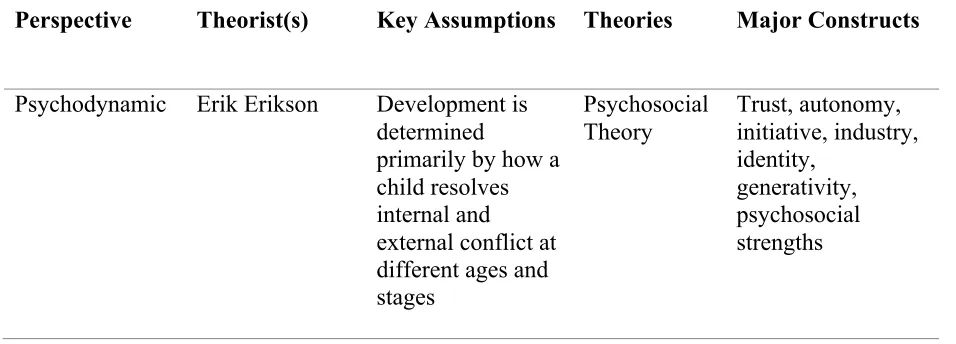
In addition to acknowledging the basic differences in dynamics in counseling children and understanding the barriers to progress, it is essential to understand the foundational theories of child development in order to understand what it means to work with this population. This section provides an overview of the major theorists of B.F. Skinner, Jean Piaget, Erik Erikson, John Bowlby, Albert Bandura and Urie Bronfenbrenner. Specifically, these individuals and their ideas will be highlighted as well as the contributions each theory has made to the understanding of child development. Please see Table 1.1 at the end of this section for an illustration of the different developmental theories.
Radical Behaviorism
B.F. Skinner’s experimental findings continue to influence society today in terms of education, parenting practices and child counseling. In his research, Skinner (1938) established an experimental science of behaviorism that lead to a new system of psychology. In fact, Skinner claimed to have no ‘theory’, only a principle of reinforcement’ (Skinner, 1938). Skinner (1938) contended that most human behavior occurs at random. He believed that one should focus on the external, observable causes of behavior rather than internal thoughts and motivations. Skinner posited that the best way to understand human behavior was to consider the causes of an action and its consequences. According to Skinner (1938), feelings are the products of one’s
experiences which are by-products of reinforcement. He emphasized this point by stating that humans do not cry because we are sad, but because something has happened.
be negative or positive and increase the likelihood of repeat behavior, and 3) punishment, which lessens the likelihood that a behavior will recur. (Skinner, 1938). Neutral operators are not useful in most cases as they do not correlate with any behavioral change.
Positive reinforcement. Skinner (1938) illustrated the concept of positive reinforcement through careful experimentation involving the highly documented “Skinner Box”. He placed a hungry rat in a box with a lever on one side. If the lever was accidentally pressed by the rat, a pellet of food fell into a small container next to the lever. The rats quickly learned to go straight to the lever after being in the box a few times. The consequence of receiving the food if they pressed the lever ensured that they repeated the behavior, thus illustrating the concept of a positive reinforcement schedule. Positive reinforcement strengthens a behavior by providing a consequence that the individual considers rewarding. For example, if a child is given a sticker or 5 minutes of game time when he completes a math worksheet, he is more likely to repeat the homework in the future, strengthening that behavior. Over the course of several decades, Skinner extrapolated the Skinner box experimental findings to be about human behavior.
Negative reinforcement. Skinner (1938) described how removing an unpleasant reinforcement (negative reinforcement), can also strengthen a behavior because the elimination of an adverse stimulus is a reward. Thus, negative reinforcement strengthens behavior by stopping or eliminating an unpleasant experience. It occurs in parenting when a parent tells a child that he or she can get up from the table (aversive stimulus) to go play only after eating two bites of broccoli.
reinforcement, punishment can work either by directly applying an unpleasant stimulus or by eliminating a potentially rewarding stimulus. While reinforcement tells you what to do, punishment only tells you what not to do.
Radical Behaviorism and Child Counseling Competency
Behavioral based treatment approaches represent dominant modalities (cognitive behavioral therapy, behavioral parent training, behavioral analysis, etc.) in child counseling (Martin & Pear, 2015). Skinnerian principles continue to be applied decades after their
introduction (Wyatt, Hawkins, & Davis, 1986). The outcome of ongoing qualitative assessments indicate that Skinner's psychology is alive and well and that radical behaviorism is still used in practice (Richelle, 2016). The behavioral movement has mushroomed to the point where numerous journals, books, workshops, and societies are devoted to the topic (Bansal, Waschbusch, Haas, Babinski, King, Andrade, Willoughby, 2018; Cohen, Deblinger &
Mannarino, 2018). Child counselors are expected to hold a basic understanding of behavioristic principles.
reinforcement (Casey & Carter, 2016). Johnston (2014) wrote Behaviorism for ABA Practitioners, arguing that qualified behavior therapists must be conversant with the
philosophical rationale for radical behaviorism. Johnston (2014) suggests that radical behaviorist theory should inform the daily activities of behavior analytic practitioners, as well as provide an ideological infrastructure for their approach to clients' challenges. This premise is widely accepted within professional behavior analysis circles.
Another common form of radical behaviorism today can be seen in ‘token economies’, where tokens can be earned by ‘desirable’ behavior (Ayllon & Azrin, 1968). In radical
behaviorism, a token becomes a conditioned reinforcer through its relationship to reward items like snacks, stickers, and small toys. Therefore, producing a token when a child shows ‘good’ behavior should strengthen that good behavior.
The response to a child’s behavior is often foremost from a child discipline perspective (Alvord & Cheney, 1994). That is, parents often think in operant conditioning terms (i.e. “My child just hit my other child, what should I do to make sure that doesn’t happen again and ensure I’m not reinforcing this behavior?”). This isn’t to say that this model of discipline is the correct way or even a healthy way to foster positive child development, only that it is utilized
extensively in modern American society. Developmental Stage Theories - Piaget
Development stage theories of Piaget and others are presented as a foundational
knowledge, but also on understanding the nature of intelligence and learning. For the purpose of the population of this study, only the first three stages will be considered.
Sensorimotor stage. In the sensorimotor stage (birth to 2 years old), an infant learns and builds an understanding of his or her world through interactions with the environment (Piaget, 1970). Major milestones in this stage involve learning to differentiate between self and other objects and that learning takes place through assimilation (categorizing information and
absorbing into existing schema) and accommodation (when an object cannot be assimilated and must be modified to include a new object) (Piaget, 1970). Infants in this stage also learn about cause and effect and that objects continue to exist even when they cannot be seen (object permanence) (Piaget, 1970).
Preoperational stage. This stage (2 to 7 years old) witnesses a burst in language
development (Piaget, 1970). Children learn to think symbolically and use words and pictures to represent objects. However, children in this stage cannot yet conceptualize abstract ideas and need concrete physical information (Piaget, 1970).
Concrete operational stage. Children in this stage (7 to 11 years) learn to think logically about events and begin to use the concept of conservation (i.e. the amount of liquid may be the same in two differently shaped cups) (Piaget, 1970). Children’s thinking in this stage is more logical and organized but also highly concrete. They also begin using inductive logic and the egocentrism of previous stages begins to dissipate (Piaget, 1970). Children in this stage
Theory of Cognitive Development and Child Counseling Competency
Piaget’s theory of cognitive development has continued influence on how children are viewed and treated (Nurrenbern, 2001). The developmental stages have been influential in various educational domains from educational curriculum design (Hinde & Perry, 2007), to learning styles literature (Tourmen, 2016), to methods of instruction (Nurrenbern, 2001). As stated by Nurrenbern (2001), “Piagetian theory has had a profound effect on the way we think about learners and learning as well as the methods by which this dynamic development process is translated to learning environments” (p. 1110).
Conversely, as Feldman (2004) points out, Piaget’s stage design has been widely criticized as too broad, too vague and overly dependent on simple transitions across a child’s lifespan. Indeed, as other authors suggest, Piaget’s theory of cognitive development created the path to understand children but did not account for enough development beyond vague mental structures that Piaget outlined in his works (Barrouillet, 2015). Nonetheless, one cannot deny Piaget’s influence in bringing awareness and understanding to children’s learning and thought processes.
Development Stage Theories - Erikson’s Stages of Psychosocial Development
major implications for counselors, teachers, parents, curriculum developers, special educators, school leaders and policy makers (Batra, 2013).
Erikson (1963) believed that every child experiences a series of developmental stages from birth to old age. He posited “each human being must find his or her own sense of regulation as a result of the interplay between the inner voice of the child, the physiological and emotional urges of the individual, and the nature of social influences” (Batra, 2013, p. 259). Erikson
visualized human development in eight sequential stages. These stages are not neatly arranged in a linear framework, but instead “emerge organically in the course of overlapping phases”
(Erikson, 1982, p. 29). His eight stages are organized chronologically. For the purposes of this study, only the first four stages will be highlighted as they are the only ones dedicated to children.
Trust vs mistrust. The first Eriksonian stage is trust versus mistrust. The responsiveness and sensitivity of caretakers is the primary influence in the development of trust (Dunkel & Harbke, 2016). A basic sense of trust is imbued in a child through responsive caretaking. For a child born into a family where love, economic security, play and happiness are widely available, the child learns to live with the feeling of being trusted and in turn learns to trust others. Hope emerges as the basic virtue, instilling a feeling that life brings joy and happiness (Batra, 2013).
provided, the young child learns to gradually experience autonomy within the boundaries of the social order” (p. 260).
Initiative vs guilt. Child-led self-direction and goal-orientation delineate the beginning of the third Eriksonian stage of initiative versus guilt. The virtues of hope and willpower provide ‘emotional strength’ to the young child such that he feels equipped to take initiatives that help him “decipher the scripts of life through play and widening social exchange” (Erikson, 1963, p. 66). The young child (3-6 years old) will pretend to play the roles of family and other adults such as teacher, coach, driver, firefighter, etc. The child will engage in play to discover the difference between reality and fantasy. Rates of goal pursuit, accomplishment, and failure determine the outcome of this stage. Children who successfully pursue goals develop a sense of purpose as opposed to feeling aimless (Erikson, 1963).
Industry vs inferiority. In the fourth stage, industry versus inferiority, children around ages 7-12 try to master important skills in self-confidence. They begin to develop a sense of what talents they possess and what separates them from other peers in natural abilities (Erikson, 1963). The honing of these talents and skills results in a sense of industry and competence.
Erikson and Child Counseling Competency
parents and caregivers have the power and influence to instill positive virtues (Erikson, 1982). These basic premises in Erikson’s eight stages have been widely supported in literature as researchers believe this model presents a more holistic view of development that accounts for elements other than cognitive development (Cohen & Waite-Stupiansky, 2017).
Other Theories Related to Child Counseling
In addition to the developmental stage theories presented above, three other theories are understood to be integral to the practice of child counseling. Child counselors must understand the basic concepts of attachment, social learning and systemic influences in order to understand and treat children. These three concepts are presented with their corresponding theories. Bowlby’s Theory of Attachment
Bowlby’s attachment theory of social development (1949, 1969, 1973) posits that early relationships with parental figures and caregivers play a major role in healthy child development and continue to influence relationships and wellness throughout life. Bowlby suggested that children are born with an innate need to form attachments (Bowlby, 1973). Such attachments form the basis of survival by ensuring that the child receives care and protection, and that these attachments are characterized by clear behavioral and motivational patterns. Bowlby said in 1977: