ABSTRACT
MCIVER, ANDREW LOUIS. Development of New Methodologies for the Synthesis of Alkaloids and Light-Cleavable Groups. (Under the direction of Dr. Alexander Deiters.)
The development of [2+2+2] cyclotrimerization reactions towards pyridine derivatives followed by an intramolecular SN2 cyclization and subsequent reduction was
utilized for the synthesis of naturally occurring alkaloids. The total synthesis of tylophorine and dehydrotylophorine as well as the core structures of citrinadins A and B, cyclopiamine B, and xylopinine were synthesized using this new methodology. Furthermore, a removable silicon tether was applied to the cyclotrimerization reaction for the completely chemo- and regio-selective synthesis of a 2,4,6-substituted pyridine named Heterotaxin and its analogs. These pyridines phenocopy the heterotaxia disorder and proved to be TGF-β inhibitors in Xenopus embryos.
Additionally, a new hydrogen peroxide detector for mammalian cells was synthesized as a boronic acid ester of estrone, which was applied for the activation of gene expression when exposed to extra- or intra-cellular hydrogen peroxide.
Development of New Methodologies for the Synthesis of Alkaloids and Light-Cleavable Groups
by
Andrew Louis McIver
A dissertation submitted to the Graduate Faculty of North Carolina State University
in partial fulfillment of the requirements for the Degree of
Doctor of Philosophy
Chemistry
Raleigh, North Carolina
2012
APPROVED BY:
________________________________ ________________________________
Dr. Daniel L. Comins Dr. Jonathan S. Lindsey
________________________________ ________________________________
Dr. Christian Melander Dr. Nanette Nascone-Yoder
________________________________ Dr. Alexander Deiters
ii
DEDICATION
iii BIOGRAPHY
Andrew Louis McIver was born March 16, 1982 in Wilmington, NC. He and his older brother, Davis, were raised by their mother Lisa McIver through high school in Wilmington. Andrew grew up loving sports, playing soccer in high school, and surfing at the beach. He became interested in chemistry after taking AP chemistry his junior year in high school. Andrew then attended UNCW where he graduated magna cum laude with honors with a BS in Chemistry. His enthusiasm for organic chemistry developed after taking Organic Chemistry with Dr. Seaton, after which he received the Deloach award for outstanding students in organic chemistry. He also studied abroad while in college, going to Newcastle University in Australia in the spring of 2003 where he did a lot of surfing and studying. After returning for his senior year in college, he joined Dr. Varadarajan‟s research laboratory for his honors research project synthesizing compounds for site-specific methylation of DNA for cancer research. He then stayed after obtaining his BS degree to achieve an MS in Chemistry where he also worked in Dr. Varadarajan‟s laboratory to continue his undergraduate research.
iv
ACKNOWLEDGMENTS
I first want to thank my advisor, Dr. Alex Deiters, for his guidance and high expectations which allowed me to have great success throughout my time at NCSU. He has taught me to have a good work ethic and to pay attention to details when performing experiments and presenting the work that I have done. His guidance will help me throughout my career as an organic chemist to be as successful as possible.
I would also like to thank the all lab members that I have had the pleasure of working with these last five years. Doug, Jesse, and Wesleigh who were here at the beginning were a tremendous help in the lab as well as out of the lab as good friends. I thank Yan who is always fun to talk to while performing reactions in the lab and for her knowledge of everything that I didn‟t know in chemistry. Also I thank Qingyang, Rajendra, Jeane, Colleen, Jessica, and Meryl for helping with chemistry, biology, and making my time in lab enjoyable.
v
TABLE OF CONTENTS
LIST OF TABLES ... ix
LIST OF FIGURES ... x
LIST OF SCHEMES ... xiv
LIST OF ABBREVIATIONS ... xxii
CHAPTER 1: Transition Metal Catalyzed [2+2+2] Cyclotrimerization Reactions ... 1
1.1 [2+2+2] Cyclotrimerization Reactions Towards Benzene Derivatives ... 1
1.1.1 Background and Mechanism... 1
1.1.2 Regioselectivity of the Cyclotrimerization Reaction ... 3
1.1.3 Chemoselectivity in Cyclotrimerization Reactions ... 7
1.1.4 Synthesis of Natural Products ... 10
1.2 [2+2+2] Cyclotrimerization Reactions Towards Pyridine Derivatives ... 19
1.2.1 Background and Mechanism... 19
1.2.2 Regioselectivity of the Cyclotrimerization Reaction ... 21
1.2.3 Chemoselectivity of the Cyclotrimerization Reaction ... 24
1.2.4 Synthesis of Natural Products ... 24
1.3 Microwave-assisted Cyclotrimerization Reactions... 28
1.4 Summary and Outlook ... 34
CHAPTER 2: Synthesis of Triphenylenes and Azatriphenylenes: Total Synthesis of Tylophorine and Dehydrotylophorine ... 35
2.1 Background ... 35
2.2 Synthesis of Triphenylenes and Azatriphenylenes ... 36
2.3 Synthesis of Dehydrotylophorine and Tylophorine ... 40
2.4 Liquid Crystal Synthesis ... 45
2.5 Conclusion and Outlook ... 48
2.6 Experimental ... 48
vi
3.1 Tricyclic Alkaloids... 59
3.2 Tandem [2+2+2] Cyclotrimerization-Substitution Methodology ... 60
3.3 Synthesis of the Core of Citrinadins A and B ... 65
3.4 Conclusion and Outlook ... 66
3.5 Experimental ... 67
CHAPTER 4: Attempted Synthesis of Streptonigrin and Lavendamycin via [2+2+2] Cyclotrimerization Reaction ... 79
4.1 Streptonigrin and Lavendamycin Background ... 79
4.1.1 Streptonigrin ... 79
4.1.2 Lavendamycin ... 80
4.2 Attempted Synthesis of Streptonigrin ... 81
4.3 Attempted Synthesis of Lavendamycin ... 85
4.4 Conclusion and Outlook ... 91
4.5 Experimental ... 92
CHAPTER 5: Cyclotrimerization with an Acetylene Equivalent: Progress Towards the Total Synthesis of Buflavine ... 99
5.1 Buflavine ... 99
5.2 Initial Attempts to Synthesize Buflavine ... 99
5.3 Development of a Removable Tether for an Acetylene Equivalent ... 104
5.4 Conclusion and Outlook ... 112
5.5 Experimental ... 113
CHAPTER 6: Investigation of Microwave Effects in [2+2+2] Cyclotrimerization Reactions ... 132
6.1 Microwave Effects ... 132
6.2 Microwave Effect Investigation ... 136
6.3 Conclusion and Outlook ... 140
6.4 Experimental ... 141
vii
7.1 Introduction to Heterotaxia ... 143
7.2 Discovery of Heterotaxin ... 143
7.3 Regioselective Synthesis of Heterotaxin and Analogs ... 146
7.4 Mechanism of Action of Heterotaxin ... 148
7.5 Structure Activity Relationship Studies ... 152
7.6 Target of Heterotaxin ... 154
7.7 Conclusion and Outlook ... 156
7.8 Experimental ... 156
CHAPTER 8: Synthesis of Estrone Boronates for Hydrogen Peroxide Detection ... 169
8.1 Detection of Hydrogen Peroxide in Cellular Processes ... 169
8.2 Synthesis of Estradiol and Estrone Boronates ... 171
8.3 Biological Results ... 177
8.4 Conclusion and Outlook ... 183
8.5 Experimental ... 184
CHAPTER 9: Photocaged Compounds ... 194
9.1 Introduction ... 194
9.2 Caging Groups Cleaved by One-Photon Excitation ... 195
9.2.1 ortho-Nitrobenzyl Caging Group ... 195
9.2.2 ortho-Nitrophenyl-ethyl Caging Group ... 198
9.2.3 Xanthone Caging Group ... 199
9.2.4 (7-Diethylaminocoumarin-4-yl)methyl Caging Group ... 200
9.3 Two-Photon Excitation ... 201
9.3.1 Two-Photon Background ... 201
9.3.2 6-Bromo-7-hydroxycoumarin-4-methyl Caging Group ... 205
9.3.3 8-Bromo-7-hydroxyquinoline Caging Group ... 206
9.3.4 3-Nitro-2-ethyl-dibenzofuran Caging Group ... 207
9.3.5 Other Two-Photon Caging Groups ... 208
9.4 Summary ... 209
viii
10.1 PhotoPEG for the Control of Lysozyme Activity ... 211
10.2 PhotoPEG for Antisense Stabilization ... 219
10.3 Two-Photon PhotoPEG Attempts ... 224
10.3.1 Attempted Synthesis of Bhc PhotoPEG ... 224
10.3.2 Attempted Synthesis of BHQ PhotoPEG ... 228
10.3.3 Synthesis of NDBF PhotoPEG ... 234
10.4 Conclusion and Outlook ... 241
10.5 Experimental ... 242
CHAPTER 11: Synthesis of New Photocleavable Phosphoramidites ... 261
11.1 One-Photon Photocleavable Phosphoramidites ... 261
11.2 DEACM Phosphoramidite Synthesis ... 262
11.3 NDBF Phosphoramidite Synthesis ... 265
11.4 Conclusion and Outlook ... 267
11.5 Experimental ... 267
CHAPTER 12: Xanthone Caging Group with a “Safety Switch” ... 273
12.1 Xanthone Decaging Fluorescence... 273
12.2 Xanthone Decaging of a Fluorescent Reporter ... 282
12.2.1 Coumarin Caging ... 283
12.2.2 Rhodamine Caging... 284
12.2.3 Luciferin Caging ... 292
12.3 Conclusion and Outlook ... 297
12.4 Experimental ... 298
ix
LIST OF TABLES
Table 6.1. Radiation energies compared to bond energies ... 133
Table 7.1. Time course studies of each phenotype to heterotaxin exposure ... 152
x
LIST OF FIGURES
Figure 2.1. Structures of the parent triphenylene 201 and 2-azatriphenylene 202. Structures of 2-azatriphenylene related natural products dehydrotylophorine (203) and
tylophorine (204) ... 35
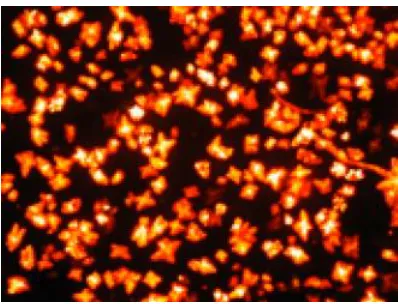
Figure 2.2. Polarized optical micrograph of 236 in the isotropic phase ... 47
Figure 2.3. Polarized optical micrograph of 236 cooled from isotropic phase to an apparent liquid crystalline phase (100x magnification, 238 °C) ... 48
Figure 3.1. Natural products with a tricyclic alkaloid core structure shown in red ... 60
Figure 3.2. Examples of prenylated indole alkaloid natural products ... 67
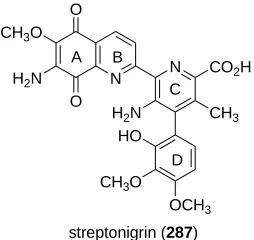
Figure 4.1. Streptonigrin (287) ... 79
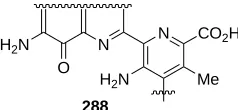
Figure 4.2. Minimal structural requirements for biological activity ... 80
Figure 4.3. Lavendamycin (289)... 81
Figure 5.1. Structure of buflavine (340) ... 99
Figure 6.1. Inverted temperature gradient produced during microwave heating (left) compared to oil bath heating (right) ... 134
Figure 6.2. Temperature profile of cyclotrimerization reaction in xylenes measured with FO probe (red) and IR probe (pink) ... 140
Figure 7.1. Initial compounds screened in Xenopus laevis embryos. The heterotaxia inducing compound is highlighted in the blue box ... 144
Figure 7.2. A mixture of regioisomers 415 causes heterotaxia in Xenopus ... 145
Figure 7.3. Heterotaxin Perturbs left-right asymmetric gene expression patters ... 149
Figure 7.4. Heterotaxin Perturbs Melanogenesis ... 150
Figure 7.5. Developmental stages of Xenopus laevis embryos ... 151
Figure 7.6. Heterotaxin Inhibits TGF-β Signaling. ... 153
Figure 8.1. Oxidation of the boronate group by H2O2 to produce a fluorescence response ... 169
xi
Figure 8.3. Structures of estradiol (453) and estrone (454) ... 172
Figure 8.4. Luciferase assay testing the binding of estradiol derivatives ... 178
Figure 8.5. Luciferase assay testing the binding of estrone derivatives ... 179
Figure 8.6. Hydrogen peroxide induced activation of gene expression in the presence of boronated estrone analogs ... 180
Figure 8.7. Intracellular detection of hydrogen peroxide through boronated estrone derivatives ... 182
Figure 8.8. Boronated estrone derivative 460 is selective for H2O2 ... 183
Figure 9.1. Modifications at the benzylic position of the NB structure in caging groups 477-480 ... 196
Figure 9.2. Modifications on the ring of theNB structure providing 481-483, and modifications on the ring and benzyl position providing 484-485 ... 197
Figure 9.3. Different linkages to NB caging group (MeNVOC) 486, (MeNPOC) 487, and (NPOM) 488 ... 197
Figure 9.4. Structures of NPE (489) and NPP (490) caging groups ... 198
Figure 9.5. Structures of ketoprofen based caging groups 491 and 492 ... 199
Figure 9.6. Structure of DEACM (494) ... 201
Figure 9.7. Simplified Jablonski representation of one- (purple), two- (orange), and three- (red) photon excitation of a chromophore ... 202
Figure 9.8. Difference in the affected excitation volume between one-photon and two-photon irradiation ... 204
Figure 9.9. Structure of BHQ (496) and spectral and decaging properties of Bhc-OAc and BHQ-OAc ... 207
Figure 9.10. Structure of NDBF (497) ... 208
Figure 9.11. Structures of o-HCA 498, 7-NI 499, and PMNB 500 ... 209
Figure 10.1. A) Light-induced removal of PEG groups enables photochemical control of protein function. B) X-ray structure of lysozyme with the six solvent-accessible lysine residues highlighted in yellow (PDB 2VB1) ... 212
xii
Figure 10.3. Fluorescence measurements (λex 337 nm; λem 492 nm) of NHS-PEG 501, PhotoPEG 507, dansyl amine 508, 509, 510, and 509 after 5 min UV light
exposure on a microplate reader ... 216
Figure 10.4. SDS-PAGE analysis of lysozyme PEGylation performed by Dr. Wesleigh
Georgianna ... 217
Figure 10.5. Micrococcus lysodeikticus exposed to different lysozymes for 20 min, followed by an optical density (OD450) measurement Performed by Dr. Wesleigh
Georgianna ... 218
Figure 10.6. Micrococcus lysodeikticus exposed to lysozyme modified with PhotoPEG 507, followed by an optical density (OD450) measurement after 20 min ... 219
Figure 10.7. Light-activation of gene expression using a PhotoPEGylated antisense agent ... 223
Figure 10.8. Structure of the proposed two-photon linker 511 ... 225
Figure 10.9. HPLC chromatogram of standard compounds Bhc 514 (9.77 min),
1-naphthylmethylamine (12.01 min), and Bhc caged carbamate 516 (14.79 min) detected at 260 nm ... 227
Figure 10.10. UV exposure to 516 for 5, 10 and 20 min detected at 260 nm ... 227
Figure 10.11. Structures of proposed BHQ dual functional photoremovable linking groups ... 228
Figure 10.12. HPLC of 525, 526 with no UV, 526 with 30 sec, 1 min, and 2 min UV (365 nm) . 230
Figure 10.13. HPLC chromatograms of NDBF caged naphthylmethylamine 563 (13.36 min) and 1-naphthylmethylamine (9.59 min) at 100 µM (PBS buffer, pH = 7.4, 0.5% DMSO) detected at 280 nm ... 239
Figure 10.14. Decaging of 563 (13.3 min) (100 µM, 1:1 CH3CN:PBS, 0.5% DMSO) at 1, 5,
10, and 30 min to form 1-naphthylmethylamine (9.5 min) detected at 280 nm ... 240
Figure 11.1. Photo-induced strand break of nucleic acid ... 261
Figure 11.2. Gel image of UV (365 nm) cleavage of NDBF linker containing
oligonucleotide ... 267
Figure 12.1. HPLC chromatogram showing decarboxylation of 592 in 1-2 min detected at 350 nm ... 275
Figure 12.2. HPLC chromatogram detected at 350 nm showing unreacted xanthone ester 593 after 25 min UV irradiation ... 275
Figure 12.3. Fluorescence spectra of 594 as decarboxylation occurs at the indicated time
xiii
Figure 12.4. HPLC chromatogram of 607 decaging in 0.25-5 min of a 100 µM solution
detected at 260 nm. ... 281
Figure 12.5. Fluorescence (350 nm/ 400 nm) of the xanthone byproduct 493 vs. the caged
naphthyl 607 at different concentrations ... 282
Figure 12.6. HPLC of decaging of 623 at 100 µM ... 288
Figure 12.7. HPLC of decaging of 623 at 100 µM ... 289
Figure 12.8. Fluorescence (495 nm/520 nm) of 614 after irradiation at indicated times at 0.1 µM (PBS, pH =7.4) ... 290
Figure 12.9. Fluorescence of rhodamine 614 vs. 623 (0.1 µM, PBS, pH = 7.4) after UV
irradiation for 15 min ... 291
Figure 12.10. HPLC trace of the decaging reaction of 636 at 100 µM (0.5% DMSO, PBS
buffer, pH =7.4) ... 295
Figure 12.11. Decaging at 2 µM (2 mM ATP, 10 mM MgCl2 in PBS buffer, pH = 7.4) ... 296
xiv
LIST OF SCHEMES
Scheme 1.1. General [2+2+2] cyclotrimerization reaction ... 1
Scheme 1.2. Possible [2+2+2] cyclotrimerization mechanisms ... 2
Scheme 1.3. Sequential insertion and metathesis cascade reaction mechanisms ... 3
Scheme 1.4. Regiochemical possibilities of [2+2+2] cyclotrimerization reactions ... 4
Scheme 1.5. Partially intramolecular version of the [2+2+2] cyclotrimerization reaction enabling regiocontrol ... 5
Scheme 1.6. Ligand control of regioselectivity in cyclotrimerization reactions ... 6
Scheme 1.7. Electronic effect on regioselectivity ... 6
Scheme 1.8. Electronic versus steric influences on regioselectivity ... 7
Scheme 1.9. Regiocontrol under CpCo(CO)2 catalysis ... 7
Scheme 1.10. Chemoselectivity issues in the partially intramolecular cyclotrimerization reaction ... 8
Scheme 1.11. Preformed metallocycle in [2+2+2] cyclotrimerization reaction ... 8
Scheme 1.12. Utility of BTMSA as cyclotrimerization partner ... 8
Scheme 1.13. Application of enol ethers as an acetylene equivalent ... 9
Scheme 1.14. Formation of phenols 44 and anilines 46 under rhodium catalysis ... 9
Scheme 1.15. Utility of a silicon ether tether for complete regio- and chemoselectivity ... 10
Scheme 1.16. Total synthesis of dl-estrone (61) ... 11
Scheme 1.17. Witulski‟s synthesis of hyellazole (57)clausine C (60) ... 11
Scheme 1.18. Synthesis of antiostatin A1 (70) ... 12
Scheme 1.19. Aryne [2+2+2] route to taiwanins C (68) and E (69) ... 12
Scheme 1.20. Total synthesis of (−)-bruguierol A (80) ... 13
Scheme 1.21. Solid supported synthesis of the indanone 76 ... 13
xv
Scheme 1.23. Microwave assisted synthesis of cannabinol (83) and cannabinodiol (84) ... 14
Scheme 1.24. Intramolecular cyclotrimerization reactions towards calomelanolactone (89) and pterosin Z (90) ... 15
Scheme 1.25. Synthesis of (R)-alcyopterosin E (93) ... 15
Scheme 1.26. Synthesis of (+)-rubiginone B2 (97) ... 16
Scheme 1.27. Sorenson‟s synthesis of racemic viridin (102) ... 16
Scheme 1.28. Total synthesis of cryptoacetylide (105) and epicryptoacetylide (106)... 17
Scheme 1.29. Synthesis of the advanced intermediate 109 towards sporolide B (110) via a [2+2+2] cyclotrimerization reaction ... 18
Scheme 1.30. [2+2+2] Cyclotrimerization reaction to form pyridine derivatives ... 19
Scheme 1.31. Mechanism of the [2+2+2] cyclotrimerization reaction towards pyridines ... 19
Scheme 1.32. Zr/Ni mechanism for pyridine formation ... 20
Scheme 1.33. Ru mechanism with coordinating nitriles for pyridine formation ... 21
Scheme 1.34. Regiochemical outcome of an intermolecular [2+2+2] cyclotrimerization reaction towards pyridines ... 22
Scheme 1.35. Ligand effects on the regioselectivity of pyridine-forming cyclotrimerization reactions ... 22
Scheme 1.36. Regioselective partially intramolecular pyridine synthesis ... 23
Scheme 1.37. Regioselective alkyne-nitrile cyclotrimerization ... 23
Scheme 1.38. Regiocontrolled synthesis of 2,2‟-bipyridines ... 23
Scheme 1.39. Potential electronic control of regioselectivity ... 24
Scheme 1.40. Vollhardt‟s synthesis of vitamin B6 (140) ... 25
Scheme 1.41. Synthesis of ergot alkaloids ... 25
Scheme 1.42. Total synthesis of complanadine A (155) using two cyclotrimerization reactions ... 26
Scheme 1.43. Total synthesis of lavendamycin methyl ester (159) ... 27
xvi
Scheme 1.45. Catalyst-free microwave mediated cyclotrimerization reaction and proposed
mechanism ... 29
Scheme 1.46. The first transition metal catalyzed microwave mediated cyclotrimerization reaction ... 29
Scheme 1.47. Synthesis of 5,6,7,8-tetrahydro-1,6-naphthyridines ... 30
Scheme 1.48. Solid-phase synthesis of benzenes and pyridines under microwave irradiation... 31
Scheme 1.49. Synthesis of phenanthridines, anthracenes, azaanthracenes, indanes, and isoindolines ... 32
Scheme 1.50. Synthesis of 6-pyridylpurines ... 33
Scheme 1.51. Utilizing silyl-tethered diynes for pyridine synthesis ... 33
Scheme 1.52. Synthesis of 6-oxa-allocolchicinoid derivatives ... 33
Scheme 2.1. Synthesis of the diyne precursor 207 ... 36
Scheme 2.2. Catalyst screen for the synthesis of triphenylenes ... 37
Scheme 2.3. Synthesis of triphenylenes 208-213 ... 38
Scheme 2.4. Solvent screen for the synthesis of azatriphenylenes 214-215 ... 39
Scheme 2.5. Synthesis of azatriphenylenes 214-219 ... 39
Scheme 2.6. Retrosynthetic analysis of dehydrotylophorine (203) and tylophorine (204) ... 40
Scheme 2.7. Coupling reaction and attempted Sonogashira reaction for installation of diyne ... 41
Scheme 2.8. Installation of diyne 221 followed by cyclotrimerization with the cyano-alcohol 225 to form 227 ... 42
Scheme 2.9. Model studies for the cyclization reaction to form the pyridinium ion 228 ... 43
Scheme 2.10. Cyclization reaction attempts of 227 with TEA and a piperidine resin to form dehydrotylophorine (203) ... 44
Scheme 2.11. Completion of the synthesis of dehydrotylophorine (203) and tylophorine (204) with a tandem cyclotrimerization-substitution reaction as the key step ... 45
xvii
Scheme 3.1. A [2+2+2] cyclotrimerization reaction coupled with an intramolecular SN2
reaction enables the rapid assembly of tricyclic pyridinium ions. A subsequent
reduction delivers the alkaloid core structures 247 ... 61
Scheme 3.2. Tandem [2+2+2] cyclotrimerization-substitution reactions delivering the pyridinium compounds 252-255 with bromide and mesylate counter ions ... 62
Scheme 3.3. Two step [2+2+2] cyclotrimerization-substitution reaction followed by reduction to the indolizines and quinolizines 263-266 ... 63
Scheme 3.4. Three step cyclotrimerization-substitution reaction to form the tetracyclic pyridinium compounds 274-275 followed by reduction to 276-277 ... 64
Scheme 3.5. Synthesis of the core structure of citrinadin A (237), B (238), and cyclopiamine B (239)... 66
Scheme 4.1. Retrosynthetic analysis of streptonigrin (287) using a silicon tether ... 82
Scheme 4.2. Attempt to form diisopropyl silyl phenol 298 ... 82
Scheme 4.3. Attempt to form propargyl diisopropylsilane 299 ... 83
Scheme 4.4. Synthesis of silyl ether diyne 302 ... 83
Scheme 4.5. Attempted cyclotrimerization with diyne 302 ... 83
Scheme 4.6. Cleavage of TMS groups with K2CO3 only formed 296 ... 84
Scheme 4.7. Attempted cleavage of TMS groups with AgNO3 ... 84
Scheme 4.8. Retrosynthetic analysis of lavendamycin (289) ... 85
Scheme 4.9. Formation of amide diyne 313 and unsuccessful installation of the bromide ... 86
Scheme 4.10. Formation of amide diyne 315 and successful installation of the bromide ... 86
Scheme 4.11. Model cyclotrimerization reactions of bromo diyne 307 ... 87
Scheme 4.12. New retrosynthesis of lavendamycin (289) and model study desired ... 88
Scheme 4.13. Attempted synthesis of ynamide aldehyde 331 ... 89
Scheme 4.14. Formation of phenyl diyne 335 and cyclotrimerization reaction to form 336a ... 90
Scheme 4.15. Formation of pyridine diyne 337 and cyclotrimerization reaction attempts to form 338 ... 90
xviii
Scheme 4.17. Future silyl linker model system of streptonigrin ... 92
Scheme 5.1. Retrosynthesis of buflavine (340) ... 100
Scheme 5.2. Test cyclotrimerization reaction of different acetylenes ... 100
Scheme 5.3. Sonogashira coupling, reductive amination, and attempted synthesis of diyne 341 ... 101
Scheme 5.4. Removal of TMS group prior to reductive amination conditions ... 101
Scheme 5.5. Sonogashira coupling, reductive amination, and attempted synthesis of diyne 341 ... 102
Scheme 5.6. Attempted cyclotrimerization with diyne 351 and acetylene ... 102
Scheme 5.7. Synthesis of diyne 355 containing an amide moiety ... 103
Scheme 5.8. Cyclotrimerization attempts with the amide diyne 355 ... 104
Scheme 5.9. An intramolecular acetylene equivalent by a removable tether (shown in red) for cyclotrimerization of buflavine (340) ... 105
Scheme 5.10. Synthesis of 1,2-bis(ethynyldimethylsilyl)ethane (360) and cyclotrimerization attempts ... 106
Scheme 5.11. Synthesis of disilyl diyne 367 ... 107
Scheme 5.12. Benzene and pyridine formation from diyne 367 ... 107
Scheme 5.13. Attempted cyclotrimerization of methoxy triyne 372 ... 108
Scheme 5.14. Synthesis of ketone triynes and nitrile diynes 379-383 and successful cyclotrimerization to form 384-389, but the tether was not removable ... 109
Scheme 5.15. Attempted synthesis of buflavine with the disilane tether ... 110
Scheme 5.16. Formation of diyne disiloxane 396 for cyclotrimerization screen ... 111
Scheme 5.17. Synthesis of ketone triynes and nitrile diynes 401-403 and successful cyclotrimerization and tether removal ... 112
Scheme 5.18. Future synthesis of buflavine (340) ... 113
Scheme 6.1. Varying microwave power to form the pyridine 412 using CpCo(CO)2 as catalyst ... 137
xix
Scheme 6.3. Varying microwave power to form the pyridine 412 using CpCo(COD) as a
catalyst ... 138
Scheme 6.4. Open vessel microwave reaction and thermal reaction temperatures both measured with FO probe ... 139
Scheme 7.1. Regioselective synthesis of heterotaxin (415) and its analogs 441-445 ... 147
Scheme 7.2. Synthesis of additional heterotaxin analogs from common precursors ... 148
Scheme 8.1. Synthesis of 3-boronate estradiol 458 ... 173
Scheme 8.2. Synthesis of 3-boronate estrone 460 ... 174
Scheme 8.3. Synthesis of non-phenolic estradiol 461 and estrone 462 for control experiments . 174 Scheme 8.4. Synthesis of the 17-boronate estrone 466 ... 175
Scheme 8.5. Synthesis of boronate benzyl carbonate protected non-phenolic estradiol 472 ... 176
Scheme 8.6. Synthesis of estrone diboronate 474 and estradiol diboronate 475 ... 177
Scheme 9.1. Generalized schematic of a decaging reaction ... 194
Scheme 9.2. Light induced decomposition of a 2-nitrobenzyl-group (476) protected molecule by a Norrish type II mechanism ... 195
Scheme 9.3. Decaging mechanism (β-elimination) of NPE (489) type caging groups ... 198
Scheme 9.4. Decaging mechanism of the xanthone (492) caging group ... 200
Scheme 9.5. Structure and mechanism of decaging of Bhc 495 ... 206
Scheme 10.1. Synthesis of the 5000 Da, lysine-reactive, photocleavable PEG reagent 507 (PhotoPEG), and its application in the PEGylation of lysozyme ... 214
Scheme 10.2. Fluorescent labeling of PEG compounds 509 and 510 ... 215
Scheme 10.3. Photoregulation of antisense activity with light-removable PEG groups ... 221
Scheme 10.4. PEGylation of 3 amino-modified DNA ... 222
Scheme 10.5. Attempted synthesis of 511 ... 225
Scheme 10.6. Activation of Bhc 514 with 4-nitrophenyl chloroformate ... 226
xx
Scheme 10.8. Synthesis of BHQ aldehyde 522 ... 228
Scheme 10.9. Synthesis of BHQ caged acetate 526, and synthesis of BHQ alcohol 525 ... 229
Scheme 10.10. Addition of propargyl Grignard to aldehyde 522 to give a mixture of alkyne 527 and allene 528 (1:6.5) ... 230
Scheme 10.11. Addition of propargyl group into TIPS protected aldehyde 530 forming the allene 531 and no alkyne ... 231
Scheme 10.12. Attempted epoxide formation on the aldehyde quinoline 530 ... 232
Scheme 10.13. Cyano methylation of the BHQ aldehyde 530 resulted in TIPS removal ... 233
Scheme 10.14. Toluene sulfonyl protection of BHQ and cyano methylation of the aldehyde 538 then attempted reduction to the amine 540... 234
Scheme 10.15. Formation of nitro 541 and attempts at reduction 542 ... 234
Scheme 10.16. Synthesis of NDBF hydroxy azide 547, and test synthesis of triazole caged naphthylamine 550 ... 236
Scheme 10.17. Improved synthetic route to form the NDBF aldehyde 554 ... 237
Scheme 10.18. Synthesis of model 1-napthylamine caged with NDBF methoxy triazole 563 ... 238
Scheme 10.19. Construction of NHS-NDBF photoPEG 565 ... 241
Scheme 11.1. Nitrobenzyl based photocleavable phosphoramidite 566 and cleavage with UV light... 262
Scheme 11.2. Dinitrobenzyl based photocleavable phosphoramidite 572 and cleavage with UV light to produce the 5'-phosphate 569 and 3'-hydroxyl 576 ... 263
Scheme 11.3. Dinitrobenzyl based photocleavable phosphoramidite 577 and cleavage with UV light to produce the 5'-phosphate 569 and 3'-phosphate 571 ... 264
Scheme 11.4. Oxidation and allylation of 7-(diethylamino)-4-methyl-coumarin (579) and unsuccessful ozonolysis ... 265
Scheme 11.5. Synthesis of DEACM phosphoramidite 584 ... 265
Scheme 11.6. Synthesis of NDBF phosphoramidite 587 ... 266
Scheme 12.1. Proposed xanthone “safety switch” caging group and fluorescent reporter ... 273
xxi
Scheme 12.3. Synthesis of xanthone methyl ester caged 2-naphthylamine 598 for decaging
model ... 277
Scheme 12.4. Attempted hydrolysis of xanthone ester 598 ... 278
Scheme 12.5. Synthesis of xanthone TMS ethyl ester 603 and decaging of acetate 604 ... 279
Scheme 12.6. Synthesis of xanthone acid caged 2-naphthylamine 607 for decaging model ... 280
Scheme 12.7. Proposed xanthone “safety switch” caging group with a rhodamine reporter ... 283
Scheme 12.8. Attempted synthesis of xanthone caged coumarin for fluorescence reporting ... 284
Scheme 12.9. Attempted synthesis of xanthone caged rhodamine 616 ... 285
Scheme 12.10. Attempted synthesis of xanthone caged rhodamine 616 with an in situ formed isocyanate ... 285
Scheme 12.11. Synthesis of xanthone caged rhodamine 623 and decaging for fluorescence
study ... 287
Scheme 12.12. Synthesis of xanthone pivaloyl ester caged rhodamine 629 ... 292
xxii
LIST OF ABBREVIATIONS
µL micro liter
µM micromolar
Ac acetyl
AcOH acetic acid
Am amyl
Bhc 6-bromo-7-hydroxycoumarin-4-methyl
BHQ 8-bromo-7-hydroxyquinoline
BINAP 2,2'-bis(diphenylphosphino)-1,1'-binaphthyl
Bn benzyl
Boc N-tert-butoxycarbonyl BTMSA bistrimethylsilyl acetylene
CAN ceric ammonium nitrate
COD 1,5-cyclooctadiene
DCC dicyclohexylcarbodiimide
DCE 1,2-dichloroethane
DCM dichloromethane
DDQ 2,3-Dichloro-5,6-dicyano-1,4-benzoquinone
DEACM (7-diethylaminocoumarin-4-yl)methyl
dG 2‟deoxyguanosine
DIAD diisopropyl azodicarboxylate
DIC N,N′-diisopropylcarbodiimide
DIPEA diisopropylethylamine
DMAP 4-dimethylaminopyridine
DMF dimethylformamide
DMNB 4,5-dimethoxy-2-nitrobenzyl
DMSO dimethyl sulfoxide
xxiii
DNA deoxyribonucleic acid
DPPE 1,2-bis(diphenylphosphino)ethane
DPPF 1,1-bis(diphenylphosphino)ferrocene
DSC disuccinimidyl carbonate
EDCI 1-ethyl-3-(3-dimethylaminopropyl) carbodiimide
EGF epidermal growth factor
ER -estrogen ligand-binding domain
Et ethyl
Et2O diethylether
EtOH ethanol
FO fiber optic
g gram
GFP green fluorescent protein
GM Goeppert–Mayer
HATU O-(7-azabenzotriazol-1-yl)-N,N,N′,N′-tetramethyluronium hexafluorophosphate
HPLC high-performance liquid chromatography
Hz hertz
IBX-PS 2-iodoxybenzoic acid-polystyrene i-Pr isopropyl
LAH lithium aluminum hydride
LDA lithium diisopropylamide
LG leaving group
LNA locked nucleic acid
M molar
MAOS microwave assisted organic synthesis m-CPBA meta-chloroperoxybenzoic acid
Me methyl
xxiv
mg milligram
MHz megahertz
mL milliliter
mM millimolar
mmol millimole
mol mole
MsCl methanesulfonyl chloride
MSMCl chloromethyl methy sulfide
MW microwave
NB ortho-nitrobenzyl NBS N-bromosuccinimide
n-Bu butyl
n-BuLi n-butyllithium
NDBF 3-nitro-2-ethyl-dibenzofuran
NHS N-hydroxysuccinimide
nm nanometer
NMO N-methylmorpholine-N-oxide NMP N-methyl-2-pyrrolidone
NMR nuclear magnetic resonance
NPE 2-(o-nitrophenyl)ethyl
NPP 2-(o-nitrophenyl)propyl
OD optical density
OMe methoxy
OMs methanesulfonate
OTf trifluoromethanesulfonate
PBS phosphate buffered saline
PCC pyridinium chlorochromate
PEG polyethylene glycol
xxv
PhH toluene
PIFA phenyliodine bis(trifluoroacetate)
Piv pivaloyl
PMB para-methoxybenzyl
PPh3 triphenylphosphine
p-TSA para-toluenesulfonic acid
PyBop benzotriazol-1-yl-oxytripyrrolidinophosphonium hexafluorophosphate
ROS reactive oxygen species
rt room temperature
TBAF tetrabutylammonium fluoride
TBDPS tert-butyldiphenylsilyl
TBHP tert-butyl hydroperoxide
TBS tert-butyldimethylsilyl
TBTA tris-(benzyltriazolylmethyl)amine t-Bu tert-butyl
t-BuLi tert-butyllithium t-BuOH tert-butanol
t-BuOK potassium tert-butoxide
TEA triethylamine
Tf2O trifluoromethanesulfonic anhydride
TFA trifluoroacetic acid
TFAA trifluoroacetic anhydride
THF tetrahydrofuran
TIPS triisopropylsilyl
TMEDA tetramethylethylenediamine
TMS trimethylsilyl
Ts para-toluenesulfonyl
UAS upstream activating sequence
1
CHAPTER 1: Transition Metal Catalyzed [2+2+2] Cyclotrimerization Reactions
1.1 [2+2+2] Cyclotrimerization Reactions Towards Benzene Derivatives 1.1.1 Background and Mechanism
The [2π + 2π + 2π]-electron cyclotrimerization of three alkynes to benzene rings is a powerful tool for the construction of polysubstituted aromatic compounds (Scheme 1.1). It is a more convergent approach than traditional substitutions on benzene rings such as electrophilic aromatic substitutions. In a single, atom economical reaction, multiple rings and three new carbon-carbon bonds can be formed.1-9
R R
R R R R [2+2+2] R
R 3
Scheme 1.1. General [2+2+2] cyclotrimerization reaction.
The reaction was discovered by Berthelot in 1866, producing benzene from acetylene at ~400 °C without any catalyst.10 Requiring such high temperatures essentially ruled out synthetic applications of thermal [2+2+2] cyclotrimerization reactions despite them being exothermic in nature.11 In the late 1940‟s the first transition metal catalyzed [2+2+2] cyclotrimerization reaction in which acetylene was converted into benzene in the presence of (PPh3)2Ni(CO)2 was reported.12 Although cyclooctatetraene was the major product, the
discovery that transition metals could mediate the [2+2+2] cyclotrimerization of alkynes into benzenes opened the door for the reaction to become synthetically useful. Following this finding, many other transition metals besides Ni have been identified as catalysts for the cyclotrimerization of alkynes including Co,13 Ru,14 Rh,15-17 and Pd.18
2
cycloaddition to give the cobaltanorbornadiene intermediate 4. The final benzene product 5 is formed after reductive elimination and regenerates the catalyst. When CpRuCl catalyst systems are used, insertion of the third alkyne proceeds via a formal [5+2] cycloaddition between ruthenacycle 7 and the alkyne to first give the ruthenabicyclo[3.2.0]heptadiene complex 8 followed by metallocycle 9 through the cleavage of the central Ru-C bond (Scheme 2).7, 21 Reductive elimination to the η2-benzene complex 10 and replacement of the arene with two additional alkynes complete the catalytic cycle.
6 5 5 1 3 CoLn -2 L
Co Ln-2
Oxidative Cyclization
Co Ln-2 Co
Ln-1
Co
Ln-1 Reductive
Elimination CoLn L CpRu(COD)Cl 2 4 Oxidative Cyclization Ru Cp Cl Ru Cp Cl Ru Cp Cl Ru Cp Cl Ru Cp Cl [5+2] Ru Cp Cl 2 CpRuCl catalysts: Co catalysts: 8 9 7 10 2 2 -COD
Scheme 1.2. Possible [2+2+2] cyclotrimerization mechanisms. L = ligand.
3
a) Sequential Insertion
M X X M
X M
X
M M
X
M X
b) Metathesis Cascade
M M M M M
M
Scheme 1.3. Sequential insertion and metathesis cascade reaction mechanisms. M = metal center, X = halide.
1.1.2 Regioselectivity of the Cyclotrimerization Reaction
4
R [M] M M M
11a (major) 11b (minor) 11c
R
R R
R R
R
11a R
R R
R
M 11b R
R R
R
R R
R M
12 12 13
2
Scheme 1.4. Regiochemical possibilities of [2+2+2] cyclotrimerization reactions.
5
MeO2C
MeO2C
1-hexyne (2 eq) Cp*RuCl(COD) (1%)
DCE rt 1 hr 85%
n-Bu MeO2C
MeO2C
MeO2C
MeO2C
n-Bu
14 15a 15b
a)
b)
R1
O RhCl(PPh3)3 (2 mol%) O R1 R2 O R1 R2 R2
16 17a 17b
R1
CH3
CH3
CH3
C(CH3)2OH
R2
n-Bu C(CH3)2OH
CH2OH
n-Bu Yield (%) 35 54 53 36
ratio (17a:17b) 1.7:1
17a only 1.8:1
17a only EtOH, rt
93 : 7
c)
R1
Z
CoCl26H2O (5 mol%)
2-(2,6-diisopropylphenyl) iminomethylpyridine (6 mol%)
Zn dust (10 mol%)
Z R1 R2 Z R1 R2 R2
18 19a 19b
R1 n-Bu n-Bu TMS R2 n-Bu CH2OH
CH2OH
Yield (%) 52 74 83
ratio (19a:19b) 76:24 71:29 85:15 THF, rt Z O O C(CO2Et)2
Scheme 1.5. Partially intramolecular version of the [2+2+2] cyclotrimerization reaction enabling regiocontrol.
6
MeO2C
MeO2C
1-hexyne (3 eq) [Ir(COD)Cl]2 (2 mol%
ligand (4 mol%)
n-Bu MeO2C
MeO2C
n-Bu ligand DPPE DPPF Yield (%) 93 84 15a 15b
ratio 15a/15b
80/20 12/88 MeO2C
MeO2C
PhH 0.5-1 hr rt to reflux
14
Scheme 1.6. Ligand control of regioselectivity in cyclotrimerization reactions. DPPE = 1,2-Bis(diphenylphosphino)ethane, DPPF = 1,1'-Bis(diphenylphosphino)ferrocene.
The electronic nature of the diyne can also control the regiochemistry of the reaction. Yamamoto found that an electron-poor triple bond in the diynes 20a-c preferentially furnished the benzene products 21a-c where the substituent was oriented para to the carbonyl rather than 22a-c (Scheme 1.7).29 Furthermore, the electron withdrawing ability of the carbonyl group (ketone > ester > amide) directly correlated with the degree of regioselectivity. X O X NBn O C(Me)2 Yield (%) 76 93 70
ratio 21/22
63/37 70/30 78/22 1-hexyne Cp*Ru(COD)Cl X O n-Bu X O n-Bu
21a-c 22a-c 20a (X = NBn)
20b (X = O)
20c (X = C(Me)2)
Scheme 1.7. Electronic effect on regioselectivity.
7
BnN
O Cp*Ru(COD)Cl 1-hexyne (5 mol%)
BnN O
n-Bu BnN
O
n-Bu DCE, rt, 2 hr
68%
82 : 18
24a 24b
23
Scheme 1.8. Electronic versus steric influences on regioselectivity.
The degree of regioselectivity obtained under CpCo(CO)2 catalysis varies by
substrate. While exclusive regioselectivity is obtained between the cyclotrimerization reaction of 25 with trimethylsilylmethoxyethyne to give 26 in 58% yield, the similar cyclotrimerization reaction with 1-hexyne gives only a 5% combined yield of a 1:1 mixture of 27a and 27b (Scheme 1.9). Due to the low yield, however, no mechanistic significance can be placed on the lack of selectivity.30
N
N MeO
MeO
MeO
MeO
R2
TMS TMS
R2
CpCo(CO)2
hv
R1
R1
xylene reflux
25
26 (R1 = TMS, R2 = OMe, 58%) 27a (R1 = H, R2 = n-Bu, 2.5%)
27b (R1 = n-Bu, R2 = H, 2.5%)
Scheme 1.9. Regiocontrol under CpCo(CO)2 catalysis.
1.1.3 Chemoselectivity in Cyclotrimerization Reactions
8 32 31 13 29 28 30 R catalyst R R R R R R R 12
Scheme 1.10. Chemoselectivity issues in the partially intramolecular cyclotrimerization reaction.
Müller et al. successfully used a partially intramolecular approach with the stoichiometrically preformed rhodacycle 33 to provide various anthraquinone derivatives 34 as one solution to the chemoselectivity challenge (Scheme 1.11).15, 16
O
O
Ph
Ph
Rh(PPh3)3Cl
xylene,
93%
Rh(PPh3)2Cl O
O Ph
Ph
Me CO2Et
xylene,
73%
Me Ph O
CO2Et O Ph
34 33
Scheme 1.11. Preformed metallocycle in [2+2+2] cyclotrimerization reaction.
Even with preformed metallocycles, the released metal is catalytically active and can cyclotrimerize the monoyne resulting in by-products.31 To circumvent this issue, Vollhardt et al. has made use of a monoyne that is incapable of cyclotrimerizing with itself due to sterically demanding substituents, bis(trimethylsilylacetylene) (BTMSA, 36), providing access to a number of useful intermediates such as 37 and 38 from a cyclotrimerization reaction with 35 (Scheme 1.12).13
TMS TMS TMS TMS Br I
36 37 38
CpCo(CO)2
n-octane reflux, 72 hr
60%
1. Br2, CCl4
2. ICl, CCl4
87% 2 steps
35
9
When the desired monoyne is acetylene obviously no regioselectivity issues exist, but it is often difficult to work with the gaseous alkyne. An alternative reaction was developed by Tanaka et al. using the enol ethers 40 to cyclotrimerize with the various diynes 39 under rhodium catalysis to form the benzenes 42 in good to excellent yields (Scheme 1.13).32
Z + OR'
[Rh(COD)2]BF4/
rac-BINAP
DCM, rt, 3h
65-93%
Z
39 40 41
R R
Z = C(CO2Me)2, NTs, O R = H, Me, OMe R'= n-Bu, Me
R = H, Me, OMe
Scheme 1.13. Application of enol ethers as an acetylene equivalent.
This reaction was applied further for the formation of phenols, which have been difficult to access via cyclotrimerization reactions. Using vinylene carbonate (43) rather than the unstable hydroxy acetylene, substituted phenols 44 were formed from diynes 42 in good yields using the same catalyst complex with slightly higher temperatures and longer reactions times (Scheme 1.14).33 Recently, the Louie lab applied this method in the synthesis of anilines 46 in good yields using 2-oxazolone (45) rather than vinylene carbonate (43) (Scheme 1.14).34
Z
R R
+
[Rh(COD)2]BF4/
rac-BINAP DCM, 40 C
16h 55-82%
Z R
R
42 43 44
OH
Z = C(CO2Me)2, NTs, O
R = Me, Et, Ph
O O
O
Z +
[Rh(COD)2]BF4/
rac-BINAP THF, 60 C
6h 67-87%
Z
39 45 46
NH2
Z = C(CO2Me)2, CH(CO2Me), NTs, O
O H N
O
10
In order to overcome both the regio- and chemo- selectivity issues, removable tethers have been used to temporarily link all three alkynes. Using a silicon ether tether, the alkynes in 47 are set for the cyclotrimerization reaction with complete regio- and chemoselectivity to form the benzene 48 with CoCp(CO)2 as the catalyst (Scheme 1.15).35 Removal of the silicon
with TBAF in THF affords the tetrasubstituted benzene 49 as the only product.
Si O iPr Si iPr O iPr iPr R2 R1 5 mol% CoCp(CO)2 xylenes , h O (iPr)2
Si O
(iPr)2
Si
R1 R2
R1 H Ph R2 H nBu Yield (%) 65 77 TBAF THF, OH HO
R1 R2
R1 H Ph R2 H nBu Yield (%) 60 62
47 48 49
Scheme 1.15. Utility of a silicon ether tether for complete regio- and chemoselectivity.
1.1.4 Synthesis of Natural Products
The ability of cyclotrimerization reactions to simultaneously form multiple fused ring systems has led to several applications in the synthesis of natural products. Since it is commonly difficult to control the regio- and chemoselectivity of the reaction, most natural products are either formed by partially or completely intramolecularly reactions.
11
O
H
BTMSA CpCo(CO)2 (5 mol%)
O H TMS TMS H H H H O H TMS TMS 50 51 53 H H O H HO 1. TFA
2. Pb(OAc)4, TFA
dl-estrone (54) TMS
TMS
O
decane, reflux decane, reflux
retro-[2+2]
52
[4+2] 71%
Scheme 1.16. Total synthesis of dl-estrone (61). BTMSA = bistrimethylsilyl acetylene
In 2002, Witulski et al. reported the use of ynamides in the synthesis of carbazoles under rhodium catalysis.37 The authors succeeded in synthesizing two naturally occurring carbazoles, hyellazole (57) and clausine C (60), in six and seven steps, respectively, with good regioselectivity from the diynes 55 and 58 and their cyclotrimerization reaction products 56 and 59 (Scheme 1.17).
N Ts OMe N OMe Ts 30:1 regioselectivity TBAF N OMe H
hyellazole (57)
55 56
N Ts
58
MeO
CO2Me
N
CO2Me
Ts
4:1 regioselectivity TBAF
N
CO2Me
H clausine C (60)
59
MeO MeO
RhCl(PPh3)3
PhCH3, rt
78% RhCl(PPh3)3
PhCH3, rt
89%
Scheme 1.17. Witulski‟s synthesis of hyellazole (57)clausine C (60).
Similarly, antiostatin A1 (63), a natural antioxidant, was recently synthesized by Witulski
12
N Ts
C5H11
OMe
N
C5H11
OMe
Ts
Steps
N
C5H11
OH
H
antiostatin A1 (63)
61 62
AcHN
RhCl(PPh3)3 (10 mol%)
PhCH3, rt
2 d, 82%
Scheme 1.18. Synthesis of antiostatin A1 (70).
Making use of in situ formed benzyne intermediates 65, Sato and Mori synthesized a common precursor 67 to taiwanins C and E (68 and 69) via a Pd-catalyzed cyclotrimerization reaction of the diyne 66 and the aryne precursor 64 (Scheme 1.19).39
O O TMS OTf O O O CON(Me)(OMe) O O O [Pd2(dba)3]
P(o-tol)3
CsF O O O N O OMe O O O Steps O O O R O O O R = H, taiwanin C (68) R = OH, taiwanin E (69)
65 66
64
67
CH3CN, rt
61%
Scheme 1.19. Aryne [2+2+2] route to taiwanins C (68) and E (69).
13 O HO O HO O 70 HO
RhCl(PPh3)3 (3 mol%)
1. MnO2
2. m-CPBA 3. NaOH
O HO
(-)-bruguierol A (72) 33%
PhCH3, 80 oC
67% 1:1
71a
71b
Scheme 1.20. Total synthesis of (−)-bruguierol A (80).
Previously in our lab the indanone natural product 76 was synthesized using a solid supported cyclotrimerization reaction with Cp*Ru(COD)Cl as the catalyst in 72% yield starting from the diyne 73 (Scheme 1.21).41 The use of the solid supported diyne 74 as well as the partially intramolecular reaction prevented chemoselectivity issues in the reaction to form 75.
propyne Cp*Ru(COD)Cl (10%)
1. K2CO3, MeOH
2. IBX-PS O O H MeO 72% 3 steps O O MeO EtO OEt MeO OEt OEt O O
= Tentagel resin MeO
OEt OEt
HO DIC, DMAP
Tentagel-COOH DCM
Typical loading 0.2 mmol/g
THF, rt
73
75 76
74
Scheme 1.21. Solid supported synthesis of the indanone 76.
Our lab has also synthesized several natural products using the cyclotrimerization reaction with the aid of microwave irradiation. One example that utilized microwave irradiation was the cyclotrimerization step in the synthesis of illudinine (80) (Scheme 1.22).42 In the presence of Ni(CO)2(PPh3)2 under microwave irradiation, the benzene 79 ring was
14
N PMB Boc
CO2Et
CO2Et
N Boc
PMB CO2Et
CO2Et
N OCH3
CO2H
Ni(CO)2(PPh3)2 (10%)
PhCH3, MW 300 W
84%
77
78
79
illudinine (80) steps
Scheme 1.22. Microwave assisted synthesis of illudidine (80).
Another microwave mediated cyclotrimerization was applied to the total synthesis of the cannabinoid natural products cannabinol (83) and cannabinodiol (84).43 In this synthesis a ruthenium catalyst was used to form the pyran 82 in 88% yield from the TMS-protected diyne 81 which directed the regiochemistry of the reaction (Scheme 1.23). From the intermediate 82, the two natural products were formed in 2-3 steps.
OMe
O Am
TMS
TMS Cp*Ru(COD)Cl PhCH3, MW 300 W,
10 min, 90 oC
O OMe
TMS TMS
Am O
OH
Am
81 88% 82
OH OH
Am
cannabinodiol (84)
cannabinol (83)
Scheme 1.23. Microwave assisted synthesis of cannabinol (83) and cannabinodiol (84).
15
HO O
R
O HO
R
O
HO
O
calomelanolactone (89)
O
OH pterosin Z (90) or
Steps
RhCl(PPh3)3 (2 mol%)
EtOH, rt 12 h
87 (R = OH, 86%)
88 (R = H, 82%)
85 (R = OH)
86 (R = H)
Scheme 1.24. Intramolecular cyclotrimerization reactions towards calomelanolactone (89) and pterosin Z (90).
(R)-Alcyopterosin E (93) was synthesized in similar manner by Witulski.46 In this synthesis, the triyne 91 is prepared from L-ascorbic acid and readily undergoes a cyclotrimerization reaction in the presence of Wilkinson‟s catalyst in 72% yield to give 92 (Scheme 1.25).
RhCl(PPh3)3 (10 mol%)
O O
O O H
OTs (R)-91
OTs H
(R)-92
NaNO3 Bu4NNO3
O O
ONO2 H
(R)-alcyopterosin E (93) 69%
DCM, 40 oC
72%
Scheme 1.25. Synthesis of (R)-alcyopterosin E (93).
A synthesis of the tetracyclic angucyclinone (+)-rubiginone B2 (97) employing a
cobalt catalyst was reported.47, 48 Irradiation of the triyne 94 in the presence of CpCo(CO)2
16
OMe OTBS
OMe CpCo(CO)2
hv
94 96
O O
O OMe
(+)-rubiginone B2 (97)
PhCH3, reflux
74%
1. [Ag(Py)2]MnO4
DCM, rt 2. hv, air, CHCl3
42% 2 steps
OTBS
OMe
95
- TBDMSOH
Scheme 1.26. Synthesis of (+)-rubiginone B2 (97).
In a similar way to Vollhardt‟s synthesis of dl-estrone, Sorensen et al. exploited the generation of a benzocyclobutene intermediate in the first total synthesis of (±)-viridin (102).4963 The triyne 98 undergoes efficient intramolecular cyclotrimerization under rhodium catalysis to give the benzocyclobutene 99 (Scheme 1.27). Installation of the furan moiety to give 100 was followed by tandem electrocyclic ring-opening and 6π-electrocyclization to provide the tetracyclic intermediate 101 after oxidation with 2,3-dichloro-5,6-dicyano-p-benzoquinone (DDQ). Subsequent steps provided (±)-viridin (102).
TBSO
OH
98
TBSO
HO
99
Steps
OTBS
OTES O TMS
100
O
OTBS
OTES
TMS
Steps
O
O O O
OH MeO
viridin (102)
101
RhCl(PPh3)3 (3 mol%)
EtOH, 80 oC, 20 min
88%
17
A completely intramolecular cyclotrimerization reaction under microwave irradiation was performed in our lab to synthesize the natural products cryptoacetelide (105) and epicryptoacetylide (106).50 The triyne 103 underwent a cyclotrimerization in 90% yield in the presence of a ruthenium catalyst, followed by deprotection of the PMB on 104 and cyclization to form the two naturally occurring diterpenoids 105 and 106 (Scheme 1.28).
O
O OPMB
O O
OR
I2, PhI(OAc)2
200 W lamp, 1 h
O O
O
84%
+
O O
O
2 : 1
90% Cp*RuCl (COD)
toluene
benzene
MW 300 W 50 min
R = PMB R = H DDQ
99%
103
104
105 106
Scheme 1.28. Total synthesis of cryptoacetylide (105) and epicryptoacetylide (106).
18
OBn
OTBS OAc
Cl
109
107 108
O O
Me AcO
OBn OMe O O
OH
Cp*Ru(COD)Cl DCE, rt
87%
O O
Me AcO
OBn OMe O O
OH
OAc
TBSO OBn Cl
sporolide B (110) O
MeO O OH O
O OH
O O
OH Cl
OH OH
Scheme 1.29. Synthesis of the advanced intermediate 109 towards sporolide B (110) via a [2+2+2] cyclotrimerization reaction.
19
1.2 [2+2+2] Cyclotrimerization Reactions Towards Pyridine Derivatives 1.2.1 Background and Mechanism
The synthesis of pyridine derivatives is of great interest because of their presence in many biologically active compounds.1, 61-64 In the early 1970‟s, Wakatsuki and Yamazaki first showed the synthesis of pyridines 112 via a [2+2+2] cyclotrimerization reaction by replacing one alkyne unit with a nitrile 111 (Scheme 1.30). Early examples were conducted using a stoichiometric amount of a cobalt complex; however, it was subsequently found that the metal-complex could be used catalytically as well.65, 66 While most catalyst systems are based on CoI complexes, other metals such as Rh,67, 68 Ni,69 and Ru70 have been shown to produce pyridine derivatives from alkynes and nitriles as well.1-3, 8, 71-73
Co PPh3
Cp Ph Ph
Ph Ph
2 R N
N R
R = Me, Ph, Bn PhH, 70 oC
7 hr
111
112
Scheme 1.30. [2+2+2] Cyclotrimerization reaction to form pyridine derivatives.
The mechanism of the [2+2+2] cyclotrimerization reaction towards pyridines proceeds in a similar way as towards benzenes.2, 71, 74 Coordination of the two alkynes to the metal complex 1 is followed by oxidative cyclization giving the common metallacyclopentadiene intermediate 2 (Scheme 1.31).
CoLn
-2 L
Co Ln-2
Oxidative Cyclization
Co Ln-2
N
Co Ln-2
N
Reductive
Elimination N
CoLn 2
N Co
114
Ln-2
2
1 113
115
N Co Cp
116
20
Next, coordination of the nitrile to the metallocycle giving 113 leads to insertion and the formation of the azametallocycloheptatriene 114. Finally, reductive elimination furnishes the pyridine product 115 and the active metal species. Intermediates where one alkyne and one nitrile undergo oxidative cyclization at the metal center (as in 116) have been ruled out based on kinetic studies.71 With Zr/Ni catalyst systems, however, the formation of the analogous azametallocyclopentadiene 118 is postulated from 117 (Scheme 1.32).75, 76 Two possible azametallacyclheptatrienes (119 or 120) can form upon insertion of the second alkyne, and reductive elimination furnishes the pyridine product 121.
121
N ZrCp2 117
R
R R
NiX2L2
-Cp2ZrCl2 N NiL2
118
R
R R
R R
N NiL2
119
N NiL2
120
R R R
R R
R R R
R R
or
N
R R
R R
R - NiL2
Scheme 1.32. Zr/Ni mechanism for pyridine formation. L = ligand
21 122 Cp*Ru(COD)Cl N Ru Cp* Cl N Ru Cp* Cl 125 126 123
XCH2CN
X Ru X RuCp* *Cp N N R 2+ 1/2 2Cl -Ru Cp* N X R 1+
Cl-
oxidative-cyclization Ru Cp* N X 1+ Cl -[5+2] R X R X R N Ru CP* Cl 127 reductive-elimination R X
XCH2CN
N R X 122 X Ru X RuCp* *Cp N N 2 + 1/2 2Cl -+ 124 128 -Cl --COD
Scheme 1.33. Ru mechanism with coordinating nitriles for pyridine formation. X = Cl, OMe, SMe, CN, CCSiMe3.
1.2.2 Regioselectivity of the Cyclotrimerization Reaction
22 M M R R R R
N R N
R R R M 11a 11b
N R N
R R R N R R R 129 130a 130b M
Scheme 1.34. Regiochemical outcome of an intermolecular [2+2+2] cyclotrimerization reaction towards pyridines.
The use of electron-poor cobalt catalysts (e.g. CH3COC5H4Co(COD)) gives a
regioselectivity ratio of 1.46:1, slightly favoring the 2,4,6-trisubstituted isomer 131a compared to the 2,3,6-trisubstituted isomer 131b while electron-rich catalysts (e.g. (CH3)5C5Co(COD)) can increase the ratio to 3.51:1 (entries 1-2, Scheme 1.35).72, 77, 78 The
relative degree of activity of the catalysts however, is lower in case of electron-donating ligands on the Co center, with the electron-poor catalyst (CH3COC5H4Co(COD)) being the
most active. The steric environment of the cobalt-catalyst due to the ligands can also influence the regioselectivity of the intermolecular cyclotrimerization reaction (entries 3-7).72, 77
N Et 2
N Et N Et
131a 131b
Y CH3COC5H4
(CH3)5C5
Bicyclo[3.3.0]octadienyl CH3C5H4
TMSC5H4
C5H5
Indenyl 131a/131b 1.46 3.51 2.50 2.02 1.67 1.71 1.48 Entry 1 2 3 4 5 6 7 [YCo(COD)]
Scheme 1.35. Ligand effects on the regioselectivity of pyridine-forming cyclotrimerization reactions.
non-23
symmetrical 1,7-diyne 132 in a highly regioselective fashion towards the tetrahydroisoquinoline derivative 133a (Scheme 1.36).80
Et
N n-Bu
CpCo(CO)2
N
Et
n-Bu
N
Et
n-Bu
133a 133b
xylene,
77%
18.3 : 1
132
Scheme 1.36. Regioselective partially intramolecular pyridine synthesis.
The cyclotrimerization reaction of alkyne-nitriles can produce fused pyridines such as 134 with high regioselectivity as the initial metallacyclopentadiene formation sets the orientation of the alkynes (Scheme 1.37).81
CpCo(CO)2
hv
N
TMS
N TMS
134
xylene, reflux 70%
Scheme 1.37. Regioselective alkyne-nitrile cyclotrimerization.
The electronic nature of the diyne may also influence the regiochemical outcome of the cyclotrimerization reaction. Okamoto and coworkers obtained regioselectivity ratios of >99:1 when reacting the non-symmetrical diynes of type 135 with nitriles towards the bipyridines 136a and 136b (Scheme 1.38).82
X N
R1
N R2
DPPE/CoCl2.6H2O
Zn powder NMP
N X
R1
R2
N not
N X
R1
N R2
X = C(CO2Et)2 or O
R1 = H or Me
R2 = Me, Ph, CH 2CN
136a
135 54-89%
136b
24
Based on the selective formation of the 2,2‟-bipyridines 136a over the 2,3‟-bipyridines 136b, the authors suggest the regiocontrol is due to the different electronic nature of the alkyne carbons with one being electron-rich (H or Me substituted) and the other being electron-poor (pyridyl substituted). Lining up the electron-rich alkyne carbon with the electron-poor carbon from the nitrile and the electron-poor alkyne carbon with the electron rich nitrogen produces the observed regioisomer (Scheme 1.39). However, the general applicability of this concept is questionable, and it is surprising that the authors did not employ a stronger electron-withdrawing group.
X N
R1
N R2
DPPE/CoCl2.6H2O
Zn powder NMP
N X
R1
R2
N
136a
: relatively electron-rich : relatively electron-poor
Scheme 1.39. Potential electronic control of regioselectivity.
1.2.3 Chemoselectivity of the Cyclotrimerization Reaction
The chemoselectivity of the [2+2+2] cyclotrimerization reaction towards pyridines is determined when either a “third” alkyne or the nitrile is incorporated into the metallacyclopentadiene. Being better ζ-donors than alkynes, nitriles coordinate to Co(III) species more readily. As a result, nitriles are preferentially inserted into the metallacyclopentadiene with chemoselectivity ratios for intermolecular reactions on the order of 2:1 pyridine to benzene product.77, 83 Experimentally, using an excess of nitrile can enhance this selectivity.
1.2.4 Synthesis of Natural Products
25
products, the lab of K.P.C. Vollhardt has made seminal contributions in this area as well. For example, the cyclotrimerization reaction of the bis(trimethylstannyl)-diyne 137 with acetonitrile under cobalt catalysis gives the fused pyridine 138 (Scheme 1.40).84 This pyridine is selectively monodestannylated with alumina to provide the pyridine product 139 in 76% yield over the two steps. Further manipulation of 139 provides vitamin B6 (140).
O
SnMe3
SnMe3
CH3CN
CpCo(CO)2 N O SnMe3 SnMe3 alumina N O SnMe3 76% 2 steps Steps N OH HO HO HCl
vitamin B6 (140)
137 138 139
xylene reflux
Scheme 1.40. Vollhardt‟s synthesis of vitamin B6 (140).
The synthesis of ergot alkaloids has also been examined using the cyclotrimerization reaction as a key step. The alkyne-nitrile 141 reacts with the monoalkyne 142 in low yield to give the tetracyclic structure 144 (Scheme 1.41).85 Lysergene (146) is obtained in 44% yield after methylation and reduction of the resulting pyridinium ion. Lysergic acid diethyl amide (147, LSD) is similarly synthesized using the monoalkyne 143 via the cyclotrimerization product 145.
N H CN TMS R CpCo(CO)2 hv N R N H 141 1. MeOTf 2. NaBH4
N
NH H
lysergene (146), 44% from R = CH2OH
N
NH H
lysergic acid diethyl amide (147), 45% from R = CONEt2
Et2N
O
or
144 (R = CH2OH), 38% 145 (R = CONEt2), 17%
xylenes, reflux
142 (R = CH2OH) 143 (R = CONEt2)
26
Another, more complex example of an alkyne-nitrile system was used twice in the total synthesis of complanadine A (155).86 The alkyne-nitrile 148 was reacted with 1,4-bis(trimethylsilyl)buta-1,3-diyne under cobalt catalysis to form the two pyridine regio isomers 149 and 150 in 82% yield at a 25:1 ratio respectively (Scheme 1.42). After manipulation of protecting groups of 149, another cyclotrimerization reaction was used to react the formyl protected alkyne-nitrile 152 and TMS protected alkyne 151 in a similar reaction to get a 3:1 mixture of the pyridine regio isomers 153 and 154 in 56 % yield. The addition of triphenylphosphine was said to be needed in order to get the desired ratio of regio isomers in the reaction. Additional steps completed the total synthesis of complanadine A (155).
N Bn N Me H TMS N Bn CN Me
H CpCo(CO)2
THF, 140 C 82% N Bn N Me H TMS TMS
+ NBn N
Me H
TMS
148 149 150
ratio 149:150 = 25:1
N CN
Me H
CHO
CpCo(CO)2, PPh3
dioxane, 140 C 56% + N Bn N Me H N N Bn N Me H N N H Me OHC TMS TMS N H CHO Me
ratio 153:154 = 3:1
151 152 154 153 2 steps N H N Me H N HN H Me complanadine A (155)
2 steps TMS
TMS +