Article
Genome Characterization of a Novel Binary
Toxin-Positive Strain of
Clostridium difficile
and
Comparison with the Epidemic 027 and 078 Strains
Zhong Peng 2, Sidi Liu 1, Xiujuan Meng 1, Wan Liang 3, Biao Tang 4, Yuanguo Wang 5, Juping Duan 1,6, Chenchao Fu 1, Bin Wu 2, Anhua Wu 1, and Chunhui Li 1,*
1 Infection Control Center, Xiangya Hospital of Central South University, Changsha, Hunan Province, 410008, China; [email protected] (S. Liu); [email protected] (X. Meng); [email protected] (J. Duan); [email protected] (C. Fu); [email protected] (A. Wu); [email protected] (C. Li) 2 State Key Laboratory of Agricultural Microbiology, College of Veterinary Medicine, Huazhong
Agricultural University, Wuhan, Hubei Province, 430070, China; [email protected] (Z. Peng); [email protected] (B. Wu)
3 MOE Key Laboratory of Animal Genetics, Breeding, and Reproduction, College of Animal Science and Technology, Huazhong Agricultural University, Wuhan, Hubei Province, China; [email protected] (W. Liang)
4 Institute of Quality and Standard for Agro-products, Zhejiang Academy of Agricultural Sciences, Hangzhou, Zhejiang Province, China, China; [email protected] (B. Tang)
5 The Hormel Institute, University of Minnesota, Austin, 55912, MN, USA; [email protected] (Y. Wang) 6 Department of pharmacy, Changsha Hospital of Traditional Chinese medicine, Changsha, Hunan
Province, 410000, China; [email protected] (J. Duan)
* Correspondence: [email protected]; Tel.: +86-731-8975-3953
Abstract: A novel binary toxin-positive non-027, non-078 Clostridium difficile strain designated LC693 whose sequence type was ST201 was isolated from the fecal sample of a patient with severe diarrhea in China. To understand the pathogenesis basis of C. difficile ST201, this recently recovered isolate LC693 was then chosen for whole genome sequencing. The project finally generated an estimated genome size of approximately 4.07 Mbp. The genome sequence was then analyzed together with the other two ST201 strains VL-0104 and VL-0391 and compared to the epidemic 027/ST1 and 078/ST11 strains. Phylogenetic analysis demonstrated that the ST201 strains belonged to clade 3. Genome size of the three ST201 strains ranged from 4.07 Mb~4.16 Mb, with an average GC content between 28.5%~28.9%. The ST201 genomes contained more than 40 antibiotic resistance genes and 15 of them were predicted to be associated with vancomycin-resistance, suggesting that they may have a strong antibiotic resistance. The ST201 strains contained a typical clade 3 specific PaLoc with a Tn6218 element inserted, and those genes harbored on their PaLoc that participated in the toxin expression and regulation were highly homologues to the epidemic 027 and 078 strains, with the exception of tcdC. A truncated TcdC was found in the ST201 strains, which is suggestive to have a contribution to the toxin production of the ST201 strains. In addition, the ST201 strains contained intact binary toxin coding and regulation genes, which is also proposed to contribute to the virulence. Genome comparison of the ST201 strains with the epidemic 027 and 078 strain identified 641 genes specific for the C. difficile ST201, and a number of them were predicted as fitness and virulence associated genes. The identification of those genes also contributes to the pathogenesis of the ST201 strain. To our knowledge, this is the first study that the genome sequence of C. difficile ST201 was discussed in detail, and the present study would have a contribution to understanding the pathogenesis basis of C. difficile ST201.
Keywords: Clostridium difficile; ST201; binary toxin-positive; whole genome sequencing; comparative genomic analysis
Preprints (www.preprints.org) | NOT PEER-REVIEWED | Posted: 30 May 2017 doi:10.20944/preprints201705.0206.v1
© 2017 by the author(s). Distributed under a Creative Commons CC BY license.
2 of 22
1. Introduction
Clostridium difficile infection (CDI) causes huge morbidities and mortalities, as well as great economical burdens throughout the world especially in Europe and North America [1, 2]. Clinical manifestations of CDI range from asymptomatic carriage, to mild or moderate diarrhea, to fulminant colitis [3]. The causative agent of CDI, C. difficile, is an anaerobic Gram-positive, spore-forming, toxin-producing bacillus that generally colonizes the large intestine of humans and animals [4]. Six distinct phylogenetic clades (clades 1, 2, 3, 4, 5, and C-I) are determined within C. difficile, and representatives from most clades are associated with CDI in humans [5]. Prior to 2003, the emergence and prevalence of an epidemic C. difficile 027/ST1 with high-level fluoroquinolone resistance in clade 2 and efficient sporulation increases the severity and the harmfulness of CDI [4]. In addition to 027, other recently emerging ribotypes include 001, 017, and 078 [6], and the 078/ST11 strains appear to share the same genetic virulence characteristics as 027 and cause severe disease at a similar rate, but has also been associated with community-acquired infection [7, 8].
Toxin expression is considered as the key contribution factor to the development of CDI [9]. Two main toxins produced by C. difficile are TcdA and TcdB, which are generally encoded on a 19.6-kbp pathogenicity locus (PaLoc) [10, 11]. PaLoc also contains another three genes tcdC, tcdE, and tcdR implicated in regulating the expression of the toxins. Besides TcdA and TcdB, approximately 20% of C. difficile strains also express the binary toxin (CDT) that is encoded on a locus (CdtLoc) physically separated from the PaLoc [5, 12]. Although the detailed role of CDT in the development of human disease is not well understood, previous data have found that the patients infected with C. difficile producing CDT had higher fatality rate (approximately 60%) than those infected with CDT-deficient strains [13]. In clinic, the binary toxin–positive strains are generally 027/ST1 or 078/ST11, and both of them were rarely reported in China [14]. However, we isolated a binary toxin-positive C. difficile designated strain LC693 from the fecal sample of a patient with severe diarrhea in China, and the genotype of this strain was neither 027/ST1 nor 078/ST11 but determined as ST201 [14]. To understand the pathogenesis basis of this novel isolate, the strain was then chosen for whole genome sequencing. Comparative genomic analysis of the ST201 strains with the epidemic 027/ST1 strain R20291 and 078/ST11 strain M120 were performed to figure out fitness and virulence associated genes.
2. Materials and Methods
2.1. Bacterial strains
C. difficile ST201 strain LC693 was isolated from the stool specimens from a 65-year-old man with fever, headache, diarrhea, and impaired consciousness. Detailed descriptions of the disease history and clinical diagnose of this man were noted in our previous report [14]. The isolate was determined to be positive for toxin A, toxin B, and binary toxin via PCR assay [15]. In addition to LC693, there are another two ST201 clinical strains whose whole genome sequences are publically available in GenBank: strain VL-0391 (ST201; clinical isolate, recovered date not available, Canada, GenBank accession no. FALK01000000) and VL-0104 (ST201; clinical isolate, recovered date not available, Canada, GenBank accession no. FAAJ01000000) [16].
2.2. Genome sequencing, assembly, and annotation
Prior to genomic DNA isolation, a single colony of the strain LC693 was selected from Clostridium difficile agar (Sigma, St. Louis, USA) and inoculated into BHIS medium (Brain-heart infusion broth with 10% (w/v) L-cysteine) incubating under an anaerobic atmosphere at 37 °C for 12-24 h. Then the genomic DNA was extracted using QIAGEN Genomic-tip 500/G (QIAGEN, Hilden, Germany) following the manufactory instructions. Total DNA obtained was subjected to quality control by agarose gel electrophoresis and quantified by Qubit. The genome of C. difficile L693 was sequenced with massively parallel sequencing (MPS) Illumina technology. A paired-end library with an insert size of 419 bp was sequenced using an Illumina MiSeq by PE300 strategy. Library Preprints (www.preprints.org) | NOT PEER-REVIEWED | Posted: 30 May 2017 doi:10.20944/preprints201705.0206.v1
3 of 22
construction and Sequencing was performed at the Beijing Novogene Bioinformatics Technology Co., Ltd (Beijing, China). Quality control of both paired-end and mate-pair reads were performed using in-house program. After this step, Illumina PCR adapter reads and low quality reads were filtered. The filtered reads were assembled by SOAPdenovo [17, 18] to generate contigs. Contigs were then ordered and oriented by mapping them against the reference C. difficile 630 genome (GenBank accession no. NC_009089) using Mauve [19, 20]. Ordered matching contigs were pasted together into
a pseudochromosome using a contig linker NNNNNCATTCCATTCATTAATTAATTAATGAATGAATGNNNNN, and nonmatching contigs
were tacked on the end in random order, as previous studies did [21, 22]. The LC693 pseudochromosome was then annotated via RAST Server program [23]. Predicted proteins were assigned into the COG database for functional classification [24]. This Whole Genome Shotgun project has been deposited at DDBJ/ENA/GenBank under the accession NCXL00000000. The version described in this paper is version NCXL01000000. Because there is no annotation information for the genome sequences of strain VL-0391 and VL-0104, therefore, their genome sequences were handled using the same strategy mentioned above.
2.3. Sequence analysis and comparative genomics
Prophages in the genome were predicted by PHAST [25]. Antibiotic resistance-associated genes and virulence-associated genes were determined by blasting the genome sequence against the antibiotic resistance genes database (ARDB) [26] and the virulence factor database (VFDB) [27], respectively. For comparative analysis, genome sequences of C. difficile strains R20291 (027/ST1, recent epidemic and hypervirulent, Clade 2) and M120 (078/ST11, hypervirulent, Clade 5) as well as their annotations were retrieved from GenBank under accession numbers FN545816 and NC_017174, respectively. Sequence comparisons were performed using either BRIG software [28], Progressive-Mauve procedure [29], or Easyfig software [30]. Single nucleotide polymorphisms (SNPs) between C. difficile genomes were also exported via Progressive-Mauve [29]. The coding effects of SNPs were analyzed using a local Perl command reported before [31]. Orthologous proteins were differentiated via BLUSTCLUST (version 2.2.24) for amino acids with the identity ≥90% plus alignment coverage
≥90% and an e-value of 1e-6 as cut-off. Phylogenetic tree was constructed and graphically presented by MEGA 7.0 [32] based on the sequences of seven conserved house-keeping genes adk, atpA, dx, glyA, recA, sodA, and tpi, using neighbor-joining algorithm with 1000 bootstrapping.
3. Results
3.1. Phylogeny
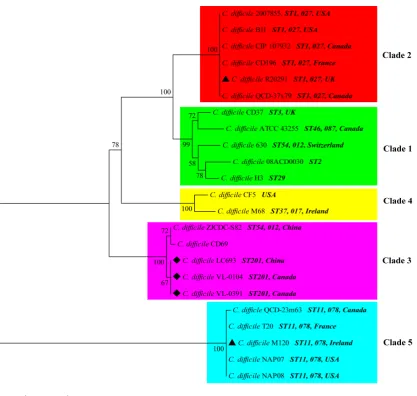
Phylogenetic analysis based on conserved genes across the C. difficile genomes showed that the five C. difficile clinical isolates discussed in this study belonged to three different clades (Figure 1). All ST201 strains were members of clade 3, while the epidemic 027/ST1 strain R20291 and 078/ST11 strain M120 belonged to clade 2 and clade 5, respectively. More interestingly, all 027/ST1 clinical strains were concentrated in clade 2 and the 078/ST11 strains were included in clade 5 (Figure 1).
Preprints (www.preprints.org) | NOT PEER-REVIEWED | Posted: 30 May 2017 doi:10.20944/preprints201705.0206.v1
4 of 22
Figure 1. Evolutionary relationships of Clostridium difficile clinical strains. The evolutionary history was inferred using the Neighbor-Joining method. The optimal tree with the sum of branch length = 182.92187500 is shown. The percentage of replicate trees in which the associated taxa clustered together in the bootstrap test (1000 replicates) are shown next to the branches. The tree is drawn to scale, with branch lengths in the same units as those of the evolutionary distances used to infer the phylogenetic tree. The evolutionary distances were computed using the number of differences method and are in the units of the number of base differences per sequence. The analysis involved 23 nucleotide sequences. All positions containing gaps and missing data were eliminated. There were a total of 7050 positions in the final dataset. Evolutionary analyses were conducted in MEGA7.
3.2. Overview of the C. difficile ST201 genomes
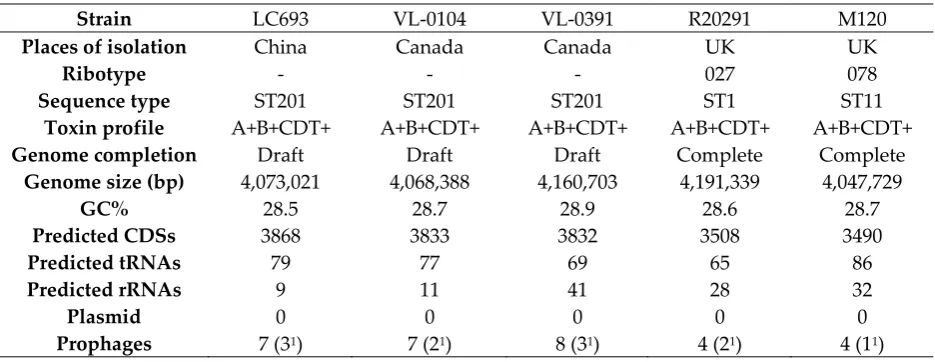
Whole genome sequencing strategy on C. difficile strain LC693 yielded a total of 1,413,333 reads with 106-fold coverage (Q20 98.43%, Q30 94.48%). Those reads were then used to the draft assemble, generating 146 contigs larger than 500 bp, of which the largest one was 150,334 bp in length. The contigs were then mapped to C. difficile 630 genome sequence to generate an estimated genome size of approximately 4.07 Mbp. This size was quite similar to another ST201 strain VL-0104, but was approximately 8.8 kb smaller than strain VL-0391 (Table 1). Genome sizes of the ST201 strains were located between the genome of the 078/ST11 strain M120 and the 027/ST1 strain R20291. The average GC contents of the ST201 genome sequences were also near, between 28.5%~28.9%. Those contents Preprints (www.preprints.org) | NOT PEER-REVIEWED | Posted: 30 May 2017 doi:10.20944/preprints201705.0206.v1
5 of 22
were also similar to the 027/ST1 and 078/ST11 genome sequences. No plasmids were identified in the genome sequences discussed in this study (Table 1). According to annotation using RAST Server, the ST201 genomes carried 3921 to 3956 predicted open reading frames (ORFs), which corresponded to 3868 to 3833 putative coding DNA sequences (CDSs), 69 to 79 tRNAs and 9 to 41 rRNAs (Table 1).
Table 1. General features of C. difficile genomes
Strain LC693 VL-0104 VL-0391 R20291 M120
Places of isolation China Canada Canada UK UK
Ribotype - - - 027 078
Sequence type ST201 ST201 ST201 ST1 ST11
Toxin profile A+B+CDT+ A+B+CDT+ A+B+CDT+ A+B+CDT+ A+B+CDT+
Genome completion Draft Draft Draft Complete Complete
Genome size (bp) 4,073,021 4,068,388 4,160,703 4,191,339 4,047,729
GC% 28.5 28.7 28.9 28.6 28.7
Predicted CDSs 3868 3833 3832 3508 3490
Predicted tRNAs 79 77 69 65 86
Predicted rRNAs 9 11 41 28 32
Plasmid 0 0 0 0 0
Prophages 7 (31) 7 (21) 8 (31) 4 (21) 4 (11)
1 indicates numbers of intact prophages.
3.3. Antibiotic resistance associated genes
The antibiotic resistance proteins were figured out by blasting the CDSs predicted in the ST201 genomes against the ARDB database using a percent identity over 40% and an E-value of 10-4. The prediction identified 40 (LC693 and VL-0104) to 41 (VL-0391) putative antibiotic resistance associated genes within the ST201 genomes (Table 2). Based on their functional predictions, a total of 15 genes conferred vancomycin-resistance to the three ST201 strains (9 mediated vancomycin-resistance only and another 6 mediated both vancomycin- and teicoplanin-resistance); 11 (LC693 and VL-0104) or 12 genes (VL-0391) mediated macrolide -resistance; the rest conferred resistance to other antibiotics to the ST201 strains: bacitracin (7 genes), streptogramin A (4 genes), deoxycholate (1 gene), fosfomycin (1 gene), tetracycline (1 gene) and fluoroquinolone (1 gene). Interestingly, all antibiotic resistance genes identified LC693 were homologous to those predicted in VL-0104 genome, and 39 of them were also homologous to those determined in VL-0391, with the exception of a vancomycin-resistance-associated gene (Table 2). In addition, most of the antibiotic resistance genes determined in the ST201 genomes were also found in the ST1 and ST11 genomes (Table 2).
Preprints (www.preprints.org) | NOT PEER-REVIEWED | Posted: 30 May 2017 doi:10.20944/preprints201705.0206.v1
Table 2. Antibiotic resistance associated proteins predicted in the ST201 genomes Locus in LC693 Locus in VL-0104 Locus in VL-0391 Length
(aa) Description Resistance
Presence in R20291
Presence in M120
0042 2926 1001 196 Virginiamycin A acetyltransferase, which can inactivate the
target drug. Streptogramin_a + +
0115 2999 1075 197 Virginiamycin A acetyltransferase, which can inactivate the
target drug. Streptogramin_a + -
0120 3004 1080 241
VanA type vancomycin resistance operon genes, which can synthesize peptidoglycan with modified C-terminal D-Ala-D-Ala to D-alanine-D-lactate.
Teicoplanin;
vancomycin + +
0267 3195 1228 65 Major facilitator superfamily transporter. Multidrug
resistance efflux pump.
Deoxycholate;
fosfomycin - +
0402 3309 1347 228
Resistance-nodulation-cell division transporter system. Multidrug resistance efflux pump. Macrolide-specific efflux system.
Macrolide + +
0410 3317 1355 228
Resistance-nodulation-cell division transporter system. Multidrug resistance efflux pump. Macrolide-specific efflux system.
Macrolide + +
0412 3319 1357 223
VanA type vancomycin resistance operon genes, which can synthesize peptidoglycan with modified C-terminal D-Ala-D-Ala to D-alanine--D-lactate.
Teicoplanin;
vancomycin + +
0416 3323 1361 221
Resistance-nodulation-cell division transporter system. Multidrug resistance efflux pump. Macrolide-specific efflux system.
Macrolide1094 + +
0576 3486 1519 222
VanB type vancomycin resistance operon genes, which can synthesize peptidoglycan with modified C-terminal D-Ala-D-Ala to D-alanine-D-lactate.
Vancomycin + +
0580 3490 1523 607 Ribosomal protection protein, which protects ribosome from
the translation inhibition of tetracycline. Tetracycline + +
Preprints
(www.preprints.org) | NOT PEER-REVIEWED | Posted: 30 May 2017
doi:10.20944/preprints201705.0206.v1
Peer-reviewed version available at
2 of 22
0601 3511 1544 67
VanG type vancomycin resistance operon genes, which can synthesize peptidoglycan with modified C-terminal D-Ala-D-Ala to D-alanine-D-serine.
Vancomycin + +
0699 3617 1658 210 Virginiamycin A acetyltransferase, which can inactivate the
target drug. Streptogramin_a + +
0805 3681 1722 230
VanG type vancomycin resistance operon genes, which can synthesize peptidoglycan with modified C-terminal D-Ala-D-Ala to D-alanine-D-serine.
Vancomycin + +
0820 3697 1738 238
VanG type vancomycin resistance operon genes, which can synthesize peptidoglycan with modified C-terminal D-Ala-D-Ala to D-alanine-D-serine.
Vancomycin + +
1054 0094 1967 227
Resistance-nodulation-cell division transporter system. Multidrug resistance efflux pump. Macrolide-specific efflux system.
Macrolide + +
1094 0134 2007 238
VanG type vancomycin resistance operon genes, which can synthesize peptidoglycan with modified C-terminal D-Ala-D-Ala to D-alanine-D-serine.
Vancomycin + +
1247 0352 2230 234
VanA type vancomycin resistance operon genes, which can synthesize peptidoglycan with modified C-terminal D-Ala-D-Ala to D-alanine-D-lactate.
Teicoplanin;
vancomycin + +
1500 0582 2467 283 Undecaprenyl pyrophosphate phosphatase, which consists
in the sequestration of Undecaprenyl pyrophosphate. Bacitracin + +
1568 0651 2535 250
Resistance-nodulation-cell division transporter system. Multidrug resistance efflux pump. Macrolide-specific efflux system.
Macrolide + +
1685 0767 - 238
VanG type vancomycin resistance operon genes, which can synthesize peptidoglycan with modified C-terminal D-Ala-D-Ala to D-alanine-D-serine.
Vancomycin - -
1799 0854 2700 110 ABC transporter system, bacitracin efflux pump. Bacitracin - -
1869 0925 3336 371
VanA type vancomycin resistance operon genes, which can synthesize peptidoglycan with modified C-terminal D-Ala-D-Ala to D-alanine-D-lactate.
Teicoplanin;
vancomycin + -
Preprints
(www.preprints.org) | NOT PEER-REVIEWED | Posted: 30 May 2017
doi:10.20944/preprints201705.0206.v1
Peer-reviewed version available at
3 of 22
1870 0926 3337 232
VanA type vancomycin resistance operon genes, which can synthesize peptidoglycan with modified C-terminal D-Ala-D-Ala to D-alanine-D-lactate.
Teicoplanin;
vancomycin + -
1962 1044 2900 276
VanG type vancomycin resistance operon genes, which can synthesize peptidoglycan with modified C-terminal D-Ala-D-Ala to D-alanine-D-serine.
Vancomycin + -
2234 1252 3136 228
Resistance-nodulation-cell division transporter system. Multidrug resistance efflux pump. Macrolide-specific efflux system.
Macrolide + +
2251 1268 3166 230
VanG type vancomycin resistance operon genes, which can synthesize peptidoglycan with modified C-terminal D-Ala-D-Ala to D-alanine-D-serine.
Vancomycin + +
2272 1289 3187 288 Pentapeptide repeat family, which protects DNA gyrase
from the inhibition of quinolones. Fluoroquinolone + +
2466 1548 3530 305 ABC transporter system, bacitracin efflux pump. Bacitracin + +
2642 1673 3662 227
Resistance-nodulation-cell division transporter system. Multidrug resistance efflux pump. Macrolide-specific efflux system.
Macrolide + +
2655 1998 3676 234 ABC transporter system, bacitracin efflux pump. Bacitracin + +
2658 1995 3679 230
VanA type vancomycin resistance operon genes, which can synthesize peptidoglycan with modified C-terminal D-Ala-D-Ala to D-alanine-D-lactate.
Teicoplanin;
vancomycin + +
2661 1992 3682 222
Resistance-nodulation-cell division transporter system. Multidrug resistance efflux pump. Macrolide-specific efflux system.
Macrolide + +
2663 1990 3684 224
VanE type vancomycin resistance operon genes, which can synthesize peptidoglycan with modified C-terminal D-Ala-D-Ala to D-alanine-D-serine.
Vancomycin + +
2831 1853 0043 304 ABC transporter system, bacitracin efflux pump. Bacitracin + +
2922 2024 0104 192 Virginiamycin A acetyltransferase, which can inactivate the
target drug. Streptogramin_a - +
Preprints
(www.preprints.org) | NOT PEER-REVIEWED | Posted: 30 May 2017
doi:10.20944/preprints201705.0206.v1
Peer-reviewed version available at
Gut Pathogens
2017
,
9
, 42;
4 of 22
3194 2245 0335 227
Resistance-nodulation-cell division transporter system. Multidrug resistance efflux pump. Macrolide-specific efflux system.
Macrolide + +
3599 2639 0706 274 Undecaprenyl pyrophosphate phosphatase, which consists
in the sequestration of Undecaprenyl pyrophosphate. Bacitracin + +
3614 2654 0729 235 ABC transporter system, bacitracin efflux pump. Bacitracin + +
3781 2789 0865 225
Resistance-nodulation-cell division transporter system. Multidrug resistance efflux pump. Macrolide-specific efflux system.
Macrolide + +
3846 2855 0930 224
Resistance-nodulation-cell division transporter system. Multidrug resistance efflux pump. Macrolide-specific efflux system.
Macrolide + +
- - 1192 71
Resistance-nodulation-cell division transporter system. Multidrug resistance efflux pump. Macrolide-specific efflux system.
Macrolide - -
- - 3284 174
VanG type vancomycin resistance operon genes, which can synthesize peptidoglycan with modified C-terminal D-Ala-D-Ala to D-alanine-D-serine.
Vancomycin - -
“+” indicates corresponding genes present; “-” indicates no corresponding genes.
Preprints
(www.preprints.org) | NOT PEER-REVIEWED | Posted: 30 May 2017
doi:10.20944/preprints201705.0206.v1
Peer-reviewed version available at
Gut Pathogens
2017
,
9
, 42;
3.4. Prophage identification
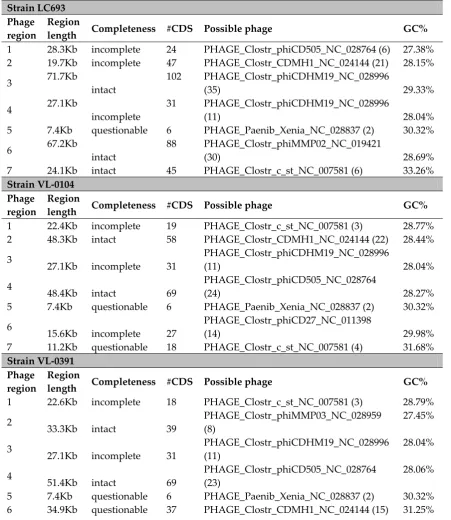
Based on the prediction by PHAST, the ST201 genome sequences contained seven to eight prophages (Table 3). Strain LC693 contained three intact, three incomplete and one questionable phages, while strain VL-0104 harbored two intact, three incomplete and two questionable phages, and strain VL-0391 carried three intact, three incomplete and two questionable phages. Among the intact and incomplete prophages harbored in LC693 genome, the 19.7-Kb, the 71.7-Kb and the 67.2-Kb prophages were shared by the three ST201 strains but missing in both the ST1 and ST11 strains, while the 27.1-Kb prophage was common not only to all of the three ST201 isolates but also to the ST1 and ST11 strains. Moreover, the homologous region (97% to 98% identity; 82%-99% coverage) of this putative phage was also found in genomes of C. difficile strains of other clades such as strains 630 and 08ACD0030 (clade 1), strains M68 and CF5 (clade 4).
Table 3. Prophages predicted in LC693 genome Strain LC693
Phage region
Region
length Completeness #CDS Possible phage GC%
1 28.3Kb incomplete 24 PHAGE_Clostr_phiCD505_NC_028764 (6) 27.38% 2 19.7Kb incomplete 47 PHAGE_Clostr_CDMH1_NC_024144 (21) 28.15%
3 71.7Kb
intact
102 PHAGE_Clostr_phiCDHM19_NC_028996
(35) 29.33%
4 27.1Kb
incomplete
31 PHAGE_Clostr_phiCDHM19_NC_028996
(11) 28.04% 5 7.4Kb questionable 6 PHAGE_Paenib_Xenia_NC_028837 (2) 30.32%
6 67.2Kb
intact
88 PHAGE_Clostr_phiMMP02_NC_019421
(30) 28.69% 7 24.1Kb intact 45 PHAGE_Clostr_c_st_NC_007581 (6) 33.26%
Strain VL-0104 Phage
region
Region
length Completeness #CDS Possible phage GC%
1 22.4Kb incomplete 19 PHAGE_Clostr_c_st_NC_007581 (3) 28.77% 2 48.3Kb intact 58 PHAGE_Clostr_CDMH1_NC_024144 (22) 28.44%
3
27.1Kb incomplete 31
PHAGE_Clostr_phiCDHM19_NC_028996
(11) 28.04%
4
48.4Kb intact 69
PHAGE_Clostr_phiCD505_NC_028764
(24) 28.27% 5 7.4Kb questionable 6 PHAGE_Paenib_Xenia_NC_028837 (2) 30.32%
6
15.6Kb incomplete 27
PHAGE_Clostr_phiCD27_NC_011398
(14) 29.98%
7 11.2Kb questionable 18 PHAGE_Clostr_c_st_NC_007581 (4) 31.68% Strain VL-0391
Phage region
Region
length Completeness #CDS Possible phage GC%
1 22.6Kb incomplete 18 PHAGE_Clostr_c_st_NC_007581 (3) 28.79%
2
33.3Kb intact 39
PHAGE_Clostr_phiMMP03_NC_028959 (8)
27.45%
3
27.1Kb incomplete 31
PHAGE_Clostr_phiCDHM19_NC_028996 (11)
28.04%
4
51.4Kb intact 69
PHAGE_Clostr_phiCD505_NC_028764 (23)
28.06%
5 7.4Kb questionable 6 PHAGE_Paenib_Xenia_NC_028837 (2) 30.32% 6 34.9Kb questionable 37 PHAGE_Clostr_CDMH1_NC_024144 (15) 31.25%
Preprints (www.preprints.org) | NOT PEER-REVIEWED | Posted: 30 May 2017 doi:10.20944/preprints201705.0206.v1
2 of 22
7 25.3Kb incomplete 34 PHAGE_Clostr_phiCD27_NC_011398 (12) 31.52% 8 11.1Kb intact 23 PHAGE_Clostr_c_st_NC_007581 (3) 32.47%
3.5. Single nucleotide polymorphisms
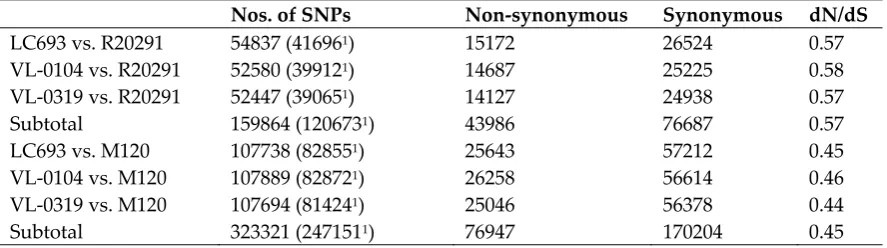
SNPs analysis showed that the ST201 genome harbored approximately 53,288 SNPs (52447 to 54837) and 107,774 SNPs (107694 to 107889) compared to the ST1 genome and the ST11 genome, respectively (Table 4). Among them, approximately 40224 (39065 to 41696) and 82383 (81424 to 82872) SNPs were found in the coding sequence regions across the ST201 genomes, and 14662 (14127 to 15172) and 25649 (25046 to 26258) of those SNPs caused non-synonymous changes, respectively. The average ratio of nonsynonymous versus synonymous substitution rate (dN/dS) of the SNPs identified the ST201 genomes against the ST1 genome was 0.57, and 0.45 against the ST11 genome.
Table 4. SNPs identified in the ST201 genomes against the ST1 and the ST11 genomes
Nos. of SNPs Non-synonymous Synonymous dN/dS
LC693 vs. R20291 54837 (416961) 15172 26524 0.57
VL-0104 vs. R20291 52580 (399121) 14687 25225 0.58
VL-0319 vs. R20291 52447 (390651) 14127 24938 0.57
Subtotal 159864 (1206731) 43986 76687 0.57
LC693 vs. M120 107738 (828551) 25643 57212 0.45
VL-0104 vs. M120 107889 (828721) 26258 56614 0.46
VL-0319 vs. M120 107694 (814241) 25046 56378 0.44
Subtotal 323321 (2471511) 76947 170204 0.45
1 indicates numbers of SNPs in CDSs.
3.6. Sequence analysis of PaLoc
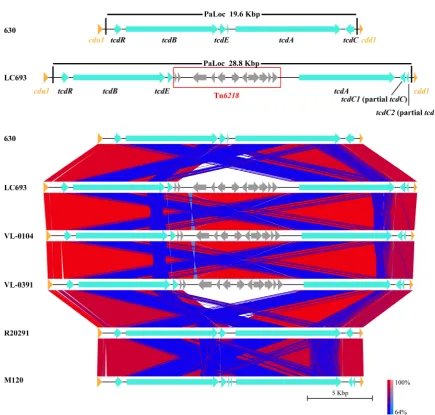
Our previous study has determined that the ST201 strain LC693 was TcdA- and TcdB-positive [14], and the two large clotridial toxins TcdA and TcdB are reported to be encoded on the 19.6-kb PaLoc between two conserved genes designed cdd1 and cdu1 [5, 10, 11]. However, the PaLoc region carried by the three ST201 strains discussed here was found to be located in a 28.8-kb region, with a specific fragment of approximately 9-kb in length inserted between the putative tcdE gene and the tcdA gene that was missing in the 19.6-kb PaLoc contained by the epidemic ST1 strain R20291 and ST11 strain M120 (Figure 2). Interestingly, this 9-kb insertion was also found in the ST54 strain ZJCDC-S82, and it contained approximately 10 predicted genes. Nucleotide sequence comparison using BlastN against the NCBI nucleotide collection database found that this this 9-kb insertion was highly homologous (99% nucleotide sequence identity) to the novel mobile genetic element Tn6218 identified in the PaLocs of clade 3 strains [33]. Correspondingly, orthologs of the four common genes (int, xis, rep, and xre) and five accessory genes (a transcription regulator gene merR; a gene encoding the oxidoreductase; the flavodoxin coding gene; an orf encoding a hypothetical protein containing the cupin domain; and the RNA polymerase σ70 coding gene) carried by Tn6218 determined before [33] were expectedly found in the 9-kb insertion contained by the ST201 strains.
Preprints (www.preprints.org) | NOT PEER-REVIEWED | Posted: 30 May 2017 doi:10.20944/preprints201705.0206.v1
3 of 22
Figure 2. Comparative analysis of PaLoc Clostridium difficile strains discussed in this study. Color code stands for BLASTn identity of those regions between genomes Arrows in the same colors represent putative CDSs with similar roles in different genomes.
The TcdA and TcdB encoding genes tcdA and tcdB harbored by the ST201 strains were highly homologous to that carried by the ST1 strain or the ST11 strain. Moreover, those two genes were more conserved among the strains in the same clade other than among those in different clades (Table 5). In addition, the SNPs identified with either the tcdA gene and/or the tcdB gene between the ST201 strains and the ST11 strain were much less than those between the ST201 strains and the ST1 strain (Table 5).
Preprints (www.preprints.org) | NOT PEER-REVIEWED | Posted: 30 May 2017 doi:10.20944/preprints201705.0206.v1
Table 5. SNPs harbored by the PaLoc comprising genes of the ST201 strains compared with isolates of ST1 and ST11.
Strains tcdR tcdB tcdE Tn6218 tcdA tcdC
int xis rep xre merR oxidoreductase flavodoxin orf σ70
Against R20291 (ST1/027, clade 2)
LC693 13 459 3 (72 del) - - - - - - - 100 5 (144 del)
VL-0104 13 459 3 (72 del) - - - - - - - 100 5 (144 del)
VL-0391 13 459 3 (72 del) - - - - - - - 100 5 (144 del)
Against M120 (ST11/078, clade 5)
LC693 18 175 2 (72 del) - - - 90 3 (264 del+20 in)
VL-0104 18 175 2 (72 del) - - - 90 3 (264 del+20 in)
VL-0391 18 175 2 (72 del) - - - 90 3 (264 del+20 in)
Preprints
(www.preprints.org) | NOT PEER-REVIEWED | Posted: 30 May 2017
doi:10.20944/preprints201705.0206.v1
Peer-reviewed version available at
Gut Pathogens
2017
,
9
, 42;
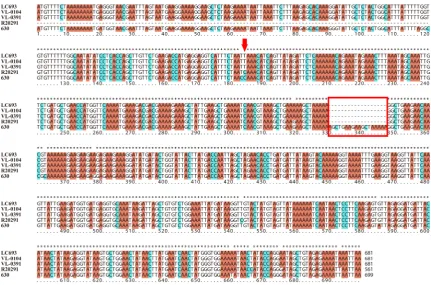
For the toxin-expression regulating genes, tcdR was also conserved, as only 13 SNPs (between ST201 and ST1) and 18 SNPs (between ST201 and ST11) were identified between different clade strains. However, more variations were observed within the tcdE gene and the tcdC gene among the strains in different clades. The tcdE gene carried by the three ST201 strains in clade 3 had a 72-bp deletion at the N-terminal of the gene compared to the ST1 strain in clade 2 and/or the ST11 strain in clade 5 (Figure 2, Table 5). However, for the tcdC gene, it was very interesting that there were two potential genes in the putative tcdC region of the ST201 genomes as well as in M120 compared to strain R20291 (Figure 2). Further analysis using the putative tcdC region of strain LC693 comparing with the typical tcdC nucleotide sequence of strain 630 found a nucleotide change occurred at position 185 (C→T) which caused the formation of a stop codon here and led to an early termination of translation and the disruption of the gene (Figure 3). These mutations resulted in a truncated TcdC protein in the ST201 strains. In addition, an 18-bp deletion was found at positions 330 to 347 in the putative tcdC region of strain LC693 compared to 630 (Figure 3). Those change patterns were also found in the other two ST201 strains VL-0104 and VL-0391 (Figure 3). More interestingly, the tcdC harbored by strain R20291 had 120-bp deletion compared to the typical tcdC carried by strain 630, and the 18-bp deletion identified in the ST201 genomes at positions 330 to 347 compared to strain 630 was also found in R20291 (Figure 3).
Figure 3. Sequences comparisons of tcdC among Clostridium difficile strains discussed in this study.
3.7. Sequence analysis of CdtLoc
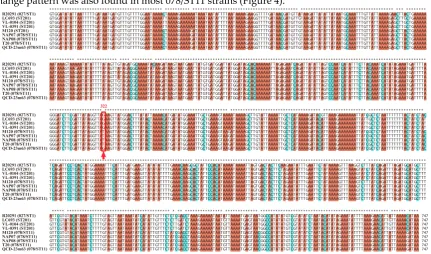
In addition to TcdA and TcdB, the ST201 strain LC693 is also determined as binary-toxin-positive [14]. Sequence comparisons using the nucleotide sequence of the putative CdtLoc locus against the whole genome sequences the other two ST201 strains VL-0104 and VL-0391 as well as the epidemic ST1/027 strain R20291 and the ST11/078 strain M120 demonstrated that the other two ST201 strains also contained the CdtLoc region. Unlike the PaLoc harbored by the clade 3 strains, there were no insertions of mobile genetic elements in the CdtLoc region. Among the three genes carried by CdtLoc, cdtA and ctdB were highly conserved between the ST201 strains and the ST1/ST11 strains. However, the ctdR was found to be conserved among the strains excluding the ST11/078 strain M120. The cdtR gene of strain M120 was found to have a nucleotide change occurred at position 322 (G→T) compared to the ctdR carried by either the strain R20291 or the three ST201 strains, and this change caused the Preprints (www.preprints.org) | NOT PEER-REVIEWED | Posted: 30 May 2017 doi:10.20944/preprints201705.0206.v1
2 of 22
formation of a stop codon and therefore resulted in a truncated CdtR in M120. Interestingly, this change pattern was also found in most 078/ST11 strains (Figure 4).
Figure 4. Sequences comparisons of cdtR among Clostridium difficile strains discussed in this study.
3.8. Whole genome sequence comparison
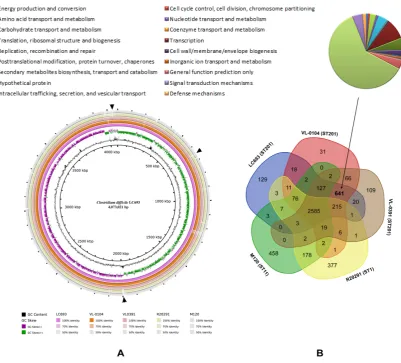
Whole genome sequences comparison showed that the ST201 genomes and the ST1 and the ST11 genomes were highly matched and homologous (Figure 5A). Comparative analysis identified a shared set of 2585 core genes and a pan genome of more than 1404 genes as well as 31 genes unique to strain VL-0104; 109 unique to VL-0391; 129 unique to LC693; 377 unique to the epidemic ST1/027 strain R20291; and 458 unique to the ST11/078 strain M120 (Figure 5B). Functional comparison of the core genes and the strain-specific genes against the COG database showed that the core genes mainly participated in carbohydrate transport and metabolism, amino acid transport and metabolism, energy production and conversion, cell membrane biogenesis, inorganic ion transport and metabolism, signal transduction mechanisms, transcription, replication, recombination and repair, coenzyme transport and metabolism, translation, ribosomal structure and biogenesis, nucleotide transport and metabolism, lipid transport and metabolism, posttranslational modification, protein turnover, chaperones, and hypothetical proteins. For the 129 strain-specific genes for LC693, approximately 85 were phage-related genes, and 19, 6, 43, 15, and 2 of them were clustered in the 28.3-Kb, 19.7-Kb, 71.7-Kb, 67.2-Kb, and 24.1-Kb prophage that identified in the strain, respectively (Table 3); the rest of them encoded hypothetical proteins, phage-related proteins outside the predicted prophage regions, and proteins in amino acid transport and metabolism, ribosomal structure and biogenesis, transcription, cell membrane biogenesis, inorganic ion transport and metabolism, and defense. The 31 strain-specific genes for VL-0104 encoded proteins mainly participating in cell cycle control, carbohydrate transport and metabolism, transcription, replication, recombination and repair, cell membrane biogenesis, mobilization, and hypothetical proteins. For strain VL-0391, the 109 unique genes encoded proteins associated with energy production and conversion, cell cycle control, amino acid transport and metabolism, carbohydrate transport and metabolism, coenzyme transport and metabolism, lipid transport and metabolism, translation, ribosomal structure and biogenesis, transcription, replication, recombination and repair, cell membrane biogenesis, cell motility, posttranslational modification, inorganic ion transport and metabolism, secondary metabolites biosynthesis, transport and catabolism, signal transduction, intracellular trafficking, secretion, and vesicular transport, and bacterial defense mechanisms.
Preprints (www.preprints.org) | NOT PEER-REVIEWED | Posted: 30 May 2017 doi:10.20944/preprints201705.0206.v1
3 of 22
Figure 5. Comparative genomic analysis of Clostridium difficile ST201 strains with the epidemic 027/ST1 strain R20291 and 078/ST11 strain M120. (A) Whole genome sequences comparison of the strains. Circles from inside to outside indicate GC content of strain LC693, GC skew of strain LC693, C. difficile strains LC693, VL-0104, VL-0391, R20291 and M120. Different DNA BLAST identities are shown using different colors. (B) Venn diagram shows shared genes and unique gene among the strains. Pie chart displays COG functional catalogues of the 641 predicted genes specific for the ST201 strains.
The three ST201 strains contained 641 genes which were absent in both the ST1 and ST11 strains (Figure 5B; Table S1 in supplemental materials). Those ST201 strains-specific genes contained those predicted as phage-related genes that were carried by either the ST201 strains-shared 19.7-Kb, the 71.7-Kb or the 67.2-Kb prophage. Those ST201 strains-specific genes also included those forming the 9-Kb insertion Tn6218 which was generally found in the clade 3 PaLoc but was absent in other clade strains. In particular, the ST201 strains-specific genes also covered many genes involved in the bacterial fitness and pathogenesis. For example, the type I restriction–modification system was found to have a potential role in the virulence of some bacterial pathogens such as Haemophilus [34] and Salmonella enterica serovar Enteritidis [35]. The ferric iron ABC transporter and the iron compound ABC uptake transporter ATP-binding protein was helpful to uptake iron, which is not only an essential element for bacterial survival, but also acts an environmental signal that regulates the expression of many virulence factors [36]. The histidine kinase and response regulator forms the bacterial two-component system, which is undoubtedly important for bacterial survival and virulence regulation [37]. The antitoxin protein HigA was favorable for bacteria to escape the toxin and was feasible to survival the infection loci [38].
Preprints (www.preprints.org) | NOT PEER-REVIEWED | Posted: 30 May 2017 doi:10.20944/preprints201705.0206.v1
4 of 22
4. Discussion
CDI is widely accepted as one of the most common healthcare and economy problems throughout the world especially in North America and Europe [4, 39, 40]. More worrisome, the emergence and prevalence of the 027/ST1 has significantly increased the morbidity and mortality of CDI [7, 41]. Besides, the emergent 078/ST11 strains are reported to share the same genetic virulence characteristics as 027/ST1 and cause severe disease at a similar rate [8]. However, both of those two types of strains are rarely reported in China. The 027 has not been detected in China before 2013, and cases of C. difficile 078 have not been reported yet [14]. Instead, a number of severe diarrhea-associated C. difficile toxigenic strains belonging to clades distinct from the 027/ST1 and 078/ST11 strains have been reported in China [16, 42]. This might indicate that the dominant genotypes of C. difficile spreading in China are different from those circulating in North America and Europe. Consistently, phylogenetic analysis showed that the novel binary toxin-positive C. difficile associated with severe diarrhea isolated in China discussed here belonged to clade 3, while all epidemic 027/ST1 and 078/ST11 strains were concentrated in clade 2 and clade 5, respectively (Figure 1). Those results are in accordance with our previously reported phylogenetic tree generated using whole-genomic comparison [14]. What is more, the clade 3 branch also included another China-sourced toxigenic C. difficile strain ZJCDC-S82 which is also reported as a severe diarrhea-associated strain [42]. In addition, the other three recently-reported binary toxin-positive C. difficile (strains 103, 133, and 106) recovered from three ICU patients in China are also clade 3 strains [16]. These findings suggest that C. difficile clade 3 strains might contribute to CDI outbreak in China. In the phylogenetic tree, the same evolutionary branch includes C. difficile strains isolated from different places (Figure 1), suggesting that there were no correlations between the bacterial genetic diversity and its geographic location. Meanwhile, even though all 027 or 078 strains were concentrated on the same clade, there were still strains sharing the same ribotype/sequence type being clustered in different clades (Figure 1), suggesting that there was little correlation between the bacterial genetic diversity and its sequence type/ribotype. The phylogenetic analysis also showed that the clade 3 strains had a closer evolutionary relationship with the 027 strains that with the 078 strains (Figure 1). Consistence with this, much less SNPs were identified between the ST201 strains in clade 3 against the 027 strain R20291 in clade than against the 078 strain M120 in clade 5 (Table 4). Besides, the average dN/dS of the ST201 strains against both the 027 strain and the 078 strain were significantly smaller than 1, suggesting a strong purifying selection during the evolutionary process [6].
The genomes of the binary toxin-positive ST201 strains as well as the epidemic 027 and 078 strains contained more than 40 antibiotic-resistance-related genes which confer the strains resistance to multiple antibiotics (Table 2). It has been proposed that the use of antibiotics is the most important risk factor for CDI [4], because C. difficile is resistant to multiple antibiotics that are commonly used for treating bacterial infections in clinical settings [2, 43]. Therefore, so many antibiotic resistance-related genes harbored in the ST201 strains may contribute to the bacterial pathogenesis. What is more, a large proportion (37.5%) of those antibiotic resistance genes were predicted to be associated with resistance to vancomycin, a kind of antibiotic commonly used for CDI treatment in clinic [44, 45]. Even though the vancomycin-resistance profile of strain LC693 was not determined, yet such a high proportion of vancomycin-resistance-associated genes carried by the bacterial genome may still explain that enteral vancomycin is useless for treating the patient who is infected by strain LC693 [14].
Toxin expression is considered to be a key factor for the development of CDI [4], and PaLoc is responsible for encoding the clostridial toxins and regulating their expression [10]. Like the PaLoc reported in other clade 3 strains before [16, 33, 42], the PaLoc carried by the three ST201 strains discussed in this study as well as another clade 3 strain ZJCDC-S82 contained a mobile genetic element designated Tn6218 inserted between tcdE and tcdA (Figure 2). It is suggested that the insertion of Tn6218 in PaLoc is clade-specific [16]. Consistence with this, this insertion element was not found in the PaLoc of R20291 in clade 2 and M120 in clade 5. In addition, the Tn6218 in the three ST201 genomes were found to be flanked by two AT rich sequences. Previous studies suggested that Preprints (www.preprints.org) | NOT PEER-REVIEWED | Posted: 30 May 2017 doi:10.20944/preprints201705.0206.v1
5 of 22
those two AT rich sequences might have inserted into clade 3 PaLoc prior to the insertion of Tn6218 and provide the insertion site of Tn6218 [16]. For the other components of the PaLoc, it is worth to mention that although phylogenetic analysis using either MLST or whole genome comparison demonstrated a closer evolutionary relationship between the ST201 strains and the 027 strain R20291 (Figure 1), the ST201 strains and the 078 strain M120 shared a more homologous tcdA and/or tcdB (Table 5). Further analysis needs to be performed to determine whether the toxin-yielding profile of the ST201 strain is closer to the 027 strain or to the 078 strain. For the toxin expression regulating genes, the tcdC gene is proposed to be a negative regulator for the toxin production, and the mutations within tcdC is observed to contribute to the toxin-production of some 027 strains [46, 47]. In our study, two main kinds of mutations were found within the tcdC gene ST201 carried by the ST201 strains compared to strain 630. The first one was an 18-bp deletion at positions 330 to 347 in the tcdC, and this mutation pattern was also found in the epidemic 027 strain R20291 (Figure 3). However, this 18-bp in frame mutation has been found to have no effect on toxin production [48]. Instead, previous study reported that a deletion at position 117 in tcdC of the 027/ST1 strains compared to strain 630 resulted in the formation of a stop codon and truncation of the protein, and then caused increased toxin production further [49]. Even though this kind of mutation was not observed in the ST201 tcdC compared to the 630 tcdC, a nucleotide change occurred at position 185 (C→T) of the ST201 tcdC, which caused the formation of a stop codon here and therefore led to an early termination of translation as well as the disruption of the gene, may have a similar contribution to the toxin production of the ST201 strains.
Another factor contributing to the pathogenesis of the ST201 strains was the identification of the CdtLoc responsible for encoding the binary toxin in bacterial genomes. Previous data have found that the patients infected with C. difficile producing CDT had higher fatality rate (approximately 60%) than those infected with CDT-deficient strains [13]. A more recent study found that the binary toxin enhanced two PCR-ribotype 027 strains (R20291 and M7404) in mice by suppressing protective colonic eosinophilia [50]. Sequence comparisons demonstrated that the CdtLoc harbored in the ST201 strains was highly homologous to that of strain R20291, and the three genes cdtA, ctdB and ctdR carried by the ST201 CdtLoc were intact and also highly homologous to their corresponding genes harbored by R20291, respectively. These data suggest that the CdtLoc in the ST201 strain is active and the binary toxin encoded by it contributes to the pathogenesis of the ST201 strain. In particular, previous studies found that CdtR increased production of TcdA, TcdB and CDT in two epidemic 027 strains including R20291, but this regulation was not found in the 078 strain [51]. A R20291-cdtR-higly homologous cdtR identified in the ST201 strains may also have a similar role in positively regulating the production of the C. difficile toxins, and a truncated CdtR identified in most 078/ST11 strains may explain why the CdtR-mediated toxin regulation does not occur in the 078/ST11 strains [51]. In addition, whole genome sequence comparison identified a series of virulence-associated genes shared by the three ST201 genomes but not shared by both the R20291 genome and the M120 genome, which may also have a contribution to the bacterial pathogenesis.
5. Conclusions
We summarized the genomic characterization of three binary toxin-positive ST201 strains in clade 3 in this study. Fitness and virulence associated genes/loci of the ST201 genomes were also analyzed and compared with the epidemic 027 and the 078 strains. Our work partly reveals the pathogenesis-basis of the ST201 binary toxin-positive strains. To our knowledge, this is the first time that the genomic characterization of the ST201 strains in clade 3 was discussed. As studies on clade 3 strains especially C. difficile ST201 are limited, the present study would have a contribution to understanding the pathogenesis basis of C. difficile ST201.
Supplementary Materials: The following are available online at www.mdpi.com/link, Table S1: Genes identified to be specific for Clostridium difficile ST201 strains but absent in both 027/ST1 strain R20291 and 078/ST11 strain M120.
Preprints (www.preprints.org) | NOT PEER-REVIEWED | Posted: 30 May 2017 doi:10.20944/preprints201705.0206.v1
6 of 22
Acknowledgments: This work was supported by the National Natural Science Foundation of China [grant number 81601803], Young Scientists Fund of Xiangya Hospital [grant number 2014Q05] and Xiangya Sinobioway Health Research Fund [grant number xywm2015I11]. Those funds cover the costs to publish in open access.
Author Contributions: Z.P., A.W. and C.L. conceived and designed the project; J.D. and C.F contributed to the bacterial isolation; S.L. and X.M. performed the bacterial DNA isolation and genome sequencing; Z.P., W.L., and B.T. performed the genome data submission and analysis; Z.P. wrote the paper, and Y.W., B.W., A.W., and C.L. helped to revise and re-edit the manuscript.
Conflicts of Interest: The authors declare no conflict of interest.
References
1. Burke, K.E.; Lamont, J.T. Clostridium difficile infection: A worldwide disease. Gut Liver 2014, 8, 1-6. 2. Peng, Z.; Jin, D.; Kim, H.B.; Stratton, C.W.; Wu, B.; Tang, Y.-W.; Sun, X. An update on antimicrobial
resistance in Clostridium difficile: Resistance mechanisms and antimicrobial susceptibility testing. Journal of Clinical Microbiology 2017, JCM. 02250-02216.
3. Ofosu, A. Clostridium difficile infection: A review of current and emerging therapies. Annals of gastroenterology: quarterly publication of the Hellenic Society of Gastroenterology 2016, 29, 147. 4. Leffler, D.A.; Lamont, J.T. Clostridium difficile infection. New England Journal of Medicine 2015, 372,
1539-1548.
5. Chowdhury, P.R.; DeMaere, M.; Chapman, T.; Worden, P.; Charles, I.G.; Darling, A.E.; Djordjevic, S.P. Comparative genomic analysis of toxin-negative strains of Clostridium difficile from humans and animals with symptoms of gastrointestinal disease. BMC microbiology 2016, 16, 41.
6. He, M.; Sebaihia, M.; Lawley, T.D.; Stabler, R.A.; Dawson, L.F.; Martin, M.J.; Holt, K.E.; Seth-Smith, H.M.; Quail, M.A.; Rance, R. Evolutionary dynamics of Clostridium difficile over short and long time scales. Proceedings of the National Academy of Sciences 2010, 107, 7527-7532.
7. Lim, S.K.; Stuart, R.L.; Mackin, K.; Carter, G.; Kotsanas, D.; Francis, M.; Easton, M.; Dimovski, K.; Elliot, B.; Riley, T.V. Emergence of a ribotype 244 strain of Clostridium difficile associated with severe disease and related to the epidemic ribotype 027 strain. Clinical Infectious Diseases 2014, ciu203. 8. Goorhuis, A.; Bakker, D.; Corver, J.; Debast, S.B.; Harmanus, C.; Notermans, D.W.; Bergwerff, A.A.;
Dekker, F.W.; Kuijper, E.J. Emergence of Clostridium difficile infection due to a new hypervirulent strain, polymerase chain reaction ribotype 078. Clinical Infectious Diseases 2008, 47, 1162-1170. 9. Voth, D.E.; Ballard, J.D. Clostridium difficile toxins: Mechanism of action and role in disease. Clinical
microbiology reviews 2005, 18, 247-263.
10. Hammond, G.A.; Johnson, J.L. The toxigenic element of Clostridium difficile strain vpi 10463. Microbial pathogenesis 1995, 19, 203-213.
11. Cohen, S.H.; Tang, Y.J.; Silva, J. Analysis of the pathogenicity locus in Clostridium difficile strains. Journal of Infectious Diseases 2000, 181, 659-663.
12. Eckert, C.; Emirian, A.; Le Monnier, A.; Cathala, L.; De Montclos, H.; Goret, J.; Berger, P.; Petit, A.; De Chevigny, A.; Jean-Pierre, H. Prevalence and pathogenicity of binary toxin–positive Clostridium difficile strains that do not produce toxins a and b. New microbes and new infections 2015, 3, 12-17. 13. Bacci, S. Binary toxin and death after Clostridium difficile infection-volume 17, number 6—june
2011-emerging infectious disease journal-cdc. 2011.
Preprints (www.preprints.org) | NOT PEER-REVIEWED | Posted: 30 May 2017 doi:10.20944/preprints201705.0206.v1
7 of 22
14. Li, C.; Liu, S.; Zhou, P.; Duan, J.; Dou, Q.; Zhang, R.; Chen, H.; Cheng, Y.; Wu, A. Emergence of a novel binary toxin–positive strain of Clostridium difficile associated with severe diarrhea that was not ribotype 027 and 078 in china. Infection Control & Hospital Epidemiology 2015, 36, 1112-1114.
15. Pituch, H.; Kreft, D.; Obuch-Woszczatyński, P.; Wultańska, D.; Meisel-Mikołajczyk, F.; Łuczak, M.; van Belkum, A. Clonal spread of a Clostridium difficile strain with a complete set of toxin a, toxin b, and binary toxin genes among polish patients with Clostridium difficile-associated diarrhea. Journal of clinical microbiology 2005, 43, 472-475.
16. Chen, R.; Feng, Y.; Wang, X.; Yang, J.; Zhang, X.; Lü, X.; Zong, Z. Whole genome sequences of three clade 3 Clostridium difficile strains carrying binary toxin genes in china. Scientific Reports 2017, 7. 17. Li, R.; Zhu, H.; Ruan, J.; Qian, W.; Fang, X.; Shi, Z.; Li, Y.; Li, S.; Shan, G.; Kristiansen, K. De novo
assembly of human genomes with massively parallel short read sequencing. Genome research 2010, 20, 265-272.
18. Li, R.; Li, Y.; Kristiansen, K.; Wang, J. Soap: Short oligonucleotide alignment program. Bioinformatics 2008, 24, 713-714.
19. Darling, A.C.; Mau, B.; Blattner, F.R.; Perna, N.T. Mauve: Multiple alignment of conserved genomic sequence with rearrangements. Genome research 2004, 14, 1394-1403.
20. Edwards, D.J.; Holt, K.E. Beginner’s guide to comparative bacterial genome analysis using next-generation sequence data. Microbial informatics and experimentation 2013, 3, 2.
21. Tettelin, H.; Masignani, V.; Cieslewicz, M.J.; Donati, C.; Medini, D.; Ward, N.L.; Angiuoli, S.V.; Crabtree, J.; Jones, A.L.; Durkin, A.S. Genome analysis of multiple pathogenic isolates of streptococcus agalactiae: Implications for the microbial “pan-genome”. Proceedings of the National Academy of Sciences of the United States of America 2005, 102, 13950-13955.
22. Xu, Z.; Chen, X.; Li, L.; Li, T.; Wang, S.; Chen, H.; Zhou, R. Comparative genomic characterization of actinobacillus pleuropneumoniae. Journal of bacteriology 2010, 192, 5625-5636.
23. Aziz, R.K.; Bartels, D.; Best, A.A.; DeJongh, M.; Disz, T.; Edwards, R.A.; Formsma, K.; Gerdes, S.; Glass, E.M.; Kubal, M. The rast server: Rapid annotations using subsystems technology. BMC genomics 2008, 9, 75.
24. Tatusov, R.L.; Galperin, M.Y.; Natale, D.A.; Koonin, E.V. The cog database: A tool for genome-scale analysis of protein functions and evolution. Nucleic acids research 2000, 28, 33-36.
25. Zhou, Y.; Liang, Y.; Lynch, K.H.; Dennis, J.J.; Wishart, D.S. Phast: A fast phage search tool. Nucleic acids research 2011, gkr485.
26. Liu, B.; Pop, M. Ardb—antibiotic resistance genes database. Nucleic acids research 2009, 37, D443-D447. 27. Chen, L.; Yang, J.; Yu, J.; Yao, Z.; Sun, L.; Shen, Y.; Jin, Q. Vfdb: A reference database for bacterial
virulence factors. Nucleic acids research 2005, 33, D325-D328.
28. Alikhan, N.-F.; Petty, N.K.; Zakour, N.L.B.; Beatson, S.A. Blast ring image generator (brig): Simple prokaryote genome comparisons. BMC genomics 2011, 12, 402.
29. Darling, A.E.; Mau, B.; Perna, N.T. Progressivemauve: Multiple genome alignment with gene gain, loss and rearrangement. PloS one 2010, 5, e11147.
30. Sullivan, M.J.; Petty, N.K.; Beatson, S.A. Easyfig: A genome comparison visualizer. Bioinformatics 2011, 27, 1009-1010.
31. Peng, Z.; Liang, W.; Liu, W.; Wu, B.; Tang, B.; Tan, C.; Zhou, R.; Chen, H. Genomic characterization of pasteurella multocida hb01, a serotype a bovine isolate from china. Gene 2016, 581, 85-93.
Preprints (www.preprints.org) | NOT PEER-REVIEWED | Posted: 30 May 2017 doi:10.20944/preprints201705.0206.v1
8 of 22
32. Kumar, S.; Stecher, G.; Tamura, K. Mega7: Molecular evolutionary genetics analysis version 7.0 for bigger datasets. Molecular biology and evolution 2016, msw054.
33. Dingle, K.E.; Elliott, B.; Robinson, E.; Griffiths, D.; Eyre, D.W.; Stoesser, N.; Vaughan, A.; Golubchik, T.; Fawley, W.N.; Wilcox, M.H. Evolutionary history of the Clostridium difficile pathogenicity locus. Genome biology and evolution 2014, 6, 36-52.
34. Wang, X.; Xu, X.; Zhang, S.; Guo, F.; Cai, X.; Chen, H. Identification and analysis of potential virulence-associated genes in haemophilus parasuis based on genomic subtraction. Microbial pathogenesis 2011, 51, 291-296.
35. Silva, C.A.; Blondel, C.J.; Quezada, C.P.; Porwollik, S.; Andrews-Polymenis, H.L.; Toro, C.S.; Zaldívar, M.; Contreras, I.; McClelland, M.; Santiviago, C.A. Infection of mice by salmonella enterica serovar enteritidis involves additional genes that are absent in the genome of serovar typhimurium. Infection and immunity 2012, 80, 839-849.
36. Jacques, M. Surface polysaccharides and iron-uptake systems of actinobacillus pleuropneumoniae. Canadian journal of veterinary research 2004, 68, 81.
37. Stock, A.M.; Robinson, V.L.; Goudreau, P.N. Two-component signal transduction. Annual review of biochemistry 2000, 69, 183-215.
38. Schureck, M.A.; Maehigashi, T.; Miles, S.J.; Marquez, J.; Cho, S.E.; Erdman, R.; Dunham, C.M. Structure of the proteus vulgaris higb-(higa) 2-higb toxin-antitoxin complex. Journal of Biological Chemistry 2014, 289, 1060-1070.
39. O'donoghue, C.; Kyne, L. Update on Clostridium difficile infection. Current opinion in gastroenterology 2011, 27, 38-47.
40. Lessa, F.C.; Mu, Y.; Bamberg, W.M.; Beldavs, Z.G.; Dumyati, G.K.; Dunn, J.R.; Farley, M.M.; Holzbauer, S.M.; Meek, J.I.; Phipps, E.C. Burden of Clostridium difficile infection in the united states. New England Journal of Medicine 2015, 372, 825-834.
41. Napolitano, L.M.; Edmiston, C.E. Clostridium difficile disease: Diagnosis, pathogenesis, and treatment update. Surgery 2017.
42. Luo, Y.; Huang, C.; Ye, J.; Fang, W.; Gu, W.; Chen, Z.; Li, H.; Wang, X.; Jin, D. Genome sequence and analysis of peptoClostridium difficile strain zjcdc-s82. Evolutionary bioinformatics online 2016, 12, 41. 43. Johanesen, P.A.; Mackin, K.E.; Hutton, M.L.; Awad, M.M.; Larcombe, S.; Amy, J.M.; Lyras, D.
Disruption of the gut microbiome: Clostridium difficile infection and the threat of antibiotic resistance. Genes 2015, 6, 1347-1360.
44. Cohen, S.H.; Gerding, D.N.; Johnson, S.; Kelly, C.P.; Loo, V.G.; McDonald, L.C.; Pepin, J.; Wilcox, M.H. Clinical practice guidelines for Clostridium difficile infection in adults: 2010 update by the society for healthcare epidemiology of america (shea) and the infectious diseases society of america (idsa). Infection Control & Hospital Epidemiology 2010, 31, 431-455.
45. Bauer, M.P.; Kuijper, E.; Van Dissel, J.T. European society of clinical microbiology and infectious diseases (escmid): Treatment guidance document for Clostridium difficile infection (cdi). Clinical Microbiology and Infection 2009, 15, 1067-1079.
46. Warny, M.; Pepin, J.; Fang, A.; Killgore, G.; Thompson, A.; Brazier, J.; Frost, E.; McDonald, L.C. Toxin production by an emerging strain of Clostridium difficile associated with outbreaks of severe disease in north america and europe. The Lancet 2005, 366, 1079-1084.
Preprints (www.preprints.org) | NOT PEER-REVIEWED | Posted: 30 May 2017 doi:10.20944/preprints201705.0206.v1
9 of 22
47. Carter, G.P.; Douce, G.R.; Govind, R.; Howarth, P.M.; Mackin, K.E.; Spencer, J.; Buckley, A.M.; Antunes, A.; Kotsanas, D.; Jenkin, G.A. The anti-sigma factor tcdc modulates hypervirulence in an epidemic bi/nap1/027 clinical isolate of Clostridium difficile. PLoS Pathog 2011, 7, e1002317.
48. Dupuy, B.; Govind, R.; Antunes, A.; Matamouros, S. Clostridium difficile toxin synthesis is negatively regulated by tcdc. Journal of medical microbiology 2008, 57, 685-689.
49. Stabler, R.A.; He, M.; Dawson, L.; Martin, M.; Valiente, E.; Corton, C.; Lawley, T.D.; Sebaihia, M.; Quail, M.A.; Rose, G. Comparative genome and phenotypic analysis of Clostridium difficile 027 strains provides insight into the evolution of a hypervirulent bacterium. Genome biology 2009, 10, R102. 50. Cowardin, C.A.; Buonomo, E.L.; Saleh, M.M.; Wilson, M.G.; Burgess, S.L.; Kuehne, S.A.; Schwan, C.;
Eichhoff, A.M.; Koch-Nolte, F.; Lyras, D. The binary toxin cdt enhances Clostridium difficile virulence by suppressing protective colonic eosinophilia. Nature Microbiology 2016, 1, 16108.
51. Lyon, S.A.; Hutton, M.L.; Rood, J.I.; Cheung, J.K.; Lyras, D. Cdtr regulates tcda and tcdb production in Clostridium difficile. PLoS Pathog 2016, 12, e1005758.
Preprints (www.preprints.org) | NOT PEER-REVIEWED | Posted: 30 May 2017 doi:10.20944/preprints201705.0206.v1