Journal of Chemical and Pharmaceutical Research, 2016, 8(7):611-623
Review Article
CODEN(USA) : JCPRC5
ISSN : 0975-7384
611
Spherical crystallization and its process optimization
S. K. Putta
*1and P. Srikumar
21Department of Pharmaceutics, ANU College of Pharmaceutical Sciences, Acharya Nagarjuna University, Guntur,
Andhra Pradesh, India
2St Marry’s College of Pharmacy, Chebrolu, Guntur, Andhra Pradesh, India
ABSTRACT
Spherical crystallization is the novel agglomeration technique that can transform directly the fine crystals produced in the crystallization process into a spherical shape. This technique of particle design of drugs has gained great attention and importance due to the fact that crystal habit (form, surface, size and particle size distribution) can be modified during the crystallization process. Crystal habit can be modified by optimizing the processing parameters like stirring rate, selection of solvent, pH, temperature etc. which affects the physico-chemical properties (solubility, dissolution rate, bioavailability and stability) and micrometric properties (bulk density, flow property, compact-ability) of crystals. Stirring rate affects the shape as well as size of the final agglomerates and solvent selection helps in the formation of maximum amount of agglomerates in the system. The factors like pH and temperature should be maintained in case of drugs which show polymorphism. Apart from this, several others physical phenomenon or parameters like interfacial tension and rate of crystallization are also important for thorough optimization of process. The spherical crystallization further developed use with hydrophilic polymers to enhance solubility and dissolution rate of poorly water soluble drugs. This article describe the over view of spherical crystallization along with way of optimizing the processing parameters to get effective spherical agglomerates.
Keywords: Spherical crystallization, Agglomeration, Crystal habit and Polymorphism.
INTRODUCTION
Oral way is the most important route of drug administration for obtaining systemic pharmacological effects. In this route, the solid dosage form especially tablets, are the first choice of patient because of their some special advantages like easy administration by the patient, unit dosage form with greatest dose precision and least content variability, lower cost and temper proof nature [1].
Formulation and manufacture of solid dosage forms and tablets in particular, have undergone rapid change and development over several decades. One of the revolutionary technologies is of direct compression [2]. Direct compression involves simple mixing and compression of powders which is economical and time saving. Compressing a drug directly requires good micromeritic properties, such as flow ability and a good reproducible compressibility. In addition to increasing efficiency of manufacturing process it is also important to increase the bioavailability of drug by increasing solubility of bulk drug powder [3].
612
enlargement of particles size during the crystallization process. According to their report, controlling the crystal’s agglomeration leads to spherical agglomerates with accorded properties [6].
Kawashima introduced this technique into pharmaceutical manufacturing and showed that spherically dense agglomerates could be produced and were suitable for direct tabletting and defined it as spherical crystallization. The traditional drug manufacturing procedures (granulation) involves following steps: crystallization → filtration → drying → formulated powders blending → granulation → drying → tabletting, This is a slow and time consuming process, where as in spherical crystallization the process could be reduced to: crystallization → filtration → drying → dry blending → tabletting. It means less equipment and space, lower labor costs, less processing time, and lower energy consumption in the direct tabletting process [7]. This technique is also reputed to improve the wettability, bioavailability, and dissolution rate of some poorly soluble drugs like celecoxib and fenbufen [8].
So spherical agglomeration is a multiple unit process in which crystallization, agglomeration, spheronization can be carried out simultaneously in one step [9]. The resultant crystals can be designated as spherical agglomerates. Due to characteristic shape and crystal habit physico-chemical properties (solubility, dissolution rate, bioavailability and stability) and micrometric properties (bulk density, flow property, compactability) of resultant crystals are dramatically improved so that direct tabletting or coating is possible without further processing [10].
Spherical crystallization:
Spherical crystallization is a novel particle engineering technique by which crystallization and agglomeration can be carried out simultaneously in one step to transform crystals directly into compacted spherical form.
Crystallization is important phenomenon which is used for both separation and purification in pharmaceutical industries. This process leads to the crystal formation which has chemical stability and convenience in transportation, packing and storage. Most of active pharmaceutical ingredients have different sizes. Active pharmaceutical ingredient particles with less than 10 µm size have the advantage of increased dissolution rate and better bioavailability. Agglomeration is a phenomenon in particles technology which includes smaller crystals adheres to form bigger particles [11]. It is important for both down streaming process e.g. filtration, drying, washing etc. and end use properties e.g. dissolution, product formation and bioavailability.
Need for Spherical Crystallization:
Developing novel methods to increase the bioavailability of drugs that inherently have poor aqueous solubility is a great challenge to formulate solid dosage form. Mechanical micronization of crystalline drugs and incorporation of surfactants during the crystallization process are the techniques commonly used to improve the bioavailability of poorly soluble drugs. The mirconization process alters the flow and compressibility of crystalline powders and cause formulation problems. Addition of surfactant generally led to less significant increase in aqueous solubility. To overcome this problem Kawashima developed a spherical crystallization technique that led to improving the flow and direct compressibility of number of microcrystalline drugs [12].
Advantages of Spherical Crystallization:
Spherical crystallization method has following advantages [13],
1.Physicochemical properties of pharmaceutical crystals are mainly improved for pharmaceutical process i.e. milling, mixing and tabletting by using this technique.
2.The micromeritic properties of the drug crystal shall be drastically improved. 3.Utilization of this process improves wettability and dissolution rate of some drugs.
4.Use of this technique leads to conversion of crystalline forms of a drug into polymorphic form that may have better bioavailability.
5.This technique could enable subsequent processes such as separation, filtration, drying, etc. to be carried out more efficiently.
6.Preparation of microsponges, microspheres and nanospheres, microballoons, nanoparticles and micro pellets as novel particulate drug delivery system is possible by it.
7.It can be used for masking of the bitter taste of drug.
Disadvantages of Spherical Crystallization:
Spherical crystallization method has following disadvantages [13] 1.Selection of suitable solvents is a tedious process.
613
Principle of Spherical Crystallization:The saturated solution of the drug in a good solvent is poured into a poor solvent. A third solvent known the bridging liquid is added in small amounts to wet the crystal surface and promote the formation of liquid bridges between the drug crystals for forming spherical agglomerates [14]. In this process the poor and good solvents should be freely miscible and the affinity between the solvents must be stronger than the affinity between drug and the good solvent. Furthermore, the bridging liquid should not be miscible with the poor solvent and should preferentially wet the precipitated crystals [15].
Requirements/ Solvent System:
Typical spherical crystallization employs three solvents: one is the drug dissolution medium i.e. good solvent; another is a medium which partially dissolves the drug and have wetting property i.e. bridging liquid; and the last one is immiscible with the drug substance i.e. bad solvent [16]. Polarity of the solvents and its interactions with hydrophobic phases of the growing crystals has an influence on shape, surface irregularity and roundness of the crystals agglomerates. Commonly three types of solvents are used in spherical crystallization
1.Good Solvent 2.Bridging Liquid 3.Poor Solvent
Good Solvent:
The solvent in which the drug is having good solubility is considered as good solvent. It is a perfect solvent for the drug. The selection of good solvent is based on drug solubility and affinity/ miscibility with bridging liquid.
Bridging Liquid:
The agglomerates were formed by agitating the crystals in the liquid suspension in the presence of the bridging liquid. The bridging liquid should be immiscible in the suspending medium but capable of cementing the particle to be agglomerated. The finally divided solid crystals in the liquid suspension initially separated from each other but by adding small amount of bridging liquid which preferentially wets the surface of solids, form the bridges between the solid crystals and finally agglomerate into spherical form [9].
Poor Solvent:
Poor solvent is also called anti solvent or bad solvent. Poor solvent should not be miscible with the solvent system (good solvent and bridging liquid) moreover the affinity between them must be stronger than those between drug and solvent [12, 13]. As this technique is use to improve the solubility of poorly soluble drugs, water acts as most preferable anti solvent. The solvent system and its composition are usually selected by trial and error.
Main steps involved in the growth of agglomeration:
The four steps in the growth of agglomeration are as follows [15]
1. Flocculation Zone: In this zone, the bridging liquid displaces the liquid from the surface of the crystals and these
crystals are brought in close proximity by agitation; the adsorbed bridging liquid links the particles by forming a lens bridge between them [Fig No 1 (a)]. In this zone, loose open flocks of particles are formed by pendular bridges. Mutual attraction of particles is brought about by surface tension of the liquid and the liquid bridges. The capillary stage is reached when all the void space within the agglomerate is completely filled with the liquid.
2. Zero Growth Zone: Loose floccules get transferred into tightly packed pellets, during which the entrapped fluid
is squeezed out followed by squeezing of the bridging liquid onto the surface of small flocks causing poor space in the pellet of completely filled with the bridging liquid [Fig No 1 (b)]. The driving force for the transformation is provided by the agitation of the slurry causing liquid turbulence, pellet-pellet and pellet-stirrer collision.
3. Fast Growth Zone: The fast growth zone of the agglomerates takes place when sufficient bridging liquid has
squeezed out of the surface on the small agglomerates. This formation of large particles following random collision of well-formed nucleus is known as coalescence. Successful collision occurs only if the nucleus has slight excess surface moisture. This imparts plasticity on the nucleus and enhances particle deformations and subsequent coalescence [Fig No 1 (c)].
4. Constant Size Zone:
614
Fig. No. 1: Steps for Agglomeration Growth: (a) Flocculation Zone (b) Zero Growth Zone (c) Fast Growth Zone (d) Constant Size Zone
Techniques of Spherical Crystallization:
Spherical crystals can be obtained by two different techniques, either by typical spherical crystallization technique or non typical spherical crystallization technique [17]. Non typical spherical crystallization technique can also be considered as the traditional crystallization process (salting-out, cooling, precipitation, etc.).
The two most commonly used techniques of spherical crystallization are wet spherical agglomeration method (WSA), quasi-emulsion solvent diffusion method (QESD, Transient emulsion) [16]. But there are two extensions of these techniques, ammonia diffusion system (ADS) and crystal-co-agglomeration technique (CCA) [18, 19]. Another technique of this process is Neutralization, where first fine crystals form by neutralization then it will agglomerate by the help of a bridging liquid [20].
So, various methods available for spherical crystallization are categorized as Spherical Agglomeration Method
Quasi Emulsion Solvent Diffusion Method Ammonia Diffusion Method
Neutralization Method
Traditional Crystallization Process Crystal-co-agglomeration Technique
Spherical Agglomeration Method (SA):
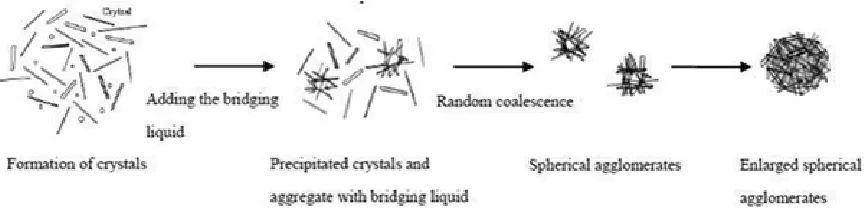
This method involves simultaneous crystallization and agglomeration of two or more drugs from a good solvent and bridging liquid by addition of a non-solvent. To obtain fine crystals the solution of the drug and a good solvent is poured into a poor solvent under controlled condition of temperature and speed. The bridging liquid is used for agglomeration of the crystals [21].
Here the good and the poor solvents are freely miscible and interaction (binding force) between the solvents is stronger than drug interaction with the good solvent, which leads to precipitation of crystals immediately [16]. Bridging liquid collects the crystals suspended in the system by forming liquid bridges between the crystals due to capillary negative pressure and interfacial tension between the interface of solid and liquid [17]. SA method proceeds in three steps as shown in Fig. No 2.
Fig. No. 2: Steps Involved in Spherical Agglomeration (SA)
[image:4.595.80.512.561.671.2]615
The drawback of this system is that it provides low yield, due to co-solvency effect of crystallization solvent. The bridging liquid, the stirring speed and the concentration of solids are the influencing factors for the spherical crystallization [21].
Quasi Emulsion Solvent Diffusion Method:
[image:5.595.108.525.181.315.2]In the case of quasi emulsion solvent diffusion method, affinity between the drug and a good solvent is stronger than that of the drug and poor solvent. Residual good solvent in droplets acts as a bridging liquid to agglomerate the generated crystals. Due to the interfacial tension between the two solvents, the good solvent diffuses gradually out of the emulsion droplet into the outer poor solvent phase as given in Fig. No 3.
Fig. No. 3: Mechanism of Quasi Emulsion Solvent Diffusion Method
The crystallization of drug occurs by counter diffusion of good solvent and poor solvent. In this process, the emulsion is stabilized by the selection of suitable polymer which is required for proper crystallization. In the droplets, the process of solidification proceeds inwards and the liquid are not maintained on the surface and the agglomerate formed without coalescence [16].
Ammonia Diffusion Method (ADM)
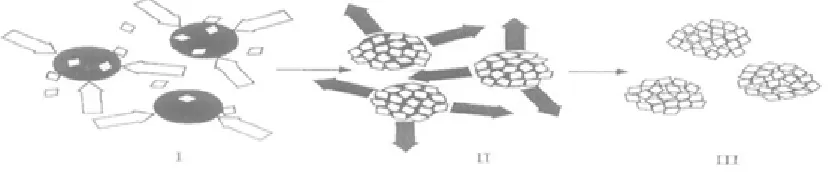
In this technique ammonia-water system is used as the good solvent and bad solvent is selected depending upon the drugs solubility in that solvent. The ammonia-water also acts as a bridging liquid. This technique usually meant for amphoteric drugs which cannot be agglomerated by conventional procedures. The whole process is completed in three stages [19]. First, the drug dissolved in ammonia water is precipitated while the droplets collect the crystals (Fig. No 4 I). Simultaneously, ammonia in the agglomerate diffuses to the outer organic solvent (Fig. No 4 II). Its ability to act as a bridging liquid weakens and subsequently spherical agglomerates are formed (Fig. No 4 III).
Fig. No. 4: Steps involved in Ammonia Diffusion Method (ADM): (I) Drug Precipitation (II) Ammonia Diffusion (III) Spherical Agglomeration
Neutralization Method:
The method consists of dissolving the drug in the good solvent and placing in the cylindrical vessel with constant stirring. During stirring an aqueous polymer solution and one neutral solution was added to neutralize the good solvent, which crystallizes out the drug. The bridging liquid shall be added drop wise at a definite rate. The agglomeration of the crystal form of the drug takes place [20].
Traditional Crystallization Process:
[image:5.595.94.511.499.588.2]616
Crystal-co-agglomeration Technique (CCA)Applications of spherical crystallization to obtain directly compressible agglomerates without diluents are restricted to water insoluble large-dose drugs only. Most of the excipients, such as diluents and disintegrating agents, are hydrophilic in nature; hence, incorporation of these excipients in the agglomerates formed using organic bridging liquid is difficult. Because of this limitation, spherical crystallization could not be applied to obtain agglomerates of low-dose or poorly compressible materials [18].
To overcome these limitations of spherical crystallization Kadam et al. developed the crystal-co-agglomeration (CCA) technique. It is a modification of the spherical crystallization technique in which a drug is crystallized and agglomerated with an excipient or with another drug, which may or may not be crystallized in the system. The agglomeration is performed using bridging liquid. The process enables design of agglomerates containing two drugs [18] or a low-dose or poorly compressible drug in combination with diluents. The difference in the physicochemical properties of the drug molecules and the excipient becomes the major challenge in the selection of a solvent system for the crystal-co-agglomeration.
Apparatus for spherical crystallization:
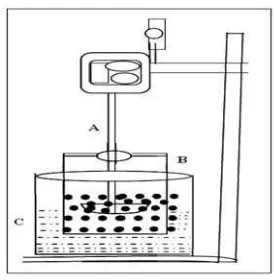
[image:6.595.235.372.288.428.2]Most of the cases spherical crystals are prepared with simple equipment and apparatus viz. Mechanical stirring element, suitable sized container (beaker), thermostat etc, are arranged as shown in the Fig. No 5.
Fig. No. 5 : Apparatus of Spherical Crystallization
Where, A) Stirrer, B) Vessel and C) Water bath
Factors influencing the process of spherical crystallization:
The technique of spherical crystallization depends upon the several factors which contribute to the physico-chemical characteristics of the drug. During the crystallization the parameters like stirring rate, temperature, pH, selection of solvent system, addition rate of bridging liquid etc. need to be optimized to get maximum amount of spherical crystals. How to optimize the processing parameters and how these parameters affect on ideal spherical crystals is discussed as follows.
Selection of Good, Poor Solvent and Bridging Liquid:
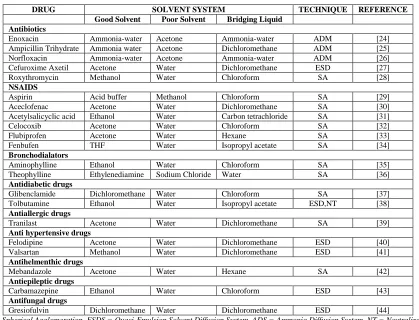
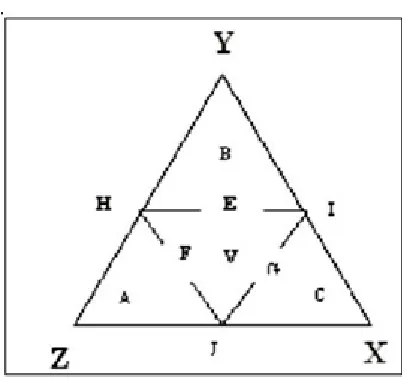
The selection of solvent is determined by solubility characteristics of drug. A mutually immiscible three solvent system consisting of a poor solvent, good solvent and bridging liquid is needed. When the drug completely dissolves in solvent it is known as good solvent where as when drug is not completely soluble in solvent it is known as poor solvent. Physical form of product can be controlled by selection of proper solvent proportions. The proportion of solvent to be used is determined by carrying out solubility study. The dielectric constant of drug in particular solvent also helps in determining the solubility of drug in solvent. The drugs which are polar in nature get easily soluble in the polar solvent like water, alcohol etc. Whereas non-polar drugs soluble in non-polar solvents like DCM, chloroform etc. Various solvent systems used are given in Table No 1.
617
Table no. 1: Some of the examples enlisting different techniques and solvents used in preparing spherical agglomeration of drugs
DRUG SOLVENT SYSTEM TECHNIQUE REFERENCE Good Solvent Poor Solvent Bridging Liquid
Antibiotics
Enoxacin Ammonia-water Acetone Ammonia-water ADM [24]
Ampicillin Trihydrate Ammonia water Acetone Dichloromethane ADM [25]
Norfloxacin Ammonia-water Acetone Ammonia-water ADM [26]
Cefuroxime Axetil Acetone Water Dichloromethane ESD [27]
Roxythromycin Methanol Water Chloroform SA [28]
NSAIDS
Aspirin Acid buffer Methanol Chloroform SA [29]
Aceclofenac Acetone Water Dichloromethane SA [30]
Acetylsalicyclic acid Ethanol Water Carbon tetrachloride SA [31]
Celocoxib Acetone Water Chloroform SA [32]
Flubiprofen Acetone Water Hexane SA [33]
Fenbufen THF Water Isopropyl acetate SA [34]
Bronchodialators
Aminophylline Ethanol Water Chloroform SA [35]
Theophylline Ethylenediamine Sodium Chloride Water SA [36]
Antidiabetic drugs
Glibenclamide Dichloromethane Water Chloroform SA [37]
Tolbutamine Ethanol Water Isopropyl acetate ESD,NT [38]
Antiallergic drugs
Tranilast Acetone Water Dichloromethane SA [39]
Anti hypertensive drugs
Felodipine Acetone Water Dichloromethane ESD [40]
Valsartan Methanol Water Dichloromethane ESD [41]
Antihelmenthic drugs
Mebandazole Acetone Water Hexane SA [42]
Antiepileptic drugs
Carbamazepine Ethanol Water Chloroform ESD [43]
Antifungal drugs
Gresiofulvin Dichloromethane Water Dichloromethane ESD [44]
SA = Spherical Agglomeration, ESDS = Quasi-Emulsion Solvent Diffusion System, ADS = Ammonia Diffusion System, NT = Neutralization Technique, CCA = Crystal-co-agglomeration Technique
[image:7.595.201.409.430.627.2]618
Fig. No. 7: Different Regions in Ternary Diagram
The ratio of solvent system shows affect on agglomeration process. Increase in concentration of bridging liquid will increase the average diameter of agglomerated crystal due to enhanced agglomeration of crystals.
Bridging liquid should not be miscible with poor solvent and should preferentially wet the precipitated crystals. As a result of interfacial tension effect and capillary forces, the bridging liquid causes the crystal to adhere to one another. Selection of solvent can also alters the polymorphic nature of solid. When solid soluble in solvent it gets transition motion which will results in molecular mobility and molecular array gets change which will affect on physical properties like melting point, dissolution etc.
Addition Mode of Bridging Liquid:
The rate of addition of bridging liquid in the system mainly affects on the spherical nature of the crystals. The addition also depends on the stability (mass transfer of drug from droplets) of droplets in the system [22].
The drop wise addition of drug solution responsible for greater contact time of droplet in the system and the residence time after addition of solution will decrease. If the droplets of drug solution unstable in the system it will stick to the paddle so that in such a case the direct addition will work out in some extent. In such phenomenon the drug suddenly comes in the contact with the system so that the surface tension of droplets will reduce and that results in fast mass transfer of drug from the droplet and drug would not stick to the paddle.
Interfacial Tension:
In order to study the influence of the interfacial tension between the crystallizing solvent and water, the crystallization solvents are carefully chosen. The selected solvents have a significant difference in interfacial tension with water and have roughly the same physico-chemical properties (density, viscosity, solubility and miscibility with water).
The reduction in the interfacial free energy of an emulsion system contributes to the emulsion stability. This means that reducing the interfacial energy between the organic solvent and water would reduce droplet coalescence and secondary agglomeration [22].
To increase the yield of the crystallization process it seems reasonable to increase the volume fraction of the introduced dispersed phase up to miscibility limit of the organic phase in the aqueous phase. When the concentration of the organic phase is close to the saturation of the liquid phase, the particles are soft (gel like structure) and sticky. As a consequence, during the process the particles stick to the impeller and to the crystallizer wall. The gel like structure is obtained when the mass transfer from the organic phase to aqueous phase is too slow. The lifetime of the emulsion is then much higher which leads to an increase of the coalescence frequency of the droplets. High interfacial tension of good solvent and poor solvent produces large droplets result in coalescence which is incompatible to the process of spherical crystallization.
619
solvents is carefully deposited on the surface of the aqueous phase. By measuring the applied force according to the immersion depth and dimension of substrate perimeter the contact angle can be calculated as by following equation.
γ = F/L cosθ
Where,
γ = Contact Angle L = Wetted Perimeter F = Measured Force
Mode and Intensity of Agitation:
In optimization of spherical crystals of drug, the mode and intensity of agitation is an important parameter in concern with the shape and size of the agglomerates. The agitation is necessary to disperse the bridging liquid throughout the system. The agitation speed with circular motion determines the fluid flow in system.
The spherical crystals at high speed will give smaller size of agglomerates where as at lower speed it will give larger size. For obtaining the optimum size of agglomerates the optimization of agitation speed is necessary in spherical crystallization. The blade used for agitation will be responsible for maintaining the shape of agglomerates. Mainly screw type agitator with four flat blades is used for maintaining the shape. The sharper blades will cut the agglomerates and leads to formation of irregular agglomerates [23]. Some drug required low speed for crystallization where as some required high speed.
The nature of speed mainly depends upon the rate of crystallization in the system. If the rate of crystallization of drug is high the agitation for agglomeration required high speed. Because when bridging liquid will collect crystals due to high speed, bridging liquid quickly squeeze out and agglomerates will form with uniform distribution. On the other hand if the crystallization rate is slow, the crystals required time for come in contact with bridging liquid and formed agglomerates will not uniform in size. It may be due to, when we kept the system at high speed the bridging liquid will squeeze rapidly and agglomeration will not occur.
The rate of crystals growth is determined by several steps in the growth process. This can either be the diffusion of materials to the surface or the kinetics of surface process. Both diffusion and surface integration kinetics are process driven by difference in chemical potential. Hence driven force for crystal growth is given as
µs - µs* = vRT ln (as/as*)
Where, as/as* = Activities of supersaturated and saturated ions,
µs* = Respective chemical potential v = Stoichometric coefficient of the ions
During the crystallization process specific amount of aliquot is withdrawn from the system at suitable intervals. It is filtered through a membrane filter with a pore size of 0.45 micrometer. The filtrate is evaporated and the residue is diluted with suitable solvent. The drug content remaining in the medium is determined spectrophotometrically.
Temperature:
Temperature mainly affects the thickness of agglomerates. It is inversely proportional to the thickness of agglomerates that is when crystallization process carried out at high temperature the thickness of agglomerates will decrease [23].
The average size of agglomerate was smallest at the crystallization temperature 100C. At higher temperature, the larger agglomerates were produced initially and the equilibrium attained more rapidly than at lower temperature. At lower temperature, it was characteristic that the growth rate of crystals was slow at the initial stage but become faster at the later stage. At low temperature, the initial numbers of crystals produced were greater than at high temperature i.e. the number of nuclei increased with decreased crystallization temperature [23].
pH:
620
Residence Time:The time for which agglomerates remain suspended in reaction mixture affect their size shape and strength [23]. Residence time for the agglomeration of re-crystallized crystals need to be optimized. Below the optimized residence time the incomplete agglomeration occurs due to incomplete diffusion of good solvent and bridging liquid from the formed droplets in the dispersion medium. At longer residence time the formed agglomerates break down and the size of the agglomerated particles decreases. This might be due to the solubilization of the agglomerates by the bridging liquid that diffuses out from them.
Concentration of Polymers (or) Stabilizers:
The number of water insoluble drugs is increasing day by day. Solubility problem of such drugs can be minimized with the technique of spherical crystallization. Crystal habit of a drug is an important variable in pharmaceutical manufacturing. A number of basic physical properties such as solubility, dissolution rate, melting behavior and some micromeritic properties depend on the modification of a particular drug. Sometimes if in the process of crystallization the crystal habit (Acicular, Platy, Bipyramidal) modification not occurred, in that case the improvement of solubility will be major problem, this problem can be solved by addition of polymers. The change in crystal habit can be determined with the help of surface energy of the crystals. Surface free energy can be calculated by Gibbs equation using melting or solubility method.
Melting method
∆G = ∆H - T(∆S)
Where, ∆G = free energy ∆H = enthalpy difference T = Temperature
∆S = entropy difference
Solubility method
∆G = -2.303RTLog(S0/Sc)
Where, ∆G = free energy R = gas constant
T = temperature
S0, Sc = Molar solubility’s of agglomerates and pure crystals
When crystals forms, the surface free energy remains high, this energy can be minimized by agglomeration of crystals or by addition of polymers which adsorbed on crystal surface and reduce its further growth. In such event polymers plays important role in increasing the solubility as well as dissolution of drug by making drug more soluble in the dissolution medium. Some polymers have been found to inhibit crystallization are methylcellulose, hydroxy propyl methyl cellulose, polyvinyl pyrrolidine. These anti-nucleating polymers show reduction in crystallization and increase amorphous behavior gives better solubility and dissolution rate. They reduce crystallization by four mechanism i.e. step spinning, incorporation, kink blocking and step edge adsorption.
The anti-nucleant polymer molecules are incompatible in both size and shape of host molecules of growing crystals surface. Therefore their incorporation into the lattice alters growth characteristics of the host molecules [16]. During the crystal precipitation, a hydrophobic surface is formed. Due to the surface energy, the energy of the system increases. Thus, a stabilizing agent provided that it has any affinity to the surface covers the newly formed surface spontaneously. Thereby, the surface energy and consequently the enthalpy of the system are lowered. The small particles, which normally would aggregate in order to lower the surface energy, are stabilized against crystal growth by a layer of protective polymer.
In the vessel the agglomerates are actually spherical but they are soft and sticky and their structure is lost during the downstream process (filtration and drying). When no additives are added to water phase, it is impossible to obtain spherical particles with crystalline texture [22]. The polymer like β-cyclodextrine, polyethylene glycol, poloxomer stabilizes the emulsion droplet so that crystallization of drug occurs in system. The polymers also increase the dissolution rate of poorly soluble drugs [16]. The problem of mechanical strength of crystals can also be handled by addition of polymers like PVP, PEG, ethyl cellulose etc [23].
621
solvent and drop wise addition of drug carried out. The polymer agglomerated on the surface of crystals formed by drug.
Improvements in physicochemical properties of drug substances by spherical crystallization technique:
The spherical crystallization can enable subsequent process such as separation, filtration and drying to be carried out more efficiently. It exhibits high flow ability, pack ability, compressibility and wettability of the materials. Following physicochemical properties were improved by spherical crystallization technique [18]
Particle Size and Shape (Crystal habit):
The size and the crystal habit of the pharmaceuticals changes during recrystallization process in spherical crystallization method. The change in crystal habit of pharmaceuticals gives different physicochemical properties.
Density:
In spherical crystallization process re-crystallization of drug agglomeration occur, at same time and size of the agglomerates increases as compared to original crystals of drug substances. Therefore volume of the agglomerates increases and density of the drug substances decreases.
Amorphous Form:
If the polymers are added during re-crystallization of pharmaceuticals, amorphous form is developed which are having more solubility comparative to crystalline form.
Stability:
Due to change in their polymorphism during re-crystallization process, there is change in stability of drug substances. As the spherical agglomerates are the agglomerates of small re-crystallized crystals it reduces the surface area and improvement in stability
Flow ability:
Flow ability of the agglomerates is much improved as the agglomerate exhibits lower angle of repose than that of single crystals. This improvement in the flow ability of agglomerates could be attributed to the significant reduction in inter-particle friction, due to their spherical shape and a lower static electric charge.
Pack ability:
Improve pack ability has been reported for agglomerates prepared by spherical crystallization. The angle of friction, shear cohesive stress and shear indexes are lower than that of single crystals, which can improve the pack ability of the agglomerates [26].
Compaction Behavior of Agglomerated Crystals:
Good compatibility and compressibility are essential properties of directly compressible crystals. Spherical agglomerates possess superior strength characteristics in comparison to conventional crystals. It is suggest that the surfaces are freshly prepared by fracture during compression of agglomerates, which enhances the plastic inter particle bonding, resulting in a lower compression force required for compressing the agglomerates under plastic deformation compared to that of single crystals.
Mechanical Strength of Resultant Tablets:
The tablets compressed with the agglomerated crystals exhibit higher tensile strength than that of compressed original crystals. The tensile strength of tablets prepared from agglomerated crystals is higher than the tablets prepared from single crystal at the same compression pressure and porosity of the tablet. This was due to plastic deformation of the agglomerated crystals resulting in greater permanent antiparticle contact and stronger bond force than in case of the original crystals.
Wettability:
Wettability of agglomerated crystals by water is investigated by measuring the contact angle of water to the compressed crystals .The wettability depends on the crystallinity and elementary crystal size of the agglomerated crystals. As the contact angle decreases the wettability increases. Crystals with low crystallinity are more wettable than crystals with higher crystallinity.
Solubility:
622
molecules plays an important role to increase solubility. Some polymers used showed increased intra-particle porosity suggested the absence of polymer deposition in the empty spaces between micro crystals in the agglomerates. The agglomerated crystals prepared by incorporating water soluble polymers like polyethylene glycol can improve solubility.
Dissolution Rate and Bioavailability:
The dissolution rate and bioavailability of agglomerated crystal depends on particle size, particle density and specific surface area of the agglomerated crystals. It has been elucidated that the dissolution of agglomerates increases as apparent specific surface area increases. Tabletting compacts partially breaks the agglomerated crystals and thus the average particle size is reduced. But compression also increases the particle density, which may adversely affect dissolution. Specific surface area of crystals is found to depend on the method used for spherical crystallization.
CONCLUSION
The technique of spherical crystallization is simple and inexpensive, can be successfully applied to modify the micromeritic and physco-chemical properties of the drug. The spherical crystallization can also be applied for manufacturing spherical crystals of poorly soluble drugs in order to improve wettability, solubility there by bioavailability and dissolution rate with or without using polymers. Method used for preparation of spherical crystals is needed to be optimized for various processing parameters to get ideal spherical agglomerates. On the whole, spherical crystallization technique seems to be promising technique in which the drug crystals are changed by applying different solvents for obtaining direct compressible spherical agglomerates.
REFERENCES
[1]K Wening; J Breitkreutz. International Journal of Pharmaceutics, 2011, 404(1), 1-9.
[2]M Singh; S Manikandan; AK Kumaraguru. Res. J. Nano Sci Nano Technol.,2011, 1(2), 1-11.
[3]HA Lieberman; L Lachman; JB Schwartz. Pharmaceutical Dosage Forms: Tablets, Vol. 1, 6th Edition, Marcel Dekker, New York, 1989; 195–246.
[4]K Adibkia; Z Bozorgmehr; S Dastmalchi; K Shokri, P Shahlavie, Y Javadzadeh. Research in Pharmaceutical
Sciences, 2012, 7(5), 56-57.
[5]A Nokhodchi; M Maghsoodi. AAPS Pharm. Sci. Tech., 2008, 9(1), 54-59.
[6]P Di Martino; R Di Cristofaro; C Barthelemy; E Joiris; G Palmieri Filippo; M Sante. International Journal of
Pharmaceutics, 2000, 197(1), 95-106.
[7]ST Kuriki; T Handa; H Takeuchi; Y Kawashima. J Pharm Sci., 1987, 76(6), 471–474. [8]VR Gupta; S Mutalik; M Patel; K Girish. Acta Pharm., 2007, 57(3), 173–184. [9]MK Chouracia; A Jain; S Valdya; SK Jain. Indian Drugs, 2004, 41(6), 319-329. [10]AJ Bose; JJ Heerens. Chem Eng Commun., 1982, 16(3), 301-311.
[11]M Maryam. Advanced Pharmaceutical Bulletin, 2012, 2(2), 253-257.
[12]MM Gupta; B Srivastava; M Sharma; V Arya. Int J Pharm Res Dev., 2010, 12(2), 1-10.
[13]N Bharti; N Bhandari; P Sharma; K Singh; A Kumar. Asian Journal of Biomedical and Pharmaceutical Sciences,
2013, 18(3), 10-16.
[14]Y Kawashima; M Imai; H Takeuchi; H Yamamoto; K Kamiya. KONA., 2002, 20(3), 251-261. [15]MK Chouracia; A Jain; S Valdya; SK Jain. Indian Drugs, 2004, 41(6), 319-329.
[16]VB Yadav; AV Yadav. Trop J Pharm Res., 2009, 8(4), 361-369.
[17]A Nokhodchi; M Maghsoodi; D Hassanzadeh. Iran J Pharm Res., 2007, 6(2), 83-93. [18]KR Mahadik; AP Pawar; AR Paradkar; S Kadam. AAPS Pharm Sci Tech., 2004, 5(3), 1-8.
[19]M Ueda; Y Nakamura; H Makita; Y Imasato; Y Kawashima. Chem Pharm Bull., 1990, 38(9), 2537-2541. [20]A Sano; T Kuriki; Y Kawashima; H Takeuchi; T Hino; T Niwa. Chem Pharm Bull., 1992, 40 (10), 3030-3035. [21]M Dixit; PK Kulkarni; PSC Bose; R Reddy. International Journal of Pharmaceutical Research and Development,
2010, 2(9), 33-43.
[22]S Teychene; N Sicre; B Biscans. Chemical Engg Res and Design, 2010, 88(5):1631-1638. [23]Y Kawashima; M Naito; SY Lin; H Takenaka. Powder Tech., 1983, 34(5), 255-260.
[24]M Ueda; Y Nakamura; H Makita; Y Imasato; Y Kawashima. Chem Pharm Bull., 1990, 38(9), 2537-2541. [25]MC Gohle; RK Parikh; H Shen; RR Rubey. Ind J Pharm Sci., 2003, 65(6), 634-637.
[26]GP Hector; B Jorge; A Carlo. J Pharm Sci., 1998, 87(4), 519-523. [27]VB Yadav; AV Yadav. Trop J Pharm Res., 2009, 8(4), 361-369.
[28]GG Bermer; FG Zuiderweg. Proceedings of International Symposium of Fine Particles. AIME, New York 1992; 1524-46.
623
[30]AN Usha; S Mutalik; MS Reddy; AK Ranjith; P Kushtagi; N Udupa. Eur J Pharm Biopharm., 2008, 70(4), 674-683.
[31]I Eros; H Goczo; RP Szabo; NM Hasznos; B Farkas; P Kasa. Chem Pharm Bull., 2000, 48(12), 1877-1881. [32]AR Paradkar; AP Pawar; JK Chordiya; VB Patil; AR Ketkar. Drug Development and Industrial Pharmacy, 2002,
28(10), 1213-1220.
[33]MK Chourasia; SK Jain; NK Jain. Ind Jr Pharm Sci., 2003, 65(3), 287-291.
[34]PD Martino; C Barthelemy; F Piva; E Joiris; C Marthelemy. Drug Dev Ind Pharm., 1999; 25(10), 1073-1081. [35]Y Kawashima; S Aoki; H Takenaka; Y Miyake. J Pharm Sci., 1984, 73(10), 1407-1410.
[36]Y Kawashima. Arch Pharm Res., 1984, 7(2), 145-151.
[37]K Vinay; N Mishra, D Sumeet. Drug Invention Today, 2010, 2(2), 119-122.
[38]A Sano; T Kuriki; Y Kawashima; H Takeuchi; T Hino; T Niwa. Chem Pharm Bull., 1992, 40(8), 3030-3035. [39]Y Kawashima; T Niwa; H Takeuchi; T Hino; Y Itoh; S Furuyama. J Pharm Sci., 1991, 80(5), 472-478. [40]RT Amit; SK Pravin. Pelagia Research Library Der Pharmacia Sinica., 2010, 1(1), 136-146.
[41] RT Amit; SK Pravin; MS Dinesh. International Journal of Drug Delivery, 2010, 2(4): 304-313. [42]S Kumar; G Chawla; A Bansal. Pharm Dev Technol., 2008, 13(6), 559-568.