
1 HIGHLIGHTS OF PRESCRIBING INFORMATION
These highlights do not include all the information needed to use NOXAFIL safely and effectively. See full prescribing information for NOXAFIL.
Noxafil® (posaconazole) injection 18 mg/mL
Noxafil® (posaconazole) delayed-release tablets 100 mg Noxafil® (posaconazole) oral suspension 40 mg/mL Initial U.S. Approval: 2006 (oral suspension)
---INDICATIONS AND USAGE --- Noxafil is an azole antifungal agent indicated for:
injection, delayed-release tablets, and oral suspension
• prophylaxis of invasive Aspergillus and Candida infections in patients who are at high risk of developing these infections due to being severely immunocompromised, such as HSCT recipients with GVHD or those with hematologic malignancies with prolonged neutropenia from chemotherapy. (1.1)
Oral suspension
• treatment of oropharyngeal candidiasis (OPC), including OPC refractory (rOPC) to itraconazole and/or fluconazole. (1.2)
--- DOSAGE AND ADMINISTRATION --- Indication Dose and Duration of Therapy
Prophylaxis of invasive Aspergillus and Candida infections Injection*:
Loading dose: 300 mg Noxafil injection intravenously twice a day on the first day. Maintenance dose: 300 mg Noxafil injection intravenously once a day thereafter. Duration of therapy is based on recovery from neutropenia or immunosuppression. (2.1)
Delayed-Release Tablets†: Loading dose: 300 mg (three 100 mg
delayed-release tablets) twice a day on the first day.
Maintenance dose: 300 mg (three 100 mg delayed-release tablets) once a day, starting on the second day. Duration of therapy is based on recovery from neutropenia or
immunosuppression. (2.2)
Oral Suspension‡: 200 mg (5 mL) three times a day. Duration of therapy is based on recovery from neutropenia or immunosuppression. (2.3) Oropharyngeal
Candidiasis (OPC)
Oral Suspension‡:
Loading dose: 100 mg (2.5 mL) twice a day on the first day.
Maintenance dose: 100 mg (2.5 mL) once a day for 13 days. (2.3)
OPC Refractory (rOPC) to Itraconazole and/or Fluconazole
Oral Suspension‡: 400 mg (10 mL) twice a day. Duration of therapy is based on the severity of the patient’s underlying disease and clinical response. (2.3)
*Noxafil injection must be administered through an in-line filter. Administer by intravenous infusion over approximately 90 minutes via a central venous line. Never give Noxafil injection as an intravenous bolus injection. (2)
†Noxafil delayed-release tablets should be taken with food. (2) ‡Noxafil oral suspension should be taken with a full meal. (2)
--- DOSAGE FORMS AND STRENGTHS --- • Noxafil injection: 300 mg per 16.7 mL (18 mg per mL) (3)
• Noxafil delayed-release tablet 100 mg (3) • Noxafil oral suspension 40 mg per mL (3)
--- CONTRAINDICATIONS ---
• Do not administer to persons with known hypersensitivity to posaconazole or other azole antifungal agents. (4.1)
• Do not coadminister Noxafil with the following drugs; Noxafil increases concentrations of:
o Sirolimus: can result in sirolimus toxicity (4.2, 7.1)
o CYP3A4 substrates (pimozide, quinidine): can result in QTc interval prolongation and cases of TdP (4.3, 7.2)
o HMG-CoA Reductase Inhibitors Primarily Metabolized Through CYP3A4: can lead to rhabdomyolysis (4.4, 7.3) o Ergot alkaloids: can result in ergotism (4.5, 7.4)
--- WARNINGS AND PRECAUTIONS --- • Calcineurin Inhibitor Toxicity: Noxafil increases concentrations of
cyclosporine or tacrolimus; reduce dose of cyclosporine and tacrolimus and monitor concentrations frequently. (5.1)
• Arrhythmias and QTc Prolongation: Noxafil has been shown to prolong the QTc interval and cause cases of TdP. Administer with caution to patients with potentially proarrhythmic conditions. Do not administer with drugs known to prolong QTc interval and metabolized through CYP3A4. Correct K+, Mg++, and Ca++ before starting Noxafil. (5.2)
• Hepatic Toxicity: Elevations in LFTs may occur. Discontinuation should be considered in patients who develop abnormal LFTs or monitor LFTs during treatment. (5.3)
• Noxafil injection should be avoided in patients with moderate or severe renal impairment (creatinine clearance <50 mL/min), unless an assessment of the benefit/risk to the patient justifies the use of Noxafil injection. (5.4, 8.6)
• Midazolam: Noxafil can prolong hypnotic/sedative effects. Monitor patients and benzodiazepine receptor antagonists should be available. (5.5, 7.5)
--- ADVERSE REACTIONS --- • Common treatment-emergent adverse reactions in studies with posaconazole are diarrhea, nausea, fever, vomiting, headache, coughing, and hypokalemia. (6.2)
To report SUSPECTED ADVERSE REACTIONS, contact Merck Sharp & Dohme Corp., a subsidiary of Merck & Co., Inc., at 1-877-888-4231 or FDA at 1-800-FDA-1088 or www.fda.gov/medwatch.
--- DRUG INTERACTIONS ---
Interaction Drug Interaction
Rifabutin, phenytoin, efavirenz,
cimetidine, esomeprazole* Avoid coadministration unless the benefit outweighs the risks (7.6, 7.7, 7.8, 7.9)
Other drugs metabolized by
CYP3A4 Consider dosage adjustment and monitor for adverse effects and toxicity (7.1, 7.10, 7.11) Digoxin Monitor digoxin plasma
concentrations (7.12) Fosamprenavir,
metoclopramide* Monitor for breakthrough fungal infections (7.6, 7.13) *The drug interactions with esomeprazole and metoclopramide do not apply to posaconazole tablets.
--- USE IN SPECIFIC POPULATIONS --- • Pregnancy: Based on animal data, may cause fetal harm. (8.1) • Nursing Mothers: Discontinue drug or nursing, taking in to
consideration the importance of drug to the mother. (8.3)
• Severe renal impairment: Monitor closely for breakthrough fungal infections. (8.6)
See 17 for PATIENT COUNSELING INFORMATION and FDA-approved patient labeling.
Revised: 07/2015
FULL PRESCRIBING INFORMATION: CONTENTS* 1 INDICATIONS AND USAGE
2 1.2 Treatment of Oropharyngeal Candidiasis Including
Oropharyngeal Candidiasis Refractory to Itraconazole and/or Fluconazole
2 DOSAGE AND ADMINISTRATION
2.1 Instructions for Use with Noxafil Injection
2.2 Instructions for Use with NoxafilDelayed-Release Tablets 2.3 Instructions for Use with NoxafilOral Suspension 2.4 Administration Information
2.5 Use in Patients with Renal Impairment 3 DOSAGE FORMS AND STRENGTHS 4 CONTRAINDICATIONS
4.1 Hypersensitivity 4.2 Use with Sirolimus
4.3 QT Prolongation with Concomitant Use with CYP3A4 Substrates
4.4 HMG-CoA Reductase Inhibitors Primarily Metabolized Through CYP3A4
4.5 Use with Ergot Alkaloids 5 WARNINGS AND PRECAUTIONS
5.1 Calcineurin-Inhibitor Drug Interactions 5.2 Arrhythmias and QT Prolongation 5.3 Hepatic Toxicity
5.4 Renal Impairment 5.5 Use with Midazolam 6 ADVERSE REACTIONS
6.1 Serious and Otherwise Important Adverse Reactions 6.2 Clinical Trials Experience
6.3 Postmarketing Experience 7 DRUG INTERACTIONS
7.1 Immunosuppressants Metabolized by CYP3A4 7.2 CYP3A4 Substrates
7.3 HMG-CoA Reductase Inhibitors (Statins) Primarily Metabolized Through CYP3A4
7.4 Ergot Alkaloids
7.5 Benzodiazepines Metabolized by CYP3A4 7.6 Anti-HIV Drugs
7.7 Rifabutin 7.8 Phenytoin
7.9 Gastric Acid Suppressors/Neutralizers 7.10 Vinca Alkaloids
7.11 Calcium Channel Blockers Metabolized by CYP3A4
7.12 Digoxin
7.13 Gastrointestinal Motility Agents 7.14 Glipizide
8 USE IN SPECIFIC POPULATIONS 8.1 Pregnancy 8.3 Nursing Mothers 8.4 Pediatric Use 8.5 Geriatric Use 8.6 Renal Impairment 8.7 Hepatic Impairment 8.8 Gender 8.9 Race 8.10 Weight 10 OVERDOSAGE 11 DESCRIPTION 12 CLINICAL PHARMACOLOGY 12.1 Mechanism of Action 12.2 Pharmacodynamics 12.3 Pharmacokinetics 12.4 Microbiology 13 NONCLINICAL TOXICOLOGY
13.1 Carcinogenesis, Mutagenesis, Impairment of Fertility 13.2 Animal Toxicology and/or Pharmacology
14 CLINICAL STUDIES
14.1 Prophylaxis of Aspergillus and Candida Infections with Posaconazole Oral Suspension
14.2 Treatment of Oropharyngeal Candidiasis with Posaconazole Oral Suspension
14.3 Posaconazole Oral Suspension Treatment of Oropharyngeal Candidiasis Refractory to Treatment with Fluconazole or Itraconazole
16 HOW SUPPLIED/STORAGE AND HANDLING 17 PATIENT COUNSELING INFORMATION
17.1 Administration 17.2 Drug Interactions
17.3 Serious and Potentially Serious Adverse Reactions *Sections or subsections omitted from the full prescribing information are not listed.
FULL PRESCRIBING INFORMATION 1 INDICATIONS AND USAGE
1.1 Prophylaxis of Invasive Aspergillus and Candida Infections
Noxafil® injection, delayed-release tablets, and oral suspension are indicated for prophylaxis of invasive Aspergillus and Candida infections in patients who are at high risk of developing these infections due to being severely immunocompromised, such as hematopoietic stem cell transplant (HSCT) recipients with graft-versus-host disease (GVHD) or those with hematologic malignancies with prolonged neutropenia from chemotherapy.
Noxafil injection is indicated in patients 18 years of age and older.
Noxafil delayed-release tablets and oral suspension are indicated in patients 13 years of age and older.
1.2 Treatment of Oropharyngeal Candidiasis Including Oropharyngeal Candidiasis Refractory to Itraconazole and/or Fluconazole
Noxafil oral suspension is indicated for the treatment of oropharyngeal candidiasis, including oropharyngeal candidiasis refractory to itraconazole and/or fluconazole.
2 DOSAGE AND ADMINISTRATION
General
3
Noxafil injection should be administered via a central venous line, including a central venous catheter or peripherally inserted central catheter (PICC), by slow intravenous infusion over approximately 90 minutes. If a central venous catheter is not available, Noxafil injection may be administered through a peripheral venous catheter by slow intravenous infusion over 30 minutes only as a single dose in advance of central venous line placement or to bridge the period during which a central venous line is replaced or is in use for other intravenous treatment. When multiple dosing is required, the infusion should be done via a central venous line. Never give Noxafil injection as an intravenous bolus injection.
The delayed-release tablet and oral suspension are not to be used interchangeably due to the differences in the dosing of each formulation.
Noxafil delayed-release tablets must be swallowed whole, and not be divided, crushed, or chewed. Noxafil delayed-release tablets should be taken with food [see Dosage and Administration (2.4) and Clinical Pharmacology (12.3)].
Noxafil oral suspension should be administered with a full meal or with a liquid nutritional supplement or an acidic carbonated beverage (e.g., ginger ale) in patients who cannot eat a full meal.
Coadministration of drugs that can decrease the plasma concentrations of posaconazole should generally be avoided unless the benefit outweighs the risk. If such drugs are necessary, patients should be monitored closely for breakthrough fungal infections [see Drug Interactions (7.6, 7.7, 7.8, 7.9, 7.13)].
Patients who have severe diarrhea or vomiting should be monitored closely for breakthrough fungal infections when receiving Noxafil delayed-release tablets or oral suspension.
2.1 Instructions for Use with Noxafil Injection Dosing:
Table 1: Dosing for Noxafil Injection
Indication Dose and Duration of Therapy
Prophylaxis of invasive Aspergillus and Candida infections
Loading dose:
300 mg Noxafil injection intravenously twice a day on the first day.
Maintenance dose:
300 mg Noxafil injection intravenously once a day, starting on the second day. Duration of therapy is based on recovery from neutropenia or immunosuppression.
Preparation:
• Equilibrate the refrigerated vial of Noxafil (posaconazole) injection to room temperature.
• Aseptically transfer 16.7 mL of posaconazole solution to an intravenous bag (or bottle) containing approximately 150 mL of 5% dextrose in water or sodium chloride 0.9%. Noxafil injection should only be administered with these diluents. Use of other infusion solutions may result in particulate formation.
• Noxafil injection is a single dose sterile solution without preservatives. Once admixed, the product should be used immediately. If not used immediately, the solution can be stored up to 24 hours refrigerated 2-8°C (36-46°F). This medicinal product is for single use only and any unused solution should be discarded.
• Parenteral drug products should be inspected visually for particulate matter prior to administration, whenever solution and container permit. Once admixed, the solution of Noxafil ranges from colorless to yellow. Variations of color within this range do not affect the quality of the product.
Intravenous Line Compatibility:
A study was conducted to evaluate physical compatibility of Noxafil injection with injectable drug products and commonly used intravenous diluents during simulated Y-site infusion. Compatibility was determined through visual observations, measurement of particulate matter and turbidity.
4
Based on the results of the study, the following drug products and diluents can be infused at the same time through the same intravenous line (or cannula) as Noxafil injection.Co-administered drug products should be prepared in 5% dextrose in water or sodium chloride 0.9%. Co-administration of drug products prepared in other infusion solutions may result in particulate formation.
5% dextrose in water Amikacin sulfate Caspofungin Ciprofloxacin Daptomycin Dobutamine hydrochloride Famotidine Filgrastim Gentamicin sulfate Hydromorphone hydrochloride Levofloxacin Lorazepam Meropenem Micafungin Morphine sulfate Norepinephrine bitartrate Potassium chloride Sodium chloride 0.9% Vancomycin hydrochloride
Any products or diluents not listed in the table above should not be coadministered through the same intravenous line (or cannula).
Administration:
• Noxafil injection must be administered through a 0.22 micron polyethersulfone (PES) or polyvinylidene difluoride (PVDF) filter.
• Administer via a central venous line, including a central venous catheter or PICC by slow infusion over approximately 90 minutes. Noxafil injection is not for bolus administration.
If a central venous catheter is not available, Noxafil injection may be administered through a peripheral venous catheter only as a single dose in advance of central venous line placement or to bridge the period during which a central venous line is replaced or is in use for other treatment. When multiple dosing is required, the infusion should be done via a central venous line. When administered through a peripheral venous catheter, the infusion should be administered over approximately 30 minutes. Note: In clinical trials, multiple peripheral infusions given through the same vein resulted in infusion site reactions [see Adverse Reactions (6.2)].
2.2 Instructions for Use with Noxafil Delayed-Release Tablets Table 2: Dosing for Noxafil Delayed-Release Tablets
Indication Dose and Duration of Therapy
Prophylaxis of invasive Aspergillus and
Candida infections Loading dose: 300 mg (three 100 mg delayed-release tablets) twice a day on the first day. Maintenance dose: 300 mg (three 100 mg delayed-release tablets) once a day, starting on the second day. Duration of therapy is based on recovery from neutropenia or immunosuppression.
5
2.3 Instructions for Use with Noxafil Oral Suspension
Table 3: Dosing for Noxafil Oral Suspension
Indication Dose and Duration of Therapy
Prophylaxis of invasive Aspergillus
and Candida infections 200 mg (5 mL) three times a day. The duration of therapy is based on recovery from neutropenia or immunosuppression. Oropharyngeal Candidiasis Loading dose: 100 mg (2.5 mL) twice a day on the first day.
Maintenance dose: 100 mg (2.5 mL) once a day for 13 days. Oropharyngeal Candidiasis Refractory
to Itraconazole and/or Fluconazole 400 mg (10 mL) twice a day. Duration of therapy should be based on the severity of the patient’s underlying disease and clinical response. Administration Instructions for Noxafil oral suspension
Shake Noxafil oral suspension well before use.
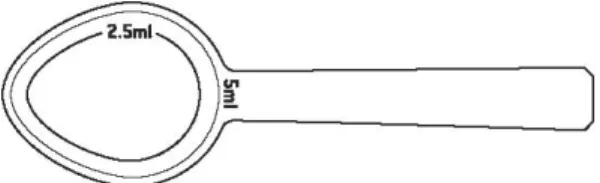
Figure 1: A measured dosing spoon is provided, marked for doses of 2.5 mL and 5 mL. It is recommended that the spoon is rinsed with water after each administration and before storage. 2.4 Administration Information
Noxafil delayed-release tablets:
• Noxafil delayed-release tablets should be taken with food to enhance the oral absorption of posaconazole and optimize plasma concentrations.
• Noxafil delayed-release tablets should be used only for the prophylaxis indication.
• Noxafil delayed-release tablets generally provide higher plasma drug exposures than Noxafil oral suspension under both fed and fasted conditions, and therefore is the preferred oral formulation for the prophylaxis indication.
Noxafil oral suspension:
• Each dose of Noxafil oral suspension should be administered during or immediately (i.e., within 20 minutes) following a full meal to enhance the oral absorption of posaconazole and optimize plasma concentrations.
• In patients who cannot eat a full meal and for whom Noxafil delayed-release tablets or Noxafil injection are not options, each dose of Noxafil oral suspension should be administered with a liquid nutritional supplement or an acidic carbonated beverage.
• In patients who cannot eat a full meal or tolerate an oral nutritional supplement or an acidic carbonated beverage and who do not have the option of taking Noxafil delayed-release tablets or Noxafil injection, an alternative antifungal therapy should be considered or patients should be monitored closely for breakthrough fungal infections.
2.5 Use in Patients with Renal Impairment
The pharmacokinetics of Noxafil oral suspension are not significantly affected by renal impairment. Therefore, no adjustment is necessary for oral dosing in patients with mild to severe renal impairment.
Noxafil injection should be avoided in patients with moderate or severe renal impairment (eGFR <50 mL/min), unless an assessment of the benefit/risk to the patient justifies the use of Noxafil injection. In patients with moderate or severe renal impairment (estimated glomerular filtration rate (eGFR) <50
6
mL/min), receiving the Noxafil injection, accumulation of the intravenous vehicle, Betadex Sulfobutyl Ether Sodium (SBECD), is expected to occur. Serum creatinine levels should be closely monitored in these patients, and, if increases occur, consideration should be given to changing to oral Noxafil therapy.
3 DOSAGE FORMS AND STRENGTHS
Noxafil injection is available in Type I glass vials closed with bromobutyl rubber stopper and aluminum seal containing 300 mg per 16.7 mL of solution (18 mg of posaconazole per mL).
Noxafil 100 mg delayed-release tablets are available as yellow, coated, oblong tablets, debossed with "100" on one side.
Noxafil oral suspension is available in 4-ounce (123 mL) amber glass bottles with child-resistant closures containing 105 mL of suspension (40 mg of posaconazole per mL).
4 CONTRAINDICATIONS
4.1 Hypersensitivity
Noxafil is contraindicated in persons with known hypersensitivity to posaconazole or other azole antifungal agents.
4.2 Use with Sirolimus
Noxafil is contraindicated with sirolimus. Concomitant administration of Noxafil with sirolimus increases the sirolimus blood concentrations by approximately 9-fold and can result in sirolimus toxicity [see Drug Interactions (7.1) and Clinical Pharmacology (12.3)].
4.3 QT Prolongation with Concomitant Use with CYP3A4 Substrates
Noxafil is contraindicated with CYP3A4 substrates that prolong the QT interval. Concomitant administration of Noxafil with the CYP3A4 substrates, pimozide and quinidine may result in increased plasma concentrations of these drugs, leading to QTc prolongation and cases of torsades de pointes [see Warnings and Precautions (5.2) and Drug Interactions (7.2)].
4.4 HMG-CoA Reductase Inhibitors Primarily Metabolized Through CYP3A4
Coadministration with the HMG-CoA reductase inhibitors that are primarily metabolized through CYP3A4 (e.g., atorvastatin, lovastatin, and simvastatin) is contraindicated since increased plasma concentration of these drugs can lead to rhabdomyolysis [see Drug Interactions (7.3) and Clinical Pharmacology (12.3)].
4.5 Use with Ergot Alkaloids
Posaconazole may increase the plasma concentrations of ergot alkaloids (ergotamine and dihydroergotamine) which may lead to ergotism [see Drug Interactions (7.4)].
5 WARNINGS AND PRECAUTIONS
5.1 Calcineurin-Inhibitor Drug Interactions
Concomitant administration of Noxafil with cyclosporine or tacrolimus increases the whole blood trough concentrations of these calcineurin-inhibitors [see Drug Interactions (7.1) and Clinical Pharmacology (12.3)]. Nephrotoxicity and leukoencephalopathy (including deaths) have been reported in clinical efficacy studies in patients with elevated cyclosporine or tacrolimus concentrations. Frequent monitoring of tacrolimus or cyclosporine whole blood trough concentrations should be performed during and at discontinuation of posaconazole treatment and the tacrolimus or cyclosporine dose adjusted accordingly.
5.2 Arrhythmias and QT Prolongation
Some azoles, including posaconazole, have been associated with prolongation of the QT interval on the electrocardiogram. In addition, cases of torsades de pointes have been reported in patients taking posaconazole.
Results from a multiple time-matched ECG analysis in healthy volunteers did not show any increase in the mean of the QTc interval. Multiple, time-matched ECGs collected over a 12-hour period were recorded at baseline and steady-state from 173 healthy male and female volunteers (18-85 years of age) administered posaconazole oral suspension 400 mg BID with a high-fat meal. In this pooled analysis, the mean QTc (Fridericia) interval change from baseline was –5 msec following administration of the recommended clinical dose. A decrease in the QTc(F) interval (–3 msec) was also observed in a small
7
number of subjects (n=16) administered placebo. The placebo-adjusted mean maximum QTc(F) interval change from baseline was <0 msec (–8 msec). No healthy subject administered posaconazole had a QTc(F) interval ≥500 msec or an increase ≥60 msec in their QTc(F) interval from baseline.
Posaconazole should be administered with caution to patients with potentially proarrhythmic conditions. Do not administer with drugs that are known to prolong the QTc interval and are metabolized through CYP3A4 [see Contraindications (4.3) and Drug Interactions (7.2)]. Rigorous attempts to correct potassium, magnesium, and calcium should be made before starting posaconazole.
5.3 Hepatic Toxicity
Hepatic reactions (e.g., mild to moderate elevations in alanine aminotransferase (ALT), aspartate aminotransferase (AST), alkaline phosphatase, total bilirubin, and/or clinical hepatitis) have been reported in clinical trials. The elevations in liver function tests were generally reversible on discontinuation of therapy, and in some instances these tests normalized without drug interruption. Cases of more severe hepatic reactions including cholestasis or hepatic failure including deaths have been reported in patients with serious underlying medical conditions (e.g., hematologic malignancy) during treatment with posaconazole. These severe hepatic reactions were seen primarily in subjects receiving the posaconazole oral suspension 800 mg daily (400 mg BID or 200 mg QID) in clinical trials.
Liver function tests should be evaluated at the start of and during the course of posaconazole therapy. Patients who develop abnormal liver function tests during posaconazole therapy should be monitored for the development of more severe hepatic injury. Patient management should include laboratory evaluation of hepatic function (particularly liver function tests and bilirubin). Discontinuation of posaconazole must be considered if clinical signs and symptoms consistent with liver disease develop that may be attributable to posaconazole.
5.4 Renal Impairment
Due to the variability in exposure with Noxafil delayed-release tablets and oral suspension, patients with severe renal impairment should be monitored closely for breakthrough fungal infections [see Dosage and Administration (2.5) and Use in Specific Populations (8.6)].
Noxafil injection should be avoided in patients with moderate or severe renal impairment (eGFR <50 mL/min), unless an assessment of the benefit/risk to the patient justifies the use of Noxafil injection. In patients with moderate or severe renal impairment (eGFR <50 mL/min), receiving the Noxafil injection, accumulation of the intravenous vehicle, SBECD, is expected to occur. Serum creatinine levels should be closely monitored in these patients, and, if increases occur, consideration should be given to changing to oral Noxafil therapy [see Dosage and Administration (2.5) and Use in Specific Populations (8.6)].
5.5 Use with Midazolam
Concomitant administration of Noxafil with midazolam increases the midazolam plasma concentrations by approximately 5-fold. Increased plasma midazolam concentrations could potentiate and prolong hypnotic and sedative effects. Patients must be monitored closely for adverse effects associated with high plasma concentrations of midazolam and benzodiazepine receptor antagonists must be available to reverse these effects [see Drug Interactions (7.5) and Clinical Pharmacology (12.3)].
6 ADVERSE REACTIONS
6.1 Serious and Otherwise Important Adverse Reactions
The following serious and otherwise important adverse reactions are discussed in detail in another section of the labeling:
• Hypersensitivity [see Contraindications (4.1)]
• Arrhythmias and QT Prolongation [see Warnings and Precautions (5.2)]
• Hepatic Toxicity [see Warnings and Precautions (5.3)]
6.2 Clinical Trials Experience
Because clinical trials are conducted under widely varying conditions, adverse reaction rates observed in clinical trials of Noxafil cannot be directly compared to rates in the clinical trials of another drug and may not reflect the rates observed in practice. In clinical trials, the type of adverse reactions reported for posaconazole injection and posaconazole delayed-release tablets were generally similar to that reported in trials of posaconazole oral suspension.
8
Multiple doses of posaconazole injection administered via a peripheral venous catheter were associated with thrombophlebitis (60% incidence). Therefore, in subsequent studies, posaconazole injection was administered via central venous catheter.
The safety of posaconazole injection has been assessed in 268 patients in a clinical trial. Patients were enrolled in a non-comparative pharmacokinetic and safety trial of posaconazole injection when given as antifungal prophylaxis (Posaconazole Injection Study 1). Patients were immunocompromised with underlying conditions including hematological malignancy, neutropenia post-chemotherapy, GVHD, and post HSCT. This patient population was 55% male, had a mean age of 51 years (range 18-82 years, 19% of patients were ≥65 years of age), and were 95% white and 8% Hispanic. Ten patients received a single dose of 200 mg posaconazole injection, 21 patients received 200 mg daily dose for a median of 14 days, and 237 patients received 300 mg daily dose for a median of 9 days.
Table 4 presents treatment-emergent adverse reactions observed in patients treated with posaconazole injection 300 mg daily dose in the posaconazole injection study. Each patient received a loading dose, 300 mg twice on Day 1. Following posaconazole intravenous therapy, patients received posaconazole oral suspension to complete 28 days of total posaconazole therapy.
Table 4: Posaconazole Injection Study 1: Number (%) of Subjects Treated with Posaconazole Injection 300 mg Daily Dose Reporting Treatment-Emergent Adverse Reactions: Frequency of
at Least 10% Body System Preferred Term Posaconazole Injection Treatment Phase n=237 (%)* Posaconazole Injection Treatment Phase or Subsequent Oral Suspension Treatment Phase n=237(%)†
Subjects Reporting any Adverse Reaction 220 (93) 235 (99) Blood and Lymphatic System Disorder
Anemia 16 (7) 23 (10)
Thrombocytopenia 17 (7) 25 (11)
Gastrointestinal Disorders
Abdominal Pain Upper 15 (6) 25 (11)
Abdominal Pain 30 (13) 41 (17)
Constipation 18 (8) 31 (13)
Diarrhea 75 (32) 93 (39)
Nausea 46 (19) 70 (30)
Vomiting 29 (12) 45 (19)
General Disorders and Administration Site Conditions
Fatigue 19 (8) 24 (10)
Chills 28 (12) 38 (16)
Edema Peripheral 28 (12) 35 (15)
Pyrexia 49 (21) 73 (31)
Metabolism and Nutrition Disorders
9
Hypokalemia 51 (22) 67 (28)
Hypomagnesemia 25 (11) 30 (13)
Nervous System Disorders
Headache 33 (14) 49 (21)
Respiratory, Thoracic and Mediastinal Disorders
Cough 21 (9) 31 (13)
Dyspnea 16 (7) 24 (10)
Epistaxis 34 (14) 40 (17)
Skin and Subcutaneous Tissue Disorders
Petechiae 20 (8) 24 (10)
Rash 35 (15) 56 (24)
Vascular Disorders
Hypertension 20 (8) 26 (11)
*Adverse reactions reported in patients with an onset during the posaconazole intravenous dosing phase of the study.
†Adverse reactions reported with an onset at any time during the study in patients who were treated for up to 28 days of posaconazole therapy.
The most frequently reported adverse reactions with an onset during the posaconazole intravenous phase of dosing with 300 mg once daily were diarrhea (32%), hypokalemia (22%), pyrexia (21%), and nausea (19%). These adverse reactions were consistent with those seen in studies with Noxafil oral suspension.
Clinical Trial Experience with Posaconazole Delayed-Release Tablets
The safety of posaconazole delayed-release tablets has been assessed in 230 patients in clinical trials. Patients were enrolled in a non-comparative pharmacokinetic and safety trial of posaconazole delayed-release tablets when given as antifungal prophylaxis (Delayed-Release Tablet Study 1). Patients were immunocompromised with underlying conditions including hematological malignancy, neutropenia post-chemotherapy, GVHD, and post HSCT. This patient population was 62% male, had a mean age of 51 years (range 19-78 years, 17% of patients were ≥65 years of age), and were 93% white and 16% Hispanic. Posaconazole therapy was given for a median duration of 28 days. Twenty patients received 200 mg daily dose and 210 patients received 300 mg daily dose (following twice daily dosing on Day 1 in each cohort). Table 5 presents treatment-emergent adverse reactions observed in patients treated with 300 mg daily dose at an incidence of ≥10% in posaconazole delayed-release tablet study.
Table 5: Posaconazole Delayed-Release Tablet Study 1: Number (%) of Subjects Treated with 300 mg Daily Dose Reporting Treatment-Emergent Adverse Reactions: Frequency of at Least 10%
Body System Preferred Term Posaconazole delayed-release tablet (300 mg) (n=210) Subjects Reporting any Adverse Reaction 201 (99) Blood and Lymphatic System Disorder
Anemia 22 (10)
Thrombocytopenia 29 (14)
10 Abdominal Pain 23 (11) Constipation 20 (10) Diarrhea 61 (29) Nausea 56 (27) Vomiting 28 (13)
General Disorders and Administration Site Conditions
Asthenia 20 (10)
Chills 22 (10)
Mucosal Inflammation 29 (14)
Edema Peripheral 33 (16)
Pyrexia 59 (28)
Metabolism and Nutrition Disorders
Hypokalemia 46 (22)
Hypomagnesemia 20 (10)
Nervous System Disorders
Headache 30 (14)
Respiratory, Thoracic and Mediastinal Disorders
Cough 35 (17)
Epistaxis 30 (14)
Skin and Subcutaneous Tissue Disorders
Rash 34 (16)
Vascular Disorders
Hypertension 23 (11)
The most frequently reported adverse reactions (>25%) with posaconazole delayed-release tablets 300 mg once daily were diarrhea, pyrexia, and nausea.
The most common adverse reaction leading to discontinuation of posaconazole delayed-release tablets 300 mg once daily was nausea (2%).
Clinical Trial Safety Experience with Posaconazole Oral Suspension
The safety of posaconazole oral suspension has been assessed in 1844 patients. This includes 605 patients in the active-controlled prophylaxis studies, 557 patients in the active-controlled OPC studies, 239 patients in refractory OPC studies, and 443 patients from other indications. This represents a heterogeneous population, including immunocompromised patients, e.g., patients with hematological malignancy, neutropenia post-chemotherapy, GVHD post HSCT, and HIV infection, as well as non-neutropenic patients. This patient population was 71% male, had a mean age of 42 years (range 8-84 years, 6% of patients were ≥65 years of age and 1% was <18 years of age), and were 64% white, 16% Hispanic, and 36% non-white (including 14% black). Posaconazole therapy was given to 171 patients for ≥6 months, with 58 patients receiving posaconazole therapy for ≥12 months. Table 6 presents treatment-emergent adverse reactions observed at an incidence of >10% in posaconazole prophylaxis studies. Table 7 presents treatment-emergent adverse reactions observed at an incidence of at least 10% in the OPC/rOPC studies.
11
Prophylaxis of Aspergillus and Candida: In the 2 randomized, comparative prophylaxis studies (Oral Suspension Studies 1 and 2), the safety of posaconazole oral suspension 200 mg three times a day was compared to fluconazole 400 mg once daily or itraconazole 200 mg twice a day in severely immunocompromised patients.
The most frequently reported adverse reactions (>30%) in the prophylaxis clinical trials were fever, diarrhea, and nausea.
The most common adverse reactions leading to discontinuation of posaconazole in the prophylaxis studies were associated with GI disorders, specifically, nausea (2%), vomiting (2%), and hepatic enzymes increased (2%).
Table 6: Posaconazole Oral Suspension Study 1 and Study 2. Number (%) of Randomized Subjects Reporting Treatment-Emergent Adverse Reactions: Frequency of at Least 10% in the Posaconazole
Oral Suspension or Fluconazole Treatment Groups (Pooled Prophylaxis Safety Analysis) Body System
Preferred Term
Posaconazole
(n=605) Fluconazole (n=539) Itraconazole (n=58) Subjects Reporting any Adverse Reaction 595 (98) 531 (99) 58 (100) Body as a Whole - General Disorders
Fever 274 (45) 254 (47) 32 (55) Headache 171 (28) 141 (26) 23 (40) Rigors 122 (20) 87 (16) 17 (29) Fatigue 101 (17) 98 (18) 5 (9) Edema Legs 93 (15) 67 (12) 11 (19) Anorexia 92 (15) 94 (17) 16 (28) Dizziness 64 (11) 56 (10) 5 (9) Edema 54 (9) 68 (13) 8 (14) Weakness 51 (8) 52 (10) 2 (3)
Cardiovascular Disorders, General
Hypertension 106 (18) 88 (16) 3 (5)
Hypotension 83 (14) 79 (15) 10 (17)
Disorders of Blood and Lymphatic System
Anemia 149 (25) 124 (23) 16 (28)
Neutropenia 141 (23) 122 (23) 23 (40)
Disorders of the Reproductive System and Breast
Vaginal Hemorrhage* 24 (10) 20 (9) 3 (12)
Gastrointestinal System Disorders
Diarrhea 256 (42) 212 (39) 35 (60)
Nausea 232 (38) 198 (37) 30 (52)
Vomiting 174 (29) 173 (32) 24 (41)
12
Constipation 126 (21) 94 (17) 10 (17)
Dyspepsia 61 (10) 50 (9) 6 (10)
Heart Rate and Rhythm Disorders
Tachycardia 72 (12) 75 (14) 3 (5)
Infection and Infestations
Pharyngitis 71 (12) 60 (11) 12 (21)
Liver and Biliary System Disorders
Bilirubinemia 59 (10) 51 (9) 11 (19)
Metabolic and Nutritional Disorders
Hypokalemia 181 (30) 142 (26) 30 (52)
Hypomagnesemia 110 (18) 84 (16) 11 (19)
Hyperglycemia 68 (11) 76 (14) 2 (3)
Hypocalcemia 56 (9) 55 (10) 5 (9)
Musculoskeletal System Disorders
Musculoskeletal Pain 95 (16) 82 (15) 9 (16)
Arthralgia 69 (11) 67 (12) 5 (9)
Back Pain 63 (10) 66 (12) 4 (7)
Platelet, Bleeding and Clotting Disorders
Thrombocytopenia 175 (29) 146 (27) 20 (34)
Petechiae 64 (11) 54 (10) 9 (16)
Psychiatric Disorders
Insomnia 103 (17) 92 (17) 11 (19)
Respiratory System Disorders
Coughing 146 (24) 130 (24) 14 (24)
Dyspnea 121 (20) 116 (22) 15 (26)
Epistaxis 82 (14) 73 (14) 12 (21)
Skin and Subcutaneous Tissue Disorders
Rash 113 (19) 96 (18) 25 (43)
Pruritus 69 (11) 62 (12) 11 (19)
* Percentages of sex-specific adverse reactions are based on the number of males/females.
HIV Infected Subjects with OPC: In 2 randomized comparative studies in OPC, the safety of posaconazole oral suspension at a dose of less than or equal to 400 mg QD in 557 HIV-infected patients was compared to the safety of fluconazole in 262 HIV-infected patients at a dose of 100 mg QD.
An additional 239 HIV-infected patients with refractory OPC received posaconazole oral suspension in 2 non-comparative trials for refractory OPC (rOPC). Of these subjects, 149 received the 800-mg/day dose and the remainder received the less than or equal to 400-mg QD dose.
13
In the OPC/rOPC studies, the most common adverse reactions were fever, diarrhea, nausea, headache, vomiting, and coughing.
The most common adverse reactions that led to treatment discontinuation of posaconazole in the Controlled OPC Pool included respiratory impairment (1%) and pneumonia (1%). In the refractory OPC pool, the most common adverse reactions that led to treatment discontinuation of posaconazole were AIDS (7%) and respiratory impairment (3%).
Table 7: Treatment-Emergent Adverse Reactions with Frequency of at Least 10% in OPC Studies with Posaconazole Oral Suspension (Treated Population)
Body System Preferred Term
Number (%) of Subjects
Controlled OPC Pool Refractory OPC Pool Posaconazole Fluconazole Posaconazole
n=557 n=262 n=239
Subjects Reporting any Adverse Reaction* 356 (64) 175 (67) 221 (92) Body as a Whole – General Disorders
Fever 34 (6) 22 (8) 82 (34) Headache 44 (8) 23 (9) 47 (20) Anorexia 10 (2) 4 (2) 46 (19) Fatigue 18 (3) 12 (5) 31 (13) Asthenia 9 (2) 5 (2) 31 (13) Rigors 2 (<1) 4 (2) 29 (12) Pain 4 (1) 2 (1) 27 (11)
Disorders of Blood and Lymphatic System
Neutropenia 21 (4) 8 (3) 39 (16)
Anemia 11 (2) 5 (2) 34 (14)
Gastrointestinal System Disorders
Diarrhea 58 (10) 34 (13) 70 (29)
Nausea 48 (9) 30 (11) 70 (29)
Vomiting 37 (7) 18 (7) 67 (28)
Abdominal Pain 27 (5) 17 (6) 43 (18)
Infection and Infestations
Candidiasis, Oral 3 (1) 1 (<1) 28 (12)
Herpes Simplex 16 (3) 8 (3) 26 (11)
Pneumonia 17 (3) 6 (2) 25 (10)
Metabolic and Nutritional Disorders
Weight Decrease 4 (1) 2 (1) 33 (14)
Dehydration 4 (1) 7 (3) 27 (11)
Psychiatric Disorders
Insomnia 8 (1) 3 (1) 39 (16)
Respiratory System Disorders
Coughing 18 (3) 11 (4) 60 (25)
Dyspnea 8 (1) 8 (3) 28 (12)
Skin and Subcutaneous Tissue Disorders
Rash 15 (3) 10 (4) 36 (15)
Sweating Increased 13 (2) 5 (2) 23 (10)
OPC=oropharyngeal candidiasis
* Number of subjects reporting treatment-emergent adverse reactions at least once during the study, without regard to relationship to treatment. Subjects may have reported more than 1 event.
Adverse reactions were reported more frequently in the pool of patients with refractory OPC. Among these highly immunocompromised patients with advanced HIV disease, serious adverse reactions (SARs) were reported in 55% (132/239). The most commonly reported SARs were fever (13%) and neutropenia (10%).
Less Common Adverse Reactions: Clinically significant adverse reactions reported during clinical trials in prophylaxis, OPC/rOPC or other trials with posaconazole which occurred in less than 5% of patients are listed below:
• Blood and lymphatic system disorders: hemolytic uremic syndrome, thrombotic thrombocytopenic purpura, neutropenia aggravated
14 • Nervous system disorders: paresthesia
• Immune system disorders: allergic reaction [see Contraindications (4.1)] • Cardiac disorders: Torsades de pointes [see Warnings and Precautions (5.2)] • Vascular disorders: pulmonary embolism
• Liver and Biliary System Disorders: bilirubinemia, hepatic enzymes increased, hepatic function abnormal, hepatitis, hepatomegaly, jaundice, AST Increased, ALT Increased
• Metabolic and Nutritional Disorders: hypokalemia
• Platelet, Bleeding, and Clotting Disorders: thrombocytopenia • Renal & Urinary System Disorders: renal failure acute
Clinical Laboratory Values: In healthy volunteers and patients, elevation of liver function test values did not appear to be associated with higher plasma concentrations of posaconazole.
For the prophylaxis studies, the number of patients with changes in liver function tests from Common Toxicity Criteria (CTC) Grade 0, 1, or 2 at baseline to Grade 3 or 4 during the study is presented in Table 8.
Table 8: Posaconazole Oral Suspension Study 1 and Study 2. Changes in Liver Function Test Results from CTC Grade 0, 1, or 2 at Baseline to Grade 3 or 4
Number (%) of Patients With Change* Oral Suspension Study 1
Laboratory Parameter Posaconazole n=301 Fluconazole n=299
AST 11/266 (4) 13/266 (5)
ALT 47/271 (17) 39/272 (14)
Bilirubin 24/271 (9) 20/275 (7) Alkaline Phosphatase 9/271 (3) 8/271 (3)
Oral Suspension Study 2
Laboratory Parameter Posaconazole (n=304) Fluconazole/Itraconazole (n=298)
AST 9/286 (3) 5/280 (2)
ALT 18/289 (6) 13/284 (5)
Bilirubin 20/290 (7) 25/285 (9) Alkaline Phosphatase 4/281 (1) 1/276 (<1) *Change from Grade 0 to 2 at baseline to Grade 3 or 4 during the study. These
data are presented in the form X/Y, where X represents the number of patients who met the criterion as indicated, and Y represents the number of patients who had a baseline observation and at least one post-baseline observation.
CTC = Common Toxicity Criteria; AST= Aspartate Aminotransferase; ALT= Alanine Aminotransferase.
The number of patients treated for OPC with clinically significant liver function test (LFT) abnormalities at any time during the studies is provided in Table 9 (LFT abnormalities were present in some of these patients prior to initiation of the study drug).
Table 9: Posaconazole Oral Suspension Studies: Clinically Significant Laboratory Test Abnormalities without Regard to Baseline Value
Laboratory Test
Controlled Refractory
Posaconazole Fluconazole Posaconazole
n=557(%) n=262(%) n=239(%)
15
AST > 3.0 x ULN 33/537 (6) 26/254 (10) 39/223 (17) Total Bilirubin > 1.5 x ULN 15/536 (3) 5/254 (2) 9/197 (5) Alkaline Phosphatase > 3.0 x ULN 17/535 (3) 15/253 (6) 24/190 (13) ALT= Alanine Aminotransferase; AST= Aspartate Aminotransferase.
6.3 Postmarketing Experience
No clinically significant postmarketing adverse reactions were identified that have not previously been reported during clinical trials experience.
7 DRUG INTERACTIONS
Posaconazole is primarily metabolized via UDP glucuronosyltransferase and is a substrate of p-glycoprotein (P-gp) efflux. Therefore, inhibitors or inducers of these clearance pathways may affect posaconazole plasma concentrations. Coadministration of drugs that can decrease the plasma concentrations of posaconazole should generally be avoided unless the benefit outweighs the risk. If such drugs are necessary, patients should be monitored closely for breakthrough fungal infections.
Posaconazole is also a strong inhibitor of CYP3A4. Therefore, plasma concentrations of drugs predominantly metabolized by CYP3A4 may be increased by posaconazole [see Clinical Pharmacology (12.3)].
The following information was derived from data with posaconazole oral suspension or early tablet formulation. All drug interactions with posaconazole oral suspension, except for those that affect the absorption of posaconazole (via gastric pH and motility) are considered relevant to posaconazole injection as well [seeDrug Interactions (7.9)and (7.13)].
7.1 Immunosuppressants Metabolized by CYP3A4
Sirolimus: Concomitant administration of posaconazole with sirolimus increases the sirolimus blood concentrations by approximately 9-fold and can result in sirolimus toxicity. Therefore, posaconazole is contraindicated with sirolimus [seeContraindications (4.2) and Clinical Pharmacology (12.3)].
Tacrolimus: Posaconazole has been shown to significantly increase the Cmaxand AUC of tacrolimus.
At initiation of posaconazole treatment, reduce the tacrolimus dose to approximately one-third of the original dose. Frequent monitoring of tacrolimus whole blood trough concentrations should be performed during and at discontinuation of posaconazole treatment and the tacrolimus dose adjusted accordingly
[seeWarnings and Precautions (5.1)and Clinical Pharmacology (12.3)].
Cyclosporine: Posaconazole has been shown to increase cyclosporine whole blood concentrations in heart transplant patients upon initiation of posaconazole treatment. It is recommended to reduce cyclosporine dose to approximately three-fourths of the original dose upon initiation of posaconazole treatment. Frequent monitoring of cyclosporine whole blood trough concentrations should be performed during and at discontinuation of posaconazole treatment and the cyclosporine dose adjusted accordingly
[seeWarnings and Precautions (5.1) and Clinical Pharmacology (12.3)]. 7.2 CYP3A4 Substrates
Concomitant administration of posaconazole with CYP3A4 substrates such as pimozide and quinidine may result in increased plasma concentrations of these drugs, leading to QTc prolongation and cases of torsades de pointes. Therefore, posaconazole is contraindicated with these drugs [seeContraindications (4.3) and Warnings and Precautions (5.2)].
7.3 HMG-CoA Reductase Inhibitors (Statins) Primarily Metabolized Through CYP3A4
Concomitant administration of posaconazole with simvastatin increases the simvastatin plasma concentrations by approximately 10-fold. Therefore, posaconazole is contraindicated with HMG-CoA reductase inhibitors primarily metabolized through CYP3A4 [see Contraindications (4.4) and Clinical Pharmacology (12.3)].
7.4 Ergot Alkaloids
Most of the ergot alkaloids are substrates of CYP3A4. Posaconazole may increase the plasma concentrations of ergot alkaloids (ergotamine and dihydroergotamine) which may lead to ergotism. Therefore, posaconazole is contraindicated with ergot alkaloids [see Contraindications (4.5)].
16
Concomitant administration of posaconazole with midazolam increases the midazolam plasma concentrations by approximately 5-fold. Increased plasma midazolam concentrations could potentiate and prolong hypnotic and sedative effects. Concomitant use of posaconazole and other benzodiazepines metabolized by CYP3A4 (e.g., alprazolam, triazolam) could result in increased plasma concentrations of these benzodiazepines. Patients must be monitored closely for adverse effects associated with high plasma concentrations of benzodiazepines metabolized by CYP3A4 and benzodiazepine receptor antagonists must be available to reverse these effects [seeWarnings and Precautions (5.5) and Clinical Pharmacology (12.3)].
7.6 Anti-HIV Drugs
Efavirenz: Efavirenz induces UDP-glucuronidase and significantly decreases posaconazole plasma concentrations [see Clinical Pharmacology (12.3)]. It is recommended to avoid concomitant use of efavirenz with posaconazole unless the benefit outweighs the risks.
Ritonavir and Atazanavir: Ritonavir and atazanavir are metabolized by CYP3A4 and posaconazole increases plasma concentrations of these drugs [seeClinical Pharmacology (12.3)]. Frequent monitoring of adverse effects and toxicity of ritonavir and atazanavir should be performed during coadministration with posaconazole.
Fosamprenavir: Combining fosamprenavir with posaconazole may lead to decreased posaconazole plasma concentrations. If concomitant administration is required, close monitoring for breakthrough fungal infections is recommended [see Clinical Pharmacology (12.3)].
7.7 Rifabutin
Rifabutin induces UDP-glucuronidase and decreases posaconazole plasma concentrations. Rifabutin is also metabolized by CYP3A4. Therefore, coadministration of rifabutin with posaconazole increases rifabutin plasma concentrations [see Clinical Pharmacology (12.3)]. Concomitant use of posaconazole and rifabutin should be avoided unless the benefit to the patient outweighs the risk. However, if concomitant administration is required, close monitoring for breakthrough fungal infections as well as frequent monitoring of full blood counts and adverse reactions due to increased rifabutin plasma concentrations (e.g., uveitis, leukopenia) are recommended.
7.8 Phenytoin
Phenytoin induces UDP-glucuronidase and decreases posaconazole plasma concentrations. Phenytoin is also metabolized by CYP3A4. Therefore, coadministration of phenytoin with posaconazole increases phenytoin plasma concentrations [see Clinical Pharmacology (12.3)]. Concomitant use of posaconazole and phenytoin should be avoided unless the benefit to the patient outweighs the risk. However, if concomitant administration is required, close monitoring for breakthrough fungal infections is recommended and frequent monitoring of phenytoin concentrations should be performed while coadministered with posaconazole and dose reduction of phenytoin should be considered.
7.9 Gastric Acid Suppressors/Neutralizers Posaconazole Delayed-Release Tablet:
No clinically relevant effects on the pharmacokinetics of posaconazole were observed when posaconazole delayed-release tablets are concomitantly used with antacids, H2-receptor antagonists and
proton pump inhibitors [see Clinical Pharmacology (12.3)]. No dosage adjustment of posaconazole delayed-release tablets is required when posaconazole delayed-release tablets are concomitantly used with antacids, H2-receptor antagonists and proton pump inhibitors.
Posaconazole Oral Suspension:
Cimetidine (an H2-receptor antagonist) and esomeprazole (a proton pump inhibitor) when given with
posaconazole oral suspension results in decreased posaconazole plasma concentrations [see Clinical Pharmacology (12.3)]. It is recommended to avoid concomitant use of cimetidine and esomeprazole with posaconazole oral suspension unless the benefit outweighs the risks. However, if concomitant administration is required, close monitoring for breakthrough fungal infections is recommended.
No clinically relevant effects were observed when posaconazole oral suspension is concomitantly used with antacids and H2-receptor antagonists other than cimetidine. No dosage adjustment of
posaconazole oral suspension is required when posaconazole oral suspension is concomitantly used with antacids and H2-receptor antagonists other thancimetidine.
17
Most of the vinca alkaloids are substrates of CYP3A4. Posaconazole may increase the plasma concentrations of vinca alkaloids (e.g., vincristine and vinblastine) which may lead to neurotoxicity. Therefore, it is recommended that dose adjustment of the vinca alkaloid be considered.
7.11 Calcium Channel Blockers Metabolized by CYP3A4
Posaconazole may increase the plasma concentrations of calcium channel blockers metabolized by CYP3A4 (e.g., verapamil, diltiazem, nifedipine, nicardipine, felodipine). Frequent monitoring for adverse reactions and toxicity related to calcium channel blockers is recommended during coadministration. Dose reduction of calcium channel blockers may be needed.
7.12 Digoxin
Increased plasma concentrations of digoxin have been reported in patients receiving digoxin and posaconazole. Therefore, monitoring of digoxin plasma concentrations is recommended during coadministration.
7.13 Gastrointestinal Motility Agents Posaconazole Delayed-Release Tablet:
Concomitant administration of metoclopramide with posaconazole delayed-release tablets did not affect the pharmacokinetics of posaconazole [see Clinical Pharmacology (12.3)]. No dosage adjustment of posaconazole delayed-release tablets is required when given concomitantly with metoclopramide. Posaconazole Oral Suspension:
Metoclopramide, when given with posaconazole oral suspension, decreases posaconazole plasma concentrations [see Clinical Pharmacology (12.3)]. If metoclopramide is concomitantly administered with posaconazole oral suspension, it is recommended to closely monitor for breakthrough fungal infections.
Loperamide does not affect posaconazole plasma concentrations after posaconazole oral suspension administration [see Clinical Pharmacology (12.3)]. No dosage adjustment of posaconazole is required when loperamide and posaconazole are used concomitantly.
7.14 Glipizide
Although no dosage adjustment of glipizide is required, it is recommended to monitor glucose concentrations when posaconazole and glipizide are concomitantly used.
8 USE IN SPECIFIC POPULATIONS 8.1 Pregnancy
Pregnancy Category C: There are no adequate and well-controlled studies in pregnant women. Noxafil should be used in pregnancy only if the potential benefit outweighs the potential risk to the fetus.
Posaconazole has been shown to cause skeletal malformations (cranial malformations and missing ribs) in rats when given in doses ≥27 mg/kg (≥1.4 times the 400-mg BID oral suspension regimen based on steady-state plasma concentrations of drug in healthy volunteers). The no-effect dose for malformations in rats was 9 mg/kg, which is 0.7 times the exposure achieved with the 400-mg BID oral suspension regimen. No malformations were seen in rabbits at doses up to 80 mg/kg. In the rabbit, the no-effect dose was 20 mg/kg, while high doses of 40 mg/kg and 80 mg/kg, 2.9 or 5.2 times the exposure achieved with the 400-mg BID oral suspension regimen, caused an increase in resorptions. In rabbits dosed at 80 mg/kg, a reduction in body weight gain of females and a reduction in litter size were seen. 8.3 Nursing Mothers
Posaconazole is excreted in milk of lactating rats. It is not known whether Noxafil is excreted in human milk. Because of the potential for serious adverse reactions from Noxafil in nursing infants, a decision should be made whether to discontinue nursing or to discontinue the drug, taking into account the importance of the drug to the mother.
8.4 Pediatric Use
The safety and effectiveness of Noxafil injection in pediatric patients below the age of 18 years of age has not been established. Noxafil injection should not be used in pediatric patients because of nonclinical safety concerns [seeNonclinical Toxicology (13.2)].
The safety and effectiveness of posaconazole oral suspension and posaconazole delayed-release tablets have been established in the age groups 13 to 17 years of age. Use of posaconazole in these age groups is supported by evidence from adequate and well-controlled studies of posaconazole in adults. The safety and effectiveness of posaconazole in pediatric patients below the age of 13 years have not been established.
18
A total of 12 patients 13 to 17 years of age received 600 mg/day (200 mg three times a day) of posaconazole oral suspension for prophylaxis of invasive fungal infections. The safety profile in these patients <18 years of age appears similar to the safety profile observed in adults. Based on pharmacokinetic data in 10 of these pediatric patients, the mean steady-state average posaconazole concentration (Cavg) was similar between these patients and adults (≥18 years of age).
A total of 16 patients 8 to 17 years of age were treated with 800 mg/day (400 mg twice a day or 200 mg four times a day) of posaconazole oral suspension in a study for another indication. Based on pharmacokinetic data in 12 of these pediatric patients, the mean steady-state average posaconazole concentration (Cavg) was similar between these patients and adults (≥18 years of age).
In the prophylaxis studies, the mean steady-state posaconazole average concentration (Cavg) was similar among ten adolescents (13 to 17 years of age) and adults (≥18 years of age). This is consistent with pharmacokinetic data from another study in which mean steady-state posaconazole Cavg from 12 adolescent patients (8 to 17 years of age) was similar to that in the adults (≥18 years of age).
8.5 Geriatric Use
Of the 279 patients treated with posaconazole injection, 52 (19%) were greater than 65 years of age. The pharmacokinetics of posaconazole injection are comparable in young and elderly subjects. No overall differences in safety were observed between the geriatric patients and younger patients; therefore, no dosage adjustment is recommended for Noxafil injection in geriatric patients.
Of the 230 patients treated with posaconazole delayed-release tablets, 38 (17%) were greater than 65 years of age. The pharmacokinetics of posaconazole delayed-release tablets are comparable in young and elderly subjects. No overall differences in safety were observed between the geriatric patients and younger patients; therefore, no dosage adjustment is recommended for geriatric patients.
Of the 605 patients randomized to posaconazole oral suspension in the prophylaxis clinical trials, 63 (10%) were ≥65 years of age. In addition, 48 patients treated with greater than or equal to 800-mg/day posaconazole in another indication were ≥65 years of age. No overall differences in safety were observed between the geriatric patients and younger patients.
The pharmacokinetics of posaconazole oral suspension are comparable in young and elderly subjects (≥65 years of age); therefore no adjustment in the dosage of Noxafil oral suspension is necessary in geriatric patients.
No overall differences in the pharmacokinetics and safety were observed between elderly and young subjects during clinical trials, but greater sensitivity of some older individuals cannot be ruled out.
8.6 Renal Impairment
Following single-dose administration of 400 mg of the oral suspension, there was no significant effect of mild (eGFR: 50-80 mL/min/1.73 m2, n=6) or moderate (eGFR: 20-49 mL/min/1.73 m2, n=6) renal
impairment on posaconazole pharmacokinetics; therefore, no dose adjustment is required in patients with mild to moderate renal impairment. In subjects with severe renal impairment (eGFR: <20 mL/min/1.73 m2), the mean plasma exposure (AUC) was similar to that in patients with normal renal function (eGFR:
>80 mL/min/1.73 m2); however, the range of the AUC estimates was highly variable (CV=96%) in these
subjects with severe renal impairment as compared to that in the other renal impairment groups (CV<40%). Due to the variability in exposure, patients with severe renal impairment should be monitored closely for breakthrough fungal infections [see Dosage and Administration(2)]. Similar recommendations apply to posaconazole delayed-release tablets; however, a specific study has not been conducted with the delayed-release tablets.
Noxafil injection should be avoided in patients with moderate or severe renal impairment (eGFR <50 mL/min), unless an assessment of the benefit/risk to the patient justifies the use of Noxafil injection. In patients with moderate or severe renal impairment (eGFR <50 mL/min), receiving the Noxafil injection, accumulation of the intravenous vehicle, SBECD, is expected to occur. Serum creatinine levels should be closely monitored in these patients, and, if increases occur, consideration should be given to changing to oral Noxafil therapy [see Dosage and Administration(2.5) and Warnings and Precautions (5.4)].
8.7 Hepatic Impairment
After a single oral dose of posaconazole oral suspension 400 mg, the mean AUC was 43%, 27%, and 21% higher in subjects with mild (Child-Pugh Class A, N=6), moderate (Child-Pugh Class B, N=6), or severe (Child-Pugh Class C, N=6) hepatic impairment, respectively, compared to subjects with normal hepatic function (N=18). Compared to subjects with normal hepatic function, the mean Cmax was 1%
19
higher, 40% higher, and 34% lower in subjects with mild, moderate, or severe hepatic impairment, respectively. The mean apparent oral clearance (CL/F) was reduced by 18%, 36%, and 28% in subjects with mild, moderate, or severe hepatic impairment, respectively, compared to subjects with normal hepatic function. The elimination half-life (t½) was 27 hours, 39 hours, 27 hours, and 43 hours in subjects
with normal hepatic function and mild, moderate, or severe hepatic impairment, respectively.
It is recommended that no dose adjustment of Noxafil is needed in patients with mild to severe hepatic impairment (Child-Pugh Class A, B, or C) [see Dosage and Administration (2) and Warnings and Precautions (5.3)]. Similar recommendations apply to posaconazole delayed-release tablets; however, a specific study has not been conducted with the delayed-release tablets.
Similar recommendations apply to posaconazole injection; however, a specific study has not been conducted with the posaconazole injection.
8.8 Gender
The pharmacokinetics of posaconazole are comparable in men and women. No adjustment in the dosage of Noxafil is necessary based on gender.
8.9 Race
The pharmacokinetic profile of posaconazole is not significantly affected by race. No adjustment in the dosage of Noxafil is necessary based on race.
8.10 Weight
Pharmacokinetic modeling suggests that patients weighing greater than 120 kg may have lower posaconazole plasma drug exposure. It is, therefore, suggested to closely monitor for breakthrough fungal infections.
10 OVERDOSAGE
There is no experience with overdosage of posaconazole injection and delayed-release tablets. During the clinical trials, some patients received posaconazole oral suspension up to 1600 mg/day with no adverse reactions noted that were different from the lower doses. In addition, accidental overdose was noted in one patient who took 1200 mg BID posaconazole oral suspension for 3 days. No related adverse reactions were noted by the investigator.
Posaconazole is not removed by hemodialysis. 11 DESCRIPTION
Noxafil is an azole antifungal agent available as concentrated solution to be diluted before intravenous administration, delayed-release tablet, or suspension for oral administration.
Posaconazole is designated chemically as 4-[4-[4-[4-[[ (3R,5R)-5- (2,4-difluorophenyl)tetrahydro-5- (1H-1,2,4-triazol-1-ylmethyl)-3-furanyl]methoxy]phenyl]-1-piperazinyl]phenyl]-2-[(1S,2S
)-1-ethyl-2-hydroxypropyl]-2,4-dihydro-3H-1,2,4-triazol-3-one with an empirical formula of C37H42F2N8O4 and a
molecular weight of 700.8. The chemical structure is:
O N N N N O F F N N O CH3 H3C OH N N
Posaconazole is a white powder with a low aqueous solubility.
Noxafil injection is available as a clear colorless to yellow, sterile liquid essentially free of foreign matter. Each vial contains 300 mg of posaconazole and the following inactive ingredients: 6.68 g Betadex Sulfobutyl Ether Sodium (SBECD), 0.003 g edetate disodium, hydrochloric acid and sodium hydroxide to adjust the pH to 2.6, and water for injection.
20
Noxafil delayed-release tablet is a yellow, coated, oblong tablet containing 100 mg of posaconazole. Each delayed-release tablet contains the inactive ingredients: hypromellose acetate succinate, microcrystalline cellulose, hydroxypropylcellulose, silicon dioxide, croscarmellose sodium, magnesium stearate, and Opadry® II Yellow (consists of the following ingredients: polyvinyl alcohol partially hydrolyzed, Macrogol/PEG 3350, titanium dioxide, talc, and iron oxide yellow).
Noxafil oral suspension is a white, cherry-flavored immediate-release suspension containing 40 mg of posaconazole per mL and the following inactive ingredients: polysorbate 80, simethicone, sodium benzoate, sodium citrate dihydrate, citric acid monohydrate, glycerin, xanthan gum, liquid glucose, titanium dioxide, artificial cherry flavor, and purified water.
12 CLINICAL PHARMACOLOGY 12.1 Mechanism of Action
Posaconazole is an azole antifungal agent [seeClinical Pharmacology (12.4)]. 12.2 Pharmacodynamics
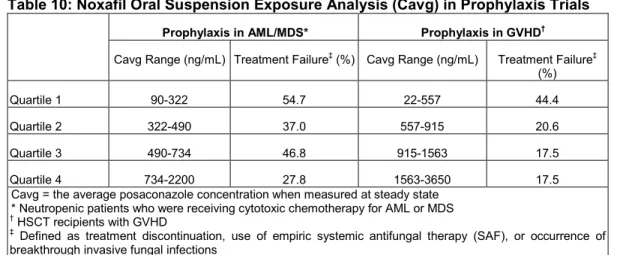
Exposure Response Relationship: In clinical studies of neutropenic patients who were receiving cytotoxic chemotherapy for acute myelogenous leukemia (AML) or myelodysplastic syndromes (MDS) or hematopoietic stem cell transplant (HSCT) recipients with Graft versus Host Disease (GVHD), a wide range of plasma exposures to posaconazole was noted following administration of Noxafil oral suspension. A pharmacokinetic-pharmacodynamic analysis of patient data revealed an apparent association between average posaconazole concentrations (Cavg) and prophylactic efficacy (Table 10). A lower Cavg may be associated with an increased risk of treatment failure, defined as treatment discontinuation, use of empiric systemic antifungal therapy (SAF), or occurrence of breakthrough invasive fungal infections.
Table 10: Noxafil Oral Suspension Exposure Analysis (Cavg) in Prophylaxis Trials Prophylaxis in AML/MDS* Prophylaxis in GVHD†
Cavg Range (ng/mL) Treatment Failure‡ (%) Cavg Range (ng/mL) Treatment Failure‡ (%)
Quartile 1 90-322 54.7 22-557 44.4
Quartile 2 322-490 37.0 557-915 20.6
Quartile 3 490-734 46.8 915-1563 17.5
Quartile 4 734-2200 27.8 1563-3650 17.5
Cavg = the average posaconazole concentration when measured at steady state * Neutropenic patients who were receiving cytotoxic chemotherapy for AML or MDS † HSCT recipients with GVHD
‡ Defined as treatment discontinuation, use of empiric systemic antifungal therapy (SAF), or occurrence of breakthrough invasive fungal infections
12.3 Pharmacokinetics
General Pharmacokinetic Characteristics Posaconazole Injection
Posaconazole injection exhibits dose proportional pharmacokinetics after single doses between 200 and 300 mg in healthy volunteers and patients. The mean pharmacokinetic parameters after single doses with posaconazole injection in healthy volunteers and patients are shown in Table 11.
Table 11: Summary of Mean Pharmacokinetic Parameters (%CV) in Healthy Volunteers (30 minute infusion via peripheral venous line) and Patients (90 minute infusion via central venous line) after
Dosing with Posaconazole Injection on Day 1 Dose (mg) n AUC0-∞
(ng·hr/mL) (ngAUC·hr/mL) 0-12 (ng/mL) Cmax (hr) t1/2 (L/hr) CL Healthy 200 9 35400 (50) 8840 (20) 2250 (29) 23.6 (23) 6.5 (32)



![Table 14: The Mean (%CV) [min-max] Posaconazole Steady-State Pharmacokinetic Parameters in Patients Following Oral Administration of Posaconazole Oral Suspension 200 mg TID and](https://thumb-us.123doks.com/thumbv2/123dok_us/9561427.2441368/22.918.128.795.256.547/posaconazole-pharmacokinetic-parameters-patients-following-administration-posaconazole-suspension.webp)
![Table 17: The Mean (%CV) [min-max] Posaconazole Pharmacokinetic Parameters Following Single-Dose Oral Suspension Administration of 200 mg and 400 mg Under Fed and Fasted](https://thumb-us.123doks.com/thumbv2/123dok_us/9561427.2441368/23.918.196.728.831.1026/posaconazole-pharmacokinetic-parameters-following-single-suspension-administration-fasted.webp)
