K A T IN K A C . V A N C R A N E N B U R G H - M o n e y o r E th ic s
ERIM PhD Series
Research in Management
E
ra
s
m
u
s
R
e
s
e
a
rc
h
I
n
s
ti
tu
te
o
f
M
a
n
a
g
e
m
e
n
t
-385 E R D e si g n & l a y o u t: B & T O n tw e rp e n a d v ie s ( w w w .b -e n -t .n l) P ri n t: H a v e k a ( w w w .h a v e k a .n l) MONEY OR ETHICS
MULTINATIONAL CORPORATIONS AND RELIGIOUS ORGANISATIONS OPERATING IN AN ERA OF CORPORATE RESPONSIBILITY
It is generally assumed that religious organisations are driven by religious beliefs and values, whilst multinational corporations are concerned solely with their profits, share prices and reputations. Thus, when faith groups invest in capital markets, they run into ethical dilemmas; however, corporations face similar dilemmas when having to make decisions about the nature of their business and how best to expand it.
This doctoral thesis examines how multinationals – when confrontedwith social issues – and religious organisations – in their concernfor the same social issues when opting to invest in stocklisted companies, deal with these questions in an era of increased corporate respon sibility. Within this broad context of business ethics, the thesis brings together several sepa -rate studies which, when read as a whole, provide insights into the black-box of decision-making of both managers and religious investors.
The thesis undertakes a case study of the Heineken brewing company’s attempts to deal with public healthcare in sub-Saharan Africa and with human rights issues linked to its supply chain in Cambodia. It examines the dilemmas faced by religious shareholders who do not want to get their hands dirty when making their investments and it highlights the opportunities these religious groups have to influence business behaviour. Popular assumptions are vali -dated and a more sophisticated understanding is provided of the two actors as they manoeuvre in the fields of money and ethics.
The Erasmus Research Institute of Management (ERIM) is the Research School (Onder -zoek school) in the field of management of the Erasmus University Rotterdam. The founding participants of ERIM are the Rotterdam School of Management (RSM), and the Erasmus School of Econo mics (ESE). ERIM was founded in 1999 and is officially accre dited by the Royal Netherlands Academy of Arts and Sciences (KNAW). The research under taken by ERIM is focused on the management of the firm in its environment, its intra- and interfirm relations, and its busi ness processes in their interdependent connections.
The objective of ERIM is to carry out first rate research in manage ment, and to offer an ad vanced doctoral pro gramme in Research in Management. Within ERIM, over three hundred senior researchers and PhD candidates are active in the different research pro -grammes. From a variety of acade mic backgrounds and expertises, the ERIM commu nity is united in striving for excellence and working at the fore front of creating new business knowledge.
Erasmus Research Institute of Management - Rotterdam School of Management (RSM) Erasmus School of Economics (ESE)
Tel. +31 10 408 11 82 Fax +31 10 408 96 40 E-mail [email protected]
KATINKA C. VAN CRANENBURGH
Money or Ethics
Multinational corporations and religious organisations
operating in an era of corporate responsibility
Money or Ethics
Multinational corporations and religious organisations operating
in an era of corporate responsibility.
Money or Ethics
Multinational corporations and religious organisations operating in an era
of corporate responsibility.
Geld of ethiek.
Multinationale bedrijven en religieuze organisaties in een tijdperk van
maatschappelijk verantwoord ondernemen.
Thesis
to obtain the degree of Doctor from the Erasmus University Rotterdam by command of the rector magnificus Prof.dr. H.A.P. Pols
and in accordance with the decision of the Doctorate Board. The public defense shall be held on Thursday 23 June 2016 at 15.30 hours
by
Katinka Constance van Cranenburgh
Promotors: Prof.dr. L.C.P.M. Meijs Prof.dr. R.J.M. van Tulder
Other members: Prof.dr. A.J. Dietz Prof.dr. S.P. Kaptein Prof.dr. P. Knorringa
Copromotor: Dr. D. Arenas
Erasmus Research Institute of Management – ERIM
The joint research institute of the Rotterdam School of Management (RSM) and the Erasmus School of Economics (ESE) at the Erasmus University Rotterdam Internet: http://www.erim.eur.nl
ERIM Electronic Series Portal: http://repub.eur.nl/pub ERIM PhD Series in Research in Management, 385 ERIM reference number: EPS-2016-385 - ORG ISBN 978-90-5892-439-1
© 2016, Katinka C. van Cranenburgh
Design: B&T Ontwerp en advies www.b-en-t.nl
This publication (cover and interior) is printed by haveka.nl on recycled paper, Revive®. The ink used is produced from renewable resources and alcohol free fountain solution.
Certifications for the paper and the printing production process: Recycle, EU Flower, FSC, ISO14001. More info: http://www.haveka.nl/greening
All rights reserved. No part of this publication may be reproduced or transmitted in any form or by any means electronic or mechanical, including photocopying, recording, or by any information storage and retrieval system, without permission in writing from the author.
Summary (page 5)
Nederlandse Samenvatting (page 7)
Chapter 1 Multinational Corporations and Religious Organisations in an Era of Corporate Responsibility: an introduction (page 9-23)
Chapter 2 Healthcare Provision of a Multinational Company Operating in Emerging Markets: Ethical motivations, benefits of healthcare investment and the impact on socially responsible investors (page 25-51)
Chapter 3 Strategic and moral dilemmas of corporate philanthropy in developing countries: Heineken in Sub-Saharan Africa (page 53-84)
Chapter 4 Management Responses to Social Activism in an Era of Corporate Responsibility; a Case Study (page 85-121)
Chapter 5 From Preaching to Investing: Attitudes of Religious Organisations towards Responsible Investment (page 123-166)
Chapter 6 Religious Organisations as Investors: a Christian Perspective on Shareholder Engagement (page 167-192)
Chapter 7 Finally (page 193-220) Acknowledgements (page 221-223) About the author (page 225) Portfolio (page 226-228) ERIM series overview (229-240)
`Het verband tussen de dingen ben ik zelf’, Remco Campert, 2012. Freely translated: `The connection between the things is me’
SUMMARY
It is a general assumption that Religious Organisations (ROs) are driven by religious beliefs and values, whilst multinational corporations (MNCs) are considered to be concerned about their profits, their share price and their reputation. When ROs invest in capital markets, they participate in modern economy and thereby enter a sensitive spectrum of ethical dilemmas. Since ethics is the core business of ROs, they cannot maintain a situation in which their investment portfolio would be in contradiction with those ethics. MNCs on the other hand are operating in the same modern economy, whereby - in their aim for profits and growth - they too have to deal with the ethical dilemmas that occur due to the nature and expansion of their business and the different cultural contexts in which they operate. Business managers and religious investors struggle to define the roles and responsibilities of MNCs when the products and/or activities they provide or invest in have considerable impact on society. The common assumption would be that - in an era of Corporate Responsibility (CR) – the two types of organisations can be positioned at the different ends of the scale from money to ethics. This study provides insight into the struggles of MNCs and ROs and builds on theory that can be used by business and investment managers that have an influence on society through the means of their activities. The study does not compare MNCs with ROs but demonstrates how MNCs - being confronted with social issues - and ROs, being concerned
with similar social issues and investing in MNCs, deal with these issues in an era of increased CR. This dissertation is a compilation of several sub-studies that - as a whole - provide insight into the black-box of decision-making of managers and investors in the context of business ethics. The popular assumptions are validated and a more sophisticated understanding of the two different actors manoeuvring in the fields of finance and ethics is provided throughout this doctoral thesis.
NEDERLANDSE SAMENVATTING
(SUMMARY IN DUTCH)
In het algemeen mag verondersteld worden dat Religieuze Organisaties (ROs) gedreven worden door hun religieuze opvattingen terwijl multinationale corporaties (MNCs) gedreven worden door hun winsten, aandelenkoers en reputatie. Wanneer ROs op de kapitaalmarkten investeren participeren zij in de moderne economie en betreden daarmee een sensitief speelveld vol ethische dilemma´s. Aangezien ethiek de core business is van ROs, verwacht men dat hun investeringsbeleid synchroon loopt met hun ethische waarden. MNCs opereren in dezelfde economie en, in hun streven naar winst en groei, worden zij eveneens geconfronteerd met ethische dilemma´s. Deze dilemma´s ontstaan in relatie tot de aard van de bedrijfsactiviteiten en groeien met de internationale expansie van bedrijven.
Bedrijfsmanagers en religieuze investeerders worstelen met het definiëren van hun rol en verantwoordelijkheden die gepaard gaan met respectievelijk hun product-en dienstverlening en hun investeringen. In een tijdperk waarin maatschappelijk verantwoord ondernemen (MVO) groeiende betekenis krijgt, positioneert men MNCs en ROs veelal aan weerszijden van de imaginaire schaal van geld en ethiek.
Deze dissertatie geeft inzage in de worstelingen die bedrijfsmanagers en religieuze investeerders ondervinden en bouwt voort op bestaande theorie. In de dissertatie worden MNCs en ROs niet met elkaar vergeleken, maar wordt er beschreven hoe MNCs,
geconfronteerd met maatschappelijke problemen, en ROs, begaan met maatschappelijke kwesties, handelen in tijde van groeiende aandacht voor MVO. Deze dissertatie is een compilatie van verschillende sub-studies die inzage geven in de bedrijfsethische overwegingen die ten grondslag liggen aan de beslissingen van managers en investeerders. In deze dissertatie worden de algemene uitgangspunten gevalideerd en een verfijnd beeld van de twee verschillende actoren in het spanningsveld tussen geld en ethiek wordt geschetst.
Chapter 1
Multinationals and Religious Organisations in an era of Corporate
Responsibility: an introduction
The intersection of Multinationals and Religious Organisations
Religious Organisations (ROs) have often expressed a concern about how to harmonise the values they preach, the activities they pursue in the area of social justice and the techniques of earning money. As investors in Multinational corporations (MNCs), they are challenged to the extreme as MNCs are under increasing pressure from society to help resolve the
world’s social and environmental challenges. Expectations are not limited to ensuring that their products and services do not harm society, but also relate to a projected contribution MNCs should make to societal development. Amongst the growing groups of demanding corporate stakeholders is the Responsible Investment (RI) movement, including institutional and individual investors that aim for a social and environmental return on their investments alongside financial return. In the last 50 years, the RI community has been growing exponentially, both in the USA (US SIF, 2012) as well as in Europe (Eurosif, 2012). RI finds its roots in the religious world (Gray et al, 1996; Louche et al, 2012) and UN Secretary General Ban Ki Moon has called the religious sector `the third largest group of investors in the world’ (UN, 2009). When ROs invest in MNCs they become co-owners of these companies, making them to a certain extent jointly responsible for the impact those companies have on society.
When reviewing the tension between money and ethics at MNCs and ROs, mixed motives and ethical decision-making processes can help understand the actual actions managers and RO representatives take. Although interesting, this dissertation does not aim to interpret or evaluate multiple and mixed motives, which are extensively described in literature (for example by Di Norcia & Tigner, 2000); it merely frames the actors in this dissertation as intrinsically and extrinsically motivated actors for the purpose of the introduction only. Intrinsic motivation refers to doing an activity simply for the sake of the activity itself, whilst extrinsic motivation has an instrumental value (Ryan & Deci, 2000). An imaginable scale based on the neo-classical distinction between extrinsically motivated and intrinsically motivated actors could classify and order all stakeholders in the Corporate Responsibility (CR) environment, whether they are institutions or individuals. As ROs are formed by a group of individuals gathered together around a shared set of beliefs in a transcendent being, their foundation lies in their intrinsic religious thinking. When members of ROs take up societal responsibility one can expect them to refer to the set of values or beliefs stemming from their religious background. In contrast, an MNC generally reviews its responsibility to
society as taking up the required legal, ethical and social responsibilities to enhance the
organisation’s reputation and strategic need to coordinate and control its activities over a large number of countries and constituencies (Mamic, 2005). Although organisational membership does not discharge individuals from their personal responsibilities, organisations cannot point to their agents or members as being liable for the sum of actions of the organisation. Despite several exceptions, MNCs and ROs can be generally positioned at the two extreme ends of the scale as regards extrinsically and intrinsically motivated, respectively.
For MNCs, CR is of growing importance to their business strategy. MNCs’ involvement in CR is often described in the context of stakeholder responses and strategies: responding to social, environmental or ethical concerns raised by external bodies such as governments, non-governmental organisations, international institutions, shareholders (individual and institutional) and activists, in order to preserve reputations and maintain the so-called licence to operate. MNCs are expected to comply with what is required by law as well as with social expectations or obligations (Van Tulder, 2008). ROs, at the other end of the scale, are commonly known for their strong beliefs and religious values and are regarded as intrinsic drivers for creating ‘a good way of living’ and providing a foundation or framework for ‘a
way of life’. This is often viewed as going beyond what is required and relates to a set of ethical principles that flow from foundational confession. Although initially the connection for ROs to CR seems less obvious, ROs have been frontrunners in debating and challenging the models and practices commonly accepted in the business world and the ethics, culture and accepted practices in the workings of financial and capital markets. Also, ROs have been at the forefront of responsible investing.
Understanding companies’ and their investors’ approaches towards CR has been my key research area and has resulted in the articles that make up the chapters of this dissertation. My interest in the two actors and their CR approach is closely connected to my business career. As programme manager in the health affairs department of Heineken (from 1999 to 2008) I was involved in healthcare provision, initially predominantly focused on employees and later extending to supply chain workers and communities. After the research for chapter 2 on employee healthcare and its impact on responsible investors in 2008 and 2009 was complete, new insights had been found on both the company and the investor sides. The company formalised a foundation for community healthcare provision, which I worked for from 2009 to 2013, resulting in research that led to chapter 3. Whilst being commended for its work on health care and in particular HIV/AIDS in Africa, the company was attacked by human rights activists for its practices regarding female beer sellers in Cambodia. It seemed the pro-active CR approach of the company on one side of the world actually triggered the activists to provoke change in a different but related area on the other side of the world. That caused me to perform the organisational ethnography from 2000 to 2008 (chapter 4) around the topic of CR decision-making amongst MNC managers and social activism. The religious
investors had similar interests to the activists but approached the company as concerned investors: in my role as project leader of the female beer promoters’ project in Cambodia (from 2003 to 2008), a religious investor group from the USA sent a letter to the CEO expressing its concerns about the human rights situation of these women. The impact of this one letter was such that I wanted to better understand this stakeholder group. It resulted in my research concerning the roles and features of ROs when investing and engaging with MNCs (chapters 5 and 6). Whilst this dissertation started from an internal drive to reflect upon and learn from the limits to the responsibility of an MNC in solving social or ‘people’
issues, it expanded with the impact the ROs seemed to have on MNCs. The urge to understand both players’ approaches with regards to CR provided the drive that resulted in the chapters of this dissertation.
Whilst a lot of scientific literature on MNCs’ CR is available, little is known about ethical and managerial decision-making of managers of corporations regarding CR. In this respect, the first part of this dissertation adds to the theory. Even less is known about the investment practices of ROs, despite the significant presence of ROs as investors in MNCs (Kreander et al, 2004). Whilst the external pressure on MNCs to ‘dogood’ is growing, a significant group of co-owners of these MNCs, i.e. religious investors, is hardly questioned or investigated concerning investment practices and their influence on CR. The second part of this dissertation therefore addresses this gap and builds upon Kreanders’ research (2004) into how ROs evaluate and act upon the responsibility of the corporations they invest in. I do not compare MNCs and ROs and have chosen to keep the sources of data separate. The intersection of MNCs and ROs is found in the social issues they are confronted and concerned with, respectively. Whilst MNCs are generally supposed to have an extrinsically motivated approach towards responsibility, ROs are supposed to be intrinsically or value-driven. I juxtapose the seemingly dissimilar actors in the final chapter (chapter 7), demonstrating how they both manoeuvre in the fields of tension between money and ethics.
Multinational Corporations and CR
Corporate focus on Corporate Responsibility (CR) has never been more evident in practice and literature than at the start of the 21st century. When trying to define CR, one can observe
the grandeur of viewpoints and potential outcomes. When Milton Friedman (1970) stirred up the discussion of what the social responsibility of businesses should entail by publishing his article ‘The social responsibility of business is to increase its profits’ in the New York Times magazine in 1970, he could probably not have foreseen the debate which has grown over the past decade. Many 21st century papers (Van der Voort, Clac and Meijs, 2009;
Valente & Crane, 2010; Maak, 2009) reveal a much broader cycle of responsibility for corporations than had ever been stated before. It seems that the limits to the responsibilty of CR are stretching from the fiduciary duty of a business manager towards the owners of the
company, to the corporation and its managers taking up responsibilities that had earlier been earmarked as political, governmental or state responsibilities. Therefore, in addition to the responsibility of companies to comply with the law and with a certain level of ethics, they were to take up responsibilities that had been viewed as state responsibilities. These responsibilities included various ethical, environmental, social and governmental (EESG) topics, which historically belonged to the public rather than the private domain. With the assumption that the private sector was also responsible for some of these public responsibilities, a different and more critical review of companies’ operations emerged. Since the private sector has been regarded as jointly responsible for public matters, companies have been under close scrutiny by other actors. Some actors considered the public-to-private shift a risk, some an opportunity, and clearly the type of industry involved shaped the degree of appreciation. The shift in responsibility amongst the actors in the field of CR did not change abruptly, even if the speed in which the changes took place was significant. Between 1970 and 2010, a period of only forty years, companies continuously needed to adapt and respond to increasing expectations with regards to their responsibility. Without engaging in the discussion about whether companies acted responsibly or irresponsibly, societal interest in corporate behaviour increased significantly in just these few decades. This explains the terminology: ‘the era of corporate responsibility’ in the title of the dissertation. The term refers to the increased awareness on different levels and in relation to different types of corporate responsibility, including irresponsible business behaviour. In this era, companies became acquainted with the risks and opportunities of their social and financial performance and with the criticism that arose from viewing CR as a financial business stimulant. After the disclosure of various scandalous business practices, distrust amongst consumers in the business sector and other stakeholders increased. The benchmarking of ‘good and bad businesses’ increased and became more professional; the activism against ‘thebad’ expanded and the responses of investors led to corporations being pressured to deal with CR in a transparent, responsible and pro-active fashion.
A significant amount of scientific literature describes the evolution of responsibilities for EESG from-public-to-private in relation to the corporations’ reputational and financial situation. With a large part of CR-literature focusing on the relation between Corporate Social Performance (CSP) and Corporate Financial Performance (CFP) (Griffin & Mahon, 1997; Margolish & Walsh, 2001; Orlitzky et al, 2003; Allouche & Laroche, 2005; Barnett & Salomon, 2006) pervasive attempts have been made to translate EESG issues into financial results, thereby bridging CR back to Friedman’s position that practicing CR is part of the corporation’s management obligation to provide profits and dividends for the
corporation’s owners. The CR literature, linking the responsibilities of businesses to profitability or financial performance, as well as literature focusing on the relationship between competitiveness and CR (Porter & Kramer, 2006; Vilanova et al, 2008) place CR in the context of business risks and opportunities. This classifies the CR of corporations in an institutional self-interest perspective rather than an intrinsically motivated domain. MNCs
viewed in the context of being merely financially self-interested has affected consumer trust, resulting in a general public distrust in businesses. Corporations practicing CR would do so for the ‘wrong’ reasons and the aim to make profits would prevail in the event ethical dilemmas would occur. According to the Edelman Trust Barometer, public distrust in business is low, and has been so over time: fluctuating around 55% between 2009 and 20151.
In 2012, the Edelman study covered more than 30,000 people in 25 countries and revealed that half of the respondents said governments do not regulate businesses sufficiently; a quarter of respondents felt corporate behaviour needed to be regulated.
Corporate scandals and revelations of corporate malpractices further increased growing distrust in businesses and their managers. Whether it concerned leaks of toxic gases at Union
Carbide’s operations in India, dolphins stuck in fishing nets of Starkist Tuna, Exxon’s
environmental damage at Exxon-Valdez, Nike’s connection with child labour in Asia,
Shell’s oil spills in the Niger Delta, Enron’s gambling on the financial markets or Apple / Fox Conn’s association with employees who committed suicide, all led to public suspicion towards businesses.
With an increasing number of corporate malpractices becoming public, the number of activists and activist groups aiming for a change in corporate behaviour increased. Some activists, including the Clean Clothes Campaign, took the ‘naming and shaming’ approach by exposing and publishing bad practice. Those activists who worked through multi-actor platforms, such as fair-trade labels, promoted good standards and praised sound achievements (Fombrun, 2005). The overall aim was not only to change corporate behaviour but also to bring about field-level or societal change – either through higher standards or through the eradication of low performance (Guay, Doh and Sinclair, 2004; Rehbein et al, 2004; Rowley & Moldoveanu, 2003). The strategy of raising specific issues of interest to society through the exposure of highly visible corporations became increasingly common in advertising-intensive consumer markets. This was often done by using corporate symbols and logos out of context and transforming them into an emblem of the activist’s cause (Den Hond and De Bakker, 2007; 910). There are ample examples such as the use of the British Petroleum logo placed in the context of whale-killing. Another example is an
‘advertisement’ for Nestlé’s KitKat, produced as part of Greenpeace’s campaign to protect the rainforest from the production of unsustainable palm oil and using reframing Coca Cola’s ‘DietCoke’ into ‘DieCoke’, referring to their alleged discriminative activities in providing HIV/AIDS treatment. These campaigns were designed to undermine the economic value of
1 www.edelman.com, as well as an email conversation between the author and Kisha Stokes of Edelman. The
Edelman survey study in 2015 reached out to over 33,000 people in 27 countries. The question used is “Please
indicate how much you trust business to do what is right using a 9-point scale (1= “do not trust them at all”, 9 =
“trust them a great deal”. The % refers to the% of respondents who selected 6, 7, 8 or 9 on a 1-9 scale. Outcomes: 50% in 2009, 54% (2010), 56% (2011), 53% (2012), 58% (2013 & 2014) and 57% (2015).
a company’s brand or product value through clever use of mass media, combined with demands to change practices.
With the growth of social activism, corporations were obliged to respond. They became better experienced and professional in dealing with CR issues. Managers became more aware of the role of their stakeholders and the continued changing context they operated in. Together with managers’ understanding of CR as an unofficial but social license to operate (and essential to the continuation and survival of the organisation) came professionalism in CR. Management responses through sensing, policies, coordination, control and implementation activities changed CR into a key element of businesses, whereby the corporations retained their economic purpose and rationale. Corporations developed CR policies, implemented related activities and reported and communicated results. Whether defined as a risk avoiding or opportunity seeking exercise, CR increasingly became more tangible, allowing for companies to measure their needs as well as the impacts of their CR activities. Companies shifted from being inactive to reactive or from reactive to active. Whilst social issues such as the impact of poverty or HIV/AIDS on the corporation may seem difficult to measure and are still mainly defined as non-quantifiable risk components falling in the area of reputation and business ethics, some scholars have pointed out the potential calculability of these social risk areas. Understanding social impact measurement questions, for example the cost implications of HIV/AIDS when operating in developing markets, are becoming increasingly quantifiable due to enhanced investment research. Bernstein (2008) shows the increased range of data sources dealing with corporate social behaviour. Investment researcher organisations such as Goldman Sachs, RiskMetrics, KLD and various labour and human rights research companies are constantly refining databases, looking for improved sources to fill their databases and interpreting the data in a quantifiable manner. According to De Jongh (2004), corporate social impact will be increasingly integrated in mainstream risk areas such as financial and operational risk. The potential of measuring risk components that had been defined as non-quantifiable would even further open the path to increased focus on CR.
With the growth of CR activities and communication, as well as rating and industry benchmarking of CR, MNCs expanded, increased and professionalized their CR policies and practices. Monitoring and reporting the CR of MNCs as well as their subsidiaries and suppliers enabled the creation of the Global Reporting Initiative (1997), the SAM Dow Jones Sustainability Index (1999) and the FTSE4Good. Corporations could not get away with nice words; they had to provide data and proof which would then be audited and reported by independent specialised EESG auditors. Window-dressing or green-washing would be more easily revealed whilst companies with high-impact social and environmental contributions to society could be rewarded.
With the growth of measuring, auditing, reporting, rating and benchmarking, the Responsible Investment (RI) movement increased, a movement that partly depended on EESG research. Whilst RI started as ethical investment (Laufer 2003), originating largely from religious groups screening out ‘sinstocks’ from their portfolios, it grew into a relevant and still emerging investment market with various tools and possibilities for various types of investors. The rating of businesses and creation of indexes allowed investors to practice positive screening – investing in industry leaders in the EESG areas of their interest. Investors also became more aware of their ownership status: holding shares provided them legal ways of intervening with management, not only for financial gain as was done by the early-days hedge funds, but also for prioritising EESG issues. Lastly, they turned part of their portfolios into impact investing, taking away investments from the conventional stock exchanges and directly investing it into corporations and projects, focusing on alternative energy forms, affordable housing, microfinance or other green and social investments. Today, the first ever Social Stock Exchange is operational (www.socialstockexchange.com). With the increase of RI, the `circle of CR’ is complete, as some scholars claim that RI would be the major driver of CR (Sparks & Cowton, 2004; Scholtens, 2006). With the religious investors being at the basis of RI, research into this group of early inspirers of responsible investment and corporate responsibility will bring further understanding of their (potential) impact on company’s behaviour.
The above described phases did not follow consecutively and nuances can be made in each period and actor-group. However, the increase, refinement and sophistication in CR knowledge, practices, behaviours and actors took place on a significant scale and corporations, particularly headquartered in developed countries or mature business markets, were affected to a large extent.
Religious Organisations and CR
Religious focus on CR has a long history and goes beyond preaching moral business principles and behaviour. Religions have always expressed a concern about how to harmonise the values they preach and the realities of commerce through business activity. When discussing CR for ROs one can also discuss management of ROs; the way they purchase goods and services, maintain their buildings, travel, recycle and many more organisational aspects. Moreover, ROs such as the Catholic Church have been called MNCs themselves (Kelly, 2003), whether non-profit or for-profit, with the Vatican as headquarters of a multi billion-euro empire, operations all over the world, over a billion customers and a million employees and many more corporate characteristics with a history and scale that many MNCs can only dream of. However, for the purpose of this dissertation, I will focus on the role ROs take up as investors of corporations. Although limited in numbers, research (Kreander et al. 2004; Sparks & Cowton 2004) has shown that religious leaders believed
that investing in corporations was not a neutral activity, but that it implied certain values. In 1973, Hollenbach described the challenge for American religious orders to address the relationship between social responsibility and investment practices of key significance for the future shape of the church-society relationship (Hollenbach, 1973). Indeed, ROs have been described as pioneering in what today is known as Responsible Investment (RI). During the period of apartheid in South Africa in the 1980s and early 1990s, Catholic religious orders in the U.S. struggled with setting criteria and strategies for addressing their concerns about the corporations they invested in (Wokutch, 1982). Their concern about how to combine the moral principles that flow from their beliefs with investment practices goes back at least several hundred years (Domini 2001). It can in actual fact be traced back to the Jewish tradition 3,500 years ago. In the Catholic tradition this is rooted in the biblical understanding of justice and the teaching on social and distributive justice. As expressed by Pope Benedict XIV in 1745: `If equality is not maintained, whatever is received over and above what is fair is a real injustice’.
One of his successors almost three centuries later, Pope Benedict XVI, stated in his 2011
‘Caritas in Veritate’, a guideline for all bishops, priests and Catholics around the world, that business models must shift from shareholder to stakeholder models, whereby he emphasized that multi-form business models, aiming for more than profit, are not only more civilised but are also more competitive. He argues that one should place the ‘human purpose’of business above ‘professional activity’(41). He also warned for abuse of the term ‘business ethics’
and suggested to develop a sound criterion derived from the church’s social doctrine, based on man’s creation ‘in the image of God’(Gen 1:27) so as to ensure that the term ‘ethics’
cannot be used to lead to choices that are contrary to justice and human welfare (45). In the view of Pope Benedict XIV, ‘…those [businesses] capable of viewing profit as a means for achieving the goal of a more humane market and society, must also be pursued in those countries that are excluded or marginalized from the influential circles of the global economy’ (47), thereby referring to an additional CR role for businesses operating in developing countries or weak-governance zones.
The practical implications for religious involvement in CR are found in the activity of investing. Over time, various popes have expressed their viewpoints towards what is acceptable according to their religion. John Paul II taught that ‘…investment always has moral, as well as economic significance’ (1991), something that was reiterated by the Vatican in 2011, adding that capital can do good but requires due consideration for the way in which the capital is generated and that no harm to individuals should be done. In the Caritas in Veritate (Benedict XVI, 2011) we can also read that ‘What should be avoided is a speculative use of financial resources that yields to the temptation of seeking only short-term profit, without regard for the long-short-term sustainability of the enterprise, its benefit to the real economy and attention to the advancement, in suitable and appropriate ways, of further economic initiatives in countries in need of development.’(40).
The United Methodist Church, a protestant movement, offers their grassroots ‘The Book of Discipline (2008)’, a work developed over 200 years, outlining the most contemporaneous position on how United Methodists agree to live their lives as a community. One paragraph is dedicated to RI and reads:
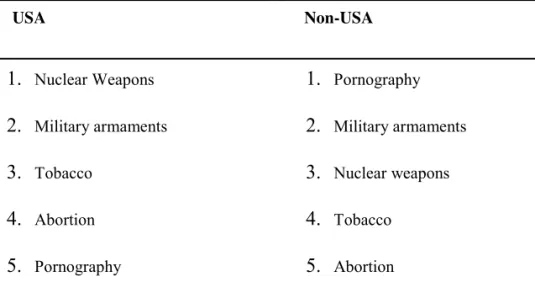
‘…in the investment of money, make a conscious effort to invest in institutions, companies, corporations, or funds whose practices are consistent with the goals outlined in the Social Principles; and endeavor to avoid investments that appear likely, directly or indirectly, to support racial discrimination, violation of human rights, sweatshop or forced labor, gambling, or the production of nuclear armaments, alcoholic beverages or tobacco, or companies dealing in pornography. The boards and agencies are to give careful consideration to shareholder advocacy, including advocacy of corporate disinvestment.’
Whilst religious focus on CR has been expressed by all Abrahamic leaders and whilst religious leaders have stood up to publically address malpractices in business, religious guidelines for investing according to one’s faith are limited to Sharia compliance guidelines in the Islamic tradition and a handful of Christian guidelines such as the Catholic and Methodist examples highlighted above. Even less is known about the actual investment significance and practices of religious organisations. Their combined investments could create change for society in such a significant way that it is surprising how little is known about their practices. One might expect that due to their prevailing intrinsic religious motivators ROs would act proactively, also through means of their investments. It is not clear whether ROs indeed invest according to their beliefs. Can they actually ‘translate’their religious beliefs in their investment portfolio and if so, which decisions do they take? Do they screen out ‘sin stocks’ or do they apply other RI tools such as positive screening, meaning they benchmark companies within an industry and only invest in high performers on EESG aspects? Do they raise their voice as shareholders when they have doubts about business practices of the companies they invest in? As and when they engage with business leaders in the field of CR, what features influence their engagement and can those features be traced back to the religious nature of their being? Do they use part of their capital to invest in high social-impact companies or projects aiming to actually do good instead of doing less bad? As it were, do they practice what they preach?
Required versus Desired
In their article in the Journal of Business Ethics (2008), Van Tulder et al. address the fact that corporations, in the absence of laws and in the maze of international standards or as a signal for ethical behaviour, develop self-imposed codes of conduct. These business codes of conduct are categorized from intrinsic as well as extrinsic motivations. The four resulting CR approaches defined by Van Tulder et al (2008) refer to (1) Friedmans’ (1970) classical
notion that the only responsibility companies have is to generate profits; the in-active approach, (2) responding without making mistakes; the re-active approach, (3) ethical values and virtues; the active approach, and (4) a pro-active approach that involves stakeholders right from the beginning. See table 1.
Organisations cannot be statically positioned in this table. There will be movements following extrinsic or intrinsic drivers. A company that is challenged by activists might move from the in-active to the re-active stage and companies entering the relatively new alternative energy market will start on the pro-active phase. However, MNCs would be generally plotted on the ‘what is required’ side of the scale, using CR as an instrument for their strategy and management and responding to external drivers, whilst ROs could be regarded as to act from a ‘what is desired’ standpoint, interpreting theology and following the example of their God or spiritual leader. In his position paper called ‘With great power comes great responsibility’ (Van Tulder, 2010); the author builds upon the above model using power dimensions as game changers of CR. The presumption that MNCs merely respond to legal requirements and liability risks as well as have utilitarian motives rather than pro-actively use power they have gained by their presence will be explored in chapters 2, 3 and 4 of this dissertation. Also, the idea that ROs would apply soft powers such as stewardship and moral duty aiming to achieve societal responsibility, will be topic of research as in turn ROs have fiduciary duties towards their members and organisation. The
IN-ACTIVE RE-ACTIVE ACTIVE PRO-ACTIVE
Corporate Self Responsibility Corporate Social Responsiveness Corporate Social Responsibility Corporate Societal Responsibility legal compliance and utilitarian motives moral (negative) duty compliance choice for responsibility and integrity; virtue choice for interactive responsibility; discourse ethics
inside-in outside-in inside-out in-outside-in/out
doing things right
don't do things wrong
doing the right things
doing the right things right doing well
doing well and
doing good doing good
doing well by doing good
what is required what is desired
economic responsibilty social responsibility
[wealth oriented] [welfare oriented]
narrow (internal) CSR broad (external) CSR
Multinational Corporations (MNCs) Religious Organisations (ROs)
Table 1: Four CSR Approaches
presence of MNCs in developing countries as well as the presence of ROs as investors in those MNCs are powers to be taken seriously, just as well as the power that comes with the threat of an MNC exiting a society or the RO exiting the MNC. In chapters 2 to 6, presence and (threat of) exit will be closely reviewed, both from the viewpoint of the MNC as well as the RO.
Aim and outline of this thesis
This thesis focuses on for-profit Multinational Corporations (MNCs) and Religious Organisations (ROs) as they are both faced with the ethical challenges of being involved in international business. Particularly in developing markets or weak governance zones, MNCs are confronted with social problems such as poverty, human rights and healthcare issues, including diseases such as HIV/AIDS. Whilst producing and selling products in developing countries, businesses are confronted with societal issues that strongly influence the way in which they do business. Corporations are not only confronted with social risks but also have to address issues relating to national governments’ socio-political imperatives, all of which have an impact on corporations’ risk profiles (De Jongh, 2004). Vice versa, MNCs operating in developing markets tend to have large influence on the societies in which they operate (Bloström & Kokko, 1998).
Religious Organisations have always been and still are concerned with these social and socio-political problems and have been active in tackling them. Early missionaries were not only concerned about bringing their religious values to populations in developing countries; they were also very much involved in improving living standards of the poor. Healthcare and education were the main areas of interest whilst being led by their Holy Scriptures’
missionaries. Today, religious-based groups still regard it their responsibility to help those in need. With the increasingly aging population within ROs and the need for ROs to maintain their staff and serve their grassroots, ROs rely on their investments in capital markets to continue their activities more than ever before. Referred to as the third largest group of investors in the world (UN, 2009), they certainly have a significant impact on businesses and society at large through their investments, whether they utilise that influence or not. Investing directly through holding shares in MNCs or indirectly through funds, stocks, savings or other financial products, ROs are co-owners of MNCs and thereby hold tools to influence corporations operating in the same settings where the ROs have a presence and social purpose.
This dissertation includes five sub studies that will provide a better understanding of the challenges MNCs and ROs face in the era of CR and how they deal with them. The first three studies are case studies of an MNC operating in developing countries. The last two sub studies dig into ROs and the ways in which they utilise their investments to influence
corporate behaviour. All of the sub studies are presented as chapters whereby each chapter was written and published as an individual paper. This means that there will be similarities in setting the stage for each chapter’s distinct analytical task. The background and benefit of the stand-alone studies is that they have been published at academic, double-blinded, peer reviewed journals, known for their academic rigour and listed as having an impact factor in academic research. In sum, I draw upon five different sources of data and employ qualitative methods of analysis in positioning the two seemingly distinct actors. Individually, all five chapters will touch upon the tension between money and ethics at MNCs and ROs. Combined, they will provide answers to the overarching research question:
How do two presumably dissimilar actors, Multinational Corporations and Religious Organisations, square money and ethics in an era of Corporate Responsibility?
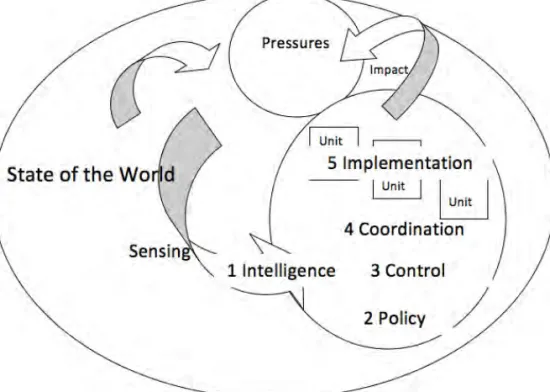
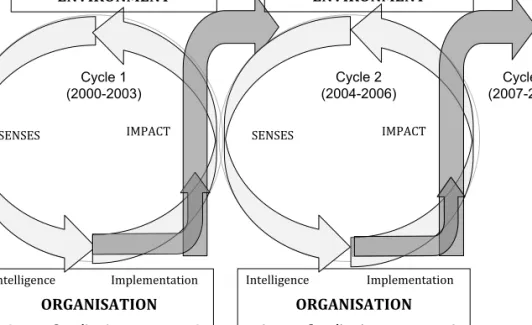
Chapter 2, 3 and 4 are based on the case of a marketing-focused multinational beer brewer headquartered in the Netherlands, Heineken, brewing and selling beer and soft drinks in developing countries in sub-Saharan Africa and Asia. The brewers’ activities in the field of CR are highlighted by studying the actual activities of the MNC with regards to company healthcare provision for employees, family members, supply chain and communities. Chapter 2 concerns a study on the impact of Heineken’s healthcare provision for employees and their family members. Chapter 3 is a four-year organisational ethnography, covering the period from August 2008 to July 2012, describing and analysing the company’s healthcare activities towards communities. Chapter 3 provides insight into motivators and ethical boundaries of the company’s healthcare provision system and the strategic and moral business dilemmas that arise when being confronted with social issues such as poor public health. It provides multiple ethical perspectives into the analysis of real business dilemmas. The fourth chapter focuses on management responses to social activism. It concerns a longitudinal study (2000-2008) during which I collected published and company material through participant observation after which validation took place by two co-authors triangulating the data, the findings and the perspectives. As with chapters 2 and 3, chapter 4 demonstrates that managerial response to stakeholders’ claims are key to understand how business dilemmas are approached by managers and how responsibilities are evolving and effected by external forces. It approaches management responses from a ‘systems’ level, whilst describing it on a micro-level applying the cybernetic model to the MNC when confronted with a controversial CR business practice amongst its business partners in Cambodia.
The last two sub-studies are related to ROs and their investment practices. ROs are particularly interesting as, due to the nature of their organisation, they are expected to have a significant interest in company behaviour and company societal impact. Chapter 5 gives a general outline of ROs as investors. Based on a survey with over 100 respondents and complemented by interviews, I investigated religious organisations’ attitudes towards responsible investment, including opinions, practices and the impediments for implementing faith-consistent investing. The paper sheds light on the ROs’ practices in the four main responsible investment tools; negative screening, positive screening, impact investing and shareholder engagement. Chapter 6 responds to Kreander et al.’s(2004) call for challenging the sacred-secular divide of ROs and their financials commonplace in literature by presenting how the religious nature of three ROs influence their social shareholder engagement practices. Studying the similarities and differences between literature and ROs practices resulted in the introduction of three new influencing features of social shareholder engagement that are particular to the religious nature of ROs.
In each chapter, I will address a unique spark that is created by the friction of business practices and investments in a social context. At times, those sparks might be viewed favourably for the social issue at hand. In other instances, I draw out the challenge of combining money and ethics, both for MNCs as well as for ROs. In the final chapter (seven) I will elaborate on this tension, providing a more detailed view of the presumably dissimilar actors on the scale from money to ethics based on the findings in the sub-studies.
References
Bernstein, A. (2008). Incorporating Labor and Human Rights Risk into Investment Decisions, Harvard Law School, Pensions and Capital Stewardship Project Labor and Worklife Program, Occasional Paper Series, No. 2 (September).
Blomström, M. and A. Kokko (1998). Multinational corporations and spillovers,
Journal of Economic Surveys, 12, 247-277.
Cowton, C. (1990). Where their treasure is: Anglican religious communities and ethical
investment”,Crucible, 8:2, 51-58.
De Jongh, D. (2004). A Stakeholder Perspective on Managing Risk in South Africa. Responsibility or Accountability? Journal of Corporate Citizenship 15, 27-31.
Di Norcia, V. and Tigner, J. (2000). Mixed Motives and Ethical Decisions in Business.
Journal of Business Ethics 25(1), 1-13.
Eurosif (2012). European SRI study 2012. Paris: Eurosif. Retrieved February 11, 2013 from www.eurosif.org/research/eurosif-sri-study/sri-study-2012
Gray, R., D. Owen and C. Adams (1996). Accounting and Accountability. Prentice-Hall Europe, Hemel Hempstead.
Hollenbach, D. (1973). Corporate investments, ethics and evangelical poverty: a challenge to American religious orders. Theological Studies 34, 265-274.
John Paul II (1991). Cf. Encyclical Letter Centesimus Annus, 36: loc. cit., 838-840. Kelly, J. (2003). Taught to Believe the Unbelievable. A new vision of hope for the
Catholic Church and Society. iUniverse Star, New York Lincoln Shanghai.
Kreander, N., K. McPhail and D. Molyneaux (2004). God’s fund managers: A critical study of stock market investment practices of the Church of England and UK Methodists. Accounting, Auditing & Accountability Journal, 17(3), 408-441. Louche, C., D. Arenas and K.C. van Cranenburgh (2009). From Preaching to Investing:
Attitudes of Religious Organisations Towards Responsible Investment. Journal of Business Ethics 110(3), 301–320.
Maak, T. (2009). The Cosmopolitical Corporation. Journal of Business Ethics, 84, 361-372.
Mamic, I. (2005). Managing Global Supply Chains: The Sports, Footwear, Apparel and Retail Sectors. Journal of Business Ethics 59, 81–100.
Porter, M. E. and M. R. Kramer (2006). Strategy and Society: The Link Between Competitive Advantage and Corporate Social Responsibility. Harvard Business Review 84(12), 78–92.
Ryan, R.M. and E.L. Deci (2000). Intrinsic and Extrinsic Motivations: Classic Definitions and New Directions. Contemporary Educational Psychology 25, 54-67. Sparks, R. and C.J. Cowton (2004). The Maturing of Socially Responsible Investment: A Review of the Developing Link with Corporate Social Responsibility. Journal of Business Ethics 52(1), 45-57.
UN (2009). London, England, 3 November 2009 – Secretary General’s speech to Summit of Religious and Secular Leaders on Climate Change [as prepared for delivery]: www.un.org/apps/sg/sgstats.asp?nid=4204, retrieved 28 November 2011.
US SIF (2012). Sustainable and Responsible Investing Trends in the United States 2012.
Washington, DC: Retrieved February 11, 2013 from
www.ussif.org/resources/pubs/trends
Valente & Crane (2010). Public Responsibility and Private Enterprise in Developing Countries. California Management Review, 52(3), 52-78.
Van der Voort, J.M., K. Clac and L.C.P.M. Meijs (2009). Managing Corporate Community Involvement. Journal of Business Ethics, 90(3), 311-329.
Van Tulder, R., J. van Wijk and A. Kolk (2008). From Chain Liability to Chain Responsibility. MNE Approaches to Implement Safety and Health Codes in International Supply Chains. Journal of Business Ethics 85, 399-412.
Vilanova, M., J.M. Lozano and D. Arenas (2008). Exploring the Nature of the Relationship between CSR and Competitiveness. Journal of Business Ethics 87,
57-69.
Wokutch, R.E. (1982). “Ethical’ investment policies and activities of Catholic religious orders. In L.E. Preston (Ed), Research in corporate social performance and policy, 3, 157-188. Greenwich, CT:
INTRODUCTION TO CHAPTER 2
Chapter 2 is the first of three chapters that looks into the black-box of decision making of management from a marketing-focused multinational beer brewer headquartered in the Netherlands, Heineken, brewing and selling beer and soft drinks in developing countries in sub-Saharan Africa and Asia. Management faces cross cultural and ethical challenges of being involved in international business. Particularly in developing markets or in weak governance zones, Heineken is confronted with social problems such as poverty, human rights and healthcare challenges, including diseases such as HIV/AIDS. Chapter 2 concerns a study on the impact of Heineken’s healthcare provision for employees and their family members. The chapter highlights the impact of the global health burden on the private sector and the motivators and ethical boundaries of Heineken to develop and maintain a healthcare provision system in emerging markets. Finally the relationship between the multinational’s
healthcare system and investment decisions of socially responsible investors is explored. The Heineken case shows that different ethical motivations are involved when starting and continuing healthcare programmes. Also, the impact of global epidemics and chronic diseases on the private sector are increasingly alarming. These affect the private sector’s
bottom line and therefore the need for corporate healthcare provision increases. The case also shows a considerable positive impact of a corporate healthcare system within the field of human resources (healthy employees, talent retention and employee motivation) and corporate relations (good reputation) as well as socially responsible investors (increased awareness, significance in decision-making). This chapter focuses on ethical decision making around healthcare for employees. The dissertation then expands to communities (chapter 3) and supply chain (chapter 4).
Chapter 2
Healthcare Provision of a Multinational Company Operating in
Emerging Markets:
Ethical Motivations, Benefits of Healthcare Investment and the Impact
on Socially Responsible Investors
Katinka C. van Cranenburgh, Daniel Arenas and Laura Albareda
Published Book chapter: Innovative CSR, from risk management to value creation. 2010; 11(241-263)
Introduction
The financial community’s interest in extra-financial aspects such as environmental, social and governance issues (ESG) is growing rapidly. Socially responsible investment communities originating from faith-based or spiritual backgrounds have matured from mainly excluding ‘sin’stocks such as alcohol, tobacco or weapons into organisations with extensive ESG databases ranging from 100 to 250 ESG criteria in order to refine their investment decision-making processes. Some mainstream investors, such as pension funds and institutional investors, are also integrating ESG aspects into their portfolio analysis. One of the reasons for the mainstream financial community’s interest in socially responsible investment (SRI) comes from the prospects of positive financial results, despite the lack of any conclusive empirical evidence. In their view, corporations that conduct their operations from a complex stakeholder view rather than a short-term shareholder view are regarded as more sustainable and therefore less of an investment risk. Following the banking industry crash of September 2008, this line of socially responsible investing could now find a more receptive market.
Of the range of ESG practices, the social aspect is the least quantifiable and therefore the hardest to measure or use for benchmarking. Environmental results, for example, are presented in the form of CO2 emissions, water or energy use and other measurable factors,
as well as having clearer regulation. Governance practices are similarly solid; a board member also being a member of the supervisory board sets off loud alarm bells among governance auditors. But valuing social aspects, including labour issues such as health and safety and employee healthcare, is still very much a grey area for many business managers, investors, NGOs and activists.
The lack of quantifiability of the ‘S’ in ESG becomes obvious when making a link to economic performance. Can healthcare provision by the private sector lead to employee and consumer bonding? Can it lead to increased returns, and therefore more investors? Another point is that when embarking on social initiatives or even designing their social strategies, companies do not always prioritise the interests of the financial community, or maximise value for the company. How do social strategies arise? What are the motivators and the dilemmas facing companies? There are ethical issues involved that play a role at different stages of social strategy development, which are essential to a full understanding of the context and background of the situation.
In this chapter, the authors will attempt to give an insight into the benefits of healthcare investment by using a case study of the international beer brewer, Heineken. An
understanding of the Heineken healthcare provision system, the motivators and the boundaries of responsibility are presented in the following section. The main input for this section comes from the experience of one of the authors, who has been part of the Heineken Health Affairs Department for over eight years. The next two sections focus on the effects the global healthcare situation has on the private sector, and the effects that a healthcare system has on employees, managers and consumers. An extensive review of existing literature was used in this section. The impact of Heineken’s healthcare system on the financial community, including mainstream, socially responsible and faith-based investors, is described using input from a survey conducted by the authors in 2007. The final section covers the authors’general considerations.
Heineken’s healthcare strategy: Motivators and boundaries
Dutch beer brewer Heineken has the widest global presence of all international brewers, with 125 breweries in more than 70 countries, employing over 65,000 people worldwide. With total sales of over 150 million hectolitres in 2008, Heineken is also among the largest brewers in the world. Heineken’s sustainability agenda consists of seven chapters: energy (consumption and CO2 emission); water (consumption and wastewater discharge); safety (of
employees and installations); agriculture (quality and availability of raw materials); supply chain responsibility; responsible beer consumption; and impact on developing markets. Heineken has a long history of operating in many sub-Saharan countries such as Congo, Democratic Republic of Congo, Rwanda, Burundi, Nigeria and Sierra Leone. Heineken’s ongoing growth in these countries is based on strong local operations selling local brands to local bars and restaurants. The local operations have either been acquired over the last 70 years, or built up by the brewer itself. And the acquisition and development of new breweries is ongoing (2009 in Congo and South Africa).
In these sub-Saharan countries, the public healthcare system deteriorated rapidly during the two decades following decolonisation. Currently the public healthcare system is very limited. Heineken runs its own clinics with a staff of doctors, nurses, lab technicians, midwives and pharmacists. Heineken employees and their family members are entitled to various types of healthcare, ranging from treatment of work-related illnesses and accidents, to treatment of complex diseases such as malaria, tuberculosis and HIV/AIDS (Van der Borght et al. 2006). In sub-Saharan Africa alone, almost 35,000 people have access to the
services offered by Heineken. Healthcare has grown into an HR benefit and increasingly a key priority on Heineken’s global corporate responsibility agenda. The motivators for starting up the healthcare system differ from current motivation for maintaining the system. The boundaries of the healthcare system are constantly in need of review, based on various stakeholder and social issues. Investors understand the need for a healthy workforce in order
to run a (financially) healthy business. With the growth of faith-consistent investing (FCI) and socially responsible investing (SRI), interest in healthcare provision in developing countries is worth studying.
Heineken’s motivations
So why is Heineken offering healthcare to employees and families? If labour is cheap and abundant, one could cynically argue that there is no economic need for healthcare provision. Is Heineken, then, a unique company in which managers conduct business according to high ethical standards? Motivations and intentions, and their status are, to say the least, complex subjects in the fields of psychology, ethics and management. There are usually several possible motivations and intentions involved when making a decision; there can be covert motives that decision-makers are unwilling to admit even to themselves, and intentions can change during the course of an action. Collection of suitable evidence and conclusive testing to determine which motivations were actually involved can be difficult or even impossible. Post-event questionnaires and interviews of players can be unreliable, as the players tend to rationalise what actually happened after the decision. This is particularly the case when the test of time has shown that decisions have been questionable, and have led to attack or criticism. Even pre-event views are not completely reliable. In our approach, we can do little more than put forward a few hypotheses supported by some preliminary evidence taken from the work experience of one of the authors of this chapter, who has spent eight years in the Heineken Health Affairs Department, combined with interviews2 and analysis of speeches
at a Heineken Health Symposium in 2007 (Rijckborst 2007; Van Boxmeer 2007).
At the most general level, Heineken’s social strategy is related to the Universal Declaration of Human Rights. The Declaration states that:
Everyone has the right to a standard of living adequate for the health and well-being of himself and of his family, including food, clothing, housing and medical care and necessary social services, and the right to security in the event of unemployment, sickness, disability, widowhood, old age or other lack of livelihood in circumstances beyond his control (Wynhoven and Senne 2006).
Through the Global Compact as well as the Millennium Development Goals, the United Nations has emphasised that business has a role in promoting human rights (including the
2 Numerous Interviews with H. Rijckborst conducted by Katinka van Cranenburgh, between May and September
above article on health and well-being), and that this role is particularly important in countries with limited state capacity to ensure human rights. The duties for the companies are, however, not completely clear, and mechanisms to enforce them are not in place. The national regulations of developing countries have hardly any laws concerning this, at least not in such a way as to make them clear to the business community. There is also a lack of auditing compliance with the law. In most developing countries, Heineken follows better practices and has stronger policies than those set down in the legal and regulatory environment.3 In particular, it gives formal rights to employees and their dependants on
healthcare support, as part of the employee remuneration package. However, it is unclear just how far this right to healthcare extends, since the policies are based on global outlines that can be adapted locally.
A company’s motivation for going beyond national standards and actually contributing to the expansion of human rights might lie in their focusing on business opportunities and risks, then gaining competitive advantage and thereby accessing international capital markets. Despite extensive research on the connections between corporate social performance and corporate financial performance (Griffin and Mahon 1997; Roman et al. 1999; Margolis and Walsh 2003; Orlitzky et al. 2003; Allouche and Laroche 2005), the conclusions reached do not go much further than the fact that corporate social performance has a positive impact on corporate financial performance, but that this positive impact largely depends on geographical area and the type, disclosure and theme of the social action. In the case of healthcare provision by corporations, opportunities could include the reduced costs of replacing people who are off sick, training new people, hospitalisation fees, funerals, alternative doctors and many other costs involved when no action is taken. The reason for offering an in-house healthcare service might also be to avoid absenteeism due to long hours spent waiting at the national health doctor, counsellor or pharmacist.
But apart from the instrumental considerations, was Heineken driven by any ethical considerations? A distinction can be made between starting up and continuing a healthcare system. Instrumental considerations seem to become prevalent when one needs to defend existing healthcare provisions. But at the start, Heineken’s expatriates in sub-Saharan countries simply felt that peace of mind was impossible when they had such enormous
3 Heineken adheres to the OECD guidelines, the Global Reporting Initiative (GRI) reporting guidelines, the
Millennium Development Goals and the Global Business Coalition objectives among other standards. As well as all external guidelines, Heineken has set up a number of policies that are compulsory for all consolidated Heineken plants worldwide. These include the HIV/AIDS policy, the business code of conduct, the promotion girls policy and—not yet endorsed—medical principles. All these internal documents have a direct relation to the provision of healthcare.
healthcare advantages compared with the local staff.4 Heineken’s managers saw the
company at that time as morally responsible for delivering a minimal set of living standards to employees, which, in countries with limited public healthcare, automatically involved a certain level of company healthcare provision. These feelings and perceptions arose from moral considerations grounded in a number of ethical principles and theories. Thus, from a deontological perspective, they based their decisions on the ethical responsibility or obligation to ‘do what is right, just and fair and avoid harm’. According to Doctor Rijckborst,5 this moral duty argument for providing healthcare had been the main basis for
starting clinics in Africa in the late 1980s. This initial reaction coincides with the view held by some proponents of the stakeholder theory of the firm (Evan and Freeman 1983) who have insisted on the need to take stakeholders as ends in themselves rather than merely as means. In this case, considerations about intrinsic human dignity, and what people are entitled to, seem to have played a role, quite apart from any instrumental considerations that there may have been.
Although it does not seem that Heineken managers formulated the idea in this way initially, it needs to be considered whether utilitarian ethics also played a role. If this is the case, providing healthcare for employees in emerging countries would be the alternative that maximised utility; that is, provided most welfare for most people, regardless of costs and difficulties. The problem in taking ethical utilitarianism as the basis of the initial decision to start up an in-house healthcare service is that it might lead to questioning why Heineken does not do more to increase the socia