Knowledge and performance among nurses before and
after a training programme on patient falls
Nagwa Younes Abou El Enein1, Azza Saad Abd El Ghany2, Ashraf Ahmad Zaghloul1*
1Department of Health Administration and Behavioural Sciences, High Institute of Public Health, University of Alexandria, Alexan-dria, Egypt
2Health Insurance Organization, Alexandria, Egypt Email: *[email protected]
Received 9 September 2012; revised 16 October 2012; accepted 16 November 2012
ABSTRACT
Background: Patient falls in hospitals are common and affect approximately 2% to 17% of patients dur- ing their hospital stay. Patient falls are a nursing- sensitive quality indicator in the delivery of inpatient services. Objective: To assess the effect of educational training program on nurses’ knowledge and perfor- mance regarding prevention of fall at one of the health insurance organization hospitals in Alexandria. Setting: The study was conducted at 284 bed general hospital affiliated with the Health Insurance Organization in Alexandria. Design: A quasi-experimental design was followed. Participants: The study sample included all nurses of different ranks working at four departments namely, orthopedic, medical, surgical, ICU unit. Re-sults: There was a significant difference regarding all factors under study before and after the educational programme except for two individual factors, old age (p = 0.84), overall poor health status (p = 0.38), and two health factors, uses aids (p = 0.50), treatment by hepa-rin (p = 1.00), and two environmental factors, poor lighting (p = 0.34), loose cords or wires (p = 0.30) and bells (p = 0.30), and one miscellaneous factor, patient education (p = 0.85) and tidy environment(p = 0.85). All departments showed posttest performance im-provement, the total performance median for depart-ments regarding environmental factor (p = 0.04) and health education (p = 0.001). Conclusion: Education programmes should be regularly, updated in view of changing knowledge and work practices.
Keywords: Patient Falls; Nurse Knowledge;
Performance; Quasi-Experimental Design
1. INTRODUCTION
Patient falls, defined as the rate at which patients fall
during their hospital stays per 1000 patient days, are a nursing-sensitive quality indicator in the delivery of in- patient services. Among the nursing quality indicators identified by the American Nurses Association (2002), patient fall rates are perceived as the indicator that could be most improved through nurse-led safety strategies or interventions [1]. Hospitals have devoted quality im- provement and research efforts to prevent falls, but pa- tient falls nonetheless consistently compose the largest single category of reported incidents in hospitals. Ap- parently the utilization of fall risk assessment tools to evaluate patients’ risks for falls apparently are not effec- tively reducing inpatient fall rates because of human factors and ergonomics in a hospital environment [2]. Patient falls in hospitals are common and affect ap- proximately 2% to 17% of patients during their hospital stay [3-7]. Fall related injuries occur in 15% to 50% of the patients, including major injuries such as fractures or lacerations in 1% to 10% [7-10]. Furthermore, falls may lead to fear of falling with subsequent activity restriction, prolonged hospital stay and legal liability [11]. Patient falls are a high-risk, high-volume, high-cost challenge for healthcare facilities. Nearly one-third of US adults ages 65 and older fall each year, according to the Centers for Disease control and Prevention (2008) [12]. Injuries from falls can lead to significant morbidity and mortality. Of those individuals who sustain a hip fracture—the most feared complication from a fall—more than 24% die within a year of the fall, and 50% never return to their normal level of functioning [13]. The Joint Com- mission emphasized that the process of establishing a comprehensive fall-reduction program must involve much more than connecting causes to cures. It was stated that any fall prevention interventions should be ac- knowledged and accepted by the nurses who work at the bedside to ensure successful implementation and im- proved outcomes [1].
Individual risk factors for falls are either intrinsic or extrinsic to the care recipient system. Intrinsic risk fac-
tors are integral to the patient system and may be associ- ated with age-related changes, including previous falls, reduced vision, unsteady gait, musculoskeletal system deficits, mental status deficits, acute illness, and chronic illness. Extrinsic risk factors are external to the patient system and related to the physical environment, includ-ing medication, lack of support equipment by bathtubs and toilets, design of furnishings, condition of floors, poor illumination, inappropriate footwear, improper use of devices, and inadequate assistive devices [2-13]. In addition, it had been found that the primary root causes of fatal falls as reported by health care organizations in- volved inadequate staff communication, incomplete ori- entation and training, incomplete patient assessment and reassessment, environmental issues, incomplete care plan-ning, unavailable or delayed care provision, and an inade-quate organizational culture of safety [14,15].
Over the years, hospitals have incorporated many methods and techniques aimed at reducing fall rates. Of- ten, falls prevention programs or falls risk assessment tools are utilized to help reduce falls. Falls prevention programs can function to educate both nurses and pa-tients about factors that cause falls and the injuries that result from falls. Falls assessments tools include: The Morse Fall Scale, the STRATIFY tool, the Hendrich II Fall Risk Model, and the Schmid Fall Risk Assessment Tool [16]. Nurses bear the primary responsibility regard- ing patient care and, therefore, assume accountability when patients do fall. Nurses often find themselves over- burdened with the number of patients under their care, and the current technology used in hospitals can be con- fusing, thus lowering the efficiency of the nurses in the hospital [16,17]. Nurses working in public health, pri- mary health care setting and home care are ideally posi- tioned to help their patients acquire the skills and knowledge that can help them reduce their risk of injury. Nurses working in emergency rooms can gather impor- tant information about the causes of injuries. Nurses working in acute care can play an important role in pre- venting further injuries by starting the educational pro- cess with their patients [18]. Nurses can have a signifi- cant impact on injury prevention, as well as on success- ful treatment and rehabilitation after injuries have oc- curred. They possess characteristics which are effective in this role; as nurses have a strong skill base in assess- ment, skilled educators, present in all parts of the health system, and often have long term relationships with pa- tients [14]. In addition nurses themselves are at high risk of certain kind of injuries, such as musculoskeletal inju-ries as a result of lifting heavy patient, and needle stick injuries [17]. Since in-patient falls and associated injuries frequently occur in hospital settings various initiatives have been undertaken to prevent these often harmful events in order to provide safe patient care. A first review
in the 1980’s of 6 studies on in-patient fall risk profiles and interventions to prevent in-patient falls in hospital settings gave some indications of potentially successful approaches. The few intervention studies conducted in acute care settings such as in medical, orthopedic and geriatric-psychiatric units showed a reduction in the in-cidence of falls [19]. No previous research has ever been conducted on falls prevention at the Health Insurance Organization Hospitals. The aim of the study was to in-vestigate nurses’ knowledge and performance to prevent patient fall at one of the Health Insurance Organization Hospitals.
Aim of the work: To assess the effect of an educational training program on nurses’ knowledge and performance regarding prevention of fall at one of the health insurance organization hospitals in Alexandria.
2. METHODOLOGY
2.1. Study Setting
The study was conducted at one of the health insurance organization hospitals (284 bed general hospital), which is located in the eastern district of Alexandria. Nurses participated in the study from a variety of units namely; (orthopedic, medical, surgical, ICU unit). Data collection took place between February till May 2011.
2.2. Study Design
Quasi-experimental design (pre-post-intervention).
2.3. Study Population
Nurses of different ranks, ranging from registered nurses to diploma nurses (graduated from school of nursing) and specialized nurses who are working at different de- partments (orthopedic, medical, surgical, ICU unit).
2.4. Sampling Design
All the nurses working at four departments of the highest rate of patient liable to fall namely orthopedic, medical, surgical, ICU unit were included to assess their knowl- edge and performance regarding patient fall. The total number was 40 nurses: 10 Registered nurses and 30 technical nurses. One nurse was selected daily to be ob- served five times in order to observe her performance in prevention of patient fall at different times during the day work.
2.5. Data Collection Tools
knowledge of selected nurses after the educational train- ing program. A questionnaire was used as a tool for data collection for both pre- & post-test phases of the training program in order to measure the knowledge level of the trainees regarding fall prevention. Nurses were assessed regarding the gained knowledge after the program by using the same tool. This questionnaire was designed by the researchers after reviewing the body of literature on patient fall [12,13,20] after introducing the relevant modifications. The questionnaire consisted of two parts; part 1 included the demographic characteristics of nurses including; department, age, years of experience, and qualification degree, (previous training program in hospi- tal hazard and reported cases). Part 2was concerned with nurses’ knowledge regarding fall prevention and con- sisted of 34 closed ended questions. Questions covered four factors, individual factors (6 questions), health fac- tor (7 questions), environmental factors (9 questions), and other factors (12 questions).
Individual factors included namely; old age, history of fall, overall poor health status, urine incontinence, os- teoporosis, bed ridden patient. Health factors included namely; uses aids, medications on neurological system, treatment by heparin, motion troubles, awareness trou- bles, seizures, heart attack, post operative. Environmental factors included namely; poor lightening, bed barriers, furniture, safe ends, carpenters, loose cords or wires, close tools (patient equipment), location of patient room, logo for patient identification, bells and announcement (bed alarm). Other factors included namely; patient edu- cation, tidy environment, availability of equipment, rou- tine round, helmet hat (head cover), incomprehensive communication, insufficient training, incomplete patient evaluation, unsafe environment, insufficient care, absence of laws and regulations and no guidance plates.
The second tool was used to assess the skills of nurses regarding prevention of patient fall before and after edu- cational training programme. A nurse performance ob- servation checklist was used to observe the nursing staff on a Done/Not done scale where Done = 1, Not done = 0 for patients at risk of falling. The tool was developed by the researchers after reviewing the related literature [2, 12] to assess nurses’ level of performance regarding pre- vention of patient fall. It consisted of 34 items; 11 educa- tion items and 22 environment items. The education items namely; orient patient to surroundings and as- signed staff, instruct to call for help before getting out of bed, demonstrate nurses’ call system, ambulate as early and frequently as appropriate for the patient’s condition, educate and supply patient and family with fall preven- tion information, consult with the falls team and phar- macy (review medications, evaluation by the interdisci- plinary team, exercise/activities program, actively en- gage patient and family in all aspects of the fall preven-
tion program, instruct patient in all activities prior to initiating, and instruct patient in use of grab bar. The environment items namely; adequate lighting to provide safe ambulation, non-slip footwear, call bell within reach, visible, and patient informed of the location and use, light cord within reach, visible, and patient informed of the location and use, consider use of sitters for cogni- tively impaired patients, provide physically safe envi- ronment, i.e., eliminate spills, clutter, electrical cords, and unnecessary equipment, personal care items within arm length, bed in lowest position with wheels locked, identify patient in fall prevention program, i.e., colored wrist band, themed sign outside patient’s room and above patient bed, every 3, 2, or 1 hour comfort and toileting rounds, comfort rounds include positioning as indicated; offering fluids, snacks when appropriate and ensuring patient is warm and dry, wheelchair alarm, room place- ment closer to nurses’ station, bedside mat, elevated toi- let seat, for risk of head injury consider a helmet (for patients with a history to fall hitting head), assign bed that enables patient to exit towards stronger side when- ever possible, individualize equipment specific to patient needs, minimize distractions, check tips of canes, walk- ers, and crutches for non-skid covers, and transfer to- wards stronger side.
The educational programme to upgrade knowledge and performance of nurses regarding prevention of pa- tient fall was developed by the researchers after review- ing the related literature [1,5,20], which included one day workshop (6 hours) for every 10 nurses. Pre- and post- tests were conducted in order to assess changes about knowledge and performance of nurses. The programme was piloted on 10 nurses (5 specialized nurses and 5 reg-istered nurses) in order to test the clarity and applicabil-ity for the tools. Accordingly, the necessary modifica- tions were performed.
The collected data were coded and entered into the computer for statistical analysis. Data were checked for errors during data entry. SPSS statistical package version 16.0 was used for statistical analysis. The 5% level of sig-nificance was used for the tests of sigsig-nificance. Test of normality was carried out for the quantitative scores which proved to be highly skewed thus nonparametric tests of significance were utilized accordingly. Wilcoxon test was used to compare the distribution of two related samples (pre- and post-intervention) regarding the nurse perform-ance scores. Mean (%) score calculated as follows:
Actual score 100
Maximum score
2.6. Ethical Considerations
Ethical principles that governed the study process:
management and formal clearance was assured before collecting data;
- All nurses who participated in the study were those
who actually agreed to complete the study;
- Nurses were approached with a full description of the study and its aim, after which the nurses were free to participate in the study or reject;
- Confidentiality of the nurses was protected
through-out the study.
[image:4.595.309.538.111.427.2]3. RESULTS
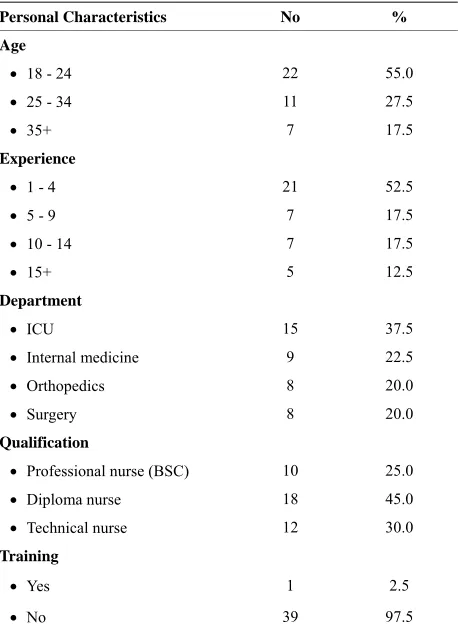
Table 1 shows the characteristics of the sample under
study. The mean age of the sample was 25.3 ± 8.2 and the highest percentage of nurses aged between 18 years to less than 25 years accounted for 55% of the total sam-ple. The highest percentage of nurses had 1 to 5 years of experience (52.5%) while the lowest percentage (12.5%) had experience from 10 to more than 15 years. The mean years of experience for the sample was 6.6 ± 5.5. Re- garding departments, 37.5%, 22.5%, 20%, 20%, of nurses were working at ICU, Internal medicine, orthope- dic and surgery respectively. The highest percentage of nurses were diploma graduates, i.e., graduated from nurs- ing secondary school (45%) while the least percentage were nurses with bachelor degree (B. Sc Nursing) and accounted for 25%. Except for one nurse among the sam- ple, all the nurses did not attend any previous training regarding patient fall.
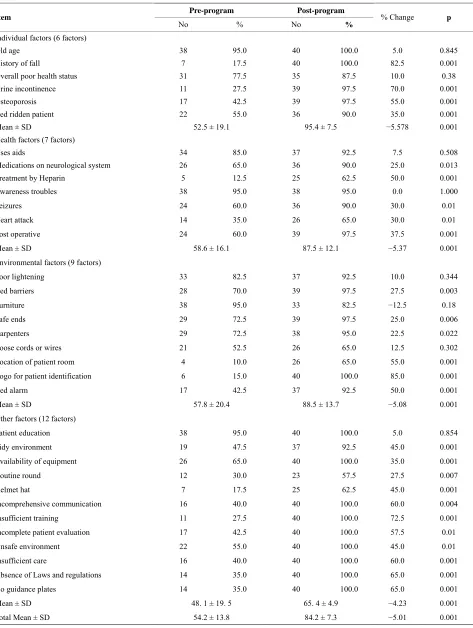
Table 2 presents nurses’ knowledge related to per-
sonal, health, environmental and other factors of patient fall pre- and post-educational programs. There was a significant difference regarding all factors under study before and after the educational programme. Regarding item analysis, the knowledge pertaining to all factors (34 factors) was improved after the program except for two individual factors, old age (p = 0.84), overall poor health status (p = 0.38), and two health factors, uses aids (p = 0.50), treatment by heparin (p = 1.00), and two environ- mental factors, poor lighting (p = 0.34), loose cords or wires (p = 0.30) andbells (p = 0.30), and one miscella- neous factor, patient education (p = 0.85) and tidy envi- ronment (p = 0.85).
Table 3 reveals nurses’ performance median regarding
the environment and health education factors per de- partment, experience and qualification pre- and post- educational programs. All departments showed posttest performance improvement, the total performance median for departments regarding environmental factor (p = 0.04) and health education (p = 0.001). A significant difference for performance was detected posttest for all years of experience, the total performance median for depart-ments regarding environmental factor (p = 0.03) and health education (p = 0.001). Regarding the qualifi-
Table 1. Personal characteristics of selected nurses at the health insurance organization hospital (Alexandria, 2011).
Personal Characteristics No %
Age
18 - 24 22 55.0
25 - 34 11 27.5
35+ 7 17.5
Experience
1 - 4 21 52.5
5 - 9 7 17.5
10 - 14 7 17.5
15+ 5 12.5
Department
ICU 15 37.5
Internal medicine 9 22.5
Orthopedics 8 20.0
Surgery 8 20.0
Qualification
Professional nurse (BSC) 10 25.0
Diploma nurse 18 45.0
Technical nurse 12 30.0
Training
Yes 1 2.5
No 39 97.5
cation, all categories of nurses scored a significant per- formance improvement. The total performance median for environmental factor (p = 0.02) and health education (p = 0.001).
4. DISCUSSION
Table 2. Nurses’ knowledge related to personal, health, environmental and other factors of patient fall pre- and post-educational pro-grams (Alexandria, 2011).
Pre-program Post-program
Item
No % No %
% Change p
Individual factors (6 factors)
Old age 38 95.0 40 100.0 5.0 0.845
History of fall 7 17.5 40 100.0 82.5 0.001
Overall poor health status 31 77.5 35 87.5 10.0 0.38
Urine incontinence 11 27.5 39 97.5 70.0 0.001
Osteoporosis 17 42.5 39 97.5 55.0 0.001
Bed ridden patient 22 55.0 36 90.0 35.0 0.001
Mean ± SD 52.5 ± 19.1 95.4 ± 7.5 −5.578 0.001
Health factors (7 factors)
Uses aids 34 85.0 37 92.5 7.5 0.508
Medications on neurological system 26 65.0 36 90.0 25.0 0.013
Treatment by Heparin 5 12.5 25 62.5 50.0 0.001
Awareness troubles 38 95.0 38 95.0 0.0 1.000
Seizures 24 60.0 36 90.0 30.0 0.01
Heart attack 14 35.0 26 65.0 30.0 0.01
Post operative 24 60.0 39 97.5 37.5 0.001
Mean ± SD 58.6 ± 16.1 87.5 ± 12.1 −5.37 0.001
Environmental factors (9 factors)
Poor lightening 33 82.5 37 92.5 10.0 0.344
Bed barriers 28 70.0 39 97.5 27.5 0.003
Furniture 38 95.0 33 82.5 −12.5 0.18
Safe ends 29 72.5 39 97.5 25.0 0.006
Carpenters 29 72.5 38 95.0 22.5 0.022
Loose cords or wires 21 52.5 26 65.0 12.5 0.302
Location of patient room 4 10.0 26 65.0 55.0 0.001
Logo for patient identification 6 15.0 40 100.0 85.0 0.001
Bed alarm 17 42.5 37 92.5 50.0 0.001
Mean ± SD 57.8 ± 20.4 88.5 ± 13.7 −5.08 0.001
Other factors (12 factors)
Patient education 38 95.0 40 100.0 5.0 0.854
Tidy environment 19 47.5 37 92.5 45.0 0.001
Availability of equipment 26 65.0 40 100.0 35.0 0.001
Routine round 12 30.0 23 57.5 27.5 0.007
Helmet hat 7 17.5 25 62.5 45.0 0.001
Incomprehensive communication 16 40.0 40 100.0 60.0 0.004
Insufficient training 11 27.5 40 100.0 72.5 0.001
Incomplete patient evaluation 17 42.5 40 100.0 57.5 0.01
Unsafe environment 22 55.0 40 100.0 45.0 0.01
Insufficient care 16 40.0 40 100.0 60.0 0.001
Absence of Laws and regulations 14 35.0 40 100.0 65.0 0.001
No guidance plates 14 35.0 40 100.0 65.0 0.001
Mean ± SD 48. 1 ± 19. 5 65. 4 ± 4.9 −4.23 0.001
Table 3. Nurses’ performance mean and standard deviation regarding to environmental factor and health education per department, experience and qualification pre- and post-educational programs(Alexandria, 2011).
Environmental factor Health education
Pretest median Posttest median p Pretest median Posttest median p
ICU 47.8 60.9 0.05 21.8 63.6 0.004
Internal medicine 43.4 82.6 0.04 21.8 80.0 0.001
Orthopedic 37.3 84.75 0.02 14.5 79.1 0.001
Surgery 44.3 75.65 0.03 23.6 86.4 0.001
Total 43.9 74.8 0.04 21.8 79.1 0.001
Experience
1 - 4 39.1 79.1 0.01 20.0 80.0 0.01
5 - 9 45.2 74.9 0.02 27.3 83.6 0.01
10 - 14 41.7 77.4 0.02 21.8 70.9 0.01
15+ 44.3 73.9 0.03 23.6 67.3 0.01
Total 43.9 74.8 0.03 21.8 79.1 0.001
Qualification
Professional nurse 44.3 51.3 0.04 22.7 38.2 0.02
Diploma nurse 42.6 77.4 0.02 20.0 82.7 0.001
Technical nurse 41.7 79.6 0.01 21.8 79.1 0.001
Total 43.9 74.8 0.02 21.8 79.1 0.001
of a study conducted in an acute hospital care [26] dem- onstrated that staff education was very important and that preventive strategies should be focused on patients’ modifiable fall risk factors and the provision of organiza- tional conditions and staff educational programmes which support a safe hospital environment. Contrary to the findings in this study, the majority of the nurses were diploma holders (i.e., low skills and low training) and a small number of technical nurses and both had no previ- ous education or training on patient fall prevention. The implementation of the educational programme revealed significant results on both knowledge and performance raising the fact of updated curricula taught at nursing schools and whether they are consistent with the current issues and hospital statistics related to patient falls in Alexandria. Yet, increasing awareness and knowledge of health personnel towards patient falls is not the only is- sue, but overcoming the risk factors related to patient falls as inadequate caregiver communication, inadequate staff orientation and training, inadequate assessment and reassessment, unsafe care environment, and inadequate care planning and provision addressed in a study by Tzeng and Yin [27] are essential for the success of an interventional programme to reduce patient falls. Within the same context, not to mention the full commitment on behalf of the health professionals towards reducing one of the major patient safety issues in health organizations. The researchers believe that top management commit- ment and conducing a no fear environment are potent facilitators for behavior change in health organizations
besides ongoing educational programmes. In conclusion, education programmes should be regularly, updated in view of changing knowledge and work practices.
5. LIMITATIONS
The small sample size restricts the liability of generaliz- ing the results of the current study. The areas which did not show a significant improvement after the educational programme raises the issue of future steps for improve- ment and assessment of the learning strategies and methodologies adopted during the programme.
REFERENCES
[1] Dykes, P.C., Carroll, D.L., Hurley, A.C., Benoit, A. and Middleton, B. (2009) Why do patients in acute care hos-pitals fall? Can falls be prevented? Journal of Nursing
Administration, 39, 299-304.
[2] Al-Aama, T. (2011) Falls in the elderly: Spectrum and prevention. Canadian Family Physician, 57, 771-776. [3] Blank, W.A., Freiberger, E., Siegrist, M., Landendoerfer,
P., Linde, K., Schuster, T., Pfeifer, K., Schneider, A. and Halle, M. (2003) An interdisciplinary intervention to pre-vent falls in community-dwelling elderly persons: Proto-col of a cluster-randomized trial [PreFalls]. BMC Geriat-rics, 11.
[4] Dykes, P.C., Carroll, D.L., Hurley, A., Lipsitz, S., Benoit, A., Chang, F., Meltzer, S., Tsurikova, R., Zuyov, L. and Middleton, B. (2010) Fall prevention in acute care hospi-tals: A randomized trial. JAMA, 304, 1912-1918.
Geriatric Medicine, 14, 699-726.
[6] Krauss, M.J., Nguyen, S.L., Dunagan, W.C., et al. (2007) Circumstances of patient falls and injuries in 9 hospitals in a Midwestern healthcare system. Infection Control and
Hospital Epidemiology, 28, 544-550.
doi:10.1086/513725
[7] Lake, E.T., Shang, J., Klaus, S. and Dunton, N.E. (2010) Patient falls: Association with hospital Magnet status and nursing unit staffing. Research in Nursing & Health, 33, 413-425. doi:10.1002/nur.20399
[8] Batchelor, F., Hill, K., Mackintosh, S. and Said, C. (2010) What works in falls prevention after stroke? A systematic review and meta-analysis, Stroke, 41, 1715-1722. doi:10.1161/STROKEAHA.109.570390
[9] Halfon, P., Eggli, Y., Van Melle, G. and Vagnair, A. (2001) Risk of falls for hospitalized patients: A predictive model based on routinely available data. Journal of Cli-
nical Epidemiology, 54, 1258-1266.
doi:10.1016/S0895-4356(01)00406-1
[10] Fischer, I.D., Krauss, M.J., Dunagan, W.C., Birge, S., Hitcho, E., Johnson, S., Costantinou, E. and Fraser, V.J. (2005) Pat-terns and predictors of inpatient falls and fall-related inju-ries in a large academic hospital. Infection Control and
Hospital Epidemiology, 26, 822-827.
doi:10.1086/502500
[11] Hitcho, E.B., Krauss, M.J., Birge, S., Claiborne Dunagan, W., Fischer, I., Johnson, S., Nast, P.A., Costantinou, E. and Fraser, V.J. (2004) Characteristics and circumstances of falls in a hospital setting: A prospective study. Journal
of General Internal Medicine, 19, 732-739.
doi:10.1111/j.1525-1497.2004.30387.x
[12] Oliver, D., Hopper, A. and Seed, P. (2000) Do hospital fall prevention programs work? A systematic review.
Journal of the American Geriatrics Society, 48, 1679-
1689.
[13] Heung, M., Adamowski, T., Segal, J.H. and Malani, P.N. (2010) A successful approach to fall prevention in an outpatient hemodialysis center. Clinical Journal of the
American Society of Nephrology, 5, 1775-1779.
doi:10.2215/CJN.01610210
[14] Logan, P.A., Coupland, C.A., Gladman, J.R., Sahota, O., Stoner-Hobbs, V., Robertson, K., Tomlinson, V., Ward, M., Sach, T. and Avery, A.J. (2010) Community falls pre- vention for people who call an emergency ambulance af-ter a fall: Randomised controlled trial. BMJ, 340, c2102.
doi:10.1136/bmj.c2102
[15] Hignett, S. and Masud, T. (2006) A review of environmen- tal hazards associated with in-patient falls. Ergonomics, 49, 605-616.
[16] Morse, J.M., Black, C., Oberle, K. and Donahue, P. (1989) A prospective study to identify the fall-prone patient.
So-cial Science & Medicine, 28, 81-86.
doi:10.1016/0277-9536(89)90309-2
[17] Boswell, D.J., Ramsey, J., Smith, M.A. and Wagers, B. (2001) The cost-effectiveness of a patient-sitter program in an acute care hospital: A test of the impact of sitters on the incidence of falls and patient satisfaction. Quality
Management in Health Care, 10, 10-16.
[18] McFarlane-Kolb, H. (2004) Falls risk assessment, multi- targeted interventions and the impact on hospital falls.
International Journal of Nursing Practice, 10, 199-206.
doi:10.1111/j.1440-172X.2004.00482.x
[19] Reiling, J. (2006) Safe design of healthcare facilities. Qual
Saf Health Care, 15, i34-i40.
doi:10.1136/qshc.2006.019422
[20] Tzeng, H.M. and Yin, C.Y. (2006) The staff-working height and the designing-regulation height for patient beds as possible causes of patient falls. Nursing Econom-ics, 24, 279, 323-327.
[21] Tzeng, H.M. and Yin, C.Y. (2008) Heights of occupied patient beds: A possible risk factor for inpatient falls.
Journal of Clinical Nursing, 17, 1503-1509.
doi:10.1111/j.1365-2702.2007.02086.x
[22] Hurley, A.C., Dykes, P.C., Carroll, D.L., Dykes, J.S. and Middleton, B. (2009) Fall TIP: Validation of icons to com- municate fall risk status and tailored interventions to pre-vent patient falls. Studies in Health Technology and
In-formatics, 146, 455-459.
[23] Koh, S.L., Hafizah, N., Lee, J.Y., Loo, Y.L. and Muthu, R. (2009) Impact of a fall prevention programme in acute hospital settings in Singapore. Singapore Medical Jour-nal, 50, 425-432.
[24] Koh, S.S., Manias, E., Hutchinson, A.M., Donath, S. and Johnston, L. (2008) Nurses’ perceived barriers to the im-plementation of a fall prevention clinical practice guide-line in Singapore hospitals. BMC Health Services
Re-search, 8, 105.
[25] Oliver, D., Hopper, A. and Seed, P. (2000) Do hospital fall prevention programs work? A systematic review.
Jour-nal of the American Geriatrics Society, 48, 1679-1689.
[26] Hendrich, A., Nyhuis, A., Kippenbrock, T. and Soja, M.E. (1995) Hospital falls: Development of predictive model for clinical practice. Applied Nursing Research, 8, 129- 139. doi:10.1016/S0897-1897(95)80592-3
[27] Rao, S.S. (2005) Prevention of falls in older patients. Ame-