http://wrap.warwick.ac.uk/
Original citation:
Jaekel, J. (Julia), Wolke, Dieter and Bartmann, P.. (2013) Poor attention rather than
hyperactivity/impulsivity predicts academic achievement in very preterm and full-term
adolescents. Psychological Medicine, Vol.43 (No.1). pp. 183-196. ISSN 0033-2917
Permanent WRAP url:
http://wrap.warwick.ac.uk/52783/
Copyright and reuse:
The Warwick Research Archive Portal (WRAP) makes this work by researchers of the
University of Warwick available open access under the following conditions. Copyright ©
and all moral rights to the version of the paper presented here belong to the individual
author(s) and/or other copyright owners. To the extent reasonable and practicable the
material made available in WRAP has been checked for eligibility before being made
available.
Copies of full items can be used for personal research or study, educational, or
not-for-profit purposes without prior permission or charge. Provided that the authors, title and
full bibliographic details are credited, a hyperlink and/or URL is given for the original
metadata page and the content is not changed in any way.
Publisher’s statement:
Copyright © Cambridge University Press 2012
A note on versions:
The version presented in WRAP is the published version or, version of record, and may
be cited as it appears here.
Psychological Medicine
http://journals.cambridge.org/PSMAdditional services for
Psychological Medicine:
Email alerts: Click here Subscriptions: Click here Commercial reprints: Click here Terms of use : Click here
Poor attention rather than hyperactivity/impulsivity predicts academic
achievement in very preterm and full-term adolescents
J. Jaekel, D. Wolke and P. Bartmann
Psychological Medicine / Volume 43 / Issue 01 / January 2013, pp 183 - 196 DOI: 10.1017/S0033291712001031, Published online: 21 May 2012
Link to this article: http://journals.cambridge.org/abstract_S0033291712001031
How to cite this article:
J. Jaekel, D. Wolke and P. Bartmann (2013). Poor attention rather than hyperactivity/impulsivity predicts academic achievement in very preterm and full-term adolescents. Psychological Medicine, 43, pp 183-196 doi:10.1017/ S0033291712001031
Request Permissions : Click here
Poor attention rather than hyperactivity/
impulsivity predicts academic achievement in
very preterm and full-term adolescents
J. Jaekel1,2
, D. Wolke2
* and P. Bartmann1
1Institute of Neonatology, University Hospital Bonn, Bonn, Germany
2Department of Psychology and HSRI(Warwick Medical School), University of Warwick, Coventry, UK
Background. Very preterm (VP) children are at particular risk for attention deficit/hyperactivity disorder (ADHD) of the inattentive subtype. It is unknown whether the neurodevelopmental pathways to academic underachievement are the same as in the general population. This study investigated whether middle childhood attention or hyperactivity/impulsivity problems are better predictors of VP adolescents’ academic achievement.
Method. In a geographically defined prospective whole-population sample of VP (<32 weeks gestation) and/or very low birth weight (<1500 g birth weight) (VLBW/VP ;n=281) and full-term control children (n=286) in South Germany, ADHD subtypes were assessed at 6 years 3 months and 8 years 5 months using multiple data sources. Academic achievement was assessed at 13 years of age.
Results. Compared with full-term controls, VLBW/VP children were at higher risk for ADHD inattentive subtype [6 years 3 months : odds ratio (OR) 2.8,p<0.001 ; 8 years 5 months : OR 1.7,p=0.020] but not for ADHD hyperactive-impulsive subtype (6 years 3 months : OR 1.4, p=0.396 ; 8 years 5 months : OR 0.9,p=0.820). Childhood attention measures predicted academic achievement in VLBW/VP and also full-term adolescents, whereas hyperactive/ impulsive behaviour did not.
Conclusions. Attention is an important prerequisite for learning and predicts long-term academic underachieve-ment. As ADHD inattentive subtype and cognitive impairments are frequent in VLBW/VP children, their study may help to identify the neurofunctional pathways from early brain development and dysfunction to attention problems and academic underachievement.
Received 31 March 2011 ; Revised 1 December 2011 ; Accepted 10 April 2012 ; First published online 21 May 2012
Key words: Academic achievement, attention deficit/hyperactivity disorder of the inattentive subtype, cognitive problems, very preterm and/or very low birth weight children.
Introduction
There is increasing evidence for a bi-factor model of attention deficit/hyperactivity disorder (ADHD) (Grizenkoet al. 2010) with two distinct factors of inat-tention and hyperactivity/impulsivity (Martel et al. 2010). Attention is an important prerequisite for learning in the classroom and at home. In the general population, middle childhood ADHD of the inatten-tive subtype has been reported as a better predictor of later academic performance than hyperactivity/ impulsivity (Duncanet al. 2007).
Children born very preterm (VP ; <32 weeks of gestation) and/or with very low birth weight (VLBW ;
<1500 g birth weight), referred to as VLBW/VP sub-sequently, are at a highly increased risk of cognitive impairments, behavioural problems and poor aca-demic achievement (Aarnoudse-Moens et al. 2009 ; Johnson et al. 2011). VLBW/VP children are consist-ently found to display a higher prevalence of ADHD symptoms than full-term children (Aarnoudse-Moens
et al. 2009), in particular of the inattentive subtype (Hacket al. 2009 ; Johnsonet al. 2010), which are only partly explained by cognitive (IQ) deficits (Anderson & Doyle, 2004 ; Samaraet al. 2008). This increased risk for ADHD inattentive subtype in VLBW/VP children may result from global changes in brain anatomy, connectivity or altered development of functional architecture (Kapellouet al. 2006 ; Johnsonet al. 2010). Prematurity is often associated with intra-uterine growth restriction (IUGR), assessed as small for gestational age (SGA) at birth, but it remains unclear whether prematurity or IUGR/SGA constitutes the
* Address for correspondence : D. Wolke, Ph.D., Department of Psychology and HSRI (Warwick Medical School), University of Warwick, Coventry CV4 7AL, UK.
more significant predictor of attention problems (Heinonen et al. 2010). Both prematurity and SGA status are associated with adverse brain development including reduced brain volume (Toft et al. 1995 ; Cheonget al. 2008). However, prematurity may have additional neurological consequences such as alter-ations in white matter microstructure (Dudink et al. 2008) and cortical folding (Kapellouet al. 2006). These changes in brain development increase the likelihood of cognitive dysfunction (Mento & Bisiacchi, 2012) and may functionally result in poorer attention and slower processing speed affecting academic attain-ment (Mulderet al. 2011).
ADHD of the combined subtype is often co-morbid with conduct disorder and other externalizing behav-iours (Costello et al. 2003 ; Biederman et al. 2008a,b) which are also predictive of schooling problems (Odgers et al. 2008). In contrast, ADHD inattentive subtype symptoms, whether in the general population (Connor et al. 2010) or in VLBW/VP children, have been found to be specific and rarely co-morbid with conduct problems (Samaraet al. 2008 ; Hacket al. 2009), providing further evidence for a bi-factor model of ADHD.
In summary, VLBW/VP children more often suffer from ADHD inattentive subtype as well as from cog-nitive impairments than full-term children. Full-term children, on the other hand, are less often diagnosed with ADHD inattentive subtype but, when they are, they may have the same limitations to cortical devel-opment that are characteristic of preterm children (Wolosinet al. 2009 ; Proalet al. 2011). Accordingly, in the preterm and general population the combination of ADHD inattentive subtype and low cognitive abili-ties frequently results in academic failure (Breslau
et al. 2009, 2010 ; Poldermanet al. 2010). This suggests an underlying neuropsychological deficit involved in attention problems (Nagyet al. 2003 ; Wolke, 2011) and the study of VLBW/VP children may provide an ex-cellent model for understanding pathways to ADHD inattentive subtype and subsequent academic under-achievement.
This study investigated attention problems at 6 and 8 years of age using multiple data sources and as-sessed academic outcome at 13 years of age in VLBW/ VP and full-term children. The following questions were addressed. Are VLBW/VP children compared with full-term children at higher risk of ADHD of the inattentive subtype ? Are ADHD inattentive sub-type-specific symptoms, rather than hyperactivity/ impulsivity, better predictors of later academic achievement ? Are the pathways from attention prob-lems and cognitive impairment to academic under-achievement in VLBW/VP similar to those in full-term children ?
Method
Samples
Data were collected as part of the prospective Bavarian Longitudinal Study (BLS) (Wolke & Meyer, 1999b; Schneideret al. 2004), a geographically defined whole-population sample of VLBW/VP children and full-term controls in South Germany.
VLBW and/or VP children
Of 70 600 children born in South Bavaria during a 15-month period during 1985 and 1986, 682 were VLBW (birth weight <1500 g) or VP infants (<32 weeks gestation), or both. Of these VLBW/VP chil-dren, 172 died during the initial hospitalization and seven died during the first 6 years of life. Of the par-ents, seven did not give written consent to participate and 48 parents and their children were non-German speakers (i.e. the parents did not speak German and the children scored <x2 S.D. on German language
tests at 4 years of age). These mother–child dyads were excluded from the study as their verbal behaviour could not be coded and the cognitive assessments not administered. Of the 448 VLBW/VP survivors eligible for inclusion, 378 (84 %), 396 (88 %) and 339 (76 %) participated at the 6 years 3 months, 8 years 5 months and 13-year assessments, respectively. Altogether, 281 (63 %) VLBW/VP children had complete datasets across all four measurement points, i.e. neonatal, 6 years 3 months, 8 years 5 months and 13 years of age. A comparison of these children with those who drop-ped out during the course of the study did not show any differences in birth weight, gestational age, SGA status, intensity of treatment during the first 10 days of life, length of hospitalization after birth, multiple births, maternal education or family adversity (Supplementary Appendix 2). However, the partici-pating VLBW/VP children had older mothers com-pared with the VLBW/VP drop-out children.
Full-term control group
Of 936 controls (>36 weeks gestation ; normal post-natal care) identified at birth from the same hospitals in Bavaria, 350 survivors (five died) were selected for the 6 years 3 months assessment to match the overall distribution of child gender, family socio-economic status (SES) and maternal age of the VLBW/VP group (see Table 1). Of the 350 recruited at birth, 307 (88 %), 279 (80 %) and 294 (84 %) attended at 6 years 3 months, 8 years 5 months and 13 years, respectively, and 286 full-term control children (82 %) had complete datasets across the four time points.
Procedure
Details of pre-, peri- and neonatal data have been de-scribed elsewhere (Wolke & Meyer, 1999b; Gutbrod
et al. 2000) and are briefly outlined here. Participating parents were approached within 48 h of the infant’s hospital admission and were included in the study once they had given written consent for their child to participate. Ethical approval was obtained from the University of Munich Children’s Hospital Ethics committee. At both 6 years 3 months and 8 years 5 months, participating children and their mothers were assessed by the interdisciplinary study team for one whole day including neurological assessments (done by paediatricians), parent interviews (done by psy-chologists), cognitive assessments and behaviour rat-ings (done by psychological assistants and the whole team). (See Supplementary Appendix 1 for an over-view of the instruments administered at each assess-ment wave.) All assessors and raters were blind to group membership. Child observations and assess-ments focused on the current situation at the time of
assessment whereas the questions in the parent inter-view referred to the last 6 months.
Measures
Biological variables
Gestational age was determined from maternal reports of the last menstrual period and serial ultrasounds during pregnancy. When the estimates of these two differed by more than 2 weeks, postnatal Dubowitz scores were used (Dubowitzet al. 1970). Birth weight was documented in the birth records. Infant risk was assessed with the Intensity of Neonatal Treatment Index (INTI) (Gutbrod et al. 2000), which was com-puted from daily ratings of care level, respiratory support, feeding dependency and neurological status during initial hospitalization.
Social variables
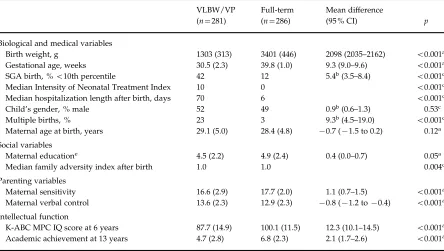
[image:5.595.76.520.96.347.2]Information was obtained by standardized interviews within the first 10 days of life. Maternal education was
Table 1.Biological, medical and social variables, parenting, and functional characteristics of the VLBW/VP and full-term control children
VLBW/VP (n=281)
Full-term (n=286)
Mean difference
(95 % CI) p
Biological and medical variables
Birth weight, g 1303 (313) 3401 (446) 2098 (2035–2162) <0.001a
Gestational age, weeks 30.5 (2.3) 39.8 (1.0) 9.3 (9.0–9.6) <0.001a
SGA birth, %<10th percentile 42 12 5.4b(3.5–8.4) <0.001c
Median Intensity of Neonatal Treatment Index 10 0 <0.001d
Median hospitalization length after birth, days 70 6 <0.001d
Child’s gender, % male 52 49 0.9b(0.6–1.3) 0.53c
Multiple births, % 23 3 9.3b(4.5–19.0) <0.001c
Maternal age at birth, years 29.1 (5.0) 28.4 (4.8) x0.7 (x1.5 to 0.2) 0.12a
Social variables
Maternal educatione 4.5 (2.2) 4.9 (2.4) 0.4 (0.0–0.7) 0.05a
Median family adversity index after birth 1.0 1.0 0.004d
Parenting variables
Maternal sensitivity 16.6 (2.9) 17.7 (2.0) 1.1 (0.7–1.5) <0.001a
Maternal verbal control 13.6 (2.3) 12.9 (2.3) x0.8 (x1.2 tox0.4) <0.001a
Intellectual function
K-ABC MPC IQ score at 6 years 87.7 (14.9) 100.1 (11.5) 12.3 (10.1–14.5) <0.001a
Academic achievement at 13 years 4.7 (2.8) 6.8 (2.3) 2.1 (1.7–2.6) <0.001a
VLBW/VP, Very low birth weight/very preterm ; CI, confidence interval ; SGA, small for gestational age ; K-ABC MPC IQ, Kaufman Assessment Battery for Children mental processing component of intelligence quotient.
Data are given as mean (standard deviation) unless stated otherwise. aTwo-tailed significance based on attest.
bOdds ratio.
cTwo-tailed significance based on ax2test.
entered into 11 categories (i.e. 1=no educational qualification ; 5=General Certificate of Secondary Education ; 11=doctoral degree) (Riegel et al. 1995). Family adversity after birth was determined by eight psychosocial variables as a composite index score [family adversity index (FAI) ; for example, being a single parent or having mental health problems] (Rutter & Quinton, 1977 ; Wolkeet al. 2009).
Parenting
At 6 years 3 months and 8 years 5 months, maternal sensitivity and verbal control behaviour was recorded during a dyadic play situation using an Etch-a-Sketch. Maternal behaviour was analysed with a standardized coding system, the ‘ Assessment of Mother–Child Interaction with the Etch-a-Sketch ’ (AMCIES) (Schneideret al. 2009 ; Jaekelet al., in press ; D. Wolke
et al. unpublished observations), by two independent experienced raters (psychologists) who were blind to group and family characteristics. Inter-rater reli-abilities (intraclass correlation coefficients ; ICCs) ran-ged from 0.75 to 0.92 for maternal sensitivity, and from 0.74 to 0.86 for verbal control (Jaekelet al., in press).
Cognitive assessments
At 6 years 3 months of corrected age, children’s intel-ligence was assessed with the German version of the Kaufman Assessment Battery for Children (K-ABC ; Kaufman & Kaufman, 1983 ; Melchers & Preuss, 1991). Cognitive assessments were carried out by trained assistant psychologists.
Attention and activity problems assessed along a
continuum at both 6 years 3 months and 8 years 5 months
First, child behaviour during the K-ABC test situation was evaluated by assistant psychologists with the Tester’s Rating of Child Behavior (TRCB) (Wolkeet al. 1990 ; Wolke & Meyer, 1999a), consisting of 13 nine-point rating scales (1=very low, 9=very high). Guided by principal component analysis, six of 13 subscales [(1) attention, (2) robustness and endurance, (3) demandingness (recoded), (4) cooperativeness, (5) compliance, and (6) difficulty (recoded)] formed an index scale named Task Orientation (Cronbach’s
a=0.90 at 6 years anda=0.85 at 8 years). In addition, the two subscales of (1) activity and (2) intensity were combined to form an index scale of Activity (Cronbach’sa=0.63 at 6 years anda=0.71 at 8 years). The TRCB manual including a detailed description of the 13 subscales is available from the authors. Inter-rater reliabilities of the TRCB were computed for 32 participants. ICCs ranged from 0.63 to 0.97 for the
Task Orientation subscales, and from 0.88 to 0.93 for the Activity subscales.
Second, child attention across the whole assessment day was evaluated as a consensus rating by the whole research team (psychologist, assistant psychologist and paediatrician). Then, three of the above-described TRCB subscales [(1) attention, (2) robustness and en-durance, (3) demandingness (recoded)] were com-bined to form the TEAM index scale of attention (Cronbach’sa=0.88 at 6 years anda=0.98 at 8 years). Scores could range from 1=very low to 9=very high. Third, child activity and task persistence were videotaped during a standardized dyadic play situ-ation and evaluated with the AMCIES coding system (D. Wolkeet al. unpublished observations) by two in-dependent psychologists. ICCs ranged from 0.69 to 0.75 for child activity and task persistence at both time points (Jaekelet al., in press).
Fourth, mothers rated child attention and im-pulsivity in the Child Behavior Checklist (CBCL ; Achenbach, 1991) attention problems scale.
Diagnosis of ADHD at 6 years 3 months and 8 years 5 months
ADHD diagnoses were obtained with the structured Mannheimer Parent Interview (Esser et al. 1989), a ‘ gold standard ’ interview in Germany allowing for 100 % concordant clinical DSM-IV diagnosis (El-Faddagh et al. 2004 ; Esser et al. 2007) and inter-rater reliabilities of Cohen’sk=0.71 (Esseret al. 1989). Child attention problems, hyperactivity and im-pulsivity were evaluated separately and the DSM-IV diagnoses of : (1) ADHD inattentive subtype ; (2) ADHD hyperactive-impulsive subtype ; or (3) ADHD combined subtype were made. Interviews of 106 par-ticipants were audiotaped and double-rated by two psychologists ; inter-rater reliabilities of ADHD diag-noses were good (Cohen’sk=0.80–0.89, ICCs=0.81– 0.89). In addition, CBCL (Achenbach, 1991) cut-off criteria (>97th percentile) according to the German norms (Walter & Remschmidt, 1999) were used to ob-tain a categorical measure of child attention problems. (Supplementary Appendix 3 shows a correlation ma-trix of the different attention and activity measures.)
Overall Achievement Test score at 8 years 5 months
1990 ; Wolke & Leon-Villagra, 1993). Performance in these tests was moderately correlated and scores were combined into an Overall Achievement Test score (Cronbach’sa=0.76).
Academic achievement at 13 years
Child academic achievement at 13 years was based on level of educational track in the German secondary school system according to the following criteria : (1) school type [special school, secondary school low-track (Hauptschule), mid-track (Realschule) or high-track (Gymnasium)] ; (2) whether the child ever had repeated a class (i.e. is in age-appropriate class or not) ; and (3) performance within each track in the core subjects Mathematics and German (average or above
versusbelow average). Information was obtained from end-of-year grades and parent reports of child’s school and year class, and then scaled on a nine-point rank-ing scale (Schneider et al. 2004). The scale ranged from : 1=received special education throughout school career ; through 5=attendsHauptschuleat age-appropriate grade-level and shows average/above average performance according to end-of-year marks in the core subjects ; to 9=attends Realschule or
Gymnasiumat age-appropriate grade-level and shows average/above average performance.
Statistical analyses
Data were analysed with SPSS 17.0 (SPSS, Inc., USA). Group comparisons of continuous attention and ac-tivity measures were carried out with Student’sttests, using raw values and then repeated adjusting for social factors (maternal education and family ad-versity : model 1), and additionally repeated adjusting for model 1 factors and child IQ (K-ABC : model 2, see Table 2). Group comparisons of ADHD diagnoses were carried out withx2
tests (Table 3). All tests were two-tailed.
ADHD and parenting measures at 6 years 3 months and 8 years 5 months were aggregated for prediction of academic achievement at 13 years. In each case, the higher score of the respective continuous measure at 6 years 3 months and 8 years 5 months was counted (TRCB, TEAM, AMCIES, CBCL). Categorical meas-ures were aggregated by counting diagnoses that were present at least at one of the two time points (e.g. Copeland et al. 2010 ; Mannheimer Parent Interview, CBCL).
First, univariate regressions were conducted to examine the predictive value of each attention and activity measure on academic achievement for the VLBW/VP children and full-term controls (Table 4). Second, the predictive value of child attention on aca-demic achievement was tested after controlling for
biological (gestational age, INTI) and social variables (maternal education, family adversity), parenting (maternal sensitivity and verbal control) and child IQ (K-ABC, Table 5). Significance levels were adjusted for multiple testing with the D/AP (Dubey and Armitage-Parmar) procedure which takes into account the mean correlation between multiple outcome variables before performing Bonferroni correction (Sankohet al. 1997). Third, strengths of regression coefficients in the VLBW/VP and full-term groups were compared by calculating a 95 % confidence interval (CI) for the dif-ference between proportions of explained variance (Olkin & Finn, 1995).
Results
Sample characteristics
The VLBW/VP children, by definition, were born at younger gestational age, had lower birth weights and higher prenatal risk scores, were more often born SGA, and hospitalized longer than full-term con-trols.1#
There were no group differences in child gen-der distribution, maternal age or education ; however, among the VLBW/VP children, more were from mul-tiple births. Mothers of VLBW/VP children had high-er family advhigh-ersity scores and showed less sensitive and more controlling parenting behaviour. As de-scribed before in more detail (Schneideret al. 2004), the VLBW/VP compared with full-term children in our sample had poorer scores in the K-ABC mental pro-cessing component (IQ) at age 6 and they were less academically successful at age 13 years (Table 1).
Continuous ADHD measures at 6 years 3 months and 8 years 5 months
At both 6 and 8 years, VLBW/VP children had lower scores across all attention measures independent of data source. In contrast, no differences in activity measures were found compared with the full-term control children (Table 2). When raw scores were ad-justed for maternal education and family adversity (model 1), results remained the same. When scores were additionally adjusted for child IQ (model 2), however, the differences in child task persistence ob-served in interaction with the mother (AMCIES) and in mother ratings of attention problems (CBCL) at 8 years disappeared.
ADHD diagnoses at 6 years 3 months and 8 years 5 months
At 6 years, the VLBW/VP children were more likely to be diagnosed with ADHD inattentive and combined
Table 2.Multiple data source child attention and activity measures for VLBW/VP and full-term children at 6 and 8 years, comparing raw scores with scores adjusted for maternal education and family adversity at birth(model 1), and additionally child IQ at 6 years(model 2)
Age … 6 years 8 years
Data source
VLBW/VP (n=281)
Full-term (n=286)
Mean difference
(95 % CI) pa
VLBW/VP (n=281)
Full-term (n=286)
Mean difference
(95 % CI) pa
Tester’s Rating of Child Behavior
Task orientation Raw scores 6.2 (1.5) 7.1 (1.2) 0.9 (0.7–1.1) <0.001 7.0 (1.2) 7.7 (0.8) 0.7 (0.5–0.9) <0.001 Model 1b 6.2 (1.3) 7.1 (1.3) 0.9 (0.6–1.1) <0.001 7.0 (1.1) 7.7 (1.0) 0.7 (0.5–0.8) <0.001
Model 2c 6.5 (1.2) 6.8 (1.2) 0.3 (0.1–0.5) 0.01 7.2 (1.0) 7.5 (0.9) 0.3 (0.1–0.4) 0.002
Activity Raw scores 4.5 (1.4) 4.4 (1.4) x0.1 (x0.3 to 0.2) 0.74 3.9 (1.3) 3.8 (1.4) x0.1 (x0.3 to 0.1) 0.42 Model 1 4.5 (1.4) 4.4 (1.4) 0.0 (x0.3 to 0.2) 0.85 3.9 (1.4) 3.9 (1.4) x0.1 (x0.3 to 0.1) 0.50 Model 2 4.5 (1.5) 4.4 (1.5) 0.0 (x0.3 to 0.2) 0.92 3.9 (1.4) 3.9 (1.4) 0.1 (x0.2 to 0.3) 0.58
Overall TEAM rating of child behaviour
Attention Raw scores 5.2 (1.8) 6.4 (1.5) 1.2 (1.0–1.5) <0.001 6.2 (1.6) 7.2 (1.2) 1.0 (0.8–1.3) <0.001 Model 1 5.2 (1.6) 6.4 (1.6) 1.2 (0.9–1.5) <0.001 6.2 (1.4) 7.2 (1.3) 1.0 (0.7–1.2) <0.001 Model 2 5.6 (1.4) 6.0 (1.4) 0.4 (0.2–0.6) <0.001 6.6 (1.3) 6.9 (1.2) 0.3 (0.1–0.5) 0.001
Videotaped observation during mother–child dyadic interaction (AMCIES)
Task persistence Raw scores 5.8 (1.8) 7.2 (1.7) 1.4 (1.1–1.7) <0.001 7.1 (1.5) 7.5 (1.4) 0.4 (0.1–0.6) 0.003 Model 1 5.8 (1.8) 7.2 (1.8) 1.4 (1.1–1.7) <0.001 7.1 (1.6) 7.5 (1.5) 0.4 (0.1–0.6) 0.01 Model 2 6.0 (1.8) 7.0 (1.8) 1.0 (0.7–1.3) <0.001 7.3 (1.6) 7.4 (1.6) 0.1 (x0.2 to 0.4) 0.50 Activity Raw scores 3.0 (0.9) 3.0 (0.7) 0.0 (x0.2 to 0.1) 0.74 3.4 (0.6) 3.3 (0.6) 0.0 (x0.1 to 0.1) 0.43 Model 1 3.0 (0.9) 3.0 (0.9) 0.0 (x0.2 to 0.1) 0.87 3.4 (0.7) 3.3 (0.6) 0.0 (x0.1 to 0.1) 0.64 Model 2 3.0 (1.0) 3.0 (1.0) 0.1 (x0.1 to 0.2) 0.58 3.4 (0.7) 3.3 (0.7) 0.0 (x0.2 to 0.1) 0.42
Mother’s report of child behaviour problems (CBCL) as a continuous variable
Attention problems scale Raw scores 4.4 (3.0) 3.0 (2.6) x1.3 (x1.8 tox0.9) <0.001 3.0 (2.7) 2.0 (2.1) x1.0 (x1.4 tox0.6)) <0.001 Model 1 4.3 (2.8) 3.1 (2.8) x1.2 (x1.6 tox0.7) <0.001 3.0 (2.5) 2.1 (2.5) x0.9 (x1.3 tox0.5) <0.001 Model 2 3.9 (2.8) 3.5 (2.8) x0.5 (x0.9 to 0) 0.04 2.6 (2.5) 2.4 (2.4) x0.2 (x0.6 to 0.2) 0.29
VLBW/VP, Very low birth weight/very preterm ; IQ, intelligence quotient ; CI, confidence interval ; AMCIES, Assessment of Mother–Child Interaction with the Etch-a-Sketch ; CBCL, Child Behavior Checklist.
Data are given as mean (standard deviation).
aTwo-tailed significance based on attest. bModel 1 adjusted for social factors.
cModel 2 additionally adjusted for child IQ.
188
J.
Jaekel
et
subtypes, but not with the hyperactive-impulsive subtype compared with full-term controls (Table 3). At 8 years of age the VLBW/VP children were still more likely to be diagnosed with ADHD inattentive subtype but not with the hyperactive-impulsive or combined subtypes. At both 6 and 8 years, VLBW/VP children more often had clinically relevant attention problems in the CBCL than full-term controls.
Prediction of adolescents’academic achievement by middle childhood attention measures
To examine the prediction of each of the attention and activity measures on subsequent academic achieve-ment, a set of regressions was performed for the VLBW/VP and full-term groups, separately. Table 4 shows that all of the five attention measures by dif-ferent data sources significantly predicted academic achievement at 13 years in the VLBW/VP group. In contrast, none of the three activity measures predicted academic outcome. The pattern of findings for the full-term children was similar, with four out of the five attention but none of the activity measures predicting academic achievement. To ensure the robustness of these results the analyses were repeated with an alternative measure of academic attainment : the Overall Achievement Test score at age 8 years 5 months, and, in addition, with children’s math school marks (subsample of ‘ Hauptschu¨ler ’). The same pattern of outcome was found (see Supple-mentary Appendices 4 and 5).
The unique contribution of the different multiple data source attention measures in predicting academic achievement was tested by controlling for biological (step 1 : gestational age, INTI) and social variables (step 2 : maternal education, family adversity), par-enting (step 3 : maternal sensitivity and verbal control) and child IQ (step 4 : K-ABC). In step 5, the TRCB Task Orientation scale and the TEAM rating of child atten-tion individually continued to predict both VLBW/VP and full-term children’s academic achievement. The predictive values of the AMCIES task persistence and CBCL attention problems scales did not reach signifi-cance after a levels had been adjusted for multiple testing whereas the diagnosis of ADHD inattentive subtype predicted VLBW/VP but not full-term chil-dren’s achievement (Table 5). Comparison of re-gression coefficients in the VLBW/VP and full-term group with 95 % CIs revealed no significant differences between proportions of explained variance across all regression functions except the one including the TEAM rating of attention, which was larger in VLBW/ VP adolescents (mean difference=0.12, 95 % CI=0.11– 0.13).
Comparison of SGA (n=117) with appropriate-for-gestational age (AGA) (n=164) VLBW/VP
Table 3. Percentages of ADHD diagnoses comparing VLBW/VP and full-term children at 6 years 3 months and 8 years 5 months of age Age … 6 years 8 years Data source
VLBW/VP (n=
281)
Full-term (n=
286) OR (95 % CI) p a
VLBW/VP (n=
281)
Full-term (n=
children found that SGA children had lower scores in the TRCB Task Orientation [mean=5.97 (S.D.=1.54)
versus 6.32 (S.D.=1.39), p<0.05 at 6 years and 6.81
(S.D.=1.29)versus7.11 (S.D.=1.13), p<0.05 at 8 years,
respectively] and TEAM ratings of attention [5.93 (S.D.=1.51)versus6.42 (S.D.=1.56),p<0.05 at 8 years].
However, SGA VLBW/VP children were not more of-ten diagnosed with ADHD inatof-tentive subtype than AGA VLBW/VP children. SGA VLBW/VP children had lower IQ scores at 6 years [85.44 (S.D.=14.49)versus
90.06 (S.D.=14.51),p<0.05] and were less academically
successful than AGA VLBW/VP adolescents [4.13 (S.D.=2.64) versus 5.07 (S.D.=2.87), p<0.01,
respect-ively]. In both groups attention measures predicted academic achievement (see Supplementary Appendix 6 for a detailed report). Finally, inclusion of biological and social variables, parenting, IQ and all attention measures in the prediction of academic achievement revealed a slightly different picture in SGA VLBW/VP compared with AGA VLBW/VP children (Fig. 1). Overall, biological, social, parenting, IQ and attention measures explained 53 % of variance in SGA VLBW/ VP and 56 % in AGA VLBW/VP adolescents’ academic achievement at 13 years. Biological variables con-tributed a larger amount of explained variance to SGA VLBW/VP adolescents’ academic achievement (14 % compared with 9 %) whereas IQ contributed a larger amount of explained variance to AGA VLBW/VP adolescents’ academic achievement (25 % compared with 16 %) ; however, differences between proportions of explained variance were not significant.
Discussion
This study investigated whether middle childhood attention problems are predictive of VLBW/VP ado-lescents’ academic achievement. We found that inde-pendent of data source VLBW/VP children were at higher risk for specific attention problems at both 6 and 8 years but not for hyperactive/impulsive behav-iour compared with full-term controls. This overall pattern did not change substantially when raw scores were adjusted for social factors and child IQ. Child attention consistently predicted academic achieve-ment 5 to 7 years later even after controlling for bio-logical and social variables, parenting and child IQ. In contrast, hyperactive/impulsive behaviour was not associated with poor academic achievement.
[image:10.595.74.523.96.265.2]Our results confirm that VLBW/VP children are at elevated risk for attention problems, which are only partly accounted for by IQ and social factors (Anderson & Doyle, 2004). Differences between VLBW/VP and full-term children were attenuated but did not disappear once adjusted for IQ. Consistent with other studies (Johnsonet al. 2011), IQ was the best predictor of adolescents’ academic achievement but attention problems explained an additional proportion of variance. Arguably, effect sizes of attention mea-sures were small yet consistent across groups. This suggests that attention problems are detrimental for academic attainment over and above general cognitive abilities (Biederman et al. 2008c; Breslauet al. 2009), social disadvantage and parenting (Polderman et al.
Table 4.Results of univariate regressions of aggregated multiple data source attention and activity measures on VLBW/VP and full-term children’s academic achievementa
Criterion : academic achievement at 13 years
VLBW/VP (n=281) Full-term (n=286)
R2 F b R2 F b
Attention predictor variables
(1) TRCB task orientation 0.24 89.74*** 0.49*** 0.17 56.99*** 0.41***
(1) TEAM rating attention 0.30 121.44*** 0.55*** 0.19 68.44*** 0.44***
(1) AMCIES task persistence 0.08 24.37*** 0.28*** 0.01 1.74 0.08
(1) CBCL attention problems scale 0.14 43.83*** x0.37*** 0.06 16.73*** x0.24***
(1) DSM-IV diagnosis ADHD inattentive subtype 0.08 19.97*** x0.26*** 0.03 7.82* x0.16**
Activity predictor variables
(1) TRCB activity 0.00 0.01 0.01 0.00 0.38 0.04
(1) AMCIES activity 0.00 0.24 x0.03 0.00 0.25 0.03
(1) DSM-IV diagnosis ADHD hyperactive-impulsive subtype 0.00 0.41 0.04 0.00 0.09 0.02
VLBW/VP, Very low birth weight/very preterm ; TRCB, Tester’s Rating of Child Behavior ; AMCIES, Assessment of Mother– Child Interaction with the Etch-a-Sketch ; CBCL, Child Behavior Checklist ; DSM-IV, Diagnostic and Statistical Manual of Mental Disorders, version 4 ; ADHD, attention deficit/hyperactivity disorder.
aaLevels were adjusted for multiple testing with the D/AP (Dubey and Armitage-Parmar) procedure and Bonferroni correction.
*p<0.01, **p<0.002, ***p<0.0002.
2010). The combination of ADHD inattentive subtype with cognitive impairments is frequently found in VLBW/VP children and indicates a neurodevelop-mental pathway over and above social factors in ex-plaining subsequent academic underachievement. Accordingly, as shown here, full-term children with ADHD inattentive subtype and low cognitive abilities are also at increased risk for poor academic
[image:11.595.72.525.95.262.2]achievement and may show similar alterations in cortical development that are characteristic of preterm children (Wolosin et al. 2009 ; Proal et al. 2011). However, the prevalence of cognitive and attention problems is lower in full-term children. Thus, the study of VLBW/VP children may provide an excellent model for understanding the neuropsychological deficits involved in ADHD inattentive subtype
Table 5.Results of hierarchical multivariate regressions showing individual contributions of aggregated multiple data source attention measures in predicting VLBW/VP and full-term children’s academic achievement at 13 yearsa
Criterion : academic achievement at 13 years
VLBW/VP (n=281) Full-term (n=286)
Mean difference (95 % CI)b
R2 DR2 DF b R2 DR2 DF b
(1) Biological variables 0.07 0.07 10.54*** 0.05 0.05 7.21**
(2) Social variables 0.18 0.11 18.79*** 0.16 0.11 17.68***
(3) Parenting 0.23 0.05 8.60*** 0.18 0.03 4.61
(4) Child IQ 0.47 0.24 123.98*** 0.35 0.17 73.75***
(5) TRCB task orientation 0.50 0.03 17.40*** 0.22*** 0.38 0.03 12.07* 0.19* 0.12 (x0.06 to 0.30)
(5) TEAM rating attention 0.51 0.04 22.93*** 0.27*** 0.39 0.04 16.77*** 0.23*** 0.12 (0.11–0.13)
(5) AMCIES task persistence 0.47 0.00 0.06 0.01 0.36 0.01 2.08 x0.06 0.11 (x0.07 to 0.30)
(5) CBCL attention problems scale 0.48 0.01 6.75 x0.12 0.36 0.00 1.81 x0.07 0.12 (x0.06 to 0.31)
(5) DSM-IV diagnosis ADHD inattentive subtype
0.48 0.01 6.96** x0.12** 0.36 0.01 1.30 x0.06 0.12 (x0.06 to 0.31)
VLBW/VP, Very low birth weight/very preterm ; CI, confidence interval ; IQ, intelligence quotient ; TRCB, Tester’s Rating of Child Behavior ; AMCIES, Assessment of Mother–Child Interaction with the Etch-a-Sketch ; CBCL, Child Behavior Checklist ; DSM-IV, Diagnostic and Statistical Manual of Mental Disorders, version 4 ; ADHD, attention deficit/hyperactivity disorder.
aEach attention measure was entered separately into the prediction (step 5) after controlling for biological and social variables (steps 1+2), parenting (step 3) and child IQ (step 4).aLevels were adjusted for multiple testing with the D/AP (Dubey and Armitage-Parmar) procedure and Bonferroni correction.
bRegression coefficients in the VLBW/VP and full-term groups were manually compared by computing the 95 % CI for the difference between proportions of explained variance (Olkin & Finn, 1995).
*p<0.01, **p<0.002, ***p<0.0002.
60
SGA VLBW/VP AGA VLBW/VP
50
40
Explained variance, %
30
20
10
0
Attention measures Child lQ Parenting Social variables Biological variables
[image:11.595.75.377.397.559.2]and its long-term consequences for academic achieve-ment.
Finally, IUGR may alter brain development and make an impact on cognitive abilities and attention regulation (Gutbrodet al. 2000 ; Heinonenet al. 2010). Indeed, SGA VLBW/VP children had lower scores in the TRCB and TEAM ratings of attention but they were not diagnosed with ADHD inattentive subtype more often than AGA VLBW/VP children. This shift to increased attention difficulties after IUGR is consistent with a recent report (Heinonen et al. 2010). In contrast, gestation has been previously found to be a better predictor of IQ in VLBW/VP children rather than growth restriction (Gutbrodet al. 2000). Biological factors explained slightly more vari-ance in academic achievement of SGA VLBW/VP adolescents whereas IQ explained slightly more vari-ance in AGA VLBW/VP adolescents’ academic achievement, although this was not a significant dif-ference. Growth restriction is associated with multiple complications in pregnancy ranging from smoking to high blood pressure leading to insufficient energy supply via the placenta (Barker, 1998). IUGR leads to additional developmental disturbances in brain de-velopment on top of those associated with preterm birth, in particular affecting later occurring cortical growth relevant for attention control (Breslau et al. 2009, 2010 ; Volpe, 2009). Prematurity, on the other hand, may have a more pronounced impact via neu-rofunctional structures (Volpe, 2009 ; Johnson et al. 2010).
ADHD is characterized by heterogeneous aetiolo-gical subtypes and symptoms may be best understood from a developmental perspective with dynamic multiple pathway assumptions (Sonuga-Barke & Halperin, 2010). Neurobiological studies and advances in serial magnetic resonance imaging in the neonatal period provide new insights into neurological mech-anisms underlying ADHD (Hintz & O’Shea, 2008). For example, ADHD inattentive subtype may indicate specific neurofunctional deficits in attentional net-works in premature children (Johnsonet al. 2009) that may be attributed to persistent microstructural white matter disturbances (Nagyet al. 2003 ; Constableet al. 2008). At the same time, neurological problems of children diagnosed with ADHD may explain lifelong academic underattainment (Biederman et al. 2008c) and adult ADHD patients show structural abnormali-ties in the attention and executive function cerebral systems (Makriset al. 2008). Functional imaging stu-dies that are possible during early brain development in preterm infants may shed light on the origins of later attention problems (Kapellouet al. 2006 ; Volpe, 2009 ; Nosarti et al. 2010). If the mechanisms under-lying academic underachievement are similar in
VLBW/VP and the general population of children, the study of preterm children may help to understand the global pathways from early brain development and dysfunction to attention problems and academic un-derachievement.
In contrast, hyperactivity/impulsivity conferred no additional risk to academic attainment, as these behaviour problems may imply less severe neurological and processing impairments (Willcutt
et al. 2005). Thus, identifying neuropsychological sub-types might contribute to the diagnostic value of sep-arate ADHD aetiological subtypes (Lambek et al. 2010).
Strengths and limitations
This is the first longitudinal study to examine ADHD subtypes and their impact on academic achievement using multiple data sources and continuous and cat-egorical measures in VLBW/VP children. In contrast to previous studies of ADHD in VLBW/VP children that typically relied on questionnaires such as the CBCL (Bohnert & Breslau, 2008 ; Delobel-Ayoubet al. 2009), child behaviour was evaluated on multiple measures by independent raters. Parents and teachers do not rate behavioural difficulties the same (Andersonet al. 2003 ; Shumet al. 2008) ; thus data ob-tained from different sources substantially increases reliability and validity (Crystalet al. 2001). In addition, the rates of ADHD diagnoses in the full-term sample correspond with German ADHD prevalence rates (Husset al. 2008).
Furthermore, while 76 % of the VLBW/VP partici-pated in the 13-year follow-up, participation with complete datasets for the various measures of ADHD was lower across all four assessment points (63 %). Those who participated did not differ in birth weight, gestation or neonatal risk from drop-outs and were originally group matched to the control children. We had to exclude non-German speaking parents and their children, as we would have needed a range of different language interpreters to code their verbal behaviour and different language versions of the same IQ test which were not available. Whereas this can be seen as a caveat of this study it has resulted in in-creased internal validity.
natural observations not confounded by treatment bias.
Theoretical and practical implications
Our study provides further evidence for the existence of different aetiological subtypes of ADHD (Coghill
et al. 2005). Martelet al. (2010) proposed to assess in-attention independently from general ADHD risk as it may represent a distinct profile. We showed that the distinction in subtypes is not only reasonable in the general population but also in VLBW/VP children, with a higher occurrence of ADHD inattentive sub-type in the latter.
Early identification of specific components of the disorder, especially in at-risk groups, is essential for effective prevention strategies. Compared with the DSM-IV diagnosis of ADHD inattentive subtype, the observational TRCB and TEAM ratings of child atten-tion at 6 and 8 years most strongly predicted academic success 5 to 7 years later. This further validates the contribution of structured behavioural observations in research and clinical practice to detect ADHD-related symptoms (Huss et al. 2008). Furthermore, ADHD may be accurately characterized as a dimension rather than a categorical diagnosis (Angold & Costello, 2009 ; Lahey & Willcutt, 2010 ; Sonuga-Barke & Halperin, 2010 ; Krueger & Markon, 2011). Behaviour ratings such as the TRCB and TEAM may be implemented as sensible practice tools to identify children that may profit from early intervention. On the basis of our findings, we would recommend both the TRCB and TEAM measures of attention as two valuable alter-natives : (1) the highly cost and time effective TRCB ; and (2) the TEAM consensus rating combining several informants’ input. Observational measures of atten-tion during standard testing have the added advan-tage of detecting subclinical levels in children that are nevertheless relevant for learning and essential to re-liably predict academic achievement.
In conclusion, attention is an important prerequisite for learning. In both VLBW/VP and full-term children poor attention, rather than hyperactivity/impulsivity, is an independent predictor of subsequent academic underachievement. As ADHD inattentive subtype and cognitive impairments are frequent in VLBW/VP children, their study may provide an excellent model for understanding the neurofunctional pathways from early brain development and dysfunction to attention problems and academic underachievement.
Supplementary material
For supplementary material accompanying this paper visit http://dx.doi.org/10.1017/S0033291712001031.
Acknowledgements
This study was funded by grants JUG 14 and 01 ER 0801 from the Ministry of Education and Science (BMBF) in Germany. We are grateful to all research assistants, psychologists and paediatricians who col-lected the data and to the parents and their children for their participation.
Declaration of Interest
None.
Note
1 Of the VLBW/VP children, 18 had major handicaps ;
however, they could participate in the assessments and were thus included in the study. To assure validity of findings, we repeated the analyses with those with severe disability excluded. All results remained unaltered.
References
Aarnoudse-Moens C, Weisglas-Kuperus N,
van Goudoever J, Oosterlaan J(2009). Meta-analysis of neurobehavioral outcomes in very preterm and/or very low birthweight children.Pediatrics124, 717–728.
Achenbach TM(1991).The Manual for the Child Behavior Checklist 4–18, 1991 Profile. University of Vermont, Department of Psychiatry : Burlington, VT.
Anderson P, Doyle LW ; the Victorian Infant Collaborative Study Group(2003). Neurobehavioral outcomes of school-age children born extremely low birth weight or very preterm in the 1990s.JAMA289, 3264–3272.
Anderson PJ, Doyle LW(2004). Executive functioning in school-aged children who were born very preterm or with extremely low birth weight in the 1990s.Pediatrics114, 50–57.
Angold A, Costello EJ(2009). Nosology and measurement in child and adolescent psychiatry.Journal of Child Psychology and Psychiatry50, 9–15.
Barker DJP(1998).In uteroprogramming of chronic disease.
Clinical Science95, 115–128.
Biederman J, Ball SW, Monuteaux MC, Kaiser R, Faraone SV(2008a). CBCL clinical scales discriminate ADHD youth with structured-interview derived diagnosis of oppositional defiant disorder (ODD).Journal of Attention Disorders12, 76–82.
Biederman J, Petty CR, Dolan C, Hughes S, Mick E, Monuteaux MC, Faraone SV(2008b). The long-term longitudinal course of oppositional defiant disorder and conduct disorder in ADHD boys : findings from a controlled 10-year prospective longitudinal follow-up study.Psychological Medicine38, 1027–1036.
Bohnert KM, Breslau N(2008). Stability of psychiatric outcomes of low birth weight. A longitudinal investigation.
Archives of General Psychiatry65, 1080–1086.
Breslau J, Miller E, Breslau N, Bohnert K, Lucia V, Schweitzer J(2009). The impact of early behavior disturbances on academic achievement in high school.
Pediatrics123, 1472–1476.
Breslau N, Breslau J, Peterson E, Miller E, Lucia VC, Bohnert K, Nigg J(2010). Change in teachers’ ratings of attention problems and subsequent change in academic achievement : a prospective analysis.Psychological Medicine 40, 159–166.
Cheong JLY, Hunt RW, Anderson PJ, Howard K,
Thompson DK, Wang HX, Bear MJ, Inder TE, Doyle LW
(2008). Head growth in preterm infants : correlation with magnetic resonance imaging and neurodevelopmental outcome.Pediatrics121, e1534–e1540.
Coghill D, Nigg J, Rothenberger A, Sonuga-Barke EJS, Tannock R(2005). Whither causal models in the neuroscience of ADHD ?Developmental Science8, 105–114.
Connor DF, Steeber J, McBurnett K(2010). A review of attention-deficit/hyperactivity disorder complicated by symptoms of oppositional defiant disorder or conduct disorder.Journal of Developmental and Behavioral Pediatrics 31, 427–440.
Constable RT, Ment LR, Vohr BR, Kesler SR, Fulbright RK, Lacadie C, Delancy S, Katz KH, Schneider KC, Schafer RJ, Makuch RW, Reiss AR(2008). Prematurely born children demonstrate white matter microstructural differences at 12 years of age, relative to term control subjects : an investigation of group and gender effects.
Pediatrics121, 306–316.
Copeland W, Shanahan L, Miller S, Costello EJ, Angold A, Maughan B(2010). Outcomes of early pubertal timing in young women : a prospective population-based study.
American Journal of Psychiatry167, 1218–1225.
Costello EJ, Mustillo S, Erkanli A, Keeler G, Angold A
(2003). Prevalence and development of psychiatric disorders in childhood and adolescence.Archives of General Psychiatry60, 837–844.
Crystal DS, Ostrander R, Chen RS, August GJ(2001). Multimethod assessment of psychopathology among DSM-IV subtypes of children with attention-deficit/ hyperactivity disorder : self-, parent, and teacher reports.
Journal of Abnormal Child Psychology29, 189–205.
Delobel-Ayoub M, Arnaud C, White-Koning M, Casper C, Pierrat V, Garel M, Burguet A, Roze J-C, Matis J, Picaud J-C, Kaminski M, Larroque B, for the EPIPAGE Study Group(2009). Behavioral problems and cognitive performance at 5 years of age after very preterm birth : The EPIPAGE Study.Pediatrics123, 1485–1492.
Dubowitz LM, Dubowitz V, Goldberg D(1970). Clinical assessment of gestational age in the newborn infant.Journal of Pediatrics77, 1–10.
Dudink J, Kerr JL, Paterson K, Counsell SJ(2008). Connecting the developing preterm brain.Early Human Development84, 777–782.
Duncan GJ, Claessens A, Huston AC, Pagani LS, Engel M, Sexton H, Japel C, Dowsett CJ, Magnuson K, Klebanov P, Feinstein L, Brooks-Gunn J, Duckworth K(2007). School
readiness and later achievement.Developmental Psychology 43, 1428–1446.
El-Faddagh M, Laucht M, Maras A, Vo¨hringer L,
Schmidt MH(2004). Association of dopamine D4 receptor (DRD4) gene with attention-deficit/hyperactivity disorder (ADHD) in a high-risk community sample : a longitudinal study from birth to 11 years of age.Journal of Neural Transmission111, 883–889.
Esser G, Blanz B, Geisel B, Laucht M(1989).Mannheimer Elterninterview : Strukturiertes Interview zur Erfassung von kinderpsychiatrischen Auffa¨lligkeiten[Mannheim Parent Interview:A Structured Interview for the Detection of Child Psychiatric Disorders]. Beltz : Weinheim.
Esser G, Fischer S, Wyschkon A, Laucht M, Schmidt MH
(2007). Precursors of hyperkinetic disorders – Is early detection possible in infancy ? [in German].Zeitschrift fu¨r Kinder- und Jugendpsychiatrie und Psychotherapie35, 179–188.
Grissemann H(2000).Zu¨richer Lesetest(ZLT) [Zurich Reading Test]. Hogrefe : Go¨ttingen.
Grizenko N, Paci M, Joober R(2010). Is the inattentive subtype of ADHD different from the combined/ hyperactive subtype ?Journal of Attention Disorders13, 649–657.
Gutbrod B, Wolke D, So¨hne B, Ohrt B, Riegel K(2000). The effects of gestation and birthweight on the growth and development of very low birthweight small for gestational age infants : a matched group comparison.Archives of Disease in Childhood82, F208–F214.
Hack M, Hudson GT, Schluchter M, Andreias L, Drotar D, Klein N(2009). Behavioral outcomes of extremely low birth weight children at age 8 years.Journal of Developmental and Behavioral Pediatrics30, 122–130.
Heinonen K, Raikkonen K, Pesonen A-K, Andersson S, Kajantie E, Eriksson J, Wolke D, Lano A(2010). Behavioural symptoms of attention deficit/hyperactivity disorder in preterm and term children born small and appropriate for gestational age : a longitudinal study.BMC Pediatrics10, 91.
Hintz SR, O’Shea M(2008). Neuroimaging and neurodevelopmental outcomes in preterm infants.
Seminars in Perinatology32, 11–19.
Huss M, Holling H, Kurth BM, Schlack R(2008). How often are German children and adolescents diagnosed with ADHD ? Prevalence based on the judgment of health care professionals : results of the German health and
examination survey (KiGGS).European Child and Adolescent Psychiatry17, 52–58.
Jaekel J, Wolke D, Chernova Y(in press). Mother and child behaviour in very preterm and fullterm dyads at 6 ;3 and 8 ;5 years.Developmental Medicine & Child Neurology.
Johnson S, Fawke J, Hennessy EM, Rowell V, Thomas S, Wolke D, Marlow N(2009). Neurodevelopmental disability through 11 years of age in children born before 26 weeks of gestation.Pediatrics124, e249–e257.
Johnson S, Hollis C, Kochhar P, Hennessy E, Wolke D, Marlow N(2010). Psychiatric disorders in extremely preterm children : longitudinal finding at age 11 years in the EPICure Study.Journal of the American Academy of Child and Adolescent Psychiatry49, 453–463.
Johnson S, Wolke D, Hennessy E, Marlow N(2011). Educational outcomes in extremely preterm children : neuropsychological correlates and predictors of attainment.Developmental Neuropsychology36, 74–95.
Kapellou O, Counsell SJ, Kennea N, Dyet L, Saeed N, Stark J, Maalouf E, Duggan P, Ajayi-Obe M, Hajnal J, Allsop JM, Boardman J, Rutherford MA, Cowan F, Edwards AD(2006). Abnormal cortical development after premature birth shown by altered allometric scaling of brain growth.PLoS Meicine3, e265.
Kaufman A, Kaufman N(1983).Kaufman Assessment Battery for Children. American Guidance Service : Circle Pines, MN.
Krueger RF, Markon KE(2011). A dimensional-spectrum model of psychopathology : progress and opportunities.
Archives of General Psychiatry68, 10–11.
Lahey BB, Willcutt EG(2010). Predictive validity of a continuous alternative to nominal subtypes of
attention-deficit/hyperactivity disorder for DSM-V.Journal of Clinical Child and Adolescent Psychology39, 761–775.
Lambek R, Tannock R, Dalsgaard S, Trillingsgaard A, Damm D, Thomsen PH(2010). Validating
neuropsychological subtypes of ADHD : how do children with and without an executive function deficit differ ?
Journal of Child Psychology and Psychiatry51, 895–904.
Makris N, Buka SL, Biederman J, Papadimitriou GM, Hodge SM, Valera EM, Brown AB, Bush G,
Monuteaux MC, Caviness VS, Kennedy DN, Seidman LJ
(2008). Attention and executive systems abnormalities in adults with childhood ADHD : a DT-MRI study of connections.Cerebral Cortex18, 1210–1220.
Martel MM, von Eye A, Nigg JT(2010). Revisiting the latent structure of ADHD : is there a ‘ g ’ factor ?Journal of Child Psychology and Psychiatry51, 905–914.
Melchers P, Preuss U(1991).K-ABC : Kaufman Battery for Children : Deutschsprachige Fassung. Swets & Zeitlinger : Frankfurt am Main.
Mento G, Bisiacchi PS(2012). Neurocognitive development in preterm infants : insights from different approaches.
Neuroscience and Biobehavioral Reviews36, 536–555.
Mulder H, Pitchford NJ, Marlow N(2011). Inattentive behaviour is associated with poor working memory and slow processing speed in very pre-term children in middle childhood.British Journal of Educational Psychology81, 147–160.
Mu¨ller R(1983).Diagnostischer Rechtschreibtest DRT 2
[Diagnostic Spelling Test 2]. Beltz : Weinheim.
Nagy Z, Westerberg H, Skare S, Andersson JL, Lilja A, Flodmark O, Fernell E, Holmberg K, Bohm B,
Forssberg H, Lagercrantz H, Klingberg T(2003). Preterm children have disturbances of white matter at 11 years of age as shown by diffusion tensor imaging.Pediatric Research54, 672–679.
Nosarti C, Murray RM, Hack ME(2010).Neurodevelopmental Outcomes of Preterm Birth. Cambridge University Press : Cambridge.
Odgers CL, Moffitt TE, Broadbent JM, Dickson N, Hancox RJ, Harrington H, Poulton R, Sears MR, Thomson WM, Caspi A(2008). Female and male antisocial trajectories : from childhood origins to adult outcomes.
Development and Psychopathology20, 673–716.
Olkin I, Finn JD(1995). Correlations redux.Psychological Bulletin118, 155–164.
Polderman TJC, Boomsma DI, Bartels M, Verhulst FC, Huizink AC(2010). A systematic review of prospective studies on attention problems and academic achievement.
Acta Psychiatrica Scandinavica122, 271–284.
Proal E, Reiss PT, Klein RG, Mannuzza S, Gotimer K, Ramos-Olazagasti MA, Lerch JP, He Y, Zijdenbos A, Kelly C, Milham MP, Castellanos FX(2011). Brain gray matter deficits at 33-year follow-up in adults with attention-deficit/hyperactivity disorder
established in childhood.Archives of General Psychiatry68, 1122–1134.
Riegel K, Ohrt B, Wolke D, O¨ sterlund K(1995).Die Entwicklung gefa¨hrdet geborener Kinder bis zum fu¨nften Lebensjahr. Die Arvo Ylppoe Neugeborenen-Nachfolgestudie in Su¨dbayern und Su¨dfinnland[The Development of Children Born at Risk up to Age Five. The Arvo Ylppo¨ Neonatal Follow-up Study in South Bavaria and South Finland]. Ferdinand Enke Verlag : Stuttgart.
Rutter M, Quinton D(1977). Psychiatric disorder – ecological factors and concepts of causation. InEcological Factors in Human Development(ed. M. McGurk), pp. 173–187. Noord-Holland : Amsterdam.
Samara M, Marlow N, Wolke D(2008). Pervasive behavior problems at 6 years of age in a total-population sample of children born atf25 weeks of gestation.Pediatrics122, 562–573.
Sankoh AJ, Huque MF, Dubey SD(1997). Some comments on frequently used multiple endpoint adjustment methods in clinical trials.Statistics in Medicine16, 2529–2542.
Schneider S, Houweling JEG, Gommlich-Schneider S, Klein C, Nu¨ndel B, Wolke D(2009). Effect of maternal panic disorder on mother–child interaction and relation to child anxiety and child self-efficacy.Archives of Women’s Mental Health12, 251–259.
Schneider W, Wolke D, Schlagmu¨ller M, Meyer R(2004). Pathways to school achievement in very preterm and full term children.European Journal of Psychology of Education 19, 385–406.
Schubert I, Lehmkuhl G, Spengler A, Do¨pfner M, von Ferber L(2001). Methylphenidate in hyperkinetic disorder [in German].Deutsches A¨ rzteblatt98, 541–544.
Shum D, Neulinger K, O’Callaghan M, Mohay H(2008). Attentional problems in children born very preterm or with extremely low birth weight at 7–9 years.Archives of Clinical Neuropsychology23, 103–112.
Sonuga-Barke EJS, Halperin JM(2010). Developmental phenotypes and causal pathways in attention deficit/ hyperactivity disorder : potential targets for early intervention ?Journal of Child Psychology and Psychiatry51, 368–389.
Stigler JW, Lee S-Y, Stevenson HW(1990).Mathematical Knowledge of Japanese, Chinese, and American Elementary School Children. National Council of Teachers of Mathematics : Reston, VA.
Volpe JJ(2009). Brain injury in premature infants : a complex amalgam of destructive and developmental disturbances.
The Lancet Neurology8, 110–124.
Walter R, Remschmidt H(1999). Studies on the reliability, validity, and factor structure of a German version of the Child-Behavior Checklist.Zeitschrift fu¨r Klinische Psychologie-Forschung und Praxis28, 177–184.
Willcutt EG, Doyle AE, Nigg JT, Faraone SV,
Pennington BF(2005). Validity of the executive function theory of attention-deficit/hyperactivity disorder : a meta-analytic review.Biological Psychiatry57, 1336–1346.
Wolke D(2011). Preterm and low birth weight children. InThe SAGE Handbook of Developmental Disorders(ed. P. Howlin, T. Charman and M. Ghaziuddin), pp. 497–527. Sage Publications : London.
Wolke D, Leon-Villagra J(1993).Mathematiktest fu¨r Grundschulkinder[Maths Test for Elementary School Children]. Bavarian Longitudinal Study : Munich.
Wolke D, Meyer R(1999a). Results of the Bavarian Longitudinal Study : implications for theory and
practice [in German].Kindheit und Entwickung8, 24–36.
Wolke D, Meyer R(1999b). Cognitive status, language attainment, and prereading skills of 6-year-old very preterm children and their peers : the Bavarian Longitudinal Study.Developmental Medicine and Child Neurology41, 94–109.
Wolke D, Schmid GM, Schreier AP, Meyer RD-P(2009). Crying and feeding problems in infancy and cognitive outcome in preschool children born at risk : a prospective population study.Journal of Developmental and Behavioral Pediatrics30, 226–238.
Wolke D, Skuse D, Mathisen B(1990). Behavioral style in failure-to-thrive infants – a preliminary
communication.Journal of Pediatric Psychology15, 237–254.
Wolosin SM, Richardson ME, Hennessey JG, Denckla MB, Mostofsky SH(2009). Abnormal cerebral cortex structure in children with ADHD.Human Brain Mapping 30, 175–184.