Review Article
*Corresponding Author: Department of Hematology, Faculty of Allied Medicine, Iran University of Medical Sciences,
Evaluations of Detection Methods of Bacterial
Contamination in Platelet Components
Mohammad Ali Esmaili
1Ph.D., Farhad Razjou
2M.D., Behzad Nazel
Khosroshahi
2Ph.D., Ali Amini
1Ph.D., Soodeh Namjoo
1Ph.D.
Peyman Beigi
3B.Sc., Mohammad Reza Rezvani
4*Ph.D.
1Department of Hematology, School of Allied Medical Sciences, Iran University of Medical Sciences, Tehran, Iran.
2Blood Transfusion Research Center, High Institute for Research and Education in Transfusion Medicine, Tehran, Iran.
3Faculty of Allied Medicine, Alborz University of Medical Sciences, Alborz, Iran.
4Department of Hematology, Faculty of Allied Medicine, Iran University of Medical Science, Tehran, Iran.
A B S T R A C T
Article history
Received 5 Sep 2017 Accepted 13 Nov 2017 Available online 31 Dec 2017
Key words
Bacterial contamination BacT/ALERT
Culture based methods Platelet components
Platelet components (PCs) have widespread applications in clinical cases. Since PCs store in room temperature (between 20-24°C), they are susceptible to bacterial contamination. There are varied approaches for identifying bacterial contamination in PCs. These methods categorized into two groups: Firstly, culture based methods and secondly, non-culture based methods. Both of them have a couple of merits and demerits. BacT/ALERT is a culture-based technique, which has been approved by the food and drug administration. Although sensitivity and specificity of this method could be debatable and is not universal. This method is considered as gold standard contemporary method and it is far more dependable and superb in comparison with the contamination detection methods. It is assumed that, application of rapid methods play an important role in detection of bacterial contamination in the future. Accordingly, this study aimed to represent a summary of each method, which was used for bacterial contamination detection in PCs with detailed assessment of culture-based methods, specifically BacT/ALERT.
Introduction
Platelet is enucleated cellular fragments
produced by megakaryocytes. They play an
important role in hemostasis as well as
thrombosis and bleeding [1, 2]. Hence, platelet
components (PCs) transfusion is a vital
procedure in a variety of patients especially
those who have hematological and oncological
diseases [3]. PCs have vast clinical utilization.
Even though researchers have done diverse
endeavors to eliminate bacterial contamination
of PCs, but it still remains a health concern
throughout the world. PCs storage in room
temperature (between 20-24°C) is one of
important reasons, which makes these blood
products vulnerable to bacterial contamination.
Consequently, blood centers have to carry out
quality control on PCs before use so that they
make sure these products do not have any
bacterial contamination. [4, 5]. There are a
wide range of methods for detecting bacterial
contaminations like measuring pH, glucose
concentration as well as culture base
methodology, molecular evaluation and flow
cytometry [6-8]. Contaminating of PCs with
bacteria occur far higher (100-1000 times) in
comparison with viral contamination. In
America after transfusion mistakes, bacterial
contamination is the second most prevalent
cause of death related to blood transfusion. In
general, it is asserted that, approximately one
out of every 2000–3000 PCs units is probably
have some kinds of bacterial contamination
(Table 1) owing to the donor’s skin or
bloodstream. [9-12]. Therefore, with regard to
high prevalence of bacterial contamination in
PCs compare to other infectious agents, this
study aimed to evaluate different methods for
detecting bacterial contamination in PCs.
Moreover, in this investigation the advantages
and disadvantages of each assessment method
have been studied with an emphasis on
culture-based methods, specifically BacT/ALERT.
Platelet Components
Platelets components are produced by two
main procedures: single donor apheresis
platelets (SDP) method and whole blood
derived platelets (WBP). One SDP unit from a
single donor can yield one to three adult
therapeutic doses of platelets whereas pooling
of 4 to 6 WBP units produce one therapeutic
dose. In the United States, the WBP is
manufactured using the platelet rich plasma
(PRP) technique while in the majority of
European societies it is produced by the buffy
coat (BC) technique. The BC technique has
developed in the 1970s by European scientists
to reduce residual donor leucocytes.
Producing the PCs by PRP technique
commence by doing a light spin centrifugation
in 2000 g followed by a heavy spin
centrifugation in 5000 g. BC approaches begin
with ‘high speed’ centrifugation (2800 g),
which separate the platelet-poor plasma and
the packed red blood cells. The residual BC is
re-suspended and pooled with three to five
other donor BCs and after that the BC pool is
centrifuged at ‘low speed’ (700 g) (Fig.1).
WB units
WB units
PRBC
PRP
Plasma
BC
PRBC
PC
Plasma
PC
WBC
Table 1. Comparison of the bacterial contamination prevalence in PCs in Iran, America and French Country name bacterial contamination prevalence in PCs United States one out of every 3000–4000 PCs units
French one out of every 2500 PCs units
Iran four out of every 2000– PCs units
PRP Technique BC Technique
Fig. 1. Methods of PCs preparation from anticoagulated whole blood. Whole blood (WB), packed red blood cells (PRBC), platelet rich plasma (PRP), buffy coat (BC), white blood cells (WBC) and platelet concentrate (PC).
To sum up, BC approaches is fabulous in
comparison with PRP method because it
provides much higher yield even though PRP
method is simple and inexpensive [13-18].
Bacterial contamination in PCs
Bacterial contamination of cellular blood
components is defined as contaminating these
blood products by bacteria, which is create
transfusion reaction or any adverse event
following either whole blood or its other
derived product transfusion [19]. PCs storage
in room temperature (between 20-24°C) makes
these blood products susceptible to the
bacterial contamination [20, 21]. Storage in
this temperature is necessary because it boosts
post-transfusion platelet function and prevents
platelet aggregation [18]. Gram-positive cocci are
the most prevalent contaminants of platelet,
consist of staphylococci and streptococci [22]. By
way of illustration, Staphylococcus epidermidis
is most common type of bacteria, which isolated
in contaminated PCs [4, 23]. These bacteria
encompass part of skin normal flora [24].
Statistics demonstrate that the WBP products
create more transfusions-associated septic
reactions in patients compare with the SDP
Light spin centrifugation
Heavy spin centrifugation
Light spin centrifugation Heavy spin centrifugation
products due to higher amount different
donor for collecting WBP than SDP [25-27].
Most cases of PCs bacterial contamination
occur during venipuncture. Moreover, less
frequently, it occurs owing to asymptomatic
donor bacteremia or during preparation of PCs
[28]. Another point of significance is bacterial
contamination of the blood products that is not
unique to PCs and may occur in red blood
cells products similar to PCs. Indeed, major
difference attributed to storage condition
[29]. Plasma products such as fresh frozen
plasma and cryoprecipitate are frozen, that is
why they are rarely associated with bacterial
contaminations [4]. Platelet concentrates have
a 5-day shelf life in the room temperature.
Storage length was reduced from 7 to 5 days
by food and drug administration (FDA) ought to
bacterial contamination in PCs. In a couple of
cases, their useful shelf life is limited to 3
days. Recently, the key requirement for the
changing of platelet shelf life from 5 days to
6 and 7 days is provided. These requirements
and activities seems be effective and
beneficial. However, it needs the registration
and confirmation by FDA. It is asserted
that, we should eradicate PCs bacterial
contamination, it will feasible that we store
them for a longer time. Bacterial contamination
of PCs has severe and adverse consequences for
patients and it is one of the crucial causes of
fatality following transfusion [30-33]. Despite
employing all of proposed solutions for
eliminating bacterial contamination, we cannot
eradicate it from PCs.
There are significant challenges in detection of
the bacterial contamination in PCs following as:
1. Contaminant bacteria diversity (heterogeneity
of the target organisms): For this reason,
it is necessary to apply a method with high
sensitivity and specificity so that be able to
detect almost all types of contaminant bacteria.
2. Bacterial contamination identifications during
sample collection. (Most cases of PCs bacterial
contamination occur at the time of venipuncture
due to skin normal flora mentioned).
3. Maintaining platelet products at room
temperature (between 20-24°C).
4. Short shelf-life of PCs, therefore, our
detection method should be rapid [34].
5. It is impossible to disinfect the depth of skin,
which enhance the risk of PCs contamination
detection [29].
A couple of strategies and precautions, which
reduce bacterial contamination, listed below:
1. Skin where phlebotomy tended to perform
should not be touched before puncture.
2. The skin of phlebotomy area should be
ideally disinfected [35, 36].
3. Initial sample diversion (technique of
diverting the first 30 ml of blood after
venipuncture into a sample pouch) [37].
These first three approaches can reduce
bacterial load in the initial blood collection
[29] and prevent bacterial contamination
resulting from skin commensal organisms [36,
38-40]. Previous investigations indicate that,
diversion methodology can reduce 71% of
bacterial contamination compared to the
control group [40].
4. History to identify asymptomatic bacteremia
in donors.
5. Consistent implementation of superb
manufacturing goods with defined hygiene
standards [37, 41].
6. Pathogen inactivation or pathogen reduction.
(eradication or elimination process of
pathogens, including viruses, bacteria, and
fungi in blood components). Pathogen
inactivation increases shelf life of platelet
unit. Additionally, this technology has the
capability to makes the blood product safer
and it broadly eliminates infectious organisms
without either need to screen for detecting
specific pathogens or irradiate products. [42,
43]. Technologies, which are developed for
pathogen inactivation of PCs, are including
Amotosalen plus ultraviolet A light and
riboflavin plus ultraviolet light. Both of them
are based on damaging to pathogens nucleic
acids. Amotosalen plus ultraviolet A light has
approved by the US FDA in 2014 [44].
However, this technique has a couple of
limitations, including possible toxicity,
possible reduction in component quality, cost,
incomplete inactivation, as well as inability to
inactivate prions and new or unrecognized
pathogens [45, 46]. All of the items listed above
impact the rate of bacterial contamination and
eventually occurrence rate of septic reactions in
the patients who receive blood products. Hence,
bacterial contamination detection in PCs is
consequential, due to fierce consequences (even
fatal), which these contaminated components
may create in patients [47-49].
Bacterial contamination detection methods
in PCs
There are wide ranges of methods to detect
bacterial contamination in PCs, which some of
them have been approved and the others are
under development. Each of these ways has
relative sensitivity and specificity. Testing
methods of bacterial contamination can be
either active or inactive (passive). In active
type, PCs are tested prior to administration, but
in passive type, only clinically important
transfusion reactions are tested retrospectively.
However, it seems that passive method leads to
underestimate the incidence of bacterial
contamination [34, 50, 51]. In an investigation,
reported data by national septic transfusion
reactions duo to bacterial contaminated platelets
based on the passive surveillance evaluated
and they found the limitation of passive
surveillance. [52]. Active type scheme for
detecting bacterial contamination categorized
into two groups: first, culture based methods
and second, non-culture based methods [29]
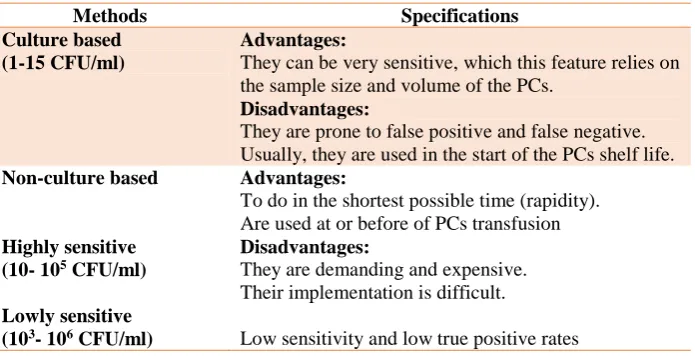
(Table 2). In the current investigation, both of
them will be discussed in detail.
Culture based methods
Culture method is done either during the
product shelf life (for instance, between 12 to
36 hours of holding time) or at or near the time
of product transfusion. In the first type, since
the bacterial load is too low, it is demanding to
be detectable. Nonetheless, at the time of
product transfusion bacterial contamination is
more detectable owing to high bacterial load.
However, the detection at this time is too late
in order to prevent from transfusion. It is
recommended that, it is better to perform
culture on the third or fourth day of platelet
shelf-time [7].
Table 2. Comparison of culture based methods and non-culture based methods
Methods Specifications
Culture based (1-15 CFU/ml)
Advantages:
They can be very sensitive, which this feature relies on the sample size and volume of the PCs.
Disadvantages:
They are prone to false positive and false negative. Usually, they are used in the start of the PCs shelf life. Non-culture based
Highly sensitive (10- 105 CFU/ml)
Lowly sensitive (103- 106 CFU/ml)
Advantages:
To do in the shortest possible time (rapidity). Are used at or before of PCs transfusion Disadvantages:
They are demanding and expensive. Their implementation is difficult.
Low sensitivity and low true positive rates
CFU= colony-forming unit; PCs= Platelet components
Culture based methods require that bacteria
grow in the culture conditions of the test.
These tests are capable to detect as few as one
colony-forming unit (CFU) of bacteria in the
inoculated sample, and can reliably detect
10-100 CFU in the sample. The sensitivity of
them relies on the sample size and volume of
the PCs. Indeed, bacterial contaminations in
the samples with greater amount are more
likely detected in this method [7, 53]. In a
review study, it determined that 8 ml sample
volume yields higher true-positive rates than 4
ml, which cause significant increase in the
detection rate of the bacterial contamination in
PCs [54]. To conclude, culture base systems
are the most sensitive method for the detection
of bacterial contamination of PCs, however,
demanding large sample volume and pretty
long incubation times (more than 24 hours)
are disadvantage of its application [4, 55].
Procedures approved by the american
association of blood banks (AABB) are
included BacT/ALERT monitoring, CO2
production as well as enhanced bacterial
detection system (EBDS) monitoring oxygen
consumption and pan genera detection (PGD),
and a point-of-release bacterial detection assay
[56-58]. PGD testing is not a culture-based
method. Therefore, it is not discussed here
and will be explained in non-culture based
methods section.
BacT/ALERT
BacT/ALERT is a colorimetric culture system
with an FDA-approved indication for testing
platelet contamination. Samples should be
taken at least 24 hours after collection process
and using one aerobic blood product aerobic,
and one anaerobic blood product anaerobic,
bottles. Each bottle should be poured with
4 ml (5-10 ml) of platelet sample [39]. This
procedure optimizes bacterial detection
and allows bacterial growth in PCs (boost
bacterial concentrations) the results in
bacterial concentration will become more
likely greater than detection range of
culture-based system (1-10 CFU/ml) [59-61].
Moreover, platelets is inoculated with known
transfusion relevant bacterial strains in order to
carry out the quality control of so-called
system and find out its ability to reliably detect
a wide range of transfusion relevant bacterial
strains at a sensitivity of 1 to 10 CFU/ml in a
7-days culture and 12-hour incubation period,
respectively [47, 62-65].
In addition, increasing the sample volume
has a noteworthy impression on culture
sensitivity since it will boom probability of
existence at least one viable organism in
contaminated sample [37, 39, 66, 67]. In
BacT/ALERT method, it should be considered
that a minimum of 10 hours incubation
(depending on the bacterial load) requires to
obtain the result [68].
There are two techniques almost similar to
BacT/ALERT: The Bactec system, which use
a fluorometric system rather than colorimetric
detection principle and the Versa TREK
monitors bacterial growth by detecting
pressure changes in the headspace of the
blood culture bottle secondary to gas
consumption/production [29, 69]. BacT/Alert
system is most common type of system, which
is applied and seen in reports in comparison
with other systems of detection [29, 70, 71].
The BacT/ALERT system is a quick
approaches in comparison with other culture
systems (nearly 2 times faster than the manual
culture method) with high accuracy in PCs
bacterial contamination detection and it
enhances platelet health [72]. However,
culturing systems have a couple of disadvantages.
By way of illustration, culturing is time
consuming that is why PCs may have been
transfused before test (for example BacT/
ALERT) become positive [37]. Moreover,
BacT/ALERT system under different
circumstances should be tested again. Indeed,
despite the consequences on patient’s safety,
the BacT/ALERT displayed a dose and
volume dependent results at its best condition.
It is asserted that, based on these scores
of the BacT/ALERT system, blood banks
and transfusion centers should take high
responsibilities for the patients’ safety [73, 74].
Enhanced Bacterial Detection System
(eBDS)
eBDS is an FDA-approved system, which
works according to the measurement of
reduction in oxygen concentration due to the
bacterial growth at 37°C. This system consists
of a disposable sample pouch, an incubator, and
an oxygen analyzer. Platelet sample (2-3 ml) is
transferred into a satellite bag and incubated for
18- 24 hours at 35°C with agitation.
A filter in the system allows bacteria to enter
the sample while preventing platelets and other
cellular components from contaminating the
sample. Following incubation for 24 hours, the
oxygen level is measured in the headspace.
Bacterial contamination in PCs will consider
should the O2 amount founded to be less than
19%, which is the cut-off value between a
positive and negative reading [20, 34]. In fact,
this system uses the oxygen consumption by
bacteria as a marker for detection. It has
capability to detect aerobic and facultative
anaerobic bacteria, which consider a risk for
false-negative screening results [71]. In vitro
sensitivity of this method is between 1-15
CFU/ml and sensitivity of the Pall eBDS and
BacT/ALERT is similar [58, 75].
Non-culture based methods
Non-culture based methods are rapid and this
attribute is major merits of this kind of
methods. These methods allow us to detect
toxic levels of bacteria at the time of testing or
shortly before PCs components transfusion.
These methods divided into two types: Highly
sensitive and lowly sensitive.
Highly sensitive: Polymerase chain reaction
(PCR) and flow cytometry
These methods are very sensitive, but
utilization of samples with low volume is too
insensitive for early testing. Compared to
culture-based methods, there are combination
of high sensitivity and specificity, low
contamination risk, ease of performance, and
speed[76-81].
PCR
Analytical sensitivity of nucleic acid screening
based methods is 10-100 CFU (ml PC),
depending on contaminant bacterial species as
well as DNA extraction and amplification
procedures. On the contrary, flow cytometry
analysis, which is based on fluorescence
staining of bacterial DNA, has a sensitivity of
only 103-104 CFU (ml PC) [9, 76]. Conserved
nucleic acid sequences in the two- target
regions 16S rDNA and 23S rDNA have been
used to develop real-time PCR assays.
However, there is the possibility of DNA
contamination of PCR reagents, which can
produce false-positive results [71, 78].
Applying decontamination of PCR reagents by
enzymatic digestion often reduced the assay
sensitivity and influencing assay efficiency
[79]. Furthermore, primers and probes must be
constantly verified [80]. Overall, PCR testing
is demanding and expensive.
Flow cytometry
Application of fluorescence-activated cell
sorting to screen PCs for bacterial
contamination is a rapid and feasible approach.
It requires only about 30 min to yield results.
On the contrary, results of nucleic acid
extension are obtained within approximately
4 h (Extraction 90 min. for 20 samples,
amplification 90 min., analysis 5 min.,
sampling and pipetting 30 min.), which is a
disadvantage of this method, especially for
slow-growing species such as Staphylococcus
epidermidis [68]. Flow cytometry assay is
typically carried out either as a rapid test or in
combination with a pre-incubation step aimed
at increasing the analytical sensitivity [9].
However, without a pre-incubation step, the
analytical sensitivity of fluorescence-activated
cell sorting method is very low (103 to 105
CFU/ml) [9, 68, 81]. However, the sensitivity
is high, but implementation is more difficult
[20, 82].
Lowly sensitive: Such as gram stain, acridine
orange, glucose consumption, PH measurement,
pan genera detection and enzymatic method of
bio responsive polymers.
Gram stain and acridine orange
It is clear that gram stain and acridine orange
have similar sensitivity (105-106 CFU/ml) and
low cost, particularly in older units, but they
are very time consuming and requires
specialized training. They can be done at the
time of issue, providing a real time assay for
bacteria at concentrations most likely to cause
serious adverse events [34, 82]. However,
these resulted in low true positive rates.
Glucose consumption and PH measurement
Both of glucose consumption and PH
measurement in the platelet components are
thought to change in the presence of increasing
bacteria. As the growth of bacteria leads to
glucose consumption and acid production,
glucose and PH decrease in the platelet
components. However, these both have been
shown to be inapplicable in the clinical use
and have led to wasting many platelet units
because of false positive results. For instance,
in PH testing, it was found that all of positive
results were false and nearly 2% of all platelet
units were discarded [27, 34]. Consequently, it
can be said, determination of PH and glucose
lead to very high false positive rates. Hence,
PH and glucose measurement have low true
positive rates.
Pan genera detection
The pan genera detection assay is a rapid and
qualitative immunoassay. This method has
cleared by the FDA for the detection of
aerobic and anaerobic Grampositive and
-negative bacteria directly prior to transfusion.
The test principle is based on the immunological
detection of lipopolysaccharide for
Gram-negative bacteria or lipo-teichoic acid for
Gram-positive bacteria [34, 83]. The analytical
sensitivity of this assay is specified as 103–104
CFU/ml and 103–105 CFU/ml for
Gram-positive and negative bacteria, respectively
[83]. For quality control testing of PCs, this
system should be used as an adjunct quality
control test following testing with an
FDA-cleared bacterial detection device. The pan
genera detection test comes as a commercial
kit containing lateral flow test device
(Including two simultaneously run test strips
specific for detection of Gram-positive and
Gram-negative bacteria) reagents, controls, and
other disposable materials [34]. The major
disadvantages of the pan genera detection
assay are high costs and high rate of
false-positive results [84]. Since this method has
low sensitivity, it seems that it is merely
acceptable when the screened PCs are
transfused immediately after testing [20].
Bio responsive polymers
Researches have shown that technology of bio
responsive polymers based on enzyme operate
reactions is an appropriate method to detect
both contaminating organisms and wound
infection [85-89]. This technology can be used
to find contaminations at an early stage and it
can be used for the detection of pathogens in
PCs. A visible color reaction indicates a
contamination and gives a clear yes/no signal.
However, it seems that this procedure has a
low sensitivity and maybe fluorescent dyes can
be used to improve the sensitivity of this
detection system [90].
Conclusions
To conclude, the method used for testing of
the bacterial contamination of PCs should be
sensitive, specific and inexpensive. It should
have a rapid turn-around time and demand a
small sample volume [91]. The efficiency of
bacterial detection in PCs depends on several
factors such as sampling time, sample volume
as well as sensitivity of the detection method
and bacterial growth kinetics [47]. Each of the
methods described in this study has a couple of
advantages and disadvantages. It seems that
culture-based methods, especially BacT/Alert,
which has been approved by the FDA, are the
most sensitive methods among them.
Consequently, wide varieties of countries are
using BacT/Alert method as a routine bacterial
screening method [11, 13, 53, 59, 62, 92-94].
Additionally, it asserted that BacT/Alert
technique has high sensitivity and specificity;
however, it can be controversial and is not
universal. It is believed that this claim still
needs further study. In general, this method
is far more dependable and fabulous in
comparison with other PCs contamination
identification method and considers as gold
standard method. Rapid methods are able to
diagnose and give us test results within a short
time period, which it minimizes the sampling
error risk like low volume or sampling time
errors. Additionally, a couple of these methods
not in use or no longer fulfill requirements for
bacterial contamination detection, most cases
are still clinically important. Furthermore, a
couple of methods like molecular methods are
important in research centers. Application of
rapid methods more likely will play an crucial
role in transfusion medicine in near future.
This requires more and more investigations,
especially in clinical indications.
Eventually, it clears that consideration of a
comprehensive assessment is consequential,
which all of following items must be included:
1 . Consistent implementation of the principles of
good manufacturing practice.
2. Accurate identification asymptomatic
bacteremia and the considering permissible
protocol for it.
3. Disinfection of phlebotomy area in proper
manner.
4. Technique of diverting first 30 ml of blood
sample after venipuncture.
5. Verification of PCs storage containers and
storage temperature to increase PCs shelf life.
6. Utilization of a superb method for testing
PCs bacterial contamination (Sensitive,
specific, inexpensive and rapid).
7. Pathogen inactivation or pathogen reduction
for increasing platelet units' shelf life.
Conflict of Interest
The authors report no declarations of interest.
Acknowledgment
There is no acknowlegment to declare.
References
[1]. Esmaili MA, Sharifi Z, Yari F. Conjugates of B cells and platelet microparticles in the human peripheral blood. Archives of Medical Laboratory Sciences 2016; 2(3): 79-83.
[2]. Esmaili MA, Yari F, Sharifi Z, Nikougoftar M, Fadaei R. Effects of platelet microparticles on the activation of B cells. Modares Journal of Medical Sciences: Pathobiology 2013; 15(4): 1-10.
[3]. Niu MT, Knippen M, Simmons L, Holness LG. Transfusion-transmitted Klebsiella pneumoniae fatalities, 1995 to 2004. Transfus Med Rev. 2006; 20(2): 149-57.
[4]. Brecher ME, Hay SN. Bacterial contamination of blood components. Clin Microbiol Rev. 2005; 18(1): 195-204.
[5]. Jacobs MR, Palavecino E, Yomtovian R. Don't bug me: the problem of bacterial contamination of
blood components--challenges and solutions. Transfusion 2001; 41(11): 1331-334.
[6]. Dreier J, Vollmer T, Kleesiek K. Novel flow cytometry-based screening for bacterial contamination of donor platelet preparations compared with other rapid screening methods. Clin Chem. 2009; 55(8): 1492-502.
[7]. Murphy WG, Foley M, Doherty C, Tierney G, Kinsella A, Salami A, et al. Screening platelet concentrates for bacterial contamination: low numbers of bacteria and slow growth in contaminated units mandate an alternative approach to product safety. Vox Sang. 2008; 95(1): 13-19.
[8]. Rotman B, Cote MA. Application of a real-time biosensor to detect bacteria in platelet concentrates. Biochem Biophys Res Commun. 2003; 300(1): 197-200.
[9]. Schmidt M, Hourfar MK, Nicol SB, Wahl A, Heck J, Weis C, et al. A comparison of three rapid bacterial detection methods under simulated real-life conditions. Transfusion 2006; 46(8): 1367-373.
[10]. Blajchman MA, Beckers EA, Dickmeiss E, Lin L, Moore G, Muylle L. Bacterial detection of platelets: current problems and possible resolutions. Transfus Med Rev. 2005; 19(4): 259-72.
[11]. Fang CT, Chambers LA, Kennedy J, Strupp A, Fucci MC, Janas JA, et al. Detection of bacterial contamination in apheresis platelet products: American Red Cross experience, 2004. Transfusion 2005; 45(12): 1845-852.
[12]. Farzad BB, Farshad B, Zahra B, Nahid A, Mahsa KB. Bacterial contamination of platelet products in the Blood Transfusion Center of Isfahan, Iran. GMS hygiene and infection control. 2016; 11.
[13]. Benjamin RJ, Kline L, Dy BA, Kennedy J, Pisciotto P, Sapatnekar S, et al. Bacterial contamination of whole-blood-derived platelets: the introduction of sample diversion and prestorage pooling with culture testing in the American Red Cross. Transfusion 2008; 48(11): 2348-355.
[14]. Borosak M, Wood E. Bacterial Pre-Release Testing of Platelets - the Australian Red Cross Blood Service Clinical Experience. Transfus Med Hemother. 2011; 38(4): 239-41.
[15]. Jenkins C, Ramirez-Arcos S, Goldman M, Devine DV. Bacterial contamination in platelets: incremental improvements drive down but do not eliminate risk. Transfusion 2011; 51(12): 2555-565.
[16]. Lee CK, Wong HK, Ho PL, Tsoi WC, Lee KY, Tsui GT, et al. Significant bacterial contamination risk reduction with the use of diversion pouch. Transfus Med. 2012; 22(6): 404-408.
[17]. Murphy S, Heaton WA, Rebulla P. Platelet production in the Old World--and the New. Transfusion 1996; 36(8): 751-54.
[18]. Katus MC, Szczepiorkowski ZM, Dumont LJ, Dunbar NM. Safety of platelet transfusion: past, present and future. Vox Sang. 2014; 107(2): 103-13. [19]. Goldman M, Blajchman MA. Blood product-associated bacterial sepsis. Transfus Med Rev. 1991; 5(1): 73-83.
[20]. Stormer M, Vollmer T. Diagnostic methods for platelet bacteria screening: current status and developments. Transfus Med Hemother. 2014; 41(1): 19-27.
[21]. Esmaeili MA, Yari F, Amini A, Rezvani MR. The effect of cell derived microparticles in transfusion medicine and adaptive immune system. Archives of Medical Laboratory Sciences 2016; 2(1): 29-35.
[22]. Greco C, Mastronardi C, Pagotto F, Mack D, Ramirez-Arcos S. Assessment of biofilm-forming ability of coagulase-negative staphylococci isolated from contaminated platelet preparations in Canada. Transfusion 2008; 48(5): 969-77. [23]. Larsen CP, Ezligini F, Hermansen NO,
Kjeldsen-Kragh J. Six years' experience of using the BacT/ALERT system to screen all platelet concentrates, and additional testing of outdated platelet concentrates to estimate the frequency of false-negative results. Vox Sang. 2005; 88(2): 93-7.
[24]. von Eiff C, Peters G, Heilmann C. Pathogenesis of infections due to coagulase-negative staphylococci. Lancet Infect Dis. 2002; 2(11): 677-85.
[25]. Vamvakas EC. Relative safety of pooled whole blood-derived versus single-donor (apheresis) platelets in the United States: a systematic review of disparate risks. Transfusion 2009; 49(12): 2743-758.
[26]. Ness P, Braine H, King K, Barrasso C, Kickler T, Fuller A, et al. Single-donor platelets reduce the risk of septic platelet transfusion reactions. Transfusion 2001; 41(7): 857-61.
[27]. Yomtovian RA, Palavecino EL, Dysktra AH, Downes KA, Morrissey AM, Bajaksouzian S, et al. Evolution of surveillance methods for detection of bacterial contamination of platelets in a university hospital, 1991 through 2004. Transfusion 2006; 46(5): 719-30.
[28]. Buchholz DH, Young VM, Friedman NR, Reilly JA, Mardiney MR. Detection and quantitation of bacteria in platelet products stored at ambient temperature. Transfusion 1973; 13(5): 268-75.
[29]. Murphy WG, Coakley P. Testing platelet components for bacterial contamination. Transfus Apher Sci. 2011; 45(1): 69-74.
[30]. Te Boekhorst PA, Beckers EA, Vos MC, Vermeij H, Van Rhenen DJ. Clinical significance
of bacteriologic screening in platelet concentrates. Transfusion 2005; 45(4): 514-19.
[31]. Braine HG, Kickler TS, Charache P, Ness PM, Davis J, Reichart C, et al. Bacterial sepsis secondary to platelet transfusion: an adverse effect of extended storage at room temperature. Transfusion 1986; 26(4): 391-93.
[32]. Pietersz RN, Engelfriet CP, Reesink HW, Wood EM, Winzar S, Keller AJ, et al. Detection of bacterial contamination of platelet concentrates. Vox Sang. 2007; 93(3): 260-77.
[33]. de Korte D, Marcelis JH, Verhoeven AJ, Soeterboek AM. Diversion of first blood volume results in a reduction of bacterial contamination for whole-blood collections. Vox Sang. 2002; 83(1): 13-16.
[34]. 34. Bessos H, Seghatchian J. What's happening? The expanding role of apheresis platelet support in neonatal alloimmune thrombocytopenia: current status and future trends. Transfus Apher Sci. 2005; 33(2): 191-97. [35]. Goldman M, Roy G, Frechette N, Decary F,
Massicotte L, Delage G. Evaluation of donor skin disinfection methods. Transfusion 1997; 37(3): 309-12.
[36]. McDonald CP, Lowe P, Roy A, Robbins S, Hartley S, Harrison JF, et al. Evaluation of donor arm disinfection techniques. Vox Sang. 2001; 80(3): 135-41.
[37]. de Korte D, Curvers J, de Kort WL, Hoekstra T, van der Poel CL, Beckers EA, et al. Effects of skin disinfection method, deviation bag, and bacterial screening on clinical safety of platelet transfusions in the Netherlands. Transfusion 2006; 46(3): 476-85.
[38]. Eder AF, Kennedy JM, Dy BA, Notari EP, Weiss JW, Fang CT, et al. Bacterial screening of apheresis platelets and the residual risk of septic transfusion reactions: the American Red Cross experience (2004-2006). Transfusion 2007; 47(7): 1134-142.
[39]. Eder AF, Kennedy JM, Dy BA, Notari EP, Skeate R, Bachowski G, et al. Limiting and detecting bacterial contamination of apheresis platelets: inlet-line diversion and increased culture volume improve component safety. Transfusion 2009; 49(8): 1554-563.
[40]. Satake M, Mitani T, Oikawa S, Nagumo H, Sugiura S, Tateyama H, et al. Frequency of bacterial contamination of platelet concentrates before and after introduction of diversion method in Japan. Transfusion 2009; 49(10): 2152-157. [41]. McDonald CP, Roy A, Mahajan P, Smith R,
Charlett A, Barbara JA. Relative values of the interventions of diversion and improved donor-arm disinfection to reduce the bacterial risk from blood transfusion. Vox Sang. 2004; 86(3): 178-82.
[42]. Lozano M, Cid J, Prowse C, McCullough J, Klein HG, Aubuchon JP. Pathogen inactivation or
pathogen reduction: proposal for standardization of nomenclature. Transfusion 2015; 55(3): 690. [43]. Allain JP, Owusu-Ofori AK, Assennato SM,
Marschner S, Goodrich RP, Owusu-Ofori S. Effect of Plasmodium inactivation in whole blood on the incidence of blood transfusion-transmitted malaria in endemic regions: the African Investigation of the Mirasol System (AIMS) randomised controlled trial. Lancet 2016; 387(10029): 1753-761.
[44]. Cazenave JP, Folléa G, Bardiaux L, Boiron JM, Lafeuillade B, Debost M, et al. A randomized controlled clinical trial evaluating the performance and safety of platelets treated with MIRASOL pathogen reduction technology. Transfusion 2010; 50(11): 2362-375.
[45]. Klein HG, Dodd R, Dzik W, Luban N, Ness PM, Pisciotto P, et al. Current status of solvent/detergent‐treated frozen plasma. Transfusion 1998; 38(1): 102-107.
[46]. Ludlam CA, Powderly WG, Bozzette S, Diamond M, Koerper MA, Kulkarni R, et al. Clinical perspectives of emerging pathogens in bleeding disorders. Lancet 2006; 367(9506): 252-61.
[47]. Brecher ME, Holland PV, Pineda AA, Tegtmeier GE, Yomtovian R. Growth of bacteria in inoculated platelets: implications for bacteria detection and the extension of platelet storage. Transfusion 2000; 40(11): 1308-312.
[48]. Mohr H, Bayer A, Gravemann U, Muller TH. Elimination and multiplication of bacteria during preparation and storage of buffy coat-derived platelet concentrates. Transfusion 2006; 46(6): 949-55.
[49]. Wagner SJ, Friedman LI, Dodd RY. Transfusion-associated bacterial sepsis. Clin Microbiol Rev. 1994; 7(3): 290-302.
[50]. Roth VR, Kuehnert MJ, Haley NR, Gregory KR, Schreiber GB, Arduino MJ, et al. Evaluation of a reporting system for bacterial contamination of blood components in the United States. Transfusion 2001; 41(12): 1486-492.
[51]. Jacobs MR, Good CE, Lazarus HM, Yomtovian RA. Relationship between bacterial load, species virulence, and transfusion reaction with transfusion of bacterially contaminated platelets. Clin Infect Dis. 2008; 46(8): 1214-220. [52]. Hong H, Xiao W, Lazarus HM, Good CE,
Maitta RW, Jacobs MR. Detection of septic transfusion reactions to platelet transfusions by active and passive surveillance. Blood 2016; 127(4): 496-502.
[53]. Benjamin RJ, Wagner SJ. The residual risk of sepsis: modeling the effect of concentration on bacterial detection in two-bottle culture systems and an estimation of false-negative culture rates. Transfusion 2007; 47(8): 1381-389.
[54]. Bruhn R, Custer B, Vanderpool S, Townsend M, Kamel H, Tomasulo P. Impact of increasing
sample volume from 4 ml to 8 ml on bacterial detection rates in apheresis platelets: a meta-analysis. Vox Sang. 2015; 108(3): 318-20. [55]. Blajchman MA, Goldman M, Baeza F.
Improving the bacteriological safety of platelet transfusions. Transfus Med Rev. 2004; 18(1): 11-24.
[56]. Brecher ME, Hay SN, Rothenberg SJ. Evaluation of a new generation of plastic culture bottles with an automated microbial detection system for nine common contaminating organisms found in PLT components. Transfusion 2004; 44(3): 359-63.
[57]. Brecher ME, Hay SN, Rothenberg SJ. Validation of BacT/ALERT plastic culture bottles for use in testing of whole-blood-derived leukoreduced platelet-rich-plasma-derived platelets. Transfusion 2004; 44(8): 1174-178. [58]. Holme S, McAlister MB, Ortolano GA, Chong
C, Cortus MA, Jacobs MR, et al. Enhancement of a culture-based bacterial detection system (eBDS) for platelet products based on measurement of oxygen consumption. Transfusion 2005; 45(6): 984-93.
[59]. Ezuki S, Kawabata K, Kanno T, Ohto H. Culture-based bacterial detection systems for platelets: the effect of time prior to sampling and duration of incubation required for detection with aerobic culture. Transfusion 2007; 47(11): 2044-2049.
[60]. Wagner SJ, Moroff G, Katz AJ, Friedman LI. Comparison of bacteria growth in single and pooled platelet concentrates after deliberate inoculation and storage. Transfusion 1995; 35(4): 298-302.
[61]. Wagner SJ, Robinette D. Evaluation of an automated microbiologic blood culture device for detection of bacteria in platelet components. Transfusion 1998; 38(7): 674-79.
[62]. Brecher ME, Hay SN, Rose AD, Rothenberg SJ. Evaluation of BacT/ALERT plastic culture bottles for use in testing pooled whole blood-derived leukoreduced platelet-rich plasma platelets with a single contaminated unit. Transfusion 2005; 45(9): 1512-517.
[63]. Brecher ME, Means N, Jere CS, Heath D, Rothenberg S, Stutzman LC. Evaluation of an automated culture system for detecting bacterial contamination of platelets: an analysis with 15 contaminating organisms. Transfusion 2001; 41(4): 477-82.
[64]. Muller TH, Mohr H, Montag T. Methods for the detection of bacterial contamination in blood products. Clin Chem Lab Med. 2008; 46(7): 933-46.
[65]. Brecher ME, Hay SN, Rothenberg SJ. Monitoring of apheresis platelet bacterial contamination with an automated liquid culture system: a university experience. Transfusion 2003; 43(7): 974-78.
[66]. Tomasulo PA, Wagner SJ. Predicting improvement in detection of bacteria in apheresis platelets by maintaining constant component sampling proportion. Transfusion 2013; 53(4): 835-42.
[67]. Kim SC, Kim S, Lee DH, Choi SR, Kim JS. Effect of blood volume in standard anaerobic blood culture bottles of the BacT/ALERT 3D system used for the detection of pathogens and time to detection. PLoS One 2015; 10(2): e0116728.
[68]. GuoHui B, Chunhui Y, Miao H, Hong W, Jiaxin L, Ye C, et al. Three different bacterial detection systems for platelet concentrates under inter-laboratory conditions. Transfus Apher Sci. 2013; 49(3): 600-607.
[69]. Nanua S, Weber C, Isgriggs L, Dunne WM, Performance evaluation of the VersaTREK blood culture system for quality control testing of platelet units. J Clin Microbiol. 2009; 47(3): 817-18.
[70]. Savini V, Balbinot A, Giancola R, Quaglietta A, Accorsi P, D'Antonio D, et al. Comparison between the BACTEC 9240 and the Pall eBDS system for detection of bacterial platelet concentrate contamination. Transfusion 2009; 49(6): 1217-223.
[71]. Schmidt M, Sireis W, Seifried E. Implementation of Bacterial Detection Methods into Blood Donor Screening-Overview of Different Technologies. Transfus Med Hemother. 2011; 38(4): 259-65.
[72]. Razjou F, Dabirmoghadam A. Comparison of the Bact/Alert blood culture system and manual culture method for detection of aerobic and facultative anaerobic bacterial contamination in platelet concentrates. Scientific Journal of Iranian Blood Transfusion Organization 2012; 8(4): 265-71.
[73]. Dabirmoghadam A, Razjou F, Kokab Sayar E. Evaluation of an automated microbiological blood culture for detection of bacteria in platelet units. Scientific Journal of Iranian Blood Transfusion Organization 2013; 9(4): 399-405.
[74]. Dabirmoghadam A, Razjou F, Badlou BA. Measurement of BacT/ALERT Sensitivity after Inoculation Certain Amount of E. coli and S. epidermis. J Blood Disorders Transf. 2015; 2015. [75]. Fournier-Wirth C, Deschaseaux M, Defer C,
Godreuil S, Carriere C, Bertrand X, et al. Evaluation of the enhanced bacterial detection system for screening of contaminated platelets. Transfusion 2006; 46(2): 220-24.
[76]. Dreier J, Stormer M, Kleesiek K. Two novel real-time reverse transcriptase PCR assays for rapid detection of bacterial contamination in platelet concentrates. J Clin Microbiol. 2004; 42(10): 4759-764.
[77]. Vollmer T, Kleesiek K, Dreier J. Detection of bacterial contamination in platelet concentrates
using flow cytometry and real-time PCR methods. Methods Mol Biol. 2013;943:91-103. [78]. Mohammadi T, Reesink HW, Vandenbroucke-Grauls CM, Savelkoul PH. Optimization of real-time PCR assay for rapid and sensitive detection of eubacterial 16S ribosomal DNA in platelet concentrates. J Clin Microbiol. 2003; 41(10): 4796-798.
[79]. Dreier J, Stormer M, Kleesiek K. Real-time polymerase chain reaction in transfusion medicine: applications for detection of bacterial contamination in blood products. Transfus Med Rev. 2007; 21(3): 237-54.
[80]. Sireis W, Ruster B, Daiss C, Hourfar MK, Capalbo G, Pfeiffer HU, et al. Extension of platelet shelf life from 4 to 5 days by implementation of a new screening strategy in Germany. Vox Sang. 2011; 101(3): 191-99. [81]. Mohr H, Lambrecht B, Bayer A, Spengler HP,
Nicol SB, Montag T, et al. Sterility testing of platelet concentrates prepared from deliberately infected blood donations. Transfusion 2006; 46(3): 486-91.
[82]. Yomtovian R, Lazarus HM, Goodnough LT, Hirschler NV, Morrissey AM, Jacobs MR. A prospective microbiologic surveillance program to detect and prevent the transfusion of bacterially contaminated platelets. Transfusion 1993; 33(11): 902-909.
[83]. Vollmer T, Hinse D, Kleesiek K, Dreier J. The Pan Genera Detection immunoassay: a novel point-of-issue method for detection of bacterial contamination in platelet concentrates. J Clin Microbiol. 2010; 48(10): 3475-481.
[84]. Ramirez-Arcos S, Kou Y, Mastronardi C, Perkins H, Goldman M. Bacterial screening of outdated buffy coat platelet pools using a culture system and a rapid immunoassay. Transfusion 2011; 51(12): 2566-572.
[85]. Hasmann A, Gewessler U, Hulla E, Schneider KP, Binder B, Francesko A, et al. Sensor materials for the detection of human neutrophil elastase and cathepsin G activity in wound fluid. Exp Dermatol. 2011; 20(6): 508-13.
[86]. Hasmann A, Wehrschuetz-Sigl E, Kanzler G, Gewessler U, Hulla E, Schneider KP, et al. Novel
peptidoglycan-based diagnostic devices for detection of wound infection. Diagn Microbiol Infect Dis. 2011; 71(1): 12-23.
[87]. Hasmann A, Wehrschuetz-Sigl E, Marold A, Wiesbauer H, Schoeftner R, Gewessler U, et al. Analysis of myeloperoxidase activity in wound fluids as a marker of infection. Ann Clin Biochem. 2013; 50(Pt 3): 245-54.
[88]. Schneider KP, Gewessler U, Flock T, Heinzle A, Schenk V, Kaufmann F, et al. Signal enhancement in polysaccharide based sensors for infections by incorporation of chemically modified laccase. N Biotechnol. 2012; 29(4): 502-509.
[89]. Schneider KP, Rollett A, Wehrschuetz-Sigl E, Hasmann A, Zankel A, Muehlebach A, et al. Bioresponsive systems based on polygalacturonate containing hydrogels. Enzyme Microb Technol. 2011; 48(4-5): 312-18.
[90]. Gamerith C, Heinzle A, Schneider KP, Hulla-Gumbsch E, Gewessler U, Ducoroy L, et al. Bioresponsive polymers for the detection of bacterial contaminations in platelet concentrates. N Biotechnol. 2014; 31(2): 150-55.
[91]. Hsueh JC, Ho CF, Chang SH, Pan FZ, Chen SC, Shi MD, et al. Blood surveillance and detection on platelet bacterial contamination associated with septic events. Transfus Med. 2009; 19(6): 350-56.
[92]. Dunne WM, Case LK, Isgriggs L, Lublin DM. In-house validation of the BACTEC 9240 blood culture system for detection o f bacterial contamination in platelet concentrates. Transfusion 2005; 45(7): 1138-142.
[93]. Nussbaumer W, Allerstorfer D, Grabmer C, Rheinschmidt M, Lin L, Schonitzer D, et al. Prevention of transfusion of platelet components contaminated with low levels of bacteria: a comparison of bacteria culture and pathogen inactivation methods. Transfusion 2007; 47(7): 1125-133.
[94]. Su LL, Kamel H, Custer B, Vanderpool S, Harpool D, Busch M, et al. Bacterial detection in apheresis platelets: blood systems experience with a two-bottle and one-bottle culture system. Transfusion 2008; 48(9): 1842-852.