Psychology
Aotearoa
The New Zealand Psychological Society is the premier professional association for psychologists in Aotearoa New Zealand. Established as a stand-alone incorporated society in 1967, it now has over 1600 members and subscribers. The Society provides representation, services and support for its New Zealand and overseas members.
Psychology Aotearoa is the Society’s member-only periodical published twice a year. It contains articles and feature sections on topics of general interest to psychologists including the teaching, training and practice of psychology in Aotearoa New Zealand, research and new developments in psychology, application of psychology to current and social and political issues.
Co-Editor: Fiona Howard Email: [email protected] Co-Editor: Dr Pamela Hyde Ph: 04 473 4883
Email: [email protected] Production: Heike Albrecht
The New Zealand Psychological Society PO Box 25271, Featherston St.
Wellington 6146 Tel: 04 473 4884 Fax: 04 473 4889
Email: [email protected]
New Zealand Psychological Society website www.psychology.org.nz
Advertising
For rates and deadlines contact advertising manager: Vicki Hume at [email protected]
Phone: 04 473 4884 or visit
www.psychology.org.nz/advertising_opportunities Printed by Prestige Print Ltd.
ISSN 1179-3961 (Print) ISSN 1179-397X (Online) Disclaimer
Publication of material in or distribution of
material with Psychology Aotearoa does not constitute endorsement by the Society of any views expressed. Equally advertisements are accepted for publication at the discretion of the Editor, having regard to the perceived relevance of the products or services advertised to NZPsS members. Their inclusion does not constitute endorsement by the Society. The Editor reserves the right to edit all copy for publication.
Kia ora and welcome to Psychology Aotearoa the official twice yearly publication of the New Zealand Psychological Society. Psychology Aotearoa aims to inform members about current practice issues, discuss social and political issues of importance to psychologists, celebrate the achievements of members, provide a forum for bicultural issues and highlight research and new ideas relevant to psychology. It also aims to encourage contributions from students, hear the views of members and connect members with their peers.
Being part of Psychology Aotearoa
We welcome your contributions to Psychology Aotearoa. We are looking for submissions related to psychology which readers will find stimulating and can engage with. This can include items on practice and education issues, social and political issues impacting on psychology, bicultural issues, research in psychology, historical perspectives, theoretical and philosophical issues, kaupapa Māori and Pasifika psychology, book reviews, ethical issues and student issues.
For more information on making submissions to “Psychology Aotearoa”– go to
Contents
President’s Korero 52 President Quentin Abraham celebrates diversityEditorial 54
Fiona Howard previews this edition’s varied and interesting contributions
NZPsS News
A brief summary of the 50th NZPsS AGM ... 55 Forum
What’s it going to take for women to start leading in our high density-female profession, when the past continues to shape the present?- Helen Buckland-Wright; Kirsty Agar-Jacomb; Megan Anderson ... 56
Social Justice issues
An accidental advocate- Dr Kim McGregor ... 61 Dr Rose Black responds to questions on poverty ... 64
Practice- Research-Education
Pasifika and Psychology – Are we there yet?- Julia Ioane ... 68
Twenty-five years into the correctional rehabilitation revolution: keeping the science and art of psychology relevant- Devon Polaschek ... 71
Mental travels in space and time- Michael Corballis ... 76 Interdisciplinary Perspectives
What does speech-language therapy practice look like in New Zealand and how does it interface with psychology?- Philippa Friary, Liz Fairgray, Selena Donaldson, Suzanne C Purdy .. 78
One on One
NZPsS member Richard Straight reflects ... 82 Reviews
Rebecca Sargisson reviews Claudia Hammond’s Mind over money: The psychology of money
and how to use it better ; Peter Stanley reviews David Jobes’ Managing suicidal risk: A collaborative approach and Sally Satel and Scott O. Lilienfield’s Brainwashed: The seductive appeal of mindless neuroscience; John Fitzgerald reviews Ian M. Evans’ How and why thoughts change ....... 83
Student Forum
Student Forum editors, Anna Kurek and Ariana Krynen introduce: Why a psychology degree prepares you for any career- Jacinda Murphy; Sex, gender and sexual diverse youth’s experiences of Project Youth- Rachel Drayton; How is the role of psychologist at the Ministry of Education Severe Behaviour Service understood by schools, families and whanau? A psychologist’s perspective- Andree Leslie ; On combatting negative narratives: can psychology apply its optimistic voice to broader social discourses of individuals who commit offences? Angus Craig;
President’s Korero
—Quentin Abraham
Tēnā koutou ngā kaiwhakamatau hinengaro
Diverse cultures are strong, and mono-cultures are weak. We know that single varieties of bananas are much more vulnerable to disease. Likewise socially diverse, heterogeneous groups have a tendency to be more innovative and better at solving non-routine problems than homogenous groups.1 At this year’s NZPsS Conference2 we were able to celebrate the wide diversity of psychology practiced nationally and internationally with keynotes that ranged from disaster research, brain structure and the mind, psychology in correctional facilities, Māori health inequity, the reliability of forensic assessment and engagement with Pacific peoples.
This rich menu of diverse fruits challenged a current trend towards specialisation in our profession. Increasingly colleagues are required to justify their attendance at conferences if they do not meet narrow training objectives rather than feasting on the variety that psychology offers. One of the unexpected highlights at this conference was the awards ceremony. This was an opportunity to publicly acknowledge those who have achieved excellence and made significant contributions to our profession. Rebekah Graham, accepted the NZPsS Social Justice Award stating it was a vindication for her perseverance in the face of skepticism from her colleagues. Her research into the lived experience of food insecurity was not considered to be ‘real’ psychology. Her co-authored book chapter about the context, conditions and psychological experience of inequality provides an insight as to how psychologists can contribute to society.3
It was not necessary for you to go to America to catch Professor Stuart Carr’s work on applying psychology to the Global Living Organisational Wage project (GLOW). He was one of the final guest speakers of our NZPsS conference. He also proposed that the discipline of
1 Phillips, K. W. (2014). How Diversity Makes Us Smarter. Scientific American, (Oct 1). Retrieved from https://www.scientificamerican.com/ article/how-diversity-makes-us-smarter/
2 The New Zealand Psychological Society Annual Conference, Christchurch, Aotearoa/NZ, 30 August to 2 September 2017 3 Jackson, K., & Graham, R. (2017). When dollar loaves are all you have: Experiences of food insecurity in Hamilton, New Zealand. In S. Groot, N. Tassell-Matamua, C. v. Ommen, & B. Masters-Awatere (Eds.), Precarity: Uncertain, insecure and unequal lives in Aotearoa New Zealand: Massey University Press.
psychology can add to the alleviation of poverty.4 Poverty is viewed as an intolerable waste of talent, not just a lack of money but the inability to realise one’s potential as a human being. The GLOW project is a multi-site, global research project that provides the data so we can advocate for living wages at an organisational level.
It is through some of these diverse contributions from psychology and on the back of the NZPsS commissioned report on mental health and child poverty5 that I have met with representatives from various political parties in the run up to the election about how psychology can inform public policy in Aotearoa/New Zealand.
My sympathies go out to those who are working within ‘publish or perish’ research environments that favour narrow, short term and simple research topics. Furthermore, the dichotomy between pure and applied research has always seemed an outdated debate. Professor Neville Blampied gave a keynote at one of the Society’s previous conferences citing Witmer, 1907 … in the final analysis, the progress of … psychology, as of every other science, will be determined by the value … of its contributions to the advancement of the human race. He argues that historically our research methods have not always served us well and that by selecting methods fit for purpose such as single case designs, it will help us achieve our purpose in psychology6. We also need our ‘blue skies’ research. A recent book review described how the US National Science Foundation bankrolled research over 25 years with 1000 scientists and engineers before they discovered gravitational waves. These gravitational waves make up the very fabric of our universe.7What would it be like to have this scope and vision within the discipline of psychology?
4 Carr, S. (2017). Is “Working Poverty” any of our Business? Paper presented at the New Zealand Psychological Society Annual Conference 2017, Christchurch, Aotearoa/NZ. http://www.organisationalpsychology. nz/_content/Carr.pdf
5 Gibson, K., Abraham, Q., Asher, I., Black, R., Turner, N., Waitoki, W., & McMillan, N. (2017). Child Poverty and Mental Health: A Literature Review. Retrieved from http://www.psychology.org.nz/wp-content/ uploads/CPAGChildPovertyandMentalHealthreport.pdf
6 Neville M Blampied. (2014). Psychology in the 21st C – Getting over our addiction to p so our research can be evidence for our practice. Paper presented at the New Zealand Psychological Society, Annual Conference, University of Canterbury, Christchurch, New Zealand 30 Aug-1 Sept 2014. https://ir.canterbury.ac.nz/bitstream/ handle/10092/10405/12653781_Blampied%5eNZPsS%20 Keynote%5eAug2014.pdf?sequence=1&isAllowed=y
I meet regularly with other leaders in psychology in Aotearoa/New Zealand to discuss our contribution, most notably the Psychology Workforce group with representatives from the Ministry of Health. In order to approach fund holders regarding training and ongoing funding in psychology we have been pressed to succinctly describe our added value alongside other professionals. I would argue that one of our strengths is the embodied knowledge and theory that we bring to make sense of complex messy social situations. The distinction between Big K and Little k can be helpful.8 Psychologists add value by applying Big Knowledge (Big K) to succeed in a complex situation. Big K refers to the domains that evolve into specialisms, drawing on high quality good evidence and going beyond the property of individual minds. Little Knowledge (Little k) is knowledge within the realms of individual educational and personal professional experience used by paraprofessionals. Paraprofessionals are not subject to the rules of practice that apply to Big K. Those who have acquired Little k will be trained in limited, competency based models without the considerable practice to ensure client benefit. Superficially, briefly trained paraprofessionals may seem like a low-cost alternative to fully qualified psychologists but may in the long term be a false saving as they cannot offer the range of systemic, preventive work to ensure successful long-term outcomes for clients.
Many tangata whenua would endorse a holistic approach to working with our communities. One year, I was absent from my te reo Māori class attending a NZPsS conference. The tikanga was to mihi and to explain your absence in te reo Māori. I will never forget the look of incredulity and genuine bemusement from one of our kuia that someone would go away to discuss human beings only in terms of their hinengaro (mind). I had spent many years citing Mason Durie’s Te Whare Tapa Whā, arguing at the very least we should consider Te Taha Hinengaro (The capacity to communicate, to think and to feel mind and body are inseparable), Te Taha Tinana (Good physical health), Te Taha Wairua (The capacity for faith and wider communication) and Te Taha Whānau (The capacity to belong, to care and to share where individuals are part of wider social systems). However, at that moment, it seemed very strange to reduce human beings only in terms of their mind. Thankfully, our conferences do attempt to take a much broader perspective than how we have traditionally practised psychology.
We need both specialists and generalists to resist reducing
8 Corrie, S., & Lane, D. A. (2015). Things to Keep Us Awake at Night: The Challenges of being a Psychologist in the UK. Psychology Aotearoa, 17(2), 136-140
human beings into meaningless, discrete parts, treating or researching them out of context and/or without their voice or the voice of their communities. Managing this level of complexity and diversity is not easy. A wider range of world views and difference risks more conflict. However, working with this difference is at the very core of psychology. Not a single species of banana but fruit salad, perhaps even a slice of pavlova!
Kete kete, kā kā kū kū, whakawhitiwhiti wheiao (Diversity creates the world/s rich chorus)
Tēnā Koutou everyone
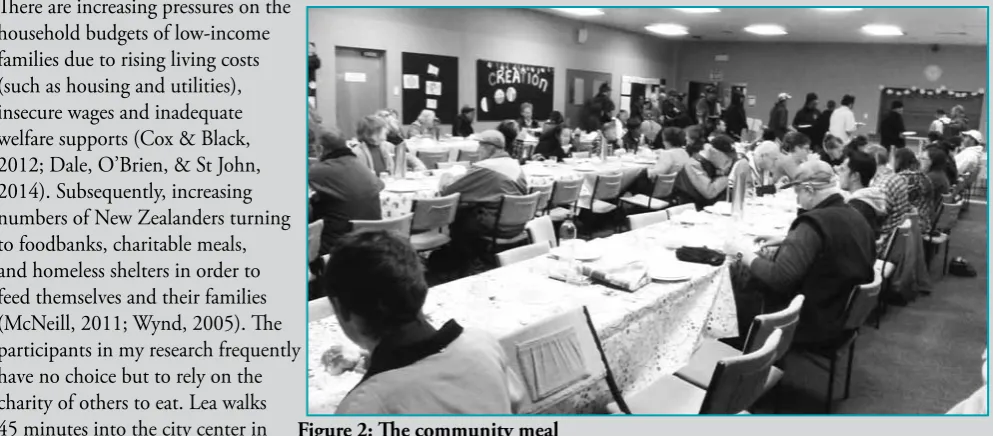
Well, it has been a tumultuous time with the election, but finally we have a new government and one that promises changes for the lives of many New Zealanders. Many of the election issues were integral to the work of many psychologists, for example, the alleviation of poverty and care for the environment captured many voters’ hearts and minds. Many of us will eagerly await the changes in housing, health, education and justice areas to name a few. There may also be changes to the work of psychologists. For example, we may now see more money go into mental health services and counselling made freely available to the young. Such policy commitments could make a considerable difference to the lives of our clients and indeed the work we engage in. Once more, we bring you a bumper crop of fascinating reading! Many of the key election issues are touched on in this edition. For example, poverty is the focus of Rose Black and Rebekah Graham’s articles. Rose‘s article is a summary of her response to questions asked of National Office about poverty. Her work is representative of Poverty Action Waikato (PAW) over recent years. Rebekah Graham, co-recipient of the inaugural Postgraduate Psychology Student Social Justice Scholarship 2017, has kindly written an account of her PhD on the lived experiences of food insecurity within the context of poverty in Aotearoa. Her passion and commitment shine through in approach to this topic during which she regularly attended community meals and people’s homes and shopping expeditions. This unique approach provided some first hand and hard-hitting observations of the impacts on the lives of those affected by poverty and unable to feed their family. This relatively untold narrative provides insight for those of us also working with such families and reminds us of the multiple ways in which poverty challenges people in Aotearoa. Well done Rebecca for a brave and important study!
In ‘An Accidental Advocate’ Kim McGregor, a name many of you will now be familiar with for the workshops she runs for the Society, charts her personal history from childhood abuse survivor to ‘Chief Victims Advisor to Government’. Kim tells a story of incredible persistence and resilience as she has continuously fought for the rights of abuse survivors in the system, whether it be for better protection for children and women within the court system or access to
treatment. The battle to keep services for victims of sexual abuse funded by successive governments has been long and hard and Kim, amongst others, has been at the forefront of these efforts. Kim’s commitment and clarity of purpose come through and are inspiring to us all.
Inspiring stories of women’s achievements despite challenging contexts is a continuing theme in the piece written by Helen Vykopal, Kirsty Agar-Jacomb & Megan Anderson, three senior women psychologists employed within DHB settings. Helen, Kirsty and Megan have written an article backgrounding the still prevalent gender gap in the workforce and extend a challenge to take note of discrimination that may subtly influence communication and power in the workplace. They ask the question - if the 80% of female psychologists challenge the gender roles that continued to define them, what would be the impact on the wider system? Their premise is that in order for us to make a difference to the extent to which women are represented in more powerful roles within workplaces and have greater authority in their teams we all must take note of and amend our communication style. Whilst this is not new to those who trained when feminism was at its height, the message is still important today as the relative status of women and men in society remains unequal, despite years of effort. Given the broader context of the need for greater leadership within the psychology profession, a female dominated profession, this message seems to need continued reiteration.
We are privileged indeed to have some of the thought-provoking keynote addresses from the conference included in this edition. Julia Ioane, who is of Samoan descent, shares understandings of her culture with us in the hope that we may better understand her people when we interact with them as clients. Julia asks that before we step in to a Pasifika client’s world, we must first understand that world. She describes some of the important principles and concepts from Samoan culture, belief systems and practices. Julia, in her warm and generous way is encouraging us to grow our cultural understandings as those of us not from a Pasifika culture still have a lot to learn.
Devon Polaschek, on the other hand, shares her
understanding of a different culture – that of psychology within the correctional system. It is interesting to consider the rich history of psychology within Corrections, and how like many other fields of psychology, it is also being challenged by increasing demand for its evidence base and its relevance. There are parallels here indeed with some of the earlier writings in this journal about the future of psychology.
NZPsS 50th AGM was held on 1 September 2017 with thirty eight members attending. Kaihautū Angus McFarlane opened the meeting with a karakia.
Minutes and Reports
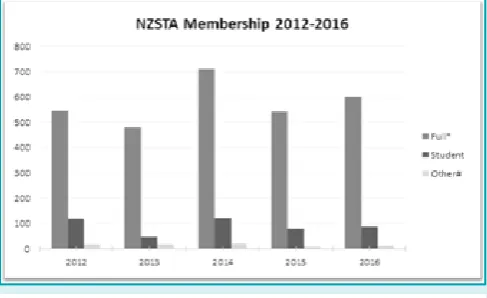
The 2016 minutes were accepted with an amendment. President Quentin Abraham spoke to his report. Issues he noted from the past year included the importance of building international relations and enhancing relationships with our MOU partners, the NZPsS 50th Jubilee next year and the importance of supporting the He Paiaka group of Māori psychologists. Quentin thanked everyone for their contribution to the Society in 2017 noting the hard work of Branch and Institutes Chairs and their committees. It was noted that the NZPsS is in good financial shape and the Executive was mindful of the need to retain reserves to cover expenses as well as ensuring that some of the reserves were spent on benefits and services for our members. Election of Officers
There were no officer positions vacant. Remits
There were several remits related to new member categories. These were aimed at broadening the membership base of the Society. There was an agreement to change the Rules to include International Affiliate and a Psychology Teacher Affiliate membership categories. There was also discussion on how the NZPsS can retain the valuable skills and knowledge of senior members of the Society who may be lessening their workload or retiring, based on remits from the Otago Southland Branch and the NZPsS Executive. It was agreed to establish a membership category aimed at encouraging and supporting senior members to remain with the NZPsS.
There were also two remits put forward by the Otago Southland branch regarding undergraduate psychology student membership of the NZPsS. The implications of these remits will be further researched by the NZPsS and put to the vote of the membership in due course.
NZPsS news
NZPsS News
This future orientation was also the focus of Michael Corballis’ keynote in which he explored the capacity of humans for ‘internal mapping of space and time’ and ‘the need to know where they are, where they have been, and where they might go next’. Michael takes us on a journey of discovery about the workings of the mind, recounting some of the findings that reveal some of our uniqueness as a species.
In our inter-professional section we have an item describing the role of Speech and Language Therapists (SLT) in Aotearoa written by Auckland based Philippa Friary, Liz Fairgray, Selena Donaldson and Suzanne Purdy. They present some casework which shows how SLT can intersect with psychology and improve the lives of those who suffer for example, birth defects, stroke, dementia or traumatic brain injury. Did you know in fact that New Zealanders have a one in four chance of seeing an SLT in their lifetime and that there are over 700 in this country?
This brings me to the student section of this edition and once again there is an array of stimulating reads. What has impressed me every time I read this section is how the students’ contributions reflect the diversity of experience people have whilst engaging in psychology as a career. More than that, these authors often speak to the new challenges we are facing in psychology education and work and help keep the profession informed, challenged and relevant. These fresh eyes on our profession are invaluable. I would like to take this opportunity too to thank Ariana and Anna for bringing these articles together.
Finally, I am also saying farewell to the role of co-editor of Psychology Aotearoa. I have enjoyed the role and it has given me a new appreciation of the uniqueness, talent and commitment of psychologists. The sourcing and editing of articles has given me insight into what is behind the words. Behind the articles lie years of study and experience. A keynote speech can represent the aspirations of a lifetimes work, a research article brings to life years of study and effort; an opinion piece is the result of much critical thinking. I celebrate the psychologists who have contributed to this journal and encourage all of you to consider putting your thoughts on paper too; we are indeed a diverse and fascinating profession!
Forum
The gender gap in psychology
Over the past few years there has been a growing conversation amongst female psychologists that in a profession that is almost 80% female, women are less visible at the top echelons of the profession than men. Having recently attended the 2017 NZCCP conference, it was notable that the majority of keynote speakers and presenters were male. In addition, a quick review of the past presidents of both the NZCCP and NZPsS revealed that men predominantly hold this position. Further, women are less likely to apply for merit step on the APEX MECA contract than their male counterparts. This is not a finding unique to New Zealand. A recent report by the American Psychological Association (APA) identified that as women have moved into the profession, the pay and prestige has decreased. In addition, female psychologists are less likely to achieve the same level of seniority and influence as their male counterparts (APA, 2017). This phenomenon is not unique to psychology. The Ministry for Women, NZ (2017) identified that across the board women continue
to be paid less than men, and although women are better educated and more qualified, they will not reach the same heights in their careers as their male counterparts. Research by Motu Economic and Public Policy Research NZ, reported that there was a 16% pay gap for women aged 25-39, a 21% gap for those aged 40-54, and a 49% gap for older women. (Sin, Stilllman & Fabling, 2017). The gap is due to the unconscious bias against women, and on-going sexism in the workplace (Ministry for Women NZ, 2017), not because we work in different professions or have different educations. It seems as women gain seniority in their career, they face an exponential increase in gender-based barriers, which significantly impact their financial prosperity. This echoes research carried out by Williams & Dempsey, (2014) that gender begins to significantly impact a woman’s career, only once they reach mid-career.
Why are women still experiencing a gender gap?
These findings are timely as we ask ourselves why are female psychologists, who are amongst some of the most highly educated women in New Zealand, not visibly leading, and
What’s it going to take for women to start leading in our high density-female profession, when the past continues to shape
the present?
Dr Helen Buckland-Wright, Dr Kirsty Agar-Jacomb, Megan Anderson
Kirsty Agar-Jacomb (left) is the Principal Psychologist for Adult Mental Health WDHB. She has an interest in the psychology of psychosis with experience in early psychosis intervention, inpatient psychology, training, and is on the ISPS-NZ Executive. She is also interested in the applicability to clinical psychological knowledge and practices to workplace and organisational contexts particularly in developing leadership capabilities and understanding the role of gender in leadership. Helen Buckland-Wright (middle) has a background in neuroscience and after training as a clinical psychologist spent 10 years in DHBs working with adults, children and families. She also specialised in neuropsychology and worked with the National Epilepsy and Deep Brain Stimulation Surgical Teams. Helen has her own private practice in Auckland.
Megan Anderson (right) is Principal Psychologist for the child youth and family portfolio of mental health teams at Waitemata District Health Board. She has ten years experience in CAMHS, trauma- focused mental health services, infant mental health and COPMIA services. She holds interests in service development, policy and clinical innovation.
Forum
What’s it going to take for women to start leading in our high density-female profession, when the past continues to shape
the present?
Dr Helen Buckland-Wright, Dr Kirsty Agar-Jacomb, Megan Anderson
occupying the air time in a profession which is considered female friendly and where we are in the majority? The narrative that there is an active patriarchy hell bent on oppressing women in the traditional sense doesn’t hold as much weight as it used to. Second wave feminism in the 1970s did a great deal to deconstruct that, giving women a stronger voice, establishing a legal framework prohibiting discrimination, and getting women into the work place. In addition, we are conscious of the increasing numbers of men who believe they are in just as much of a crisis as women with regards to gender roles (Webb, 2017; Perry, 2017; Hemmings, 2017). Many men, including male psychologists, are aware of the level of toxicity associated with traditional models of masculinity, and how utterly damaging it has been for themselves, and their loved ones, and have made them just as miserable as women they live alongside (Perry, 2017). We also believe many men are feminists, in that they believe in gender equality, but do not identify themselves as such due to the negative historical narrative associated with that word. However, in spite of all this, when we go to work each day, men and women find themselves in a situation in which discriminating on the basis of gender has been the bedrock of our social interaction with one another for the last 3000 years. We now have a 40-year old legal framework that attempts to tackle this, but it is not fit for purpose as women continue to be paid less and are not achieving as well as men. Changes in the law may deal to some of the gross abuses of the power to discriminate against and harm women, but the law does not deal with the more subtle ways in which the status quo is maintained.
The status quo is largely maintained by the way we interact with one another. When one group has power and privilege over another, there are a set of thoughts, schemas and behaviors that accompany being in power. As are there for the people who do not have the power. Each and every person born into a society with a power imbalance will be socialized to behave and think in a way that maintains the status quo. Further, their day-to-day interactions will continually reinstate the status quo. This occurs to some level unconsciously as we repeat what has always been, as there has been a historical mandating of such behavior. The socialization of males and females into their relative positions of power starts early on. For example, male children are chosen to speak in class more frequently than female children. Subsequently a male’s voice, thoughts,
concerns and ideas are heard more frequently than a female child’s (Kleinfeld, 2017). This is done in most cases by the teacher in an unconscious way, as this is merely a reflection of what has always been. However, this establishes and reinforces the parameters whereby a female’s voice is of less importance than male’s. This early socialization means that as adults, we find women are less likely to speak up in meetings than men, and when they do, are more likely to be interrupted or talked over by men. In addition, women will frequently monitor and modulate how much they have spoken in order to ensure they do not “speak too much” or “take-over the conversation” (Tannen, 1994). This not only robs them of the opportunity to be heard in the moment, but also reduces their chances of being heard in the long term. Thus, the interactional styles that hold women in a less powerful position, are subtlety reinstated again and again and again by both men and women.
How often do you see men talking, and women recording the minutes? Do you ever see a man volunteering to write the minutes? Growing up what did you see at home in terms of gender roles, and how is this playing out for you in your own life? The point of this is to raise your awareness, and take stock of how gender roles are influencing behavior. We also recommend that you find a couple of like-minded female friends, whom you can talk with, deconstruct, examine, and question your day-to-day social experience and reality with regards to gender. You may find that the pressure to behave in certain ways associated with your gender is just as strong within your own mind as they are within the social forces around you. It is important to unpick the reality that has been created for you through the process of your own socialisation. Some themes may emerge that are reflective of the subtle ways in which the status quo is maintained. One of the most striking themes to arise is the number of double binds that continue to affect women’s working lives. For example, working outside of the home in paid work has higher social value than working within the home in unpaid caring work e.g. for children or elderly relatives. However, if a woman works outside of the home and gains social value, she can only work a certain amount of time outside of the home before she is perceived as being neglectful of someone at home. Women working full time outside of the home often have to deal with the perception that they cannot love their children as much as stay-at-home mothers, and are seen as having less moral value. However, work carried out by the stay-at-home mother does not have the social status of working outside of the home (Williams & Dempsey 2014).
Another example of a double
synonymous with abuse. Let’s be clear, power associated with leadership or dominion is different from the power of domination or abuse. If as female psychologists we don’t get comfortable with power, how can we possibly stand within the authority and expertise associated with our advanced education and profession? Take care to look beyond Karpman’s Triangle of abuser, victim or rescuer. Consider how you are powerful, whether being powerful makes you feel anxious, and how you may relinquish components of your own power to others because you fear it, or the backlash of exercising it.
We also believe many men are
feminists, in that they believe in
gender equality, but do not identify
themselves as such due to the negative
historical narrative associated with
that word.
Once you have developed a good understanding of how social forces around your gender are shaping the way in which you function, we encourage you to begin behaving in different ways. This is likely to require a period of learning what to do, upskilling, and behavioural experiments as you begin to take advantage of the opportunities now available. There is also a significant literature to familarise yourself with from the corporate world which identifies the ways in which you can alter your behaviour, Lean In by Sheryl Sandberg (2013) is a good place to start. In preparation for our recent workshops we identified over 400 action points for women in how they could alter their behaviour to manage and mitigate the impact of gender discrimination. Only a few will be presented below. In addition, it will be especially important to learn how to manage the anxiety that is associated with behaving in ways bind is that for women to succeed
professionally they must engage in behaviors that are stereotypically masculine, such as being visible, assertive, highlighting their competence and intelligence and actively pursuing career goals
associated with seniority and authority. However, women who engage in these behaviors are perceived as less warm and feminine and consequently as less likeable. This is sometimes called the bitch-bimbo double bind (Williams & Dempsey, 2014). If a woman gains a position of leadership or authority, she will often find it necessary to be especially nice, assuring others that they’re not cold, nor throwing their weight around. She will also be more likely to use indirect communication styles e.g. “how about we”, or “do you think you could” as if having to pre-emptively manage others’ perceptions of her and mitigate the risk of conflict. If she doesn’t use this communication style, she will often be called (or at least thought of as) a “bitch”. The double binds created by narratives about what it is to be female can often be paralysing for women, and challenging them can cause anxiety. These double binds can be especially shocking if you were born after the 1970s and were brought up on the mantra that “girls can do anything” and fully expected the work place to be sexism free.
It might also be prudent to have a good think about power. In our recent workshops at the NZCCP and NZPsS 2017 conferences it emerged from the women who attended that they often felt uncomfortable with being in a position of power or the idea of being powerful. Not only was it not quite acceptable for a woman to be powerful, but given the kinds of personal stories we hear all day power has, in the minds of some female psychologists, become
communication style differs. They are trained to stand back, be humble, and not look too sure of themselves lest they are called bossy.
We have made the obvious changes at a legal level, but
we have yet to reformulate, or even properly acknowledge
the complex web of social interactions that maintains the
status quo and keeps women in their place.
Women will put themselves down in order to make the other person comfortable. However, in return, and in order to equalise the relationship women tend to expect the other person to say something nice to mitigate the put down, or for the other person to put themselves down as well. The ritual depends on mutuality. Neither style is problematic until you combine them between adult men and women in the workplace. In this situation a woman will try hard to keep everyone equal, works hard to save face for the other person, and self-deprecates. However, a male who has been trained from an early age to take advantage of the one-up position that has conveniently presented itself, will be extremely unlikely to redress the balance. Therefore, the male is likely to come off as more powerful and with an advantage. So, pay attention to whether and when you self-deprecate in conversation and whether this inadvertently undermines your power.
Some suggestions for our male colleagues
For any men still reading this article, please, consider whether you are doing all you can to engage in gender equality, it’s not just women who are negatively affected by the patriarchy, you are too. You are dying by your own hand, in greater numbers than women, particularly young men. Your emotional needs frequently go unmet and perhaps the burden of having to provide for your family could be shared. If men do decide to engage we know that with each step they take, their own lives, and the lives of their partners, sisters, brothers, mothers, fathers, friends, and daughters and sons will be infinitely better. We can’t speak for men as to how to manage deconstructing their own gender roles but we do have some suggestions as to how you could help the women around you. It won’t take much to make a difference, just make space for your female colleges physically. Give women space to speak in meetings, and if they aren’t talking then ask for their opinion. If you see a woman being interrupted, make sure she gets the opportunity to make her point. Consider whether you are giving women overly long explanations of things they already know about. If you see a woman doing well, encourage and support her. Please consider checking the behavior of your male colleagues if you hear them making that challenge the status quo. This can feel lonely and your
female colleagues and friends will be essential in helping you manage this.
One of the first changes many women can make is to change where and how they sit in meetings. Sandberg, (2013) encourages women to sit at the table, or in a central position and to physically take up more space, essentially claiming part of the table or more powerful central space. This raises your presence in the room and you are more visible, so it will be harder to ignore you when you speak. Consider the processes around speaking in a meeting. If you are interrupted instead of stopping, you can say “I haven’t finished talking” or carry on talking until the other person stops, or when they have stopped, say loudly “As I was saying” and continue speaking. A behaviour to try to refrain from is modulating or reducing how much you speak in public settings like meetings. Frequently women chastise themselves if they feel they have ‘spoken to much’, and will then down-regulate how much they speak at a later time in order to compensate. This is driven by a fear of being seen as “domineering”. Whilst no one likes a bore, we think there is little danger at this point in time that women are going to be regarded as having spoken “too much”. Take a risk, ignore the anxiety, and speak up as often as you have a thought. Just see what happens when you do this. In addition to watching what you say, watch how you say it. Women tend to use quite non-threatening preambles before expressing an opinion. This is further reinforced by our training as psychologists and we become very apt at using preambles such as “I am curious as to why” and “I wonder” and “Is it possible”, “I have just had a thought”, “I’m not sure, but”. This is great, for the therapy room. Preambles like this significantly soften the message being delivered which is why it works in therapy. However, although women frequently use this strategy within the workplace because they risk being disliked if they don’t, it can be problematic, as it serves to undermine their message and appearance of competence. Competence is judged in part through perceived confidence (Tannen, 1994). If the message is not delivered clearly with authority, then the credibility of the message is reduced. The next time you speak to another professional consider your communication style. Are you using preambles? How is this impacting your message? How do medical doctors speak? Do they use preambles? Consider saying “I think” or framing your message as though it were a simple fact.
Tannen (1994) discovered that in western styles of communication, men tend to be competitive and avoid putting themselves in a one-down position. Women’s
gender based comments that objectify women or put them down. Finally, and probably most importantly, if a woman you work with, like, or love cares about gender equality, then please try to make sure your eyes don’t glaze over or that you get too defensive, or take the piss. It’s been a tough 3000 years, we would just like to experience the same level of respect and pay you enjoy, and contrary to popular opinion the job’s not yet done.
How often do you see men talking,
and women recording the minutes?
Do you ever see a man volunteering
to write the minutes?
Conclusions
Whilst these shifts in behaviour seem small, they are actually radical. We know how difficult it is to change behaviour, but when change occurs it has a profound effect on a person and the system in which they live. These small shifts are manageable and build up over time to create a different social reality for both men and women. If the 80% of female psychologists challenge the gender roles that continued to define them, what would be the impact on the wider system? Would we be in a situation where we are having a crisis as to our ongoing role in healthcare? Would the skills and techniques of our profession be so misunderstood, undervalued and misappropriated by other professionals? Would our discipline be so invisible in the wider sphere and, what would be the impact on our clients? Would we be better able to define and speak to the distress of women and identify the roles of grinding poverty, lack of adequate and affordable child care, and the ongoing physical and sexual violence embedded in our culture. Would we be able to offer our young men an alternative model of masculinity where their
emotional needs would be honoured and nurtured? What would happen if psychologists, having mastered the impact of gender in their own lives, began to acknowledge their role in treating a distressed society? Great things, we think.
Conflicts of Interest
There are no conflicts of interest that we are aware of.
References
American Psychological Association (2017) retrieved from http://www.apa.org/about/division/ div35.aspx
Dickinson, M. (2016, June 22). Improving Your Confidence. Retrieved from http://women.govt.nz/ leadership/improving-your-confidence
Eccles, J.S., & Wigfield, A. (2002) Motivational beliefs, values, and goals. Annual Review Psychology (53) 109-32
Hemming, C. (2017) Be a Man. Bite Back Publishing, London.
Kleinfeld, J. (2017) retrieved from http://www. judithkleinfeld.com/ar_studentperformance.html
Ministry for Women NZ (2017). Empirical evidence of the gender pay gap in New Zealand. Retrieved from http://women.govt.nz/work-skills/ income/gender-pay-gap/research
Perry, G. (2017) The Decent of Man, Penguin, London.
Sandberg, S. (2013). Lean In: Women, Work and the Will to Lead. Alfred A. Knopf, New York.
Sin, I., Stillman, S. & Fabling, R. (2017) What Drives the Gender Wage Gap? Examining the Roles of Sorting, Productivity Differences, and Discrimination. Motu Working Paper 17-15; August 2017. Motu Economic and Public Policy Research, New Zealand.
Webb, R. (2017). How Not to be a Boy. Cannogate Books, London
Tannen, D. 1994. Talking from 9 to 5: Women and Men at Work. Harper Collins.
Williams, J. & Dempsey, R. (2014). What Works for Women at Work: Four Patterns Working Women Need to Know. New York University Press, New York.
The day I was appointed as the inaugural ‘Chief Victims Advisor to Government’ in November 2015, the Dominion Post ran an article from an exclusive interview with me a few days earlier. I saw the written article for the first time on the day of my appointment. The article began: “From an abused 11-year-old to one of New Zealand’s loudest voices ...”. The opening sentence shocked me. I had never drawn the link between being sexually abused by my stepfather at age 11, and my recent Cabinet approved role advising the Minister of Justice directly about victims’ issues. The sentence led me to reflect on my journey to this point.
I had never planned to be an advocate. As I see it, I developed into this role out of necessity after I started working in October 1986 at a support agency for those who had experienced sexual violence. At the agency we provided 24/7 support for forensic examinations as well as counselling support for child and adult survivors of sexual violence. With little government funding, the physical and financial conditions we worked under were appalling. The agency only ever managed to build-up two weeks of wages in the bank, so we were always on the edge of closure.
We worked in two tiny rooms at the back of an old church. A different service at the front of the church supported men struggling with alcoholism. Our clients who had experienced sexual violence would sometimes have to step over drunk men sleeping in the doorway to get to our counselling rooms. As counsellors working with sexual violence, we were often seen as ‘radicals’, and were frequently referred to as “hairy-legged, jack booted, men-hating, dyke, feminists”. Some of us received threats to our personal safety.
At the end of one year, our viability as an agency got much worse when we received a letter from government saying that our entire funding was to be cut within a month. This meant that we would have to close the agency shortly after Christmas. Despite knowing that Parliament had closed for the summer, my first thought was to appeal to government and request they change their decision. On approval from the agency
manager, I called Parliament and after explaining the situation, was relieved to eventually find a woman Minister willing to intervene on our behalf to try to avert our imminent closure. In a very short time, the Minister had
worked with various officials and had found a creative way to grant us interim funding until a longer-term solution could be found.
Based on the success of this first intervention, looking back I think I have probably, mostly, used this same strategy for the next 30 years. Each time I came across a service or funding gap, or a system failure, I did my best to find the decision makers within government to highlight the problem to, and request their help to find a solution. Some gaps and systemic problems have been hugely challenging to solve however, and have taken a sustained team effort a great deal of time to address. Sourcing ongoing government funding for the whole sector working with sexual violence for example, took many of us, advocating relentlessly over more than a decade, before we achieved our goal. Making all such challenges even more difficult is that advocacy within an NGO sector is, in my experience, often ‘extra work’, on top of ‘business as usual’. This means advocacy is mostly fueled by passionate people and often at great personal cost. I would really hesitate to call my work to date, a ‘career’, because none of it
Social Justice Issues
An accidental advocate
Dr Kim McGregor
was planned. I wouldn’t even say I set goals. My view is, I just work on the problems I encounter, in the best way I can. As a child and young person for example, I just concentrated on surviving poverty and abuse. After that, my drive has always been to give back by helping to fight alongside or for those who are treated unfairly.
I had never planned to be an
advocate. As I see it, I developed into
this role out of necessity…
The second time I can remember stepping into an advocacy role, occurred very soon after the fight to keep the sexual assault support agency open. This time I found myself supporting the mother of four very young daughters who had been sexually abused. These girls were each brutally cross examined through our adversarial system and the girls and their whole family were severely traumatised by the entire process. I supported the mother of these girls to organize her goal of having a march through Auckland’s Queen Street. The protest I helped her to organize ended up being quite big, and included people with banners and loud hailers, all calling for better protections for children in court - such as CCTV cameras so that children didn’t need to feel intimidated facing the accused in court. As an example of just how much effort is sometimes needed to improve systems, there is still work to be done to fully implement the best protections for child witnesses 30 years later.
Over the next two decades colleagues contacted me regularly when they encountered systemic gaps and failures such as when there were difficulties with ACC. I always did what I could, to advocate either for them, or, alongside them.
One of the bigger challenges I
encountered became apparent in 2004. My colleagues and I became very concerned when we noticed, what appeared to be, two or three specialist sexual violence support agencies closing around the country over a year. I and two other colleagues started making representations to government about this situation. We didn’t seem to be getting any traction with this strategy, so in 2005 we called a meeting and began to build a national organisation that became the bicultural umbrella body to speak to government about the problem of providing services to deal with sexual violence. Most of our 30-40 agencies were independent, so, until the umbrella bicultural body was established, there were multiple voices speaking to government rather than a joined-up voice. Soon after it was established, the umbrella bicultural body then started campaigning to get the first ever Taskforce for Action on Sexual Violence established.
Finally, in February 2013 we got the
first ever Minister for Sexual Violence
services
Once we had gained the Taskforce, four of us, two from each caucus, sat as representatives on that Taskforce from 2007-2009. By the end of 2009, with many of our colleagues, we had worked on 20 joint, government and NGO, working groups in the Taskforce. Our final Taskforce report was described by the then Minister of Justice as ‘the best road map’ given to any government to deal with sexual violence. Our problem, as a sector, then was that we had handed our recommendations to a new government, at the start of the global financial crisis! Government said it had no money to fulfil the recommendations. We then had to begin work with new Ministers to help them understand what the problems
were, and ask them to help us solve those problems.
We had few successes over the next four years from 2009-2012. The problem seemed to be that not one Minister was responsible for sexual violence issues, as, for example, the Minister of Social Development was for family violence. To create the leadership needed within government, as the Chair of the Tauiwi Caucus of the umbrella body, I, had been relentlessly and directly asking the Minister of Social Development take up the role of Minister for Sexual Violence issues over those years. Finally, in February 2013 we got the first ever Minister for Sexual Violence services. Soon after the role was announced I met with the Minister and thanked her for stepping into this new role. Her response surprised me. She said, “Well Kim, it was either that, (becoming the Minister for Sexual Violence services), or I would have to avoid you for the rest of my life!” I thought to myself: “Who knew that relentless requests would actually work!!?”. After gaining the leadership we needed, in April 2014 the
government announced an investment of $10.4 million into sexual violence services to stabilise the sector, and then, in May 2016, the government announced a further $46 million over four years to better support victims and prevent sexual violence. While these may seem to be good outcomes, as can be appreciated, gaining them required a huge amount of sustained sector advocacy ‘on top of’ business as usual for all the NGO agency leaders in the sector who were, at the same time, struggling to meet client demand, as well as retain their specialist staff, on scarce funding. Looking back, I have many
learnings from the last thirty years of advocating, alongside my colleagues, to improve systems and services:
now at least a team with its sole focus on victims’ issues. I would like to end by acknowledging and thanking all the many amazing, passionate, and caring, clients, colleagues, government officials and Ministers I have worked with over the last 31 years. Our allies lie in the most unlikely places. For those of you who are seeking to educate others about systems and services that need to be improved, I would suggest you keep re-telling your message to as many people as possible. If you can inspire and work with others, a team of supporters will grow around you. Few of us can do our work alone. We need a great team to sustain the huge amount of effort it often takes to create positive social change.
I have been blessed by encountering the most wonderful and talented people on my journey so far. I count myself as an incredibly blessed and lucky person.
Nga mihi Kim
• If you step into an advocacy role, you and your colleagues need huge amounts of passion and
commitment to sustain your efforts, sometimes over a very long period of time.
• Keep going! Social change is not linear - it is often two steps forward and one step back. Sometimes it’s three steps back, so in the darkest moments we need to remind ourselves of the big picture - that social change is often slow and convoluted.
• You need to pace yourselves to be able to last for the long haul. Be prepared for your goals to take longer than you would hope. Plans don’t always work in the way you expect them to.
• You may not get everything you want to achieve, so prioritise what you want most, and focus on the top one or two priorities.
Few of us can do our work alone. We need a great team to
sustain the huge amount of effort it often takes to create
positive social change.
• Timing is everything. If the time is not right, the time is not right. Try again another time.
• Work respectfully with all those you wish to educate about the problem you are trying to solve. The person you seek to influence may not be able to solve your problem now, but a respectful relationship built now, may help you in the future in ways you may never have anticipated.
Since stepping out of the sexual violence intervention sector, even though I had applied for the role as the first Chief Victims Advisor to Government, I was completely shocked to be appointed. I was sure in my mind that government would NEVER choose someone like me - someone who had badgered government for over 30 years for more money to expand NGO services! My colleagues have been kind enough to say that my appointment suggested to them that government was truly serious about improving systems and services for ‘victims’ – and in fact, this has been my experience.
I have been hugely impressed with the passion and commitment I have encountered in, not only the Minister of Justice (to whom I report), but also most of the government officials I have worked alongside. I feel lucky that I find allies, supporters and friends everywhere I go. Along with the support, I have of course encountered huge systemic challenges as well. I am pleased however that in establishing the office of the Chief Victims Advisor, there is
How do you think poverty affects children in educational terms?
We hear stories from teachers and social workers in schools about families keeping children home from school because they haven’t got enough food for school lunches, or they struggle to meet the costs of providing uniforms, and school trips are usually way out of reach. Many schools do try to ensure that all children have access to the uniforms and equipment they need, and find ways to make school trips and sporting opportunities accessible. We heard a story of a family being able to do voluntary work in a school to pay off their uniforms - I thought that was pretty neat.
There are many ‘food in schools’ initiatives that have developed as a response to kids not having breakfast or lunch. For example, Vinnies in Hamilton does a great job; Waikato’s Tribal Huk gang, dubbed the sandwich gang, have been making sandwiches for hungry children, free of charge, for four years, and there is also KidsCan who provide food, raincoats and shoes amongst other items.
People who are trying to manage on low incomes often struggle to pay basic costs like rent, power, transport to get to work, and food is often skimped on when there are bills to pay.
Children’s health is often poor and poor health is associated with, poor living conditions (poor quality – cold, damp houses), absences from school.
In the last round of research by Poverty Action Waikato (Casey-Cox & Black, 2016) we heard about families living
in cars – previously it was garages. Now it would appear that there are: a) not enough affordable houses; or b) nor garages so people resort to cars to live in. Children are at times shared around the households of extended family members. The lack of a stable home base has a significant impact on school attendance and there are kids who are falling further and further behind.
In the Waikato Times (14 May 2016) there was an article:
Student loses laptop when parent fails to pay by Luke Kirkeby. That article highlights the difficulty for a parent on a low income to meet the cost of paying for access to a laptop for their child.
Internet access is expensive yet deemed to be an essential tool for education these days.
How do you believe the adulthood of children who have grown up in poverty is effected?
There are now many people in our society who live in intergenerational cycles of poverty. I think that each generation gets poorer and it gets harder to break these cycles – but we cannot stop trying to have a society where every member is looked after and included.
Living on a low income is very hard work – especially if a person never gets to feel like they can break out of it. Often ‘success’ is based on how much a person earns and the goods they can purchase that show how wealthy they are. We live at a time and in a world where we are constantly surrounded by advertising and being told to consume goods – to get the latest and the best
Social Justice Issues
Dr Rose Black responds to questions on poverty
National Office received a request for information from a secondary school student who was doing a research project on poverty. The following are responses to these questions, based on research and reports Dr Anna Casey-Cox and I have written for Poverty Action Waikato (PAW) (povertyactionwaikato.org) over the last six years, and my PhD research on Pākehā Culture.
of everything. There appears to be an expectation that people on low incomes will be able to resist pervasive and manipulative advertising. Debt is a very big issue for people on low incomes. There are things like the mobile retail trucks that visit and prey on people in poorer neighbourhoods with goods that are priced considerably higher than in the retail stores. The trucks also offer credit at high interest rates and this is contributing to people getting into debt.
Low educational achievements can mean that it is much harder to get into the workforce and even if people do have jobs they are often paid the minimum wage which is not enough to support a family. We are also seeing a number of entry-level jobs being replaced by machines. It is now possible to pay for petrol at the pump and fast food outlets are also automating their checkouts.
Do you think New Zealanders are aware of the scale of poverty within New Zealand?
I think many New Zealanders are aware that some people live with poverty in various ways. People support many organisations and churches that are trying to offer some support to families and children. For example, they help with providing breakfasts/lunches in schools, or supplying raincoats and shoes, sometimes donating the cost of a school outing, etc.
It is often difficult to get a big picture appreciation of the scale of poverty. My impression is that mostly people seem to think that poverty is a
problem that an individual experiences because they fail to manage their affairs adequately – it is called ‘blaming the victim’ talk. It is quite challenging to examine the values, systems and structures that operate in
New Zealand society and across the world that have an impact on the way people live and what we accept about the way people live.
New Zealand was a world leader in having a system of social welfare, and being a society where inequality was low. However, over the last 30 years we have become a much more unequal society.
Inequality is difficult to measure as there are differences between the wealth people have access to and levels of income for employment that people receive. However, it is possible to look at income as a measure and to record the difference between the highest paid members of an organisation or society and the lowest paid members. Generally, the gap is growing – thus the assertion of growing inequality. For example, there have been reports that while the CEOs in some of the large companies in NZ received a 12% pay increase in recent times (approx. $180,000 per person), the average wage earner received about a 3% increase (approx. $900 per person). Recent figures released by Statistics New Zealand, show that the wealthiest 10 per cent of New Zealanders now hold close to 60 per cent of the wealth. This hold on wealth appears to be increasing. The bottom 40% of households control just 3% of the wealth.
Do you think there are hidden aspects within the issue of poverty in New Zealand that most people don’t know about? If so, what are these hidden aspects?
I think one of the most hidden aspects is the ‘low pay’ economy and the way incomes are distributed in companies (see example above).
Both youth rates and the minimum wage are increasingly difficult to manage to pay for every day basic
needs. People who are receiving benefits have to meet a number of conditions set by the state and these conditions are often very hard to meet given the lack of access to resources such as transport, or communication tools (Casey-Cox & Black, 2016). Technologies such as phones and computers are expensive to purchase and maintain. Internet access is often compromised for people on low incomes and this can make communication difficult.
Poverty is about more than income and being poor, it can lead to
difficulties for families to stay in touch with each other – in every culture food is a very important aspect of socialising and if people can’t provide food for a gathering then they will probably be very reluctant to attend for fear of losing face – they are left feeling stink and to add to that feeling excluded and isolated.
Poor physical and mental health is closely associated with socio-economic status. Processed food is often cheaper than fresh produce and soft drinks are cheaper than milk. We live in a society that does not support people to make healthy choices. There has been a proliferation of liquor and gambling outlets over the past 30 years and these outlets tend to be concentrated in lower socioeconomic (high deprivation) areas. For example, for people living in high deprivation (decile 8-10) areas access to gambling opportunities and in particular pokie machines are significantly higher. There is approximately one pokie machine for every 75 people in high deprivation areas in contrast to one pokie machine for every 465 people in low deprivation areas where there is more wealth (Centre for Social and Health Outcomes Research and Evaluation & Te Ropu Whariki, 2008). In real terms, this means that a child growing up in a highly
deprived socioeconomic area e.g. decile 8-10, will have six times more pokie machines in their community and greater exposure to gambling harm than a child growing up in a less deprived area.
We are a society that relies heavily on individual modes of transport such as cars. Getting a driver’s licence, car registration or warrant of fitness all cost money and if people need a car but don’t have these and then get fines it compounds their level of debt and inability to function in society. Many jobs require a person to have a driver’s licence, even if the job is not primarily a driving job. For example, a person working in an office is expected to have a driver’s licence as they may be required to drive somewhere in the course of their working day – or they may not - but having a licence might mean the difference between getting a job and not getting a job.
Many jobs that school leavers used to get are now being filled by people with degrees. There are high rates of youth unemployment and shocking rates of young people who are not in education, employment or training (called NEET). You can get the numbers on the Ministry of Social Development website.
How do you think the issue of poverty in New Zealand could start to be solved?
Nelson Mandela is quoted as saying “Like slavery and apartheid, poverty is not natural. Poverty is human-made and it can be overcome and eradicated by the actions of human beings”.
Issues of poverty are usually complex and there is no simple answer. Having said that, one initiative that would help to improve the basic household incomes is to pay people a living wage. As the gap between the rich and the poor grows in New Zealand and
poverty increases, more and more New Zealanders don’t get paid enough to meet their needs, enjoy their lives and participate in society.
All over the world communities are uniting to address poverty and inequality through living wage campaigns. Living Wage Movement Aotearoa New Zealand brings together community/secular, union and faith-based groups around a common goal of achieving a Living Wage that will enable workers to live with dignity and participate as active citizens in society. The Movement calls on Government, employers and society as a whole to strive for a Living Wage as a necessary step in reducing inequality and poverty in our society (http://www. livingwage.org.nz/).
The living wage for New Zealand has been researched by the Family Centre Social Policy Research Unit (www.familycentre.org.nz) and is set at $19.80 per hour for 2016 (Waldegrave, 2016). That hourly rate will give a family of 2 adults (1 working full-time and 1 part-time) and 2 children enough to have a moderate living.
The minimum wage is set by Government – (http://employment. govt.nz/er/pay/minimumwage/) On 1 April 2016, the adult minimum wage went up by 50 cents to $15.25 an hour. The starting-out and training hourly minimum wages rates have also increased from $11.80 to $12.20 per hour from 1 April 2016.
Another initiative that would improve the health, education and opportunity outcomes is for people to have access to affordable, warm, dry housing. We need to both increase and improve the quality of the housing stock in New Zealand. If the Government now took on this project, as the Government in the 1930s did, all New Zealanders
would be assured of a better standard of living.
Why is there a larger population of Māori and Pasifika struggling with poverty than other races in New Zealand?
There are a number of debates about why Māori and Pasifika peoples struggle with poverty. Here is my short version:
Māori as the indigenous people have been colonised now since the arrival of Pākehā/European settlers and there is a lot of information available on the impacts of colonisation. In particular both the confiscation of land and the purchase of land (often by devious means) changed Māori from being successful and productive entrepreneurs with considerable wealth (they were growing and exporting crops to Sydney and beyond in the 1840s) to being landless and beaten down by the end of the land wars in the 1880s.
From the very early days of settlement the aim of the settlers was to acquire land to support their lifestyles in the colonies - see records about the NZ Company, for example. By the 1870s Pākehā had become more numerous than Māori due to death from war and disease. Right up until the 1960s the Pākehā story about Māori was that they were a dying race.
Along with the loss of land there were also a significant number of laws and practices that denied Māori any equity in terms of being able to manage their lives with the same privileges that Pākehā organised for themselves. Most banks would not lend Māori money to improve their land use and farming practices and neither did the Government ensure that Māori had access to resources that would enable them to profit and grow.
In education Māori language was
forbidden from being spoken within schools and there are terrible stories about children being beaten if they were heard to be speaking Māori even if that was the only language they knew when they went to school. In 1972, Auckland-based Ngā Tamatoa (The Young Warriors), Victoria University’s Te Reo Māori Society, and Te Huinga Rangatahi (the New Zealand Māori Students’ Association) petitioned Parliament to promote the language. A Māori language day introduced that year became Māori language week in 1975” (http://www.nzhistory.net.nz/culture/maori-language-week/history-of-the-maori-language).
There is a Government report called the Hunn Report that was published in either 1960 or 1961 that was one of the first reports that examined Māori progress in NZ. If you can, look at that report because the poverty Māori experience now is laid out there. Professor Ranginui Walker (2004) in his book “Ka Whawhai Tonu Matou: Struggle without End” provides a really good analysis of Māori history and their struggles to improve their lives against great odds. Any documents about Treaty settlements tell the stories of oppression and the ways Māori have overcome these experiences.
Māori experiences mirror those of many other indigenous peoples throughout the world.
As for Pacific peoples, their experiences in New Zealand are underpinned by practices of racism and exclusion, similar to Māori, underpinned by the same colonial attitudes of white/European superiority. People in the Pacific Islands are encouraged to migrate to New Zealand with the promise of higher incomes and improved material standards of living. However, often when families arrive here, the opportunities are not what they have been led to believe. Many families struggle to get a stable and secure footing in the economy. There are also challenges associated with moving from a very collective cultural setting to a society where day to day practices are dominated by Pākehā cultural ideas.
These organisations have a number of publications on their websites which will be helpful in further researching answers to some of your questions.
Poverty Action Waikato - http://povertyactionwaikato.org/ wordpress/
Child Poverty Action Group - http://www.cpag.org.nz/ The Salvation Army Social Policy and Parliamentary Unit http://www.salvationarmy.org.nz/research-media/social-policy-and-parliamentary-unit
New Zealand Council of Christian Social Services http:// nzccss.org.nz/work/poverty/facts-about-poverty/ Centre for Social and Health Outcomes Research and Evaluation & Te Ropu Whariki, (2008). Assessment of the
social impacts of gambling in New Zealand: Report to the Ministry of Health. Auckland: Centre for Social and Health Outcomes Research and Evaluation & Te Ropu Whariki. ISBN 1 877428 12 4
Casey Cox, A. & Black, R., (2016). Neglect and Nurture: Window on Waikato Poverty Report 6. Hamilton, NZ:Poverty Action Waikato