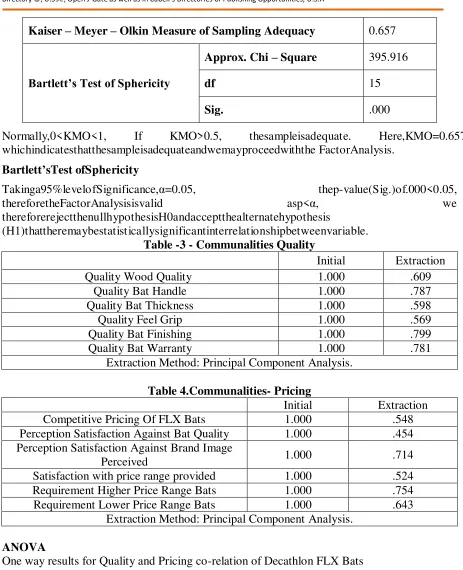
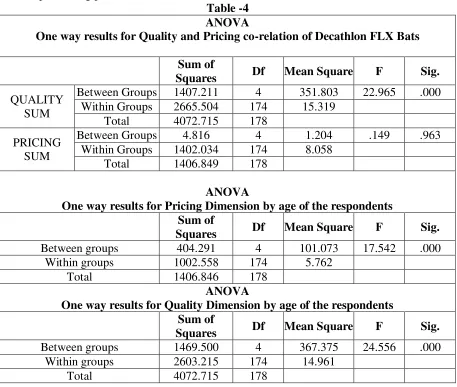
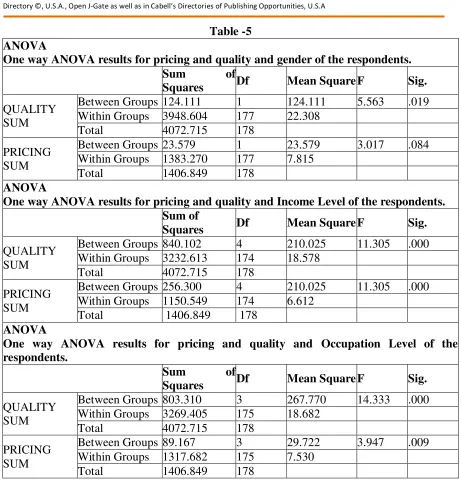
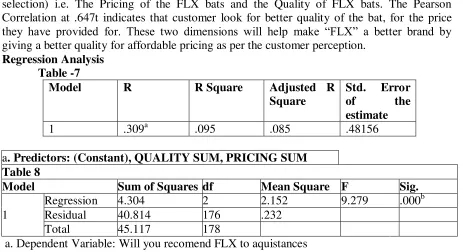
1
International Journal of Research in Social Sciences http://www.ijmra.us, Email: [email protected]COMMUNAL POLITICS (COMMUNALISM): A THREAT TO INDIA‟S INTEGRITY
Dr. UdaiPratap Singh
Associate Professor Defence Studies Department
Seth P.C. Bagla (P.G.) College. Hathras (U.P.)
Abstract: Communalism which is acknowledged as a good feature and bond in western countries but it is an evil in case of our nation as it is basically based on the clash of intolerance between majority vs minority i.e. Hindus vs Muslims, Caste vs other caste, Tribal vs Non Tribal, Hindus vs Christians, Hindus vs Sikhs, Shia vs Sunni caused sectarian violence resulted in precious loss of innocent lives and valuable property thus by product is loss to society can be termed as National loss. Our nation has fallen victim of communalism since a time immemorial- during Muslim –Arab rulers as Jazia Tax was imposed and no other than Royal Mugal could enjoy classified benefit. The British also exploited India on the basis of communalism theory of Marshal race and communal tool for DIVIDE AND RULE. A handful of English men ruled India and treated Indians as slaves. The British classified Army on religion and caste basis as Sikh Regiment, Maratha Regiment, Gorkha Regiment, Jat/Punjab Regiment, Madras Regiment, Bihar /Assam Regiment, thus discrimination prevailed at large scale on communal basis. The certain classification of Armed Forces still prevails post 1947 till date. Our nation and citizen have suffered so much in communal riots as our identity crises still comes in to question whether we are Indian First or Hindu, Muslim, Sikh and Christian as being recognised. Now Secular ideology provides an answer in Indian Constitution and provides a unique answer in Equality Before the law and society needs a social engineering to combat virus of communalism.
2
International Journal of Research in Social Sciences http://www.ijmra.us, Email: [email protected]hatred, political divide Caste war, corruption and it resulted in to fear of identity crises of people not as an Indian but as a Hindu, Muslim, Sikhs, and Christian.
According to Oxford dictionary, "Communalism's literal meaning is of
or for community.”1
Communalism can be expressed as feeling of a particular group, religion, and race of people, which inculcate/ indoctrinate its members to be loyal to religion, faster a strong bond of unity for prosperity by functional and dysfunctional methods Prof Vipin Chandra had expressed in 1976 that, "Communalism is by-product of particular social, Economic and Political phenomena. This tendency of behaviour creates such a problem before nationals, whose grass root reason is beyond their understanding. communalism appears when people tries to combat socio-economic problems, without knowing the root cause of problems It is plain to understand that communalism is neither solution of social condition nor the permanent solution to change socio-economic conditions which produces feelings, the attitude of communalism. In 1946 Prime Minister Pt. Jawahar Lal Nehru had expressed his opinion on communalism, ―Communalism is the second name of political and social reactions. It aids exploit and drives away to mislead the oppressed. It inculcate Islam culture, and Hindu culture, their religion, ancient customs language and many more tales of past. Behind all this appears political, social reactions and resultant communalism.
In nutshell communalism contains feelings, which proclaim its religion (identity i.e. caste) is supreme in comparison to others, its language and culture is above others Communalism becomes a psychological factor, which creates a sense of insecurity, crises of identity, narrow selfish attitudes. Thus communalism becomes instrument of its dysfunctional system in society, communalism can be analysed as a problem developed gradually in three phases cognitive and affective phenomena of social reactions. It is psychological phenomena of developing a person gradually to a fanatic, affected by other intangible reasons of de
pression, poverty, unemployment, ill education and religious indoctrination of hyperbole concepts of excessive expectation.
In Nandy‘s view, secularism, together with democracy, are part of the greater Western modernist project, and communalism came into being as the evil by-product of Western modernism or secularism, namely as the shadow delineating the limits of modernism. Nandy says that the shadow is especially evident, not among the elite or the lower classes, but among the middle class. This is because the middle class has experienced the most drastic social changes with the globalisation of the economy and information.2
Historical Perspective:
3
International Journal of Research in Social Sciences http://www.ijmra.us, Email: [email protected]rulers but some of them realized the importance of religious amity. In reign of Akbar absolute religious harmony persisted. The period of King Aurangjeb was orthodox and discrimination with Hindus out nagged the feelings of exploited suppressed Hindus. Britishers came and started ruling with iron hands. Communalism was systematically spread by Britishers to implement their policy of "divide and rule" among Hindu and Muslims. The first war of independence was testimony of their policy, they could isolate status of Kashmir, Gwalior, Alwar, Hyderabad and Jaipur to garner support in their favour. Britishersanalysed the revolt of 1857 A D and deliberately Muslims were neglected in govt. jobs i.e. in Bengal Govt. 711 Hindus, 1238 Europeans and only 92 Muslims.3 British Govt. faced turmoil in Bengal division of 1905 A.D. giving birth of nationalism. Britishers adopted strategy to instigate Muslims to demand for separate & more representation in legislative assemblies, in Govt. Job & grant to Muslims institution and their representation in Governor‘s council. The sole aim was to keep Muslim away from national freedom movement of Congress. The fanatic Muslims launched Muslim League in 1906, which advocated opposition in all moves of congress. Under two-nation theory based on communal divide Pakistan was created to be separate homeland of Muslims.
Phase-II India in 1947 faced communal turmoil and a lot of bloodshed resulting deaths of innocent people during partition and this transition phase. It created a deep mistrust, hatred in Hindus, Sikhs, & Muslims community. Discrimination and unequal, maltreatment was seen as Muslim vs Muslim Bihari, Muslim migrate to Pakistan was called as Muhajirs, The Hindu repatriated from Pakistan in 1947were infected with hatred & humiliation create anti-Muslim hype in beginning days of independence. India marched on secular path, Muslims were granted status of minority and safe guards were provided in Indian constitution article 29, 30, 31, 33, 35 and 37 became guaranteed tool of social justice.4 Indian constipation was de-facto secular by 42 amendment of constitution in 1976 to add secular ward to provide legitimacy to secularism of federal India.
Communal riots began in 1970's though veteran leaders Mahatma Gandhi, Pt. Nehru suppressed communal ideology but in 1961 clash began in Aligarh Muslim University (AMU) between Hindu and Muslim students. This clash turned in communal riots, it spread in other parts of Uttar Pradesh (U.P.), Bihar, Madya Pradesh (M.P.) and West Bengal resulting in loss of lives and destruction of property. In Dec. 1963 an incident of theft of holy relic (Prophet Mohammed's Sacred hair) from Hazarat Bal mosque at Srinagar.5 The Muslims of Jammu & Kashmir created a serious law and order situation with strikes in protest. The relic was restored by Government in short period but Muslim fanatics continued to abet the people questioning geniuses of relic. This event had repercussion in East wing of Pakistan a lot of Hindus were massacred and their property was looted. This spread a reactive move of riot in Calcutta, Bihar, MP and few Muslims were killed. Thousands of Hindus fled from East Pakistan as refugees to India.
4
International Journal of Research in Social Sciences http://www.ijmra.us, Email: [email protected]Karim Ganj (Assam) by some fanatic Muslims. This incident shattered communal Harmony and riots spread in Assam, U.P., and West Bengal. A similar incident of cow chasing & killing took place in Aurangabad (Maharashtra) and riots spread to Kerala, Mysore. This riot caused in loss of 600 to 1200 lives.6 In year 1970 riots began in Bhiwandi (Maharashtra) when a Hindu Puja procession was stoned by some fanatic Muslims resulted deaths of 80 persons and property loss. 1971-72 riots started on Hindu, Muslim petty quarrels, riots spread at Meerut, Delhi. Internal security worsened, Border security force was deployed to curb riots. In year 1978 serious riots in Aligarh in year 1980 riot began in Moradabad. It spread to Allahabad, Aligarh and Sambal of U.P., Jammu and Kashmir‘ and Gujarat.
Mrs. Indira Gandhi, Prime Minister was assassinated on 31st Oct 1984 by her Sikh security guards. This incident incited large scale riots in Delhi and outer part country. The Sikh community suffered loss of lives and destruction of property, though a lot of Hindus neighbours safeguarded them. Quick reaction of crises management was executed by the PM. Rajeev Gandhi Govt. to control the situation Ram Mandir issue was highlighted for political gain. B.J.P. President Mr. L.K. Adavani began Rathyatra and he was arrested in Bihar. Hindu fanatics indulged in riot and communal disharmony hatred became more of religious fantasy. In 1991 at Saharanpur communal violence took place. In 1992-93 (Mumbai) bomb blasts followed by riots abetted by Hindu fanatic political party made situation worse. Bombay bomb blasts case was investigated by secret services, it revealed that the alleged involvement of miscreants of foreign criminals. The role of Shiv Sena and its supreme Mr. Bal Thackrey was also cited by enquiry commission. The incident of Feb 27, 2002 of Godhara in Gujarat, a tale of genocide in civilized society, land of Gandhi started burning with communal fames. Communal tensions hyped in several places of India. This incident has questioned the validity, adoptability of secular thoughts of pluralistic society, a vital national value which, is under threat and can certainly be detrimental to national integrity and tranquillity.
Communalism a Foreign concept: The Indian history reveals the facts that all religions have flourished in ancient period. (The communal discrimination started in the Muslim regime and patronized in British period on communal line to exploit political interest). In medieval period from Mohd. Bin Quasim to Bahadur Shah Muslim rulers infected atrocities on Hindu‘s psyche, socio-economic and cultural structure. They demolished the places of Hindu temples, idols and called them with degraded name of ―Kafirs‖ and India as ‗DarulHarb‘ (a country yet to be conquered by Islam). Though many religion like Baudha, Jain, Shaive, Vaishnav had religious differences were in different periods in country but communal feeling never developed in old period. If we look at European concepts of communalism, even in ancient period Christian priests, Roman Kings or intellectuals considered rest other communities inferior to them, same time advised them to make them slaves.
5
International Journal of Research in Social Sciences http://www.ijmra.us, Email: [email protected] Factors-In developing Communalism(i) Religion revival by fanatic group-elites having high aspiration to became supremo of classes castes, social organizations, poetical parties to fulfil their personal selfish motives. (ii) Communal feeling spread in regions, where development is not proper and severe resource crunch or uneven economic conditions of two classes. When the survival, identity comes under threat communalism grows multi fold teas use of weak socio-economic base, North Eastern States, Punjab and J & K are facing such problems.
(iii) Communal harmony is disturbed intentionally sometimes by miscreants, anti-social element to succeed in their evil motive and selfish interest.
(iv) Poverty, illiteracy and population explosion in third world countries are the main causes of chaotic state of unemployment, uneven demand and supply resources. These countries are rigid on adopting measures of change and feel resistance in modernization process by some communities i.e. Muslims Hindu generally oppose family planning, it sends wrong signals to other community to feel threat of being out numbered n future whereas the family planning rejection by Muslim community is linked with socio-economic conditions.
(v) In south Asian continent communal strife, ethnic disputes are seriously interlinked with neighbour countries. It is sometimes mitigated, defended on the name of community survival proclaiming to be self-appointed custodian nation. Pakistan constantly instigates Kashmiri Muslims to act on communal line of fundamentalism. On Ram Mandir-Babri masjid dispute riots took place; even reaction in brutal killings of Hindus took place in Bangladesh and Pakistan.
(vi) Secularism the most vital value of nation, is not correctly understood by certain communities and they wanted to exploit the Nation Governing system for their political benefit i.e. religious preachers inculcating religious followers that religion is supreme even above the constitution of nation. When the constitution is betrayed, challenged and contain contentious issues like Shah Bano Case the Govt became helpless to change verdict of Supreme Court. Thus a repercussion developed in other communise that the policy of appeasement by Govt is not correct as it is detrimental to secular values.
(vii) Sometimes the Government formulate/implement its policies to have stronger hold over power and masses, encourages media to broadcast programmes like Ex PM Mr. Rajeev Gandhi used media to highlight religions personalities, programme TV Serials Ramayana, Mahabharata excess religious propagation induces seeds of communalism.
6
International Journal of Research in Social Sciences http://www.ijmra.us, Email: [email protected]Adventist church. Even all evidences are available at website Maratha dot com.7 Catholics operating maximum minority educational institution in country do provide maximum job opportunity to Christians only and conversion is mainly achieved by financial help, brain wash (religious indoctrination on the name of freedom of religion). The religion conversion of Hindus to make them Baptist, to spread Baptism is becoming Catalyst factor of communalization of Indian society. The Hindus feel a religions attack on-culture, values, ideology and threat to their identity.
(ix) Parochial issues leading parochial violence provide input for fundamentalism and communalism too Sri Lankan Tamil refugees migrating to Tamil Nadu, Bangladeshi Muslims migrating to north east states Parochial issues are transforming as communal and becoming a complex problem for natives of that region giving birth to tribal vs non-tribal, local vs outsiders clashes, riots and sectarian violence.
(x) The darkest phase of communalism is selfish interest of politicians and political parties. The Politicians systematically exploit issues of religion to divide people on communal line to seek votes, support and divert the public opinion in their favour. In contemporary period Politicians & Political parties seek alliance on communal lines, caste factors. The Political parties nominate and field candidates in elections not on merit basis but on religion and caste basis to exploit the benefit of communal divide to grab political power. Communalism has become vehicle of fulfilling political aspirations of communal fanatics. The dynamics of change is new socio economic system which is centralized on middle castes. The politico-economic power is misused; politicians are adopting unjust method to realize their political aspiration. Communalism of organised crime is often safeguarded by political mafias.
(xi) Secularism in India is understood/ translated by some communities as it means total non-inference of government of state and even judiciary cannot interfere in their personal laws. In famous case of Shah Bano in Supreme Court-verdict and country vide reactions of majority; minority was comforting on Communal lines.
8
International Journal of Research in Social Sciences http://www.ijmra.us, Email: [email protected]9
International Journal of Research in Social Sciences http://www.ijmra.us, Email: [email protected] Islamic Fundamentalism: Fundamentalism has become source of terrorism Jammu and Kashmir is suffering from terrorism since 1989. Apart from killing innocent other community people Hindus, Sikhs. Even terrorist dared to attack Jammu &Kashmir Legislative assembly and Indian Parchment. Islamic fundamentalism triggered by Pakistan thus direct bearing in India in pretext of Muslims in India are suffering from alienation denial of rights and opportunities. Islamic terrorist adopting clear fundamentalist policy created terror in Kashmir valley to ensure leaning of Kashmiri Hindus.The most disgraceful act of making own countrymen refugees in own country. Madrasas in India has done valuable service to Muslim community by producing lacs of Hafiz, Qusi, Muhaddis, Muffassir and preachers.8 In recent times Madrasas are under suspicion. The Chief Minister, West Bengal Mr Buddha Dev Bhattacharya said, "Following January 22,2002 terrorist attack outside American centre in Kolkata, that some Madrasas were the hub of militant activities .9 What is more frightening, continues the report, is the spread of Madrasas, financed and controlled by these Islamic NGOs. The danger posed to India's security by the insidious growth of anti-Indian, fundamentalist network along the borders of communally sensitive states like Bihar, J&K, Gujarat and U.P. were highlighted by the arrest of Azianiddin Sheikh an ISl-trained Mumbai underworld element, in June 1999 man ChoataShakeel and his associates for storing AK-47 rifles and other sophisticated weapons meant to be smuggled in India for carrying out sensational attacks on VIPs.10 In a Parliamentary consultative committee meeting (23 Aug 2001 of the Home ministry) in meeting committee expressed concern over the activities of ISI and SIMI saying that their activities were involved in attempts in spreading and terrorism and anarchy in the country. The rapid growth of Mosque and Madrasas on the adjoining sides of the Indo –Nepal Border has caused serious concern. The agents of Harkut-ul-Ansar selected the border area as their safe heaven for anti-India activities. The training camps are held on the farm houses and Madrasas. The local functionaries could not dare to enter their premises.11 The DarulUloomdeoband has drawn media attention, that who are their icons? No, not Gandhi, Nehru, not even Jinnah. Their heroes hail from Islamic world- Immam Abu, Hanifa and Qaari Siddiqui of Banda This is the institution whose vice chancellor holds the century old fatwa declaring India a DarulHarb (Country of conflict) valid even today.12 Delhi Police official interrogated SIMI activist say funds for the thousands of the new madrasas came from wide network of agencies concentrated in the Arab world through Hawala Channel. Consequently SIMI was banned for anti-social, anti-national activities.13
Islamic fundamentalism is root cause of Islamic terrorism. Madrasas still follow the syllabi of the medieval times, Islam is the only true faith. Should it not teach that all faiths are equally respectable? Is declaring India DarulHarb (a country yet to be conquered by Islam) a national thought? It is serious security threat to nation.
10
International Journal of Research in Social Sciences http://www.ijmra.us, Email: [email protected]land of pure is growing. Some Sikhs feels insecure and call, Panthe is in danger. The Sikhs were also misguided by Britishers policy divide and rule. Now the policy is followed by Pakistan to separate the Punjab from India by helping fundamentalist force.
The idea of sovereign Sikh State was from very beginning- Sikh every day read-―Guru Granth‖ - Raj KaregaKhalsa as part of daily prayer.14Now the political solution is understood by people of Punjab that terror is not solution, it is detrimental to their peace, development. Though communalism has spread in Punjab and communal forces want to grab power in Punjab and in all India politics. Even though the dust of terrorism has not settled. Horror and terror prevails still in Punjab, security forces remain alert from dusk to dawn. Alleged nexus between terrorist of Punjab, J & K are being aided abetted to integrate network of anti-social elements to disrupt peace law and order situation. Still Sikh separatism is threat on internal national security and vulnerable because of its geo-strategic location in respect of neighbouring country Pakistan and most trouble torn state Jammu and Kashmir.
Parochialism: Parochialism has posed threat to federalism in India. The regional aspirations are growing because of uneven, unjust development. Parochialism is based on narrow regionalism. The illegal migration of Sri Lankan Tamils in Tamil Nadu and Bangladeshis is in northeast states may challenge national integrity.
Group Wars: Communalism has acquired varied dimension with ethnic, Caste equations, Casteist and communal politics is creating tension for managing hegemonic powers in region on pretext community and caste group. Group war ideology survives and militant groups like People war Group (Naxalites) RanvirSena, Dalit Sena, Indulge in anti-social anti national crimes. Small arms weapons are proliferating through local manufacturing and smuggling from foreign nations making these out fits sometimes powerful than police forces. These groups equipped with small arms, lethal explosive, modem communication sets are posing internal security threat.
Hindu communalism: Hindu communal ideology is based on reaction to Muslim communal ideology, Vishwa Hindu Parishad (VHP), RSS, Shiv Sena, are gaining strength on dysfunction role of Muslim & Christian Communalism. Hindu communalism is in functional role of narrow nationalism with strict guards on its cultural identity of Hinduism, which is no way detrimental to national interest. Fanatic acts of VHP, Shiv Sena, RSS has played sometimes dysfunction role like demolition of Babrı Masjid. Hindu Communal are in minority. Hinduism has a flexibility and resilience with traditional base wide enough to cover syndrome of the entire Indian culture.15
11
International Journal of Research in Social Sciences http://www.ijmra.us, Email: [email protected]complex communal politics centralising on religion, caste, classes and hereditary position. The national character is towards downfall. Communalism has infected political system and creating chaotic identity crises. The genesis of communalism as problems lies in incorrect political socialization and secularization in last seven decades after independence of India. The dysfunction role of communalism and non-zero sun equations of political parties are worsening the politics, Socio-economic psychology of people at large. The value of integrated secular pluralistic society can be preserved by two methods, transformation of political attitude and national values to be properly inculcated to young generation to succeed in developing constructive psychology. Other methods are the conditions to be generated in social institutions (Govt and non Govt), which will inculcate people to be increasingly rational, analytical and empirical in their political actions. The Indian govt at different level to relinquish policy of appeasement and all political parties to make consensus to ward off communalism in all form to preserve national interest. Communalism, which created fundamentalism with core logic of identity crises. Management of this crises is to be orientation of strategy that, "People inhabiting in state must come to recognise their national territory being their true home land and they must feel as individuals that their own personal identities are in part defined by their identification with their territorially delimited country. In such process people should join mainstream of nationalism of pluralistic society with traditional identity of caste, tribe ethnicity, language being next to main national identity of being Indian.
The government with people‘s cooperation to negate the dysfunction role of communalism with drastic legal actions and ensure tranquillity. The armed forces and govt retired personnel can contribute substantially in proliferation of secularism and become resisting force by extending cooperation to police/ security forces in providing realistic information of evil plans of communal fundamentalist.
A network of govt and non-government organization can be created at village, tensile, district level to track real culprits who are instrumental in recurrences of riots in sensitive region, Communal gaining strength through Hawala (invisible) financing system of terrorism is to stop. The gravity of situation demands, the problems of communalism to be solved with realistic political with time bound strategy, to strengthen unity of nation.
References:
1. Hamby As "Oxford Advance Learners Dictionary". Oxford university Press 1979 P 171 2.Nandy, ―The Politics of Secularism‖; Yasumasa, ―‘Communalism‘ and Modern Thinking,‖
12
International Journal of Research in Social Sciences http://www.ijmra.us, Email: [email protected]3.Gehlot NS.ed. ―Politics of communalism‖ (Keeping Indian Divided) "Deep and the publications, New Delhi 1995 p.01
4. Tope Trimbak Krishna. "The constitution of India" Popular Prakash Bombay P. 124
5. Butt Sana Bullaha "Kashmir in flames" "(an untold story of Kashmiri political affair) Kang publications Delhi.1981,p.85
6.Aggrawal RC ―A politics of communalism and Secularism‖InGahlot N.S.ed.‖poitics of Communalism(keeping Indian Devide)‖- Deep and Deep publications new Delhi 1981, P.6 7. DainikJagran. Agra. Sept. 01. 2002
8. See imam India Com (it contains document entitled Madarsas, Religious Groups and their problems.
9. Hindustan Times. New Delhi, Feb.02, 2002 10. India Today, New Delhi, June 12, 2002 11. Times of India, New Delhi May 7, 1999 12. Times of India, New Delhi March 18, 2001 13. News paper Today Sept. 30, 2001
14 .Khuswant Singh, A History of Sikh, (1839 to 1974)
15 .Kousar J Azam, "Political Aspect of National Integration" Minakshi Pub. Delhi 1980 p.83 16. Engineer Aghar Ali "Communalism and communal violence in India.‖ Ajanta Publication (India) Delhi 1989
17. Pye W Lucian ―Aspect of Political Development." Amrind Pub. In co. New Delhi 1972 18. Gandhi Marg Quarterly Journal of Gandhi Peace Foundation Vol 24 No. 1 April June 2002.
13
International Journal of Research in Social Sciences http://www.ijmra.us, Email: [email protected] INCREASING EXPENDITURE IN URBAN LIFE - A STUDY OF BANGALORECITY
RAVEESH S. Research Scholar, Department of Sociology,
Bangalore University, Karnataka, India. ABSTRACT
Rapid rural to urban migration is not only disturbing the structure of rural area but also the urban setup. Urban area is pulling the rural people because it is the hub of livelihood. Industry and service sector are located in urban area and these two sectors can provide the sustainable livelihood opportunities for more number of people. Even though urban area can provide livelihood opportunities for both skilled and unskilled people, urbanites of all income groups are facing the problem of increasing expenditure. The study revealed that medical expense, food products, daily usage things, residence, transport and education are the major expenses in urban area. This study is conducted in Bangalore, capital city of Karnataka state located in southern part of India.
KEYWORDS: Urban Life, Increasing Expenditure, Bangalore City
* * *
I. INTRODUCTION
„The cities are not only draining the villages of their wealth but talent also‘ (Gandhi 1946). Rural-urban migration is considered as a serious problem today. In one hand, the outer world is entering into the isolated Indian villages; on the other hand, villagers are turning their face towards outer world due to lack of livelihood opportunities in villages. Statistics indicates that during the last 50 years rural population has decreased from 82.0 to 68.9 percent and approximately 2 million people are shifting from rural to urban area annually. Lack of livelihood opportunities and amenities are the major force behind this rapid migration. Dignity of life is the major cause when it comes to lower caste migration.
14
International Journal of Research in Social Sciences http://www.ijmra.us, Email: [email protected] rich to poor, the trend is to leave the village and if that entails going abroad, then so be it‘ (Gupta 2005).It is very much clear that the Indian villages are neither ‗isolated‘ nor ‗self sufficient‘. Today‘s villages are the centre of politics as well as marketing. The traditional ‗self sufficient‘ village scenario is transformed into ‗dependency‘ on outer world. Villages are tied with state, nation and world. Any fluctuation in international and national economy affects the village economy. Inflation is not just an issue in the media and affects the urbanites those who are depended on others for every consumable products and services. Villagers are also depended on the outer world for their consumption. The income in urban area is more compare to rural area, but, the product cost is similar in both rural and urban area, unfortunately income is less in villages. Most of the urban consumable products are also consumable products of villages. New products are adding in the basket of village consumable products in one hand, on the other hand, the prices of such products is increasing day by day. With the affect of these elements, the expenses are keep increasing in villages.
Agriculture, the main source of rural livelihood is in crisis. The income of rural area is not sufficient enough to meet the increasing expenditure. The situation is forcing the rural people to find the livelihood opportunity to sustain and that is the major reason behind rapid rural to urban migration. In one hand, the rural population is decreasing and on the other hand, urban population is increasing due to continues rural to urban migration. The increased population is created number of hazardous problems and one such problem is increased expenditure. It is true that urban setup can provide livelihood opportunities for both skilled and unskilled people. It is also true that urbanites of all economic layers are experiencing the heat of increased expenditure. This study is conducted in Bangalore, capital city of Karnataka state located in southern part of India to understand the trend of increasing expenditure in urban life.
II. METHODOLOGY
Random sampling method is followed in this study. The total sample size is hundred. The key parameters such as caste structure, occupation, income, literacy rate, gender etc. are followed while choosing respondents of urban area. A structured interview schedule is used for this study. Statistical software is used for data analysis. The collected data is re-checked thoroughly to ensure accuracy, completeness and relevance. Classification of data is made very carefully and statistical analytical methods such as percentage, frequency and average etc were used in calculation of primary data. Even though the primary data is collected with intensive care but the reliability of primary data depends on the accuracy and loyalty of the respondents.
III. REVIEW OF LITERATURE
15
International Journal of Research in Social Sciences http://www.ijmra.us, Email: [email protected] can‘t provide livelihood for villagers round the year. Fluctuation in livelihood forces the villagers to migrate to the urban area to earn livelihood for the sustenance. Lack of basic amenities such as school, college, hospital, transport connectivity and financial scarcity are also the reason for migration. Dignity is also an issue when it comes to rural-urban migration. The migration of the villagers those who are in the lower social strata of the village are increasing. The reason behind this kind of migration is, urban setup is less caste oriented compare to the villages. Seasonal migration is obvious in Indian villages where there is scarcity of livelihood opportunity.Biplab Dasgupta and Roy Laishley (1975) in their research on „Migration from Villages‟ at 40 selected villages from the state of Uttar Pradesh, Punjab, Himachal Pradesh, Tamil Nadu, Andhra Pradesh, Gujarat and Rajasthan. Different variables were used in the study to analyze the migrating aspects in rural India. The reasons found in this study for rural to urban migration were ‗land shortage, low fertility of land, skewed distribution of land and the resulting high proportion of landless agricultural worker‘. The study found that the ‗unequal distribution of resources in the village is a key factor in inducing migration, it is not necessarily the landless or the poorest who migrate‘.
Prabir Bhattacharya (1998) in the study on „The Informal Sector and Rural
-to-Urban Migration : Some Indian Evidence‟ tried to interlink the rural-urban migration process in India during 1970s where broad economic changes took place in the country. The study made an attempt and revealed the decline of employment share of agricultural sector and growth of non-agricultural sector. The study opined that ‗informal sector played an important role in rural-urban migration during the period and that far from being a passive absorber of labour, it was a dynamic and productive sector, attracting and sustaining labour in its own rights‘.
Arjan de Haan (2011) in his working paper on „Inclusive growth? Labour migration
and poverty in India‟discussed the relationship between labour migration and poverty in India. He focused on ‗the migration patterns of deprived social groups, analyzed whether migration forms a routes out of poverty and what specific policies for these groups exist or should be recommended‘. He analyzed the migration pattern in India like this, ‗while migration is critical in many households‘ livelihoods, it does not by itself produce structural change. People respond to opportunities but these are structured by initial economic, political and even socio-cultural conditions. In many cases, migration reinforces these: inequalities within areas of origin may be reinforced, substantial benefits go to the better off and well-connected regions and extreme exploitation including bonded and child labour may be intensified through the grip of labour contractors and money lenders‘.
16
International Journal of Research in Social Sciences http://www.ijmra.us, Email: [email protected] IV.FINDINGS AND DISCUSSIONSIncreasing expenditure in urban area is one of the major problem of urbanites. The major findings of this are as follows.
4.1 GENDER AND AGE GROUP OF THE RESPONDENTS
Different age group respondents were chosen for this study and the segregated groups are as follows.
Out of the 100 respondents participated in this study, 58 are male and 42 are female. Respondents are also chosen from different age groups. 21 are belongs to the age group of below 25 years, 34 are in the age group of 26 to 35 years, 19 of them fits in the age group of 36 to 45 years, 18 are in the classified age group of 46 to 55 years and there are 08 respondents who aged 55 years and above.
4.2 EDUCATIONAL BACKGROUND OF THE RESPONDENTS
Though both literates and illiterates were participated in this study, literates occupy the major portion. Different educational level respondents were participated in this study and a classified statistics are as follows.
17
International Journal of Research in Social Sciences http://www.ijmra.us, Email: [email protected] Out of hundred respondents 03 of them don‘t have any formal education, 10 of them belongs to the group of less than 10th standard, 11 of them have pre-university education or equivalent to it. 20 of them are bachelor degree holders, 53 of them are master degree holders and three of them are Ph.D. holders. 97% of the respondents are literates in this study.4.3 MARITAL STATUS OF THE RESPONDENTS
Marital Status Frequency Percentage
Unmarried 34 34.0
Married 61 61.0
Divorced 1 1.0
Widow 4 4.0
Remarried 0 0.0
Separated 0 0.0
Total 100 100.0
Out of the total respondents participated in this study, 34% of them are unmarried, 61% of them are married, divorced respondents rate is 1% and 4% of them are widow. There are no respondents for the category of remarried and separated.
4.4 OCCUPATION
The occupation structure of the respondents who are participated in this study is as follows.
3
10 11
20
53
3 0
10 20 30 40 50 60
0 1 2 3 4 5 6 7
18
International Journal of Research in Social Sciences http://www.ijmra.us, Email: [email protected] The respondents are in different occupational category. 4%(04) of them are in business, 25% (25) of them are in government job, 58% (58) of them are in private job, 4% (04) of them are housewives and 9% (09) of them are students.4.5 MONTHLY INCOME
To understand impact of increasing expenditure in urban life different respondents of different income groups were chosen for this study.
0 10 20 30 40 50 60
4
25
58
4
9 4
25
58
4
9
Occupation
Frequency
Percentage
0 10 20 30 40 50 60
Less than
25,000 25,000 to
50,000 50,000 to
75,000 75,000 to
1,00,000 More
than 1,00,000
47
30
5
1 4
Monthly Income
Frequency
19
International Journal of Research in Social Sciences http://www.ijmra.us, Email: [email protected] The study comprises of various income group. Monthly earning of 54% (47) of the respondents is less than 25,000. 34.5% (30) of them belongs to the income group of 25,000 to 50,000. 5.7% (05) of them are in the income group of 50,000 to 75,000. One respondent belongs to the group of 75,000 to 1,00,000 and 4.6% (04) of the respondents income is more than 1,00,000 and 13% of them are housewives and students.4.6 TYPE OF RESIDENCE
The city Bangalore is extending year by year. Migrants from villages, different states of the country and outside the country are more than the Bangalore based civilians. Out of the 100 respondents chosen for this study, 34% of them have own house or flat, 55% of them are living in rented house, 5% of them are living in leased houses and 2% of them are living in other forms of residences such as hostel, church etc.
4.7 DURATION IN BANGALORE CITY
Bangalore city is attracting the people for both livelihood and amenities. The duration from how long the respondents are in Bangalore is varying. The classified table is as follows,
How long in Bangalore f %
Below 10 Years 35 35.0
11 to 20 Years 20 20.0
21 to 30 Years 31 31.0
31 to 40 Years 06 06.0
41 to 50 Years 06 06.0
Above 50 Years 02 02.0
Total 100 100.0
34%
55%
9% 2%
Type of Residence
Own House / Flat
Rent
Lease
20
International Journal of Research in Social Sciences http://www.ijmra.us, Email: [email protected] Out of the total respondents 35% of them are living in Bangalore from below 10 years. 20% of them are in the group of 11 to 20 years. 31% are belongs to 21 to 30 years, 06% of them are in Bangalore from 31 to 40 years, 06% of them are in 41 to 50 years and 02% of them are in Bangalore from more than 50 years.4.8 INCREASED EXPENDITURE IN URBAN AREA
Not just the boundary of urbanization is increasing but also the expenditure in urban life. With the affect of increased inflow of population to the urban area, the demand for urban livelihood is increasing and the stress on amenities is exceeding. The demand curve of livelihood and amenities is increasing but unfortunately supply cannot be increased in a short span of time. With the affect of scarcity of supply and increased demand, the expense on all walks of urban life is increasing. Open market system also affects on increasing expenditure in urban life. Change in the attitude of consumption of urbanites is also not a negligible element in terms of growth of expenditure in urban life.
The heat of increase in expenditure is reaching the people belongs to all economic layer of urban life. 98% of the respondents in this study said that expenditure in urban life is increasing. Expenditure on all walks of urban life is increasing.
98
2 0
20 40 60 80 100 120
Yes No
21
International Journal of Research in Social Sciences http://www.ijmra.us, Email: [email protected] Respondents of Bangalore city segregated the main expenses which are making urban life more expensive. Not only deceases are increasing in city like Bangalore but also medical expenditure (55%), prices on food products are increasing (80%), daily usage things in the city is keep increasing (87%), due to increased population in the city, the cost on residence is increasing (61%), cost on transportation is moving upward (67%) and the expense on education is also increasing. The expenses which represented in the graph clearly indicate that all walks of life in Bangalore city is increasing.V. CONCLUSION
Rapid rural to urban migration is not only disturbing the structure of rural area but also the urban setup. Urban area is pulling the rural people because it is the hub of livelihood. Industry and service sector are located in urban area and these two sectors can provide the sustainable livelihood opportunities for more number of people. Even though urban area can provide livelihood opportunities for both skilled and unskilled people, urbanites of all income groups are facing the problem of increasing expenditure. The study revealed that medical expense, food products, daily usage things, residence, transport and education are the major expenses in Bangalore city.
0 10 20 30 40 50 60 70 80 90
Medical Expense
Food Products
Daily Usage Things
Residence Transport Education
55
80
87
61
67 71
22
International Journal of Research in Social Sciences http://www.ijmra.us, Email: [email protected] BIBLIOGRAPHY1. Bhattacharya Prabir (1998), The Informal Sector and Rural-to-Urban Migration: Some Indian Evidence, Economic and Political Weekly, Vol. 33, No. 21 (May 23-29, 1998), pp. 1255-1257+1259-1262
2. Dasgupta, Biplab., Laishley, Roy (1975),Migration from Villages, Economic and Political Weekly, Vol. 10, No. 42 (October 18, 1975), pp. 1652-1662
3. Gandhi M.K. (1946),Harijan, 31-3-1946; 82:365.
4. Gupta, Dipankar (2005), Whither the Indian Village - Culture and Agriculture in ‗Rural‘ India, Economic and Political Weekly February 19, 2005, pp. 751-758.
5. Haan, Arjan de(2011), Inclusive growth? Labour migration and poverty in India, Working Paper No. 513, Institute of social studies, January 2011, ISSN 0921-0210
6. Jaysawal, Neelmani (2014) Urbanization in India: An Impact Assessment,
23
International Journal of Research in Social Sciences http://www.ijmra.us, Email: [email protected] CHANGING TREND OF URBANITES TOWARDS VILLAGESRAVEESH S. Research Scholar, Department of Sociology,
Bangalore University, Karnataka, India. ABSTRACT
The increased urbanization process is leading to various ecological and health issues. In one hand, heavy work pressure and increasing expenditure enhancing the stress in urban life. On the other hand, air, water, soil, sound etc pollutions are irritating the urbanites. Gradually urban scenario is pushing urbanites to the cutting edge of stress. Only rural push and urban pull factors are in discussion, but interestingly, slowly the trend is reversing. Urban people are expressing their interest to visit the rural area to come out of the stress. The study found that urbanites are interested in visit the tourist spots of the villages, agriculture tourism, medical tourism, enjoy the folk culture of the villages and taste the village food. This study is conducted in Bangalore, capital city of Karnataka state located in southern part of India to understand the changing trend of urbanites towards villages.
KEYWORDS: RURALISATION, RURAL VISIT, URBANITES, BANGALORE CITY
* * *
I. INTRODUCTION
The pull factors such as livelihood opportunity for both skilled and unskilled human resource, good amenities, freedom of life and less inequality on the basis of caste etc are attracting rural people to the urban area. With the inner growth of population in urban area and rapid rural-urban migration, not only the population increased in urban area but also the enormous problems. Rapid increase of urbanization is not only spoiling the ecological health in the country, but also brought urbanites to the cutting edge of the stress. Difficulty to breathe the fog and dust mixed air, peace is polluted by noise, water is injected by chemicals, scarcity of land converting the people into cruel animals, concrete roads are extending on the hearts of lacks of trees, bore wells are like trying to touch the bottom of earth, people travel like robots on the road with no guaranty of life. No difference between day and night for many urbanites, people are in urban setup use to work round the clock. Chemical food products, pollution and stress results the various kinds of deceases. Medical expense is kept increasing and modern medical treatment is not out of side effects. Totally stress is part of urban people in one or the other way.
24
International Journal of Research in Social Sciences http://www.ijmra.us, Email: [email protected] class people are struggling to meet the increasing expense and the lower class people spread in the outskirt of the city is to adjust according to their income. Though upper class people are somehow secured economically but they are struggling by environmental and health issues. All kinds of crime related to money are increasing in urban area. The metropolitan cities of India are the hometowns of beggary, prostitution, kidnap, rape, murder, cheating etc. Totally all classes of people in urban area are running around the money.Social life in urban area is almost mechanized, social bondages are losing the threads and relationships are in sick. Social life is stolen by material culture. Mothers are busy and play home is a nice business in urban area. The rapid increase of divorce rate is an indicator of unstable mindset of urban youths. Without any gender discrimination it is mandatory for both male and female to work to meet the increasing expense of urban area. Wife has no time to take care of husband and children, husband don‘t have time to take care of wife and children and the situation of old age people is very pathetic. Even the relations are commercialized in work place. Prestige is more important than happiness in urban ceremonies. Western culture is replacing the indigenous culture in all walks of life of urban area.
Human being is a cultural animal. He needs recreation to rejuvenate the energy. Concrete buildings, electronic gadgets, playground, parks, pub, club and malls can‘t entertain the urbanites for long time. Playgrounds and parks are houseful; club, pub and malls are westernized and also expensive. When there is not even enough space for the shelter in metropolitan cities, how come we expect enough space for recreation? One of the major reason for modern disease of ‗electronic sickness‘ among the urban children is lack of entertainment opportunities. Urban area has enough space for e-games but not for the physical games. People in urban area are not only in stress but also in sick due to lack of entertainment opportunities.
An active human being needs physical fitness and physical fitness demands nutritional food. Our today‘s food products are not out of the chemical contents. The modern agricultural system demands high usage of chemical fertilizers and pesticides. Tonnes and tonnes of food products are dumping to the urban area to meet the increasing demands of urban population. Chemical fertilizers and pesticides are injected to the plants in farmland and food products are injecting the chemicals to human body. The packaged and readymade food products which are widely using in urban area have chemical contents. The wide usage of soft drinks in urban area is very hard to human body. The highest proportion of vegetables which are supplying to the metropolitan city every day are grown in outskirt of the city by using the waste and high chemical mixed water of the city.
25
International Journal of Research in Social Sciences http://www.ijmra.us, Email: [email protected] diseases and urbanites can minimize their medical expenses by utilizing these indigenous treatment.Even after all these arguments, a question arises in the eyes of reader i.e. are the urbanites interested to visit the rural area? This study is conducted in Bangalore, capital city of Karnataka state located in southern part of India to understand the changing trend of urbanites towards villages.
II. METHODOLOGY
Random sampling method is followed in this study. The total sample size is hundred. The key parameters such as caste structure, occupation, income, literacy rate, gender etc. are followed while choosing respondents of urban area. A structured interview schedule is used for this study. Statistical software is used for data analysis. The collected data is re-checked thoroughly to ensure accuracy, completeness and relevance. Classification of data is made very carefully and statistical analytical methods such as percentage, frequency and average etc were used in calculation of primary data. Even though the primary data is collected with intensive care but the reliability of primary data depends on the accuracy and loyalty of the respondents.
III.FINDINGS AND DISCUSSIONS
Urban area is not heaven and rural area is not hell. Life in Bangalore city is reached the hectic stage. The trend of rural visit is increasing and the desire to taste the village life is increasing. Before we proceed to the next level, it is worthy to have a bird view of the background of urban respondents.
3.1 GENDER AND AGE GROUP OF THE RESPONDENTS
26
International Journal of Research in Social Sciences http://www.ijmra.us, Email: [email protected] Out of the 100 respondents participated in this study, 58 are male and 42 are female. Respondents are also chosen from different age groups. 21 are belongs to the age group of below 25 years, 34 are in the age group of 26 to 35 years, 19 of them fits in the age group of 36 to 45 years, 18 are in the classified age group of 46 to 55 years and there are 08 respondents who aged 55 years and above.3.2 EDUCATIONAL BACKGROUND OF THE RESPONDENTS
Though both literates and illiterates were participated in this study, literates occupy the major portion. Different educational level respondents were participated in this study and a classified statistics are as follows.
Out of hundred respondents 03 of them don‘t have any formal education, 10 of them belongs to the group of less than 10th standard, 11 of them have pre-university education or equivalent to it. 20 of them are bachelor degree holders, 53 of them are master degree holders and three of them are Ph.D. holders. 97% of the respondents are literates in this study.
3.3 OCCUPATION
The respondents are in different occupational category. 4%(04) of them are in business, 25% (25) of them are in government job, 58% (58) of them are in private job, 4% (04) of them are housewives and 9% (09) of them are students.
3
10 11
20
53
3 0
10 20 30 40 50 60
0 1 2 3 4 5 6 7
27
International Journal of Research in Social Sciences http://www.ijmra.us, Email: [email protected] 3.4 MONTHLY INCOMEThe monthly income of the respondents those who are participated in this study is as follows.
0 10 20 30 40 50 60
4
25
58
4
9 4
25
58
4
9
Occupation
Frequency
Percentage
0 10 20 30 40 50 60
Less than
25,000 25,000 to
50,000 50,000 to
75,000 75,000 to
1,00,000 More
than 1,00,000
47
30
5
1 4
Monthly Income
Frequency
28
International Journal of Research in Social Sciences http://www.ijmra.us, Email: [email protected] The study comprises of various income group. Monthly earning of 54% (47) of the respondents is less than 25,000. 34.5% (30) of them belongs to the income group of 25,000 to 50,000. 5.7% (05) of them are in the income group of 50,000 to 75,000. One respondent belongs to the group of 75,000 to 1,00,000 and 4.6% (04) of the respondents income is more than 1,00,000 and 13% of them are housewives and students.3.5 STRESS IN URBAN LIFE
Stress is part of urban life. With the effect of change in lifestyle, the rate of stress is also increasing. The study investigated that 86% of the respondents who are part of this study are felling stress in urban life and stress is beyond the border of gender, age, profession and economic status.
3.6 MAJOR PROBLEMS IN URBAN LIFE
The prejudice of urban settlement is better than rural settlement in the changing rural livelihood less life, is not true. Livelihood and amenities are the major problems in rural life. But life in urban area is reached the extreme hectic stage. Air, water and food are polluted. Traffic is the major headache in Bangalore city, noise pollution is irritating the urbanites, people are working day and night to meet the increasing expenditure, on the other hand workload is increasing and people in urban area are also suffering from recreation problem.
86% 14%
Yes
No
29
International Journal of Research in Social Sciences http://www.ijmra.us, Email: [email protected] Problems Traffic Noise Disturbanc e Air Pollutio n Water Pollutio n Lack of Recreati on Chemica l Food products Heav y Wor k Load Increased Expense
N Valid 100 100 100 100 100 100 100 100
Standard Deviation
.409 .502 .492 .502 .446 .502 .476 .488
Sum 79 51 60 47 27 52 34 62
The study revealed that out of the hundred respondents who were participated in this study, 79% of them are suffering from traffic problem, 51% of them are facing noise pollution, 60% of them says air is polluted in Bangalore city, water the basic need of human life is also polluted in this city. 47% of them says water is polluted, 52% of them having the problem of chemical mixed food, 34% of them are suffering from heavy workload, 62% of them are facing the problem of increasing expenditure and 27% of them agree the problem in lack of recreation.
3.7 INCREASING TREND OF RURAL VISIT
It is true that urban area has livelihood opportunities and good amenities. It is also true that urban area like Bangalore is the hometown of series of problems. Urbanites are looking for pollution free, stress free, chemical free and nature friendly environment. The trend of rural visit is increasing among the urbanites. Pollution and stressed life are also demanding the urbanites to move out of the city. The willingness to visit the villages is observed in this study.
0 10 20 30 40 50 60 70 80 79 51 60 47 27 52 34 62
30
International Journal of Research in Social Sciences http://www.ijmra.us, Email: [email protected] Among the hundred respondents 96% of them are interested to visit the villages on weekend or holiday with their family and friends. The increasing trend of rural visit among the urbanites is clearly represented by the statistics.3.8 PRIORITY OF CHOICE DURING THE VILLAGE VISIT
96% of the urban respondents who participated in this study are willing to visit the village and the priority of their visit is as follows.
Priority 1 2 3 4 5 Total
Visit the tourist spots of the
village 22 18 11 18 17 86
Agricultural tourism 28 12 20 19 04 83
Medical tourism 03 08 07 12 40 70
Enjoy the folk culture 15 22 21 17 12 87
Taste the village food 24 25 23 08 08 88
96%
4%
Village Visit
31
International Journal of Research in Social Sciences http://www.ijmra.us, Email: [email protected] Priority of choice during the village visit__________________________________ X 100
Total No. of Respondents
Priority 1 2 3 4 5 Total
Visit the tourist spots of the
village 25% 21% 13% 21% 20% 100
Agricultural tourism 34% 14% 24% 23% 05% 100
Medical tourism 04% 11% 10% 17% 58% 100
Enjoy the folk culture 17% 25% 24% 20% 14% 100
Taste the village food 27% 29% 26% 09% 09% 100
The calculated priority of rural visit is shown in the above table. In first priority, agriculture tourism (34%) is in first place, taste the village food (27%) is in second place and medical tourism (04%) is in last place. In second priority, taste the village food (29%) is in first place, enjoy the folk culture (25%) is in second place and medical tourism (11%) is in the last place. In third priority, taste the village food (26%) is in first place, both agriculture tourism (24%) and enjoy the folk culture (24%) are in second place and medical tourism (10%) is in the last place. In fourth priority, agriculture tourism (23%) is in the first place, visit the tourist spots (21%) is in the second place and taste the village food (09%) is in the last place. In fifth priority, medical tourism (58%) is in the first place, visit the tourist spots of the village (20%) is in the second place and agriculture tourism (05%) is in the last place.
IV. CONCLUSION
32
International Journal of Research in Social Sciences http://www.ijmra.us, Email: [email protected] BIBLIOGRAPHY1. Bhattacharya Prabir (1998), The Informal Sector and Rural-to-Urban Migration: Some Indian Evidence, Economic and Political Weekly, Vol. 33, No. 21 (May 23-29, 1998), pp. 1255-1257+1259-1262
2. Dasgupta, Biplab., Laishley, Roy (1975),Migration from Villages, Economic and Political Weekly, Vol. 10, No. 42 (October 18, 1975), pp. 1652-1662
3. Gandhi M.K. (1946),Harijan, 31-3-1946; 82:365.
4. Gupta, Dipankar (2005), Whither the Indian Village - Culture and Agriculture in ‗Rural‘ India, Economic and Political Weekly February 19, 2005, pp. 751-758.
5. Haan, Arjan de(2011), Inclusive growth? Labour migration and poverty in India, Working Paper No. 513, Institute of social studies, January 2011, ISSN 0921-0210
6. Jaysawal, Neelmani (2014) Urbanization in India: An Impact Assessment,
33
International Journal of Research in Social Sciences http://www.ijmra.us, Email: [email protected] HEALTH AND ECOLOGICAL ISSUES OF METROPOLITAN CITY – A STUDY OFBANGALORE CITY
RAVEESH S. Research Scholar, Department of Sociology,
Bangalore University, Karnataka, India. ABSTRACT
Rapid increase of urbanization is not only spoiling the ecological health in the country, but also brought urbanites to the cutting edge of the stress. Difficulty to breathe the fog and dust mixed air, peace is polluted by noise, water is injected by chemicals, scarcity of land converting the people into cruel animals, concrete roads are extending on the hearts of lacks of trees, borewells are like trying to touch the bottom of soil, people travel like robots on the road with no guaranty of life. People in urban setup, use to work round the clock. Chemical food products, pollution and stress results the various kinds of deceases. Medical expense is kept increasing and modern medical treatment is not out of side effects. Totally stress is part of urban people in one or the other way. This study is conducted in Bangalore, capital city of Karnataka state located in southern part of India to understand the health and ecological issues of urban area.
KEYWORDS: Urbanization, Health & Ecological Issues, Metropolitan City, Bangalore City
* * *
I. INTRODUCTION
Life in rural India is transforming. Today‘s villages are the centre of politics as well as marketing. The traditional ‗self sufficient‘ village scenario is transformed into ‗dependency‘ on outer world. Villages are tied with state, nation and world. Any fluctuation in international and national economy affects the village economy. Inflation is not just an issue in the media and affects the urbanites those who are depended on others for every consumable products and services. Villagers are also depended on the outer world for their consumption. The income in urban area is more compare to rural area, but, the product cost is similar in both rural and urban area, unfortunately income is less in villages. Most of the urban consumable products are also consumable products of villages. New products are adding in the basket of village consumable products in one hand, on the other hand, the prices of such products are increasing day by day. With the affect of these elements, the expenses are also keep increasing in villages.
34
International Journal of Research in Social Sciences http://www.ijmra.us, Email: [email protected] people are shifting from rural to urban area annually. The increased and unstructured urbanization process is creating hundreds of problems in urban area. Over population and increased industrialization are polluted the environment in urban area. Environmental pollution is leading to various health issues in urban area. This study is conducted in Bangalore, capital city of Karnataka state located in southern part of India to understand the health and ecological issues in urban life.II. METHODOLOGY
Random sampling method is followed in this study. The total sample size is hundred. The key parameters such as caste structure, occupation, income, literacy rate, gender etc. are followed while choosing respondents of urban area. A structured interview schedule is used for this study. Statistical software is used for data analysis. The collected data is re-checked thoroughly to ensure accuracy, completeness and relevance. Classification of data is made very carefully and statistical analytical methods such as percentage, frequency and average etc were used in calculation of primary data. Though interstate and international migration is operating in Bangalore city, this study is restricted only to rural to urban migration. Even though the primary data is collected with intensive care, but the reliability of primary data depends on the accuracy and loyalty of the respondents.
III.FINDINGS AND DISCUSSIONS
Health and ecological issues in urban area are the major problems of urban area. The major findings of this study are as follows.
3.1 GENDER AND AGE GROUP OF THE RESPONDENTS
Different age group respondents were chosen for this study and the segregated groups are as follows.
35
International Journal of Research in Social Sciences http://www.ijmra.us, Email: [email protected] Out of the 100 respondents participated in this study, 58 are male and 42 are female. Respondents are also chosen from different age groups. 21 are belongs to the age group of below 25 years, 34 are in the age group of 26 to 35 years, 19 of them fits in the age group of 36 to 45 years, 18 are in the classified age group of 46 to 55 years and there are 08 respondents who aged 55 years and above.3.2 EDUCATIONAL BACKGROUND OF THE RESPONDENTS
Though both literates and illiterates were participated in this study, literates occupy the major portion. Different educational level respondents were participated in this study and a classified statistics are as follows.
Out of hundred respondents 03 of them don‘t have any formal education, 10 of them belongs to the group of less than 10th standard, 11 of them have pre-university education or equivalent to it. 20 of them are bachelor degree holders, 53 of them are master degree holders and three of them are Ph.D. holders. 97% of the respondents are literates in this study.
3.3 MARITAL STATUS OF THE RESPONDENTS
Marital Status
Frequency Percentage
Unmarried 34 34.0
Married 61 61.0
Divorced 1 1.0
Widow 4 4.0
Remarried 0 0.0
Separated 0 0.0
Total 100 100.0
3
10 11
20
53
3 0
10 20 30 40 50 60
0 1 2 3 4 5 6 7
36
International Journal of Research in Social Sciences http://www.ijmra.us, Email: [email protected] Out of the total respondents participated in this study, 34% of them are unmarried, 61% of them are married, divorced respondents rate is 1% and 4% of them are widow. There are no respondents for the category of remarried and separated.3.4 OCCUPATION
The occupation structure of the respondents who are participated in this study is as follows.
The respondents are in different occupational category. 4%(04) of them are in business, 25% (25) of them are in government job, 58% (58) of them are in private job, 4% (04) of them are housewives and 9% (09) of them are students.
3.5 MONTHLY INCOME
To understand impact of increasing expenditure in urban life different respondents of different income groups were chosen for this study.
0 10 20 30 40 50 60 4 25 58 4 9 4 25 58 4 9
Occupation
Frequency Percentage 0 10 20 30 40 50 60 Less than25,000 25,000 to
50,000 50,000 to
75,000 75,000 to
1,00,000 More than
37
International Journal of Research in Social Sciences http://www.ijmra.us, Email: [email protected] The study comprises of various income group. Monthly earning of 54% (47) of the respondents is less than 25,000. 34.5% (30) of them belongs to the income group of 25,000 to 50,000. 5.7% (05) of them are in the income group of 50,000 to 75,000. One respondent belongs to the group of 75,000 to 1,00,000 and 4.6% (04) of the respondents income is more than 1,00,000 and 13% of them are housewives and students.3.6 MODE OF TRAVEL
Usage of own vehicle is more than the public transport in urban area. Including bike and car, 52% of them travel by own vehicle. 38% of them are using bus to travel. Increased population and own vehicles are the reasons for traffic and environmental problems in the city.
3.7 DURATION IN BANGALORE CITY
Bangalore city is attracting the people for both livelihood and amenities. The duration from how long the respondents are in Bangalore is varying. The classified table is as follows,
How long in Bangalore f %
Below 10 Years 35 35.0
11 to 20 Years 20 20.0
21 to 30 Years 31 31.0
31 to 40 Years 06 06.0
47
5 38
10
Mode of Travel
Bike
Car
Bus