LOCAL FOOD PERCEPTIONS AND SHOPPING BEHAVIORS IN RURAL NORTH CAROLINA: A NOVEL, RETAIL-BASED APPROACH FOR PROMOTING HEALTH?
Beth N. Hopping
A dissertation submitted to the faculty at the University of North Carolina at Chapel Hill in partial fulfillment of the requirements for the degree of Doctor of Philosophy
in the Department of Nutrition (Intervention & Policy) in the Gillings School of Global Public Health.
Chapel Hill 2016
ABSTRACT
Beth N. Hopping: Local food perceptions and shopping behaviors in rural North Carolina: A novel, retail-based approach for promoting health?
(Under the direction of Alice Ammerman)
The prevalence of obesity and chronic disease remains high in the United States despite decades of public health research aiming to improve dietary quality. People of lower
socioeconomic status (SES) and residents of rural areas are particularly at risk. The food environment is a key mediator of diet-related health disparities. There is evidence associating local food purchasing with healthier eating behaviors. However, little is known about whether lower-SES and rural consumers have positive associations with local food and would
preferentially buy it in the grocery store context or whether local food purchases might ultimately increase diet quality and fruit and vegetable intake.
The purpose of the present study was to (1) characterize perceptions of locally grown food and self-reported barriers and facilitators to purchasing it among frequent shoppers of three rural grocery stores; (2) design and implement multiple small-scale, store-based interventions aimed at increasing local food purchasing in grocery stores serving lower-income, rural
(n=2) and participating farmers (n=2) provided insights into program implementation and maintenance.
We found positive attitudes toward locally produced food among participants. Supporting local farmers and their community’s economy were primary motivators, though perceived price was cited as a common barrier. We developed two store-based interventions designed to increase local food purchasing informed by: (1) constructs that emerged from formative work (awareness of local food availability) and reported values around local food purchasing (reciprocity with farmers in the community), and (2) constructs from the behavioral (social proof) and marketing (cross-selling) bodies of literature. Intervention components included signs, recipe cards, stickers, and a consolidated local produce display. Interventions lasted for the duration of the local produce sourcing season (Store B = 8 wks; Store C = 6 wks). One of three participating stores (Store A) was ultimately unable to source local produce for the intervention phase of the study. Store B implemented intervention materials with high fidelity; Store C implemented the intervention with moderate and diminishing fidelity. Few shoppers reported noticing the
TABLE OF CONTENTS
LIST OF TABLES ... ix
LIST OF FIGURES ...x
LIST OF ABBREVIATIONS ... xi
CHAPTER I: INTRODUCTION ...1
Background ...1
Research Aims ...2
CHAPTER II: LITERATURE REVIEW ...4
The Food System ...4
Overview ...4
Promoting local food in grocery stores may improve dietary quality ...5
Local food literature ...5
CHAPTER III: METHODS ...11
North Carolina Growing Together Study (NCGT) ...11
Overview of study ...11
Food retail partner ...12
Pilot study ...13
a. Qualitative data collection... 14
b. Process data collection ... 14
c. Sales data collection ... 15
f. Income ... 17
g. Participation in food assistance programs... 17
h. Household composition ... 17
CHAPTER IV: “HOMEGROWN TOMATOES”: A QUALITATIVE STUDY OF THE MEANING AND DESIRABILITY OF LOCAL FOOD AMONG LOWER-INCOME RESIDENTS OF RURAL NORTH CAROLINA ...19
Overview ...19
Background ...20
Methods ...22
Grocery store setting...22
In-depth interviews ...23
Analyses ...24
Results ...25
Participant demographics ...25
Shopping habits ...26
Perceptions of “local” ...27
Choice experiment ...33
Local food promotion ideas ...35
Discussion ...36
CHAPTER V: DESIGN AND PROCESS EVALUATION OF A PILOT LOCAL-FOOD-BASED INTERVENTION PROGRAM WITH TWO GROCERY STORES IN RURAL NORTH CAROLINA ...43
Overview ...43
Background ...44
Methods ...45
Intervention design ...45
Data management and analysis ...49
Results ...50
Stocking of local produce ...50
Fidelity of intervention materials placement ...50
Summary of store observations ...53
Results from intercept surveys ...54
Discussion ...56
Customer-level outcomes ...57
Store-level outcomes ...59
Strengths and limitations ...60
CHAPTER VI: CASE STUDIES: THE IMPLEMENTATION AND QUALITATIVE EVALUATION OF A PILOT LOCAL-FOOD- BASED INTERVENTION PROGRAM WITH TWO GROCERY STORES IN RURAL NORTH CAROLINA ...70
Overview ...70
Background ...71
Methods ...72
Study setting ...72
Data collection ...72
Analyses ...73
Results and Discussion ...73
Store manager perspectives ...73
Sales data ...91
Summary ...92
CHAPTER VII: SYNTHESIS ...96
Strengths ...98
Limitations ...99
Future directions ...99
LIST OF TABLES
Table 4.1. Community demographics ... 1
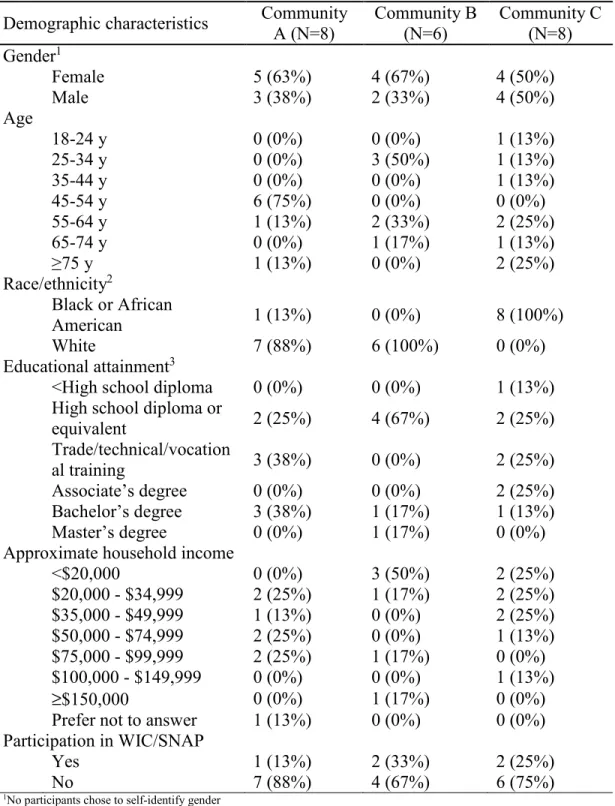
Table 4.2. Participant demographics ... 41
Table 5.1. Community demographics ... 63
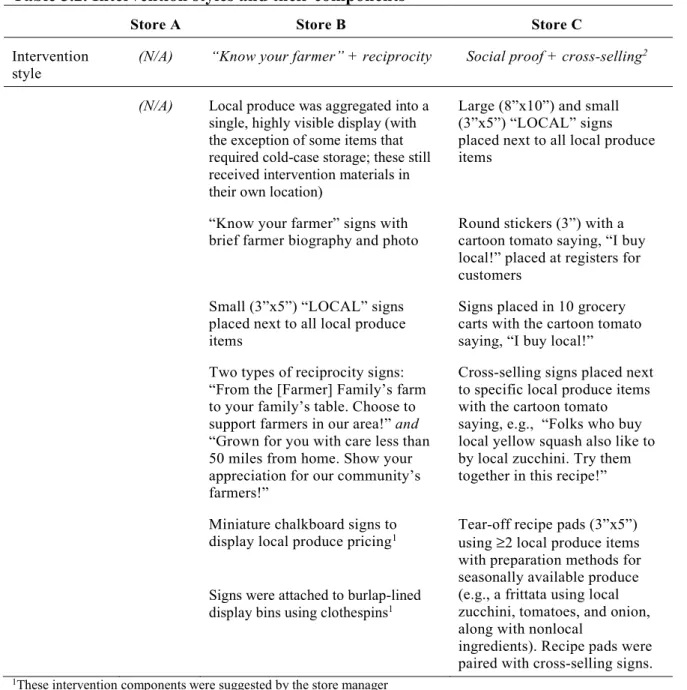
Table 5.2. Intervention styles and their components ... 64
Table 5.3. Demographic characteristics of in-store intercept survey respondents by store ... 65
Table 5.4. Number of survey respondents with each rating of the importance of potential reasons for buying local produce ... 66
LIST OF FIGURES
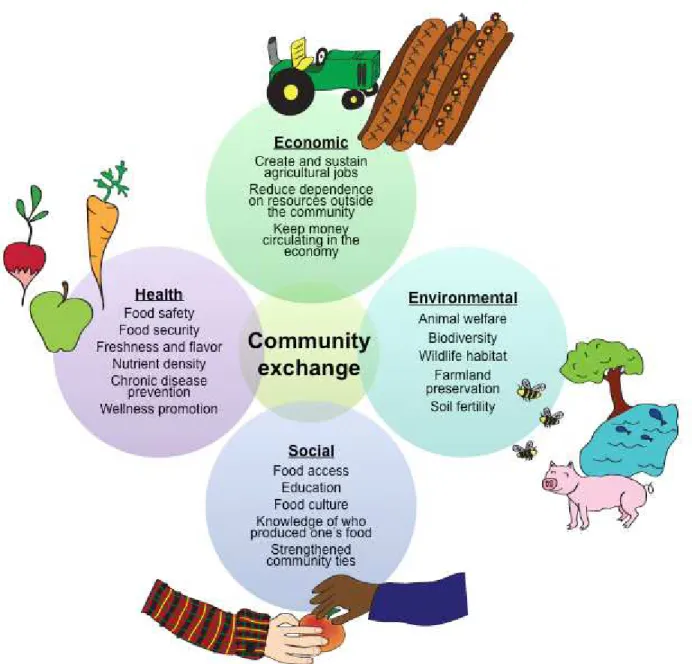
Figure 2.1. Potential impacts of localized food systems ... 10
Figure 3.1. Socio-ecological model of grocery shopping behavioral determinants ... 18
Figure 4.1. Map of recruitment sites by county in North Carolina ... 42
Figure 5.1. Intervention and comparison store locations...67
Figure 5.2. Local produce displays and intervention materials in Store B ... 68
LIST OF ABBREVIATIONS
CSA Community-supported agriculture IRB Institutional review board
NC North Carolina
NCGT North Carolina Growing Together SEM Socio-ecological model
SES Socio-economic status UNC University of North Carolina US The United States of America
CHAPTER I:INTRODUCTION
Background
The prevalence of obesity and chronic disease remains high in the United States despite decades of public health research aiming to improve dietary quality, and people of lower socioeconomic status (SES) are particularly at risk.1–4 The food system is an axis for many
important factors related to human health and environmental sustainability. Improving dietary quality is a goal that can be achieved by addressing multiple levels of the socio-ecological model (SEM). Encouraging the purchase of unprocessed, local foods may be one strategy for improving dietary quality while also contributing to environmental sustainability and community economic development through a sense of loyalty to food produced in one’s own community. Despite evidence of growing consumer preference for locally grown food,5,6 limited research exists about local food preferences among rural and low-SES individuals who tend to lack access to fresh produce and are disproportionately affected by diet-related illness.1–4,7 We also know little about
whether increasing the purchase of local food will result in improved dietary intake among lower-income consumers.
This study seeks to expand “local food” research to mainstream markets in lower-income and rural communities. Prior research has focused on farmers’ markets and Community
Supported Agriculture (CSAs),8,9 even though grocery stores are the primary site for food
acquisition in the US.10–12 Market research on local food has also centered on higher-income consumers, while healthy food access in rural and low-income communities is a
consumers in mainstream grocery stores. Our research setting was three grocery stores located in rural communities in North Carolina (NC) designed to serve lower-income consumers.
To determine whether local food preference might contribute to healthier food choices, we must first understand the factors that influence low-income consumers’ decisions about whether or not to purchase local foods when they are available. Issues like price differences, awareness of availability, and perceived benefits of purchasing local foods (such as nutritional value or supporting local producers) may be influential in consumer purchasing decisions. Qualitative findings were used to inform theory-based intervention strategies, which were
implemented in two grocery stores to increase the purchasing of locally grown food and improve the healthfulness of food purchasing and consumption in rural and low-SES communities in North Carolina. Using the Theory of Planned Behavior as a framework for our intervention causal pathway, we identified intention to purchase local food as a reasonable construct that was both feasible to measure and a reliable predictor of behavior.13,14
Research Aims
The aims of this research were as follows:
Aim 1. Characterize rural, lower-socioeconomic status consumers’ perceptions of local food and their self-reported barriers and facilitators to purchasing these foods, using in-depth interviews with frequent shoppers.
CHAPTER II:LITERATURE REVIEW
The Food System
Overview
Many complex, interrelated determinants impact human health, including economic, social, and environmental factors.3,22 When designing programs to improve health through nutrition, the complex nature of individual dietary behaviors and the degree to which they are influenced by external factors suggests that environmental-level approaches may yield greater effectiveness than those targeting personal choice and individual-level behavior change.2,22
The food system, from food production through consumption, includes multiple levels of potential influence on food-related behaviors. The current national food system favors larger-scale farms, a vertically integrated supply chain, and broad distribution networks.23,24 While
multiple definitions of “local food systems” exist, here we refer to food that is consumed within the same state (i.e., North Carolina) in which it was produced (with reasonable exceptions made to include neighboring states in border communities).23,25
Promoting local food in grocery stores may improve dietary quality
Grocery stores constitute the primary locale for food purchases in the US,10,11 making them an ideal setting for efforts to improve the healthfulness of foods purchased and consumed. Food retail-based nutrition interventions typically focus on encouraging consumers to purchase healthier food, and a variety of strategies have been tested with mixed results.12 As we have learned from decades of public health messages telling us to “eat better,” determinants beyond knowledge alone influence individual dietary behaviors.16,32,33 In fact, consumers may grow weary of the healthy eating messages or even perceive foods labeled “healthy” to taste bad.34
Retail-based approaches have focused on changing the retail environment through increasing the availability of healthy foods and making changes to the layout or structural components of the store in a manner to encourage healthier food choices.33,35–38
A novel method for improving healthy eating may include capitalizing on the current trend toward favoring locally produced foods. There is evidence that consumers of local food make healthier food choices.39 Potential factors influencing this include perceived economic,
social, and environmental benefits to supporting one’s local food system. Less is known about whether these factors influence lower-income consumers as well, who face greater resource constraints and may have different food-related priorities.
Local food literature
nutritious than an apple grown on the opposite side of the country and shipped to the
neighborhood grocery store. However, a positive association has been observed between local food purchasing and fruit and vegetable consumption, indicating a potential benefit to buying local.39 Auxiliary benefits of supporting and strengthening local food systems include: keeping
jobs and money in communities, enhancing social ties, and reducing the distance food must travel to consumers, thereby potentially reducing carbon emissions and environmental degradation.40,41
Grocery stores are the primary source of American food acquisition10,11; thus, they provide
a logical target for interventions aiming to increase consumer demand and local food purchasing. Two of the strengths associated with intervening through grocery stores include the potential to reach a large proportion of the population, and the fact that limited change in consumer behavior is required. The literature on grocery store-based interventions primarily focuses on strategies to increase fruit and vegetable purchasing. In a review of such studies,33 four strategies were
identified as typical approaches for increasing fruit and vegetable purchasing: point-of-purchase information; price reductions and coupons; increased availability, variety, and convenience of fruits and vegetables; and using promotions and advertising. While the feasibility of these strategies is supported, there is limited evidence of their effectiveness for influencing eating behavior.33
the factors that influence grocery store availability of fresh, local foods (e.g., barriers to sourcing directly from area farmers) and consumers’ decisions about whether or not to purchase these products when they are available. Consumer purchasing behavior strongly influences the grocery store environment.42 Thus, an enhanced understanding of how to drive consumer demand for
local products among low-income consumers will provide insight into appropriate store-based intervention strategies.
Existing literature about consumer behavior indicates that individual-level factors,
including freshness, quality, health benefits, and food safety, are primary issues motivating local food purchasing.43–46 Community-level factors like “giving back to the community,” “keeping
dollars in the community,” “supporting small farmers,” “farmers receiving fair returns,” and various other social and environmental issues influence consumers to a lesser extent. Although there is currently no legal definition of “local,” many people associate the local label with foods being “natural” and “pesticide-free” in addition to the standard geographic connotations.47 Price
differences between local and nonlocal foods may be one deterrent for consumers, especially among lower-income populations. Studies have found that although many people (47% of survey respondents) believe local products are of greater value and are worth spending more money for, they still may not be willing to pay higher prices.43,48 Further, a majority of survey respondents in one study (61%) indicated that lower prices would encourage them to purchase more locally produced foods.43 Additional studies, however, have found that people are willing to pay extra
for food that they believe supports health, social, and environmental benefits.43,47,49
report having a connection to agriculture or live in a rural area, as well as individuals with higher education and income levels, may be more likely to purchase local foods.52 A survey conducted in North Carolina found that white families, lower-income families, families in rural areas, families with children who ate 5 or more servings of vegetables per day, and families with children in poor health were more likely to purchase local food.53 However, additional studies report that demographic factors are inconsistent in predicting the likelihood of local food purchasing, and that “attitudinal factors” (e.g., “liking to cook”) are more strongly predictive.52,54,55
Mintel Group Ltd, a privately owned market research firm, recently investigated consumer attitudes and behaviors around local food purchasing, and the recommendations generated for grocery marketers included the following:
“Most Americans are drawn to the selflessness of living local. They acknowledge the
importance of having community pride, want to support their local economies as well as
American-made products and services, and find value in giving back to their local areas.
However, they also acknowledge that there is a limit in what consumers can reasonably do to
support their communities, and much of that determination comes down to convenience.
Consumers want to purchase local products—namely the local produce that they tend to most
associate with their own health—but they don’t want to go out of their way to get them.
Marketers should be encouraged to find more ways to bring the local products consumers want
directly, or at least in closer proximity, to them. In this way, local involvement can be positioned
as being mutually beneficial to communities as well as the residents on which communities
depend. Consumers wanting at least some personal gain from their local efforts will also feel
CHAPTER III:METHODS
North Carolina Growing Together Study (NCGT)
Overview of study
institutional and retail partners. Where food hubs do not exist, NCGT works with existing supply chain participants to effectively change their business practices and systems to meet this new demand in a way that also values sustainability and achieves triple bottom line objectives. These principles include fair pricing for producers and support not only for large farms, but for small- and mid-sized farms as well, which are at the forefront of the growing local foods movement.
Food retail partner
strategies to increase consumer purchasing of local products. The partnership between the company and the research team provides a win-win opportunity, in which the company benefits by enhancing customer loyalty and increasing sales of perishable foods, and the communities benefit from increased access to healthy foods and strengthened local food and economic
systems. The company’s history of commitment to purchasing from NC food producers provides evidence for the feasibility of their sustained participation in this project.
Our food retail partner currently defines “local” in two ways. If a product in the store is specifically labeled "local," it was produced or manufactured in North Carolina, South Carolina, or Virginia, as these are the states in which they have stores. Products labeled “homegrown” can actually be traced to the specific farm or location of production, and the location and the
producer are noted either on the package itself or on signage nearby. In-store labeling of local foods in the stores has historically been inconsistent and may be confusing to customers.
Local labeling within the company sales database is also inconsistent. While most
packaged foods, including meat, seafood, and dairy, are flagged with a “local” designation when appropriate, much of the fresh produce is not. Produce packaged in clamshell containers (e.g., cherry tomatoes, strawberries, blueberries) do carry “local” sales flags, but unpackaged items (e.g., cabbage, sweet potatoes, cucumbers) typically do not. Cashiers enter the same PLU (price look-up) code for unpackaged items, regardless of local or nonlocal production. Inconsistent local flags are primarily an issue with DSD produce, which is a primary target of this study.
Pilot study
chapters.
a. Qualitative data collection
Qualitative data were collected during Aims 1 and 3. In Aim 1, we recruited 22 frequent shoppers from our three partner stores to participate in in-depth interviews about their typical shopping habits and their perceptions and preferences around local food. The interview guide was semi-structured and informed by a socio-ecological model (SEM) developed to describe the many factors relating to grocery shopping behavior (Figure 3.1).12 In Aim 3, we conducted post-intervention in-depth interviews with the store managers and farmers who participated in the interventions. This semi-structured interview guide was developed to elicit personal opinions and experiences related to their participation in the local-food-based pilot interventions.
b. Process data collection
To understand the details of intervention implementation, we conducted a process
evaluation informed by strategies described in other studies. Two commonly assessed constructs in the process evaluation literature are reach (the number of members of the targeted audience who received any component of the intervention) and dose (the number of times each target audience member received any component of the intervention).57 In the grocery store setting,
denominator for an assessment of reach.58 They measured dose by evaluating the number of
intervention components delivered to each of the participants in their interactive sessions. In this study, all intervention components were passive. Without the in-store activities (e.g., taste tests) like those delivered in the BHS study, we were unable to determine the number of people who were exposed to our interventions. Thus, we focused on the third commonly evaluated process measure, fidelity (how well the intervention components were delivered in comparison with the original design).57 The data collection tools and methods used for this evaluation are presented in Chapter 5.
c. Sales data collection
Sales data are continuously collected and analyzed by the food retailer. Data are additionally tracked using customer loyalty cards when possible. For this study, the retailer agreed to provide the research team with sales data from our intervention and comparison stores from 4 weeks prior to intervention implementation through 4 weeks after the intervention phase was complete. To allow for a more informative analysis, we were to receive two versions of the sales data. The first dataset was to include sales of the top 15 produce items (by sales volume) across lifestyle segments by time. Lifestyle segments are the categories the retailer subdivides their consumers into based on the types of purchasing they typically do, as tracked using the consumer loyalty cards. The segments differentiate between those who are, for example, “premium cooks,” “fresh enthusiasts,” “waistline watchers,” “thrifty families,” and “tight
lifestyle segment are proprietary, but the names are descriptive enough to hint at the types of products or budgets of customers in each category.
The second type of sales data was to include total sales for each store by product category (e.g., meat, dairy, produce, packaged snacks, etc.), by store, and by time. This dataset was to be used to evaluate whether the interventions were successful at increasing total sales of fresh produce relative to other product categories.
After receiving the lifestyle segment data from our corporate partner, we were told that the company was discontinuing their use of this analytical style due to the difficulty of accurately interpreting the data. We were later given a new dataset that included their top 16 produce items by sales volume. Sales were displayed in units sold by month from June through September for 2014 and 2015. Data were provided for our two intervention stores and an aggregated
comparison group of 17 other stores in the company chain. We were unable to access data for produce overall or sales in any other produce category (e.g., snack foods, frozen produce, meat, dairy).
d. Age
Age was reported at the in-depth interviews and in-store intercept surveys using the following categories (in years): 18-24, 25-34, 35-44, 45-54, 55-64, 65-74, ≥75.
e. Education
degree, Bachelor’s degree, Master’s degree, professional or doctoral degree. In-store intercept survey respondents were also asked to report the educational attainment of other adults in the household using the same categories.
f. Income
Participants reported their income level at the in-depth interviews and the in-store intercept surveys as ≤$20,000, $20,001-$25,000, $25,001-$50,000, $50,001-$75,000, $75,001-$100,000, and >$100,000. They were also given the option to decline responding to this question.
g. Participation in food assistance programs
Participants were asked to report participation in the Special Supplemental Nutrition Program for Women, Infants, and Children (WIC) and the Supplemental Nutrition Assistance Program (SNAP) at the in-depth interviews.
h. Household composition
CHAPTER IV:“HOMEGROWN TOMATOES”:A QUALITATIVE STUDY OF THE MEANING AND DESIRABILITY OF LOCAL FOOD AMONG LOWER-INCOME RESIDENTS OF RURAL
NORTH CAROLINA
Overview
Background: The prevalence of obesity and chronic disease remains high in the United States despite decades of public health research aiming to improve dietary quality. People of lower socioeconomic status (SES) and residents of rural areas are particularly at risk. The food environment is a key mediator of diet-related health disparities. There is evidence associating local food purchasing with healthier eating behaviors. However, little is known about whether lower-SES and rural consumers have positive associations with local food and would
preferentially buy it in the grocery store context.
Objective: To understand the perceptions and values around locally grown foods among rural and lower-socioeconomic status residents of North Carolina.
Methods: Semi-structured in-depth interviews were conducted with a convenience
sample of 22 frequent shoppers at three rural grocery stores to (1) identify what factors influence their food purchasing decisions in general and local foods in particular, (2) characterize
shoppers’ perceptions of “local” foods, and (3) identify types of store-based interventions that these consumers believe might have potential for increasing the proportion of local foods they purchase.
grocery stores, which might use a statewide or regional definition. We found positive attitudes toward locally produced food among participants. Supporting local farmers and their
community’s economy were primary motivators toward local food purchasing. Price and quality were two attributes commonly placed above localness in terms of importance. The most
frequently suggested strategy for increasing local food purchasing in grocery stores was basic advertising with transparency as to the specific farmer and farm location.
Conclusion: Our findings indicate that locally grown foods are desirable among lower-SES residents of rural North Carolina. Contributing to their community’s economy and
supporting local farmers were important dimensions of participating in their local food system. Healthy local food promotion may be an acceptable strategy to increase healthy food purchasing in this population. If they wish to participate effectively in the local food retail sector, grocers should be mindful of the deep sociocultural framework through which their customers view local food.
Background
The prevalence of obesity and chronic disease remains high in the United States despite decades of public health research aiming to improve dietary quality, and people of lower socioeconomic status (SES) are particularly at risk.1–4 The food system is a natural locus for addressing multiple important factors related to human health, economic wellbeing, and environmental sustainability, specifically by addressing multiple levels of the socio-ecological model (SEM). Encouraging the purchase of unprocessed, locally grown produce may be one strategy for improving dietary quality39,59,60 while also contributing to strengthened rural
community or region.28,61 Despite evidence of growing consumer preference for locally grown
food,5,6,62–64 limited research exists about local food preferences among rural and low-SES individuals who tend to lack access to fresh produce and are disproportionately affected by diet-related illness.1–4,7,59
In 2014, an estimated 22.2% of North Carolina’s 9.9 million residents were residing in rural areas.65 Rural-dwelling North Carolinians disproportionately experience unemployment,
poverty, and reduced access to healthcare,66 but they also represent a large share of the state’s consumer base, in part due to the availability of capital through federal food benefits programs. The food system impacts employment, economic development, and health through the supply chain operating from producers to grocery stores to consumers.
Grocery stores constitute the primary retail outlet for food purchases in the US,10,11
making them an ideal setting for efforts to improve the healthfulness of foods purchased and consumed. Food retail-based nutrition interventions typically focus on encouraging consumers to purchase healthier food, and a variety of strategies have been tested with mixed results.12 As we
have learned from decades of public health messages telling us to “eat better,” determinants beyond knowledge alone influence individual dietary behaviors.16,32,33 In fact, consumers may
grow weary of the healthy eating messages or even perceive foods labeled “healthy” to taste bad.34 A novel approach for improving healthy eating may include capitalizing on the current
We know little about whether increasing the purchasing of local food will result in improved dietary intake among lower-SES and rural consumers or whether this strategy is culturally relevant. As part of a larger study to improve sourcing of local food through retailers, and in hopes of increasing fresh fruit and vegetable purchasing among rural, low-SES
consumers, we conducted formative qualitative work to understand whether the promotion of local produce would be appealing to these consumers. The present study describes the grocery shopping behaviors, perceptions, and values around locally grown foods among a sample of primary household shoppers in three rural communities across North Carolina.
Methods
Grocery store setting
This qualitative study was conducted as part of a larger project aiming to bring locally produced foods into mainstream markets in North Carolina. A regional food retail chain is a primary partner on this project and is composed of a standard grocery store chain and its lower-priced sister stores. The lower-lower-priced stores are primarily located in rural communities in North Carolina and served as the recruitment sites for the present study.
Three stores were identified to participate in this study with the help of our corporate retail partner (Figure 4.1). Stores were selected for their ability to source local foods (a necessary criterion for participation in the experimental phase of the larger research project) and a
In-depth interviews
Semi-structured in-depth interviews (IDIs) were conducted with a convenience sample of 22 frequent shoppers at three rural grocery stores to (1) identify what factors influence their food purchasing decisions in general and local foods in particular, (2) characterize shoppers’
perceptions of “local” foods, and (3) identify types of store-based interventions that these consumers believe might have potential for increasing the proportion of local foods they purchase. We explored these themes through four primary research questions that guided the IDIs:
a. What are consumers’ household demographics, educational attainment, and dietary preferences generally?
b. What are consumers’ perceptions of “local” food? (E.g., what is it, where does it come from, do they like to buy it, and is it of value to them in terms of health or other benefits?)
c. What factors play into consumers’ purchasing decisions in general and around local foods in particular? (E.g., price, WIC/SNAP participation, availability, personal values like supporting local farmers.)
d. What could a grocery store do to encourage consumers to increase their intake of healthy food options by buying “local?”
Data were collected through IDIs with primary household shoppers who frequent one of the three partner grocery stores. A semi-structured interview guide was used to elicit open-ended responses about shopping behaviors and perceptions of local food.
(N = 22 consumers). Inclusion criteria included: ≥18 years of age, primary household shopper, identified one of the three partner stores as a primary food shopping location, and English
language fluency. IDIs took approximately 45 minutes to complete and were conducted in person at the participant’s location of choice. Most participants chose to hold the interview at a fast food restaurant, citing their common use as meeting places in the community. Interviews were audio recorded to allow for verbatim transcription. After completion of the IDI, participants were given a $25 gift card to the partner grocery retailer as compensation for their time. Recruitment for new interviews ended when no new information was emerging for the primary research questions, and it was determined that saturation had been reached. All procedures involving human subjects were approved by the Institutional Review Board of the University of North Carolina at Chapel Hill. Written informed consent was obtained from all participants prior to initiation of the interviews.
Analyses
Interviews were transcribed verbatim by a third-party transcription service (Transcripty) and imported into Dedoose qualitative analysis software (Version 6.2.17, SocioCultural Research Consultants, LLC, Los Angeles, CA) for coding and analysis. All transcripts were coded by the primary researcher (BNH). The codebook was developed iteratively throughout the coding process. Reading of the transcripts and initial coding began as soon as the first interviews were completed and transcribed, and emergent themes were specifically probed in future interviews.
This qualitative study was designed for two primary purposes: 1) provide greater depth to our understanding of how rural and/or low-SES North Carolinians make decisions about
larger research project and provide insight into relevant determinants to be targeted by in-store promotional strategies for increasing local food purchasing in lower-cost, rural grocery stores. Our analysis scheme therefore included two basic components.
First, a deductive approach used the interview guide as a template for developing a preliminary codebook and grouping data into themes about perceptions of local food, decision-making influences and behaviors in the grocery store, and other important concepts. Second, an inductive approach allowed for more detailed explorations of the data. We read the data for repeated expressions of phenomena like feelings, beliefs, and behaviors that were not specifically asked about in the interview guide.
Results
Participant demographics
Twenty-two individuals participated in this study. Participant demographics are presented in Table 2. Thirteen women and nine men participated. Respondent ages ranged from 21-93 yrs. All participants identified themselves as either White or African American/Black. Eight of 22 participants (36%) held high school diplomas or the equivalent, and six (27%) held Bachelor’s or more advanced degrees. Only two households reported earning ≥$100,000. Most earned between $20,000 and $49,999 (n=8) or $50,000 and $99,999 (n=6). Five households earned
<$20,000/year, three of which had one or more children. More than half of all households
SNAP recipients per community roughly followed the proportions reported in the community demographic data presented in Table 1; participation was highest in Community B (33%), followed by Community C (25%) and Community A (13%).
Shopping habits
In general, participants reported following a standard routine when they shopped at the grocery store. Many used a list to make sure important items weren’t forgotten, others used the store’s advertisements to select products that were on sale, and some decided what they were going to buy based on whatever stood out to them when they arrived. One participant described her usual routine like this:
“I usually make a list at home of what I need, and you might see something that you’ll
pick up, because I can go in the store to get two or three things on my list, and come out with a
cart-full. I just really see things that I didn’t think I was going to buy…” (Female, African American, ≥75 yrs, Community C)
Participants were asked to use a Likert scale from 1 (not at all important) to 5 (extremely important) to rate the importance of a variety of factors that may influence their decision-making around food purchases generally. Quality was the most important determinant, averaging 4.9 on the 5-point scale. Convenience was the second most important factor (4.6), followed by taste (4.5), price (4.4), and health (4.1). “Because it’s good for your local economy” and “because it’s good for the environment” both scored an average of 3.7. “Because of personal or family
tradition” scored the lowest, averaging only 2.6.
they would eat differently if they had more money available for food, many respondents said that they probably would not. Those who replied yes typically spoke of increasing the quality of their food (e.g., buying more expensive cuts of meat) or going out to restaurants more. No
participants, including those with the lowest household incomes, volunteered information suggesting that they were experiencing a high level of food insecurity.
Perceptions of “local”
Comparing Participants were asked to provide their own definitions of “local” food; to describe their experiences with it, including early life or current exposure to farms, gardens, farmers’ markets, and farm stands; and their ideas about the potential importance of local food to themselves or their communities.
Defining “local” food. Respondents presented a variety of definitions for “local” food, but there were several common themes. Most cited political boundaries, the most common being food that was produced within their county of residence (n=9; 47%). Six people (32%) felt that anything grown within the state of North Carolina could be considered local. Others used geographic distances to define “local,” including “4-5 miles,” “a 20 mile radius,” and “within 100 miles.” Some reported an initial definition that was personally relevant, but they assumed that items labeled “local” in a grocery store would have a different, broader definition. This theme is illustrated in the following exchange:
Participant: “[Blinded] County is what I would consider, if you say local, I would think just [blinded] County, period.”
Interviewer: “And no surrounding area or counties?”
Interviewer: “If you saw something labeled ‘local’ at the grocery store… have you ever seen that at [Store C]?”
Participant: “Yeah.”
Interviewer: “So what do you think it means when you see it? The same? Or do you have a different impression?”
Participant: “I kind of have a different impression. I mean, I’ve been around [Community C], and I’ve never seen some of that stuff grown around here, so it’s like when they say ‘local,’
they must not mean just here, it’s got to be around, maybe they’re talking about the East Coast of
North Carolina, or something like that, because there’s not too many farmers still left around
here.” (Female, African American, 25-34 yrs, Community C)
Another participant expressed his uncertainty about how “local” should be defined: “I would think right around in the area, and sometimes I do wonder how local is local.” (Male, White, 45-54 yrs, Community A)
One person indicated that the speed with which food can be transported to his area is an important defining attribute of “local” food:
“If it was local, I would say from right here in the county, or close around in the state.
Close to the vicinity of [blinded] County. Not miles away, you know, where it takes a couple of
days to get here. I mean, you can get it here in a day, or half a day or something like that is what
I mean ‘locally.’” (Male, African American, 55-64 yrs, Community C)
Other participants used feelings to define “local” food rather than geographic or political boundaries. This theme is exemplified by the following exchange:
Participant: “Community.”
Interviewer: “Community. Talk a little bit more about that.”
Participant: “Local farmers, produce, vegetables, I’d even like to find a place where I could find fresh eggs opposed to the store-bought, but I don’t know of any of that. Basically that
kind of stuff. I mean, I would enjoy it very much.”
Interviewer: “Why is that?”
Participant: “Because I think homegrown is better any day of the week than store bought.”
Interviewer: “What makes it better?”
Participant: “The love that goes into it. Because they have to love being a farmer, and growing, or they wouldn’t do it.”
Interviewer: “How does that benefit you, as the consumer?”
Participant: “Lifts my spirits, makes me feel good. Because I’m helping them, so all in all, everybody wins.” (Female, White, 65-74 yrs, Community B)
Experiences with local food. Many of our participants talked about their experiences growing up with family farms or gardens. “Nostalgia” emerged as a salient theme. Most believed that early experiences they had with “homegrown” foods had shaped their eating habits into adulthood. One participant who grew up helping with her family’s farm said,
“I think it probably has [shaped eating habits] because, you know, it was a tobacco farm,
but we had a garden and grew our vegetables, so you know, I think you’re just, I’m probably
kind of looking for that freshness, or for that taste, and it was just different from what you grow
“I think it’s better. Not knocking any products on the market, because all of them are
good, I just prefer that you bite into a tomato, and you know it’s homegrown, and there’s just
something totally different about it. And that could be because when I was growing up, my
mother had a huge garden, and that’s what I was used to.” (Female, White, 65-74 yrs, Community B)
Roadside farm stands that sell fresh produce are prevalent in Community A, and many participants reported buying from them. This community feature seemed to influence how some residents perceive local food. When one participant was asked what she would think a “local” label meant within a grocery store, she replied,
“I would think that it meant it was grown in this area. Now, if I was at the produce stand,
I would more think it was this immediate area. In the grocery store, I might think, ‘okay, that
maybe means the state,’ or to me, I think that might still be considered local. […] I think I would
still be okay with buying it. Like I said, my problem is when it comes from so far away, I mean, I
really know nothing about it. So, I don’t know, I think that, yeah, the state, I would buy it. I
would still consider it local.” (Female, White, 45-54 yrs, Community A)
Nearly half of our participants (n=10) spoke about food preservation, usually in reference to canning or freezing excess produce from their own home gardens or from what they receive from friends, family, and neighbors. Often, these activities were linked with memories of family.
Importance of local food. We asked interviewees to discuss whether they thought local foods were important for any reason. The themes of “community”, “economy,” and “supporting local farmers” emerged from many of our interviews, as illustrated by the following quotes:
“Lots of people like the idea of fresh vegetables. Most people want to help the farmers.”
“I think it’s very important, of course there’s money that’s staying more in our local
area, then it’s going to be helpful for our economy.” (Female, White, 45-54 yrs, Community A)
“There again, you help farmers, they make money, and that in turn gives them more
money to spend in the community, so everybody wins.” (Female, White, 65-74 yrs, Community B)
“For the community, I think so. Not only is it going to help the community, but it’s also
going to help the people that are growing. So that maybe they’ll branch out and do more, that’s
how I look at it. […] Because this town needs a, like, you want it to have something, like you
want it to have a name known for doing something, not just a place on a map.” (Female, African American, 25-34 yrs, Community C)
Other participants associated local food with personal benefits, including greater
transparency in production methods, fewer perceived harmful chemicals, and better flavor. The following quotes exemplify these ideas:
“Just, we tend to trust more closer by because you know how they’re grown, and you
know how the people are, so you don’t know what’s coming out of Georgia, and out of Florida...
I’ve heard people say a lot of stuff about the way the food is gathered, about the strawberries
being picked and stuff.” (Male, White, 45-54 yrs, Community A)
“I like it [local food] because you might know that there’s nothing on it that can hurt
you, they might take care of it more, might not have as much of fertilizer and stuff that’ll hurt
you.” (Female, White, 25-34 yrs, Community B)
“… to a certain extent, it’s because when you live in a certain area, and it’s what you
usually are used to eating or whatever, you know because you can get something from other
you’re used to seeing in this area, and you’re like, ‘okay it is, but what kind is it?’ There is a
difference in the taste, and how they look, stuff like that. It would go for, for me, it would just be
how it tastes. And I’m not against trying different things, it’s just that, you know and you got
your mind set about this is what it’s supposed to look like, or this is what it’s supposed to taste
like, so if you’re in the area, you get used to what smells, and tastes, so you’re just used to that.”
(Female, African American, 45-54 yrs, Community A)
Participants were then asked specifically about their perceptions of local foods being sold in the grocery store. Trust and transparency were common themes that arose here, though
positive feelings toward genuinely local produce generally prevailed. One participant said,
“I’d have to kind of feel that out to see if I trusted what they were doing. It’s like the,
there’s an ad on the radio I hear, and it’s like, ‘Oh yes, I’m local, I live right here!’ So, I don’t
know. You’ve always got to look out for the scam I guess.” (Male, White, 45-54 yrs, Community A)
When asked what might make him trust it, he replied,
“Probably if I talked to a few people, and they might know somebody who had something in there, or if they had a sign that said ‘grown locally at such and such farm’ that gave me the
business number where I could at least call and say, ‘hey, you guys have got stuff up here at the
[Store A], blah, blah, blah,’ some way to check it out, I guess.”
This participant was not alone in his mistrust of food retailer advertising around “local.” Another respondent reported,
“I kind of have mixed feelings. […] Sometimes I’m thinking that if I buy [food advertised
as local], it’s going to help around here, but then in the back of my mind, I’m thinking, ‘that’s
really has had a homegrown tomato, it tastes different than a store tomato. So I might buy
tomatoes and like, this isn’t locally grown, this is grown somewhere else, so that’s kind of how I
feel...” (Female, African American, 25-34 yrs, Community C)
When this respondent was asked how she would feel if she could know for sure that certain products were grown in her community, she replied, “I probably would buy it more, just thinking it would help the economy around here, I probably would.”
Interviewees were asked if they thought a certain type of person buys local food. Five of 13 respondents believed that all kinds of people like to buy local food, and an additional five people thought that older people are generally more interested in local food. These participants felt that the older generation values local food because they have more time to prepare it, they are used to it because it’s what they grew up with, and because they trust it more than non-locally produced foods. One of these five respondents, a woman aged 25-34 yrs, mentioned that younger people also like local food because “it’s sort of a trend.” An additional three respondents believed that “people who are more into organic,” “health conscious people and farmers,” and “people that can afford it” describe the types of people who like to buy local food.
Choice experiment
Next, they were asked which item they would select if the local version was slightly more expensive (the most commonly used example was $3.00 vs. $3.25). Nine people (45%) were willing to pay slightly more for the local product; some reported specific limits for how much more, such as 5%, 25%, or “up to a dollar” more. Others were willing to pay “a reasonable amount” more but were unable to give a specific upper limit. One person stated that she would be willing to pay more for the local product “if I knew what local meant,” indicating the importance of transparency in labeling. An additional eight (36%) people responded that they would be willing to pay a higher price for whichever product appeared to be of higher quality, regardless of its origin.
In response to how much more one participant might be willing to pay for a local product, she responded:
“I don’t know, I think that would probably be a call that I’d make in the store. As long as
it was within range, and it fit into my budget, that would be the bottom line as far as price, but I
would be willing to pay a little more for something local.” (Female, White, 45-54 yrs, Community A)
When asked why she would be willing to pay more for local, the same respondent said:
“I don’t know, I just think it’s more natural, more fresh. It just, like, when I’m cooking, I
try to keep everything to the most natural form of it. That’s why I don’t like to buy processed
stuff. So there’s something about that in my head, maybe, about local things. If I know someone
from here grew it, I just feel I can trust it better, and it’s fresher, it hasn’t spent days on a truck
getting ripe while it’s not actually on the vine, I don’t like that.”
the, give something back to them. That’s the only right thing to do.” (Male, African American, 35-44 yrs, Community C)
Local food promotion ideas
Accurate labeling and transparency in local food sourcing was the second most commonly suggested strategy for encouraging shoppers to buy local produce from grocery stores. Eight of 19 suggestions (42%) focused on transparency with regard to where products came from and the farmers who grew them. The most commonly mentioned strategy was basic advertising, which 14 people (74%) suggested. Other ideas included competitive pricing of local products and attractive displays within the produce section. A selection of specific ideas are presented below:
“I guess promote it, advertise it, put it in their flyer. I have a loyalty card for them. I
think that emails, I get emails on the weekly specials, so include that there. Maybe do a special
event on a Saturday with, featuring the local folks, and maybe doing some demos.” (Female, White, 45-54 yrs, Community A)
“Probably advertise that they’re going to do it. I think advertisement makes a big
difference. If you know they’re going to sell the local stuff, then you’re bound to go there and buy
it.” (Female, White, 65-74 yrs, Community B)
“Like a local section, produce, have a section that’s just local produce, and vegetables,
and so that way, everybody knows that it’s local. Instead of having everything mixed in, in their
own groups, just have one big group, and it’s… I would think people would be more likely to
“I think they would kind of, for me it’ll be advertised more, but I think it would be to
show your customers that they’re actually helping. Like, this is actually local, and this is where
the money is actually going to. I think that would help out a lot.” (Female, African American, 25-34 yrs, Community C)
“I guess they could advertise more locally grown, or maybe they can have some of the
people who it is, that it belongs to, to be out here with some of their products. Then they’ll say,
‘well this is, yeah that’s Miss So-and-so’s peaches and apples.’ I think that would help them.”
(Female, African American, 55-64 yrs, Community C)
“Just advertise, advertise, just have some sort of comparison chart, or graph of some sort
to show the difference in locally grown food versus non locally grown food. Just some sort of
chart, some sort of comparison to show people the difference. […] I guess the time it took to
grow, whether it was grown in a greenhouse or not, the chemicals that were used to help the
growing process...” (Male, African American, 18-24 yrs, Community C)
Discussion
This study adds new insights into perceptions and preferences around the idea of “local” food in rural North Carolina. A primary objective was to understand how frequent shoppers at a lower-cost food retailer defined the term “local.” Unlike the term “organic,” there is no official definition or set of regulations that govern “local” food labels, making it difficult for consumers to identify local foods and trust that products labeled “local” fulfill their expectations.63,67 Trust
To our knowledge, this is the first study to use qualitative methods to investigate the perceptions and values around locally grown foods with a specifically rural and lower-SES population in the US. Compared to existing literature, participants in this study revealed similar reasons for their positive associations with local food. Individual-level factors included
preferences for freshness, quality, health benefits, and food safety. Community-level factors indicated ideals around supporting the local economy, the community, and neighboring farmers.43–47
Studies have found that although many people believe that local products are of greater value than nonlocal alternatives, they still may not be willing to pay higher prices.43,48 A majority
of survey respondents in one study (61%) indicated that lower prices would encourage them to purchase more locally produced foods.43 Additional studies, however, have found that some
people are willing to pay extra for food that they believe supports health, social, and
environmental benefits.43,47,49 Participants in our study provided a similar narrative; most would
prefer to purchase local products if all other attributes are equal, but quality and price are highly influential attributes as well.
Various demographic characteristics are associated with local food purchasing behavior in the literature. Women tend to be slightly more likely to purchase local food than men,43,50 which may be due to the finding that women are more likely to be impacted by social
influences.51 Consumers who report having a connection to agriculture or live in a rural area, as
well as individuals with higher education and income levels, may be more likely to purchase local foods.52 A previous survey conducted in North Carolina found that White families,
food than others.53 However, additional studies report that demographic factors are inconsistent
in predicting the likelihood of local food purchasing, and that “attitudinal factors” (e.g., “liking to cook”) are more strongly predictive.52,54,55,67
Household structure and other demographic characteristics did not appear to have a noticeable impact on how participants defined or spoke about local food in the present study. Participants with higher household incomes tended to cite fewer financial barriers with regard to food purchasing, but this was not the case across the board. Respondents tended to talk about making adjustments to food quality, rather than quantity, in response to changes in their financial status. With regard to local food purchasing, preferences again did not seem to be overtly linked with household income, SNAP participation, or educational attainment. Other studies on local food preferences have found that older, wealthier, and rural-dwelling people expressed the most positive attitudes and preferences for local food.67 Interestingly, although our sample did not necessarily lead to the same conclusion, our participants seemed to hold similar beliefs about the types of people who buy local food.
This study was undertaken, in part, to provide formative data for the development of local-food-based healthy purchasing interventions in our partner grocery stores. Participants were asked how they thought a grocery store should encourage shoppers to purchase more fresh, local produce. Again reflecting a desire for greater knowledge and transparency, most suggested basic advertising and providing information about the specific origins of the products. This strategy aligns well with the finding that many participants in our study feel strongly about supporting farmers in their area, even if it means paying slightly more.
farmers’ market, she perceived it to be cheap and accessible; however, when she later spoke about local food in the grocery store, she assumed that it would be more expensive, as if it then becomes “trendy” and more costly. This perception was reflected across several interviews in this study and others67 and should be taken into account when designing future store-based, local
food promotional strategies.
Through our analysis, several unanticipated themes emerged, including concepts like “nostalgia” and “community ties.” These codes revealed a deeper narrative around local foods in our three communities. Beyond simply informing future intervention development, the data helped to elucidate patterns that exist in the grocery shopping and local food purchasing behaviors of rural and low-SES North Carolinians. The iterative, inductive analysis of our IDI data contributes new insights to the consumer food purchasing behavior and local food bodies of literature.
Our findings suggest an affinity for local foods among rural North Carolinian residents who are frequent shoppers at lower-cost food retailers. Many expressed a willingness to pay slightly more for local foods that they could trust and for foods that evoked feelings of connectedness and nostalgia. Contributing to their own economy and reciprocating the
4
0
Table 4.1. Community demographics68,69
Recruitment community
Urban/rural classification
Population % Families
below poverty level
% Individuals below poverty
level
Median household income ($)
% Households receiving
SNAP
A Rural 1,477 11.6% 16.7% 33,988 (±4,437) 12.3%
B Rural 1,692 26.1% 29.8% 30,135 (±6,560) 24.4%
Table 4.2. Participant demographics
Demographic characteristics Community A (N=8) Community B (N=6) Community C (N=8) Gender1
Female 5 (63%) 4 (67%) 4 (50%)
Male 3 (38%) 2 (33%) 4 (50%)
Age
18-24 y 0 (0%) 0 (0%) 1 (13%)
25-34 y 0 (0%) 3 (50%) 1 (13%)
35-44 y 0 (0%) 0 (0%) 1 (13%)
45-54 y 6 (75%) 0 (0%) 0 (0%)
55-64 y 1 (13%) 2 (33%) 2 (25%)
65-74 y 0 (0%) 1 (17%) 1 (13%)
≥75 y 1 (13%) 0 (0%) 2 (25%)
Race/ethnicity2
Black or African
American 1 (13%) 0 (0%) 8 (100%)
White 7 (88%) 6 (100%) 0 (0%)
Educational attainment3
<High school diploma 0 (0%) 0 (0%) 1 (13%) High school diploma or
equivalent 2 (25%) 4 (67%) 2 (25%)
Trade/technical/vocation
al training 3 (38%) 0 (0%) 2 (25%)
Associate’s degree 0 (0%) 0 (0%) 2 (25%)
Bachelor’s degree 3 (38%) 1 (17%) 1 (13%)
Master’s degree 0 (0%) 1 (17%) 0 (0%)
Approximate household income
<$20,000 0 (0%) 3 (50%) 2 (25%)
$20,000 - $34,999 2 (25%) 1 (17%) 2 (25%)
$35,000 - $49,999 1 (13%) 0 (0%) 2 (25%)
$50,000 - $74,999 2 (25%) 0 (0%) 1 (13%)
$75,000 - $99,999 2 (25%) 1 (17%) 0 (0%)
$100,000 - $149,999 0 (0%) 0 (0%) 1 (13%)
≥$150,000 0 (0%) 1 (17%) 0 (0%)
Prefer not to answer 1 (13%) 0 (0%) 0 (0%) Participation in WIC/SNAP
Yes 1 (13%) 2 (33%) 2 (25%)
No 7 (88%) 4 (67%) 6 (75%)
1No participants chose to self-identify gender
CHAPTER V:DESIGN AND PROCESS EVALUATION OF A PILOT LOCAL-FOOD-BASED INTERVENTION PROGRAM WITH TWO GROCERY STORES IN RURAL NORTH CAROLINA
Overview
Background: Rural populations in the United States have disproportionately high levels of obesity and other diet-related chronic diseases, which is often linked with lower
socio-economic status (SES) and reduced access to affordable, healthful foods. Healthy food access is a key focus of efforts to reduce disparities in diet-related chronic diseases, and food retail environments are a promising setting for this work. A novel method for improving healthy food purchasing may include capitalizing on the current trend toward favoring locally produced foods. There is evidence associating local food purchasing with healthier eating behaviors, but little is known about whether lower-SES and rural consumers have positive associations with local food and would preferentially buy it in the grocery store context.
Objective: To describe the design and implementation of two local food promotion strategies to increase healthy food purchasing in retail outlets designed for lower-income consumers in rural North Carolina.
Results: The intervention phase lasted the duration of the stores’ ability to source local produce (8 wks and 6 wks). One store implemented the intervention materials with high fidelity, while the other implemented the intervention with moderate and diminishing fidelity. Few shoppers reported noticing the intervention materials in either store, but 88% of respondents reported a preference for local foods, and 70% reported a desire to purchase local food on their next shopping trip. Prices for local and nonlocal produce items were kept equal, thus eliminating the most commonly cited perceived barrier to purchasing.
Conclusions: Findings from this study indicate that promotion of local food is acceptable to both consumers and retailers in rural, lower-SES communities. However, further work is required to identify the effectiveness of different marketing approaches and the impact on food purchasing.
Background
Rural populations in the United States have disproportionately high levels of obesity and other diet-related chronic diseases.70–72 Communities of color also experience multiple health
disparities.73 A primary goal of Healthy People 2020 is to “achieve health equity, eliminate disparities, and improve the health of all groups,” including in rural areas and communities of color.74 The high rates of diet-related chronic disease and obesity in rural communities are often linked with lower socio-economic status (SES) and reduced access to affordable, healthful foods.75 Environmental determinants of health, including healthy food access, are a key focus of
efforts to reduce disparities in diet-related chronic diseases.7,76
Most food purchases in the US occur in grocery stores and supermarkets,10,11 which
retail-based nutrition interventions typically focus on encouraging consumers to purchase healthier food, and a variety of strategies have been tested with mixed results.12 As we have learned from decades of public health messages telling us to “eat better,” determinants beyond knowledge alone influence individual dietary behaviors.16,32,33 In fact, consumers may grow
weary of the healthy eating messages or even perceive foods labeled “healthy” to taste bad.34 Retail-based approaches have focused on changing the retail environment through increasing the availability of healthy foods and making changes to the layout or structural components of the store in a manner to encourage healthier food choices.33,35–38
A novel method for improving healthy food purchasing may include capitalizing on the current trend toward favoring locally produced foods in a way that combines increased
availability of healthy foods with changes to the physical store environment. There is evidence associating local food purchasing with healthier eating behaviors.39,59,60 However, little is known about whether lower-SES and rural consumers, who face greater resource constraints, have positive associations with local food and would preferentially buy it in the grocery store context, potentially increasing their purchasing of fresh fruits and vegetables. In this study, we designed and implemented two retail-based local food promotion strategies to increase healthy food purchasing in two retail outlets targeting lower-income consumers.
Methods
Intervention design
partner is composed of a standard grocery store chain and its lower-priced sister stores. The lower-priced stores are primarily located in rural communities in North Carolina and served as the intervention and comparison stores for this study.
Three intervention and three roughly matched comparison stores were selected to participate in this study in collaboration with our corporate retail partner (Figure 5.1). Stores were selected for their ability to source local foods and the cooperativeness of the store
managers. Comparison stores were approximately matched based on store size, age, and location. Managers from each intervention store consented to collaboration with the research team. A key requirement for eligibility was the agreement to stock at least three different types of local produce in the store at all times during the intervention period (not applicable to comparison stores). Shortly before initiation of the intervention phase of this project, the local food supplier to Store A went out of business. Unable to put new local sourcing contracts into place in time, Store A was excluded from the intervention phase, and its comparison store was no longer needed. No other stores were equipped to serve as a third intervention store at that time.
We developed and implemented two distinct store-based intervention strategies during July and August 2015. Store B was able to source local produce for approximately 8 weeks, while Store C received local produce deliveries for only 6 weeks. Community demographics are presented in Table 5.1.
The interventions were developed based on formative work conducted across the three participating communities (see Chapter 4) and findings from existing literature. Detailed descriptions of each targeted construct are below. Our in-depth interviews with shoppers