MALVA: FOOD, MEDICINE AND CHEMISTRY
Abdullatif Azab
[a,b]*Keywords: Malva, M. sylvestris, antioxidant activity, ethnomedicine, flavonoids, medicinal uses.
Plants of the genus Malva (Malvaceae) have been used by humans for millennia. In addition to being an important nutritional source, they are used for many medicinal purposes. Modern research not only supports the ethnomedicinal uses of these plants but has discovered many others. Many review articles were published about the traditional uses of Malva, and some reviews were published about modern research findings of the medicinal and other properties of M. sylvestris. However, none of the review articles discussed both traditional and modern scientific knowledge about all plants of this genus. In the present article an attempt has been made to discuss both the aspects comprehensively. Conclusions have been drawn and future research possibilities suggested.
* Corresponding Authors Fax: +972-(0)4-6356168
E-Mail: [email protected]
[a] Triangle Research & Development Center, Box 2167, Kfar-Qari, Israel 30075
[b] Eastern Plants Company, Box 868, Arara, Israel 30026
Introduction
The genus Malva includes around 30 species.1,2 The plants originally grew in Eurasia and North Africa, but humans have taken them to all continents except the two poles. Archeological findings in Jordan indicate a continuous use of M. parviflora by humans since ancient times.3 Excavations in Isreal found an earlier use of M. parviflora and M. aegyptiaca dating around 23000 years before present.4 These findings were confirmed and expanded by recent two studies of the same site.5,6 Ancient Balkan inhabitants used Malva (unspecified sp.) as food sources and the materials of the plants were found in the remains of their teeth that go back at least 8600 years ago.7
The published literature about the Malva species is enormous but it focuses mainly on four of them: M. neglecta, M. parviflora, M. sylvestris and M. verticillata. The reported traditional uses and modern research findings of these species will be introduced in separate sections of this article, but they will be discussed jointly with the other species in the discussion section. Other species were little studied and for some others, there are no scientific publications at all. The last group includes M. aethiopica, M. assurgentiflora, M. brasiliensis, M. campestris, M. canariensis, M. dendromorpha, M. hispanica, M. microcarpa, M. microphylla, M. pacifica, M. preissiana, M. pseudolavatera, M. qaiseri, M. stipulacea, M. subovata, M. transcaucasica, M. tournefortiana, and M. trifida.
Many review articles were published about the traditional uses of Malva species and we will cite them here, but to the best of our knowledge, there are no published review articles that summarize the scientific literature about all Malva species that were studied so far.
M. verticillata was mentioned in a review article for its antidiabetic activity,8 and wound healing potential of M.
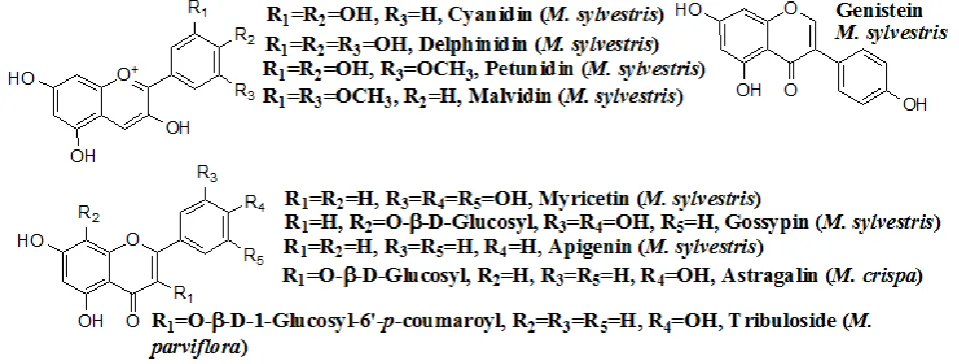
neglecta, M. parviflora and M. sylvestris was presented due to their anti-inflammatory properties.9 Antitussive activity of M. sylvestris was reviewed among other medicinal herbs that have the similar activity.10 A comprehensive review article about flavonoids in plants of the Malvaceae family (that includes the genus Malva) has been published recently and it shows some of the important natural products of this compound family.11 In Figure 1, the structures of selected flavonoids are presented.
M. sylvestris is the most studied species of the Malva genus so far. An excellent review of traditional uses (food, ethnomedicine) and scientific research findings of this plant was published by J. Gasparetto et al. in 2011.12 But it has three disadvantages. First, in terms of active natural products present in M. sylvestris, this review focuses only on polyphenols that are presented with structural formulae, while other compound families are mentioned but not presented like polyphenols. Second, a notable number of the cited references are patents that readers will not easily access. Third, despite being a very important research center of traditional uses and modern research of medicinal plants, Iranian publications are not sufficiently cited in this review.
Another review article that presents the biological activities of M. sylvestris was published by D. Paul.13 It presents some traditional uses of the plant and most of its modern research findings of medicinal and other activities very briefly. The phytochemical part is very short and presents mainly polyphenols. The author presents seven major biological activities of the plant while ignoring many others. Finally, a review article that includes both traditional uses and scientific data about the medicinal properties of the plant was published by Shokrollahi and Ali.14 Despite being supposed to include very much data, it presents it just partially and much of the known literature is not cited at all.
Traditional uses of Malva species
Figure 1. Selected flavonoids in three Malva species11
Table 1. Traditional uses of M. neglecta.
Country/Region Used part/s Use/s (reference)
Turkey/Germany leaves Compressed fresh leaves are used to treat abdominal pains15
Turkey Stem, leaf, petiol Eaten fresh or cooked16
Spain Fruits Immature, raw eaten as a snack17
Poland Leaves, fruits, seeds Leaves eaten in the past, immature, raw fruits still eaten, seeds grounded and added to bread18
Lebanon Leaves Infusion for treatment of gout and rheumatism19
Poland Fruits Immature, eaten raw 20
Pakistan Unspecified Demulcent, aphrodisiac, laxative21
Pakistan Shoots, roots Shoots are used as potherb. The roots are used as purgative for young cattle22
Italy Flowers, roots, leaves To treat abdomenal pains. Leaves together with oil cure burns and zoster like inflammations. A hip-bath taken in the decoction soothes the uterus23
Turkey Aerial parts Decoction, to treat stomachache24
Pakistan Roots Purgative for young cattle25
India Leaves To heal broken bones and sooth baby's sore back.26 As anti diarrheal agent for calves and a food28
Turkey Aerial parts As food in various forms27
Iran Aerial parts Decoction to treat inflammation and sedative29
Pakistan Roots, leaves, flowers Roots used as purgative for young cattle. Leaves and flowers are used as demulcent, for bruise, inflammations, insect bites etc. Internally in the treatment of diseases of respiratory system digestive or urinary systems30
Pakistan Whole plant To treat piles and cough31
Iran Flower, fruit To treat sore throat and antitussive,32,33 and as febrifuge33
Iran Aerial parts Decoction, poultice; laxative34
Spain Aerial parts Infusion to treat colds. Raw, immature fruits as food35
Pakistan Stem As food and to remove constipation and enhance digestion36
Pakistan Leaves, roots Leaves are used as food. Root extract is used to remove kidney stones37
Daghestan Aerial parts Food (cooked leaves, unripe fruits)38
Turkey Aerial parts Cooked or raw as salad39
Armenia Aerial parts Cooked or raw as salad40
Turkey Whole plant For large number of disorders41
Pakistan Seeds Crushed and used to cure cough and bladder ulcer42
Iran Leaf, stem Blood purification (unspecified method)43
Turkey Leaves To treat coughs and to treat abdominal pain44
Table 2. Traditional uses of M. parviflora.
Country/Region Used part/s Use/s (reference)
Spain Fruits, leaves Immature, raw fruits as a snack, tender leaves and stems stewed17
Italy Flowers, roots, whole plant
Flowers and roots are used against gastrointestinal pains as a laxative and as a diuretic. A decoction of the herb is used to treat gingivitis while cataplasms are used to treat furuncles and ulcerous wounds23
Turkey Aerial parts Food27
Pakistan Leaves, roots, seeds Seeds are used in cough and bladder ulcer. Leaf decoction is used for tap worm and profuse menstruation. Roots are used as sex tonic. Plant is also used as laxative42
Costa Rica Whole plant Ornamental plant46
Bolivia Aerial parts Anti-inflammatory, colds, fever, headache, vulnerary47
Canada Aerial parts Treat wounds of ruminants (unspecified method)48
South Africa Unspecified Poultice to treat sores and decoctions for neuralgia and sore throat49
South Africa Leaves To treat infected eye50 and diarreea51
Pakistan Seed, leaf Seeds decoction is used as tea to treat common cold and cough. Leaves are cooked to treat constipation and used as vegetable52
Pakistan Whole plant Decoction used to cure cough flue and fever53
Iran Leaves Infusion, laxative, relieve cough and chest discomfort54
Argentina Leaves Decoction used in ethnoveterinary: intestinal colic, ocular diseases, wounds and injuries, mastitis and udders of goats and cows55
Bolivia Leaves Infusion, liver disorders, gastritis, stomach problems, renal inflammation, diuretic56
Iran Seeds Decoction to treat cold57
India Whole plant Decoction is used to treat cough, flu and fever58
Pakistan Leaves Food, decoction to treat constipation, cough and fever59
Egypt Whole plant Unspecified method, to treat pyorrhea, astringent60
Pakistan Leaves, seeds Infusion is used to lessen skin allergy, diaphoretic, headache61
Iran Leaves, flowers Food, treatment of kidney and bladder infections, emollient62
Pakistan Leaves Used by humans as vegetable, given to the hens as food63
Kashmir Leaves Eaten as vegetable, anthelmintic64
Chile Unspecified Antifungal65
Morocco Leaves, stem Decoction, respiratory disorders, cataplasm66
Kashmir Shoot, leaf Shoots are used for constipation, leaves are used to treat dry cough, bladder worm, diabetes and as vegetable and fodder67
Morocco Leaves Cataplasm: oral affection68
Pakistan Seeds, leaves Seeds used to relieve cough, bladder ulcer, leaves to treat tape worm, profuse menstruation69
Pakistan Whole plant Decoction, to treat cold, fever and cough70
Saudi Arabia Leaf Treatment of scorpion-sting71
Pakistan Leaves, seeds Leaves are emollient. Seeds are used to treat cough and ulcers in bladder72
Iraq Leaves Decoction: hair loss, abdominal pain, diarrhea73
Table 3. Traditional uses of M. sylvestris.
Country/Region Used part/s Use/s (reference)
Turkey/Germany leaves Compressed leaves are used to treat abdominal pains Turkey Stem, leaf,petiol Eaten fresh (salad) or cooked16
Spain Flowers, fruits, leaves Flowers, as herbal tea and for making liqueur, immature fruits raw as a snack, tender leaves and stems stewed17
Poland Leaves, fruits Leaves used to be cooked in the past, immature, raw fruits eaten as a snack18
Lebanon Leaves, flowers Used to treat rheumatism and arthritis19
Poland Fruits Immature, eaten raw20
Pakistan Unspecified Medicinal, food for humans and animals21
Italy Flowers, roots, leaves To treat abdomenal pains, leaves are used to treat burns and zoster like
inflammations, to soothe the uterus and as laxative and diuretic. It is used to treat furuncles and ulcerous wounds23
Turkey Aerial parts Used as food in many ways27
Iran Flower, fruit To treat febrifuge, respiratory ailments, depurative, mouth ulcers,32 jaundicea and
Spain Whole plant Leaves and flowers are used for coughs, colds, sore throat, bronchitis, asthma and skin inflammations. Fflowers and leaves are used for fluid retention.35
Switzerland Aerial parts Used to treat skin afflications and gastrointestinal disorders in animals45
Costa Rica Whole plant Unspecified method: ornamental46
Argentina Leaves Used to treat intestinal colic, ocular diseases, wounds and injuries, and mastitis and udders of goats and cows55
Morocco Leaves, roots Decoction or cataplasm, respiratory or urinary disorders66
Arab countries Leaves, roots, flowers Many uses relates to M. sylvestris and M. rotundifolia together74
India Leaves Decoction mixed with lime juice to treat snake bite75
Italy Different parts; Whole plant
Used to treat toothache, gingival inflammations, cough, cold, sore throat, mouth inflammations, diverse inflammations, furuncles, abscesses, wounds hemorrhoids, abdominal colic, warts, aphate, urinary infections and nail infections; also as perfume, analgesic, antitussive, anthelmintic, sedative and laxative.76,79,80,82,85,88 To
wash cows‘ udders;83 in ethnoveterinary88
India Unspecified To treat tuberculosis77
Pakistan Leaves Unspecified Method: demulcent, aphrodisiac, laxative78
Cyprus Leaves Food, unspecified method, against cough and infection84
Spain Aerial parts Infusion: gastralgia, dysmenorrhoea, kidney malfunction, cold,86 laxative,
contusions, bruises, Urtica diocia stings and fever87,91
Portugal Unspecified Unspecified method: treatment of infections89
Syria Leaves, flowers Used as mouth wash, cough, respiratory infections, laxative90
Turkey Aerial parts, whole plant Wounds and furuncle,92 hepatic and stomach disorders, cancer, sore throat, mumps,
cough, cold, wounds, abscess, woman diseases, diabetes;93 as food,94 gynic
problems, as green dye102
Slovakia Aerial parts Food95
Brazil Unspecified Infusion: cleanser, diuretic, boil, uterine inflammation, rheumatism, tonsillitis wound96
India Aerial parts Eaten twice a day to strengthen weak eye sight97,112
Algeria Leaves Unspecified method: laxative, hypoglymic98
Cyprus Leaves Cooked and consumed daily: antidiabetic99
Turkey Leaves Boiled and used to treat gastralgia, laxative100
Mexico Flower, leaf Capsules of extract (unspecified): weight loss, anti-inflammatory, laxative, antihyperglycemic101
Algeria Aerial parts Decoction: anti-inflammatory,weightloss103
India Different parts of whole plant
Mucilaginous, cooling, anti-inflammatory, sore throat, jaundice, enlargement of spleen. cough, ulceration of urinary bladder, stimulates uterus, intestines104
Jordan Leaves Soaked (oral): emollient for intestinal mucosa105
Italy Leaf, root, flower Crushed leaves: teethache, whitlow. Leaves decoction or infusion: belly pain, cystitis, cough,cold, weightloss, bronchitis106
Iran Flower Infusion: jaundice, pharyngitis, furuncles, aphthous ulcers, antitussive107
Europe Aerial parts Abdominal colic, tympanism, rumination, diarrhea, constipation.108
Turkey Roots Infusion: abortive109
Algeria Flower Infusion: to treat abscesses, boils, swelling, insect bites, softening, antiseptic, astringent, abdominal pain, colic, otitis, asthma, constipation, colds, canker sores,110
antiseptic for reproductive system111
Iran Different parts Immunomodulation, respiratory diseases of animals,113 laxative, swellings,
lubricant, clear the lung, expectorant, cough,114 laxative, cough etc.115
Pakistan Leaves Unspecified method: bladder ulcer, diuretic, indigestion, anti-inflammatory, gastric mucus, relaxing activity116
Palestine Leaves Decoction: 10 g boiled in 100 mL of water, the affected is rubbed twice a day117
Table 4. Traditional uses of Malva species (excluding subspecies in Tables 1, 2 and 3).
Malva species Country/Region Use (reference)
M. cretica Turkey Food27
Spain Aerial parts, infusion: gastralgia86
M. moschata Turkey Food27
Spain Infusion to treat colds, raw, immature fruits as food35
M. nicaeensis Turkey/Germany Leaves: To treat abdominal pains15
Spain Immature, raw fruits eaten as a snack17
Italy Used against gastrointestinal pains, gingivitis, furuncles and wounds23
Turkey Food,27 tosilitis, anpyretic, antitussive41 Analgesic, ulcer, woman diseases, cough, digestive
disorders, rheumatism, expectorant,93 Urtica sp. Prickles,94 abortive, cough, kidney
disorders109,119
Spain Flowers, infusion: anticatarrhal87
Israel Whole plant: Cough, wounds and skin diseases118
M. pussila Daghestan Aerial parts, food (cooked leaves, unripe fruits)38
Armenia Cooked or raw as salad40
Pakistan Different parts are used to treat scurvy, piles, skin diseases, cough, bronchitis and inflammation of bladder42
Slovakia Food95
M. rotundifolia Italy Used for abdominal pains, burns, inflammations and soothing uterus23
Arab countries Many uses but this reference relates to M. sylvestris and M. rotundifolia together74
India Cough, inflammation, ulceration of urinary bladder, haemorrhoides, skin diseases, fever104,120
Iran Cancerous wounds,121 oral sores122
M. verticillata India Cough, pectoral complaints, piles, ulcer, urine complaints, stmach ailments, swelling, kidney pain and food,123,124,125
Ethiopia External wounds, anthrax,126 expulsion of placenta in cow,127 fever,128 vomiting, dysentery,
neck tumor129
Unspecified Spain Leaves, infusion: anti-inflammatory, vulnerary (also after pig castration), antifurunculosa, stomachache, cholagogue, emollient, gingivitis, aphtae130
Unspecified Canada/Trinidad Aerial parts, unspecified method, respiratory (horses)131
Unspecified Brazil Leaves, infusion, soothing, headache, blood pressure132
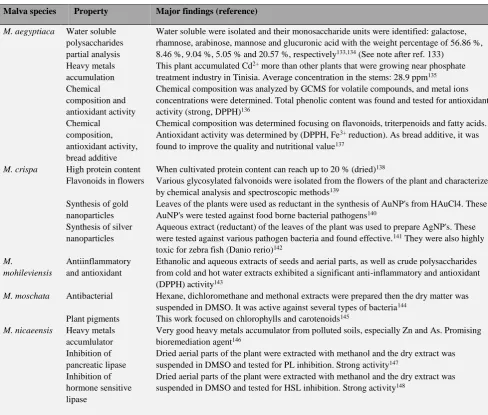
Table 5. Modern research findings of some Malva species.
Malva species Property Major findings (reference)
M. aegyptiaca Water soluble polysaccharides partial analysis
Water soluble were isolated and their monosaccharide units were identified: galactose, rhamnose, arabinose, mannose and glucuronic acid with the weight percentage of 56.86 %, 8.46 %, 9.04 %, 5.05 % and 20.57 %, respectively133,134 (See note after ref. 133)
Heavy metals accumulation
This plant accumulated Cd2+ more than other plants that were growing near phosphate
treatment industry in Tinisia. Average concentration in the stems: 28.9 ppm135
Chemical composition and antioxidant activity
Chemical composition was analyzed by GCMS for volatile compounds, and metal ions concentrations were determined. Total phenolic content was found and tested for antioxidant activity (strong, DPPH)136
Chemical composition, antioxidant activity, bread additive
Chemical composition was determined focusing on flavonoids, triterpenoids and fatty acids. Antioxidant activity was determined by (DPPH, Fe3+ reduction). As bread additive, it was
found to improve the quality and nutritional value137
M. crispa High protein content When cultivated protein content can reach up to 20 % (dried)138
Flavonoids in flowers Various glycosylated falvonoids were isolated from the flowers of the plant and characterized by chemical analysis and spectroscopic methods139
Synthesis of gold nanoparticles
Leaves of the plants were used as reductant in the synthesis of AuNP's from HAuCl4. These AuNP's were tested against food borne bacterial pathogens140
Synthesis of silver nanoparticles
Aqueous extract (reductant) of the leaves of the plant was used to prepare AgNP's. These were tested against various pathogen bacteria and found effective.141 They were also highly
toxic for zebra fish (Danio rerio)142
M.
mohileviensis
Antiinflammatory and antioxidant
Ethanolic and aqueous extracts of seeds and aerial parts, as well as crude polysaccharides from cold and hot water extracts exhibited a significant anti-inflammatory and antioxidant (DPPH) activity143
M. moschata Antibacterial Hexane, dichloromethane and methonal extracts were prepared then the dry matter was suspended in DMSO. It was active against several types of bacteria144
Plant pigments This work focused on chlorophylls and carotenoids145
M. nicaeensis Heavy metals accumlulator
Very good heavy metals accumulator from polluted soils, especially Zn and As. Promising bioremediation agent146
Inhibition of pancreatic lipase
Dried aerial parts of the plant were extracted with methanol and the dry extract was suspended in DMSO and tested for PL inhibition. Strong activity147
Inhibition of hormone sensitive lipase
M. pusilla Polysaccharide isolation and activities
Water soluble polysaccharide was isolated and its monosaccharide units were determined (qualitatively). It was tested for anti-inflammatory activity (strong)149
M. rotundifolia
Composition General composition was determined for macronutrients, fatty acids and some minerals. No alkaloids found150
Antimicrobial Ethanolic extract was dissolved in DMSO and tested for antimicrobial activity (very weak)151
M. sinensis Cadmium accumulation
Contaminated soil from lead-zinc mines was treatred with this plant (also known as M. cathayensis) and found to be hyperaccumulator152
Modern Research Findings
The Malva species very extensively researched by modern techniques also. However, like in traditional uses of these plants, the vast majority of publications focus on four species of this genus: M. neglecta, M. parviflora, M. sylvestris and M. verticillata. Summary of research regarding each of these species are presented in a separate table. Like in traditional uses, M. sylvestris is most studied is this respect also.
Malva neglecta
Malva neglecta is a widespread edible plant that can be found in Eurasia and North Africa. It has many common names, sometimes in the same culture, and this might be misleading. Modern research findings approve its known traditional medicinal properties, and it is being studied more and more. A summary of these findings is shown in Table 6.
Malva parviflora
Malva parviflora is the second most widely studied Malva species after M. sylvestris. Despite the fact that its natural habitat overlaps with that of M. sylvestris and M. nicaeensis, it is relatively easy to distinguish M. parviflora from the other two: its leaves are more cycle shaped than of the other two species, and the plant itself is much lower than the two others. Modern research started studying M. parviflora only in the last four decades and the major findings are summarized in Table 7.
Malva sylvestris
Malva sylvestris is the most widely studied species of the Malva genus, and one of the most studied in the whole plant kingdom. In most parts of its natural habitat, it is very widespread, and most people mean it when they mention the words Malva, mallow or Khubbaiza in the Middle East. Modern reported literature about this plant is very large and published regularly. We have tried here to cite most important publications and summarized them in Table 8. We have cited together publications, published in the last twenty years (as of 2008), that report the same property. If notable differences are presented, the publications has been cited separately.
Malva verticillata
Among the four major Malva species listed in Tables 6-9, M. verticillata is the least investigated and modern research publications about it are fewer. In addition, traditional uses of this plant are also fewer than the other three. Despite this, a very comprehensive work has been carried out by studying the chemical composition and biological activities of seeds.
This exceptional work was done by a Japanese group lead by M. Tomoda and was published in nine articles between 1987 and 1992. This work has been presented collectively.
It is also notable that M. verticillata seeds are rich in polysaccharides that were thoroughly studied. It is interesting to pay special attention to the antidiabetic activity of M. verticillata, as this activity is one of the major properties of this plant.
Discussion
While studying the literature of traditional uses of Malva species, we found that some of them are in an ambiguous status as for their distinctiveness. For example, two of these species are M. alcea and M. excisa.353 So, despite the fact that M. alcea was mentioned with other known Malva species (Crispa, Pussila and sylvestris) as having traditional antiviral infections activity of humans and animals,354 we did not include this paper in Tables 3 and 4.
Al-Asmari et al. from Saudi Arabia reported that in ethnobotanical medicine of their country, leaves of M. parviflora are used to treat "scorpion sting envenomation."71 They also cite another publication that is supposed to support their claim.355 But reading this reference carefully reveals the fact that either the report or the citation or both are wrong: in reference 355 there is no mention of "Malva" and/or "parviflora", and authors indicate Eryngium creticum Lam. as a plant that is used in traditional Palestinian medicine to relieve pains of scorpion stings and snake bites.
These compounds are naturally produced (see Figure 1), but this production can be enhanced by irradiation of the plants with UV,285 or by the addition of other growth promoters. These results were confirmed by later publications.287,288 J. Pinela and his colleagues from Portugal reported using Gamma radiation for the same purposes in M. neglecta.356 Scientifically speaking, new results were obtained, and this report should be included in Table 6. We did not include it there for two reasons. One, this method is very expensive, and two, there are no follow up studies about the effect of this powerful radiation on other compounds in the plant, and maybe diverse results in terms of toxic materials production.
One of the very interesting medicinal activities of Malva plants is their potential use as antiobesity agents. In most publications, this activity is mentioned or studied along with the antidiabetic activity. M. sylvestris is traditionally used for this matter (weight loss) in Iran,101,103 and this use is not "very unusual and rarely mentioned," as Menale and Muoio indicated.106 Modern research found a possible explanation for this potential activity of Malva species. Y. Bustanji et al studied the antiobesity activity of M. nicaeensis, through the inhibition of pancreatic lipase (PL) and hormone sensitive lipase (HSL).147,148 PL inhibition was also reported by M. neglecta.171 These studies suggest the importance of followup studies on this subject.
Ameri et al indicated that the common name of M. sylvestris is "Jews mallow".114 This is not correct because it refers to "Mulukhiyah" or Corchorus olitorius, a plant in the Malvaceae family but to the genus Corchorus not Malva.
Variations in chemical compositions of plants due to various factors such as locations, seasonality and weather conditions, are well known and widely reported. But such variations can also result not only from these external effects, but they can also result from internal factors of the plant e.g., the stage of growth or plant part. An interesting example of such variations has been reported by Zouari et al.136
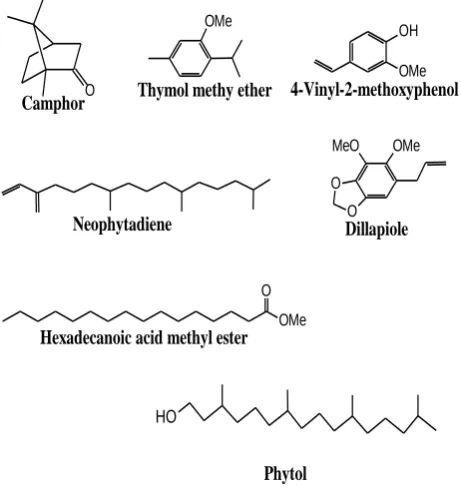
Figure 2. Compounds with notable concentration variations in M. aegyptiaca according to growth stage or plant part136
They have reported the different concentrations of volatile compounds according to three growth stages of M. aegyptiaca and also the concentration differences of macronutrients, metal ions and volatile compounds in leaves and fruits. Some of these compounds are presented in Figure 2, had notable variations according to growth stage.
Tunisian group lead by N. Zouari, published earlier this year another study137 completing their previous report and evaluating the importance of M. aegyptiaca as bread additive. One of the interesting compounds they found was malvasterone (Figure 3), a steroidal triterpenoid that was first isolated from the roots of M. parviflora.357 Steroidal units were also isolated later from M. sylvestris (Figure 3).286 These have an interesting lactone sub-unit, which grant them additional potential activities.
Figure 3. Structure of malvasterone.
Synthesis of nanoparticles of precious metals (or their oxides) using Malva species extracts has been reported by many groups.140-142,172,188,216,303-304 In all these reports, aqueous extracts of leaves or flowers of the plants were used. The major quality that enables this kind of uses and reactions is the fact that these extracts are rich in flavonoids and anthocyanins. These compounds are good reductants, especially when hydroxyl (OH) groups are present in their structures.358
Beyrami-Miavagi and his colleagues,164 have reported two properties of M. neglecta, antioxidant and contraceptive, as a safe alternative to prostodin (synthetic contraceptive), which causes oxidative stress and other damages in urinary system. There is no question about the antioxidants of Malva plants, but our intense search for research reports that support contraceptive activity of these plants was in vain, despite the fact that other plants with this activity are well known.359,360,361
O
OMe
OMe OH
O
O
MeO OMe
O H
O
OMe
Camphor
Thymol methy ether
4-Vinyl-2-methoxyphenol
Dillapiole
Neophytadiene
Phytol
Hexadecanoic acid methyl ester
O H H H H OR
O O
CHMe2
OH O
O
CHMe2
Malvasterone
M. parviflora
R = H , -1-glucosyl
5 stereo isomers
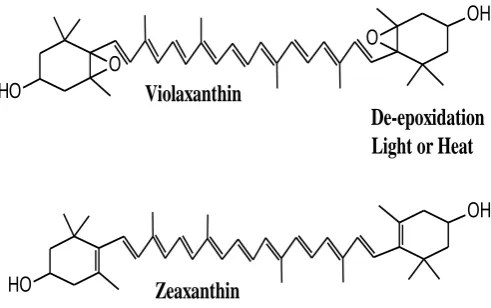
The de-epoxidation of violaxanthin to zeaxanthin (Figure 4) is a biologically important process since it prevents photooxidative damages that might be caused to chloroplasts by excessive radiation.362
Figure 4. De-epoxidation of violaxanthin to zeaxanthin
This process occurring naturally has an additional importance when leaves of this plant are consumed as food since health benefits of zeaxanthin are more than those of violaxanthin. So it is favorable to expose leaves of the plant to light before cooking.
There seems to contradiction in two reports presented in Table 7 regarding the antidiabetic activity of M. parviflora. Phoboo202 reported weak activity, however, strong activity has been reported by El-gizaewy.204
One can identify three sources of the difference. First the part of the plant used, leaves and seeds respectively; secondly, extraction solvent, water and n-hexane, and finally the testing model, in vitro enzyme inhibition (-amylase and
-glucosidase) and in vivo treatment of streptozotocin (STZ) induced diabetic rats.
Isolation, characterization and three biological activities of a novel, natural derivative of the triterpenoid oleanolic acid has been reported.210 Comparing the structures of oleanolic acid and the new compound (Figure 5), clearly shows that this derivative includes more polar functional groups.
Figure 5. Oleanolic acid and its novel, natural derivative reported in reference 210
Oleanolic acid itself is physiologically very active compound,363 and this new derivative should also be additionally studied and chemically modified to prepare new derivatives and test their activities.
Toxicity of Malva species to animals is very rare but was indicated in the research literature. M. neglecta was reported to cause hypocalcemia in cow,205 but the mechanism of poisoning action was not reported. A controlled study with horses showed that consumption of large amounts of M. parviflora resulted in energy balance damages.213 It is proposed that cyclopropene fatty acids contained in the plant are responsible for this, and elevation of acylcarnitine (Figure 6).
Figure 6. Structures of malvalic and sterculic acids and carnitine
Authors explain their findings by the rapid and easy oxidation of the unstable cyclopropene ring, which is consistent with earlier reports.364
In 2006, Ganai et al reported a detailed method of isolation and purification of the enzyme sulfite oxidase from leaves of M. sylvestris.228 This work completes an earlier work by this author (and others), but we did not cite it in Table 8 due to its partial findings.365 Sulfite oxidase catalysis the oxidation of sulfite to sulfate and it has very important role in sulfite detoxification in plants.366
Germination inhibition of plants by other plants is known as allelopathy. Many plants act as allelopathic for another plant and their growth can be inhibited by other plants. Cutillo and her colleagues found that two new terpenoids that they isolated from M. sylvestris and characterized have an allelopathic effect on Lactuca sativa.229 The structures of these compounds are shown in Figure 7. Such findings are consistent with earlier and later reports of allelopathic effect of terpenoids on L. sativa.367
Wound healing and treatment of skin diseases by plant extracts and other pharmaceutics is a known phenomenon and has been extensively studied and published.368 Plants of the Malva genus are among the most active as regard this activity. They were used for such purpose in many cultures.35,42,45,61,76,81-83,104,118
O
O
H
O
OH
O
H
OH
Violaxanthin
De-epoxidation
Light or Heat
Zeaxanthin
O H
R1
R3
R2
COOH
Oleanolic acid: R
1=H, R
2=R
3=CH
3Derivative (ref. 210): R
1=OH, R
2=R
3=CH
2OH
COO-Me
3N
+OH
COOH
COOH
D-Carnitine
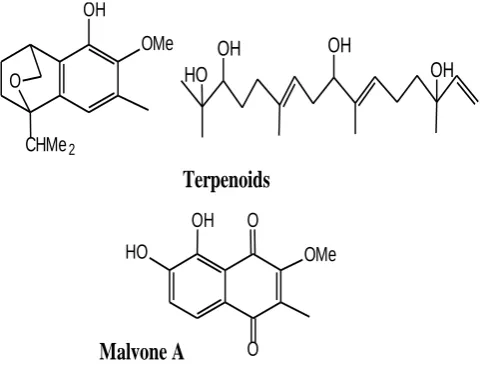
Figure 7. New terpenoids isolated from M. sylvestris (ref. 229) and Malvone A (ref. 230).
Modern research findings confirm the traditional knowledge.161,183,248-258 But carefully reviewing this data reveals an interesting and not always consistent results. For example, it is reported that chloroform and n-hexane extracts of M. parviflora are irritant.183 However, others found counter-irritant activity in chloroform and other extracts of the same plant.369 Moreover, chloroform extract of M. sylvestris was also reported as having wound healing activity.249,250 These contradictions must be resolved by future more extended studies.
Mineral content of Malva species has been published in several research articles. There is a common result in all of them. The genus Malva is rich with potassium and calcium (M. neglecta;150M. parviflora;201M. sylvestris223,229,260,262,263). Several methods were used to determine the metal content and one of the best, yet simplest was reported by S. Terfi and his colleagues.264 Related to that, some studies were conducted to test the capacity of Malva species to accumulate heavy/toxic metals from contaminated soil or aqueous solutions. We present the results of these publications in Table 10.
Table 6. Modern research findings of Malva neglecta.
Property Methods and major findings (reference)
Chemical composition Alkaloids, flavonoids, saponins are present but tannins are absent.153
Antioxidant activity Moderate activity was detected in methanolic and aqueous extracts DPPH and TBA methods.154
Poisoning Hypocalcemia reported in a cow which ate a large amount of the plant.155
Antibacterial Ethanolic extract of flowers was tested against 10 types of bacteria. Six of them were resistant156
Antibacterial Aqueous, ethanolic, chloroform and acetone extracts show moderate activity against four types of bacteria.157
Antimicrobial Aqueous, methanolic, n-hexane, chloroform, ethyl acetate and n-butanol extracts did not show any activity against four types of bacteria.158
Antioxidant Stong antioxidant capacity of the phenolic content.159
Antioxidant Hydroalcoholic (1:3) extract showed strong activity160
Antibacterial Aqueous, ethanolic and chloroform extracts of M. neglecta and M. sylvestris were tested against seven types of bacteria that cause wound infections. All extracts were active, and ethanolic was most active for both plants. Extract of M. sylvestris was more efficient161
Mineral content K+ was highest with 230 mg kg-1162
Antiinflammatory Methanol extracts show moderate activity against some types of inflammation.163
Contraceptive Female rats were treated with hydroacoholic (1:8) extract and prostodin, a synthetic contraceptive. The extract caused lesss oxidative stress and other damages in kidneys and urinary space164
Kidney stones preventive Production of kidney stones (CaOx) and tubulointerstitial damage, induced in male rats by ethylene glycol and ammonium chloride, was reduced on treatment with aqueous extract of the plant.165
Antiinflammatory Aqueous extract was tested against various inflammatory agents in patients with osteoarthritis and found as potent inhibitor166
Antibacterial Ethanolic extract found active against antibiotic-resistant S. aureus167
Mucilage uses Mucilage was separated from fresh leaves and precipitated by acetone, contains carohydrates and flavonoids. It was used to bind the synthetic analgesic of diclofenac sodium and produce granules168
Antioxidant Hydrocolloid water extract of plant leaves was prepared in various temperatures (55-95 C). The products of higher temperatures showed excellent antioxidant activity (DPPH)169
General composition, antioxidant, antibaterial
General composition of fresh leaves was determined by three classes of components: macronutients, metals and total phenols. The methanolic extract was tested for antioxidant and antibacterial activities: both were found moderate comparing with other plants in this study170
Health benefits, antioxidant and enzymes inhibition
This study connects the traditional known health benefits of the plant (very good food photos) and its medicinal properties. Aqueous extract showed antioxidant activity and pancreatic lipase and -glucosidase inhibition171
Synthesis of silver nanoparticles
Aqueous extract was used as a reductant in the synthesis of AgNP's from silver nitrate172
Composition, anticholinesterase, antimicrobial,
antioxidant, aflatoxin content
The aqueous extract was analyzed by LC-MS/MS for total phenolic content and determination of single phenolic compounds. It showed anticholinesterase, antimicrobial and antioxidant activities, and no aflatoxin content. The essential oil was analyzed by GC-MS for fatty acids content and volatile compounds173
O
CHMe
2OH
OMe
OH
OH
OH
O
H
OH
O
H
OMe
O
O
Malvone A
Table 7. Modern research findings of Malva parviflora.
Property Methods and major findings (reference)
Thiamine content and safety to ruminants
Thiamine content of the plant is relatively high compared with other plants in this study. This is in accordance with very low levels of thiamine destroying enzyme, thiaminase, that consumption of large amounts of it may lead to cerebrocortical necrosis in ruminants.174
De-epoxidation of in leaves Temperature and light (=505 nm) on the de-epoxdation of violaxanthing to zeaxanthin. Leaves were sensitive to radiation and less to temperature, especially under 24 C.175
Antifungal proteins Two antifungal proteins were isolated and characterized from seeds of the plant. The proteins were found fungisatic instead of fungicidal.176
AChE inhibition Ethanolic extracts of leaves are better inhibitor of acetylcholine esterase (AChE) than aqueous extracts and most efficient concentration was 0.025 mg ml-1.177
Antibacterial, antiinflammatory Extracts of plant parts showed antibacterial and anti-inflammatory activities. Authors suggested synergism of two unidentified anti-inflammatory compounds.178
Proximate composition, antioxidant
Protein, total phenolic content and metal content was determined. The plant is calcium rich. 80% Aqueous methanol extract showed moderate antioxidant activity (DPPH).179
Total phenolics, antioxidant Total phenolic content was detemined and two of their sub-classes. Ruduction power (Ferric ion) and DPPH, ABTS quenching capacity were also determined180
Anti-inflammatory, anti-allergic Aqueous extract of the flowers found active againts allergen-induced eosinophilia181
Anti-inflammatory, analgesic Methanol extract of aerial parts has anti-inflammatory and analgesic activities.182
Antibacterial, antifungal, irritant Hexane, chloroform, ethanol and aqueous extracts showed antibacterial and antifungal activities. Most extracts had irritant effect on inner surface of ear of male albino rabbits.183
Anti-inflammatory, antioxidant, metal chelating
Methanolic extract had stronger anti-inflammatory activity. Methanolic and aqueous extracts showed strong antioxidant (DPPH) and ferrous ion chelating activities.184
Phytochemical screening, antioxidant
Fresh leaves and stems were found to contain phenols, flavonoids, sponins, alkaloids, resins and tannins. Aqueous extract of both parts had antioxidant activity.185
Antioxidant Ethanolic extract of leaves had strong antioxidant activity.186
Hypoglycemic Extract of aerial parts showed promising antidiabetic activity.187
Silver nanoparticles preparation Fresh leaves were extracted with 70% ethanol/water and the extract was used as reductant in synthesis of AgNP'S from AgNO3.188
Phytochemical analysis Seven phytosterol, two polyphenols and 14 fatty acids were identified from 85% ethanol extract. Alcoholic extract had significant anti-inflammatory and cytotoxic activities and aqueous extract antimicrobial activity.189
Phytochemical analysis Very partial phytochemical analysis of aerial parts that were extracted with chloroform.190
Toxicity to Flour beetle Ethanolic (see remarks in the discussion section) extract of leaves was prepared and found fatal for the larvae of Tribolium confusum191
Growth promoter Aqueous extract (plant part/s not indicated) promoted the growth of cowpea (Vigna Unguiculata)192
Cytotoxicity 95% Ethanolic extract showed weak activity against breast cancer cell lines.193
Hepatoprotective Whole plant was extracted by 70% ethanol/water. The extract was analyzed for major chemical constituents and tested against paracetamol induced hepatotoxicity: very active194
Neuroprotective Leaves ethanolic extract is active against amyloid-- (A-) mediated alzheimer’s disease.195
Pharmacognostic variables Pharmacognostic variables were determined for all parts of the plant in order to standardize herbal medicines data.196
Heavy metals accumulation Heavy metals concentrations was determined in aerial parts of the plant grown in normal soil. Results showed that heavy metals did not exceed healthy limits.197,198
Oil contamination removal Soil was contaminated with oil (0.1 and 0.5%) and was treated by the plant for oil removal. After 30 days, 88.5% of the oil was removed.199
Adsorption of Cr(III) Conatminated water with Cr(III) was treated by inserting the plan's roots in and the concentration change was measured under various pH and temprature values. Moderate activity200
Nutrients, antioxidant Major nutrients, minerals, total phenolic content and anthocyanins were determined in aerial parts. High ntioxidant (DPPH) activity201
Antidiabetic, antioxidant, antihypertensive
Watet extract of aerial parts was prepared and its major chemical constituents were determined. It was tested for antidiabetic (weak), antioxidant (moderate) and antihypertensive (very weak) activities202
Drying process effect on content Leaves were dried by four methods and total phenolic content and antioxidant activity of the products were determined203
Fatty acids content, antioxidant, antidiabetic
Dried seeds were extracted by n-Hexane to prepare fixed oil. The fatty acid content of this oil (9, saturated and unsaturated) and its antidiabetic (high) and antioxidant (high) activities were determined204
Antiprotozoal, antimicrobial 75% Ethnol/water extract of the leaves was tested for antiprotozoal and antimicrobial activities. It showed moderate antimalarial and high anti-leishmanial and weak antimicrobial activities205,206
Growth inhibition by eucalyptus leaf extract
Eucalyptus leaves aqueous extract was found relatively effective but only in high concentrations as herbicide against seeds (germination control) and adult plants of M. parviflora.208
Antioxidant This study combines ethnobotanical uses (Brazil) and antioxidant (3 methods) test of the aqueous extract of leaves: high209
Hypolipidemic, hypoglycemic, anti-inflammatory,
A novel triterpenoidic acid, 2,3,23,29 tetrahydroxyolean-12(13)-en-28-oic acid was isolated and was found to have hypolipidemic, hypoglycemic and anti-inflammatory activities.210
Memory retention 80% Ethanol/water extract showed memory retention in mice.211
β‑sitosterol, antibacterial Chloroform and ethanolic extracts of roots showed high antibacterial activity against small number of bacteria. It is suggested that β-sitosterol in chloroform extract is the active compound212
Horse poisoning Four horses, fed with large amounts of the plant, had myocardial disease and myopathy compared to control. Cyclopropene fatty acids in the plant may cause negative energy balance and abnormal acyl carnitine profiles.213
Zinc accumulation High concentrations of Zn were found in roots but not aerial parts of the plant that grew around steel industries. 214
Cd, Cu accumulation Plants irrigated with sewage water, accumulated copper and cadmium up to six folds compared with control.215
Gold nanoparticles 70% Ethanol/water extract of the plant was used as reductant in the synthesis of AuNP's from HAuCl4216
Table 8. Modern research findings of Malva sylvestris.
Property Methods and major findings (reference)
Antibacterial Hexane, dichloromethane and methonal extracts were prepared then the dry matter was suspended in DMSO. Its antibacteria activity was very weak144
Plant pigments Chlorophylls and carotenoids were isolated and identified145
Antibacterial Aqueous, ethanolic and chloroform extracts of M. neglecta and M. sylvestris were tested against seven types of bacteria that cause wound infections. All extracts were active, and ethanolic was most active for both plants. Extract of M. sylvestris was more efficient161
Flavonoid glucoronides
Glucoronides (glucosyl derivatives) of various flavonoids from leaves of the plant, including a glucoronide sulphate217,218
Anti-complementary mucilage Water extraction of fresh leaves afforded mucilage with average molecular weight of 6x10⁶. It
consists L-rhamnose, D-galactose, D-galacturonic acid and D-glucurnic acid, with molar ratio of 6:3:2:2, respectively. This mucilage has anti-complementary activity219
Anti-complementary polysaccharide
Water extraction of fresh leaves yielded a polysaccharide with molecular weight of 1.1x10⁴. It
consists L-rhamnose, D-galactose, D-galacturonic acid and D-glucurnic acid, with molar ratio of 22:6:22:11, respectively. This mucilage has anti-complementary activity220
Scopoletin isolation Scopoletin (7-Hydroxy-6-methoxycoumarine) was first isolated from the plant by aqueous extraction (yield is higher than methanolic)221
Acidic polysaccharides High molecular (1.3-1.6x10⁶) acidic polysaccharides (mucilage) were isolated by water extraction.
No activity reported222
Mineral content Mineral content was determined from plant ash by means of atomic absorption. Among studied seven edible plants, M. sylvestris had the highest content of phosphorus and potassium223
Radical scavinging, Fe(II) chelating
50 % Methanol/water extract was tested for antioxidant activity (DPPH, H2O2) using low
concentrations of the extract. For DPPH test it was inactive and for H2O2 it had moderate activity.
Fe(II) chelating high224
Anthocyanin inhibibs lipid oxidation
"Homemade" anthocyanin samples from the plant were tested for radical scavinging in high fat albino rats. In concentration of 0.2 mg mL-1 it showed very strong activity of plasma lipid oxidation
inhibition225
Anthocyanin antibacterial activity
"Homemade" anthocyanin samples from the plant were tested against several types of bacteria, and found active against some of them226
AChE inhibition, antioxidant Ethanolic extract was prepared from aerial parts and tested for acetyl choline esterase inhibition: active only in high concentrations. Antioxidant activity was high227
Sulfite oxidase purification and kinetics
Sulfite oxidase was purified from leaves by acetone fractionation, heat treatment and several analytical methods. The kinetics, optimal pH, optimal tempretaure and the activation energy of the ezyme activity were detemined228
Novel terpenoids, growth inhibition of Lactuca sativa
Malvone A, antifungal New phenolic 1,4-quinone (malvone A, Figure 7) was isolated from the stem bark by aqueous-acetone solution that contains ascorbid acid. The synthesis of malvone A in the plant was enhanced by plant pathogen Verticillium dahliae and it has antifungal activity against the same fungus230
Alkaloid content Total alkaloids content was isolated from methanolic extract that was treated by acid then base: 35 mg in 100 g plant aerial parts231
Antiproliferative (inactive) 70 % Ethanolic/water extract of leaves was tester for antiproliferative activity against four types human tumor cell lines: inactive. n-hexane fractionation yielded campesterol, stigmasterol and -sitosterol232
Effect of aqueous sulfur dioxide Treating the plant leaves with various concentrations of aqueous sulfur dioxide solution resulted in decrease of all biochemical activities especially antioxidant capacity233
Immunomodulatory Carbohydrate rich water extract was tested for immunomodulatory activity in BALB/c mice and found active in some test types234
Anti-inflammatory, antioxidant 70 % Ethanolic extract was prepared and fractionated with 90 % CH3OH and n-hexane. Tests
showed antioxidant (DPPH) and anti-inflammatory (croton oil-induced ear oedema in mice) activities235
Anti-inflammatory In the tests of cream prepared from water extract of aerial parts236 and 70 % ethanol extract of
flowers237 against carragenin-induced edema in rats, and in tests of ethanolic extract of leaves against
12-O-tetradecanoylphorbol-acetate induced in mice active compounds were indicated. Quantification of prostaglandin by LC-MS/MS validated the tests of ethanolic extract of leaves was tested against activity of various inflammatory agents.239 Different fraction of ethanolic extracts of leaves were
tested against A. actinomycetemcomitans.240
Antinociceptive Leaves water extract was not found active by hot-plate model against four pain agents, writhing test, neurogenic and inflammatory phases of formalin model, capsaicin-induced pain.241
Anti-inflammatory, anti-ulcerative
Aqueous extract of aerial parts showed anti-inflammatory and anti-ulcerative activities in rat model (drinking water)242
Antioxidant Aqueous extract of leaves was tested for antioxidant activity (DPPH, superoxide radical), then analyzed to yield eleven active compounds, that each one of them was tested.243 Total phenolic
content and antioxidant activity (three methods: FRAP, DPPH, TAC-MoVI) of leaves (highest),
stems and seeds.244 Total phenolic content and antioxidant (DPPH) activity were determined for
methanolic extract of whole plant.245 Methanolic extract of leaves was teasted for antioxidant
activity (DPPH).246 Methanolic (with ammonium citrate) of aerial parts was teasted for antioxidant
activity (DPPH)247
Skin disorders and wound healing
Burn wounds in rats were reated with diethyl ether extract of flowers, resulting notable healing.248
Excision wounds were treated with chloroform extract of flowers, resulting wounds healing.249,250
Fifty patients with hand eczema treated with ointment showed partial healing and no adverse effects.251 Alloxan-induced diabetic rats with blade injury252 and burn injury253 showed complete and
80 % healing on treatment with dietheyl ether extract of flowers for 18 days. Blade-induced injury in palatal mucosa of rats showed on healing effect of 70% ethanol/water extract of stems and leaves.254
70% Ethanol/water extract of flower was prepared as cream with 5 and 10%. It was tested for treatment of burn (hot plate) injuries. Complete healing after 35 days.255 Polyherbal cream (PHC)
that contains aqueous extract of leaves was used to treat second-degree burn wounds in rats (110C, 10 s). After 14 days, 87% of the wounds healed. Total phenolic content, antimicrobial and antioxidant activities PHC were determined.256 A cream (1%) was prepared from aqueous extract of
flowers used to treat surgical blade induced wounds in mice. After 10 days healing was almost complete.257 40% Ethanol/water leaves extract was used to treat inflammation (formalin induced)
and tested for linear incised wound healing in rats and found effective258
Metal ion composition and heavy metal accumulation
Calcium and potassium were found in relatively high concentrations in leaves.259 Unspecified plants
showed high concentrations of calcium and potassium after burning.260 Accumulation of major
elements and heavy metals in plants (aerial parts) grew in industrial contaminated soil. The plant was classified as hyperaccumulator.261 Concentrations of metals in leaves were measured in populated
areas. Results are around standard except lead which was higher.262 Metal composition of edible
parts was determined by inductively coupled plasma optical emission spectroscopy. Results showed that washing the plants as done before cooking, reduces the content of metals notably.263 This study
reports three methods of extracting toxic metals from the plant leaves, finding that dry ashing method using 4:1 HNO3:HCl was most efficient.264 Dried flowers were sieved in different meshes
and used as green biosorbent of Pb(II) from aqueous solution. Maximum biosorption capacity was 25.64 mg/g.265 Dried leaves were powdered and dried again and the resulting mesh was used to
Hg(II) from aqueous solutions comparing with charcoal and found more efficient.266 Synergism of
plant powder and charcoal yielded high removal of Hg(II) from aqueous solutions267
Antimicrobial, antibacterial, antifungal
Whole plant extract (96% EtOH/Water, traditionally used to treat gastrointestinal disorders) found active against Helicobacter pylori.268 Methanolic extract of aerial parts and three fotmulations of it
were tested against several bacteria. The extract was very active gainst S. aureus.269n-Hexane,
for antimicrobial and and antifungal activities. Only methanolic extract was active.270 Tincture (no
preparation method) was most active among other plants, against Candida albicans and C. tropicalis.271 This study tested the components antimicrobial activity of commercial mouthwash
Malvatricin: tyrothricin, hydroxyquinoline and the plant tincture. It revealed that activity is only a result of hydroxyquinoline presence.272 Aerial parts were extracted with 50% methanol water and the
extract was tested for urease inhibition: weak.273 Methanolic extract of leaves was tested for urease
inhibition (moderate) and against Helicobacter pylori: inactive.274 Aqueous, ethanolic and n-hexane
were prepared and tested against oral bacteria: inactive.275 Roots were extracted with 48%
EtOH/water and tested against oral Streptococci bacteria and found active against some of them.276
Acetone/water (7:3) extract was tested for antifungal activity (moderate) and analyzed for major compound families and some single active compound.277 Ethanol/water (7:3) extract of aerial parts
was tested for antibacterial activity: active against Pasteurella multosida, inactive against Salmonella enteritidis.278 Aerial parts aqueous extract was tested against Candida albicans infection
in mice and found moderately active.279 Vaginal protection medical products based on extracts of the
plant (with extract of Calendula officinalis) are used, especially in pre-pubertal age.280 Aerial parts
96% ethanol/water extract was tested against Candida albicans infection in mice and found moderately active.281 Leaves were extracted with 3:1 methanol:water and the extract was tested
against four types of bacteria: inactive.282 Aqueous and ethanolic extracts of all parts were prepared
and tested against C. albicans biofilm formation. All extracts were active but most active was the ethanolic extract of roots283
Chemical composition and some related properties
Methanolic extract of aerial parts was tested with four methods for antioxidant activity. Chemical composition was determined on three levels: macrontrients, major compound families and major compounds in each family.284 Anthocyanin production was increased by UV irradiation of the
flowering plant.285 Three steroidal lactones and three glycosyl derivatives were isolated and
characterized from methanoic extract of the friuts (see Figure 3).286 Silver nitrate, abscisic acid and
UV-B radiation used as growth-stressers and had different effects on growth of the palnt, but they all increased anthocyanin production.287 Same findings of previous publication concerning silver
nitrate.288 Leaves and petioles methanol extract was analyzed (GCMS) for proximate composition:
fatty acids, metal ions, total flavonoids and mucilage. The antioxidant capacityof the extract was tested by four methods.289 Lipid content of seed oil (extracted with petroleum ether) was determined
by GCMS for saponifiables (fatty acids by preparation of their methy esters) and unsaponifiables (mainly phytosterols). The antioxidant of the oil was determined by DPPH assay.290 Ethanolic
extract (plant parts not indicated) was tested fot antioxidant activity (DPPH) and partitioned with other solvents. Total content of the following compound families was determined: free monosaccharides (none), saponins, tannins (very low), terpenoids (very low), flavonoids and alkaloids.291 Etherial, aqueous and ethanolic extracts of seeds and stems (separately) of the plant
were prepared, and were for main compound groups (phenolics, flavonoids, alkaloids …etc.). Then they were analyzed by TLC and some known compounds were identified.292 Essential oil of flowers
was extracted by hydrodistillation and analyzed by three sucessive methods, identifying volatiles and odor activity values: -damascenone was highest.293 Total phenolic content in aqueous and ethanolic
extracts (plant parts not indicated), as well as quantitative analysis of the extracts by HPLC. All known compounds.294 Qualititaive analysis of fruits by extracting with several solvents and detection
of the content of major compound families.295 Crude fiber content of stems and leaves was
determined, along with influences of locality an seasonality. The isolated crude fiber was fed to rat causing an icrease of faecal weight, indicating laxative activity.296 Whole plant (before flowering)
was extracted with acetone/n-hexane (1:1) and analyzed by GCMS for poly aromatic hydrocarbons (PAH's) and poly chlorinated benzenes (PCB's), in plants that grew in contaminated soils. PAH's were below detection limit but PCB were accumulated in the plant.297 Flowers were extracted with
methanol and total phenolic content, saponins and alkaloids were determined. The antioxidant of the extract was tested by several methods.298 Ethanolic extract of flowers was analyzed for total phenolic
content, total flovonoids, anthocyanins, carotenoids and fatty acids. Antioxidant activity of the extract was tested (4 methods, high) and hypoglycemic activity (α-amylase and α-glucosidase inhibition, very high)299
Polysaccharides and their properties
Leaves were extracted with 80% EtOH/water and extract fractionated to yield polysaccharides.No analysis for monosaccahrides is reported but detailed theoretical is presented for extraction and antioxidant activity of the polysaccharides.300 Aerial parts was sequentially extracted
with n-hexane, ethanol and water to yield 9.6% polysaccaride, which consists galactose, glucose, uronic acids, arabinose, and rhamnose (4:5:14:6:1, MW= 1.3x10⁶ KD). The polysaccharide has
anti-ulcerative activity in rats.301 Leaves enzyme (cellulase) assisted extraction of some polysaccharides.
Nanoparticles, synthesis, uses Leaves aqueous extract and CuCl2 were used to prepare CuONP's and their antibacterial activity was
tested.303 Leaves aqueous extract and AgNO
3 were used to prepare AgNP's and their mosquito
larvicide activity was tested. These AgNP's have almost no effect on other aquatic organisms304
Antioxidant applications Aqueous decoction of leaves and flowers was prepared and tested for antioxidant activity (DPPH, NBT) and gainst ammonium metavanadate (NH4VO3) kidney toxicity in rats.305 80%
Methanol/water extract was prepared (plant part not indicated) and its antioxidant activity (DPPH, fenton reagent) was determined. Also, protection of fatty acids was measured in vitro306
Sedation, anti-anxiety,
anesthetic, radiation side effects relief, anti-seizure
Methanol:chloroform (7:3) extract was prepared from stems and leaves. It was tested in rats for sedation, pre-anesthetic and anti-anxiety effect compared with with diazepam (valium, stronger)307
Patients with radiation therapy of prostate cancer and experiencing severe dysuria, were treated with plant powder (parts not indicated), showing notable improvement of pain relief308 Plant powder
(parts not indicated) were extracted with 85% ethanol/water. The extract was found anti-seizure active in PTZ-induced seizure models on mice309 Equal portion of the powder of the M. sylvestris
and Alcea digitata (plants parts not reported) were used to treat patients with xerostomia (dry mouth) after radiotherapy of head or neck cancer.310 Hydroalcoholic extract (no ratio, no plant parts) was
used to treat mice with convulsion induced anxiety.311 Whole plant aqueous extract was found
protective against UV-B radiation in mice.312
Enzyme related activities Methanol:water (4:1) extract was prepared (plant parts not indicated) and was tested for angiotensin converting enzyme (ACE) inhibition: moderate.313 Catalase was partially purified and immobilized
onto chitosan and its catalytic properties were studied314
Interaction with drugs and toxic compounds
Aerial parts aqueous extract was administered to Leghorn chickens along with Bromhexine HCl. The extract reduced the adverse side effects of the drug.315 Whole plant was extracted with 95% aqueous
methanol and the extract was tested against paracetamol-induced hepatotoxicity and found significantly active316 Most (87%) patients at basic health units in Brazil reported using M. sylvestris
products as an alternative and complementary therapy317 Leaves aqueous extract ameliorated motor
asymmetry in rats induced by 6-hydroxydopamine but had no protective effect neurons318 50%
Methanolic (water) extract was prepared, analyzed for major compound families, minerals and tested for antioxidant activity (2 methods). Also, it was tested for reduction of lithium carbonate damages (oxidation, body weight gain, kidney) in rats: very positive319 50% Methanolic (water) extract was
prepared, analyzed polysaccharides and tested for Fe(II) chelating and antioxidant activity. Also, it was tested for reduction of lithium carbonate damages (heart, testicles) in rats: very positive320
Ethanol-water (4:1) extract was tested against sodium fluoride nephrotoxicity and found active321
Constipation relief Flowers aqueous extract was administered to people with constipation and stool problems, Constipations decreased and stool form changed from hard to normal (self reported).322 Constipation
in rats was induced by loperamide and treared with leaves aqueous exreact and yohimbine as control laxative (see Figure 8)323
Mouth and throat diseases A herbal mouthwash consisting of Althaea officinalis, Salix alba and M. sylvestris leaves (ratio, 5:1.25:1, respectively). Leaves extracted with ethanol and the dry extract was suspended with water (0.31%). This suspension was used to treat people with chronic periodontitis and using chlorhexidine as control, and positive results were obtained.324 Flowers 95% ethanol/water extract was tested for
sore throat treatment: inactive325
Corrosion prevention Leaves methanolic with metal corrosion prevention activity was analyzed to determine major compounds responsible for this activity: furfural; levoglucosenone and Levoglucosan, two seven membered multi oxygenated heterocycles; 1,4:3,6-Dianhydroalpha-d-glucopyranose, six membered multi oxygenated heterocycle326
Functional foods for pets Special food that contains human food ingredients suc as M. sylvestris was fed to pets to treat atopic dermatitis: positive results327
Multiple activity Leaves ethanolic extract was prepared and fractionated with n-hexane, chloroform and ethyl acetate. The extract and fractions were tested for anti-inflammatory, anti-osteoclastogenic and antioxidant activities in vitro and in vivo328
Table 9. Modern research findings of Malva verticillata
Property Methods and major findings (reference)
Isolation, analysis,
characterization and activities of seed polysaccharides
A novel polysaccharide was isolated and characterized from seeds. It is composed of L-arabinose, D-galactose and D-glucose (3:6:7)329 Another two novel polysaccharides were isolated and
characterized: L-arabinose, galactose and mannose (14:28:1, MW= 57000); glucose, D-galactose and D-mannose (10:1:1, MW= 10400).330 Peptidolycan was isolated from seeds and