EXAMINING THE INFLUENCE OF EXISTING SOCIAL ROLES ON SICK ROLE ACCEPTANCE AMONG AFRICAN AMERICAN WOMEN WITH HYPERTENSION
Tamara Keondra Hicks
A dissertation submitted to the faculty of the University of North Carolina at Chapel Hill in partial fulfillment of the requirements for the degree of Doctor of Philosophy in the School of
Social Work.
Chapel Hill 2015
ii ©2015
iii ABSTRACT
TAMARA K HICKS: Examining the Influence of Exiting Social Roles on Sick Role Acceptance Among African American Women with Hypertension
(Under the direction of Kathleen Rounds)
This study explored social factors involved in African American women’s acceptance of the “sick role” defined as a medical diagnosis of hypertension. The primary purpose of this study was to examine the relationship that an African American woman’s existing social roles play in sick role acceptance behaviors, utilizing a role theory and stress and coping theoretical
framework. The researcher hypothesized that failure to accept the sick role would be
demonstrated by non-adherence to medical recommendations for treatment of hypertension. Conversely, evidence of sick role acceptance would be demonstrated by adherence to a
combination of recommended lifestyle modification and prescribed medication. Secondary data analysis was performed with variables extracted from the National Health and Nutrition
Examination Survey (NHANES) years 2011 and 2012 (CDC, 2013). The study included a sample of 1476 African American women over the age of 20 years who had been told by a doctor that they have hypertension. Logistic regression analysis was performed for this
dissertation analysis as there are several dichotomous outcome variables (medication, salt intake and exercise) as well as multiple categorical independent variables (marital status, parental status and employment status). The findings of this study indicate that we cannot confidently conclude that there is a direct or indirect relationship between social roles and sick role acceptance based
iv
to limited variance in the data. This research was tasked with examining the influence of social
roles on medical non-adherence in a sample that was nearly fully compliant with medical
v
vi
ACKNOWLEDGMENTS
There are no words to fully express how grateful I am to Kathleen Rounds. From my beginnings as a Masters of Social Work student to the extremely long bumpy road to the PhD in Social Work, I could never have done this without your patience, encouragement, and wisdom. I am forever grateful.
I am also grateful to Sheryl Zimmerman for her immeasurable support when I saw no way to complete this program. You heard my distress call and jumped to my rescue with no hesitation.
To each of my committee members, Debra Barksdale, Trenette Clark-Goings, and Chris Wiesen, each of you welcomed my invitation to sit on my committee with warmth and support. Chris Wiesen, for the multiple phone an office consultations on my data and my SAS coding I offer a special thanks. Your patience was saintly.
vii
TABLE OF CONTENTS
LIST OF TABLES ... xii
LIST OF FIGURES ... xiii
CHAPTER 1. INTRODUCTION ...1
Hypertension ...2
Causes ...3
CHD and Hypertension Interventions ...5
Pharmacological treatment and adherence ...5
Lifestyle modification interventions ...7
Weight loss and physical activity ...8
Sodium reduction and dietary charges ...11
Barriers to adherence in African American women ...13
The Sick Role ...15
African American Women and the Sick Role Behavior in the Literature ...17
Purpose of the Dissertation ...18
Research Questions ...19
CHAPTER 2. LITERATURE REVIEW ...20
Social Statuses and Social Roles...21
Role Theory ...22
viii
Status-valued characteristics ...26
Subjective social status ...26
Understanding Social Roles and Health ...27
Multiple Social Roles ...29
Marital status and health outcomes ...30
Parental status and health ...32
Employment and health ...34
Social Roles among African American Women ...36
Marriage ...36
Cohabitation ...38
Single motherhood ...39
Employment and head of household ...40
CHAPTER 3. CONCEPTUAL FRAMEWORK ...42
The Transactional Model of Stress and Coping (TMSC) ...42
TMSC Cognitive Appraisal ...44
Primary appraisal ...44
Commitments and beliefs ...45
Secondary appraisal ...46
Situational appraisal ...46
Reappraisal ...46
TMSC Coping ...47
Coping strategies ...47
ix
Stress coping and health outcomes in African American women ...49
Racism and Health ...50
Racism and high blood pressure ...50
Explanatory Theories of Stress and Coping Specific to African Americans ...53
Weathering hypothesis ...53
Allostatic load ...53
John Henryism ...54
Sojourner Syndrome ...55
Conceptual Model Components ...56
Illness behavior and sick role diagnosis ...57
Primary appraisal ...58
Secondary appraisal ...58
Coping ...58
Reappraisal ...60
Sick Role Acceptance ...61
CHAPTER 4. METHODOLOGY ...62
Measurement Model ...62
Data Source ...64
Study Sample ...66
Outcome Variable ...67
Independent Variables ...68
Marital status ...68
x
Parental status ...68
Moderating Variables...69
Health insurance...69
Usual source of care ...69
Additional Variables of Interest ...69
Body mass index ...69
Education ...70
Age group...70
Income to poverty ratio ...70
Data Analysis ...71
Multiple logistic regression in SAS ...74
Missing Data ...74
Addressing missing data ...75
CHAPTER 5. RESULTS ...76
Sample Description ...76
Model Testing ...79
Bivariate analysis ...80
Multivariable analysis ...81
Moderation models ...83
Medication ...84
Probability of non-adherence to medication ...84
Salt Intake ...85
xi
Exercise ...86
Probability of non-adherence to exercise ...87
“Accept” Variable ...88
CHAPTER 6. DISCUSSION AND CONCLUSIONS ...89
Research Questions ...89
Interpretation of the Findings...91
Strengths and Future Research ...94
Potential Limitations ...95
Conclusions and Implications for Social Work Research and Practice ...97
Social work ...99
APPENDIX A. TABLES ...100
xii
LIST OF TABLES
Table 1. Number of Missing Data ...76 Table 2. Demographic Characteristics of Study Sample ...78 Table 3. Study Variables and Incidence in Variable in Study Sample ...79 Table 4. Bivariate Model Analysis with Only One Main Effect and
Modeled Probabilities of Event(0) ...81
Table 5. Multivariable Analysis Demonstrating Odds of Non-adherence
to Medical Recommendations and Adherence Level ...82
Table 6. Least Squares Means Estimates for Probability of Adherence to
All Three Recommendations ...83
Table 7. Results of Insured and Usual Source of Care as Moderators between
the Focal Predictor and Medication Adherence ...84 Table 8. Results of Insured and Usual Source of Care as Moderators between
the Focal Predictor and Salt Intake Reduction ...86
Table 9. Results of Insured and Usual Source of Care as Moderators between
the Focal Predictor and Exercise Adherence ...87
Table 10. Results of Insured and Usual Source of Care as Moderators
xiii
LIST OF FIGURES
Figure 1. American Heart Association (AHA) Recommendations for
Blood Pressure ...2 Figure 2. Multiple Roles, Stress Burden, and Heart Disease Risk ...30 Figure 3. The Transactional Model of Stress and Coping ...44 Figure 4. Cognitive Process Leading to Determination of Problem vs.
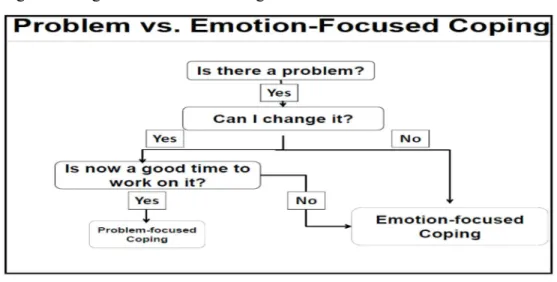
Emotion-Focused Coping ...48 Figure 5. Person-in-Environment Conceptual Model of the Pathway to
Sick Role Acceptance ...59 Figure 6. Measurement Model of Hypothesized Relationships between Existing
1 CHAPTER 1 INTRODUCTION
Cardiovascular disease, particularly coronary heart disease (CHD), is the leading cause of death and disability across almost every racial and gender category in the United States. Cardiovascular disease is a broad term that encompasses a wide variety of heart and blood vessel-related disorders, with CHD being the most common among them. CHD is a condition in which plaque builds up and hardens inside the coronary arteries, thus limiting blood supply to the heart. CHD alone caused approximately 1 of every 7 deaths in the United States in 2011
(Mozaffarian et al., 2015). For women, the mortality rates for cardiovascular disease (23.5%) are higher than those for cancer (22.1%), stroke (6. 2%), and chronic lower respiratory diseases (5.9%; CDC, 2010).
2
women ages 25 to 54 is higher than for White women of the same age, resulting in a decreased
quality of life extending well into older adulthood (Bransford & Ofili, 2000; Gillum, Mussolino, & Madans, 1997; Huffman et al., 2013). This early onset of disease, combined with higher mortality and increased prevalence, underscores the urgency for understanding the factors that contribute to the disparately high prevalence of CHD among African American women as well as strategies for achieving wellness.
Hypertension
Effectively reducing racial disparities for CHD requires identifying and reducing disparities in risk factors (Kanell, 1995). Among African American women, there is a higher prevalence of several modifiable risk factors that contribute to CHD, including diabetes, high cholesterol, physical inactivity, and obesity (e.g., Bello & Mosca, 2004; Danaei et al., 2009; Kannel, 1987; Rosenberg, Palmer, Rao, & Adams-Campbell, 1999). However, hypertension (commonly known as high blood pressure) is the most common CHD risk factor and the primary antecedent to heart failure (Lalande & Johnson, 2008). High blood pressure appears to contribute to the risk for CHD and increases the propensity for it, even in the absence of other conditions presumed to be associated with both (Kannel, Schwartz, & McNamara, 1969).
Blood pressure is essentially the force of blood pushing against the walls of the arteries that carry blood from the heart to other parts of the body. Death from CHD progresses
3
pressure rates, including the prehypertensive range (120 to 139 systolic pressure or 80 to 89 diastolic pressure; Appel et al., 2006). Importantly, for every 20 mm Hg systolic or 10 mm Hg diastolic increase in blood pressure, the risk of death from CHD doubles (Bielecka-Dabrowa, Aronow, Rysz, & Banach, 2011).
Of concern, women with hypertension experience a risk of developing CHD almost four times that of females with normal blood pressure (Women’s Heart Foundation, 2007).
Unfortunately, African American women have among the highest prevalence of hypertension in the world, with age-adjusted prevalence rates of 46.1% (Rogers et al., 2012). Studies (e.g., the Atherosclerosis Risk in Communities Study [ARIC]) have suggested that high blood pressure is a particularly strong predictor of CHD among African American women (Brittain, Taylor, & Wu, 2010; Rosamond et al., 2008).
Figure 1. American Heart Association (AHA) Recommendations for Blood Pressure
Blood Pressure Category
Systolic
mm Hg (upper #)
Diastolic mm Hg (lower #)
Normal less than 120 and less than 80
Prehypertension 120 – 139 or 80 – 89
High Blood Pressure
(Hypertension) Stage 1 140 – 159 or 90 – 99
High Blood Pressure
(Hypertension) Stage 2 160 or higher or 100 or higher
Hypertensive Crisis
(Emergency care needed) Higher than 180 or Higher than 110
Source: American Heart Association, 2015
4
socioeconomic status associated with low education and unemployment, lack of access to proper health care (often but not exclusively caused by lack of health insurance), and discrimination (Fongwa, 2008; Mendis & Banerjee, 2010).Collins and Winkleby (2002) found that African American women at risk for uncontrolled blood pressure were likely to be those with low levels of education. Additionally, obesity among African American women is at near-epidemic
proportions, with an estimated 50% of the population classified as obese—which is two to three times higher than the rate for White women (Allison, Edlen-Nezin, & Williams, 1997).
Given the high prevalence of obesity among African American women, weight reduction is of particular importance for blood pressure control in this population. Although
increasing physical activity is an effective way to manage hypertension, African American
women are one of the least physically active racial/ethnic/gender groups (Crespo, Smith, Andersen, Carter-Pokras, & Ainsworth, 2000; Martin, Prayor-Patterson, Kratt, Kim, & Person, 2007). Further, African American women are less likely than their White counterparts to regularly participate in other preventive care. In addition they are less likely to have health insurance (Kaiser Family Foundation, 2013), less likely to have a primary care physician or usual source of care (Agency for Healthcare Research and Quality, 2011), and are more likely to utilize emergency care as a usual source of care (Zuckerman & Shen, 2004).
5
discrimination. This relationship between hypertension and perceived discrimination was stronger among participants who were older, male, Black, had lower educational attainment, hypertensive (measured), and physician diagnosis as hypertensive status (self-report)” (Dolezar et al., 2014, p. 28). The largest effects were observed for ambulatory nighttime blood pressure and dipping (i.e., having lower blood pressure at night compared to daytime) for African Americans (Dolezsar et al., 2014).
CHD and Hypertension Interventions
Interventions to address hypertension include pharmacological (i.e., medication) or non-pharmacological (i.e., dietary change such as salt reduction, exercise, weight loss, or smoking cessation), with the primary goals of any intervention being to reduce blood pressure and control heart disease (Aljumah & Siddiqui, 2014). In particular, lifestyle interventions that include dietary change and/or increased physical activity have been shown to reduce CHD risk in African American women (Boggs et al., 2011; Martin et al., 2006). This section will briefly provide examples of the evidence in the pharmacological and lifestyle modification intervention literature that targets the reduction of blood pressure in at-risk or currently hypertensive patients.
Pharmacological treatment and adherence. Pharmacological treatment intervention studies specific to African American women are sparse. However, in 2014, the panel members of the Eighth Joint National Committee on Prevention, Detection, Evaluation and Treatment of High Blood Pressure provided evidence-based recommendations that included best plans for pharmacological management for both the general population and African Americans. The panel recommended the following treatment guidelines: 1) For adults 60 years or older,
6
pharmacological treatment should be initiated for those with blood pressure of 140/90 or higher; and 3) for African Americans, initial pharmacological treatment should include a thiazide-type diuretic or calcium channel blocker (CCB) (James et al., 2014; Thornton & Wright, 2015). For nonblack populations, angiotensin-converting enzyme inhibitors (ACEI) are recommended in addition to thiazide and a CCB. Thiazide diuretics essentially help reduce fluid accumulation in the body. They work by reducing the ability of the kidneys to reabsorb salt and water from urine, thus increasing the production and output of urine. Calcium channel blockers are used to lower blood pressure by slowing the movement of calcium into the cells of the heart and blood vessel walls, making it easier for the heart to pump, thereby widening blood vessels. As a result, the heart does not have to work as hard, and blood pressure lowers (Johns Hopkins Lupus Center, 2014).
The Agency for Healthcare Research and Quality reviewed the state of the medication adherence literature to determine the effectiveness of patient, provider, and systems and policy interventions in improving medication adherence for several chronic health conditions including hypertension (Viswanathan et al., 2012). Their review found low evidence for the benefit of educational interventions addressing medication adherence for hypertension; low to moderate evidence for the benefits of case management for hypertension; and moderate evidence for pharmacist-led hypertension approaches for reduction of systolic blood pressure (Viswanathan et al., 2012). However, evidence regarding the broad applicability of these approaches was limited, as was the evidence regarding long-term medication adherence or health outcomes.
7
accept and/or adhere to treatment if they distrust their medical professional (Chobanian et al., 2003). Conversely, greater interpersonal trust between patient and physician has been found to be a significant predictor of acceptance of recommendations for care (Jacobs, Rolle, Ferrans, Whitaker, & Warnecke, 2006). Cuffee and colleagues (2013) found that in a sample of inner-city African Americans with hypertension, perceived racial discrimination was associated with lower medication adherence, and this association was partially mediated by trust in physicians. (In the study by Cuffee et al., participants were asked, “Have you ever experienced discrimination, were prevented from doing something, hassled or made to feel inferior … because of your race or color?” in any of seven different settings including a medical care setting.) Distrust of physicians has been shown to be more prevalent among African Americans of lower socioeconomic status (defined by the authors as having lower income, lower education, and no health insurance; Armstrong, Ravenell, McMurphy, & Putt, 2007). Jacobs and colleagues (2006) found that trust in physicians appears to facilitate care-seeking behavior and promotes patient honesty and adherence, while distrust inhibits care-seeking, may result in switching physicians, and may lead to non-adherence.
Because hypertension is considered a result of interactions between genes and
8
initial treatment before the start of drug therapy and as an adjunct to drug therapy in persons already on medication (Gupta & Guptha, 2012).
Lifestyle modification interventions. Adoption of a healthy lifestyle is critical for the prevention of high blood pressure and an essential part of the management of hypertension for those who have it (Chobanian et al., 2003; Messerli, Williams, & Ritz, 2007). Major lifestyle modifications which have been shown to lower blood pressure include weight reduction in individuals who are overweight or obese (Stevens et al., 2001; Trials of Hypertension Prevention Collaborative Research Group, 1997), adoption of the Dietary Approaches to Stop Hypertension
(DASH) eating plan (Appel et al., 2006; Rankins, Sampson, Brown, & Jenkins-Salley, 2005), dietary sodium reduction (Appel, Esepland, Easter, Wilson, & Folmar, 2001; He, Li, & MacGregor, 2013; Trials of Hypertension Prevention Collaborative Research Group, 1997), physical activity (Roberts, Vaziri, & Barnard, 2002), and moderation of alcohol consumption (Fuchs, Chambless, Whelton, Nieto, & Heiss, 2001; Marmot et al., 1994). The primary
behavioral interventions recommended to reduce blood pressure are exercise, sodium reduction, and the DASH diet, which can lead to weight loss which is beneficial to overall health (Bacon, Sherwood, Hinderliter, & Blumenthal, 2004). The DASH diet, which “promotes high fruit and vegetable consumption, moderate low-fat dairy products, and low animal protein intake, with substantial amounts of plant protein from legumes and nuts, substantially reduces both systolic and diastolic blood pressure among hypertensive and normotensive individuals” (Fung et al., 2008, p. 713). The following sections review examples of the literature on hypertension
9
Weight loss and physical activity. African American women experience higher morbidity
and mortality than other populations with respect to chronic diseases such as cardiovascular disease, due in part to a higher prevalence of overweight and obesity among this population (Fitzgibbon, Tussing-Humphreys, Porter, Martin Odoms-Young, & Sharp, 2012). As body weight increases, blood pressure generally increases. Overweight persons have an abundance of
fatty tissue that increases their vascular resistance, which in turn increases the work the heart has to do to pump blood throughout the body (Schmieder & Messerli, 1993). In light of this fact, weight loss is a recommended intervention for blood pressure reduction in both obese and overweight individuals. Weight loss of as little as 10 pounds (4.5 kg) reduces blood pressure and/or prevents hypertension in a large proportion of overweight persons, although the ideal is to maintain normal body weight, defined as a body mass index of 18.5–24.9 kg/m (Chobanian et al., 2003).
In general, weight loss-targeted interventions utilize a combination of several lifestyle modification techniques, including physical activity and dietary change that in turn facilitate weight loss. For example, Goodpaster and colleagues (2010) initiated a single-blind randomized trial of severely obese men and women, with African American women representing
10
were significantly and similarly reduced in both intervention groups (Goodpaster et al., 2010). African Americans demonstrated slightly less weight loss; however, the intervention was effective both White and African American participants. Dickinson and colleagues (2006) conducted a systematic review of 105 randomized control trials to quantify the effectiveness of lifestyle interventions. Trials included diet, exercise, relaxation, sodium restriction, healing beliefs, and dietary supplements. The review found that exercise interventions led to systolic pressure reductions averaging 4.6 mm Hg, and that compared to other interventions, exercise almost always achieved a significant reduction in blood pressure. The researchers recommended that patients with elevated blood pressure should exercise regularly, as well as follow a weight-reducing diet and restrict alcohol and salt intake (Dickinson et al., 2006).
Finally, Kumanyika, Obarzanek, Stevens, Hebert, and Whelton (1991) compared the race-specific weight loss results from two randomized, multicenter trials: the Hypertension Prevention Trial (HPT) and the Trials of Hypertension Prevention (TOHP). The HPT assessed
the effects of weight reduction, decreased sodium intake, and increased potassium intake, separately or in selected combinations, on blood pressure of individuals with normal blood pressure, while the TOHP examined the feasibility and potential efficacy of weight reduction, sodium restriction, stress management, and certain dietary supplements in decreasing or preventing an increase in diastolic blood pressure in individuals who initially had high but normal blood pressure (Kumanyika et al., 1991). The two clinical trials allowed direct
11
women. Although low educational attainment is strongly and inversely associated with female obesity, African American women with college degrees were more representative in the
intervention. The explanations suggested by the study for the racial differences in weight loss included a cultural acceptance among African American women of an obesity norm, reduced physical activity in the population, and cultural food preferences as well as biological
explanations such as slower metabolism among African Americans. In light of the beneficial impact of weight loss and exercise on hypertension and the persistent disparity in the disease rates among African Americans, research exploring novel explanations for failure to maintain behavior change is imperative.
Sodium reduction and dietary changes. While exercise is clearly an important
component of many weight loss intervention programs, exercise alone is generally not associated with significant weight loss when diet is not modified (Bacon et al., 2004). There is strong evidence across the literature supporting the idea that blood pressure reduction is positively affected by multiple dietary factors including reduction of table salt (individually added) and sodium intake (existing in restaurant or processed and packaged foods), increased potassium intake, moderation of alcohol intake, and comprehensive dietary changes such as adopting the DASH diet or a vegetarian diet (Appel et al., 2006).
12
heart. Current recommendations suggest upper limits of 2,200-2,300 mg of sodium per day; however, the suggested sodium intake for African Americans is far lower, at 1500 mg (CDC, 2012; Mayo Clinic, 2015). While reducing sodium intake involves the reduction of table salt, a large portion of the sodium in a person’s diet is a result of processed and packaged foods. As such, efforts to reduce blood pressure involve attention to both table salt and sodium as a preservative.
Throughout most of our evolution, humans have consumed less than 0.25 g of sodium per day, but consumption has skyrocketed in recent years, and current sodium consumption averages are more than 3300 mg per day (CDC, 2013; Frisoli, Schmieder, Grodzicki, & Messerli, 2012). There is a consistent dose-response relation between salt intake and blood pressure within the range of 3 g to 12 g of salt per day (Feng & MacGregor 2002). Frisoli and colleagues (2012) found that a reduction of daily salt intake of only 3 g per day (among the hypertensive) predicts a dramatic decrease in blood pressure in hypertensive subjects: a drop of 3.6 to 5.6 mm Hg in systolic pressure and a drop of 1.9 to 3.2 mm Hg in diastolic pressure.
13
found that reducing sodium had a substantial impact on blood pressure, lowering systolic pressure by 4.3 mm Hg and diastolic pressure by 2.0 mm Hg.
An even greater decrease in blood pressure can be achieved when reduced salt intake is combined with a dietary intervention such as the DASH diet (Frisoli, Schmieder, Grodzicki, & Messerli, 2012). Utilizing secondary data from the Nurses’ Health Study (1980-2004), Fung and colleagues (2008) determined that adherence to a DASH-style diet was associated with a lower risk of CHD and stroke among middle-aged women during 24 years of follow-up. Additionally, Bray and colleagues (2004) analyzed the effects on blood pressure of three levels of sodium intake (three groups: higher, intermediate, and lower levels consisting of 3,450, 2,300, or 1,150 mg per day, respectively) while consuming the DASH diet, in key subgroups including African American women. They found that reducing sodium intake and adhering to the DASH diet consistently resulted in reductions in systolic and diastolic blood pressure across all subgroups. African American women had the most pronounced changes in blood pressure from sodium reduction in both the control (typical American diet) and DASH diet groups. In fact, the greater the reduction in sodium intake (e.g., going from high to low sodium intake), the more distinct the reductions in systolic and diastolic pressure. These results support Sacks and colleagues’ (2001) findings that a reduction of sodium to below 2300 mg per day (the intermediate level in the Bray et al. study), in conjunction with the DASH diet, had significant impact on blood pressure.
Barriers to adherence in African American women. What remains puzzling is that while the intervention literature is clear that hypertension is a modifiable risk factor for CHD, the burden of disparity in CHD rates remains persistent, debilitating, and deadly for African
14
exercise and dietary regimens remains problematic for this population (Martin et al., 2008; Pekmezi & Jennings, 2009). For example, Epistein and colleagues (2012) found that African Americans were less likely to be adherent to the DASH diet compared with Whites. This failure to consistently engage in the critical health behavior changes necessary to positively impact both the proximal outcome of hypertension and the distal outcome of CHD is of foundational interest in this dissertation research.
While we understand what needs to be done to change hypertension and CHD risk among African American women, we still lack a clear understanding of how to get this population to utilize efficacious interventions due to an incomplete picture of the internal health-seeking process through which African American women come to make decisions. Researchers have explored various reasons for failure to adopt beneficial dietary and physical activity behaviors among African Americans, including food insecurity (Baskin, 2015), limited access to healthy food (Fongwa et al., 2006), cultural body preferences (Airhienbuwa et al., 1996), neighborhood factors (Lee, Mama, Ho, & Adamus, 2012), and concern about physical activity affecting hairstyles (Hall et al., 2013). However, at the time of this dissertation research, no study had explored the possible links among social role obligations associated with acceptance of a sick role diagnosis as a factor in adherence behaviors to physician-prescribed lifestyle change.
15
not simply assume that women have accepted this new role of sickness role (in this case a diagnosis of hypertension) and thus, are prepared to take action. Rather, there is an internal conversation that evaluates the cost and benefits of accepting sickness and the obligations that come with that role.
The Sick Role
Kals and Cobb (1966), Mechanic (1962), Parsons (1951), and Rosenstock, (1966) provide useful definitions for categorizing types of health seeking behaviors at various stages of health decision making. Specifically, there are three “stages” of health seeking: health behavior (preventative activities that pre-symptomatic individuals undertake to ensure they remain healthy and able to detect and guard against disease), illness behavior (those activities in which
symptomatic persons engage in order to find a suitable remedy for the condition(s) they are experiencing), and sick role behavior (activities directed at achieving wellness, including the recognition of a personally defined illness by significant others or society at large and the legitimization of the illness by a health professional; Mechanic & Volkart, 1961; Parsons, 1951; Rosenstock, 1966). To be sick (in this case to be diagnosed with hypertension) is a deviation from the social norm. According to Talcott Parsons’s (1951) sick role model, when a person’s illness has been legitimized by medical personnel or by intimates and/or persons having influence over him, the person occupies a special role in society (Mechanic, 1986). Individuals move from illness behavior to sick role behavior when symptoms persist and become severe enough to warrant seeking a medical opinion that results in official medical confirmation.
Sickness is a social role, much like being a parent, a single person, or an employee, and as such has expectations and obligations that accompany it. Through the process of
16
personal social obligations such as the roles of employee or caregiver, as health care seeking takes priority over other behaviors and responsibilities (Mechanic & Volkart, 1961; Parsons, 1951). Parsons’s sick role model (1951) states that being sick comes with two major rights and two major obligations: 1) the right to be exempt from normal social roles (e.g., mother,
employee) based on the nature and severity of illness; 2) the expectation that as a sick person you need to be taken care of and cannot just get better merely because you want or decide to; 3) the obligation to want to get well (because to be ill is not desirable); and 4) and the obligation to seek competent help to get well (Parsons, 1951; Segall, 1976). Essentially, sick persons have the social obligation to seek and accept relevant help for their illness while sincerely desiring to get better, and the right to be relieved of social responsibilities.
The Social Work Dictionary defines role theory as the ways in which people are
17
Conversely, the positive impact of a social role is called role enhancement. A role enhancement perspective suggests that women with more social roles (seen as socially positive) experience higher levels of emotional health as compared to those with fewer roles (Moen, Robinson, & Dempster-McClain, 1995). For example, being in a marital relationship has been shown to be health-protective for women, while conversely, unemployment and
underemployment have been shown to have deleterious effects on the health of single-mothered families (Eamon & Wu, 2011; Ross & Murkowski, 2013). This dissertation proposes to examine both role conflict and role enhancement in sick role acceptance among African American women by hypothesizing that some roles (e.g. married, employed) will contribute to acceptance while some roles will create conflict (e.g. unemployed, single, parent) will increase the likelihood of rejection.
African American Women and the Sick Role Behavior in the Literature
18
household compared to women of other racial and ethnic groups (Laosa, 1988; Whitaker, Whitaker, & Jackson, 2014). Finally, African American women are more likely to be the female head of household, and struggle with high poverty rates for those households containing children (Kreider & Ellis, 2011, Snyder, McLaughlin, & Findeis, 2006, U.S. Bureau of the Census, 2009).
African Americans are more likely than other racial and ethnic groups to rely on religious and family support systems rather than formal care (Hargrove, 2006; Pickard, Inoue, Chadiha, & Johnson, 2011), and since caregiving is often perceived as being a woman’s role, African
American women may find themselves more often taking the role of primary care provider for older family members with significant limitations. Williams, Dilworth-Anderson, and Goodwin (2003) found that when caregivers and care recipients lived together, caregivers reported higher levels of role strain. Further, research has documented that caregiving has been linked to an increased risk of cardiovascular disease in women and is a top barrier to taking preventive health action (Mosca, Mochari-Greenberger, Dolor, Newby, & Robb, 2010). These caregiving roles may be difficult or impossible to negotiate when personal sickness occurs, forcing women to make extremely hard choices between their own needs and the caregiving needs of others. Purpose of the Dissertation
19
role acceptance. The researcher hypothesizes that failure to accept the sick role would be demonstrated by neglect of necessary health actions for treatment of hypertension. Evidence of sick role acceptance includes reporting a current reduction of salt intake, currently engaging in physical activity, and taking prescribed medication.
To date, no study utilizing the National Health and Nutrition Examination Survey (CDC, 2011) has examined direct and indirect effects of social roles and sick role acceptance among African American women at risk for CHD indicated by a hypertension diagnosis. Further, to date no study has utilized role theory and stress and coping to understand the stress of health decision making among African American women.
Research Questions
This dissertation research addresses four exploratory research questions. They are as follows: 1. Is sick role acceptance a function of African American women’s status role?
a. marital status b. employment status c. parental status
2. What are the cumulative effects of having multiple social roles on sick role acceptance?
3. Does having health insurance moderate the relationship between social roles (i.e., marital status, employment status, and parental status) and sick role acceptance?
20 CHAPTER 2
LITERATURE REVIEW
The speed at which people respond to the symptoms of illness can significantly impact their ability to achieve relief and avoid additional adverse health outcomes. It is assumed that the nature and severity of an illness would be the most influential determinant of a person’s health actions; however, the ways in which people respond to illness symptoms vary greatly, even among those with similar symptoms. These health decisions to alleviate or ignore symptoms can be influenced by multiple factors including traditions, current social obligations, and culture. While some seek immediate medical attention when symptoms present, others may heed symptoms but practice self-care (e.g., prayer, traditional healing) instead of seeking formal medical care. Still others may choose to ignore the symptoms and take no action. Those persons who move from acknowledgement of illness symptoms to an acceptance of a diagnosis from medical professionals, shift from illness behavior to sick role behavior. To become a legitimized “sick person” is to take on a new social role.
21
literature on multiple roles (i.e., parental status, employment, and marital status) and how those roles can have an impact on women’s health with attention to African American women in particular.
Social Statuses and Social Roles
At any given time women have several social statuses. For example, women can often be mothers, wives, employees, and heads of household. Linton (1936) defined status as an
individual’s position in the larger social system, where roles are the societal expectations
ascribed to that position. These two concepts are inseparably linked in that an individual may not have statuses without roles nor have roles without statuses.
These social statuses can be achieved or ascribed (Deaux, Mizrahi, & Ethier, 1995; Jackson, 1962). An individual’s achieved statuses are merit-based or earned positions. These are statuses that they have worked for, such as professor, social worker, or mother. Conversely, an ascribed status is a social position that is not earned, but rather something a person is either born with or had no control over. To be born a female, African American, or in some cases into inherited wealth or poverty are not the result of choice but instead were ascribed. Additionally, there is a master status (Hiller, 1982). This status is an individual’s most prominent personal status that receives the most focus from others. It is also the status that can impact a person the most. For example, to be seen primarily as a prominent PhD would be an achieved master status; however, to be seen largely as an African American woman would be an ascribed master status. To be sick can be seen as either ascribed or achieved.
22
role (Lindesmith & Strauss, 1968), and on any given day people are balancing several sets of expectations and rules of behavior (i.e., roles) directly related to their multiple statuses. Social roles are in essence a set of rules and norms that function as blueprints to guide and socially regulate individual behaviors and activities (Danna-Lynch, 2010). Each social role comes with specific and unique demands with persons behaving in different and predictable ways depending on their respective social statuses and the situation (Biddle, 1986).
There are four basic types of social roles: basic roles, which include gender and age roles; structural status roles, which include employment, marital status, parental role, and recreational roles that are related to status in a particular organizational setting (e.g., church, sorority); informal functional group roles, like mediator and devil’s advocate; and value roles, like hero, traitor, criminal, and saint (Turner, 1990). This dissertation is primarily concerned with the basic roles of gender and race as well as structural status roles (i.e., parental, marital, and employment).
Role Theory
23
Importantly, the sick role was developed from role theory. Like any other role, being sick comes with its own expectations and obligations. To be legitimately labeled a sick person means that an individual is able to negotiate relief from normal social obligations due to health
impairment (Mechanic & Volkart, 1961; Parsons, 1951). This negotiation of relief may result in conflict with existing social roles. For example, being diagnosed with CHD may require surgery, multiple doctor visits, medications, and significant down time for healing in order to achieve wellness. However, this new status role may be at odds with the employee roles and the need to negotiate temporary relief from work obligations without termination.
Sickness is a status, and as previously stated, a socially defined position. Over the life course, people transfer into and out of different roles, retaining some, relinquishing others, and beginning new roles (Burr 1972). The acceptance or rejection of this new status role of “sick” requires consideration of personal resources including for example, monetary (e.g., medical insurance), physical (e.g., am I physically able to do the work necessary for healing?), and emotional resources (e.g., social and emotional support), as well as consideration of individual ability to move into this new sick role given existing social roles social obligations. This process of considering existing resources in accepting the sick role can create stress. Stress related to social roles has been studied as role overload, role conflict, and role strain in the literature.
24
more roles a person occupies, the more strain experienced and the greater the likelihood of negative effects on health and well-being (Goode, 1960; Sieber, 1974). “As role obligations increase, sooner or later a time barrier is confronted that forces the actor to honor some roles at the expense of honoring others” (Sieber, 1974, p. 567).
In contrast, role conflict refers to discrepant expectations irrespective of time pressures wherein a person must choose between the expectations of two (or more) statuses and their role obligations because compliance with the expectations of one will violate the expectations of the other (Sieber, 1974). Also sometimes referred to as the scarcity hypothesis, it holds that
occupancy of more than one social role will cause stress and ill health to the extent that the demands of those roles interfere with each other or create role overload (Lee & Powers, 2002). This might look like a conflict between motherhood and employment or between wife and mother roles. Role overload leads to role conflict only when the demands of one of the multiple roles make it difficult to fulfill the demands of another role (Coverman, 1989).
Goode (1960) originally defined role strain as the “difficulty in fulfilling role obligations” (p. 483). In role strain, the conflict comes from the difficulty in managing the expectations and obligations related to one status. For example, a woman may find it difficult to reconcile the role demands of motherhood when her role requires protection, correction, and affection towards her children. This conflict causes the person to be pulled in several different directions.
In contrast, the role enhancement perspective states that people occupying more roles should experience higher levels of well-being because having more roles leads to an
25
accumulation theory (Sieber 1974) states that having multiple roles and engaging in a variety of activities can benefit individuals’ overall well-being (Black, Murry, Cutrona, & Chen, 2009). Sieber (1974) argued that role accumulation or having multiple roles offers the individual four types of positive outcomes: “(1) role privileges, (2) overall status security, (3) resources for status enhancement, and (4) enrichment of the personality and ego gratification” (p. 569). Sieber (1974) further suggested that role enhancement highlights the potential social and psychological benefits of occupying parent, partner, and paid worker roles and proposed health enrichment as a result of simultaneous participation in these roles. This dissertation explores whether African American women who have been told by a medical professional that they have hypertension (sick role) experience role conflict or role enhancement when considering preexisting social role obligations impacting adherence behaviors to medical recommendations.
Status Roles and Social Value
As previously stated, status and role are closely related terms. While status is a moniker or title, roles encompass the actual requirements, rights, and obligations attached to the status. However some statuses or positions have some “value,” with some statuses (achieved or
26
married woman who becomes pregnant may find value in her new motherhood status and its roles relative to the social value she finds in her marriage. In contrast, a single pregnant woman who is unemployed may not find the same value in the new status in light of the “costs” related to the primary requirement of finding work.
As some status roles have more value, it is not a stretch to suggest that a woman considers the value of current status roles (i.e., martial, employment, and parental roles) when considering taking on a new status role (e.g., sick role). In this case a woman diagnosed with hypertension would theoretically consider her other statuses and role obligations as she
determines whether the new status role (i.e., sick role) would be acceptable based on the tangible and social value of the other statuses.
Status-valued characteristics. There is some support for the concept of status value in the work of Cecilia Ridgeway (1991). Ridgeway described the concept as “status-valued characteristics.” Specifically, she described nominal characteristics and graduated
characteristics, where a nominal characteristic is “any socially recognized attribute on which people are perceived to differ in a categorical rather than graduated or ordinal way” (e.g., ethnicity, sexuality, race, gender; Ridgeway, 1991). Graduated characteristics are those characteristics on which people are perceived to vary in the degree to which they possess the characteristic (e.g., wealth, education; Ridgeway, 1991). These characteristics have status value when there is a consensus in cultural beliefs, such that persons who have one state of the
characteristic (e.g., Whites or males) are more worthy in the society than those with another state of the characteristic (Blacks or females; Ridgeway, 1991).
27
of his or her own position in the social hierarchy (Adler, Epel, Castellazzo, & Ickovics, 2000; Jackman & Jackman, 1973). While research using measures of socioeconomic status (SES) focuses on objective measures of social status like occupational status, income, and education, a person’s subjective beliefs about their social status can be more consistently and strongly related to overall health compared to objective indicators of social status (Adler et al., 2000). Research suggests that subjective social status is an important predictor of health (Demakakos, Nazroo, Breeze,& Marmot, 2008; Operario, Adler, & Williams, 2004). For example, studies have shown SSS to be independently associated with multiple health outcomes including cardiovascular disease (Ghaed & Gallo, 2007), stress and cortisol levels (Wright & Steptoe, 2005),
psychological distress (Sakurai, Kawakami, Yamaoka, Ishikawa, & Hashimoto, 2010), weight status (Adler et al., 2000), physical activity (Frerichs, Huang, & Chen 2014), obesity (Goodman, Adler, Daniels, Morrison, Slap, & Dolan, 2003), and psychological and physiological
functioning (Adler et al., 2000). Further, it has been suggested that compared to measures of SES, “assessments of perceived social status may more fully capture the cumulative influences of a social hierarchy on health by taking into account a person’s earlier life circumstances, group experiences, family history, and perceived future trajectories” (Wolff, Subramanian, Acevedo Garcia, Weber, & Kawachi, 2010, p. 561).
Understanding Social Roles and Health
28
necessitates that society make an adjustment to return to stability. This dissertation research sees social roles in much the same way, ideally functioning together and creating equilibrium for the individual. Role conflict (in this case, sick role presentation), however, is a disruption of that stable state requiring the individual to make adjustments to regain personal balance. Those adjustments could include rejecting the sick role.
“Since Durkheim, the notion that particular configurations of social roles may protect against or increase vulnerability to illness and death has had wide sociological currency” (Nathanson, 1980, p. 460). Durkheim is well known for his work on suicide and social integration, using the concept of social integration (the amount of connection between
individuals and social institutions) to explain the higher suicide rate among unmarried people. Of particular interest, Durkheim argued that “married persons are more integrated than single, widowed, or divorced persons; widowed or divorced persons are more integrated than single persons; and married persons with children are more integrated than married persons without children” (Breault, 1986, p. 632). He concluded that unmarried persons had fewer social connections to other people and were less likely to feel part of the larger community.
29
household maintenance) while sick, making her less likely to accept the sick role, whereas a woman with no children may be more likely to accept sickness and all the rights and obligations attached to achieving wellness. In contrast, social selection proposes that health influences social roles. When people are in good health, they are more likely to successfully enter roles such as marriage, employment, and motherhood. Together, social causation and social selection are primary factors in the social differences that are observed in health status and therapeutic or medical action (Verbrugge & Madans, 1985).
Multiple Social Roles
30
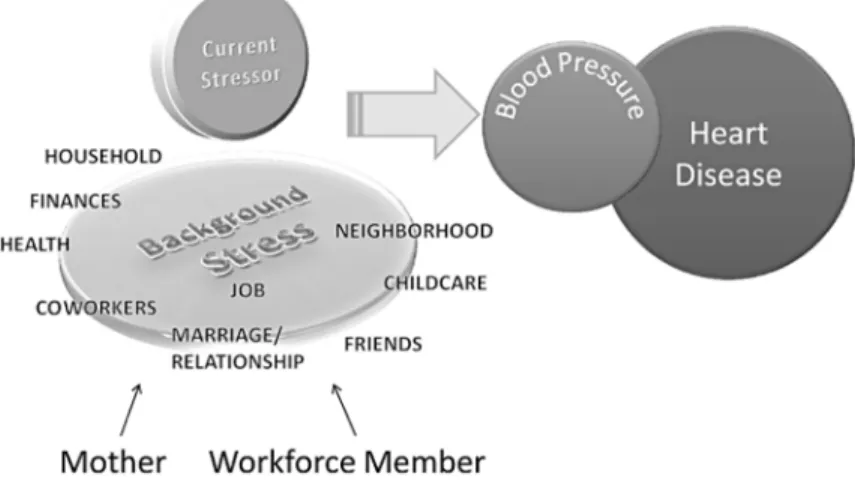
In contrast, Terrill, Garofalo, Soliday, and Craft (2012) proposed that having multiple roles is the culprit. Their background stress model is an extension of the role strain hypothesis that conceptualized a model of heart disease risk and the underlying stress burden or background stress associated with the demands of women’s multiple roles (see Figure 2). Briefly, the authors suggested that the demands of women’s multiple roles contribute to chronic underlying stress. As chronic stress is reliably associated with heart disease, multiple roles may play a part in disease risk.
Figure 2. Multiple Roles, Stress Burden, and Heart Disease Risk
Source: Terrill, Garofalo, Soliday, & Craft, 2012
Whether in combination or individually, social roles are impactful in and on the lives of women. The following section provides a more detailed overview of both the combined and individual contributions of marital, parental, and employment status roles in the literature.
31
digestive system conditions, respiratory conditions, parasitic diseases) at a far higher rate than married people. Injuries are of special interest, since distressed people may be careless and incur them more often than other groups (Verbrugge, 1979). Liu and Umberson (2008) reviewed pooled data from 1972 to 2003 looking at self-rated health by marital status; they found that the self-rated health of the widowed, divorced, and separated worsened over time relative to the married, and that the adverse effects of marital dissolution increased more for women than men. Similarly, Schoenborn (2004) examined prevalence estimates by marital status for self-assessed health which included health conditions (back pain, headaches, and serious psychological distress) and health-related behaviors (physical inactivity, overweight or obese weight status, smoking, and drinking) among U.S. adults, using data from the 1999–2002 National Health Interview Surveys. This research found that in general, married adults are healthier than those in other marital status groups, least likely to experience health problems, and least likely to engage in risky health behaviors. However, they were notably more likely to be overweight or obese, with never-married younger women ages 18-44 among the least likely to be overweight or obese. Further, age-adjusted prevalence of self-rated health of “fair or poor” was highest among
widowed adults. Additionally, married and never-married adults generally had lower prevalence of the health conditions than adults who were widowed, divorced or separated, or living with a partner.
32
the five-year interval (Waldron et al., 1997). The study found that never-married women tended to have worse health trends for physical impairments and for overall health problems compared to divorced and separated women. Analysis also revealed that among the women in the study, married women had higher family income and less psychological distress than the unmarried statuses. Finally, the researchers found that the health effects of being never married were as harmful as or somewhat more harmful than the health effects of being divorced or separated.
The theoretical explanations utilized by researchers to understand the effect of marital status on health emphasize one of two models: the marital resource model and the marital dissolution/stress model (Liu & Umberson, 2008). The marital resource model suggests that marriage provides social support and greater psychological and economic resources, which in turn promote physical health and longevity (Ross, Mirowsky, & Goldsteen, 1990, in Liu & Umberson, 2008), as well as regulation of health behaviors that the married enjoy (Williams & Umberson, 2004). In short, marriage offers unique benefits that cannot be obtained from other types of relationships such as cohabitating or partnered (Waite & Gallagher, 2000). Conversely, the stress model emphasizes the crisis event of marital dissolution, suggesting that the strains of marital dissolution undermine the health of the divorced, the separated, and the widowed, which in turn leads to marital status differences in health (Williams & Umberson, 2004).
33
and result in stress-related outcomes. The physical and psychological consequences of role accumulation depend not only on the number of roles occupied but on the nature of the particular roles, as roles differ in social value as well as in the patterning of privileges and obligations associated with them (Long & Porter, 1984). For example, the social value of motherhood may differ greatly for a single or young mother when compared to a more mature mother, married or single. In short, role quality is just as important to health outcomes as role quantity.
Boden, Fergusson, and Horwood (2008) studied the negative impact of role quality among those in “early motherhood” (i.e., motherhood in adolescence and early adulthood). Several studies have linked early mothering with significant increases in maternal depression, particularly in the first years (McLennan, Kotelchuck, & Cho, 2001; Schmidt, Wiemann, Rickert, & Smith, 2006; Troutman & Cutrona, 1990). Boden and colleagues (2008) found that this
association was non-causal in their sample, as those becoming parents early (prior to age 21) were a population with preexisting characteristics (i.e., poorer educational achievement, lower income, and higher rates of welfare dependence) that place them at risk for mental health problems. When these preexisting characteristics were controlled for, the associations between early motherhood and later mental health became small and insignificant.
34
unrelated to level of exercise participation, implying that actual status role of motherhood itself was a barrier to exercising (Verhoef & Love, 1994). The most important barrier to exercise for mothers in their sample was lack of time as a result of family obligations, whereas for women without children, the biggest barrier was lack of self-discipline (Verhoef & Love, 1994).
It is clear that mothering can be a stressful job. Balancing the mothering role in conjunction with additional roles can lead to serious health consequences. In a study utilizing data from the Framingham Study, a large longitudinal study that sought to find the causes of heart disease and stroke, researchers examined data for white-collar (office workers) women with and without children, and found employed women who had three or more children had a higher incidence of cardiovascular disease than employed women who had no children or than housewives with three or more children (Brisson et al., 1999).
Employment and health. The past several decades have seen an increase in women’s participation in paid employment, particularly married women with children (Cohen & Bianchi, 1999; Percheski, 2008). There are conflicting interpretations of the relationship between
employment status and women’s health. In the first, employment is negatively related to women’s health (especially for married women) because it creates competing expectations and doubles the expected tasks of women (i.e., tasks in the household and at work), creating the so-called “double shift” (Demiral, Ark, & Togrul, 2012; Percheski, 2008). This negative impact has been explained by different models, including job strain (Karasek, Baker, Marxer, Ahlbom, & Theorell, 1981), multiple role conflict (Martikainen, 1995), role strain, and the scarcity
35
(SIPP) to examine hardships for the single (lone) mother experiencing employment issues (i.e., unemployment and underemployment) compared with those who were adequately employed. The study found that material hardship is common for single-mother families. In addition to being more likely to be having difficulty with at least one basic expense, these families were found to be at risk for at least one medical hardship and problems accessing medical and dental care (Eamon & Wu, 2011). In another study, Brisson et al. (1999) conducted research to
determine whether more family responsibilities (including number of children living in the home and the proportion of domestic work required) in combination with job strain would increase blood pressure among white-collar women. The research found that more family responsibilities was associated with significant increases in blood pressure among white-collar women holding a university degree but not for non-degree holders.
Research suggests that employment is health-positive, providing important resources such as income, food, and shelter as well as psychosocial benefits such as higher self-esteem and confidence, thereby empowering women and decreasing their dependency on others (Percheski, 2008). The role accumulation hypothesis and the role enhancement hypothesis have been utilized to support this notion (e.g., Ahmad-Nia, 2002; Waldron, Weiss, & Hughes, 1998). Repetti, Matthews, and Waldron (1989) reviewed the empirical evidence on the effects of paid
36 Social Roles among African American Women
Despite national efforts to decrease disparities in health between minority and majority groups, chronic illnesses and illness-related complications remain prevalent among African American women. As illustrated in Chapter 1, African American women are at increased risk for coronary heart disease (CHD) due to overwhelming rates of CHD risk factors including
overweight/obesity, hypertension, physical inactivity, and diabetes in the population.
Explanations for these disparities have included disproportionate poverty rates, unemployment, and low educational attainment, coupled with the stressors of the “double enslavement” of race- and gender-specific stressors (Black, Murry, Cutrona, & Chen, 2009; King, 1988). While the literature on illness prevalence, access to services and insurance, socio-demographics, and illness-inducing stressors is robust, there is a gap in the literature addressing basic questions about the everyday lived experiences of African American woman such as the ability to make ends meet, reactions to life’s stressful circumstances, and the demands of parenting (Black et al., 2009). Building upon the review of the health benefits and consequences of social roles
discussed earlier in this chapter, the following section examines the social roles literature for African American women and health outcomes, making inferences where the research is lacking.
37
According to the Pew Research Center, in 2012, 36% of African Americans over age 25 had never been married, with this rate being a significant increase from the 7% to 9% seen in 1960 (Wang & Parker, 2015). When compared with White women, African American women are more likely to be single and to be single parents than are women of other races (Johnson, 2012). Additionally, African American women who are married report lower marital quality (Choi & Mark, 2013) and are more than twice as likely to divorce as their White counterparts (Besharov & West, 2001). Marital conflict has been found to be related to risky health behaviors and poor mental health (Green et al., 2013; Robbins & Martin, 1993). Further, traditional and early marriage (marriage before 26 years) appear to be associated with an increased risk of obesity among African American women (Harris, Lee, & DeLeone, 2010; Shafer, 2010).
Interestingly, education is a factor in marriage for African American women. Educational attainment is a useful proxy measure of a woman’s economic independence (Goldstein & Kenny, 2001), and economic independence can contribute to positive health outcomes for a woman and her family. Those with higher education and better economic prospects are more likely to get married, to stay married, and to have children within marriage (Smock, Manning, & Porter, 2005).
38
African American men at publicly operated colleges and universities. For private colleges and universities, the graduation rate for Black women was 48.5% compared to a graduation rate of 39.2% for African American men (Journal of Black in Higher Education, 2014). This gender imbalance in rates of college education among African Americans reduces the available pool of “marriageable” men. Nitsche and Brueckner (2009) report that when African American women do marry, they are more likely than any other group to marry less-educated men; and if they have children, they are more likely to do so while still in in school, with potential consequences for educational attainment and career formation. Utilizing data from the U.S. Census Bureau’s Current Population Survey, Nitsche and Brueckner found that marriage chances for highly educated (graduate school) black women have declined over time relative to their White counterparts (2009).
Cohabitation. Cohabitation as a precursor or an alternative to marriage has become commonplace (Smock, 2000). However African Americans are less likely to transform their cohabitation relationships into marriages than White persons (Smock, Caspe, & Wyse, 2008). For example, in a study of first cohabitation, Choi and Seltzer (2011) found that for African Americans, cohabitation is short-lived and usually ends by the couple dissolving their relationship rather than marrying. Moreover, African American women are more likely than women in other groups to separate from their first cohabiting partners, with approximately a third of African American women having separated from their first cohabiting partners within three years (Choi & Seltzer, 2011).
Cohabitation provides some economic benefits by reducing financial hardship, particularly for African American and Hispanic women (Avellar & Smock, 2005). This is
39
while cohabiting with Hispanics twice as likely and African American women three times as likely as White women to remain cohabiting with their partner rather than pursuing marriage when the child is born (Smock et al., 2008).
The literature is not as clear on what cohabitation means for health outcomes among this African American women. However, in a study examining whether the self-reported mental and physical health of single mothers would benefit from marriage or cohabitation, Williams, Sassler, and Nicholson (2008) found that short-lived cohabiting unions are associated with increased mental distress and that entering a cohabiting relationship is not associated with improved physical health. The authors suggested that entering into unstable cohabitation relationships may be risky for single women with or without children, as the negative costs to mental health appear to outweigh any potential benefits.
Single motherhood. A natural consequence of low marriage rates and failed
40
Single mothers of young children are especially vulnerable to depression due to chronic stressors and poverty (Hatcher et al., 2008). Being a low-income African American single mother can also create high levels of chronic stressors (Hatcher et al., 2008). These chronic and emotional stressors could be associated with, for example, inability to meet basic needs with earned income, reliance on public assistance, stigma attached to poverty, and food insecurity, as well as obesity and overweight from limited healthy food choices, which in turn contribute to hypertension and CHD. The greater the economic hardship among poor, single mothers, the higher the likelihood of poor mental health (Broussard, Joseph, & Thompson, 2012).
Employment and Head of Household
With the decreased likelihood of marriage among African Americans comes an increased likelihood of households headed by poor, single African-American women. While marriage brings economic benefits, single mothers are more likely to have experienced unemployment (Turner, 2007). According to the Bureau of Labor Statistics (2015), the seasonally adjusted unemployment rate for African American women was 8.9% compared to 4.2% for White women. Once unemployed, African Americans are less likely to find jobs and tend to stay unemployed for longer periods of time (U.S. Department of Labor, 2014).
41
42 CHAPTER 3
CONCEPTUAL FRAMEWORK
To understand the hypothesized relationship between social roles and sick role
acceptance, this chapter outlines Lazarus and Folkman’s (1984) transactional model of stress and coping (TMSC) and presents a conceptual framework for understanding (a) personal appraisal of the demands associated with accepting the sick role diagnosis of hypertension, and (b) the internal evaluation of resources that lead to coping behavior and ultimately health-promoting behaviors. Additionally, this chapter provides a discussion of additional stress and coping theories in the literature that have been applied specifically to explore the impact of stress on chronic illness among African Americans. Finally, the TMSC, in conjunction with role theory, is foundational in this dissertation study. Each theory informs the study conceptual model, which is presented at the end of the chapter.
The Transactional Model of Stress and Coping (TMSC)
43
from earlier stress and coping theories which viewed stress as a response to (a) strain or negative or disturbing factors in the environment (Levi, 1974; Selye, 1956) or (b) a stimulus (Symonds, 1947; Welford, 1973), treating life events as the stressors to which an individual responds (Lyon, 2011). Instead, Lazarus viewed stress as a transactional process, suggesting that stress does not exist in a given situation or event (e.g., being diagnosed with high blood pressure) but rather is the result of transactions (continuous interactions and adjustments) between the person and the environment (Lazarus & Folkman, 1984; Lyon, 2011).
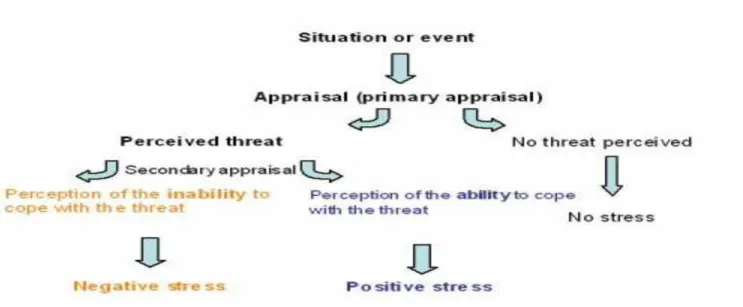
Effective adaptation to stressful events involves a complex relationship of several different factors including the situation or event itself, personal appraisal of the impact of that event, a review of coping resources, and ultimately the use of coping strategies. The TMSC is a cognitive framework useful for understanding how persons in their environment move through the process of evaluating and coping with a perceived stressful event. This dissertation uses Lazarus’s definition of stress as “occurring when an individual perceives that the demands of an external situation are beyond his or her perceived ability to cope with them” (Lazarus, 1966, p. 9). Theoretically, stress arises when individuals perceive that they cannot adequately cope with the demands being made on them or with the immediate threats to their well-being (Lazarus, 1966; Lazarus & Folkman, 1984). Essentially there is a perception of discrepancy between the demands of a potential threat and resources available to cope with those demands (Folkman, Schaefer, & Lazarus, 1979; Lazarus, 1966). The way in which individuals interpret their ability to effectively cope with a threat can often become more important than the threat itself. How a stressor is perceived may either facilitate or impede ability to cope with the event.
44
existing roles. Further, it is hypothesized that an assessment of incongruence between a woman’s current role obligations and the demands and responsibilities of the new sick role will cause stress (conflict), which will ultimately result in a failure to adhere to medical recommendations. TMSC Cognitive Appraisal
Individuals are constantly evaluating the significance of life events and their possible impact on our well-being. How they cope with the meaning of those events is directly related to the process of appraisal. Cognitive appraisal is the process through which individuals interpret and respond to potentially stressful events. Here, a person evaluates the importance of an interaction with the environment by asking, “What does this mean to me personally?” (Lazarus & Folkman, 1987). There are three types of appraisal central to the TMSC: primary appraisal, secondary appraisal, and reappraisal. The basic model is illustrated in Figure 3.
Figure 3. The Transactional Model of Stress and Coping