The Role of Self-Efficacy to Explain the Effect of
Counseling Time on Changes in Risky Sexual Behavior
among People Living with HIV: A Mediation Analysis
Zulfiya Chariyeva
A dissertation submitted to the faculty of the University of North Carolina at Chapel Hill in partial fulfillment of the requirements for the degree of Doctor of Philosophy in the Gillings School of Global Public Health (Department of Health Behavior and Health Education)
Chapel Hill 2011
Approved by:
Carol E. Golin, MD (chair) Jo Anne Earp, ScD
ii
iii
ABSTRACT
Zulfiya Chariyeva
The Role of Self-Efficacy to Explain the Effect of Counseling Time on Changes in Risky Sexual Behavior among People Living with HIV: A Mediation Analysis
(Under the direction of Dr. Carol Golin, chair)
Little is known about the amount of motivational interviewing (MI) counseling time
needed to reduce risky sexual behavior among people living with HIV/AIDS (PLWHA) or the
roles that self-efficacy and motivation to practice safer sex play in the relationship between MI
time and sexual risk behavior.
In Study 1, I used hierarchical linear regression models to examine the impact that the
amount of MI counseling patients received had on their self-efficacy to practice safer sex.
Analyzing data collected in 4 month intervals from a cohort of 490 PLWHA for 12 months
(number of observations=1577), I found that patients who received more MI time and a greater
number of MI sessions had greater self-efficacy.
In Study 2 hierarchical negative binomial regression was used to examine the association
between MI time and sexual risk behavior. I conducted a mediation analysis to evaluate the
extent to which changes in self-efficacy and motivation explained the association between
predictors and outcome. I conducted analyses from a cohort of 183 PLWHA (number of
observations=600) who received safer sex MI at several points over 12 months. I found that as
the MI time and number of provided sessions increased over time, participants‘ sexual risk
behavior decreased. I concluded that the effect of counseling time and number of counseling
iv
hand, motivation to practice safer sex did not mediate the relationship, although I documented a
statistically significant positive association between motivation and safer sexual behavior.
These findings suggest that the amount of time spent in MI, whether measured in number
of sessions or number of minutes, is an important factor for enhancing safer sex self-efficacy and
safer sexual practices among PLWHA. Counseling time has its effect on sexual behavior in part
via changes in self-efficacy.
My research suggests that MI based prevention programs for PLWHA need to enhance self-efficacy to practice safer sex in order to ensure a behavior change. My findings provide
v
vi
ACKNOWLEDGEMENTS
Many of my friends, relatives and colleagues contributed to this dissertation work. First
and foremost, my daughter, Yasmina Gilmanova, went with me through both my Master‘s and
PhD programs at UNC. Yasmina, I am very grateful for your love and support. My mother,
Nazira Saidova, has stood beside me from the time I began my studies. She always believes in
my success and helps me stay balanced. My husband, Scott Taffar, deserves a special
acknowledgement for supporting this research in myriad ways including making edits, providing
feedback on dissertation drafts and presentation, as well as discussing the analysis and just being
the wonderful person he is. I am most grateful to Scott for loving me.
My greatest thanks to my dissertation chair and mentor, Carol Golin, for her guidance
throughout this research and for teaching me how to explore data deeper and analyze them from
multiple perspectives. I thank her for her brilliant insights, and both personal and professional
support. I am very grateful to my other dissertation committee members for their unique
contributions. Jo Anne Earp helped me state my ideas in writing more clearly and provided me
with helpful feedback on numerous drafts. Suzanne Maman‘s made me question my assumptions
and encouraged me to seek out alternative explanations in discussing study results. Chirayath
Suchindran guided me through statistical analyses, explaining the complicated theory with great
patience and simplicity. Catherine Zimmer provided helpful insights on measurement and
analysis and provided words of encouragement when I needed them most.
I am truly blessed to have the opportunity to study at UNC Chapel Hill. This university
vii
thanks to the staff and faculty of the Department of Health Behavior and Education. I thank
Vangie Foshee, Noel Brewer, Susan Ennett, Geni Eng, Mike Bowling and all other faculty
members who made this research possible.
In addition, I am grateful for being able to work with a group of talented individuals on
the SAFETALK research study. Catherine Grodensky provided me with assistance in data
management. Kathy Ramsey and Shilpa Patel were motivating me to finish my studies. I am also
thankful to the SAFETALK participants for their participation in the study.
I am grateful to Alanna Shaikh, my former supervisor in USAID/ZdravPlus, who
encouraged me to pursue graduate studies in public health and whom I could always rely on as a
constant helper in my life. I thank Olga Mironcheva, who has been an endless source of
optimism throughout my studies and remains a good friend. My special thanks to my friend
Mark Bittick for being the first person to call me Dr. Zola back in 2006, having confidence in my
abilities to complete the doctoral program and cheering me in times when I needed it most. I
would like to thank Zumrad Ahmedjanova, Katrina and Rahman Burunov, Rajeev Colaço, Kim
Angelon-Gaetz, Elizabeth King, Supatra Campbell, Scott Herman-Giddens for being the best
friends a person can ever wish for and for providing invaluable support at all times.
Lastly, I would like to thank all of my relatives, and all of my friends in Russia, Jordan,
Kazakhstan, Turkmenistan, the United States and worldwide for all of their love, support and
undying faith in me. Finally, thanks to all of the people who have helped make this research
viii
Table of Contents
LIST OF TABLES ... xii
LIST OF FIGURES ... xiii
LIST OF ABBREVIATIONS ... xiv
CHAPTER ONE: INTRODUCTION ... 1
1.1. Problem Statement ... 1
1.2. Study Aims... 3
1.3. Organization of the Dissertation ... 4
CHAPTER TWO: REVIEW OF THE LITERATURE RELEVANT TO THE DISSERATION .. 5
2.1. Human Immunodeficiency Virus (HIV) is an Important Epidemic in the United States .... 5
2.2. Historical Overview of ―Prevention with Positives‖ Programming in the United States .... 7
2.3. Rationale for ―Prevention with Positives‖ ... 8
2.3.1. ―Prevention with Positives‖ Started with the Introduction of HAART ... 8
2.3.2. The Majority of People Living with HIV/AIDS (PLWHA) are Sexually Active and a Substantial Minority Practice Unsafe Sex ... 9
2.3.3. Transmission Risk Behavior Is Associated with Beliefs about Effectiveness of HAART ... 10
2.3.4. ―Prevention with Positives‖ Programs are Needed ... 11
2.4. Factors that Influence Risky Sexual Behavior among PLWHA ... 11
2.4.1. Self-Efficacy to Practice Safer Sex ... 12
ix
2.4.3. Other Factors that Influence Risky Sexual Behavior among PLWHA ... 17
2.5. Studies of the Efficacy of ―Prevention with Positives‖ Interventions ... 19
2.5.1. Group Level ―Prevention with Positives‖ Interventions ... 19
2.5.2. Medical Provider-Delivered Individual Level ―Prevention with Positives‖ Interventions ... 20
2.5.3. Counselor-Delivered Individual Level ―Prevention with Positives‖ Interventions .... 21
2.5.4. Prevention Interventions Reduce HIV Risk Behavior among PLWHA ... 24
2.6. Dose-Effect Relationships ... 24
2.6.1. The Relationship between Intervention Exposure and Outcome in HIV Prevention Studies ... 24
2.6.2. The Relationship between Dose of General Counseling and the Outcome ... 26
2.6.3. The Relationship between Dose of MI Counseling and the Outcome ... 27
2.6.4. The Relationship between Dose and Self-Efficacy to Practice Safer Sex ... 28
2.6.5. The Relationship between Dose and Motivation to Practice Safer Sex ... 29
2.7. Mediating Effects ... 29
2.7.1. Mediating Effect of Self-Efficacy to Practice Safer Sex ... 29
2.7.2. Mediating Effect of Motivation to Practice Safer Sex ... 31
2.8. Summary ... 31
CHAPTER THREE: RESEARCH QUESTIONS, HYPOTHESES, AND CONCEPTUAL MODEL ... 32
3.1. Research Questions and Hypotheses ... 32
3.1.1. Study Aim 1 ... 32
3.1.2. Study Aim 2 ... 33
3.1.3. Study Aim 3 ... 33
x
CHAPTER FOUR: THE RELATIONSHIP BETWEEN MOTIVATIONAL INTERVIEWING TIME AND SELF-EFFICACY TO PRACTICE SAFER SEX IN A SAMPLE
OF PEOPLE LIVING WITH HIV/AIDS (PLWHA) ... 36
4.1 Abstract ... 36
4.2 Introduction ... 37
4.3 Methods... 40
4.4 Results ... 47
4.5 Discussion ... 50
CHAPTER FIVE: THE ROLE OF SELF-EFFICACY AND MOTIVATION TO EXPLAIN THE EFFECT OF COUNSELING TIME ON CHANGES IN RISKY SEXUAL BEHAVIOR AMONG PEOPLE LIVING WITH HIV: A MEDIATION ANALYSIS ... 58
5.1 Abstract ... 58
5.2 Introduction ... 59
5.3 Methods... 61
5.4 Results ... 71
5.5 Discussion ... 74
CHAPTER SIX: CONCLUSION ... 83
6.1. Significance of Dissertation ... 83
6.2. Findings Overview ... 85
6.2.1. Study Aim 1 ... 85
6.2.2. Study Aim 2 ... 86
6.2.3. Study Aim 3 ... 86
6.3. Strengths and Limitations ... 86
6.4. Implications: Theory, Research, and Practice... 89
xi
APPENDIX 2: Participants Recruitment Script ... 105
APPENDIX 3: SAFETALK ACASI Survey ... 111
APPENDIX 4: Bootstrapping Code in SAS ... 174
xii
LIST OF TABLES
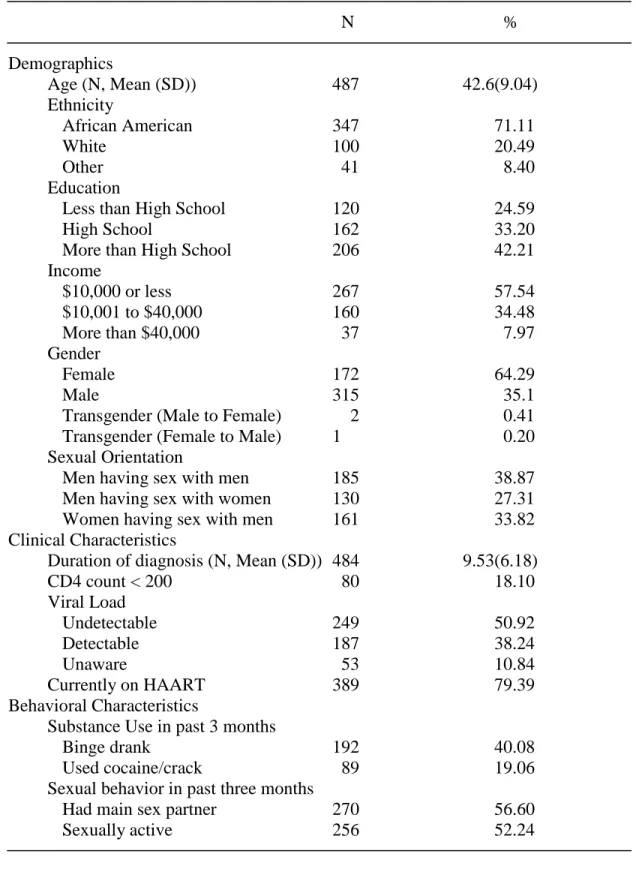
Table 4.1. Baseline Descriptive Characteristics of the Study 1 Sample (N=490)……..……55
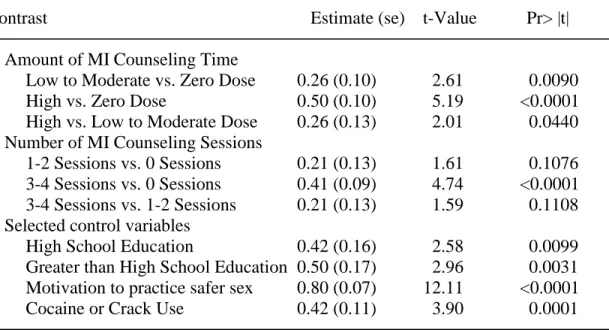
Table 4.2. Effect of the Amount of MI Counseling Time and Number of MI Counseling Sessions on Self-efficacy to Practice Safer Sex in
Multivariate Analysis (N=1577)………56
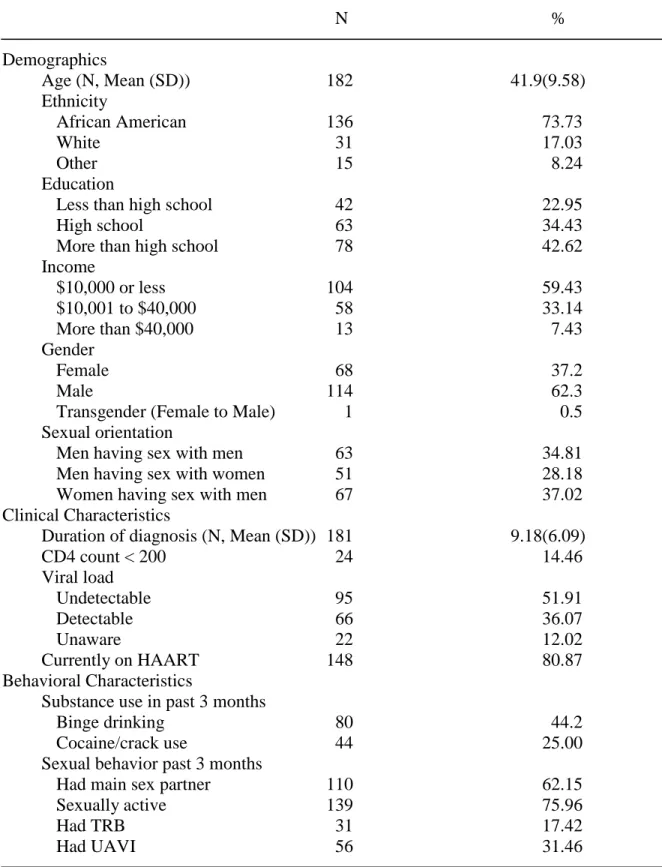
Table 5.1. Baseline Descriptive Characteristics of the Study 2 Sample (N=183)….……….79
Table 5.2. Level of Mediators and Outcome Variables over Time……….80
Table 5.3. Models to Test Mediation in the Relationship between the Amount
xiii
LIST OF FIGURES
Figure 3.1. Conceptual Model………..35
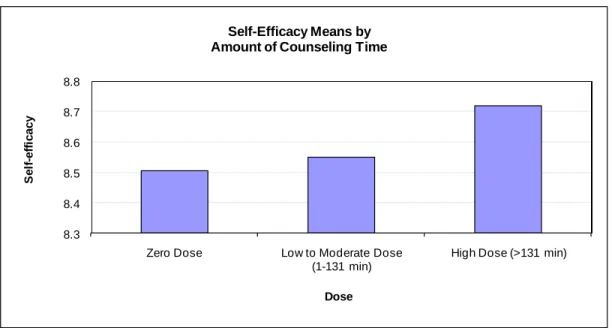
Figure 4.1. Distribution of Intervention Group Participants by Dose and
Number of Sessions Received (N=248)……….56
xiv
LIST OF ABBREVIATIONS
Abbreviation Definition
ACASI Audio Computer-Assisted Self-Interviews
HAART Highly Active Antiretroviral Therapy
MI Motivational Interviewing
PLWHA People Living with HIV/AIDS
SCT Social Cognitive Theory
TRA Theory of Reasoned Action
TRB Transmission Risk Behavior (Unprotected Anal/Vaginal Sex with HIV
Negative or Unknown Serostatus Partners)
CHAPTER ONE: INTRODUCTION
1.1. Problem Statement
About 55,400 people in the USA became infected with HIV yearly from 2003-2006 (Hall
et al., 2008). The majority of these people (84%) acquired HIV through sexual contact with an
HIV-positive individual (Hall et al., 2008). Up to one third of HIV-positive people still practice
unprotected sex after learning about their seropositive status (Coleman, Rajabiun, Cabral,
Bradford, & Tobias, 2009; Courtenay-Quirk et al., 2008; R. J. Wolitski et al., 2010). In addition,
it is estimated that between a third (30%) and a half (46%) of sexually transmitted HIV
infections in the US are passed on by people who know that they are HIV positive (Janssen &
Valdiserri, 2004; Marks, Crepaz, & Janssen, 2006). Therefore, interventions promoting safer
sexual behavior for people living with HIV/AIDS (PLWHA) are still needed. A meta-analysis of
12 randomized controlled trials published between 1988 and 2004 demonstrated that behavioral
interventions were effective in decreasing STI acquisition and reducing unprotected sex among
PLWHA (Crepaz et al., 2006).
Motivational Interviewing (MI) counseling, a counseling style which intends to change
behavior by ―helping clients to explore and resolve ambivalence‖ (Miller & Rollnick, 1991), is a
promising intervention approach to reduce risky behaviors of PLWHA(Bryan, Fisher, Fisher, &
Murray, 2000; DiIorio et al., 2003; S. C. Kalichman, Kelly, & Rompa, 1997; Naar-King et al.,
2006; Parsons, Golub, Rosof, & Holder, 2007). However, the relationship between the amount of
MI counseling time (dose) administered to the client and practicing safer sexual behaviors by
2
Several studies support the important role that self-efficacy and motivation to practice
safer sex play in influencing safer sexual behaviors (Basen-Engquist, 1994; Dilorio, Dudley,
Soet, Watkins, & Maibach, 2000; Goldman & Harlow, 1993; Goodhart, Jemmott, &
Boccher-Lattimore, 1992; Reitman et al., 1996). Enhancement of self-efficacy and motivation to practice
safer sex is a significant component of several effective behavioral change interventions (Carey
et al., 2000; Naar-King, Parsons, Murphy, Kolmodin, & Harris, 2010; O‘Leary, Jemmott, &
Jemmott Iii, 2008; Schmiege, Broaddus, Levin, & Bryan, 2009). Supporting self-efficacy and
motivating people to change their behaviors are two main principles of MI (Miller & Rollnick,
1991). While the optimal amount of MI is not known, studies have demonstrated a positive
association between the amount of MI delivered and improved outcomes (Burke, Arkowitz, &
Menchola, 2005; Rubak, Sandbæk, Lauritzen, & Christensen, 2005). However, in reviewing
studies of MI, I identified no existing empirical support to confirm that the effect of MI dose on
outcomes occurs through its effect on self-efficacy or motivation. To develop the most effective
MI interventions, it is important to explore the mechanism by which MI counseling works, and
what contributes to its effectiveness (Longabaugh, 2001).
Moreover, to my knowledge, no study has analyzed the relationship between the amount
of MI counseling time delivered and: a) self-efficacy to practice safer sex; b) motivation to
practice safer sex. From a cost standpoint, it would be helpful to understand whether an
investment of more MI time is better for enhancing patients‘ self-efficacy, their motivation to
practice safer sex, or both self-efficacy and motivation.
Lastly, the majority of studies of factors associated with practicing unsafe sex among
PLWHA are cross sectional. The proposed study will examine this relationship using a
3
establishing causality compared to using data from a cross-sectional design by offering more
information about the temporality of change. It also allows us to address several alternative
explanations for the effects, such as the existence of omitted variables.
This study aims to analyze whether the dose of MI contributes to changes in sexual risk
behavior and, if it does, to what degree the effect occurs through increased self-efficacy and
greater motivation to practice safer sex.
1.2. Study Aims
The aims of the proposed study are the following:
1. To analyze the degree to which time spent in safer sex MI by HIV-positive patients
predicts patients‘:
a) self-efficacy for practicing safer sex;
b) motivation for practicing safer sex;
2. To analyze the degree to which time spent in safer sex MI predicts sexual risk behavior
among HIV-positive patients seen in one of three North Carolina clinics;
3. To analyze the roles of self-efficacy for practicing safer sex and motivation to practice
safer sex as mediators in the relationship between safer sex MI time and patients‘ sexual risk
behavior.
I will address the study aims by conducting secondary data analysis of the data from the
SafeTalk study. The data for the proposed study were collected at baseline and three follow-up
time points (approximately 4, 8 and 12 months after baseline). SafeTalk is a two-armed,
randomized controlled trial of a safer sex intervention among 490 patients attending one of three
4
sexual behaviors, and whether these changes occur through changes in self-efficacy to practice
safer sex.
The proposed study should help us identify the factors that are associated with a
reduction in sexual risk behaviors of PLWHA. Also, the study will contribute to understanding
the dose-effect relationship of MI counseling. Finally, it will help us explore the mechanisms
through which MI counseling works and what contributes to its effectiveness.
1.3. Organization of the Dissertation
The dissertation has six chapters. In Chapter 1 I present a problem statement and outline
the study aims. Chapter 2 contains a review of the relevant literature, provides a brief overview
of the HIV epidemic in the United States, describes the rationale for HIV prevention
programming for PLWHA (known as ―Prevention with Positives‖), and reviews studies of the
efficacy of ―Prevention with Positives‖ interventions. This section also summarizes factors
identified in studies as influencing risky sexual behavior among PLWHA, with an emphasis on
the role of self-efficacy and motivation to practice safer sex. Chapter 3 presents the research
questions, hypotheses, and conceptual model to be tested. Chapter 4 and 5 contain two
manuscripts entitled: 1) The Relationship between MI Time and Self-Efficacy to Practice Safer
Sex in a Sample of PLWHA and 2) The Role of Self-Efficacy and Motivation in Explaining the
Effect of Counseling Time on Changes in Risky Sexual Behavior among PLWHA: a Mediation
Analysis. Chapter 6 is a summary of the key findings, including a discussion of their
CHAPTER TWO: REVIEW OF THE LITERATURE
RELEVANT TO THE DISSERATION
This chapter: 1) presents an overview of the HIV epidemic in the United States, including
an historical overview of and rationale for approaches to HIV prevention use with PLWHA,
so-called ―Prevention with Positives‖; 2) describes factors associated with risky sexual behavior
among PLWHA; 3) reviews the efficacy of ―Prevention with Positives‖ interventions; 4) reviews
the literature evaluating whether the amount of time spent with clients during a counseling
intervention (dose) influences the effect of the intervention (for counseling in general as well as
HIV prevention and MI counseling specifically); and 5) examines the studies assessing the
mediating effect of self-efficacy and motivation to practice safer sex in the relationship between
the dose of MI and sexual risk behavior.
The chapter concludes with a summary of shortcomings of previous research on MI
dose-outcome relationships, and mediation analysis of MI.
2.1. Human Immunodeficiency Virus (HIV) is an Important Epidemic in the
United States
HIV (human immunodeficiency virus) currently affects as many as 1,106,400 Americans
among the33.4 million people infected worldwide and continues to newly infect individuals each
year (CDC, 2008a; UNAIDS, 2009). In the United States, from 2003 to 2006, about 55,400
people became newly infected with HIV each year (Hall et al., 2008). By 2007, AIDS had killed
6
HIV disproportionately affects men who have sex with men, African-Americans, and
impoverished and uneducated people in the United States. The majority of PLWHA in the US
are men who have sex with men (MSM) (CDC, 2008a). According to the Center for Disease
Control and Prevention (CDC), in 2006 sex between men accounted for 53% of newly diagnosed
infections among men; high-risk heterosexual contact accounted for 31%, and injection drug use
accounted for 13% of new infections (CDC, 2008b). Among women newly infected with HIV in
2006, 80% were infected through heterosexual contact, 20% through injecting drugs. For many
women, the undisclosed risky behavior of male partners, such as having sex with other men and
injecting drugs, is the main factor in their acquiring HIV (Montgomery, Mokotoff, Gentry, &
Blair, 2003). Racial disparities are evident as almost half (45%) of people infected in 2006 were
African Americans, although blacks constitute only 13% of the US population in 37 states and
five US dependent areas (CDC, 2010).
As behavioral factors put individuals at risk of acquiring HIV, behavioral interventions
have been developed to prevent HIV transmission. Early in the epidemic such interventions
focused primarily on persons who were not infected with HIV to help them avoid acquiring
infection. These interventions sought to help HIV-negative, at-risk individuals avoid risky
behaviors, such as having sexual intercourse without a condom, needle sharing, having multiple
sex partners, and using substances that reduced behavioral control. However, more recently
(since approximately 2003), attention has focused on preventive behavioral interventions that
7
2.2. Historical Overview of “Prevention with Positives” Programming in the
United States
Historically, most HIV prevention programs focused on high-risk groups or the general
population. With few exceptions, prevention programs for HIV-positive people included only
one post-test counseling session when they received their HIV test results and were provided
assistance with partner counseling (R. Wolitski, Janssen, Onorato, Purcell, & Crepaz, 2005).
With the introduction of Highly Active Antiretroviral Therapy (HAART), which increased the
longevity of people living with HIV, the need for prevention programs for PLWHA was widely
recognized. In 1997, a panel of the National Institute of Health concluded:
―Programs must be developed to help individuals already infected with HIV to avoid risky sexual and substance behavior. This National priority will become more pressing as new biological treatments prolong life. Thus, prevention programs for HIV-positive people must have outcomes that can be maintained over long periods of time, in order to slow the spread of infection‖ (NIH, 1997).
In 2001, the Centers for Disease Control and Prevention (CDC) announced a new
initiative to reduce the risk of HIV transmission from HIV-infected individuals to others. The
Serostatus Approach to Fighting the HIV Epidemic (SAFE) aimed to increase the following
factors: 1) the number of HIV-infected persons who know their serostatus; 2) the use of health
care and preventive services among PLWHA; 3) high-quality care and treatment for people
diagnosed with HIV; 4) adherence to HIV therapy among persons diagnosed with HIV; and 5)
the number of persons diagnosed with HIV who adopt and maintain behaviors that reduce the
risk of HIV and STI transmission (Janssen, 2001).
Two years later in 2003 CDC announced the Advancing HIV Prevention (AHP) initiative
which made prevention for HIV positive individuals as important as prevention for HIV negative
8
included promotion of: 1) HIV counseling, testing, and referral; 2) prevention programs for
persons at high risk for HIV; and 3) prevention counseling for persons living with HIV. AHP
also provided financial resources to support community-based programs aiming to prevent new
infections by working with persons diagnosed with HIV and their partners (Janssen, Onorato,
Valdiserri, & Durham, 2003).
Moreover, as a part of this initiative, in 2003 the CDC issued guidelines recommending
that all medical providers giving care to PLWHA incorporate HIV prevention initiatives into the
routine medical care they provided to persons living with HIV. According to the
recommendations, medical care providers should attempt to reduce HIV transmission by
routinely screening HIV-infected patients for risk behaviors, while communicating prevention
messages, discussing sexual and drug-use behavior, and positively reinforcing changes for safer
behavior (CDC, 2003).
2.3. Rationale for “Prevention with Positives”
2.3.1. “Prevention with Positives” Started with the Introduction of HAART
The introduction of Highly Active Antiretroviral Therapy (HAART) in 1995-1996 has
greatly improved the health of people living with HIV. HAART is a combination of several
drugs which prevent replication of the HIV virus, often rendering the amount of virus in a
person‘s blood (viral load) undetectable. However HAART does not completely eliminate the
virus from a person‘s body. The introduction of HAART has extended and improved the quality
of the lives of HIV-positive individuals. Due to advances in HIV treatment, the number of deaths
and AIDS diagnoses due to HIV has significantly decreased over time (Karon, Fleming,
9
As the number of deaths from HIV has fallen, the number of PLWHA in the US has
increased. Approximately 1,106,400 people were living with HIV/AIDS in 2006 (CDC, 2008a).
HIV incidence was stable at approximately 55,400 new infections per year between 2003-2006
(Hall et al., 2008). Due to the stable incidence rate and the decrease in number of AIDS-related
deaths, the number of PLWHA is expected to continue to rise in the future (R. Wolitski, Janssen,
Onorato, Purcell, & Crepaz, 2005).
2.3.2. The Majority of People Living with HIV/AIDS (PLWHA) are Sexually Active and a
Substantial Minority Practice Unsafe Sex
Most HIV positive people are sexually active (Erbelding, Stanton, Quinn, & Rompalo,
2000; Richardson et al., 2004). Studies indicate that more than 70% of HIV positive men and
women have sex after they become aware they have HIV (Crepaz & Marks, 2002). Furthermore,
studies indicate that a substantial minority (on average approximately 30%) of HIV-infected
persons are not only sexually active, but also practice unsafe sex (Coleman, Rajabiun, Cabral,
Bradford, & Tobias, 2009; Courtenay-Quirk et al., 2008; R. J. Wolitski et al., 2010). The CDC
report states that ―a substantial number of HIV infected people continue to engage in behaviors
that place others at risk for HIV infection‖ (CDC, 2003)
In addition to transmitting the virus to HIV negative partners, unsafe sex can result in
co-infection of PLWHA with other sexually transmitted co-infections, as well as their developing
super-infection with other HIV strains (Blackard & Mayer, 2004; Hammer et al., 2008; D. M.
Smith, Richman, & Little, 2005). Moreover, HIV-positive persons on treatment may spread
antiretroviral resistant strains of HIV to HIV-negative persons, making further treatment of
newly infected persons more complicated (Hammer et al., 2008; D. M. Smith, Richman, &
10
2.3.3. Transmission Risk Behavior Is Associated with Beliefs about Effectiveness of
HAART
Several studies have demonstrated that unprotected sexual activities increased among
PLWHA after they started on highly active antiretroviral therapy (HAART) as patients believed
that, after HAART initiation, the risk of HIV transmission was reduced. In fact, after the
widespread introduction of HAART in the U.S., the prevalence of unprotected sex and HIV
incidence increased, mainly among MSM (Katz et al., 2002; Vanable, Ostrow, McKirnan,
Taywaditep, & Hope, 2000). Some HIV-positive persons believe that they cannot transmit HIV
when their viral load is low (Vanable, Ostrow, McKirnan, Taywaditep, & Hope, 2000). People
who believe that their infectiousness level is low may be more likely to engage in unprotected
sex than people who do not hold such beliefs (Catz, Meredith, & Mundy, 2001; S. C. Kalichman,
Nachimson, Cherry, & Williams, 1998; Vanable, Ostrow, McKirnan, Taywaditep, & Hope,
2000).
A meta-analytic review of 25 studies examined the relationship between receiving
HAART and sexual risk behavior. Results showed no difference in sexual risk behaviors, such as
unprotected vaginal or anal intercourse or inconsistent condom use, among patients receiving
and not receiving HAART, or between patients with undetectable and detectable viral loads.
However, the likelihood of risky sexual behavior was higher in people who believed that
HAART reduced HIV transmission (Crepaz, Hart, & Marks, 2004). These findings indicate that
beliefs of patients on HAART about the treatment‘s influence on HIV transmission can affect
their sexual risk behavior, although taking HAART itself does not. Further, Kalichman et al.
demonstrated that HIV treatment-related beliefs were significantly related to practicing unsafe
11
2.3.4. “Prevention with Positives” Programs are Needed
With more PLWHA and the likelihood of increased sexual risk behavior of patients on
HAART, clinicians and researchers are concerned that the incidence of HIV transmission may
increase. According to some estimates (Janssen & Valdiserri, 2004; Marks, Crepaz, & Janssen,
2006), about 15,000 new HIV cases stemming from people who are aware of their seropositive
status occur in the US annually. Behavioral interventions that target HIV positive individuals
would appear to be relevant, timely, and appropriate.
Early in the epidemic, interventions designed to reduce risky sexual behavior among
HIV-negative people were also applied to the HIV positive population but were not effective in
reducing the risky behavior of HIV-positive people (Cleary et al., 1995). These HIV negative
strategies appeared not to meet their needs and did not take into account the realities of living
with HIV. These studies suggested that HIV transmission prevention interventions designed
specifically to address needs of PLWHA would be required (S. C. Kalichman et al., 2001).
2.4. Factors that Influence Risky Sexual Behavior among PLWHA
To understand the relationship between the characteristics of counseling, such as dose,
and changes in risky sexual behavior among PLWHA, it is first important to understand factors
known to be associated with this behavior that may potentially be influenced during counseling.
The literature reveals three groups of factors that are associated with high risk behavior among
PLWHA. The first category is patient characteristics, such as cognitive factors; these include:
low self-efficacy (S. C. Kalichman, 1999; Purcell et al., 2006); weak intention to practice safer
sex (S. C. Kalichman, Kelly, & Rompa, 1997); negative attitudes towards condom use (Purcell et
al., 2006); emotional state (Kennedy et al., 1993; Purcell et al., 2006); not being on HAART
12
C. Kalichman et al., 2007); and safer sex communication skills (Crepaz & Marks, 2002). Second,
relationship characteristics, such as duration of partnerships (S. C. Kalichman, 1999), type of
partner (e.g. regular vs. non-regular) (Crepaz & Marks, 2002; S. C. Kalichman, Rompa, Luke, &
Austin, 2002; Purcell et al., 2006), number of partners (Heckman, Kelly, & Somlai, 1998), and
serostatus concordance (Kennedy et al., 1993; Posner & Marks, 1996), have been shown to
influence safer sex practices. The last group of factors are socio-environmental and situational
ones, such as stigma (Clark, Lindner, Armistead, & Austin, 2003; Vanable, Carey, Blair, &
Littlewood, 2006), social support (R. Smith, 2008), peer norms (S. Kalichman, Malow, Dévieux,
Stein, & Piedman, 2005; Purcell et al., 2006), and concurrent substance use problems (S. C.
Kalichman, 2000; Morin et al., 2007). In the next sections I review in detail some of the
psychosocial and socio-environmental factors that are associated with high risk behavior among
PLWHA.
2.4.1. Self-Efficacy to Practice Safer Sex
The concept of self-efficacy has been used successfully to explain health behaviors and
predict health behavior change and maintenance in a broad range of settings. It was developed by
Albert Bandura as part of the Social Cognitive Theory and asserts that the behavior of an
individual is influenced by a number of intra- and interpersonal factors (Bandura, 1977). The
self-efficacy construct from Social Cognitive Theory has been integrated into other theories of
health behavior, such as the Health Belief Model and Transtheoretical Model of Change.
Self-efficacy refers to an individual‘s confidence that he/she can effectively perform a certain
behavior under specified conditions (Bandura, 1977). According to the theory, people‘s beliefs
and perceptions about their capabilities influence their behavior, the amount of effort they put
13
certain skills to the task. From a social cognitive perspective, an individual may have knowledge
of the HIV virus transmission links, skills to negotiate condom use, peer support to practice safer
sex but if he/she lacks self-efficacy to do so, the likelihood of having safer sex will still be very
low. Thus, self-efficacy plays a more indirect role than some other factors in determining
whether a person practices safer sex, how much effort he/she devotes to practicing safer sex, and
how persistent he/she will be if difficulties occur. Self-efficacy is task-specific and
situation-specific and is a function of individuals‘ beliefs, attitudes, demographic characteristics,
knowledge, and learned skills. Thus, for example, a person can feel confident about medication
adherence but not feel confident about condom use during sexual intercourse, or confident about
condom use with one partner but not with another.
Self-efficacy reflects a person‘s perceived capabilities, not true abilities. Self-efficacy
plays a significant role in predicting health behavior change in such areas as cigarette smoking,
weight control, contraception, alcohol abuse, adherence to exercise programs, and recovery from
myocardial infarction (O'Leary, 1985; Strecher, DeVellis, Becker, & Rosenstock, 1986). A
review of research studies conducted by Strecher and colleagues established a relationship
between self-efficacy and health behavior change and maintenance (Strecher, DeVellis, Becker,
& Rosenstock, 1986). Moreover, according to Strecher and colleagues (1986), self-efficacy can
be enhanced and, importantly, this enhancement is prospectively related to health behavior
change. This finding indicates that when public health interventions effectively build an
individual‘s self-efficacy to implement a particular behavior or to overcome barriers towards
practicing a desired behavior, he/she will improve the behavior as well. Once self-efficacy has
14
well. These findings are important for planning health behavior interventions. They suggest that
interventions should target self-efficacy to increase safer sex behavior.
Several studies support the necessity of high levels of self-efficacy in order to practice
safer sex. Studies of condom use among college students have demonstrated strong self-efficacy
as an important variable predicting condom use (Basen-Engquist, 1994; Dilorio, Dudley, Soet,
Watkins, & Maibach, 2000; Goldman & Harlow, 1993; Goodhart, Jemmott, &
Boccher-Lattimore, 1992). In a study of self-efficacy and disclosure of HIV-positive status to sex
partners, Kalichman and Nachimson (1999) found that low self-efficacy for seropositive status
disclosure was associated with no disclosure among both male and female individuals (S. C.
Kalichman & Nachimson, 1999). In a study among HIV-positive people with alcohol use
disorders, medication adherence self-efficacy was predictive of HIV viral load (Parsons, Golub,
Rosof, & Holder, 2007). Another HIV medication adherence study demonstrated the mediating
effect of self-efficacy in the relationship between participants‘ health literacy and their
medication adherence (Wolf et al., 2007). A recent study among 1,050 PLWHA at seven HIV
clinics in six US cities examined the prevalence and correlates of sexual transmission behavior
(C. Golin et al., 2009). The analysis of baseline data established the association between lower
self-efficacy for practicing safer sex and a higher likelihood of practicing unsafe sex among
homosexual and heterosexual men. As previously discussed, building self-efficacy for practicing
safer sex is one of the significant components of behavioral change interventions aimed at
reducing unsafe sex.
Understanding the manner by which enhancing self-efficacy helps to change behavior
facilitated the development of my hypotheses regarding the association between dose of
15
targets self-efficacy as an important mediator of behavior change. According to the social
cognitive theory, development of self-efficacy for a certain behavior requires the task be divided
into small parts that are easy to manage (McAlister, Perry, & Parcel, 2008). An individual should
first learn each part through repetition and practice. This simplification of each step and the
opportunity to learn each step separately by many repetitions helps to ultimately build
self-efficacy for the full task by first building it to implement a particular step. When individuals are
confident that they can implement each step, they can combine all the steps and build
self-efficacy regarding the entire task. Applying this approach to enhancing self-self-efficacy for
practicing safer sex for PLWHA implies that self-efficacy will need to be developed through
more than one episode of counseling.
For example, applying this approach to safer sex counseling, the counselor would first
select, with the patient, a simple behavior that the patient could practice, such as carrying
condoms all of the time. Once self-efficacy for carrying condoms has been built in, and the
behavior of carrying condoms accomplished, the next step, such as taking the condom out of the
package correctly would be targeted. Once all of the steps are learned, they could be put together
to accomplish a full safer sex practice. Enhancing self-efficacy through a number of performance
accomplishments also motivates the client to take on more and more difficult tasks (Strecher,
DeVellis, Becker, & Rosenstock, 1986).
2.4.2. Motivation to Practice Safer Sex
Motivation refers to the ―forces that determine the direction and intensity of the behavior
change effort‖ (Carey & Lewis, 1999). According to the Fishbein-Ajzen theory of reasoned
action (TRA), two factors influence motivation: 1) attitudes (i.e. evaluation of advantages and
16
think about the behavior in question. Moreover, to increase motivation, counselors can enhance
either attitudes and norms together, or each concept individually (Ajzen & Fishbein, 1980;
Fishbein & Ajzen, 1975).
The motivational construct of the TRA became one of the main components of the
information-motivation-behavioral skills model (IMB) which was specifically designed to
―understand and predict the practice of AIDS-preventive acts‖ (J. D. Fisher, Fisher, Williams, &
Malloy, 1994) and to promote and evaluate AIDS-risk behavior change (J. D. Fisher & Fisher,
1992). According to the information-motivation-behavioral skills model, ―AIDS-risk reduction is
a function of people‘s information about AIDS transmission and prevention, their motivation to
reduce AIDS risk, and their behavioral skills for performing the specific acts involved in risk
reduction‖ (J. D. Fisher & Fisher, 1992). Thus, people might have information about HIV
transmission modes and possess skills to practice safer sex, but, without motivation to practice
safer sex, they will not engage in safer sexual behavior.
Several studies support the necessity of being motivated in order to practice safer sex. A
study among gay men as well as a study among heterosexual university students found that
AIDS-risk reduction motivation predicted the AIDS preventive behaviors of the study
participants (Fisher et al., 1994). Researchers who conducted a study among seriously mentally
ill substance users identified TRA factors, including ―pro-condom norms‖, which were
associated with lower rates of unprotected sex (S. Kalichman, Malow, Dévieux, Stein, &
Piedman, 2005). In a study of factors accounting for risky sexual behavior among
heroin-addicted individuals, Bryan et al. found HIV prevention motivation to be significantly related to
safer sex practices (Bryan, Fisher, Fisher, & Murray, 2000). Due to the important role that
17
interventions among PLWHA target this construct to achieve behavioral change in this
population (Carey et al., 2000; Naar-King, Parsons, Murphy, Kolmodin, & Harris, 2010).
Motivational Interviewing counseling (which will be discussed in detail later) is one example of
an intervention that targets not only self-efficacy but also motivation to practice safer sex.
2.4.3. Other Factors that Influence Risky Sexual Behavior among PLWHA
2.4.3.1. Drug Use
The positive association between drug use and unsafe sex behavior is documented across
many studies of PLWHA (Benotsch, Kalichman, & Kelly, 1999; Morin et al., 2007; Wilson et
al., 1999). Wilson et al documented the association of crack, cocaine, or injected drug use with
less consistent condom use during vaginal and anal intercourse among HIV-positive women
(Wilson et al., 1999). Similar results were found in a study of sexual practices among
HIV-serodiscordant couples (Kennedy et al., 1993). The analysis demonstrated that regular drug users
who were also HIV-positive women were more likely to practice unsafe sex (OR= 11.33,
p=0.02). Another study of HIV transmission risk predictors concluded that study members who
were using stimulants, such as cocaine, were more likely to practice unsafe sex with
HIV-uninfected or unknown status partners than study members who did not use stimulants
(OR=2.44, p<=0.001) (Morin et al., 2007). Overall, it appears that drug use increases the
likelihood of unprotected sex among PLWHA.
2.4.3.2. Alcohol Use
Consistently across a number of studies alcohol use has been found to be associated with
an increased likelihood of practicing unsafe sex among people in general, including among
PLWHA (Morin et al., 2007; Purcell et al., 2006). Morin et al. (2007) reported an association
18
attending 15 clinics across the US. The researchers found that the odds of transmission risk
behavior increased with an increase in alcohol use. The odds ratio was 1.94 for those not
drinking alcohol daily but 2.60 for those with daily use of alcohol. A study of the factors
associated with sexual risk behavior of HIV positive, heterosexual men who used injection drugs
found an association between alcohol use during sex and having unprotected sex with
HIV-positive main partners (Purcell et al., 2006).
2.4.3.3. Emotional Well-being
I found no studies exploring the extent to which emotional well-being is a factor that
predicts practicing unsafe sex by PLWHA. A review of psychological factors associated with
transmission risk behaviors among PLWHA concluded that there is ―little evidence that
emotional states such as depression, anxiety, or emotional distress in seropositive men or women
were associated with sexual risk behavior‖ (Crepaz & Marks, 2002). The literature review of
studies examining the relationship between depression and practicing unprotected sex among
PLWHA suggest mixed results. For example, an analysis of the relationship among
serodiscordant couples revealed that, while HIV-positive partners who were more depressed
were less likely to engage in unsafe sex behavior with their partners, they were also more likely
to have sexual partners outside their main relationship (Hutton, Lyketsos, Zenilman, Thompson,
& Erbelding, 2004). Purcell et al. (2006) reported depression as ―a significant correlate‖ of
unprotected sex with HIV-positive casual partners of heterosexual HIV-positive injection
drug-using men.
2.4.3.4. HIV Stigma
19
and discrimination directed at people perceived to have AIDS or HIV, their loved ones and
associates, and the groups and communities with which they are affiliated‖ (Herek & Capitanio,
1998). People infected with HIV often suffer multiple burdens, including discrimination and
stigmatization. Although I did not find any studies linking stigma and sexual risk behaviors
directly among PLWHA, recent research demonstrates the influence of stigma on other HIV
prevention behaviors, such as medication adherence (Vanable, Carey, Blair, & Littlewood,
2006), disclosure of HIV status (Clark, Lindner, Armistead, & Austin, 2003; Simbayi et al.,
2006; R. Smith, 2008) and depression (Vanable, Carey, Blair, & Littlewood, 2006). Several
studies demonstrate an association between stigma and unprotected anal intercourse among men
who have sex with men (Finlayson, 2007; Preston et al., 2004). A recent literature review of
psychosocial factors related to HIV/AIDS suggests that further research is needed on the
direction of the relationship between stigma and risk behaviors among PLWHA (Whetten, Reif,
Whetten, & Murphy-McMillan, 2008).
2.5. Studies of the Efficacy of “Prevention with Positives” Interventions
Intervention approaches for ―prevention with positives‖ programs vary from program to
program. Because few studies compare different approaches, little is known about which
approach or combination of approaches is more effective at reducing HIV-positive persons‘ risky
behaviors. Here I review the main approaches to prevention with positives. Existing
interventions include group level counselor- and peer-led ―prevention with positives‖ programs,
medical provider-delivered counseling, and individual-level prevention programs.
2.5.1. Group Level “Prevention with Positives” Interventions
Several randomized controlled trials of group interventions (both peer and health
20
intervention participants, with some also showing reduced sexually transmitted infections in the
intervention groups (Janssen & Valdiserri, 2004; S. C. Kalichman et al., 2001; Wingood et al.,
2004; R. J. Wolitski, Gómez, & Parsons, 2005). Features common across each of these
successful group level ―prevention with positives‖ interventions were the provision of
knowledge, skills-building, improved self-efficacy and support to PLWHA. The results of these
studies suggest that interventions which take into account the social context and focus on
enhancing self-efficacy are most likely to be successful in reducing the risky sexual behavior of
PLWHA.
2.5.2. Medical Provider-Delivered Individual Level “Prevention with Positives”
Interventions
Medical providers have the potential to play key roles in reducing risky behaviors of their
HIV-positive patients. The providers usually have frequent, structured access to PLWHA. They
also may have referent power over patients that is based on patients‘ identification with them and
feelings of ―communality, security and trust‖ that may result from such power (Lewis, DeVellis,
& Sleath, 2002). Many provider-patient communication recommendations are based on a
combination of referent and at least one other source of power, such as expert or informational
power. Several studies have demonstrated the effectiveness of brief counseling by medical
providers in reducing risky sexual behavior of PLWHA. De Rosa and Marks (1998) found that
preventive counseling programs for HIV positive men, implemented in outpatient clinics,
increased disclosure rates to seronegative partners, and these improvements, in turn, were
associated with practicing safer sex. These researchers also found that repetition of the same
messages from multiple sources increased disclosure of an individual‘s positive status to the sex
21
research showing that one episode of counseling is not enough to achieve lasting behavior
change (Zenilman, Erickson, Fox, Reichart, & Hook, 1992).
Brief (3-5 minutes) provider-delivered counseling was found to be significantly related to
changes in sex behaviors in a study by Richardson et al. (Richardson et al., 2004). The results
were similar in a study by Fisher et al. in which HIV-positive patients who received HIV
prevention counseling from their medical providers reduced significantly their sexual risk
behaviors over time compared to patients in a control group (J. D. Fisher et al., 2004).
The recent CDC-funded demonstration project found a similar association between
provider-delivered counseling and changes in sexual behavior. The provider-delivered
intervention in seven HIV-clinics in the United States resulted in a significant decline in the
3-month prevalence of unprotected anal or vaginal intercourse (UAVI) with any partner among
patients in the study (Gardner et al., 2008). Unprotected anal or vaginal sex decreased from 42%
at baseline to 23% at second follow-up, with the changes at least partially attributable to medical
providers discussing safer sex and initiating risk-reduction plans with their patients during clinic
visits. On average, the counseling lasted three minutes. In this demonstration, a positive
association was found between the amount of time patients reported receiving safer-sex
counseling from their providers and a measurable decrease in UAVI.
In sum, the findings above demonstrate that brief but repeated counseling by medical
providers is effective for positive behavioral change of HIV-positive patients.
2.5.3. Counselor-Delivered Individual Level “Prevention with Positives” Interventions
Several studies have targeted prevention measures for PLWHA through individual
counseling. For example, one study, based on the Transtheoretical Model which considers
22
adolescent hemophiliacs (Butler et al., 2003) who participated in two individual sessions as well
as two peer-centered activities. Teens participating in the intervention were more likely to
engage in safer sexual behavior, had increased self-efficacy, and greater knowledge about safer
sex practices than at pre-test (Butler et al., 2003). Another study provided eighteen in-person or
telephone sessions for HIV positive youth. These counseling sessions focused on medical
adherence, reduction of unsafe sexual acts and substance use, and improving the youths‘ quality
of life. The proportion of protected sex acts across all partners increased significantly among the
participants who received an in-person intervention compared to those in a control group
(Rotheram-Borus et al., 2004).
The Healthy Living Project team randomized a diverse sample of PLWHA to receive
either 15 individual cognitive behavioral counseling sessions, 90 minutes each, or no
intervention (Morin, 2007). The intervention was delivered in three modules of five intervention
sessions each which covered topics, such as stress, coping and adjustment, safer sexual behaviors
and health behaviors. The program resulted in significantly lower mean transmission risk acts
over 5 to 25 months in the intervention group compared with the control group. These studies,
like the group level interventions described earlier, provide evidence of effectiveness of
counseling interventions with PLWHA.
2.5.3.1. Motivational Interviewing Counseling
Motivational Interviewing Counseling (MI) is a promising approach for individual level
intervention programs. Motivational Interviewing is a counseling style which intends to change
behavior by ―helping clients to explore and resolve ambivalence‖ (Miller & Rollnick, 1991).
Once the readiness of a client to change is assessed, the counselor helps the client move along a
23
decision-making. Clients are responsible for making decisions regarding changes in their life.
The counseling is guided by five principles: expressing empathy, developing discrepancies,
avoiding argumentation, rolling with resistance, supporting self-efficacy (Miller & Rollnick,
1991). Initially designed to treat substance abuse, Motivational Interviewing was later applied to
many other behaviors such as smoking cessation, exercise initiation, weight reduction, and safer
sex practices (Dunn, Deroo, & Rivara, 2001). A systematic review of 72 randomized controlled
trials concluded that Motivational Interviewing in a scientific setting ―outperforms traditional
advice giving in approximately 80% of studies‖ (Rubak, Sandbæk, Lauritzen, & Christensen,
2005).
Evidence exists of successful application of MI counseling in interventions targeting
behavior of PLWHA, especially in studies related to antiretroviral therapy (ART) adherence. In
one of these studies, participants randomized to receive eight MI sessions significantly improved
on viral load and CD-4 count indicators at their three month follow-up compared to control
group participants (Parsons, Golub, Rosof, & Holder, 2007). Also, their percent dose adherence
and percent per day adherence were significantly higher than control group participants‘
adherence. Another MI-based study of HIV-infected patients documented success of a three
session nursing intervention in improving self-reported medication adherence among the MI
group participants (DiIorio et al., 2003). The mean rating of missed medications was
significantly lower in the intervention group receiving MI counseling. Another study found an
effect of Motivational Interviewing on reductions in sexual risk behavior of young PLWHA
(Naar-King et al., 2006). The participants who were randomized to receive four MI counseling
sessions significantly decreased their unprotected sex acts and viral load compared to control
24
large, the results of the existing studies suggest that MI counseling may be an effective approach
for interventions that reduce risky sexual behavior for PLWHA.
2.5.4. Prevention Interventions Reduce HIV Risk Behavior among PLWHA
Consistent evidence exists that prevention interventions targeting sexual risk behavior
among PLWHA are effective. A meta-analytic review of twelve randomized controlled trials
published 1988-2004 concluded that interventions targeting PLWHA significantly reduced
unprotected sex (OR, 0.57; 95% CI, 0.4-0.82) and Chlamydia trachomatis or Neisseria
gonorrhea (Crepaz et al., 2006). The reviewers identified the following intervention
characteristics as contributing to the reductions in sexual risk behaviors. They: 1) were based on
behavioral theory; 2) were designed to change HIV transmission behaviors; 3) were delivered by
health-care providers or counselors; 4) were delivered to individuals on a one-on -one basis; 5)
were provided in an intensive manner (>10 intervention sessions, >20 hours); 6) were given over
a relatively long duration (>=3 months); 7) were done in medical settings; and 8) addressed safer
sex communication skills. Another meta-analytic review concluded that interventions targeting
PLWHA were successful in reducing HIV transmission risk by increasing condom use but not by
decreasing sexual partner number (Johnson, Carey, Chaudoir, & Reid, 2006). The researchers
found that including motivational and behavioral skills components in the interventions
contributed to condom use increase among the participants.
2.6. Dose-Effect Relationships
2.6.1. The Relationship between Intervention Exposure and Outcome in HIV Prevention
Studies
I found only a few studies that concluded that there were no differences in outcomes
25
(Project RESPECT) to prevent HIV and other STDs among HIV-negative patients in STD clinics
in Baltimore the researchers found no benefits of the enhanced four session counseling program
over a brief two session counseling intervention.
On the other hand, the majority of studies with populations at risk for HIV, including
several meta-analytic reviews, have demonstrated a link between the amount of intervention
exposure received and a reduction in HIV risk behavior. Darbes and colleagues conducted a
meta-analytic review of 35 HIV interventions among heterosexual African Americans that took
place from 1988 to 2005 (Darbes, Crepaz, Lyles, Kennedy, & Rutherford, 2008). The researchers
concluded that the efficacy of the interventions was related to the number of sessions and
duration of the interventions delivered. Interventions with more than one session, those with
sessions happening during more than one day, and those with more than 160 minutes of
cumulative intervention time were less likely to report sexual risk behavior among the
participants. Another meta-analysis examined the efficacy of 33 international HIV prevention
interventions in reducing risky sexual behavior of men having sex with men (Herbst et al., 2005).
The success of the interventions was associated with having more than one session, lasting more
than four hours, and taking place over at least three weeks (Herbst et al., 2005). Similar results
were found in a study of an intervention aimed at reducing frequency of unprotected anal sex
among homosexual and heterosexual African-American men (Peterson et al., 1996). The study
participants were randomized to receive three intervention sessions, one session or none. The
intervention resulted in a greater decrease in frequency of unprotected anal intercourse among
the three session intervention group, with only a slight decrease in efficacy in the single
26
Several studies have demonstrated the benefits of repeated counseling in reducing risky
sexual behavior of PLWHA. De Rosa and Marks found that preventive counseling programs for
HIV positive men, implemented in outpatient clinics, increased disclosure rates of serostatus to
seronegative partners (De Rosa & Marks, 1998). The rate of disclosure of serostatus increased
with the number of times patients received counseling from medical providers about disclosure
and practicing safer sex (De Rosa & Marks, 1998). A similar association between number of
provider-delivered counseling and changes in sexual behavior was found in the recent
CDC-funded demonstration project in seven HIV-clinics in the United States (Gardner et al., 2008).
On average, in these studies, the counseling lasted three minutes. A positive association was
found between the frequency of patients‘ self-reported receipt of safer-sex counseling and a
decrease in their unprotected anal or vaginal intercourse with any partner (UAVI) during the
interval between baseline and first follow-up. Together these studies and others provide evidence
that lengthier intervention exposure is more effective in reducing risky sexual behavior than
shorter interventions.
2.6.2. The Relationship between Dose of General Counseling and the Outcome
While some studies, especially those with binge drinkers, did not find that increased dose
of counseling resulted in greater health gains (Miller, 2000), numerous studies in mental health
psychotherapy, including several meta-analyses, have established a positive association between
length of treatment and better outcome. However, the benefits of increased dose may reach a
point of diminishing returns at some point (Howard, Kopta, Krause, & Orlinsky, 1986; Polcin,
Galloway, Palmer, & Mains, 2004; Shadish, Navarro, Matt, & Phillips, 2000). We must keep in
mind, however, that subjects in most of these studies were not randomized to receive different
27
in the intervention arms to stay longer might be explained by a greater motivation to change,
which itself may explain some or most of the change (Miller, 2000). One study that randomized
depressed clients to receive 8 or 16 sessions of time-limited therapy reported that those receiving
16 sessions improved more than did those getting eight (Barkham et al., 1996). These findings
provide evidence that counseling time in psychotherapy is an important component of
effectiveness.
2.6.3. The Relationship between Dose of MI Counseling and the Outcome
Many researchers agree that MI is more effective compared to traditional counseling, at
least partly because it takes less counseling time to achieve similar outcomes (Burke, Arkowitz,
& Menchola, 2005; Stephens, Roffman, & Curtin, 2000). However, these studies often conclude
that the ―optimal‖ MI dose to produce various behavioral changes is not known. Rollnick and
Miller have questioned for some time how brief MI counseling can be while still retaining the
essence of the MI method, that is, in capturing the main MI techniques and principles (Rollnick
& Miller, 1995).
Two systematic reviews of randomized controlled trials of MI counseling have concluded
that the likelihood of achieving an effect is directly related to the duration of the MI counseling
and to the number of encounters clients have with counselors (Burke, Arkowitz, & Menchola,
2005; Rubak, Sandbæk, Lauritzen, & Christensen, 2005). A systematic review and meta-analysis
of 72 randomized controlled trials found studies with 60-minute sessions to be effective in 81%
of cases (26/32) as compared to trials with 20 minutes per encounter, which were effective in
only 64% of cases (7/11) (Rubak, Sandbæk, Lauritzen, & Christensen, 2005). Also, studies with
one counseling session were less likely to be effective (40%) than studies with more than five
28
colleagues established a significant dose-effect relationship in a meta-analysis of 30 controlled
clinical trials on Adaptations of Motivational Interviewing (AMI). After conducting regression
models and homogeneity analysis, the authors concluded that a higher dose of counseling was
associated with better outcomes (Burke, Arkowitz, & Menchola, 2005). Polcin et al. (2004)
speculates that since the client might stay for some time in the pre-contemplation and
contemplation stages of change (Shaffer & Robbins, 1995), providing a greater dose of MI
counseling may ―allow the client more time to remain in a pre-contemplation stage and work
through ambivalent feelings during the contemplation stage‖.
MI-based interventions reported in the literature vary from five to 360 minutes (Dunn,
Deroo, & Rivara, 2001). Further research would be useful to estimate ―minimum effective dose‖
of MI and to answer questions about whether ―the reported length of MI intervention is related to
the observed effect size‖ (Knight, McGowan, Dickens, & Bundy, 2006; Miller, 2001). To my
knowledge, no ―Prevention with Positives‖ interventions have estimated this dose-effect
relationship. Since Motivational Interviewing has the potential for promoting safer sexual
behaviors among PLWHA, with additional analysis I may be able to establish a specific MI
dose-effect relationship. From a cost standpoint, it would be useful to learn whether an
investment of more time results in safer sexual practices of PLWHA.
2.6.4. The Relationship between Dose and Self-Efficacy to Practice Safer Sex
Because Social Cognitive Theory emphasizes the need to take small, gradual steps when
counseling to enhance clients‘ self-efficacy (McAlister, Perry, & Parcel, 2008), this principle
might be reflected in the amount of time actually spent in risk reduction counseling. While
studies have demonstrated that small or gradual steps are more effective at building self-efficacy,
29
spends counseling a patient to a patient‘s self-efficacy levels. Several studies have found that
counseling sessions that seek to facilitate behavior change by building self-efficacy of patients to
practice safer sex were successful at changing risky behavior (Butler et al., 2003; S. C.
Kalichman et al., 2001). To my knowledge, however, no studies have explored the relationship
between the amount of counseling patients receive and any changes that occur in their
self-efficacy to practice safer sex. Nor did I find any studies that explored this relationship in
interventions that focused on changing other health-related behaviors.
2.6.5. The Relationship between Dose and Motivation to Practice Safer Sex
If the transtheoretical model of change, which states that ―change requires movement
through discrete motivational stages over time‖ (Prochaska, Redding, Harlow, Rossi, & Velicer,
1994), guides my thinking I may assume that there is positive association between the amount of
MI counseling time and motivation to practice safer sex. My literature review, however, did not
find any studies that examined this association.
2.7. Mediating Effects
2.7.1. Mediating Effect of Self-Efficacy to Practice Safer Sex
I identified only three HIV prevention studies that conducted mediational analyses of
effective interventions (NIMH, 2001; O'Leary et al., 2005; O‘Leary, Jemmott, & Jemmott Iii,
2008; Schmiege, Broaddus, Levin, & Bryan, 2009). However, those that have consistently found
a mediating effect of self-efficacy for changes in the outcome among people at risk of acquiring
HIV. In one study, low-income at-risk men and women randomized to the intervention group
received small group HIV risk reduction sessions (NIMH, 2001). The intervention provided
information related to practicing safer sex, and opportunities for skills building, such as condom
30
control participants at all three follow-up times. Mediation analysis revealed that the success of
the intervention was partially attributable to changes in safer sex self-efficacy, higher condom
use outcome expectancies, more condom use skills, and greater knowledge. In another study,
five brief single-session interventions were tested with African American women seeking care at
an inner city hospital women‘s health clinic (O‘Leary, Jemmott, & Jemmott Iii, 2008).
Skill-based interventions were found to be more effective than control interventions in reducing
reported sexual risk behaviors and STD incidence. Self-efficacy for condom use was a
significant mediator in the multivariate analysis. Schmiege and colleagues established
self-efficacy as a mediator between intervention condition and risky sexual behavior among detained
adolescents (Schmiege, Broaddus, Levin, & Bryan, 2009).
Whether similar results could be obtained for interventions providing individual
counseling for PLWHA is not known. A trial with seropositive urban men (SUMIT) reported
that self-efficacy was not changed by intervention and, consequently, could not be established as
the mediator between intervention and behavioral risk reduction (O'Leary et al., 2005). The
mediation studies described above analyzed mediation effects for group counseling (O'Leary et
al., 2005; O‘Leary, Jemmott, & Jemmott Iii, 2008; Schmiege, Broaddus, Levin, & Bryan, 2009),
or for combined individual and group counseling (NIMH, 2001), not for the effect of
self-efficacy of individual counseling interventions as I intend to do.
To my knowledge, no study to date has looked at the mediating effect of self-efficacy on
the relationship between the dose of MI counseling and sexual risk behaviors among PLWHA.
Furthermore, I could find no empirical support to confirm that MI individual treatment effect