INTEGRATION OF CLINICAL INFORMATION SYSTEMS
IN SAUDI ARABIAN HEALTH CARE CONTEXTS: A
GROUNDED THEORY EXPLORATION
Saleh Hadi ALOMEER
ADN, BNS, RN, MSNSubmitted in fulfilment of the requirements for the degree of Doctor of Health Science
School of Nursing, Faculty of Health Sciences Institute of Health and Biomedical Innovation
Queensland University of Technology Brisbane, Australia
Keywords
Saudi Arabia
Clinical information system
Implementation
Integration
Culture
Social process
Nurses
Hospitals
Symbolic interactionism
Grounded theory
Abstract
This thesis examined the adoption of a Clinical Information System (CIS) in a Saudi Arabian health care context and provides insight into the processes of CIS adoption and ultimately the effectiveness and efficiency of information systems in a health care context. The research was motivated by a desire to understand health
organisations in Saudi Arabia and how best to implement technological systems because the rate of successful implementation of CIS is low.
Current literature lacks reliable theory and models that can predict CIS success in health organisations and especially in cultures outside of a Western context. This qualitative research, therefore, explored key factors affecting the successful
implementation of CIS for nursing and organisations more broadly in a major health care organisation. The research was based on the assumptions of grounded theory and informed by symbolic interactionism. It involved the study of nursing groups and IT managers with a focus on the planning and implementation of CIS. The researcher was interested in the social interactions that informed the planning process related to CIS implementation and the context in which the technology was implemented.
The research involved interviews with 38 nurses and managers over a 4-month period, document and policy review, and observation of behaviour(s), physical location, and processes related to CIS planning, usage and delivery. The key findings of this research are three analytical categories that were generated from data analysis
and which depict the social processes that underpinned implementation. The three categories are realising the need for change, contextualising change, and negotiating change. These were the constituent parts of a core category, disseminating change that gives focus to the conflicts that emerged around the culture of change and associated complexities.
This research produced a theoretical understanding of the implementation of CIS in a Saudi Arabian context. Findings will only inform not only Saudi nurses involved in implementation of information systems, but also future planning and implementation at organisational and governmental levels similar to this context.
Table of Contents
Keywords ... ii
Abstract ... iii
Table of Contents ...v
List of Figures ... viii
List of Tables ... ix
Statement of Original Authorship ...x
Dedication ... xi
Acknowledgements ... xii
Chapter 1: Introduction ... 1
1.1. Saudi Arabia and E-government ...1
1.2. Health care and the nursing workforce in Saudi Arabia ...3
1.3. Theoretical Framework ...7
1.4. Role of the researcher ...7
1.5. Clinical Information Systems ...8
1.6. Research Problem ...12
1.7. Significance of the research ...13
1.8. Research Objectives...14
1.9. Research Questions ...14
1.10. Research methodology...15
1.11. Thesis outline ...16
Chapter 2: Contextual Literature Review ... 18
2.1. Clinical Information System Implementation and Success ...18
2.2. CIS Implementation Strategies ...29
2.3. Models for adoption of technology ...38
2.3.1. Theory of Reasoned Action (TRA) ...39
2.3.2. Theory of Planned Behaviour (TPB) ...41
2.3.3. Technology Acceptance Model (TAM) ...43
2.3.4. REVISED TECHNOLOGY Acceptance Model (TAM2) ...45
2.3.5. The Unified Theory of Acceptance and Use of Technology (UTAUT) ...47
2.3.6. Diffusion of Innovation Theory (DOI) ...49
2.3.7. General limitations of the above theories and models ...55
2.3.8. The Greenhalgh model: ...56
2.4. Summary ...63
3.1. Introduction ... 65
3.2. Pragmatism... 65
3.2.1 Truth and action ... 66
3.2.2 Habit, instinct and self ... 67
3.2.3 The relativity of truth ... 68
3.3. Symbolic interactionism ... 69
3.3.1 Blumer and Symbolic Interactionism ... 71
3.3.2 Symbolic interactionism and structure ... 74
3.4. CONCLUSION ... 77
Chapter 4: Methods ... 78
4.1 INTRODUCTION ... 78
4.2 Grounded theory ... 78
4.3 Divergent views ... 80
4.4 Criticism of Grounded Theory ... 86
4.5 Research Site ... 88
4.5.1 Information Technology Affairs (ITA): ... 89
4.5.2 Justification for research site selection: ... 89
4.6 Ethical Considerations ... 90 4.7 Participant sampling ... 92 4.8 Participant Recruitment ... 94 4.9 Demographic Data ... 95 4.10 Theoretical Sampling ... 96 4.11 Data collection ... 98 4.11.1Tools ... 99 4.11.2 Interview ... 99 4.11.3 Organisational Documents ... 102 4.11.4 Observation ... 103 4.11.5 Memos ... 104 4.12 Data Analysis ... 104 4.12.1 Open Coding ... 106 4.12.2 Axial Coding ... 108 4.12.3 Selective Coding ... 109 4.13 Research Trustworthiness ... 111 4.14 Credibility ... 112 4.15 Dependability ... 113 4.16 Confirmability ... 114 4.17 summary ... 114
Chapter 5: Realising the Need for Change ... 116
5.1 Introduction: ... 116
5.3 Positioning nurses ...137
5.4 Diffusing training and support ...146
5.5 Conclusion ...154
Chapter 6: Contextualising Change ... 156
6.1 Introduction ...156
6.2 It suddenly changed ...158
6.3 Exclusion from the change process ...174
6.4 Sustaining the status quo ...186
6.5 A Dis-alignment of innovation ...198
6.6 Conclusion ...204
Chapter 7: Negotiating Change ... 206
7.1 Introduction ...206
7.2 Competing Interests ...206
7.3 Failing expectations ...216
7.4 Conclusion ...229
Chapter 8: Disseminating Change ... 231
8.1 Introduction ...231
8.2 Disseminating change: planning and precedence for implementation ...234
8.3 Readiness and change ...237
8.4 Culture of change ...241
8.5 Implications of change(s) ...246
8.6 Politics ...248
8.7 ImplIcations, recommendations, and conclusion ...251
8.7.1 Summary of Research ...251
8.7.2 Implications for Policy ...253
8.7.3 Implications for Practice...259
8.8 Conclusion ...262
References ... 264
List of Figures
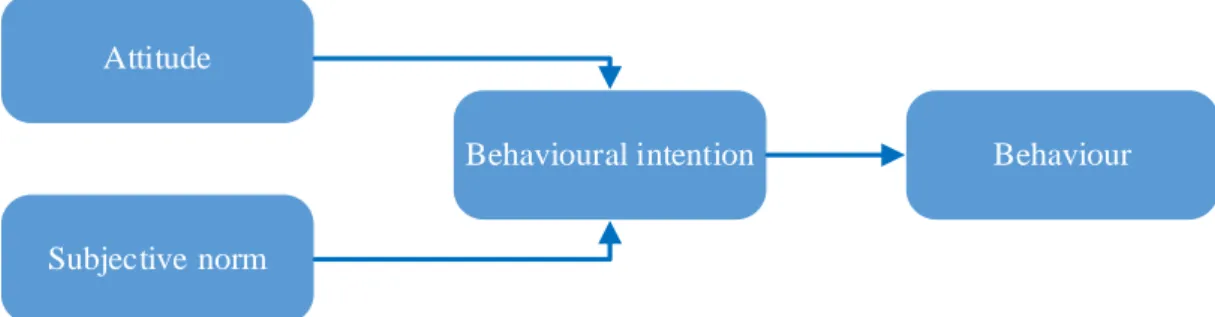
Figure 1: Theory of Reason Action (TRA) (Ajzen & Fishbein, 1980) ... 40
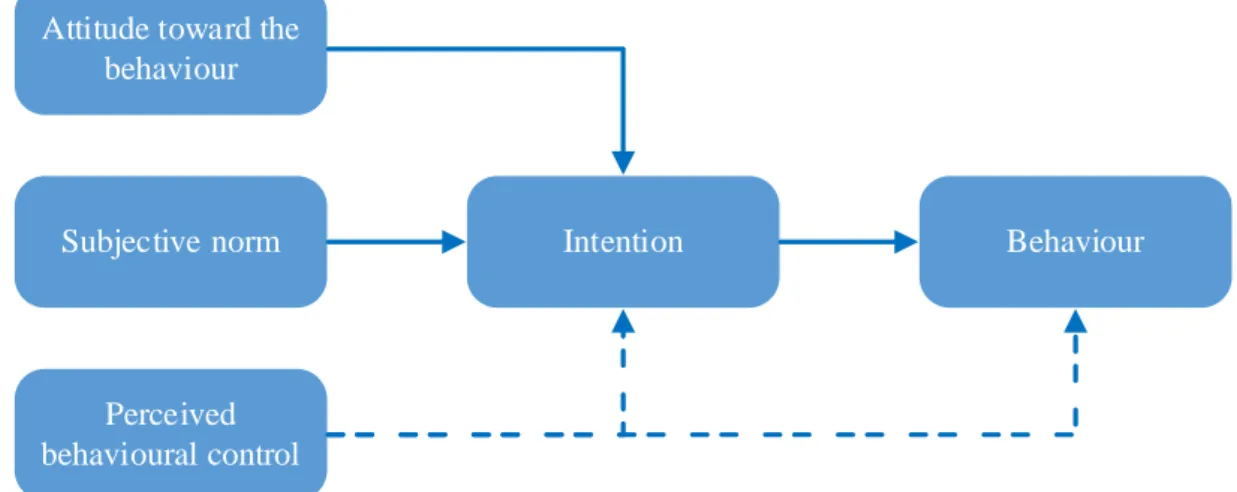
Figure 2: Theory of planned behaviour (TPB) (Ajzen, 1991) ... 42
Figure 3: Technology acceptance model (TAM) (Davis, 1989) ... 44
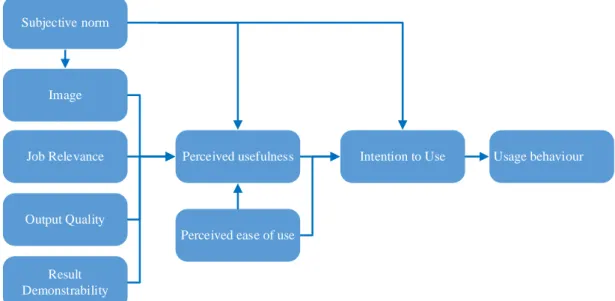
Figure 4: Extension of the technology acceptance model (TAM2) (Venkatesh & Davis, 2000) ... 46
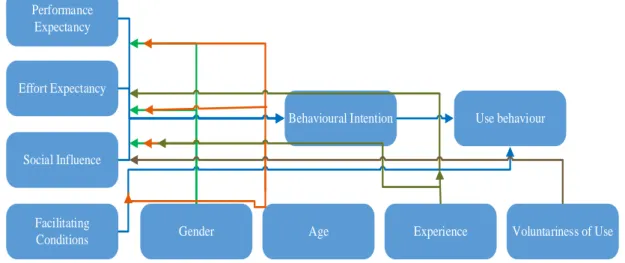
Figure 5: The Unified Theory of Acceptance and Use of Technology (UTAUT) (Venkatesh et al., 2003) ... 48
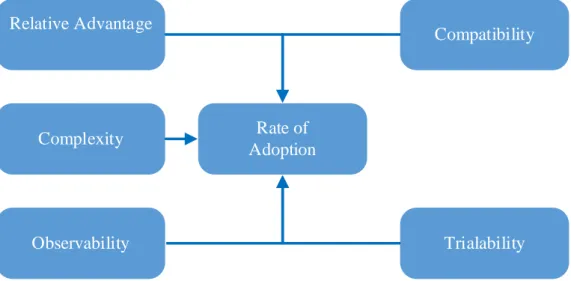
Figure 6: Diffusion of Innovation Theory (DOI) (Rogers, 1995) ... 52
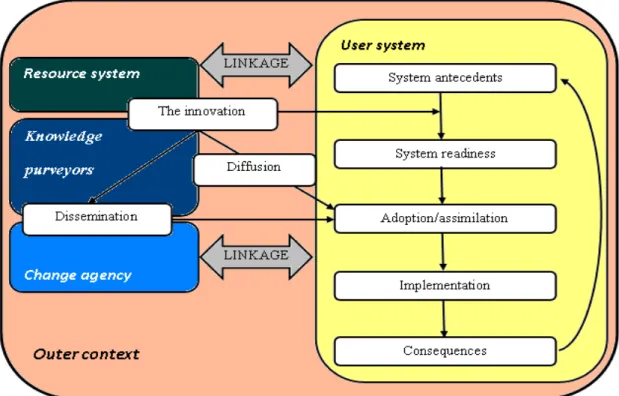
Figure 7: Conceptual Model for Considering the Determinants of Diffusion, Dissemination, and Implementation of Innovations in Health Service Delivery and Organisation (adapted from Greenhalgh et al., 2004). ... 58
Figure 8: Open coding ... 106
Figure 9: Axial coding ... 109
Figure 10: Selective coding ... 111
Figure 11: Realising the need for change ... 118
Figure 12: General comments regarding the hospital internal policies and procedures (KFSH&RC, 2011) ... 136
Figure 13: KFSH&RC IPP (2011) ... 150
Figure 14: Contextualising Change ... 157
Figure 15: General and Medication Orders from the hospital’s internal policies and procedures (KFSH&RC, 2011) ... 194
Figure 16: Negotiating Change ... 206
List of Tables
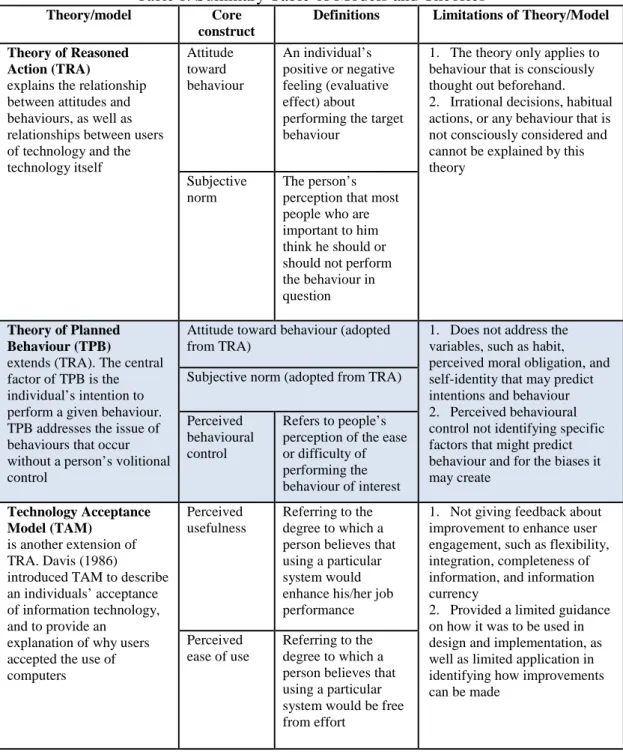
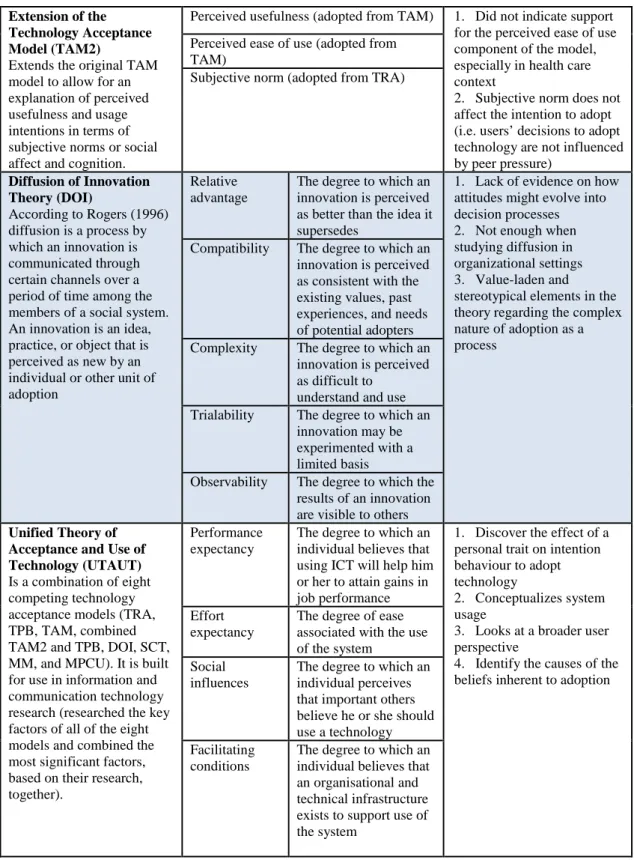
Table 1: Summary Table of Models and Theories ... 53 Table 2: open coding examples ... 108 Table 3: Five attributes of innovation (taken from Rogers, 2003) ... 183
Statement of Original Authorship
The work contained in this thesis has not been previously submitted to meet requirements for an award at this or any other higher education institution. To the best of my knowledge and belief, the thesis contains no material previously published or written by another person except where due reference is made.
Signature:
Date: 24112/2015
Dedication
This thesis is lovingly dedicated to my mother soul, Norah SAIF who is a never-ending source of love and pride to me. Also I would like to dedicate this thesis, also, to my father Hadi ALOMEER, for his continued daily prayers, sacrifices and
Acknowledgements
After sincerely thanking ALLAH for all blessings, I would like to express my special appreciation and thanks to Saudi Arabian Government, represented by Ministry of Health for offering me the scholarship and financial support. Also I would like to extend my thanks to Queensland University of Technology represented by the Nursing School.
I would like to express my gratitude and thanks to my supervisors. My principal supervisor, Dr Alan Barnard, I thank for his generous and conscientious support, patience and encouragement. My associate supervisor, Associate Professor Dr Carol Windsor, I thank you for your intellectual stimulation, dedication, and ongoing support. You have been a tremendous mentor for me. Thank you also Dr Clint Douglas, a sincere friend and for your brilliant comments and suggestions.
A special thanks to my beloved wife Hossa ALMUTLAQ, who spent sleepless nights with and was always my support in the moments when there was no one. Words cannot express how grateful I am to her for all of the sacrifices that she made for me. I would like also to express my warmest love and appreciation to my brothers and sisters for the love, understanding, and unyielding support, which incented me to strive towards my goal.
Finally, I will always have my cordial appreciation and love to my friends for adding fun to my life and making my research journey not so lonely.
Chapter 1:
Introduction
1.1. SAUDI ARABIA AND E-GOVERNMENT
The Kingdom of Saudi Arabia (KSA), which was founded in 1932 by King Abdul Aziz Al Saud, is the largest country in the Arabian Peninsula, occupying about 2,240,000 square kilometres (AL-Shehry, Rogerson, Fairweather, & Prior, 2006). The population is approximately 27,136,977, of which Saudi nationals represent 84.7 percent and expatriates of various origins comprise the rest (Ministry of Health, 2010). The discovery of oil in the 1930s gave rise to rapid economic and industrial development. Advances in industry, education, and health care services quickly moved the country towards the standards of other industrialised countries (Balla, Ahmed, & Sebiany, 2002). In contemporary Saudi Arabia, the population has at the same time embraced the modern world and sustained its cultural traditions and values.
Following a long period of negotiation around an Integrated Clinical Information System (ICIS), a contract was signed between the research site in Riyadh, and the Cerner company, USA, in May 2000, for the implementation of the Cerner Health Network, Architecture Millennium product. No similar developments were occurring in the KSA at the time and as a result, the research site was greatly influenced by USA technological development in the integration of the information system. Later in that year, the organisation began a process of development and implementation which was undertaken over a two year period. This implementation was the focus of the current research. The system was designed to improve communication and information sharing, to create improved operational efficiencies, and to improve
patient safety. It introduced a Computer-based Patient Record (CPR), which paved the way for potential paperless charting. It was asserted that the CPR, a longitudinal record of the patient’s medical history, would provide more complete information and ease of accessibility to information, which would increase the continuity of care and improve the efficiency through the process of patient care (Kfshrc, 2010).
In more recent times, the Kingdom of Saudi Arabia has realised, more broadly, the importance of e-government as a major contributor to economic growth. To this end, King Abdullah approved, in 2007, the allocation of a budget of 3 billion riyals (more than one billion Australian dollars) to develop information and communication technologies in the Kingdom (Ministry of Communications and Information Technology, 2007). Implementing e-government was a key goal of the Saudi National Plan, which aimed to achieve comprehensive integration throughout Saudi government agencies by the year 2010 (Gartner, 2007). In the same year, the Saudi Ministry of Communication and Information Technology (MCIT) concluded a strategy for a ‘National Plan of Communication and IT’ with the main goals of adopting a means of enabling the transformation of KSA into an information society and digital economy (Ministry of Communications and Information Technology, 2007).
The Saudi e-government programs have been evaluated and this has provided some insight into the current form and status of the country’s development and success in the area. Abanumy and Mayhew (2005) noted that the Saudi e-government initiative started in 2001 and has been considered one of a number of national IT plans/goals. Importantly, however, Al-Elaiwi (2006) noted that the Ministry of Communication
and Technology had failed many times to provide online services to the public, despite the significant investment in technology. Moreover, according to, Al-Elaiwi (2006) the implementation of e-government in Saudi Arabia has faced many
challenges associated with public and specialist education, behaviour change within industries and society more broadly, issues related to public trust in new systems, and a government sector within which officials continue to need to be aware of, and take action towards, the overcoming of barriers to change and challenges related to implementation.
1.2. HEALTH CARE AND THE NURSING WORKFORCE IN SAUDI
ARABIA
In Saudi Arabia, health care is provided under the overall governance of the Ministry of Health by three types of health care providers: Ministry of Health (MOH)
hospitals and centres, military hospitals, and private sector hospitals and centres. In 2013, there were 442 hospitals and care centres; 60 percent of which were providers as hospitals, clinics, and centres operated by the MOH. The remainder were operated by other providers (military 20%, and private 20%) (Ministry of Health, 2013). Despite the significant number of overall providers of health care services, a very limited number of hospitals had adopted CIS. Significant adopters were the research site in Riyadh and several military hospitals and national guards’ hospitals, which were more advanced in the use of CIS. Recently, the Saudi government identified improvement targets to be applied to all health care institutions and which included e-government strategies, such as CIS infrastructure, to be employed in health care organisations (Aldughailaby, 2009). The MOH had taken major steps, for example,
to implement e-health projects including computerised appointments; admission and discharge systems; and network infrastructure in some metropolitan hospitals.
Thus, health care leaders in hospitals began to plan for the implementation of CIS infrastructure and systems for integration into staff practice with the belief that this would become a major part of the organisation of health care services (Dana, 2008). Nursing staff were identified as major users of CIS and thus were required to up-skill their use and integration of computers in nursing practice. There was also the
expectation that the organisations would need to prepare their nursing staff to utilise such systems in nursing practice.
Although this may, on face value, appear a straight forward and achievable goal, a significant issue for the achievement of computer integration was the fact that the nursing workforce in Saudi Arabian health care organisations was culturally and educationally diverse as it was heavily dependent on expatriate nurses (78%) (Aldossary, While, & Barriball, 2008). Nurses were recruited from 40 different countries (Ball, 2004) to work in the Saudi health care sector with the majority from the Philippines and India. Other major sources of expatriate nurses were Australia, South Africa, North America, the United Kingdom, Malaysia, China, Bangladesh, and other Arabic countries (Aldossary et al., 2008).
Expatriate nurses have diverse educational backgrounds. Not all have the knowledge and know-how of nursing informatics and therefore require the organisation to upskill and train nurses for computer use. Thus, the organisations were concerned to ensure a desired level of knowledge and skills as part of every nurse’s scope of
practice. Even in Saudi Arabian nursing schools, nursing informatics had not been a core part of the nursing curriculum. Indeed, it was typical, in my experience, for no computer courses to be included in nursing curricula which, within the current climate of change, had led to a number of problems related to computer literacy. It was probable that this may have contributed to observed and perceived difficulties that nurses experienced with CIS when undertaking patient care. This issue is not confined to Saudi Arabia or developing countries but is evident globally in nursing where there has been reported opposition from nurses to the integration of
computerised systems into nursing practice (Timmons, 2003).
According to Greenfield and Rohde (2009), the type of user within an organisation and their attitudes to computer usage, need to be considered when considering technology implementation and particularly if acceptance of change is a goal. Further, an organisation implementing new technology needs to recognise that human resources are not homogeneous and that organisations may need to modify their implementation to suit, not only the organisation, but its workers’ needs and attitudes. The percentage of expatriate nurses and the degree of diversity in the nursing workforce are, therefore, potentially significant factors that may affect the adoption of CIS. It was clearly the case that a person at work using the technology would have a significant influence on the resistance to, or success of, CIS
implementation in Saudi health care contexts.
As noted above, the current research was conducted in Saudi Arabia. The project sought to better understand social interactions around and the socio-cultural
The focus was those health care information systems that were new to many Saudi hospitals, organisations, and health sector departments. A dimension of the research area of interest was the emergent nature of strategic plans for information technology implementation (Walston et al., 2010), despite the significant government
commitment, strategically and economically, to success. As Aldughailaby (2009) highlighted, Saudi Arabia has achieved only sporadic success with the
implementation of information technology which is attributed in part, to a lack of coordinated effort in the implementation of CIS.
Indeed, hospitals across the various sectors have continued to randomly purchase a range of technology systems from different companies (Siddiqi, Ahmed, Alginahi, & Alharby, 2009). This may have increased the overall cost, as well as had a
deleterious effect on technology integration. It also appears that the entire process of inter-organisational development and advancement had been poorly coordinated, making inter-dependence and integration very difficult. Within this context,
information systems rapidly become limited as various products become more or less influential. This situation required the establishment of a national health information system to oversee and establish strategies based on best practices. At the same time, a principal goal was the control of the health technology implementation across the sector(s) (Aldughailaby, 2009). Added to these developments were calls from CIS leaders for a new generation of health information technicians to establish
1.3. THEORETICAL FRAMEWORK
The purpose of the current research was to develop a theoretical understanding of the social processes that underpinned the change process in the Saudi health care
context. The research was guided by an interpretive approach, informed by symbolic interactionism, with its origins in pragmatism (Blumer, 1969). From this perspective, the individual actor constructs and modifies meanings through an interpretive
procedure (Blumer, 1969). Symbolic interactionism also provided a framework for understanding how humans interact with self, social community, and reality (Charmaz, 2006). The theoretical framework provided the researcher with an understanding of how to select phenomena for investigation, for the design research questions, and to organise the research analysis (Corbin & Straus, 2008). Straussian grounded theory (Corbin & Strauss, 2008; Strauss & Corbin, 1990, 1998), which is embedded in symbolic interactionism, informed the process of the data collection and analysis. Further, the generated substantive theoretical findings provided an explanation of the events as they occurred and explicated the contextual social processes (Strauss & Corbin, 1998). The epistemological and theoretical
underpinnings of symbolic interactionism and grounded theory are explained in the methodology and methods chapters.
1.4. ROLE OF THE RESEARCHER
As noted above, the research reported upon here applied a theoretical lens informed by symbolic interactionism. The researcher, during the entire project, was an
instrument of data generation and analysis in the research. It is thus appropriate that I reflect upon my role as the researcher and make known my associated values and assumptions.
My interest in technology implementation emerged from two events that occurred through my professional journey as a nursing manager. I worked at a government hospital (not the research site) and observed the implementation of an IT system. First, I noticed how nurses were unhappy about the implementation decision process and the lack of employee preparedness for change. Staff were generally unprepared for the complexity of the IT system: they often felt overwhelmed by the new process and expectations of the organisation. Second, I was surprised to see that, after I had left that hospital, the project had failed. One of the reasons that was communicated anecdotally was that no one was motivated to use the system. The failed project cost the hospital the equivalent of over one million Australian dollars.
Thus, I was interested to gain greater insight into and knowledge about change and IT implementation. I became more interested in looking for answers to questions about the IT project failure. As noted previously, Saudi Arabia is one of the largest countries in the Middle East, with a population of 28 million. The country has 415 hospitals, spread across the country. I came to this research with the view that there was a need to have context specific models of change that could assist the nurses, as well as improve health care planning and development. These experiences were the primary impetus for this research, along with the desire to make a difference to future technology implementation for the betterment of nurses and patient care.
1.5. CLINICAL INFORMATION SYSTEMS
‘Information system’ and ‘information technology’ are terms that are used frequently but they are also interchangeable. Both terms refer to computer systems that can
collect, process, store, analyse, and disseminate information for a specific purpose (Succi & Walter, 1999). The CISs for use in the health care fields were identified by Nelson et al. (2001) as medical information systems or patient care systems. They provide support for a wide variety of administrative and clinical functions with the express purpose of helping to manage the information needs of hospitals and their health care personnel. The main principles of CIS implementation in the health care fields are to support and strengthen clinical decision making (Weber, 2007) for the benefit of the health care professionals and patients, as well as to support and improve clinical care processes (Gardner et al., 2009). Achievement of these principles depends upon system implementation strategies that maintain health care objectives and, where necessary, identify crucial changes in clinical processes that best advantage and assist use of the capabilities of CISs.
Examples of general systems that are used in the patient care field are electronic medical records (EMR), computerised provider order entries (CPOE), computerised nursing care plan systems (CNCPS), nursing documentation systems, and others (e.g., laboratory reporting system, clinical reminder system, email between provider and patient, internet portal for patient education, internet based network services, smart phones) (Gagnon et al., 2010; Van Der Meijden, Tange, Troost, & Hasman, 2003). In addition to a range of system types, information technologies in the health care sectors are becoming more sophisticated. Along with their increasing capacity and potential, there is a desire to impact positively upon the health care contexts (Lorenzi, Novak, Weiss, Gadd, & Unertl, 2008). In this regard, the new
organisational models include integrated health care networks. They are designed to improve the CIS technology implementation process and enhance its success rate.
Further, the networks have put into practice new requirements to manage CISs implementation. Importantly, however, amongst all this effort and desire to build system capacity, the fact remains that patients are in hospital under the care of nurses (Watson, 2005). Strong evidence demonstrates that, in health care environments, nursing staff have an important effect on patient outcomes, such as preventing infection between patients and caring for health improvement (Aiken, Clarke,
Sloane, Sochalski, & Silber, 2002). Nurses, therefore, rely heavily on the information necessary for success. However, much of the technology available in health care is directed towards medical diagnosis and the treatment of disease. Little has been done to transform the work environment for nurses in ways that align with nursing
discipline language, practice, and goals (Watson, 2005).
Nonetheless, a major requirement of CIS is the need to follow patient care needs, so that a range of service points can provide clients with a continuum of complete continuous care (Paré, Sicotte, Jaana, & Girouard, 2008; Payton & Ginzberg, 2001). The integration of CIS in health care, in the form of electronic patient records, decision support systems, picture archiving, communication systems, and
computerised provider order entry systems are vital for achieving various health care organisational priorities, including home care, primary care, and integrated care networks (Chaudhry et al., 2006; Paré, Jaana, & Sicotte, 2007; Paré et al., 2008). Often, however, they are not well targeted to the discipline practices of groups such as nurses. Nevertheless, it is claimed that CIS provides advantages to health care organisations in terms of productivity among professionals (Lepanto, Paré, Aubry, Robillard, & Lesage, 2006), integrating care processes (Kuhn, Wurst, Bott, & Giuse, 2006), and improving the quality of services presented to patients. For example, it is
argued that gains are made by transferring routine manual tasks (such as manual nursing care plans, the collection of lab results, and medication orders) from health professionals to software solutions (Karim & Soderholm, 2009). Amongst what are clearly tensions between the demands and specifics of nursing as a discipline and the demands of CIS, it is important to better understand the reality(ies) of day-to-day use and integration.
CISs are touted as enhancing nurses’ practices and procedures which, in turn, may help when making optimal decisions about appropriate patient care. For example, obtaining client medical records has been rated as the most useful computer application for improving client care; electronically entering patient record
information and internet searching were rated as the second most useful computer applications (Dumas, Dietz, & Connolly, 2001). At a functional level, computerised technology systems, such as automated medication dispensing systems, have been found to decrease medical errors by automating many nursing care activities (McNeil et al., 2003; Novek, Bettess, Burke, & PJohnston, 2000).
Achieving these advantages, however, has been difficult in practice and it is not surprising that many initiatives in these areas experience problems, lead to adverse consequences, and even fail (Ash, Sittig, Dykstra, Campbell, & Guappone, 2009; Lorenzi et al., 2008). For example, studies have reported a failure rate of 50% related to IT implementation in health care organisations in the United States (Kaplan, 2000; Lorenzi et al., 2008). It is argued that, to increase success rates and to overcome obstacles associated with CIS implementation, organisations must address the needs of CIS users and collaborate through discussions with them about technology
development, integration, and stages of installation (Lee, Mills, Bausell, & Lu, 2008).
1.6. RESEARCH PROBLEM
The current project sought to explore the interactionist and contextual processes important for the successful implementation of clinical information technology in health care organisations, as well as to provide a theoretical explanation of the social processes that influence success. The adoption of CIS in a Saudi Arabian health care organisation offered the opportunity to enquire into the processes that underpin and clearly align with the implementation process.
As noted above, the level of success of implementation of CIS has been judged to be low (Box et al., 2009) and in fact “most applications fail” (Berg, 1999, p. 87) to meet the success criteria, either partially or completely (i.e., achieve the goals of
implementing CIS and utilising available options effectively). The present research enquired into the experiences of people involved in the process. Those involved were managers and one group of health care workers as nurses.
Today, most CISs are technically sound. The major challenge to health information technical success therefore seems to be more behavioural than technical (Lorenzi & Riley, 2000). This gave support to this research that sought to understand attitudes, behaviours and more specifically the social processes experienced, in particular, by nurses. In the organisation in which the health CIS was being implemented, it was anticipated that the system would provide insights and the opportunity to enquire into the adoption of a CIS. The overall goal was to understand the social processes
associated with the implementation of CISs in a large Saudi health care organisation and how these came to shape and thus were part of, the processes of implementation.
The current research was in response to the need for integrated theory-driven CIS research (Effken, 2003). For example, a review of the literature addressing CIS adoption found limited frameworks or models related to the improvement or success of CIS implementation (Van Der Meijden et al., 2003). Although many theoretically-based models of information systems have been proposed for information systems success (e.g. Greenhalgh et al., 2004), none of the models were proven predictors of CIS implementation success in a health organisations.
1.7. SIGNIFICANCE OF THE RESEARCH
There is a significant lack of theories or models that focus on the implementation of successful CIS and especially in developing countries such as Saudi Arabia. As noted above, the significance of this research stemmed from this need. An objective was to contribute to a theoretical understanding that was contextually applicable to CIS integration. The significance of the research is reflected in the following four points:
1. No studies were identified that had qualitatively explored the factors affecting the successful implementation of CIS in nursing in developing countries. 2. The findings of this research provide new knowledge and understanding
regarding CIS integration in Saudi health organisations.
3. The findings also develop accessible knowledge through the development of theory grounded in a Saudi health care organisation. The results inform Saudi health organisations about factors that impact upon the successful integration of CIS.
4. The recommendations derived from the research will help health care organisations in Saudi and more broadly to facilitate future successful implementation of CIS.
1.8. RESEARCH OBJECTIVES
The four research objectives were as follows:
1. To examine social processes important for the successful implementation of clinical information technology for nursing in health care organisations in Saudi Arabia;
2. To provide knowledge important for successful clinical information systems implementation in the Saudi health care organisations;
3. To generate theoretical explanation(s) of clinical information systems implementation in a Saudi health care organisation; and
4. To develop knowledge important for the future success of clinical information systems implementation in Saudi health care organisations.
1.9. RESEARCH QUESTIONS
Based on the existing research and noted gaps, the following three research questions were identified:
1. What socio-cultural-political processes underpin the implementation of a clinical information system in Saudi Arabia health care organisations? 2. What influences and shapes nurses’ acceptance of a clinical information
3. What organisational, contextual and individual factors facilitate nurses in Saudi Arabia health care organisations to integrate clinical information systems within nursing practice?
1.10. RESEARCH METHODOLOGY
This research implemented a flexible grounded theory approach. Over the last century, researchers in the field of social sciences have argued the limitations of quantitative research for understanding social processes and particularly those involving complex interactions of human behaviour, interpersonal relationships, cultural traditions, economics, and politics (Denzin & Lincoln, 2002). Consequently, over recent decades, qualitative research in the social sciences has become
increasingly favoured for enquiry into organisations and particular groups of people.
Qualitative research is “any kind of research that produces findings not arrived at by means of statistical procedures or other means of quantification” (Strauss & Corbin, 1990, p. 17). According to Hull (1997), the purpose of such research is “to
understand human experience to reveal both the processes by which people construct meaning about their worlds and to report what those meanings are” (p. 2). This brings focus to both the individual and structure and not one more than the other. Because of the lack of studies identifying processes that shape the implementation of clinical information systems in Saudi health care organisations, the present research sought to identify these processes by engaging in an in-depth analysis of “what” these processes are and “how” they effect the CISs implementation, from a nursing perspective. In applying a qualitative approach and, specifically, grounded theory,
the researcher generated rich information and as a result valuable insights into the nursing context in a Saudi health organisation.
1.11. THESIS OUTLINE
Chapter One has provided a brief history about the Kingdom of Saudi Arabia as the background context related to the research. The chapter introduced key concepts and posed an explanation of the position of e-health and CISs within E-government programs in Saudi Arabia. The research problem, significance, and objectives were identified, along with symbolic interactionism as the theoretical lens and grounded theory as the basis of the methods applied in this research.
A contextual literature review is the focus of Chapter Two. The review addresses research literature related to nursing and technology. The discussion moves on to theoretical works and models that have developed within the very broad area of technological innovation and over a number of decades.
In Chapter Three the theoretical underpinnings of the research are argued and justified. The content here draws key theoretical tenets from the broad origins of symbolic interaction and argues the relevance to this research.
Chapter Four describes and justifies in detail the methods that informed this research. The methods were grounded in the work of Strauss and Corbin but also assumed a flexibility that allowed for a broader analytical frame. This conforms with more recent grounded theory works that recognise a variety of ways to apply grounded theory.
Chapters Five through to Seven engage with the key theoretical ideas generated in the research. In Chapter Five, Realising the need for change depicts the processes of prioritising information system knowledge, positioning nurses, and diffusing training and support. The focus of Chapter Six is the category Contextualising Change, the constituent parts of which are; it suddenly changed; excluding nurses from change processes; sustaining the status quo; and dis-alignment. In Chapter Seven, the category Negotiating change is explicated through the sub-categories of competing interest and failing expectations.
The final chapter, Chapter Eight, addresses the overarching analytical category that depicts the interrelationships between the analytical findings of the research. The chapter expands upon these findings with reference to existing research and theories around technological innovation and implementation. In conclusion the chapter considers potential limitations of the research and poses recommendations.
The following chapter provides a critical review of the literature, highlighting, in particular CIS implementation and the models and theories that have been utilised in different contexts of information technology (IT) implementation, for success and failure.
Chapter 2:
Contextual Literature Review
2.1. CLINICAL INFORMATION SYSTEM IMPLEMENTATION AND
SUCCESS
Health Information Technologies (HIT) or clinical information systems (CIS), such as electronic medical records (EMRs), Computerised Physician Order Entry (CPOE), and Clinical Decision Support Systems (CDSSs), are being increasingly
implemented in the health care setting (e.g., hospitals and care centres). The main objectives of the CIS include enhancing the quality of patient care, decreasing medical errors, and reducing health care costs (Bates, 2005; Halamka, 2006;
Kawamoto, Houlihan, Balas, & Lobach, 2005). Further, CIS is believed to improve the quality of clinical documentation; to enhance communication efficiency; and to prompt effective teamwork within the health care professional team (Ammenwerth, Mansmann, Iller, & Eichstadter, 2003). Studies have shown that information technology (IT) has the potential to contribute to an improvement in clinician’s decision-making. For example, qualitative research by O'Cathain et al. (2004) explored nurses’ views of their roles, as well as the computerised decision support software used by the NHS Direct in the United Kingdom. The authors interviewed 24 nurses across 12 NHS sites and found that both the nurses and the technology are essential to the decision-making processes. The nurses described a process of dual decision-making, emphasising that they needed to be an active and principle decision maker, as a support tool, in the Clinical Decision Support Systems (CDSS). A similar study by Eley, et al., (2005), in an Australian emergency department, looked at triage nurse perceptions of the use, reliability, and acceptability of an adult triage trauma tool. They interviewed 15 nurses from two hospitals and found that the nurses had a
positive view of the use of CDSS to support the triage decisions. Further, the nurses reported that the system increased their self-confidence in decision making. Although the use of the technology had met with some nurse resistance, and systemic and personal barriers to CDSS use were noted to arise from a lack of administrative support, the time required to learn and implement new technology, and the deficiencies in the electronic medical record. These areas were targeted as being essential for the successful implementation of CIS in nursing practice (Clarke et al., 2005; Cunningham, 2006).
Generally, information systems are believed to guarantee better quality patient care. For example, according to a new study conducted in Saudi Arabia, the use of CISs technology by nurses in patient care reduced the incidents of patient care errors, and had the intended impact of preventing errors from faulty handwriting to improper orders. Such positive outcomes are claimed to directly benefit patient care and safety (Walston et al., 2010). Earlier, Lee (2004a) also found that nurse leaders and
managers positively evaluated computerised nursing care plans (CNCP) as a care guideline to organise patient care and to increase nursing work efficiency.
There is also a significant amount of extremely optimistic literature, often with limited evidence, that supports the claims of success. One claim relates to improving control over health care costs. For example, it was “estimated” by Hillestad et al., (2005), that the adoption of CIS enables efficiency saving for both inpatient and outpatient care, in an amount of more than $US 77 billion per year. Important sources of savings also include decreased patient length-of-stay in hospital, reduced nurse administrative time, decreased drug errors in hospitals, and decreased
radiology usage in the outpatient setting (Hillestad et al., 2005; Jamal, McKenzie, & Clark, 2009). These billion dollar claims rely on people (staff) using systems
appropriately and accurately, while working at high efficiency in integrated work environments. Van Der Meijden et al. (2003) found that a CIS decreased
documentation time and a reduced the time between sending orders and receiving responses. However, actual hard evidence is sparse, if not generally absent, in the literature. Accumulative evidence of savings to nurses’ time, in order to contribute to actual improvements in quality of patient care, remains an aspiration.
Along with the rhetoric and marginal evidence to support claims of enormous savings, there has been the ongoing and increasing adoption of CISs in sectors that include health care. Importantly, however, more than 40% of IT implementation has failed or been abandoned (Beynon-Davies, 1999; Littlejohns, Wyatt, & Garvican, 2003; Whetton, 2005). To explain these outcomes, barriers to the adoption of Electronic Medical Record (EMR) systems include: difficulties in using systems, high costs, a lack of certification and standardisation, concerns about privacy, and a disconnect between who pays for EMR systems, and who profits from them (Gagnon et al., 2010; Hillestad et al., 2005). According to Box et al. (2009), the rate of
unsuccessful information technology projects fluctuates between 12% and 40% in all industries, with the highest rate of failure being in the health care sector. The causes for failure can be summarised as either management causal factors (e.g. weak leadership in project delivery, poor stakeholder communication, insufficient competencies, and inadequate stakeholder management) or technical causal factors (e.g. inappropriate and ill-defined software requirements, inappropriate technical designs, improper test planning, and poor technical support) (Lorenzi et al., 2008).
One major issue leading to failure was identified as an inadequate understanding of the socio-technical aspects of IT, especially those related to how people and
organisations adopt information technology (Aarts & Gorman, 2007; Giuse & Kuhn, 2003). Moreover, Lorenzi et al. (2008) stressed that most hospitals rely heavily on information technology retailer companies to construct an implementation plan for software projects. However, it is often the case that information technology retailer knowledge, of both the capacity and context of health care environment, is
inadequate. Organisations are identified as players in the process; often they needed to take greater responsibility for the implementation plans and the contextual issues. Further, concerns about the successful implementation of clinical information systems (CIS) have increased (Box et al., 2009). Lorenzi et al. (2008) noted that the human side of the system operation, that is, its use, can lead to system failure. However, the human factors affecting CIS implementation has not been sufficiently addressed in the literature.
In reality, none of this should be a surprise. The literature highlighting the significant influence of users on CIS success has, in fact, been around for fifteen to twenty years. Ammenwerth et al. (2003) found that nurses showed resistance to using computers in their work practice because it increased their workload, and was time consuming, especially when associated with activities that include data entry and waiting for results. Moreover, many nurses felt uncomfortable that patient documentation may be freely visible to unauthorised readers and generally, they decry moves away from oral and paper based communication methods.
In contrast, some nurses express an eagerness to embrace computer use in their practice. Interestingly, Webster et al. (2003) noted that older nurses were more likely to have attended computer courses than their younger colleagues, because they felt they were less equipped to deal with the new technology. Thus, the new technology introduced into the health care practice should acknowledge and support different levels of user competence. At the same time, vendors, programmers, and
organisations must provide courses to teach nurses how to use the new technology well in their field of work. Consequently, nurses who do not have significant support and opportunities to learn how to apply technology in health care (such as long term night staff) may pose particular challenges, and experience difficulties using the new generations of technology. These views resonate with the earlier work of Sinclair (2001), who argued that individuals who trust technology are more disposed to its application and that an individuals’ levels of trust are affected by perceived competence.
A recent study by Eley et al. (2009) found that there was continued resistance by the nurses to use computers. Contrary to Webster et al.’s (2003) results, Eley et al. (2009) found that the job status, and not age, was a significant issue causing resistance. The authors concluded that a lack of interest was a primary barrier to computer use, in addition to the perception that computers add to a nurse’s workload, and that “for some nurses and indeed patients and their visitors, nursing work and computer work were viewed as separate activities” (p. 1156). Thus, computer work was viewed as an additional responsibility, sometimes designated as a non-nursing task.
A self-administered postal survey, distributed to 10,000 members of the Australian Nursing Federation, found that of the 4330 respondents (a response rate 43.3%), 86% used computers at work, mainly to manage patient records, to continue their
professional education, to confirm policies and procedures, and to access clinical results (Eley, Fallon, et al., 2009). The study used a mixed method approach to the research: both quantitative and qualitative data were obtained from the focus groups from the CIS users and nursing staff. Eley et al. (2009) found that the registered nurse levels (3 to 5) were more likely than other levels to have experience in the use of reference tools and statistical software. Those who had experienced information technologies stated that their level of confidence in using these technologies was high. However, it is unclear from the study whether the socio demographic factors (such as age and gender) were influential, or that a relationship was simply
constructed on the basis that additional seniority led to exposure to training in computer usage.
The above study focused particularly on computer use, which may have limited its ability to access a more holistic view of nurses’ perceptions of technology, and its interaction in their lives, both within and outside the work setting. The need for a holistic view has been emphasised by Barnard (2002) who identified that the “essentialist interpretation” (p. 22) of technology presents a positive affirmation of technological value, which gives the impression that there is one true essence of technology. This view is, in part, related to Barnard’s (1997) earlier critique, which stressed the negative consequences of viewing technology as a neutral object that can be controlled and deployed by nurses simply to improve their work practices. It was argued correctly that it is a dangerous simplification to believe that “Technology is
nothing more than a resource to be used by nurses” (Barnard, 1997, p. 127). Thus, the view that technology is a neutral phenomenon (i.e. a tool and a resource only) shows little insight into the way in which people operate in society, or the way technology influences expectations, behaviours, and values. Critically, there is “An acceptance of the neutral belief [that it] robs nurses of [the] power to affect the direction and influence technology” (Barnard, 1997, p. 129). Questions raised by the research have prompted researchers and practitioners to consider how the influences and developments of technology will be monitored and assessed in relation to nursing practice. For example is it just about using equipment and not about
considering the nurses’ role in human focussed care? Without theoretically coherent criteria, how is the efficacy of technology to be measured? To what extent will its acceptance be predictable, or indeed, what changes in nurses’ attitudes to their own work have a direct connection to technology(ies)?
Further to this, Barnard and Gerber (1999) observed a crisis of role definition in nursing. Without the development of theories that can inquire into the relationship between technology and daily nursing practice, the danger is that the many issues that require exploration regarding nurses and technology, such as CISs, become locked into “commonplace assumptions”, including “the excitement of
change...underlying technological imperatives,” or “pessimism” (Barnard & Gerber, 1999, p. 157).
The reliance of Eley et al. (2009) on computer usage as the exemplar of technology, therefore, meant that the issue of technology were limited to factors such as keyboard skills and managing programs; it also did not extend to the ways in which nurses see
themselves in relation to technology, nor how much control they need to have if technology advances are to be successful.
Further, Eley et al. (2009) emphasised the high adoption rates of computers in nursing practice. At the same time, the differences among the levels of employee seniority, in terms of access and use of computers, was deemed consistent with previous studies (e.g.Gosling, Westbrook, & Spencer, 2004). Over half the nurses in the Eley et al.(2009) study, who were below the registered nurses level 3, did not have sole access to a computer at work, compared to the 80% of registered nurses at level 3 and above who had access (level 3 and above are management and education positions). Clearly the nurses on the floor, delivering the actual care directly to patients are computer resource poor compared to the more senior staff. For this reason, if access is restricted at work, then there will tend to be a negative effect on the skill development and competency for registered nurses at level 3.
Further, when Eley et al. (2009) compared their findings with those of Webster et al. (2003), they reported that the registered nurses at levels 1 and 2 felt their skills were inadequate. This was in contrast with the latter authors who concluded that the majority of registered nurses at levels 1 and 2 were confident with computers. However, a comparison of the results may be misconceived though because the question of adequate access to a computer is an issue separate to self-reported skill levels when using a computer. No doubt there may be a relationship between access and competency but that issue is not explored in either study. Eley’s identification of a connection between the work status and computer access does highlight several interesting implications for nursing. For example, computer usage is a contested
boundary as is adequate access. Computer usage in nursing has previously been seen as an elite tool for use by experienced operators (intimidating for newer staff
members) and a symbol of status (Kramer, 1993). Yet in more recent years, the boundary may be explained better by factors related to administrative roles, information security, and training. Nevertheless, given the hierarchical nature of nursing history and organisation, it is reasonable to speculate that there remains a significant difference in computer resources and access across the ranks of nursing staff.
Unanswered questions remain as to whether increased exposure to computer based technologies (arising from, for example, seniority and, therefore, a longer period of service) may lead to a heightened sense of competency and skill. A further question is whether universal access in an environment where all staff members had equal access and training would have a significant influence on most health care settings.
Cultural barriers (Lorenzi et al., 2008) are also identified in the literature as a major issue that can hinder the successful implementation of CISs. Examples of cultural barriers include social and cultural environments, variability in work practices, and different organisational structures. Importantly, organisational cultures (Pirnejad, Bal, Stoop, & Berg, 2007), such as positive learning environments and
peer/managerial support, can affect an individuals’ adoption of clinical information systems (Idowu, Cornford, & Bastin, 2008). Each health organisation has a learning culture that seeks to understand clinical processes and to improve them through the utilisation of information technology (Doolan, Bates, & James, 2003). For the successful implementation of CIS, an organisation needs to take into consideration
the cultural context and unique characteristics that exist within it. Lorenzi et al. (1997) noted, almost two decades ago that, “the strategy that each institution develops must meet its particular needs, goals and culture” (p. 89). It is argued, therefore, that the CIS system design and development should match, rather than challenge, the cultural values of a profession or unit (Boddy, King, Clark, Heaney, & Mair, 2009). To achieve this goal, Boddy et al. (2009) recommended that health organisations identify the cultural values within the unit concerned and work with people in their context to design a system that supports the culture; or, alternatively, the organisation must provide the time and resources needed to adapt the culture to the system. The successful implementation of the CIS includes technical barriers, such as a lack of technical training, a lack of encouragement to use the system, insufficient computers, the location of computers, the system speed, system downtime, and associated hardware problems (Ash & Bates, 2005; Kirkley, 2004; Wager, Lee, White, Ward, & Ornstein, 2000).
The inconvenience caused by complicated information systems does not motivate workers to use the new systems ( Lee, Lin, & Chang, 2005; Smith, Smith, Krugman, & Oman, 2005). Kirkley (2004) supported this argument and found that physicians, who run into problems when using a computerised order entry system, are more likely to look for the nearest nurse as a resource to resolve their problems, rather than to call for technical support. This action adds to the daily workload of nurses and yet the nurses have an incentive to comply, especially since they are expected to be knowledgeable about the new systems, which they are generally eager to
demonstrate. Weber et al. (2009) found that technical systems are a major barrier to the use of CIS. Indeed, the nurse participants in this study did not use the CIS until
they were certain that it was sound, reputable, and would fit well with already existing systems.
Gagnon et al. (2010) and Hillestad et al. (2005) found that a lack of technical support was a technical barrier effecting nurses’ adoption of CIS. For example, 40 percent of Australia’s nurses state that technical support (such as technician response and technical training) related to information and computer technology at work was “poor” or “awful” (Eley, Fallon, et al., 2009). An earlier UK survey found that 71% of nurses stated that round-the-clock technical support was essential for the
successful use of information and computer technology (Nursix.com, 2006).
Financial barriers further impede or prevent the full implementation of a CIS (Nanji et al., 2009). Campbell et al. (2009) surveyed all acute care general hospitals in the United States for information related to specific electronic-record functionality. They received responses from 3049 US hospitals (63.1% of 3049 hospitals). The
respondents identified three of the main barriers that hinder CISs adoption:
inadequate capital for purchase (74%); concerns about maintenance costs (44%); and unclear return on investment (32%). For example, the first-year cost estimates varied between $500,000 to $4.1 million US for a 200-bed hospital (Birkmeyer, Birkmeyer, & Skinner, 2001). However, if systems fail, the estimated costs can reach more than $30 million. For example, a dramatic and often cited case involves the Cedar-Sinai failure in which the implementation of a clinical IT system resulted in the
The high cost of health information system implementation is an important obstacle to both CISs implementation and other health information systems projects (Lorenzi et al., 2008; Pirnejad et al., 2007). Thus, financial constraints (such as continuous costs resulting from software licensing), support, hardware, networking (including internet service providers), and productivity losses due to time spent in training remain a powerful force in determining the degree of CISs adoption (Kaushal, Bates, Poon, Jha, & Blumenthal, 2005; Podichetty & Penn, 2004). The high implementation costs hinder the successful implementation of a CIS (Goroll, Simon, Tripathi,
Ascenzo, & Bates, 2009; Pirnejad et al., 2007) and include both actual financial costs to the organisation and uncertain cost-benefit trade-offs related to individual systems (Johnson, 2004).
2.2. CIS IMPLEMENTATION STRATEGIES
As suggested above, the diffusion of information and communication technology, especially clinical information systems in health care settings, has been slow and often unsuccessful (Callen, Braithwaite, & Westbrook, 2008a). Ash et al. (2005), in a comparison of technology acceptance in American teaching hospitals versus
community hospitals, found that information technology implementation was more successful in community hospitals. Success was attributed to community hospitals being less dependent on “permission use.” Consequently, the staff had ready and convenient access to technology, as opposed to the formalised access requirements within teaching hospitals. Additionally, work cultures are influential and vary, even across and within organisations, depending on the group norms and the role within existing hierarchy. For example, the clinicians sometimes express a belief that computerised physician order entry (CPOE) is more beneficial for administration
purposes than for their own work. Similarly, hospital managers can sometimes view the CPOE as, primarily, a useful quality control tool applicable for facilitating organisational accreditation. Both examples of criticism highlight organisational agendas related to administrative efficiency and error avoidance, as the primary reasons for CIS adoption rather than direct patient care.
Furthermore, organisational issues, such as the lack of financial support or training for health professionals, can hinder the successful implementation of CIS. A qualitative study by Lapinsky et al. (2004) noted that technology-specific training directly influences physician technology acceptance, and is an organisational issue. As Karsh et al. (2006) demonstrated, organisational issues, such as confidentiality and policy related to error reporting, are potential barriers to both the acceptance of technology and the physician’s time costs. Organisational failures related to
confidentiality, policy, time costs, training, and finance support, all negatively affect CIS implementation in health care organisations.
It appears that the successful implementation of CIS in health organisations needs appropriate planning, support, and strategies. A significant study by Callen et al. (2008b) concluded that a careful analysis of an organisation and its internal culture, before CIS implementation, would support strategies to modify the organisation and team culture and, thus, promote acceptance of the change and support the change process. To be successful, the implementation may require behavioural, cultural, and social changes within an organisation (Kirkley & Stein, 2004; Timmons, 2003; Wood, 2000), while the leadership responsible for CIS requires knowledge and skills in understanding, and analysing organisational cultures and behaviours, and how to
best work with a range of multidisciplinary teams. These skills are considered necessary to lead CIS development and implementation, quite apart from the more predicable skills of listening, understanding, and responding to needs, articulating plans, explaining rationales, informing constituents, reporting results, and
fostering/modelling collaboration. Underlying all these requirements is the need to understand the perceptions of users of the impact that a CIS system will have on core work practices and values (Parker, 2002). Hence, a fundamental requirement is that health organisations recognise the barriers to the adoption of new technology and create action plans for working through user resistance and objections (Langowski, 2005), and responding well to ensure the innovation actually meets the organisational and discipline. This assumes that the technology implementation is far more than simply convincing people that the implementation planned is a good idea.
Furthermore, understanding and knowing how to overcome user difficulties, and reducing or eliminating barriers to implementing technology, may help or even prevent the discomfort created during transition to new work and organisational systems and practices. Finally, the identified barriers and issues of concern can serve as reference points for the planning implementation of information systems (Lee, 2007). Identifying the barriers and issues before the information system
implementation can help reduce or at least stimulate the plans to assist in solving potential obstacles and challenges.
Further, health organisations must not only meet CIS requirements, such as physicians’ notes and nursing assessments, they must also meet the organisational strategic goals. Expertise in project management, therefore, is required to oversee the
implementation of new systems and processes (Campbell, Sittig, Ash, Guappone, & Dykstra, 2006; Detmer, Lumpkin, & Williamson, 2009; Gardner et al., 2009).
The associated costs of CIS implementation is a central issue for health care leaders who have to ensure that budgets sufficiently cover the associated costs (Nanji et al., 2009). Moreover, knowledge sharing with regard to the challenges faced during the implementation process is a positive process. In other words, sharing knowledge and experiences about the problems surrounding CIS implementation may reduce the failure rate of systems implementation and improve the quality of CIS (McDonald, 2006; Nanji et al., 2009).
The above priorities in developed countries require the development of national strategies to make electronic health records a core feature of health care systems. These needs also require the adaptation of appropriate technology and training (Doebbeling, Chou, & Tierney, 2006). The accomplishment of goals requires the support of both health care organisations and government leadership (Berner, Detmer, & Simborg, 2005). The effective exchange of information between organisational staff (e.g., physicians, allied health providers, consumers, and
ancillary services) may lead to cost savings in labour and improved quality outcomes for all organisations (Doebbeling et al., 2006). These hopes were confirmed by Wills, et al. (2008), who posited that strategic planning and the management of factors that contribute to individual and organisational social influence can improve adoption, acceptance, and the use of technology in the nursing context. However, once again it would have been more encouraging and convincing to see significant evidence in support of their arguments.
The validity and usefulness of the identified implementation strategies for CIS have been investigated (Alexander, Rantz, Flesner, Diekemper, & Siem, 2007) using the focus group method to study and evaluate implementation strategies across four nursing homes in the Mid-western USA. Six months after the implementation of a CIS, a formalised system life cycle charter plan might have enhanced the successful implementation process. According to Ciborra et al. (2000) such a strategy, whether or not it is identified as a charter plan, should be more than an analytical document to be handed over to the organisation for execution. Instead, strategies to evolve and emerge for an implementation process, in addition to deviations, surprises, and conflicts, should be resolved strategically. Thus, the process must allow useful strategies and insights to surface from time-to-time to ensure the safe, efficient, and productive implementation of health information technology. This flexibility should include academic/technological independence in the process of quality management, as opposed to the paradigms of marketing. According to Lorenzi et al. (2008), CIS implementation is an urgent national requirement involving large-scale concerted action. For instance, in the USA, when private sector organisations decide to
implement large-scale electronic medical records, it soon becomes apparent that very tight privacy and security policies and practices are required if widespread use of the computer-based patient record systems are to be achieved.
A significant implementation strategy for CIS was identified by Malik and Khan’s (2009) study, which focused on the small gains of CIS achievable at the department level through a step-wise approach to meet every emerging need. In other words, each step in the departmental implementation process was completed successfully
before proceeding to the next step. Contrary to Hsiao et al. (2009) and Boddy et al. (2009), the steps were not identified in terms of procedural labels; instead they could best be described as a careful process of gradual dissemination of change. The pace of change was allowed to vary, depending on issues raised during the
implementation. However, the study identified the training of new staff as a key stage and emphasised ongoing staff training and refresher courses. It should be noted that this step-by-step approach emphasised working very closely at a personal level with all primary users to “convert” train, and support them. This approach led to the creation of strong networks of users, which expanded from a grass roots level to a broad acceptance of the changes introduced.
The strategy of gradual dissemination adopted by Malik and Khan (2009) focussed on emerging needs to shape the institutional vision, rather than allowing a
preconceived inflexible institutional vision to drive the change. Interestingly, they noted that a strong and visible coalition at a senior management level was not mandatory for the success of CIS implementation; they also stressed the importance of bottom-up networking and support. The key factors to support implementation success were working closely at the personal level; forming strong networks of users at the grass-roots level; progressive expansion; and training users on a one-to-one, on-site, and hands-on basis rather than the more theory-based traditional class-room style. Although this type of strategy is expensive, successful implementation at a departmental level was seen as encouraging the organisation to adopt and release more funds to implement CIS within the organisation; ultimately, it costs the organisation less since implementation was more likely to be successful. The study examined the contexts of the radiology and pathology departments. However a
significant limitation of the published paper was that no data was made available to confirm and support the results of the study. In a more formalised approach to the staged development of CIS implementation strategies Hsiao et al. (2009)
recommended three steps for potential adopters:
1. Frequently scan and evaluate the industrial competition;
2. Identify specific technology appropriate for nursing practice needs; and 3. Communicate with vendors to gain better support from them.
Alternatively, Boddy et al. (2009) concluded that, to successfully integrate
information technology in health care, there needs to be a four step process which should include:
1. Implant e-health applications in normal health care activities (normal patient’s care workflow) to contribute more broadly to health care strategies and show how e-health applications can support strategic targets.
2. Implement national systems in a way that is consistent with local values by setting budgets that allow local managers to adapt the national system to their local circumstances, and to meet the costs of training, maintenance, and upgrades.
3. Design the systems to match the cultures of both health departments and professions by encouraging those within the workplace to identify their needs and cultural values, and thus streamline the design systems to meet these needs and cultures.
4. Educate system users in the utility of these systems by demonstrating the techniques that support their tasks, and design an e-health system appropriate to their needs.