.
How do therapists experience working with interpreters,
particularly in regard to issues relating to power and the
therapeutic alliance?
Chloe Gerskowitch
U1520789
A thesis submitted in partial fulfilment of the requirements of the School of Psychology, University of East London for the degree of Professional Doctorate
in Counselling Psychology
Acknowledgements
I would like to extend my thanks to my supervisor, Professor Rachel Tribe, for her invaluable and expert support and guidance during all stages of the
planning and writing up of this thesis. I would also like to thank my lecturers at UEL, particularly our programme director, Dr Stelios Gkouskos, for his unending patience and enthusiasm in debating and discussing all things epistemological!
My thanks and gratitude also go to my fellow trainees – our ‘What’s App’ group has provided a place of constant support, encouragement, wisdom and hilarity over these 3 years.
Thanks, too, to the therapists who participated in this study for taking the time to share their experiences with me.
However, my greatest thanks go to my family. To my children for accepting my attention being elsewhere, to our nanny for her typing support, and to my
Abstract
This study aimed to explore therapists’ experience of working with language interpreters in therapy, particularly in relation to issues of power and the therapeutic alliance.
Semi-structured interviews were conducted with ten qualified therapists working within an IAPT or secondary care psychology service from one London NHS Trust. The interviews were supplemented with a diagrammatic elicitation task. The verbal data were analysed using IPA from a critical realist epistemological position, to support a contextual understanding of the experiences.
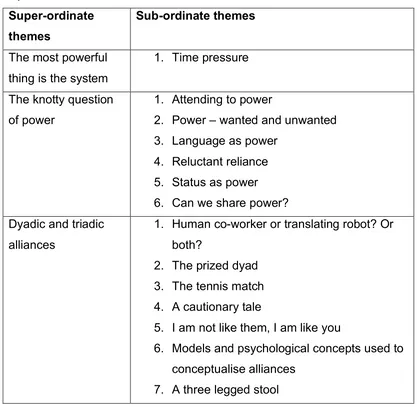
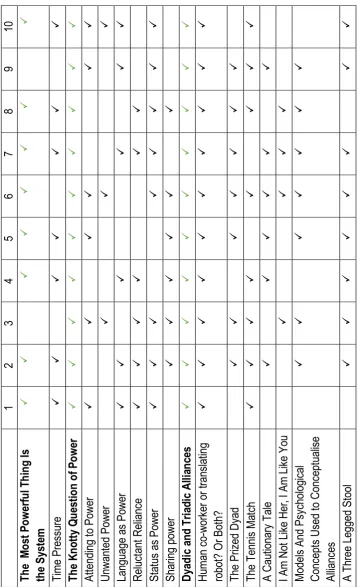
The analysis resulted in the development of three super-ordinate themes: “The system is the most powerful thing”, the knotty question of power, and dyadic and triadic alliances. Each was supported by several sub-ordinate themes, with the first super-ordinate theme considered as an overarching theme as it related to most aspects of participants’ experiences.
One of the key findings of the study related to an understanding of the context of the therapy setting as a driver of therapists’ experience of working with interpreters. Whether the therapist experienced the ‘system’ as pressured and demanding or supportive, appeared to link to how they perceived and related to the interpreter, particularly in terms of issues of power and alliances. A Kleinian psychoanalytic theoretical framework was drawn upon to contextualise the analysis and offer a way of understanding the impact of organisational factors on the therapists’ experience.
The findings of the study suggest that an understanding of how therapists experience power dynamics and the therapeutic alliance when working with an interpreter is enhanced by contextualisation of the experiences. The new insights into how contextual factors may drive therapists’ experiences of
List of Tables and Figures
Table 1. Example of major emergent theme and sub-themes from
participants 4 and 7 ... 43
Table 2. Super-ordinate and sub-ordinate themes ... 45
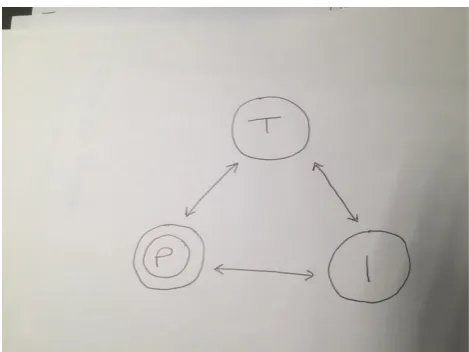
Figures 1 & 2. Photographs of diagrams produced by participant 7 ... 55
Figure 3. Photograph of diagram produced by participant 9 ... 57
Figures 4 & 5. Photographs of diagrams produced by participant 4 ... 65
Abbreviations
A&E: Accident and Emergency
BAME: Black Asian and Minority Ethnic
BPS: British Psychological Society
CAMHS: Child and Adolescent Mental Health Service
CAT: Cognitive Analytic Therapy
CBT: Cognitive Behavioural Therapy
EMDR: Eye Movement and Desensitisation Reprocessing
IAPT: Improving Access to Psychological Therapy
IPA: Interpretative Phenomenological Analysis
LEP: Limited English Proficiency
NHS: National Health Service
NICE: National Institute of Clinical Excellence
PTSD: Post Traumatic Stress Disorder
TA: Therapeutic Alliance
UEL: University of East London
Table of Contents
INTRODUCTION CHAPTER... 1
1.1 Chapter Overview ... 1
1.2 My Personal Interest in the Topic ... 1
1.3 Background to the Research Topic ... 1
1.3.1 Prevalence of need... 1
1.3.2 Provision of therapy. ... 2
1.3.3 Literature relating to working with interpreters in therapy. ... 3
1.3.4 Alliances and power relations in therapy. ... 4
1.4 Rationale for the Study ... 4
1.5 Aim of this Research ... 5
1.6 Relevance to Counselling Psychology ... 5
1.7 Summary ... 6
LITERATURE REVIEW CHAPTER ... 7
2.1 Introduction ... 7
2.2 Literature Review Findings ... 7
2.2.1 Effect of interpreters on therapy outcomes. ... 7
2.2.2 Using different therapy models. ... 8
2.2.3 Role of interpreter. ... 9
2.2.4 Interchangeability of the interpreter. ... 9
2.2.5 Positive and negative experiences. ... 10
2.2.6 Therapeutic alliance. ... 11
2.2.7 Boundaries. ... 13
2.2.8 Power. ... 13
2.2.9 Context. ... 15
2.3 Epistemological and Methodological Critique ... 16
2.4 Implications of the Review for the Proposed Study ... 17
2.5 The Proposed Study... 18
METHODOLOGY CHAPTER... 20
3.2 Research Gap ... 20
3.3 Research Questions ... 20
3.4 Research Aims ... 20
3.5 Ontological and Epistemological Positioning of this Study ... 21
3.6 Reflexivity ... 22
3.7 Overview of IPA and Rationale for Choice of Methodology ... 23
3.7.1 Theoretical foundations of IPA. ... 23
3.7.1.1 Phenomenology... 23
3.7.1.2 Hermeneutics. ... 24
3.7.2 Characteristics of IPA ... 25
3.7.2.1 Focus on context. ... 25
3.7.2.2 The role of language... 25
3.7.2.3 Intersubjectivity and IPA. ... 26
3.7.2.4 Epistemological basis. ... 26
3.7.3 Rationale for choice of method. ... 27
3.8 Quality Appraisal and Qualitative Research ... 28
3.9 Ethics... 29
3.10 Conducting IPA ... 29
3.10.1 Sampling and inclusion criteria. ... 29
3.10.2 Sample size. ... 30
3.10.3 Recruitment. ... 30
3.10.4 The participants. ... 31
3.10.5 Data collection. ... 32
3.10.5.1 Visual methods in psychology. ... 32
3.10.5.1 Diagrammatic elicitation. ... 33
3.10.5.2 The interview schedule. ... 34
3.10.5.3 Pilot interview. ... 36
3.10.5.4 Conducting the interviews. ... 36
3.10.6 Preparation of data. ... 37
3.10.7 Process of analysis. ... 37
3.10.7.1 Reflexive exercise. ... 37
3.10.7.2 Step 1: Reading and re-reading. ... 38
3.10.7.3 Step 2: Initial Noting: Providing detailed notes and comments on the text. ... 38
3.10.7.5 Step 4: Searching for connections across the emergent themes
within one participant’s account. ... 40
3.10.7.6 Step 5: Moving to the next case. ... 40
3.10.7.7 Step 6: Looking for patterns across the cases. ... 40
3.9 Summary ... 43
ANALYSIS CHAPTER ... 44
4.1 Chapter Overview ... 44
4.2 The Themes ... 45
4.2.1 Super-ordinate theme one: “The most powerful thing is the system”. 45 4.2.1.1 Sub-ordinate theme one: Time pressure. ... 46
4.2.2 Super-ordinate theme two: The knotty question of power. ... 50
4.2.2.1 Sub-ordinate theme one: Attending to power. ... 50
4.2.2.2 Sub-ordinate theme two: Power – wanted and unwanted. ... 51
4.2.2.3 Sub-ordinate theme three: Language as power. ... 52
4.2.2.4 Sub-ordinate theme four: Reluctant reliance. ... 54
4.2.2.5 Sub-ordinate theme five: Status as power. ... 56
4.2.2.6 Sub-ordinate theme six: Can we share power? ... 58
4.2.3 Super-ordinate theme three: Dyadic and triadic alliances. ... 59
4.2.3.1 Sub-ordinate theme one: Human co-worker or translating robot? Or both? ... 59
4.2.3.2 Sub-ordinate theme two: The prized dyad. ... 62
4.2.3.3 Sub-ordinate theme three: The tennis match. ... 63
4.2.3.4 Sub-ordinate theme four: A cautionary tale. ... 65
4.2.3.5 Sub-ordinate theme five: I am not like them, I am like you. ... 68
4.2.3.6 Sub-ordinate theme six: Models and psychological concepts used to conceptualise alliances. ... 70
4.2.3.7 Sub-ordinate theme seven: A three legged stool. ... 72
4.3 Analytic Summary ... 73
DISCUSSION CHAPTER ... 75
5.1 Chapter Overview ... 75
5.2 Summary of Analysis ... 75
5.3 The Context ... 75
5.4.1 Super-ordinate theme one: “The most powerful thing is the system”.. 76
5.4.2 Super-ordinate theme two: Knotty question of power. ... 78
5.4.3 Super-ordinate theme three: Dyadic and triadic alliances. ... 80
5.5 Contextualising the Findings from a Theoretical Perspective ... 83
5.5.1 Applying psychoanalytic theory to understanding organisational systems and behaviour. ... 84
5.6 Reflexivity ... 88
5.6.1 Personal reflexivity. ... 88
5.6.2 Epistemological and methodological reflexivity. ... 89
5.7 Limitations of IPA in Relation to Language ... 89
5.8 Other Possible Methodologies ... 90
5.9 Considerations Relating to Making Links to Theoretical Frameworks in IPA ... 90
5.10 The Contribution of the Diagrammatic Task ... 91
5.11 Attending to Quality ... 92
5.12 Implications of the Findings for Counselling Psychology and Mental Health ... 93
5.12.1 Informing Therapeutic Practice ... 93
5.12.2 A role for Counselling Psychologists in effecting change. ... 94
5.13 Implications for Future Research ... 95
REFERENCES ... 98
APPENDICES ... 108
Appendix A: Notice of Ethics Review Decision – UEL ... 108
Appendix B: Confirmation of UEL Sponsorship ... 112
Appendix C: HRA letter of approval ... 112
Appendix D: SLaM R&D approval confirmation ... 120
Appendix E: Participant Information Sheet ... 122
Appendix F: Consent Form ... 125
Appendix G: Interview Schedule ... 126
Appendix H: Initial Reflexive Exercise ... 128
Appendix I: Example of Transcript Analysis ... 129
Appendix J: Clustered Emergent Themes for P7 ... 130
Introduction
1.1 Chapter Overview
This section begins by providing the context to my interest in
understanding therapists’ experiences of working with language interpreters, followed by the background to, and rationale for, investigation of this topic. The research aims and relevance to Counselling Psychology are then offered.
1.2 My Personal Interest in the Topic
Counselling Psychologists often become aware of a need for research through their own direct experience, by sensing a gap in their own ability or knowledge, or observing a gap in that of others (Kasket, 2012). In my own case, I had been working with interpreters in therapy regularly in my role as a High Intensity Cognitive Behavioural Therapist (CBT) in an Improving Access to Psychological Therapies (IAPT) service, with a wide variety of experiences of doing so, and not much reflection on how I related to the interpreter. Having begun my Counselling Psychology training, I began to develop my humanistic values, and to broaden my clinical experience to include working in other
models of therapy, and to a secondary care psychology setting. This resulted in me viewing the experience of working with interpreters through a new lens. Through my own reflective process, I became aware of my previous lack of focus on the therapeutic alliance and power dynamics. My curiosity to learn more about how other therapists experience working with interpreters, particularly in relation to these elements of the work, was sparked.
1.3 Background to the Research Topic
The need for, and benefits of, the provision of language interpreters for therapy have been established, and are supported through guidelines, research and legislation. However, there may be factors which impact on therapists’ and organisations’ experience of meeting the requirements.
could not speak English at all. This equates to around 1% of the population, though in areas of London this figure rises to between 8 and 9%. This same census found having Limited English Proficiency (LEP) to be linked to a worse health status, which the authors suggest may be due to lower proficiency in English making it difficult to access suitable health care. The Department of Health (2005) has highlighted the low uptake of psychological therapy by Black and Asian Minority Ethnic (BAME) communities, and has identified not being able to speak the common language as a key barrier to accessing therapy. For clients with LEP, a language interpreter may be required in order to be able to access psychological therapy.
1.3.2 Provision of therapy. In England and Wales, people who access psychological therapy through the NHS may do so through their local IAPT service or (for more complex or chronic difficulties) secondary care psychology service.
IAPT is an NHS programme designed to increase access to
psychological therapies for the general population, offering NICE approved psychological treatment for depression and anxiety disorders, using a stepped care model. Its original inception was based on the economic argument that funding an increase in access to psychological therapies would become cost-neutral as anxiety and depression-related public costs, such as welfare benefits and medical costs, would be reduced, and revenue from people returning to work through taxes and productivity would increase (Clark, 2011). The IAPT programme set initial targets relating to the number of patients to be seen, and for ‘recovery rates’ for patients. Additionally, it was expected that within three years 25,000 fewer people would be on sick pay or receiving state benefits. By 2017, IAPT had reached a rate of access of 960,000 per year and a recovery rate of 51%. Continued expansion of the programme is supported by the current UK government with a target of a 1.5 million access rate by 2021 (Clark, 2018).
a service on the grounds of language would contravene this Act (South London and Maudsley NHS Foundation Trust, 2016, p.4). NICE guidance relating to providing psychological treatment for people with depression and anxiety explicitly stipulates that services must provide, and therapists must work
proficiently with an independent interpreter if one is needed (NICE, 2009; NICE, 2011). The British Psychological Society (BPS) offer good practice guidelines recommending that all psychologists should receive training in working with interpreters so as to ensure that certain groups are not being denied access to psychological services on grounds of language (BPS, 2017). In 2017, the London Mental Health Trust, from where the participants for this study were recruited, undertook 6,945 face-to-face sessions, in 65 different languages, using interpreters (South London and Maudsley NHS Foundation Trust, 2017).
A recent survey has shown that psychological professionals in the UK are feeling increasingly stressed in their jobs (NHS, 2015). The authors describe an overall picture of burn-out, low morale and increasing stress and depression for NHS psychology staff. The findings of the study suggest that the target driven environment, particularly in IAPT, is experienced by therapists as pressured and demanding. IAPT was described by survey respondents as being politically driven and fixated on targets. Pressure to meet these targets, extra administrative demands, an increase in having to work unpaid hours, and staff being prevented from providing adequate therapy due to resource cuts, were frequent themes in contributing to stress and low morale (NHS, 2015).
1.3.3 Literature relating to working with interpreters in therapy.
Existing literature generally supports the value of working with interpreters in therapy.
Undertaking therapy in a person’s first language has been shown to be of benefit. Studies have shown that recall in the original language increases emotional intensity (Marian & Kaushanskaya, 2014), and that memories are more numerous, detailed and emotionally marked when expressed in the language in which they were experienced (Schrauf, 2000). It has been
culturally specific meaning, which may feel untranslateable to the client, resulting in the meaning of that experience being altered or missed in its communication to the therapist (Marian & Kaushanskaya, 2014).
Therapy using interpreters has been found in quantitative research to be as effective as psychotherapy with direct communication (D’Ardenne, Ruaro, Cestari, Fakhoury, & Priebe, 2007), and to be associated with improved clinical outcomes for patients (Brune, Eiroa-Orosa, Fischer-Ortman, Delijaj, & Haasen, 2011). However, qualitative research has reported mixed findings relating to how well therapy can work through an interpreter, particularly when working psychodynamically (Darling, 2004; Foster, 1998).
1.3.4 Alliances and power relations in therapy. Research suggests there may be an impact on the Therapeutic Alliance (TA) when an interpreter is used in therapy (Tribe & Thompson, 2009b), and that issues relating to power may be particularly relevant when working with clients from BAME and refugee populations (Patel, 2003).
Most current conceptualisations of the TA are based on Bordin’s (1979) definition of an agreement on goals, tasks and the development of bonds between the therapist and client (Becher & Wieling, 2015). A robust positive relationship between the TA and therapy outcome has been shown (Horvath, Del Re, Fluckigers, & Symonds, 2011) and qualitative studies exploring client experience have highlighted the value of the TA in enabling change and recovery (McManus, Peerbhoy, Larkin & Clark, 2010).
Power is exercised in the social, economic, and political relations between individuals and groups, and is perpetuated through social divisions, including gender and ethnicity, and through institutions and organisations (Patel, 2003). In therapy, it may be considered that the practitioner is in a position of power, and the dynamics within the therapy relationship may also reflect wider societal imbalances (Cooper, 2009).
1.4 Rationale for the Study
The need for provision of language interpreters to enable people with LEP to access psychological therapy is clearly established, and the requirement for therapists to work with interpreters in therapy is supported through
impact on the therapist’s experience of doing so. There may be an impact on the therapeutic alliance, and dynamics relating to power may be affected when working with an interpreter. Recent research relating to stress experienced by NHS psychology staff suggests there may also be factors relating to the environment in which therapy is offered that impact on the therapists’ experience. Little previous research has considered the experiences of therapists within the context of the therapy setting. Research exploring
therapists’ experiences of power and alliances when working with interpreters, within the contexts of the services provided, could offer a timely and valuable contribution to the literature relating to therapists’ experience of working with interpreters.
1.5 Aim of this Research
The aim of this study was to explore therapists’ lived experiences and perceptions of the power dynamics and therapeutic alliances when working with an interpreter, with a secondary focus on gaining an understanding of the
impact of the context of the therapy setting on these experiences. The methodology used to achieve this aim was Interpretative Phenomenological Analysis (IPA), a qualitative research approach concerned with exploring in detail how people make sense of their lived experiences (Smith, Flowers & Larkin, 2009).
1.6 Relevance to Counselling Psychology
An exploration of therapists’ lived experiences and perceptions of
Counselling Psychologists and other psychological therapists relating to working with interpreters in therapy.
1.7 Summary
This section provided an overview of the origins of this study and a background to the topic. The rationale for this research, based on the
importance of studying this topic and meeting gaps in existing literature, was provided. The relevance and potential contribution to Counselling Psychology theory and practice of the study were stated.
Literature Review
2.1 Introduction
In this section I critically review the available literature relating to the experiences of therapists working with language interpreters, organising the findings of the review into conceptual areas. The chapter concludes by highlighting the key findings of the review, and offering a proposal for a research study to meet the identified need.
2.2 Literature Review Findings
2.2.1 Effect of interpreters on therapy outcomes. The use of
professional interpreters is associated with improved clinical care and outcomes in health care generally (Karliner, Jacobs, Hm Chen & Mutha, 2007). However, there is little research that investigates the use of interpreters and their effect on psychotherapy outcomes, although that which does exist suggests similar findings.
D’Ardenne et al. (2007) compared routine clinical outcomes of three groups of clients with Post-traumatic Stress Disorder (PTSD) receiving CBT: refugees who required interpreters, refuges who did not, and English speaking non refugees. They found that refugees with interpreters showed proportionally more improvement than refugees without interpreters, though this did not reach statistical significance. The authors conclude that use of interpreters in CBT is feasible and is associated with improved clinical outcomes. This study was conducted under routine clinical conditions, improving the generalisability of the results to similar ‘real-world’ services. However, the cultural appropriateness of PTSD measures may be questioned, affecting the validity of the study, and there was no exploration of factors which might have contributed to the improvement shown where an interpreter was present.
Brune et al. (2011) compared the outcomes of 190 individual
effective as psychotherapy with direct communication, and propose that psychotherapy with the help of an interpreter should not be considered a poor alternative.
2.2.2 Using different therapy models. The existent research relates to therapists working with a variety of different therapy models. Regardless of the model used, there seems to be agreement that simplifying interventions is helpful when working with an interpreter. For example, Mofrad and Webster (2012) suggest that behavioural interventions, such as exposure and
behavioural activation, are useful as they rely on basic human learning rather than detailed language, and, when working psychodynamically, Darling (2004) suggests that comments and reflections should be kept concise.
Some research documents concern about the interpreter not
and the interpreter, and these are conceptualised in the form of reciprocal roles (patterns in relationships).
2.2.3 Role of interpreter. The role and tasks of the interpreter in a therapy setting are much debated (Tribe & Thompson, 2009a). Traditionally, interpreters acted as a ‘black box’ providing a strict word for word translation between the therapist and client (Miller et al., 2005). However, it has been suggested they actually fulfil a wider role, including cultural brokerage, cultural consultancy, advocacy and conciliation (BPS, 2017), with the task of translation involving translating at the literal, metaphorical, cultural and non-verbal levels of communication, and making sense of the world-view of each party (Schweitzer et al., 2013).
Within the studies reviewed, the majority of therapists viewed interpreters as being more than a simple language translator. For example, one participant stated “Interpreters are not a mouthpiece but are central to all aspects of our work.” (Yakushko, 2010, p.452). Participants in a number of studies highlighted the advantages of working with an interpreter in terms of their role as a cultural broker (Quinn, 2011; Mofrad & Webster, 2012; Emillion, 2011), particularly as a ‘cultural bridge’, and in enhancing the therapist’s overall understanding of their clients (Engstrom, Roth, & Hollis, 2010).
However, there were examples where it was clear that the therapist did not value the role of the interpreter, even viewing the presence of the interpreter as an intrusion or an unfortunate necessity (Miller et al., 2005). The most
extreme position was from one clinician who stated that they did not wish the interpreter to offer any cultural information “Don’t interpret. Just translate verbatim whatever they say. And even if you don’t understand what they are saying, it doesn’t matter.” (Becher & Wieling, 2015, p.454). The literature also highlights mixed views relating to the interpreter’s role in relation to the
therapist. In Kuay et al. (2015), one participant talked of “conjoint work” with the interpreter, whereas for others in the study clear boundaries between the roles were seen as important; “I don’t see them as a co-therapist, I’m the therapist.” (p.285).
during the therapy. Brune et al. (2011) suggest that the triad should always be made up of the same persons, believing that the therapeutic process would be interfered with should the interpreter change. Darling (2004) agrees, viewing continuity of the interpreter as an essential part of maintaining the
psychoanalytic frame. Baker, Izzo and Trenton (2015) hold a different view; whilst commenting on the therapeutic frame and the importance of its
maintenance, they suggest that a client preference for a particular interpreter may be dysfunctional and wonder if it may be evidence of splitting or the client defending against their own displacement by creating a situation where they are no longer the outsider. They suggest that a tolerance for interchangeability of interpreter from all parties is a positive sign of a strong therapeutic alliance between the therapist and client, and that rotating interpreters over the course of therapy is preferable.
2.2.5 Positive and negative experiences. The literature suggests that many practitioners view working with interpreters in a negative light, at least initially. One study, which interviewed both trainee and qualified counsellors working in a variety of settings within the UK, found the participants reported a sense of unease and curiosity about working with an interpreter (Quinn, 2011). Other studies have mentioned therapists’ anxieties about being observed in their practice (Mofrad & Webster, 2012; Schweitzer et al., 2013). Other concerns cited by therapists have been related to inaccuracies in translation, and a sense that interpreters are taking over the therapy (Raval & Smith, 2003). Specific examples relating to inaccuracies in translation include concerns that the interpreter had filtered the meaning (Quinn, 2011) or omitted information (Engstrom et al., 2010). Concerns about difficulty in communicating empathy were cited, with one participant commenting “Often I think they might
experience the interpreter as being empathic towards them rather than me.” (Pugh & Vetere, 2009, p.310).
on their use of language and increase their alertness to non-verbal
communication, as well as increasing the clinician’s understanding of different cultural perspectives. In the literature reviewed, a number of the positive experiences identified by the participants related to the process of the
interpreted therapy, including allowing headspace for the clinician to process and observe countertransference (Quinn, 2011), or the value of their cultural perspective (Engstrom et al., 2010). Others related to the participants’
appreciation of the presence of the interpreter as a supporter and someone to share the experience with, particularly when traumatic material was discussed (Miller et al., 2005).
2.2.6 Therapeutic alliance. In traditional psychotherapy the alliance is dyadic: between the client and therapist. When an interpreter is introduced, then this becomes a triad, with subsequent challenges to traditional notions of the therapeutic alliance (Tribe & Thompson, 2009b).
Although a number of the studies reviewed include therapists’ views relating to the effects on the TA of working with an interpreter, there is only one existent study that uses a quantitative methodology to investigate the TA within an interpreter triad. In this study (Boss-Prieto, De Roten, Elghezouani, Madera, & Despland, 2010), the participants (9 clients, 5 interpreters, 7 therapists) were given six dimensions of the TA (help, understanding, collaboration, trust,
agreement on tasks, agreement on goals), and asked to explain what each dimension meant by word association, and then evaluate each dimension for each dyad within the triad on a scale. Some overlap in the meanings expressed between the clients and interpreters, and between therapist and interpreter, were found, but little overlap between therapists’ and clients’ meanings. There was no significant difference between any of the dyads’ rated alliance levels, although the therapists always rated the alliance between themselves and the interpreters as lower than did the interpreters. The authors suggest this may be because therapists may have theoretical ideals about what constitutes a good therapeutic alliance. They conclude that the results imply that there exists a TA between the therapist and client when working with an interpreter. This
whole. Other limitations relate to the small sample, all of which were of Albanian heritage, and the use of a non-validated measurement tool, affecting the validity and generalisability of the findings.
The finding that clients and therapists have divergent perceptions
relating to the TA, particularly within a transcultural setting, has been confirmed within qualitative research. Mirdal, Ryding, and Sondej (2011) interviewed traumatised refugees, their therapists and their interpreters. Within triads with successful clinical outcomes (as rated by the therapist), the relationship was described by both therapist and client as being characterised by solicitude, compassion, strong liking and tenderness. These findings suggest that dimensions other than those defined by Boss-Prieto and colleagues are important in defining the effective TA within an interpreter triad.
Different ways of conceptualising the TA between the interpreter, client and therapist have been offered. Tribe & Thompson (2009b) suggest that the most helpful approach to therapeutic work with an interpreter is to view this as 3-way relationship, with the interpreter fully involved in the therapeutic
relationship. They offer an alternative view to viewing the relationship as an equilateral triangle, where the distance between each is the same, and unhelpful alliances may develop. They suggest that in practice the distance between participants is in motion and alliances change throughout therapy, with potential alliances developing between client and interpreter, particularly. This pattern was observed in Miller et al., (2005), where several participants
described the client initially forming a stronger bond with the interpreter, then more gradually with the therapist. Therapists experienced this, initially at least, as threatening. Changes in distances between participants were also
experienced as problematic in research by Hsieh & Hong (2010). Tribe & Thompson (2009b) suggest there could be something beneficial about building a fixed alliance between clinician and interpreter so they can support each other and function as a co-working couple, to manage the changing shape of the triangular relationship between the two parties.
For example, one therapist reported coming into the waiting room to collect the client and interpreter, finding them speaking together in an animated way, but then encountering silence when they entered the therapy room (Schweitzer et al., 2013). Reported ways of managing this feeling of exclusion included
humour, with one therapist asking, “Excuse me, can I be part of this…?” (Kuay et al., 2015, p.285), and making an effort to becoming familiar with the shared topic (Mofrad & Webster, 2012)
2.2.7 Boundaries. Most research contained the view that it is important to attend to the boundaries of the relationship between the client and
interpreter. One participant in the Baker et al. (2015) study expressed a dilemma over the appropriateness of interactions between the client and interpreter outside of the session. Whilst the therapist could see that the client was benefiting from the interpreter’s support and the modelling of the successful transition into life in the US, the interaction between the two left the therapist feeling more and more disempowered, and less and less like a therapist. For another participant in this study, outside interactions were definitely crossing a boundary. The authors of this study suggest therapists should be vigilant for interactions outside of the established frame that might contaminate or complicate the holding environment of the therapeutic relationship. Darling (2004) also refers to the danger of leaving the therapy setting open to
contamination in relaying her experience of having worked with an interpreter where she came into the waiting room to find the client and interpreter chatting. She describes feeling as though the session had started and she had been left behind.
2.2.8 Power. Literature on therapy carried out with the help of an interpreter has tended to focus on clients from a refugee background, and on therapy related to symptoms of PTSD relating to negative pre-migration experiences, such as political violence, war and torture. However, in the UK, people with LEP may come from a variety of backgrounds, and may experience a wide range of psychological difficulties.
within the relational dynamics within the interpreter triad (Brisset, Leanza & Laforest, 2013). The researchers suggest these difficulties are the expression of power struggles in wider society, which impact on languages and minorities.
Tribe and Thompson agree that dynamics tend to reflect the way the power relations are working within the 3-way relationship, but also in the wider world. “It is (therefore) important to view what is taking place within therapy with a wide lens, and explore which structures of power may be being reflected within the dynamics of the three way relationship” (Tribe & Thompson, 2009b p.8). Numerous differences may exist between the interpreter, client and therapist including differences in language, ethnicity, class, age, gender, and political and religious beliefs (Patel, 2003). Tribe and Thompson (2009b) identify questions of power as being of acute relevance when working with those who have experienced persecution, including refugee populations. However, issues related to power are mentioned explicitly in only a small number of studies.
Using critical theory and an ethno-cultural framework, Becher and Wieling (2015) sought to test their hypotheses that the likely differences between the therapist and interpreter would give greater authority to the clinician’s social construction of mental health, and that both therapist and interpreter would report better clinical experiences if power dynamics allowed for a collaborative relationship. Interviewing 10 interpreters and 7 clinicians, the researchers provided definitions of power and privilege at the start of interviews to ensure shared understanding. Key findings were that negotiation of power was connected to the quality of the TA, and that interpreters and therapists talked about power in different ways. They found the majority of interpreters did not recognise the power they had, whereas therapists were explicit about both their own power and the power of the interpreter, suggesting that although both therapist and interpreter hold power, the power of the therapist is more
frequently acknowledged across the groups.
The specific ways in which power was perceived to be held by interpreters and clinicians reflect comments and findings by other authors, including Raval and Smith (2003). These include the clinician’s power as mental health expert and the gatekeeper to treatment, with higher pay and more
may hold a different truth yet have no voice. However, therapists may perceive that interpreters hold power in terms of the way they choose to translate the material presented to them by the client, and hold cultural insights and a shared language with the client.
Emilion (2011) writes about power dynamics and reciprocation when working with an interpreter using the CAT model. She talks in her research about powerful feelings being evoked in the interpreters, including feelings of helplessness and at times feeling out of control. These were understood in terms of the reciprocal role (relationship pattern) of ‘powerfully controlling to powerless’ operating between therapists and interpreters, and, at times,
between clients and therapists. The interpreters talked about feeling ‘blindly led’ in the sessions, which ‘pushed’ them into the powerless role, in which they felt vulnerable and helpless. Whilst they wanted to move out of this role into the controlling position, they did not feel their professional role allowed this to be expressed or explored.
2.2.9 Context. The majority of the existent research is based in specialist refugee or trauma therapy centres outside of the UK, and the impact of the setting of the therapy in relation to the participants’ reported experiences is not generally commented on in the studies. In the UK, people with LEP requiring the services of an interpreter to access therapy may be seen in an IAPT service or a secondary care psychology service.
A recent survey has shown that NHS psychological professionals in the UK are feeling increasingly stressed in their jobs (NHS, 2015). IAPT was described by survey respondents as ‘a politically driven monster’, which is fixated on targets. Pressure to meet these targets, extra administrative
demands, an increase in having to work unpaid hours and staff being prevented from providing adequate therapy due to resource cuts, were frequent themes contributing to stress and low morale.
driven treatment, resulting in feelings of anxiety and frustration. Similarly, Raval and Smith (2003), in their study of practitioners working in a UK Child and Adolescent Mental Health Service (CAMHS), found that experience of time pressures affected the ability of therapists to develop a co-working relationship with the interpreter.
Another UK-based piece of research comments upon the impact of the context of the therapy on the experience of working with translators, this time drawing upon a psychodynamic theoretical framework. Darling (2004) draws on work which postulates that organisations institutionalise their defence systems in response to stress. She reflects that the CAMHS service, within which she worked, was under pressure, not just through financial constraints, but also because of the disturbed presentation of clients. She suggests that her
organisation’s institutional defence to this situation may have been to adopt an approach characterised by an emphasis on dealing with anxiety by speedy action, rather than providing a space for thoughtful consideration of emotional realities, which might then lead to accepting uncertainty and the capacity to bear not knowing. Darling suspects that her anxiety around needing to relate to her clients, many of whom had complex needs, had prompted her to organise matters in a way which actually served to obstruct and attenuate her capacity to work with her interpreter colleagues in a meaningful and thoughtful way.
2.3 Epistemological and Methodological Critique
The research reviewed includes a range of methodologies used to investigate this topic from a number of epistemological positions, although only a limited number of the studies included information relating to the paradigmatic underpinnings of the research. Much of the literature comprises case studies (Schweitzer et al., 2013; Mofrad & Webster, 2012) or authors’ clinical
observations (Darling, 2004; Tribe & Thompson 2009a). Amongst the studies, Grounded Theory was used with the aim of developing categories from the analysis, which could then become the basis for a model relating to therapist experiences by Erbil (2015) and Hseih and Hong (2009). Narrative Analysis was used by Miller et al. (2005), and Becher and Weiling (2015) employed
phenomenological approach was used in a number of the studies, both descriptive (Mirdal et al., 2012; Yakushko, 2010) and interpretative (Pugh & Vetere, 2009; Raval & Smith, 2003). However, even where IPA was used explicitly with the aim of providing a contextual understanding of the therapists’ experiences (as in Raval & Smith, 2003), this seemed to focus on wider societal structures rather than the specific context of the therapy setting.
2.4 Implications of the Review for the Proposed Study
The aim of this study is to produce detailed accounts of therapists’ lived experiences of working with interpreters in clinical practice in order to gain a rich understanding of the phenomenon. Whilst this topic has been investigated using different methodologies, underpinned by different epistemological
positions, the process of reviewing the current literature has highlighted to me a gap in exploring therapists’ experiences from a critical realist perspective, using a contextual interpretative phenomenological methodology. My aim is not to develop a model or theory of the phenomenon, but to develop an understanding of therapists’ experiences. Adopting a critical realist position supports
acknowledgement of the reality of power and oppression, and analysing the data using IPA allows for developing an understanding of the experiences within the context of the therapists’ work setting. Although IPA has been used to explore this topic previously, the contextualisation offered in relation to the therapy setting of the participants’ accounts is limited.
The studies reviewed suggest therapists experience and conceptualise the roles and dynamics between the client, therapist and interpreter in different ways, and that sometimes they may use concepts from psychotherapeutic models in doing so. Few studies have explored or commented on this in detail, or related it to the contextualisation of the therapists’ account of their
experience.
Most studies relate to therapists’ experiences in individual
psychotherapy. People with LEP may be seen for therapy in a variety of settings including couples, family, group or individual therapy.
Only one study (Erbil, 2015) includes Counselling Psychologists as participants. Counselling Psychologists have a unique position in holding values related to empowerment and the prioritisation of the TA. This makes very
values. Therefore, research that explores their experiences of working with interpreters, from their unique perspective, is important.
All the research that collected therapists’ experiences used either a descriptive case study or semi-structured interview data collection method. Even though some participants chose to describe their experiences in visual terms (such as likening the distance and diffusion they felt to being like a goldfish bowl with therapist looking in at the interpreter-client relationship in Quinn, 2011), no studies used any type of pictorial or visual representations of therapists’ views. It seems possible that a data collection method that facilitates exploration of the therapists’ perceptions and conceptualisations of the TA and power dynamics in a visual way would be a valuable addition to verbal
descriptions of experiences.
Most of the research settings were specialist services for victims of torture. In England, clients requiring an interpreter for psychological therapy may be seen in an IAPT or secondary care psychology service, and may be experiencing a range of psychological difficulties. Research suggests that there may be contextual factors within these settings that may have particular
relevance for therapists’ experiences of working with interpreters (Erbil, 2015; Raval & Smith, 2003; NHS, 2015), making research that explores experiences within context particularly relevant.
Overall, the literature review has identified a number of gaps in the literature, but, most importantly, has highlighted issues relating to the context of therapists’ experience, including the pressured nature of NHS therapy services and the resulting stress and low morale reported by psychological therapists, which seem likely to inevitably impact on their experiences of working with interpreters. This, coupled with the documented prevalence of need for interpreters and the requirement for therapists to work proficiently with
interpreters, support the benefits of a study which looks at the experiences of NHS therapists of working with interpreters.
2.5 The Proposed Study
The process of undertaking a review of the available literature has highlighted a number of gaps relating to a contextual and detailed
understanding of therapists’ experiences of working with interpreters,
Methodology
3.1 Chapter Overview
This chapter begins with a statement of the research aims and questions. This is followed by the ontological and epistemological positioning of this study and a brief presentation of issues concerned with ethics and reflexivity. Next is offered an overview of the chosen methodology and methods. Following consideration of quality appraisal in qualitative research, a chronological
account of the process of analysis is provided. This chapter is written in the first person to help the reader engage with the process of analysis as it happened, and to allow direct expression of both methodological and personal reflexivity.
3.2 Research Gap
A review of the literature suggests that this topic has generally been explored using the methods of case studies and semi-structured interviews, gathering data from therapists working in specialist services with clients
experiencing symptoms relating to trauma. Few studies have explicitly explored therapists’ experiences of therapeutic alliances or dynamics relating to power, or how therapists’ experiences might reflect contextual factors, including the setting of the therapy and the psychotherapeutic model used.
3.3 Research Questions
How do therapists experience working with language interpreters in therapy?
How do they experience and conceptualise the alliances and dynamics relating to power within the triad?
How are contextual factors relating to the therapy reflected in the way therapists talk about their experiences of working with interpreters?
3.4 Research Aims
To use data collection methods which facilitate exploration of therapists’ lived experience, from an ontological and epistemological position that acknowledges the reality of power and oppression, using a methodology which supports the contextualisation of therapists’ experiences, and embraces the intersubjective relationship between researcher and participant.
3.5 Ontological and epistemological positioning of this study
Active adoption of a theory of knowledge and an epistemological stance that determines, and is made visible through, the methodology and method, is essential for the Counselling Psychology researcher (Willig, 2013). In
considering my own epistemological position, I thought carefully about the type of knowledge I was aiming to produce, and my own views on the nature of reality and subjectivity. Of particular importance to me were the implications of the different stances relating to the role of language, context and
intersubjectivity.
Choosing a paradigm and methodology that are closely related to
practice is important to Counselling Psychologists (Morrow, 2007). In aiming to gain an understanding of how therapists experience working with interpreters, I was clear that I wanted to elicit a detailed account of each individual’s lived experience to gain a richer understanding of the phenomenon. I subscribe to the critical realist ontological and epistemological position that there is an objective reality which exists independent of how people think or talk about it, and that language may be used to express the way we structure the world. This position argues that data can tell us about reality, but it is not a direct mirroring of it. Although meanings, intentions, attributes, are not directly observable, they are part of the real world. However, they are not accessible except by the
My view of the relationship between the researcher and participant is one of collaboration and co-creation of knowledge. I therefore subscribe to the importance of reflexivity in reflecting on my role as the researcher in the meaning-making of the data and in relation to the power and privilege I may hold over the participant, including in shaping what is known about the participants’ experiences.
3.6 Reflexivity
Qualitative approaches acknowledge that the researcher influences the research. Reflexivity encourages researchers to reflect upon and make explicit the ways in which their own values, experiences, interests, beliefs, thoughts and feelings are implicated in the research (Willig, 2013). I am aware that my
experiences, knowledge, beliefs and understanding of this topic inevitably influenced the whole research process, including its focus, philosophical underpinnings, and the analysis and discussion of the study’s findings. I
particularly acknowledge the effect of the tensions within the dual role I hold as a researcher and therapist, and my insider/outsider position in relation to the participants.
There are a number of ways in which the Counselling Psychology researcher may engage in reflective practice. Following the suggestions of Kasket (2012), I began with a reflective exercise to identify my thoughts, feelings and beliefs about the topic. This helped me to understand what some of my hopes or expectations were about what I might find in the data. I also participated in a reflexive research group at University, and regularly wrote in a reflexive journal.
Ensuring that reflexivity is attended to at all stages or parts of research, and that the reader can assess how the researcher’s perspective and position shaped and impacted all parts of the research, is essential in meeting a
commitment to rigour in qualitative research (Willig, 2013). In order to facilitate this, I include reflexive notes relating to epistemological, methodological and ethical issues throughout this thesis. This process concludes in the discussion chapter with a reflection on how the topic could have been investigated
3.7 Overview of IPA and Rationale for Choice of Methodology
Interpretative Phenomenological Analysis (IPA), a qualitative research approach founded by Smith (1996), was chosen as the methodology for this study. This section will offer an overview of IPA, followed by the rationale for this choice of methodology in relation to the aims and questions of the research, and the ontological, epistemological and axiological position of the researcher. Reasons for discounting other methodologies will be briefly discussed.
3.7.1 Theoretical foundations of IPA. IPA aims to provide detailed examinations of the lived experiences of participants, and is informed by concepts and debates from two key areas of the philosophy of knowledge: phenomenology and hermeneutics. It requires a combination of
phenomenological and hermeneutic insights in its attempt to get as close as possible to the personal experience of the participant, while recognising that this inevitably becomes an interpretative endeavour for the researcher and participant (Smith et al., 2009).
3.7.1.1 Phenomenology. Husserl (1970, 1982) proposed that
phenomenology is interested in the world as it is experienced by people, so it is our perception of objects that is of interest, rather than how they may first appear in everyday experience. It is the meaning that people attribute to
subjects and objects that constitutes their reality; they cannot be separated from people’s experience of them (Husserl, 1970, 1982). He suggests that our
tendency to try and fit ‘things’ into a system of categorisation gets in the way of this ‘phenomenological attitude’ of reflecting inwards to our perceptions
Similarly, IPA avoids attempting to fix experience in predefined categories, being concerned instead with the detailed exploration of human lived
experience, which is understood to represent the experience itself (Smith et al., 2009).
3.7.1.2 Hermeneutics. Hermeneutics (the theory of interpretation) is a major theoretical underpinning of phenomenology (Heidegger, 1962/1927; Smith et al., 2009). Hermeneutics posits that it is not possible to obtain knowledge that is outside of an interpretative stance, and views
phenomenology as an explicitly interpretative activity (Heidegger, 1962/1927). Both hermeneutics and phenomenology aim to examine phenomena as they are perceived by people (Heidegger, 1962/1927). In the same way, IPA is concerned with how participants attempt to make sense of their experience (Smith et al., 2009). Language and culture are viewed by both phenomenology and hermeneutics as shaping, limiting and enabling people’s interpretations of phenomena (Heidegger, 1962/1927). Additionally, they view people’s sense-making and meanings to occur in, and as a result of, varied relationships and social interactions with others (persons-in-context), which may be refined through self-reflection. This is referred to as symbolic interactionism (Mead, 1934).
Hermeneutic thinking suggests that the researcher (or interpreter) brings their own prior experiences, values, beliefs, and preconceptions to the
encounter, and that these will inevitably influence the interpretation that is made (Heidegger, 1962/1927). These ‘fore-conceptions’ are held, but it is argued that priority should be given to new phenomena (Heidegger, 1962/1927; Smith et al., 2009). Similarly, in IPA, experiences may be understood through the interpretation of the researcher of the participant’s account of the experience (Smith et al., 2009). Consequently, IPA involves a ‘double hermeneutic’, where the researcher is making sense of the participant, who is making sense of their world (Smith & Osborn, 2003). The iterative process of interpretation in IPA (of moving back and forth to the data) relates to the ‘hermeneutic circle’ idea which posits that the whole can only be understood in relation to its parts, which, in turn, can only be understood in relation to the whole (Smith et al., 2009). In keeping with hermeneutic phenomenological thinking, IPA acknowledges that interpretations are inevitably founded on the fore-conceptions of the researcher, and suggests a researcher may not necessarily be aware of all of the
practices are required in order for the researcher to be able to better know what their preconceptions are in order to understand what happens in an
interpretation (Smith et al., 2009).
3.7.2 Characteristics of IPA. IPA has the characteristics of being idiographic, inductive and interrogative. It is idiographic in that it is concerned with the particular: in a commitment to a detailed, deep analysis, and in understanding how a phenomenon is experienced by particular people in a particular context. While it does not seek general laws, it does not reject
generalisations, believing that it is by going deeper to the particular that we see what it is that we share more universally (Smith, 2004). It is inductive in that it focuses on perception and experience rather than pre-defined categories, and flexible techniques are employed to allow for unanticipated themes to emerge during analysis. Broad research questions that allow for the collection of expansive data are used, rather than hypotheses based on existent literature being tested or examined (Smith et al., 2009). Lastly, IPA is interrogative as it aims to make a contribution to psychology by illuminating existing literature. The results of the analysis do not stand in isolation, but rather are subsequently discussed in relation to the extant psychological literature (Smith et al., 2009).
3.7.2.1 Focus on context. IPA is described as a broadly contextualist approach because of its focus on persons-in-context, supported by the
assumption that you cannot meaningfully take a person out of context (Braun & Clarke, 2013). Inferences and interpretations are made cautiously by the
researcher, with an awareness of the contextual and cultural ground within which data are generated. Interpretations tend to emphasise the psychological rather than the critical socio-cultural aspects, possibly to avoid overwriting the subjectivities of participants with the analyst’s theoretical commitments and/or their political frameworks, (Braun & Clarke, 2013).
meaning. The participant’s choice of words and phrases is of great interest to the researcher who will pay attention to the particular meanings invoked by them. Metaphors are seen to come closer to the richness of experience; doing more than simply reflecting an experience but actually adding to or amplifying it. Understanding underlying meaning may be related to the focus on context of IPA as the researcher steps outside of the account and reflects on its status in a wider social cultural and theoretical context, reflecting on prevailing social and economic structures and on the meaning of accounts within the context (Willig, 2012b). This is the view of language as expressive rather than constructive or performative.
3.7.2.3 Intersubjectivity and IPA. IPA posits that the meanings an individual ascribes to an event are of central concern, but are only accessible through an interpretative process. The role of the researcher is recognised as central in interpreting the experiences of individuals, and the intersubjective relationship between the researcher and individual is embraced (Willig, 2013). Meanings are considered to be negotiated between a researcher and
participant and the research is seen as a joint product of the researcher, the participant and their relationship. It is not considered to be possible or desirable to bracket the researcher’s subjectivity. Instead, the presuppositions and
assumptions of the researcher are placed in the foreground and used to
advance the researcher’s understanding of the phenomenon (Willig, 2013). Not only are the fore-conceptions of the researcher, and how these are held,
relevant to the interpretative process, but intersubjectivity can enter interpretations through the researcher’s contributions to the conversation, particularly the interviews, as these provide the context within which the participants produce the accounts of their experience.
3.7.2.4 Epistemological basis. IPA holds a critical realist ontology in a way that other qualitative approaches do not, which reflects its
1962/1927). In line with the critical realist position, IPA accepts the impossibility of gaining direct access to reality through data without interpretation, as data is not a direct reflection of what is going on in the world, and needs to be
interpreted in order to understand the underlying structures that generate the phenomenon (Willig, 2013).
3.7.3 Rationale for choice of method. It is important that a researcher’s methodology is consistent with the researcher’s ontological and epistemological position, and supports the aims of the research (Willig, 2013). The methodology of analysis used for this study was Interpretative Phenomenological Analysis (IPA). This was chosen because of its focus on lived subjective experiences and of language as the mediator of these, its acknowledgement of
co-construction of reality by researcher and participant, and its understanding of persons-in-context (Braun & Clarke, 2013). The contextual nature of the approach supports my research question around exploring how the context is reflected in participants’ experiences, and the focus on intersubjectivity fits well with my values as a Counselling Psychologist.
Other methodologies were considered but discounted due to a lack of fit with my epistemological position and research question. Grounded Theory’s aim to produce theoretical accounts did not fit with my concern with micro-analysis of individual experience. Discourse Analysis was rejected due to its focus on the role of language in a person describing their experience, whereas my interest lies with exploring how people ascribe meaning to their experiences in their interactions with their environment. The more descriptive
3.8 Quality Appraisal and Qualitative Research
In response to growing dissatisfaction with qualitative research being evaluated according to the criteria for validity and reliability that are applied to quantitative research, a number of guidelines for assessing quality in qualitative research have been produced. In order to be able to evaluate the quality of a piece of qualitative research in a meaningful way, it is important to know the objectives of the research and its paradigmatic underpinnings (Willig, 2013). Research using phenomenological methods may be evaluated by assessing the extent to which they ground their observations within the context that generated them, and to which reflexivity issues are addressed in acknowledging and demonstrating how the researcher’s perspective and position have shaped the research. IPA involves interpretations by the researcher of the meaning of the data, and so, in order to be able to understand and assess the researcher’s interpretations, the reader must have detailed information about the process of how they were generated (Willig, 2013).
These recommendations relate to the four broad principles for assessing the quality of qualitative research offered by Yardley (2008). These include ensuring sensitivity to context is shown through an awareness of the literature relating to the topic and an appreciation of the interactional nature of data
collection within interview. Also, that commitment and rigour are shown through attentiveness given to the participant during the research process and the care taken in analysing the data. It is also important that transparency and
coherence are demonstrated by reporting a clear description of all stages of the process of the research and by reflecting on the aims of the research and the theoretical assumptions of the approach. Finally, that impact and importance (whether the research reports something interesting, valuable or useful) are commented upon.
These guidelines were held in mind during the process of planning, carrying out and evaluating this study, and will be commented on in detail in the
discussion chapter, as well as being reflected upon within the reflexive notes throughout.
3.9 Ethics
(BPS, 2014) and the University of East London (UEL, 2015). However, it felt important to go beyond simply adhering to these guidelines. Instead, I aimed to critically engage with the wider consequence of my work and the challenges and ethical dilemmas within my study including around privacy, responsibility for shaping what is known about the participants’ experiences, imposition of
theoretical frameworks, and my dual roles and related issues of power. These tensions and dilemmas are engaged with within the reflexive notes throughout the thesis.
Approval for the research was obtained from the Research Ethics Committee of the University of East London (appendices A and B), from the NHS Health Research Authority (appendix C) and the Research and
Development office of the Trust within with the research took place (appendix D).
Each participant was verbally informed about the study and provided with a Participant Information Sheet (appendix E) which detailed the aims and purpose of the study, what participation would involve and how the data would be used. Participants were informed that their participation was voluntary and that they could choose to withdraw their data up to four weeks after the interview. Each participant signed a consent form (appendix F). No participant refused to answer a question or requested to withdraw from the study.
Participants were informed that the data provided would be reported anonymously and would be safely and securely stored in accordance with the University of East London’s code of good practice in research and the Data Protection Act 2018. Audio recordings and transcripts were password protected and stored on the researcher’s personal computer, which remained at the researcher’s house. Participants were assigned and referred to by a number from one to ten and any identifying details were removed from transcripts. At the end of the interviews, participants were asked to reconfirm their consent.
3.10 Conducting IPA
This section of the chapter outlines the process of conducting IPA undertaken in this study.
particular experience. It is important that the sample is relatively homogeneous in order for it to be possible to examine in detail any variability arising. For rich data to be generated, participants should have sufficient experience of the phenomena under study and it must be meaningful enough for the individual (Smith et al., 2009). To meet these conditions, the inclusion criteria were set that participants should be qualified counselling or clinical psychologists or psychotherapists, with at least one year’s experience of working with interpreters, including at least two different clients.
3.10.2 Sample size. Because of the idiographic focus of IPA, IPA studies are conducted with relatively small sample sizes. Smith et al. (2009) suggest that, for a professional doctorate, 4-10 interviews should be undertaken. Ten participants were recruited for this study, each of whom was interviewed once. This sample size will be reflected on in the participant section.
3.10.3 Recruitment. Using opportunities as a result of one’s own contacts is acknowledged to be a practical source of participants (Thompson &
Chambers, 2012), and is a frequent method of recruitment in IPA studies (Smith et al., 2009). As an employee of the Trust I was able to use internal contacts to promote the study and access potential participants.
Details of the study were emailed to Team Leaders within primary and secondary care psychology teams within the Trust, with a request made to disseminate the details to their respective teams. Interested participants were asked to email me for further details, confirming that they met the criteria for the study. I then made contact with the participant to check if they had any
questions or concerns and to arrange a venue and time for the interviews. Participants were asked to sign an informed consent form before commencing the interview. Audio recording equipment was used during the interviews. The interviews lasted between 35 minutes and 1 hour and 10 minutes.
As an employee of the Trust, I was aware of the potential for participants to feel obliged or coerced into participating if they had prior knowledge or had previous contact with me. In an attempt to minimise this, I did not directly approach any potential participants, but instead asked a third party to
3.10.4 The participants. There were 10 participants in this study. In order to protect the anonymity of the participants, the potential for their identities to be pieced together alongside information from the participants’ accounts is
minimised by not revealing exact work settings, referring to the participants by numbers, and ensuring demographic details reported and collected were deliberately minimal. This was considered to be particularly important because of the fact that all the participants were recruited from one London Mental Health Trust.
All participants identified themselves as qualified clinical or counselling psychologists, CBT therapists or psychotherapists. The years post qualification of the participants ranged from 3 years to 25 years. Reported psychological models used in practice included CBT, CAT, EMDR and psychodynamically informed therapy. Participants reported working mainly with individuals, but also with couples, families and groups. Participants worked either in an IAPT service or secondary care psychology service within the Trust. The reported length of experience of working with interpreters ranged from 1 year to 20 years. The sample included four male and six female therapists.
I recruited 10 participants for the study. As a novice IPA researcher, I was driven by anxiety that a smaller sample would not provide enough variability or a sufficiently detailed and rich understanding of the phenomenon. Having identified from the literature review that the context of the therapy seemed important, I actively tried to recruit therapists from a range of psychotherapeutic models and therapy settings. I also hoped to recruit Counselling Psychologists, as I had noted that this group had been included in only one previous study and I had felt it important to reflect the views of this group in a study whose aim was to contribute to knowledge and practice in the Counselling Psychology field. On reflection, I realised I had misunderstood the concept of variability within IPA and found that the relatively large sample posed a challenge for me in terms of my capacity to analyse each case in great detail, and remain true to IPA’s commitments to idiography and depth. Smith et al. (2009) acknowledge that with a larger sample size there is a shift to a more group level analysis and, with hindsight, I can see that I fell into the trap of viewing higher numbers of
participants as being indicative of ‘better’ work.