RESEARCH
KHANDA NDI MPHATSO: APPLYING SOCIAL AND
BEHAVIOUR CHANGE COMMUNICATION TO
NEWBORN HEALTH IN MALAWI
Gedesi Banda
Tanya Guenther
Kondwani Chavula
Mary Kinney
Lara Vaz
Katie Cundale
Antje Becker-Benton
Abstract
P
reterm babies in Malawi are not receiving adequate care, and social norms that undervalue small newborns are an important barrier to improved outcomes. In 2015-2016 the Ministry of Health and Save the Children piloted a campaign, Khanda ndi Mphatso, Lipatseni Mwayi (A Baby is a Gift, Give it a Chance) in two districts. The campaign targeted pregnant women and mothersof preterm babies as well as their male partners and their influencers. The image
phase used a “branded” campaign to shift individual attitudes and community norms to increase the value of newborn lives. The tactical phase used an intense
community engagement and social mobilisation component to promote specific
that the campaign contributed to changes in injunctive norms around the care of newborns, increasing value for LBW and preterm babies, and encouraging social support. Adaptation of the Khanda ndi Mphatso campaign in other districts has the potential to shift social norms around care for newborns in Malawi.
Introduction
Newborns, especially preterm infants, are amongst the most vulnerable in society (Lawn & Kinney, 2014). Globally, 46% of all under-5 child deaths take place in the neonatal period (0-28 days); complications from preterm birth is the leading cause of all under-5 child deaths (van den Broek, Jean-Baptiste, & Neilson, 2014; World Health Organization, 2017). Around three-quarters of these newborn
deaths occur within the first week of life, and are often associated with poor quality
of care surrounding the birth or a lack of skilled care post-delivery, with most deaths attributable to preterm birth (PTB), low birth weight (LBW), infections, or complications during labour and delivery (UNICEF, 2018; World Health Organization, 2017).
In recent years, there have been global efforts to identify and scale-up effective interventions to reduce mortality and ensure these vulnerable babies survive and thrive (March of Dimes, 2012; UNICEF & WHO, 2014; WHO, 2018). One
high-impact intervention is Kangaroo Mother Care (KMC), defined as early, continuous,
and prolonged skin-to-skin contact (SSC) between the newborn and mother or other caregivers, exclusive breastfeeding, early discharge from the health facility, and close follow-up at home (WHO, 2015). Provision of quality KMC decreases mortality and morbidity in preterm and low birthweight infants through the provision of protection from infection; regulation of temperature, breathing, and brain activity; and encouraging of bonding between mother and baby (Conde-Agudelo & Diaz-Rossello, 2016; WHO, 2015).
One country that is taking concrete steps to address their high burden of neonatal deaths and implement KMC is Malawi. According to the latest global estimates, Malawi’s neonatal mortality rate is 23 deaths per 1,000 live births (World Health Organization, 2017) and the country has the highest rate of preterm birth worldwide, with an estimated 18 percent of live births occurring before 37 completed weeks of pregnancy (Blencowe et al., 2012). Direct complications of prematurity account for 33% of neonatal mortality in Malawi (Liu et al., 2016).
Malawi was an early adopter of KMC, with the first national guidelines
released in 2005 (the Republic of Malawi, 2005). Since then, they have scaled up availability of KMC services in all central and district hospitals, although the quality of KMC services is still not up to standard (Chavula et al., 2017). The Malawi Every Newborn Action Plan (Malawi ENAP), launched in 2015, demonstrates the Ministry of Health’s prioritisation of newborn health by setting an ambitious agenda
to end preventable deaths, with a specific focus on quality improvement and efforts
2015). Recognising that uptake of health-services and care practices for small and preterm infants may be slow due to individual attitudes, cultural norms, community beliefs and behaviours, the Malawi ENAP calls for prioritisation of advocacy, communication and social mobilisation and other community-based interventions to
address beliefs identified as barriers to uptake of care practices and service utilisation
(Government of Malawi, 2015).
Service availability and utilisation interacts with care seeking behaviours to produce desired outcomes. Research from rural Mangochi district in Malawi by Koenraads et al. (2017) found that caregivers often had negative attitudes toward PTB/ LBW babies, believing them to be “weak, malnourished, ill, and developmentally delayed”. Caregivers and health workers found that care for small babies can be
difficult due to community stigma, discrimination, poverty, and inadequate services
and linkage to care at the facility level. Studies examining community and health worker perceptions around PTB/LBW infants have found a gap in continuation of care for these infants after hospital discharge, possibly due to other household demands, a lack of community or family support, and stigma (Gondwe, Munthali, Ashorn, & Ashorn, 2014; Koenraads, Phuka, Maleta, Theobald, & Gladstone, 2017). Gondwe et al. (2014) found that the extra time for mothers to care for preterm newborns affected daily chores or other work, and men did not always help provide the needed care. A 2008 study in Malawi reported some of the main barriers to caring for preterm babies were poverty, the distance to health facilities, violence towards women, a lack of family support, and the low decision-making power of women (Tolhurst et al., 2008).
Recent efforts to better understand the effects of social norms (such as stigma) on behaviours show that while there is largely consensus about their strong
relationship, there seems to be a variety of definitions as to what norms are and how to measure their influence on behaviour (Cislaghi & Heise, 2018). The simplest
Several social behaviour change communication (SBCC) interventions in Malawi have applied SBCC approaches to reach women of reproductive age, pregnant women, and caregivers with interventions promoting child survival through immunisation, hygiene, and prevention and treatment of common childhood illnesses. This includes the national Moyo ndi Mpamba campaign (“Life is precious”), implemented between 2011 and 2016 by the USAID-funded Support for Service Delivery Integration (SSDI) project, (SSDI, 2011, 2016). Limited attention, however, was given to increasing the value of newborn life and addressing misperceptions and stigma against PTB/LBW newborns. In fact, no intervention
in Malawi had focused specifically on pregnant women at risk for preterm birth or
women who have given birth to premature babies.
To address these gaps, the Ministry of Health (MOH) and Save the Children developed and piloted Khanda ndi Mphatso (“A Baby is a Gift”), an SBCC campaign focused on pregnant women and mothers of PTB/LBW babies. The campaign set out to improve newborn health by shifting norms around the value of newborns and promoting KMC for PTB/LBW babies. The campaign aimed to change individual attitudes and community norms of PTB/LBW babies: increasing the perceived value of these children, and improving the overall understanding of how to care for such babies. Building from the Moyo ndi Mpamba campaign efforts, the campaign sought to address the social context behind preterm birth, hoping to redress any harmful cultural beliefs that could impact the care and survival of PTB/LBW children.
This paper documents the effect of the Khanda ndi Mphatso SBCC interventions targeting individual attitudes, injunctive norms and social support for PTB/LBW babies, with a focus on understanding the contribution of community-based activities within a multi-channel approach.
Description of the
Khanda Ndi Mphatso
Campaign
The campaign brand was designed to build on everyday positive attitudes of a baby as a gift, with the aim of increasing value for newborn life. The overall branding including visual image, symbols and slogan Lipatseni Mwayi (“Give the baby a chance”) - aimed to reposition newborn health and inspire Malawians to provide the necessary care to newborns and in particular small babies. It intentionally linked to the broader, national-level Moyo ndi Mpamba campaign in order to leverage existing SBCC work that had previously been undertaken by a USAID-funded service delivery and communication project (SSDI, 2011).
The campaign’s primary target audiences were pregnant women and mothers who recently delivered a PTB/LBW. Secondary target audiences included those
with the most influence on the knowledge, attitudes and behaviour of the primary
increased access to information and dialogue about PTB/LBW and KMC among pregnant women will lead to increased uptake of services and KMC maintenance; 3) increased community dialogue will lead to improvements in social norms around PTB/LBW babies and KMC acceptance; 4) increased community social norms will lead to increased social support for pregnant women to be accepting of KMC and for parents of PTB/LBW babies to seek appropriate health care (through a pathway of changes); and 5) increased social support for pregnant women and women with PTB/LBW babies will improve care seeking for antenatal, delivery, and postnatal care for the needs of their PTB/LBW infants and themselves.
Table 1: Khanda Ndi Mphatso Target Audiences and Focus for Change
Audiences Focus for Change
Pregnant women* • Knowledge of causes of LBW/premature babies.
• Knowledge of KMC. Mothers of PTB/LBW
babies* • • Early initiation of KMC.Adherence to KMC practices (skin-to-skin, feeding, etc.) in the facility and continued practice in community.
• Completion of follow-up visits. Family (husbands,
mothers-in-law, other) • • Social support uptake of services.Social support for and participation in KMC. Community (community
action groups, village leaders, religious leaders, KMC veterans)
• Provide accurate information on preterm birth and KMC, address harmful social norms.
• Provide social support for the uptake of KMC and other maternal and newborn health (MNH) services.
Health providers (nurses/clinicians; health surveillance assistants)
• Effectively communicate information on KMC during ANC to encourage initiation and adherence.
• Provide effective post-discharge counselling on KMC.
• Provide quality follow-up care at the health facility and within the community (through health surveillance assistants).
*Primary audience
The campaign strategy was divided into two phases. First, the image phase aimed at shifting individual attitudes and community norms, increasing the value of newborn lives (regardless of size) and mobilising pregnant women, male partners, family members, and providers. This phase focused on branding the campaign with
specific materials such as a logo, the campaign theme song, messenger buttons
and t-shirts, posters and billboards. Second, the tactical phase promoted specific
health behaviours, with an emphasis on increasing demand for early initiation of facility-based KMC and continued KMC practice after discharge and encouraging family and community support. Activities and materials included road shows and an intense community mobilisation and dialogue component reinforced through radio
spots, a messenger toolkit (with flipcharts and a takeaway calendar) and SMS (short
message service). Strategies, including campaign messages, were developed using a participatory approach and based on formative research.
to December 2016. These districts were selected based on criteria outlined at a stakeholder workshop convened in February 2015 by the MOH’s Health Education Unit and Reproductive Health Directorate and Save the Children (SC). Selection criteria included: 1) high birth volume; 2) well-established KMC services to ensure that there is quality supply to meet increased demand; 3) ongoing community-based maternal newborn health intervention implementation; 4) at least one district with SSDI interventions and other partner support for KMC services. Machinga was one of 15 target districts of the Moyo ndi Mpamba campaign and had a community-based presence in addition to the national media campaign (SSDI, 2016). In both districts, community action groups (CAGs) were already present and active, as is the case throughout most of Malawi (Donahue J, 2006); pre-existing CAGs were trained under SSDI. Save the Children was implementing concurrent activities in both districts’ hospitals, which had well-established KMC units to strengthen the quality of facility-based care for small and sick babies in both districts (Save the Children, 2016). There are distinct differences between the two districts in terms of religion and cultures. The Yao tribe, a large proportion of whom are Muslim, dominates Machinga. In contrast, Thyolo is dominated by the Lomwe tribe, the majority of whom are Christian.
District leaders identified three traditional authorities (TAs) within each
district; area development committees (ADC) then selected one group village headman (GVH) – a cluster of approximately 10 villages – within each TA to serve as ‘comprehensive’ sites receiving the full SBCC campaign package including mass media as well as facility - and community-based activities. The remaining communities in each district received a basic SBCC package in which messages were delivered through mass media and at the facility, but community-based activities were not implemented. Throughout the paper, we refer to these as the comprehensive and basic packages, respectively. We implemented a wide range of
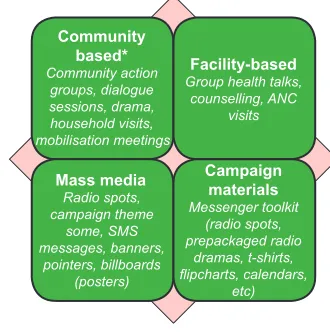
Figure 1: Summary of Khanda ndi Mphatso Campaign Strategy and Activities Community
based* Community action
groups, dialogue sessions, drama, household visits, mobilisation meetings
Facility-based Group health talks,
counselling, ANC visits
Mass media Radio spots, campaign theme
some, SMS messages, banners,
pointers, billboards (posters)
Campaign materials Messenger toolkit
(radio spots, prepackaged radio
dramas, t-shirts,
flipcharts, calendars,
etc)
Table 2: Dosage Mapping by Campaign Activity or Material
Campaign
Material/Activity Description Audience Dose* Mass media activities
Radio Spots (Image & Tactical)
Image: Aimed to increase the value of small newborns. Used at community-based events, in facility waiting rooms. Tactical: Promoted KMC as a family/community effort (aired on national radio stations; MBC, ZBS, Yoneco, Radio Islam and Times Radio).
Pregnant women, mothers of PTB/ LBW babies, family, community leaders and members.
2x60 sec spots on 6 stations between 2-4 times per day (4,002 total aired) from December 2015 to June 2016.
Campaign theme song (Image & Tactical)
Audio: A love song from parent to child (produced by Ethel Kamwendo). Aired on national radio stations.
Music video: A series of images of babies cut to the campaign theme song aired on National TV stations.
Pregnant women, mothers of PTB/ LBW babies, family, community leaders and members.
Audio: Aired on radio from April - June 2016 on 5 radio station 1598 times (average of 533 times per month). Music Video: 5-minute theme song 20 times per month for 3 months on 3 channels.
Billboards
(Image) Branded billboards placed in the centre of districts featuring the campaign logo with the following messages:
• KMC – Love, Care, Bright Future
• KMC is the best give you can give to your preterm baby.
Community leaders
and members. 3 billboards – 1 in Thyolo and 2 in Machinga.
SMS messages
(Tactical) Pre-packaged reminder and reinforcement messages KEY MESSAGES:
• Nkhanda ndi Mphatso lipatseni mwayi.
• Nkhanda ndi munthu ngati aliyense lingachepe bwanji.
• Kangaroo; mphatso yopambana kwa mwana wobadwa masiku osakwana.
• Aliyense atha kubereka mwana wosakwanira masiku.
• Ndi udindo wa aliyense kutengapo mbali kusamalila mwana wobadwa masiku wosakwana.
• Kangaroo: Chikondi, Chisamaliro, Tsogolo lowala
Pregnant women and families discharged from the KMC ward.
952 women registered (Jan-May 2016); 6 messages delivered 22,576 times.
Roadshow
(Tactical) A large entertainment activity aimed at increasing awareness through interactive drama, quiz, performances, and role-plays.
Community members
Facility-based activities Roll up banner
(Image) Branded banners strategically placed at health facilities featuring messages: You can
find out more about KMC here;
KMC; Love, Care, Bright Future.
Pregnant women, mothers of PTB/ LBW babies, family members.
15 banners produced in 2 designs. Banners were posted at all 12 target health facilities and some banners were used during the launch.
Posters (ABS
boards) (Image) Posted at health centres. Pregnant women, mothers of PTB/ LBW babies, family & community members.
1000
KMC pointers
(Image) Posted in communities to show where to go to find information on
KMC.
Pregnant women, mothers of PTB/ LBW babies, family & community members.
30
Health Talks
(Tactical) Health workers were trained to include campaign messages during the health talks at their facilities to antenatal mothers, during routine education to KMC mothers in the ward and upon discharge from KMC Units.
Pregnant women, mothers of PTB/LBW babies.
Six health facilities with 111 Health facility staff and 63 HSAs.
Individual counseling (Tactical)
Health workers were encouraged to use the SBCC skills in counselling when admitting and discharging mothers and also during follow up care.
Pregnant women, mothers of PTB/LBW babies.
111 health facility staff members and 63 HSAs. Community-based activities Community discussions and dialogue/ mobilisation meetings (Tactical)
Community discussions had five
structures: traditional leaders, religious leaders, HSAs, CAGs and KMC veterans. CAGS were expected to conduct community discussions and home visits to KMC mothers. Religious leaders were expected to use their sermons as a platform but also use any other forums they have. Traditional leaders were expected to sensitise the community about the existence of the campaign and introduce all campaign messengers; Veteran mothers were expected to conduct home visits to discharged KMC mothers. All the structures were expected to join the CAGs for the community discussions.
Family members, community leaders and members.
The campaign followed 6 CAGs but trained a total of 37 community groups. There was no prescribed frequency of meeting.
CAG home
visits (Tactical) The CAGs were expected to provide regular counselling to the mothers providing KMC.
Pregnant women, mothers of PTB/ LBW babies, family members
Campaign materials Chitenje
(Image) Branded chitenje (traditional cloth) with the message: “KMC- Love, Care, Bright Future”
Branded Messengers and CAG members as give away.
2,500 distributed
T-Shirt (Image) Branded t-shirts for community events with the message: “KMC - Love, Care, Bright Future”
Branded Messengers
and CAG members. 2,050 distributed
Branded messenger badges (Image)
Badges given to campaign messengers with the message: “You can ask me more about KMC”.
Branded Messengers
and CAG members. 200 placed in toolkits
KMC flipchart
(Tactical) The flipchart uses a story format to illustrate the benefits of KMC.
*Included in the messenger toolkit and used as a job aid by health workers in antenatal care and PNC postnatal care wards, and community-based messengers in community group discussions.
Branded Messengers
and CAG members. 200 flipcharts given in toolkits
Messenger
toolkit (Tactical) The toolkit developed for health providers, educators, and community leaders (campaign messengers) to help them plan educational discussion sessions. Includes radio spots, repackaged radio drama series, digital stories, take home cards/ calendars, facilitator guide.
Branded Messengers
and CAG members. 500 toolkits (not all toolkits received the
flipcharts, badges,
etc); 338 messengers trained in Thyolo and 430 in Machinga (768 Thyolo).
Take-home card/calendar (Tactical)
A resource is given at discharge from KMC containing critical
information on KMC benefits and
schedule of follow up visits to the health facility.
Parents of PTB/LBW
babies. 580 calendars and cards
Source: Data for the dosage component have been extracted from various internal reports. * signifies the dose
considerations which included: time period; number reached; how many messages; how many times repeated.
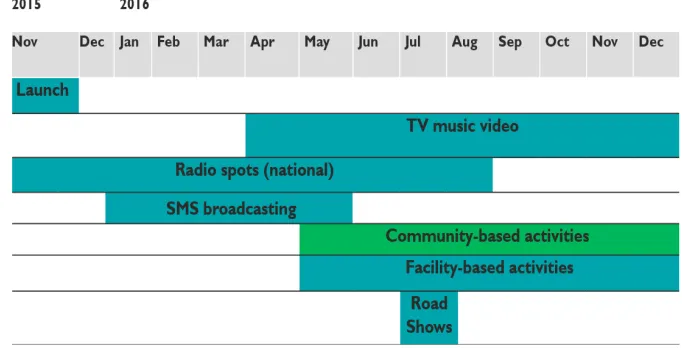
Figure 2: Implementation Timeline for Main Khanda ndi Mphatso Activities in Pilot Districts
Methods
We undertook an evaluation to 1) document the effects of the SBCC campaign on shifting social norms and care practices for PTB/LBW babies; 2) assess the appropriateness of campaign channels for the local context and understand the additional contribution of community-based activities; and 3) identify constraints, areas for improvement, and recommendations. The evaluation explored the following questions: 1. How appropriate were communications channels to effectively deliver interventions within the local context? 2. What was the reach and recall of different campaign channels and content areas? 3. What was the contribution of the community-based activities to expected outcomes? 4. What were the effects of the campaign on social norms and social support for PTB/LBW newborns? The evaluation employed structured interviews of pregnant women and mothers of PTB/ LBW babies in communities receiving the comprehensive SBCC package and in communities receiving the basic package, along with focus group discussions in comprehensive areas with pregnant women, mothers with infants recently discharged from KMC, community action group members, and husbands of KMC mothers. All data collection was carried out by the Institute for Management Development and Social Analysis (IMDSA), the evaluation partner, with SC staff providing additional support for monitoring and quality assurance.
Quantitative
regarding preterm babies were compared between primary audience members in target communities exposed to the comprehensive package and primary audience members from similar communities exposed to mass media and facility-based interventions.
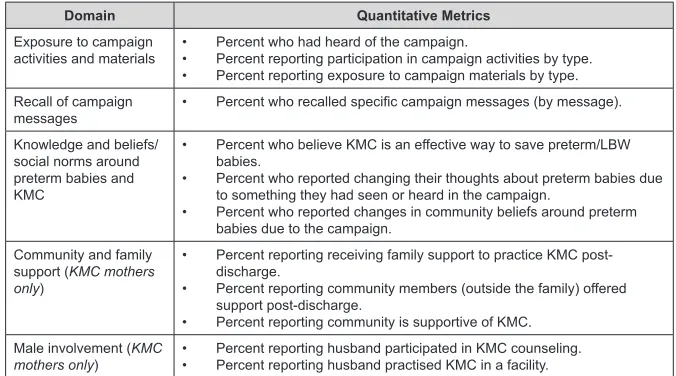
Table 3 describes the domains explored quantitatively and the metrics used for each. Due to resource limitations, we had a sample size of 120 pregnant women and KMC mothers (60 per group, per district, 240 total). This sample provided >80% power to detect a 30% difference between groups, assuming an alpha level of 0.05 and a two-sided test. Pregnant women were sampled using non-probability (convenience) methods from facility maternity waiting for homes and antenatal clinics and interviewed at the facility. Pregnant women attending ANC or staying at maternity waiting homes on the day of the survey at selected facilities were administered a short screening form to obtain details on where women lived (comprehensive or basic communities). All pregnant women residing in comprehensive or basic communities who provided consent were eligible for the interview; data collectors continued approaching potential participants until reaching the required sample size. Mothers of PTB/LBW babies discharged from facility-based KMC from August 2016 to January 2017, who resided in comprehensive or basic communities, were randomly sampled from the KMC registers at Machinga and Thyolo district hospitals. Data collectors contacted selected mothers, and then interviewed them in their homes after obtaining voluntary informed consent. Qualitative interviews were happening concurrently; supervisors ensured that pregnant women or KMC mothers who participated in focus group discussions (FGDs were not eligible for the quantitative interviews).
Table 3: Quantitative Measures
Domain Quantitative Metrics
Exposure to campaign
activities and materials • • Percent who had heard of the campaign.Percent reporting participation in campaign activities by type.
• Percent reporting exposure to campaign materials by type. Recall of campaign
messages • Percent who recalled specific campaign messages (by message).
Knowledge and beliefs/ social norms around preterm babies and KMC
• Percent who believe KMC is an effective way to save preterm/LBW babies.
• Percent who reported changing their thoughts about preterm babies due to something they had seen or heard in the campaign.
• Percent who reported changes in community beliefs around preterm babies due to the campaign.
Community and family support (KMC mothers only)
• Percent reporting receiving family support to practice KMC post-discharge.
• Percent reporting community members (outside the family) offered support post-discharge.
• Percent reporting community is supportive of KMC. Male involvement (KMC
Questionnaires were developed in English and translated into Chichewa. Six data collectors were trained for four days by the IMDSA consultants; training included one day of pre-testing the tools. Data collectors used tablets with CS Pro 6.3 templates to collect quantitative data; hard copies of the questionnaire were used as a backup where necessary.
Data were analysed in Stata 14. Frequencies were calculated for background characteristics and selected measures. We present results in Tables 5-8 by respondent type (KMC mothers, pregnant women) and disaggregated by intervention group (comprehensive versus basic). Differences between intervention groups were tested using Pearson’s chi-squared test and p-values less than 0.05 were considered
statistically significant. We developed a measure of campaign dosage to explore
dose-response, based on reported participation in campaign activities and recall of campaign materials:
- Low dosage: No participation in campaign activities and recalled one or no campaign materials.
- Moderate dosage: Participated in at least one campaign activity or recalled two or more campaign materials.
- High dosage: Participated in at least one campaign activity and recalled two or more campaign materials.
We analysed recall of messages, individual beliefs and perceived social norms (injunctive norms) around PTB/LBW and social support received by dosage level, independent of the intervention group. We applied a chi-square test for linear trend;
p-values less than 0.05 were considered statistically significant.
Qualitative
FGDs were conducted with mothers of KMC babies (three FGDs), pregnant
women (three FGDs), community members and CAGs (five FGDs), and husbands of KMC mothers (three FGDs). Mothers of KMC babies were identified through inpatient KMC registers at district hospitals and identification of these women
assisted in identifying husbands. Pregnant women were selected from health facilities in the target communities with the help of the facility in-charge (at the facility) and Health Surveillance Assistants (HSAs). Community members were recruited from their households and invited to the discussions with the help of the village headman and community-based campaign messengers/CAGs. Pregnant women and KMC mothers who had participated in quantitative interviews were not eligible for FGDs.
Australia) for coding and analysis. The evaluation team created a coding framework based on recurrent and priority themes in the data. Thematic coding was applied
to all transcripts and identified themes were explored using a systematic constant
comparative approach, wherein the research team carried out coding and analysis to systematically generate theory (Glaser, 1967).
Table 4: Topics Explored Qualitatively, by FGD Participant Group
Participant Group Topics Explored
KMC
mothers • • Knowledge and beliefs around PTB/LBW.Knowledge and awareness of KMC.
• Experience with KMC.
• Awareness of and participation in a campaign.
• Perceptions of campaign’s effect on community beliefs and practices around PTB/LBW.
Pregnant women • Knowledge and beliefs around PTB/LBW.
• Knowledge and awareness of KMC.
• Awareness of and participation in a campaign.
• Perceptions of campaign’s effect on community beliefs and practices around PTB/LBW.
Community
members and CAG • • Involvement in community action groups.Involvement in campaign activities and feedback on materials.
• Perceptions around what aspects of campaign activities at the community level were most useful and why.
• Perceptions of campaign’s effect on community beliefs and practices around PTB/LBW.
Husbands of KMC
mothers • • Knowledge and beliefs around PTB/LBW.Knowledge and awareness of KMC.
• Awareness of and participation in a campaign.
• Perceptions of campaign’s effect on community beliefs and practices around PTB/LBW.
Ethical Considerations
The evaluation received an exemption from full ethical review by the National Health Services Research Committee (NHSRC) in Malawi as data were collected as part of programme activities, of minimal risk to participants, and not considered human subjects research. The evaluation was also reviewed by Save the Children’s Ethical Review Committee and was determined to be non-human subjects research. Participation was completely voluntary and written informed consent was obtained for all participants.
Results
reported agriculture/farming or self-employment as their occupation. Background characteristics of KMC mothers and pregnant women were largely similar between the comprehensive and basic groups, with the exception of lower education levels among pregnant women from the basic communities.
Table 5: Background Characteristics of KMC Mothers and Pregnant Women by Intervention Group
Background Characteristics
KMC Mothers (N=124) Pregnant Women (N=123)
Total (N=247)
Comp
(n=66) (n=58)Basic p (n=61)Comp (n=62)Basic p
Age
<20 years 27% 19% 0.53 26% 15% 0.26 22%
20-30 years 44% 47% 59% 66% 54%
>30 years 29% 35% 15% 19% 24%
Marital Status
Married 71% 86% 0.04 93% 92% 0.75 85%
Single/divorced/
widowed 29% 14% 7% 8% 15%
Education Level
No education 9% 12% 0.59 2% 23% 0.00 11%
Primary or higher 91% 88% 98% 77% 88%
Occupation
Agriculture/farming 44% 50% 0.76 41% 44% 0.53 45%
Self-employed/
business 24% 22% 34% 32% 28%
Salaried 12% 7% 16% 10% 11%
Other 20% 21% 8% 15% 16%
Notes: Comp = Comprehensive; p = p-value
Campaign Reach and Exposure
Seventy per cent of women interviewed had heard of the campaign (Table
6). Knowledge of the campaign was significantly higher among KMC mothers
and pregnant women in communities in comprehensive sites (97% and 67%, respectively) compared to KMC mothers and pregnant women in basic communities (72% and 45%, respectively). Health facility staff and radio were the main sources of campaign information cited overall, while community discussions were also frequently cited in comprehensive areas. Participation in campaign activities during the last six months of implementation was higher in comprehensive areas in general and among KMC mothers (Table 6) in particular. Reported exposure to campaign
materials was highest for KMC posters and t-shirts, followed by flip charts, theme
Table 6: Recall of Participation in Campaign Activities and Exposure to Campaign Materials among KMC Mothers and Pregnant Women by Study Group
Campaign Activities and Materials
KMC Mothers (N=124) Pregnant Women (N=123) Total (N=247)
Comp
(n=66) (n=58)Basic p (n=61)Comp (n=62)Basic p
Campaign Knowledge
Heard about “Khanda ndi
Mphatso” 92% 72% 0.00 67% 45% 0.01 70%
Campaign Activities
Community discussions 47% 9% 0.00 18% 6% 0.05 21%
Roadshows 50% 7% 0.00 10% 6% 0.49 19%
Community action groups 39% 3% 0.00 10% 0% 0.01 14%
Sermons with religious
leaders 30% 16% 0.05 23% 2% 0.00 18%
Home visits 67% 40% 0.00 13% 3% 0.05 31%
Participated in at least
one campaign activity 89% 48% 0.00 41% 13% 0.00 49%
Campaign Materials
KMC banners/posters 86% 55% 0.00 51% 5% 0.00 50%
KMC t-shirts 82% 29% 0.00 36% 11% 0.00 40%
Flipchart 71% 33% 0.00 25% 5% 0.00 34%
Theme song 58% 29% 0.00 21% 18% 0.62 32%
KMC billboards 53% 26% 0.00 28% 3% 0.00 28%
Radio spot 41% 16% 0.00 18% 16% 0.78 23%
SMS messages 11% 3% 0.13 7% 3% 0.39 6%
Recall of 2 or more
materials 91% 52% 0.00 54% 18% 0.00 54%
Notes: Comp = Comprehensive; p = p-value
Qualitative data supported quantitative findings on exposure and recall of the
campaign and messages. Some respondents seemed more conversant with the term “Kangaroo” (referring to Kangaroo Mother Care) than the Khanda ndi Mphatso campaign itself. For instance, many respondents, pregnant women/recent mothers
and community members, spoke of the benefits of KMC but had to be asked directly
preterm babies by encouraging them to treat a child as a gift through protecting it (by engaging in KMC practices) and ensuring delivery occurred at the hospital.
Respondents highlighted the benefits of participating in a community discussion,
noting some of the issues discussed during community meetings with CAGs, including tools such as radios and calendars to share information and generate dialogue. While many of the respondents, particularly KMC mothers, stated they learned about KMC practices at a hospital and encouraged the continuance of messages at facilities, FGD participants also suggested that more people could be reached if health educators were to visit communities more frequently (in case some expectant or new mothers did not attend antenatal/postnatal care at a facility that promoted KMC messages), while others mentioned that KMC messages could be strengthened by using KMC mothers as examples and advocates.
Recall of Campaign Messages and Appropriateness of Channels
Recall of specific campaign messages was significantly higher among both
pregnant women and KMC mothers from comprehensive communities compared to basic communities (Table 7). KMC mothers had higher levels of message recall than pregnant women regardless of the intervention group. Overall, close to two-thirds
Table 7: Recall of Campaign Messages among KMC Mothers and Pregnant Women by Study Group
Recall of Campaign Messages
KMC Mothers (N=124) Pregnant Women (N=123)
Total (N=247)
Comp
(n=66) (n=58)Basic p (n=61)Comp (n=62)Basic p
A baby is a gift. Give it a chance. 92% 64% 0.00 53% 35% 0.06 62% A baby is just like any other person
and should be valued as such. 92% 57% 0.00 56% 50% 0.52 64%
KMC is the best gift you can give to
your preterm baby. 92% 55% 0.00 59% 21% 0.00 57%
Providing KMC for a preterm baby yields love, care, and a bright future
for the baby. 92% 55% 0.00 54% 21% 0.00 56%
Anyone can give birth to a preterm baby, regardless of their age,
medical condition, etc. 89% 53% 0.00 48% 32% 0.08
56%
Giving birth to a preterm or low birthweight baby is not a curse or
punishment. 64% 41% 0.01 28% 15% 0.07 37%
It is everybody’s responsibility to play a role in caring for a preterm
baby. 91% 50% 0.00 53% 23% 0.00 55%
Male involvement in KMC is crucial. 85% 52% 0.00 44% 21% 0.01 51%
(63%) of women interviewed could recall three or more campaign messages when prompted. CAG members perceived the campaign approach to be a success because messages targeted the whole community (not just women) and were reinforced at facility and community levels at the same time.
“Before we were only depending on the hospital alone, some [mothers] were hiding themselves not going to the hospital and the babies would die because of no proper care. But since we came, when we see in our village that someone is pregnant…we monitor her regularly until she delivers and when we know that the baby is premature we start right there counselling her and the child lives”, CAG member, Machinga.
Individual Attitudes, Injunctive Norms, and Social Support
Quantitative data showed that KMC mothers and pregnant women in
comprehensive areas were significantly more likely to report changes in their own
Table 8: Injunctive Norms, Community and Family Support and Male Involvement among KMC Mothers and Pregnant Women by Intervention Group
KMC Mothers (N=124) Pregnant Women (N=123) Total (N=247)
Comp
(n=66) (n=58)Basic p (n=61)Comp (n=62)Basic p
Beliefs and Injunctive Norms
Believe KMC is an effective way to
save PTB/LBW babies. 100% 100% NA 80% 55% 0.00 84%
Changed thoughts about PTB/LBW
due to campaign. 65% 40% 0.01 36% 13% 0.00 39%
Reported changes in community beliefs around PTB/LBW babies
due to campaign. 79% 22% 0.00 41% 11% 0.00 39%
Community and Family Support
Reported family support to practice
KMC post-discharge. 94% 79% 0.04 - - -
-Reported community members
offered support post-discharge. 59% 36% 0.01 - - -
-A reported community is supportive
of KMC. 65% 52% 0.13 - - -
-Male Involvement
Reported husband participated in
KMC counseling. 24% 7% 0.01 - - -
-Reporting husband practised KMC
in a facility. 17% 5% 0.04 - - -
-Reported husband practised KMC
in a community after discharge. 48% 46% 0.83 - - -
thoughts about preterm babies due to the campaign (Table 8). Results were most striking for injunctive norms, in which 79% of KMC mothers and 41% of pregnant women in comprehensive areas perceived changes in community beliefs around preterm babies due to the campaign. Compared to KMC mothers in basic areas,
KMC mothers in comprehensive areas also reported receiving significantly higher
levels of support (or approval) from family members (94% compared to 79%) and from other community members (59% compared to 36%). Levels of reported male involvement in KMC counselling and skin-to-skin practice while in the facility
were low overall, but significantly higher among KMC mothers in comprehensive
communities compared to KMC mothers in basic communities (24% compared to 7% for KMC counselling and 17% compared to 5% for skin-to-skin practice). Reported levels of male involvement in KMC practice in the community after mothers returned home was higher, close to 50%, and similar between comprehensive and basic communities.
Qualitative results showed that community leaders perceived that the campaign had positively changed the value attached to PTB/LBW babies and allowed all key players in the community to participate in discussions around providing care and supporting families of PTB/LBW babies:
“People used to laugh at other people when they have a pre-term baby but now those things have ended, people are now able to discuss with others…”,
The village headman, Machinga.
KMC mothers reported being able to extend their support beyond those who have recently delivered PTB/LBW babies to the community-at-large, through other forums such as village bank groupings, ANC session, and spread a message of hope by sharing their successful experiences with KMC with others. Some participants reported that village chiefs had introduced by-laws in their villages such as imposing
a fine for anyone found to laugh at KMC mother or their babies. KMC mothers
pointed out that they are not being laughed at as before the campaign because people are now aware that KMC is a common practice and that husbands and family relations were engaged and supportive.
“People cannot laugh at you because it’s [KMC] becoming common. But before if you carry your child you couldn’t have gone far”, KMC mother, Machinga.
“Husbands were not supportive but because of this campaign, some they are supportive. Relations also support. People have learned and this campaign is good and it should continue”, KMC mother, Thyolo.
the campaign had changed beliefs and misconceptions around PTB/LBW. “We can say that we have changed because at first, it was only the mother and the guardian taking care at the hospital. Now we as the husband, we are also taking part together with the mother. This is the change.” KMC husband, Thyolo.
“I started practising KMC at the hospital; it wasn’t hard because we were in a separate room and the only people that were there were me and my wife… Nothing at all can stop men from practising KMC at the facility as long as there is a separate room for the males”. KMC husband, Machinga.
Campaign Dose Response
Of the 247 KMC mothers and pregnant women interviewed, 31% (76) were
classified as receiving a low dose of the campaign, 28% a moderate dose (68) and
42% (103) a high dose. When compared by intervention group, KMC mothers in comprehensive areas had the largest proportion in the high dose category (84%),
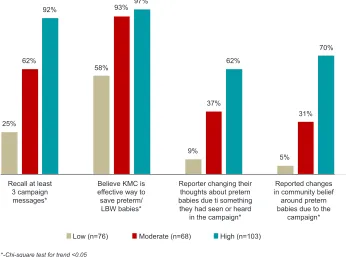
Figure 3: KMC Message Recall, Beliefs and Changes in Thoughts Around PTB/LBW by Campaign Dosage Category among KMC Mothers and Pregnant Women
Recall at least 3 campaign messages*
Reported changes in community belief around pretern babies due to the
campaign* Reporter changing their
thoughts about pretern babies due ti something they had seen or heard
in the campaign* Believe KMC is
effective way to save preterm/
LBW babies*
Low (n=76) Moderate (n=68) High (n=103)
*-Chi-square test for trend <0.05
25%
31% 70%
5% 62%
37%
9% 97%
93%
58% 92%
followed by KMC mothers in basic areas (38%) and pregnant women in comprehensive areas (34%). Pregnant women in basic areas had the lowest campaign dose (6% in high category). We found a consistently strong relationship between the intensity of exposure (dose) of the campaign and response (Figure 3). Recall of campaign messages, belief in KMC effectiveness, and changes in thoughts and beliefs due to
the campaign were significantly higher among those with a high dose of campaign
materials and activities. Differences by dose appeared strongest for reported changes in personal thoughts and injunctive norms.
Discussion
The Khanda ndi Mphatso campaign aimed to shift individual attitudes and community norms around the value of newborn life, no matter how small, and encourage supportive action by and for affected families. To our knowledge, this
is the first SBCC campaign to focus attention on these most vulnerable newborns
(Nayar, Stangl, De Zalduondo, & Brady, 2014; WHO, 2017). Despite a short implementation period, the evaluation showed surprisingly strong results and clearly demonstrated the added value of community-based activities. We found a strong positive relationship between campaign dosage and reported beliefs and social support. Our results provide evidence that multi-channel or blended approaches that combine mass media, interpersonal communication, and community engagement can yield better results (Farnsworth et al., 2014; Naugle & Hornik, 2014; Randolph & Viswanath, 2004). In particular, community-based activities were critical for generating meaningful dialogue and supportive action at the community level, as has been shown in other studies (Farnsworth et al., 2014).
Unsurprisingly, recall of campaign exposure and participation was highest among those most affected by preterm birth – namely mothers of small babies – regardless of intervention site (comprehensive or basic). In campaign dosage analyses, KMC mothers reported the highest dosage overall, driven largely by
KMC mothers from comprehensive areas where more than 80% were classified
exposed to a high dose. Mothers who had delivered a PTB/LBW baby and practised
KMC had higher levels of recall of specific campaign messages than pregnant
women in both areas. This could be because the messages were more salient to
them rendering KMC mothers more likely to recall specific messages compared
to pregnant women. The most compelling evidence for the added value of the community-based components of the campaign comes from reported personal attitudes and injunctive norms around preterm birth. Positive shifts in individual
beliefs and injunctive norms were significantly higher in comprehensive areas
compared to basic areas and most striking for perceived changes in community beliefs around preterm birth, where the differences between intervention groups were wide for both KMC mothers and pregnant women. Qualitative data reinforced
the finding that community dialogues were important in shifting attitudes. While
preterm babies and their mothers while in the facility, levels were still low, even in areas with the more intensive community-based activities. Changing gender-related norms may require more time and need additional, complementary strategies to prompt uptake of recommended behaviours (Cislaghi & Heise, 2018; Randolph & Viswanath, 2004; Rimal R. N., 2015).
Factors that may have contributed to the results of the campaign include the strategic leverage of an existing, successful national level SBCC campaign, Moyo ndi Mpamba, implemented at national level and in 15 target districts (including Machinga). A 2016 evaluation of the Moyo ndi Mpamba campaign found high levels of exposure to the campaign in target districts, with more than 70% of men and women of reproductive age reporting participation in at least one campaign activity
(SSDI, 2016). Campaign exposure was significantly associated with positive social
norms and health care practices, including higher gender equitable beliefs, joint decision making between men and women, and improved modern contraceptive use and antenatal care practices (SSDI, 2016). The Moyo ndi Mpamba campaign created a fertile ground that allowed the Khanda ndi Mphatso campaign to leverage the
significant brand recognition during the image phase. The broadcasting intensity of
the radio spots during both the image and tactical phase may have contributed to the high recognition and recall of the campaign effort (Randolph & Viswanath, 2004). While the community component deserved more intense monitoring, its recall by many audience members as one of the sources of KMC information and dialogue shows that this is an effective channel to use.
Other factors aiding success included efforts to improve quality of care for small babies in both districts. Starting in 2014 and continuing alongside the SBCC campaign, Save the Children supported a district-led quality improvement and mentorship approach in both districts to improve quality of care for newborns, with a focus on strengthening the quality of hospital-based KMC services creating mechanisms for shared learning. Mentorship improved capacity of district hospital nurse-midwives and clinicians and the refurbishment of neonatal units (nursery and KMC units) led to notable improvements in access to equipment and supplies for advanced newborn care (Save the Children, 2016, 2017). These investments were documented to improve quality of care and provider attitudes towards neonates and positioned Save the Children for effective campaign implementation by fostering relationships with district and community leaders (Save the Children, 2017). It may be that better quality KMC in facilities may have enhanced the visibility of KMC practices and preterm babies in the community, creating an enabling environment for the campaign.
Limitations
Several limitations should be considered when interpreting our findings. The
pregnant women and KMC mothers for the main comparisons and did not allow for comparisons in results between the two pilot districts. As quality improvement efforts were happening concurrent to the campaign in both districts, our evaluation cannot demarcate the contribution of quality of care improvements on the awareness of KMC or the perception of PTB/LBW. Pregnant women were recruited for the quantitative component using convenience sampling that could result in a biased sample given that they could potentially have had greater exposure to facility-based
SBCC activities (Hedt & Pagano, 2011). The significant difference in education levels
between pregnant women in the comprehensive and basic areas may be associated with or could at least partly explain reported exposure and recall of campaign messages. However, when the analysis was restricted to only those with primary education or higher, the pattern of results was similar, with pregnant women from comprehensive areas having higher exposure and recall of messages than women from basic areas. Participation in campaign activities, exposure to materials and
recall of specific campaign messages were ascertained using prompted questions
that may have resulted in over-reporting of campaign engagement and knowledge of individual messages. However, because the questions were posed in the same way to both intervention groups, the observed differences cannot be explained by differential recall bias.
Limitations with the qualitative emerge largely from the sampling strategy and the possibility of social desirability bias. By using community mobilisers to identify and recruit participants, we may have selected those who were well known by the mobilisers and therefore had either more exposure or more positive experiences with the campaign. During discussions, participants may not have felt comfortable
disclosing negative views of preterm birth; this may also reflect changing injunctive
norms in the communities of interest.
There were notable limitations in campaign implementation. The implementation period was relatively short overall and had just six months of community-based activities. Despite this, the campaign showed strong results, perhaps a testament to the strong community-level engagement already established through the Moyo ndi Mpamba campaign and the intensity of the community-based activities themselves. While the campaign was implemented for a short duration (17 months), the progress in changing social support and injunctive norms indicate that the expected changes in care practices as articulated in the campaign’s theory of change would follow. Other limitations to the campaign included the sequencing of activities, which resulted in missed opportunities for greater synergy and reinforcement. The activities used at low intensity, such as the road shows, might have been much more effective if used with more repetition and over a longer time span. The activities with high intensity for a short time span, such as the SMS push messages, unfortunately, did not link to more interactive interventions to engage around such messages. The
linkage between these activities is a critical component of influencing behaviour
important lost opportunity was more intensive engagement with religious leaders who are natural allies to newborns. While they were initially part of the SBCC strategy, targeted activities were dropped during implementation due to project limitations.
Programmatic Implications and Future Directions for
Implementation
Our results and lessons learned through implementation have several important programmatic implications for Malawi and other similar settings. Higher cost
components, specifically billboards, roadshows and SMS messages should only
be scaled up if resources allow for adequate dosage. Other high costs elements, such as T-shirts, while effective in creating brand awareness, could be implemented more strategically to limit costs. This campaign was of relatively short duration; longer-term campaigns should phase their messaging and campaign materials with messaging that builds and responds to gains made in knowledge and shifting of norms.
Save the Children is continuing its support to Thyolo and Machinga district
health offices to lead district-based exchange visits amongst communities. District Health Promotion Officers are working with CAGs from comprehensive sites to
share their lessons with CAGs in areas of the district where the community-based component of the campaign is now being introduced. The aim of the exchange visits
is for the District Health Promotion Officers to reach a wider catchment area with
the hope of continuous engagement with traditional leaders, families and community members with messages that are focused on valuing newborns with emphasis on the preterm and low birth weight babies who are highly marginalised in the communities (Koenraads et al., 2017; Tolhurst et al., 2008). The visits will engage CAGs that are already working within communities to adopt and continue engaging communities in valuing the newborn within their community mobilisation work.
The implications of this campaign and the evaluation results should also inform global efforts underway for newborn health. The Every Newborn Action Plan, a
World Health Assembly resolution, has a specific milestones calling for a shift in
social norms around the value of newborn life (UNICEF & WHO, 2014). Efforts to take forward the Every Newborn milestone, such as WHO’s Quality of Care Network initiative, have not yet adequately integrated social norms and community engagement (WHO, 2018). Thus, global partners and national governments should consider the lessons from the campaign and determine if appropriate to implement an adapted campaign in their context. There is also a gap in the SBCC literature around the perceptions of newborn life and related-social norms as well as limited evidence for newborn health around mass and social media activities and community
mobilisation (Nayar et al., 2014), WHO, 2017). The findings of this evaluation
Conclusion
Despite a short implementation period, the Khanda ndi Mphatso SBCC campaign achieved improvements in injunctive norms around the care of the newborn, increasing value for low birthweight and preterm babies and social support for mothers. Community-based activities were critical in generating meaningful debate, discussion, and social support from communities and families. Adaptation of the Khanda ndi Mphatso campaign in other districts has the potential to shift social norms around care for newborns in Malawi. Lessons learned in the process of developing, implementing, and evaluating the campaign should be considered when taking this approach forward in other districts or settings.
References
Blencowe, H., Cousens, S., Oestergaard, M. Z., Chou, D., Moller, A. B., Narwal, R.,...Lawn, J. E. (2012). National, regional, and worldwide estimates of preterm birth rates in the year 2010 with time trends since 1990 for selected countries: A systematic analysis and implications. Lancet, 379(9832), 2162- 2172. doi:10.1016/S0140-6736(12)60820-4.
Born too soon: The global action report on preterm birth. (2012). Retrieved from http://www.who.int/pmnch/ media/news/2012/201204_borntoosoon-report.pdf.
Chavula, K., Likomwa, D., Valsangkar, B., Luhanga, R., Chimtembo, L., Dube, Q.,... Guenther, T. (2017). Readiness of hospitals to provide Kangaroo Mother Care (KMC) and documentation of KMC service delivery: Analysis of Malawi 2014 Emergency Obstetric and Newborn Care (EmONC) survey data. J Glob Health, 7(2), 1-9. doi:10.7189/jogh.07.020802.
Cialdini, R., Kallgren, C., & Reno, R. (1991). A focus theory of normative conduct: A theoretical refinement and
reevaluation of the role of norms in human behaviour. Advances in Experimental Social Psychology, 24, 201-234. https://doi.org/10.1016/S0065-2601(08)60330-5.
Cialdini, R. B., & Trost, M. R. (1998). Social influence: Social norms, conformity, and compliance. In D. T.
Gilbert, S. T. Fiske, & G. Lindzey (Eds.), The handbook of social psychology (4th ed.) (pp. 151– 192). Boston: McGraw-Hill.
Cislaghi, B., & Heise, L. (2018). Using social norms theory for health promotion in low-income countries. Health Promotion International. doi:10.1093/heapro/day017.
Conde-Agudelo, A., & Diaz-Rossello, J. L. (2016). Kangaroo mother care to reduce morbidity and mortality in low birthweight infants. Cochrane Database of Systematic Reviews 2016 (8). doi:10.1002/14651858. CD002771.pub4.
District-led quality improvement and mentorship for newborn care in Malawi: Model for implementation. (2016). Retrieved from https://www.healthynewbornnetwork.org.
Donahue J, & Mwewa, L. (2006). Community action and the test of time: Learning from community experiences and perceptions. Retrieved from http://www.crin.org/en/docs/testoftime.pdf.
Farnsworth, S. K., Bose, K., Fajobi, O., Souza, P. P., Peniston, A., Davidson, L. L.,... Hodgins, S. (2014). Community engagement to enhance child survival and early development in low- and middle-income countries: An evidence review. Journal of Health Communication, 19, 67-88. https://doi.org/10.1080/1 0810730.2014.941519.
From invisibility to value: Improving quality of care for small and sick newborns. (2017). Retrieved from https://www.healthynewbornnetwork.org.
Glaser, B. G., & Strauss, A. L. (1967). The discovery of grounded theory: Strategies for qualitative research. New York: Aldine Transaction.
Gondwe, A., Munthali, A. C., Ashorn, P., & Ashorn, U. (2014). Perceptions and experiences of community members on caring for preterm newborns in rural Mangochi, Malawi: A qualitative study. BMC Pregnancy and Childbirth, 14, 399. https://doi.org/10.1186/s12884-014-0399-6.
Hedt, B. L., & Pagano, M. (2011). Health indicators: Eliminating bias from convenience sampling estimators. Statistics in Medicine, 30(5), 560-568. https://doi.org/10.1002/sim.3920.
Koenraads, M., Phuka, J., Maleta, K., Theobald, S., & Gladstone, M. (2017). Understanding the challenges to caring for low birthweight babies in rural southern Malawi: A qualitative study exploring caregiver and health worker perceptions and experiences. BMJ Glob Health, 2(3). doi:10.1136/bmjgh-2017-000301. Lawn, J. E., & Kinney, M. (2014). Preterm birth: Now the leading cause of child death worldwide. Science
Translational Medicine, 6(263). doi:10.1126/scitranslmed.aaa2563.
Levels and trends in child mortality: Report 2017. (2017). Retrieved from http://childmortality.org/files_v21/ download/IGME%20report%202017%20child%20mortality%20final.pdf.
Liu, L., Oza, S., Hogan, D., Chu, Y., Perin, J., Zhu, J.,... Black, R. E. (2016). Global, regional, and national causes of under-5 mortality in 2000-15: An updated systematic analysis with implications for the sustainable development goals. Lancet, 388(10063), 3027-3035. https://doi.org/10.1016/S0140-6736(16)31593-8.
Malawi national guidelines for Kangaroo Mother Care. (2005). Retrieved from file:///C:/Users/060519/ Downloads/malawi-kmc-national-guidelines-final-rev-march-2009.pdf.
Naugle, D. A., & Hornik, R. C. (2014). Systematic review of the effectiveness of mass media interventions for child survival in low - and middle-income countries. Journal of Health Communication, 19, 190-215. https://doi.org/10.1080/10810730.2014.918217.
Nayar, U. S., Stangl, A. L., De Zalduondo, B., & Brady, L. M. (2014). Reducing stigma and discrimination to improve child health and survival in low - and middle-income countries: Promising approaches and implications for future research. Journal of Health Communication, 19, 142-163. https://doi.org/10.108 0/10810730.2014.930213.
Randolph, W., & Viswanath, K. (2004). Lessons learned from public health mass media campaigns: Marketing health in a crowded media world. Annual Review of Public Health, 25, 419-437. http://doi.org/10.1146/ annurev.publhealth.25.101802.123046.
Rimal, R. N., & Lapinski, M. K. (2015). A re-explication of social norms, ten years later. Communication Theory, 25(4), 393-409. https://doi.org/10.1111/comt.12080.
Social and Behaviour Change Communications (SBCC) Strategy; Support for Service Delivery and Integration in Malawi (SSDI). (2011). Retrieved from https://www.thehealthcompass.org/sites/default/files/project_
examples/ssdi_sbcc_strategy.pdf.
Support for Service Delivery Integration Communication: Findings from the 2016 endline survey of 15 districts in Malawi. (2016). Retrieved from https://www.thehealthcompass.org/sites/default/files/ project_examples/ssdi_endline_draft_report_dec_20_2016_final_with_appendices.pdf.
The government of Malawi. (2015). Every newborn action plan: An action plan to end preventable neonatal deaths in Malawi. Retrieved from http://www.who.int/pmnch/media/events/2015/malawi_enap.pdf. Tolhurst, R., Theobald, S., Kayira, E., Ntonya, C., Kafulafula, G., Nielson, J., & van den Broek, N. (2008). ‘I
don’t want all my babies to go to the grave’: Perceptions of preterm birth in Southern Malawi. Midwifery, 24(1), 83-98. https://doi.org/10.1016/j.midw.2006.09.003.
UNICEF. (2018). Every child alive: The urgent need to end newborn deaths. Retrieved from https://www. unicef.org/publications/index_102640.html.
Van den, N. R. B., Jean-Baptiste, R., & Neilson, J. P. (2014). Factors associated with preterm, early preterm and late preterm birth in Malawi. Plos One, 9(3), Retrieved from https://doi.org/10.1371/journal. pone.0090128.
World Health Organization. (2014). Every newborn: An action plan to end preventable deaths. Retrieved from http://www.who.int/maternal_child_adolescent/documents/every-newborn-action-plan/en/.
World Health Organization. (2015). WHO recommendations on interventions to improve preterm birth outcomes. Retrieved from http://www.who.int/reproductivehealth/publications/en/.
World Health Organization. (2017). An evidence map of social, behavioural and community engagement interventions for reproductive, maternal, newborn and child health. Retrieved from http://www.who.int/ reproductivehealth/publications/en/.
World Health Organization. (2018). Quality, equity, dignity: The network to improve quality of care for maternal, newborn and child health – strategies objectives. Retrieved from http://www.who.int/maternal_child_ adolescent/documents/quality-care-network-objectives/en/.
ACKNOWLEDGEMENTS
We would like to acknowledge the partnership and support of the Malawi
Ministry of Health especially the District Health Officers for Thyolo and Machinga
Districts at the time of implementation, Dr. Michael Murowa (Thyolo) and Dr. Charles
Mtibo (Machinga). A special thank you to Lynda Bardfield and Monica Longwe for
the development of the campaign strategy and their initial implementation support. We also wish to acknowledge the efforts of Clifford Ngozo and the campaign coordination team for Machinga and Fanuel Makina, Tabitha Mikeka and the campaign coordination team for Thyolo. We are grateful to all the individuals who implemented the campaign for their dedication. Other Save the Children country
office staff also supported implementation efforts, notably Victoria Lwesha, Richard
Luhanga and Lydia Chimtembo.
Antje Becker-Benton is Senior Advisor and Team Lead for Behaviour Change and Community Health at Save the Children US. She has worked extensively in the design and implementation of social and behaviour change (SBC) programming with mothers, young people, couples, sex workers, armed forces, and community organisations in developing countries. E-mail: [email protected]
Katie Cundale is a researcher with many years of experience in Malawi. She has a Masters degree in public health. E-mail: [email protected]
Lara Vaz is a Senior Advisor, Monitoring and Evaluation at Save the Children US. She specialises in public health programming, monitoring, evaluation, and research in resource-limited settings. E-mail: [email protected]
Mary Kinney is a Senior Specialist for Global Evidence and Advocacy at Save the Children US.
She provides technical analysis and writing support specifically in the area of maternal, newborn
and child health. E-mail: [email protected]
Kondwani Chavula is Save the Children’s Monitoring, Evaluation, Accountability and Learning Coordinator for Saving Newborn Lives project in Malawi. He is a public health professional and specialises in strong qualitative and quantitative research. E-mail: Kondwani.Chavula@ savethechildren.org