ISSN: 2231-5373
http://www.ijmttjournal.org Page
341
HMM and Fuzzy Logic Based Algorithm for
Efficient Task Scheduling and Resource
Management in Cloud Systems
Vikash Goswami#1, Dr. R.K. Shrivastava*2 #
Research Scholar, Deptt. of Mathematics, S.M.S Govt. Science College, Jiwaji University,
Gwalior, M.P. India
*
Professor, Deptt. of Mathematics, S.M.S Govt. Science College, Jiwaji University,
Gwalior, M.P. India
Abstract—This paper presents a HMM and Fuzzy controller based combine approach for cloud incoming job queue prediction and managing VM status and configuration of VMs inside of cloud environment. The approach is aimed to efficiently serve the task requests with minimal resource and power utilization. The proposed technique uses HMM based approach to predict the job queue and applies it alongside with information of currently running VM’s, VM’s configurations, resource availability in the cloud, future jobs resource requirements, current job execution status etc. to a fuzzy logic based controller which then after controls the VM’s status and configurations to serve the aimed purpose. The controlling in such way reduces the active physical resources which ultimately reduces the power requirements of the cloud. To validate the concept the proposed controller is tested against standard controlling algorithm for different load conditions. The test results obtained shows that the proposed fuzzy logic controller based technique outperforms standard techniques in terms of QoS, resource management, and power savings.
Keywords—Cloud Computing, Cloud VM Management, Fuzzy Logic Controller, HMM, Queue Management.
I. INTRODUCTION
In a cloud, theuser services or applications runs over the Virtual Machines (VMs) formed inside the cloud system. The VMs as the name suggest, are formed by virtually allocating and configuringthe physical resources.The creation and management of these VMsare dome by virtualization platforms. Since cloud service provider who are bounded by the Service Level Agreement (SLA) has to maintain the minimum level Quality-of-Service (QoS), which also known as Service Level Objective (SLO).
The continuously growingadaption ofcloud systems, emerging new challenges for the cloud operators as they now have to handle larger loads of different operational and requirement characteristics with the limited resources. To handle such situations the cloud provider needed an efficient cloud managing algorithm that utilize its available resources in such a manner that it fulfills the user's requirements with guaranteed SLOwhile maintaining power requirements to lowest possible level.
This paper presents an adaptive task prediction with VM status and configuration management technique. The proposed technique uses HMM based prediction model for task prediction then this information is used by a fuzzy logic based decision making system to manage the status and configuration of the VMs.
The proposed technique is able to manage the balance among conditions such as task requirements, SLO bounds, available resources, power saving etc. by dynamically configuring the VMs. The organization of rest of the paper is as follows. The Section II providesa brief literature review. The Section III gives an overview of fuzzy logic controller. The Section IV explains the system architecture with simulation configurations,The Section Vexplains the proposed system. The simulation results are presented in Section VI andfinally, the Section VII, presents the conclusion and discussesthe possibilities of future works.
II. LITERATURE REVIEW
ISSN: 2231-5373
http://www.ijmttjournal.org Page
342
Regression to fulfillupcoming on-demand resource allocation in the cloud. In a cloud environment the task distribution is a process used to assigns the execution of tasks on distributedresources [6]. The most common way of doing that is using the optimization techniques which finds the optimal task to VM pair for given objective function and constrains. A number of techniques with different optimization techniques, objective functions and constrains have been proposed in [3, 4, 5, 8, 15, 16, and 17]. However all the techniques having optimization algorithm in common a number of difference in their utilization can be seen. For instance in [3] the Honey-Bee behavior (HBB) based optimization technique is used to achieve balancing of tasks over available VMs, the proposed algorithm manages the task execution priorities. The [5] and [15] both uses the particle swarm optimization (PSO), although the [5] adopted for deadline constrained task scheduling using self-adaptive learning, while [15] constrained task execution time and data transfer cost. In [8] a multi-objective genetic algorithm used. The multi-objective optimization provides extra facilities to achieve more than one objective simultaneously, hence it is able to achieve four different objectives, namely minimizing task transfer time, task execution cost, power consumption, and task queue length. In [16] the ant colony optimization is used to balance the entire system load at minimummakespan of a given tasksset. The improved differential evolution algorithm (IDEA) for the purpose in presented in [17], which combines the Taguchi method and a differential evolution algorithm(DEA).Their multi-objectiveoptimization approach uses thethe processing and receiving cost as the first objective and receiving, processing, and waiting time as second objective. Another approach for the task scheduling is using the fuzzy logic. The fuzzy logic is a method for solving complex decision making problem where the variables show some degree of overlapping. The fuzzy logic system has been successfully implemented for many control and decision making systems some of its application can be seen on washing machines, refrigerators and other household goods. In [12] the fuzzy logic is used for predictionof the virtual machine to assign the upcoming job, considering that the requirements of memory, bandwidth and disk space are imprecise. In [9] the taskscheduling model for virtual data centerswith uncertain workload and uncertain nodes availability is presented. The presented solution deals the problem as a two-objective optimizationas a trade-off betweenavailability and the average response time of VDC (virtual data center). Since the optimization requires the availability of VDC and workload values in advance the type-I and type-II fuzzy based predictor for VDC availability and Load-Balance is proposed. The hybrid job scheduling algorithm which involves genetic algorithm and fuzzy logic is presented in [1, 14]. The fuzzy logic is used here to reduce the number of iterations required by genetic algorithm to converse.III. HIDDEN MARKOV MODEL (HMM)
3.1.Markov Models
In the Markov Model the prediction of the next state and its related observation onlydepends on the current state, or alternatively the state transition probabilities do not dependon the whole history of the past process [17]. This is called a first order Markov process the definition can be generalized for the 𝑖𝑡order Markov process as the
probability of nextstate can be calculated by obtaining and taking account of the past 𝑖 states. For the sequence of random variables𝑋 = (𝑋𝐼, . . . , 𝑋𝑟) takingvalues in some finite set 𝑆 = {𝑠𝑟, . . . , 𝑠𝑟}, the state space. Then the
MarkovProperties are [19]:
𝑃 𝑋𝑡+1= 𝑠𝑘 𝑋1, … … . . 𝑋𝑡 = 𝑃 𝑋𝑡+1= 𝑠𝑘 𝑋𝑡 , 𝑙𝑖𝑚𝑖𝑡𝑒𝑑 𝑜𝑧𝑟𝑖𝑧𝑜𝑛 3.1
= 𝑃 𝑋2= 𝑠𝑘 𝑋1 , 𝑇𝑖𝑚𝑒 𝑖𝑛𝑣𝑎𝑟𝑖𝑎𝑛𝑡 (3.2)
Because of the state transition is independent of time, we can have the following statetransition matrix 𝐴:
𝑎𝑖𝑗 = 𝑃 𝑋𝑡+1= 𝑠𝑗 𝑋𝑡= 𝑠𝑖 , … … … . . (3.3)
𝑎𝑖𝑗is a probability, hence:
𝑎𝑖𝑗 ≥ 0, ∀𝑖, 𝑗 𝑎𝑖𝑗 = 1, … … … … . . (3.4)
𝑁
𝑗 =1
Also we need to know the probability to start from a certain state, the initial statedistribution:
𝜋𝑖 = 𝑃 𝑋1= 𝑠𝑖 , 𝑤𝑒𝑟𝑒, 𝜋𝑖 = 1,
𝑁
𝑖=1 . (3.5)
In a visible Markov model, the states from which the observations are produced and theprobabilistic functions are known so we can regard the state sequence as the output.
3.2.Hidden Markov Models
The Hidden Markov Model (HMM) extends the Markov Model for the cases where state knowledge is unavailable or in HMM, one does not know anything about what (system states) generates the observationsequence. The number of states, the transition probabilities, and from which state anobservation is generated are all unknown. Hence each state of the system is liked with observation with a probabilistic function instead of deterministic function as in case of Markov Model. At time 𝑡,an observation 𝑜𝑡 is generated by a
probabilistic function𝑏𝑗(𝑜𝑡), which is associated withstate 𝑗, with the probability:
ISSN: 2231-5373
http://www.ijmttjournal.org Page
343
3.3.Mathematical Terms in HMM
An HMM is composed of a five-tuple: (𝑆, 𝐾, 𝛱, 𝐴, 𝐵).
1. 𝑆 = { 1, . . . , 𝑁 }is the set of states. The state at time 𝑡 is denoted𝑠𝑡.
2. 𝐾 = { 𝑘1, . . . , 𝑘𝑀 } is the output observation and 𝑀is the number of observation choices.
3. Initial state distribution Π = {𝜋𝑖}, 𝑖 ∈ 𝑆. 𝜋𝑖 is defined as
𝜋𝑖 = 𝑃 𝑠1= 𝑖 , … … … (3.7)
4. State transition probability distribution 𝐴 = {𝑎𝑖𝑗} , 𝑖, 𝑗 ∈ 𝑆.
𝑎𝑖𝑗 = 𝑃 𝑠𝑡+ 1 𝑠𝑡), 1 ≤ 𝑖, 𝑗 ≤ 𝑁, … … … (3.8)
5. Observation symbol probability distribution 𝐵 = 𝑏𝑗(𝑜𝑡). The probabilistic functionfor each state 𝑗 is:
𝑏𝑗 𝑜𝑡 = 𝑃 𝑜𝑡 𝑠𝑡 = 𝑗 , … … … . (3.9)
After modeling a problem as an HMM, and assuming that some set of data was generatedby the HMM, we are able to calculate the probabilities of the observation sequence and theprobable underlying state sequences. Also we can train the model parameters based on theobserved data and get a more accurate model. Then use the trained model to predict unseendata.
To generate the HMM model for any system we need to compute three parameters
1. Observation Sequence Computing:The probability of the observation sequences. 2. The statesequence (1, . . . , 𝑁) that best ―explains‖ the observations.
3.The tuning of the parameters to find the best model for given observation sequence 𝑂, and a space of possible models.
Since in this work we only used the probability of the observation sequences hence the second and third terms are not explained here.
3.3.1Finding the probability of an observation
Given an observation sequence 𝑂 = (𝑜1, . . . , 𝑜𝑇) and an HMM µ = (𝐴, 𝐵, 𝛱), we want tofind out the probability
of the sequence 𝑃(𝑂|µ). This process is also known as decoding.Since the observations are independent of each other, the probability of a statesequence 𝑆 = (𝑠1 , . . . , 𝑠𝑇) generating the observation sequence can be calculated
as:
𝑃 𝑂 µ = P O S, µ P S µ , … … … … 3.10 𝑆
= 𝜋𝑠1
𝑠1,…….𝑠𝑇+1
𝑎𝑠𝑡𝑠𝑡+1𝑏𝑠𝑡𝑠𝑡+1𝑜𝑡… … … … . (3.11)
𝑇
𝑡=1
The computation is quite straightforward by summing the observation probabilities foreach of the possible state sequence.
IV. FUZZY LOGIC SYSTEM
Fuzzy logic is an approach where a variable simultaneously belongs to more than one class with certain degree and the degree of membership is defined by membership function. The fuzzy logic approximate decision making using natural language terms. It is especially useful in modeling of systems where information cannot be defined precisely, but some broad definitions can be formed. Because of its simplicity and effectiveness, Fuzzy-logic technology has gained many applications in scientific and industrial applications.
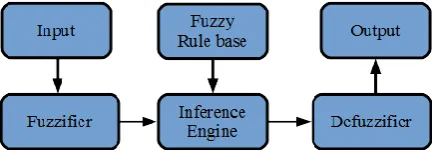
Figure 1: Typical architecture of Fuzzy Logic Controller (FLC) system.
A typical architecture of FLC is shown in fig. 1, which comprises of four principal comprises: a Fuzzifier, a Fuzzy rule base, inference engine, and a de-Fuzzifier.
ISSN: 2231-5373
http://www.ijmttjournal.org Page
344
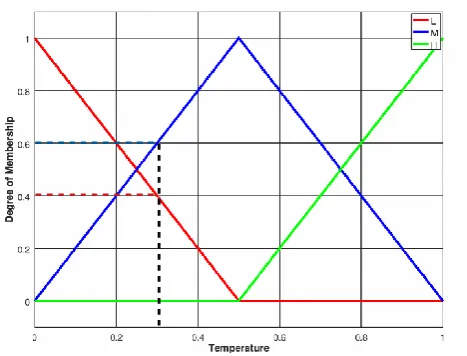
Figure 2: Showing Fuzzification process with triangular membership function.The fig. 2, shows the mapping the crisp value of temperature with L, M and H categories, the figure shows that for 0.3 task priority (black dashed line) it has the membership of 0.4 (red dashed line), 0.6 (blue dashed line) and 0 for categories L, M and H respectively. In fig. 2 the membership function is of triangular however it can be, trapezoidal, Gaussian, bell-shaped, sigmoidal etc. The exact type depends on the actual application.
Fuzzy Rule Base: this contains the rule which relates the fuzzy inputs and outputs in linguistic terms. It contains a sequence of the form IF-THEN. For example in a heating system it can be defined as
IF temperature is L THEN set heater power to H IF temperature is M THEN set heater power to M IF temperature is H THEN set heater power to L
Defining these rules are requires expertize in related field of application.
Inference Engine: It executes all the fuzzy rules available in the fuzzy rule base for the available inputs. This produces a number of fuzzy outputs one for each rule.
ISSN: 2231-5373
http://www.ijmttjournal.org Page
345
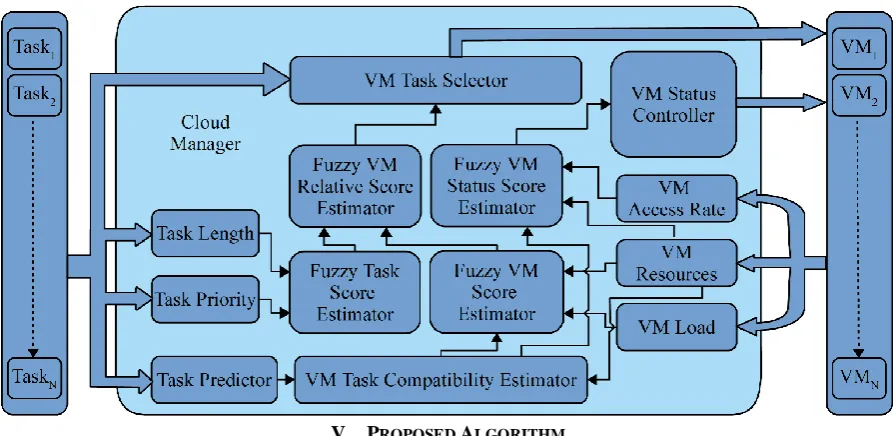
Figure 3: The proposed system architecture showing the different functional blocks and their interconnections.V. PROPOSED ALGORITHM
5.1.System Architecture
The architecture of the proposed system is presented in fig.3 the system contains four fuzzy logic decision making blocks, two VM controlling blocks and five information extraction blocks. The working details of each block is as follows:
Information extraction blocks:these blocks are used to extract useful information from task queue and VMs.
Task Length: the length of current task in MIPS.
Task Priority: Execution priority of current task.
Task Predictor: Estimates the probability of arriving of different tasks.
VM Access Rate: how many times the particular VM has accessed during predefined time interval.
VM Resources: the resources used by VM.
VM Load: current load on VM.
Task Predictor:this block predicts the upcoming tasks in the cloud. This prediction is done using dual HMM model where one HMM is used to calculate the probability of generating request by any user in the upcoming sampling window and the second HMM for calculating the request pattern that may be generated by any user in the upcoming sampling window. After that these two results are combined to estimate the exact request pattern in the upcoming sampling window.
For the modeling we divided the tasks into 𝑆 different task categories and the task request arriving in the cloud is replaced by the category symbol closely related to it. This limits the total number of observations to 𝑆. The length of the sampling window 𝑊 is the length of sequences of symbols used to predict the upcoming symbols sequences.
Let the task requests in the cloud for some sampling window length be 𝑅 = 𝑟1𝑎, 𝑟2𝑏, 𝑟3𝑐, 𝑟4𝑏… … … . . 𝑟𝑊𝑠 , where
𝑎, 𝑏, 𝑐, … 𝑠 ∈ 𝑁, 𝑟 ∈ 𝑆 and 𝑟1𝑎is representing the 1𝑠𝑡 entry of request in the sampling window generated by 𝑎𝑡
user.
The 𝑁 number of different users given as 𝑈 = 𝑢1, 𝑢2, … … … . 𝑢𝑁 .
Let the last 𝐿task requests generated by user 𝑢𝑖 is defined as 𝑠𝑖 = 𝑟−1𝑖 , 𝑟−2𝑖 , … … … . . 𝑟−𝐿𝑖 , and the task requested
by 𝑖𝑡 user appeared in 𝑀 previous sampling windows is defined as𝑔𝑖 = 𝑏−1𝑖 , 𝑏−2𝑖 , 𝑏−3𝑖 , … . . , 𝑏−𝑀𝑖 , 𝑏 ∈ {0,1},
the 𝑏 is a binary variable and 𝑏𝑚𝑖 states that there was at least one request in the 𝑚𝑡 previous sampling window
generated by 𝑖𝑡 user.
Now using the equation described in section 3.10the probability of requesting a specific symbol by a specific user at the next 𝑊 events and the probability of generating the request by each user in upcoming sampling windows can be calculated.
Let the calculated probability of arriving of each task request (symbol) in upcoming sampling window by 𝑖𝑡 user be𝑃𝑟𝑖 = {𝑝𝑟1𝑖, 𝑝𝑟2𝑖, 𝑝𝑟3𝑖, … … . . , 𝑝𝑟𝑁𝑖}, and the probability of generating any task request (symbol) in the next
ISSN: 2231-5373
http://www.ijmttjournal.org Page
346
The total probability of appearing a task request 𝑟𝑗 in the upcoming sampling windows is calculated as𝑃𝑟𝑖𝑡𝑜𝑡𝑎𝑙 = 𝑡𝑖∙ 𝑝𝑟𝑗𝑖
𝑁
𝑖=1
Hence the total probability of arriving of each task request in upcoming sampling window can be given as
𝑃𝑟𝑡𝑜𝑡𝑎𝑙 = {𝑃𝑟
1𝑡𝑜𝑡𝑎𝑙, 𝑃𝑟2𝑡𝑜𝑡𝑎𝑙, 𝑃𝑟3𝑡𝑜𝑡𝑎𝑙, … . , 𝑃𝑟𝑆𝑡𝑜𝑡𝑎𝑙}
Since 𝑃𝑟𝑡𝑜𝑡𝑎𝑙 is normalized we need to convert it into normalized probability by calculating 𝑃𝑟𝑎𝑙𝑙𝑡𝑜𝑡𝑎𝑙 and diving
𝑃𝑟𝑡𝑜𝑡𝑎𝑙 by it as follows
𝑃𝑟𝑎𝑙𝑙𝑡𝑜𝑡𝑎𝑙 = 𝑃𝑟𝑖𝑡𝑜𝑡𝑎𝑙
𝑆
𝑖=1
𝑃𝑛𝑜𝑟𝑚𝑡𝑜𝑡𝑎𝑙 = {
𝑃𝑟1𝑡𝑜𝑡𝑎𝑙
𝑃𝑟𝑎𝑙𝑙𝑡𝑜𝑡𝑎𝑙 ,
𝑃𝑟2𝑡𝑜𝑡𝑎𝑙
𝑃𝑟𝑎𝑙𝑙𝑡𝑜𝑡𝑎𝑙 ,
𝑃𝑟3𝑡𝑜𝑡𝑎𝑙
𝑃𝑟𝑎𝑙𝑙𝑡𝑜𝑡𝑎𝑙 , … . ,
𝑃𝑟𝑆𝑡𝑜𝑡𝑎𝑙
𝑃𝑟𝑎𝑙𝑙𝑡𝑜𝑡𝑎𝑙}
𝑃𝑛𝑜𝑟𝑚𝑡𝑜𝑡𝑎𝑙 = {𝑃1, 𝑃2, 𝑃3, … … … . , 𝑃𝑆}
The 𝑃𝑛𝑜𝑟𝑚𝑡𝑜𝑡𝑎𝑙 is an array that contains the normalized probability of all the tasks in the upcoming sampling window.
VM Task Compatibility Estimator Block: this block tests capability of VMs for executing the predicted tasks
within given time bound. The higher value of this estimator for given task-VM pair indicates the faster execution of task by that VM. However higher values pair are not the most preferable because it may cause poor resource utilization. The estimation is done as follows:
𝑆𝑇𝐶𝑖,𝑗 =
0, 𝑖𝑓 𝑇𝐿𝑗
𝑃 + 𝐿
𝐶 𝑖
𝐶𝑉𝑀𝑖 ≤
1 𝑇𝑃𝑗𝑃 (𝑇𝐿𝑗 𝑃 + 𝐿
𝐶
𝑖 )
𝐶𝑉𝑀𝑖 𝑃𝑗, 𝑜𝑡𝑒𝑟𝑤𝑖𝑠𝑒
Where 𝑆𝑇𝐶𝑖,𝑗 presents the VM Task Compatibility Score of the 𝑖𝑡 available VM for the 𝑗𝑡 predicted task. Other terms used are defined as follows:
VM’s Execution Capacity of the 𝑖𝑡 available VM = 𝐶𝑉𝑀𝑖
VM’s Current Load on the 𝑖𝑡 available VM = 𝐿𝐶𝑖
Predicted Task’s Priority for the 𝑗𝑡 task = 𝑇𝑃𝑗 𝑃
Predicted Task’s Length for the 𝑗𝑡task = 𝑇𝐿𝑗 𝑃
Task Arriving Probability for the 𝑗𝑡 task = 𝑃𝑗
Fuzzy Logic Decision Making Blocks: these blocks are used to make specific decisions based on provided inputs using fuzzy logic.
Fuzzy Task Score Estimator: this block estimates the task requirements on the basis of task length and priority.
Fuzzy VM Score Estimator: this block estimates the VM capability to handle tasks on the basic of VM configuration and load.
ISSN: 2231-5373
http://www.ijmttjournal.org Page
347
Fuzzy VM Status Score Estimator: this block is used to decide the operational status of VM on the basis of resource utilized by VM and access rate of VM.
VM Task Selector: this block is used to select the best VM for the current task, it takes the input from Fuzzy Relative Score Estimator for all the VMs and selects the VM having the highest relative score.
VM status Controller: it maintains the states of all VM on the basis of VM status score (𝑉𝑀𝑠𝑐𝑜𝑟𝑒). This blocks
uses two different thresholds𝑡𝑠𝑙𝑒𝑒𝑝 and 𝑡𝑑𝑖𝑠𝑠𝑜𝑙𝑣𝑒 where 0 < 𝑡𝑠𝑙𝑒𝑒𝑝 < 𝑡𝑑𝑖𝑠𝑠𝑜𝑙𝑣𝑒 < 1 which are compared against
VM status score to decide the VM status as follows:
𝑉𝑀𝑠𝑡𝑎𝑡𝑢𝑠 =
𝐾𝑒𝑒𝑝 𝑅𝑢𝑛𝑛𝑖𝑛𝑔, 𝑖𝑓 𝑉𝑀𝑠𝑐𝑜𝑟𝑒 < 𝑡𝑠𝑙𝑒𝑒𝑝
𝑆𝑙𝑒𝑒𝑝, 𝑒𝑙𝑠𝑒𝑖𝑓 𝑡𝑠𝑙𝑒𝑒𝑝 ≥ 𝑉𝑀𝑠𝑐𝑜𝑟𝑒 > 𝑡𝑑𝑖𝑠𝑠𝑜𝑙𝑣𝑒
𝐷𝑖𝑠𝑠𝑜𝑙𝑣𝑒, 𝑒𝑙𝑠𝑒 𝑉𝑀𝑠𝑐𝑜𝑟𝑒 ≥ 𝑡𝑑𝑖𝑠𝑠𝑜𝑙𝑣𝑒
Fuzzy Membership Function Selection: the selection of member function in most difficult and important task
for any fuzzy system. Because these membership function defines the fuzziness and the way variable changes their memberships to different classes, the improper selection of these function can drastically degrade the performance of fuzzy system. In the proposed work the triangular member
-ship function (as shown in fig. 4(a)) is used for the variables Task Length, VM Load, VM resources and VM task compatibility score, the triangular membership function is selected for these variable because these parameters are consider to have the linear transition in degree of membership from one to another class. The two sided Gaussian membership function (as shown in fig. 4(b)) is used for the Access Rate, because we want to increase its importance much quickly then linear rate. The two sided Gaussian membership function is designed as its transition from present class to higher class is much fasterand it also leaves it present class much sharply. The Gaussian membership function (as shown in fig. 4(c)) is used for variable Task Priority, as the priority is considered to have a continuous symmetric transition.
5.2.Model Terminology
Before going to description this section explains the terminology used in the algorithm.
Task Length(𝑇𝐿𝑖) = the length of the 𝑖𝑡 task.
Execution Capacity of VM(𝐶𝑉𝑀𝑖 ) = rate of task execution for 𝑖𝑡 VM.
Current Load on VM(𝐿𝑐𝑖) = the remaining task length of currently executing task on 𝑖𝑡 VM.
Access Rate of VM(𝑅𝑖) = number of different tasks assigned to 𝑖𝑡 VM per unit time.
Predicted Task’s Priority for the 𝑗𝑡 task =𝑇𝑃
𝑗 𝑃.
Predicted Task’s Length for the 𝑗𝑡task =𝑇𝐿
𝑗 𝑃.
Task Arriving Probability for the 𝑗𝑡 task =𝑃𝑗.
Task Waiting Time(𝑇𝑤𝑖) = describes the time only after that the 𝑖𝑡 VM can start execution of the requested task.
It can also be described as the time required to finish the currently executing tasks on the 𝑖𝑡 VM.
𝑇𝑤𝑖 = 𝐿𝑖𝑐/𝐶𝑉𝑀𝑖
Task Execution Time(𝑇𝑒,𝑗𝑖 ) = the time required by the 𝑖𝑡 VM to execute the 𝑗𝑡 task.
𝑇𝑒,𝑗𝑖 = 𝑇𝐿𝑗/𝐶𝑉𝑀𝑖
Total Task Completion Time(𝑇𝑡,𝑗𝑖 ) = it is the sum of Task Waiting Time and Task Execution Time.
𝑇𝑡,𝑗𝑖 = 𝑇𝑤𝑖 + 𝑇𝑒,𝑗𝑖
Task Priority (𝑇𝑃𝑖) = is the inverse of required maximum Total Task Completion Timefor the 𝑖𝑡 task.
ISSN: 2231-5373
http://www.ijmttjournal.org Page
348
𝑆𝑇𝐶𝑖,𝑗 =
0, 𝑖𝑓 𝑇𝐿𝑗
𝑃 + 𝐿
𝐶 𝑖
𝐶𝑉𝑀𝑖 ≤
1 𝑇𝑃𝑗𝑃 (𝑇𝐿𝑗 𝑃 + 𝐿
𝐶
𝑖)
𝐶𝑉𝑀𝑖 𝑃𝑗, 𝑜𝑡𝑒𝑟𝑤𝑖𝑠𝑒
𝑆𝑇𝐶𝑖,𝐴𝑙𝑙 = 𝑆𝑇𝐶𝑖,𝑗
𝑀
𝑗 =1
𝑆𝑇𝐶𝑖,𝐴𝑙𝑙= is the Total VM Task Compatibility Score of 𝑖𝑡 VM for all the predicted tasks.
Fuzzy Task Score Estimator =𝐹𝑇𝑆(𝑇𝐿𝑖, 𝑇𝑃𝑖).
Fuzzy Task Score(𝑆𝑇𝑆𝑖 ) = task score of 𝑖𝑡 task calculated by Fuzzy Task Score Estimator𝐹𝑇𝑆 .
Fuzzy VM Score Estimator =𝐹𝑉𝑀(𝐿𝑖𝑐, 𝐶𝑉𝑀𝑖 , 𝑆𝑇𝐶𝑖,𝐴𝑙𝑙).
Fuzzy VM Score(𝑆𝑉𝑀𝑖 ) = VM score of 𝑖𝑡 VM calculated by Fuzzy VM Score Estimator𝐹𝑉𝑀 .
Fuzzy VM Relative Score Estimator =𝐹𝑉𝑀𝑅(𝑆𝑇𝑆𝑖 , 𝑆𝑉𝑀𝑖 ).
Fuzzy VM Relative Score(𝑆𝑗𝑖) = relativeVM score of 𝑖𝑡 VM for𝑗𝑡 task calculated by Fuzzy VM Relative
Score Estimator𝐹𝑉𝑀𝑅 .
Fuzzy VM Status Score Estimator =𝐹𝑆𝑆(𝑅𝑐𝑖, 𝐶𝑉𝑀𝑖 , 𝑆𝑇𝐶𝑖,𝐴𝑙𝑙).
Fuzzy VM Status Score(𝑆𝑆𝑆𝑖 ) = VM status score of 𝑖𝑡 VM calculated by Fuzzy VM Status Score
Estimator𝐹𝑉𝑀 .
5.3.Proposed Algorithm
Let the task length and priority of newly arrived task be 𝑇𝐿𝑛𝑒𝑤 and 𝑇𝑃𝑛𝑒𝑤 respectively. 𝑁 = 𝑡𝑜𝑡𝑎𝑙 𝑛𝑢𝑚𝑏𝑒𝑟𝑠 𝑜𝑓 𝑉𝑀𝑠 𝑐𝑢𝑟𝑟𝑒𝑛𝑡𝑙𝑦 𝑟𝑢𝑛𝑛𝑖𝑛𝑔 𝑖𝑛 𝑉𝑀. 𝑀 = 𝐶𝑎𝑡𝑒𝑔𝑜𝑟𝑖𝑒𝑠 𝑜𝑓 𝑇𝑎𝑠𝑘𝑠.
𝑊 = 𝑆𝑎𝑚𝑝𝑙𝑖𝑛𝑔 𝑊𝑖𝑛𝑑𝑜𝑤 𝐿𝑒𝑛𝑔𝑡. 𝑈 = 𝑇𝑜𝑡𝑎𝑙 𝑁𝑢𝑚𝑏𝑒𝑟𝑜𝑓 𝑈𝑠𝑒𝑟𝑠.
𝑺𝒕𝒂𝒓𝒕 𝑴𝒂𝒊𝒏 𝑹𝒐𝒖𝒕𝒊𝒏𝒆 𝑃𝑟𝑒𝑑𝑖𝑐𝑡𝑇𝑎𝑠𝑘𝑠 ; 𝒇𝒐𝒓 𝑖 = 1 𝑡𝑜 𝑁
𝑇𝑤𝑖=
𝑇𝐿𝑛𝑒𝑤
𝐶𝑉𝑀𝑖
𝑇𝑒,𝑗𝑖 =
𝑇𝐿𝑗
𝐶𝑉𝑀𝑖
𝑇𝑡,𝑗𝑖 = 𝑇𝑤𝑖+ 𝑇𝑒,𝑗𝑖
𝒆𝒏𝒅𝒇𝒐𝒓 𝑉𝑀𝑎𝑣𝑎𝑖𝑙𝑎𝑏𝑙𝑒 = 0
𝒇𝒐𝒓 𝑖 = 1 𝑡𝑜 𝑁
𝑖𝑓 (𝑇𝑡,𝑗𝑖 >
1 𝑇𝑃𝑛𝑒𝑤)
𝑉𝑀𝑎𝑣𝑎𝑖𝑙𝑎𝑏𝑙𝑒 = 1
𝑏𝑟𝑒𝑎𝑘 ; 𝑒𝑛𝑑𝑖𝑓 𝒆𝒏𝒅𝒇𝒐𝒓
𝑖𝑓 (𝑉𝑀𝑎𝑣𝑎𝑖𝑙𝑎𝑏𝑙𝑒 == 0)
𝐶𝑟𝑒𝑎𝑡𝑒𝑁𝑒𝑤𝑉𝑀 ; 𝒆𝒍𝒔𝒆
𝐴𝑠𝑠𝑖𝑔𝑛𝑇𝑎𝑠𝑘 ; 𝒆𝒏𝒅𝒊𝒇
𝑬𝒏𝒅 𝑴𝒂𝒊𝒏 𝑹𝒐𝒖𝒕𝒊𝒏𝒆
𝑺𝒕𝒂𝒓𝒕 𝑺𝒖𝒃 − 𝑹𝒐𝒖𝒕𝒊𝒏𝒆 𝑪𝒓𝒆𝒂𝒕𝒆𝑵𝒆𝒘𝑽𝑴 𝐶𝑉𝑀𝑛𝑒𝑤 = 𝑇𝐿
𝑛𝑒𝑤× 𝑇𝑃𝑛𝑒𝑤;
𝑐𝑟𝑒𝑎𝑡𝑒 𝑛𝑒𝑤 𝑉𝑀𝑛𝑒𝑤 𝑤𝑖𝑡 𝑐𝑜𝑛𝑓𝑖𝑔𝑢𝑟𝑎𝑡𝑖𝑜𝑛 𝐶𝑉𝑀𝑛𝑒𝑤;
𝑎𝑠𝑠𝑖𝑔𝑛 𝑇𝑎𝑠𝑘 𝑡𝑜 𝑉𝑀𝑛𝑒𝑤.
𝑬𝒏𝒅 𝑺𝒖𝒃 − 𝑹𝒐𝒖𝒕𝒊𝒏𝒆 𝑪𝒓𝒆𝒂𝒕𝒆𝑵𝒆𝒘𝑽𝑴
𝑺𝒕𝒂𝒓𝒕 𝑺𝒖𝒃 − 𝑹𝒐𝒖𝒕𝒊𝒏𝒆 𝑨𝒔𝒔𝒊𝒈𝒏𝑻𝒂𝒔𝒌 𝑆𝑝= 0;
𝑉𝑀𝑠𝑒𝑙𝑒𝑐𝑡𝑒𝑑 = 0;
𝒇𝒐𝒓 𝑖 = 1 𝑡𝑜 𝑁 𝑆𝑇𝐶𝑖,𝐴𝑙𝑙= 0;
𝒇𝒐𝒓 𝑗 = 1: 𝑀 𝑆𝑇𝐶𝑖,𝐴𝑙𝑙= 𝑆
𝑇𝐶𝑖,𝐴𝑙𝑙+ 𝑆𝑇𝐶𝑖,𝑗 𝐿𝑖𝑐, 𝐶𝑉𝑀𝑖 , 𝑇𝐿𝑗𝑃, 𝑇𝑃𝑗𝑃, 𝑃𝑗 ;
𝒆𝒏𝒅
𝑆𝑉𝑀𝑖 = 𝐹𝑉𝑀 𝐿𝑖𝑐, 𝐶𝑉𝑀𝑖 , 𝑆𝑇𝐶𝑖,𝐴𝑙𝑙 ;
𝑆𝑇𝑆𝑖 = 𝐹𝑇𝑆 𝑇𝐿𝑖, 𝑇𝑃𝑖 ;
𝑆𝑐𝑖= 𝐹𝑉𝑀𝑅 𝑆𝑇𝑆𝑖 , 𝑆𝑉𝑀𝑖 ;
𝒊𝒇(𝑆𝑐𝑖> 𝑆𝑝)
𝑆𝑝= 𝑆𝑐𝑖;
𝑉𝑀𝑠𝑒𝑙𝑒𝑐𝑡𝑒𝑑 = 𝑖;
ISSN: 2231-5373
http://www.ijmttjournal.org Page
349
𝑎𝑠𝑠𝑖𝑔𝑛 𝑇𝑎𝑠𝑘 𝑡𝑜 𝑉𝑀𝑠𝑒𝑙𝑒𝑐𝑡𝑒𝑑.
𝑬𝒏𝒅 𝑺𝒖𝒃 − 𝑹𝒐𝒖𝒕𝒊𝒏𝒆 𝑨𝒔𝒔𝒊𝒈𝒏𝑻𝒂𝒔𝒌
𝑺𝒕𝒂𝒓𝒕 𝑺𝒖𝒃 − 𝑹𝒐𝒖𝒕𝒊𝒏𝒆 𝑽𝑴𝑺𝒕𝒂𝒕𝒖𝒔𝑪𝒐𝒏𝒕𝒓𝒐𝒍 𝒇𝒐𝒓 𝑖 = 1 𝑡𝑜 𝑁
𝒊𝒇(𝑖𝑠𝐼𝑑𝑙𝑒(𝑉𝑀𝑖))
𝑆𝑇𝐶𝑖,𝐴𝑙𝑙= 0;
𝒇𝒐𝒓 𝑗 = 1: 𝑀
𝑆𝑇𝐶𝑖,𝐴𝑙𝑙= 𝑆𝑇𝐶𝑖,𝑗 𝐿𝑖𝑐, 𝐶𝑉𝑀𝑖 , 𝑇𝐿𝑗𝑃, 𝑇𝑃𝑗𝑃, 𝑃𝑗 ;
𝒆𝒏𝒅 𝑆𝑆𝑆𝑖 = 𝐹
𝑆𝑆 𝑅𝑐𝑖, 𝐶𝑉𝑀𝑖 , 𝑆𝑇𝐶𝑖,𝐴𝑙𝑙 ;
𝒊𝒇(𝑆𝑆𝑆𝑖 > 𝑇𝐻 𝑑𝑖𝑠𝑠𝑜𝑙𝑣𝑒)
𝐷𝑖𝑠𝑠𝑜𝑙𝑣𝑒 𝑡𝑒 𝑉𝑀𝑖;
𝒆𝒍𝒔𝒆𝒊𝒇(𝑆𝑆𝑆𝑖 > 𝑇𝐻 𝑠𝑙𝑒𝑒𝑝)
𝑆𝑒𝑡 𝑉𝑀 𝑡𝑜 𝑆𝑙𝑒𝑒𝑝 𝒆𝒍𝒔𝒆
𝑑𝑜 𝑛𝑜𝑡𝑖𝑛𝑔 𝒆𝒏𝒅𝒊𝒇
𝒆𝒏𝒅𝒊𝒇 𝒆𝒏𝒅𝒇𝒐𝒓
𝑬𝒏𝒅 𝑺𝒖𝒃 − 𝑹𝒐𝒖𝒕𝒊𝒏𝒆 𝑽𝑴𝑺𝒕𝒂𝒕𝒖𝒔 𝑪𝒐𝒏𝒕𝒓𝒐𝒍
𝑠𝑖= 𝑟−1𝑖 , 𝑟−2𝑖 , … … … . . 𝑟−𝐿𝑖 ; //(last 𝐿requests by 𝑖𝑡 user.)
𝑔𝑖= 𝑏−1𝑖 , 𝑏−2𝑖 , 𝑏−3𝑖 , … . . , 𝑏−𝑀𝑖 , 𝑏 ∈ {0,1} // requests by 𝑖𝑡 user
in 𝑀 // previous sampling windows.
𝑃𝑖= {𝑝1𝑖, 𝑝2𝑖, 𝑝3𝑖, … … . . , 𝑝𝑁𝑖}; // the probability of request of all
tasks by
// 𝑖𝑡user at the next 𝑊 events.
// using the equation
described // in section 3.10
𝑇𝑖= {𝑡1, 𝑡2, 𝑡3, … … . 𝑡𝑈}; // the probability of generating the
request by
// each user in upcoming // samplingwindows. // in section 3.10
𝑃𝑖𝑡𝑜𝑡𝑎𝑙 = 𝑁𝑖 =1𝑡𝑖∙ 𝑝𝑗𝑖;//The total probability of appearing a request
𝑟𝑗in
// upcomingsamplingwindows.
𝑃𝑡𝑜𝑡𝑎𝑙 = {𝑃
1𝑡𝑜𝑡𝑎𝑙, 𝑃2𝑡𝑜𝑡𝑎𝑙, 𝑃3𝑡𝑜𝑡𝑎𝑙, … . , 𝑃𝑆𝑡𝑜𝑡𝑎𝑙}; // the total probability
of
// arriving of each request in
// upcoming sampling
window.
𝑃𝑎𝑙𝑙𝑡𝑜𝑡𝑎𝑙 = 𝑃𝑖𝑡𝑜𝑡𝑎𝑙 𝑆
𝑖 =1
;
𝑃𝑛𝑜𝑟𝑚𝑡𝑜𝑡𝑎𝑙 = 𝑃1
𝑡𝑜𝑡𝑎𝑙
𝑃𝑎𝑙𝑙𝑡𝑜𝑡𝑎𝑙,
𝑃2𝑡𝑜𝑡𝑎𝑙
𝑃𝑎𝑙𝑙𝑡𝑜𝑡𝑎𝑙,
𝑃3𝑡𝑜𝑡𝑎𝑙
𝑃𝑎𝑙𝑙𝑡𝑜𝑡𝑎𝑙, … . ,
𝑃𝑆𝑡𝑜𝑡𝑎𝑙
𝑃𝑎𝑙𝑙𝑡𝑜𝑡𝑎𝑙 ; // normalized probability
𝑃𝑛𝑜𝑟𝑚𝑡𝑜𝑡𝑎𝑙 = 𝑃1,𝑛𝑜𝑟𝑚𝑡𝑜𝑡𝑎𝑙 , 𝑃2,𝑛𝑜𝑟𝑚𝑡𝑜𝑡𝑎𝑙 , 𝑃3,𝑛𝑜𝑟𝑚𝑡𝑜𝑡𝑎𝑙 , … . , 𝑃𝑆,𝑛𝑜𝑟𝑚𝑡𝑜𝑡𝑎𝑙 ;
5.4.Proposed Algorithm Explanations
ISSN: 2231-5373
http://www.ijmttjournal.org Page
350
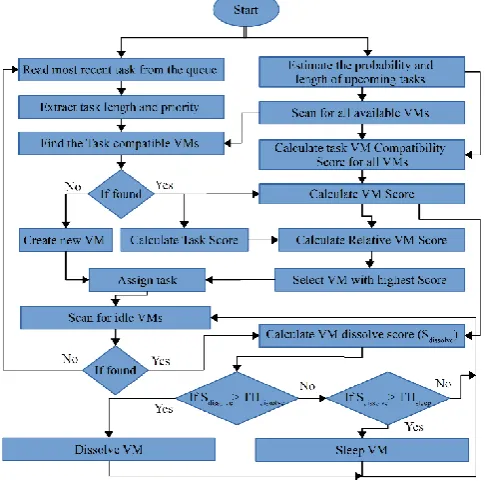
Figure 5.1: Flow chart of the proposed algorithm.The VM compatibility score is used as the possibility of VMs utilization in future. Once it founds these values it checks all the VMs for condition 𝑇𝑡,𝑗𝑖 >𝑇𝑃1
𝑛𝑒𝑤(as shown in algorithm), if it did not find any VM then it move to
create a new VM according to the task requirements (as shown in algorithm sub-routine AssignTask). Otherwise if it find then calculate the relative VM score for all such VMs using fuzzy rules defined in table 1(c). to estimate VM relative score it send task length and priority values to fuzzy task score estimator (as shown in fig. 3). This fuzzy estimator calculates the score according to the values and the rules defined in table 1(a). The fuzzy task score works as one input for the fuzzy relative score estimator for the second input the cloud manager scans all the running VMs for their execution capacity and current load. The above two values in then applied to fuzzy VM score
Figure 5.2: Flow chart of the proposed algorithm.
Estimator block which estimates the VM score according to the rules defined in table 1(b). The VM score works as second input for the VM relative score estimator. The procedure is repeated for all the running VMs and the relative scores are stored. Now the VM with highest relative score is selected for assignment of input task.
To manage the status of VMs the cloud manager scans each VM for their execution capacity, accessing rate and VM compatibility score then these values are used to estimate their status score by applying fuzzy rules defined in table 1(d). The calculated status score is compared against 𝑇𝐻𝑑𝑖𝑠𝑠𝑜𝑙𝑣𝑒 and if it finds VM score greater then it
dissolves the VM and reclaim its resources. Otherwise it check the score against 𝑇𝐻𝑠𝑙𝑒𝑒𝑝 to check if it can be set
into sleep state or should keep running.
ISSN: 2231-5373
http://www.ijmttjournal.org Page
351
VI. SIMULATION RESULTS
6.1.Numerical Model Considerations for Cloud System
1. It is assumed that the load balancer knows the configuration (like processing capacity, memory etc.) of each virtual machine (VM) in the cloud.
2. The load balancer can get the operational state of each VM with zero time delay. 3. The load balancer takes no time in selecting and assigning the tasks to VM’s.
4. The load balancer selects the VM for the input tasks on the basis of selected algorithm. 5. Each VM has zero booting time hence start executing assigned task immediately. 6. The incoming tasks size is considered in MI (million instructions) units.
7. The VM’s capacities are also considered in MIPS (million instructions per second) units.
The evaluation of the proposed algorithm is performed using OCTAVE/ MATLAB numerical computing software. During the simulation the tasks arrive as a Poisson process at a rate of λ. The random length tasks within the provided minimum and maximum task lengthlimits aregenerated using a uniform discrete distribution. The similar way is used for the generation of task priorities and defining the VM execution capacities.
6.2.Definition of Evaluation Terms
The following measures are used to evaluate the performance of the algorithm.
SLAFailure: is defined as failure of the cloud in serving the task within given time bound (inverse of priority).
SLA Failure Task Length: defines the length of the SLAFailuretask.
VM Reboots: is the booting of VMs from sleep mode, this operation is required when the already running VMs
cannot serve the current task.
VM Reforms: is the formation of new VM form the available unused resources when the current task cannot be
handled by the already formed (running or sleeping) VMs.
Resource Utilization Efficiency: is presents that how efficiently the cloud resources are utilized to serve the tasks, and it is calculated as follows:
Fuzzy Task Score Estimator
Task Length
VL L M H VH
T a sk P ri o ri ty
VL VL VL L L M
L VL L L M M
M L L M M H
H L M M H H
VH M M H H VH
Fuzzy VM Rel. Score Estimator
Task Score
VL L M H VH
V M S c o re
VL M L VL VL VL
L M M L VL VL
M H M M L VL
H VH H M M L
VH VH VH H M M
Fuzzy VM Score Estimator
VM Resources
VL L M H VH
VM
L
o
ad
VL
L M M H H
M H H VH VH
M M M M H
L
VL L L M M
L M M H H
M M M M M
M
VL VL L L M
VL L M M H
L M L M M
H
VL VL VL L L
VL VL L M M
L L M M M
VH
VL VL VL VL L
VL VL VL L M
L L L M M
Fuzzy VM Status Score Estimator
Task Access Rate
VL L M H VH
VM R es o u rc es VL
L L VL VL VL
M M L VL VL
M M M L L
L
M L L VL VL
H M M VL VL
H M M L L
M
M M L VL VL
H H M L VL
H M M M L
H
H M M L VL
VH H H M L
H H M M M
VH
H H M M L
VH VH H H M
VH H M M M
1(a) 1(b) 1(c) 1(d)
The colors
ISSN: 2231-5373
http://www.ijmttjournal.org Page
352
𝑅𝑒𝑠𝑜𝑢𝑟𝑐𝑒 𝑈𝑡𝑖𝑙𝑖𝑧𝑎𝑡𝑖𝑜𝑛 𝐸𝑓𝑓𝑖𝑐𝑖𝑒𝑛𝑐𝑦 = 𝑇𝐿𝑖
𝑁 𝑖=1
𝐴𝑖 𝐶𝑉𝑀𝑗
𝑗 =1 𝑁 𝑖=1
× 100
Where 𝑇𝐿𝑖: is the load in cloud at time 𝑖.
𝐴𝑖: is the number of VMs active and running at time 𝑖.
𝐶𝑉𝑀𝑗 : Execution capacity of the 𝑗𝑡 VM.
𝑁: is the total simulation time (discrete events of task arrival).
5.3Simulation Environment Configurations
To simulate the algorithm properly some important parameters are required to configure these parameters and their values are listed in table 2.
Table 2: The simulation parameters and their values.
Configuration Parameter Parameter Value
Total Execution Capacity Available 100 MIPS
Sampling Window Length 10
Minimum Task Length 100 MI
Minimum Task Execution Time 1 Seconds Maximum Task Execution Time 10 Seconds
Threshold Sleep 0.5
Threshold Dissolve 0.7
Total Simulation Time 100 Seconds
6.3.Simulation Outcomes
The outcomes of the simulation is presented in graphical forms. The outcomes of the proposed algorithm is also compared with the two standard task scheduling algorithm names Round Robin and Random Selection.
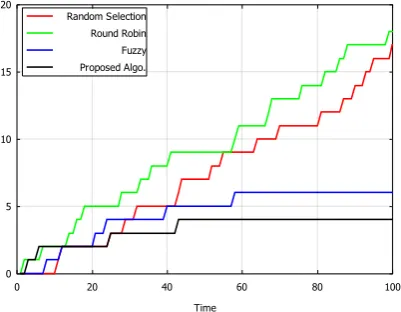
Figure 6: Plot for number of tasks failed to receive the requested SLA by cloud due shortage of resources with respect to simulation time.
Figure 7: Plot for total length of the tasks which failed to receive the requested SLA by cloud due shortage of resources with respect to simulation time.
0 5 10 15 20
0 20 40 60 80 100
N um be r of T as ks F aile d to f ulf ill S LA Time Random Selection Round Robin Fuzzy Proposed Algo. 0 500 1000 1500 2000 2500 3000 3500 4000
0 20 40 60 80 100
ISSN: 2231-5373
http://www.ijmttjournal.org Page
353
Figure 8: Plot for number of time the VM is rebootedfrom the sleep mode for assignment of task with respect to simulation time.
Figure 9: Plot for number of time the VM is reformed from the available resources for assignment of task with respect to simulation time.
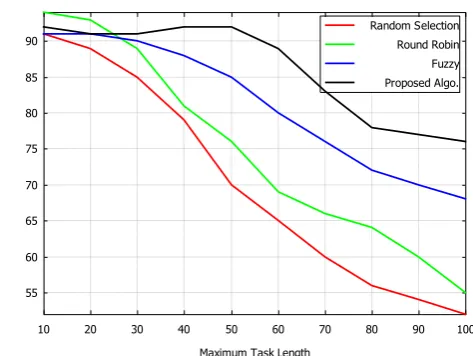
Figure 10: Plot showing the variation of the cloud resource utilization efficiency with respect to maximum task length.
VII.CONCLUSION
In this paper, we presented the HMM andfuzzy logic based task scheduling and resource management scheme for Cloud systems. The simulation results shows that the proposed algorithm reduces the number of tasks and total tasks length, cloud failed to deliver the guaranteed SLA by 35% and 50% respectively when compared to fuzzy based algorithm while compare to the conventional algorithms reduce by a factor of 4.0 (fig. 6) and 8.0 (fig. 7). This shows the algorithm rejects tasks with lowest length when it failed to deliver guaranteed SLA. The proposed algorithm show greater number of VM reboots (fig. 8) although this causes delay but the algorithm compensate this delay by reducing the number of new VM formation (fig. 9). Since the formation of new VM take many time larger time than rebooting the overall delay remain lower than the fuzzy based algorithm.
Finally the comparison of efficiency (fig. 10) shows that the proposed algorithm gives the maximum efficiency when operated at moderate load conditions, which is appreciable as mostly cloud operates at such conditions. It also shows that the efficiency falls much slowly than the other algorithm, hence it can be said that the algorithm provides much uniform and stable performance for a wide range of loading conditions.
0 2 4 6 8 10 12
0 20 40 60 80 100
N um be r of V M R eb oo ts Time Random Selection Round Robin Fuzzy Proposed Algo. 0 5 10 15 20 25
0 20 40 60 80 100
N um be r of V M Sle ep Time Random Selection Round Robin Fuzzy Proposed Algo. 55 60 65 70 75 80 85 90
10 20 30 40 50 60 70 80 90 100
R es ou rce U tili za tio n (E ff icie ncy ) in %
Maximum Task Length
ISSN: 2231-5373
http://www.ijmttjournal.org Page
354
These results depicts that the proposed algorithm adequately handles the task scheduling and resource management of a cloud system having limited resources and SLA bounds.Although the presented algorithm provide better results than the conventional algorithms compared in this paper. The proposed algorithm can be further improved by fine tuning the membership functions and rule base however these modifications are leaved for the future work.
REFERENCES
[1] M. Shojafar, S. Javanmardi, S. Abolfazli, and N. Cordeschi, ―Erratum to: FUGE: A joint meta-heuristic approach to cloud job scheduling algorithm using fuzzy theory and a genetic method,‖ Cluster Computing, vol. 18, no. 2, pp. 845–845, 2015..
[2] H. Chen, F. Wang, N. Helian, and G. Akanmu, ―User-priority guided Min-Min scheduling algorithm for load balancing in cloud computing,‖ 2013 National Conference on Parallel Computing Technologies (PARCOMPTECH), 2013.S. Zhang, C. Zhu, J. K. O.
Sin, and P. K. T. Mok, ―A novel ultrathin elevated channel low-temperature poly-Si TFT,‖ IEEE Electron Device Lett., vol. 20, pp.
569–571, Nov. 1999.
[3] M. Wegmuller, J. P. von der Weid, P. Oberson, and N. Gisin, ―High resolution fiber distributed measurements with coherent OFDR,‖
in Proc. ECOC’00, 2000, paper 11.3.4, p. 109.
[4] C.-W. Tsai and J. J. P. C. Rodrigues, ―Metaheuristic Scheduling for Cloud: A Survey,‖ IEEE Systems Journal, vol. 8, no. 1, pp. 279–
291, 2014.
[5] X. Zuo, G. Zhang, and W. Tan, ―Self-Adaptive Learning PSO-Based Deadline Constrained Task Scheduling for Hybrid IaaS Cloud,‖
IEEE Transactions on Automation Science and Engineering, vol. 11, no. 2, pp. 564–573, 2014.
[6] S. Adabi, A. Movaghar, and A. M. Rahmani, ―Bi-level fuzzy based advanced reservation of Cloud workflow applications on
distributed Grid resources,‖ The Journal of Supercomputing, vol. 67, no. 1, pp. 175–218, 2013.
[7] D. Poola, S. K. Garg, R. Buyya, Y. Yang, and K. Ramamohanarao, ―Robust Scheduling of Scientific Workflows with Deadline and
Budget Constraints in Clouds,‖ 2014 IEEE 28th International Conference on Advanced Information Networking and Applications, 2014.
[8] F. Ramezani, J. Lu, J. Taheri, and F. K. Hussain, ―Evolutionary algorithm-based multi-objective task scheduling optimization model
in cloud environments,‖ World Wide Web, vol. 18, no. 6, pp. 1737–1757, Oct. 2015.
[9] X. Kong, C. Lin, Y. Jiang, W. Yan, and X. Chu, ―Efficient dynamic task scheduling in virtualized data centers with fuzzy prediction,‖
Journal of Network and Computer Applications, vol. 34, no. 4, pp. 1068–1077, 2011.
[10] W. Lin, C. Liang, J. Z. Wang, and R. Buyya, ―Bandwidth-aware divisible task scheduling for cloud computing,‖ Software: Practice
and Experience, vol. 44, no. 2, pp. 163–174, 2012.
[11] S. K. Garg, A. N. Toosi, S. K. Gopalaiyengar, and R. Buyya, ―SLA-based virtual machine management for heterogeneous workloads
in a cloud datacenter,‖ Journal of Network and Computer Applications, vol. 45, pp. 108–120, 2014.
[12] M. S. Q. Z. Nine, M. A. K. Azad, S. Abdullah, and R. M. Rahman, ―Fuzzy logic based dynamic load balancing in virtualized data
centers,‖ 2013 IEEE International Conference on Fuzzy Systems (FUZZ-IEEE), 2013.
[13] A. N. Toosi and R. Buyya, "A Fuzzy Logic-Based Controller for Cost and Energy Efficient Load Balancing in Geo-distributed Data
Centers," 2015 IEEE/ACM 8th International Conference on Utility and Cloud Computing (UCC), Limassol, 2015, pp. 186-194.
[14] Javanmardi S., Shojafar M., Amendola D., Cordeschi N., Liu H., Abraham A. ―Hybrid Job Scheduling Algorithm for Cloud
Computing Environment,‖ IBICA 2014. Advances in Intelligent Systems and Computing, vol 303. Springer, Cham.
[15] S. Pandey, L. Wu, S. M. Guru, and R. Buyya, ―A Particle Swarm Optimization-Based Heuristic for Scheduling Workflow
Applications in Cloud Computing Environments,‖ 2010 24th IEEE International Conference on Advanced Information Networking and Applications, 2010.
[16] K. Li, G. Xu, G. Zhao, Y. Dong, and D. Wang, ―Cloud Task Scheduling Based on Load Balancing Ant Colony Optimization,‖ 2011
Sixth Annual Chinagrid Conference, 2011.
[17] J.-T. Tsai, J.-C. Fang, and J.-H. Chou, ―Optimized task scheduling and resource allocation on cloud computing environment using
improved differential evolution algorithm,‖ Computers & Operations Research, vol. 40, no. 12, pp. 3045–3055, 2013.
[18] Z. Gong, X. Gu, and J. Wilkes, ―PRESS: PRedictive Elastic ReSource Scaling for cloud systems,‖ 2010 International Conference on
Network and Service Management, 2010.
[19] J. J. Prevost, K. Nagothu, B. Kelley, and M. Jamshidi, ―Prediction of cloud data center networks loads using stochastic and neural
models,‖ 2011 6th International Conference on System of Systems Engineering, 2011.